

1. Introduction
For centuries, tuberculosis was one of the major causes of illness (morbidity) and death (mortality) in human beings. This paper considers the experience in interwar England and Wales – a time when in theory the disease could be identified and to some extent prevented but not cured as a result of chemotherapeutic interventions. The motivation for the paper is based on the observation (see below) that there were significant variations in death rates between administrative areas. Our concern is to identify what authorities could and did do in the light of prevailing knowledge and medical technology, and then to discuss in detail what a selected sample of authorities did which could explain why they did particularly well – or particularly badly. At this time, prior to the National Health Service, local authorities had considerable freedom and power in defining and implementing policies. Given the onus today to revert to a more local as opposed to a more centralised system, we felt it timely to investigate how and why such differences occurred. In addition, we wanted to explore what authorities did and did not do – at a time when no reliable chemotherapeutic cure existed – with maybe lessons for today when drug resistant tuberculosis is on the rise.
2. Background
The decline in respiratory tuberculosis mortality (see below) formed part of a general trend of a decline in death rates in this country – among babies, among children and among adults. There has long been a heated debate as to why this occurred. Some argue that the decline in mortality in England and the USA from 1901 owed little to medical intervention.Footnote 1 Most famously, Thomas McKeown argued that the modern rise in populations owed nothing to medical science.Footnote 2 He claimed that the crucial explanations lay in improvements in living conditions and, in particular, in improvements in nutrition, which, he argued, derived from changes in agricultural productivity. Perhaps most controversial of all was his argument that sanitary reform played little part in explaining the decline in mortality.
McKeown’s thesis provoked heated debate and controversy.Footnote 3 McKeown was criticised for his over-reliance on changes in nutrition, and for under-playing the role of public health initiatives as in the improvement in clean water. Simon Szreter has argued that the process of industrialisation and urbanisation worsened the living and working conditions for the bulk of the population and that public health – with its political (or as Szreter defines it, ‘practical politics’) and institutional manifestations were crucial mechanisms for delivering improved living conditions.Footnote 4 Other authors have widened the argument and definition of public health by pointing out the improvements in housing (the reduction of overcrowding and greater access to natural light), in education and in the introduction of minimum social services from the early twentieth century onwards, all of which, it is argued, could have driven the decline in mortality.Footnote 5 Meanwhile, Bruce Link and Jo Phelan have presented a robust argument in favour of the importance of social conditions in determining disease and have stressed the role of public health in ameliorating these conditions.Footnote 6 Our question then is how important were these factors in explaining our revealed differences in a specific cause of morbidity and mortality – tuberculosis – across different geographical areas of England and Wales in the interwar years?
To answer this question we draw on a large historical and contemporary literature relating to tuberculosis, and specifically that which argues that tuberculosis infection is the result of sustained exposure to the bacillus – in both working and living conditions.Footnote 7 The observation that overcrowding facilitates the spread of disease was noted in both wartime England Footnote 8 and Europe.Footnote 9 To that extent, war time observers and later scholars found that overcrowding was important – a view we have pursued and corroborate in our assessment of the views of contemporaries in the interwar years.
The conditions in which the disease spreads into active forms were suggested in a seminal piece by Besanon, who argued that under-nourishment alone brought about an increase of 50% in the number of active cases.Footnote 10 Retrospective surveys of pre-war England also found that under-nourishment was a highly significant predisposing factorFootnote 11 While work undertaken on the period of the Second World War demonstrated that nutritional deficiency during the war was linked to tuberculosis mortality increases in Belgium, France and the Netherlands and also, but to a lesser extent, in Italy, Spain and HungaryFootnote 12 – a finding recently later corroborated by the work of George Comstock, Massimo Livi Bacci, and Matthew Smallman-Raynor and Andrew Cliff.Footnote 13 Again, as we will show, we find that contemporary health professionals in interwar England were well aware of this link. Likewise, there has been debate in the literature as to the views and actions of contemporaries in ‘curing’ the afflicted through the sanatoria.Footnote 14 We have embraced this debate and, as such, have explicitly dealt with contemporary uncertainties as to the efficacy of sanatoria – as well as evidence as to their strengths and weaknesses at a local level.
Contemporary sources from the interwar years also noted the role played by what we may term public health initiatives – a view which again challenges the McKeown thesis. A telling overview report for the League of Nations on tuberculosis focused on the additional aspects of prevention and treatment and brought together the importance of the role of medical and state agencies.Footnote 15 Success in both respects, it was argued, derived from the existence and effective operation of medical agencies. Here the decline of mortality was traced to the work of two agencies. First, there were dispensaries which traced cases, assisted patients’ families, provided disinfection and acted as public education agentsFootnote 16 and whose essential agent was the visiting nurse. The role of such agencies is a key theme of this work. Second, there were patient institutions: namely the sanatoria. The sanatoria provided fresh air and rest for infected people, but more crucially isolated sources of infection, and thus attempted to curtail infection while providing some form of treatment, if not cure, for people who were ill.Footnote 17 It was only after chemotherapeutic intervention became effective, that the role of the isolation hospital was reduced.Footnote 18 The League of Nations report also noted that such work was complemented and improved by a political, administrative and social framework that comprised the state, voluntary associations and social insurance which supported those agencies.Footnote 19 Contemporaries were well aware then that while the disease had no chemotherapeutic cure at this time, preventative and interventionist medicine could help control infection.
In the UK, the agencies involved in tuberculosis work included the health departments of local authorities, voluntary organisations and the Poor Law Institutions. A series of legislative changes underpinned the role of state interventions. In 1909, the Government required notification of Poor Law cases of Pulmonary Tuberculosis and then in 1911 the notification of all hospital cases; from 1 January 1912, every medical practitioner was required to notify all cases of Pulmonary; non-pulmonary became notifiable in 1913.Footnote 20 On 15 July 1911, the Sanatorium Benefit of the National Insurance Act of 1911 came into operation. This provided for construction of sanatoria.Footnote 21 This was soon followed by a general scheme for the provision of treatment in both sanatoria and dispensaries for all members of the community; the Government contributed one half of the costs of the maintenance of the sanatoria and the dispensaries.Footnote 22 Responsibility for running the schemes was placed in the hands of County Councils and County Borough Councils. In 1921 the Public Health (Tuberculosis) Act provided treatment for all even if they were not insured under the National Insurance Act of 1911.Footnote 23 The 1921 Act required local authorities make adequate provision for sanatoria treatment of tuberculosis within the county or county borough boundary regardless of whether the patient was insured or not. If local councils failed in their legal duties to patients, the Minister for Health was permitted to make his (sic) own arrangements for the treatment of tuberculosis at the expense of the council. This work highlights and draws our attention to the role of institutions particularly at the devolved local level – a factor we explore in our research.
Work on health in general in the interwar period, not surprisingly given the depressed economic conditions of the time, has largely concentrated on how and if unemployment impacted on health. If, as we are to believe from the literature outlined above, tuberculosis is associated with poverty, then one might expect the poverty resulting from unemployment would have led to some increase in the disease problem. The official view of the period was that pre-Welfare state provision in the form of benefits and school medical services meant that unemployment was not associated with adverse health effects. This view has found support from Peter Congdon and Humphrey Southall’s analysis of infant mortality which found a tailing off of the relationship between infant mortality and unemployment in the 1930s.Footnote 24 J. Welshman meanwhile has argued that local medical officers of health campaigned and pursued vigorous policies to deal with infectious diseases, malnutrition and the effects of unemployment on health in the interwar years and by implication that the work of such officers reduced the risk of any adverse effect on health of the prevailing poverty of these years.Footnote 25 The optimistic view, in essence, argues that the provision of unemployment benefits together with public health reforms and improvements in preventative and interventionist medicine reduced the risks of any increase in the disease burden. In this research, we explicitly embrace and pursue Welshman’s view that the role of the medical officers of health at a local level was important.
The ‘negative’ view, which conforms to the more radical stances of the period, suggests that health was a function of where one lived. The ‘where one lived’ aspect provides an essential research angle of this research. In terms of the literature, early research by G.C.M. M’Gonigle and J. Kirby, J.N. Morris and R.M. Titmuss, and Titmuss argued for a positive link between localised unemployment and illness.Footnote 26 The ‘negative’ view both of contemporaries and later observers has been on the localised variations in and hence implications of unemployment-induced poverty and of the availability of public health as well as medical services. To a large extent recent work has tried to address the question of whether local authorities ‘failed’ in delivering their remit in the delivery of public health. Thus Bernard Harris has reported that the school medical service was much better developed in county boroughs and large urban areas than in county areas, although there were exceptions.Footnote 27 In line with the localised argument, Charles Webster has suggested that the health of women and children were adversely affected by the depressed economic conditions of the interwar years and that variations in child survival were a function of where a child lived.Footnote 28 In like vein, Martin Powell found that the distribution of doctors in the period was a reflection of affluence rather than need.Footnote 29 We note, however, that his work examined the availability of doctors but did not, given its focus, assess the outcome of that provision. Congdon and Southall meanwhile have reported that differences in housing conditions and female employment patterns played a major role in explaining area variations in the risks of death particularly among infants.Footnote 30 As we will discuss, while our research finds that there were indeed differences, a crucial finding from our work is that some of the most deprived areas were the most successful in driving down the tuberculosis problem. It is explaining the how and why for these differences at a local level that forms the basis of this research.
In the recent past, an important critique of the negative view of the role of local authorities and public health officials has emerged.Footnote 31 A critical aspect of this critique is that the negative view has concentrated too much on urban areas and on a ‘fixation’ with expenditure as the main area of concern. As Martin Gorsky has argued, much of the recent work has been somewhat misplaced in its emphasis on municipal health expenditure (as recorded in official publications) both as a proxy for quality and effort in service delivery and as an indicator of local discretion in health policy.Footnote 32 We agree that the variation in performance requires analysis, and concur with Gorsky that financial expenditure is not the most appropriate indicator. With respect to this, we use outcomes (morbidity and mortality) and look at the provision of different health care policies. We further support Gorsky’s argument that an over-dependence on the situation in county boroughs is not too helpful – hence our explicit decision to explore the variety of experiences both between and among rural and urban areas. Finally, we have explicitly embraced Gorsky’s recommendation that health outcomes be assessed and explained in terms of a range of socio-economic factors including housing and curative services, which, as he argues, better reflects the range of activities undertaken by health departments, and captures all the policy levers available to local officials seeking to raise population health. In this respect, this research embraces those services which Gorsky has identified as being crucial to health outcomes.Footnote 33
While Gorsky has focused on local authorities,Footnote 34 other scholars have outlined and stressed the crucial role played by the pioneering individual. In particular, Julia Neville has identified the important role played by councillors and entrepreneurs.Footnote 35 While Welshman has provided a robust defence of the medical officers of health against the accusation that they spent more time on hospital administration than on public health.Footnote 36 The role of the individual and in particular the medical officers of health is another theme pursued in our research Hence, and building on Neville’s and Webster’s work,Footnote 37 we identify and assess the views and actions (or lack of them) by local health officials and the interplay between those officials, local general practitioners and indeed the audit officials reviewing their performance by central government.
While there was a ceiling on what public health could achieve in terms of curing the disease at this time, preventative medicine was important in the work pursued by health professionals in terms of controlling infection and providing palliative care for the people affected – even if there is debate in the literature, as already outlined, on the precise role of each of the factors outlined above. Our question therefore is what light these insights can shed on our understanding of respiratory tuberculosis in the interwar period against a background of devolved health decision-making at the local level when we move away from a fixation with public expenditure to health outcomes; when we include the role of individuals; when we embrace a variety of socio-economic conditions which determine health; when we explicitly look at standard of living issues, the totality of the public health initiatives, how contemporaries viewed the role of the sanatoria, and embrace the urban and the rural experience. These are issues addressed in this research.
3. Sources and Methodology
The source materials for the interwar years are rich and comprehensive. First, the annual returns of the Registrar General provide the essential information on respiratory tuberculosis in all geographical areas of England and Wales.Footnote 38 This information was used to compile data on respiratory tuberculosis mortality and morbidity. Second, annual tuberculosis returns to the Ministry of Health provide a detailed overview of the administrative measures undertaken in the various areas in relation to tuberculosis.Footnote 39
In addition, and crucially, interwar source materials have been enriched as a result of the information that derived from and is held by the National Archives relating to the Local Government Act of 1929 – the first real audit of health service provision at the local level in this country.Footnote 40 The Local Government Act of 1929 abolished the guardians of the poor and transferred their responsibilities for poor law and registration to county councils and county borough councils. It also recognised the system of grants in aid and created the general grant.Footnote 41 It further empowered the Minister of Health to withhold monetary grants from local authorities, if they were not providing efficient health services. Because of the Act, an audit was taken of the work of local health authorities in England and Wales. Surveys were undertaken in order to satisfy the minister that the services were efficient and the results reported. The returns that resulted from this audit provide a rich, varied and comprehensive collection of quantitative and qualitative information at a detailed local level that enable us to evaluate the nature of and policy responses to the tuberculosis problem in England and Wales. The files from that survey exist in full at the National Archives. 1084 files covering the period 1930 to 1943 detail the prevailing disease regimes in every County Council, Borough and Urban District Council, Rural District Council and Metropolitan Borough in England and Wales. These files contain the detailed survey reports, survey appendices and survey correspondence. From our perspective, the key files contain the detailed reports filed by each local area on tuberculosis. In addition and crucially, these local authority files were scrutinised by central government officers. As a result, the files include detailed audit reports made by officers from the Ministry of Health on every area and correspondence between the Ministry and the local authorities on given issues. The former are particularly invaluable in containing critiques of local authority policies and recommendations for improvement. They also identify particular areas of strength in given areas.
Finally, the interwar years have detailed medical officer of health reports at a local level. These reports detail not only the various local tuberculosis initiatives but also assess the social and environmental conditions of their areas. in this respect, we have used both the local archives as well as the audit files to investigate what individual authorities did – and with what success.
4. The Interwar Experience
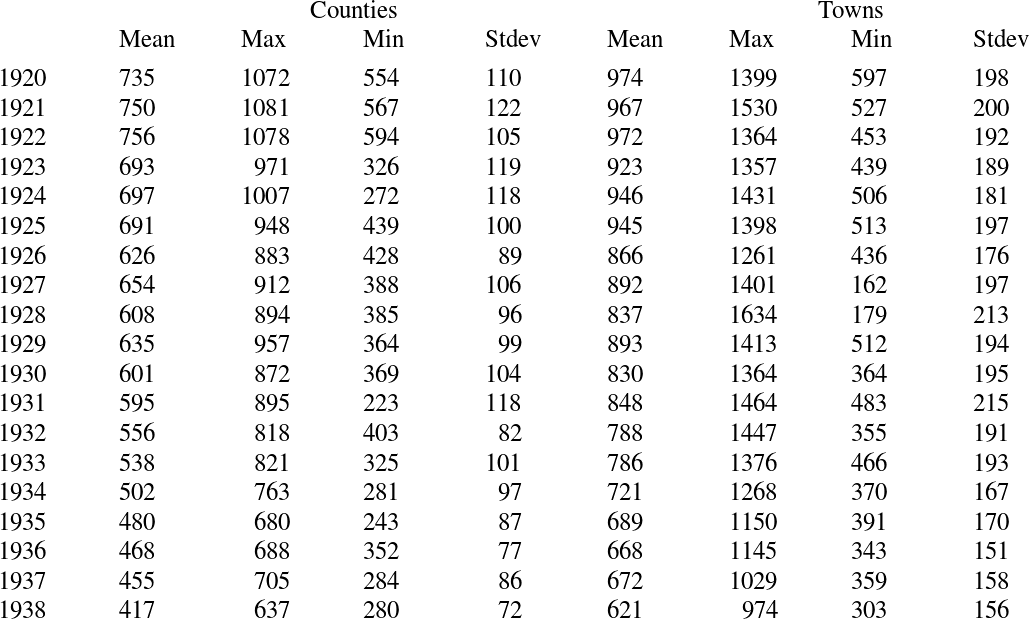
We first identified mortality rates over time, differentiating between county boroughs, council councils and metropolitan boroughs. Table 1 presents the key summary statistics on respiratory tuberculosis mortality in English and Welsh counties and towns in the interwar years. County boroughs are the large towns – that is towns with a population of more than 50 000. Administrative counties are the sum of the urban and rural districts in given counties (an administrative unit) where each urban district has a population of less than 50 000. In these terms, the administrative counties are less populated than the heavily populated county boroughs.
We note first that both towns and counties recorded a decrease in mortality over the period. Second, we note that in general mortality was more severe in towns rather than counties. Finally, we note that while the variance (standard deviation) in mortality tended to decrease, it remained much higher in towns than in counties.
Respiratory Tuberculosis: Crude death rate per mill pop at all ages: Summary Statistics. Source: Registrar General’s statistical review of England and Wales (Annual), London H.M.S.O.

The results provided the motivation for this paper. In line with Gorksy, we wanted to find an answer to why there were such differences.Footnote 42 Why then were the risks of contracting and dying from this disease so much higher in some parts of the country?
5. Policy Interventions: Local Health Decisions in the Interwar Period
In this section we review variations in policy as implemented by local authorities. We draw heavily on the 1929 audit files to identify issues relating to the policies in different areas. We discuss policies in terms of identifying, ‘curing’ and preventing the disease.
5.1. Identifying the Disease
In terms of identifying the disease, two tools were available: sputum tests and the X-ray. Hence we begin by exploring variations among and problems within administrative areas in the identification of the disease as identified by the 1929 auditors.
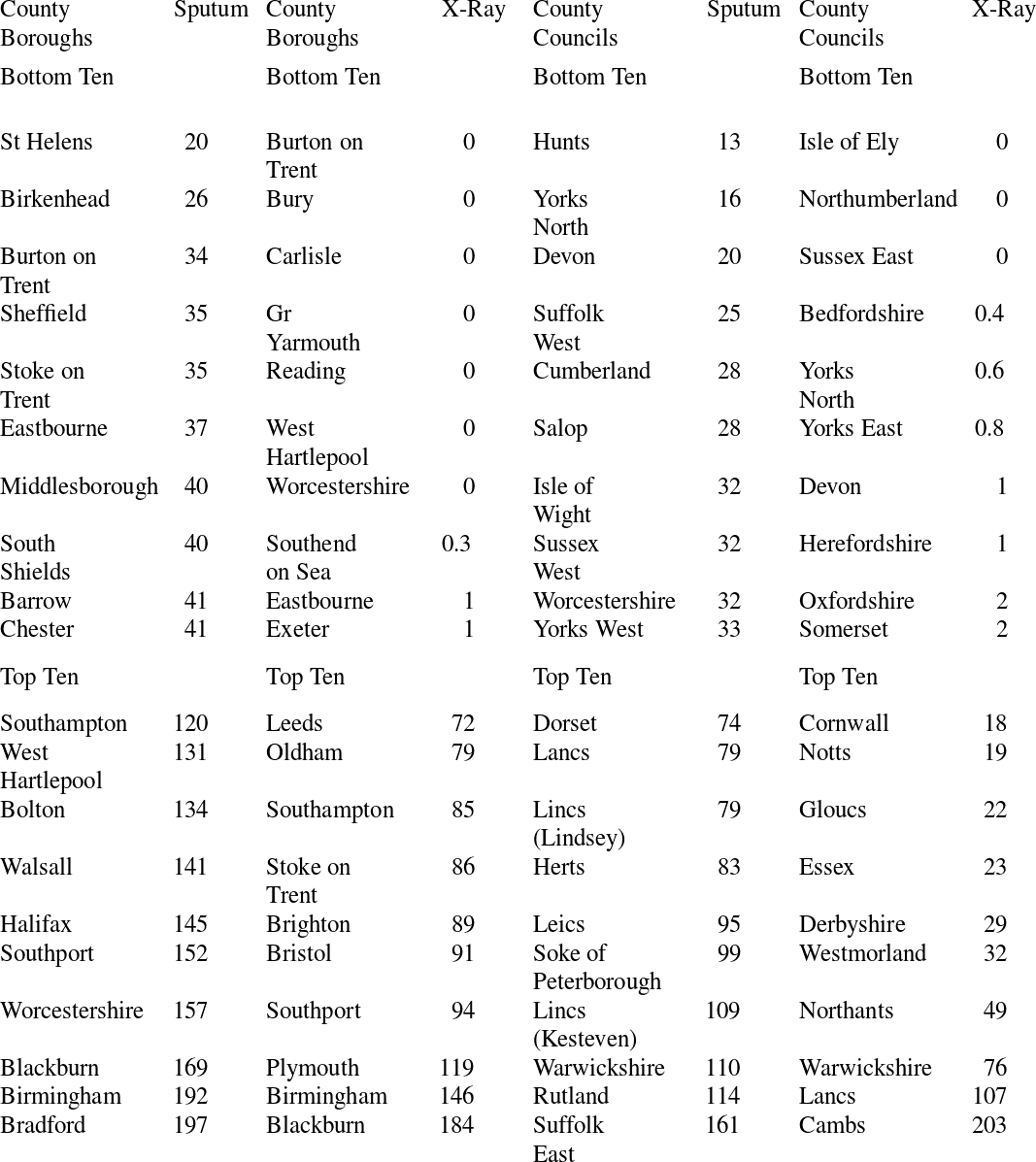
Diagnoses via the sputum test varied enormously both within and between county boroughs, county councils and the metropolitan areas (Table 2). The evidence suggests that sputum tests were less comprehensively carried out in the county council areas. Prima facie, the evidence would suggest that county areas were less likely to carry out sputum tests.
Efficiency of clinical work. Notes: Sputum is defined as the number of sputum exams per 100 new cases and contacts examined. X-ray is defined as the number of X-ray exams per 100 new cases and contacts examined. Source: MH55/131, Ministry of Health: Health Divisions: Public Health Services, Registered Files (93 000 Series) and Other Records. Tuberculosis: General. Treatment Schemes of Local Authorities Analysis of progress, 1930–1933. Ministry of Health Memo 131/CT p.1, November 1930.
Diagnoses via sputum examination were significantly more popular among both doctors and patients. Sputum samples could be undertaken by Tuberculosis Dispensaries. This meant, for doctors and patients, the tests could be taken in a local dispensary. Nevertheless, although the sputum test was relatively easy and cheap to take, there were still problems. First, the tests had to be examined in order to determine whether the patient had tuberculosis or otherwise – and this needed laboratory facilities. Counties, especially around London, often lacked the necessary laboratories to determine tuberculosis infection, but they could avoid the cost of installing their own facilities by sending samples to London for examination. Second, sputum examinations were only effective in identifying those patients with active symptoms of respiratory tuberculosis. Tubercular lesions were required to have penetrated the bronchioli in order for a sputum test to return a positive result.
Dispensaries, however, were not without their problems. There were demand-side issues in relation to how individuals viewed and accessed their services. One such disincentive was the cost of travel. This was a particular issue in rural areas. The costs of transportation meant that the number of cases treated was lower because rural workers were unwilling to leave their homes. A recurrent theme of the audit reports is the inaccessibility of dispensaries in the county areas. Thus, in Northumberland, it was noted that while the ‘system of dealing with patients at the dispensaries is suitable for the south-eastern area, where the bulk of the population resides, home visiting appears to be the only way of dealing effectively with the scattered population in the northern part of the county.Footnote 43 It also, however, reflected a another factor in the reluctance on the part of the public to travel either to dispensaries or to residential institutions: a reluctance born out of an acknowledgement and understanding on the part of the public that diagnosis did not at this time lead to cure.Footnote 44
Often patients would not return to dispensaries for three- or six-month check-ups once infection had been identified. Though the problem of achieving patient compliance with a prescribed health regimen persisted into the chemotherapeutic era, patients more acutely lacked incentives to pursue their own health before the 1950s. This was identified by the auditors as a particular problem in the City of Southampton.Footnote 45 Dr Johnston of the Heatherwood Hospital, Ascot, reported that only about 45% of cases applied for treatment at the hospital within one year of the appearance of the disease. Despite the problems with the sputum tests, many doctors preferred sputum examinations because of the poor resolution and quality of images produced by contemporary X-ray apparatus. But X-ray facilities could reveal tubercular lesions anywhere in the body, and persons with tubercular lesions within the lung in the early stages of the disease could be placed in sanatoria as a means of preventing the spread of infection. Hence the X-ray was not infallible but had the advantage of being able to identify the disease earlier than the sputum test.
As with sputum tests, so with X-ray; we find significant differences between and among administrative areas (Table 2). The problem with diagnosis with X-ray, as the audit and local files reveal, was that it was expensive, not always reliable and was not easily accessible to patients. In these respects, the experiences of interwar England and Wales, mirror the problems with the use of X-ray in the developing world between 1950 and 1980.Footnote 46 This was a problem in areas where financial resources were limited and there were constraints on capital expenditure – as the Ministry of Health noted in its report on tuberculosis in Wales in 1939.Footnote 47 West Hartlepool for example was criticised by the auditors for having no X-ray apparatus at all at its Tuberculosis Dispensary ‘which militates against the efficiency of the Council’s scheme’.Footnote 48 In some areas, the problem was the age of the equipment which made it inefficient for the purposes of identification.Footnote 49
There were also demand constraints on the use of X-ray. We have already noted the reservations many doctors had as to its efficacy. There were also constraints, however, in terms of the abilities of peoples to access such facilities. In many rural areas, the cost of transport for the individual to the nearest X-ray facility was high. In Northumberland, provision for X-ray examination only existed at the ‘inaccessible’ Wooley Sanatorium.Footnote 50 In the North Riding of Yorkshire, X ray examinations were only available at Scarborough and Middlesborough.Footnote 51 In East Sussex, patients had to travel up to thirty miles to Shoreham in order to be examined. It was not just the cost of transport, of course. In Nottinghamshire, the auditors described the relatively low number of X-ray examinations carried out as being ‘due to the inaccessibility of the X-ray plant’.Footnote 52 It was also the cost in terms of lost income if the individual had to take time off work. Such was the extent of the problem that clinicians at Darvell Hall sanatorium pre-empted initiatives in the developing world from 1950 by suggesting that the difficulty might be overcome by the provision of a mobile X-ray unit, similar to those used in areas of the New World with sparse populations.Footnote 53 Such units, however, required transportation – and the cost of petrol.
In addition to the cost and difficulty of transportation, the price required to use X-ray facilities in some counties was great. This constituted another and for some individuals overriding and binding constraint. Here the audit files reveal variations in not just the price – but also who was responsible for the fee. In Oxfordshire, for example, patients were required to pay a fee of one guinea for an examination of the chest. As the audit files reveal, not surprisingly, X-ray uptake was, therefore, low with only three examinations per hundred cases against a county council average of twenty. A similar situation pertained in Yorkshire where patients were required to pay a fee that was, according to the auditors, ‘somewhat expensive’. The majority of work was done at Scarborough by a private radiologist on a fee-paying basis which made the scheme ‘somewhat expensive’ …‘the result is that the number of X-ray examinations per hundred new cases and contacts is so low as to be almost negligible’.Footnote 54 A solution could have been to use local hospitals: however, the audit found that ‘the local hospitals refuse to make arrangements for the examination of county cases in their X-ray Departments’.Footnote 55
Finally, as with HIV/AIDS, where there was no guaranteed cure for the disease, individuals were reluctant to be diagnosed as having tuberculosis. The absence of a cure is one facet explaining reluctance for diagnosis. The other is the social stigma the disease carried. Thus the auditor’s report on the East Riding of Yorkshire noted that ‘there appears to be more than the usual amount of local dislike to being labelled as tuberculous …Tuberculosis nurses’ visits are not popular as the house visited then becomes a marked one in the village’.Footnote 56 A further consideration, as noted by the medical officer of health for the North Riding, was an attitude prevalent among adolescent females and the young married that ailments were ‘in the natural order of things’, so that ‘the young married woman appears disinclined to seek early advice, it is only when she is unable to carry on her work in the house that she is persuaded to submit herself for examination’.Footnote 57
5.2. ‘Curing’ the Disease
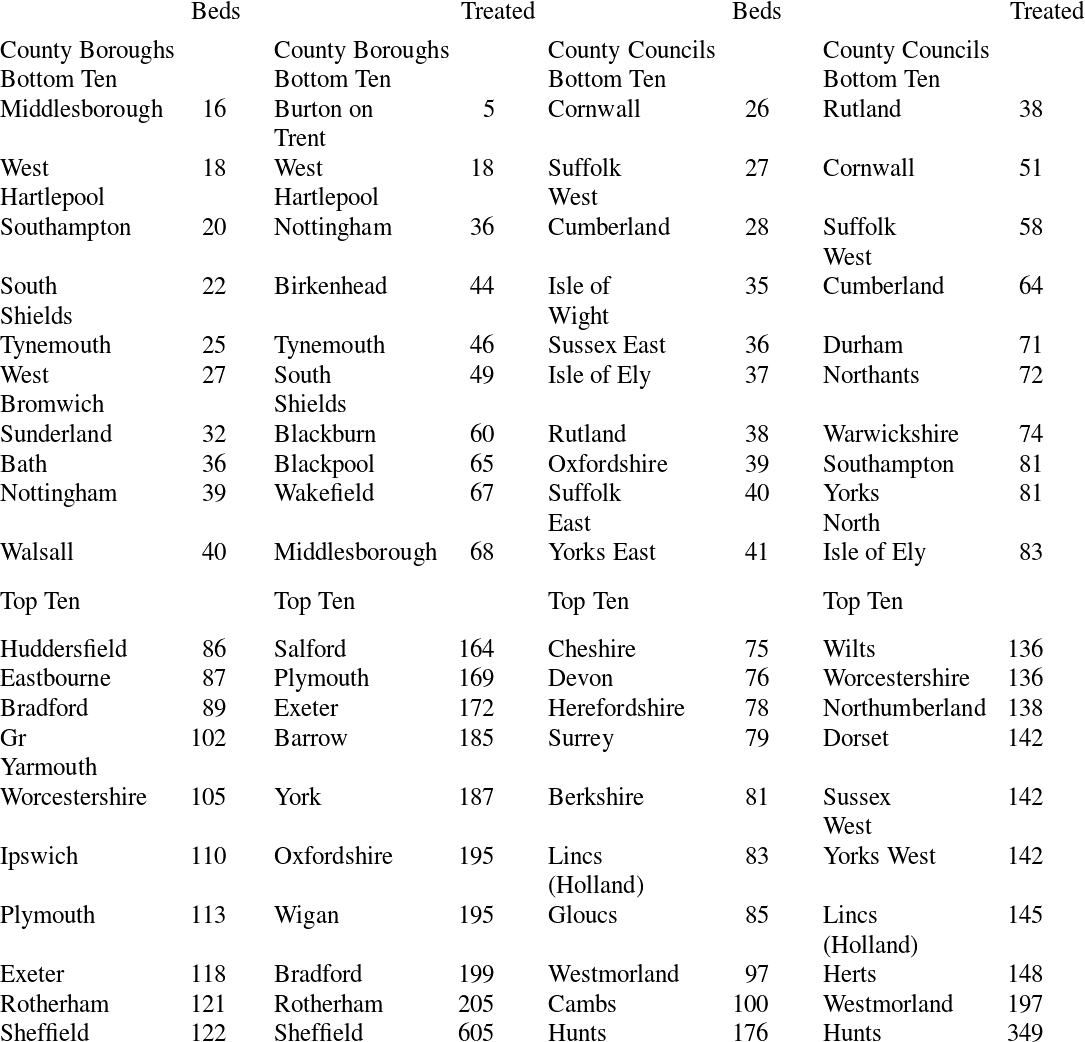
In the decades before the introduction of chemotherapeutic interventions in the 1950s, treatment of tuberculous patients in Britain consisted of stays in regional sanatoria. Some sanatoria offered ‘light treatment’, but the majority of centres were used to facilitate natural convalescence rather than offer curative treatment. They were also, and crucially, seen as a way of isolating an infected person from close family members – notably in homes where overcrowding was such that the infected person did not have use of a separate bedroom. Again, we find significant differences in the extent to which different authorities used the sanatoria (Table 3).
Use of sanatoria. Source: MH55/131, Ministry of Health: Health Divisions: Public Health Services, Registered Files (93 000 Series) and Other Records. Tuberculosis: General. Treatment Schemes of Local Authorities Analysis of progress, 1930–1933. Ministry of Health Memo 131/CT p.1, November 1930. Notes: ‘Treated’ is defined as the total number of patients treated (all forms of tb, excluding observation cases) per 100 tb deaths; ‘Beds’ is defined as the average number of beds available per 100 tb deaths (all forms of tb).
The problems with the sanatoria, as identified by the auditors, were of several kinds. In some parts of the country sanatorium accommodation was described as being woefully lacking. West Hartlepool came in for particular criticism from the auditors in this respect. The residential accommodation provided by the authority was deemed to be inadequate because the only beds the authority provided for cases of intermediate and advanced pulmonary tuberculosis needing hospital treatment were on balconies and not on the wards.Footnote 58 A second problem revealed was that in some parts of the country, only those patients who were in the advanced stages of the disease were admitted. The high fatality rates in the West Riding of Yorkshire were attributed to the policy of admitting only advanced-stage tuberculosis patients to sanitoria ‘among whom no reasonable possibility of cure could be expected’.Footnote 59 The problem was not just one of policy decisions: in some parts of the country, the admission of late stage cases to the sanatoria reflected a lack of beds. Derbyshire was singled out for criticism because, even intermediate and advanced cases patients had to wait a long time for admission given the shortage of beds – this a result of the ‘great scarcity of beds’.Footnote 60
In marked contrast, Liverpool was described as being ‘probably unique among English cities, in the number of beds available for tuberculosis. It is true that there is a high incidence of tuberculosis but the rate (one bed per 780 of the population) is hardly sufficient to justify this lavish supply of beds’.Footnote 61 The auditors accordingly requested that the Council considered ‘the possibility of reducing the number of beds occupied, particularly in view of the depressed financial state of Liverpool’.Footnote 62 The suggestion of reducing the number of admissions was not welcomed by the three dispensary tuberculosis officers who ‘were obviously a little diffident to change what had for years been the accepted policy of the department namely to send away every patient who wanted to go, not only once but as many times as he wanted to go’.Footnote 63
The above might indicate that the problem was a lack of beds and/or a mistaken priority in only admitting those with advanced stage tuberculosis. From a demand perspective, people had to be persuaded to enter a sanatorium. For some households, that meant a lack of income (assuming that the infected person was able to work). In Manchester, a scheme was introduced to overcome this constraint ‘the power of the purse gives a useful hold over some patients as, for example, by encouraging ‘a doubter’ to enter the Sanatorium by making a grant to his family’.Footnote 64 Manchester, however, was unique in this respect.
The other and crucial side of the problem was the growing doubts as to the efficacy and financial return on sanatoria as a mode of treatment. In the interwar years there was much debate as to the wisdom of residential care expressed both by central government and by local officials. In 1930, the Ministry of Health beseeched tuberculosis authorities to ‘consider carefully whether the results in their area by residential treatment offer the best possible return for the expenditure incurred’.Footnote 65
Then, as now, the emphasis was the best allocation of scarce resources to achieve the optimal outcomes. Part of the concern related to cure rates. Increasingly there was a feeling in some quarters that residential care was best provided to those cases which were most likely to respond to treatment – that is those classed as Group 1 (early stages).
5.3. Non-Residential Care
‘It can be definitely asserted that if the tuberculosis problem is to be tackled at the root, then a much greater amount of attention must be paid to the environment of the individual. Where in fact there is a known focus of infection – in a house, or in a small community – it is only by constant and careful supervision of the contacts that real preventative work will be obtained and so enable a case to be diagnosed and receive sanatorium treatment early’.Footnote 66
Thus wrote the Ministry of Health in its report on West Yorkshire: it is a claim which sums up the role of the dispensaries in delivering the all-important ‘care in the community’. Kent was held up as a county which had an excellent care scheme – and was used by the Ministry of Health as a reference point for how to get things right for other counties.Footnote 67
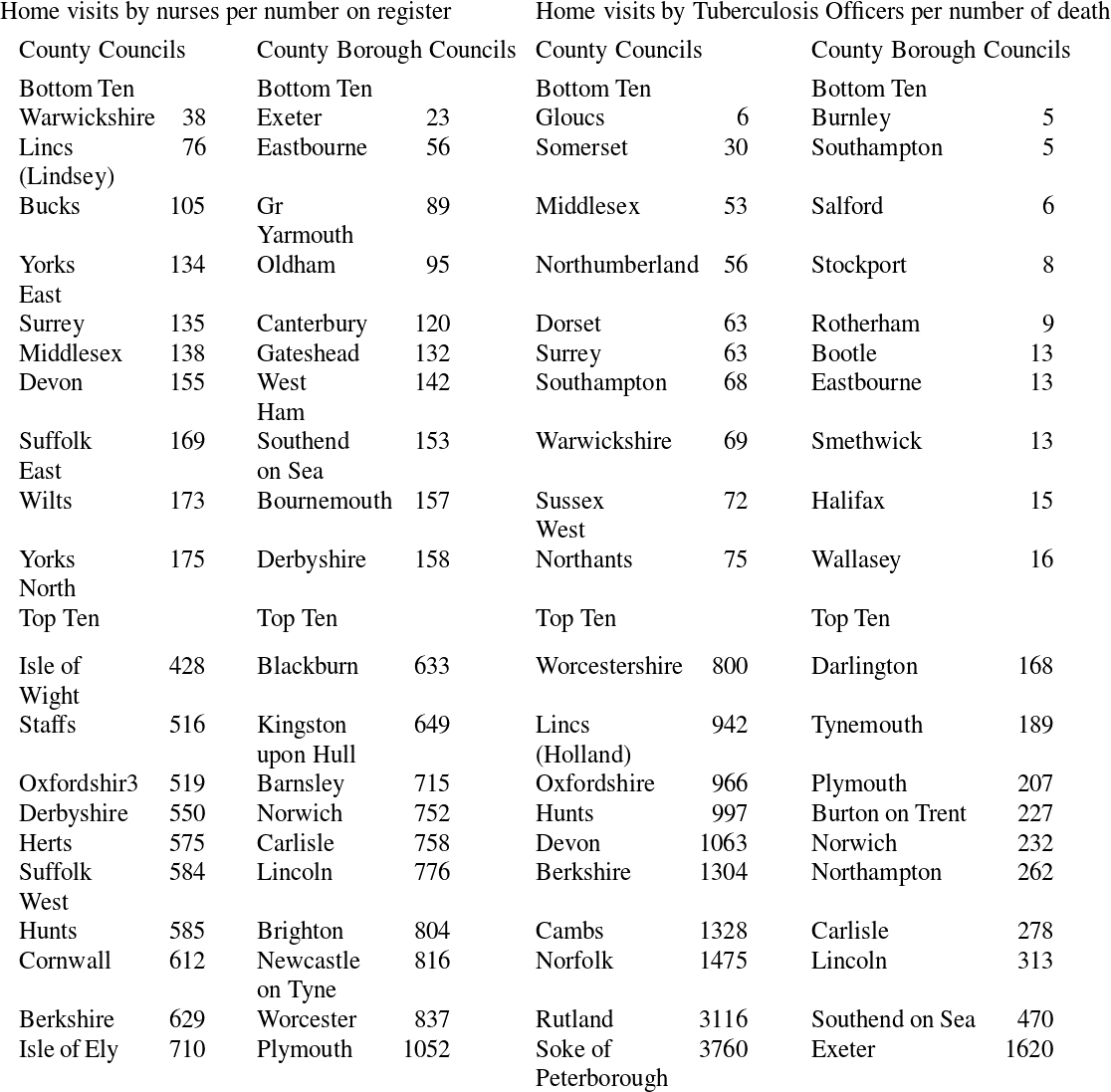
A key role of the dispensaries was not only to identify ill people but also to organise home visits to infected people, and/or people in contact with infected people, by tuberculosis officers and nurses. Again, we find considerable variation between and among county councils, county boroughs and metropolitan boroughs (Table 4). To some extent, the emphasis on the home visit reflected increasing doubt as to the efficacy of residential care. In rural areas, where the population lived some way away from the dispensaries, it was the only real way to contact people who were ill and/or potentially infected. The reach of the ‘care in the community’ activities, it should be noted was extended in the 1930s, given the progress of motor transport which facilitated home visiting even to the most remote area.Footnote 68
‘Care in the community’. Source: MH55/131, Ministry of Health: Health Divisions: Public Health Services, Registered Files (93 000 Series) and Other Records. Tuberculosis: General. Treatment Schemes of Local Authorities Analysis of progress, 1930–1933. Ministry of Health Memo 131/CT p.1, November 1930.
For many areas, the non-residential care was criticised by auditors on three main grounds. A common criticism of counties was the reach of their programmes. Thus in Essex, the quality of work done in the more remote and rural parts of the County were described as ‘distinctly poor’.Footnote 69 The criticism, we note, was not accompanied by any advice: ‘it is difficult to see how this can be rectified’.Footnote 70 Nottinghamshire and the East Riding attracted similar criticisms. It was noted that in Nottinghamshire ‘the Tuberculosis Officers may not have time to develop contact examination, consultations and perhaps home visits as fully as may be desirable’.Footnote 71 The auditors noted in relation to the East Riding that the two dispensaries ‘cannot adequately serve the patients in this sparsely populated district’.Footnote 72 It was suggested that tuberculous people living in areas remote from dispensaries were not dealt with adequately and that the number of medical staff was insufficient to carry out the necessary work of visiting patients in remote areas and of getting in touch with their doctors.Footnote 73
Criticisms were also levelled at policy direction. In Essex, the scheme was criticised on ‘the score of frequent chops and changes, and the lack of a far-sighted settled policy’.Footnote 74 Leicestershire County Council meanwhile was criticised both for the low number of tuberculosis visits and the fact that ‘tuberculosis visiting was not altogether adequately controlled by the T.O’.Footnote 75 Home visiting by tuberculosis officers was also identified by the Ministry of Health to be a ‘weak feature’ of Middlesex’s tuberculosis scheme.Footnote 76
The problem, however, was not just the quality of the after-care service – it was also whether it existed at all. Worcestershire was singled out because ‘there are no systematic arrangements for the after-care of persons who have suffered from tuberculosis’. As the Ministry of Health robustly told the Council, it ‘will appreciate that an efficient system of after-care is one of the most valuable features of the tuberculosis service as a means of preventing the spread of infection and consolidating the effects of treatment in individual patients’.Footnote 77 The East Riding of Yorkshire was criticised for a ‘subnormal’ amount of home visiting, the result being the contact with the infected was ‘particularly poor’.Footnote 78 This was a particular problem in rural areas in that county: ‘tuberculous people living remote from dispensaries are inadequately dealt with’.Footnote 79 Nottinghamshire attracted to the effect that ‘the Tuberculosis Officers may not have time to develop contact examination, consultations and perhaps home visits as fully as may be desirable’.Footnote 80
In reply to the above criticisms, however, medical officials, doctors and members of voluntary organisations argued that the problem of late diagnosis was one of education rather than one of incentives. But here the audit files reveal a woeful absence of educational activities which might have persuaded members of the public to use these facilities. Typically, we find that individual counties provided very little in the way of propaganda concerning tuberculosis for their constituents. The National Association for the Prevention of Tuberculosis (NAPT) argued that in spite of many years of propaganda and working with communities, patients were often only seeking medical help when the disease was in an advanced stage. The evidence from the county reports is clear; few educational sessions were being held, in most counties, if any. However, even in cases where dispensaries offered free public lectures, attendance was poor. County boroughs did not always fare much better. Liverpool’s medical officer of health, for example, had ‘for some unknown reason …set his face firmly against anything in the nature of health propaganda. Even posters in the dispensaries were forbidden’.Footnote 81 Localism had its costs then – if and when the local professional set his (sic) face against innovations in education.
However, it was also argued that the problem was not one of education but rather the ‘cavalier’ attitudes of the patients. A major part of the propaganda campaign involved reminding ill people that treatment was long, that strict exercise and diet regimens had to be followed and that obtaining permanent arrest of the disease was uncertain.Footnote 82 In addition, those in receipt of sanatorium benefit were duly sent to workshops when their condition permitted and the case was made that patients ought to be subsidised to make their employment economically feasible.Footnote 83 In many cases, patients were not forthcoming because the probability of cure was low and the process of achieving it difficult. Health officials repeatedly berated the public for not coming forward at the earliest signs of tuberculosis. More than half of patients only sought professional attention once the disease was in an advanced stage. The reasons for this reluctance have already been indicated.
In the West Riding, the problem was also the result of perceived failures in the non-residential care in the county. Several issues were identified: the small proportion of contacts in families where infectious cases were examined, the small proportion of sputum examinations to total notified cases and the low number of visits to homes by the tuberculosis officers.Footnote 84 Here, a comparison made by the Ministry of Health’s inspector between Lancashire and the West Riding is revealing. It was noted, inter alia, that ‘The Lancashire Tuberculosis Officers examine a larger proportion of new cases than the West Riding Tuberculosis Officers. They also hold more consultations and pay more home visits. The homes of patient are kept under closer supervision in Lancashire than in the West Riding’.Footnote 85 The Inspector further noted a greater competence to diagnose in Lancashire which he attributed to ‘the increased facilities, greater number of officers, and more co-ordinated scheme which Lancashire has at their disposal’.Footnote 86 By contrast, Leicestershire was singled out for praise for the high number of visits made to the homes of patients by the tuberculosis officer.Footnote 87
The importance of the link between residential and non-residential care is best described by the cases of Sheffield and the West Riding of Yorkshire. We have already noted that the West Riding failed to admit sputum-positive individuals until any chance of cure was very limited. The reason for this is related to the non-residential activities of this authority. ‘The main conclusion arrived at is that the present staff is inadequate numerically to cope efficiently with the amount of work, and the direct results of this inadequacy are reflected in hasty diagnosis, injudicious admission of patients to sanatorium, inability to visit homes frequently enough, and consequent omission of the essential duty of examination and supervision of contacts’.Footnote 88 Sheffield was praised for its success in driving down mortality rates. The success was attributed to its work in five areas. There was ‘complete co-operation’ on the part of the general practitioners in the Tuberculosis Scheme. The City provided adequate sanatorium and hospital accommodation for all citizens suffering from Tuberculosis or even suspected to be suffering from the disease. The City prioritised control of infection as in the treatment of a large number of early cases of Tuberculosis discovered by means of the examination of contacts of notified cases and intensive work with regard to the isolation of infectious cases of Tuberculosis either in Hospital or in their homes. The City also provided a re-housing scheme for infectious cases of Tuberculosis living under such conditions that isolation was impossible.’Footnote 89 In other words, in the views of the auditors, institutional liaison and co-operation were crucial as in the totality of various measures for dealing with the ‘tuberculosis problem’: not one policy – but a ‘joined up’ policy.
5.4. Preventing the Disease
As Michael Worboys has noted, contemporary health professionals were much concerned with preventing and dealing with morbidity resulting from the disease.Footnote 90 This is a point we have pursued and hence have paid particular attention to the work of contemporaries in preventing and controlling illness. As we have noted in our review of the literature, contemporaries were well aware of the association between overcrowding, poverty and tuberculosis – or as modern day parlance would put it, the ‘standard of living’ factors. It was noted at the time by many clinicians that tuberculosis infection often occurred concurrently in patients whose standard of living was poor. Standard of living factors preoccupied many health professionals at the time. In 1924, the tuberculosis officer for York argued that the returns on tuberculosis initiatives ‘give but a poor return for the amount of money expended’ given the ‘unhygienic environments in which so considerable a portion of the community live’.Footnote 91 Similar sentiments were echoed on 1 July 1926 at an NAPT conference. Institutions in Glasgow, it was claimed, required greater resources to reduce waiting-list times. This provoked a surgeon of the Glasgow corporation hospital and sanatoria to argue that it would be better to ‘[improve] housing conditions’ in general with ‘provision of plenty of air and sunshine’, in order to reduce the costs of the institutions.
The call for improvements in housing conditions reflected a common view among many health professionals that overcrowding created the conditions in which the disease spread. Hence (and in line with the views of Neville and Webster) we find an important standard of living campaigning element among many medical officers of health throughout the interwar years who repeatedly stressed the importance of relieving overcrowding. Overcrowding in their view related not only to the number of rooms and the space available, but also to when the accommodation did not permit ‘of the occupation of a separate room by a member of the family suffering from Tuberculosis’.Footnote 92 Some authorities took specific action to address the problem. For example, in some areas, preference was given to tuberculosis patients in the allotment of council houses, for example in Liverpool.Footnote 93 An important facet of the tuberculosis work was the rehousing scheme for people with infectious cases of tuberculosis ‘living under such conditions that isolation is impossible’.Footnote 94 In Leicester, the Ministry of Health noted that the City had ‘developed housing estates in the county area where it is understood the City rehouse a fair number of tuberculous patients’.Footnote 95 The downside in the case of Leicester was that the tuberculous patients then became chargeable to the County of Leicestershire …‘the general effect of this action of the City upon the county arrangements may be appreciable’.Footnote 96
There were, however, some significant and important exceptions. In Manchester, for example, a totally different approach was pursued. In Manchester an overt negative class approach dominated. The assumption was that this was a disease only of the poor: ‘the houses of the well-to-do are, of course not visited’.Footnote 97 The senior tuberculosis officer in Manchester took the view that ‘he does not see why they (people with tuberculosis) should have preference, for example in such matters as obtaining houses in competition with the healthy and, therefore, biologically more worthy persons, and he has frankly advised his Committee so’.Footnote 98 But then the reports do suggest a disturbingly negative view of people infected with tuberculosis in Manchester from this high ranking official. The auditors noted his view that ‘the mass of persons with chronic pulmonary tuberculosis he regards as a reservoir of infection to the healthy, a charge upon them, and biologically of less value’.Footnote 99
Dr Coles of Oxford General Infirmary was prescient: he was ‘sceptical of the value of administrative measures, and believes that the decline in tuberculosis can be attributed more to an increase in wages and improved social conditions than to active preventive measures’. It is evident from reports to the Ministry of Health that local medical professionals frequently suggested a better use of resources could be attained by treating tuberculous patients at home or in isolated sanatoria. In this regard, the role of the sanatoria was in part a way of isolating infected people from other family members.Footnote 100
In line with the discussion of the work on nutrition in the ‘Background’ section, our research suggests that tuberculosis officers and medical officers of health in interwar England and Wales pre-empted modern-day thinking in their views on nutrition – again an endorsement of the arguments of Neville and Webster. For many such health professionals, the key to combating the disease lay in this area and in the reallocation of resources away from sanatoria to the delivery of food support to the people infected and those at risk of infection. Thus the medical officer of health for the North Riding argued that ‘An adequate dietary, by that is meant a nourishing one, not judged by the cost but by the character of the food provided, is the best safeguard against the disease’.Footnote 101
As early as 1920, some local authorities were providing nutritional support – in the form of eggs and milk – to insured persons, but there was no general consensus that local authorities should be provided with Exchequer assistance. At this time, if local authorities wished to provide assistance to uninsured persons, they were to provide this in liaison with their relevant Board of Guardians under the New Poor Law. By 1921, discussion was underway as to the best way of providing extra nourishment in necessitous cases in major urban centres in Britain. The debate concerned the appropriate direction of the resources of Insurance Committees centred on the issue of whether tuberculous persons in a situation of want and who were already receiving Poor Law assistance would also be eligible for food assistance.
The solution was sought experimentally. In Bristol, for example, food was given in necessitous cases only to those who were in a state of poverty but who were not, for whatever reason, receiving assistance from the guardians. Manchester’s system made nourishment available in kind rather than in money, but only for a maximum period of a month. The goods supplied included vegetables, meat, eggs, milk and butter.Footnote 102 In Liverpool, New Liberal ideas had permeated to the extent that the Insurance Committee was willing to provide assistance irrespective of the applicant’s circumstances or physical condition. The Liverpool Insurance Committee found within its remit a duty to those in need, even if the assistant nourishment ran the risk of being disseminated within the family or sold on at a profit by the recipient. By the reasoning that ’tuberculosis was a disease that resulted from poverty it was not necessary in any case for the patient to actually consume the additional food, since any improvement in the standard of living of the individual, whether through consumption of the food itself or by consumption of articles derived from the sale of food assistance, was beneficial’.Footnote 103 Cambridgeshire meanwhile made grants of milk and eggs to ill poeple.Footnote 104
Radically different approaches were tested across different urban centres. In smaller towns such as Middlesbrough, voluntary charity (the Care Committee), insurance firms and the Poor Law Authority were more easily able to work jointly to provide relief based on individual informal appraisals of a patient’s situation. Anybody with necessitous circumstances was eligible to receive food. By contrast, in Birmingham, patients who were not expected to recover from the disease and were unlikely to return to health were not considered for benefit at all by the local Insurance Committee. For those unfit for regular work, grants of food were regarded as an ‘uneconomical expenditure of funds’, and were thus referred to seek assistance from the Poor Law Authorities.Footnote 105 By 1930, food assistance had become an important part of the process of recovery in many areas. Exceptions included Islington, where ‘extra nourishment is not provided’.Footnote 106 In some instances, failing to admit a patient to a sanatorium, owing most often to the expense or lack of availability was justified on the ground that the social cost of having an infected patient in domiciliary care was offset by the provision of food relief.
Perhaps the most telling evidence of the importance of housing and nutrition has recently been provided by A. Bhargava et al. In an examination of the children of parents who had TB at the Papworth Institution in Britain (1918–1943), Bhargava compared case rates of those children who were ‘village-born’ with those that were born outside the village setting. Only one child out of the twenty-four that went on to eventually develop tuberculosis was born in a village. Those who lived in the village benefited from spacious dwellings, open air and good nutrition (by contemporary standards). The findings support the hypothesis that creating a social environment, favourable to resisting TB activation, reduced the incidence of TB disease in children who had always lived in a favourable environment.Footnote 107
The desire of public officials to address the public health problem posed by the spread of tuberculosis was ostensibly supported by the NAPT. The tuberculosis problem was recognised by the voluntary organisation as a public health problem, but both government and the NAPT were aware of the need to ‘educate’ the public concerning the perceived need for state involvement.Footnote 108 Since many councils had already taken on the role of insurance committees before the 1921 Public Health Act, the opinions of the NAPT correspond to those of other voluntary bodies in the matter of relinquishing their operations to the state. The public, on the other hand, required more persuasion. In a letter to the Minister of Health, the Chair of the NAPT described how ‘[the] ordinary citizens should be taught to realise the need for, and the significance of, the action of the State which involves costly expenditure. …He will become keen to see that in his area the tuberculosis scheme is maintained and perfected’.Footnote 109 The perception of sanatoria as a “‘costly failure”’, however, reveal far less sanguine public attitudes toward public health.
5.5. Institutions and Personalities
In line with Neville and Webster, we find that the decisions of individual health care professionals, local institutions and local government had significant effects on the quality and the type of health care offered in the decentralised interwar medical system – but our finding is that this quality was not uniform.Footnote 110 The decisions of the individuals on provision were not often evidence-based. Rather, a particular doctor’s preference or a particular institution’s policy influenced access to, and quality of, health services. As a result, patients in different areas relied on the quality and opinions of local health professionals and local government to ascertain best practice based on local circumstance. In some areas (including Cambridgeshire, Rotherham, Wakefield, as will be detailed) individuals, institutions and local authorities made generally good choices with regard to tuberculosis control and treatment. In other cases individual decision-making was poor (including Salford, Herefordshire and Middlesborough), the ramifications of which can be traced through to outcome performance. Aware of this state of affairs, auditors were concerned with assessing the degree of co-operation between tuberculosis officers, medical practitioners and voluntary organisations, the quality of individual health care professionals and the ability of local authorities to provide sufficient capital investment.
One of our important findings is that it was not the individual per se that made a difference but more the combined and co-operative efforts and initiatives of a number of individuals together with the number and tenure of such professionals. We found that a recurrent theme through the audit reports was the importance of co-operation between the different agencies and people involved in tuberculosis care. It mattered because early diagnosis meant a greater likelihood of treatment. However, where local general practitioners and local officials did not work together, early diagnosis could be compromised. The audit files reveal that co-operation between tuberculosis officers and general practitioners varied enormously both between and among county councils, county boroughs and the metropolitan boroughs. Cambridgeshire, the North Riding, Leicestershire and Middlesex County Councils were singled out for praise as local authority areas where co-operation between tuberculosis officers and general practitioners was good.Footnote 111 Derbyshire, however, came under criticism for the fact that general practitioners were rather slow in notifying and sending cases – ‘often after observing them for 4–6 months they send them in advanced stages’.Footnote 112 Holborn suffered from delays in the notification of the disease by general practictioners: a practice bemoaned by the district’s medical officer of health in his attempts to deal with the tuberculosis problem.Footnote 113 Meanwhile in Bristol, co-operation between the tuberculosis officer and general practitioners was described as being ‘not altogether satisfactory’,Footnote 114 an explanation for this being that ‘possibly the dispensary service does not appeal sufficiently to the practitioners of Bristol’.Footnote 115
A second recurrent theme was the number, quality and terms of service of health professionals involved in tuberculosis work. In its report on Bristol, the auditors argued that ‘one tuberculosis officer can deal fairly adequately with the amount of tuberculosis represented by 160 deaths from tuberculosis’.Footnote 116 With regard to this, Bristol was criticised insofar as the tuberculosis officers have ‘insufficient time to deal with all contacts’ (there were about 380–400 deaths per annumin Bristol).Footnote 117 In Birkenhead, again the insufficiency of staff at the Tuberculosis Dispensary was identified as a problem, as it meant the existing staff were unable to devote adequate time to their work.Footnote 118 East Riding’s medical staff was criticised as being ‘insufficient to carry out the necessary work of visiting tuberculous people’.Footnote 119
Length of stay was an additional issue and was noted in the auditors’ report on Manchester. Manchester, it was noted, had four whole-time assistant tuberculosis officers – who ‘usually proceed to senior appointments elsewhere’.Footnote 120 Implicitly, this might suggest problems in terms of continuity of service. Derbyshire meanwhile was criticised for its provision of tuberculosis nurses: ‘Nurses’ visits are insufficient: there have been many changes of nurses, and much sickness among the nurses who, moreover have too much to do’.Footnote 121
Some county councils were reluctant to appoint more health professionals, despite pleas for such appointments by the Ministry of Health. Northumberland council was criticised in this respect: ‘Protracted correspondence has taken place and interviews have been arranged with the Council on the question of additional medical staff and the best method of utilising such staff, but despite pressure from the Department the Council have evaded a definite decision in the matter. Finally in September, 1931, we were informed by the Council that the question of an additional appointment was again deferred’.Footnote 122 The Ministry of Health’s Report suggests that the Council’s reluctance may have related to its relationship with the Clinical tuberculosis officer whose ‘work has not been impressive in the past, but has improved during recent years. A section of his Council is still dissatisfied’.Footnote 123
A further problem was whether the health professionals were part-time or whole time. Worcestershire County Council was heavily criticised in this respect: ‘as regards the efficiency of the dispensary side of the scheme, the Ministry have never been very satisfied, I think, with the arrangements. The majority of the medical staff concerned in the work only give part-time to tuberculosis, and as Dr Coutts was very doubtful as to their qualifications they were only approved in the first place as Assistant T.O.s under the general supervision of Dr Gordon Smith …Dr Gordon Smith himself only gives part time to the County Council and as he has a large sanatorium to look after it will be understood that he cannot give very much time to the supervision of the work of the Assistant T.O.s especially in view of the fact that to do so involves a great deal of time in travelling’.Footnote 124 In 1939, it its report on tuberculosis care in Wales, the Ministry of Health noted the problem caused when health professionals were part-time and unable, therefore, to dedicate all their time to their tuberculosis work.Footnote 125 An explanation for the preference for part-time officials, according to the Ministry of Health, was ‘possibly they are also influenced by the fear that whole-time officials would be much more strict, and his recommendations might involve them in further expenditure of money’.Footnote 126 Part-time status could also lead to a conflict of interest.Footnote 127 A final problem was the perceived quality of the officials. Manchester was criticised for the age and ‘class’ (sic) of its 13 women tuberculosis officers. Although the audit report noted that all were fully trained, it continued ‘some (were) ageing, perhaps 3 or 4 showing signs of wear and tear, the others pretty good but mostly of the servant or mill-hand class’.Footnote 128 In marked contrast, the part-time consulting tuberculosis officer in Essex was singled out by the Ministry as ‘one of the most able T.O.s in England’.Footnote 129 The quality of work carried out at the dispensaries and in residential institutions had improved significantly in the country ‘as a direct consequence’ of his activities.Footnote 130
The implications of an inadequate staff were spelt out in the report on West Yorkshire. ‘A careful enquiry has been made to ascertain why these environmental and other functions are not being prosecuted to their fullest extent in the County, and the main conclusion arrived at is that the present staff is inadequate numerically to cope with the amount of work, and the direct results of this inadequacy are reflected in hasty diagnosis, injudicious admission of patients to sanatorium, inability to visit homes frequently enough, and consequent omission of the essential duty of examination and supervision of contacts’.Footnote 131
The final theme, not surprisingly, was one of cost efficiency and value for money in terms of the expenditure on tuberculosis, not least in the straightened circumstances of the interwar period. In its letter to Barrow Borough Council in 1932, the Ministry of Health acknowledged that the ‘industrial and financial position’ of the City made it difficult for the Council to develop services ‘to the extent that they would desire’ but suggested that ‘a review of the organisation and administration of the services could secure improvements in many directions’.Footnote 132 The theme of the problem of undertaking large-scale expenditure in the prevailing economic environment was also recognised in the Ministry of Health’s letter to Bath City Council; again the recommendation was ‘an improvement in organisation and administration’.Footnote 133 Liverpool attracted comment by the auditors for its perceived lack of economy – the distribution of milk and eggs to those with tuberculosis was noted as being ‘one of the few really economical services in Liverpool’.Footnote 134 One such item of expenditure was the practice of referring about 700 non-insured patients a year for treatment by their own doctors. While this relieved the workload of the dispensary staff, the system was criticised for being ‘an expensive luxury’ and for putting ‘a great deal of money into the pockets of private practitioners’.Footnote 135 The cost to Liverpool was about £7000 to £8000 a year, of which £6000 was for medical attendance at the rate of 3s a visit.Footnote 136 The auditors recommended that the practice be discontinued in order to release money for the appointment of additional tuberculosis officers, but noted that Liverpool’s past history indicated that it would not give up such a system ‘until forced by dire necessity’.Footnote 137
6. Why Did Some Areas Do Well, But Others Not So Well?
We took a sample of authorities for more detailed scrutiny – we wished to explore why some areas managed better than others to reduce the tuberculosis problem. Our selected sample was based on the tuberculosis death records from the population of all counties and towns between 1920 and 1938. We identified those areas which recorded particularly high, particularly low and representative reductions in mortality. Among counties, those counties achieving the greatest decline between 1920 and 1938 were Northumberland (56%), North Riding (56%), Oxfordshire (55%), Herefordshire (55%), Devon (54%) and Dorset (54%). Those recording the smallest declines were Cumberland (12%), Staffordshire (28%), Warwickshire (28%) and Wiltshire (28%). The towns which achieved the greatest rates of returns were Wakefield (63%), Rotherham (60%), Dewsbury (58%), Rochdale (59%) and Southend (58%). Those which recorded the smallest were Eastbourne (4%) and Middlesborough (13%). Cambridgeshire is representative with a recorded decline of 46%. In our analysis, we were guided by the work of Worboys who, while framing five groups with distinct explanationsFootnote 138 for the decline in mortality, found that the groups were not exclusive.Footnote 139 Indeed, we find that the most successful authorities were those that pursued multiple agendas and initiatives.
A possible explanation for the difference is that the counties and towns in the pre-chemotherapeutic era which failed to make substantial progress had already reached a natural limit in their ability to prevent and treat cases of tuberculosis by 1920. Additional reductions in mortality were necessarily marginal. Staffordshire exemplifies the problem. Public health arrangements in the county were well administered and extensive in general, and in the processing of tuberculosis cases in particular. Public health workers and officials worked in close liaison,Footnote 140 after-care provision was extensive,Footnote 141 health education was prioritisedFootnote 142 and sanatorium accommodation was available for men, women and children at various specialised centres throughout the county.Footnote 143 Extant problems, such as the partial failure of the village settlement scheme and the lack of oversight of Public Assistance institutions by the tuberculosis officer, were of negligible importance, and related to a lack of willingness of the population to participate in the case of the former and an administrative failure without any effect on patients in the latter. In general, co-ordination in the county was good. The maternity and child welfare service and the school medical service both made regular use of the tuberculosis officer.Footnote 144
Cumberland and Staffordshire suffered similarly from tuberculosis mortality in 1920, reporting death rates of 672 and 687 per million respectively. These rates compare to a mean of 735 deaths per million for all counties in 1920. Hence both counties began the immediate post-war period in relatively favourable circumstances. While the death rates in Staffordshire and other counties such as Cambridge and Warwickshire converged to between 300 and 500 deaths per million, Cumberland saw no change in rates of tuberculosis mortality outside statistical noise. We suggest two possible explanations for this divergence in performance. Firstly, as a public health entity, Cumberland was fractured. The relatively well connected areas in and around Carlisle and Penrith en route to Scotland and in the agricultural Eden Valley permitted sophisticated health systems to develop and wealth to be generated. The Cumbrian Mountains separate the east of the county from the small industrial towns of Arleodon and Frizlington, Egremont, Millom, Whitehaven and Workington in the west. These towns were crowded with unskilled migrant workers from Ireland and suffered a significant tuberculosis burden. A high proportion of the population were working-class, often living in overcrowded slums. According to the audit files, the relative isolation of western seaboard towns also meant necessarily lesser health service coverage. For example, the district medical officer of health often only visited sessions in towns other than Whitehaven twice each month and reported poor attendance.Footnote 145 Without the inclusion of these towns, tuberculosis mortality rates fell in the county as elsewhere.Footnote 146 Secondly, the 1933 audit of the tuberculosis scheme revealed systematic failures throughout in terms of the county’s tuberculosis provision: too few patients on the dispensary register compared to the notification register; too few consultations; neglect of adult contacts; failure to advise contacts of tuberculous persons to seek medical examination; lack of provision of home visits to the working class-urban districts in West Cumberland; too few sputum and x-ray examinations and provision of outdated and ineffective treatments.Footnote 147
Unlike Cumberland and many other rural counties in 1930, Cambridgeshire made extensive use of X-ray facilities in the process of identifying potential cases. Four weekly sessions were held with patients conveniently at the dispensary rather than requiring additional travel or additional fees for out-of-county services. In 1932 a total of 1458 patients attended X-ray sessions at the dispensary.Footnote 148 Centralisation of the dispensary in a county with few natural impediments to travel and a population based primarily in Cambridge, Ely and Huntingdon facilitated relatively easy access. The drive for X-ray examinations and the early identification of cases was not a matter of local policy. Rather, as was the case for many areas before the advent of centralised medicine, the efficacy of public health rested on the motivations of local health officers and general practitioners. Dr Philips, a local physician working in the Regent Street dispensary in Cambridge was passionate about the use of X-ray facilities in the county and as a result Cambridgeshire had the highest ratio of X-rays to cases of any English county.Footnote 149 Early detection of cases in this way meant that more patients would benefit from sanatorium treatment, both in terms of their own convalescence and also in terms of the prevention of the spread of infection to their contacts. Areas which focused on advanced cases could only offer patients a place to die either in Poor Law Institutions or their own homes.
Other public health drives in Cambridge were equally impressive. After-care work was identified as being substantial and effective in the county. Assistance was given to patients who had received sanatorium treatment by supplementing their incomes or obtaining suitable employment for them while they were recovering.Footnote 150 Financial and nutritional assistance was often long-term and substantial, with some patients receiving up to thirty months of support after leaving an institution. Patients were supported financially with grants varying from 2/6d to 10/- per week and others were offered nutritional support in the form of milk and eggs and assistance with housework. These measures received careful oversight from the Public Assistance Committee on a case by case basis.Footnote 151 It is of significance that much of this generosity for the people afflicted by tuberculosis was sustained by community involvement. The Cambridgeshire Association’s appeal for funds for tuberculosis after-care generated significant financial support locally. Additionally, greater numbers of patients could be supported by existing sanatorium facilities because of efficiency drives delivering a drop in the cost of sanatorium treatment of £3000.Footnote 152
In many respects Warwickshire mirrors the experience of Cambridgeshire with initially low but slowly falling mortality rates and excellent public health practices. Firstly, co-operation between different public agencies was extensive. Because of the geographical proximity of Warwickshire to major industrial centres in the West Midlands, the tuberculosis scheme was administered jointly by the County Council and Coventry County Borough through a Joint Tuberculosis Committee. Examination of contacts and cases was, if anything, conducted more extensively than in Cambridgeshire, across a network of seven dispensaries. As was the case across the country, little in the way of direct treatment was offered by dispensaries, but the dispensary in Coventry and subsidiaries in Warwickshire offered additional supplies of disinfectants, bed-pans and bed rests to patients and their families.Footnote 153 Patients who suspected infection were screened for tuberculosis via a process of repeated sputum examination. Often upwards of five specimens would be taken to avoid error. The practices at the Coventry dispensary with regard to the examination of contacts were superior to those of the Cambridge dispensary. Coventry employed a unique approach to the examination of contacts. Only if an X-ray showed tubercular lesions or if a patient was displaying symptoms was a clinical examination performed. All contacts of every new case of tuberculosis were examined, not just the elderly or children. Examinations were conducted deliberately outside working hours, in contrast to the Regent Street sessions, in order to minimise disruption of the contacts’ working week.Footnote 154 As in Cambridgeshire, after-care measures were extensive and probably more focused on those in need. Extra nourishment was granted to patients attending the dispensaries by the Joint Committee on the recommendations of the tuberculosis officer. Extra nourishment was not given to families whose income, after deducting rent, exceeded 10/- per week.
Perhaps an explanation for Cambridgeshire’s and Warwickshire’s early arrival at low but slowly falling mortality rates is not only as a result of exemplary public health and the role played by Cambridge University in generating and maintaining local health expertise, but also the nature of work in the country outside provincial towns. Both counties were predominantly agricultural in the early twentieth century. A large proportion of the population were engaged in agriculture. Cambridgeshire had some light industries which provided male employment including cement-making, brick-making, paper-making, jam-making and printing. Many men in Warwickshire, if they were employed in industry, worked in the north of the county in metalworking and coal-mining, or in the motor-car industry in Coventry. Analysis of the returns pertaining to employment by industry reveal that relatively few men were employed outside agriculture in both counties and so avoided much of the risk of contracting tuberculosis traditionally associated with industrial and domiciliary overcrowding and exhaustion.Footnote 155 In terms of public health practice Cambridgeshire, Warwickshire and Staffordshire succeeded where Cumberland failed. Counties which were able to utilise existing medical technologies and resources effectively were able to approach a lower bound, curtailing avoidable mortality. In addition, those counties which suffered the health implications of an industrial heritage fared worse than those that did not.
A similar pattern can also be found in the case of towns which already had low mortality rates throughout the 1920s. Eastbourne is the prime example of a town which experienced the familiar pattern of low initial rates of tuberculosis, slowly falling thereafter. Although health services in the town were adequate, little attempt was made to diagnose patients as early as possible. Rather the Town Council, economical and conservative in character, preferred a policy of strict segregation of people known to be infected. There was little use of modern diagnostic and treatment methods with patients only referred to dispensaries at later stages of the disease. The health officer for the town was rigid in his approach, favouring later diagnosis and admission of advanced cases to the sanatoria and showing a lack of interest in preventive measures.Footnote 156 Eastbourne’s early success in dealing with high levels of tuberculosis more likely stems from another source.
Before the arrival of the railway in Eastbourne in 1849, large landowners planned the development of the town, which was little more than a village. The town’s population grew rapidly from 3433 in 1851 to 22 014 in 1881. Much of the housing stock was good relative to other towns, fit for habitation and built on wide streets. Overcrowding was below that for other county boroughs in the 1930s. Healthy layout of the streets and good sewerage provided the town with some robustness against infectious disease.Footnote 157 This is because Eastbourne never developed as an industrial area. Rather occupations were mainly found in tourism, health and leisure, and in education and commanded far higher incomes. These high incomes persisted into the 1930s and Eastbourne was generally considered to be without any significant slums. In this light, Eastbourne’s success occurred because of the wealth of its inhabitants rather than any particular strengths of public health. Early town planning and the absence of industrial occupations probably contributed to the early decline in tuberculosis mortality and convergence on a lower bound thereafter.
By contrast, Middlesbrough had high levels of tuberculosis mortality in 1920 which remained high as late as 1938, mirroring the experience of western industrial towns in Cumberland. Growth of the town in the nineteenth century was based around the exploitation of ironstone in the Cleveland Hills. Coal from Durham could be used to smelt this iron and so ironworks in Middlesbrough developed because of its convenient location. The failure of Middlesbrough to deal with the problem of tuberculosis is reflective of its failure to deal with infectious diseases more generally. For example, outbreaks of smallpox forced the closure of the only sanatorium in the area for use as a smallpox hospital.Footnote 158 Inadequate accommodation for tuberculosis patients became a problem after the closure of the local Hemlington Hospital to tuberculosis patients. Without a sanatorium and with the closure of the main local hospital, Middlesbrough only provided a third of the beds of the average county borough.Footnote 159
Advanced cases were either left to die in their homes or left for the poorlaw guardians to deal with. As a result of a lack of facilities, people who did receive treatment only did so for vastly shortened periods of time. At the West Lane Hospital, no X-ray facilities were available to tuberculosis patients and no specialist treatment was offered. In addition at the Holgate Institution for men, wooden verandas blocked sunlight into the tuberculosis ward. Women in Middlesbrough fared even worse. They were confined to a ground-floor general ward with provision of a mere nine beds.Footnote 160 So dire was the situation in in Middlesbrough that correspondence between the Borough Council and the Ministry of Health reveals how the authority sought central support for its lack of resources.Footnote 161 Despite pleas for additional support in 1932, the high mortality rates had not receded by 1940.
Arguably many unnecessary deaths from tuberculosis occurred in Middlesbrough. In light of the effective dispensary, it does not seem that there was a general administrative failure in the town. In terms of the dispensary, provision was not lacking. As in well-performing areas, emphasis was placed on use of X-ray, examination of contacts, multiple sputum examinations, home visits by health visitors with access to motor-cars and follow-up of suspected cases. But Middlesbrough, like other industrial areas, suffered from the dual curse of high employment in traditional industries and lack of resources generally for infectious disease provision.
There were, however, examples of industrial areas which were able to catch up with the leading counties. Both Rotherham and Wakefield are examples of industrial towns which experienced the most rapid and sustained declines in tuberculosis mortality after 1920. Wakefield for example suffered 1243 deaths per million in 1920 but only 582 per million in 1938, less than half of the immediate post-war level. (See Medical Ofiicer of Health returns.) The latter figure is comparable to the level experienced in many counties only five years earlier. Catch-up in these towns was well underway. In many important ways these towns were similar to Middlesbrough and contrasted with Eastbourne. In Rotherham metalworkers formed the largest proportion of the male working population and in Wakefield industry was dominated by iron industries, quarries and chemical works. The reasons for the relative decline in tuberculosis in these towns owes as much to misfortunes in Middlesbrough as it does to health initiatives in the towns themselves.
In Rotherham the main strength of the tuberculosis scheme was the willingness of general practitioners and the tuberculosis officer to recognise and attempt to remedy problems. In Rotherham, success was undoubtedly the result of a sustained effort to identify cases as quickly as possible. Two aspects of the work were significant: the bacteriological work and a concerted campaign to detect cases through an integrated visiting system and an enlightened move to eliminate some of the stigma associated with the disease which prevented people from seeking diagnosis. In Rotherham procedures for the identification of infectious diseases were already sophisticated. Three agencies carried out laboratory work; the medical officer of health investigated simple microscopial examinations at the Public Health Laboratory for both public and voluntary hospitals; the University of Sheffield undertook more advanced work including the Wassermann tests as well as examinations of bacteriological contaminants in the milk supply and finally analytical work for the City Corporation was undertaken by a public analyst.Footnote 162
This was complemented by an emphasis on home visiting where one visitor was responsible for all aspects of health. At the turn of the decade, the Borough was criticised because too few health visits were made.Footnote 163 The criticism was quickly addressed and a major overhaul of the system introduced. In 1933, home visiting arrangements were re-organised. From 1933, health visitors were given responsibility for all domiciliary visiting and each visitor was given responsibility for a specific are. Plans for routine work were drawn up so that the health visitor and medical officers knew which parts of the area were to be surveyed in a given week. The new scheme meant one visitor had knowledge of given areas and was in a better position to develop links between tuberculosis and maternity and child welfare.Footnote 164 This all meant that more frequent visits were paid, and the initial home visit to a new case was made within a few days of notification.Footnote 165 In addition, the Borough put special emphasis on extending the work of the dispensary to include relatives of patients who had died; such people were kept under close observation for up to a year.Footnote 166
Effective liaison between agents is a strong theme of the Rotherham initiatives. This included the arrangement whereby the Tuberculosis Dispensary and the Sanatorium were under the control of one medical officer so that ‘the officer acquires an intimate knowledge of the patient, the social and home conditions and can correlate these with the clinical condition and sanatorium treatment required to the best advantage of the patient’.Footnote 167 Second, the Borough had a Tuberculosis Care Committee whose ‘work is so intimately interlaced with the official tuberculosis work of the borough’.Footnote 168 The emphasis here was on providing nutrition to the needy. This Committee was formed in 1929; by 1936, 6100 gallons of milk, 32 500 eggs and 4100 llbs. of meat were issued by the Committee in grants.Footnote 169
Finally, Rotherham was aware that it needed to persuade people to be diagnosed, and as early as possible, and that one of the key deterrents was the fact that ‘the word “tuberculosis” to a large proportion of the lay population conjures visions of a terrible and fatal disease’.Footnote 170 The patients, who may be very slight cases, often postpone their visit to the dispensary until they definitely find themselves deteriorating in health. By this time the disease may have taken root and become difficult or impossible to eradicate’.Footnote 171 The stigma had real meaning for the people of Rotherham in terms of their employability and work relations. ‘Some of this stigma is still related to the disease “tuberculosis” and some of this stigma may attach itself to those who attend the dispensary. The unfortunate patient who returns to work may find himself the object of some coolness and suspicion from his fellow workers and employers, or may even find his job given to another. Difficulties and unpleasantness have been known to ensue to patients in whom no tuberculosis was found, simply because they had visited the tuberculosis dispensary’.Footnote 172 The borough devised a way of overcoming the stigma attached to tuberculosis by re-naming the Tuberculosis Dispensary the ‘Chest Diseases Clinic’.Footnote 173 The narrative in Rotherham and Wakefield was also one of continued improvement in public health facilities overall and the political will to achieve it. In Wakefield, there was a sustained drive to improve living conditions going back to the late nineteenth century through the appointment in 1890 of a sanitary inspector who pursued a ‘zealous and successful’ campaign to abolish privies and replace them with water closets and was the first ‘cleansing superintendent’ in the country to ‘introduce the system of controlled tipping in the disposal of domestic refuse’.Footnote 174 A further major improvement was the provision of a new water supply from the Pennine Hills from 1888 which led to a ‘pure and plentiful water supply’.Footnote 175 Meanwhile, Wakefield appointed its first part-time medical officer of health in 1866; this was changed into a full-time position in 1903.Footnote 176 The full-time medical officer of health was a vehement and passionate campaigner for housing improvements and devoted much time both in the pre-war and interwar years to persuading the Council to improve its housing stock.Footnote 177 Between 1903, when he began his campaign and 1935, 903 houses were deemed to be unfit for occupation; between 1920 and 1935, the Corporation built 3653 houses.Footnote 178 The new houses built after 1925 had to abide by a byelaw which set standards for a healthy dwelling for the working class.Footnote 179
In Wakefield, a thirty-three year retrospective assessment of the explanation for the decline in the tuberculosis problem in the city noted that the decrease in mortality was declining before special measures to combat the disease in the city were instituted, but argued that the special measures undertaken ‘must have played a part in bringing about the very marked reduction in the disease’.Footnote 180 The measures highlighted as being important included the establishment of a dispensary in 1913, of sanatoria accommodation in 1912, the building of six special houses for ex-sanatorium patients in 1926, the opening of a fever hospital with a tuberculosis block in 1934 which dealt with those patients requiring hospital treatment, and the existence of a bacteriological laboratory from 1912, based in Wakefield itself.Footnote 181 The report makes it clear that at least initially, persuading the Council to take action was not easy – a special report written in 1905 arguing the case for compulsory notification, provision of sanatoria accommodation, provision of hospital accommodation for advanced cases, periodical veterinary inspection of dairy cows, with a view of reducing milk infection and the demolition of insanitary houses and rehousing met with no response: ‘the only outcome was that the Corporation passed a resolution urging the Local Government Board to make Pulmonary Tuberculosis a compulsorily notifiable disease’.Footnote 182 A year later, however, the situation was to change – largely due to the then Chairman of the Board of Guardians who took a leading role in the propaganda work against the disease and to the unrelenting campaign by the then medical officer of health to institute dispensaries and a sanatoria.Footnote 183 Probably the greatest spur to action by the Council was the 15 July 1912 when the Sanatorium Benefit of the National Insurance Act of 1911 came into operation which imposed responsibility for preparing and running schemes for sanatoria and dispensaries on County Councils and County boroughs – ‘and to the maintenance of which the Government contributed one half of the cost’. When Wakefield became a County Borough in 1915 it took over full responsibility for the tuberculosis scheme – and the medical officer of health ‘was appointed Clinical as well as administrative Tuberculosis Officer’.Footnote 184
Doubt, however, is cast on the thesis that public health initiatives were the primary cause of the decline of tuberculosis in the pre-chemotherapeutic era by the experience of Herefordshire. Herefordshire is a story of the total failure of public health, public transport and local government during the 1920s and 1930s and yet in this context, tuberculosis mortality rates had declined by 1938 to around half their 1920 level. In almost every stage of the tuberculosis scheme there was failure. Bureaucracy obstructed the identification of infected people. Patients had to wait for the approval of both the local general practitioner, who gave first-line approval and then Sanatorium and Benefits committee, to which the case was referred by the general practitioner.Footnote 185 Once referred, patients had to wait for the committee to hold its monthly session. In addition, patients often had to be taken by car to X-ray facilities about forty miles from the centre of the county because of the absence of public transport in rural areas.Footnote 186 This resulted in a total of only five X-rays taken during the year 1930.
Serious defects in the county sanatorium and isolation hospital hindered the prevention of the spread of infection and regression of the disease in people infected. The principal criticisms were the poor standard of clinical work, the number of cases admitted which were not tuberculous, lack of facilities for X-ray work, pollution in the water supply, the lack of functioning central heating and a lack of storage space for patients’ belongings.Footnote 187 If patients did receive treatment, after-care was unavailable. The sources of the problems experienced in Herefordshire were political. Outside Hereford, most of the county comprised poor agricultural communities, mostly of working class. A politically inactive voting population meant that the County Council lacked incentives to improve overall public health provision.Footnote 188 Operationally the tuberculosis scheme was hindered by the absence of co-operation between the tuberculosis officer, the Public Assistance Committee and voluntary organisations, a hallmark of successful County and County Borough councils.
Herefordshire is an outlier. The marriage of disastrous public health provision with rapidly falling mortality rates is an odd one. It suggests that, as is argued here, that a situation existed in English counties and towns whereby sustained improvements in living conditions, post 1918, could lead to declines in the rate of tuberculosis mortality, independent of public health effort.
Often failure to improve living conditions resulted in failure to reduce tuberculosis mortality. Public health officials maintained that the root of the tuberculosis problem in London boroughs and northern industrial towns such as Salford and Middlesbrough lay in poor living conditions and overcrowding. Success resulted where these issues were remedied and failure where they were not. In the London Boroughs of Bermondsey and Holborn overcrowding was emphasised by the Minister of Health. In many ways these boroughs were analogous. Both were primarily working-class areas which suffered from overcrowding. In these areas improvement in housing was underway during the 1920s but many poorly constructed, and unsanitary dwellings remained.Footnote 189 Although there was a lack of co-operation between the health officer and housing officials in Bermondsey, Bermondsey was able to reduce its rates of tuberculosis mortality more successfully than its analogue.Footnote 190 Bermondsey instituted frequent health visits to patients residing in publicly maintained shelters for purposed of both patient and family education. Patients and families were informed that separation of the patient from the rest of the family was essential and that patients should ‘not run into the house at the first shower of rain’.Footnote 191 It can be speculated that Bermondsey’s success lay in one of the few examples of the period of effective health education which procured patient isolation. Procedures in Holborn failed. Patients were discharged to overcrowded homes because of the unsuitability of general hospitals.Footnote 192 This suggests that public health had the opportunity to be complementary to improvements to living conditions.
Where an authority had the political will, energetic and committed medical and sanitary officers and the financial resources, and there was co-operation between various agencies, significant steps were taken to improve living conditions in general, to isolate infected people from close family members and to provide via the dispensaries effective methods of identifying the disease and of providing support in the community. Authorities in areas of small and poverty-stricken populations lacked the resources to provide the necessary health initiatives, and could not afford the fully qualified, full-time medical officers of health who could campaign for better conditions.Footnote 193 In some areas, local resistance precluded integration of resources and amalgamations of district resources – because local ‘jealousies and indignation’ objected to any such amalgamations.Footnote 194 Where agencies worked together for a common purpose, even when the area was relatively poor, significant progress was made. Here the case of Barnsley is instructive: the emphasis in the medical officer of health reports is not only on what the various agencies did, but also on the close co-operation between them. General practitioners co-operated with the tuberculosis work, while maternity and child welfare and school clinics worked closely with the tuberculosis officer.Footnote 195 The Public Assistance Committee and the Unemployment Board provided special nourishment for needy cases, the Housing Committee worked to move tuberculous families from bad home conditions, the Education Committee provided free milk to children, while home visits by doctors and nurses advised on precautions for limiting infection and educated families on warning symptoms.Footnote 196
7. Conclusion
Using previously under-explored primary source materials at the national and local level, this paper has identified and sought to explain significant variations in relative success in reducing tuberculosis morbidity and mortality both between and among urban and rural areas in England and Wales during the interwar period. This was a period when medical science could do little in terms of chemotherapeutic interventions to cure the disease, but public health initiatives could do (and, as we identify, in many cases did do) much to lessen the risks of infection and the chances of developing active symptoms.
We have explicitly embraced recent calls for a move away from analyses based on urban areas alone to an inclusive approach which includes rural areas. We have also explicitly moved away from expenditure per se to examining health outcomes and as such have discovered that ‘success’ did not always derive from differences in wealth – a key finding from this work is that some of the most successful areas were also the poorest. As such, this paper has reinforced Gorksy’s argument in favour of research at a local level which moves away from expenditure to an outcome-based approach and which includes rural areas.Footnote 197 Localism in public policy, as we have demonstrated in relation to tuberculosis in the interwar period, mattered – and made a real difference to the chances of reducing infection and mortality from this disease.
In line with the view of contemporaries, we find that many health professionals at the time were acutely aware of the importance of standard of living conditions as predisposing factors in infection and the development of active symptoms. In line with Gorsky’s view, we found evidence of pioneering efforts of many such individuals at the time to deal with overcrowding and nutrition – but we also found that not all authorities pursued such policies. We found much evidence to support the arguments of Neville and Welshman in highlighting the role of local medical officers of health – but equally found that it was not only the individual medical officers of health who mattered, but also their co-operative efforts with other health professionals, their length of tenure and their status as part-time/full-time officials. The 1929 audit revealed individual and particular failings but what is noteworthy is how few areas attracted criticism in relation to their tuberculosis schemes. In the total scheme of things, the number of authorities where failings were identified was small, and among those authorities the criticisms overall related to specific rather than general issues.
In many ways, progressive health professionals at a local level in this period pre-empted modern work which looks to the factors which make people more vulnerable to infection and susceptible to developing active symptoms – the standard of living issues which Szreter has argued are so important. There was no single explanation for why some authorities were better able than others to reduce tuberculosis mortality. As our analysis of ‘success’ stories demonstrates, we find that success derived not from one ‘one size fits all’ policyFootnote 198 but from a total package of policies – including efforts to improve housing and nutrition, sufficient staff to carry out those policies, effective liaison between different health professionals – and the individual will to drive through changes. What mattered was where people lived and worked – but crucially the dedication and commitment of some local authorities and their health service staff to delivering change.