





Introduction
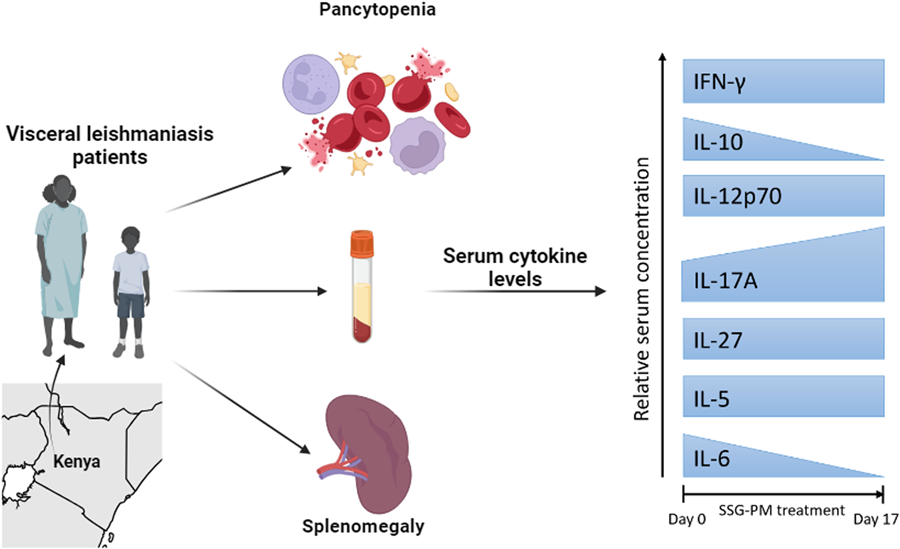
Visceral leishmaniasis (VL) is a serious parasitic disease caused by an infection with the protozoa Leishmania donovani or Leishmania infantum. Humans are infected with these parasites through the bite of an infectious female sandfly (Phlebotomus species). Inside the human host, the amastigote form of the parasite infects macrophages and other mononuclear phagocytes, particularly in the spleen, liver, bone marrow and lymph nodes (Costa et al., Reference Costa, Chang, Costa and Cunha2023). After a protracted incubation period, VL patients present with progressively severe disease characterized by chronic fever, splenomegaly, weight loss and pancytopenia. If left untreated, VL will be fatal in over 95% of cases (World Health Organization, 2023). A major part of the global VL burden occurs in the Horn of Africa, where several countries face endemic transmission of L. donovani (Ruiz-Postigo et al., Reference Ruiz-Postigo, Jain, Mikhailov, Maia-Elkhoury, Valadas, Warusavithana, Osman, Lin, Beshah, Yajima and Gasimov2021).
It is generally accepted that effective control of Leishmania infection is dependent on type 1-mediated immunity, whereby interferon gamma (IFN-γ) activates intracellular parasite-killing mechanisms in infected macrophages. However, Leishmania species significantly modulate this immune response, interfering with IFN-γ production and effector mechanisms by stimulating the secretion of the regulatory cytokine interleukin 10 (IL-10) (Rodrigues et al., Reference Rodrigues, Cordeiro-da-Silva, Laforge, Silvestre and Estaquier2016). As such, cytokines fulfil a pivotal role in the orchestration of VL immunology. Previous studies have shown that VL patients exhibit increased circulatory levels of both pro-inflammatory cytokines such as IFN-γ, IL-12p70, IL-6 and tumour necrosis factor alpha (TNF-α) as well as regulatory IL-10 and IL-27 (Ansari et al., Reference Ansari, Saluja and Salotra2006, Reference Ansari, Kumar, Gautam, Nylén, Singh, Sundar and Sacks2011; van den Bogaart et al., Reference van den Bogaart, Talha, Straetemans, Mens, Adams, Grobusch, Nour and Schallig2014; Dos Santos et al., Reference Dos Santos, De Oliveira, Santos, Cunha, Lino, De Oliveira, Bomfim, Silva, De Moura, De Jesus, Duthie, Reed and De Almeida2016). Furthermore, there has been increasing attention to the role of the T helper-17 (Th17) response, as elevated IL-17A and IL-22 have been linked to asymptomatic L. donovani infection (Pitta et al., Reference Pitta, Romano, Cabantous, Henri, Hammad, Kouriba, Argiro, el Kheir, Bucheton, Mary, El-Safi and Dessein2009).
Describing serum cytokine levels can contribute to our understanding of VL immunopathogenesis and processes that lead to more severe disease and mortality (Costa et al., Reference Costa, Costa, Aquino, Mendonça, Barral, Barral-Netto and Caldas Ade2012; Dos Santos et al., Reference Dos Santos, De Oliveira, Santos, Cunha, Lino, De Oliveira, Bomfim, Silva, De Moura, De Jesus, Duthie, Reed and De Almeida2016). In addition, cytokines could potentially be used as a prognostic marker for treatment efficacy and the probability of VL relapse (Kip et al., Reference Kip, Balasegaram, Beijnen, Schellens, de Vries and Dorlo2015). Given the wide geographical distribution of VL across different continents, it is likely that cytokine responses in VL are partially influenced by differences in patient populations and Leishmania species and strains (Duthie et al., Reference Duthie, Guderian, Vallur, Bhatia, Lima dos Santos, Vieira de Melo, Ribeiro de Jesus, Todt, Mondal, Almeida and Reed2014). There have been several studies in Brazil, the Indian sub-continent, Ethiopia and Sudan which investigated cytokine profiles of VL patients and, in some cases, their association with disease severity and treatment outcome (Hailu et al., Reference Hailu, van Baarle, Knol, Berhe, Miedema and Kager2005; Ansari et al., Reference Ansari, Saluja and Salotra2006; Duthie et al., Reference Duthie, Guderian, Vallur, Bhatia, Lima dos Santos, Vieira de Melo, Ribeiro de Jesus, Todt, Mondal, Almeida and Reed2014; van den Bogaart et al., Reference van den Bogaart, Talha, Straetemans, Mens, Adams, Grobusch, Nour and Schallig2014; Dos Santos et al., Reference Dos Santos, De Oliveira, Santos, Cunha, Lino, De Oliveira, Bomfim, Silva, De Moura, De Jesus, Duthie, Reed and De Almeida2016). However, blood cytokine levels in VL have not been described in Kenya, even though this is currently 1 of the 6 countries with the highest VL case load in the world (Ruiz-Postigo et al., Reference Ruiz-Postigo, Jain, Mikhailov, Maia-Elkhoury, Valadas, Warusavithana, Osman, Lin, Beshah, Yajima and Gasimov2021; Kenya Ministry of Health, 2022). Moreover, changes in parasite load and cytokine concentrations in blood have not been investigated so far in VL patients treated with sodium stibogluconate and paromomycin (SSG-PM), which is the current first-line treatment for VL in eastern Africa (World Health Organization, 2010; Kenya Ministry of Health, 2017). To improve VL case management and care in Kenya, a better understanding of VL immunology and its associations with disease presentation and resolution upon SSG-PM treatment is warranted. This study in West Pokot County, Kenya, aimed to measure the serum cytokine profile and blood parasite load of VL patients before, during and after treatment with SSG-PM, and to investigate the association of these parameters with the patients' clinical and haematological features.
Materials and methods
Study site and study groups
Participants of this study were enrolled in the context of the cohort study component of the LEISHMAL project (registered at ISRCTN Registry, ref. 15023306) (van Dijk et al., Reference van Dijk, Carter, Omondi, Mens and Schallig2023). VL patients were recruited in 2022 at Kacheliba Sub-County Hospital in West Pokot County, Kenya. This area is highly endemic for L. donovani transmission and Kacheliba Hospital is the regional reference centre for VL diagnosis and treatment (Kenya Ministry of Health, 2021). Individuals attending this hospital with symptoms of VL, including abdominal swelling, chronic fever and weight loss, were diagnosed according to the national guidelines by testing finger prick blood for anti-Leishmania antibodies using an IT LEISH (Bio-Rad, Hercules, USA) rK39 immunochromatographic test (ICT) (Kenya Ministry of Health, 2017). Positive cases above the age of 6 years, with no history of previous VL infection and negative for malaria as determined by blood film microscopy, were eligible to participate. Children younger than 6 years were excluded due to the burden of repetitive blood sampling involved in the study, and the generally immature status of their immune system which could bias the study findings. Additionally, pregnant women, patients with a VL relapse or known comorbidities, patients on immunomodulatory treatment, and severely anaemic patients with a haemoglobin (Hb) level <5 g dL−1 were excluded from participation. Using these criteria, 21 rK39 ICT-confirmed symptomatic patients were enrolled.
Healthy controls from West Pokot were actively recruited in the households and villages of enrolled VL patients. Individuals were eligible if they reported to be healthy, showed no symptoms or signs of VL and had no history of previous VL infection. After providing informed consent, healthy volunteers were tested with rK39 ICT and a malaria rapid diagnostic test (SD Bioline Malaria Differential P.f/Pan Test, Standard Diagnostics Inc., Suwon, South Korea) to confirm their negative status for Leishmania and Plasmodium, respectively. In total, 15 healthy controls were recruited.
Sample collection and processing
Participants’ age, sex and clinical features were registered and venous blood was sampled from all study subjects. For healthy controls, blood was collected once, immediately after enrolment in the field. VL cases were followed up during their 17-day antileishmanial treatment of daily intramuscular or intravenous injections with SSG (20 mg kg−1 body weight) in combination with intramuscular PM injections (15 mg kg−1 body weight) (Kenya Ministry of Health, 2017). Patient blood was collected at baseline before the start of treatment (D0), after the 7th treatment dose (D7) and after the 17th and final treatment dose (D17). For blood sampling, 6 mL was collected in an ethylenediaminetetraacetic acid (EDTA) anticoagulation tube and another 5 mL collected in a serum isolation tube following the tube manufacturer's instructions.
Splenomegaly, defined as a palpable spleen below the left costal margin, was assessed in healthy controls at enrolment and in VL patients at D0, D7 and D17. Additionally, haematological parameters of VL patients were measured in the collected EDTA blood with an Ac-T diff Hematology Analyzer (Beckman Coulter, Brea, CA, USA) at Kacheliba Sub-County Hospital. Measured parameters included counts of leukocytes, lymphocytes, granulocytes, monocytes, erythrocytes and thrombocytes, as well as Hb and haematocrit levels. Haematology values were not determined for healthy controls due to the time interval between sample collection at the household and arrival of these samples at Kacheliba Hospital.
Immediately after haematology analysis and serum isolation, EDTA blood and serum samples were stored at −20°C at Kacheliba Hospital. For laboratory analysis of parasite load in EDTA blood samples and cytokine concentrations in serum samples (see the following 2 sections below), whole blood and serum samples of all participants were transferred to the Laboratory for Experimental Parasitology at Amsterdam University Medical Centre (AUMC) in the Netherlands, where they were stored at −80°C until tested. For the sample export from Kenya, a material transfer agreement was signed by Amref Health Africa Headquarters, Nairobi, Kenya as providing institution and the Laboratory for Experimental Parasitology at AUMC, Amsterdam, the Netherlands as recipient. The material transfer agreement was approved by the Amref Health Africa Ethics and Scientific Review Committee.
Real-time polymerase chain reaction analysis
Quantitative real-time polymerase chain reaction (PCR) (qPCR) was used to confirm VL diagnosis and quantify Leishmania parasite load in blood. Briefly, 50 μL of EDTA blood was used for automated DNA extraction with NucliSENS EMAG (bioMérieux, Marcy-l’Étoile, France). In total, 1.25 μL of isolated DNA elution was tested with a qPCR protocol targeting Leishmania kinetoplast DNA (kDNA) and human glyceraldehyde 3-phosphate dehydrogenase as DNA extraction control. The qPCR was run on a Bio-Rad CFX96 real-time PCR instrument; the reagent mix and reaction conditions have been described in detail elsewhere (Hagos et al., Reference Hagos, Kiros, Abdulkader, Schallig and Wolday2024). To quantify blood parasite load in tested patient samples, each qPCR run included a standard curve of DNA extractions from a 10-fold dilution series of L. donovani promastigote culture (strain WR352) diluted in EDTA blood. The qPCR output was processed using Bio-Rad CFX Maestro 2.0 software.
All DNA isolates were also tested with qPCR for Plasmodium falciparum genomic material to exclude a malaria (co-)infection, which is another common protozoan disease in the study area which may influence the observed cytokine responses (Mueller et al., Reference Mueller, Kolaczinski, Koech, Lokwang, Riongoita, Velilla, Brooker and Chappuis2014; van den Bogaart et al., Reference van den Bogaart, Talha, Straetemans, Mens, Adams, Grobusch, Nour and Schallig2014). In total, 2.5 μL DNA template was tested with a qPCR protocol targeting the P. falciparum 18s rRNA gene as has previously been described (Kattenberg et al., Reference Kattenberg, Tahita, Versteeg, Tinto, Traoré-Coulibaly, Schallig and Mens2012). The qPCR was run on a Bio-Rad CFX96 machine, and the results were analysed with Bio-Rad CFX Maestro 2.0 software.
Multiplex cytokine analysis
This study measured the serum concentrations of 9 cytokines: IFN-γ, IL-6, IL-10, IL-12p70, IL-17A, IL-22, IL-27 and TNF-α were chosen based on their central role in VL immunology, their possible association with protective immunity and/or their potential as a biomarker for treatment response based on previous studies (Pitta et al., Reference Pitta, Romano, Cabantous, Henri, Hammad, Kouriba, Argiro, el Kheir, Bucheton, Mary, El-Safi and Dessein2009; Kip et al., Reference Kip, Balasegaram, Beijnen, Schellens, de Vries and Dorlo2015; Dos Santos et al., Reference Dos Santos, De Oliveira, Santos, Cunha, Lino, De Oliveira, Bomfim, Silva, De Moura, De Jesus, Duthie, Reed and De Almeida2016; Rodrigues et al., Reference Rodrigues, Cordeiro-da-Silva, Laforge, Silvestre and Estaquier2016). Additionally, IL-5 was included as an infrequently studied cytokine in VL patients (Kurkjian et al., Reference Kurkjian, Mahmutovic, Kellar, Haque, Bern and Secor2006; Elshafie et al., Reference Elshafie, Åhlin, Håkansson, Elghazali, Safi, Rönnelid and Venge2011). Serum cytokine concentrations were determined by means of a 9-plex magnetic bead immunoassay, using a customized ProcartaPlex Human Mix & Match Panel (Invitrogen, Thermo Fisher Scientific, Waltham, MA, USA). The assay was performed according to the manufacturer's instructions. In total, 25 μL of undiluted serum samples were tested together with a 7-point standard curve of 4-fold serial dilutions and a non-template control that were included on each assay plate. All samples, standards and controls were measured in duplicate. After the final incubation step in the plate preparation, plates were read with a Bio-Plex 200 system (Bio-Rad, Hercules, USA). A minimum of 50 beads per cytokine was measured. Using Bio-Plex Manager software (version 6.0 Bio-Rad, Hercules, USA), a 5-parameter logistic standard curve was generated for each analyte to calculate its concentration in the tested samples. The lowest detectable concentrations of the different cytokines (as calculated with the generated standard curves) were: 0.25 pg mL−1 for IFN-γ, 0.17 pg mL−1 for IL-5, 0.45 pg mL−1 for IL-6, 0.12 pg mL−1 for IL-10, 1.07 pg mL−1 for IL-12p70, 0.10 pg mL−1 for IL-17A, 0.68 pg mL−1 for IL-22, 0.99 pg mL−1 for IL-27 and 0.09 pg mL−1 for TNF-α.
Statistical analysis
Both ProcartaPlex assay results and qPCR results were exported from the Bio-Rad software programs to Microsoft Excel data files. Together with the clinical and haematological data, these files were subsequently imported into statistical software IBM SPSS Statistics (version 28.0, Armonk, NY: IBM Corp.) for data processing and analysis. For all applied statistical tests, a P value <0.05 was considered significant.
Values for haematological parameters were compared with reference values for western Kenyan populations (Sing'oei et al., Reference Sing'oei, Ochola, Owuoth, Otieno, Rono, Andagalu, Otieno, Nwoga, Copeland, Lawlor, Yates, Imbach, Crowell, Eller, Kamau, Modjarrad, Cowden, Ake, Robb and Polyak2021). For normally distributed haematological variables, the mean and standard deviation (s.d.) were calculated; for skewed variables, including blood parasite loads, the median and interquartile range (IQR) were used.
Cytokine concentrations at D0 were compared between VL patients and healthy controls using the Mann–Whitney U test. To associate the measured cytokine profiles and blood parasite load at D0 with VL disease severity, VL patients were stratified into severe and non-severe cases. VL was considered severe when the patient met at least one of the measured clinical prognostic factors for mortality due to VL in East Africa, as reported by Abongomera et al. (Reference Abongomera, van Henten, Vogt, Buyze, Verdonck and van Griensven2020): jaundice, oedema, bleeding, Hb ⩽ 6.5 g dL−1, body mass index (BMI) < 16 kg m−2 and splenic enlargement ⩾10 cm (Abongomera et al., Reference Abongomera, van Henten, Vogt, Buyze, Verdonck and van Griensven2020). Cytokine concentrations and parasite loads were compared between severe and non-severe VL patients using the Mann–Whitney U test. Correlations of D0 cytokine concentrations among themselves and with haematological parameters, Leishmania blood parasite loads and spleen size were calculated using Spearman's rank test. To statistically assess changes in cytokine concentrations, splenic enlargement and haematology parameters in VL patients between D0 and D17, a paired t-test was used for normally distributed variables and a Wilcoxon-signed rank test for non-normal variables.
Results
Participant characteristics
Of the 21 enrolled symptomatic patients with a positive result for rK39 ICT, 1 patient was negative for kDNA with qPCR and was therefore considered negative for VL. This meant that 20 patients with confirmed VL infection based on positive rK39 ICT and kDNA qPCR results were included in the final analysis. These patients are marked as VL01 to VL20 in the results described below. They had a median age of 20 years (IQR, 14–25) and 15 patients were male. All 15 healthy controls were negative for rK39 ICT, malaria rapid diagnostic test and kDNA qPCR; 1 control was positive for P. falciparum in qPCR and was therefore excluded from further analysis. The median age of the 14 included controls was 22 years (IQR, 9–30) and 7 controls were male.
The symptoms reported in VL patients at D0 are presented in Table 1. Nearly all patients presented with splenomegaly, weight loss and chills. Fifteen cases were classified with severe VL, presenting with Hb ⩽ 6.5 g dL−1 (N = 5), BMI < 16 kg m−2 (N = 6) and/or splenic enlargement ⩾10 cm (N = 12). Patients VL09 and VL15 met all these 3 criteria and were therefore considered most ill. Thirteen of the 20 VL patients were clinically followed up until the end of treatment; 7 patients were lost to follow-up due to voluntary drop-out before D17 or premature departure from the hospital after discharge. In followed-up patients, spleen enlargement decreased significantly (P = 0.016, Fig. S1) and all other symptoms resolved by D17 of treatment.
Frequency of symptoms and signs reported at D0 among the study population of VL patients

a Excluding 1 patient who was negative for VL in qPCR.
b Excluding 1 patient whose spleen size was not measured.
c Excluding 1 patient whose weight was not measured.
Haematology
The haematological profile of VL patients at D0 was characterized by pancytopenia (Fig. 1): out of 13 patients for whom haematology assessment was done, 12 had leukopenia (median, 2.20 × 10³ μL−1; IQR, 1.66–2.75 × 10³ μL−1), 9 had lymphopenia (mean, 1.24 × 10³ μL−1; s.d., 0.57 × 10³ μL−1) and 12 had low granulocyte counts (median, 0.70 × 10³ μL−1; IQR, 0.55–0.86 × 10³ μL−1). Anaemia was common, with a mean Hb level of 7.40 g dL−1 (s.d., 1.55 g dL−1) and a mean erythrocyte count of 3.03 × 10⁶ μL−1 (s.d., 0.81 × 10⁶ μL−1). Haematocrit was lowered in 11 of 12 measured VL patients (median, 22.10%; IQR, 20.16–27.10%). Seven of 12 patients with a measured thrombocyte count were thrombocytopenic (mean, 139.68 × 10³ μL−1; s.d., 55.02 × 10³ μL−1).
Haematological parameters in VL patients on SSG-PM treatment. Each line represents an individual VL patient. The shaded zones indicate the values below or above healthy reference ranges. The statistical significance of change between D0 and D17 is indicated above the plots. Wilcoxon-signed rank test was used for leukocyte count and haematocrit, all other parameters were tested with a paired t-test. **P < 0.01, ns: non-significant (P > 0.05).

Haematology assessment at the end of treatment (D17) was performed for 8 VL patients (Fig. 1). They showed a statistically significant increase in leukocyte (P = 0.008), granulocyte (P = 0.008) and thrombocyte (P = 0.008) counts. Erythrocyte count, Hb and haematocrit exhibited a non-significant increasing trend.
Leishmania parasite loads
At baseline, VL patients had a median parasite load of 2.6 × 10⁴ parasite equivalents (par-eq) mL−1 blood (IQR, 1.3 × 10⁴–5.0 × 10⁴ par-eq mL−1). Blood parasite loads did not differ significantly between severe and non-severe VL patients and were not associated with haematological parameters (data not shown). For 15 patients, a D7 blood sample was collected and analysed with qPCR as well: they all showed a steep decline in parasite load (median, 13 par-eq mL−1; IQR, 0–40 par-eq mL−1, Fig. 2). A D17 blood sample was collected for 13 VL patients, which were all negative for kDNA at this time point.
Leishmania parasite load in peripheral blood in VL patients on SSG-PM treatment. Parasite load was measured using kDNA qPCR. Each line represents an individual VL patient. Difference in load between D0 and D17 was calculated with Wilcoxon-signed rank tests. Par-eq: parasite equivalents; ***P < 0.001.

Cytokine levels at baseline (D0)
Serum cytokine concentrations at D0 were measured for the 20 qPCR-confirmed VL patients and 14 healthy controls (Fig. 3). Cytokine levels in healthy controls were generally low to undetectable, while VL cases showed significantly increased levels of IFN-γ, IL-5, IL-6, IL-10, IL-12p70, IL-17A and IL-27. Some cytokines were undetectable at D0 in multiple patients: most notably, 8 patients had undetectable IL-5, 6 patients had undetectable IL-17A and 12 patients had undetectable IL-22. Severe VL patients had significantly lower IFN-γ concentrations (P = 0.042) and significantly higher IL-10 concentrations (P = 0.016) than the non-severe VL patients (Fig. S2). The levels of the other cytokines did not differ significantly between these patient groups.
Serum cytokine concentrations in VL patients (at D0, before treatment initiation) and healthy controls. Horizontal line indicates the median value. Difference between VL cases and healthy controls was tested using a Mann–Whitney U test. *P < 0.05, **P < 0.01, ***P < 0.001, ns: non-significant (P > 0.05).

Cytokine correlations at baseline (D0)
Several statistically significant correlations were found between cytokine concentrations on D0 (Table 2). Pro-inflammatory IFN-γ was negatively correlated with anti-inflammatory IL-10 and Leishmania parasite density in blood, while there was a positive correlation between IL-10 and parasite load. IL-17A and IL-5 correlated positively with each other and with IL-6, IL-12p70, IL-22, IL-27 and TNF-α. Furthermore, there was a positive correlation between IL-27 vs IL-6 and IL-12p70. No significant correlations were found between cytokine concentrations on D0 vs haematological parameters and spleen size (data not shown).
Spearman's rank correlation coefficients between cytokine concentrations and blood parasite load on D0 in VL patients

Par. load: Leishmania parasite load in blood, measured with qPCR.
*P < 0.05, **P < 0.01, ***P < 0.001.
Cytokine levels during follow-up
For 12 of the 20 qPCR-confirmed VL cases, serum samples were also collected on D7 and D17 of treatment; 3 of the 20 VL patients only had a follow-up sample for D7, and 1 only had a follow-up sample for D17. For the remaining 4 VL patients, no follow-up samples were collected.
At the end of treatment (D17), levels of IFN-γ, IL-5, IL-6, IL-10, IL-12p70, IL-17A and IL-27 were still significantly elevated compared to healthy controls (data not shown). Levels of IL-6 and IL-10 decreased significantly on D17 compared to pre-treatment concentrations, while IL-17A concentrations increased (Fig. 4). All other cytokines did not show statistically significant changes from D0 to D17.
Changes in serum cytokine concentrations in VL patients on SSG-PM treatment. Each line represents an individual VL patient, outlying lines or points have been labelled with their corresponding patient number. The statistical significance of concentration change between D0 and D17, calculated with Wilcoxon-signed rank test, is indicated above the plots. aOutlying D0 data points of 2 VL patients without follow-up are not shown. *P < 0.05, ***P < 0.001, ns: non-significant (P > 0.05).

However, when plotting the changes in cytokine concentrations in individual patients, several cytokines showed considerable inter-patient variation in their D0 concentrations and dynamics during treatment (Fig. 4). While most patients showed a decrease in IFN-γ concentration after treatment initiation, patients VL09 and VL15 showed an increase in this cytokine, with higher levels on D17 than on D0. These 2 patients exhibited a similar increasing trend for IL-5, IL-12p70, IL-17A, IL-22 and IL-27. Additionally, several patients had a relative increase in IL-6 between D7 and D17.
Discussion
This was the first study in Kenya to measure immunological, parasitological and haematological parameters in blood of VL patients before, during and after SSG-PM treatment of their infection. In untreated patients, various inflammatory and regulatory cytokines were elevated in serum, and haematology was characterized by pancytopenia. Blood parasite levels became undetectable after treatment, clinical and haematological parameters improved, and cytokine concentrations generally decreased. However, IL-17A levels increased, suggesting continuation of inflammatory processes during disease resolution.
Splenomegaly and pancytopenic peripheral blood counts in the participating VL patients are a hallmark of this disease, and a result of chronic splenic and systemic inflammation as well as myelodysplastic processes in the infected spleen (Poulaki et al., Reference Poulaki, Piperaki and Voulgarelis2021; Costa et al., Reference Costa, Chang, Costa and Cunha2023; Debash et al., Reference Debash, Bisetegn, Nigatie, Abeje and Feleke2023). A significant number of patients showed severe disease, presenting with extreme splenomegaly, underweight and low Hb. Spleen size significantly decreased during treatment and leukocyte, granulocyte and thrombocyte counts were restored, but most patients assessed at D17 were still anaemic. These haematological findings have also been reported in Ethiopian VL patients and are in line with previous studies showing that it may take between 30 and 60 days post-treatment initiation for Hb levels to fully recover (Goto et al., Reference Goto, Cheng, Omachi and Morimoto2017; Mulaw et al., Reference Mulaw, Tariku, Tsegaye and Abebe2018; Shiferaw et al., Reference Shiferaw, Murad, Tigabie, Abebaw, Alemu, Abate, Mohammed, Yeshanew and Tajebe2021). Nevertheless, the resolution of symptoms and reconstitution of multiple haematological values after SSG-PM treatment suggest that this therapy was effective in the study cohort. This is in line with a previous pharmacovigilance trial conducted in Kenya in 2012 and 2013, where SSG-PM treatment resulted in initial cure in 99.4% of the treated patients (Kimutai et al., Reference Kimutai, Musa, Njoroge, Omollo, Alves, Hailu, Khalil, Diro, Soipei, Musa, Salman, Ritmeijer, Chappuis, Rashid, Mohammed, Jameneh, Makonnen, Olobo, Okello, Sagaki, Strub, Ellis, Alvar, Balasegaram, Alirol and Wasunna2017).
Treatment effectiveness was also implied by monitoring Leishmania parasite load in blood: kDNA concentrations in blood decreased during treatment and were undetectable in all patients on D17. A future relapse thus seemed unlikely, as a previous study demonstrated that relapsing patients often have detectable circulating parasite DNA at the end of initial treatment (Verrest et al., Reference Verrest, Kip, Musa, Schoone, Schallig, Mbui, Khalil, Younis, Olobo, Were, Kimutai, Monnerat, Cruz, Wasunna, Alves and Dorlo2021). Nevertheless, live parasites could potentially remain in infected tissues despite a negative qPCR result on blood (Cascio et al., Reference Cascio, Calattini, Colomba, Scalamogna, Galazzi, Pizzuto, Camilli, Gramiccia, Titone, Corbellino and Antinori2002; Aquino et al., Reference Aquino, Diniz, Nunes, Silva, Gouveia, Gouveia, Sales, Dantas-Torres and Carmo2023). Therefore, late treatment failure could not be completely excluded, as the participants were not followed up after D17 and earlier studies in East Africa reported VL relapse rates of 2.4% and 3.6% after SSG-PM treatment (Kimutai et al., Reference Kimutai, Musa, Njoroge, Omollo, Alves, Hailu, Khalil, Diro, Soipei, Musa, Salman, Ritmeijer, Chappuis, Rashid, Mohammed, Jameneh, Makonnen, Olobo, Okello, Sagaki, Strub, Ellis, Alvar, Balasegaram, Alirol and Wasunna2017; Musa et al., Reference Musa, Mbui, Mohammed, Olobo, Ritmeijer, Alcoba, Muthoni Ouattara, Egondi, Nakanwagi, Omollo, Wasunna, Verrest, Dorlo, Musa Younis, Nour, Taha Ahmed Elmukashfi, Ismail Omer Haroun, Khalil, Njenga, Fikre, Mekonnen, Mersha, Sisay, Sagaki, Alvar, Solomos and Alves2023).
The immune response to VL has frequently been characterized by the release of a multitude of pro-inflammatory and regulatory cytokines, which shape the disease pathogenesis and clinical presentation (Dayakar et al., Reference Dayakar, Chandrasekaran, Kuchipudi and Kalangi2019; Costa et al., Reference Costa, Chang, Costa and Cunha2023). In this study, 7 of 9 analysed cytokines were elevated in VL patients at D0 compared to non-infected controls, with the most pronounced increases in IFN-γ, IL-10, IL-6 and IL-27. IFN-γ is one of the key cytokines involved in the activation of infected macrophages, required for an adequate anti-parasitic immune response. Many other studies in untreated VL patients also found high IFN-γ levels as well as elevated IL-12p70, which is produced by antigen-presenting cells (APCs) to stimulate IFN-γ production by T helper-1 (Th1) cells (Ansari et al., Reference Ansari, Saluja and Salotra2006; Duthie et al., Reference Duthie, Guderian, Vallur, Bhatia, Lima dos Santos, Vieira de Melo, Ribeiro de Jesus, Todt, Mondal, Almeida and Reed2014; van den Bogaart et al., Reference van den Bogaart, Talha, Straetemans, Mens, Adams, Grobusch, Nour and Schallig2014; Dos Santos et al., Reference Dos Santos, De Oliveira, Santos, Cunha, Lino, De Oliveira, Bomfim, Silva, De Moura, De Jesus, Duthie, Reed and De Almeida2016; Tadesse et al., Reference Tadesse, Abdissa, Mekonnen, Belay and Hailu2021). This implies that Leishmania parasites mainly modulate the IFN-γ signalling pathway, rather than its secretion, in order to survive inside phagocytic cells. Crucial in the inhibition of IFN-γ effector functions is IL-10 (Nylén and Sacks, Reference Nylén and Sacks2007). This anti-inflammatory cytokine induces various processes that favour parasite survival, such as downregulation of major histocompatibility complex II expression and IL-12p70 production by APCs, leading to a decreased activation of Leishmania-specific Th1 cells and lower IFN-γ production (Nylén and Sacks, Reference Nylén and Sacks2007; Singh et al., Reference Singh, Gidwani, Kumar, Nylén, Jones, Boelaert, Sacks and Sundar2012). These mechanisms were also reflected in the results of this work, where pre-treatment concentrations of IL-10 and IFN-γ were negatively correlated. The lower IFN-γ and higher IL-10 levels in severe VL patients, and the negative correlation between IFN-γ concentration and blood parasite load on D0, underline the pivotal role of IFN-γ in suppressing parasite replication and mitigating disease severity.
IL-6 is a pleiotropic cytokine with a multitude of possible effector functions in VL infection, while IL-27 is mainly known for its anti-inflammatory properties (Yoshida and Hunter, Reference Yoshida and Hunter2015; Dayakar et al., Reference Dayakar, Chandrasekaran, Kuchipudi and Kalangi2019). This study observed elevated serum concentrations of IL-6 and IL-27 in untreated VL patients, as well as a strong correlation between these cytokines. Both findings have also been reported by studies in Brazil, where high levels of IL-6 and IL-27 were associated with severe VL disease and increased fatality (Costa et al., Reference Costa, Rocha, Carvalho, Lima-Neto, Harhay, Costa, Barral-Neto and Barral2013; Dos Santos et al., Reference Dos Santos, De Oliveira, Santos, Cunha, Lino, De Oliveira, Bomfim, Silva, De Moura, De Jesus, Duthie, Reed and De Almeida2016). However, in the current study, pretreatment concentrations of IL-6 and IL-27 were not significantly different between severe and non-severe VL patients. This may reflect differences in VL immunology between L. infantum-infected patients from Brazil and patients from Kenya, which is endemic for L. donovani.
Several VL patients exhibited increased levels of IL-17A at baseline, similar to what has previously been observed in studies from Sudan and Brazil (Duthie et al., Reference Duthie, Guderian, Vallur, Bhatia, Lima dos Santos, Vieira de Melo, Ribeiro de Jesus, Todt, Mondal, Almeida and Reed2014; Nascimento et al., Reference Nascimento, Carregaro, Lima-Júnior, Costa, Ryffel, Duthie, de Jesus, de Almeida and da Silva2014; van den Bogaart et al., Reference van den Bogaart, Talha, Straetemans, Mens, Adams, Grobusch, Nour and Schallig2014). This cytokine has pro-inflammatory effects and is involved in the recruitment of neutrophils as well as the induction of IFN-γ secretion (Gonçalves-de-Albuquerque et al., Reference Gonçalves-de-Albuquerque, Pessoa, Trajano-Silva, de Goes, de Morais, da, de Lorena and de Paiva-Cavalcanti2017). Mouse studies have proposed that these effector functions are important for parasite control in the spleen and liver, but may also contribute to damaging inflammation and hepatosplenomegaly (Ghosh et al., Reference Ghosh, Sharma, Saha, Kar, Das and Ukil2012; Nascimento et al., Reference Nascimento, Carregaro, Lima-Júnior, Costa, Ryffel, Duthie, de Jesus, de Almeida and da Silva2014). In humans, production of IL-17A and IL-22 has been associated with resistance to symptomatic L. donovani infection (Pitta et al., Reference Pitta, Romano, Cabantous, Henri, Hammad, Kouriba, Argiro, el Kheir, Bucheton, Mary, El-Safi and Dessein2009). However, increase in serum IL-17A in VL patients enrolled in the current study did not protect them from developing clinical disease. Possibly, their IL-17A response was insufficient to confer VL resistance, which is likely to rely on other host factors as well. As for IL-22, a Th17 cytokine which is generally associated with epithelial immunity (Dudakov et al., Reference Dudakov, Hanash and van den Brink2015), this was the first study to measure its concentration in active, untreated VL patients. There was considerable variation in IL-22 levels between patients both on D0 and D17; the equivocal role of IL-22 in VL immunology therefore needs to be investigated further.
The T-helper 2 (Th2) cytokine IL-5 is mainly known for its eosinophil activating effect, for example in the mucosal immune response to intestinal helminths (Maizels and Balic, Reference Maizels and Balic2004). Its role in VL immunology is generally considered to be negligible. Nonetheless, in this study IL-5 was unexpectedly increased both before and after treatment in several VL patients compared to controls. It is possible that this was the result of an underlying comorbidity, as participants were not screened for helminth infections. However, IL-5 could play some role in the immune response to Leishmania as well: a previous study in Sudan also reported increased IL-5 concentrations in VL patient sera compared to healthy controls from the same region, together with increased eosinophil activation (Elshafie et al., Reference Elshafie, Åhlin, Håkansson, Elghazali, Safi, Rönnelid and Venge2011). All in all, these observations suggest the need for increased attention for IL-5 in future immunological studies.
By measuring cytokine concentrations during and at the end of VL treatment, this study has provided more insight into the possible effect of SSG-PM therapy on the VL immune response. A diminishing inflammatory response was implied by the decreasing (though non-significant) trend in IFN-γ concentrations in the treated VL patients, which has been reported before (Cenini et al., Reference Cenini, Berhe, Hailu, McGinnes and Frommel1993; Caldas et al., Reference Caldas, Favali, Aquino, Vinhas, van Weyenbergh, Brodskyn, Costa, Barral-Netto and Barral2005; Ansari et al., Reference Ansari, Sharma and Salotra2007; Duthie et al., Reference Duthie, Guderian, Vallur, Bhatia, Lima dos Santos, Vieira de Melo, Ribeiro de Jesus, Todt, Mondal, Almeida and Reed2014). Simultaneously, IL-10 concentrations decreased in all patients during treatment, indicating that IL-10-mediated immune suppression is reduced when parasites are cleared. On the other hand, IL-17A levels showed a significant increase over the course of treatment and there was a resurgence of IL-6 in several VL patients between D7 and D17. IL-6 is essential for the differentiation of Th17 cells, which are a major source of IL-17A (Korn et al., Reference Korn, Bettelli, Oukka and Kuchroo2009). In turn, IL-17A may induce the production of IL-6 (Korn et al., Reference Korn, Bettelli, Oukka and Kuchroo2009). Continued elevation of IL-17A and IL-6 after VL treatment has been reported previously, and may be the result of deregulation by IL-10 as well as an increase in parasitic antigens derived from dead amastigotes that trigger these immune responses (Ansari et al., Reference Ansari, Saluja and Salotra2006, Reference Ansari, Sharma and Salotra2007; Nascimento et al., Reference Nascimento, Carregaro, Lima-Júnior, Costa, Ryffel, Duthie, de Jesus, de Almeida and da Silva2014). Alternatively, IL-17A and IL-6 may play a role in the resolution of VL through IL-17A-induced neutrophil activation and a switch in IL-6 effector function, from suppression to maintenance of the Th1 response (Ansari et al., Reference Ansari, Saluja and Salotra2006; Pitta et al., Reference Pitta, Romano, Cabantous, Henri, Hammad, Kouriba, Argiro, el Kheir, Bucheton, Mary, El-Safi and Dessein2009).
Patients VL09 and VL15 had deviant results for multiple measured variables. They presented with the most severe symptoms at D0, and they showed an aberrant increase in the concentrations of IFN-γ, IL-5, IL-12p70, IL-27 and TNF-α levels during treatment. Additionally, VL09 and VL15 had some of the highest IL-6 and IL-17A concentrations on D17. These results suggest an increase in inflammatory response upon treatment, involving Th1, Th2 and Th17 cytokines. As speculated above, the release of high levels of killed parasites from tissues into the circulation may have led to temporary immune activation in VL09 and VL15, which is supported by the strong increase in leukocyte counts in VL15 on D17. This prolonged inflammation could have detrimental effects on the host as well. Indeed, patient VL09 had a decreasing but unresolved splenomegaly on D17 (spleen size at the end of treatment was not measured for VL15).
A limitation of this study was the loss to follow-up of 7 participants, meaning that there remains some uncertainty regarding the efficacy of SSG-PM in the complete cohort. Furthermore, there was no post-treatment monitoring due to the exploratory set-up. The findings regarding cytokine dynamics upon SSG-PM treatment should therefore be confirmed by future investigations with an extended follow-up to assess definitive cure. Such studies may also further evaluate the use of cytokines as prognostic markers for long-term treatment outcome. Based on the results of this work, interesting candidates could be IL-10, IL-6 and IL-17A. Ideally, future studies should screen for more potential co-infections besides malaria, such as HIV and helminths, which could influence the VL immune response. Due to resource constraints, this fell outside the scope of the current research. However, HIV co-infections in VL patients are rare in West Pokot (Mueller et al., Reference Mueller, Kolaczinski, Koech, Lokwang, Riongoita, Velilla, Brooker and Chappuis2014), and chances of uneven distribution of comorbidities among cases and controls were reduced by their household- and village-matching, which also diminished confounding by genetic and environmental factors.
In conclusion, SSG-PM treatment of VL patients in Kenya relieved symptoms, eliminated L. donovani parasites from the circulation and generally reduced the levels of inflammatory and regulatory cytokines. The increase in IL-17A during treatment could point towards a potential role of this cytokine in parasite clearance, which may be supported by IL-6. A number of findings warrant further investigation, including the variability in IL-22 response and the possible role for IL-5 in immunity to VL. Moreover, longitudinal cohort studies are required to elucidate the use of serum cytokine levels before and after treatment as a biomarker for therapeutic efficacy.
Supplementary material
The supplementary material for this article can be found at https://doi.org/10.1017/S0031182024000751.
Data availability statement
The datasets used in this study are available from the corresponding author upon reasonable request.
Acknowledgements
The authors thank the clinical staff at Kacheliba Sub-County Hospital for their essential role in participant recruitment and sample collection for this study. Our gratitude also goes to Isaac Nyeris, community health worker in West Pokot, who introduced the study team to the local communities during the recruitment of controls at the patients' households. We want to acknowledge DNDi Eastern Africa for facilitating the work of the study team in West Pokot during patient enrolment and data and sample collection. Our thanks go to Tamara Dekker from the Department of Experimental Immunology of the AUMC for her technical support during the multiplex cytokine analysis. Finally, we want to thank all the study participants for their voluntary participation in this study.
Author's contribution
N. v. D., J. C. and H. S. conceived and designed the study. N. v. D. and D. K. were responsible for participant recruitment and sample collection in Kenya. Laboratory and statistical analysis were performed by N. v. D., who interpreted the outcomes together with H. S. and E. P. N. v. D. drafted the manuscript, and J. C., D. K., E. P. and H. S. critically reviewed and provided feedback on this document.
Financial support
This work was financially supported by a Work Visit Grant from the Amsterdam Institute for Immunology and Infectious Diseases (2022).
Competing interests
None.
Ethical standards
The study was conducted in accordance with the Declaration of Helsinki, and approved by the Amref Health Africa Ethics and Scientific Review Committee (ESRC P1196/2022) and the National Association for Science, Technology and Innovation (ref. NACOSTI/P/22/18832) in Kenya. The study was approved by the Health Director of West Pokot County before initiation. Before collection of data and samples, all participants (or parent/legal guardian in case of minors) provided written informed consent to participate in this study. Children between 12 and 18 years also gave their informed assent for study participation.


 Open access

