





Obesity is a complex and growing public health issue characterised by an excessive accumulation of body fat, typically measured using the BMI. A BMI of 25 or higher is considered overweight and a BMI of 30 or higher is generally classified as obese(1,Reference Amiri2) . The prevalence of obesity has been rising globally, affecting individuals of all ages, Sexes and socio-economic backgrounds, and it is considered to be the fifth highest risk factor for global deaths(1,Reference Frühbeck and Yumuk3) . In 2021, higher-than-optimal BMI of more than 25 was linked to about 3·7 million deaths from noncommunicable diseases such as CVD, diabetes, cancers, musculoskeletal disorders, chronic respiratory diseases, digestive disorders, neurological disorders and mental health problems(1,Reference Brauer, Roth and Aravkin4) . It is also estimated that over 60 % of adults in high-income countries fall into the overweight or obese categories(5). For example, in England, around 64 % of adults are either overweight or obese(5).
Whilst the etiology of obesity is multifactorial – encompassing biological, behavioural and environmental determinants, sociological/demographic circumstances such as migrating to a new country can also play a significant role in weight gain and obesity. As of 2020, approximately 3·6 % of the global population were classified as international migrants(6). Immigrants to high-income countries (e.g. countries in North America and Europe) arrive initially in better health compared to the individuals born in the destination country due to upward positive selection (e.g. higher levels of education, skills, or economic resources), referred to as the Healthy Migrant Effect(Reference Amiri2,Reference McDonald and Kennedy7–Reference Delavari, Sønderlund and Swinburn11) . However, this health advantage declines over time as a result of shifting socio-economic, cultural and surrounding environmental factors - referred to as the Years Since Immigration Effect)(Reference Amiri2,Reference McDonald and Kennedy7–Reference Elshahat, Moffat and Newbold12) . Also, this health advantage declines due to the process of acculturation, specifically dietary acculturation whereby immigrants eventually acculturate to the – typically unhealthy – environments and dietary practices (e.g. high consumption of processed foods, fats, sugars and Na, and a concurrent decline in the intake of fruits, vegetables and fibre coupled with less physical activity and a sedentary behaviour) found in the destination country(Reference Amiri2,Reference McDonald and Kennedy7–Reference Elshahat, Moffat and Newbold12) . For example, a review by Elshahat and Moffat (2020) showed that acculturation of immigrants into a Western lifestyle include significant increase in consumption of low nutrient, energy-dense foods facilitated by personal barriers to healthful eating such as lack of nutrition awareness and language issues(Reference Elshahat and Moffat13). The concept of dietary acculturation is particularly noticeable with respect to CVD and related risk factors such as obesity, hypertension, diabetes and metabolic syndrome(Reference Agyemang, van der Linden and Chilunga14). This would place immigrants at a disproportionately higher risk of developing obesity and related cardiometabolic conditions compared to domestic-born populations in the host countries(Reference Agyemang, van der Linden and Chilunga14).
Additionally, immigrants might face psychological stresses as a result of adapting to a new cultural environment including anxiety, depression and social isolation, all of which have bidirectional relationships with nutritional status and obesity(Reference Mutambudzi, Sharma and Sous15). For example, a scoping review by Elshahat et al. (2023) found that diets rich in fruit and vegetables, unsaturated fats, vitamin D and whole grains were associated with better mental health among immigrants in Western societies, partly through improved self-esteem and physical activity(Reference Elshahat, Moffat and Gagnon16). In contrast, acculturation to energy-dense Western diets and experiences of food insecurity were linked to poorer mental health, including depression and anxiety, driven by factors such as non-communicable diseases, family conflict, stigma and inability to afford culturally appropriate foods. Conversely, consumption of ethnic foods was found to support immigrants’ mental well-being(Reference Elshahat, Moffat and Gagnon16).
However, not all immigrants are the same and heterogeneity within migrant populations to high-income countries exist in terms of health outcomes, dietary behaviours, the country or region of origin, ethnicity, soci-oeconomic status, sex, age at arrival and the specific environmental and climate/weather context of the host country. In particular, would immigration from hotter/sunnier towards colder less sunny climates make people put on weight upon arrival in the destination country possibly due to changes in dietary habits, physical activity levels and physiological and/or psychological responses to temperature change(Reference von Hippel and Benson17). Literature has shown that exposure to cold temperatures induces behavioural and physiological changes that generate or conserve heat. For example, short-term exposure to cold temperatures increases food intake and metabolic energy expenditure, while long-term exposure to cold can lead to the accumulation of insulating fat and a larger, rounder body shape that reduces heat loss by increasing the ratio of body volume to surface area(Reference Westerterp-Plantenga, van Marken Lichtenbelt and Strobbe18–Reference Kingma, Frijns and van Marken Lichtenbelt20).
Besides, newly arriving immigrants, whether as students, refugees or employees, experience to a varying extent some sort of stress and anxiety that comes with moving into a new country and this may impact their well-being and lead to unhealthy eating habits, which contribute to weight gain and obesity(Reference Mutambudzi, Sharma and Sous15,Reference Dubois and Giroux21) . Immigrants during their first years in the destination country have to face changing social, economic, cultural and climatic factors which may impact their eating habits, physical activity, physiological health (e.g. hormones fluctuations, change in gut microbiome) and also put pressure on their mental health and well-being(Reference Dubois and Giroux21). All of this might collectively contribute to weight gain and obesity among immigrants compared with the population born in the host country.
Given the complexity and inconclusive evidence pertaining this topic, further research is needed to reveal the underlying socio-economic, cultural and environmental multifactorial mechanisms behind weight gain and obesity among immigrants to high-income countries over time. Accordingly, this study aims to conduct an umbrella literature review on the impacts of cultural, economic and climate variations on obesity and weight gain amongst immigrants to high-income countries. The umbrella literature review is a method that collates evidence from multiple systematic reviews, which would provide a holistic understanding of the factors contributing to obesity and weight gain in immigrant populations and identify areas for future research and policy intervention. Through this synthesis, we aim to inform public health strategies and contribute to the development of targeted interventions that promote health equity for immigrant populations in the long term.
Methods
Study design
This is an umbrella review of the literature, synthesising evidence from existing systematic reviews to provide a comprehensive overview of the impacts of socio-economic, cultural and environmental factors on obesity and overweight among immigrants to high-income countries. Umbrella literature reviews are particularly suited for summarising broad and complex topics by integrating findings across multiple reviews, thereby offering a higher-level synthesis of evidence(Reference Aromataris, Fernandez and Godfrey22).
Literature search and eligibility criteria
A systematic search was conducted in PubMed, Web of Science and Scopus databases using a combination of keywords and Boolean operators from January 2015 to November 2025 for reviews and systematic reviews (with or without meta-analyses) of observational studies published in English. These three databases were chosen as they cover the medical field and other fields including the Science, Technology, Engineering and Mathematics and social sciences where most of the reviews on the topic of interest could be captured. The time period between 2015 and 2025 (i.e. reviews published in the past 10 years) was chosen so that the focus would be on what is happening recently with respect to obesity and immigration in an era of conflicts and global climate and socio-economic issues triggering large immigration waves to provide an up-to-date robust evidence for policymaking and community initiatives.
The search strategy was designed to capture literature that addressed the intersection of migration (including all types of immigrants – economic migrants, international students and refugees), obesity, socio-economic and environmental determinants (i.e. cultural and physical environmental factors related to climate/weather). The search terms focused on the following keywords: (1) immigrants, (2) migrants, (3) refugees, (4) weight gain, (5) obesity, (6) climate, (7) culture, (8) migrating population, (9) environment, (10) acculturation, (11) dietary changes, (12) lifestyle changes, (13) social environment, (14) food preferences, (15) tradition, (16) socio-economic factors, (17) poverty, (18) income, (19) employment, (20) food security, (21) physical environment, (22) physical activity, (23) sedentary behaviour, (24) green spaces and (25) high-income countries. The search algorithms used can be found in online Supplementary Table 1.
Inclusion and exclusion criteria
Only reviews and systematic reviews with or without meta-analyses were included. We also focused only on immigrants to high-income countries. We included all types of immigrants – economic migrants, international students and refugees/asylum seekers. The inclusion criteria were composed of articles addressing obesity and/or weight gain as a primary or secondary outcome and that discuss cultural, socio-economic and/or environmental factors. On the other hand, we excluded studies focusing exclusively on children or adolescents. In other words, only articles focusing on/include adult population were included in this umbrella review. Reviews and systematic reviews not involving immigrants to high-income countries and focusing on other non-communicable diseases such as CVD and diabetes with no direct reference to obesity and weight gain were also excluded. Additionally, we excluded non-English language publications, narrative reviews that do not include a systematic search, reviews of only qualitative studies, editorials, conference proceedings, commentaries and opinion pieces reviews. Finally, reviews focusing on obesity public health interventions were also excluded because they do not align with the aims of this umbrella review, which is to summarise the impacts of cultural, socio-economic and climate variations on obesity and weight gain among immigrants.
Screening and Selection Process
The initial search across all search algorithms yielded a total of 363, 581 and 349 articles in PubMed, Web of Science and Scopus, respectively (online Supplementary Table 1). These articles were exported to Endnote software for duplicates removal, screening and data extraction. We removed 384 articles as they were duplicates between the three search databases, leaving a total of 909 articles that underwent title and abstract independent double screening (once by researcher MAAA and once by researcher MF) following the pre-identified inclusion and exclusion criteria. Both researchers agreed to exclude 827 articles after the title and abstract screening phase. This left eighty-two articles that underwent full-text screening. Of the eighty-two articles screened, forty-eight were excluded because they were non-systematic narrative reviews, focused only on qualitative evidence, examined obesity interventions rather than determinants, targeted children or youth, addressed other non-communicable diseases without a direct focus on obesity or weight gain, did not specifically study immigrants from low- and middle-income to high-income countries or were conference proceedings or commentaries. One additional study (Shad et al., 2024) was excluded as it focused on post-migration microbiome changes rather than obesity or weight change(Reference Shad, Shaikh and Cunningham23). As a result, data extraction and synthesis were performed on the remaining thirty-three systematic review articles.
Data extraction and synthesis
Data were extracted from each of the included thirty-three reviews focusing on the article’s objectives, the databases searched, the time period covered, the types of articles reviewed, the tools/methods of measurement used in the reviewed articles, the effect sizes of the reviewed studies, the characteristics of the studied immigrant populations and the key findings related to cultural, socio-economic and physical climate factors impacting obesity and weight gain amongst immigrants to high-income countries. Additionally, thematic synthesis for the factors impacting obesity and weight gain among immigrants to high-income countries was used to categorise the findings of the thirty-three included reviews under three main subheadings:
-
1. Physical climate and metabolic/physiological changes.
-
2. Socio-economic stressors and psychological mediators.
-
3. Cultural factors
The thematic synthesis allows for a comprehensive and organised presentation of the evidence, highlighting both commonalities and divergences across immigrant populations and host country contexts. These three themes were deduced from the thirty-three included systematic reviews and from other observational quantitative and qualitative studies on the topic of interest as emerging themes that are repeated across the studies.
Finally, methodological quality and strength of the thirty-thee review articles were evaluated using the ‘A Measurement Tool to Assess Systematic Reviews’ tool. This tool relies on eleven criterion items to measure the methodological quality of systematic reviews and their meta-analysis. If the specific criterion is met, one point is allocated. An overall score relating to review quality is then calculated using the sum of the individual scores. A review scoring 8 and above is considered high quality, 4–7 is a review of moderate quality and below 4 is low quality(Reference Raglan, Kalliala and Markozannes24–Reference Kalliala, Markozannes and Gunter26).
Patient involvement
No patients were involved in setting the research question or the outcome measures, nor were they involved in developing plans for design or implementation of the study. No patients were asked to advise on interpretation or writing up of results. It was not evaluated whether the studies included in the review had any patient involvement. The results will be disseminated to the general public through public presentations and authors’ involvement in different community and academic events.
Results
In total, thirty-three systematic review articles were included in the synthesis of this umbrella literature review. The key findings and thematic classification of the thirty-three review articles are summarised in Table 1. Additionally, we included a more detailed systematic summary of the characteristics of the thirty-three review articles in Table 2.
A table summarising narratively the thirty-three review articles included in the synthesis of this umbrella literature review

Table 1. Long description
The table presents a detailed summary of thirty-three systematic review articles included in the synthesis of an umbrella literature review. It provides key findings and thematic classifications of these articles, offering a comprehensive overview of their content and contributions. The table is divided into two sections: Table 1 summarizes the key findings and thematic classification, while Table 2 offers a more detailed systematic summary of the characteristics of the thirty-three review articles.
A table summarising systematically the thirty-three review articles included in the synthesis of this umbrella literature review

Table 2. Long description
The table presents a systematic summary of 33 review articles included in an umbrella literature review. It categorizes the key findings and thematic classifications of these articles. The table is organized into multiple columns and rows, detailing the characteristics and summaries of each review article. The columns likely include headers such as the title of the review article, key findings, thematic classification, and other relevant details. Each row corresponds to a different review article, providing a concise overview of its content and contributions to the umbrella review.
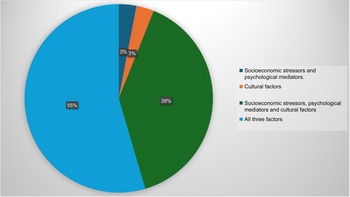
Figure 1 summarises how the three themes influencing obesity and weight gain among immigrants in high-income countries are represented across the thirty-three review articles. Most reviews (n 18, 55 %) addressed all three themes, thirteen (39 %) examined both socio-economic stressors/psychological mediators and cultural factors, and only one review focused exclusively on either cultural or socio-economic factors.
The representation of the three themes in the thirty-three review articles.

Figure 1 Long description
A pie chart illustrates the distribution of three themes across 33 review articles. The chart is divided into four segments. The largest segment, colored in blue, represents 55 percent and is labeled ‘Socioeconomic stressors and psychological mediators.’ The second-largest segment, colored in green, represents 39 percent and is labeled ‘Socioeconomic stressors, psychological mediators, and cultural factors.’ Two smaller segments, each representing 3 percent, are colored in dark blue and orange. The dark blue segment is labeled ‘Socioeconomic stressors and psychological mediators,’ and the orange segment is labeled ‘Cultural factors.’ The chart highlights the dominant presence of socioeconomic stressors and psychological mediators in the reviewed articles.
Physical climate and metabolic/physiological changes
Eighteen of the thirty-three included reviews examined the role of physical climate and physiological changes in shaping obesity and weight gain among immigrants to high-income countries. Specifically, migration to high-income countries was consistently associated with significant metabolic and physiological changes that predispose immigrants to obesity and related cardiometabolic risks. Evidence from multiple systematic reviews indicates that immigrants often arrive with a health advantage – lower BMI and reduced cardiometabolic risk – yet this advantage diminishes over time, with obesity prevalence rising sharply after 10–15 years post-migration(Reference Murphy, Robertson and Oyebode10,Reference Kronstad, Tokovska and Kisa27) . Duration of residence emerged as a strong predictor of weight gain, with longer stays linked to higher BMI and increased odds of diabetes and metabolic syndrome(Reference Paixão, Teixeira and Andrade28,Reference Vo, Lopez and Malay29) . Furthermore, meta-analyses in some of the studies confirm elevated prevalence of metabolic syndrome (33·1 %) and abdominal obesity (44·8 %) among Latino immigrants in the USA(Reference Paixão, Teixeira and Andrade28), while pooled estimates for refugees suggest heterogeneous obesity risk, with subgroup differences by sex and region(Reference Kibibi, Dena and Cummings30).
Physiological vulnerabilities discussed in the reviewed articles included greater visceral adiposity and insulin resistance at lower BMI thresholds among South Asian and African migrants compared to host populations(Reference Fernando, Razak and Lear31,Reference Ismail, Asamane and Osei-Kwasi32) . Reviews also highlighted micronutrient deficiencies – particularly vitamin D and folate – among pregnant women and refugees, compounded by reduced sun exposure and dietary changes in colder climates(Reference Bains, Mæland and Vik33,Reference Matsangos, Ziaka and Exadaktylos34) . Harsh physical environments, such as cold Nordic winters, were reported to limit outdoor physical activity, further contributing to weight gain(Reference Kronstad, Tokovska and Kisa27). Ngongalah et al. (2018) by focusing on African women of childbearing age also found that physical activity levels varied widely, with some women reporting reduced engagement due to environmental constraints, cultural beliefs and competing responsibilities such as childcare and employment, which would consequently impact obesity and weight gain prevalence post-immigration(Reference Ngongalah, Rankin and Rapley35). Environmental barriers were also noted in Berggreen-Clausen et al. (2022), where immigrants reported difficulties accessing fresh, culturally appropriate foods due to poor neighbourhood infrastructure, limited public transport and adverse weather conditions. These challenges were compounded during colder seasons, which restricted mobility and access to healthier food outlets(Reference Berggreen-Clausen, Hseing Pha and Mölsted Alvesson36). Collectively, these findings emphasise the complex interplay between climate, physiology and environmental constraints in shaping obesity risk among immigrant populations.
Socio-economic stressors and psychological mediators
Socio-economic and psychological factors emerged as central themes in thirty-two of the reviewed articles. Immigrants to high-income countries often face significant socio-economic disadvantages, including poverty, food insecurity, unstable employment, low income,and limited access to healthcare. These stressors were consistently linked to limited access to healthy foods with increased reliance on energy-dense, processed options and increased obesity risk(Reference Berggreen-Clausen, Hseing Pha and Mölsted Alvesson36,Reference Mansour, Liamputtong and Arora37) . Purcino & Bedrikow (2024) and Wang et al. (2016) documented how Haitian and refugee populations, respectively, experienced a shift away from traditional diets rich in fruits, vegetables and legumes toward processed, calorie-dense foods. This transition was driven by economic constraints, time limitations and lack of nutritional knowledge. Food insecurity was a pervasive issue, exacerbated by language barriers, discrimination and difficulties navigating food assistance programs(Reference Wang, Min and Harris38,Reference Purcino and Bedrikow39) . Food insecurity prevalence was also high among Middle Eastern and African migrants in the USA reaching 40–71 % and correlating with higher odds of overweight and obesity(Reference Mansour, Liamputtong and Arora37). Employment instability and time scarcity were linked as well to greater fast-food consumption, particularly among working-age adults, thus contributing to a higher prevalence of weight gain(Reference Ufholz and Werner40). LeCroy et al. (2023) added to the discussion by emphasising immigration as a structural determinant of health. The review showed that systemic barriers – such as inadequate healthcare access, discriminatory policies and poor neighbourhood food environments – create persistent obstacles to maintaining healthy lifestyles. These structural inequities contribute to cardiometabolic disparities across diverse immigrant groups, reinforcing the need for policy-level interventions(Reference LeCroy, Suss and Russo41). Gender disparities were also noted by Mensah et al. (2022) among African immigrants in high-income countries, with women exhibiting higher rates of obesity and men showing elevated prevalence of hypertension and diabetes(Reference Mensah, Ogungbe and Turkson-Ocran42).
Additionally, psychological mediators – including acculturative stress, discrimination and migration-related trauma – were frequently cited as indirect drivers of unhealthy behaviours and weight gain(Reference Dubois and Giroux21,Reference Osei, Mank and Sorgho43) . Mental health challenges such as depression and anxiety were shown to interact bidirectionally with diet quality, creating cycles that exacerbate obesity risk(Reference Dubois and Giroux21). Structural stressors, including residential segregation and neighbourhood deprivation, amplified obesity disparities among Black and Hispanic immigrants in the USA(Reference Kershaw and Albrecht44,Reference Kim, Cho and Ullahansari45) . These findings underscore the interplay between socio-economic and psychosocial factors in shaping obesity trajectories post-migration. Finally, it is worth to note that longer duration of residence in the host country was frequently reported by several systematic reviews to increase the risk of obesity and obesity-related outcomes, suggesting cumulative exposure to socio-economic and psychological stressors(Reference Kronstad, Tokovska and Kisa27,Reference Paixão, Teixeira and Andrade28,Reference Gong and Zhao46,Reference Alidu and Grunfeld47) .
Cultural factors
Cultural influences were addressed in thirty-two reviews, with particular emphasis on acculturation, generational differences and dietary transitions. A consistent finding across multiple reviews(Reference Kronstad, Tokovska and Kisa27,Reference Paixão, Teixeira and Andrade28,Reference Gong and Zhao46–Reference Goulão, Santos and Carmo48) was the positive association between longer duration of residence and increased BMI and obesity risk. Immigrants often arrive in host countries with lower BMI compared with domestic-born populations (in line with the healthy migrant effect theory), but this health advantage diminishes over time, often within the first decade of residence. This is due to cultural adaptation, which is a critical determinant of dietary and physical activity behaviours over time. Most reviews reported that immigrants retain elements of traditional diets while progressively adopting host-country patterns characterised by higher intake of fats, sugars and processed foods(Reference Varre, Dustin and Van Vliet49,Reference Zheng, Alam and Khemlani50) . Language proficiency and generational status were also noted as acculturation measures that affect BMI and obesity risk(Reference Vo, Lopez and Malay29,Reference Alidu and Grunfeld47) . For example, second-generation migrants often exhibited higher obesity prevalence and more unhealthy behaviours than first-generation counterparts(Reference Alidu and Grunfeld47). This was mainly attributed to unhealthy behaviours among the second-generation immigrants such as a higher rate of tobacco smoking, alcohol consumption, snack foods and sweet foods overeating, as well as lower levels of physical activity(Reference Alidu and Grunfeld47). On the other hand, language proficiency was associated with a lower risk of obesity, suggesting that social integration for all immigrant generations may have protective effects in some contexts(Reference Alidu and Grunfeld47).
The risk of obesity and weight gain was also influenced through cultural norms and gender roles that impact physical activity, with restrictions on women’s mobility and modesty norms limiting exercise opportunities in some groups(Reference Kronstad, Tokovska and Kisa27,Reference Ngongalah, Rankin and Rapley35) . Religious practices and food preferences also shaped dietary choices, sometimes creating tension between cultural identity and health-promoting behaviours(Reference Berggreen-Clausen, Hseing Pha and Mölsted Alvesson36). Ethnic enclaves provided partial protection against unhealthy acculturation by facilitating access to traditional foods, though these environments were often characterised by high poverty and limited healthcare access(Reference Kershaw and Albrecht44).
Methodological quality evaluation of the systematic review articles
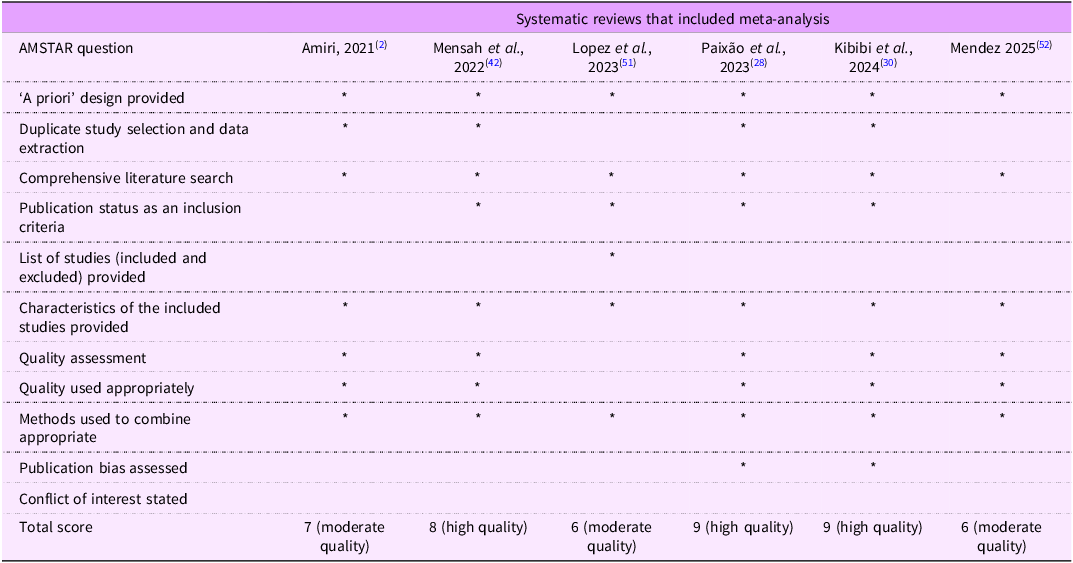
The methodological quality of the included reviews was assessed using the A Measurement Tool to Assess Systematic Reviews tool(Reference Raglan, Kalliala and Markozannes24–Reference Kalliala, Markozannes and Gunter26). Among the six systematic reviews with meta-analysis, three achieved high quality (scores ≥ 8)(Reference Paixão, Teixeira and Andrade28,Reference Kibibi, Dena and Cummings30,Reference Mensah, Ogungbe and Turkson-Ocran42) and three scored moderate quality (scores 4–7)(Reference Amiri2,Reference Lopez, Moreno and Palloni51,Reference Mendez52) . These reviews demonstrated rigorous methodology, including comprehensive literature searches, duplicate data extraction and appropriate use of quality assessments and statistical methods. The weaknesses of these systematic reviews involved limited reporting of publication bias and conflict of interest (Table 3).
A measurement tool to assess systematic reviews (AMSTAR) summary quality assessment for the six systematic review articles that included a meta-analysis
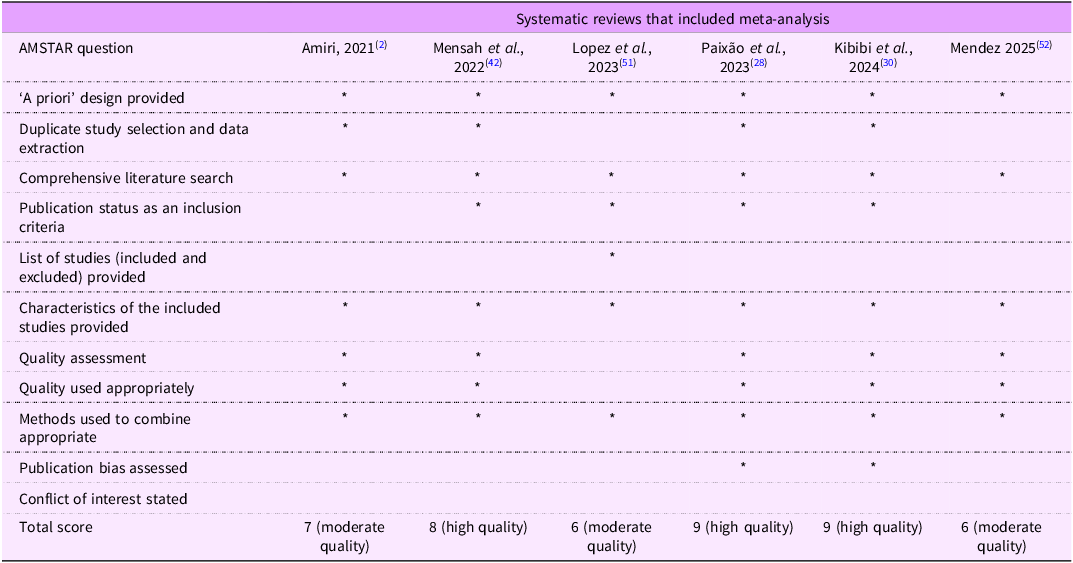
Table 3. Long description
The table presents a summary quality assessment of six systematic reviews that included meta-analysis, evaluated using the A Measurement Tool to Assess Systematic Reviews (AMSTAR) tool. The table has 11 rows and 6 columns, with each column representing a different systematic review and each row representing a specific AMSTAR question. The columns are labeled with the names of the reviews and their publication years: Amiri, 2021; Mensah et al., 2022; Lopez et al., 2023; Paixão et al., 2023; Kibibi et al., 2024; and Mendez 2025. The rows are labeled with AMSTAR questions such as ‘A priori design provided,’ ‘Duplicate study selection and data extraction,’ ‘Comprehensive literature search,’ and others. Each cell indicates whether the corresponding review met the criteria for the respective AMSTAR question, marked with an asterisk if met. The total scores for each review are provided at the bottom, with three reviews achieving high quality (scores of 8 or 9) and three scoring moderate quality (scores of 6 or 7). The table highlights the rigorous methodology of these reviews, including comprehensive literature searches, duplicate data extraction, and appropriate use of quality assessments and statistical methods. However, it also notes weaknesses such as limited reporting of publication bias and conflict of interest.
* Indicates that the systematic review article possesses this quality and is awarded one point on the AMSTAR scale.
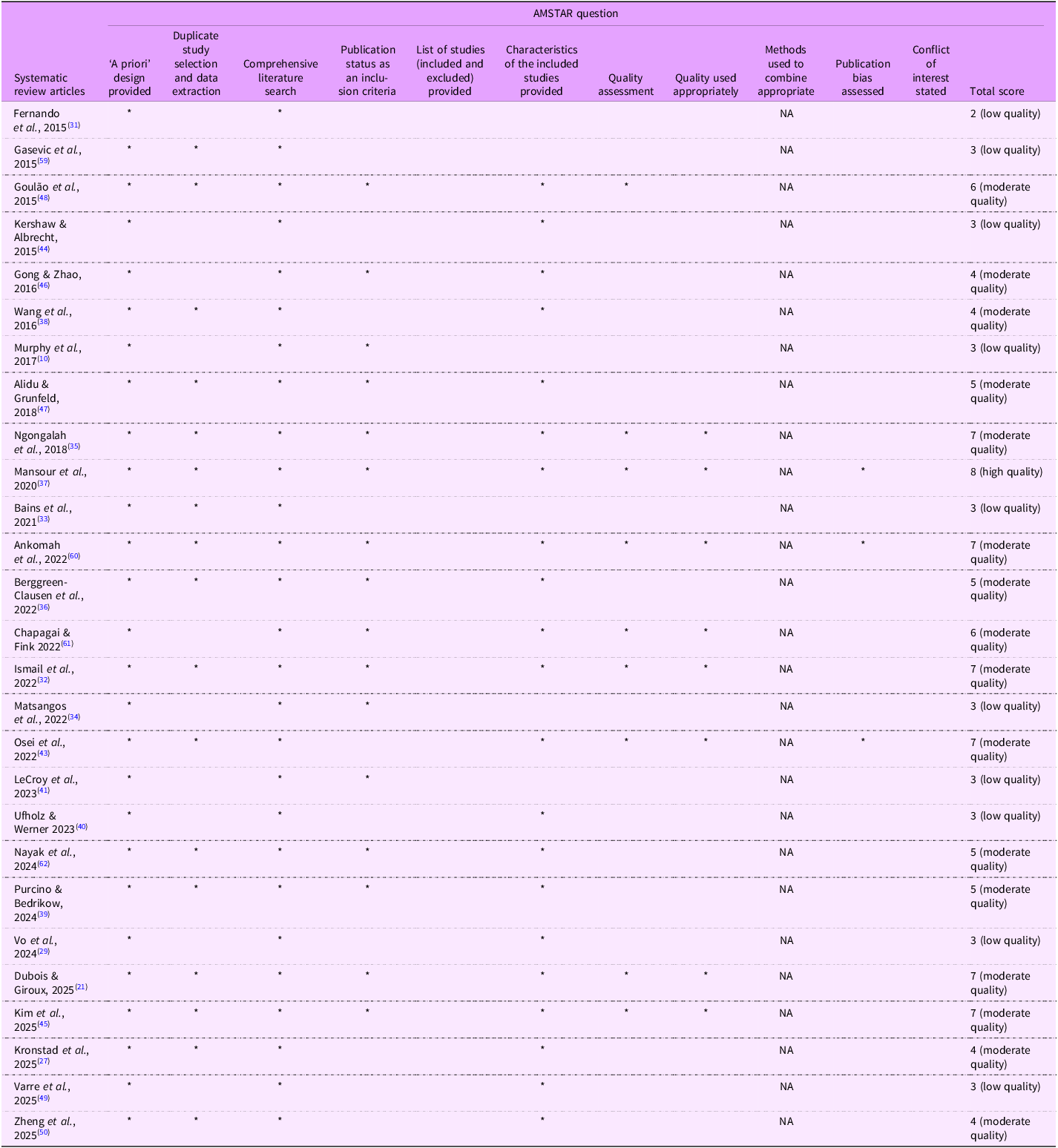
For the twenty-seven systematic reviews without meta-analysis, quality ranged from low (score ≤ 3) to moderate (scores 4–7). Only one systematic review by Mansour et al. (2020) was rated as high quality(Reference Mansour, Liamputtong and Arora37). Common strengths included clear inclusion criteria, comprehensive searches and provision of study characteristics; whereas frequent limitations included lack of duplicate data extraction, incomplete lists of included/excluded studies and insufficient assessment of publication bias and conflict of interest disclosures of the reviewed studies. Only a minority of reviews integrated quality assessments into the interpretation of findings (Table 4). These methodological gaps highlight the need for more rigorous designs, transparent reporting and standardised approaches in future reviews to strengthen evidence synthesis on migration-related obesity and weight gain. Nevertheless, despite the observed methodological quality variation, the collective evidence provides a robust and multifaceted understanding of the cultural, socio-economic, psychological, physiological and environmental determinants of obesity among immigrants to high-income countries.
A measurement tool to assess systematic reviews (AMSTAR) summary quality assessment for the 27 systematic review articles that did not include a meta-analysis

Table 4. Long description
The table presents a quality assessment of 27 systematic review articles that did not include a meta-analysis, using the AMSTAR criteria. It includes columns for various AMSTAR questions such as ‘A priori design provided’, ‘Duplicate study selection and data extraction’, ‘Comprehensive literature search’, ‘Publication status as an inclusion criteria’, ‘List of studies included and excluded provided’, ‘Characteristics of included studies provided’, ‘Quality assessment’, ‘Quality used appropriately’, ‘Methods used to combine appropriate’, ‘Publication bias assessed’, and ‘Conflict of interest stated’. Each row corresponds to a different systematic review article, with checkmarks indicating whether the criteria were met. The total score for each article is provided, ranging from low quality (score 3) to moderate quality (scores 4-7), with only one article rated as high quality (score 8). Notable trends include common strengths such as clear inclusion criteria and comprehensive searches, and frequent limitations such as lack of duplicate data extraction and incomplete lists of included or excluded studies.
* Indicates that the systematic review article possesses this quality and is awarded one point on the AMSTAR scale; NA = ‘Not applicable’ and it is placed for the ‘Methods used to combine appropriate’ because this can only be assessed in systematic reviews that include meta-analysis and a pooled estimate.
Discussion
This umbrella literature review synthesised evidence from thirty-three systematic reviews to explore the multifactorial influences of cultural, socio-economic, psychological stressors, environmental and physiological factors on obesity and weight gain among immigrants to high-income countries. The findings reinforce the complexity of obesity as a public health issue, particularly within migrant populations, and align with the broader literature that positions obesity as a multifaceted condition influenced by biological, behavioural and contextual determinants(1,Reference Amiri2) . Importantly, the evidence shifts the interpretation of immigrant obesity away from individual lifestyle choices towards structural and contextual processes that govern exposure, opportunity and adaptation.
Specifically, this umbrella review showed that immigrants to high-income countries are at increased risk of obesity and related cardiometabolic conditions over time, despite often arriving with a health advantage – a phenomenon known as the healthy migrant effect. This advantage diminishes as immigrants acculturate to the host country environments, which are frequently characterised by obesogenic dietary patterns, sedentary lifestyles and structural barriers to health-promoting resources(Reference Amiri2,Reference Commodore-Mensah, Ukonu and Obisesan8,Reference Delavari, Sønderlund and Swinburn11) . This aligns with both the reviews included in this umbrella review and the wider literature. For instance, Shah et al. (2023) showed that female migrants in the United Arab Emirates with 5 years of residence were twice as likely to be overweight or obese, even after adjusting for age(Reference Shah, Paulo and Loney53).
Cultural factors, particularly dietary acculturation and duration of residence, emerged as consistent predictors of weight gain. Immigrants often transition from traditional diets rich in fiber and micronutrients to Western diets high in fats, sugars and processed foods, referred to as the Nutrition Transition Theory(Reference Ulijaszek, Mann, Elton, Ulijaszek, Mann and Elton54). This shift is not uniform but rather the influence depends on the context, generation, gender and socio-economic position. For example, our umbrella review has shown that the shift in diet follows intergenerational dynamics and is especially pronounced among second-generation immigrants and younger individuals, who are more susceptible to the influences of host country food environments and social norms(Reference Berggreen-Clausen, Hseing Pha and Mölsted Alvesson36,Reference Alidu and Grunfeld47) . Consistent with our findings, Jäger et al. (2022) reported that, after adjusting for socio-demographic factors, second generation – but not first-generation – immigrants in Germany had higher BMI and obesity risk than the domestic-born population(Reference Jäger, Beyer and Claassen55).
Furthermore, acculturation, commonly measured by length of residence or language proficiency, was generally associated with higher BMI and adiposity, though effects were non-linear and context-specific(Reference Alidu and Grunfeld47,Reference Varre, Dustin and Van Vliet49) . Our umbrella review also showed that whilst Western dietary adoption increased exposure to processed foods, many immigrants retained key elements of traditional diets, reflecting bicultural rather than assimilative eating patterns(Reference Ngongalah, Rankin and Rapley35,Reference Zheng, Alam and Khemlani50) . Cultural retention was neither uniformly protective nor harmful, as traditional practices could support healthy eating or, alternatively, promote higher energy intake and reduced physical activity(Reference Kronstad, Tokovska and Kisa27). Similar complexity was observed by Li et al. (2023) among Chinese immigrants in Portugal, where dietary mixing increased with length of residence without extreme Westernisation(Reference Li, Carolino and Sousa56).
Socio-economic stressors – including lower socio-economic status, job instability, food insecurity and limited access to healthcare –were also strongly associated with a higher obesity risk among immigrants. Food insecurity emerged as a key mechanism, with prevalence reaching up to 70 % in some refugee and recent migrant populations and was paradoxically associated with both undernutrition and overweight due to reliance on inexpensive energy-dense, nutrient-poor foods(Reference Mansour, Liamputtong and Arora37,Reference Zheng, Alam and Khemlani50) . Psychological stressors – including acculturative stress, discrimination, job insecurity and precarious legal status – were also consistently linked to unhealthy diets, emotional eating, reduced physical activity and poor sleep, reinforcing bidirectional feedback loops between mental health and obesity, particularly among women and refugees(Reference Delavari, Sønderlund and Swinburn11,Reference Dubois and Giroux21,Reference Ngongalah, Rankin and Rapley35,Reference Wang, Min and Harris38) .
Socio-economic stressors operated through place-based factors such as neighbourhood deprivation and residential segregation were also evident. Evidence from the USA showed that immigrants and ethnic minorities in high-poverty or segregated areas face greater exposure to fast food, limited recreational resources and chronic stress, reinforcing obesity disparities independent of individual behaviours(Reference Kershaw and Albrecht44,Reference Kim, Cho and Ullahansari45) . Consistently, Bell et al. (2019) linked county-level racial inequalities in poverty, unemployment and homeownership to higher obesity rates through reduced access to grocery stores and increased fast-food availability, highlighting the role of structural racism in shaping obesogenic environments(Reference Bell, Kerr and Young57).
Environmental and physiological factors also contributed to weight gain following migration. Multiple reviews(Reference Murphy, Robertson and Oyebode10,Reference Lopez, Moreno and Palloni51) indicate that immigrants from low- and middle-income countries often undergo a rapid shift from nutritionally constrained environments to calorie-dense, sedentary contexts in high-income countries, consistent with Nutrition Transition Theory(Reference Ulijaszek, Mann, Elton, Ulijaszek, Mann and Elton54). This transition disproportionately affects metabolically vulnerable groups, such as South Asian and African immigrants, who experience increased central adiposity and metabolic risk at relatively modest BMI gains(Reference Fernando, Razak and Lear31,Reference Ismail, Asamane and Osei-Kwasi32) .
Physical climate acts primarily as a behavioural modifier rather than a direct cause of obesity. Cold temperatures, limited daylight and poor walkability – especially in Nordic contexts – restrict physical activity and access to healthy foods, disproportionately affecting women and older adults(Reference Kronstad, Tokovska and Kisa27,Reference Ngongalah, Rankin and Rapley35,Reference Berggreen-Clausen, Hseing Pha and Mölsted Alvesson36) . These constraints interact with transport, occupational patterns and neighbourhood design to reinforce sedentary lifestyles. Reviews also reported micronutrient deficiencies, particularly vitamin D and folate, among pregnant women and refugees due to reduced sun exposure and dietary change(Reference Bains, Mæland and Vik33,Reference Matsangos, Ziaka and Exadaktylos34) . The cumulative metabolic effects of these exposures help explain higher obesity risk with longer duration of residence across many populations(Reference Paixão, Teixeira and Andrade28,Reference Vo, Lopez and Malay29,Reference Alidu and Grunfeld47) . Similar to our findings, Katare & Chakrovorty (2019) found an association between the surrounding local environmental factors and the BMI of immigrants in the USA(Reference Katare and Chakrovorty58).
Despite the breadth of the reviewed evidence, several critical gaps remain. First, many of the studies reviewed by the thirty-three included systematic reviews were cross-sectional, limiting the ability to infer causality or track changes over time. Longitudinal studies are needed to better understand the temporal dynamics of weight gain and the cumulative effects of acculturation, socio-economic disadvantage and environmental exposure. Studying the temporality aspect in more depth is important given that the length of stay in the host country was a significant contributor towards weight gain and obesity among immigrants to high-income countries.
Second, there is a lack of standardised measures for key constructs such as acculturation, dietary change, psychological stress, food insecurity and physical activity. This heterogeneity in measurement limits comparability across studies and may obscure important subgroup differences. For example, while some studies found that acculturation was associated with increased BMI(Reference Murphy, Robertson and Oyebode10,Reference Alidu and Grunfeld47) , others reported protective effects among women(Reference Kronstad, Tokovska and Kisa27,Reference Vo, Lopez and Malay29) , suggesting that gender, cultural norms and body image perceptions may moderate this relationship. Similarly, refugees did not uniformly exhibit higher obesity prevalence than host populations in meta-analyses, yet subgroup analyses revealed divergent risks by sex and region(Reference Kibibi, Dena and Cummings30). Heterogeneity was also found with respect to pre-migration exposures, selection processes, legal status, labour market integration and welfare regimes across host countries. For example, Nordic welfare states, while offering universal healthcare, were not immune to obesity inequalities, particularly among marginalised immigrant women facing cultural, linguistic and climatic barriers(Reference Kronstad, Tokovska and Kisa27). These contextual contrasts reinforce the importance of analysing immigrant obesity through a comparative, systems level lens, rather than attributing outcomes to migration status alone.
Third, the role of climate and physical environment remains underexplored. While some reviews touched on vitamin D and folate deficiency and cold-weather barriers to physical activity and access to healthy food(Reference Kronstad, Tokovska and Kisa27,Reference Bains, Mæland and Vik33–Reference Berggreen-Clausen, Hseing Pha and Mölsted Alvesson36) , few studies systematically examined how climatic transitions affect metabolic health, dietary behaviours or psychological well-being. This is a particularly significant gap that requires further exploration beyond accessibility and vitamins deficiency dimensions given the growing number of migrants relocating from tropical or subtropical regions to temperate or colder climates. Additionally, bridging the connection between fluctuations in environmental conditions such as climatic/weather factors and air pollution between immigrants’ sending and receiving countries and how it impacts weight gain and obesity across the immigrant population would form an interesting future project.
Fourth, there is limited attention to intersectionality and heterogeneity within immigrant populations. Factors such as ethnicity, religion, migration status (e.g. refugee v. economic migrant), age at arrival and sex were often mentioned but rarely analysed in depth. For example, immigrant populations were often treated as homogenous groups, with insufficient disaggregation by ethnicity, sex or migration history. This lack of granularity may mask important variations in obesity risk and resilience across different subgroups of immigrants, hence, requiring further research.
Finally, methodological quality varied across the included systematic reviews. While three meta-analyses were rated as high quality and three as moderate quality, the majority of the systematic reviews did not conduct meta-analysis to pool estimates and lacked transparency in study selection, quality appraisal and conflict of interest reporting. This highlights the need for more rigorous and transparent synthesis methods in future research.
Implications for future research
More research that adopts different study designs such as longitudinal and mixed-methods designs is needed to capture the dynamic and context-dependent nature of weight gain and obesity among immigrants to high-income countries. Standardised tools for measuring acculturation, dietary change, physical activity, psychosocial stress and food security and accessibility are to be developed and validated across diverse populations of immigrants and host countries. Additionally, studies should incorporate intersectional frameworks to examine how overlapping ethnic identities and migration histories as well as structural inequalities shape health outcomes such as weight gain and obesity.
Furthermore, there is a need for more research on the physiological and behavioural/psychological impacts of climate change (e.g. differences in climatic/weather factors and air pollution between immigrant sending/receiving countries) and geographic relocation. For example, investigating how temperature, sunlight exposure and seasonal variation for immigrants from the origin to the destination country influence metabolism, physical activity and mental health could yield valuable insights into the environmental determinants of weight gain and obesity.
Finally, future studies should explore protective cultural practices and resilience factors that may buffer against weight gain and obesity. This could be done using mixed-methods study designs involving both quantitative and qualitative analysis. Understanding how some immigrant groups maintain healthy behaviours despite adverse conditions could help inform culturally tailored interventions and public health promotion initiatives.
Policy and practice implications
This umbrella literature review provided an overview on the impacts of cultural, socio-economic and climate variations on obesity and weight gain amongst immigrants to high-income countries, which would help in guiding public health policy interventions and practice. First, early intervention is critical. Given that significant weight gain often occurs within the first decade of residence, host countries should implement culturally sensitive orientation programmes that promote healthy eating, physical activity and mental well-being from the outset of the migration experience. This could include providing culturally appropriate nutrition education, improving access to healthy foods and designing interventions that consider language, literacy and cultural norms whether at schools, workplaces or public spaces and community events.
Second, policies should address structural barriers to health, including food insecurity, housing instability, employment instability, transportation/accessibility infrastructure and limited access to culturally appropriate healthcare. Expanding access to affordable, nutritious and culturally familiar foods –particularly in immigrant-dense neighbourhoods – could help mitigate dietary acculturation and its negative health consequences.
Third, mental health services should be integrated into obesity prevention strategies, particularly for high-risk groups such as refugees, women and low-income/low-education immigrants. Addressing acculturation stress, discrimination and social isolation through urban planning and community-based support programmes could reduce the psychological risk factors for weight gain and obesity and promote a more active lifestyle among immigrant populations. For example, community-based programmes that provide cultural local food stores, safe walking paths, gardens/parks initiatives and recreational facilities could help in this regard.
Finally, public health surveillance systems should disaggregate data by migration status, ethnicity and other relevant variables to better monitor trends and target interventions. This would support more equitable and effective health policies that recognise the unique challenges faced by specific immigrant sub-groups.
Strengths and limitations of the conducted umbrella literature review
This umbrella review synthesises comprehensively findings from thirty-three systematic and scoping reviews published over the past decade, examining obesity and weight gain among immigrants to high-income countries. Using a thematic framework and methodological quality assessment, it provides a multilevel perspective and evaluates transparency and confidence in the evidence.
However, this umbrella literature review exhibits some limitations including: (1) restriction to English-language publications, potentially excluding relevant studies from non-English contexts; (2) reliance of umbrella reviews by design on the scope and quality of existing reviews, which may overrepresent certain populations (e.g. US-based) and underrepresent others; (3) exclusion of intervention-focused reviews, limiting causal inference and 4) dependence on self-reported BMI, obesity and acculturation measures in most of the reviewed studies, which may introduce heterogeneity and reduce methodological quality.
Conclusion
This umbrella review synthesised evidence from thirty-three systematic reviews to examine cultural, socio-economic and environmental drivers of obesity and weight gain among immigrants to high-income countries. Although immigrants often arrive healthier than native-born populations, this advantage declines over time due to dietary acculturation, longer residence, socio-economic stressors, food insecurity and limited access to culturally appropriate services. Environmental factors, including cold climates and reduced daylight, may indirectly limit physical activity and healthy food access. However, the literature is constrained by methodological inconsistencies and limited longitudinal, mixed-methods and intersectional analyses. Targeted, culturally sensitive public health strategies are therefore essential to address the structural determinants of weight gain/obesity and promote health equity among immigrants to high-income countries.
Supplementary material
For supplementary material accompanying this paper visit https://doi.org/10.1017/S1368980026102687
Acknowledgements
Not applicable.
Financial support
This study received funding from the St Andrews Research Internship Scheme (StARIS) at the University of St Andrews in terms of 15 paid hours to a St Andrews undergraduate student to work on this research project as a research assistant for a University of St Andrews faculty member.
Competing interests
The authors declare that they have no conflict of interest.
Ethics of human subject participation
This study is an Umbrella literature review that utilises and analyses publicly available and published systematic literature reviews. Therefore, no ethical issues arise from this study, and there is no need for informed consent as we are not analysing individual data.
Authorship
M.A.A.A.: Conceptualisation, Investigation, Methodology, Data curation, Formal analysis, Writing – original draft, Writing – review and editing, Visualisation, Project administration, Funding acquisition and Supervision. M.F.: Conceptualisation, Investigation, Methodology, Formal analysis and Writing – review and editing.




 Open access

