


Introduction
The Mississippi River valley region of Illinois east of St Louis, MO, is the most concentrated area of horseradish production in the United States (Walters and Wahle Reference Walters and Wahle2010). The sandy, rich soils in this geography allow for rapid growth and easy harvest of this important specialty crop. Horseradish is grown for its white, fleshy, pungent root, which is used freshly ground or in condiments such as mayonnaises, mustards, and various other sauces (Walters and Wahle Reference Walters and Wahle2010). Other crops commonly grown in this area include field corn (Zea mays L.), soybean [Glycine max (L.) Merr.], wheat (Triticum aestivum L.), and some vegetables, especially sweet corn (Zea mays ssp. mays L.). Ensuring low pest pressures is critical to the long-term viability of the agriculture industry, particularly with specialty crops such as horseradish. Volunteer horseradish is a problem in many of these fields and can be a persistent weed in subsequent crops following horseradish production. Volunteer horseradish in subsequent crops negates the value of crop rotation and perpetuates a disease complex known as internal root discoloration (Rundle et al. Reference Smith, Ferrell, Webster and Fernandez2007). If volunteer horseradish is not controlled, pathogens responsible for this disease complex may increase and eliminate the field from consideration for future horseradish production. However, there is great potential for growers in this area to use new plant growth regulator (PGR)-resistant soybean to control volunteer horseradish and glyphosate-resistant (GR) broadleaf weeds such as Palmer amaranth (Amaranthus palmeri S. Watson) and common waterhemp (Amaranthus tuberculatus (Moq.) J. D. Sauer) that have become persistent problems in this region of Illinois. PGR-resistant soybean resistant to dicamba or 2,4-D will allow farmers to use a new mode of action to manage these weeds. While PGR-resistant soybean technologies could help farmers better manage weeds, they may also pose new risks, as horseradish is often grown near corn and soybean fields and in rotation with these crops.
A risk commonly associated with dicamba and 2,4-D applications is injury from drift onto many different broadleaf crops (Al-Khatib and Peterson Reference Al-Khatib and Peterson1999; Colquhoun et al. Reference Colquhoun, Daniel and Tittmeyer2014; Everitt and Keeling Reference Everitt and Keeling2009; Gilreath et al. Reference Gilreath, Chase and Locascio2001; Hatterman-Valenti et al. 2017; Johnson et al. Reference Lange, Fischer, Humphrey, Seyman, Baghott, Sumner, Krantz, Broadbent, Williams and Baghott2012; Marple et al. Reference Mohseni-Moghadam, Wolfe, Dami and Doohan2008; Mohseni-Moghadam and Doohan 2015; Mohseni-Moghadam et al. Reference Mortensen, Egan, Maxwell, Ryan and Smith2016). Use of PGR-resistant soybean technologies will most likely increase the use of dicamba and 2,4-D during the growing season (Mortensen et al. Reference Robinson, Simpson and Johnson2012), which may also increase injury risks to other broadleaf crops grown in close proximity. Previously, these herbicides had narrow application windows and could only be applied preplant to soybean with plant-back restrictions; whereas in corn, dicamba applications can be made when the crop is 91-cm height or less or 15 d before tassel, and 2,4-D can be applied up to 20-cm height (Anonymous 2016a, 2016b). The first dicamba product labeled for the dicamba-resistant soybean system, XtendiMax™ (diglycolamine salt of dicamba) with VaporGrip™ technology, can be applied on soybean PRE up to reproductive stage 1 or early bloom (Monsanto Reference Robinson, Davis, Simpson and Johnson2016); and in comparison, growers can apply 2,4-D up to reproductive stage 2, or full bloom, once the Enlist™ soybean system has all regulatory approvals (Anonymous 2016c). Therefore, the application timings for these two herbicides have been greatly extended in soybean production systems. Due to this change in allowing additional in-season applications of these herbicides, drift onto other broadleaf crops becomes a much greater concern. Although drift of PGR herbicides has been well documented in many vegetable crops, effects on horseradish are unknown. Thus, an experiment was designed to evaluate the effect of simulated dicamba and 2,4-D drift onto this important Illinois specialty crop.
Another risk associated with the introduction of new soybean technologies into a crop rotation is herbicide carryover. The Roundup Ready 2 Xtend® soybean system allows for applications of dicamba in-season on soybean. These additional POST applications of dicamba, which were not previously possible in-season on soybean, may allow extended persistence of dicamba residue, with potential to injure sensitive crops planted the following year. Summer drought followed by low winter and spring temperatures can reduce the degradation of dicamba in soils, which could lead to injury in subsequent crops (Mark and Wyse Reference Mohseni-Moghadam and Doohan1987). Because dicamba has injured broadleaf crops a year after application even at low use rates (Lange et al. Reference Marple, Al-Khatib and Peterson1968), residue carryover should be considered when planning crop rotations. Horseradish growers must always be aware of carryover concerns when using herbicides the year before horseradish. Therefore, an experiment was established to evaluate potential carryover of dicamba to subsequent horseradish plantings following applications to dicamba-resistant soybean.
Materials and Methods
Dicamba and 2,4-D Drift Experiment
Field experiments were conducted in Edwardsville, IL, during 2015 on a Winfield silt loam (fine-silty, mixed, superactive, mesic Oxyaquic Hapludalfs) (9% clay, 36% silt, 55% sand, 1.67% organic matter [OM], and 6.7 pH) and in Medora, IL, during 2016 on a Lawson silt loam (fine-silty, mixed, superactive, mesic Aquic Cumulic Hapludolls) (24% clay, 70% silt, 6% sand, 2.74% OM, and 6.5 pH). Although horseradish is a perennial plant, it is primarily grown in an annual cropping system. Horseradish is asexually propagated using root cuttings, called “sets,” due to issues surrounding seed, including poor seed set and high heterozygosity. Sets are gathered from harvested roots in previous seasons and stored through the winter until spring planting. These sets are typically 1 to 2 cm in diameter and 30 to 38 cm in length and are cut with a straight cut on the proximal end and a diagonal cut on the distal end to indicate polarity, which determines the placement in the ground at planting (Shehata et al. Reference Shehata, Mulwa, Babadoost, Uchanski, Norton, Skirvin and Walters2009; Walters and Wahle Reference Walters and Wahle2010). For this study, sets of ‘315’ horseradish were planted at the typical 0.6-m in-row and 0.9-m center-to-center row spacing on May 5, 2015, and May 21, 2016, at approximately 20,000 sets ha−1. The experiment was a randomized complete block design with three replications. Experimental units were 3.7-m wide by 7.6-m long, with the field split vertically down the center by a 6.1-m buffer strip used to separate dicamba and 2,4-D treatments. A blanket application of sulfentrazone (Spartan®, 280 g ai ha−1, FMC, Philadelphia, PA) plus S-metolachlor (Dual Magnum®, 1,424 g ai ha−1, Syngenta Crop Protection, Research Triangle Park, NC) was applied PRE for weed control. Adequate rainfall to activate the PRE herbicides was received within 2 d of application both years. Field research plots were then maintained by hand weeding for the remainder of the growing season. Dicamba (Clarity®, 560 g ae ha−1, BASF, Research Triangle Park, NC) and 2,4-D (2,4-D LV4, 1,065 g ae ha−1, WinField Solutions, Shoreview, MN), were applied at six rates: 1/10,000X, 1/1,000X, 1/100X, 1/2X, 1X, and 2X (0.056, 0.56, 5.6, 280, 560, and 1,120 g ae ha−1 of dicamba; 0.106, 1.06, 10.6, 530, 1,060, and 2,120 g ae ha−1 of 2,4-D) of the recommended use rates (Egan and Mortensen Reference Egan and Mortensen2012; Egan et al. Reference Egan, Barlow and Mortensen2014; Robinson et al. Reference Robinson, Davis, Simpson and Johnson2013a, Reference Schroeder, Cole and Dexter2013b). The dicamba and 2,4-D rates are based on the 1X label rate of XtendiMax™ (Monsanto, 700 Chesterfield Parkway W., St Louis, MO) and Enlist Duo® (Dow AgroSciences, 9330 Zionsville Road, Indianapolis, IN) herbicides, respectively. Applications were made on June 23, 2015, and July 5, 2016, to simulate a typical POST application on soybean. Treatments were applied to the center 2 rows of horseradish in each plot using 140 L ha−1 of water at 207 kPa with a handheld CO2-pressurized backpack sprayer equipped with TTI11002 (TeeJet® Induction 11002, TeeJet Technologies, Wheaton, IL) nozzles. A nontreated control was also included for comparison in both the dicamba and 2,4-D evaluations.
Horseradish injury ratings were visually assessed on the 2 center rows in each plot at 7, 14, 28, 42, and 56 d after treatment (DAT). Ratings were estimated by the percentage of crop necrotic tissue, chlorotic tissue, and stunting on a 0 to 100 scale (0=no injury and 100=complete plant death). A random subset of 10 plants (5 per row) were marked in each plot, and plant height was measured from the crown of each plant at the soil line to the tip of the longest leaf at 14, 28, 42, and 56 DAT. The two treated rows were harvested using a single-row modified potato digger on October 30, 2015, and November 10, 2016. Total root weight in each plot was recorded to extrapolate yield, and the subset of 10 plants marked previously were collected to later be used for herbicide residue analysis. Roots were processed by removing any remaining foliar material (leaves and petioles) from the crown, in addition to cutting off set roots and other smaller roots from the primary root. Set root diameter was measured at the point of maximum diameter using digital calipers; additionally, primary root weight and length, number of sets, and total set weight were recorded for each plant in the 10-plant sample.
Samples of primary roots from each treatment were prepared for pesticide residue analysis by removing the outer root skin to obtain material from the center root tissues. Outer tissue was removed to discard portions of the root that were in direct contact with the soil and herbicide, to ensure measurement of herbicide residue within the root tissue. Working space and cutlery equipment were washed between samples to prevent cross contamination. Samples were shipped to South Dakota Agricultural Labs (Brookings, SD) for pesticide residue analysis. The laboratory extracted dicamba and 2,4-D by gas chromatography–mass spectrometry (GC-MS). Horseradish was prepared for analysis by first blending a 20- to 40-g sample in 150 ml of 0.1M NaOH containing 10% methanol, with the solid and liquid portions separated by filtration. The liquid filtrate was acidified with HCl, with 20 g of NaCl added and dissolved. Samples were then extracted with dichloromethane by using a 250-ml separatory funnel. The dichloromethane was drained into a 250-ml round-bottom flask and rotovaped to a few milliliters in a water bath at 40 C. Diazomethane was then added to methylate the sample. Because diazomethane is explosive, it is synthesized as needed at South Dakota Agricultural Labs using diazald. Diazald is dissolved in diethyl ether and dripped into the potassium hydroxide/ethanol/water at 65 C. Diazomethane distills off, is collected, and then is used as a reagent. Samples were analyzed for dicamba residues on a 5975C Agilent GC-MS. For 2,4-D residue analysis, horseradish sample preparation methods were identical to the dicamba procedure, except once sample filtration was completed to remove solids, the aqueous phase was acidified and partitioned into methylene chloride to recover the acids in the protonated, uncharged forms. These free acids were methylated with diazomethane to convert to methyl ester forms. The resulting methyl esters were then determined by GC-MS.
All data were subjected to a factorial analysis of variance using year, rate, and herbicide as factors. Due to an interaction of herbicide and rate for most dependent variables (P≤0.05), the analysis proceeded as a one-way ANOVA for all combinations of herbicide and rate. Horseradish injury, height, stand count, and yield were analyzed for year interactions. A year interaction was observed in the 42 and 56 DAT rating of chlorosis and the 7 DAT rating of necrosis; therefore, these ratings were analyzed separately. All other data were analyzed combined over years. Horseradish injury ratings were analyzed as percentages and as transformed percentages (arcsine of the square root), while plant counts were analyzed without transformation and with natural log transformation, although transformations did not change mean separations or conclusions. Arcsine transformation of percent horseradish injury data was used to improve mean separation for those means of 20% or less. Means were separated using Fisher’s protected LSD (P≤0.05).
To understand the relationship between early-season horseradish plant injury caused by dicamba and 2,4-D and effects on yield, visual estimates of height reduction (stunting) and foliar necrosis were regressed against horseradish yield for dicamba and 2,4-D treatments in SAS (v. 9.4, SAS Institute, Cary, NC).
Dicamba Herbicide Carryover Experiment
A field study was conducted to evaluate the susceptibility of horseradish to dicamba residue injury following the use of various herbicide timing applications of MON 76832 (dicamba plus glyphosate premix, 120 g ae L−1 and 242 g ae L−1, respectively, Monsanto) and MON 119096 (dicamba alone, 350 g ae L−1, Monsanto) in dicamba-resistant soybean. The study was planted to ‘MON 87708’ soybean at 346,000 seeds ha−1 on June 3, 2014, and May 19, 2015, and then rotated to horseradish in 2015 and 2016, respectively. Field experiments were conducted in Collinsville, IL, on a Haymond silt loam (coarse-silty, mixed, superactive, mesic Distric Fluventic Eutrudepts) (14% clay, 70% silt, 16% sand, 2.8% OM, and 7.1 pH) in 2014 and on a Worthen silt loam (fine-silty, mixed, superactive, mesic Cumulic Hapludolls) (6% clay, 23% silt, 71% sand, 2.5% OM, and 7.2 pH) in 2015.
The experiment was set up to evaluate several dicamba and dicamba–glyphosate premix herbicide application timing treatments along with a nontreated control using a randomized complete block design and four replications. Field plots were 6.1-m wide by 8.5-m long. A blanket application of sulfentrazone (Spartan®, 280 g ai ha−1, FMC) plus s-metolachlor (Dual Magnum®, 1,424 g ai ha−1, Syngenta) was applied PRE. Herbicide treatments were applied to soybean at PRE, early postemergence (EPOST), and midpostemergence (MPOST) using a handheld CO2-pressurized backpack sprayer in 140 L ha−1 of water at 207 kPa using TTI11002 nozzles (TeeJet® Induction 11002, TeeJet Technologies). The herbicide treatments, dicamba application at rates ranging from a minimum of 560 g ae ha−1 to a maximum of 8,960 g ae ha−1, are presented in Table 1. The EPOST applications were applied to V2–V3 soybean and MPOST to V4–V5 soybean. Total rainfall was 94.06, 103.17, and 96.75 (cm) for 2014, 2015, and 2016, respectively. Adequate rainfall (1.5 to 2.5 cm) was received within 2.5 d of the PRE application. The application timings PRE, EPOST, and MPOST will be referred to as applications A, B, and C, respectively, in descriptions of data collection and analyses. Soybean were mowed on August 21, 2014, and August 28, 2015, to follow crop destruction protocol. Soybean crop injury evaluations were collected at 7, 14, and 28 d after application A (DA-A); 0, 7, 14, and 28 d after application B (DA-B); and 0, 7, 14, and 28 d after application C (DA-C). Soybean stand count in two 1.0-m rows per plot was recorded when the crop reached R2, and the growth stage of the first 5 plants in each 1.0-m row was recorded 60 d after planting (DAP).
Herbicide treatment list for dicamba and dicamba plus glyphosate premix applications in carryover experiment using dicamba-tolerant soybean. a
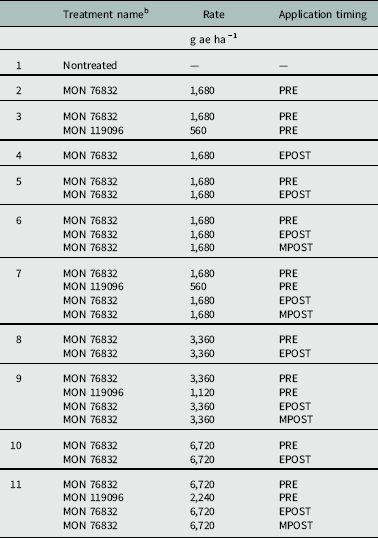
a Abbreviations: EPOST, early postemergence, V2 soybean; MPOST, mid-postemergence, V4 soybean; PRE, preemergence, within 2 d of planting and before emergence of crop.
b MON 76832, 120 g ae L−1 dicamba plus 242 g ae L−1 glyphosate premix; MON 119096, 350 g ae L−1 dicamba alone.
The year following dicamba-resistant soybean herbicide application treatments, ‘315’ horseradish was planted at 17,000 to 20,000 sets ha−1 at 91.4-cm spacing center-to-center and 60-cm intrarow spacing on April 29, 2015, and April 26, 2016. A blanket application of sulfentrazone (Spartan®, 280 g ai ha−1, FMC) plus S-metolachlor (Dual Magnum®, 1,424 g ai ha−1, Syngenta Crop Protection) was applied PRE to control weeds. The field was maintained with hand weeding and applications of clethodim (Select Max®, 140 g ai ha−1, Valent U.S.A., Walnut Creek, CA) as needed.
Horseradish data collection included days to emergence; stand count at 4 and 8 wk after planting (WAP); plant height at 4, 6, and 8 WAP (on 10 selected plants per plot); and visual injury characterized by stunt, chlorosis, necrosis, and an overall injury rating estimated on a 0 to 100 scale (0=no injury and 100=complete plant death). The center 2 rows of each experimental unit were individually harvested using a single-row modified potato digger on November 14, 2015, and November 17, 2016. Although all roots in each plot were collected for yield data at harvest, the primary root diameter, length and weight, and set count, weight, and average diameter were determined on the 10 plants in which in-season heights were recorded.
All data were subjected to a one-way ANOVA using PROC GLM (SAS v. 9.4, SAS Institute), with years pooled after results indicated no interactions across years. Means were compared using Fisher’s protected LSD test (P≤0.05).
Results and Discussion
Dicamba and 2,4-D Drift Experiment
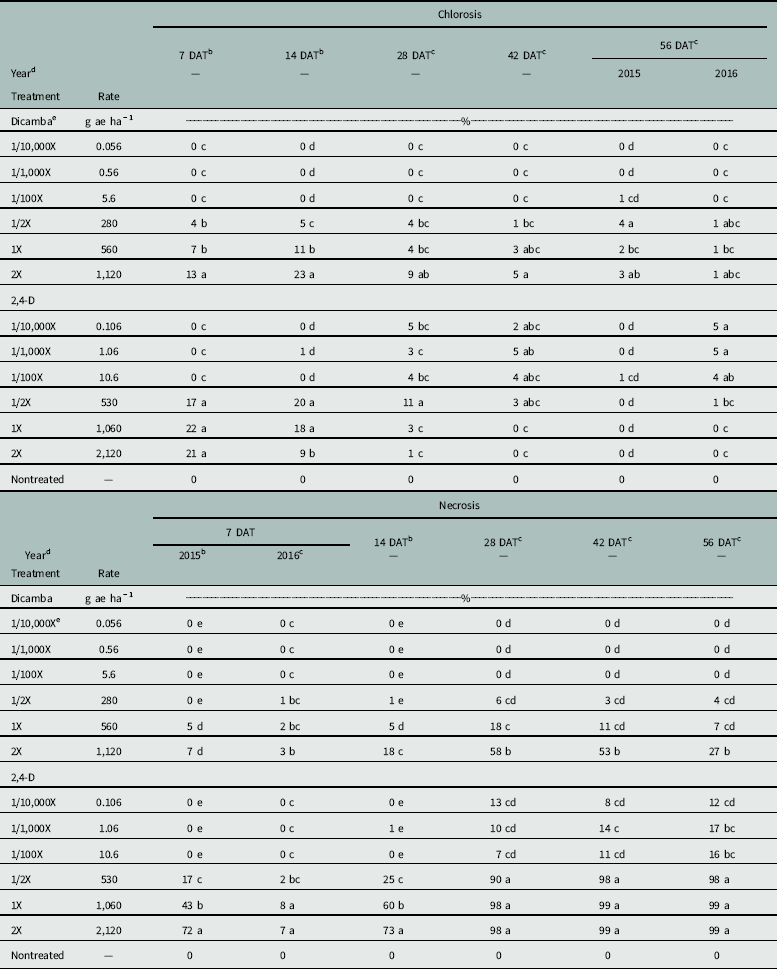
Horseradish plant chlorosis from dicamba treatments developed over the first 2 wk and then progressively decreased until the end of the growing season (Table 2). Although chlorosis data could be pooled over years for 7, 14, 28, and 42 DAT, late-season chlorosis at 56 DAT was more prominent in 2015 than in 2016. Dicamba applied at simulated drift rates did not cause chlorosis in horseradish. Dicamba applied at 1/2X, 1X, and 2X rates caused 4%, 7%, and 13% chlorosis, respectively, at 7 DAT, and 5%, 11%, and 23% chlorosis, respectively, at 14 DAT. However, at 28 DAT, chlorosis was just 9% with dicamba at the 2X rate and not significant at the 1/2X or 1X rates. Chlorosis at 56 DAT was slightly higher in 2015 than 2016, with 4%, 2%, and 3% chlorosis at the 1/2X, 1X, and 2X rates, respectively, during 2015, whereas in 2016 there was no significant chlorosis.
Effect of dicamba and 2,4-D on horseradish chlorosis and necrosis in drift experiments at Edwardsville, IL, in 2015 and Medora, IL, in 2016. a
a Abbreviation: DAT, days after treatment.
b Means separated using arcsine transformation.
c Nontransformed means separation presented.
d Data pooled over years for chlorosis at 7, 14, 28, and 42 DAT, and necrosis at 14, 28, 42, and 56 DAT.
e Effects of dicamba and 2,4-D were analyzed as a one-way ANOVA for all combinations of herbicide and rate, with means separated using Fisher’s protected LSD (P≤0.05).
Generally, horseradish plant injury was more severe when 2,4-D was applied compared with dicamba. At the 7 and 14 DAT evaluations, chlorosis with 2,4-D occurred primarily at or above the 1/2X rate, whereas at or beyond 28 DAT, some chlorosis was observed with 2,4-D at or below the 1/100X rate. When rates of 1/2X or higher were compared, 2,4-D caused 17% to 22% chlorosis at 7 DAT and 9% to 20% chlorosis at 14 DAT. Chlorosis was observed to be lower with 2,4-D at the 2X rate because of the rapid progression from chlorosis to necrosis. Although Marple et al. (Reference Mohseni-Moghadam, Wolfe, Dami and Doohan2008) indicated that both 2,4-D and dicamba at 1.4 to 2.8 g ae ha−1 caused chlorosis of cotton (Gossypium hirsutum L.) leaves, similar rates did not cause chlorosis of horseradish leaves in this study. This indicates that horseradish is less likely to exhibit symptoms of 2,4-D and dicamba chlorosis injury due to drift compared with other susceptible crops such as bell pepper (Capsicum annuum L.), cotton, broccoli (Brassica oleracea L. var. botrytis), peanut (Arachis hypogaea L.), and soybean (Andersen et al. Reference Andersen, Clay, Wrage and Matthees2004; Johnson et al. Reference Lange, Fischer, Humphrey, Seyman, Baghott, Sumner, Krantz, Broadbent, Williams and Baghott2012; Marple et al. Reference Mohseni-Moghadam, Wolfe, Dami and Doohan2008; Mohseni-Moghadam and Doohan 2015).
Although an interaction (P≤0.05) was observed between year and herbicide treatment for horseradish necrosis at 7 DAT, necrosis data were pooled over years for 14, 28, 42, and 56 DAT due to no observed interactions (P≥0.05). The foliar necrosis caused by dicamba was slow to develop, reached a maximum level at 28 DAT, and then progressively decreased over time. Moreover, significant amounts of necrosis were observed only with the 1X and 2X rates of dicamba, and rates at or below the 1/100X did not cause necrosis. At 7 DAT, dicamba at the 1X and 2X rates caused only minor injury, with 5% and 7% necrosis in 2015 and only 2% and 3% necrosis in 2016, respectively. At 14 and 28 DAT, dicamba at the 1X and 2X rates caused 5% and 18%, and 18% and 58% necrosis, respectively. The injury from dicamba decreased over time and was only 27% at 56 DAT for the 2X application rate. In comparison, necrosis from 2,4-D treatments continued to increase over time. At 7 DAT in 2015, 2,4-D at the 1/2X, 1X, and 2X rates caused 17%, 43%, and 72% necrosis, respectively, while in 2016, 2,4-D at the same rates caused 2%, 8%, and 7% necrosis, respectively. The difference in necrosis between years may be related to cumulative rainfall before and after herbicide application in 2015 and 2016. Total rainfall was 66.3 and 65.6 cm in 2015 and 2016, respectively. In 2015, 32.3 cm was received from the date horseradish was planted to the date of herbicide application, compared with 19.3 cm in 2016. In 2015, 5.8 cm of rainfall was received over a 7-d period after application compared with only 0.9 cm of rainfall for the same period in 2016; thus, plants may have been growing more actively in 2015 compared with 2016, resulting in more injury in 2015. The average high temperature (31 C) for 7 DAT was similar for both years. Foliar necrosis also developed later in 2016 than in 2015. When data were pooled over years, 2,4-D at the 1/2X rate or greater increased necrosis progressively from 25% to 73% at 14 DAT, reaching 90% to 98% necrosis at 42 DAT. Application of 2,4-D at or above the 1/2X rate caused 98% to 99% foliar necrosis on all horseradish plants at 56 DAT. Necrosis resulting from drift rates of 2,4-D was not significantly different from the zero necrosis caused by dicamba, except at 42 and 56 DAT for the 1/1,000X rate, at 14% and 17%, respectively.
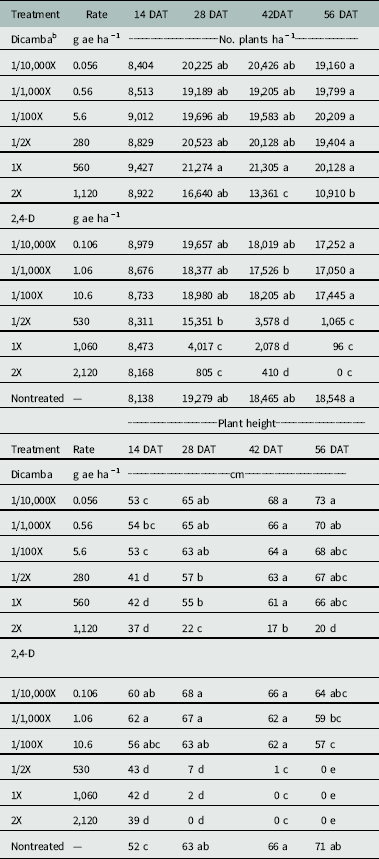
Horseradish plant stands were also affected by the two PGR herbicides, although reductions in plants per hectare were greater following 2,4-D applications than dicamba applications (Table 3). Dicamba at the 2X rate reduced plant population by 14% and 28% at 42 and 56 DAT, respectively. At 28 DAT, 2,4-D at the 1X and 2X rates reduced plants per hectare by 79% and 96%, respectively. At 42 DAT, reductions in plant populations were found for application rates of 1/2X, 1X, and 2X. Reductions in plant populations of 94%, 99%, and 100% occurred at 56 DAT when 2,4-D was applied at the 1/2X, 1X, and 2X rates, respectively (Table 3).
Effect of dicamba and 2,4-D on horseradish plants per hectare and plant height in drift experiment pooled over 2015 and 2016 growing seasons. a
a Abbreviation: DAT, days after treatment.
b Effects of dicamba and 2,4-D were analyzed as a one-way ANOVA for all combinations of herbicide and rate, with means separated using Fisher’s protected LSD (P≤0.05).
Horseradish plant height was reduced more following 2,4-D applications compared with dicamba applications (Table 3). At 14 DAT, dicamba at the 1/2X, 1X, and 2X rates reduced horseradish plant height from 52 cm, in the nontreated control, to between 37 and 42 cm. The 2X rate of dicamba reduced height by 65%, 74%, and 72% at 28, 42, and 56 DAT, respectively, compared with the nontreated control; 2,4-D at the 1/2X, 1X, and 2X rates also reduced horseradish plant heights at all measurement dates. However, unlike dicamba, 2,4-D reduced horseradish heights by 20% when applied at the 1/100X drift rate at 56 DAT. By 42 DAT, 2,4-D at the 1X and 2X rates had reduced horseradish plant heights to 0 cm, and no regrowth was observed by 56 DAT; complete plant death had occurred for 2,4-D with rates greater than 1/2X at 56 DAT. An increase in height was observed at 14 DAT at the two lowest 2,4-D drift rates (increase of 8 to 10 cm), suggesting an early hormetic effect, but this did not persist beyond the first rating. Smith et al. (Reference Walters and Wahle2017) also found that dicamba at 19 to 37 g ae ha−1 caused no cotton height reduction, whereas the same rates of 2,4-D caused 17% cotton height reduction, suggesting that 2,4-D can cause greater amounts of plant height reductions to certain crops compared with dicamba, depending on crop sensitivity.
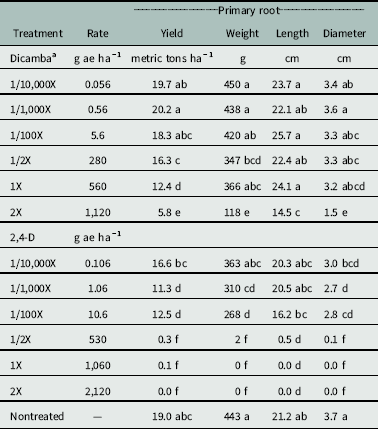
Dicamba and 2,4-D affected horseradish yield differently (Table 4). Dicamba only reduced horseradish yield, compared with the nontreated, when applied at the 1X and 2X rates; 2,4-D reduced yield when applied at rates of 1/1,000X or greater. Dicamba reduced yield by 35% and 69% at the 1X and 2X rates, respectively. In comparison, a 41% to 100% yield loss occurred when 2,4-D was applied at rates of 1/1,000X or more. Schroeder et al. (1983) also noted greater yield loss in sugarbeet (Beta vulgaris L.) from 2,4-D applications than from dicamba applications when these herbicides were applied at similar rates and timings. However, snap bean (Phaseolus vulgaris L.) injury and yield reductions were greater from dicamba than from 2,4-D (Colquhoun et al. Reference Colquhoun, Daniel and Tittmeyer2014).
Effect of dicamba and 2,4-D on horseradish yield and primary root weight, length, and diameter in drift experiments pooled over the 2015 and 2016 growing seasons.
a Effects of dicamba and 2,4-D were analyzed as a one-way ANOVA for all combinations of herbicide and rate, with means separated using Fisher’s protected LSD (P≤0.05).
Horseradish primary root characters (weight, length, and diameter) were impacted by multiple rates of both herbicides (Table 4). Although dicamba at the 1/2X and 2X rates reduced primary horseradish root weight, dicamba at the 2X rate also reduced both primary root length and diameter. Reductions in primary root weight and diameter occurred when 2,4-D was applied at the 1/1,000X rate or higher. Set roots were also influenced by the application of dicamba and 2,4-D (Table 5). In 2015, dicamba at all rates reduced the number of set roots produced per large primary root. Dicamba at all rates except 1/1,000X reduced set weight, although no dicamba rates reduced average set diameter. In 2016, only the 2X rate of dicamba reduced set number and weight. In 2015, 2,4-D reduced the number of sets per primary root and set weight regardless of rate (except for set weight at the 1/10,000X rate). In 2016, 2,4-D rates at 1/2X and above reduced set number, while rates at 1/100X and above reduced set weight. Differences between years may be related to the rainfall differential mentioned previously; greater rainfall occurring early in the season may have increased plant growth rate in 2015 compared with 2016, resulting in increased herbicide sensitivity.
Effect of dicamba and 2,4-D rates on horseradish secondary roots (sets) in drift experiment separated by the 2015 and 2016 growing seasons. a
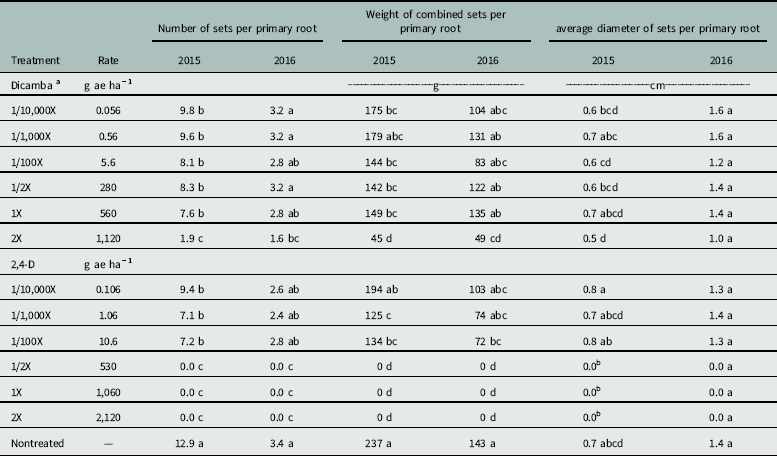
a Effects of dicamba and 2,4-D were analyzed as a one-way ANOVA for all combinations of herbicide and rate, with means separated using Fisher’s protected LSD (P≤0.05).
b No plants remained at harvest in the 1X and 2X treatments, and only one plant remained in the 1/2X treatment; therefore, no set data was collected.
The residue analysis of processed horseradish roots was pooled over years (Table 6). Only roots from plants sprayed with dicamba at the 2X rate had greater dicamba residues than the nontreated control. The residue level in these roots was 0.32 parts per billion (ppb), which is lower than the EPA tolerance of 100 ppb in root crops (USEPA 2018). Compared with the nontreated control, applications of 2,4-D did not affect the root residue levels at the drift rates evaluated. No residue data could be collected for the 1X and 2X rates of 2,4-D, because there was no harvestable tissue at these rates. Only one plant survived the 1/2X rate and was analyzed for residue, but it was not included in the statistical analysis. Although 2,4-D was not applied to the control plots during the study, 2,4-D was detected in the control plants. There were also much greater values of residue detected for 2,4-D than dicamba. There was no baseline testing of the sets used to initiate this study, and it is therefore unknown whether 2,4-D was present in horseradish sets at planting. However, in both years, the sets used to plant the study were taken from a field that had an early burndown application of 2,4-D and glyphosate before horseradish planting. This is a common burndown practice in horseradish production and may have resulted in contamination of the parent stock. While the 2,4-D residue levels detected were well below the EPA tolerance limits, more research is needed to determine 2,4-D accumulation rates and changes in residue levels in horseradish tissue over time.
Horseradish root residue analysis of dicamba and 2,4-D at harvest in drift experiments pooled over the 2015 and 2016 growing seasons.
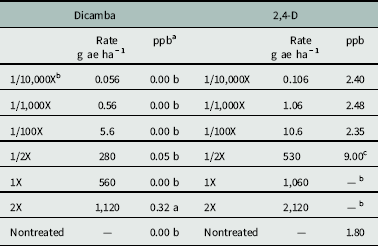
a Abbreviation: ppb, parts per billion.
b No plants remained in the plot at harvest.
c Only one plant remained to sample; therefore, residue amount (ppb) was not analyzed statistically.
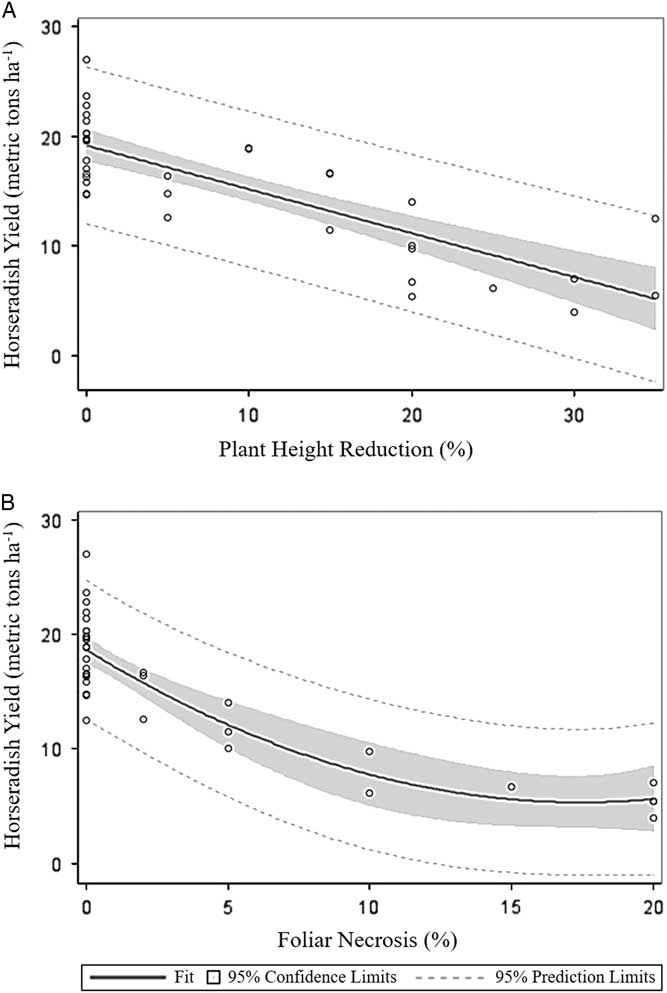
Regression was used to determine the relationship between early-season horseradish plant injury (visual height reduction and foliar necrosis) caused by dicamba and resulting yield (Figure 1). A relatively low amount of horseradish plant visual height reduction of 15%, caused by dicamba at 7 DAT, would predictably reduce root yield from about 19.2 to 13.2 metric tons ha−1, a 31% yield loss (Figure 1A). Following 2,4-D injury, yield was reduced from 13.2 to 2.3 metric tons ha−1 (82% yield loss) at 15% injury (unpublished data). Distribution of 2,4-D height reduction data was divided into two categories: the first with no height reduction and no yield loss, with variable yields ranging from 5 to 10 tons ha−1; and the second with 15% or more visual height reduction and almost no yield at 0 to 2 tons ha−1. There were no observations at 5% or 10% injury. Given this categorical distribution, regression analysis of 2,4-D drift rate effects on yield as a function of visual height reduction did not produce a descriptive model. A regression equation was not reported for 2,4-D drift rate effects on yield as a function of foliar necrosis for the same reason. At a low level of foliar necrosis injury of 10%, yield loss from dicamba would reduce yield from 18.7 to 7.8 metric tons ha−1, a 58% yield loss (Figure 1B), whereas for 2,4-D at this injury level, the yield would be reduced from 13.3 to 5.0 metric tons ha−1, a 62% yield loss (unpublished data). Similar to plant height reduction, greater amounts of horseradish yield loss were caused by 2,4-D compared with dicamba at equivalent low amounts of foliar necrosis. These results indicate that horseradish is more sensitive to yield loss from 2,4-D applications compared with dicamba applications.
(A) Horseradish yield (metric tons ha−1) as a function of visual height reduction (%) at 7 DAT as a result of dicamba simulated drift: y=19.16 − 0.3993x, R2=0.65, P=0.0001. (B) Horseradish yield (metric tons ha−1) as a function of foliar necrosis (%) at 14 DAT as a result of dicamba simulated drift: y=19.16 – 0.3993x, R2=0.65, P=0.0001.
Simulated drift rates of dicamba result in less horseradish injury and yield loss than 2,4-D. The dicamba drift rates evaluated (1/10,000X, 1/1,000X, and 1/100X) caused little to no horseradish plant injury, which was then later reflected in the absence of any associated yield reductions. In contrast, recent research has indicated that dicamba drift can result in significant specialty crop yield loss, particularly bell pepper and broccoli (Mohseni-Moghadam and Doohan 2015), as well as tomato (Solanum lycopersicum L.) (Kruger et al. Reference Mark and Wyse2012). Furthermore, simulated drift on dry edible bean (Phaseolus vulgaris L.), dry edible pea (Pisum sativum L.), and potato (Solanum tuberosum L.) indicated differences between these crops in sensitivity to sublethal doses of dicamba (Hatterman-Valenti et al. Reference Hatterman-Valenti, Endres, Jenks, Ostlie, Reinhardt, Robinson, Stenger and Zollinger2017). Although similar 2,4-D drift rates caused minimal late-season chlorosis, necrosis, and visual height reduction in horseradish, significant yield reductions were observed for this herbicide. Growers should be aware that even minimal horseradish plant injury with 2,4-D would most likely result in yield loss, which would not be the case with dicamba drifting onto horseradish plants.
Horseradish was more sensitive to drift exposure and standard application rates of 2,4-D compared with dicamba. While drift rates of dicamba may not cause horseradish injury or yield loss, 2,4-D at similar rates will most likely cause injury and yield loss if the rate drifted is 1/1,000X or greater. However, the development of injury symptoms on horseradish may vary depending on herbicide rates used and environmental factors at the time of application. Regression models may not always accurately determine horseradish yield loss from early-season height reduction or foliar necrosis injury due to this variability. Additionally, significant injury may not be detectable early in the growing season to determine whether a field replant situation may be necessary to avoid significant yield loss. Although horseradish may potentially be at a higher risk for injury and yield loss from 2,4-D drift, growers should consider the use of 2,4-D–resistant crops in rotation with horseradish to gain control of troublesome volunteer horseradish. Both Johanning et al. (Reference Kruger, Johnson, Doohan and Weller2016) and Rundle et al. (2007) indicated that 2,4-D is highly effective for volunteer horseradish control. Although 2,4-D can be a tool to manage this pest, the management of volunteer horseradish is still a challenge when horseradish is grown in a relatively short rotation cycle with other crops such as corn and soybean (Jenkins et al. Reference Jenkins, Krausz, Matthews, Gage and Walters2017). Our results should help growers better understand the importance of specialty crop field placement in areas where 2,4-D- and/or dicamba-resistant crops are prevalent, as well as how to better use these crops in relation to possible drift events.
Dicamba Herbicide Carryover Experiment
Because only imperceptible differences were observed with all soybean and horseradish parameters evaluated, means are presented across herbicide treatments (Table 7). Dicamba application did not result in any difference in soybean population or soybean growth stage, regardless of application timing or rate, in either 2014 or 2015 (Table 7). Most importantly, no soybean injury was observed following application of dicamba or dicamba plus glyphosate during either 2014 or 2015 (unpublished data).
Influence of dicamba on dicamba-tolerant soybean plant population and growth stage in 2014 and 2015 and on subsequent year’s horseradish emergence, plant height, plant population, and yield pooled over the 2015 and 2016 growing seasons. a
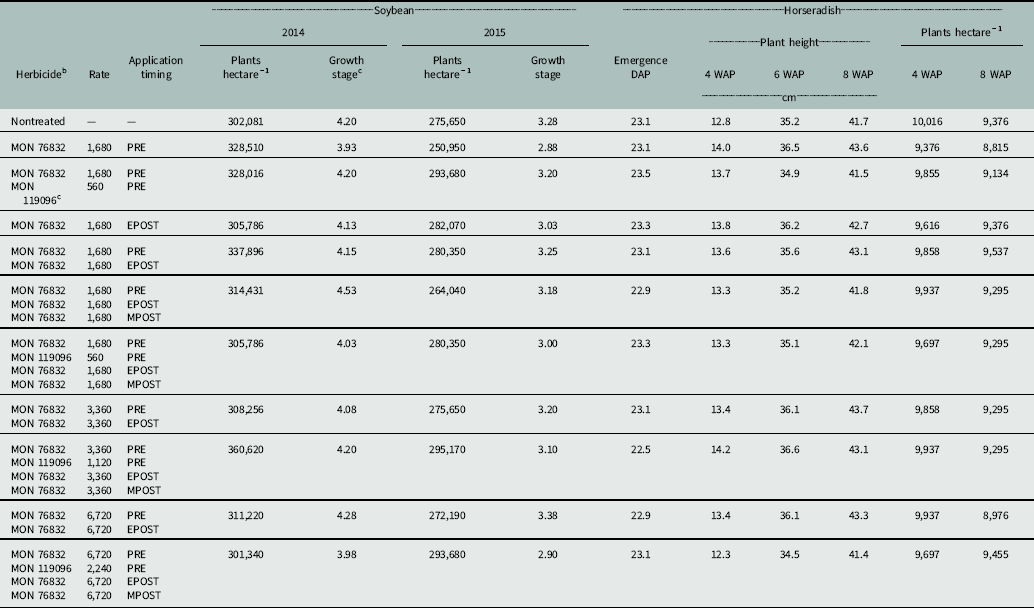
a Abbreviations: DAP, days after planting; WAP, weeks after planting; EPOST, early postemergence, V2 soybean; MPOST, mid-postemergence, V4 soybean; PRE, preemergence, within 2 days of planting and before emergence of crop.
b MON 76832, 120 g ae L−1 dicamba plus 242 g ae L−1 glyphosate premix; MON 119096, 350 g ae L−1 dicamba alone.
c Growth stage is measured at 60 DAP.
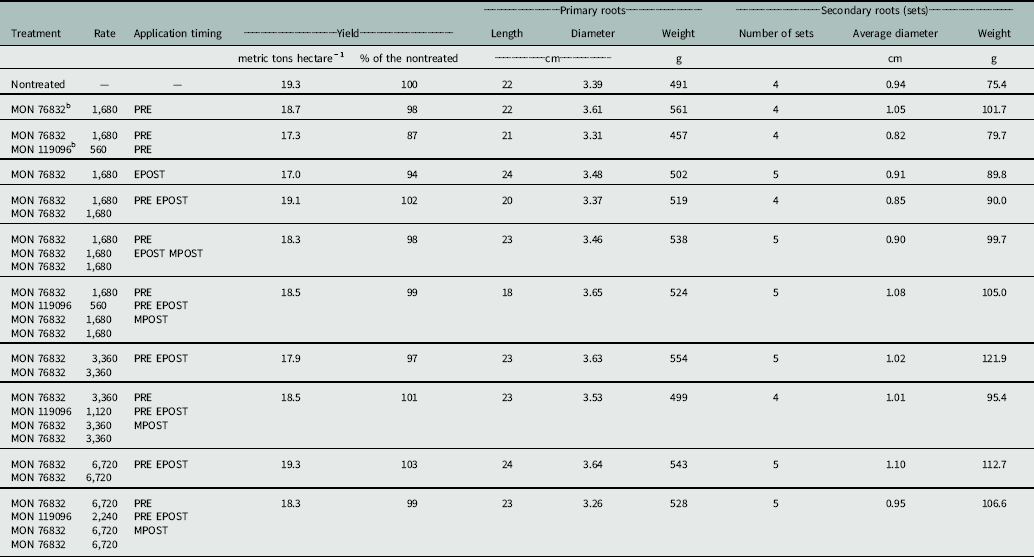
Dicamba carryover did not negatively affect horseradish (Table 7). Horseradish emergence occurred approximately 23 DAP and was not affected by either dicamba or dicamba plus glyphosate applications. No injury to horseradish was observed due to carryover from dicamba or dicamba plus glyphosate applied in soybean the previous year (unpublished data). Horseradish plant heights were not reduced when comparing dicamba or dicamba plus glyphosate application treatments at 4, 6, and 8 WAP with the nontreated control. Stand counts of emerged horseradish plants also did not differ at 4 and 8 WAP. Horseradish yields in dicamba carryover treatments averaged 18.4 metric tons ha−1 (98% of the nontreated control) and were all similar to the nontreated control (Table 8). There were also no differences between herbicide carryover treatments for the horseradish root measurements collected.
Effect of dicamba carryover when applied in a dicamba-tolerant soybean system on subsequent year’s horseradish yield, primary root length, diameter, and weight and secondary roots (sets) pooled over the 2015 and 2016 growing seasons. a
a Abbreviations: EPOST, early postemergence, V2 soybean; MPOST, mid-postemergence, V4 soybean; PRE, preemergence, within 2 days of planting and before emergence of crop.
b MON 76832, 120 g ae L−1 dicamba plus 242 g ae L−1 glyphosate premix; MON 119096, 350 g ae L−1 dicamba alone.
Horseradish injury or height or yield reduction was not observed following any herbicide carryover treatment, including those in which dicamba was applied at rates to mimic an overapplication. This suggests that the use of dicamba in-season on dicamba-resistant soybean will be safe when rotating a field the following year to horseradish. However, it is important that growers using this technology are aware of the injury risk to specialty crops grown in close proximity when using PGR herbicides, and they should know that potential for injury is dependent upon the herbicide used, application rate, and timing of exposure, as well as prevailing weather conditions.
Although both dicamba and 2,4-D are PGR herbicides that can cause injury to many annual vegetable and perennial fruit crops, they have great potential when used with recently developed soybean technologies (e.g., XtendiMax™ and EnlistTM systems) to control may difficult to control broadleaf weeds, especially those that are GR. While these tools may help growers increase crop production, the potential for off-target movement should remain a primary consideration. Results of this trial indicated differences in horseradish response to dicamba and 2,4-D drift, similar to many other annual broadleaf crops such as bell pepper, cotton, broccoli, peanut, and soybean (Andersen et al. Reference Andersen, Clay, Wrage and Matthees2004; Johnson et al. Reference Lange, Fischer, Humphrey, Seyman, Baghott, Sumner, Krantz, Broadbent, Williams and Baghott2012; Marple et al. Reference Mohseni-Moghadam, Wolfe, Dami and Doohan2008; Mohseni-Moghadam and Doohan 2015). Although the two herbicides have a similar mode of action, they are in different chemical families and affect horseradish differently. Simulated drift rates of dicamba were shown to not cause horseradish injury, whereas 2,4-D drift rates can cause substantial late-season injury and yield loss. Both cotton (Everitt and Keeling Reference Everitt and Keeling2009) and sugarbeet (Schroeder et al. 1983) have been reported to respond similarly to simulated drift rates, with dicamba producing less injury and yield loss than 2,4-D.
Our results provide additional evidence that PGR-resistant soybean growers should monitor the locations of specialty crops on the landscape. Drift risks and yield loss may be minimized by avoiding planting horseradish and PGR-resistant soybean in adjacent fields, being aware of weather conditions that can potentially increase the chance of a drift event, using only properly labeled herbicides, and thoroughly cleaning sprayers before spraying other pesticides on or near a sensitive crop.
Acknowledgments
We would like to thank Monsanto for funding the carryover portion of this study, and horseradish growers Dan Fournie, Jeff Heepke, and Barry McMillan for the use of their fields and support throughout this project. We also thank Eric Miller, Kaylee Agney, and several graduate and undergraduate students for their assistance. No conflicts of interest have been declared.


 Open access

