


Introduction
Criminal behaviour has long been a subject of inquiry across psychology, sociology and law, with various theoretical frameworks attempting to explain its underlying causes. Among the psychological factors that shape patterns of offending, self-esteem and criminal social identity (CSI) have received increasing attention for their role in influencing both an offender’s self-perception and their relationship with broader social structures. These constructs are not merely internal dispositions; they are shaped by systemic conditions and reinforce cycles of criminality when left unaddressed. In the context of reformative justice, integrating psychological insights into correctional policy is critical to developing effective interventions that reduce recidivism and support rehabilitation (Amuche and Mayange Reference Amuche and Mayange2013). However, India’s penal system remains largely rooted in punitive traditions, offering little space for initiatives that engage with the psychological dimensions of offender reform (Bandyopadhyay Reference Bandyopadhyay, Aliverti, Carvalho, Chamberlen and Sozzo2023:128).
The Indian criminal justice system faces a reckoning, caught between the enduring legacy of retributive punishment and an increasing awareness of the need for rehabilitative approaches. Justice V. R. Krishna Iyer, a defining figure in Indian jurisprudence, was one of the earliest advocates of therapeutic jurisprudence, advancing the idea that prisons should serve as institutions of transformation rather than mere sites of confinement (Iyer Reference Iyer1981). This vision aligns with international practices that view psychological rehabilitation as a fundamental component of modern correctional policy (Sahasranaman Reference Sahasranaman2012). However, despite mounting global evidence, the integration of such approaches within India’s correctional framework has been hindered by overcrowding, limited institutional resources and deeply entrenched sociocultural stigmas that marginalize incarcerated individuals (Sharma Reference Sharma2019b).
This article examines the impact of structured therapeutic interventions on self-esteem and CSI among violent offenders. While many jurisdictions have moved towards rehabilitation models that address identity reformation, India’s correctional system remains resistant to such change. Drawing on an intervention implemented at Sabarmati Central Prison, this analysis evaluates whether structured psychological engagement can reshape self-perception and social identity in ways that support reintegration and reduce recidivism. This research establishes a framework for reimagining correctional policy through the contextual adaptation of internationally recognized rehabilitation models to India, ensuring an empirically grounded and culturally informed approach. A shift away from punitive traditions requires more than legislative reform; it demands a fundamental reorientation of how the penal system understands and responds to the individuals within it.
Crime and Rehabilitation
The criminal justice system has long struggled to reconcile the competing imperatives of punishment and rehabilitation (Alschuler Reference Alschuler2003). Traditional punitive models prioritize deterrence through retribution, yet they often fail to engage with the underlying psychological and social determinants of criminal behaviour (Coppola Reference Coppola2021). Rehabilitation, by contrast, seeks to address these foundational issues, aiming to transform offenders by reshaping their cognitive, emotional and social frameworks (Ward and Maruna Reference Ward and Maruna2007). Systems that rely predominantly on punitive measures frequently exacerbate psychological distress, fostering environments of isolation, stigma and institutionalization that entrench, rather than disrupt, patterns of criminal conduct. Empirical research underscores the limitations of incarceration as a corrective mechanism, revealing that imprisonment alone rarely produces substantive behavioural change and, in many instances, reinforces criminal identity (Dhondt Reference Dhondt2015).
In response, there has been a growing international movement towards rehabilitative justice, grounded in the recognition that addressing the root causes of offending yields better outcomes for individuals and society alike (Umbreit et al. Reference Umbreit, Vos, Coates and Lightfoot2005:254). Rehabilitation is not merely a corrective measure but a transformative process – one that seeks to repair harm while equipping offenders with the psychological resilience and social competencies necessary for reintegration (Vieira, Skilling, and Peterson-Badali Reference Vieira, Skilling and Peterson-Badali2009). This paradigm shift is underpinned by a wealth of evidence demonstrating that therapeutic interventions focused on emotional regulation, cognitive restructuring and identity reformation significantly reduce recidivism rates (Lipsey and Cullen Reference Lipsey and Cullen2007). These approaches reject the notion that punishment alone fosters deterrence; instead, they advance a model of justice that is grounded in personal growth, accountability and meaningful reintegration into the social fabric.
In the Indian context, the urgency of this shift is underscored by the vision of Justice V. R. Krishna Iyer. He argued that prisons must evolve into “therapeutic spaces” capable of fostering psychological rehabilitation and social reintegration (Iyer Reference Iyer1981). His philosophy presents a direct challenge to the entrenched punitive orientation of India’s penal system and demands the adoption of innovative, evidence-based approaches that centre psychological transformation as a core tenet of correctional policy.
Causes of Crime and Aggression
Violent crime is rarely the product of a single determinant; rather, it emerges from a complex interplay of personal, familial, social and environmental influences (Johansson and Haandrikman Reference Johansson and Haandrikman2023; Sharma Reference Sharma2019a; Walby Reference Walby2013). While its manifestations vary, persistent themes emerge – instability, deprivation and cumulative psychological strain often lie at its core. The criminological literature has long established that adverse childhood experiences, including neglect, abuse and exposure to violence, significantly heighten the likelihood of future criminal conduct (Likitha and Mishra Reference Likitha and Mishra2021). However, trauma alone does not dictate criminality; its effects are mediated by social and economic structures. Socio-economic deprivation – characterized by poverty, lack of education and systemic marginalization – further exacerbates these risks, not simply by limiting legitimate opportunities but by shaping perceptions of power, agency and survival. When individuals find themselves excluded from economic participation and denied social mobility, crime may appear not merely as an act of defiance but as a rational adaptation to structural inequalities. In communities where systemic disadvantages persist across generations, these pressures become particularly acute, entrenching patterns of criminal involvement that are reinforced through networks of illicit opportunity (Gundur Reference Gundur2019).
Social structures and peer networks play an equally decisive role in shaping criminal trajectories. The normalization of deviance within certain groups, the reinforcement of delinquent identities and the pressures of social conformity create environments in which criminal behaviour is not only learned but also legitimized (Esiri Reference Esiri2016). Classical criminological theories, from differential association to social learning models, demonstrate that criminality is often cultivated within peer groups rather than emerging solely from individual pathology. In communities where conventional support systems are weak or absent, peer influence can become an overriding determinant of behavioural choices. The consequence is a self-perpetuating cycle, where criminal behaviour is reinforced by social validation rather than deterred by formal sanction.
The growing intersection of technology and criminal behaviour further complicates traditional understandings of offender profiles. Recent research on individuals engaged in child sexual abuse material (CSAM) offences underscores the evolving nature of deviance in the digital age. Choi, et al. (Reference Choi, Chawki and Basu2024) identify offender typologies such as “closet collectors” and “isolated collectors”, illustrating how psychological predispositions interact with digital subcultures and encrypted platforms to facilitate criminal conduct. The proliferation of anonymized communication channels, the dark web and other technological enablers challenges conventional enforcement strategies and necessitates a more nuanced legal and rehabilitative response. While these findings focus on a specific subset of offenders, they reinforce broader criminological insights into how structural, environmental and psychological factors converge in shaping criminality.
Any meaningful intervention must move beyond the simplistic dichotomy of punishment and rehabilitation. A legal framework that fails to account for the profound social and psychological determinants of crime risks perpetuating the very behaviours it seeks to deter. The task of modern criminal justice is, therefore, not merely to penalize but to understand, disrupt and ultimately transform the conditions that sustain criminality.
Understanding Criminal Behaviour through Psychological and Sociological Lenses
A comprehensive understanding of criminal behaviour necessitates an interdisciplinary approach that integrates sociological and psychological frameworks. Theoretical models anchored in social identity (Tajfel and Turner Reference Tajfel, Turner, Austin and Worchel1979) and behavioural learning provide critical insights into the mechanisms through which deviant tendencies develop and persist. Bandura’s social learning theory establishes that aggression and criminal conduct are not innate but acquired through observation, reinforcement and social conditioning (Bandura Reference Bandura1973). These dynamics are particularly pronounced in institutional settings such as prisons, where identity is recalibrated through social hierarchies and affiliations with criminal subcultures (Turner Reference Turner1981). Within this context, self-esteem and CSI function as pivotal determinants of an offender’s rehabilitative potential. Incarceration frequently erodes self-worth while reinforcing deviant self-conceptions, deepening patterns of recidivism and obstructing pathways to reform (Boduszek et al. Reference Boduszek, Adamson, Shevlin and Hyland2012). However, empirical evidence underscores the efficacy of structured therapeutic interventions – centred on cognitive restructuring and emotional recalibration – in reorienting identity, fostering prosocial engagement and reducing recidivism (Lipsey and Cullen Reference Lipsey and Cullen2007).
The social mechanisms that sustain cycles of violence extend beyond carceral environments and are particularly evident in patterns of intimate partner violence (IPV). Deviant behaviours are often embedded within familial and peer networks, creating conditions in which violence is normalized and perpetuated across generations. Research into peer-mediated IPV dynamics illustrates the extent to which social reinforcement mechanisms shape behavioural trajectories. Ip and Wong (Reference Ip and Wong2024) examined the role of peer-perpetrated IPV in adolescence, demonstrating that exposure to violent peer norms can significantly amplify tendencies towards aggression, while environments characterized by familial cohesion serve as countervailing forces. Although situated within a distinct demographic and sociocultural setting, these findings converge with broader criminological principles regarding the transmission of deviant behaviour through socialization.
The interrelation between these frameworks highlights the continuum of violence and rehabilitation, linking adolescent IPV to patterns of adult criminality within correctional institutions. A purely punitive response fails to disrupt these entrenched cycles; a more sophisticated legal and correctional framework must integrate psychological rehabilitation and identity reconstruction. These perspectives reinforce the argument that effective offender reform requires a comprehensive approach that transcends carceral punishment to address the social and psychological dimensions of criminality. The imperative is not merely to impose sanctions but to recalibrate identity and alter the structural conditions that sustain recidivism. A justice system that prioritizes rehabilitation over retribution acknowledges that the law’s function extends beyond deterrence – it is a mechanism for transformation.
Psychological Underpinnings of Criminal Behaviour
Self-esteem, as a psychological construct, reflects an individual’s perception of self-worth, shaped both by internal assessments and external social evaluations (Debowska, Boduszek, and Sherretts Reference Debowska, Boduszek and Sherretts2017). Empirical research has consistently linked diminished self-esteem to maladaptive behavioural patterns, including aggression and criminal conduct (Amuche and Mayange Reference Amuche and Mayange2013; Donnellan et al. Reference Donnellan, Trzesniewski, Robins, Moffitt and Caspi2005). Conversely, inflated or defensive self-esteem – particularly when fragile – may result in overcompensation, manifesting as hostility or coercive behaviour as a means of negative reinforcement. Within the correctional context, self-esteem plays a decisive role in determining an offender’s capacity for post-incarceration adaptation, influencing their ability to resist social marginalization and reintegrate successfully into lawful society.
CSI, by contrast, pertains to the roles that individuals internalize within criminal networks and the extent to which these affiliations shape their self-concept (Sherretts, Boduszek, and Debowska Reference Sherretts, Boduszek and Debowska2016). Turner’s (Reference Turner1981) seminal distinction between personal and social identity underscores the extent to which group associations inform self-definition, a dynamic that is particularly pronounced in carceral environments. Prisons, by their very structure, foster social identity formation within criminal subcultures, reinforcing deviant self-perceptions and entrenching patterns of recidivism (Boduszek et al. Reference Boduszek, Adamson, Shevlin, Hyland and Bourke2013). The persistence of CSI, even in the absence of direct peer influence, highlights the depth of its psychological embedding. Left unaddressed, this phenomenon renders rehabilitation efforts largely ineffective. A meaningful correctional framework must, therefore, engage with CSI as a central component of offender reform, acknowledging its role in sustaining cycles of criminality.
Existing scholarship has examined the carceral environment’s profound impact on both self-esteem and CSI, as well as the extent to which structured rehabilitative interventions may facilitate psychological recalibration (Boduszek and Hyland Reference Boduszek and Hyland2011; Boduszek et al. Reference Boduszek, Adamson, Shevlin and Hyland2012; Kamoyo Reference Kamoyo2018; Sherretts et al. Reference Sherretts, Boduszek and Debowska2016). Low self-esteem has been directly associated with externalizing behaviours, further reinforcing the urgency of targeted intervention (Donnellan et al. Reference Donnellan, Trzesniewski, Robins, Moffitt and Caspi2005). Kamoyo (Reference Kamoyo2018) observes that incarceration often induces a state of learned helplessness, eroding self-worth and diminishing post-release confidence, thereby compounding the likelihood of reoffending. This underscores the necessity of rehabilitation frameworks that not only address self-perception but actively disrupt the reinforcement of CSI within prison settings.
In the Indian penal context, these concerns are not merely theoretical but of immediate practical relevance. Structural deficiencies, including chronic overcrowding and limited rehabilitative programming, exacerbate the psychological deterioration of incarcerated individuals, entrenching both low self-esteem and entrenched criminal identities. Effective interventions must, therefore, extend beyond traditional punitive models, incorporating self-reflection, emotional resilience training and the development of prosocial competencies. Boduszek and Hyland (Reference Boduszek and Hyland2011) argue that sustainable behavioural change necessitates a process of prosocial re-socialization, a principle that aligns with contemporary correctional objectives prioritizing rehabilitation over retribution. Addressing self-esteem and CSI within India’s prison system is thus not simply a progressive ambition but an essential component of any meaningful effort to reduce recidivism and reconstitute the function of incarceration as a site of reintegration rather than exclusion.
Prisoners’ Wellbeing in Indian Law
India’s penal history reflects a complex trajectory, evolving from a deeply punitive framework to a nascent emphasis on rehabilitative justice. Ancient Indian jurisprudence, as codified in texts such as the Gautama Dharma Sutra and Manusmriti, prescribed severe punishments – including amputation and capital punishment – for offences such as theft and treason. These texts, however, also acknowledged the concept of voluntary penance, often involving ascetic self-mortification as a means of moral atonement (Olivelle Reference Olivelle2011). The principle of spiritual reformation was embedded within this framework, exemplified by figures such as Maharshi Valmiki, who renounced a life of crime and attained enlightenment through meditation and penance (Halder Reference Halder, Vanstone and Priestley2022). Similarly, Emperor Ashoka’s transformation from a ruthless conqueror to a proponent of Buddhist non-violence underscores the early Indian association between remorse, rehabilitation and moral redemption (Boesche Reference Boesche2003).
The medieval period introduced Islamic jurisprudence, reinforcing a legal culture that emphasized deterrence through punitive sanctions. Muslim rulers implemented Sharia-based classifications of offences, maintaining corporal and capital punishments alongside financial penalties, mirroring earlier Hindu legal traditions (Hakeem, Haberfeld, and Verma Reference Hakeem, Haberfeld, Verma, Farrukh, Haberfeld and Verma2012). This punitive legacy was further entrenched under colonial rule. The establishment of the Mayor’s Court in 1726 enabled the East India Company to administer English legal principles, culminating in the enactment of the Indian Penal Code (IPC) in 1860. While structured along the lines of its common-law predecessors, the IPC primarily served as an instrument of colonial control, its primary function being the suppression of resistance to British authority rather than the administration of justice in any rehabilitative sense (Skuy Reference Skuy1998). The Prisons Act of 1864 further institutionalized incarceration as a mechanism of control, offering minimal provision for prisoner rehabilitation. Although Chapter VII addressed prison labour and Chapter VIII introduced rudimentary health measures, these provisions were designed primarily to maintain order rather than to foster meaningful reintegration.
Judicial recognition of prisoners’ rights and welfare as integral to the administration of justice emerged more forcefully in the post-independence era, catalysed by Mohammed Ghiyasuddin v. State of Andhra Pradesh (1977). In this landmark decision, Justice Krishna Iyer advocated for a shift from punitive incarceration to therapeutic correctional administration, urging prison authorities to facilitate dignified employment, recreational activities and supervised parole to support reintegration. This case marked a jurisprudential departure from the traditional paradigm that indefinitely stigmatized prisoners, instead endorsing their rehabilitation into mainstream society. While select institutions – such as Tihar Jail – experimented with reformative measures, including yoga and Vipassana meditation, systemic reforms remained largely aspirational (Vajawat et al. Reference Vajawat, Gowda, Sarkar, Murthy, Chu and Daffern2024).
A more structured approach to rehabilitation emerged with the Model Prison Manual of 2003, which introduced guidelines for legal aid, parole, vocational training, educational initiatives and post-release reintegration programmes. This framework provided detailed provisions addressing prisoner welfare, including psychological support, employment assistance and financial aid for small-scale entrepreneurship upon release. The manual also advocated for a differentiated approach to prison management, incorporating tailored rehabilitative planning for young offenders and behavioural monitoring of habitual and violent prisoners. The updated Model Prison Manual of 2016 sought to improve administrative efficiency while enhancing the conditions of incarceration. However, implementation has remained inconsistent, constrained by systemic overcrowding, resource limitations and entrenched institutional inertia.
Recent developments have sought to further modernize correctional policy. The Model Prisons and Correctional Services Act, 2023, introduced as a framework for nationwide adoption, codifies differentiated correctional approaches for male, female and transgender prisoners. It introduces stricter controls on illicit telecommunications, particularly the possession of mobile phones within prisons, and outlines guidelines for addressing the mental and physical wellbeing of various categories of inmates, including those classified as violent offenders. The Act also delineates the responsibilities of correctional officers in mitigating institutional violence, preventing riots, and addressing security concerns arising from jailbreaks and organized criminal activity within prison facilities.
Despite these formal advancements, significant challenges persist. Prison violence, psychological distress and systemic neglect of inmates’ wellbeing continue to undermine the rehabilitative objectives outlined in policy frameworks. Scholars have linked these issues to frustration, depression and the broader failure to address prisoners’ psychological needs (Hornsveld and Kraaimaat Reference Hornsveld and Kraaimaat2022). Constitutional protections for prisoners’ dignity remain largely interpretative, confined to the broader scope of the right to life and, more recently, the judicial recognition of the right to be forgotten. Legal and criminological scholarship increasingly calls for structured psychological counselling, individualized wellbeing programmes and sustained rehabilitative interventions. The critical challenge remains to ensure that these principles move beyond aspirational rhetoric and become embedded within India’s correctional framework in practice rather than merely in the policy.
Case Studies and Evidence: Lessons from Global and Indian ContextsFootnote 1
Incarceration provides a uniquely controlled setting for examining the psychological constructs that shape criminal behaviour (Boen Reference Boen2020; Canter and Youngs Reference Canter and Youngs2016). Theoretical frameworks underscore the profound influence of self-esteem and CSI on offending patterns, yet their application within correctional settings – particularly in India – remains markedly underexplored. Comparative international models offer compelling evidence that structured therapeutic interventions can facilitate shifts in self-perception and identity, insights that warrant adaptation to the Indian penal system. These comparative frameworks do more than inform the present analysis; they underscore the urgency of integrating rehabilitative approaches into a system historically resistant to reform.
Rehabilitative initiatives in Norway, centred on emotional regulation and identity reconstruction, have significantly reduced recidivism rates (Smith and Ugelvik Reference Smith and Ugelvik2017). In the United States, cognitive–behavioural interventions have led to measurable improvements in self-esteem and notable reductions in criminal tendencies among high-risk offenders (Lipsey, Landenberger, and Wilson Reference Lipsey, Landenberger and Wilson2007). Empirical evidence overwhelmingly supports interventions that enhance self-concept and reshape social identities (Kamoyo Reference Kamoyo2018; Sherretts et al. Reference Sherretts, Boduszek and Debowska2016). Despite this, the Indian penal system remains largely devoid of such rehabilitative strategies, constrained by overcrowding, limited psychological services and entrenched social stigma (National Crime Records Bureau 2022).
Sabarmati Central Prison epitomizes these systemic challenges, making it an instructive site for assessing the efficacy of structured therapeutic interventions. Unlike many correctional institutions in India, its relative openness to experimental rehabilitation provides a rare opportunity to evaluate whether targeted interventions addressing self-esteem and criminal identity can yield meaningful behavioural shifts. The selection of Sabarmati Central Prison as a focal point of analysis is, therefore, both deliberate and significant. It mirrors the broader structural realities of India’s correctional system while serving as a controlled environment for testing contextually adapted rehabilitative frameworks.
This research critically examines self-esteem and CSI among violent offenders and assesses the impact of a psychological intervention programme designed to align with the sociocultural dimensions of incarceration in India. Adapted from internationally validated models, the intervention represents an unprecedented effort to integrate psychological rehabilitation into the Indian penal framework. The analysis systematically tracks changes in self-esteem and CSI among 70 violent offenders before and after participation, offering an empirical foundation for evaluating the effectiveness of structured therapeutic engagement.
Beyond the immediate findings, this work confronts the limitations of punitive correctional models and repositions rehabilitation as an essential component of penal reform. It asks whether psychological interventions can disrupt the reinforcement of criminal identity and whether enhancing self-perception contributes to long-term behavioural transformation. By foregrounding psychological rehabilitation as a core element of correctional policy, the discussion extends beyond India, offering a culturally contextualized model with global relevance.
Embedding psychological rehabilitation within India’s correctional system is not simply a theoretical proposition but an urgent imperative. The analysis presented here demonstrates the feasibility of such interventions, providing a model that prioritizes reintegration over retribution. If incarceration is to serve any constructive function, it must do more than detain – it must engage, rehabilitate, and ultimately transform.
Methodology
Participants
The research involved a cohort of 102 male convicts, aged between 19 and 60 years, incarcerated for violent offences, including murder and sexual violence (rape and gang rape), at Sabarmati Central Prison, Ahmedabad. Participation was strictly voluntary, with informed consent obtained in Gujarati to ensure full comprehension. Ethical approval was secured from prison authorities prior to the commencement of the research, adhering to institutional and correctional research protocols.
Of the 102 inmates recruited, 70 engaged in the therapeutic intervention. Participants represented diverse educational backgrounds, ranging from limited formal education to those with secondary or higher-level schooling. A small number withdrew from the programme due to scheduling conflicts or payroll leave. The intervention group (n = 35) underwent a structured rehabilitative programme spanning one month and 15 days. This intervention was designed to address key psychological and behavioural dimensions associated with violent offending, incorporating cognitive restructuring, emotional regulation, problem-solving strategies, interpersonal effectiveness, mindfulness training, social reintegration skills, relapse prevention techniques and an examination of the consequences of violence.
The programme was administered by a forensic psychologist, who conducted clinical interviews, formulated individual case assessments and employed validated psychological instruments to evaluate participants. These measures provided a rigorous framework for assessing both pre- and post-intervention psychological and behavioural changes, ensuring that the rehabilitative process was empirically grounded and methodologically robust.
Procedure
A randomized control trial (RCT) design was employed for this research. Participants were randomly assigned to the experimental (n = 35) and control (n = 35) groups to ensure baseline comparability. The study’s duration of one month and 15 days was chosen based on the programme’s design, which incorporated several phases, including baseline assessments, the intervention itself and post-intervention follow-up. This length of time allowed for the intervention to be implemented in a structured, intensive manner while providing enough time to observe changes in the participants’ psychological outcomes. The length also reflected the usual duration for similar therapeutic programmes focused on violent offenders, ensuring that the intervention would be long enough to elicit measurable changes in self-esteem and criminal identity.
Participants were first interviewed and assessed using a biopsychosocial questionnaire to gather baseline data. Following this, both the Self-Esteem Measure for Prisoners (SEM-P) and the Measure of Criminal Social Identity (MCSI) were administered to all participants to assess self-esteem and CSI.
Participants were then randomly assigned to the experimental (n = 35) or control group (n = 35). The experimental group underwent a therapeutic intervention from the “Samarth: Breaking Barriers” programme (Sharma Reference Sharma2019b), a therapeutic intervention aimed at improving inmate rehabilitation outcomes by working with them on changing their criminal behaviour and thinking patterns, that lasted for one month and 15 days, while the control group received no intervention during this period. The intervention focused on cognitive restructuring, improving social and problem-solving skills, enhancing social adjustments, relapse prevention and fostering an understanding of the consequences of violent offending. The forensic psychologist responsible for delivering the intervention also conducted clinical interviews, case formulations and assessments of violent offenders. Pre- and post-intervention assessments using the SEM-P and MCSI were conducted to measure the effects of the intervention on self-esteem and CSI.
Measures
SEM-P
The SEM-P is an eight-item self-report instrument designed to assess self-esteem among incarcerated individuals. It includes two subscales: prison-specific self-esteem and personal self-esteem. Items are scored on a four-point Likert scale, ranging from 1 (never) to 4 (always), with higher scores indicating greater self-esteem (Debowska et al. Reference Debowska, Boduszek and Sherretts2017). The SEM-P was chosen for its demonstrated validity and reliability in prison populations, particularly for measuring self-esteem in settings where inmates may experience stigmatization or marginalization that affects their self-perception.
However, it is important to note that the instrument may not fully capture broader self-worth constructs that extend beyond the prison environment. Given the specific focus on prison-related self-esteem, the measure may not account for factors such as broader societal reintegration or pre-incarceration experiences that are relevant to recidivism risk. Furthermore, social desirability bias could impact inmates’ responses, as participants may report socially acceptable answers to avoid appearing less compliant with prison rules.
MCSI
The MCSI is an eight-item measure based on Cameron’s Three-Dimensional Strength of Group Identification Scale (Cameron Reference Cameron2004), assessing the cognitive, emotional and relational aspects of CSI (Boduszek et al. Reference Boduszek, Adamson, Shevlin and Hyland2012). It includes three subscales: cognitive centrality; ingroup affect; and ingroup ties, all scored on a five-point Likert scale, ranging from 1 (strongly disagree) to 5 (strongly agree). Higher scores indicate a stronger CSI. The MCSI was selected due to its relevance in assessing criminal identity in incarcerated populations, especially violent offenders. It has been validated in various studies involving prison populations and has shown high internal consistency (Boduszek et al. Reference Boduszek, Adamson, Shevlin and Hyland2012; Shagufta et al. Reference Shagufta, Dhingra, Debowska and Kola-Palmer2016). However, a limitation of the MCSI is that it may oversimplify the multifaceted nature of criminal identity, especially among violent offenders with diverse motivations and criminal backgrounds (Boduszek et al. Reference Boduszek, O’Shea, Dhingra and Hyland2014). Additionally, the measure primarily focuses on group identity, which may not fully capture individual variations in criminal identity, particularly those shaped by offence type or peer associations. It is also important to consider the potential impact of social desirability bias, as participants may overstate their affiliation with the prison’s social norms to align with institutional expectations.
Statistical Tools and Techniques
Quantitative analysis was conducted using SPSS and Microsoft Excel, employing statistical methods appropriate for the nature of the data. The Shapiro–Wilk test was applied to assess the normality of continuous variables, revealing a non-normal distribution. Consequently, non-parametric techniques were utilized to ensure analytical robustness. Descriptive statistics – including means, standard deviations (SDs), medians and interquartile ranges (IQRs) – provided a comprehensive summary of the dataset.
Spearman’s rank correlation coefficients were calculated to examine associations between pre- and post-intervention scores on the SEM-P and MCSI. Given the ordinal nature of the Likert-scale measures and the non-normal distribution of the data, non-parametric statistical approaches were deemed most appropriate. The Wilcoxon signed-rank test was employed to assess changes between pre- and post-intervention scores, offering a robust method for evaluating paired, non-parametric data while mitigating the influence of outliers – an essential consideration in research involving incarcerated populations.
Statistical methods were selected to maximize both validity and sensitivity, particularly given the sample size constraints (n = 35 per group). While a larger sample might have supported parametric analyses, the chosen non-parametric framework ensured methodological integrity, aligning with the structure of the data and enhancing the reliability of the findings.
Ethical Considerations
Ethical considerations were integral to both the conceptual framework and the execution of this research, particularly given the vulnerabilities associated with an incarcerated population. The hierarchical nature of prison environments and the potential for coercion necessitated stringent safeguards to ensure that participation remained fully voluntary. Informed consent procedures were designed to uphold autonomy, with explicit assurances that individuals could withdraw at any stage without consequence. To mitigate power imbalances, consent was obtained in the participants’ native language (Gujarati), with ample opportunity for clarification before any commitment was made.
Safeguarding psychological wellbeing was a central tenet of the intervention’s design. The rehabilitative framework was culturally adapted and explicitly therapeutic, avoiding any elements that could be construed as punitive. Particular attention was given to minimizing distress, with support mechanisms in place for participants experiencing discomfort. Ethical approval was secured from the relevant prison authorities, ensuring full compliance with institutional and international protocols governing research involving incarcerated individuals.
Despite these precautions, custodial settings inherently raise concerns regarding implicit coercion. Even in the absence of direct institutional pressure, individuals may perceive participation as linked to authority structures. This issue was systematically monitored, with continuous reassurances that withdrawal would carry no repercussions. Confidentiality protocols were rigorously maintained, with all personal identifiers removed to preserve anonymity. These ethical safeguards ensure the integrity of the research while advancing a deeper understanding of rehabilitative interventions within correctional institutions.
Results
Descriptive Statistics
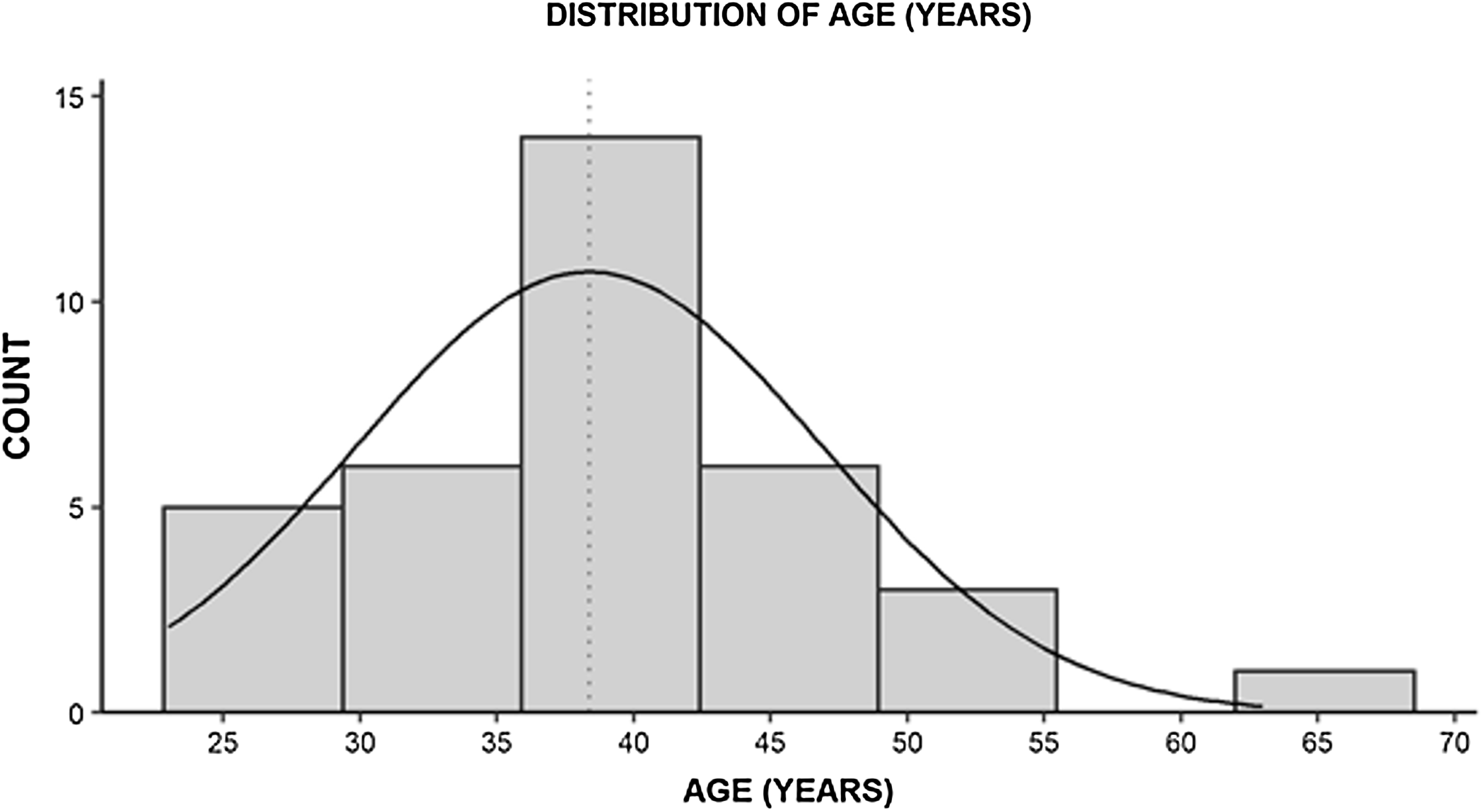
The age distribution of participants was normally distributed, as assessed by the Shapiro–Wilk test (p = 0.347). The mean age of participants was 38.37 years (SD = 8.49), with a median age of 37.00 years (IQR = 10.50). The age range was from 23 to 63 years. These details are summarized in Table 1 and illustrated in Figure 1.
Distribution of participants in terms of age (n = 35)

Age distribution of participants with normal curve overlay.

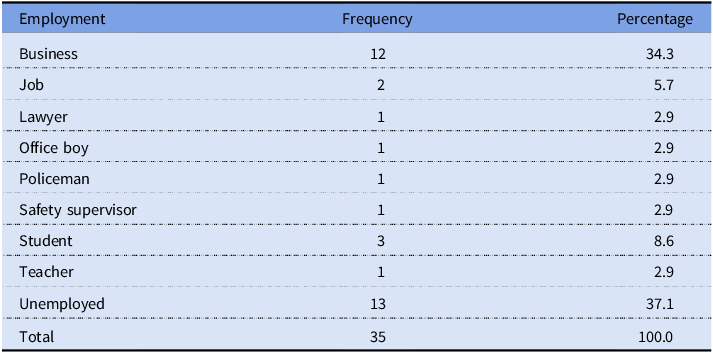
A significant proportion of participants were unemployed (37.1%), which is consistent with the notion that unemployment often correlates with higher levels of frustration and marginalization, potentially exacerbating feelings of low self-worth and contributing to criminal behaviours. The second largest group was those in business (34.3%), while other employment categories were less frequent, with only a small percentage in each category. Table 2 presents a detailed breakdown of employment distribution among participants.
Distribution of participants in terms of employment (n = 35)

SEM-P
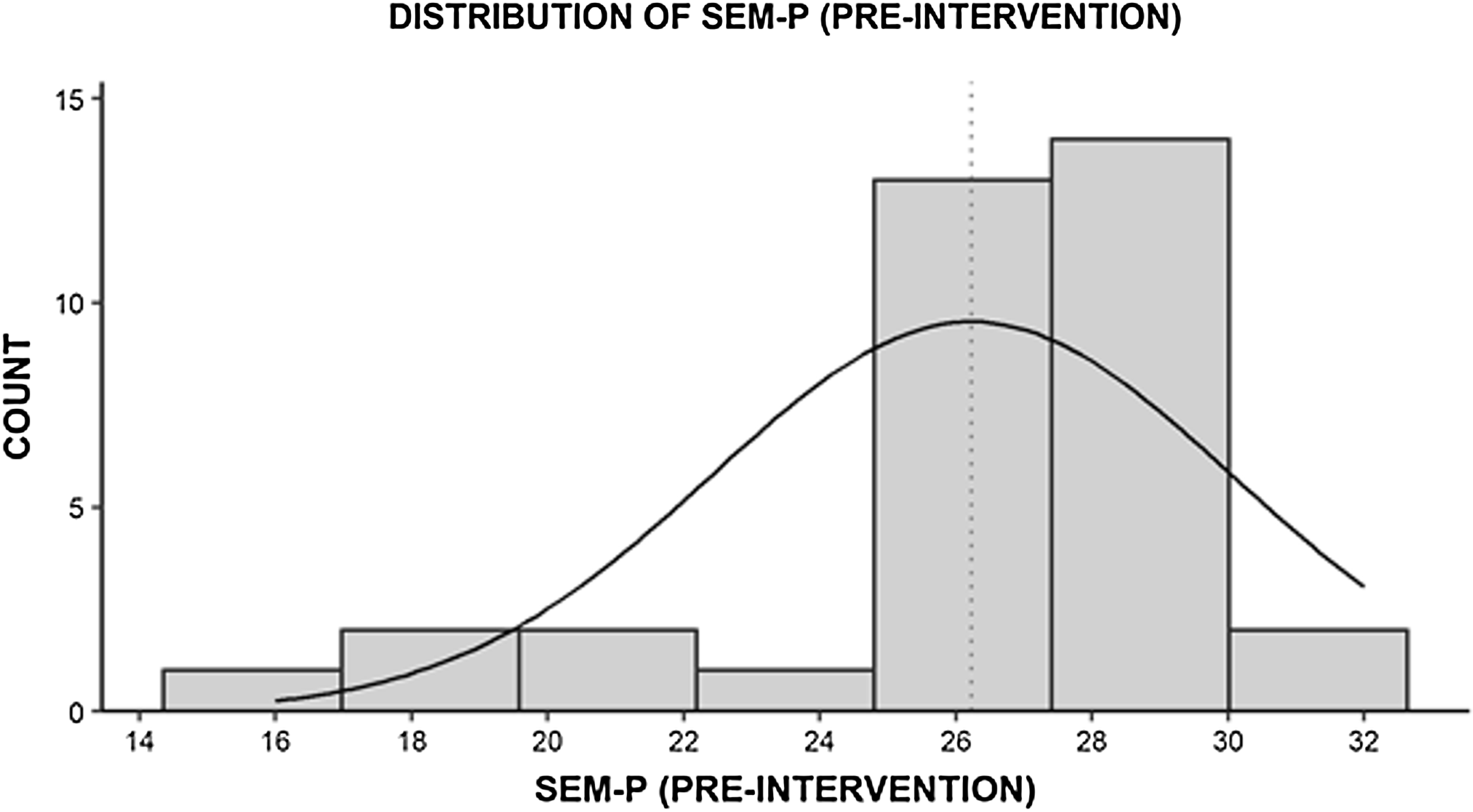
The SEM-P scores at pre-intervention were not normally distributed (Shapiro–Wilk test: p < 0.001). The mean SEM-P score was 26.23 (SD = 3.82), with a median of 27.00 (IQR = 4.00). Scores ranged from 16 to 32. Table 3 provides a summary of the scores, and Figure 2 illustrates the distribution curve. The SEM-P scores, as shown in Table 4, at post-intervention were not normally distributed (Shapiro–Wilk test: p < 0.001). The mean SEM-P score was 28.51 (SD = 3.05), with a median of 29.00 (IQR = 2.00). Scores ranged from 17 to 32.
Distribution of participants in terms of the Self-Esteem Measure for Prisoners (SEM-P) (pre-intervention) (n = 35)

Distribution curve of Self-Esteem Measure for Prisoners (SEM-P) scores pre-intervention.

Distribution of participants in terms of the Self-Esteem Measure for Prisoners (SEM-P) (post-intervention) (n = 35)

MCSI
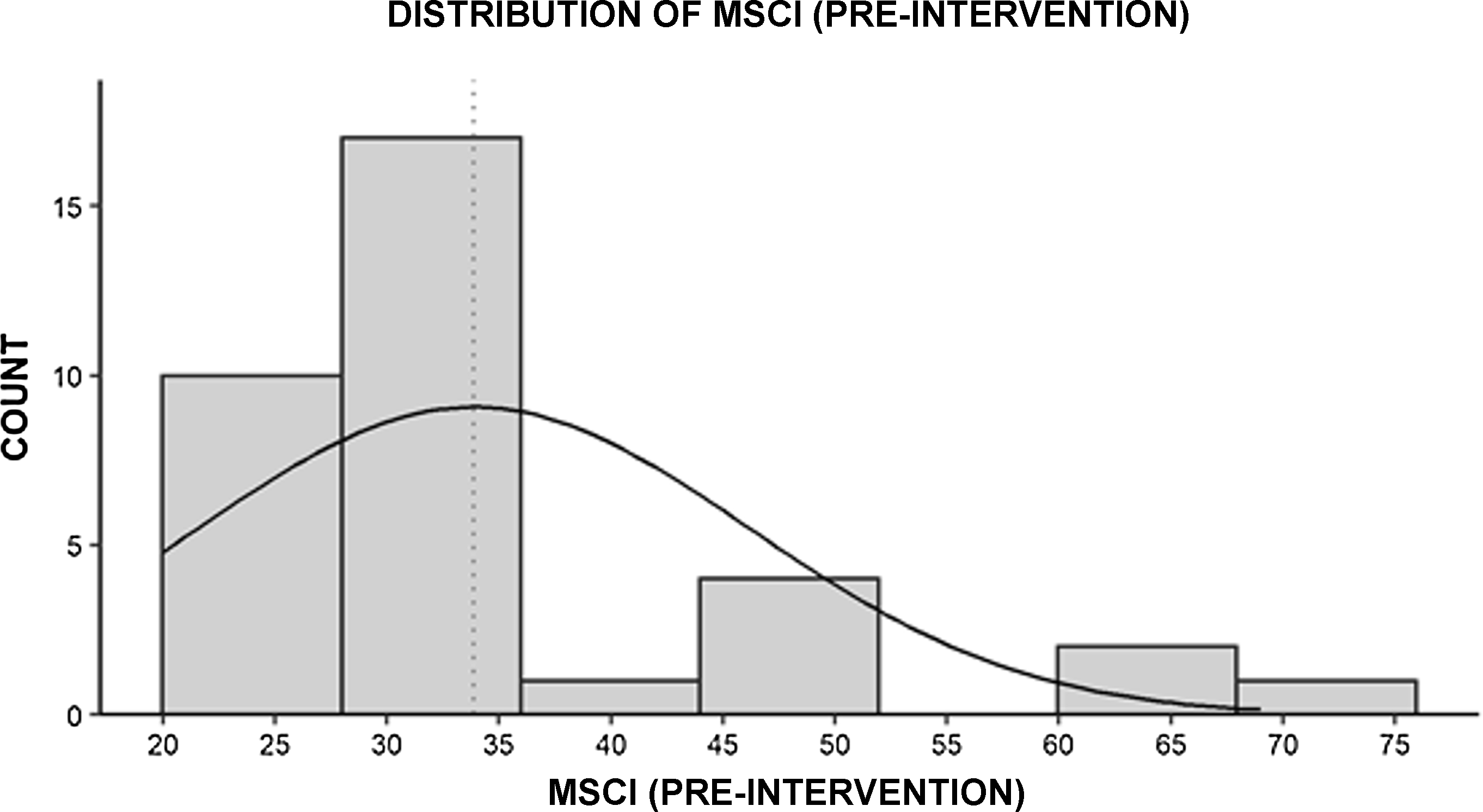
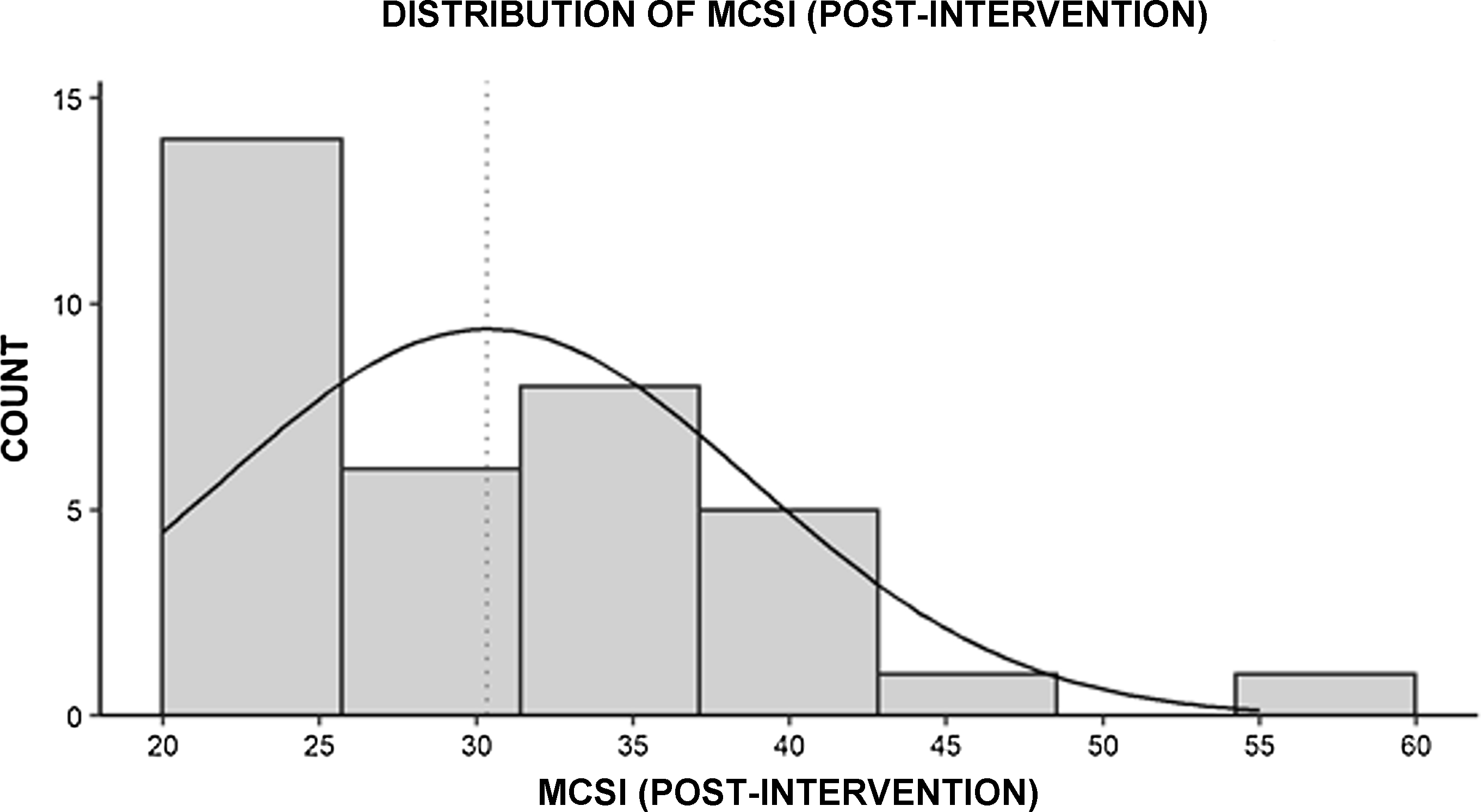
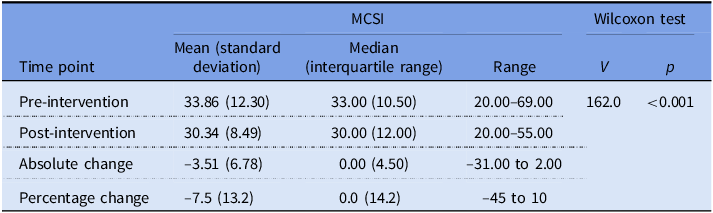
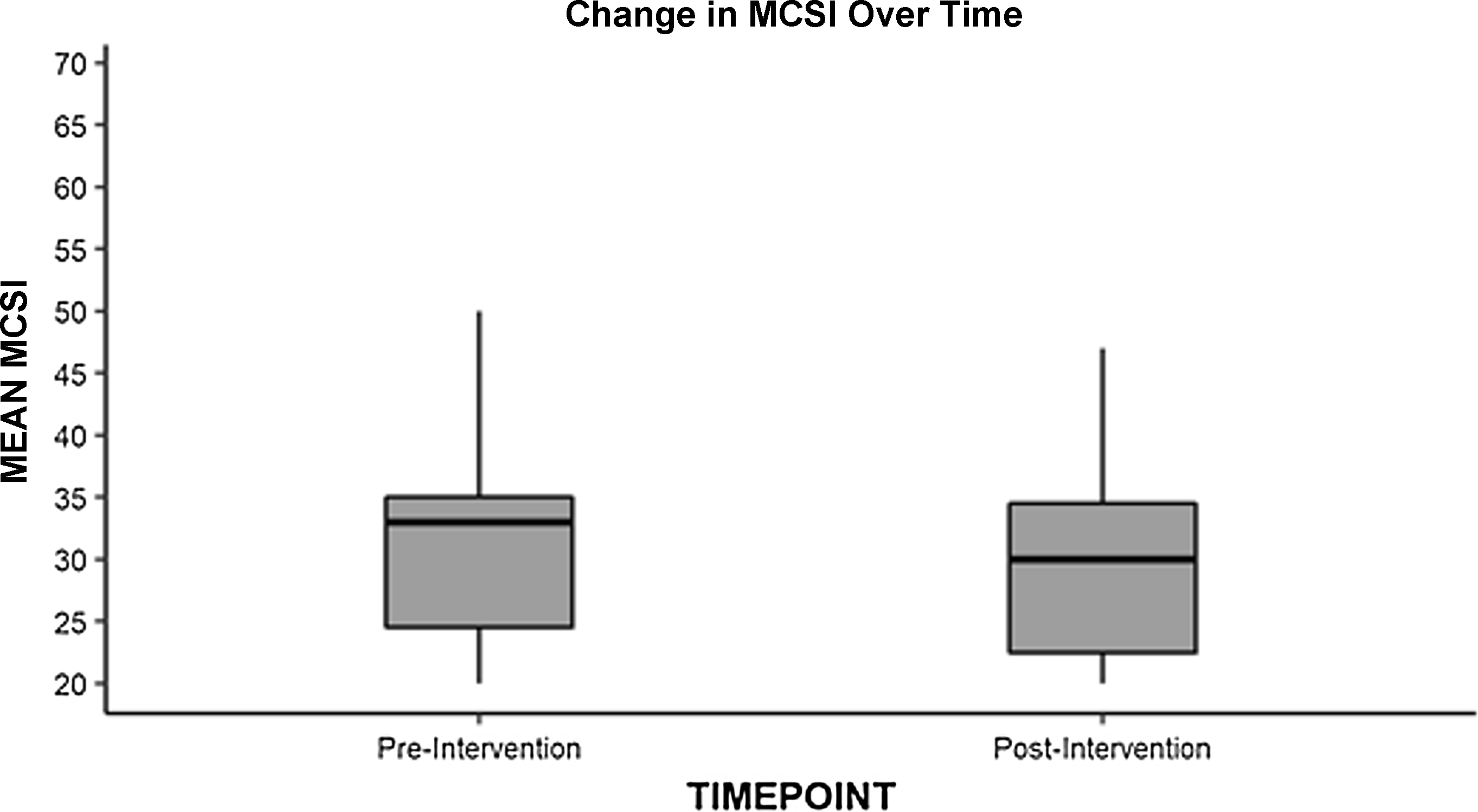
The variable MCSI (pre-intervention) was not normally distributed (W = 0.77, p < 0.001). The mean MCSI score was 33.86 (SD = 12.30), and the median was 33.00 (IQR = 10.50), with scores ranging from 20 to 69. Table 5 summarizes the results, and Figure 3 illustrates the distribution. The variable MCSI (post-intervention) was not normally distributed (W = 0.85, p = 0.008). The mean MCSI score was 30.34 (SD = 8.49), and the median was 30.00 (IQR = 12.00), with scores ranging from 20 to 55, as detailed in Table 6 and illustrated in Figure 4.
Distribution of the participants in terms of the Measure of Criminal Social Identity (MCSI) (pre-intervention) (n = 35)

Distribution curve of Measure of Criminal Social Identity (MCSI) scores pre-intervention.

Distribution of the participants in terms of the Measure of Criminal Social Identity (MCSI) (post-intervention) (n = 35)

Distribution curve of Measure of Criminal Social Identity (MCSI) scores post-intervention.

Correlation Analysis
SEM-P
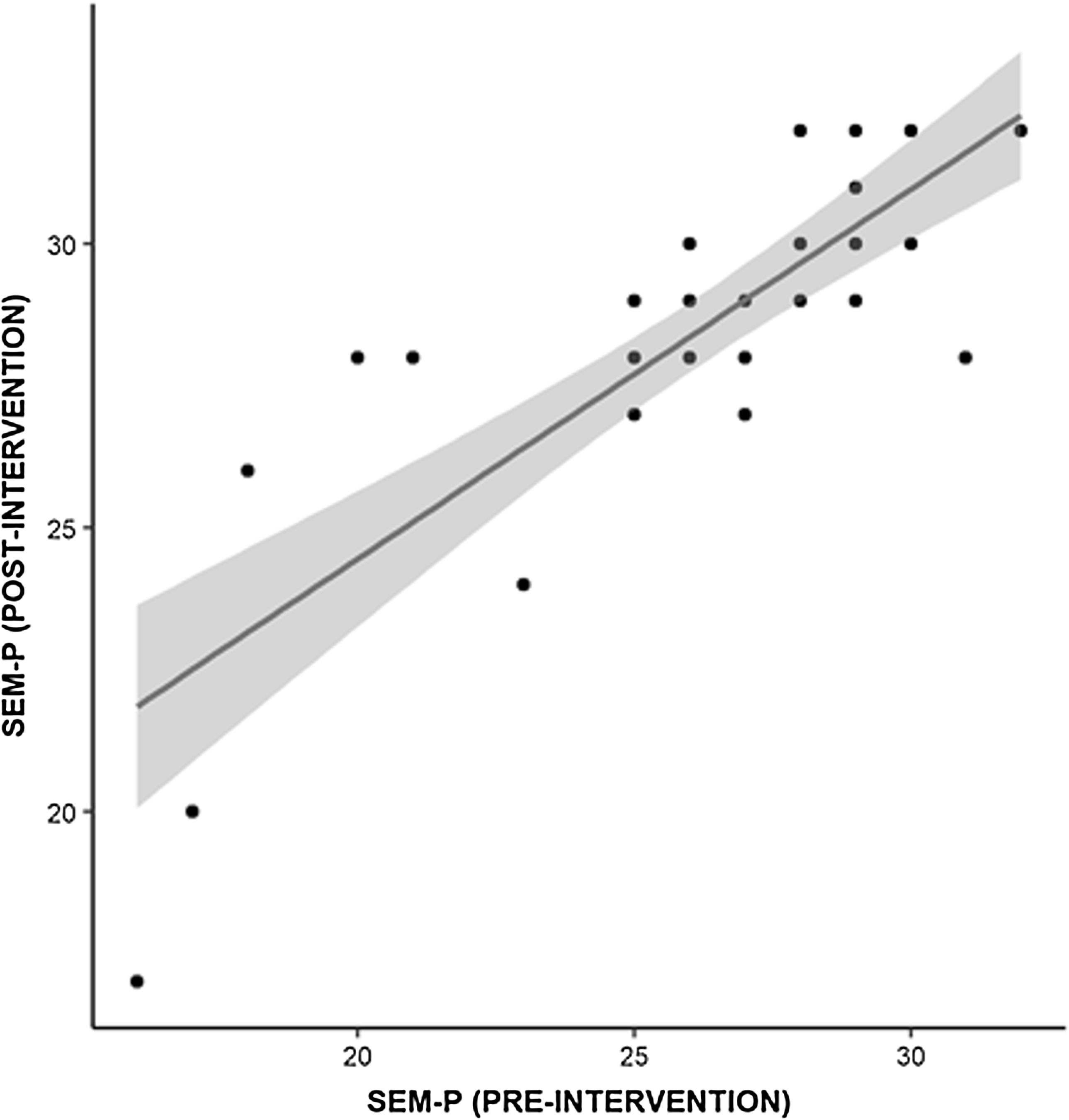
The scatter plot in Figure 5 depicts the correlation between SEM-P (pre-intervention) and SEM-P (post-intervention), with individual points representing individual cases. The trendline illustrates the correlation, and the shaded area represents the 95% confidence interval of the trendline.
Correlation between the Self-Esteem Measure for Prisoners (SEM-P) (pre-intervention) and SEM-P (post-intervention).

A Spearman correlation was conducted due to the non-normal distribution of the variables. A strong positive correlation was found between SEM-P (pre-intervention) and SEM-P (post-intervention) (ρ = 0.74, p < 0.001); for every one-unit increase in SEM-P (pre-intervention), SEM-P (post-intervention) increased by 0.65 units. The strong correlation in SEM-P scores could indicate that self-esteem is a relatively stable trait, potentially resistant to significant change in a short-term intervention. This stability aligns with previous research emphasizing that self-esteem is influenced by deep-rooted psychological and environmental factors (Orth and Robins Reference Orth and Robins2014). Thus, while the observed increase in post-intervention scores is notable, it may reflect incremental progress rather than fundamental shifts in self-esteem levels.
MCSI
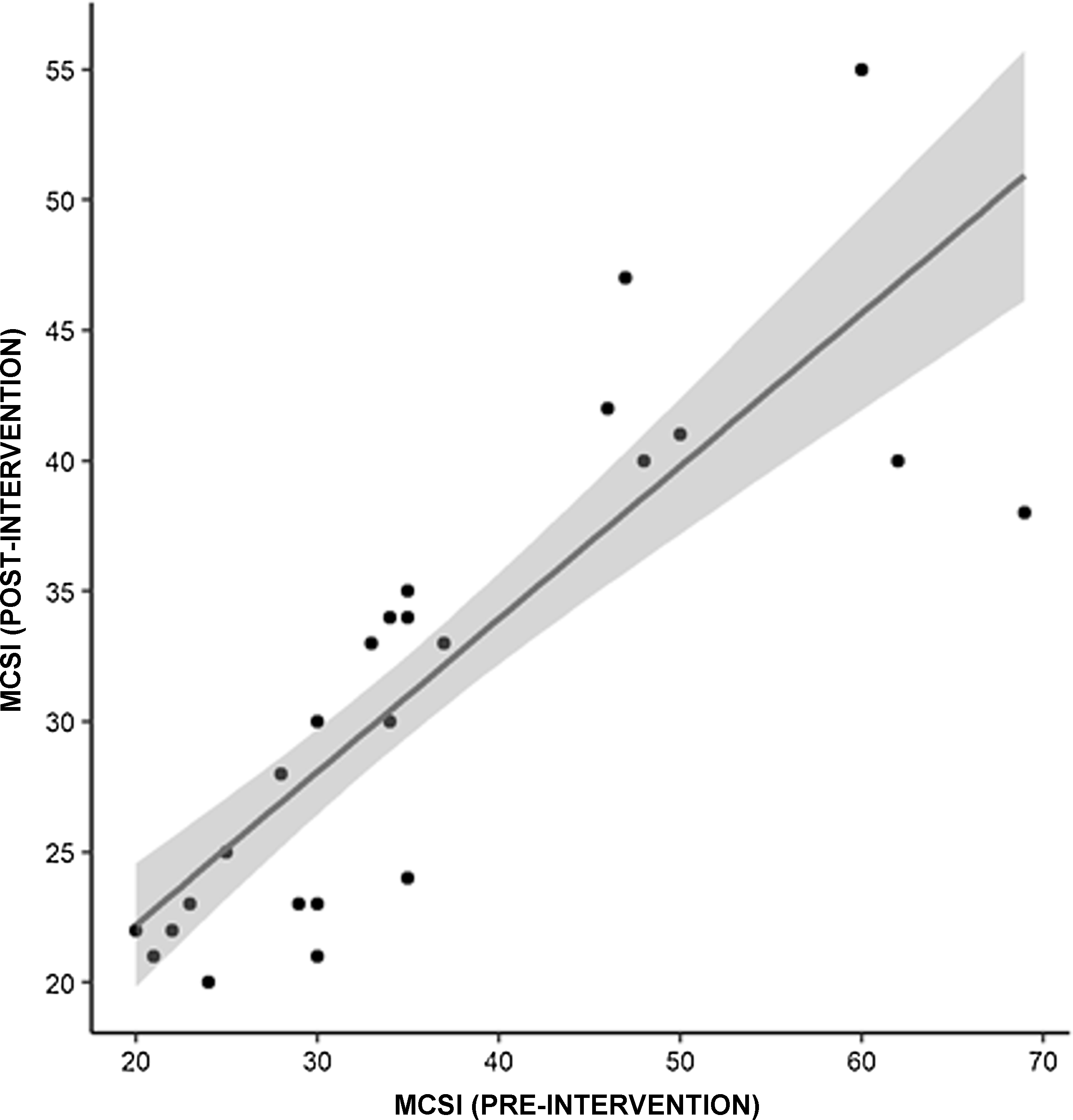
The scatter plot in Figure 6 depicts the correlation between MCSI (pre-intervention) and MCSI (post-intervention), with individual points representing individual cases. The trendline illustrates the correlation, and the shaded area represents the 95% confidence interval of the trendline.
Correlation between the Measure of Criminal Social Identity (MCSI) (pre-intervention) and MCSI (post-intervention).

A Spearman correlation was conducted due to the non-normal distribution of the variables. A strong positive correlation was found between MCSI (pre-intervention) and MCSI (post-intervention) (ρ = 0.89, p < 0.00); for every one-unit increase in MCSI (pre-intervention), MCSI (post-intervention) increased by 0.59 units. For the MCSI, the correlation implies that CSI is persistent and may be challenging to alter through brief interventions. This insight supports theories that criminal identity is often intertwined with long-standing beliefs and social affiliations (Boduszek and Hyland Reference Boduszek and Hyland2011).
Non-Parametric Tests
Non-parametric tests were employed due to the non-normal distribution of the data.
SEM-P
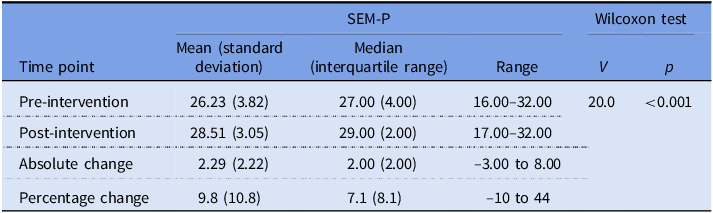
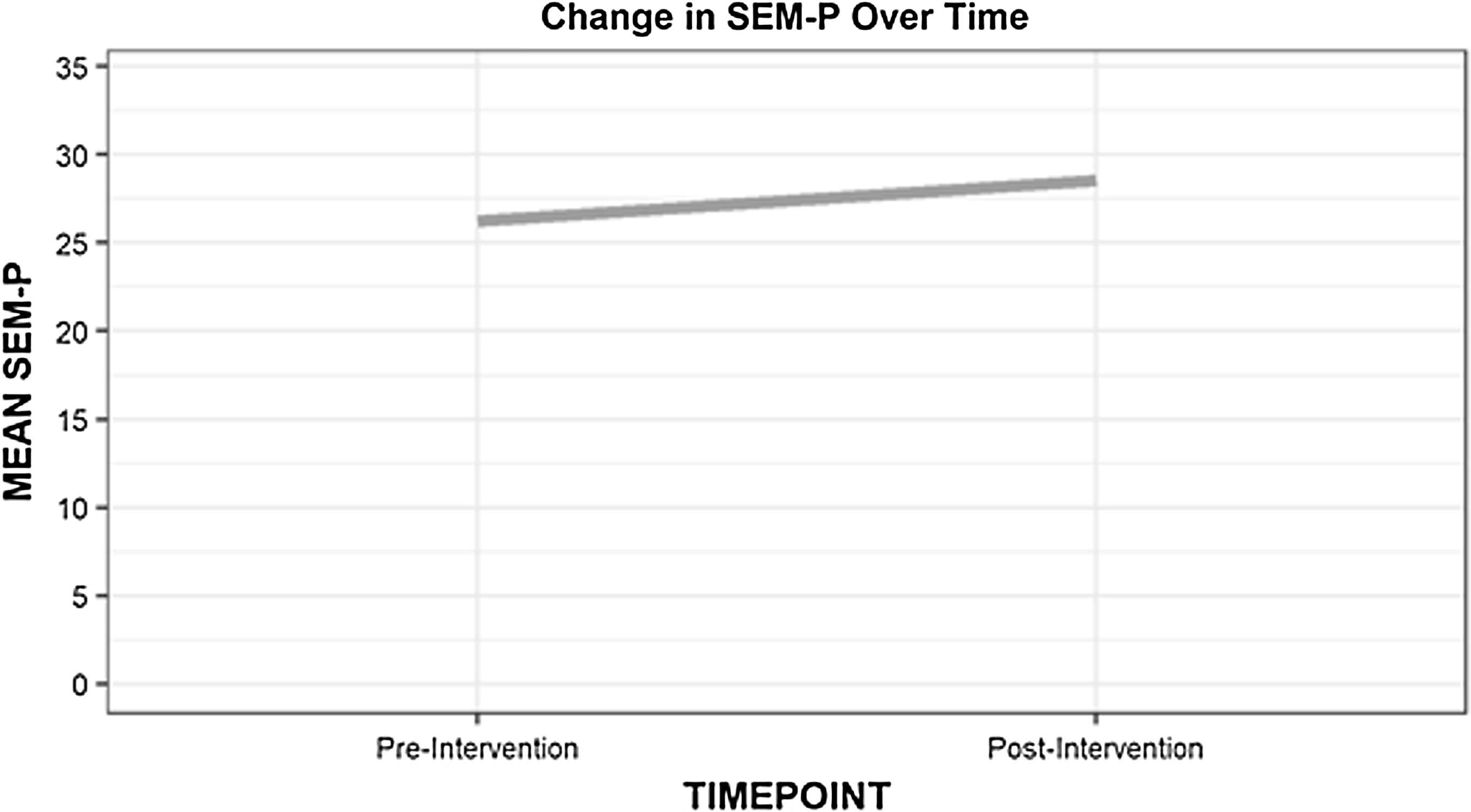
The Wilcoxon signed-rank test indicated a significant increase in SEM-P from pre-intervention (mean = 26.23, SD = 3.82) to post-intervention (mean = 28.51, SD = 3.05) (V = 20.0, p < 0.001). The results are presented in Table 7 and illustrated in Figure 7.
Assessment of change in the Self-Esteem Measure for Prisoners (SEM-P) over time

Line diagram depicting change in the Self-Esteem Measure for Prisoners (SEM-P) over time.

The increase in SEM-P scores suggests that the intervention may have effectively enhanced the prisoners’ self-esteem. This is a significant finding, as self-esteem has long been considered a crucial factor in rehabilitative outcomes. Individuals with higher self-esteem are generally less inclined to engage in criminal behaviour, as they tend to perceive themselves as capable of achieving success through legitimate means (Baumeister Reference Baumeister1993). This perspective reinforces the idea that fostering self-esteem can be a powerful tool in reducing recidivism, shifting individuals’ self-perception toward a future defined by opportunity rather than criminality. However, the increase in self-esteem observed in this study may also raise questions about the stability of these changes. A high correlation between pre- and post-intervention SEM-P scores could imply that self-esteem is a relatively stable trait, resistant to short-term intervention. As such, the changes in self-esteem may not be fully indicative of long-term transformation. Bandura’s (Reference Bandura1977) theory of self-efficacy, which emphasizes the role of mastery experiences in fostering self-worth, suggests that self-esteem can be incrementally built through consistent positive reinforcement. This suggests that the observed changes in self-esteem might need further reinforcement to become enduring and meaningful in the long term.
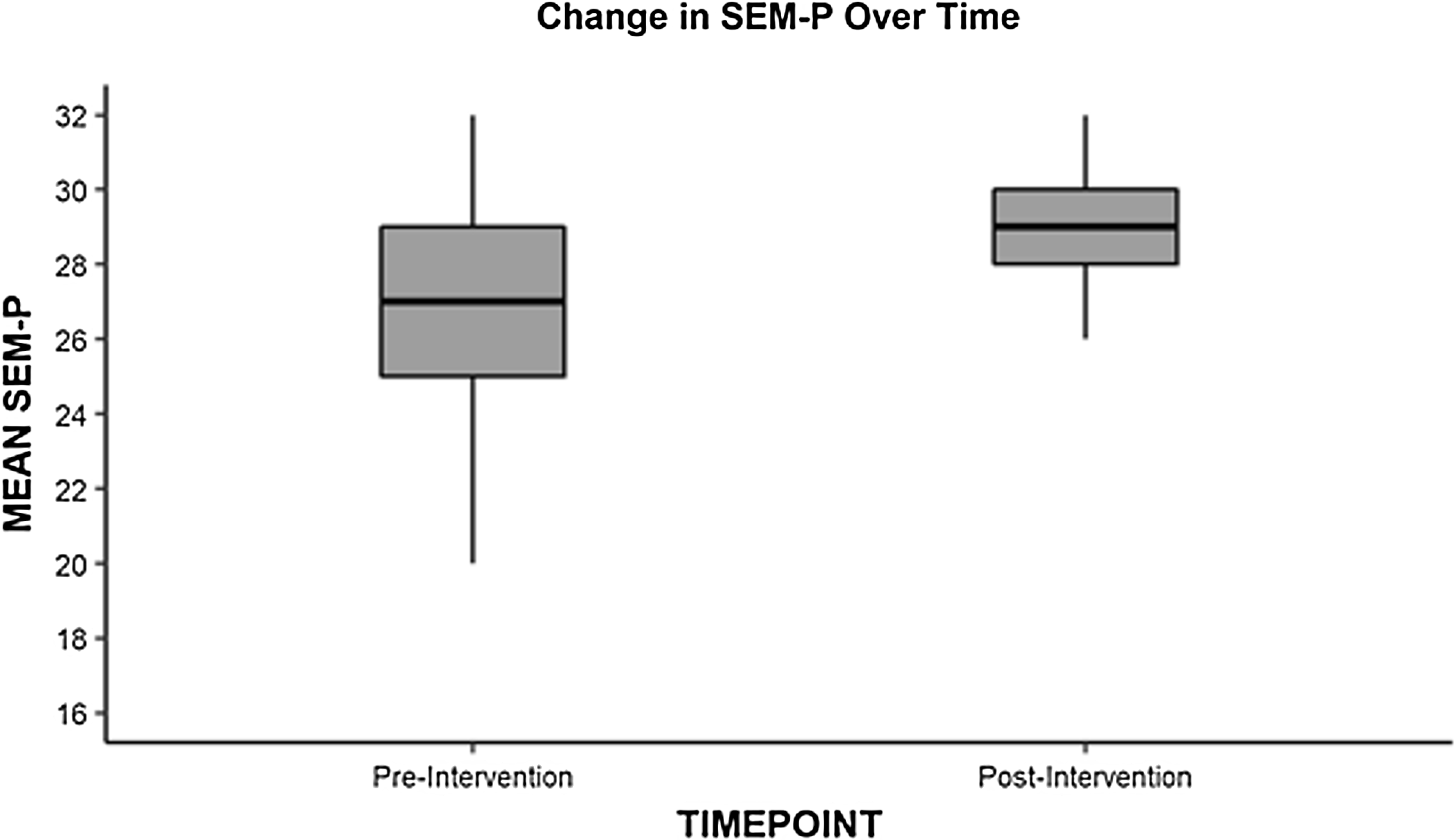
The box-and-whisker plot in Figure 8 depicts the distribution of SEM-P over different time points.
Distribution of Self-Esteem Measure for Prisoners (SEM-P) scores pre- and post-intervention. In each box, the middle horizontal line represents the median SEM-P, the upper and lower bounds of the box represent the 75th and the 25th centiles of SEM-P, respectively, and the upper and lower extents of the whiskers represent the maximum and the minimum SEM-P at each of the time points, respectively.

MCSI
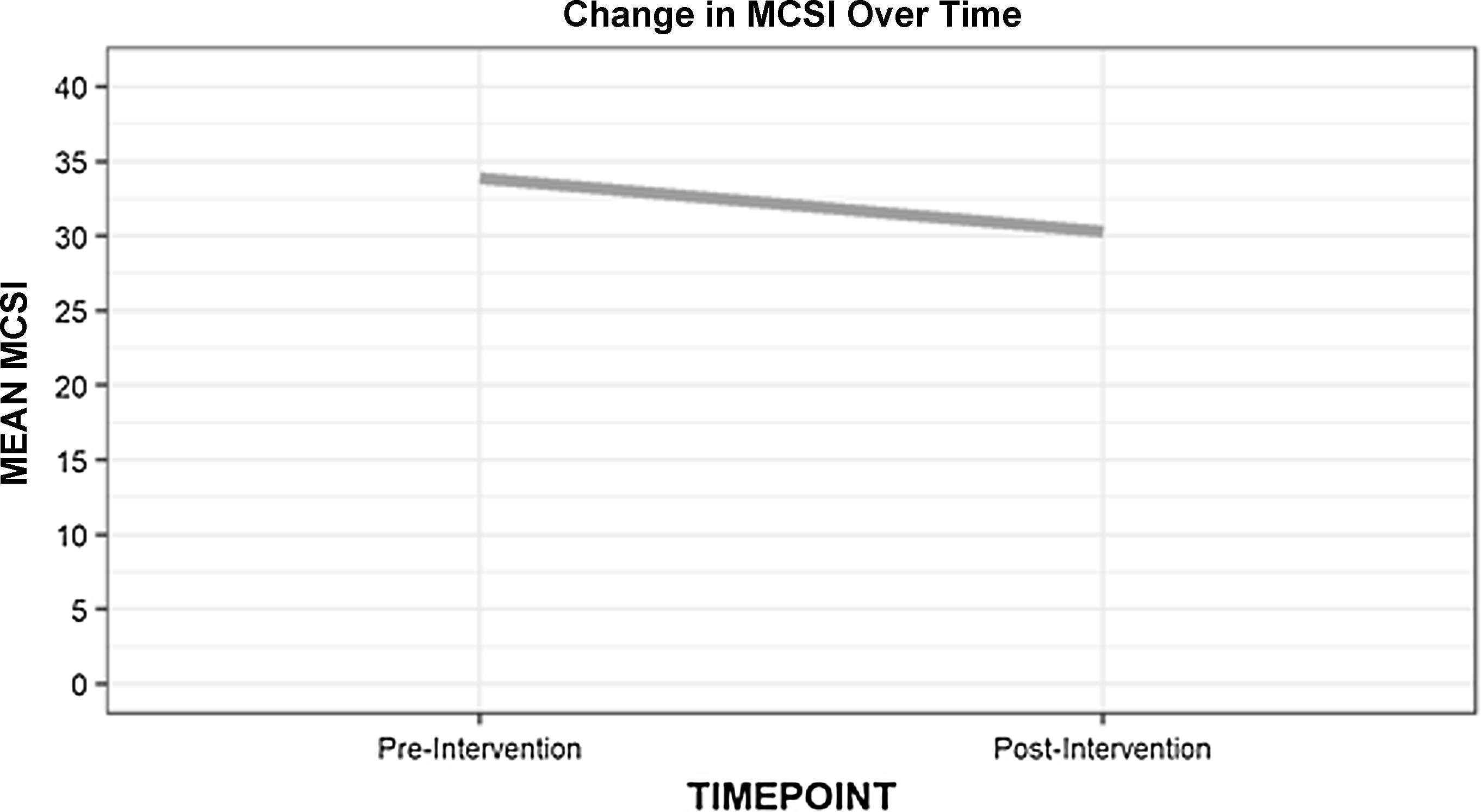
The Wilcoxon signed-rank test was used due to the non-normal distribution of the data. The mean MCSI score decreased from 33.86 at pre-intervention to 30.34 at post-intervention, and this change was statistically significant (V = 162.0, p < 0.001). The results are presented in Table 8. The decrease in MCSI scores, indicating a reduction in CSI, suggests that the intervention had some success in shifting the participants’ perceptions of themselves as criminals. This outcome is consistent with identity theory (Stryker and Burke Reference Stryker and Burke2000), which posits that individuals’ identities are malleable and can be influenced by external interventions. In this case, the intervention appears to have challenged the entrenched criminal identities that often serve as protective mechanisms for offenders. However, the strong correlation between pre- and post-intervention MCSI scores raises important questions about the depth and durability of these changes. Overcoming a criminal identity requires sustained effort and support, as such shifts cannot be easily achieved through brief interventions (Maruna Reference Maruna2001). Therefore, while the reduction in criminal identity is a promising finding, it may be indicative of a partial shift that requires further reinforcement to foster lasting change. This highlights the need for longitudinal studies to examine the long-term impact of such interventions and their ability to effect permanent changes in criminal identity.
Assessment of change in the Measure of Criminal Social Identity (MCSI) over time

Figures 9 and 10 depict the distribution of MCSI over different time points.
Line diagram depicting change in the Measure of Criminal Social Identity (MCSI) over time.

Distribution of Measure of Criminal Social Identity (MCSI) scores pre- and post-intervention. In each box, the middle horizontal line represents the median MCSI, the upper and lower bounds of the box represent the 75th and 25th centiles of MCSI, respectively, and the upper and lower extents of the whiskers represent the maximum and minimum MCSI at each of the time points, respectively.

Discussion
This research examined the impact of a structured psychological intervention on self-esteem, as measured by the SEM-P, and CSI, as measured by the MCSI, among violent male offenders incarcerated at Sabarmati Central Prison. The findings indicate statistically significant improvements across both measures, suggesting that targeted psychological interventions can facilitate measurable shifts in self-perception and identity reconstruction. However, statistical significance alone does not encapsulate the broader implications for rehabilitation.
A more sophisticated analysis is necessary to situate these findings within the complex realities of offender rehabilitation, identity transformation and the institutional constraints of the correctional system. The mechanisms through which these psychological improvements influence long-term behavioural change remain central to assessing the efficacy of such interventions. While preliminary evidence suggests positive outcomes, the extent to which these shifts endure beyond the prison environment, particularly in the face of socio-economic barriers and reintegration challenges, warrants further scrutiny. Rehabilitative interventions must be evaluated not only in terms of immediate psychological improvements but also in their capacity to disrupt entrenched patterns of recidivism. Understanding whether identity realignment translates into sustained desistance from crime is essential for determining the long-term viability of such frameworks within correctional policy.
Connecting Results to Rehabilitation Goals
The observed improvement in SEM-P scores and the corresponding reduction in MCSI scores following the intervention necessitate a more rigorous examination beyond descriptive statistics to assess their substantive implications. While an increase in self-esteem is statistically significant, its relevance to behavioural transformation demands closer scrutiny. Research has established that self-esteem, when balanced with self-awareness, can mitigate aggressive tendencies and foster pro-social orientations (Donnellan et al. Reference Donnellan, Trzesniewski, Robins, Moffitt and Caspi2005). Elevated self-esteem, when divorced from an accurate self-concept, can sometimes be counterproductive, reinforcing narcissistic or even antisocial tendencies rather than fostering meaningful rehabilitation (Lee and Lee Reference Lee and Lee2011). Recognizing this, the intervention was designed with deliberate self-reflective components, ensuring that participants engaged in deep introspection and actively challenged distorted belief systems. This approach was not about simply boosting confidence but about fostering a profound cognitive and emotional recalibration – aligning self-perception with reality in a way that supports genuine, lasting change.
Equally significant is the intervention’s impact on the centrality of criminal identity. A meaningful shift in self-concept can act as a catalyst for pro-social behavioural change, as identity transformation is often a crucial step in the process of desistance (Maruna Reference Maruna2001). The marked reduction in MCSI scores indicates more than a superficial shift in attitudes – it reflects a profound reconfiguration of self-identity. This deeper realignment aligns with established theoretical frameworks, reinforcing the idea that sustainable rehabilitation is rooted not just in behavioural modification but in a fundamental reshaping of how individuals see themselves and their place in society.
These findings also support the broader proposition that self-esteem and social identity are interdependent constructs. Self-esteem influences and is reinforced by group identification, creating a dynamic interplay between individual self-perception and social belonging (Abrams and Hogg Reference Abrams and Hogg1988). The present results substantiate this claim, demonstrating that diminished self-worth correlates strongly with an increased cognitive centrality of CSI. This dynamic underscores a well-documented phenomenon: offenders with negative self-perceptions are more likely to internalize criminal identity as a core component of the self, reinforcing behavioural patterns that perpetuate recidivism (Boduszek et al. Reference Boduszek, Adamson, Shevlin and Hyland2012). Addressing these interdependencies is therefore critical to developing intervention models that not only reduce criminal self-identification but also replace it with pro-social identity frameworks capable of sustaining long-term behavioural change.
The Role of Cognitive and Emotional Patterns
Our analysis of offenders’ cognitive patterns revealed distinct clusters that align with established criminological models, reinforcing prior research on the psychological dimensions of criminal identity. The identification of a cluster characterized by associations with antisocial peers supports the framework of Boduszek et al. (Reference Boduszek, Adamson, Shevlin, Hyland and Bourke2013), which underscores the reciprocal nature of peer influence in reinforcing criminal identity. These affiliations extend beyond mere social ties; they cultivate shared cognitive distortions that sustain deviant behavioural patterns. The interplay between peer reinforcement and identity formation suggests that interventions targeting cognitive restructuring must simultaneously address the social dynamics that perpetuate criminal self-concept.
The emergence of additional clusters – emotional disengagement and dominance – further reflects the role of cognitive distortions in shaping behavioural trajectories. Exposure to criminal environments, coupled with the passage of time, entrenches maladaptive cognitive frameworks, fostering attitudinal rigidity that can obstruct rehabilitation (Mills, Anderson, and Kroner Reference Mills, Anderson and Kroner2004). We argue that without targeted intervention, these deeply ingrained patterns of thinking become self-reinforcing, making the path to change increasingly difficult. The intervention’s capacity to disrupt these patterns through emotional regulation training is particularly significant. Enhanced emotional control has been linked to improved conflict resolution, reduced impulsivity and a decline in aggressive behaviour within carceral settings. This finding corroborates the assertion of Donnellan et al. (Reference Donnellan, Trzesniewski, Robins, Moffitt and Caspi2005) that diminished self-esteem often correlates with heightened aggression, suggesting that interventions fostering emotional regulation may attenuate this association. Equipping participants with strategies to regulate their emotional responses does more than simply modify behaviour in the short term – it establishes a foundation for lasting cognitive and emotional recalibration, fostering deeper self-awareness and long-term resilience. A reduction in impulsivity and aggression contributes to institutional stability within correctional settings and increases the likelihood of successful reintegration post-release. These findings underscore the necessity of embedding psychological interventions within correctional policy, ensuring that rehabilitation extends beyond punitive deterrence to facilitate genuine identity transformation.
Practical Significance and Long-Term Impact
Establishing a direct connection between the observed psychological shifts and tangible behavioural outcomes is essential for these findings to contribute meaningfully to rehabilitation strategies. Reductions in aggression and antisocial behaviour serve as critical benchmarks for assessing the practical impact of interventions aimed at enhancing self-esteem and restructuring criminal identity. While the immediate results indicate statistically significant improvements, the durability of these changes requires further scrutiny. The absence of longitudinal data limits any conclusive assessment of whether increased self-esteem and a diminished criminal identity translate into sustained pro-social behaviour and long-term desistance from crime. Future research must prioritize longitudinal studies, tracking participants post-release to determine whether these psychological transformations endure beyond the controlled prison environment. The integration of follow-up interventions designed to reinforce emotional regulation and identity restructuring may also prove essential in ensuring that these initial gains are not transitory but contribute to lasting behavioural reform.
Despite the insights offered by this research, several limitations must be acknowledged. The sample size, though sufficient for preliminary analysis, constrains the generalizability of the findings, particularly given the heterogeneity of offender populations. The relatively short follow-up period further restricts any assessment of long-term efficacy. A more comprehensive research design would incorporate larger, more representative samples and extend the observational period to assess the stability of these psychological transformations over time. External factors such as post-release support structures, socio-economic conditions and community reintegration mechanisms must also be accounted for, given their substantial influence on recidivism rates and rehabilitative success.
Embedding psychological interventions within correctional rehabilitation frameworks is not a peripheral consideration but a fundamental necessity. Self-esteem and identity formation play a central role in shaping behavioural outcomes, and interventions that fail to address these dimensions risk perpetuating cycles of recidivism. Adapting such programmes to accommodate diverse cultural and institutional contexts would enhance their efficacy, ensuring that rehabilitation strategies remain both evidence-based and practically viable. The refinement of prison rehabilitation policies must reflect a more nuanced understanding of the complex interplay between psychological rehabilitation and structural reintegration. A targeted, context-specific approach that integrates psychological insights with broader correctional strategies offers the greatest potential for reducing recidivism and fostering long-term desistance from crime.
Conclusion
The absence of a systematic psychological treatment framework within the Indian prison system represents a fundamental obstacle to meaningful rehabilitation. Rehabilitation efforts remain fragmented and largely ineffective without structured interventions to assess treatment readiness and foster engagement. This deficiency highlights a critical gap in correctional policy, where the absence of structured psychosocial support diminishes the potential for sustained behavioural change. The intervention introduced in this research provides a model for bridging this gap, demonstrating the feasibility of integrating evidence-based psychological treatment practices within correctional settings. Comparative analysis with international rehabilitative models underscores the urgency of aligning Indian correctional strategies with global best practices, ensuring rehabilitation is embedded as a foundational principle of carceral policy rather than an ancillary objective.
Resistance to participation, particularly in the early stages of the intervention, underscores the psychological barriers that complicate rehabilitative efforts among violent offenders. Mistrust, reluctance to engage in introspection, and defensive cognitive postures reflect deeply ingrained mechanisms of self-preservation that must be addressed for any intervention to succeed. This research demonstrates that structured therapeutic engagement, sustained psychological support and carefully calibrated self-reflective exercises play a critical role in overcoming these barriers. The transformation in offender engagement highlights the importance of methodological approach – specifically, the role of trained forensic psychologists in fostering trust, dismantling cognitive defences and facilitating meaningful participation in rehabilitative programmes.
Findings from this research reinforce the well-established connection between psychosocial environments, early-life experiences and identity formation among violent offenders. The data confirm that self-esteem functions as both a protective factor and a potential risk factor, depending on its qualitative dimensions. The correlation between diminished self-worth and the centrality of a CSI aligns with Boduszek et al. (Reference Boduszek, Adamson, Shevlin and Hyland2012), reaffirming that offenders with negative self-perceptions are more likely to internalize a criminal identity as a core component of the self. Addressing this association is fundamental to effective rehabilitation. The intervention’s focus on fostering a balanced form of self-esteem – rooted in self-awareness, accountability and self-acceptance – was essential in facilitating pro-social attitudinal shifts. Unlike unexamined or inflated self-esteem, which has been linked to aggression and antisocial behaviour (Lee and Lee Reference Lee and Lee2011), a well-calibrated sense of self enhances receptivity to rehabilitative programming and fosters long-term behavioural adaptation.
The reduction in the salience of CSI is a particularly significant outcome. Identity reconstruction has been identified as a critical precursor to desistance from crime (Maruna Reference Maruna2001). A decline in the centrality of criminal identity suggests more than a temporary attitudinal shift; it signals an emerging reconfiguration of self-concept, creating a foundation for sustained behavioural change. This transformation enhances the likelihood of meaningful engagement with rehabilitative initiatives and increases the probability of successful reintegration into society upon release.
Cognitive belief systems that sustain criminal behaviour require targeted intervention. Participants in this research indicated a lack of prior awareness regarding the cognitive patterns that reinforced their actions. The intervention’s structured approach, designed to facilitate introspection while equipping participants with adaptive coping mechanisms, effectively disrupted entrenched cognitive distortions. Providing offenders with the cognitive tools necessary to evaluate their beliefs critically fosters an openness to alternative, pro-social behavioural strategies, laying the groundwork for long-term transformation.
Findings from this research make a compelling case for embedding structured, evidence-based psychological frameworks within the Indian prison system. Rehabilitation must extend beyond behavioural modification to address the psychological constructs that sustain criminality. Tailoring intervention models to accommodate cultural and institutional contexts enhances programme efficacy, ensuring that rehabilitative strategies are both evidence-based and practically viable. From a policy perspective, the formal integration of psychological treatment within correctional institutions represents a necessary evolution in India’s approach to offender rehabilitation. Standardizing psychological interventions as a core component of correctional policy would align rehabilitation strategies with empirical evidence on desistance and recidivism reduction.
Future research should extend these findings through longitudinal assessments, tracking participants post-release to determine whether shifts in self-esteem and identity endure over time and translate into measurable reductions in recidivism. Empirical studies examining the interaction between post-release support structures, socio-economic reintegration and psychological resilience would provide further insight into the long-term impact of such interventions. Establishing these connections is critical for shaping policies that prioritize rehabilitation over retribution, ensuring that correctional institutions function not merely as instruments of punishment but as facilitators of meaningful reform.
The intricate relationship between self-esteem, social identity and behavioural adaptation underscores the complexity of offender rehabilitation. Structured interventions that prioritize self-reflection, cognitive restructuring and adaptive coping strategies have the potential to foster psychological readiness for pro-social behaviour. The insights gained from this research provide a foundation for refining rehabilitative models within the Indian prison system, bridging the gap between theoretical frameworks and practical, evidence-based correctional strategies.
Acknowledgements
The authors extend their gratitude to the Director General of Gujarat Prisons, and the senior leadership and staff of the Correctional Administration in Ahmedabad, Gujarat, India, for their invaluable support and permission to conduct this research. We sincerely appreciate the time and effort contributed by all programme participants, who generously took part in this study. It is important to note that the views expressed in this paper are those of the authors and do not necessarily reflect the perspectives of any related agencies.
Competing interests
The authors declare none.
Reena Sharma, PhD, is the founder and practising psychologist at The Mind Practice. With over two decades of expertise in psychological therapies, human resources, behavioural training and administration, she is a highly qualified forensic psychologist and criminologist. Her work encompasses psychological and forensic assessments, offender rehabilitation, investigative techniques and mental health interventions for diverse populations. Dr Sharma works closely with Gujarat Prisons and Police administrations as a consultant, developing interventions tailored to their needs. She founded Samarth: Breaking Barriers (2017), a prison therapeutic centre using forensic cognitive behavioural therapy and positive criminology with culturally tailored rehabilitation for Indian inmates.
Debarati Halder is a Professor of Law at Parul University (NAAC A++), Gujarat, India. She has received several awards, including the Web Wonder Woman Award from the Ministry of Women and Children Affairs, Government of India and Twitter in 2019 and the prestigious Indian Society of Criminology Fellow, 2022 award. She has authored several books on cyber law, cyber victimology, women and child rights, and human rights, and has published many scholarly articles. She is also been invited as a reviewer for prestigious high-indexed journals. She is a member of various academic societies, including the World Society of Victimology and the Association of Law Teachers.
Subhajit Basu is a Professor of Law and Technology with a strong international reputation for his interdisciplinary research at the crossroads of law, digital technology and social justice. His work focuses on how emerging technologies influence legal frameworks, privacy rights and criminal justice policies, particularly in the Global South. Through his advisory roles in cyber law, data governance and policy development, he has worked closely with governments and international organizations to strengthen legal responses to online and offline harm. He is the Editor-in-Chief of the International Review of Law, Computers and Technology.






 Open access

