Introduction
Environmental resources, including forest resources, play a key role in rural livelihoods: they supply a wide variety of raw materials for consumption, and provide cash income (Pouliot & Treue, Reference Pouliot and Treue2013). Globally, and particularly in developing countries, c. 1.3 billion people rely on environmental products for subsistence livelihoods and monetary income (World Bank, 2004; Vedeld et al., Reference Vedeld, Angelsen, Bojo, Sjaastad and Berg2007; Angelsen et al., Reference Angelsen, Jagger, Babigumira, Belcher, Hogarth and Bauch2014). Both timber and non-timber forest products provide direct benefits, such as fuelwood for cooking, medicinal plants for health care, fodder for animals, building materials for construction, and wild fruits, fish and bushmeat for consumption (Saha & Sundriyal, Reference Saha and Sundriyal2012). Forest products also provide rural people with an economic buffer in times of adversity (e.g. sudden changes in economic or social circumstances) (Shackleton & Shackleton, Reference Shackleton and Shackleton2004). In some areas, households generate a substantial amount of income by harvesting and selling forest products, and the contribution of forest products to the total household income exceeds that of agricultural products (Mamo et al., Reference Mamo, Sjaastad and Vedeld2007). A meta-analysis of 51 case studies from 17 developing countries showed that environmental income (i.e. income derived from the harvesting of environmental resources provided through natural processes) contributed 20–25% of the household income of rural people (Vedeld et al., Reference Vedeld, Angelsen, Bojo, Sjaastad and Berg2007; Pouliot & Treue, Reference Pouliot and Treue2013). Likewise, in a global analysis of 8,000 households in 24 developing countries, environmental income (of which 77% was derived from natural forests) accounted for 28% of total household income (Angelsen et al., Reference Angelsen, Jagger, Babigumira, Belcher, Hogarth and Bauch2014). Non-forest environmental income also plays a substantial role in the livelihoods of rural people; for example, small-scale river fisheries in the Democratic Republic of Congo contribute up to 98% of the fishers’ household income (Béné et al., Reference Béné, Steel, Luadia and Gordon2009).
Traditionally, the livelihoods of mountain communities in the Himalaya have been heavily dependent upon natural resources. The major livelihood strategies are subsistence farming, animal husbandry, and collection and trade of medicinal plants (Olsen & Larsen, Reference Olsen and Larsen2003). The high-value, low-volume Chinese caterpillar fungus Ophiocordyceps sinensis, known locally as yarsagumba (adopted from yartsa gunbu in Tibetan), is one of several important medicinal species harvested by local communities in mountainous parts of India (Kuniyal & Sundriyal, Reference Kuniyal and Sundriyal2013), Nepal (Shrestha & Bawa, Reference Shrestha and Bawa2014a), Bhutan (Wangchuk et al., Reference Wangchuk, Norbu and Sherub2012) and China (Woodhouse et al., Reference Woodhouse, McGowan and Milner-Gulland2014). Yarsagumba plays a prominent role in the socio-economy of rural people in the Himalayan region (Shrestha et al., Reference Shrestha, Shrestha, Ghimire, Nepali and Shrestha2014; Pant et al., Reference Pant, Rai, Wallrapp, Ghate, Shrestha and Ram2017). A localized study conducted in the Nubri and Tsum valleys of Nepal found that income from yarsagumba accounted for 77–92% of the total cash income of households (Childs & Choedup, Reference Childs and Choedup2014). Likewise, in Dolpa, Nepal, yarsagumba accounted for up to 72% of total income for the poorest households (Shrestha & Bawa, Reference Shrestha and Bawa2014a). Yarsagumba also plays an important role in Nepal's national economy. The trade in yarsagumba in Nepal was worth an estimated USD 4.7 million in 2014, based on the revenue records from 11 districts (NRB, 2015). Furthermore, yarsagumba contributes c. 41% of total revenue collected from the non-timber forest products sector and provides a financial resource to fund social welfare activities such as electrification of villages and maintenance of local schools (Thapa et al., Reference Thapa, Panthi, Rai, Shrestha, Aryal, Shrestha and Shrestha2014). Occurring in resource-scarce regions, and collected mainly by poor local people, yarsagumba can lift people out of poverty and reduce inequality. However, an understanding of the linkages between income from yarsagumba and income inequality and poverty has been lacking in previous studies (Childs & Choedup, Reference Childs and Choedup2014; Shrestha & Bawa, Reference Shrestha and Bawa2014a).
Conservation of biodiversity, including forests and other natural ecosystems, and poverty alleviation have become central issues in global policies such as the Convention on Biological Diversity, the Millennium Development Goals (Sachs et al., Reference Sachs, Baillie, Sutherland, Armsworth, Ash and Beddington2009) and the Sustainable Development Goals. Some argue that biodiversity conservation can alleviate poverty (Walelign et al., Reference Walelign, Charlery, Smith-Hall, Chhetri and Larsen2016), provide employment opportunities for poor and disadvantaged groups, and improve the overall well-being of local people (Turner et al., Reference Turner, Brandon, Brooks, Gascon, Gibbs and Lawrence2012; Shackleton & Pandey, Reference Shackleton and Pandey2014). However, there is a lack of empirical evidence linking biodiversity conservation and poverty alleviation (Sunderlin et al., Reference Sunderlin, Angelsen, Belcher, Burgers, Nasi, Santoso and Wunder2005; Roe, Reference Roe2010). Furthermore, most of the literature related to biodiversity–poverty linkages is focused mainly on non-timber forest products, and ecological settings such as mountains, deserts and artificial exotic habitats have been poorly studied (Vedeld et al., Reference Vedeld, Angelsen, Bojo, Sjaastad and Berg2007; Roe, Reference Roe2010; Roe et al., Reference Roe, Fancourt and Sandbrook2015).
Environmental income, including income from forest products, is rarely acknowledged by developing country policy makers in poverty reduction strategies (Oksanen & Mersmann, Reference Oksanen and Mersmann2003; Wunder et al., Reference Wunder, Angelsen and Belcher2014). However, Nepal's Poverty Reduction Strategy Paper acknowledges the importance of the forestry sector in poverty reduction (Nepal National Planning Commission, 2003). According to a 2015 survey of Nepalese households c. 69% of employed people > 15 years old (and up to 76% in rural areas) were engaged in agriculture, forestry and fishing for their livelihoods (CBS, 2015). In 2004 Nepal introduced a policy to reduce poverty through sustainable management of non-timber forest products (GoN, 2004) but regulations to implement the policy have yet to be formulated (Heinen & Shrestha-Acharya, Reference Heinen and Shrestha-Acharya2011). Additionally, there are geographical biases in the government's programmes for forest conservation and livelihood enhancement, with most programmes concentrated in the Terai, Siwalik and mid hills, despite the fact that the mean income from forest resources is higher in mountain areas than in these other areas (Meilby et al., Reference Meilby, Smith-Hall, Byg, Larsen, Nielsen, Puri and Rayamajhi2014). Furthermore, the government is reluctant to hand over ownership of forests and rangelands in mountainous areas, where high-value environmental resources, including yarsagumba, are found, to local forest user groups (Heinen & Shrestha-Acharya, Reference Heinen and Shrestha-Acharya2011).
To design effective development and conservation strategies it is essential to quantify the relative and absolute contributions of environmental income to household income, and understand the determinants of poverty and inequality, and the implications of degradation of natural resources on the household economy (Angelsen & Wunder, Reference Angelsen and Wunder2003; Oksanen & Mersmann, Reference Oksanen and Mersmann2003; Vedeld, Reference Vedeld2004; Angelsen et al., Reference Angelsen, Jagger, Babigumira, Belcher, Hogarth and Bauch2014). In some instances, promoting sustainable use of non-timber forest products through formalization of trade can have unintended consequences, such as elite capture, distributional inequity, and exclusion of marginalized communities from the trade (Wynberg et al., Reference Wynberg, Laird, Van Niekerk and Kozanayi2015).
Here we consider the case of yarsagumba, a resource collected in open-access alpine pastures by mountain communities living in acute poverty. Despite the significant contribution of yarsagumba to the livelihoods of poor people, its potential role in poverty reduction is yet to be formalized by national policy in Nepal (DPR, 2014). Our study was guided by three research questions: (1) What is the contribution of yarsagumba to the local household economy? (2) What are the trends in yarsagumba harvesting and their relationship with income? (3) Does income from yarsagumba correlate with household wealth and income inequality?
Chinese caterpillar fungus (yarsagumba)
The Chinese caterpillar fungus is an endoparasitic complex formed by the parasitic fungus Ophiocordyceps sinensis and its host caterpillar of Thitarodes moth species (Winkler, Reference Winkler2009). It occurs in the alpine and subalpine grasslands of the Himalaya and the Tibetan Plateau, at 3,000–5,200 m (Shrestha & Bawa, Reference Shrestha and Bawa2013). Yarsagumba is used traditionally as a medicinal herb to strengthen lungs and kidneys, increase energy and vitality, stop haemorrhaging, decrease phlegm and treat fatigue, and more recently as an aphrodisiac and a tonic known as Himalayan viagra (Zhou et al., Reference Zhou, Gong, Su, Lin and Tang2009). It is one of the most expensive medicinal herbs in the world, with a current market price of USD 128,000 per kg in China (Agency, 2016). Yarsagumba is harvested and sold by hundreds of thousands of poor people in Nepal, China, Bhutan and India. In Nepal, large-scale collection involving tens of thousands of harvesters began after the ban on collection and trade of yarsagumba was lifted in 2001 (Shrestha & Bawa, Reference Shrestha and Bawa2013). Yarsagumba harvesting is one of the key income sources for poor mountain communities in Nepal, where the availability of other livelihood opportunities is comparatively low (Shrestha & Bawa, Reference Shrestha and Bawa2014a).
Study area
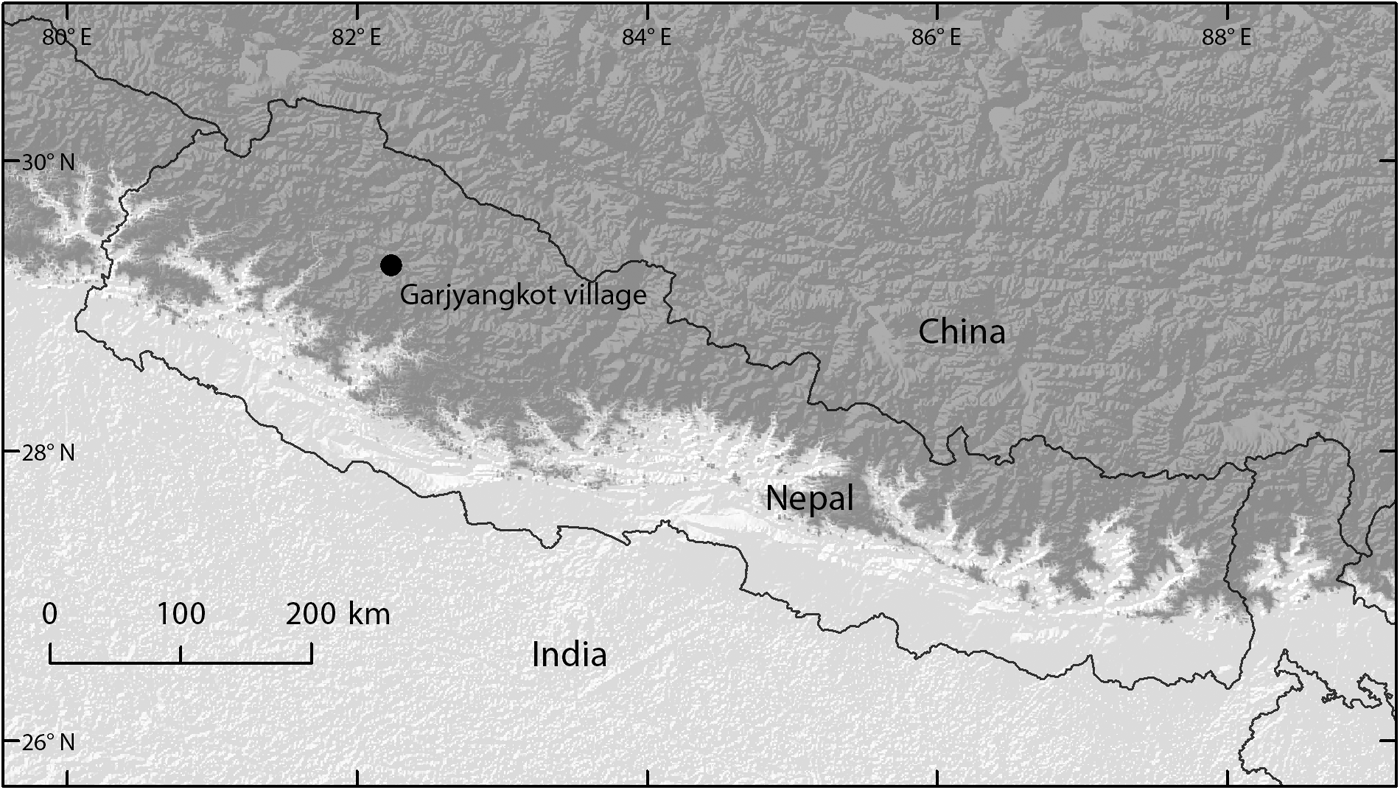
This study was carried out in Garjyangkot Village Development Committee of Jumla district, in Nepal (Fig. 1). Jumla is one of 27 northern districts from which yarsagumba is reported, and is regarded as one of the top three yarsagumba-producing districts, after Dolpa and Darchula, contributing nearly 7% of the country's total supply (DFO, 2014). The potential annual production of yarsagumba in Jumla is c. 201 kg (GoN, 2015), and 25% of the total volume collected comes from Garjyangkot Village Development Committee.
Location of Garjyangkot village, Jumla district, Nepal.
Jumla is a remote district, with an area of 2,531 km2 and a total population of 107,395 (GoN, 2015). The per capita income (purchasing power parity) in Jumla is USD 1,007, compared to the national mean of USD 1,160 (Sharma et al., Reference Sharma, Guha-Khasnobis and Raj Khanal2014). The district is comparatively dry and receives mean annual rainfall of 740 mm, with alpine and subalpine pastures that cover > 80% of its land area (GoN, 2015) and are suitable habitat for yarsagumba. The people of Garjyangkot rely on subsistence farming, animal husbandry, wages derived from seasonal labour in India, and collection of non-timber forest products, and yarsagumba harvesting has become a predominant livelihood strategy in the area.
Methods
Data collection
Household surveys and focus group discussions were conducted during November–December 2014. Of the 775 households in the Garjyangkot Village Development Committee, members of 65 households were interviewed using a structured questionnaire adapted and modified from the prototype developed by the Poverty Environment Network (PEN, 2008). The questionnaire contained three sections: household characteristics (age, gender, qualification, profession, family size), economic characteristics (land holdings, sources of cash income, estimated earnings from various sources), and yarsagumba-related information (harvesting experiences, number of pieces harvested, price, earning and expenditure related to the selling of yarsagumba). The questions were prepared, and the interviews conducted, in Nepali. Only individuals > 18 years of age, with at least 5 years of harvesting experience, and who had harvested yarsagumba in the survey year were interviewed. Respondents meeting these criteria were selected for interview by visiting a random sample of households. The research proposal was approved by a scientific committee at the Kathmandu Forestry College, Tribhuvan University, Nepal. The survey questionnaire was also approved by the Institutional Review Board of the University of Massachusetts, Boston, USA. Respondents were informed of the study objectives, and assured anonymity and confidentiality of their personal information, at the beginning of face-to-face interviews. Interviews proceeded only if respondents voluntarily provided verbal or written consent. Three of the 65 interviews were excluded from analysis because they were incomplete.
Focus group discussions and key informant interviews were also conducted with representatives of various sectors of the village (schoolteachers, local political leaders, government officials, residents) to identify harvesting trends and contribution of yarsagumba to their livelihoods, and to triangulate the responses derived from the household survey.
Data analysis
As the primary aim of the study was to measure the contribution of yarsagumba to the household cash income, we collected and analysed only the total cash or equivalent income of the household. The sources of cash income were grouped into five categories: agricultural (crop and livestock) and non-timber forest products, excluding yarsagumba; business; seasonal labour; service; and yarsagumba harvesting. Based on the total household cash income, excluding income from yarsagumba, the sample population was divided into the tertiles poorest (21), intermediate (20) and poor (21), and the validity was tested by comparing the means using one-way ANOVA. In terms of wealth status the respondents were mostly poor, and therefore we didn't use the terminology ‘rich’ to describe better-off households, as is widely done in the literature (e.g. Olsen & Larsen, Reference Olsen and Larsen2003). The difference in non-cash assets (land holdings, houses) among the respondents was minimal.
We calculated the proportion of expenditure of income from yarsagumba in various categories (medicine, food, savings, children's education, celebrating festivals, clothes, and others). We calculated decomposed Gini coefficients based on the cash income tertiles, and examined the Lorenz curve to measure the equalizing effect of yarsagumba income on the total household cash income. The Gini coefficient is a commonly used measure of income inequality (a value of zero denotes perfect income equality, with everyone having the same income, and a value of one denotes maximum inequality, with all income held by a single person; Worku et al., Reference Worku, Pretzsch, Kassa and Auch2014; Nakakaawa et al., Reference Nakakaawa, Moll, Vedeld, Sjaastad and Cavanagh2015). We also quantified the trends in harvesting in terms of per capita harvest and income from yarsagumba in the previous 5 years, using linear regression.
Results
Demographic characteristics of respondents
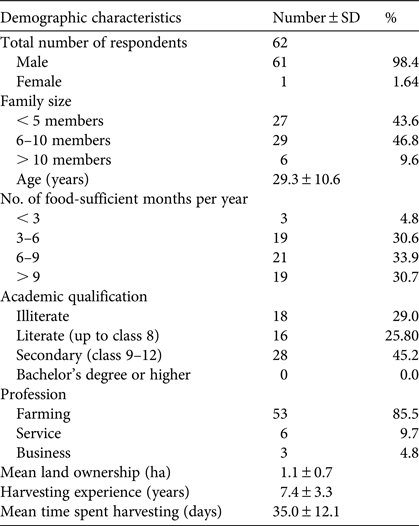
The demographic characteristics of the respondents are in Table 1. The majority (98.4%) of respondents were male (although the number of females collecting yarsagumba has increased in recent years, > 90% of yarsagumba harvesters in the village are male). Females did not want to be interviewed, and were hesitant to speak with outsiders. The mean age of the respondents was 29 years. Almost half (46.8%) of the sampled population had a mean household size of 6–10 members, and only 30.6% of households had food sufficiency for > 9 months in a year. Almost one-third of the respondents were illiterate, and none had completed a bachelor's degree or higher. Farming was the major occupation in the study area, with > 85.4% of respondents indicating their primary occupation was subsistence farming. The mean land holding per household was 1.1 ha. Respondents had been harvesting yarsagumba for a mean of 7.4 years, and spent a mean of 35 days each year collecting yarsagumba.
Demographic characteristics of the survey respondents in Garjyangkot village, Jumla district, Nepal (Fig. 1).
Contribution of income from yarsagumba to total household income
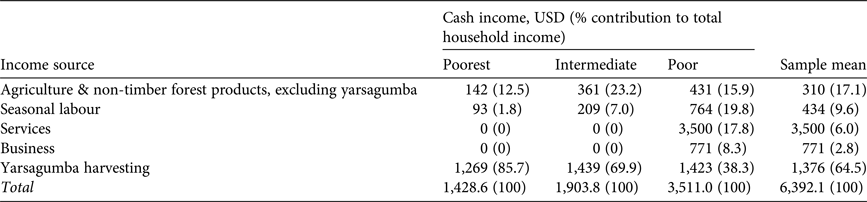
Table 2 provides an overview of household cash income in three income tertiles: poorest, intermediate and poor. The mean total cash income of the surveyed households was USD 2,287.2 ± SD 1,087.1 per year. Cash earnings from yarsagumba harvesting contributed 64.5% of the mean total cash income, followed by agriculture and non-timber forest products (17.1%), seasonal labour (9.6%), service (6.0%) and business (2.8%). The contribution of yarsagumba to the total household cash income differed significantly among the tertiles (P < 0.000, Posthoc Bonferroni–Holm F = 10.98); it contributed 85.7% of the income of the poorest households, 69.9% for intermediate households, and 38.3% for poor households. Only the poor households reported earnings from services and business, whereas the poorest and intermediate households relied solely on agriculture and non-timber forest products, seasonal labour, and yarsagumba harvesting for generating cash. Only seven respondents mentioned that they earned cash from doing business, and only six had employment in government or non-government organizations.
Cash income from various sources, and the % contribution to total household income, for poorest, intermediate and poor households surveyed in Garjyangkot village, Jumla district, Nepal (Fig. 1).
Expenditure of yarsagumba income
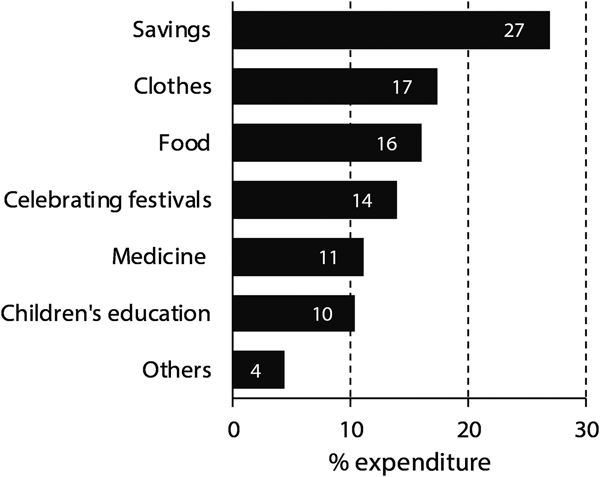
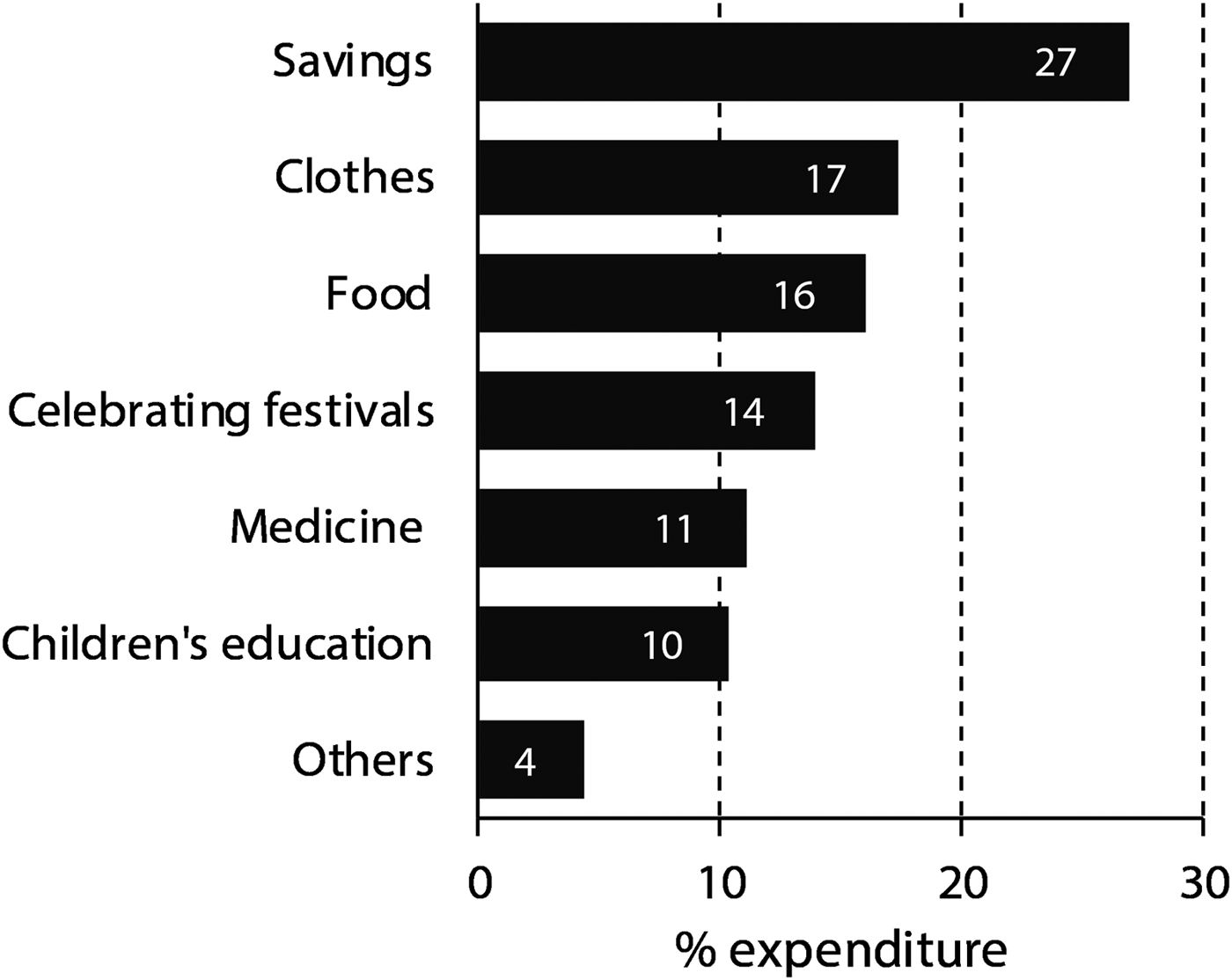
We categorized the reported expenditure of income from yarsagumba as medicine, food, savings, children's education, celebrating festivals, clothes, and other (e.g. electronics, travel, entertainment; Fig. 2). On average, the top three categories of expenditure were clothes (17%), food (16%) and celebrating festivals (14%). Respondents saved 27% of total earnings from yarsagumba harvesting, and > 61% of respondents mentioned that they saved some of the money they earned from yarsagumba harvesting.
Expenditure of income from the Chinese caterpillar fungus Ophiocordyceps sinensis (yarsagumba) by survey respondents from Garjyangkot village, Jumla district, Nepal (Fig. 1).
Yarsagumba income and inequality
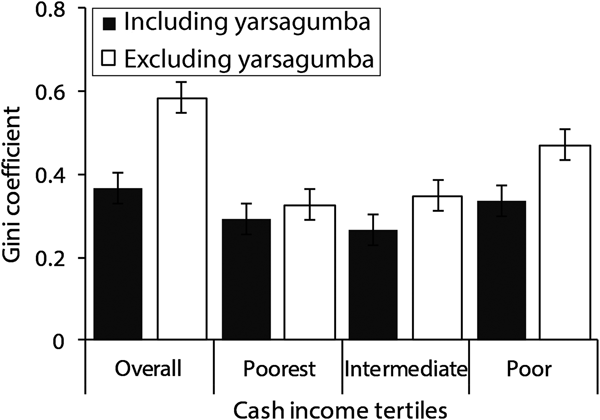
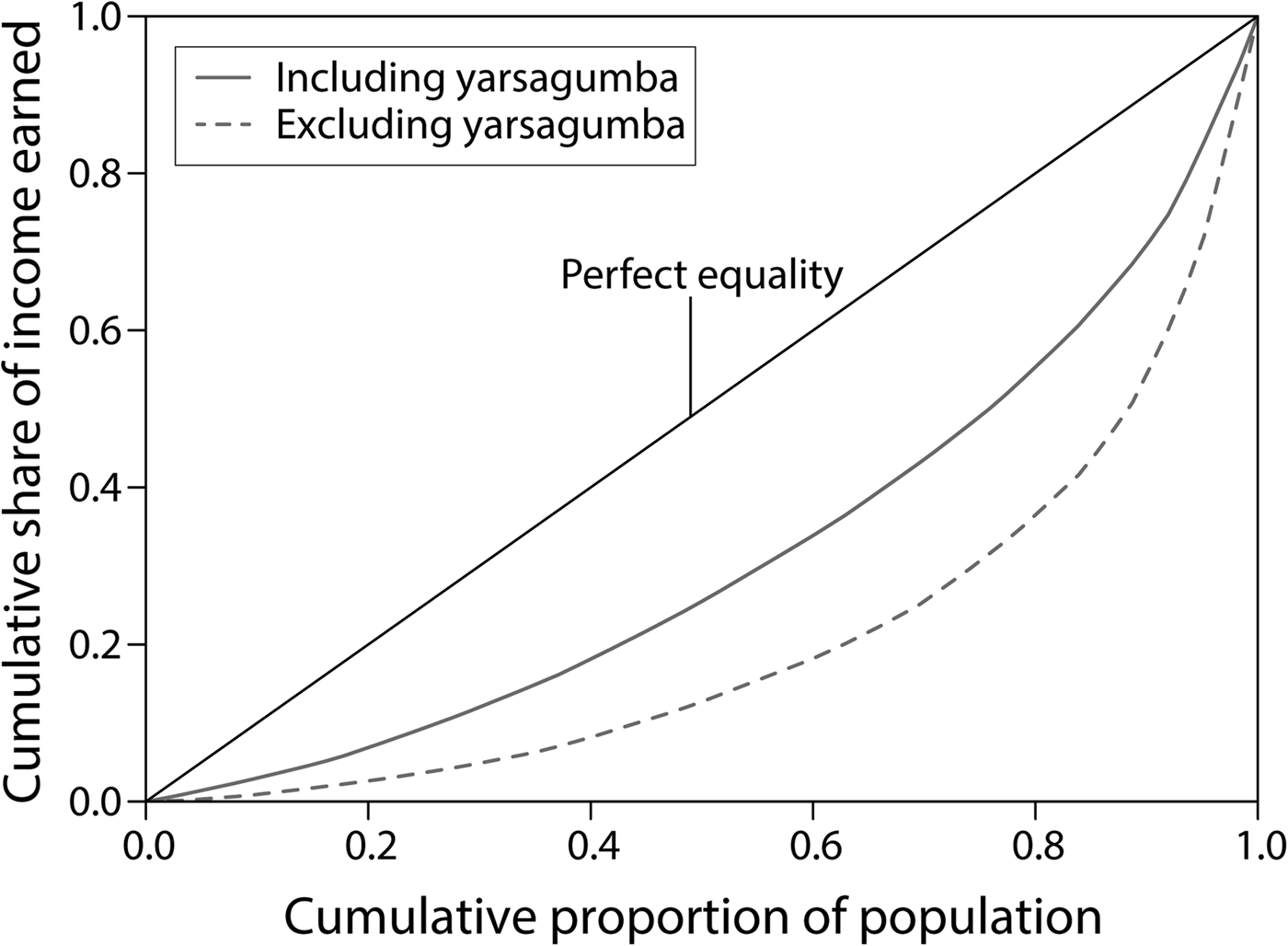
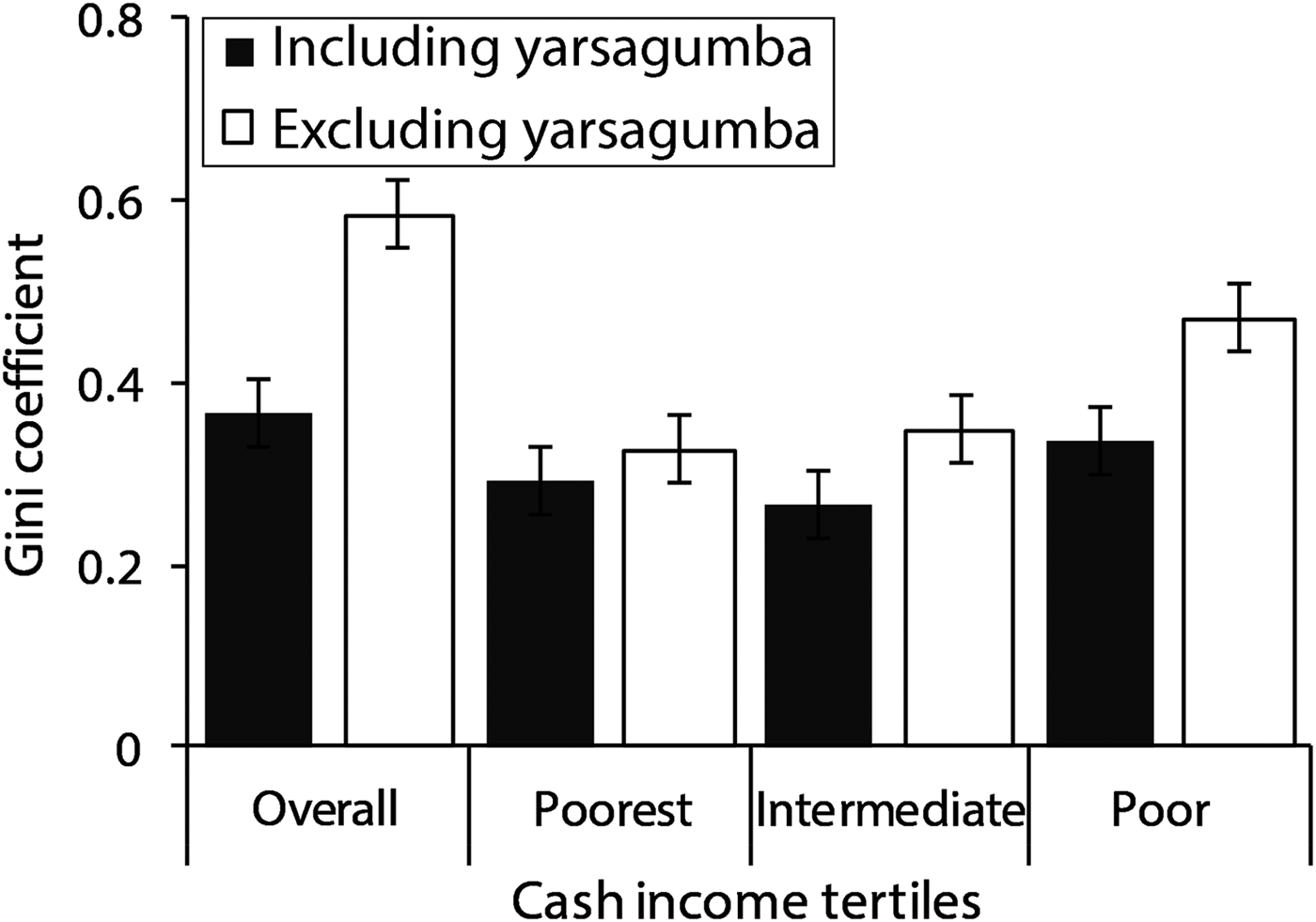
We decomposed the contribution of yarsagumba income to the total Gini coefficient to investigate how this income contributed to overall income inequality. Excluding income from yarsagumba, the income inequality measured by the Gini coefficient was 0.58. With the inclusion of yarsagumba income in the total household cash income, the Gini coefficient decreased to 0.36, indicating the equalizing effect of yarsagumba income on income inequality. The addition of income from yarsagumba harvesting to the household cash income reduced income inequality by 38%. Similar trends were observed among the poorest, intermediate and poor households (Fig. 3). Likewise, the addition of income from yarsagumba to the total cash income reduced the area between the line of equality and the Lorenz curve, which is another indicator of the equalizing effect of yarsagumba income on total income inequality (Fig. 4); the departure from the line of equality was greater when yarsagumba income was removed.
Lorenz curve for household income including and excluding income from yarsagumba for surveyed households in Garjyangkot village, Jumla district, Nepal (Fig. 1).
Decomposed Gini coefficient by cash income tertiles for surveyed households in Garjyangkot village, Jumla district, Nepal (Fig. 1).
Harvesting trends and their impact on household income
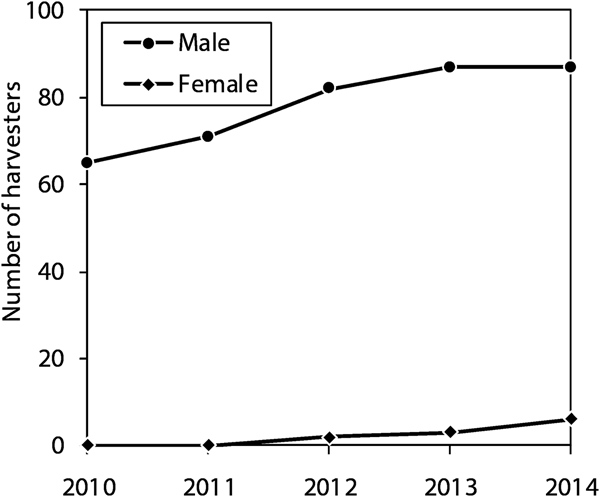
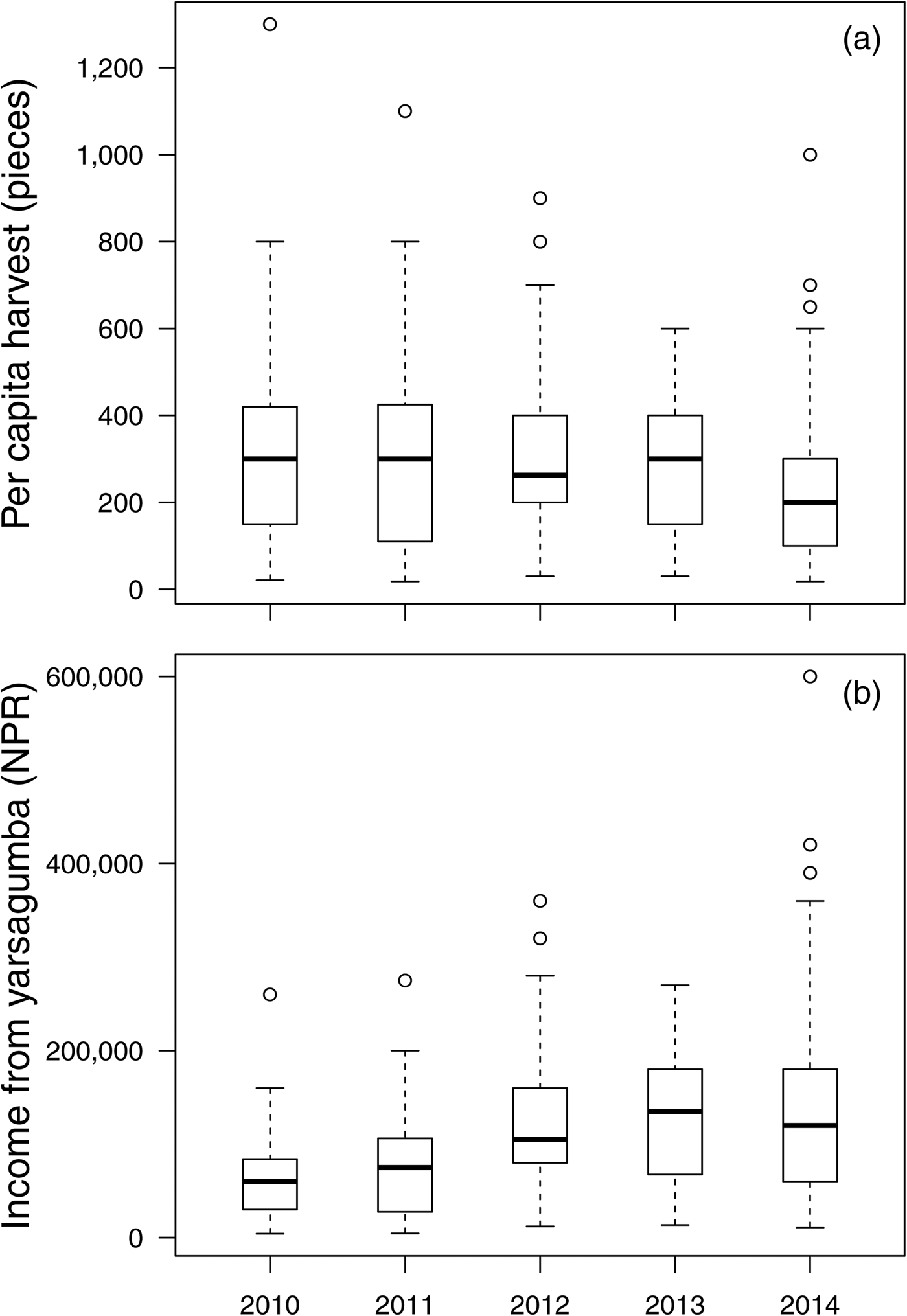
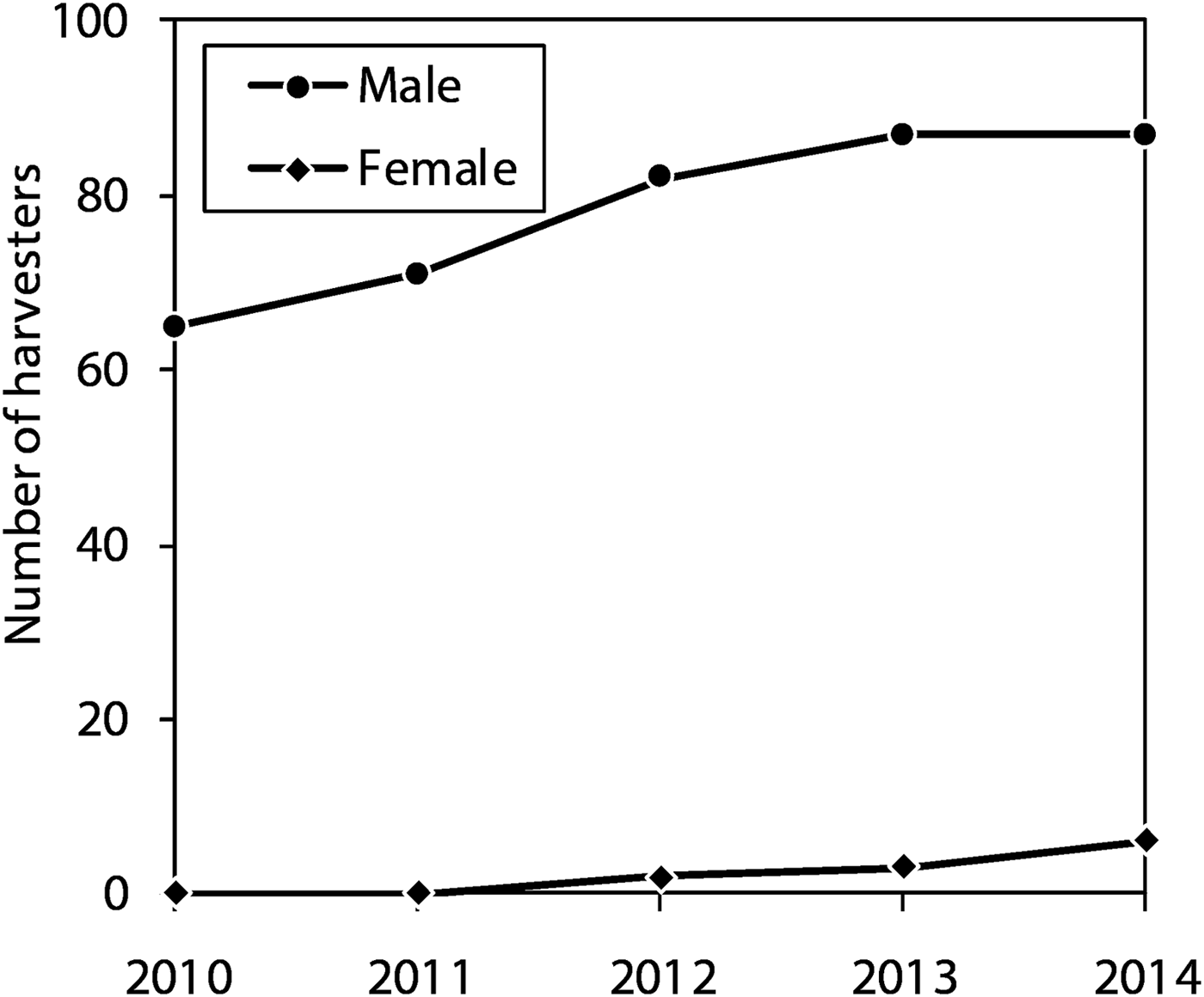
According to our survey data the mean annual harvest per person was 347 ± SD 251 pieces, (n = 54) in 2010, and decreased to 229 ± SD 181 pieces (n = 62) in 2014 (Fig. 5a). The mean annual decline during 2010–2014 was thus 25 pieces per harvester (P < 0.003, F = 8.64); however, the decline in harvesting did not affect the income from yarsagumba harvesting negatively. The mean earning of respondents was USD 604.12 ± SD 505.8 in 2010, and had increased to 1,375.7 ± SD 1,087.1 by 2014 (Fig. 5b), a significant increase of USD 194.1 per person per year (P < 0.0001, F = 36.84). During the same period the mean price of yarsagumba increased from USD 2 to USD 6 per piece, and the number of collectors at household level also increased (Fig. 6).
Box-and-whisker plots of the temporal trend of (a) per capita harvesting of yarsagumba, and (b) the income derived from yarsagumba harvesting by surveyed households in Garjyangkot village, Jumla district, Nepal (Fig. 1) during 2010–2014. The horizontal line within the box indicates the median, the whiskers the maximum and minimum 1.5 interquartile ranges, and the dots outlying values.
Trends in the number of yarsagumba harvesters (male and female) in surveyed households in Garjyangkot village, Jumla district, Nepal (Fig. 1) during 2010–2014.
Discussion
Yarsagumba is a significant source of household cash income in the remote village of Jumla, Nepal. Among the surveyed households it was the highest contributor (64.5%) to the total household cash income, and has become an integral part of local livelihoods. This is comparable with the findings of other studies; yarsagumba was found to contribute 53.3% of total household income in rural households of Dolpa district, Nepal (Shrestha & Bawa, Reference Shrestha and Bawa2014a), up to 72% in China (Woodhouse et al., Reference Woodhouse, McGowan and Milner-Gulland2014), up to 98% in India (Kuniyal & Sundriyal, Reference Kuniyal and Sundriyal2013), and up to 100% in Bhutan (Wangchuk et al., Reference Wangchuk, Norbu and Sherub2012). Discrepancies in reported values may be attributable to several factors, such as market price, methods used in monetization of the household income, sources of income of the local harvesters, and number of yarsagumba pieces collected by harvesters. For example, the higher contribution of income from yarsagumba in our study compared to that of Shrestha & Bawa (Reference Shrestha and Bawa2014a) may be attributable to an increase in the market price of yarsagumba. Likewise, the lower contribution of yarsagumba in this study compared to that of Woodhouse et al. (Reference Woodhouse, McGowan and Milner-Gulland2014) may be because of the lower number of pieces harvested per capita (229 vs 404).
The proportion of total household cash income contributed by yarsagumba differed significantly among the cash income tertiles. Better-off households earned a substantial amount of cash from business and services, whereas the poorest households relied on yarsagumba collection, seasonal labour, farming and collection of non-timber forest products. The higher reliance of the poorest households (which also have the lowest earnings from yarsagumba) on the income derived from yarsagumba harvesting indicates that the consequences of resource degradation will be severe for households that are already poor. Our finding of high dependence of the poorest households confirms the finding of Shrestha & Bawa (Reference Shrestha and Bawa2014a), also in Nepal, but contradicts that of Woodhouse et al. (Reference Woodhouse, McGowan and Milner-Gulland2014) that in Tibet wealthier households have the highest dependency on yarsagumba. Woodhouse et al. (Reference Woodhouse, McGowan and Milner-Gulland2014) reported that wealthier households in Sichuan Province, China, were larger than poorer households. In larger households there would be more people to collect yarsagumba, and thus increase the household income (Shrestha & Bawa, Reference Shrestha and Bawa2014a). However, we did not find any correlation between wealth status and family size. The decline in the number of yarsagumba pieces harvested in Nepal has not resulted in reduced earnings, as the price has increased; however, there is no guarantee that the market price will continue to increase. If the market price drops or remains unchanged and the decline in per capita harvest continues, the consequences will be a reduced income for the poorest people.
Our finding regarding the decline in per capita harvest supports previous findings on resource decline (Shrestha & Bawa, Reference Shrestha and Bawa2013; Shrestha et al., Reference Shrestha, Shrestha, Ghimire, Nepali and Shrestha2014). However, the decline in per capita harvest can be attributed to the steady increase in the number of collectors. Whereas the reported numbers of collectors in certain pastures of Dolpa were relatively stable (Shrestha & Bawa, Reference Shrestha and Bawa2013), we found that the proportion of collectors at the household level has been increasing in Jumla; more members of the households collect yarsagumba now than previously. However, government revenue data indicate that the amount of yarsagumba collected in Jumla district declined during 2012–2014 (DFO, 2014). A similar decline has been reported elsewhere, and concern has been raised regarding the sustainability of the harvest (Cannon et al., Reference Cannon, Hywel-Jones, Maczey, Norbu, Tshitila, Samdup and Lhendup2009; Shrestha & Bawa, Reference Shrestha and Bawa2013). However, the exact cause of the decline is yet to be determined. The reported decline could be a result of overharvesting, premature harvesting, a decrease in moth and larval populations, modification of the soil microhabitats congenial to fungal spores by the harvesters, increased grazing intensity, or climate change (Shrestha & Bawa, Reference Shrestha and Bawa2013). Whatever the cause may be, if the recent decline at per capita level continues and the price does not increase, there will be serious consequences for the livelihoods of these poor mountain communities.
Regarding the expenditure of income from yarsagumba, we found that the largest proportion of the income was used for savings, followed by food and clothes, and children's education, thus helping to reduce poverty (Belcher, Reference Belcher2005). The study area has a high level of poverty and income inequality. The income inequality as measured in Gini coefficient in the study area (0.58) was higher than that national mean of 0.40 (UNDP, 2015) Both the reduction in Gini coefficient value and the Lorenz curve indicated the equalizing effect of income from yarsagumba. Other studies in Nepal (Rayamajhi et al., Reference Rayamajhi, Smith-Hall and Helles2012; Chhetri et al., Reference Chhetri, Larsen and Smith-Hall2015; Walelign et al., Reference Walelign, Charlery, Smith-Hall, Chhetri and Larsen2016) and elsewhere (Vedeld, Reference Vedeld2004) have also shown that the inclusion of environmental income has an equalizing effect on income inequality. In Jumla district poverty and inequality are higher than the national mean, and the food security situation has been worse historically (GoN, 2015). Income from yarsagumba has been helping poor people improve their standard of living but a more detailed longitudinal study would be needed to investigate this further.
This work has two limitations. Firstly, we did not include sources of subsistence income, and incorporate only the reported sources of cash income. This may not have had a significant impact on the overall results, as our objective was to evaluate the contribution of yarsagumba to household cash income. However, care should be taken in making comparisons with other studies that report only the total household income. Secondly, we did not assess the effects of socio-economic factors (age, education level, family size and others) on the relative income of the households, as has been done in similar studies on the contribution of environmental income to rural households (e.g. Mamo et al., Reference Mamo, Sjaastad and Vedeld2007; Vedeld et al., Reference Vedeld, Angelsen, Bojo, Sjaastad and Berg2007; Worku et al., Reference Worku, Pretzsch, Kassa and Auch2014). However, in the case of yarsagumba, entire villages are involved in harvesting, regardless of age, gender, income and other socio-economic characteristics, and a previous study found that socio-economic characteristics (education level of the harvesters, age, and family size) had no effect on income from yarsagumba (Shrestha & Bawa, Reference Shrestha and Bawa2014a).
Our findings indicate the importance of yarsagumba as a resource for local communities in regions where agricultural productivity is limited and there are few sources of livelihood opportunities. However, increasing dependence on yarsagumba will leave these communities vulnerable if yarsagumba continues to decline. Furthermore, these areas have already been affected by climate change, and future climate change is likely to have a negative effect on yarsagumba (Shrestha et al., Reference Shrestha, Gautam and Bawa2012; Shrestha & Bawa, Reference Shrestha and Bawa2014b).
The ecological impacts of yarsagumba harvesting, such as loss of pasture as a result of trampling, soil compaction, deforestation, and dumping of solid waste in the pastures, pose a threat to the environmental health of yarsagumba habitats (Shrestha et al., Reference Shrestha, Shrestha, Ghimire, Nepali and Shrestha2014). Sustainable management of yarsagumba and its habitats is therefore essential. However, it is not yet clear how yarsagumba can be managed sustainably, and what interventions are effective. Sustainable management is further complicated by poor understanding of the life cycle and propagation methods of the fungus, and of lesser-known impacts of interventions such as rotational harvesting. More research is needed, particularly on ecological and institutional aspects of resource management (e.g. access and management rules, ownership of the yarsagumba habitat, enforcement of rules, conflict resolution mechanisms) of yarsagumba, to inform a strategy for its long-term conservation.
Acknowledgements
We thank Bharat Gotame, Naresh Bhandari, Ek Raj Budha and the people of Garjyankot Village Development Committee for their support, and the local village authority for permission to conduct field research. We also acknowledge the Rufford Foundation, UK, for financial support to Uttam Babu Shrestha.
Author contributions
UBS co-designed the study and analysed the data. KRD collected the data. APG co-designed the study. All authors contributed to writing the article.
Biographical sketches
Uttam Babu Shrestha’s research interests focus on natural resource management, quantification and mapping of ecosystem services, and ecological responses to climate change. Krishna Ram Dhital’s research interests include community forestry, non-timber forest products and natural resource management. Ambika Prasad Gautam’s research interests include community forestry, natural resource management, ecosystem services and biodiversity.