



Malnutrition and HIV are often coincident. HIV infection can lead to malnutrition, while a poor diet can accelerate the progression and increase the severity of HIV disease( Reference Anema, Vogenthaler and Frongillo 1 ). HIV affects dietary intake and the utilization of food. When untreated, a combination of symptoms such as anorexia, nausea, vomiting, difficulty swallowing, changes in the gastric mucosa, gastrointestinal infections and altered gut barrier function limit food intake and utilization even further( Reference Wanke and Kotler 2 , Reference de Pee and Semba 3 ). Moreover, HIV infection results in increased resting energy expenditure (by 10–30 %), a faster rate of utilization of amino acids to fuel energy needs, altered fat accumulation and lack of preservation and restoration of lean tissue. Together, these metabolic changes can result in HIV-associated wasting syndrome (body weight loss ≥10 % or BMI <18·5 kg/m2)( Reference Anema, Vogenthaler and Frongillo 1 – Reference Koethe, Chi and Megazzini 4 ).
While access to antiretroviral therapy (ART) has increased in African countries( Reference Koethe, Chi and Megazzini 4 , 5 ) and has contributed to improving immune system function and the overall health of people living with HIV (PLHIV)( Reference Berhe, Tegabu and Alemayehu 6 ), questions are emerging about how well drugs work in PLHIV if they are food insecure( Reference Frega, Duffy and Rawat 7 ). Studies show that malnutrition and food insecurity remain significant obstacles to treatment and improved outcomes for PLHIV( Reference Frega, Duffy and Rawat 7 – Reference Semba, Darnton-Hill and de Pee 9 ). Moreover, being malnourished at the start of ART can increase the risk of death up to six times( Reference Koethe, Chi and Megazzini 4 ). Food insecurity has been correlated with reduced adherence to ART regimens( Reference Tiyou, Belachew and Alemseged 10 ), increased behavioural risk of transmission and decreased access to care( Reference Anema, Vogenthaler and Frongillo 1 , Reference Tiyou, Belachew and Alemseged 10 , Reference Rollins 11 ).
The interrelationship between HIV, tuberculosis (TB) and malnutrition also has important health implications. Changes in metabolism, immune status and nutrient absorption are exacerbated by HIV and TB co-infection, making it even more difficult for people who have both diseases to remain properly nourished and increasing their risk of death( Reference Bloem and Saadeh 8 , Reference Semba, Darnton-Hill and de Pee 9 , Reference Macallan 12 ). In sub-Saharan Africa, HIV–TB co-infections affect nearly 80 % of PLHIV( 5 ).
Nutritional supplementation has been shown to be effective in improving HIV and TB outcomes( Reference de Pee and Semba 3 , Reference Semba, Darnton-Hill and de Pee 9 ). However, supplement options for treating malnutrition in adults remain limited. Nutritional supplements that are often used in developing countries are fortified blended foods (FBF; i.e. corn–soya blends (CSB) and peanut-based ready-to-use therapeutic foods (RUTF))( Reference de Pee and Semba 3 ). In Malawi, to treat severely malnourished adult PLHIV (BMI<16·0 kg/m2), protocols from the Ministry of Health indicate the prescription of ~550 g RUTF/d (~12 550 kJ/d (~3000 kcal/d))( 13 ). To treat moderately malnourished adults (BMI<18·5 kg/m2), ~270 g RUTF/d (~6275 kJ/d (~1500 kcal/d)) are prescribed. Alternatively, 9 kg of CSB and 1 litre of vegetable oil are provided per month and are advised to be consumed in amounts providing ~6275 kJ/d (~1500 kcal/d)( 13 ).
Although studies have reported that RUTF consumption by adult PLHIV restored BMI relatively quickly( Reference Ahoua, Umutoni and Huerga 14 – Reference Manary, Ndekha and van Oosterhout 16 ) and faster than CSB( Reference Manary, Ndekha and van Oosterhout 16 ), there are issues with its acceptance. These issues include sensorial factors such as taste and consistency (e.g. too sweet, too salty and too oily)( Reference Dibari, Bahwere and Le Gall 17 ), as well as dietary monotony( Reference Dibari, Bahwere and Le Gall 17 , Reference Olsen, Tesfaye and Kaestel 18 ). Aspects such as poor knowledge on the benefits of RUTF, the duration of the nutritional programmes (e.g. more than 4 months), the perceived high daily prescribed amounts, sharing with family members and selling the product in order to obtain other foods have also been reported as barriers to the acceptability of RUTF( Reference Kebede and Haidar 19 ).
Moreover, RUTF and CSB were developed for treating acute malnutrition in children and appear to be less well accepted by adults( Reference de Pee and Semba 3 , 13 , Reference Dibari, Bahwere and Le Gall 17 ). Furthermore, when consuming RUTF, which was originally developed for children, as the main source of energy, the absolute intake of some nutrients, particularly Fe, Zn and Cu, is high for adults( Reference de Pee and Semba 3 ). In this context, developing culturally adapted nutritional supplements that also take into consideration the clinical and nutritional needs of PLHIV is critical. The aim of the present study was to elucidate the factors influencing food intake and preferences among adult PLHIV in Malawi and to solicit their responses to four different types of potential nutritional supplements. We sought this information in order to inform the development of alternative supplementary foods to treat mild and moderate malnutrition among adult PLHIV.
Methods
Approach
The design and analyses were based on a grounded theory, an inductive methodology( Reference Charmaz 20 ). This theory is particularly useful for understanding and describing the influence of symbolic interactionism, a social psychological approach focused on the meaning actions of PLHIV.
Study sample
The concept of saturation was the guiding principle which defined the study sample size. As Charmaz( Reference Charmaz 20 ), Creswell( Reference Creswell and Creswell 21 ) and Patton( Reference Patton 22 ) rationalize, data saturation is reached when the data that are being collected do not provide new insights. According to these authors( Reference Charmaz 20 – Reference Patton 22 ), a sample size between twenty and thirty participants may constitute a sufficient sample size when grounded theory methodology is used for data collection.
A purposeful sample( Reference Patton 22 ) of nine male and fifteen female adults living with HIV, aged 22–49 years, from rural communities of Chilomoni area near Blantyre city, Malawi was selected. Criterion-based purposeful sampling included participants suffering from mouth sores, HIV–TB co-infection, diarrhoea and other health challenges related to HIV. Participants were recruited with the assistance of health-care personnel from the Chilomoni clinic.
To triangulate data sources( Reference Patton 22 , Reference Sandelowski 23 ), eight health surveillance assistants (HSA) were also interviewed. HSA are paid government health-care workers who perform health promotion activities in the communities they serve and at the clinic. HSA have rich knowledge of the health and social conditions of PLHIV. In total, thirty-two in-depth interviews (IDI) were conducted until data saturation was reached (i.e. the point in data collection when no new or relevant information emerges with respect to the newly constructed theory). To highlight areas of contrast or exceptions to dominant patterns, a deviant case was identified and studied through purposeful sampling( Reference Sandelowski 23 , Reference Teddlie and Yu 24 ). The deviant case is a PLHIV who was stigmatized by his family members and was living alone. HSA indicated that, currently, the majority of PLHIV live with one or more family members who generally provide them with economic and emotional support.
Data collection
A data collection team of four professionals, bilingual in Chichewa and English, was recruited from the local area and trained for 40 h in qualitative, in-depth, interviewing theory and techniques. Semi-structured IDI guides were developed in English, translated by data collectors from English to Chichewa, and then translated back from Chichewa to English to ensure accuracy. The IDI guides were field tested for comprehension among people possessing similar characteristics to those of the study population.
One-on-one IDI were conducted at Chilomoni clinic, Blantyre over a 5-week period. IDI aimed to explore: (i) food preferences of PLHIV; (ii) the factors that influence their food preferences; and (iii) perceptions on the organoleptic characteristics (i.e. colour, odour, flavour, texture and appearance) of four sample food products. Perceptions of each product were explored in depth. The IDI were digitally recorded, each lasting between 60 and 75 min. Each data collector conducted, transcribed and translated approximately two IDI per week to allow the main researcher ample time for data immersion and subsequent interview planning( Reference Charmaz 20 , Reference Miles, Huberman and Saldaña 25 ). This process was followed iteratively until data saturation was reached. To collect information on sex, age, income and education level, a sociodemographic questionnaire was also administered.
Description of the four potential nutritional supplements
In order to solicit responses to different types of food products, which could in principle be adjusted in terms of nutrient densities to be appropriate for treating malnutrition, the following four products were offered to participants: (i) cream-filled chocolate cereals (pillow-shaped ~2·5 cm×2·5 cm, with a hard crunchy texture outside and a soft chocolate filling inside); (ii) fruit bars (dark brown bars of ~6 cm×3 cm, with a soft consistency, sweet and sour flavours made with citrus fruits and peanuts); (iii) a high-energy round butternut biscuit, slightly sweet and salty (similar to the High Energy Biscuits used by the World Food Programme in emergency operations and school feeding); and (iv) a locally produced chocolate milkshake (slightly thick and packed in a 300 ml bottle).
Samples of the cream-filled cereals were packed by the manufacturer in plastic containers of ~500 g and were re-packed by researchers in plastic zip-lock bags containing eight units (i.e. eight pillow-shaped ~2·5 cm×2·5 cm units). The fruit bars were packed by the manufacturer in individual white soft plastic wrapping material and showed an expiration date. The butternut biscuits were packed by the manufacturer in silver soft plastic material and also had an expiration date indicated. The milkshake was packed in a hard plastic bottle of 300 ml with a plastic screw cap and a breakable plastic seal. This was a branded product with a picture showing the milkshake, a list of ingredients, nutrition facts and a use-by date.
Data analysis
Qualitative data analysis was conducted following content analysis procedures as discussed by Miles et al.( Reference Miles, Huberman and Saldaña 25 ). The transcripts were entered in the qualitative data analysis and research software ATLAS.ti version 6·1( Reference Creswell and Creswell 21 , Reference Miles, Huberman and Saldaña 25 ). The IDI were first read several times by the main researchers to get a holistic view of the data. Then, a list of codes containing twenty-five categories of information (codes) was developed in the data analysis software from emerging themes. The codes were aggregated to paragraphs of text to detect recurring patterns. The twenty-five codes were then clustered and merged into nine pattern codes. Interrelationships between pattern codes were constructed to develop six main categories for theory building. A crossed comparison of the coded passages was conducted from the two data sources: PLHIV (n 24) and HSA (n 8). Data from the deviant case that did not fit the dominant patterns were utilized to examine divergences and add detail to descriptions. The quotations that best described PLHIV’s experiences were used to illustrate findings.
Results
Twenty-four PLHIV and eight HSA participated in the study. In total, thirty-two IDI were conducted. BMI and demographic characteristics of participants are presented in Table 1. Health challenges of participants are presented in Table 2. From thirty-two verbatim transcripts, we extracted six thematic categories that are presented in the following sections. Data are supported with quotes that represent the perceptions that male and female participants with different health challenges had with respect to the emerging themes.
BMI and demographic characteristics of study participants: adult people living with HIV, rural Chilomoni, Blantyre district, Malawi
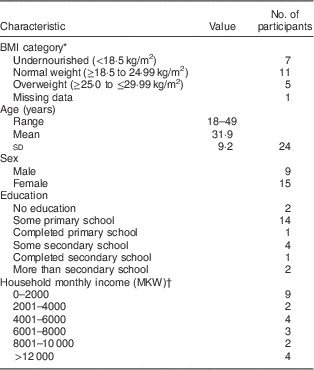
* BMI was calculated from weight and height obtained from participants’ medical records.
† MKW=Malawian Kwachas (exchange rate when conducting the study: $US 1=250 MKW).
Health characteristics of study participants: adult people living with HIV, rural Chilomoni, Blantyre district, Malawi
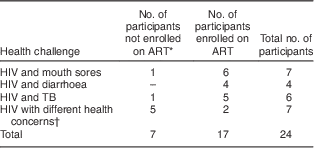
ART, antiretroviral therapy; TB, tuberculosis.
* Patients with a CD4 count >250 cells/mm3 (cut-off point for enrolment on ART when the study was conducted).
† Different health concerns included malaria, body pain, headache, fever and palpitations, among others.
Theme 1: Adult people living with HIV perceived having a poor-quality diet
All participants indicated that their access to food is limited, particularly to foods from animal sources. The majority of participants described their diet as ‘simple’ and ‘insufficient to provide energy to fight the virus’ and to provide ‘strength for work’. Most of the participants indicated that they ‘don’t have enough to eat’. A 28-year-old male participant not on ART explained:
‘... a diet that can’t have more than nsima (stiff maize porridge) and some vegetables can’t be good. I can get full from nsima, but this is not enough. I need food that adds blood in my body, so I can have strength to work and to fight the disease. I depend on my sister; she buys food, but we have to split with 5.’
For all participants, limited economic access to food leads to the consumption of nsima and parboiled green leafs, sometimes accompanied with groundnuts and rarely with small fish. The majority of participants indicated that the food they eat cannot ‘add blood in the body’. When exploring how food can add blood in their body, most of the participants indicated that ‘food with proteins and vitamins’, such as ‘big fish (e.g. chambo)’, ‘meat’, ‘chicken’ and ‘milk’, can do so because they ‘give energy and strength to live’, ‘energy for work’ and help to ‘fight the virus’ (referring to HIV). All participants related the consumption of nsima and green leaves with a poor diet that cannot provide the required energy for day-to-day life. Unanimously, HSA indicated that the majority of PLHIV are food insecure and rely on their families for food.
Theme 2: Health challenges determine preferences of people living with HIV for food
Food preferences are largely driven by health challenges. Participants who had mouth sores indicated preference for foods of soft and liquid consistencies because they do not require chewing and are easy to swallow, which prevents them from experiencing mouth pain when eating (Table 3, comment 3·1). Participants under this category also indicated that they need to refresh their mouth constantly and that they cannot feel the taste of food. These were indicated as reasons for preferring sour fruits and drinks (Table 3, comment 3·2). Another important reason for consuming sour foods is the cultural belief that sourness can help cure sores (Table 3, comment 3·3). The majority of PLHIV participants indicated that sour foods and drinks help them recover from periods of illness. HSA indicated that the perception towards the curative properties of sour foods and drinks is a well-established cultural belief in Malawi.
Quotes relating to health challenges and food preferences among study participants: adult people living with HIV, rural Chilomoni, Blantyre district, Malawi (n 24)
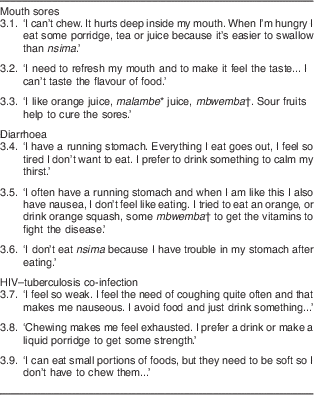
* Malambe is a sour fruit from the baobab tree.
† Mbwemba means tamarind in Chichewa language.
Participants who had diarrhoea complained of nausea as well and indicated experiencing fatigue and thirst. The sensation of tiredness, thirst and the perceived inability to retain food because of the diarrhoea were indicated as reasons for consuming liquid instead of solid food (Table 3, comments 3·4–3·6).
PLHIV suffering from TB indicated that TB and HIV make them feel extremely tired. They indicated coughing often and feeling nauseous when coughing (Table 3, comment 3·7). Participants in this category also indicated a preference for soft and easy-to-chew foods and liquids (Table 3, comment 3·8). They also indicated eating small portions of food throughout the day (Table 3, comment 3·9).
Unanimously, HSA indicated that, in general, PLHIV eat small portions of food because they are not hungry and get easily tired while eating, which also makes them prefer soft foods such as nsima, porridge and liquids.
Theme 3: Liquid–thick, soft textures and subtle natural colours and flavours are preferred
Unanimously, participants indicated a preference for foods with soft consistencies, natural subtle flavours and colours, and foods they perceive to be ‘real foods’ that they commonly eat. A typical breakfast consists of tea or coffee served with tubers and nsima or porridge (Table 4, comments 4·1 and 4·2). Lunch often consists of nsima or porridge served with parboiled green leaves. Sometimes groundnuts are added (Table 4, comments 4·3 and 4·4). When exploring the kind of seasoning used to prepare foods, the majority of participants indicated that they dislike strong flavours and that they like to feel the natural flavours of food. All participants indicated that they do not use condiments (Table 4, comment 4·5). Most of the participants indicated a disliking of fried foods (Table 4, comment 4·6). In addition, oil was perceived as expensive and only small bags (containing a couple of tablespoons) were purchased occasionally (Table 4, comment 4·7). Dinner usually consists of leftovers from lunch (when available), or coffee served with a piece of bread or tubers (Table 4, comment 4·8). Few participants indicated eating snacks. Those who were able to eat snacks indicated preferences for fruits, fruit juices and orange squash because they are considered refreshing and rich in vitamins (Table 4, comments 4·9–4·13). No differences in food preferences among participants enrolled on ART and those who were not (yet) eligible for ART emerged. Descriptions provided by HSA about the typical diet of PLHIV were more general, but consistent with the aforementioned eating patterns. However, HSA indicated that the majority of PLHIV have only two meals per day.
Quotes relating to preferences for food and eating habits among study participants: adult people living with HIV, rural Chilomoni, Blantyre district, Malawi (n 24)
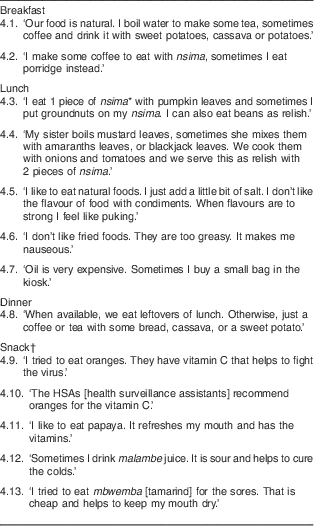
* 1 cup.
† Occasional consumption of fruits as snacks was indicated for nine of the twenty-four participants living with HIV.
Theme 4: Preferred organoleptic characteristics of nutritional supplements resemble those indicated for local foods
Chocolate milkshake (local product)
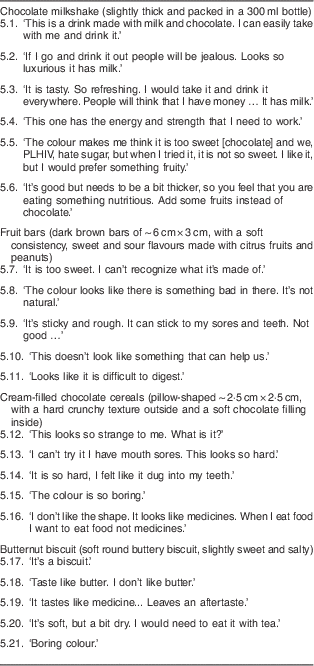
All participants identified the product as a chocolate milkshake (Table 5, comment 5·1). Because of the milk, it was perceived as an expensive item that would be appreciated by others as well (Table 5, comment 5·2). The majority of participants considered the product tasty, refreshing, easy to carry and a symbol of status (Table 5, comment 5·3). When exploring perceptions about the overall appearance, the majority of participants indicated that it looks like an energy-giving drink (Table 5, comment 5·4). Some participants, however, voiced concern about the colour. The chocolate colour made them think that the product might be very sweet. Sweetness was an important barrier to the acceptability of foods and drinks (Table 5, comment 5·5). Although the chocolate milkshake was well accepted, all participants indicated preferences for fruity drinks and thicker textures. Fruits are perceived to be rich in vitamins and a thick-liquid texture is perceived to be more nutritious (Table 5, comments 5·5 and 5·6). All HSA participants indicated that this product would be well accepted by PLHIV; however, they indicated that reducing sugar levels might be necessary to make the product more appealing for PLHIV.
Quotes relating to perceptions of potential supplements among study participants: adult people living with HIV, rural Chilomoni, Blantyre district, Malawi (n 24)
PLHIV, people living with HIV.
Fruit bar
All participants indicated that they could not recognize the product. The flavour was sensed as too sweet, the colour was unanimously disliked, perceived as unnatural and made all participants think that something was wrong with the product (Table 5, comments 5·7 and 5·8). The texture was perceived as sticky and rough which was particularly disliked by PLHIV who had mouth sores. All PLHIV participants indicated that sticky textures are bad for their teeth (Table 5, comment 5·9). When exploring perceptions about the overall appearance of the product, all participants indicated that it did not look like something that could help them (Table 5, comment 5·10). Some PLHIV participants indicated that the product seemed difficult to digest (Table 5, comment 5·11). The majority of HSA thought that this product would be well accepted by PLHIV, if sweetness would be reduced. Two HSA indicated that if the consistency of the fruit bar were softer and less chewy, more PLHIV would like it.
Cream-filled chocolate cereals
None of the participants could recognize this product (Table 5, comment 5·12). The crunchy texture was perceived as hard, thus bad for the teeth. All participants with mouth sores refused to try it (Table 5, comments 5·13 and 5·14). The creamy colour of the outer coat was perceived unattractive. When exploring perceptions about general appearance, some participants indicated that the cereal looked like medicine (Table 5, comment 5·16) which resulted in a reason to reject the product. All HSA indicated that the cereals are ‘too hard’ and some added that they are ‘too dry’. However, the majority of HSA considered the sweetness to be appropriate for PLHIV, but that this product would not be well accepted by them due to its hard and dry consistencies.
Butternut biscuit
All participants recognized this product and classified it as a biscuit (Table 5, comment 5·17). The flavour was identified as butter and was disliked by the majority of participants who indicated that leaves an aftertaste. Some participants also indicated that the biscuit tastes like medicine (Table 5, comments 5·18 and 5·19). The texture was perceived as soft, but dry and the creamy colour was considered unattractive (Table 5, comments 5·20 and 5·21). All HSA perceived this product to be a ‘normal biscuit’. However, they indicated that it breaks easily which may make PLHIV believe that it is a product of bad quality. Perceptions of colour and texture were similar to those expressed by PLHIV. Some HSA indicated that the biscuit leaves a ‘strange aftertaste’ in their mouth.
When exploring perceptions of product packaging, participants consistently indicated a preference for small, rigid, portable packets containing personal servings of food or drinks because they are easy to carry and consume at any time. In addition, most participants indicated that it is important to see ‘pictures or drawings showing the contents inside the packets’. The majority of participants also searched for information regarding ingredients and the nutrient contents of the products, as well as directions for appropriate use and their expiration dates. Unanimously, PLHIV participants indicated that the information needs to be written in Chichewa, the local language. Similar perceptions emerged among HSA who also indicated that they teach PLHIV during counselling activities to read product labels, check the ingredients and look for expiry dates of manufactured products to avoid consuming items past their expiration date as that could be harmful to their health.
Theme 5: Food insecurity may contribute to intra-household sharing of nutritional supplements
Twenty-two out of twenty-four PLHIV reported being unemployed. They indicated that they rely on their family for food. Furthermore, some participants explained that their communities are far from food markets and from the clinic, which also makes their access to food and health care difficult due to poor availability of transportation systems and high commuting costs. We found that the distance to food markets and to health-care centres particularly affects PLHIV who live alone (the deviant case in the present study) because they lack the family support to facilitate economic and physical access to food, as well as physical access to health care. HSA indicated that for PLHIV who are living alone, attending counselling sessions at the clinic may become challenging, particularly when they are ill. They indicated that sometimes PLHIV are unable to collect their medicines and nutritional supplements due to the long distances between the clinic and their households. This makes them more vulnerable to food insecurity.
All PLHIV participants indicated that ‘food is scarce’ in their households and that food is shared among all family members. Sharing food emerged as a social norm among all participants. HSA indicated that nutritional supplements (referring to RUTF and CSB) are considered food by PLHIV and are also shared. Moreover, as indicated by HSA, these supplements are the only contribution that most PLHIV can make to their households. When exploring what participants would do if someone asks them to share the potential nutritional supplements that we gave them to try, referring to the butternut biscuits, a 28-year-old woman said:
‘So you have these biscuits here, this is the only food you have. Your four years old daughter comes and asks you the biscuits … would you say no this is only for me?’
When exploring among HSA potential strategies to avoid or limit the sharing of supplements with other household members, they indicated that packing supplements in individual servings and distributing them as part of the ART treatment (i.e. on a monthly basis) may reduce or limit sharing.
Theme 6: Health surveillance assistants and family members may influence dietary behaviours of people living with HIV
We found that the nutritional counselling provided at the clinic influences the eating habits of PLHIV. When a person is diagnosed with HIV, the doctor requests that he or she attends the clinic with a family member, referred to as the ‘guardian’. Together, PLHIV and guardians receive nutritional counselling once per month during health checks and treatment delivery. The nutritional counselling reinforces the benefits of consuming nsima/porridge, tubers, groundnuts, vegetables, fruits and small fish. A male participant with BMI <18·5 kg/m2 indicated:
‘… I had to learn to eat vegetables because the doctor told me that I should eat them because of the vitamins that help to fight the virus … and my wife … she forces me to eat the relish [common term to describe foods served together with nsima] when I only want to eat nsima …’
In addition, HSA explained that PLHIV are aware of the frailty of their health and that this encourages them to adopt healthy eating habits. Most participants expressed that following the nutritional advice helps to improve their health. Some PLHIV indicated that they feel stronger and that they get sick less frequently when they eat as the HSA advises. However, the majority of PLHIV indicated that following the advice provided at the clinic is not always possible because some days, food is simply not available. HSA highlighted the role of guardians in supporting healthy eating habits in the household. However, they indicated that although they think that their advice is important to foster healthy eating habits, some PLHIV cannot follow it because they cannot afford the foods recommended. They also indicated that family support varies among families and that the guardians do not always support the PLHIV in the household.
Discussion
Several studies have focused on comparing the acceptance and efficacy of CSB and RUTF among adult PLHIV( Reference Bahwere, Sadler and Collins 15 , Reference Manary, Ndekha and van Oosterhout 16 , Reference van Oosterhout, Ndekha and Moore 26 , Reference Ndekha, van Oosterhout and Zijlstra 27 ). RUTF shows promising results in achieving a more prompt restoration of BMI( Reference Ahoua, Umutoni and Huerga 14 , Reference Ndekha, van Oosterhout and Zijlstra 27 ) and fat-free mass( Reference Ndekha, van Oosterhout and Zijlstra 27 ), and is increasingly being used in nutrition supplementation programmes( Reference Olsen, Tesfaye and Kaestel 18 ). However, increasing evidence shows that the acceptance of RUTF is low among adult PLHIV( Reference Ahoua, Umutoni and Huerga 14 , Reference Dibari, Bahwere and Le Gall 17 ). The present study contributes to a better understanding of the factors that influence preferences for food and nutritional supplements, and provides information about the eating habits of PLHIV, to inform guidelines for the development of alternative nutritional supplements that could better fit PLHIV’s cultural preferences for food and specific needs.
We identified preferences for soft textures and subtle, natural flavours like those from nsima, porridge, parboiled vegetables or cooked sweet potatoes. All participants, independent of their health challenges, indicated preference for small portions of food with soft, semi-liquid and liquid consistencies that can be eaten at different times throughout the day. In accordance with Dibari and colleagues( Reference Dibari, Bahwere and Le Gall 17 ), we found that strong flavours are disliked and that health challenges associated with HIV do affect food intake. We also found that spices, sugar, salt and fat are used sparsely and that foods with hard textures and strong scents are disliked. Interestingly, the consumption of sour flavours was common among all participants, even by those suffering from mouth sores. The consumption of sour flavours was linked to the local cultural belief that sour foods and drinks help to restore health. Other studies have shown that cultural beliefs as well as cultural preferences for foods are strong determinants of eating behaviours( Reference Nestle, Wing and Birch 28 – Reference Story, Neumark-Sztainer and French 31 ), highlighting that these are cultural elements that need to be considered when developing nutritional supplements.
In accordance with Olsen et al.( Reference Olsen, Tesfaye and Kaestel 18 ), we found that participants regarded their diets as insufficient and in need of improvement, which offers an excellent opportunity to introduce nutritional supplements that complement the existing diet. In low-income settings, food insecurity affects a big proportion of PLHIV. In Malawi, an estimated 64 % of people are food insecure( Reference Harrigan 32 ). Among our participants, twenty-two out of twenty-four were unemployed and relied exclusively on the income of family members for food access and indicated that there was insufficient food for all household members. In this context, like in other food-insecure environments, food is shared. Our results show that the potential nutritional supplements were perceived to be food by the majority of participants and therefore, if well accepted, they might be also shared as any other food. Sharing of supplements in food-insecure settings has also been indicated by others( Reference Dibari, Bahwere and Le Gall 17 – Reference Kebede and Haidar 19 ), which suggests the need to revise the approach to food assistance for PLHIV in food-insecure settings. To discourage this practice among Malawian food-insecure households, several authors have suggested considering counselling activities in health-care facilities and/or integrating HIV care in safety net programmes( Reference Frega, Duffy and Rawat 7 ). The importance of integrating nutrition programming in the standard care of PLHIV to relieve food insecurity, improve their nutritional status and overall health has been also underscored by other authors( Reference Frega, Duffy and Rawat 7 , Reference Rawat, Kadiyala and McNamara 33 , Reference Dibari, Diop el and Collins 34 ). In addition, the combination of distribution of the special nutritious food for PLHIV together with household food assistance (e.g. a household staple food basket, cash or vouchers) for food-insecure households could be considered.
Our results show that in this setting, a nutritional supplement of thick liquid consistency possessing sweet and sour flavours may be accepted. If packed in personal portions it may also facilitate its consumption. Key messages, based on formative research, tailored to foster a compliant daily use of full individual servings of the product may help to promote adherence to its use.
Our results also indicate that a packet including images depicting the content inside the package, a list of ingredients, best-use-before date and brand may contribute to improve product acceptability. The majority of participants indicated that package information should be written in the local language, i.e. Chichewa. This would enable users to understand the information conveyed by the packet.
Limitations and strengths
The sample of the present study comprised groups of PLHIV and HSA who live in rural communities located in the surrounding areas of Blantyre and who access the health clinic in Chilomoni. Perceptions and experiences of PLHIV and HSA living in different regions of Malawi may differ. However, the study findings are consistent across different sources of information (PLHIV and HSA), sex (male and female) and are consistent with findings of studies from other African countries( Reference Ahoua, Umutoni and Huerga 14 , Reference Dibari, Bahwere and Le Gall 17 , Reference Olsen, Tesfaye and Kaestel 18 ). Participants’ responses to some topics, particularly the positive influence of eating behaviours attributed to counselling sessions imparted by HSA, and food habits, might have been biased, due to a social desirability, especially because the IDI were conducted at the Chilomoni clinic. Another limitation of the study is related to translation. During translation the meaning of some segments of the data might have been lost. To minimize loss of meaning, we trained data collectors to enquire deeply into PLHIV’s preferences for food in relation to HIV and associated diseases. In addition, we collected rich contextual information related to the community settings, relations with family members, friends and neighbours, as well as information related to cultural eating practices and common preferences for foods and drinks in the general population. The contextual information allowed us to better understand the experiences of PLHIV with food within their sociocultural context. Furthermore, transcriptions and translations were made verbatim, which contributed to preserving the statements of participants as they were communicated. Expressions that were not possible to meaningfully translate into English were kept in Chichewa and explained in English by data collectors for a better interpretation during data analysis. These steps contributed to preserving the original meaning of the data, thereby minimizing data loss( Reference Creswell and Creswell 21 , Reference Patton 22 , Reference van Nes, Abma and Jonsson 35 ). The results obtained may not be generalized beyond the group of Malawian adults living with HIV included in the study, although they do provide a first approach to elucidate the factors influencing food intake and preferences for potential nutritional supplements to treat mild and moderate malnutrition among PLHIV. However, Morse indicates that when data are saturated the knowledge gained from the study should fit all similar scenarios that may be identified in the larger population( Reference Morse 36 ).
Conclusions
The present study highlights the need to consider PLHIV’s food preferences, health challenges and food insecurity in the household during the development of nutritional supplements. In this setting, a thickened liquid supplement, sweet and sour, packed in personal single serving packaging, may be accepted. A combination of quantitative and qualitative methods for data collection should follow to further develop the nutritional supplement and to fine tune the organoleptic characteristics of the product to the taste and requirements of PLHIV. Our findings provide an initial approach to identify the factors influencing dietary food intake and the sensory characteristics that could guide the development of new supplements to improve the nutritional status of adult PLHIV.
Acknowledgements
Acknowledgements: The authors would like to thank The St. Louis Nutrition Project team for supporting them with logistics and key contacts in Malawi and their team of data collectors: Lyka Kamwendo, Yamikani Kunashe, Evelyn Kamwendo and Tina Costa, for their dedicated work. They are particularly grateful to all PLHIV and HSA who participated in the study and to the doctors and HSA of Chilomoni clinic for supporting the conduct of the study. Financial support: This work was funded by the United Nations World Food Programme (WFP), as part of its partnership with DSM, Heerlen, Netherlands. WFP decided on study design, conduct and preparation of the manuscript. Researchers affiliated to the WFP involved in the aforementioned contributions are co-authors. Conflict of interest: None. Authorship: S.R.-M. (PhD candidate at Wageningen University): study design, training of data collectors, supervision of data collectors’ work, data analysis, writing article. S.K.: critical review of study design, training of data collectors, guidance on data analysis, critical review of the manuscript. M.M.: critical review of the manuscript. N.G.: critical review of the manuscript. S.d.P.: critical review of the manuscript. Ethics of human subject participation: This study was conducted according to the guidelines laid down in the Declaration of Helsinki and all procedures involving human subjects were approved by the College of Medicine Research and Ethics Committee (COMREC) from Malawi and by the Medical Research Ethics Committee from Wageningen University in the Netherlands. Participants’ written consent was obtained before conducting the IDI. PLHIV and HSA were compensated the equivalent of $US 3·00 and $US 6·00 for their participation, respectively.



