





“The kids should learn to fly, sharpen their eyes and beaks, and strengthen their wings and muscles.”
– In “Food”; Wild Wise Weird (Vuong, Reference Vuong2024)
Introduction
Climate change, primarily caused by human activities like burning fossil fuels and deforestation, presents a severe threat (Singh, Reference Singh, Singh, Singh, Kumar and Baweja2021). Biodiversity loss is another pressing concern, characterised by a rapid decline in species (World Wildlife Fund, 2020). Pollution of the air, water, and land further threatens ecosystems and human health, aggravated by unsustainable resource consumption and habitat destruction (Arneth et al., Reference Arneth, Shin, Leadley, Rondinini, Bukvareva, Kolb, Midgley, Oberdorff, Palomo and Saito2020). Collaboration across every sector of society is necessary to address these complex problems (Lenton et al., Reference Lenton, Rockström, Gaffney, Rahmstorf, Richardson, Steffen and Schellnhuber2019).
A societal transition toward an eco-surplus culture is essential for effectively addressing pressing environmental degradation issues. An eco-surplus culture is a collectively held system of pro-environmental values, beliefs, attitudes, and behaviours aimed not only at minimising anthropogenic harm to ecosystems but also at promoting conservation and ecological restoration. In such a culture, humans recognise their interconnectedness and mutual dependence with Earth’s ecosystems, understanding that their survival, prosperity, and even identity are inseparable from the health of the biosphere. Within this paradigm, environmental well-being is reframed – no longer perceived as an external or secondary concern for exploitation, management, or symbolic care, but as a prerequisite for human existence and progress. Ecological sustainability, thus, becomes the primary substrate of economic productivity, social stability, and political legitimacy, rather than a competing or constraining factor. By integrating environmental well-being into the very fabric of economic, political, social, and geopolitical resilience, an eco-surplus culture would allow societies to transition from reactive conservation toward proactive regenerative development – where restoration, reciprocity, and sufficiency replace extraction, domination, and excess (Vuong et al., Reference Vuong and Nguyen2025).
Youth play a pivotal role in shaping and advancing this transition, especially when they possess the ability to work “individually and collectively with hope and efficacy to understand diverse perspectives on socioecological systems and act to create a more just and resilient future” (White et al., Reference White, Ardoin, Eames and Monroe2024). Contrary to common stereotypes portraying young people as self-absorbed or apathetic, many demonstrate deep concern for societal and environmental challenges that extend beyond personal interests (van de Wetering et al., Reference Jia, Sorgente and Yu2022). In various regions, young people are particularly aware of the impending consequences of these challenges, which fuels their passionate support for environmental agendas (O’brien et al., Reference O’brien, Selboe and Hayward2018). Their proactive stance positions them as proactive agents of change, providing creative ideas and advocating for a sustainable future (Zummo et al., Reference Zummo, Gargroetzi and Garcia2020).
The current study aims to examine how school- and family-based environmental education can contribute to building an eco-surplus culture among children and young people by cultivating their environmental knowledge, willingness to act, and pro-environmental behaviours. In the following subsection, we review the literature on the essential roles of schools and families in environmental education and highlight existing gaps, particularly the need to assess the comparative effectiveness of school- versus family-based approaches in Vietnam. We then discuss the potential non-linear relationship between knowledge and behaviour, as well as the insufficient understanding of how environmental knowledge and willingness to act interact in predicting pro-environmental behaviours. Finally, we outline the research aims to address existing gaps and advance our understanding of how to foster an eco-surplus culture among children and young people.
The crucial roles of school and family in environmental education
Learning is a direct pathway for young individuals to become aware of global issues, accumulate relevant knowledge, and develop their worldview and value system regarding themselves, societies, and those issues (Nguyen et al., Reference Nguyen, Le and Vuong2023). Within the learning process, school and family are among the primary sources of environmental information (Alam & Hamzah, Reference Alam and Hamzah2025; Ardoin et al., Reference Ardoin, Bowers, Roth and Holthuis2018; Rickinson, Reference Rickinson2001).
Environmental education in schools plays a vital role in equipping students with the knowledge, skills, and values necessary for critical inquiry and meaningful action, ultimately fostering their development into environmentally conscious and responsible citizens who contribute to the formation of an eco-surplus culture (Ardoin et al., Reference Ardoin, Bowers, Roth and Holthuis2018; Parra et al., Reference Liu, Teng and Han2020; Stern et al., Reference Stern, Powell and Hill2014). Through thoughtfully designed curricula, pedagogical practices, and targeted programmes, environmental education in schools can empower students to engage, both individually and collectively, with environmental issues that align with their cognitive and experiential development (Stevenson, Reference Stevenson2007). Ardoin et al. (Reference Ardoin, Bowers, Roth and Holthuis2018)’s systematic review of 119 studies on environmental education programmes for K-12 students (conducted between 1994 and 2013) revealed wide improvements in environmental knowledge, competencies, dispositions, and behaviours.
Family education also plays a pivotal role in shaping students’ environmental knowledge and attitudes (Iwaniec & Curdt-Christiansen, Reference Liu, Teng and Han2020). As key social agents, parents have a significant influence on their children’s knowledge, beliefs, values, and behaviours (Bronfenbrenner, Reference Bronfenbrenner1979; Zigler & Seitz, Reference Zigler and Seitz1978). Through processes of parental socialisation (e.g., transmission of norms, parenting styles, parent–child relationships, and various forms of parental guidance), parents convey their knowledge, worldviews, beliefs, values, and behaviours, which can in turn shape their children’s environmental consciousness and practices (Ando et al., Reference Ando, Yorifuji, Ohnuma, Matthies and Kanbara2015; Gong et al., Reference Jia, Sorgente and Yu2022; Grønhøj & Thøgersen, Reference Grønhøj and Thøgersen2017).
Payne (Reference Payne2005) suggests that among green families, parents’ actions – such as role modelling, active demonstration, open communication, principled problem-solving, and providing reasoned explanations – contribute to children’s empowerment and self-determination while fostering a heightened sense of environmental and social responsibility. In a study of Danish families, Grønhøj and Thøgersen (Reference Grønhøj and Thøgersen2012) discovered that adolescents’ pro-environmental behaviours were strongly influenced by the dominant norms within the family and by observing their parents’ behaviours. A study of Chinese families further confirmed that children are more likely to adopt pro-environmental habits when they observe their parents practising such behaviours, engage in discussions about environmental issues with them, and participate together in environmental activities (Jia & Yu, Reference Jia and Yu2021). Activities such as gardening, recycling, and conservation efforts at home can help expose children to environmental concepts from an early age (Jia et al., Reference Jia, Sorgente and Yu2022), thereby gradually building their pro-environmental behaviours.
While both school-based and home-based education contribute to enhancing environmental knowledge and shaping cultural paradigms, which in turn significantly influence the willingness to act, our central question is: Which source of information interaction is more effective in fostering environmental knowledge accumulation and strengthening the willingness to take environmental action?
In the context of Vietnam, this question becomes particularly salient for several reasons. First, the national education system is still in the early stages of integrating environmental education. At this nascent phase, tensions emerge between the traditional schooling paradigm and the principles of environmental education, manifesting in both the intended purposes and the practical implementation of education.
The primary role of formal schooling is to transmit cultural knowledge, skills, and values, thereby sustaining and reinforcing existing social structures and relationships. In contrast, the primary goal of environmental education is to develop the capacity to address environmental crises. This requires critical reflection and social reconstruction, aiming to reduce environmental degradation while avoiding social injustices in the process (Durkheim, Reference Durkheim1956; Stevenson, Reference Stevenson2007). As such, environmental education inherently challenges dominant interests and prevailing value systems; it can create inevitable tensions when integrated into conventional education settings.
From a practical perspective, mainstream curricula and pedagogical practices in schools remain discipline-based, emphasising abstract, theoretical knowledge delivered by teachers and passively received by students for future application. Environmental education, by contrast, should adopt an interdisciplinary approach and engage students in addressing real-world problems, encouraging them to identify and actively implement solutions. As Stevenson (Reference Stevenson2007) aptly noted, “in environmental education rhetoric students are active thinkers and generators of knowledge, but in schools students are usually in the passive position of spectators and recipients of other people’s knowledge and thinking.”
Indeed, in 2001, Vietnam officially incorporated environmental education into its K-12 system following the Prime Minister’s issuance of Decision No. 1363/QĐ-TTg on “The Inclusion of Environmental Protection Contents into the Program of the National Education System.” More recently, as Vietnam has been recognised as one of the countries most vulnerable to climate change, the increasing prevalence of climate-linked natural disasters has prompted the inclusion of climate change and disaster risk reduction education at the elementary to university levels (Global Environmental Education Partnership, Reference Grønhøj and Thøgersenn.d.; Kieu et al., Reference Kieu, Singer and Gannon2016). However, such integration appears largely performative and fails to reflect the core purpose of environmental education: to help learners find solutions to environmental crises.
Pham’s (Reference Pham2023) critical discourse analysis of seven key environmental education policy documents in Vietnam reveals a lack of shared understanding of environmental education and a general neglect of its social dimensions. This results in limited integration of environmental content into the national curriculum and a prevalence of symbolic or performative language in policy rhetoric. Moreover, the current policy landscape continues to reinforce existing priorities centred on economic growth, often at the expense of the environment. Even within teacher training programmes, education for sustainable development (including environmental education) faces significant challenges due to top-down pedagogical approaches, overcrowded classrooms, and inadequate infrastructure (Kieu et al., Reference Kieu, Singer and Gannon2016).
Meanwhile, although family education plays a vital role in child development in Vietnam (Le et al., Reference White, Ardoin, Eames and Monroe2024; Mestechkina et al., Reference Mestechkina, Son, Shin and Selin2013), it has been largely overlooked, particularly in the context of environmental education. To the best of our knowledge, no studies have investigated the role of families in fostering environmental awareness, intention, and behaviour in Vietnam. Given the relatively low priority assigned to environmental education within the formal education agenda and structure, it is essential to give appropriate attention to alternative sources of environmental education: the family.
Understanding the comparative effectiveness of environmental education in school versus family settings can provide critical insights for developing targeted educational objectives and policies. It also enables a more efficient and precise allocation of educational resources, especially in contexts where systemic limitations in formal education hinder the realisation of transformative environmental learning.
The non-linear relationship between knowledge and pro-environmental behaviours
One of the primary objectives of environmental education is to increase awareness, knowledge, and concern about environmental issues, as well as the skills necessary to make informed decisions and take responsible action that protects and improves the environment (Palmer, Reference Palmer2002; Potter, Reference Potter2009). Therefore, comparing the effectiveness of school-based and family-based environmental education requires examining how the knowledge provided in each setting is associated with pro-environmental behaviours.
The relationship between knowledge and behaviour has received considerable attention from educators, sociologists, and psychologists, with some suggesting that educating individuals about environmental issues can lead to behavioural change (Boyes & Stanisstreet, Reference Boyes and Stanisstreet2012), based on the assumption that better-informed individuals are more likely to adopt sustainable practices (Heeren et al., Reference Heeren, Singh, Zwickle, Koontz, Slagle and McCreery2016; Zsóka et al., Reference Zsóka, Szerényi, Széchy and Kocsis2013). However, this assumption has been questioned, and the deeper issue of why environmental knowledge alone often fails to translate into concrete action remains insufficiently addressed (Maurer & Bogner, Reference Liu, Teng and Han2020). For instance, although many individuals acknowledge human responsibility for climate change, their behaviours frequently fail to reflect this awareness (Heeren et al., Reference Heeren, Singh, Zwickle, Koontz, Slagle and McCreery2016; Levine & Strube, Reference Levine and Strube2012; Steg & Vlek, Reference Steg and Vlek2009). In some cases, highly educated individuals may even be more prone to engage in environmentally harmful behaviours (Drury, Reference Drury2011; Sandalj et al., Reference Sandalj, Treydte and Ziegler2016).
While knowledge is undeniably influential (Geiger et al., Reference Geiger, Geiger and Wilhelm2019), it does not act in isolation as the sole determinant of behaviour (Davim & Vieira, Reference Davim and Vieira2021). The connection between environmental knowledge and pro-environmental behaviour may be contingent on the willingness to take action (Zhao & Huangfu, Reference Zhao and Huangfu2023; van de Wetering et al., Reference Jia, Sorgente and Yu2022). For instance, someone may be aware of the environmental impact of plastic waste but lack the motivation to reduce their plastic consumption. Environmental behavioural intentions play a crucial role in predicting actual pro-environmental behaviours (Liu et al., Reference Liu, Teng and Han2020). However, whether the relationship between environmental knowledge and pro-environmental behaviours is contingent on willingness to act remains underexplored, particularly among children and young people.
To address these issues, this study adopts the Granular Interaction Thinking Theory (GITT) – a framework grounded in the worldview of quantum mechanics, Shannon’s Information Theory, and Mindsponge Theory. Rooted in the information-processing perspective, GITT provides a useful lens for examining non-linear and interdependent relationships, such as those among knowledge, willingness to act, and actual behaviours. The approach is built on the metaphysical premise that the physical reality is fundamentally constituted of information (Davies & Gregersen, Reference Davies and Gregersen2014). By viewing information as the building block of reality, this perspective enables the study of complex, adaptive phenomena across disciplines, including evolutionary biology and cognitive science (Davies & Gregersen, Reference Davies and Gregersen2014; Dyson, Reference Dyson1999; Li et al., Reference Jia, Sorgente and Yu2022). As such, GITT offers a comprehensive and flexible framework for understanding how environmental knowledge is processed and translated into action.
Additionally, by focusing on the availability, accessibility, and interactions among information sources, as well as how individuals process such information, the information-processing approach offers strong potential for cross-contextual application. This allows the study to logically compare how environmental information from school and family sources is accessed and internalised. While conventional studies tend to concentrate on specific educational programmes (e.g., school curricula, workshops) or parent–child socialisation mechanisms (e.g., norm transmission, parenting styles, family dynamics), the information-processing approach provides a more flexible and inclusive assessment framework that centres on the existence of information conditions or states. This approach may not pinpoint specific interventions to enhance environmental knowledge, attitudes, or behaviours, but it can provide strategic insights for policymakers and educators. When applied to nationally representative datasets, this approach can inform more efficient allocation of educational resources by highlighting which sources of environmental information are more effective.
Research objectives
This research aims to enhance our understanding of how school and family environmental education can contribute to environmental knowledge, willingness to take action, and pro-environmental behaviours, subsequently building an eco-surplus culture among children and young people. The current study has three primary objectives:
-
– Compare the effectiveness of school and family environmental education in improving students’ knowledge of environmental issues.
-
– Compare the effectiveness of school and family environmental education in improving students’ willingness to participate in taking environmental actions.
-
– Examine whether the effect of students’ knowledge of environmental issues on pro-environmental behaviours is conditional on their willingness to take environmental actions.
GITT was employed to assist in reasoning about the psychological processes underlying these associations and proposing Hypotheses (see section “Theoretical foundation”). The Bayesian Mindsponge Framework (BMF) analytics, combining the reasoning strengths of GITT and the advantages of Bayesian inference, was applied to a dataset of 2069 students in Vietnamese primary, secondary, and high schools. In Vietnam, the formal education system typically spans ages 6–18, consisting of 5 years of primary (ages 6–11), 4 years of secondary (ages 11–15), and 3 years of high school (ages 15–18).
Methodology
Theoretical foundation
The current study utilised the GITT as a theoretical framework to formulate the hypotheses (Vuong & Nguyen, Reference White, Ardoin, Eames and Monroe2024a, Reference White, Ardoin, Eames and Monroe2024b). GITT builds upon the foundational structure of Mindsponge Theory, extending it by incorporating core concepts from quantum mechanics and Shannon’s Information Theory to explain how complex, macroscopic behaviours, such as human cognition and behaviours, emerge from the micro-level interactions of discrete information units (Hertog, Reference Keung and Cheung2023; Rovelli, Reference Rovelli2018; Shannon, Reference Shannon1948). GITT conceptualises the mind as an information collection-cum-processor, much like a sponge, which operates on three core features (Vuong & Nguyen, Reference White, Ardoin, Eames and Monroe2024a):
-
• Granularity: All information (including energy) within a system, such as the human mind, is finite and discretely processed.
-
• Relationality: Events arise through interactions between systems; in psychological terms, cognitive processes emerge from interactions between internal beliefs, knowledge, and newly absorbed external inputs.
-
• Indeterminacy: The future is not strictly determined by the past; rather, outcomes are shaped probabilistically, emphasising the inherent probabilistic nature of the mind’s psychological and behavioural outcomes.
From the GITT perspective, the human mind is an adaptive system that must continually restructure itself through interactions with reality to sustain its function and development. Knowledge, in this context, is understood as a dynamic collection of structured information stored in the mind that enables the mind to make sense of reality. However, due to natural constraints – such as limited sensory input channels or cognitive processing anomalies (e.g., schizophrenia, hallucinations, radicalised belief systems) – deviations between subjective perceptions and objective reality are inevitable (Nguyen et al., Reference Nguyen, Le and Vuong2023). The mind engages in ongoing interactions with its environment (including social interactions), enabling it to update its internal knowledge of reality to minimise such divergence. This aligns with Nonaka (Reference Nonaka, Siesfeld, Cefola and Neef2009)’s conceptualisation of knowledge as “a dynamic process of justifying personal belief toward the truth.” Thus, knowledge, viewed through the lens of GITT, is defined as the portion of one’s beliefs that matches (or, more precisely, approximates) reality or accurate information.
Hypotheses formulation
According to the GITT-based conceptualisation of knowledge, two primary conditions must be met for students to accumulate environmental knowledge effectively. First, environmental information must be available, accessible, and absorbable by the students through various sources. Second, this information must pass through the mind’s multi-filtering mechanism – a dynamic process in which new information is evaluated through interaction with existing cognitive structures. During this filtering process, incoming information is compared, evaluated, and connected with pre-existing knowledge, beliefs, values, and recently acquired information. If the information successfully undergoes these interactions – such as critical comparison, synthesis, or imaginative integration – it is then stored and internalised within the student’s mental system. Otherwise, it is filtered out to conserve cognitive energy, as the mind’s processing capacity is inherently limited.
For K-12 students, the multi-filtering mechanism is generally less rigorous than that of more cognitively mature adults due to developmental factors such as limited life experience, less accumulated knowledge, and ongoing cognitive maturation. Additionally, when environmental information is transmitted through trusted sources such as schools and families, it is more likely to pass through the filters and be accepted, as trust lowers the threshold for internal integration.
Following this reasoning, we expect that when students have access to environmental education at school or at home, they tend to absorb environmental-related information and expand their knowledge of the environment. Suppose any sources of information (school versus family) are associated with a higher probability of accumulating more knowledge. Such a source is considered more effective for accumulating environmental knowledge. The following Hypotheses are proposed:
H1: Environmental education at school is positively associated with the students’ level of environmental knowledge
H2: Environmental education at home is positively associated with the students’ level of environmental knowledge
As more information is absorbed, the entropy (uncertainty or missing information) within the students’ minds also increases (Shannon, Reference Shannon1948). Given that the mind’s energy is finite, it needs to differentiate and prioritise information deemed essential for its survival and development. This prioritisation involves assigning higher probabilities to certain information within the mind, which leads to the formation of values – that is, information units with a high probability of being retained and reused. Once these values are formed, they serve as internal reference points or benchmarks for subsequent psychological and behavioural processes, enabling the mind to function efficiently in a dynamic and uncertain environment.
In the Theory of Planned Behaviour, Ajzen (Reference Ajzen1991) defines intention to act as the construct that captures “the motivational factors that influence a behaviour; they are indications of how hard people are willing to try […] in order to perform the behaviour.” Analogously, within the GITT framework, the willingness to participate in environmental protection activities is viewed as an emergent outcome of the internal information processing, through which the mind evaluates and filters information to identify desirable alternatives for decision-making and behaviour. For a piece of information to be considered an alternative, it must exist within the mind and possess value. Accordingly, the formation of participation intention depends on the absorption and integration of environmental knowledge (e.g., learning about environmental issues at school or discussing them with parents at home). Based on this logic, we hypothesise the following:
H3: Environmental education at school is positively associated with students’ willingness to engage in environmental actions.
H4: Environmental education at home is positively associated with students’ willingness to engage in environmental actions.
Extending this logic further, willingness to act can also be interpreted as an aggregate indicator of whether a student values the environment. When students lack the willingness to act, this may indicate that they do not value the environment; thus, pro-environmental behaviour is perceived as a cost due to the required expenditure of energy and time, trade-offs, and opportunity costs. Perceived behavioural control, defined by Ajzen (Reference Ajzen1991) as “the perceived ease or difficulty of performing the behaviour,” refers to such a perception of cost. Under this condition, environmental knowledge may be employed not to facilitate action but to justify inaction or to rationalise the avoidance of behaviours perceived as burdensome, thereby reducing the likelihood of pro-environmental behaviour. Conversely, when an individual does value the environment, pro-environmental behaviour is perceived as beneficial, and environmental knowledge is subsequently leveraged to optimise those perceived benefits. The perceived environmental benefits relative to personal costs are pivotal in motivating pro-environmental behaviour – individuals are more likely to participate when they perceive the benefits outweigh the costs, reflecting a general human tendency to act in ways that maximise perceived benefits (Wyss et al., Reference Wyss, Knoch and Berger2022).
Based on this assumption, we proposed the following Hypotheses:
H5: The relationship between environmental knowledge and pro-environmental behaviour is conditional on the willingness to engage in environmental actions.
Model construction
Variable selection and rationale
In the current study, we employed the dataset of 2069 students to test our hypotheses. The dataset was collected by Nguyen et al. (Reference Nguyen, Dinh, Hoang, Luong and Le2021), peer-reviewed, and published in Data in Brief. The dataset provided nationally representative resources for examining Vietnamese students’ global citizenship awareness, abilities, and attitudes. The dataset was an outcome of the “Studying on Vietnam Global Citizenship” project conducted by the Vietnam National Institute of Educational Sciences. The project was conducted from 2017 to 2020 to assess the status of global citizenship in Vietnam, and to assist the Vietnamese comprehensive education reform (Thái, Reference Thái2019). The survey collection design and plan were approved and adhered to the ethical guidelines and regulations of the Vietnam National Institute of Educational Sciences.
The questionnaire was designed by educational experts, who drew on a variety of global citizenship definitions and criteria for identifying global citizens. The questionnaire’s items primarily focus on the concept of global citizenship, which encompasses global problem awareness, cognitive, socio-emotional, and behavioural domains, as well as Oxfam’s curriculum for global citizenship (OXFAM, 2015; UNESCO, 2015). Before the questionnaire was distributed, it was piloted at the Experimental School of Education Science (Hanoi, Vietnam) with 39 primary, 45 secondary, and 40 high school students. After piloting, certain items and language were revised, and the questionnaire was reviewed by experts again.
The large-scale, nationally representative survey was conducted using cluster sampling. Fifty-four schools in six provinces and cities across the three main regions of Vietnam (North, Central, and South) were selected to mitigate biases arising from sociocultural differences between regions. In each province, nine schools were selected among three districts, with one elementary school, one middle school, and one high school representing each district. The survey included schools from both rural and urban areas.
Before the survey collection, local education managers and school administrators were contacted and briefed beforehand about the survey’s objectives, contents, procedures, and participants. Students participating in the project and their guardians were informed by the school administrators about the project and the survey. All participants and their guardians had confirmed volunteering and signed consent forms before the survey started. Students completed the survey within 30 min at school. Finally, responses were obtained from 2379 students, comprising 814 elementary school students, 776 secondary school students, and 789 high school students. During the data cleaning process, 310 responses were removed because of missing data, resulting in a final dataset of 2069 valid responses.
To construct the statistical models in the study, five variables were derived from the original dataset (see Table 1). Specifically, to estimate the environmental knowledge that students acquired at school and home, variables School_EnvironmentInfo and Guardians_EnvironmentInfo were used, respectively. School_EnvironmentInfo and Guardians_EnvironmentInfo were generated from variables Q4_1 and Q5_1 in the original dataset. The respondent’s level of environmental knowledge is measured by the composite variable EnvironmentIssueKnowledge, which was generated by averaging variables Q1_1, Q1_2, and Q1_3 in the original dataset. The respondent’s willingness to participate in activities to protect the environment or save resources was proxied by variable WillingnesstoAct, which was generated from variable Q2iv_16 in the original dataset. Finally, variable EcosurplusBehavior, generated from variable Q3_5 in the original dataset, was used to represent respondents’ pro-environmental behaviour.
Variable description

Given that the dataset exclusively consists of Vietnamese samples, it is essential to exercise caution when applying the findings to other nations. It is also advisable for future studies to validate the information-processing reasoning approach of GITT across different countries and contexts, encompassing a wide range of age groups. Furthermore, the assessment of children’s and young people’s environmental psychology and behaviours relies on self-reporting, which may introduce subjective bias.
Statistical models
For testing whether school and family environment education improve the environmental knowledge of students, we constructed Model 1 as follows: $\textit{Environment Issue Knowledge} \sim \textit{normal} (\,\mu, \sigma )$ $\mu _{i}=\beta _{0}+\beta _{1}* \textit{Guardians}\_ \textit{EnvironmentInfo}_{i}+\beta _{2}\,{*}\, \textit{School}\_ \textit{EnvironmentInfo}_{i}$ $\beta \sim \textit{normal}\left(M,S\right)$
The probability around μ is determined by the form of the normal distribution, whose width is specified by the standard deviation σ. μ i indicates the level of environmental knowledge of student i; Guardians_EnvironmentInfo i indicates whether student i’s parents/relatives discussed with him/her about environmental issues; School_EnvironmentInfo i indicates whether student i’s school teaches environmental issues. Model 1 has four parameters: the coefficients, β 1 and β 2, the intercept, β 0, and the standard deviation of the “noise”, σ. The coefficients of the predictor variables are distributed as a normal distribution around the mean, denoted M, and with the standard deviation denoted S.
Similarly, we constructed Model 2 to test whether school and family environmental education improve students’ willingness to participate in environmental actions. $\textit{Willingness to Act}\sim \textit{normal} (\, \mu, \sigma )$ $\mu _{i}=\beta _{0}+\beta _{1}* \textit{Guardians}\_ \textit{EnvironmentInfo}_{i}+\beta _{2} * \textit{School}\_ \textit{EnvironmentInfo}_{i}$ $\beta \sim \textit{normal}\left(M,S\right)$
WillingnesstoAct i indicates student i’s degree of willingness to participate in environmental actions. Model 2 has four parameters: the coefficients, β 1 and β 2, the intercept, β 0, and the standard deviation of the “noise”, σ.
Finally, to test whether students’ willingness to participate in environmental actions affects (or moderates) the relationship between environmental knowledge and pro-environmental behaviour, Model 3 was constructed. $\textit{Ecosurplus Behavior}\sim \textit{normal}\left(\log \left({\mu _{i} \over 1-\mu _{i}}\right),\sigma \right)$ $\log \left({\pi _{i} \over 1-\pi _{i}}\right)=\beta _{0}+\beta _{1}*\textit{Environment Issue Knowledge}_{i}+\beta _{2}*\textit{Environment Issue Knowledge * Willingness to Act}_{i}$ $\beta \sim \textit{normal}\left(M,S\right)$
The probability around the mean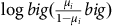 $\log big(\frac{{{\mu _i}}}{{1 - {\mu _i}}}big)$
indicates student i’s likelihood to conduct pro-environmental behaviours at school or their living place. β
2 indicates the coefficient of the non-additive effects of
$\log big(\frac{{{\mu _i}}}{{1 - {\mu _i}}}big)$
indicates student i’s likelihood to conduct pro-environmental behaviours at school or their living place. β
2 indicates the coefficient of the non-additive effects of $\textit{EnvironmentIssueKnowledge * WillingnesstoAct}_{i}$
on EcosurplusBehavior. If the coefficient is significant, students’ willingness to participate in environmental actions is deemed to affect (or moderate) the relationship between environmental knowledge and pro-environmental behaviour. Figure 1 demonstrates the logical network of Model 3.
$\textit{EnvironmentIssueKnowledge * WillingnesstoAct}_{i}$
on EcosurplusBehavior. If the coefficient is significant, students’ willingness to participate in environmental actions is deemed to affect (or moderate) the relationship between environmental knowledge and pro-environmental behaviour. Figure 1 demonstrates the logical network of Model 3.
Logical network of Model 3.

Analysis and validation
The current investigation used the BMF analytics for several reasons (Vuong et al., Reference Jia, Sorgente and Yu2022). The method combines the inferential benefits of Bayesian analysis and the logical reasoning powers of GITT. These two approaches are highly compatible. Moreover, the Bayesian inference treats all properties (including the known and unknown ones) probabilistically (Csilléry et al., Reference Csilléry, Blum, Gaggiotti and François2010; Gill, Reference Gill2014), so it facilitates the prediction of parsimonious models. However, Bayesian analysis can still handle complex models, such as multilevel and nonlinear regression frameworks, thanks to the Markov chain Monte Carlo (MCMC) method (Dunson, Reference Dunson2001). Compared with the frequentist method, Bayesian inference offers several key benefits, including using credible intervals for interpreting results rather than confidence intervals and p-values (Halsey et al., Reference Halsey, Curran-Everett, Vowler and Drummond2015; Wagenmakers et al., Reference Wagenmakers, Marsman, Jamil, Ly, Verhagen, Love, Selker, Gronau, Šmíra, Epskamp, Matzke, Rouder and Morey2018).
Bayesian analysis requires selecting an appropriate prior during model construction. Due to the exploratory nature of this study, we employed uninformative priors or a flat prior distribution to provide as little prior information as possible for model estimation (Diaconis & Ylvisaker, Reference Diaconis, Ylvisaker, Bernardo, DeGroot, Lindley and Smith1985).
Following a successful model fit, we used Pareto-smoothed importance sampling leave-one-out (PSIS-LOO) diagnostics to inspect the models’ goodness of fit (Vehtari & Gabry, Reference Vehtari and Gabry2019; Vehtari et al., Reference Vehtari, Gelman and Gabry2017). All PSIS-LOO diagnostic results indicate a good fit between the models and the data.
Then, we proceeded to the convergence diagnostics and the interpretation of the results. Both statistical values and visual illustrations can be used to validate the convergence of Markov chains. Statistically, the effective sample size (n_eff) and the Gelman–Rubin shrink factor (Rhat) can be used to assess the convergence. The n_eff value represents the number of iterative samples that are not autocorrelated during stochastic simulation. If n_eff is larger than 1,000, it is generally considered that the Markov chains are convergent, and the effective samples are sufficient for reliable inference (McElreath, Reference McElreath2018). Meanwhile, the Rhat value represents the potential scale reduction factor, also known as the Gelman–Rubin shrink factor (Brooks & Gelman, Reference Brooks and Gelman1998). If Rhat value exceeds 1.1, the model does not converge. Typically, the model is deemed convergent if the Rhat value equals 1.
The bayesvl open-access package (v1.0.0) in R was used in performing the Bayesian analysis, as it has good visualisation capabilities (La & Vuong, Reference La and Vuong2019). The analysis was conducted using four Markov chains and 5,000 iterations, with the first 2,000 iterations reserved for warm-up. For transparency and to reduce scientific costs, all data and code snippets from this study were deposited on Zenodo: https://zenodo.org/records/17289108.
Results
Model 1
The statistics of Model 1’s posterior distributions are shown in Table 2. All the n_eff values are larger than 1,000, and Rhat values are equal to 1, so it can be deemed that Model 1’s Markov chains are well-convergent, suggesting that the simulated results are eligible for interpretation.
Estimated results of Model 1

The estimated results of Model 1 show that school and family education on environmental issues have positive effects on the students’ level of environmental knowledge (M Guardians_EnvironmentInfo_Model1 = 0.06 and S Guardians_EnvironmentInfo_Model1 = 0.03; M School_EnvironmentInfo_Model1 = 0.23 and S School_EnvironmentInfo_Model1 = 0.03).
Figure 2 presents the interval plot illustrating the posterior distributions of Model 1’s estimated coefficients. Each dot at the centre of the intervals represents the most probable value (i.e., the mode or highest density point) of the corresponding coefficient. The y-axis lists the names of the coefficients, while the x-axis indicates the estimated parameter values. The thick horizontal lines denote the 95% credible intervals, and the thin lines extend to show the 99% credible intervals. As the coefficients’ distributions are entirely located on the right side of the x-axis’s origin, the positive effects of both school and family education can be deemed highly reliable. Notably, school education’s effect on students’ environmental knowledge is significantly greater than that of family education.
Model 1’s posterior distributions (EnvironmentIssueKnowledge as outcome variable).

Model 2
The statistical values of n_eff (larger than 1,000) and Rhat (equal to 1) in Table 3 imply the convergence of Model 2’s Markov chains. Thus, the simulated results of Model 2 are eligible for interpretation.
Estimated results of Model 2

The simulated results of Model 2 in Table 3 suggest that the environmental education of schools and families has a positive impact on the willingness to participate in environmental actions (M Guardians_EnvironmentInfo_Model2 = 0.28 and S Guardians_EnvironmentInfo_Model2 = 0.03; M School_EnvironmentInfo_Model2 = 0.12 and S School_EnvironmentInfo_Model2 = 0.04).
Figure 3 presents an interval plot illustrating the posterior distributions of the two coefficients, School_EnvironmentInfo and Guardians_EnvironmentInfo. Both coefficients have their entire 99% credible intervals on the positive side of the x-axis, indicating high reliability of the positive effects of both school and family-based environmental education. In contrast to the results from Model 1, the effect of family education on students’ willingness to engage in environmental actions is substantially stronger than that of school education.
Model 2’s posterior distributions (WillingnesstoAct as outcome variable).

Model 3
All statistical and visual convergence diagnostics for Model 3 confirm the good convergence of its Markov chains (see the n_eff and Rhat values in Table 3).
The estimated results in Table 4 suggest that students’ environmental knowledge has a negative impact on their likelihood of conducting pro-environmental behaviour (M EnvironmentIssueKnowledge_Model3 = −0.45 and S EnvironmentIssueKnowledge_Model3 = 0.21), but its effect is positively moderated by their willingness to participate in environmental actions (M EnvironmentIssueKnowledge * WillingnesstoAct_Model3 = 0.21 and S EnvironmentIssueKnowledge *WillingnesstoAct_Model3 = 0.02). The posterior distributions of the two coefficients in Figure 4 lie entirely on the negative or positive side of the x-axis, suggesting the high reliability of the results.
Model 3’s posterior distributions (EcosurplusBehavior as outcome variable).

Estimated results of Model 3

To better interpret Model 3, we substituted the mean coefficient values into Equation (3.2) to calculate the probability that students will take pro-environmental action. The mean values were chosen because they have the highest probability of occurring.
The calculated probability is shown in Figure 5. For students unwilling to participate in environmental actions (i.e., those who disagree), the more environmental knowledge they obtain, the lower their probability of engaging in pro-environmental actions. However, if students are willing to participate (i.e., those who agree and strongly agree), environmental knowledge will have a positive effect on the likelihood of engaging in pro-environmental behaviour.
The estimated probability of conducting pro-environmental behaviour.

To summarise, the estimation results of Model 1 confirm Hypotheses 1 and 2, showing that environmental education at both school and home is positively associated with students’ environmental knowledge. These findings address the first primary research objective by demonstrating that school-based environmental education is more effective in enhancing students’ knowledge of environmental issues. The estimation results of Model 2 confirm Hypotheses 3 and 4, indicating that environmental education at both school and home is positively associated with students’ willingness to engage in environmental actions. This addresses the second research question by showing that home-based environmental education is more effective than school-based education in fostering students’ willingness to participate in environmental actions. Finally, the significant positive moderating effect of WillingnesstoAct on the relationship between EnvironmentIssueKnowledge and EcosurplusBehavior supports Hypothesis 5, demonstrating that the influence of environmental knowledge on pro-environmental behaviour is conditional on students’ willingness to act. This finding addresses the third primary research objective.
Discussion
In the current research, we employed BMF analytics on a nationally representative dataset of Vietnamese students to compare the effectiveness of access to environmental education at school and home in cultivating students’ environmental knowledge and willingness to take environmental actions. We found that exposure to school and family environmental education is beneficial for students in developing their environmental knowledge and increasing their willingness to participate in environmental actions. These results align with GITT’s assumptions that the availability and accessibility of information play a crucial role in the mind’s accumulation of knowledge and the development of willingness to act (see section “Hypotheses formulation”).
The comparative results indicate that environmental education at school has a stronger impact on students’ environmental knowledge, whereas education at home exerts a greater influence on their willingness to take action. According to GITT, varying cognitive outcomes emerge through the interactions of different types of information, which helps account for these distinctions.
The primary sources of environmental education information at school are textbooks and teachers. Information from these sources is aggregated and structured according to a formal education system, so the depth and breadth of the environmental information they provide may be greater than that from students’ parents or relatives. This exposure can help students acquire basic environmental concepts, scientific terminology, perspectives on environmental issues, and factual knowledge, thereby broadening their horizons and producing a stronger positive impact on their environmental knowledge. However, such an education method is more theoretical than practical, especially in Vietnam, which can limit students’ ability to compare, evaluate, connect, and create new relational knowledge with their pre-existing beliefs, values, and contextual experiences.
As for environmental education at home, students may have their parents or relatives as role models, facilitators, and have more opportunities to conduct pro-environmental behaviours or interact directly with nature (Grønhøj & Thøgersen, Reference Grønhøj and Thøgersen2012; Jia & Yu, Reference Jia and Yu2021; Jia et al., Reference Jia, Sorgente and Yu2022; Payne, Reference Payne2005). While these forms of information interaction may not provide as much environmental knowledge as school-based education, they are more effective at guiding and regulating students’ information processing by supporting them in creating organised relational knowledge that connects nature, place, and people through everyday practices (Cuervo & Wyn, Reference Cuervo and Wyn2017). Indeed, parents and relatives can engage in discussions about environmental issues and participate in environmentally friendly activities with their children (Jia & Yu, Reference Jia and Yu2021). These interactions not only create opportunities for the exchange of knowledge, worldviews, beliefs, and values but also serve as meaningful pathways to foster and support psychological and behavioural change. Moreover, parents can actively increase their children’s interaction with nature by involving them in activities such as planting trees, raising pets, or spending time in parks and forests (Jia et al., Reference Jia, Sorgente and Yu2022). This stands in stark contrast to Vietnam’s currently dominant top-down knowledge transmission in crowded classroom settings, where students are often positioned as passive recipients of others’ knowledge and thinking (Nguyen et al., Reference Nguyen, Vu, Hoang and Nguyen2020; Stevenson, Reference Stevenson2007). These findings align with Payne’s (Reference Payne2005) view that teachers can learn from parents’ environmental education in several aspects: “fostering of an ethos or culture that a positive difference can be made through one’s everyday actions and interactions, even through little thing” and “environmental and ecological knowledge are not crucially important aspects of an ecopraxis but a ‘consciousness’, awareness and sense of agency and resourceful and ‘lateral’ power in ‘sustaining’ it.” Besides that, although the environmental knowledge gained through home education may be limited, informal, or less structured than that provided at school, it often includes observable pro-environmental behaviours that children can directly emulate. Dominant family norms, primarily reflected in parents’ behaviours, play a significant role in shaping children’s perceptions, value formation, intentions, and ultimately their actions (Grønhøj & Thøgersen, Reference Grønhøj and Thøgersen2012).
Another significant finding of the study suggests that environmental knowledge can positively influence students’ pro-environmental behaviours, but this effect is contingent upon the students’ willingness to take action. This result, which has not been previously documented, validates the information-processing assumptions made above by GITT. As explained above, willingness to act can also be understood as an aggregate indicator of the value a student places on the environment. Specifically, when a student is willing to take environmental action, they prioritise environmental values, and their knowledge (justified information within the mind) is optimised to translate into behaviour. Consequently, the more environmental knowledge a student possesses, the more likely they are to engage in pro-environmental behaviour. In contrast, when a student is unwilling, they tend to perceive pro-environmental behaviour as costly due to the required expenditure of energy, time, trade-offs, and opportunity costs. In this case, the optimisation process operates in the opposite direction, with environmental knowledge potentially being used to justify avoiding pro-environmental behaviour. If the unwillingness is reinforced over time, it can even lead to denialist mindsets confronting climate change reduction and environmental conservation efforts (Dunlap & McCright, Reference Dunlap, McCright and Constance2010; Lees et al., Reference Lees, Attwood, Barlow and Phalan2020).
This pattern is particularly noticeable in the Vietnamese educational context, where environmental education is often delivered in a didactic and abstract manner (Pham, Reference Pham2023). The curriculum tends to focus on serious environmental issues – such as climate change and biodiversity loss – without consistently providing students with the participatory opportunities necessary to process and engage with such content in a constructive manner (Thanh, Reference Thanh2024). As a result, some students may feel emotionally detached or adopt passive attitudes, normalising environmentally harmful behaviours or feeling that individual actions may not make a difference – patterns seen when awareness is present but there is no sense of personal agency (Nguyen et al., Reference Nguyen, Ho, Hoang and Le2024). These reactions highlight the disconnect between environmental knowledge and the motivation and capacity to translate it into meaningful action.
Findings from this study offer several transferable insights for countries with comparable educational and socio-cultural settings, where school-based learning remains largely didactic and top-down, and where family norms and intergenerational role modelling exert a strong influence. Although the relative effectiveness of school- and home-based education may differ across contexts with varying pedagogical philosophies, educational infrastructures, and family scholarly cultures, the conditioning role of willingness to act in transforming environmental knowledge into pro-environmental behaviours is likely to remain relevant. This suggests that environmental education should be viewed not merely as knowledge transmission but as a process of value formation and transformation.
Recommendations for cultivating eco-surplus culture
As the study’s results suggest, for environmental knowledge to result in meaningful behavioural change, it requires a value system that is conducive to the emergence of pro-environmental intentions. Given that environmental crises are deeply rooted in an entrenched eco-deficit cultural value system, which treats the environment as a separate entity to be traded off against other interests, environmental education needs to be reimagined as a transformative process. This process should aim to facilitate socio-cultural and economic transitions toward the eco-surplus paradigm, rather than reinforcing existing structures and values (Vuong et al., Reference Vuong and Nguyen2025).
However, Vietnam’s education system, from 1976 to the present, was designed with the mission of “cultivating a cultural ideological revolution to promote economic, cultural, scientific, and technical development for the whole country” (Nguyen et al., Reference Nguyen, Vu, Hoang and Nguyen2020). Although the new General Education Curriculum introduced in 2018 brought several reforms, environmental education in Vietnam remains limited and continues to adopt a top-down approach (Nguyen et al., Reference Nguyen, Vu, Hoang and Nguyen2020; Pham, Reference Pham2023). School-based environmental learning in lower secondary and upper secondary schools still centres on the mastery of fragmented facts, isolated concepts, and simplistic generalisations, often presented in a disjointed manner across separate subject areas (Nguyen et al., Reference Nguyen, Vu, Hoang and Nguyen2020).
Given such circumstances, a rapid transition toward more progressive models of environmental education is likely to encounter significant challenges due to the inertia of the existing pedagogical system, which is deeply embedded in prevailing values, philosophies, goals, teaching practices, and infrastructure. Therefore, a gradual and context-sensitive shift is advisable.
A meaningful step toward transforming Vietnam’s educational system toward an eco-surplus paradigm can be achieved by leveraging the OECD’s Programme for International Student Assessment (PISA), in which Vietnam has participated since 2012 to benchmark its education system against global standards. The PISA 2025 Science Framework introduces the concept of agency in the Anthropocene, assessing young people’s competencies in understanding the impacts of human-Earth interactions, making informed decisions to regenerate and sustain the environment, and demonstrating hope and respect for diverse perspectives when addressing socio-ecological crises (White et al., Reference Keung and Cheung2023). Vietnam can utilise the framework to evaluate, benchmark, and monitor students’ competencies against international standards, thereby identifying both strengths and gaps in its current education system. The assessment outcomes can also reveal whether students are being equipped with the analytical, ethical, and collaborative skills needed to act on environmental issues as a result of their education, rather than being trained solely for economic productivity. Although PISA applies only to 15-year-old students, both its empirical findings and its conceptual foundation of agency in the Anthropocene can offer valuable guidance for reforming curricula, teacher training, and pedagogical practices across all levels of education.
Educational reforms and initiatives should prioritise illuminating the nature–human nexus through interdisciplinary and transdisciplinary approaches to knowledge transmission. Rather than teaching fragmented facts and dry statistics (e.g., hydrological changes, salinity intrusion, and land-use change in Geography), curricula should adopt integrated modules (e.g., resilience in the Mekong and Red River Deltas) that combine ecology, biology, social sciences, and ethics. Such an approach can foster a systematic understanding of the interconnections and interdependence between social and ecological systems, as well as their co-evolution over time (White et al., Reference White, Ardoin, Eames and Monroe2024). Within these modules, assessment can shift from content mastery to competencies in socio-ecological systems, aligning with the PISA framework.
This approach can also strengthen the connection between environmental issues and students’ “objects of care” – including valued people, places, possessions, and elements of identity (Kollmuss & Agyeman, Reference Kollmuss and Agyeman2002; Wang et al., Reference McElreath2018). These personalised connections are crucial for linking environmental concerns to what students genuinely value, thereby cultivating their Nature Quotient (NQ) – the capacity to perceive, process, and organise information about ecological interconnections – and fostering intrinsic motivation for environmental protection (Vuong & Nguyen, Reference Vuong and Nguyen2025). Moreover, environmental education should incorporate opportunities for direct interaction with nature. Exposure through outdoor activities, green spaces, and contact with animals can enhance empathy toward nature, strengthen awareness of environmental degradation, and support cognitive performance and stress recovery (Li & Sullivan, Reference Li and Sullivan2016; Palmberg & Kuru, Reference Palmberg and Kuru2000). Such emotional engagement, in turn, enables students to translate environmental knowledge into purposeful, action-oriented behaviours.
Recent literature in environmental education highlights the importance of embodied, emotionally resonant, and experiential learning. Integrating environmental education with physical literacy and outdoor experiences – such as park excursions, school gardens, or traditional games in natural settings – can strengthen students’ emotional connections to the environment and motivate pro-environmental actions (Mallette et al., Reference White, Ardoin, Eames and Monroe2024). These approaches align with Vietnam’s educational reforms, which prioritise holistic development and life skills. For example, plogging – picking up litter while jogging – illustrates how environmental action can be integrated into daily physical activities. Vietnam could learn from and adapt such initiatives into its school programmes through community service projects or awareness campaigns, drawing on successful examples like those described by Baena-Morales et al. (Reference Baena-Morales, Jerez-Mayorga, Delgado-Floody and Martínez-Martínez2021). Similarly, the Nordic concept of Friluftsliv – living closely connected with nature (Lefèvre et al., Reference Vuong and Nguyen2025) – resonates with traditional Vietnamese rural practices, where children spend time exploring rivers, gardens, and rice fields. By referencing these ideas, Vietnam has the opportunity to develop similar approaches that foster environmental respect through everyday experiences, moving beyond what textbooks alone can provide.
Furthermore, based on our findings, we suggest that enhancing the effectiveness of environmental education requires strong collaboration between teachers and parents, allowing them to leverage each other’s strengths and compensate for one another’s limitations. In the absence of such cooperation, Vietnam may face the serious risk of undermining the long-term effectiveness of its environmental education efforts. More specifically, while knowledge can be transmitted to students through the education system, the emergence of pro-environmental intention is often more effectively nurtured within the family setting.
However, nearly 30% of students reported having no access to environmental education at home – a significant figure with serious implications for cultivating an eco-surplus culture in Vietnam. First, when it comes to shaping environmental values and students’ willingness to act, access to environmental education – particularly one that engages value transformation – is more critical than simple knowledge exposure (Payne, Reference Payne2005). Unless the formal education system can improve the quality of its environmental instruction to promote a shift in value systems actively, its impact may remain limited. Yet, such pedagogical transformation is unlikely to happen rapidly. Second, while students can be educated through formal institutions and affiliated systems, parents currently lack accessible channels for environmental education, and the quality and persuasive power of such content are uncertain. If families lack pro-environmental values, school-based efforts to shift students’ mindsets may have limited impact, as family norms can reinforce eco-deficit attitudes (Nguyen, Reference Nguyen2026). This challenge is further compounded by the fact that mature adults tend to have more rigid filtering mechanisms and entrenched biases, making it more difficult for them to shift their perceptions and value systems than for younger learners.
Traditionally, family involvement in environmental education in Vietnam has been limited to formal parent–teacher meetings or one-way communication through school announcements (Hoang et al., Reference Hoang, Nguyen and La2013). In recent years, however, more interactive and inclusive approaches have begun to emerge. Parents are increasingly encouraged to engage in outdoor and experiential learning activities with their children, fostering environmental awareness through practices such as nature walks, household sustainability projects, and community-based initiatives that connect family and ecological values (Nguyễn, Reference Nguyễn2019). Despite these developments, substantial room for improvement remains. Schools and teachers should more actively create enabling conditions and encourage parents and guardians to participate in initiatives that cultivate environmental knowledge, values, and behaviours across generations. This can be achieved through parental environmental education workshops, participatory projects (e.g., school–parent–child–community clean-ups and tree-planting activities), and collaborative partnerships that support play-based environmental learning (Aruta, Reference Aruta2023; Keung & Cheung, Reference Keung and Cheung2023). A relevant regional example is the Eco-Schools model implemented in Malaysia and Thailand. This framework operationalises coordination through a seven-step methodology in which students lead Eco-Committees that include teachers, parents, and community members (Eco-Schools Malaysia, 2025). By linking school-based environmental audits with home-based eco-actions and involving families in environmental governance, the model transforms schools into shared spaces for cultivating pro-environmental behaviours.
To further support this transformation, it is advisable to promote non-formal education strategies that target both youth and adults. These may include environmental media campaigns, social marketing initiatives, community workshops, the promotion of environmental books, public displays and exhibitions, documentary films, and science communication efforts focused on topics such as climate change and biodiversity (Monroe, Reference Monroe, Gökçekus, Türker and LaMoreaux2011; Nguyen, Reference Nguyen, Ho, Hoang and Le2024; Tran, Reference Lefèvre, Schnitzler, Engstu and Schirrer2025; Zaval & Cornwell, Reference Zaval and Cornwell2017).
Acknowledgements
We would like to thank the research team at the Vietnam National Institute of Educational Sciences for collecting and sharing the valuable dataset that made this study possible. We are also grateful for the thoughtful advice of the Editor-in-Chief, A/Prof. Peta White, and the anonymous reviewers, whose insights have significantly improved the manuscript’s quality, clarity, and coherence.
Financial support
This research received no specific grant from any funding agency, commercial, or not-for-profit sectors.
Ethical statement
The Vietnam National Institute of Educational Sciences is responsible for the data collection project. The data collection process has been approved and adheres to the ethical guidelines and regulations of the organisation in charge. The research team in charge of data collection provided participants and stakeholders with information related to the research before conducting the survey. Written informed consent has been obtained from the participants and their guardians.
Author Biographies
Quan-Hoang Vuong (PhD, Université Libre de Bruxelles). Research Professor of the University College at Korea University, South Korea, and Research Director at Phenikaa University, Vietnam. Professor Quan-Hoang Vuong’s philosophy may be reflected through the journey from his mathematics articles on the central limit and martingale representation theorems in the early 2000s to the fictional chat between Kingfisher and a fish inside its beak in the mid-2020s.
Minh-Phuong Thi Duong (PhD, University of New England) is a researcher and lecturer at the Faculty of Social Sciences and Humanities, Ton Duc Thang University, Vietnam. Her research interests include social behaviour, community engagement, and human–environment relations, particularly in relation to education, sustainability, and social development in diverse socio-cultural contexts.
Viet-Phuong La is a researcher at the Centre for Interdisciplinary Social Research, Phenikaa University, Hanoi, Vietnam, and a software engineer for AISDL. His specialty is software engineering and statistics.
Dan Li is a lecturer at the College of Educational Science, Yan’an University, China. She has published peer-reviewed research articles on topics covering psychology, education, business, and sustainability to inform policy-making and practice as well as facilitate interdisciplinary dialogue.
Minh-Hoang Nguyen (PhD Ritsumeikan Asia Pacific University) is a researcher at the Centre for Interdisciplinary Social Research, Phenikaa University, Vietnam. He focuses on methodological innovations in the social sciences and humanities and on understanding Uncertainty-Absurdity Mutuality (UAM).


 Open access

