




Introduction
The current trend of agricultural production systems, and consequently of livestock, is marked by the production of food in a sustainable way. The objective of these production systems is for them to be in balance with nature, since this aspect is one of the main social demands prioritizing the conservation of the environment, the resilience of production models and sustainable development (Horrillo et al. Reference Horrillo, Escribano, Mesias, Elghannam and Gaspar2016; IPCC, 2021). However, despite these efforts to change production models, the image of livestock production still does not improve, is socially questioned and attributes responsibility in part for climate change, as well as innumerable environmental impacts (Escribano, Horrillo, and Mesías Reference Escribano, Horrillo and Mesías2022), such as greenhouse gas (GHG) emissions, the loss of biodiversity or the simplification of agricultural landscapes, among others.
In recent decades, social action has promoted public strategies that are translated into policies aimed at reducing net CO2 emissions to zero in 2050 (Paris Agreement, COP25, European Climate Law), as well as influencing the content of the new common agricultural policy (CAP) in the period 2023–2027. These positions aim to reduce the environmental impact of unsustainable livestock production models (Farm to Fork Strategy, Biodiversity 2030, etc., or in the case of the CAP with eco-regimes to promote practices such as low-carbon agriculture or agroecology (MAPA, 2023).
All these proposals orient livestock practices to standards of production models such as organic livestock or extensive livestock farming, essential for society, since they provide food, maintain rural populations, and improve biodiversity, as one of the most visible aspects (Martinsson and Hansson Reference Martinsson and Hansson2021). Therefore, the search for techniques to improve the sustainability of livestock systems should be considered a fundamental process in all public policies at local, national, and global levels (IPCC, 2014), in an attempt to address the different aspects of sustainability (Eldesouky, Mesias, and Escribano Reference Eldesouky, Mesias and Escribano2020).
However, the different interest groups, despite being the main actors in the sustainability of livestock production and in the environmental conservation of the environments where their farms are located, demand help to adapt their production models to climate change, as well as public policies differentiated toward extensive models such as those located in dehesa areasFootnote 1. In large part, this is because extensive livestock production does not have a clear definition, nor is there a regulation that regulates it, as in the case of organic production (Regulation (EU) 2018/848, 2018). Despite this lack of regulations, these systems stand out for taking advantage of natural resources through grazing and their low dependence on external inputs (Ruiz et al. Reference Ruiz, Herrera, Barba and Busqué2018). Likewise, these systems consider key aspects such as the use of autochthonous breeds, livestock mobility, animal welfare, or management adjusted to the spatial and temporal availability of grazing resources available in each area (Escribano, Horrillo, and Mesías Reference Escribano, Horrillo and Mesías2022).
Not all animal production systems will be sustainable, nor will they contribute in the same way to climate change (Escribano, Elghannam, and Mesias Reference Escribano, Elghannam and Mesias2020). Livestock farming linked to the territory of dehesa systems has the ability to provide ecosystem services such as offsetting GHG emissions through carbon sequestration (Escribano, Horrillo, and Mesías Reference Escribano, Horrillo and Mesías2022). This is a well-known and widely debated aspect, but the grasslands of these territories also play a less well-known role, such as their capacity to absorb methane in the soil (Rafalska et al. Reference Rafalska, Walkiewicz, Osborne, Klumpp and Bieganowski2023).
These production systems generate other benefits, such as the contribution of quality food, the increase in biodiversity and the conservation of the landscape (Eldesouky et al. Reference Eldesouky, Mesias, Elghannam and Escribano2018; Horrillo et al. Reference Horrillo, Gaspar, Díaz-Caro and Escribano2021; Scoones Reference Scoones2023). In this line, Reyes-Palomo et al. (Reference Reyes-Palomo, Aguilera, Llorente, Díaz-Gaona, Moreno and Rodríguez-Estévez2022) concludes that the extensification of livestock systems in dehesas have a direct relationship with a reduction in carbon footprint (CF) when carbon sequestration is included in its analysis, requiring more research in this field (Aguilera et al. Reference Aguilera, Reyes-Palomo, Díaz-Gaona, Sanz-Cobena, Smith, García-Laureano and Rodríguez-Estévez2021), as well as promoting Life Cycle Assessment studies that include carbon (C) sequestration in the soil C dynamics and the GHG balance (Lee et al. Reference Lee, Zhang, Adler, Kleppel and Romeiko2020). More recently, it has also been proposed to know what the effects of the atmosphere‒soil exchange of methane under a climate change scenario with an increase in temperature and a drastic reduction in rainfall (Qi et al. Reference Qi, Haowei, Zhang, Van Nostrand, Wu, Guo, Feng, Wang, Yang, Zhao, Gao, Zhang, Zhao, Xie, Ma, He, Chu, Huang, Zhou and Yang2021; Zhang et al. Reference Zhang, Wang, Wang, Qi, Yang and He2021; Rafalska et al. Reference Rafalska, Walkiewicz, Osborne, Klumpp and Bieganowski2023), as could be the case for the semi-arid pastures of dehesas.
We have been able to appreciate how scientific research discreetly indicates that extensive livestock farming brings undeniable benefits to the environment and society. In this sense, Peco et al. (Reference Peco, Navarro, Carmona, Medina and Marques2017) observe that it plays a key role in the management of the territory, avoiding abandonment and depopulation, keeping the population of these rural or marginal areas, and avoiding the abandonment of the land and the effects that it could have on the quality of the soil and biodiversity (Rossi Reference Rossi2017; Rodríguez-Ortega, Olaizola, and Bernués Reference Rodríguez-Ortega, Olaizola and Bernués2018). On the other hand, Morgan-Davies et al. (Reference Morgan-Davies, Morgan-Davies, Pollock, Holland and Waterhouse2014) point out that extensive cattle farms are part of the traditions, landscapes, and cultural heritage, as well as being an important source of employment. Undoubtedly, extensive livestock production in dehesa lands is unique and is the only one capable of providing different ecosystem services where other agricultural activities are unviable (de Rancourt et al. Reference de Rancourt, Fois, Lavín, Tchakérian and Vallerand2006).
In this context, it is important to evaluate the role that farmers play in the environmental conservation of their farms, their level of knowledge about climate change and their public demands to guarantee the conservation of these spaces. In the literature, authors such as Chatrchyan et al. (Reference Chatrchyan, Erlebacher, Chaopricha, Chan, Tobin and Allred2017), in the USA, evaluated the behavior of farmers and ranchers from different regions in the face of climate change, as well as the incorporation of adaptation practices to these changes in the management of their farms. Similarly, Gramig, Barnard, and Prokopy (Reference Gramig, Barnard and Prokopy2013) addressed the opinion of farmers in Indiana (USA) on the beliefs, causes, and effect of climate change on their farms, as well as the way to encourage farmers to undertake practices that favor carbon sequestration and storage in agricultural soils. Also, in Davidson et al. (Reference Davidson, Rollins, Lefsrud, Anders and Hamann2019) studied the opinions of beef cattle farmers in Canada on the anthropogenic origin of climate change and concluded that the motivation to adopt sustainable practices is based on the expectation of achieving a greater economic benefit. Others such as Meuwissen et al. (Reference Meuwissen, Feindt, Spiegel, Termeer, Mathijs, de Mey, Finger, Balmann, Wauters, Urquhart, Vigani, Zawalińska, Herrera, Nicholas-Davies, Hansson, Paas, Slijper, Coopmans, Vroege, Ciechomska, Accatino, Kopainsky, Poortvliet, Candel, Maye, Severini, Senni, Soriano, Lagerkvist, Peneva, Gavrilescu and Reidsma2019) measured the resilience of European agricultural systems and Ranasinghe, Korale-Gedara, and Weerasooriya (Reference Ranasinghe, Korale-Gedara and Weerasooriya2023) analyzed farmers' perceptions of climate change and its adaptation. Finally, in areas of dehesas, Fernández-Habas et al. (Reference Fernández-Habas, Fernández-Rebollo, Gallardo-Cobos, Vanwalleghem and Sánchez-Zamora2022) analyzed the relevance of the main innovations applicable to the management of farm pastures.
Under these approaches, extensive livestock systems located in dehesas can play a key role in reducing environmental impacts and promoting the development of livestock production in line with the natural environment (Escribano, Díaz-Caro, and Mesias Reference Escribano, Díaz-Caro and Mesias2018). Two aspects are essential for success: the economic viability of farms, and the capacity building of those within the sector who may have the responsibility to adapt and undergo change on their farms. However, farmers generally ignore or leave in the background the social and environmental aspects of sustainability linked to the usual management of livestock.
A participatory approach using qualitative research can be valid when addressing the issues raised since it allows us to know the problems and motivations when making decisions on the part of the farmer, as well as being a flexible and versatile research tool (Stewart et al. Reference Stewart, Olson, Goody, Tinsley, Amos, Betts, Georgiou, Hoerr, Ivaturi and Voichick1994). Although there is a great variety of qualitative research techniques, the focus group is one of the most commonly used to understand these aspects (Eldesouky and Mesias Reference Eldesouky and Mesias2014). This technique has its origins in marketing; currently, it is widely applied to applied sciences such as agriculture, livestock farming, or forestry, based on group dynamics (Gálvez and Resurreccion Reference Gálvez and Resurreccion1992) that allow interaction between the different stakeholders (Dransfield et al. Reference Dransfield, Morrot, Martin and Ngapo2004). The focus group also allows new topics and ideas to emerge due to such interaction between the participants . Chalofsky (Reference Chalofsky1999) explains that this methodology is ideal for use in studies that involve the identification of concerns, the development and implementation of new products or services, etc.
Under this premise, the objectives of this study are presented in which it is intended to evaluate the aspects indicated above within the framework of the research project (IB20070) entitled ‘Evaluation of adaptation and mitigation strategies in extensive livestock systems of dehesas against the climate change. Sustainable management of resources in the face of the challenge of the new CAP’ financed by the Junta de Extremadura and the FEDER funds, which aims to i) explore the perceptions of the participants on the role played by extensive livestock farming in the current context of struggle against climate change, ii) classify, based on the perceptions of the participants, the production models in dehesas according to their profitability and their contribution to GHG emissions and iii) identify, according to the perceptions of the participants, the best mitigation practices and publicly supported demands to implement them. For this, 5 focus group sessions were held in different Spanish locations in the SW region of the Iberian Peninsula, representative of extensive livestock farming in dehesas and pastures.
Materials and methods
The study is developed within the framework of a participatory research project in which a set of qualitative and quantitative techniques have been performed. A participatory approach allows identifying the ideas and opinions of the stakeholders on the role that livestock has in the fight against climate change and throughout the process, stakeholders have been engaged at various stages of the research, especially livestock farmers, who have also been involved in the data collection of their own farms.
The specific analysis presented in this paper was developed by conducting different focus group sessions (Krueger and Casey Reference Krueger and Casey2015), a technique specialized in providing an innovative and realistic vision of a specific situation (Cuéllar-Padilla and Calle-Collado Reference Cuéllar-Padilla and Calle-Collado2011), as is the current debate on livestock and climate change and the need for adaptation of livestock farms.
In the development of the focus group sessions, qualitative research techniques were included to guide the participants in achieving the objectives of the work, such as word association technique, brand mapping, and sentence completion. These techniques allow us to know the real opinion of the participants on a topic (Mesías and Escribano Reference Mesías and Escribano2018). Others, such as brainstorming or open debate, further encourage the participation of attendees and are suitable for the identification of problematic situations, the improvement of a service or the development of strategic plans for a sector (Narayan and Mundial Reference Narayan and Mundial1996).
Design of the study
The study area focused on the autonomous community of Extremadura, located in the southwest of the Iberian Peninsula. This region comprises the largest area of dehesa in Spain, with approximately one and a half million hectares of surface (Ruiz et al. Reference Ruiz, Herrera, Barba and Busqué2018). In this ecosystem, the main activity is extensive livestock farming, reaching 80% of the total livestock farms in the region (Junta de Extremadura, 2021). This location is optimal for the objectives of the study since the primary sector is one of the economic pillars of the region, with extensive livestock farming being one of its main productive activities (Junta de Extremadura, 2023)
Five focus group sessions were held in different municipalities of the region strategically located in Extremadura, which helped attract participants from different areas. Throughout the development of the sessions, relevant actors participated, such as farmers, administration technicians, researchers, agricultural associations, livestock cooperatives, and environmental organizations. A total of 38 participants were selected through convenience sampling, a non-probability method commonly used in qualitative research when the aim is to obtain an approximation to a specific topic (Kinnear and Taylor Reference Kinnear and Taylor1993; Morgan Reference Morgan1997), in this case, stakeholders related to extensive livestock farming systems were engaged. The number of participants per focus group session ranged from 7 to 9 participants, the recommended number according to (Malhotra and Birks Reference Malhotra and Birks2006), and the sessions were held during the months of March to April 2022.
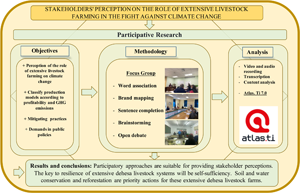
Figure 1 shows the diagram of the methodological process.
Diagram of the methodological process.

Table 1 shows the main characteristics of the participants in the focus group sessions. It can be seen that 78.95% of the participants were men and 21.05% women, with 94.73% being over 31 years of age. The vast majority of them all had a university degree. The profiles represented and distributed in all sessions were technicians and consultants (5), conventional farmers (26), regional administration technicians (2), researchers (4) and members of livestock associations (16). Some of the participants combined more than one of the characteristics mentioned, for example, extensive livestock farming and veterinary technicians.
Characteristics of the participants

Development of the focus group
Each session followed a common protocol developed by the research team. This protocol was previously provided to the moderator of the session. As preliminary information, the sessions began with a brief explanation about the research project and its purpose. The activities developed in the focus groups are described below:
Word association
For this activity, participants were given a card in which they had to indicate the concepts or phrases with which they related the different words that were presented to them. The sentence of this activity always began with the following: ‘ Please tell me the first thing that comes to mind when you hear the word… ‘ or ’ Please write the first thing that comes to mind when I say... ’. In this case, the words used were ‘Extensive livestock, Climate change, Carbon footprint and CAP’.
The association of words is a widely used projective technique, where the response pattern and the details of the response are used to determine the real thought that the participant has on the issue raised (Donoghue Reference Donoghue2000). Its use is frequent in the agri-food sector and in the investigation of consumer perceptions (Ares and Deliza Reference Ares and Deliza2010; Guerrero et al. Reference Guerrero, Claret, Verbeke, Enderli, Zakowska-Biemans, Vanhonacker, Issanchou, Sajdakowska, Granli, Scalvedi, Contel and Hersleth2010).
Brand mapping
Brand mapping is classified within the projective techniques of association or completion (Will, Eadie, and Macaskill Reference Will, Eadie and Macaskill1996). It is applied by showing the participants various brands, labels, production systems, etc., and they are asked to discuss or group them according to some attribute established in advance by the researcher (Mesías and Escribano Reference Mesías and Escribano2018).
For the adaptation of the technique to the activity performed in the focus group session, a poster (120 × 120 cm) was presented to the participants that contained a graph in which profitability was represented by a scale on the x-axis and its level of emissions on the y-axis. As shown in Table 2, the activity was divided into two parts. A first, where the participants were shown several images related to different livestock production systems in dehesas, and a second, where the images were labels or certifications of livestock products with a sustainable or environmental nature. Both the production systems and the labels were positioned on the map by the participants and scored individually using a Likert scale with a range of −5 to +5 points, depending on the profitability and the perceived emission of GHGs. Afterwards, the averages of the values obtained according to their position on the map were calculated for both, the different production systems, as well as for the sustainable labels/certifications.
Different livestock production systems and sustainable labels/certifications positioned in the study

a Protected Geographical Indication and Protected Designation of Origin.
Sentence completion
This is a projective technique where respondents are asked to complete an incomplete situation for which a stimulus has been provided (usually a sentence, a conversation, a discussion, or a story). The most common completion techniques used in market research are sentence completion and story completion. These techniques can be combined with the use of images (Vidal, Ares, and Giménez Reference Vidal, Ares and Giménez2013; Eldesouky, Pulido, and Mesias Reference Eldesouky, Pulido and Mesias2015), an approach that has proven to provide better results compared to other techniques, as they reveal the inner most feelings and beliefs of the respondents to a greater extent. In this study a sentence completion task has been developed and incomplete sentences in the shape of sentences or dialogs were provided and respondents were asked to complete them with the first word or sentence that comes to mind (Donoghue Reference Donoghue2000; Masson et al. Reference Masson, Delarue, Bouillot, Sieffermann and Blumenthal2016). In this case, three different phrases were designed related to the current situation livestock farming is facing in the fight against climate change.
The phrases used were: ‘To adapt to climate change in my farm the best thing is…’, ‘To reduce the impact of my farm I…’ and ‘ For my farm to be self-sufficient I have to…’
Brainstorming
The brainstorming technique is a group creative technique whose objective is the generation of new ideas about a specific topic or problem in a relaxed environment (Narayan and Mundial Reference Narayan and Mundial1996). This technique is used quite frequently in focus group sessions and is usually very useful when generating creative and innovative content. Specifically, in these sessions, participants were asked to indicate management practices and adaptation of livestock farms to new climate scenarios. Each participant independently presented their ideas to later group them and summarize them in 10 or 12 main ideas agreed upon by the group. These ideas were then transferred to a card to be scored individually using a Likert scale of 1 to 5 points, with 1 being less important and 5 more important, according to their personal judgement on best practices available in relation to mitigation or adaptation to climate change. For this, each participant had three votes and could vote for any of them.
Open debate
To end the session, the moderator, based on the previous activity, began an open debate on possible demands for public policies to facilitate adaptation to climate change of dehesa farms. The discussion and interaction between the participants of a discussion group produces a set of emerging ideas that would not arise if the participants were interviewed separately (Byers, Richard, and Byers Reference Byers, Richard, Byers, Wiederman and Bernard2012). Once the debate time had elapsed, to collect the proposed aids more accurately, three cards were distributed among the participants with the instruction to write on them the financing measures they considered most necessary. These cards were then collected and classified into the three main categories of public aid policies: social, economic, and environmental. To finish this activity, participants were encouraged to vote for help that was considered most urgent and/or important.
Data collection and data analysis
The sessions were recorded on video and audio for later analysis. The duration of each session was 120 min on average. All participants signed the confidentiality agreement and were informed that the study was approved in accordance with the Declaration of Helsinki and Law 14/2007 on Biomedical Research. In addition, for everything not foreseen, the current legislation on the protection of personal data will be applied (Organic Law 3/2018 of December 5 on the Protection of Personal Data and guarantee of digital rights, BOE 294 of December 6, 2018), on biomedical research (Law 14/2007, of July 3, Biomedical Research; BOE 159 of July 4, 2007) and any other that will be applicable.
The information was processed using the Atlas.ti 7.0 computer program to analyze the qualitative data. The analysis of the information collected was carried out using the content analysis technique (Stewart and Shamsasani Reference Stewart and Shamsasani2014). The ideas, terms, and concepts mentioned repeatedly during the sessions were classified into categories, with the aim of reducing the original material (Flick Reference Flick2009). Once classified into categories, they were counted to calculate the frequencies of mention of each concept within the category.
For those techniques in which Likert-type scales were used to assess the degree of agreement or disagreement of the participants (Almansa and Martínez-Paz Reference Almansa and Martínez-Paz2011; Olaizola et al. Reference Olaizola, Bernués, Blasco and Sanz2012; Kirezieva et al. Reference Kirezieva, Jacxsens, van Boekel and Luning2015), the mean values for each proposed item were calculated.
Results
Extensive Livestock farming and Climate Change
Figure 2 shows the frequency of mention of different concepts in the word association technique to the presented words: ‘extensive livestock farming’, ‘climate change’, ‘carbon footprint’ and ‘CAP’.
Word association results: Extensive livestock farming, climate change, carbon footprint, and CAP (scale: frequency of mention).

It can be observed how the participants related ‘extensive livestock farming’ with the environment; for example, the concept most mentioned by the participants was ‘equilibrium’. This refers to the creation of a harmonious relationship between human beings and nature, as well as the maintenance of the ‘dehesa’ ecosystem (pastures and trees). In turn, climate change was also related to the environment, with the most frequently mentioned words being ‘effects’, ‘actions’ and ‘concern’. These concepts show the concern of the participants about the negative environmental effects and their interest in incorporating actions to avoid these effects. On the other hand, in the term ‘carbon footprint’, one of the concepts most mentioned by the participants was ‘ignorance’. Finally, in ‘CAP’, the most related concepts were ‘Politicized’, ‘injustices’ and ‘organization’, showing how the participants associate this term with concepts such as the lack of administrative organization, subsidies that do not arrive and too much bureaucracy. The least mentioned concepts were ‘necessary’, ‘organisation’ and ‘prices’.
Livestock farming systems – labelling: profitability vs GHG emissions
Using the brand mapping technique, first, the participants were shown several images related to different livestock production systems in dehesas, and second, they were presented with labels or certifications of livestock products with a sustainable or environmental nature. All the images were collaboratively positioned by the participants on two maps. Figures 3 and 4 show the results of this technique.
Brand mapping results: Livestock production systems profitability vs. GHG emissions.

Brand mapping results: Sustainable labels and certifications profitability vs. GHG emissions.

The maps obtained allow visualizing the disparate scores awarded in relation to profitability and GHG emissions for each farming system and each label/certification by the participants. They considered that the most profitable production system is in ‘montanera’ pig farming, followed by extensive beef cattle farming and free-range pigs farming. Regarding GHG emissions, all the systems were considered as carbon sinks, except the free-range pig farming. In general, in the opinion of the interest groups on most production systems presented, the level of carbon sequestration is higher than emissions. However, they also considered that the least GHG emitters, such as bullfighting breeding farming systems and farms raising breeds in danger of extinction, are also the least economically profitable systems.
The participants agreed to position all the labels with a positive profitability, in addition to a negative GHG emission, with ‘km 0, ‘animal welfare’ and ‘fair-trade products’ positioned more favorably. The PLS (Sustainable Dairy Product) label was not positioned due to the lack of knowledge of the participants about this certification scheme.
Adaptation of farms to climate change
The results of the sentence completion technique are contained in Tables 3–5. All sentences derived from the technique have been grouped into different categories called ‘Measure to be implemented’. In each category, the frequency of mention of sentences assigned to the category with respect to the total is presented, and an example of a sentence transcribed literally by one of the participants. Table 3 shows the measures that stakeholders consider necessary to adapt their livestock operations to climate change. Participants indicated that to adapt to climate change, reforestation of their farms is essential (17.87%), followed by proper grazing management (14.29%) and improvement of soil and pastures (14.29%). In addition, other adaptation practices, such as water management, improvement of facilities, and the nonuse of synthetic products in their farms, were mentioned.
Sentence completion results: Adaptation to climate change in extensive livestock farming

Sentence completion results: Reduction of the impact on extensive livestock farming

Sentence completion results: Self-sufficiency in extensive livestock farming

Among the measures that stakeholders consider necessary to reduce the impact of climate change on their farms (Table 4), the implementation of rotational grazing in the management of animals stands out (22.86%), producing their own food as one of the measures of self-management and resilience of the farms (20.00%) and adjusting the livestock stocking rate (14.29%). Others, such as reforestation, avoiding the use of chemical fertilizers and reducing dependence on inputs from outside the farm, were also mentioned.
Finally, Table 5 shows how stakeholders could become self-sufficient on their farms. Producing their own inputs (30.30%) was the category with the highest number of mentions, and phrases such as ‘For my farm to be self-sufficient I have to cultivate, sow rainfed meadows and everything that gives food..’’were pronounced very frequently. Another, soil and pasture management (27.27%), was closely related to the previous one and food self-sufficiency but more focused on the improvement of pastures through livestock management. On the other hand, the participants once again mention practices related to the livestock stocking rate and the water management of the farms. Finally, in this sentence, the participants related self-sufficiency with the genetic improvement of animals and with decoupling livestock production from subsidies.
Improvement of agricultural and livestock practices
Table 6 shows the results of the opinions of the participants on how the management of farms can be improved with practices that allow better adaptation to climate change. The average values of the assessment of a list of practices are presented from a scale of 1 to 5, with 1 being a poor practice and 5 very adequate. These have been classified into four categories related to livestock management, mechanical facilities and furniture, land-pasture-trees and administration. In addition, for each practice, the final score is also shown as the average of the participants (Likert scale).
Brainstorming results on agricultural and livestock practices of livestock farms under new climate scenarios

All practices obtained high scores, above three on the Likert scale (1–5). The best values in each category were ‘maintaining the extensive livestock farming’ (4.69) in the category of improvement of livestock management, ‘improvement of accesses, livestock routes and roads’ (4.63) in the category of improvement of facilities and machinery, ‘making and applying compost’ (4.50) in the soil improvement category and ‘simplified administrative procedures’ (5.00) in the bureaucracy improvement category.
An agricultural policy suitable for extensive farms
Figure 5 shows the demands of the participants for aid and/or subsidies that they consider necessary to promote the adaptation of dehesa farms to the new scenarios. All these demands were collected during an open debate, and their content was classified into three main categories: demands in the field of social or organizational action, demands in the field of economic action, and demands in the field of environmental action. In addition, next to each aid detected, the number of votes obtained in the prioritization exercise is shown according to the urgency or/and importance it had for one of the participants.
Open debate results on possible demands for public policies to facilitate adaptation to climate change of dehesa farms. Concrete aid in the fields of economic, environmental, and social action (scale: number of votes).

The demands included in the social or organizational category obtained a total of 38 votes. Mainly, the participants proposed measures related to the simplification of administrative processes (bureaucracy). For example, one participant commented:
‘It is necessary to streamline it, less dealing with the administration, fewer permits and simplify regulations’ to reduce bureaucracy (10).
They also demanded aid related to agricultural research and training, which obtained 6 votes in total. On the other hand, some of the most voted were those related to access to work and especially for the incorporation of young farmers, women, or those over 50; for example, one participant commented:
‘Aid is needed for new incorporations, prioritization of young people, for women and aid for older farmers’: To incorporate young farmers, women, and those over 50 years old (6).
Within this category, although less voted, aid was also mentioned to unite the extensive sector (2) and improve the image of the consumption of meat products (2).
Other demands that do not appear in the figure also appeared in this section because these were not finally voted on by the participants. For example, one participant wrote:
‘ Aid to the national producer against third countries’: Aid to promote food sovereignty (0).
The demands with the highest collection of votes were those included in the field of economic action, with 44 total votes. The implementation of financial aid focused on ensuring the profitability of farmers and the marketing of their products; for example, one participant commented:
‘Ensure the sale above costs ’: Promote profitability and marketing (13).
In addition, demands were voted to facilitate the improvement and construction of farm infrastructures, such as enclosures and others such as aid for the construction of wells and ponds. The participants' annotations were as follows:
‘Sheds, sheepfolds, handling facilities, machinery, fences’: Develop infrastructures (7).
‘As an improvement in hydrological plans, more boreholes, ponds and cisterns, as well as cleaning fountains and streams’: Access to water (9).
In addition, other demands were mentioned but not prioritized during the vote, such as aid for innovation (0), aid related to self-sufficiency (0), aid for the generation of resources (0), aid related to marketing (0) and aid related to slaughterhouse management (0).
Finally, the category of aid in the field of environmental action obtained 22 total votes. The demanded proposals by the participants in this category were to prioritize the reorganization of the CAP, oriented toward the professionalization and regeneration of this to adapt it to the real situation of extensive livestock farming and obtain a CAP with guarantees. For example, one of the participants commented:
‘Provide comprehensive management, incentivize premiums for good practices’: Reorganize the CAP toward professionalization and regeneration (5).
Other aid demand was related to the improvement and direct conservation of the dehesa ecosystem and its association with livestock, such as aid for the improvement of pastures 4), aid for reforestation and densification of the autochthonous trees of the dehesa (2) and for the extensification of farms (4).
Other environmental aids mentioned but not voted on include those related to regulating the livestock stocking rate on farms (0) and aids related to research on holm oak disease (0). When analyzing as a whole the agricultural policy suitable for extensive farms, similar proposals can be observed that pursue a common objective from the three pillars of sustainable development (Environmental, Economic, and Social), a fact that highlights the interconnection of these three pillars and how the implementation of different agricultural policies will have effects on them.
In this sense, when analyzing the formulation of aids aimed at improving the quality of soil and pastures on livestock farms, different proposals were made from the social, economic, and environmental spheres, such as: ‘Promotion of research and training in regenerative agriculture (social)’, ‘Implementation of new management practices (economic)’, and ‘Pasture improvement (environmental)’.
Similarly, proposals aimed at making the sector visible and promoting its ecosystem services can be observed, such as: ‘Promotion of unity, dignity, and visibility of the sector (cooperativism) (social)’, ‘Increasing farm profitability through marketing (economic)’, and ‘Payments associated with the benefits of ecosystem services (environmental)’.
Undoubtedly, for these circumstances to occur, it is necessary to position and promote extensive livestock farming with different support proposals: ‘Positioning extensive livestock production as a model (social)’, ‘Promotion of extensive livestock production (environmental)’, and ‘Promotion of the quality of extensive productions (economic)’.
In parallel, stakeholders from different fields pointed out the need for a more sustainable model of agriculture and livestock farming with support in both training and infrastructure for both current holders of livestock farms and their possible generational succession. In this context, it is worth noting: ‘Incorporation of young farmers and Prioritization of Access for women and people over 50 in the agricultural sector (social)’, ‘Orientation of the CAP towards professionalization and regeneration (environmental)’, and ‘Support for the development of infrastructure and acquisition of machinery (economic)’.
Discussion
Throughout this study, multiple factors faced by extensive livestock farming in a climate change scenario have been addressed through a participatory approach. The work has been based on detecting how the actors involved perceive the effects of climate change in extensive livestock farming and understanding the adaptive mechanisms of the dehesa considering its unique vulnerability to environmental impacts. In this sense, these issues have been addressed, and various analysis techniques have been applied, allowing us to analyse key aspects such as extensive livestock farming and climate change, production and labelling systems (Profitability vs. GHG Emissions), adaptation of farms to climate change, the implementation of new management practices, and finally, the agricultural policy suitable for extensive farms.
Initially, the relationship between extensive livestock farming and climate change was analyzed through the frequency of mention of different concepts in the word association technique related to the terms ‘extensive livestock farming,’ ‘climate change,’ ‘carbon footprint,’ and ‘CAP.’ It is observed that one of the most important aspects derived from the analysis has been understanding how stakeholders are sensitized to the effects that climate change can produce in extensive livestock farming, associating them with concepts such as ‘concern’ and ‘effects.’ This sensitivity is mainly influenced by the changes that the Mediterranean climate is experiencing, such as prolonged droughts, torrential rains, sudden changes in temperature, etc (Rivera-Ferre et al. Reference Rivera-Ferre, López-i-Gelats, Howden, Smith, Morton and Herrero2016). These changes prompt farmers to recognize that something is happening in their environment and highlight the need to adapt to continue their activities.
Stakeholders unmistakably link extensive livestock farming with the dehesa environment and the presence of local breeds. Extensive livestock farms have historically raised autochthonous breeds (Gaspar et al. Reference Gaspar, Escribano, Mesías, Rodriguez De Ledesma and Pulido2008). However, in the pursuit of enhanced livestock productivity, terminal breeds like Limousine or Charolaise, which require more nutrients and are less suitable to drylands, were introduced (Del Prado et al. Reference Del Prado, Galán, Batalla and Pardo2020). As a result, these farms became more dependent on external inputs, mainly related to animal feed (Escribano et al. Reference Escribano, Gaspar, Mesías and Escribano2016). This transition from traditional livestock management practices to more intensive models results in poorer utilization of grazing resources (Segura et al. Reference Segura, Horrocks, Lopez-Aizpun, Blackwell, Darch, Hood, Le Cocq, McAuliffe, Lee and Cardenas2023), and reduces some important ecosystem services. These services include fire prevention and the preservation of biodiversity and cultural landscapes (Díaz Gaona et al. Reference Díaz Gaona, Sánchez Rodríguez, Gómez Castro and Rodríguez Estévez2014; Gaspar, Escribano, and Mesias Reference Gaspar, Escribano and Mesias2016; Aguilera et al. Reference Aguilera, Díaz-Gaona, García-Laureano, Reyes-Palomo, Guzmán, Ortolani, Sánchez-Rodríguez and Rodríguez-Estévez2020).
In this context, participants analyzed Livestock farming systems through the brand mapping technique and associated low levels of GHG emissions with those farms that raise local breeds. They observed lower economic profitability in beef cattle farms with endangered breed and in extensive goat farms as they both are highly dependent on grazing for feed. In addition, stakeholders agreed to position all labels with positive profitability, favoring those with negative GHG emissions. Labels such as ‘organic production’ or ‘100% local breed’ were considered to have the lowest GHG emissions. These opinions align with other studies that emphasize the characteristics of extensive systems with low net emissions resulting from carbon sequestration (Escribano, Horrillo, and Mesías Reference Escribano, Horrillo and Mesías2022; Reyes-Palomo et al. Reference Reyes-Palomo, Aguilera, Llorente, Díaz-Gaona, Moreno and Rodríguez-Estévez2022). However, while these production models and environmental labels meet social demands from consumers, they do not lead to improved profitability for farms (Escribano and Mesías Reference Escribano and Mesías2022).
Farms adaptation to climate change was assessed with the sentence completion technique. According to interest groups, this adaptation should be carried out mainly through practices aimed at comprehensive land management, soil and forest management, and greater extensification in livestock farming. Stakeholders highlight reforestation as an adaptation measure to prevent soil erosion and increase carbon sequestration. In addition, these measures must be complemented with better pasture management, in which adequate stocking rate plays a key role. In works such as de Figueiredo et al. (Reference de Figueiredo, Jayasundara, de Oliveira Bordonal, Berchielli, Reis, Wagner-Riddle and La Scala2017)it is noted that the conversion of degraded pastures to well-managed grasslands and the introduction of integrated crop-livestock-forest systems can reduce their GHG emissions due to increased biomass and carbon sequestration. Farmers also emphasized that, in order to undertake these changes in the production model, it is necessary to improve farm facilities for better livestock handling.
When it comes to reduce the impact of climate change on farms, it was pointed out that they should be self-sufficient and reduce the purchase of inputs. On dairy farms in northern Spain, it was observed that increased forage productivity reduced external feed dependence and has also a clear influence on decreasing GHG emissions. This was especially clear in less intensive farms (Doltra et al. Reference Doltra, Villar, Moros, Salcedo, Hutchings and Kristensen2018). The concept of self-sufficiency appears to be firmly established in the sector. However, its success will hinge on how each farm manages it, ultimately shaping both the economic outcomes and its environmental impact (Jones, Jones, and Cross Reference Jones, Jones and Cross2014).
Undoubtedly, adaptation to climate change involves improving agricultural practices with more suitable grazing management, such as introducing multiparty adaptive rotational grazing procedures. These regenerative practices have been documented by various authors and implemented in European projects such as Life Regenerate (Escribano, Horrillo, and Mesías Reference Escribano, Horrillo and Mesías2022). Adaptive grazing helps restore grasslands, increase organic matter in the soil, enhance water retention capacity by limiting erosion, and contribute to biodiversity conservation (Steffens et al. Reference Steffens, Grissom, Barnes, Provenza and Roath2013; Hernández-Esteban et al. Reference Hernández-Esteban, López-Díaz, Cáceres and Moreno2019; Kim et al. Reference Kim, Ale, Kreuter, Richard Teague, DelGrosso and Dowhower2023). Moreover, its application is flexible, allowing the grazing plan to be adapted to the characteristics of each farm (Rolo Reference Rolo2019).
In parallel, it will be necessary to evaluate the adaptation of animals to future changes in the environment. This may help to reduce the influence of climate change on the herd (Dalle Zotte et al. Reference Dalle Zotte, Gleeson, Franco, Cullere and Lorenzo2020). It has been observed that genetically selected animals are more sensitive to environmental changes (Mirón Reference Mirón2017). Therefore, the use of local breeds could be one of the key strategies in extensive livestock farming.
In conclusion, the demands of participants for aid and subsidies, as depicted in Figure 5, underscore the necessity of supporting the adaptation of dehesa farms to new agricultural scenarios. These initiatives must be accompanied by an agricultural policy specifically designed for extensive farms.
As a rule, in the development of the work, a significant lack of knowledge about regulatory developments affecting the sector and their potential impact on farm management in adverse climate scenarios was observed. Notably, there's a strong demand for financial aid to sustain livestock activities and contribute to the sustainable development of areas where they are established. Commercializing products is crucial for farm management, with a need to highlight differentiated products from dehesa farms in the market. This can be achieved through consumer awareness campaigns or the creation of specific brands (Gaspar, Escribano, and Mesias Reference Gaspar, Escribano and Mesias2016; Escribano, Elghannam, and Mesias Reference Escribano, Elghannam and Mesias2020). Additionally, stakeholders emphasize the importance of improving infrastructure and water management in the economic domain.
The social demands detected indicate the need to reduce administrative procedures and flexibility in the application of the regulations of the sector. In this sense, Horrillo et al. (Reference Horrillo, Gaspar, Mesías, Elghannam and Escribano2020) points it out as one of the greatest limitations observed in farmers when moving to organic farms. In addition to addressing administrative issues and their relationship with the livestock sector (Belanche et al. Reference Belanche, Martín-Collado, Rose and Yáñez-Ruiz2021), there's a highlighted need to enhance research in these agricultural systems and improve professional training within the sector to gain an objective understanding of the current situation. Knook et al. (Reference Knook, Eory, Brander and Moran2020) in their evaluation of participatory extension programs, examine the implementation of mitigating practices by farmers in the United Kingdom.
The demands for agricultural policies that focus on the environmental sustainability of farms and enable the limitation of the impact of extensive livestock farming were emphasized by participants. They underscored the importance of extensive systems in the regulatory development of the CAP, considering them as sustainable production systems aligned with nature conservation. Specifically, there's a highlighted need for tree regeneration and the promotion of grazing. Parra-López et al. (Reference Parra-López, Sayadi, Garcia-Garcia, Ben Abdallah and Carmona-Torres2023), point out the necessity for stakeholders to contribute to the design of public policies that enhance the sustainability of the Andalusian dehesa. This prioritizes various agroforestry and pastoral practices based on their expected contributions to sustainability. Among these measures, conserving soil and water and renewing trees were highlighted as priority practices to improve the sustainability of the dehesa.
Conclusion
Participatory research, using focus groups, helps align study objectives with key issues identified by stakeholders. This is essential for establishing appropriate farm management models in the context of extensive livestock farming facing climate change.
Stakeholders acknowledge the impacts of climate change on extensive livestock farming. They emphasize the need for farms to adapt by implementing proper grazing, soil, and tree management, enabling self-sufficiency and reducing reliance on external inputs. Adapting to climate change requires enhancing agricultural practices, including breed selection and improved grazing and reforestation management to mitigate GHG emissions through increased carbon sequestration.
The actors managing extensive livestock farms demand an agricultural policy with direct economic measures tailored to their specific needs. These measures should ensure the viability of livestock activity while providing greater protection for the natural environment of the farms. Additionally, there's a call for reducing administrative procedures and ensuring that rule application is straightforward and flexible. However, achieving these objectives is challenging, especially when normative development and agricultural policy formulation overlook the ecosystem services provided by extensive livestock farms. Compensatory payments for farmers who prioritize sustainable management are also not adequately considered.
Data availability statement
Data will be made available on request.
Acknowledgement
The authors would like to acknowledge the support and funding provided by the Junta de Extremadura and FEDER Funds within the VI Plan Regional de I + D + i (2017–2020) through the Research Project MitigaDehex (Project reference IB20070) which made this research possible.
Competing interests
None.


 Open access

