

‘Whistling, singing, fluting, fifing, fiddling’ and ‘peaceably striking on my pianoforte’ were among the experiences of music described by John Perceval during his time as a patient at the Ticehurst House Hospital in the early 1830s.Footnote 1 Later in the century another patient, Herman Charles Merivale, includes ‘little evening parties for whist or music’ and ‘one tune which one of [the attendants] was always beating to death on an ancient piano’ in his account of the same institution.Footnote 2 Both Perceval and Merivale were among the wealthy elite resident at the exclusive Ticehurst residential institution later described as ‘the Mecca of private asylums’.Footnote 3 Despite the lavish setting, surroundings and entertainments provided for the Ticehurst patients, however, the descriptions of music and sound provided by both Perceval and Merivale point to a mixed sonic experience. Perceval was frustrated with the persistent noise from attendants and fellow-patients throughout the day, while Merivale’s account points to one example of music as monotonous, and of poor quality. In many ways the authorities at Ticehurst sought to re-create the social opportunities familiar to its patients in their everyday lives, and thus the records point to information about the values and habits of both patients and management. In other aspects, however, Ticehurst’s residents had more in common with the broader experience of patients with mental illnesses across the class spectrum, and their treatment tells us much about attitudes and approaches to psychiatry during the period.
The archives and associated documents from Ticehurst provide a new opportunity for investigating the uses of music among the upper classes, and the ways in which music was introduced into a carefully-managed segment of the population. The use of music within English lunatic asylums was undoubtedly influenced by its place in society and, in parallel, the asylums’ role in curating and establishing behavioural norms among patients.Footnote 4 Drawing out this information involves a deep engagement with a wide range of archival sources, from formal records, minutes and notes to case books and financial accounts. In addition, there are extant photographs and plans, as well as published sources from both patients and medical staff, and external sources such as newspaper articles and census records. Close examination of these sources begins to uncover both the context in which music was used and experienced, and its particular association with the health and wellbeing of the patients at Ticehurst. Furthermore, the practices and publications of the asylum’s later-nineteenth century co-owner, Herbert Francis Hayes Newington, offer insights into contemporary understandings of, and debates in, music and psychiatry, musical perception, and the relationships between music, intellect and emotion.
The central organising principle in nineteenth-century lunatic asylums was known as ‘moral treatment’ or ‘moral management’. In response to changing attitudes towards the poor and mentally ill, as well as a number of high-profile cases of inhumane treatment in private facilities, the late eighteenth century saw important changes in the management of ‘lunatics’ in both Britain and beyond. In the absence of a biological or neurological approach to psychiatry, and with physical control of patients increasingly considered inappropriate, asylum superintendents turned to the elements of patient life they could control: diet, architecture, interior decoration and external grounds, occupation and schedules. By imposing discipline on all aspects of a patient’s life, albeit in a gentle, humane manner, the intention was to bring internal order and self-control to the mentally ill. A new, and idealised, context would ‘re-train’ patients’ mental habits away from the surroundings, causes and routines that were considered to be at the heart of mental illnesses. The structure of entertainments, occupations and employment was further intended to distract the patient from the anxieties and obsessions which led to mental disorder.Footnote 5 ‘Moral’ referred to the absence of physical restrictions placed on patients, an important change to previous regimes. During the early nineteenth century the ideal of ‘moral treatment’ referred to a home-like atmosphere, with the asylum acting as a substitute family, and careful consideration for patients’ individual circumstances to the fore. As asylums expanded and larger-scale structures were required, the term ‘moral management’ became more appropriate, with a more generic approach required.
Moral treatment was defined by the Scottish Asylum Superintendent William A.F. Browne as ‘every mode by which the mind is influenced through the mind itself; in contradistinction to medical treatment, in which the mind is acted upon remotely by material agents, and through the body.’Footnote 6 Yet Browne also clarified that physical treatment was at the core of the moral approach, with physical and mental health deeply connected.Footnote 7 Moreover, the schemes of entertainments and occupations which characterized the application of the principle of moral management were not to be confused with its fundamental basis. Thus, moral management emerged as a medical principle, despite the continued distinction between ‘moral’ and ‘medical’ (physical) forms of treatment. Furthermore, morality itself began to come under the aegis of medicine, with ‘moral insanity’ a recognised diagnosis that brought vice and behavioural abnormality into scientific discourse.Footnote 8
The basic principle of moral therapy or management was in place at asylums of different kinds: pauper lunatic asylums, set up by local authorities under powers granted during the first half of the nineteenth century; charitable institutions, some of which dated back to the middle ages and continued to cater for patients unable to find support elsewhere; and private asylums, which grew from private ‘madhouses’ of the eighteenth century to include several larger and well-known hospitals.Footnote 9 The focus of this article, Ticehurst House Hospital in East Sussex, is drawn from the last category, and was probably the best-known and most exclusive institution for the care of the wealthy insane throughout the nineteenth century.
Music was widely included at English asylums as part of the ‘moral management’ regime, giving structure to patients’ time through scheduled dances and evening entertainments, and offering a relatively cheap option for entertaining large numbers in a confined space.Footnote 10 At the state-run pauper asylums this was generally through a band made up of the male attendants, playing at fortnightly balls, fetes and sporting events; and through music for religious observance, involving a piano, harmonium or organ, and choir. At private and charitable asylums, which were typically smaller, patients might also participate in their own music-making at concerts and soirees held in the wards. By the late nineteenth century, visiting performers were also widespread at both state and private asylums, their frequency and nature also heavily dependent on the resources of the particular institution.Footnote 11
At pauper asylums, formal reports regularly connected music with its role in moral management, citing the uplifting effect of music on depressive patients, its importance in alleviating the monotony of asylum life, the improvement in self-control among patients attending dances, concerts or religious services, and the possibility of using musical events as a reward for good behaviour.Footnote 12 Within institutions for middle- and upper-class patients, however, the emphasis was more heavily weighted towards providing an appropriate social and cultural atmosphere, with patients given opportunities similar to those they might have experienced in everyday life prior to admission. At the charitable Bethlem Hospital, for example, patients and medical officers collaborated in concerts of chamber music and miscellaneous musical evenings. At the Holloway Sanatorium, which combined elements of the large-scale pauper asylums with the provisions of private institutions in its care of the middle-class mentally ill from 1885, smaller patient-led musical evenings were combined with concerts, dances and other entertainments.Footnote 13
The use of music as a formal aspect of moral treatment was widespread in England, but lacked the specific, personalized approach of many continental European counterparts. Both German and French psychiatrists made regular use of music in asylums from the late-eighteenth century, although as in England it was not until the very end of the nineteenth century that scientific attempts to measure the physical effects of music, both on the brain and on other parts of the body, were made. Instead, thought about music, emotions and wellbeing was focussed on the soul and nerves. The French physician Philippe Pinel (1745–1826), for example, claimed ‘observant physicians grant music a high ranking amongst the remedies used in the treatment of nervous diseases’.Footnote 14 Bruno Goergen’s private sanatorium at Ober-Döbling near Vienna recommended music, literature, conversation and walking for its patients during the first half of the nineteenth century, while the Aversa asylum in Italy also boasted a long tradition of music, as well as dance and theatre, with numerous accounts pointing to its efficacy as a form of therapy at the institution.Footnote 15
The contrast between the English approach and the use of music at Aversa was highlighted by an anonymous reviewer publishing in 1826, who noted that the Italian patients enjoyed themselves all day, while English patients followed more rational forms of recreation such as reading, skilled trades or manual work.Footnote 16 The links between patient behaviour, rationality and order or control were made explicit in the case of English pauper lunatic asylums, and have been used by scholars such as Michel Foucault and Andrew Scull to posit a particular social interpretation of the asylum project.Footnote 17 Foucault brought together the medical history of psychiatry with its sociological and ideological context. He argued that the newly humane methods of the nineteenth-century asylums were just as debilitating as the previous uses of physical restraints. Scull developed this idea of social control, also linking the changes in treatment of lunatics to economic forces and the pressures of capitalism.Footnote 18 While more recent studies have offered a more nuanced view of the relationship between pauper asylums and the changing social and cultural context of the nineteenth century, less attention has been paid to the asylums’ function where wealthier patients are concerned. Morality and rationality, core social values particularly among the growing middle classes, were also connected directly to music in its role as a ‘rational amusement’.Footnote 19
Music was, of course, a popular pastime among the middle and upper classes, particularly among women, for whom it represented an important accomplishment. Female amateur music-making, confined to the private sphere, has traditionally been associated with the pressure to marry well, although more recent research has demonstrated the important place women also held in public and professional music-making.Footnote 20 Until the early nineteenth century the upper classes also dominated the audiences for classical music, via schemes of subscription and patronage.Footnote 21 Furthermore, Christina Bashford points to a hidden wealth of evidence for private music-making by both men and women among the middle and upper classes.Footnote 22 Towards the end of the nineteenth century these pastimes became more widespread: Cyril Ehrlich famously described the ‘flood’ of musicians from the 1870s through until the early decades of the twentieth century, as participation in music grew across all classes.Footnote 23 Music was equally important for the social and cultural worlds of the upper classes; recent work by Phyllis Weliver, among others, further demonstrates its function in political circles and the negotiation of intellectual spaces.Footnote 24
Thus music was central to the lived experience of the wealthier classes, as well as to the new forms of moral treatment and moral management that dominated asylum provision from the early nineteenth century. Music was appropriate as a pastime due not only to its capacity as entertainment, but also to its association with rationality and self-improvement. Its use in the exclusive Ticehurst asylum points to the different ways in which music was experienced, including an insight into the formal inclusion of music within the practice of moral treatment. More broadly, the written documents associated with the hospital and its medical management illustrate the importance of experimentation in music for wider understandings of the brain, musical perception and the relationship between emotion and intellect.
Ticehurst House Hospital was founded in 1792 by Samuel Newington, who had reputedly cared for individual lunatic patients within his home for 30 years, as part of his role as Ticehurst village surgeon and apothecary.Footnote 25 The house was initially set up to cater for no more than 20 patients, largely drawn from the middle and upper classes, although some paupers were included for the first 30 to 40 years.Footnote 26 Fees were set at the mid-range for private madhouses, at 1 guinea a week, but by the 1830s this had doubled and the asylum’s reputation and selection of patients meant it became one of the most exclusive in England. Thomas W. Horsfield, writing in 1835, described Ticehurst Hospital’s inhabitants as ‘patients of a superior situation in life’.Footnote 27 By the 1850s, Charlotte MacKenzie notes, ‘the Newingtons’ clientele were exceptionally wealthy; and, by the 1870s, Ticehurst was widely acknowledged in political and medical circles as one of the most successful and highly reputable private asylums’.Footnote 28 Among the 32 male patients listed in the 1871 census were five clergymen, two barristers, two merchants (one retired), two university students, a banker, a diplomat and a baronet, while among the 24 female patients two were titled.Footnote 29In 1875–6 the clergyman and hymn composer John Bacchus Dykes was briefly in residence in the month leading up to his death.Footnote 30 Ticehurst remained in the Newington family until the twentieth century, with successive generations training as medical practitioners.
Ticehurst House was both connected to the realm of wider provision for mental illness and set deliberately apart, ensuring a clear distance between its wealthy clientele and the pauper inmates of the state institutions. The Hospital’s early marketing material emphasized the ‘comfort and convenience’ of patients and the civilised and exclusive atmosphere, rather than medical treatment. Patients’ dress and appearance were given attention, and treats such as tobacco, cheese, sugar-candy and wine permitted.Footnote 31 Where patients at pauper asylums were housed comfortably but sparingly, Ticehurst provided ample space for patients to bring with them furniture, pets, relatives and servants; where elsewhere patients were housed in shared rooms and dormitories, here a private bedroom and sitting room were available.Footnote 32 While the principle of moral management via activity and occupation was shared across asylum institutions, Ticehurst provided for hunting and shooting parties, horse-riding and fishing, as well as indoor pursuits.Footnote 33 The use of manual or housekeeping work undertaken by patients at pauper asylums proved inappropriate for the upper-class patients at Ticehurst: as Alexander Newington and Herbert Hayes Newington reflected at the end of the nineteenth century, ‘we find it impossible to induce the class we have to deal with to undertake anything in the way of manual labour against their will’.Footnote 34 Thus entertainment was particularly important for the class of patients resident at Ticehurst House, both for creating a familiar social and cultural environment, and for the implementation of the principles of moral management.
The archive holdings for the asylum at Ticehurst are rich with regard to individual patients, with case books and medical records remarkably well-preserved. In comparison with state asylums, however, where the extensive required documentation was kept assiduously, there is a dearth of formal published record. The form and place of music must therefore be teased out from the mass of material largely directed towards recording the medical management of the asylum, together with published external sources. Furthermore, formal records begin only in the 1830s and 1840s, when state regulation began to require private institutions to maintain regular documentation of patient movement and welfare. The main source of information on the general running of the asylum is to be found in the Visitors’ Books, where the Commissioners for Lunacy responsible for overseeing the work of asylums recorded key statistics and developments, as well as their recommendations for improvements.Footnote 35 In addition to figures on the patient population and its overall health, the Commissioners showed particular interest in patient attendance at chapel, and the types of entertainment on offer. Indeed, they occasionally made recommendations concerning the general provision of entertainments and patient occupation, in line with their experiences visiting other asylums.
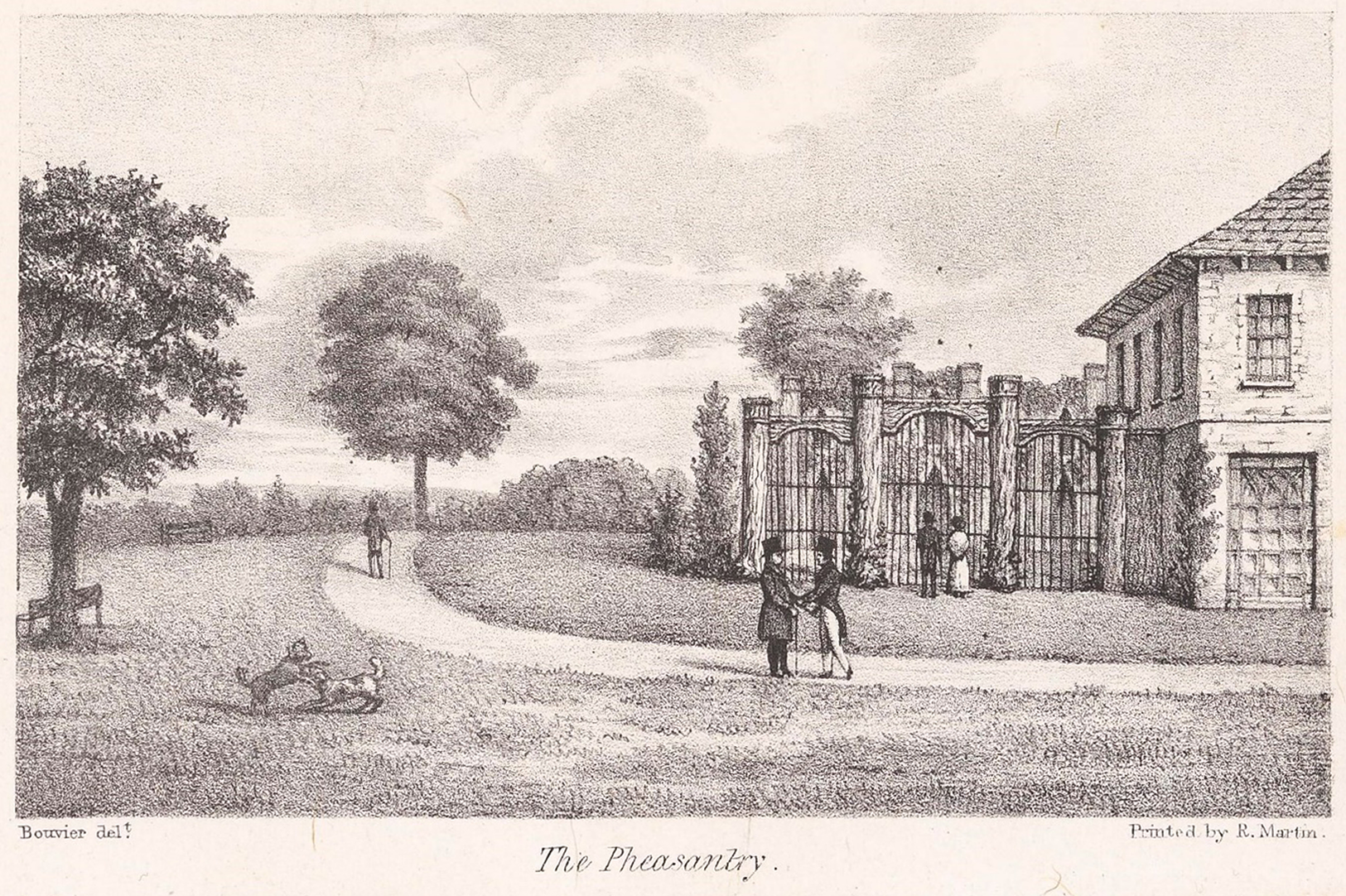
Documentary evidence from the early nineteenth century attests to the availability of resources for music from at least the 1820s. A prospectus album dating from around 1828 includes a plan of the music room in the grounds, which was located in a building together with the reading room, aviary of singing birds, and pheasantry (figure 1).Footnote 36 The music room was a large, rectangular room measuring 32’ by 17’3”, with an organ located at one end. The accompanying sketch of the pheasantry shows the edge of a solid, stone-build, two-story building which is the music room, although there is unfortunately no internal view (figure 2).Footnote 37 The building is not marked on the map included in the same prospectus, so we cannot locate the music room, but the map itself gives an indication of the extent of the grounds and amenities, including summer houses, gardens, aviaries and a bowling green.Footnote 38
Wellcome MS 6783 Image 29: Plan of the Music Room, Reading Room, Aviary of Singing Birds, and Pheasantry. Credit: Ticehurst Private Asylum for Insane Persons. Wellcome Collection. Attribution-NonCommercial 4.0 International (CC BY-NC 4.0).

Wellcome MS 6783 Image 21: The Pheasantry. Credit: Ticehurst Private Asylum for Insane Persons. Wellcome Collection. Attribution-NonCommercial 4.0 International (CC BY-NC 4.0).
Information about the resources available to patients is also available from the ‘Bill books’, which record items purchased on behalf of patients or transported for them. Many patients were in regular receipt of books, wine and other items such as furniture or tobacco, although the most common expenses were for clothing repairs, hats and bonnets, gloves, handkerchiefs, brushes, hairdressing and shoes. For example, between 1819 and 1821, Thomas Gray Esq. received books, a chaise, letters, oranges, tobacco and wine as well as paying bills for horse hire and to the shoemakers and tailor’s.Footnote 39 A Mrs Owen, also in residence between 1819 and 1821, received writing paper, pens and ink, snuff, a cloak, silk handkerchiefs, and French shoes.Footnote 40 These books also show that musical instruments could be bought, hired or mended by patients while resident in the asylum. In 1814, for example, the Revd John Gordon made a payment of 6s. 4d. for ‘mending violin’.Footnote 41 In 1825 Mr Henry Poplar made several payments of 10s. 6d. for a piano to be tuned, while in the same year Miss Emily Graham paid £1 for tuning and music, and in 1826 she was invoiced £2 2s. for the hire of a piano.Footnote 42 Graham continued to spend lavishly on music, with a regular invoice of £2 2s. per quarter on music recorded by July 1826, and 20s. annually on piano tuning.Footnote 43
Evidence about the use of music is to be found in printed material as well as archive documents. One patient from the 1830s, a John Perceval, published two volumes detailing his time spent in lunatic asylums in Bristol and Ticehurst. Perceval was a keen musician who drew on music in different ways during his residencies at the asylums. At Brisslington, near Bristol, for example, he recalled having nothing to do so he waltzed around the room repeatedly until restrained by an attendant.Footnote 44 On the journey between Brisslington and Ticehurst he recalled ‘I amused myself with singing to myself in an unknown tongue, or otherwise as the spirits enabled me’.Footnote 45 At Ticehurst he describes the luxury of his own bedroom and sitting room, where he was provided with a piano at his own request.Footnote 46 However, music and noise were also a large part of his eventual complaint to the asylum’s management. Perceval made much of the noise of servants in the corridors, particularly ‘them and the patients whistling, singing, fluting, fifing, fiddling, laughing, talking, running and even occasionally dancing in the passages and wrestling.’Footnote 47
Music was closely connected with both sane and insane behaviour, and this duality is replicated in Perceval’s accounts. He evidently frequently used the piano to pass the time in the evenings, and argued that this was evidence of his sanity in favour of his request to be left alone without a servant: ‘I thought it unnecessary, for they knew I was not lunatic, but perfectly calm, and peaceably striking on my pianoforte during the most part of the evening’.Footnote 48 However, Perceval also connected his own musicality with his habit of hearing voices, which had contributed to his psychological illnesses:
The tones of the voices I used to be made to fancy that I heard, were often like the tones of angels, very beautiful and honest, and usually musical, and singing rhymes or verses. In this respect my former habits were connected with my malady – for I am very fond of music – and even before my illness, I could sit and enjoy in my imagination the music of the most brilliant orchestra or bands. Since my illness I have once or twice dreamt airs of music, but I do not understand writing notes.Footnote 49
Perceval’s volumes suggest that music was largely a solitary affair for him at Ticehurst, conducted in his own rooms and, sometimes, even in his own head. The ‘fluting, fifing and fiddling’ among the servants and other patients is evidence that other music was taking place, but it indicates a haphazard, individual approach rather than an organised or formal role.
Perceval’s identification of music as a partial cause of his ‘malady’ was by no means unusual in the nineteenth century. Music could be associated with both moral and physical harm, its powerful effects well established in folklore. The link between music and pathological harm is explored in detail by James Kennaway with a particular focus on its effects (real and imagined) on the nerves.Footnote 50 In this model it was the stimulation offered by music that acted to unbalance the nerves and, by extension, central aspects of the body. It seems likely that Perceval was experiencing a form of musical hallucination, in which his fondness for music and prior experience of listening and performing influenced the character of his mental illness.Footnote 51
The approach taken to patient care at Ticehurst in the first part of the nineteenth century is indicative of the early state of mental health treatment in England during this period. As noted, the initial documentation surrounding the asylum focussed on the genteel and civilised surroundings, making no mention of treatment or medical influence on patient care. Although most members of the Newington family connected with the running of the asylum were medically qualified, their approach appears to have emphasised the social and moral elements of patient care and management. Charles and Jesse Newington, who took over on Samuel’s death in 1811, were concerned with the expansion of buildings and an extended programme improving the grounds, which extended to over 40 acres in 1816.Footnote 52 During the 1830s and 1840s, ‘moral insanity’ was frequently used to describe patient diagnosis, rather than attributing physical causes or symptoms.Footnote 53
In contrast, the doctor associated with Ticehurst in the early nineteenth century, Thomas Mayo, published initially in defence of the medical, physical approach to mental health care. Thomas’s father, John, had been Ticehurst physician before him, and much of Thomas’s published output owes a debt to his father’s practices. Thomas Mayo’s early publication Remarks on Insanity: Founded on the Practice of John Mayo, M.D presents a highly medical, technical account of the progress of mental diseases and the physical approaches to treatment.Footnote 54 Mayo argues that mental symptoms and treatments are covered elsewhere; his intention is ‘to push into notice the comparatively neglected tribe of physical phenomena’.Footnote 55 In a scathing attack on moral treatment, Mayo claimed that it might bring the patient under control, but would not cure the illness: ‘No precaution is taken to break morbid associations – no care to furnish him with others that are agreeable’.Footnote 56
Later in his career, however, Mayo appeared to soften towards moral treatment, perhaps due to his association with Newington’s approach at Ticehurst.Footnote 57 By the middle of the nineteenth century, Mackenzie suggests, ‘The almost equal stress placed on ’moral’ and ‘physical’ causes of insanity neatly reflected the Newingtons’, and their assistant medical officers’, belief in the close inter-dependence and interaction of body and mind.’Footnote 58 The gentleman medical superintendent proprietors of Ticehurst itself were also open to innovative treatments. Samuel Newington, for example, published in 1865 relating the success of the ‘mustard bath’ in treating severe and chronic psychological illness.Footnote 59 Yet he also addressed the moral needs of his patients. Mark Anthony Lower’s Worthies of Sussex describes Charles Newington’s focus on the general health and surroundings of his patients in the 1850s and 1860s, ‘by gradual additions to the buildings and estate – by ornamenting the grounds in every way that could amuse and cheer the mind – and by great skill and assiduous attention to the patients entrusted to his charge’.Footnote 60 Lower continues, ‘There was always some new conservatory or aviary, some pagoda or flower garden, some evergreen alley or artificial fountain to construct, in order to make the place more attractive and comfortable … Of a very ingenious and inventive turn of mind, he was ever planning and carrying out arrangements which tended to the safety and comfort of his patients.’
The earliest Reports on Ticehurst from the Commissioners in Lunacy making reference to entertainments for the patients date from the 1850s. In 1851, for example, the Commissioners noted ‘The patients take a great deal of outdoor exercise, & various amusements continue to be provided for them.’Footnote 61 The following year, visiting in July, they noted that ‘The Patients were generally tranquil … Many were sitting under the trees, engaged in various ways, playing at draughts, reading, &c.’Footnote 62 Towards the end of the decade more formal provision for entertainments was being made, and the Commissioners reported ‘We are glad to find that a considerable number of patients associate with each other, & that Lectures & readings are occasionally given & are attended by about thirty of the inmates.’Footnote 63 The Commissioners visited both state and private asylums and were strongly supportive of moral management, frequently making suggestions such as increased provision of books and pictures and, in the larger institutions, the building of facilities such as a dedicated recreation hall.
In October 1859 the Commissioners went one step further, and recommended that Ticehurst appoint a ‘well educated lady’ as a companion for the female patients. While a small number of the male patients met to dine together in the evenings, the female patients tended to eat alone; a companion would ‘induce the ladies also to meet at meal times and in the evening … assisting them in music, drawing, needlework &c.’Footnote 64 A number of companions were appointed, including new staff to oversee each separate house where patients lived semi-independently.Footnote 65 By 1879 five lady companions and six gentlemen companions, some of whom were medical students, were resident at Ticehurst.Footnote 66
During the 1860s, music began to take a more prominent role in the formal provision of entertainment. In 1864, the Commissioners noted ‘Promenade concerts are given at this season on the bowling green attached to the aviary and conservatories; and at that which was held yesterday evening, nearly all the patients of both sexes were present. The band which plays on these occasions, comprising eight instruments, is formed exclusively of attendants.’Footnote 67 It was common for a band of attendants to be found at state pauper asylums during this period, and the suggestion may have been made by the Commissioners during one of their visits. As they were performing outside, it is likely that the band was chiefly composed of brass instruments, as was also the norm at pauper asylums, with larger ensembles also including wind and strings. However, I have not found notice of the purchase of band instruments, or the training of attendants, in the accounts or elsewhere. There is also no indication of the types of repertoire performed by the band in the promenade concerts or elsewhere. The music typically performed by attendants’ bands at other institutions included popular dances, arrangements of overtures, and medleys from Italian or French operas and operettas.
Entries in the accounts also attest to the availability of musical instruments, including repairs, tuning or purchasing new instruments. While most of these are listed among patients’ expenses, other outgoings were on behalf of the institution as a whole. In March 1854, for example, a piano was bought for £12 by Miss Eyles, the lady superintendent, for the female wing of the Hospital.Footnote 68 The presence of pianos within the patient quarters is consistent with Perceval’s account, although it is not clear whether pianos were provided for general use, or primarily for individual patients. On 25 April 1863 a gratuity of £5 was paid to ‘Walter Thos. for himself and others … for singing in the Chapel’Footnote 69 Thomas Walter was listed as a keeper (attendant) at the asylum in the census in both 1861 and 1871.Footnote 70 It was not unusual for the choir, as well as the band, to be drawn from among the asylum staff, and the gratuity is such that the choir is likely to have sung on a regular basis. There is little information about the chapel in the middle of the century, but a photograph from c. 1900 shows a large organ with a small set of choir stalls.Footnote 71
Both formal and informal opportunities for music continued to develop. In 1866 the Commissioners recorded ‘The patients have the usual opportunities for exercise and recreation, and meetings of both sexes are frequent, when they amuse themselves with cards, dancing, &c.’Footnote 72 At this time the asylum housed 61 patients, but employed 112 members of staff, including the management, medical staff, housekeeping and garden staff, companions, nurses and attendants. The favourable ratios meant both staff-led and patient-led activity could be encouraged, with staff encouraged to join.Footnote 73 The band continued to play at fortnightly concerts, outdoors in the Summer and in the recreation room during the Winter.Footnote 74 The band’s twice-weekly rehearsals also drew an audience, with the Commissioners reporting ‘as many as 36 patients of both sexes taking part in them.’Footnote 75 Occasionally patients were also taken out to local entertainments.Footnote 76 A new entertainments hall was added in 1877, together with increased accommodation for the growing numbers of patients; the Visitors’ Book for 1878 noted that ‘musical entertainments’ were given in the new recreation hall, while the 1879 record stated ‘Frequent entertainments are provided for the amusement of the patients’.Footnote 77
Another set of documents gives us evidence about the uses of music later in the nineteenth century. Similar to the Perceval publication, another Ticehurst patient, Herman Charles Merivale, published an account of his experiences in the mid-1870s. Merivale, like Perceval, was convinced of the wrongful nature of his confinement, and campaigned for release, describing in detail the conditions of his stay. Merivale says little in detail about his day-to-day activities, his account being mainly concerned with his complaints about his detention, but his grudging description of the generous forms of entertainment on offer at Ticehurst helps to illustrate further the tenor of the late-nineteenth-century institution:
During those months I had the advantage of living in a castellated mansion, in one of the prettiest parts of England, which I shall hate to my dying day, with a constant variety of attendants, who honoured me by sleeping in my room, sometimes as many as three at a time. I was dying in delirium and prostration, simply, and wasted to a shadow; consequently voted ‘violent,’ as the best way out of it. With carriages to take me out for drives, closed upon wet days, open on fine; with cricket and bowls and archery for the summer, and a pack of harriers to follow across country in the winter; with the head of the establishment, who lived in a sweet little cottage with his family, to give me five o’clock tea on the Sundays; with five refections a day whereof to partake, with my fellow-lunatics, if so disposed, in my private sitting-room when I could not stand it; with a private chapel for morning prayers or Sunday service, the same companions and attendants for a congregation, and some visitors who would come to look at us; with little evening parties for whist or music amongst ‘ourselves,’ and a casual conjuror or entertainer from town to distract us sometimes for an evening; with an occasional relative to come and see me, beg me not to get excited, and depart as soon as possible,—what more could man desire?Footnote 78
Of other entertainments Merivale was a little scathing, and evidently took little interest himself. He remarks that ‘There came a conjuror with a Greek name, whom I avoided; there came a child-harpist, with a concert, called little Ada Somebody, whom I would not go and hear; and there were various parties on the “ladies” side, which I could not bring myself to face.’Footnote 79 The ladies’ side was obviously a source of much of the amusement on offer; Merivale recounts that his friend, the officer, ‘penetrated the mysteries, and described the little card parties and musical evenings as something very strange. I could not be induced to go, and the record is lost.’Footnote 80 At times during his stay, he was sent to recuperate at the asylum’s seaside residence at St Leonards, where he recalls the Matron ‘took me with her to hear the band upon the pier’.Footnote 81 In general, however, Merivale was unwilling to participate in group activities which meant he had little exposure to music while resident in the asylum. Like Perceval, he complained about the noise of the attendants, writing that ‘we could not escape from the one tune which one of them was always beating to death on an ancient piano in one of the public rooms, to the behoof of the broken nerves collected there’.Footnote 82 Clearly the presence of musical instruments was no guarantee of musical talent among the staff or patients.
Merivale also describes an institution focussed largely on moral management rather than chemical or physical treatment. The emphasis was on containment, with the aid of a large staff, together with ‘parties, games [and] entertainments’.Footnote 83 Of medicine, he says, ‘They did not give me very much of it, I suppose, or I should not be alive. Indeed, it seemed to me that the general principle was to give it when one asked for it, and pretty much what one asked for.’Footnote 84 For both Merivale and Perceval, music is a mixed blessing: part of the soundscape rather than a benefit or treat, and subject to the varying talents and psychological moods of fellow patients and staff. And although accounts attest to musical instruments being purchased, tuned and repaired, Merivale’s reference to the ‘ancient piano’ is an important reminder that the physical resources needed for music, as well as the abilities and availabilities of the performers, could have an important impact on the quality of the musical experience.
An article dating from 1882 includes another account of music at the institution during the same period, in this case in the form of a regular dance. The article, published in The Globe, gave an insight into the often-hidden world of the lunatic asylum. The author took pains to emphasize the exclusive, opulent nature of the establishment at Ticehurst:
It might not be known to everybody that there are in England private Lunatic Asylums which have all the appurtenances of a Duke’s establishment. Horses and carriages, valets and liveried servants, hothouses, greenhouses, and Chinese pagodas, wide-stretching lawns, and trees of all hues and forms of beauty imported from the ends of the earth. On the lawns, running in and out amongst the shrubs, graceful but timid golden pheasants may be seen. On the terraces in front of the mansions, peacocks strut and Algerian dogs caper; and a walk to the boundary of the park will conduct the visitor to well-appointed kennels, where a fine pack of harriers are baying and longing for the return of the season which will put them again on the scent of poor puss.Footnote 85
The last part of the article described in some detail a dance at the asylum, as well as the range of responses observed among the patients:
On the evening of my visit I had the opportunity of joining a social gathering in the ball-room. I was agreeably surprised at the perfection of this entertainment hall. At one end of the handsome room is a stage for dramatic or musical performance. It is the most perfect arrangement of the kind I have seen, and was designed I believe by the doctor who is senior proprietor of the establishment. The proscenium and interior which now occupied the stage were admirably painted, and seated in it were a band composed of persons engaged in some capacity in the establishment. The band has been trained by the doctor, who is an accomplished musician, and who led it himself with great spirit on the pianoforte. I never listened to better dance music, and it quite threw into shade a professional band to which I had listened on the previous evening, and which is considered in London A1; and the dancing – how some of the patients did dance! In one waltz a tall, fine-looking man, who is in holy orders, waltzed the life out of two partners, and then whirled round the room alone until he was too giddy to stand. A distinguished-looking military man, standing over six feet high, and who thought himself the Emperor of Germany for some time, but who is now called the Queen of England, and calls his servant John Brown, waltzed to perfection with the wives and sisters of the proprietors, but carefully avoided his sister patients. With the exception of the two gentlemen I have named, the ladies I have just mentioned, and the two lady superintendents, the dance would have been a quaker’s meeting, plus the music. A melancholy silence seemed to close the lips of the majority of the patients. One nobleman who stood up in the quadrilles walked through them like a mute, and when they had ended sat upon his chair, looking vacantly at the floor, with legs crossed, and his hands folded on his knees. I do not think he spoke during the whole evening. Another gentleman who had become almost a millionaire in business, and whose success was perhaps too much for his brain, danced continuously, as if he were acting in a charade. The ladies tried to drag him into conversation, without avail. There was another exception to the melancholy, perhaps, in the person of a little old country gentleman, who although he said little, had “a merry twinkle in his eye,” and looked thoroughly happy and contented. The ladies were deplorably and unmistakeably mad. It must be remembered that the dance is open to all the patients who are physically able to attend, so it may be taken for granted that those I saw were the more sane of the patients. The old lady who had on the day before tried to do herself serious bodily harm, sat in a corner looking sulkily at the wall. One poor lady of thirty smiled a great many vacant smiles as she walked with me through a quadrille, but she said not a word, and when the music ceased she stood still and stared at me as though waiting for the next dance. She had as a child, I believe, some intelligence, but, as she grew, an hereditary taint obtained the mastery, and she has degenerated into a hopeless lunatic.
In the absence of formal published records from the asylum, this article gives important information about the music on offer at Ticehurst in the last quarter of the nineteenth century. As at other institutions, a band playing for dances was made up from members of staff. Ticehurst was not alone in boasting musical talent and direction from among the more senior staff; this was also the case at Bethlem, where senior doctors from across a number of London hospitals collaborated in the Plowden Bijou orchestra, and at many pauper asylums the personal influence of Medical Superintendents was often essential in the role given to music.
The doctor, in this account, was Herbert Francis Hayes Newington (1847–1917), great-grandson of the founder Samuel Newington and co-owner of the asylum together with his cousins Alexander and Theodore Newington. While Alexander and Theodore had followed the family tradition of a gentleman’s education at Cambridge, maintaining the superior social position which had been so important in establishing the asylum’s credentials, Herbert had a more frugal education at University College London, and completed his medical training at Morningside Asylum in Edinburgh under Sir Thomas Clouston.Footnote 86 Again, in contrast to the other members of his family, he published widely and sought to develop a professional reputation via membership of medical and occupational associations. Although they took an equal share in the family business, it was Herbert who took on the role of directing the day-to-day work of the asylum during the last part of the nineteenth century. Herbert Hayes Newington had wide interests and was described in his obituary as ‘A good cricketer, a keen golfer, and an enthusiastic musician’.Footnote 87 His input to the musical activities at Ticehurst was obviously significant: the same piece noted he ‘did not think it derogatory to the dignity of his position to act as organist, choir-master, and conductor of the orchestra of Ticehurst House.’Footnote 88 Although Ticehurst maintained its reputation as catering for the most socially exclusive patients, Hayes Newington’s interests were closer to the serious medic than the gentleman doctor, and he drew on both his scientific knowledge and his experience of pauper asylum management.
His obituary gives some further indication of Hayes Newington’s approach to care and treatment for his patients. The author emphasises his human qualities, his ‘gift of rare insight, with an ability to enter into the lives of his charges and to win their fullest confidence’. His provision of ‘pleasures and recreations’ is included as key to the successful running of the asylum. In contrast, the piece suggests he was less inclined to pursue newer medical treatments: ‘If his attitude towards innovations in modes of treatment was one of considerable caution, he at any rate saw to it that, as regards the methods on which his experience had taught him to rely, there should be no stint in the means for their thorough application.’Footnote 89 This attitude was clear from Hayes Newington’s own retrospective of 1901, in which he noted ‘With regard to treatment, we depend mostly upon the exercise of common sense and the moral atmosphere that has been formed around us in the course of the long existence of the Institution… We obtain good results by attention to physical conditions and the exercise of moral suasion by ourselves and those who receive their cue from us.’Footnote 90 His published writings are largely on practical, social and philosophical topics within the interest of asylum management, with little reference to specific cases or the details of medical treatment.Footnote 91
Hayes Newington’s belief in the important role of recreational activities was further articulated in his report on the plans for a potential new pauper lunatic asylum for Sussex, published in 1900.Footnote 92 As part of his research chairing a committee, Hayes Newington travelled widely to visit ten other pauper asylums, including the Isle of Wight, Glamorgan, and Lenzie and Gartloch in Scotland.Footnote 93 The majority of the report focusses on the number of beds provided for each category of patient; Hayes Newington argued for the separation of patients who were ‘curable’ from those deemed ‘incurable’, with more personal and homelike facilities acting partly as a site for rehabilitation, and partly as an incentive for patients to improve. While massed entertainment was suitable for the day-to-day entertainment of incurable patients, those who were ‘curable’ would benefit from a more intimate experience. He left the discussion of a recreation hall until the end of his recommendations:
One more provision I have to describe, and this we consider to be of the utmost value. In a central position, where it can be readily reached from either wing, is a recreation room forty by twenty-four feet in size. It is proposed that this shall be comfortable and domestically furnished, and that it should be used constantly – even most evenings – by those of either sex who are well enough to be admitted there. We all know what benefits arise from the dances and other entertainments for which the large recreation-room is provided in every asylum; but, considerable as such benefits are, I do not think that for the class of cases now under consideration, they will equal those to be derived from the quieter and more social use of a meeting-place such as this, where songs and games and books, and every now and then a little dance, can be enjoyed night after night without troublesome preparations, and with but the supervision of a chief attendant. When a patient has got on his or her road far enough to be allowed admission, he or she will have reached a point where social influences will have the best effect in confirming self-control and a natural habit of thought. So, too, with those who have not got so far, there will be some inducement to try and join their more fortunate companions.Footnote 94
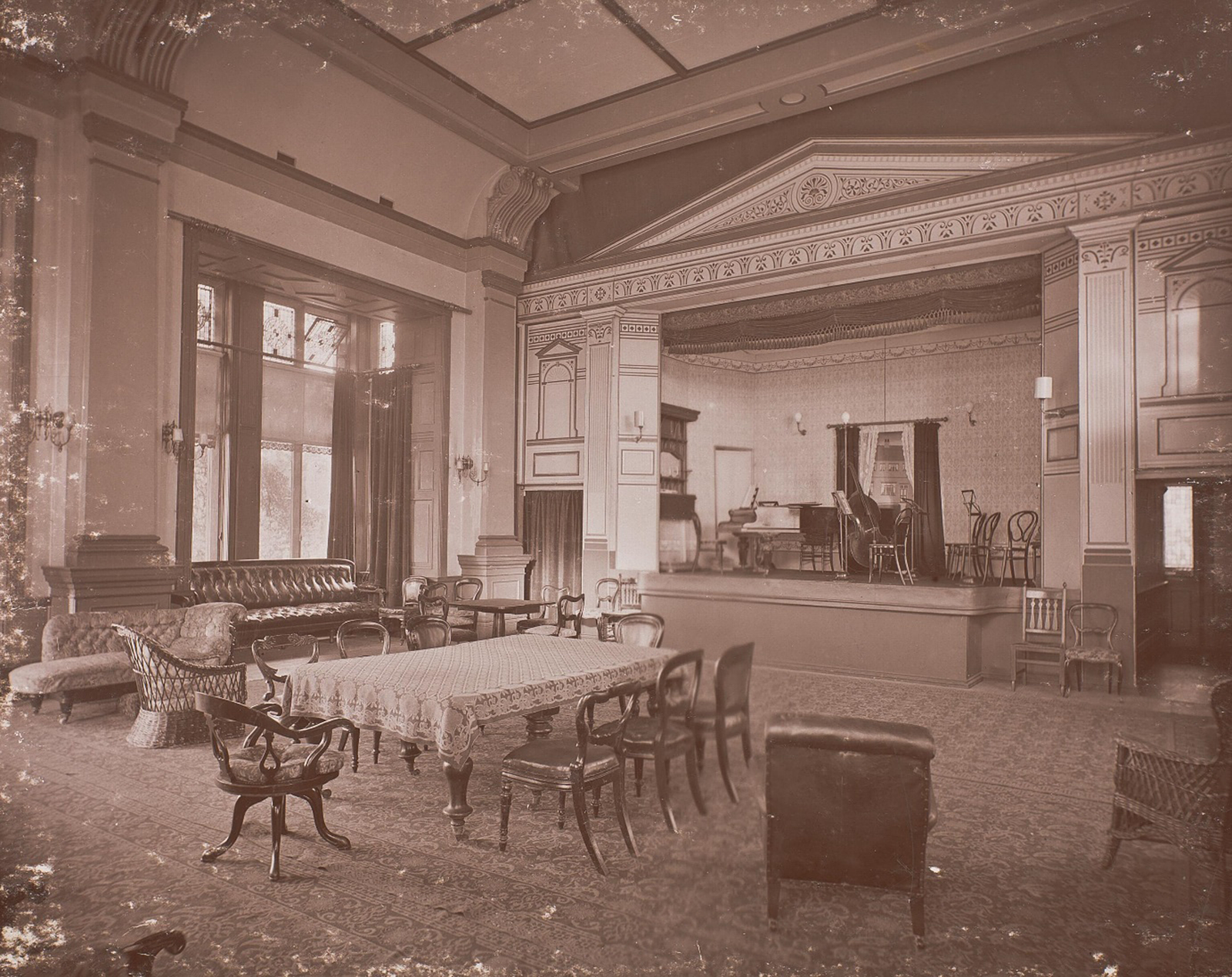
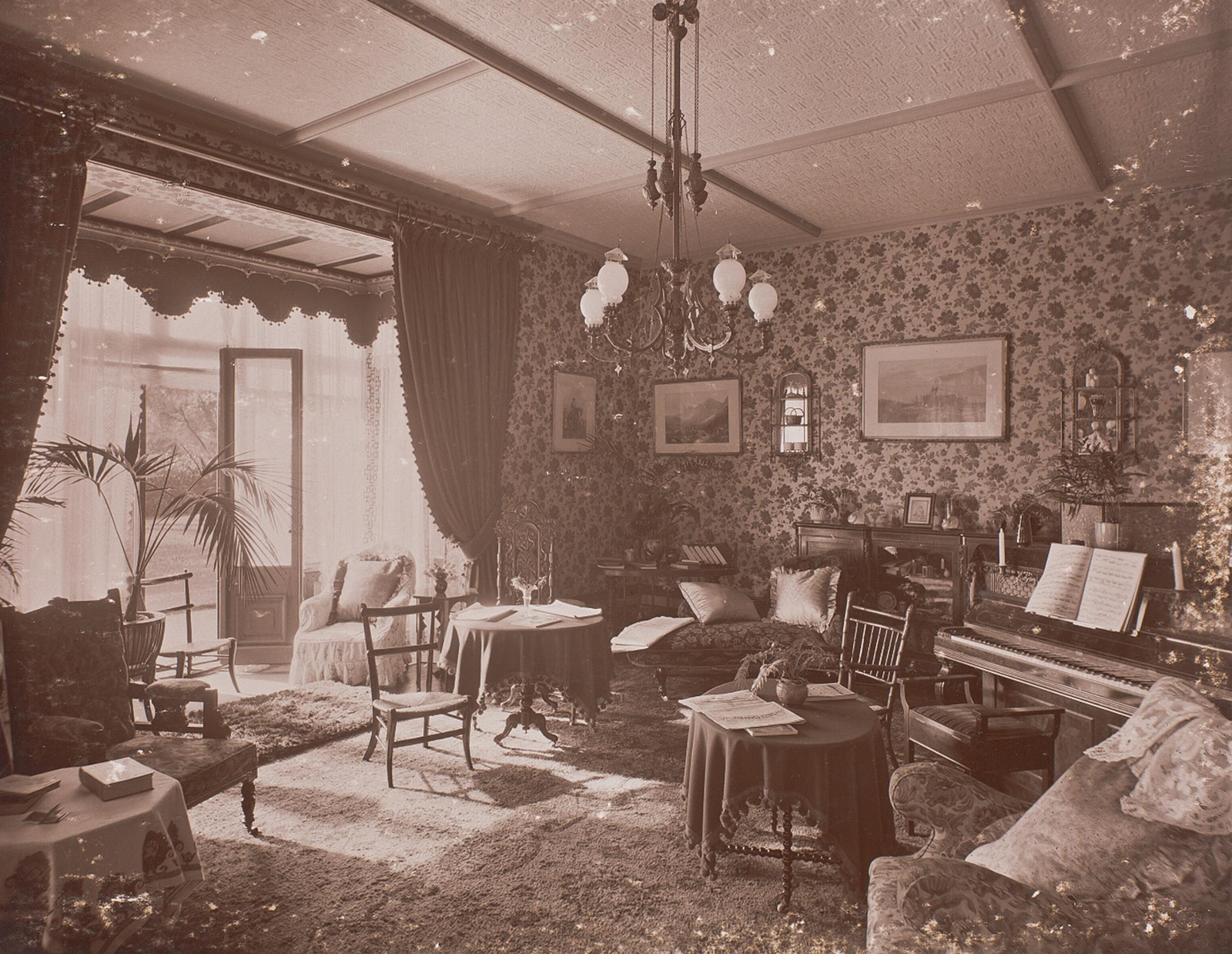
Hayes Newington’s recommendations reflect the advantages to be found in the smaller, private asylum, where consideration of the individual and the potential for cure are given prominence over the need to contain and control, so often the limit for large pauper asylums. His idea that socialising patients in order to effect the influence of near-recovered patients on others recalls arguments made by Thomas Mayo in the early part of the century. While the music of the band and dance are appropriate for larger gatherings of chronic patients, it is ‘songs’ or a ‘little dance’ that would have a curative effect on those preparing for rehabilitation, much closer to the small-scale entertainments organised within the patient wards at private and charitable asylums. Although Hayes Newington gives little notice to music and entertainments in his 1901 retrospective (undoubtedly partly because of its audience, the south-eastern division of the Association of Medical Officers of Asylums and Hospitals for the Insane), his final points provide a summary of the position at the end of the nineteenth century. He reports ‘We have theatrical and other entertainments, besides weekly dances during the colder months, and our band plays twice a week all the year round. We find the majority of patients enjoy these amusements and reunions more than anything.’Footnote 95 A contemporaneous photograph album shows the large stage in the Music Room equipped with grand piano, double bass, chairs and stands; the drawing room in The Vineyard boasts a large grand piano while the dining room in the Highland Annexe has a gramophone on the table (figures 3–5).Footnote 96 In this form the Ticehurst arrangements for recreation were very similar to those found at other private asylums such as Bethlem and the Holloway Sanatorium.
Wellcome MS 8591, Image 10: Music Room, Ticehurst House, Ticehurst House Hospital c. 1900. Credit: Photograph album. Wellcome Collection. Attribution-NonCommercial 4.0 International (CC BY-NC 4.0).
Wellcome MS 8591, Image 15: Drawing Room, The Vineyard, Ticehurst House Hospital c. 1900. Credit: Photograph album. Wellcome Collection. Attribution-NonCommercial 4.0 International (CC BY-NC 4.0).
Wellcome MS 8591, Image 31: Dining Room, Highlands Annexe, Ticehurst House Hospital c. 1900. Credit: Photograph album. Wellcome Collection. Attribution-NonCommercial 4.0 International (CC BY-NC 4.0).

The evidence regarding music at Ticehurst illustrates many of the contradictions inherent in music’s place in the nineteenth-century asylum. Among the well-heeled patients at Ticehurst, provision of musical instruments to individuals points to the ability to tailor to the preferences and talents of the patients. The formal reports, and publications such as Hayes Newington’s 1901 retrospective, suggest music was an important part of the moral therapy at the heart of asylum treatment, offering a means for social gatherings and an impetus for recovery. As the 1901 piece notes, however, the large-scale nature of events such as concerts and dances were a rather blunt instrument in the treatment of individual patients. Furthermore, the reality of music and noise in the asylum as described in the two accounts by Perceval and Merivale reveal music as both a cause and a symptom of mental distress.
Herbert Hayes Newington’s particular interest in music is evident from his participation in the band and dance reported in 1882, but it was also explored on a professional level in relation to his medical work. In an article on ‘Some Mental Aspects of Music’, given as a paper before the Annual Meeting of the Medico-Psychological Association and published in 1897, he draws on the tradition of Ticehurst using both the body and the brain to investigate mental illness, music and psychology.Footnote 97 Hayes Newington’s argument is that no specific part of the brain is set aside for processing music.Footnote 98 He claims that music ‘in one form or another calls into play at various times nearly every attribute of the brain’, but also argues that music can be processed seemingly without direct or conscious thought.Footnote 99 It is his attempts to explore music’s relation to mental, physical and moral dimensions that provide particular interest in the context of his work at the asylum, and the ongoing debates about patient treatment and care.
Hayes Newington drew on a timely interest in music’s relationship with the brain, both in practical and theoretical developments. The early 1890s had seen the foundation of the Guild of St. Cecilia led by the Revd. Frederick Kill Harford, roundly criticized within the scientific community for its lack of empirical foundation.Footnote 100 Among more recent academic papers, he makes particular reference to two published in the 1894 edition of the Journal of Mental Science. Dr Legge, Assistant Physician at Derby County Asylum, had published a series of observations on his own patients, concluding that many patients suffering from mental afflictions also experienced a reduction in the intellectual appreciation of music, but continued to recognise its emotional power.Footnote 101 In contrast, Dr Ireland, drawing on further examples and observations, argued that music represented a rudimentary faculty, given that it was often retained by those suffering from mental degradation after the faculty of speech had been lost.Footnote 102 Ireland concluded that the musical faculty was so effective at surviving brain damage, that it must be spread over several areas of the brain. Music, unlike ‘more complex’ faculties, could survive significant brain disease.
Both authors were situated in a broader scientific context of neurological study and interest in the brain dating back to the late-eighteenth century. Interest in the relationship between music and the brain covered the processing and representation of musical perception, the relative status of music and language, and the systematic identification of music as emotion. Speculation on the localization of brain processes was initiated by Franz Joseph Gall (1758–1828) in the late eighteenth century, leading to the development of the science of phrenology.Footnote 103 The idea gained further credence with the 1861 discovery by Pierre Paul Broca of an area of the frontal lobe responsible for language. Broca’s research represented the first anatomical proof of the localised nature of brain function.Footnote 104 While neurologists pursued a path centred around localisation of brain function, which distinguished between music as emotion, and the intellectual system of language, psychologists considered musical perception in terms of multiple levels of processing and reception.Footnote 105 Nineteenth-century physicians interested in aphasia (loss of language), such as Carl Stumpf (1848–1936) and Theodore Lipps (1851–1910), turned to musical ability as a closely-related aid to scientific experiment.
British physicians interested in the relationship between music and language drew on both this heritage and the debates between Herbert Spencer (1820–1903), Charles Darwin (1809–82) and Edmund Gurney (1847–88) on the origins of music, language and emotion.Footnote 106 John Hughlings Jackson (1835–1911), for example, differentiated between ‘propositional’ language, with intellectual content, and ‘emotional’ language which used automatic gestures. Music, he argued, was processed with emotional language at a fundamental level.Footnote 107 The Viennese music critic Richard Wallaschek (1860–1917), resident in London between 1890 and 1895, also argued that music and language involved different brain processes, identifying music as an expression of emotion without intellectual content.Footnote 108
The 1890s also saw significant experimentation in the area of music and medicine. Most famously, Revd Frederick Kill Harford’s Guild of St Cecilia undertook to provide live music to patients in hospitals, publishing the results of a number of ‘trials’ before the Guild’s disbandment in 1896.Footnote 109 Although Harford’s work was carried out within hospitals rather than asylums, he suggested that one of his aims was ‘contentment in cases of mental depression’.Footnote 110 The physician Edwin Goodall suggested the Guild turn their attention to asylums, noting ‘the average lunatic, with senses of taste and smell unimpaired, would cheerfully discard paraldehyde in favour of a lullaby; and asylum physicians … would doubtless be interested in an attempt to influence the mind through the sense of hearing’.Footnote 111 Goodall’s faith in Harford and the power of music was, however, limited, arguing ‘Attempts to induce sleep by music may be considered in association with attempts to hypnotise; both might succeed in the case of sane people, but in the case of the insane both would very likely fail.’Footnote 112
Hayes Newington’s 1897 article draws on a number of these ideas. He uses two separate examples to suggest that a large portion of the activity involved in making music ‘must be done by reflex action’.Footnote 113 First, he uses the complex example of the accompanying organist: the multiple stimuli afforded by visual and aural inputs and the difficulty of the kinaesthetic output, he argues, produces a basis set of movements ‘without conscious interference on the part of the higher centres’, which are then layered over with the intellectual input of the brain.Footnote 114 The ‘thinking brain’ adds to the overall musical effect ‘the general sense of time, in the appropriate variation of the intensity and the character or timbre of the sound supplied in accompaniment, and in general taste.’Footnote 115 Hayes Newington drew on his own experience in this example, reflecting also on his memory of sensory images as a part of his intellectual processing, for example his memory of the organ keyboard under his fingers.Footnote 116 His description of the role of both physical memory and mental memory again draws on the duality observed throughout his work in the asylum.
A second example draws from the opposite end of musical complexity. Noting the ability of one of his patients to continue performing on the ‘cello despite significant mental distraction, he argues that much of the musical faculty indeed bypasses the brain and mental processes altogether. The patient suffered from aural hallucinations, and when one struck during performance the patient exhibited ‘withdrawal of intention and feeling, though he goes on playing in an abstracted manner pretty correctly’.Footnote 117 This case aligned with several of the examples described by Legge and Ireland in their earlier papers, given as further support for Hayes Newington’s own theory of mental abstraction. It also aligns with Hughlings Jackson’s understanding of music as similar to emotional language, which requires no conscious intervention from the brain. In both of his own examples, Hayes Newington suggests, ‘the mental current is short-circuited’: the intellect is not engaged fully in the basic matter of music-making.
On the matter of musical listening, Hayes Newington similarly focusses on the role of emotions rather than the intellect.Footnote 118 However, he notes the important role of memory and association in provoking specific or specialised emotion. Broad, non-specific emotions, he argues, are the result of sensation rather than intellect. The ‘independence of sense gratification and intellectual satisfaction’, he suggests, ‘partly explains the marked pleasure which many idiots and others of low intellectual development evince in listening to music. The idiot retains his pleasure sense more or less, and music is one and a ready means of gratification.’Footnote 119 Thus, he suggests, musical emotions worked on two separate levels, and the emotional communication, or ‘sense gratification’, of music was available to those patients unable to register at an intellectual level. What they were missing out on was the ‘musical intention’ or purpose, and the location of music in time rendered it meaningless without a sense of memory and contrast.Footnote 120
The motion and rhythm of music in time, Hayes Newington suggested, was both a function of physical and intellectual engagement. Music worked with sameness and variation, order and flow, anticipation and satisfaction.Footnote 121 In his elucidation of the elements contributing towards musical experience, Hayes Newington noted both the physical nature of aspects such as the dance and march, and the intellectual engagement required for full appreciation of its features. By distilling the variety of elements of musical listening and activity, he intended to tease out aspects open to direct, physical response, and those requiring the ‘higher faculties’. The discussion following his paper continued to address the complex nature of music, emotion and intellect. Charles Mercier, a former student of Hughlings Jackson, suggested that music was ‘largely non-intellectual’, with many patients retaining their abilities to play music and express emotion, although he rejected the extent to which localisation had been applied by some neurologists.Footnote 122 Thomas Seymour Tuke, owner of a private asylum in Chiswick, noted that patients with dementia who retained the physical ability to play music nevertheless ‘became more the music of the piano-organ than of a sensible being’.Footnote 123 Tuke’s point adds another element to the debate, suggesting ‘something wanting’ from the mechanical music performed in the absence of intellectual abilities. Dr Percy Smith of Bethlem Hospital, himself an accomplished musician, argued instead that ‘the intellectual faculty in music was a very large element’, citing cases where patients had lost their musical abilities entirely.Footnote 124 Like Hayes Newington, these commentators considered music in its different elements, and in relation to different levels of intellectual and emotional engagement.
The relationship of music to mental illness helped to focus discussions on the nature of mental illness and the brain itself at a time where little medical research had taken place into the mind and its associated illnesses. The first serious investigations into the causes and nature of mental illness had taken place at Wakefield asylum under the watch of James Crichton-Browne, Medical Superintendent there from 1866 to 1875.Footnote 125 Crichton-Browne, son of the Scottish asylum reformer William A.F. Browne, drew on a heritage of phrenology to contribute significantly to the theory and practice of psychiatry. Yet the nature of mental illness itself, separate from the physical causes and symptoms closely associated with it, continued to elude doctors. Similarly, the ways in which memory, emotions, and other sensations were processed remained a source of fascination and debate long after physical ailments and processes were understood in great detail.
Analysing the relationship between music and the brain also fed into discussions on the nature and philosophy of music, particularly the role of music education, musical listening and the effects of music on the body and emotions. Contemporaneous debates had also focussed on the nature of music in the context of evolution, the roots of music in speech and song, and the role of primitive societies and religious traditions in understanding the development of music. Hayes Newington draws on some of these themes in other parts of his paper – of course, he and his audience may have been unfamiliar with the development of debates in musicological circles and elsewhere. His separation of the ability to play and respond to music at a basic level from the intellectual activity of expression, understanding and appreciation, parallels debates taking place on musical listening. John Stainer, for example, argued for both intellect and emotions in musical listening, suggesting ‘He who listenes to music with a musically untrained intellect, and without an appreciation or knowledge of the laws of construction, progression, and form, can gather no more information, can reap no higher result that is gained by a child peeping into a kaleidoscope’, while on the other hand ‘The pleasure of the intellect in a trained hearer is enormous, but yet it must not be allowed to suppress the flow of sentiment and emotion.’Footnote 126 Music perception at the basic level, without intellectual engagement, was in stark contrast to the level of perception and depth of emotional response experienced by a trained listener.
One of Hayes Newington’s most important arguments in this paper concerns the use of music for the diagnosis of mental illness. While language is often used, he suggests that its complexities and multiple associations would better be replaced by the simplicity of music.Footnote 127 Hayes Newington’s model of music ‘bypassing’ the higher faculties allows the simple connection between perception and action to be measured. He suggests ‘to my mind the value of music as a field for psychological enquiry lies in the clearness and crispness of relation between stimulus and effect, which is chiefly due to this absence of absolute necessity to refer directly to the higher centres, a reference which at once lets in the influence of more diffuse mental activities.’Footnote 128 His work on the different elements of music in relation to brain function opened the way both for understanding music, and for using it as a targeted means for both diagnosing and treating mental illnesses.
Hayes Newington’s arguments draw on the same juxtaposition of physical and mental that characterised much of the approach to mental health care at Ticehurst, and indeed much of the debates and developments in mental health care during the nineteenth century. The use of music in the asylum fitted squarely in with other aspects of ‘moral management’, but in some ways provided the physical and emotional stimulation needed in the absence of proven scientific or medical methods. Hayes Newington’s consideration of the meanings of music in this context helps to illustrate some of the tensions inherent in scientific progress during the late nineteenth century, when physical examination of the brain provided significant developments in neurological understanding, yet failed to tally with concepts such as emotions, memory and sensation. Bringing music into this dialogue both resonated with contemporary discussions on musical epistemology, and introduced music as a potential force in medical terms. In both cases, drawing together musical and medical agendas drew out important ideas about music’s relation to the brain, mental wellbeing and physical activity which resonate far into the twentieth and twenty-first centuries.
Music evidently played an important part in the patient experience of the Ticehurst asylum throughout the nineteenth century, ranging from individual patient music-making on hired pianos, to organised soirees and small-scale gatherings, to the large entertainments and regular practices of the band, dance and visiting performers. While the overall picture connects music with the promotion of good mental health, individual circumstances also portray a more mixed musical environment, including a lack of regulation, poor condition of instruments, and the links between music and mental maladies such as musical hallucination. Music was very much part of the social role of the asylum, providing appropriate opportunities for its residents to meet and interact in controlled environments, as can be seen in the description of the dance. In the context of the asylum’s day-to-day work, the link between music and mental recovery was undefined. Music’s therapeutic value was assumed, rather than explored, and was closely tied up with the asylum’s role in social rehabilitation. However, it can be seen from Hayes Newington’s writings later in the century that he considered music important, both within the therapeutic environment for the treatment of patients, and in gaining a greater understanding of the brain, particularly in the context of mental illness.
Music was a key feature in the development of moral management, providing a structure for the entertainment of patients on a large scale. Its links with intellectual or ‘rational’ recreation, and the association of music and dance with particular social norms and behaviours also strengthened its role in the asylum, together with a general sense that it provided therapeutic benefits. Music fostered a sense of normality and regularity as well as allowing patients to develop and establish the social and behavioural norms that would be required when discharged. It is in this element of control and the evocation of norms that Foucault’s conception of the asylum as an act of discipline returns: music, associated with self-control and strict behavioural parameters, offered both familiar structure and enjoyment to patients. The inclusion of music demonstrates the ways in which control was aligned with cure at the centre of moral management. However, at Ticehurst the emphasis was on music as a social tool, with little engagement with its potential therapeutic properties. Thus we see music as a social and cultural element of middle- and upper-class life, with the microcosmic world of the asylum illustrating some of the ways in which music was embedded and enacted.
The connection of music with language, emotion and brain function via the experiments of Hayes Newington and others offers a further insight into the ways in which music was understood, illuminating contemporary debates about music’s relationship with the intellect and emotions. Hayes Newington drew on conversations about the relative placings of music and language which resonated far beyond the asylum, touching on larger and ongoing questions of music’s emotional power and intellectual content. Despite its exclusive status and clientele, therefore, the asylum at Ticehurst offers important new perspectives on music’s social role as well as its philosophical and cognitive status during the second half of the nineteenth century.


 Open access

