




Introduction
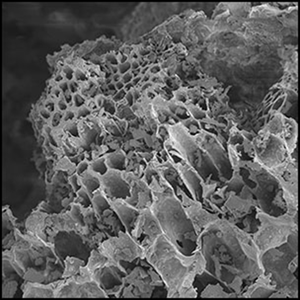
Eight species are traditionally considered to have been among the first plants domesticated: einkorn and emmer wheat (Triticum monococcum and T. dicoccum), barley (Hordeum vulgare), lentil (Lens culinaris), pea (Pisum sativum), chickpea (Cicer arietinum), bitter vetch (Vicia ervilia) and flax (Linum usitatissimum). These form the canonical ‘founder crops’ of Neolithic agriculture in Southwest Asia (Zohary et al. Reference Zohary, Hopf and Weiss2012). Recent archaeobotanical research has, however, started to challenge this view by indicating that the transition to agriculture was a gradual process (Fuller et al. Reference Fuller, Denham, Kistler, Stevens, Larson, Bogaard and Allaby2022) and that plant-based subsistence during the Neolithic was considerably more diverse than previously thought (Arranz-Otaegui & Roe Reference Arranz-Otaegui and Roe2023). The Founders project seeks to re-evaluate the concept of ‘founder crops’ and to examine the role that these eight species played in the transition to agriculture in Southwest Asia. To achieve these aims, the project analyses the remains of food (Figure 1) produced by Epipalaeolithic and Neolithic communities in this region.
An amorphous plant macro-remain recovered from the Pre-Pottery Neolithic A (Khiamian) site of Tell Qaramel showing a Triticum/Secale sp. grain in transverse section (figure by Amaia Arranz-Otaegui).

Food remains in archaeology
In the past decade, the study of accidentally charred plant-food remains—also regarded as ‘amorphous charred objects’ in the literature—has flourished thanks to the efforts of several archaeobotanists and research projects (see recent reviews in Heiss et al. Reference Heiss2017; Valamoti et al. Reference Valamoti, Jacomet, Stika and Heiss2017, Reference Valamoti2019; González Carretero Reference González Carretero2020). Methodological advances in tissue-based studies using scanning electron microscopy (SEM) and X-ray micro-computed tomography (X-ray micro-CT), and the application of organic residue analyses such as gas chromatography mass spectrometry (GC-MS), have allowed archaeobotanists unparalleled access to information on past food choices, culinary practices and food products.
The Founders project draws on the vast potential of charred plant-food remains to re-evaluate the concept of the ‘founder crops’. It will study archaeological food remains through the integration of four disciplines:
1. Archaeobotany: use of SEM and X-ray micro-CT-based analyses to identify plant ingredients, cooking techniques and final products.
2. Bioarchaeology: application of GC-MS and gas chromatography combustion isotope ratio mass spectrometry (GC-c-IRMS) analyses to identify organic residues of ‘invisible’ ingredients such as animal fats, plant oils and dairy products.
3. Ethnobotany: evaluation of key ethnobotanical literature to gain crucial knowledge in traditional plant processing and cooking techniques.
4. Experimental archaeology: creation of a reference collection of food remains to compare to plant tissues and food matrixes observed in the archaeological food remains and thus aid in the determination of their nature and origins.
The combined results of this multidisciplinary approach will enable us to more fully define the spectrum of plant species consumed by the last hunter-gatherers and first farmers in Southwest Asia; to evaluate the cooking activities used and the types of food products produced by these groups; and to examine the consumption settings of these food products and therefore determine whether they were staples, occasionally exploited food resources or special foodstuffs.
Archaeobotanical materials and methods
The archaeological materials included in this project come from some of the richest and most iconic Epipalaeolithic and early Neolithic sites in Southwest Asia (Figure 2). The charred plant-food remains date from three key chrono-cultural periods: the late Epipalaeolithic or Natufian period (c. 14 600–11 600 cal BP); the Pre-Pottery Neolithic A (PPNA: c. 11 600–10 700 cal BP); and the Early Pre-Pottery Neolithic B (EPPNB: c. 10 700–10 200 cal BP).
Map showing the locations of archaeological sites targeted in the Marie Skłodowska-Curie Actions Project ‘Founders’ (figure by Amaia Arranz-Otaegui).

In this article, the initial results of the archaeobotanical tissue-based analyses are presented. Amorphous food remains were analysed using SEM, following an imaging approach described by González Carretero (Reference González Carretero2020). In addition to plant micro-tissues, the occurrence of other elements found embedded in the food remains, including phytoliths, pollen grains, diatoms and fungal hyphae, was systematically recorded.
First insights into pre-agricultural food practices in Southwest Asia
For the late Epipalaeolithic period, a total of 19 amorphous remains were selected for initial examination. Vascular tissue from club-rush tubers (most likely Bolboschoenus glaucus, see Figure 3), grass pericarp and endosperm tissues (bran, aleurone, parenchyma) and fragmented grains (barley, Hordeum sp., and rye, Secale sp.), as well as legume palisade layers (cf. Lens sp.) were identified.
Detail of one of the amorphous remains from the early Natufian Shubayqa 1 site visualised under SEM, showing vascular and parenchymatous tissue (figure by Amaia Arranz-Otaegui).

For the Neolithic period, a total of 61 food remains were selected for the initial study, 25 of which derived from PPNA sites and 36 from EPPNB sites. The seeds of grasses, including rye type (Secale tp.), and mustard (Brassicaceae) were identified. In addition, vascular tissue possibly deriving from underground storage organs was observed. While detailed analyses are ongoing, microstructures similar to those reported in porridge-type food remains (e.g. Matrix Type 4 in González Carretero Reference González Carretero2020) have been observed in food remains from contexts that pre-date the development of pottery making in Southwest Asia (Figure 4).
An amorphous macro-remain from the Early Pre-Pottery Neolithic site of Tell Aswad showing a clump of cereal grains (figure by Amaia Arranz-Otaegui).

These initial results match the previous archaeobotanical data (Willcox et al. Reference Willcox, Fornite and Herveux2008; Arranz-Otaegui et al. Reference Arranz-Otaegui, Colledge, Ibañez and Zapata2016, Reference Arranz-Otaegui, Carretero, Ramsey, Fuller and Richter2018; Douché & Willcox Reference Douché and Willcox2018). The presence of several non-founder taxa in archaeological food remains reinforces the idea that the plant-based diet prior to the development of Neolithic agriculture was diverse and that the traditional ‘founder’ cereal and legume species were not necessarily more important than other plant-food resources (Arranz-Otaegui & Roe Reference Arranz-Otaegui and Roe2023).
Future investigations will seek to define the full range of ingredients and cooking techniques used and the foodstuffs produced, as well as examining their consumption settings. The identification of chronological and geographical trends in plant-food exploitation will serve to evaluate long-term culinary practices and, ultimately, determine the role that the ‘founder crop’ species and other plant food resources played in the transition to agriculture in Southwest Asia.
Acknowledgements
I would like to express my gratitude to Professor M. Tengberg for hosting this Marie Sklodowska-Curie Individual Fellowship project at the Unité Mixte de Recherche (UMR) 7209 Archéozoologie, archéobotanique at the Museúm National de Histoire Naturelle and providing the necessary support and understanding in the tumultuous times of the 2020 pandemic. I would also like to acknowledge the UMR 7209 team for their warm welcome and excellent technical and personal support. G. Willcox, M. Tengberg, C. Douché and T. Richter are acknowledged for allowing access to the archaeological food materials and L. González Carretero for her advice during the analyses.
Funding statement
Amaia Arranz-Otaegui was the principal investigator of the Marie Sklodowska-Curie Individual Fellowship (H2020-MSCA-IF-2018-840228) project Founders, assessing the economic role of the founder crops prior to the emergence of agriculture in southwest Asia.


 Open access

