




Introduction
The societies of Late Iron Age Scandinavia (ca 500–1050 C.E.) and in particular those of its latter centuries, the so-called Viking Age (ca 750–1050 C.E.), have long been recognized as hierarchical. Traditionally, the social hierarchy has been portrayed as a simple ‘pyramid’, the upper levels of which comprised several tiers of ‘free’ peoples, from rulers to unbonded farmers. The lowest level of the pyramid was occupied by ‘thralls’ (ON þrællar), a social stratum that likely included a range of lower-status, marginalized, or oppressed groups – referred to here as subaltern peoples – which included the enslaved population (see, e.g., Foote and Wilson Reference Foote and Wilson1970, 65–89; Sawyer Reference Sawyer1982, 38–59; Roesdahl Reference Roesdahl1987, 52–58; Price Reference Price2020, 141–154). Despite this, fundamental questions regarding the structure and daily operation of society remain unaddressed. The nature of social inequality during the period, for example, has yet to be widely explored. While in recent years there have been increasing calls to recognize and examine the social conditions and various power differentials that ran across class, ethnicity, gender and sometimes also species lines (see, e.g., Eriksen Reference Eriksen2017; Fredengren Reference Fredengren2018; Raffield Reference Raffield2019; Kjellström Reference Kjellström, Biermann and Jankowiak2021; Raffield et al. Reference Raffield, Gardeła, Toplak, Toplak, Østhus and Simek2021; Moen and Walsh Reference Moen and Walsh2021; Lund and Sindbæk Reference Lund and Sindbæk2022), there have been few attempts to study how inequality permeated the lives of communities, or to develop more efficient methodologies for the identification of subjugated populations in the material record. As such, our knowledge of prehistoric societies remains fragmentary.
It is not difficult to explain this neglect. Archaeological research is by its nature guided by material culture, meaning that scholars are easily drawn towards the discussion of elites, whose existence can be traced through the study of elaborately furnished burials, high-status magnate sites and the material trappings of high society, such as weapons and jewellery. This inevitably leads to the historical marginalization of lower-status populations who are less ‘visible’ in the archaeological record (see, e.g., Randsborg Reference Randsborg1984; Zachrisson Reference Zachrisson and Carlie2014; Raffield Reference Raffield2019; Kjellström Reference Kjellström, Biermann and Jankowiak2021; Svensson et al. Reference Svensson, Hansson and Nilsson2020). Identifying social inequality in the material record, furthermore, is a challenging task. Expressions of inequality vary both geographically and diachronically, and its institutionalization is not always a linear process (Fochesato et al. Reference Fochesato, Bogaard and Bowles2019, 854; Graeber and Wengrow Reference Graeber and Wengrow2021; Price Reference Price and Cerasuolo2021, 26). Inequality, furthermore, also manifests in ways that cannot fully be traced archaeologically, being linked, for example, to the possession of knowledge, relationships, membership of specific in-groups and other such intangible forms of ‘wealth’ (see, e.g., Hayden Reference Hayden2018, 5; Ames and Grier Reference Ames and Grier2020, 1043). It is not surprising, then, that discussions of Late Iron Age society continue to rely on the use of overly generalizing, top-down models that have yet to be seriously challenged. As Moen and Walsh (Reference Moen and Walsh2021; also Moen Reference Moen2019a) write, there is also a need to question the gendered biases and stereotypes in such academic narratives.
The situation is, however, beginning to change. Recent years have witnessed a relative surge of interest in the study of slavery in prehistoric Scandinavia and the wider early medieval world, with four major works having been published in the last three years alone (Brink Reference Brink2021; Biermann and Jankowiak Reference Biermann and Jankowiak2021; Gruszczyński et al. Reference Gruszczyński, Jankowiak and Shepard2021; Toplak et al. Reference Toplak, Østhus and Rudolf2021). The topic is now also becoming more frequently integrated, with varying degrees of critical reflection, into popular histories of the period (see, e.g., Price Reference Price2020; Hadley and Richards Reference Hadley and Richards2021; Jarman Reference Jarman2021), and there is clearly scope to develop a more holistic understanding of prehistoric society that moves beyond elite culture. Despite this, the study of social inequality itself remains very much neglected within the wider sphere of scholarly discourse, and there is a need to develop theoretical and methodological frameworks that will facilitate the exploration of social hierarchies, networks and asymmetrical relationships of agency, power and influence.
In this article, we argue that Johan Galtung’s concept of ‘structural violence’, which relates to the construction and maintenance of social structures that prevent certain people from meeting their basic needs, offers significant potential to enhance our understanding of subaltern communities in the prehistoric past (on structural violence see Galtung Reference Galtung1969; Reference Galtung, Domenach, Laborit, Joxe, Galtung, Senghaas, Klineberg, Halloran, Shupilov, Poklewski-Koziell, Khan, Spitz, Mertens and Boulding1981; Reference Galtung1990; Reference Galtung, Galtung and Fischer2013; Galtung and Höivik Reference Galtung and Höivik1971). Drawing on perspectives originally outlined by Antonio Gramsci (Reference Gramsci1975, 3, 2279–2294) and developed more recently within postcolonial discourse, subaltern groups – as noted above – are defined here as lower-status, marginalized or oppressed peoples who are subordinated to the policies of ruling elites (see, e.g., Spivak Reference Spivak, Nelson and Grossberg1988; Reference Spivak2005; Morris Reference Morris2010; Bracke Reference Bracke2016; Thomas Reference Thomas2018. For archaeological perspectives see Marín-Aguilera Reference Marín-Aguilera2021; Svensson et al. Reference Svensson, Hansson and Nilsson2020). While subaltern peoples are not without the ability to actively resist or negotiate their condition (Van Dommelen Reference Van Dommelen, Ferris, Harrison and Wilcox2014, 470–471; Marín-Aguilera Reference Marín-Aguilera2021; though cf. Spivak Reference Spivak, Nelson and Grossberg1988, 295), they are nevertheless considered here as nominally being limited by systemic structures of disparity and oppression. As Braidotti (Reference Braidotti2019) writes, although social power structures can be enabling (potentia), in that they create possibilities for individuals to exercise their agency, they can also constrain their ability to act (potestas). The analysis of power relations, therefore, needs to consider which groups have the ability to shape cultural perspectives and definitions regarding who is considered fully human, and in turn which bodies are structurally produced to fall outside such definitions and norms. We propose that the use of a theoretically informed multi-proxy approach, combining the study of archaeological, osteological and textual data, could allow for a finer-grained understanding of how structural inequality manifested to produce ‘subalterned’ bodies, and through this, an exploration of how it impacted the lives of communities as it was transmitted across generations.
In developing our arguments, we draw upon and advocate the use of a range of archaeological data and textual sources, all of which possess limitations that must be acknowledged. When dealing with material evidence, it is necessary to recognize that the archaeological record is incomplete and, as noted above, limited in its capacity to shed light on the life of non-elite groups. Where information regarding the nature of social structures and relationships can be gleaned from surviving material, the interpretations drawn from this are subjective and often derive from the examination of highly fragmented datasets. While the study of human burials, for example, may offer particularly detailed insights into prehistoric lifeways, we must acknowledge the likelihood that not all members of the Late Iron Age population were interred in well-established, multi-generational cemeteries. Indeed, it is possible that large numbers of people may not have received formal burials at all, given the evidence for the disposal of bodies in other contexts (Price Reference Price, Brink and Price2008, 259; see Fredengren Reference Fredengren2015; Reference Fredengren2022, as well as discussion below). This creates obvious potential issues for studying social inequality and its associated vectors, and while this should not prevent us from attempting to discuss the lives of subordinated or marginalized social groups, we acknowledge that the evidence discussed here is ambiguous and open to multiple readings.
The use of historical and literary sources also comes with its own pitfalls. In Scandinavia, the Late Iron Age is a prehistoric period, and with the exception of runic inscriptions – most of which date to the Viking Age – Scandinavian communities did not produce detailed written sources themselves. As such, our knowledge of social power structures and customs must be drawn from later medieval texts, including saga narratives, Eddic and skaldic poems and the earliest Scandinavian law codes, all of which were first recorded in writing during the 12th–14th centuries. Discussions surrounding the extent to which Old Norse sagas can be mobilized in the study of Late Iron Age society are longstanding, divisive and somewhat circular, and it goes without saying that these sources encode various constraints and biases (see discussions in O’Donoghue Reference O’Donoghue2004; Jochens Reference Jochens1995, 217–233; Clover Reference Clover, Clover and Lindow2005; Hedeager Reference Hedeager2011; Jesch Reference Jesch, Glauser, Hermann and Mitchell2018; Reference Jesch, Iversen and Kjesrud2021; for a recent summary see Price Reference Price2020, 15–24). While they obviously should not be taken as accurately documenting events that took place during the Late Iron Age, they nevertheless illuminate themes that were of interest or concern to a medieval audience, elucidated as they were through the fictionalized lens of the pre-Christian past (Friðriksdóttir Reference Friðriksdóttir2020, 17–18).
Similar issues surround the use of Eddic poems. The origins of these mythological and heroic poems are heavily debated, but they may preserve elements of Viking Age (or even earlier) traditions, which were transmitted orally before their codification in writing (for a summary see Clunies Ross Reference Clunies Ross, Larrington, Quinn and Schorn2016). As with the sagas, a great deal of caution is necessary when attempting to extrapolate cultural behaviours from these narratives. The oft-cited Eddic poem Rígsþula, which will be discussed later in this article, for example, has been heavily critiqued for its ostensible portrayal of Scandinavian social structures, being variously ascribed with Norwegian, Irish and Icelandic origins and dates of composition ranging from the 10th to 14th centuries (for discussion see, e.g., Dumézil Reference Dumézil1958; Foote and Wilson Reference Foote and Wilson1970, 65–78; Dronke Reference Dronke, Dronke, Helgadottir, Weber and Bekker-Nielsen1981; Hill Reference Hill1986; Karras Reference Karras1988, 60–63; Harris Reference Harris, Clover and Lindow2005, 94–97; Brink Reference Brink2012, 93–96). Similar limitations surround the use of the earliest Scandinavian law codes. These legislative compilations, which deal with the law within individual regions of Denmark, Sweden and Norway, as well as Iceland, were traditionally understood as preserving elements of pre-Christian, oral legislation that was later transcribed to text.Footnote 1 During the latter part of the 20th century, however, they were critiqued for their capacity to provide an accurate overview of prehistoric legal and cultural practices (for discussion see, e.g., Sandvik Reference Sandvik1989; Sjöholm Reference Sjöholm1990; Norseng Reference Norseng1991; Tamm Reference Tamm2004; Brink Reference Brink2013; Reference Brink, Glauser, Hermann and Mitchell2018). While it is of course necessary to adopt a critical approach to the use of these and other texts, they represent an invaluable source of data that can be used to contextualize (though not necessarily inform) the interpretation of archaeological materials, and we mobilize them here with full recognition of their ambiguity.
Social inequality and structural violence in the archaeological record
In archaeological research, the concept of social inequality is generally linked to the differential ability of individuals to access or amass wealth and resources, reflecting hierarchical divisions within communities that are socially reproduced across generations, as well as the institutionalization of conditions that prevent certain people from fulfilling basic needs or exercising their agency (Kohler et al. Reference Kohler, Smith, Bogaard, Feinman, Peterson, Betzenhauser, Pailes, Stone, Prentiss, Dennehy, Ellyson, Nicholas, Faulseit, Styring, Whitlam, Fochesato, Foor and Bowles2017; Winkler et al. Reference Winkler, Larsen, Thompson, Sciulli, Hutchinson, Thomas, Blair, Sanger, Murphy and Klaus2017; Smith et al. Reference Smith, Kohler, Feinman, Kohler and Smith2018; Price Reference Price and Cerasuolo2021; Beck and Quinn Reference Beck and Quinn2023). The origins and global, diachronic trajectory of social inequality – and, indeed, the ubiquity of its presence among human societies – continue to be heavily debated (see, e.g., Price and Feinman Reference Price and Feinman1995; Reference Price and Feinman2012; Hayden Reference Hayden, Feinman and Price2001; Moreau Reference Moreau2020; Graeber and Wengrow Reference Graeber and Wengrow2021; Price Reference Price and Cerasuolo2021). However, archaeologists have now developed an array of approaches through which to identify and examine this in the material record. These include targeted studies of burials and their assemblages (e.g. Vlachou Reference Vlachou and Cerasuolo2018; Kay et al. Reference Kay, Haddow, Knüsel, Mazzucato, Milella, Veropoulidou and Twiss2023), those of architecture (e.g. Olson and Smith Reference Olson and Smith2016) and epigraphy (e.g. Torelli Reference Torelli and Cerasuolo2018), statistical analyses of wealth inequality based on the study of structural remains (e.g. Smith et al. Reference Smith, Dennehy, Kamp-Whittaker, Colon and Harkness2014; Kohler and Smith Reference Smith, Kohler, Feinman, Kohler and Smith2018; Ames and Grier Reference Ames and Grier2020; Simelius Reference Simelius2023), multi-proxy analyses (e.g. Drennan et al. Reference Drennan, Peterson, Fox, Price and Feinman2010) and broader comparative studies (Shenk et al. Reference Shenk, Borgerhoff Mulder, Beise, Clark, Irons, Leonetti, Low, Bowles, Hertz, Bell and Piraino2010; Fochesato et al. Reference Fochesato, Bogaard and Bowles2019). In recent years, scientific advances have also facilitated the development of sophisticated methodologies for the identification of vulnerable or marginalized social groups in the burial record, opening up discussions of how inequality affected the health and lifeways of past populations (see, e.g., Martin et al. Reference Martin, Harrod and Fields2010; Knipper et al. Reference Knipper, Meyer, Jacobi, Roth, Fecher, Stephan, Schatz, Hansen, Posluschny, Höppner, Maus, Pare and Alt2014; Redfern Reference Redfern2020). Combined studies of mortuary and bioarchaeology similarly allow researchers to examine tensions within communities by capturing not only the relationships that existed between the living and the deceased, but also the ways in which prevailing social conditions impacted the lives of individual community members (Quinn and Beck Reference Quinn and Beck2016, 20). In relation to this, archaeologists are also increasingly recognizing the need to explore other dimensions of inequality, such as disability and bodily impairment, as these intersected with social identities, roles and lifeways during the past (see, e.g., Arwill-Nordbladh Reference Arwill-Nordbladh, Back Danielsson and Thedéen2012: Zakrzewski Reference Zakrzewski, Metcalfe, Cockitt and David2014; Tilley Reference Tilley2015; Byrnes and Muller Reference Byrnes and Muller2017; Kinkopf Reference Kinkopf2020; Vogel and Power Reference Vogel and Power2023).
These approaches, however, have yet to be fully harnessed in discussions of the Late Iron Age. Although the last 10 years have witnessed an explosion in bioarchaeological studies that have shed light on past mobility, diet and health (e.g. Krzewińska et al. Reference Krzewińska, Kjellström, Günther, Hedenstierna-Jonson, Zachrisson, Omrak, Yaka, Kılınç, Somel, Sobrado, Evans, Knipper, Jakobsson, Storå and Götherström2018; Price et al. Reference Price, Prangsgaard, Kanstrup, Bennike and Frei2014; Reference Price, Arcini, Gustin, Drenzel and Kalmring2018; Margaryan et al. Reference Margaryan, Lawson, Sikora, Racimo, Rasmussen, Moltke, Cassidy, Jørsboe, Ingason, Pedersen, Korneliussen, Wilhelmson, Buś, Damgaard, Martiniano, Renaud, Bhérer, Moreno-Mayar, Fotakis, Allen, Allmäe, Molak, Capellini, Scorrano, McColl, Buzhilova, Fox, Albrechtsen, Schütz, Skar, Arcini, Falys, Hedenstierna-Jonson, Błaszczyk, Pezhemsky, Turner-Walker, Gestsdóttir, Lundstrøm, Gustin, Mainland, Potekhina, Muntoni, Cheng, Stenderup, Ma, Gibson, Peets, Gustafsson, Iversen, Simpson, Strand, Loe, Sikora, Florek, Vretemark, Redknap, Bajka, Pushkina, Søvsø, Grigoreva, Christensen, Kastholm, Uldum, Favia, Holck, Sten, Arge, Ellingvåg, Moiseyev, Bogdanowicz, Magnusson, Orlando, Pentz, Jessen, Pedersen, Collard, Bradley, Jørkov, Arneborg, Lynnerup, Price, Gilbert, Allentoft, Bill, Sindbæk, Hedeager, Kristiansen, Nielsen, Werge and Willerslev2020), only a few attempts have been made to examine how systemic inequality impacted daily life at the community level (see, e.g., Naumann et al. Reference Naumann, Krzewińska, Götherström and Eriksson2014; Kjellström Reference Kjellström, Biermann and Jankowiak2021). Indeed, it is striking that the most recent synthetic discussion of Viking Age burial populations (Arcini Reference Arcini2018) does not address this topic at all. There is significant scope to develop more comprehensive and holistic methodologies that will allow researchers to better understand the ways in which hierarchical social and institutionalized power structures impacted the lives of disparate groups. Such an approach, however, demands the application of an explicitly multi-proxy framework that facilitates and maximizes the use of varied datasets.
The concept of ‘structural violence’, introduced and developed by sociologist Johan Galtung (Reference Galtung1969), provides a lens through which to focus discussions of social inequality. The term ‘structural violence’ refers to preventable harm resulting from the construction of detrimental conditions that are reinforced at the societal level (Weigert Reference Weigert and Kurtz2008; Bright Reference Bright, Cheverko, Prince-Buitenhuys and Hubbe2020, 131). It is ‘built into the [social] structure and shows up as unequal power and consequently as unequal life chances’ (Galtung Reference Galtung1969, 171), manifesting in broad, culturally relative practices and traits such as sexism (as expressed, for example, in patriarchy), slavery, racism, ableism, ageism and other forms of social discrimination; poor living conditions; and unequal access to resources (Farmer Reference Farmer2004; Galtung Reference Galtung2004; Bernbeck Reference Bernbeck2008; Christie and Wessells Reference Christie, Wessells and Kurtz2008; Nixon Reference Nixon2011; Rylko-Bauer and Farmer Reference Rylko-Bauer, Farmer, Brady and Burton2016; Davies Reference Davies2022; for a prehistoric Scandinavian perspective, see Fredengren Reference Fredengren2018).
According to Galtung (Reference Galtung1990, 294), structural violence is one of three interconnected facets of violence that, collectively, represent the vertices of a ‘violence triangle’ (Figure 1). The second of these is ‘direct’ violence, which refers to episodes of interpersonal violence that are committed by an individual actor or actors with the intention to cause harm. While structural violence can be considered a longer-term process represented, for example, by starvation or the inability of an individual to access healthcare, direct violence is a short-term event characterized in its most extreme form by actions such as killing or maiming. A key difference between these two forms of violence, therefore, is that structural violence, in contrast to direct violence, is an indirect and ‘silent’ form of violence that is accepted and naturalized as part of the social system (Galtung Reference Galtung1969, 173). In exploring social inequality, however, it is necessary to be mindful of a third dimension of violence, described by Galtung (Reference Galtung1990, 291) as ‘cultural violence.’ This form of violence comprises various cultural traits, such as religious ideologies, language, art or specific forms of logic, which underpin harmful social behaviours and patterns of interaction (Galtung Reference Galtung1990, 294). Cultural violence is therefore embedded within the social attitudes that legitimize both direct and indirect violence, as well as notions about identities such as gender, class and age. By examining the combined impacts of these three forms of violence, we are provided with an opportunity to explore how prevailing conditions fed into and influenced the lives of various demographic, socio-economic and ethnocultural groups, at varying scales of resolution (Galtung Reference Galtung1969; Winter and Leighton Reference Winter, Leighton, Christie, Wagner and Winter2001).
Galtung’s ‘violence triangle’, which emphasises the mutually supporting influences and collective impacts of direct, structural and cultural violence (after Galtung Reference Galtung1990, 294).

In the five decades since Galtung first proposed his model, the concept of structural violence has been heavily debated. In some cases, the idea has been criticized as a ‘black box’ concept that conceals the nuances of different forms of violence and the ways that they impact the lives of communities (e.g. Waquant Reference Waquant2004; for further discussion see Coady Reference Coady2008, 25–35; Vorobej Reference Vorobej2008; Dilts Reference Dilts2012; Hirschfeld Reference Hirschfeld2017). Other researchers, however, have highlighted the value of structural violence in providing a framework for the study of the ways in which otherwise ‘invisible’ socio-cultural processes and formations influence the prospects of specific population groups over years and generations (Farmer Reference Farmer2004; Winter Reference Winter2012, 202). We similarly believe that such discussions can facilitate a more robust understanding of how social inequality and violent structures emerge and become encoded within landscapes and communities.
Structural violence has the potential to manifest in many ways. Archaeologically, this can be seen, for example, in broad patterns of territorialization, urban segregation and disparate living conditions (see, e.g., Orser Reference Orser2005; Reference Orser2006; Reference Orser2011; York et al. Reference York, Smith, Stanley, Stark, Novic, Harlan, Cowgill and Boone2011; Kohler and Smith 2018). In some contexts, we might even encounter specific forms of material culture associated with institutionalized forms of oppression. In a recent discussion of vulnerable and marginalized peoples in 19th- and early-20th-century Sweden, for example, Svensson and colleagues (Reference Svensson, Hansson and Nilsson2020, 167) have drawn attention to so-called ‘beggar’s badges’ that signified the right of paupers to beg within a certain district and, with that, to use violent means to prevent beggars from other areas from accessing the district. While the badges, on one hand, signify an effort to provide relief to vulnerable members of society, the registration of these individuals and their exploitation as ‘gamekeepers’ similarly speaks to the cementation of a social order that legitimized contempt for people who were perceived as being to blame for their own misfortune (Svensson et al. Reference Svensson, Hansson and Nilsson2020, 167; cf. Orser Reference Orser2011, 534–535; Spencer-Wood and Matthews Reference Spencer-Wood and Matthews2011, 3–4). For archaeologists, these badges can be used not only to infer the presence of people who were subject to precarious living conditions but also to attest to the structural properties of a system that ‘others’ and stigmatizes part of the population by producing them as subaltern bodies.
Evidence for structural violence can also be inferred from the burial record. In recent years, scholars have increasingly sought to mobilize this concept as a means of exposing the conditions under which past populations lived and died. Osteological studies of burials have demonstrated that lower-status individuals – as with members of deprived communities today – often exhibit evidence for poorer nutrition and health, increased physiological stress, more intensive occupational patterns and mistreatment (Larsen Reference Larsen1997; Danforth Reference Danforth1999; Goodman and Martin Reference Goodman, Martin, Steckel and Rose2002; Farmer Reference Farmer2004; Reference Farmer2006; Farmer et al. Reference Farmer, Nizeye, Stulac and Ksehavjee2006; Barrett and Blakey Reference Barrett, Blakey, Agarwal and Glencross2011; Klaus Reference Klaus, Martin, Harrod and Pérez2012; Geber Reference Geber2014; Reference Geber2015; Martin and Osterholtz Reference Martin, Osterholtz, Zuckerman and Martin2016; Winkler et al. Reference Winkler, Larsen, Thompson, Sciulli, Hutchinson, Thomas, Blair, Sanger, Murphy and Klaus2017; Mant and Holland Reference Mant and Holland2019). By acting as a form of ‘material culture’, the human body allows us to examine how social inequality impacted the lives of specific population groups (Sofaer Reference Sofaer2006). Previous studies have identified a range of osteological ‘markers’ that speak to the enaction of systemic harm, including pathological evidence for physical or nutritional stress, reduced stature and subadult growth velocity, higher exposure to disease vectors, increased rates of disease prevalence and activity-related skeletal changes (Klaus Reference Klaus, Martin, Harrod and Pérez2012, 42; Robbins Schug et al. Reference Robbins Schug, Blevins, Cox, Gray and Mushrif-Tripathy2013; Harrod and Martin Reference Harrod, Martin and Marshall2015; Bright Reference Bright, Cheverko, Prince-Buitenhuys and Hubbe2020, 139–140; Mathena-Allen and Zuckerman Reference Mathena-Allen, Zuckerman, Tremblay and Reedy2020). Others have drawn attention to patterns of interpersonal violence that disproportionately impact lower-status people (see, e.g., Martin et al. Reference Martin, Harrod and Fields2010; Martin and Osterholtz Reference Martin, Osterholtz, Zuckerman and Martin2016; Tung Reference Tung, Martin, Harrod and Pérez2012; Robbins Schug et al. Reference Robbins Schug, Gray, Mushrif-Tripathy and Sankhyan2012; Fredengren Reference Fredengren2018), with these latter examples demonstrating how ‘slow’ processes of indirect violence can legitimize more active, ‘rapid’ forms of violence that result in acute bodily harm, which in turn can be added to the categories of violence studied in osteology. Such ‘slow violence’ (Nixon Reference Nixon2011) can be evidenced in signs of malnutrition or long-term exposure to toxins or environmental hazards connected with poor living and working conditions, which can be detected in bodily tissues. This persistent form of violence can impact the lives of a community over the course of multiple generations (Fredengren Reference Fredengren2018, 2–3).
Despite this, it is necessary to be mindful of the limitations of these approaches. It is not always easy, for example, to ascertain the extent to which members of certain social groups were afforded formal burials – in some societies, as we shall see below, it is apparent that not all people were considered as being worthy of remembrance. As suggested by Fredengren (Reference Fredengren2022; Reference Fredengren, Walsh, O´Neill and Sörensen2024), the use of marginal contexts for the disposal of bodies may serve specific purposes, reflecting efforts, for example, to establish necrogeographical relationships with certain environments. Our understanding of burial populations within specific historical contexts might also be skewed by periods of acute societal stress (such as famine or drought) that result in a breakdown of social norms surrounding the burial of the dead (see, e.g., Geber Reference Geber2014). In addition, it is necessary to acknowledge and attempt to offset the ‘osteological paradox’. This paradox arises from the misconception that individuals displaying markers for disease and other pathologies should be considered as ‘unhealthy’, when in fact the very presence of these markers could indicate that they were able to endure or survive periods of disease or sickness when others did not (see Wood et al. Reference Wood, Milner, Harpending and Weiss1992; Siek Reference Siek2013).
With this, it is worth noting that additional insights into structural violence may be gleaned from the examination of funerary practices themselves. Fredengren (Reference Fredengren2018, 14–15), for example, has shown how certain Late Bronze Age/Early Iron Age male bodies recovered from the area around Uppåkra in Scania, Sweden, were exposed to life-long processes of malnutrition and bodily neglect prior to their dismemberment and deposition in wetland contexts. These bodies were the product of numerous social processes of othering that likely contributed to their eventual killing and deposition as a ‘sacrificial masculinity’. There are other examples of Early Iron Age males who were processed as sacrifices, as seen, for example, at Thoresta in Uppland, where networked violence was committed against the body before it was deposited in the wetlands (Fredengren and Löfqvist Reference Fredengren and Löfqvist2015). In an earlier study of burials from the La Plata Valley of New Mexico, Martin et al. (Reference Martin, Harrod and Fields2010, 10–11) have similarly noted that women who showed signs of violent trauma were informally deposited in pits with no associated burial assemblages, in contrast to the majority burial rite which involved the careful arrangement of the deceased within a grave alongside a range of grave goods. These findings are taken to indicate that the women were captives who had been taken during raiding and subjected to a life of exploitation and abuse (Martin et al. Reference Martin, Harrod and Fields2010, 11). An analogous pattern of disparate treatment can be observed at a late Hallstatt/early La Tène cemetery at Hesse, Germany, where Knipper et al. (Reference Knipper, Meyer, Jacobi, Roth, Fecher, Stephan, Schatz, Hansen, Posluschny, Höppner, Maus, Pare and Alt2014) found that individuals who received non-normative burials also bore evidence for having lived a strenuous lifestyle. Given that they were not maternally related, they may have been of non-local origin. In a final example, a discussion of non-elite burials in the late Shang dynasty urban centre of Yinxu, China, conducted by Zhang et al. (Reference Zhang, Merrett, Jing, Tang, He, Yue, Yue and Yang2016), has revealed that individuals – and in particular women – who were not buried in formal ‘lineage burials’ attributed to family groups were exposed to greater stress and health risks, as indicated by a higher frequency of cribra orbitalia and osteoporosis. Carbon and nitrogen isotope analysis similarly suggested that they consumed lower levels of animal protein than those interred within lineage burials (Zhang et al. Reference Zhang, Merrett, Jing, Tang, He, Yue, Yue and Yang2016, 18). All of these cases, therefore, can be taken as providing a convincing link between burial practices and the enaction of structural violence, as evinced in turn through the study of human remains.
Social inequality and structural violence in Late Iron Age Scandinavia
With the abovementioned points in mind, we will now review a select range of evidence – identified during previous research – that showcases the potential for the archaeological record to provide insights into structural violence in Late Iron Age Scandinavia. While we cannot hope to undertake a comprehensive survey in these few pages, we nevertheless attempt to demonstrate how indirect forms of violence might have manifested among prehistoric communities. Given the ‘invisible’ nature of these processes, however, we emphasize the need to engage with a broad range of relatively ephemeral data, deriving from multiple contexts and sources, which must be considered and contextualized through the use of an applied theoretical framework. Structural violence provides just one ‘lens’ through which to examine this material, and as such it is necessary to recognize that the data discussed below can be interpreted in numerous ways.
As noted above, it is well acknowledged that the societies of the Late Iron Age were heavily stratified. Although there is good evidence for hierarchical societies dating back at least as far as the Early Bronze Age (see, e.g., Kristiansen and Earle Reference Kristiansen, Earle, Kristiansen, Šmejda and Turek2014; Ling et al. Reference Ling, Earle and Kristiansen2018; Austvoll Reference Austvoll2020), social stratification appears to have dramatically accelerated during the mid-first millennium C.E. Following a period of social upheaval during the 6th century, the archaeological record attests to the emergence of royal sites and burial complexes such as those at Borre in Norway, Lejre in Denmark and Gamla Uppsala in Sweden – a process that appears to have been accompanied by a tightening of control over land and resources (Zachrisson Reference Zachrisson1994; Reference Zachrisson and Carlie2014, 128–129; Gräslund and Price Reference Gräslund and Price2012; Iversen Reference Iversen, Iversen and Petersson2016, 69–71; Hennius Reference Hennius2021, 111–112). Collectively, these changes brought with them a deepening of socio-political hierarchies and relationships that cemented disparity across and within social strata, binding increasing numbers of people into relationships of obligation and dependency with higher-status families (Skre Reference Skre and Skre2020, 218–226; Iversen Reference Iversen and Skre2020). By the 8th century, Scandinavian society appears to have comprised several relatively well-defined but nevertheless permeable social classes, including a substratum that was occupied by a range of subordinated groups that likely included landless or tenant farmers, as well as semi-free and unfree or enslaved peoples (Raffield et al. Reference Raffield, Gardeła, Toplak, Toplak, Østhus and Simek2021, 12–19).
When we turn to the material record, it is possible to identify some tentative archaeological evidence that speaks to the enaction of indirect violence within asymmetrical social hierarchies and structures. The study of the settled landscape, for example, allows us to examine the ways in which hierarchies were enforced among communities, as well as the living conditions associated with disparate population groups. Several scholars have noted, for example, that the spatial distribution of structures and living conditions within Late Iron Age settlements may reflect the relative status of their inhabitants. At settlements such as that at Sylta in Östergötland, Sweden, it has been argued that small, post-built structures situated downslope of larger halls may have functioned as the dwelling places of subaltern people who were dependent on higher-status families (Eklund Reference Eklund and Olausson2008; Zachrisson Reference Zachrisson and Carlie2014, 74). The siting of these structures in a subordinate position within the landscape might have served not only to marginalize the lower-status groups that inhabited them but also to foster the perception that their activities were being observed or monitored. This argument finds conceptual support from earlier studies of Bronze Age settlements in northwestern Jutland, Denmark, in which Mikkelsen (Reference Mikkelsen, Boddum, Mikkelsen and Terkildsen2012; Reference Mikkelsen2020) notes that smaller habitation structures were often situated downslope of primary dwellings, with single entrances oriented towards the latter. These structures, he argues, were likely occupied by low-status or perhaps even enslaved members of the community (Mikkelsen Reference Mikkelsen2020, 181–182).
Another type of structure commonly encountered at Late Iron Age settlement sites – single-room, sunken-floored buildings commonly referred to as ‘pit houses’ – offer an additional and perhaps more explicit insight into the operationalization of structural violence at the settlement level (Zachrisson Reference Zachrisson, Lindkvist and Myrdal2003, 98–99; Brink Reference Brink2021, 260–262). Pit houses are a common building type that is regularly encountered at rural farmsteads and emergent ‘urban’ settlements, landing places, trading locales and production sites (see, e.g., Åqvist Reference Åqvist, Ersgård, Holmström and Lamm1992; Nørgård Jørgensen et al. Reference Nørgård Jørgensen, Jørgensen and Thomsen2011; Frandsen Reference Frandsen2015; Sauvage and Mokkelbost Reference Sauvage, Mokkelbost, Iversen and Petersson2016; Ulriksen Reference Ulriksen, Aannestad, Pedersen, Moen, Naumann and Burg2021). Although their function remains debated (see, e.g., Stjernqvist Reference Stjernqvist1988, 125–128; Herschend Reference Herschend1998, 14–20; Frölund Reference Frölund2019, 16; Hennius Reference Hennius2021, 28–30), they were evidently multi-purpose structures that could fulfil a range of roles. Oftentimes, however, it seems that they were used for crafting activities, and in particular metal and textile production (see, e.g., Milek Reference Milek2012; Frandsen Reference Frandsen, Pedersen and Sindbæk2020; Herschend Reference Herschend, Aannestad, Pedersen, Moen, Naumann and Burg2021, 205). While the presence of hearths within some excavated pit houses indicates that they could have been occupied for extended periods, or perhaps even inhabited, in many cases it appears that they were used temporarily or on a seasonal basis (see, e.g., Nørgård Jørgensen et al. Reference Nørgård Jørgensen, Jørgensen and Thomsen2011, 104; Frandsen Reference Frandsen2015, 11; Herschend Reference Herschend, Aannestad, Pedersen, Moen, Naumann and Burg2021, 202–203).
Suffice to say, we cannot know who occupied or worked within these structures, or for how long, and given their ubiquity we would not claim that pit houses can be directly associated with any particular social group. As recently suggested by Price (Reference Price2020, 392), however, the extended use of these structures could have brought with it health implications, thereby raising questions concerning the relative status of those who spent time in them. As one might expect, these were generally cramped and dark places, and they would have often been damp with little ventilation, thus raising the possibility of increased exposure to disease and the transmission of parasites between the occupants. This would be an example of the environmental hazards captured in ‘slow violence’, as discussed by Nixon (Reference Nixon2011) and Fredengren (Reference Fredengren2018). Their use for detailed craftworking activities such as textile production, furthermore, might have caused strain on the workers’ eyesight, and there were few ways for smoke produced from hearths or additional light sources to escape (for possible health impacts see Brimblecombe Reference Brimblecombe, Holgate, Koren, Samet and Maynard1999, 7). In those structures used for textile production, the weaving process itself would have released untold numbers of tiny fibres into the air, potentially leading to pneumonic issues for those who were forced to breathe these in (Price Reference Price2020, 392). Any time spent within these structures, therefore, was likely unpleasant and perhaps even hazardous, lending weight to the suggestion that at least some occupants were members of subordinated communities who might have been subjected to the coercive powers of higher-status families (Linaa Reference Linaa, Hansen, Ashby and Baug2015, 86–87; Raffield Reference Raffield2018, 33; Raffield et al. Reference Raffield, Gardeła, Toplak, Toplak, Østhus and Simek2021, 27–29; Herschend Reference Herschend, Aannestad, Pedersen, Moen, Naumann and Burg2021, 202, 206). Although the nominal social status of craftworkers remains a topic of debate (see, e.g., Linaa Reference Linaa, Hansen, Ashby and Baug2015; Ashby Reference Ashby, Hansen, Ashby and Baug2015; Callmer Reference Callmer, Ashby and Sindbæk2020), evidence suggesting that at least some of these individuals belonged to subaltern groups can be seen on rune stone DR 58 from Hørning in Jutland, Denmark. This particular stone was raised by a formerly enslaved smith named Tóki, in memory of a man named Thorgísl, who he records as having once given him ‘gold(?) and freedom’ (Brink Reference Brink2021, 106–07; see Figure 2).
Plan of the longhouse (I:Ia) at Borg in Lofoten, Norway. Here, it is possible to identify several potential habitation areas, including a space adjacent to the northeastern gable, which is interpreted by Marianne Hem Eriksen (Reference Eriksen2019, 61) as a ‘room beyond the byre.’ Plan originally adapted from Herschend and Mikkelsen (Reference Herschend, Mikkelsen, Munch, Johansen and Roesdahl2003, Fig. 6A.12), reproduced by kind courtesy of Marianne Hem Eriksen.

Further evidence that may be indicative of unequal living conditions can be seen in the creation and occupation of liminal spaces within households themselves. Excavations of Late Iron Age longhouses have revealed that some dwellings featured discrete occupational spaces, sometimes with their own entrances and hearths, which were separated from the main living quarters (Løken Reference Løken1988; Norr Reference Norr1996; Sundkvist Reference Sundkvist and Andersson1998; see also Nordström and Herschend Reference Nordström, Herschend, Lindkvist and Myrdal2003). In certain cases, they were situated at the gable end of the house and/or linked to byres with entrances that may have been used by both humans and animals (Figure 2). While these ‘rooms beyond the byre’ are encountered most frequently in Migration Period contexts (ca 400–550 C.E.), Eriksen (Reference Eriksen2019, 60–63) draws attention to several examples within Viking Age longhouses, demonstrating potential continuity in this practice. How these spaces can be interpreted is of course a matter of debate, but it has been argued that they were marginal areas that were deliberately situated at a distance from the social environment of the household. If this was the case, then perhaps they represent areas that were occupied by lower-status or unfree individuals who were living within the household as dependents or temporary, bonded labourers (Norr Reference Norr1996, 161). This argument finds some accord in the Old Norse term Fjósner (‘he who belongs in the byre’), which is associated with the roles of thralls in the anonymous Eddic poem Rígsþula (‘The Lay of Ríg’; Dronke Reference Dronke1997, 164). This implies that these individuals, together with the animals of the byre, might have been considered as less than human. Although we should not automatically seek to associate such areas specifically with subaltern peoples, the sense of enforced liminality embodied within these spaces does potentially speak to the construction and maintenance of hierarchies and asymmetrical power structures within the household (for similar arguments relating to the siting of structures used for craftworking, see Linaa Reference Linaa, Hansen, Ashby and Baug2015).
In addition to identifying discrete spaces or contexts associated with the enaction of structural violence, it might also be possible to detect evidence for this concept in specific forms of material culture that are associated with subjugated or marginalized groups. The taking, trafficking and exploitation of captive or enslaved peoples, for example, has been inferred from a small corpus of what appear to be shackles and other restraints, found most notably in Scandinavian trading centres such as Hedeby, in modern-day Germany, and Birka, Sweden, as well as at other sites spread across the Viking world (Figure 3). While the function of these objects has been debated (see Gustafsson Reference Gustafsson2009), their utilitarian design is similar to finds of other shackles that were used from ancient times through to the early modern period, and as such it is not unreasonable to suggest that they may be associated with historically attested processes of slave-trafficking and sale (Fontaine Reference Fontaine2017, 472; Raffield Reference Raffield2019, 688–89; Raffield et al. Reference Raffield, Gardeła, Toplak, Toplak, Østhus and Simek2021, 20–24). Although they are encountered less frequently in occupational contexts, the find of a shackle at the late Viking Age royal manor at Hovgården, Sweden, nevertheless points to the presence and/or exploitation of captives within elite households (Zachrisson Reference Zachrisson and Carlie2014, 81–82; Reference Zachrisson, Biermann and Jankowiak2021, 100–02; for a similar find from an earlier Iron Age elite context, see Grundvad et al. Reference Grundvad, Poulsen, Jouttijärvi and Nebrich2022). In addition to serving an obvious function in limiting the movement of captives, it has also been argued that the use of heavy metal restraints may have been reserved for use at specific times, for example during public events, as a means of emphasizing the subjugation of an adversary (Fontaine Reference Fontaine2017, 469). As such, these objects embodied both functional and symbolic connotations, given that they spoke to not only the use of direct violence associated with the subduing of captives and opponents, but also their subsequent humiliation within the public sphere.
Viking Age shackles(?) from Birka, Sweden (left), and Neu Nieköhr/Walkendorf, Germany (right). Image from Birka by Ola Myrin, Swedish Historical Museum (Historiska Museet/SHM), used under Creative Commons licence. Image of shackles from Neu Nieköhr/Walkendorf by Ben Raffield.

In other cases, the distribution of finds themselves may provide clues regarding their associations with subordinated peoples. Some scholars, for example, have drawn attention to the distribution of quern stones within Roman Iron Age and Migration Period settlements in Central Sweden, and their possible links to the exploitation of enslaved or low-status communities. These stones are often notably absent from higher-status hall sites, being found instead at farmsteads situated on terraces or within marginal upland environments, indicating a division of labour across settlements (Zachrisson Reference Zachrisson and Carlie2014, 82–83). Grinding was strenuous and tedious work, and its association with marginal sites may indicate that these settlements were worked by lower-status communities who supplied flour and other goods to elites (for further discussion see Skre Reference Skre1998, 240–245; Reference Skre and Skre2020; Brink Reference Brink2021, 268). While the distribution of quern stones became much more widespread moving into the Late Iron Age, it is notable that later medieval textual sources, including law codes and Eddic poems (e.g. OVgL, Matrimony 6:3; YVgl, Matrimony 11; VZl, 86; Heglakviða Hundingsbana I, v. 35; Heglakviða Hundingsbana II, v. 2) explicitly associate the task of grinding with enslaved and low-status women (see Larrington Reference Larrington2014, 115, 128; Tamm and Vogt Reference Tamm and Vogt2016, 148; Lindkvist Reference Lindkvist2021, 45, 109. Also Iversen Reference Iversen1994, 204; Myrdal Reference Myrdal, Poulson and Sindbæk2011, 296–298; Brink Reference Brink2021, 188–189). As such, it is possible that this remained a task reserved for lower-status or subjugated individuals whose designated roles became embedded within communities as a marker of status.
More explicit insights into lived experiences of structural violence might be gained from the study of the burial record. As noted above, however, there have been relatively few attempts to investigate how social inequality and institutionalized harm manifested among Late Iron Age burial populations. To date, the most explicit discussions of these phenomena have largely been confined to those of a small corpus of non-normative burials in which the primary occupant of the grave was accompanied by one or more additional individuals who appear to have been subjected to a violent death – often decapitation – and incorporated into the grave as a secondary deposition. The latter are often interpreted as enslaved people who were ‘sacrificed’ to accompany their masters to the afterlife (though cf. Bennike Reference Bennike1985, 116–117). Examples of such graves include those from Flakstad in Norway; Gerdrup (Figure 4), Stengade and Lejre in Denmark; and Bollstanäs and Birka in Sweden (see, e.g., Hemmendorf Reference Hemmendorff1984; Holmquist Olausson Reference Holmquist Olausson1990; Andersen Reference Andersen1995; Christensen Reference Christensen and Birkebæk1997; Naumann et al. Reference Naumann, Krzewińska, Götherström and Eriksson2014).
Artistic reconstruction of the double burial at Gerdrup, Denmark. Illustration by Mirosław Kuźma. Copyright Leszek Gardeła and Mirosław Kuźma, used by their kind permission.

While the purported identity of these individuals has yet to be systematically reviewed, the attribution of enslaved status is nevertheless problematic given that this is often made solely based on the violent manner of their death and the lack of accompanying grave goods (for critique see Karras Reference Karras1988, 70–73; Gardeła Reference Gardeła, Gardeła and Kajkowski2013; Brink Reference Brink2021, 235–254; Kjellström Reference Kjellström, Biermann and Jankowiak2021, in press; Raffield et al. Reference Raffield, Gardeła, Toplak, Toplak, Østhus and Simek2021, 48–51). Perhaps unsurprisingly, the results of scientific analyses complicate the interpretation of the burials. For example, a recent genetic analysis of the occupants of a grave at Gerdrup, once widely believed to contain a high-status woman (or perhaps a female ritual specialist; see Gardeła Reference Gardeła2017, 180–183) and an enslaved man who had been killed by hanging, has revealed that the deceased were in fact mother and son (Kastholm and Margaryan Reference Kastholm and Margaryan2021). In another notable study, Naumann and colleagues (Reference Naumann, Krzewińska, Götherström and Eriksson2014) conducted ancient DNA (aDNA) and stable isotope analyses on 10 individuals from the Late Iron Age cemetery at Flakstad, Norway. Three of these, believed to be common members of the community, were buried in single furnished graves, while two double-graves and one triple-grave each contained one complete skeleton and additional individuals lacking skulls, the latter of whom were presumed to be enslaved. The genetic results indicated that the occupants of the graves were not maternally related, and the stable isotope data revealed substantial differentiation in their diet. Those buried in the single graves and two ‘headless’ individuals from the multiple burials had subsisted on a heavily marine-based diet, while the complete individuals from the multiple burials had subsisted on terrestrial protein diets, with one taking on a higher-marine component later in life (Naumann et al. Reference Naumann, Krzewińska, Götherström and Eriksson2014, 535–538). The evidence is taken by Naumann et al. (Reference Naumann, Krzewińska, Götherström and Eriksson2014, 538–539) to indicate that the ‘enslaved’, similar to members of the wider community, subsisted on a diet comprising mainly marine foodstuffs, while those of higher status subsisted on terrestrial proteins. Given the lack of clear evidence for dietary deprivation, however, we would argue that these results are ambiguous given that the isotopic values of the presumed enslaved were comparable with those of the wider cemetery population. Exactly who these people were, and why they may have been subjected to violent treatment, therefore, remains uncertain, and further work is necessary to situate them more firmly as rational actors within the context of funerary and mortuary drama (see Price Reference Price2010; Moen and Walsh Reference Moen and Walsh2021).
Despite the difficulties associated with identifying the enslaved in the burial record, scientific analyses such as those conducted by Naumann et al. (Reference Naumann, Krzewińska, Götherström and Eriksson2014) can nevertheless allow us to better understand how social inequality was operationalized among Late Iron Age communities. In this case, the more sophisticated diet of the complete individuals within the double- and triple-graves at Flakstad can be taken to indicate some level of social disparity within the cemetery population. In a more recent dietary study of two decapitated individuals deposited on top of a cremation grave at Bollstanäs in Sweden, Kjellström (Reference Kjellström, Biermann and Jankowiak2021, 71–73; in press) has similarly found that the men had consumed less animal protein than other people buried at the site and surrounding farms in the Mälar Valley. In other contexts, the identification of broad trends in diet and foodways may also provide evidence for inequality at the local and regional levels. In an examination of remains from three cemeteries established during the earliest phases of the late Viking Age/medieval town of Sigtuna, Kjellström et al. (Reference Kjellström, Storå, Possnert and Linderholm2009) have found evidence to suggest that those buried within each discrete plot had differential levels of access to animal protein. Those buried in the Nunnan block, situated on the boundaries of the settlement, for example, had consumed a higher proportion of vegetables throughout their life when compared with those buried at the Church 1 cemetery, located in the centre of the town (Kjellström et al. Reference Kjellström, Storå, Possnert and Linderholm2009, 2694–2697). This disparity implies that social hierarchies were being maintained and reinforced even during the earliest years of Sigtuna’s occupation. While this would not necessarily have led to decreased health prospects (though see Horocholyn and Brickley [Reference Horocholyn and Brickley2017] for a discussion of dietary stress), one’s ability to access specific food sources would have nevertheless represented a very clear and ostentatious indicator of social status, thereby cementing the position of certain groups within the wider community and leading to tacit forms of social discrimination that are reflected in burial practices (Kjellström et al. Reference Kjellström, Storå, Possnert and Linderholm2009; see also discussion below).
As the cases discussed above show, in looking to identify evidence for structural violence in the burial record, there is a need to integrate the results of isotopic and aDNA analyses, where preservation conditions allow, with detailed osteological studies. This can yield evidence for various occupational and dietary stressors, pathologies and trauma that allow researchers to infer patterns of neglect and discrimination among communities and, with that, to establish a more certain context for institutionalized forms of oppression (see, e.g., Martin et al. Reference Martin, Harrod and Fields2010; Klaus Reference Klaus, Martin, Harrod and Pérez2012, 42; Redfern Reference Redfern2020). While our ability to draw such conclusions from Late Iron Age assemblages is hampered by the small size of the available skeletal corpus, poor preservation conditions and the inconsistent or incomplete publication of older analyses, an examination of linear enamel hypoplasia in burials from Birka by Låås (Reference Låås2014) has nevertheless demonstrated the potential for detailed studies to augment our understanding of social hierarchies and relationships. In an examination of the remains of 24 individuals, Låås found that women at Birka exhibited increased evidence for a higher number of enamel defects per individual than men. These defects, furthermore, developed earlier, and women also showed a higher prevalence of bone changes resulting from inflammatory processes when compared with men. This implies that girls may have been at risk of greater exposure to periods of ill or reduced health at an early age. While the sample size considered in the study was relatively small, the findings are of interest, given that they indicate that males experienced preferential treatment when it came to ensuring nourishment and nutrition, with direct implications for the health of the female population. This particular example demonstrates how the burial record can yield insights into conditions affecting both broad socio-economic classes and demographic groups (for a similar case see Sundman and Kjellström Reference Sundman and Kjellström2013).
When seeking to investigate structural violence in the burial record, however, it is necessary to recognize that certain members of the population may not have been afforded formal burials at all. In Scandinavia, several studies have drawn attention, for example, to a longstanding practice of depositing people, either whole or as partial remains, in wetland environments. In Sweden, this practice has been noted as taking place with varying degrees of intensity, particularly from the Bronze Age through to the Middle Ages (see Fredengren Reference Fredengren and Löfqvist2015; Reference Fredengren2018; Reference Fredengren, Walsh, O´Neill and Sörensen2024). While the identities of those deposited within such contexts remain enigmatic, a number of the remains have been found to exhibit evidence for both antemortem and perimortem trauma, in addition to a range of pathologies that point to stress during childhood (Fredengren Reference Fredengren2018, 9). Based on these results, it has been argued that certain people might have been viewed as more ‘killable’ or disposable than others, thus speaking to the maintenance of a systematic and discriminatory form of necro-politics that resulted in the ‘othering’ of specific social groups (see Fredengren Reference Fredengren2015; Reference Fredengren2018; Reference Fredengren2022). The idea that these remains might represent lower-status individuals is supported by other cases where human remains were deposited in liminal environments, such as on the margins of settlements and within or next to middens and waste dumps. Recent aDNA analyses of skull fragments from two individuals who were deposited in or adjacent to ritual waste deposits at a high-status site at Ströja in Östergötland, Sweden, during the 8th century, have found that they belonged to non-local women, raising the possibility that they might have been foreign captives (see Hjulström and Lundeberg Reference Hjulström, Lindberg, Ødegaard and Ystgaard2023, 196; Rodríguez-Varela et al. Reference Rodríguez-Varela, Moore, Ebenesersdóttir, Kilinc, Kjellström, Papmehl-Dufay, Alfsdotter, Berglund, Alrawi, Kashuba, Sobrado, Lagerholm, Gilbert, Cavalleri, Hovig, Kockum, Olsson, Alfredsson, Hansen, Werge, Munters, Bernhardsson, Skar, Christophersen, Turner-Walker, Gopalakrishnan, Daskalaki, Omrak, Pérez-Romallo, Skoglund, Girdland-Flink, Gunnarsson, Hedenstierna-Jonson, Gilbert, Lidén, Jakobsson, Einarsson, Victor, Krzewińska, Zachrisson, Storå, Stefánsson, Helgason and Götherström2023). Collectively, therefore, these partial and fragmentary remains may offer the most explicit insight into both direct and indirect forms of violence that were projected against marginalized or subaltern peoples.
The social politics of exclusion, however, may have also impacted communities at a much broader demographic level. In recent years, researchers have drawn attention to the remains of children that, as with those individuals noted above, appear to have been deposited in marginal or liminal environments such as middens, structural foundations and springs. With few exceptions, children are notably underrepresented in pre-Christian cemetery contexts, and this has often been taken to indicate that they were not considered full members of the community (see, e.g., Sælebakke Reference Sælebakke1986; Lillehammer Reference Lillehammer, Lally and Moore2011; Mejsholm Reference Mejsholm2009; Thedéen Reference Thedéen2009; Wicker Reference Wicker2012; Eriksen Reference Eriksen2017). Not only does this raise questions concerning how culturally relative concepts of personhood intersected with social views on the agency of children (cf. Eriksen Reference Eriksen2017, 350–351), but it also implies that the lives of specific groups or sub-groups within society were subjected to ‘slow’ forms of violence that directly impacted their health while also legitimizing their treatment in death (see Nixon Reference Nixon2011; Fredengren Reference Fredengren2018, 9). In this, the burial context, grave assemblages and the deceased themselves can be understood as encoding deliberate social messages that were tacitly recognized and maintained by communities.
A need for interdisciplinarity: Integrating archaeology with written sources
While the archaeological record has much to offer to discussions of inequality and structural violence, it is important to recognize that the study of these phenomena cannot rely on material culture or osteological assemblages alone. The concept of structural violence embodies a constellation of practices and behaviours, many of which are embedded within the intangible dynamics of everyday life at the community level. As such, the mobilization of this concept as a framework for understanding the past demands the use of an interdisciplinary approach that combines the examination of archaeological materials with that of surviving historical and literary sources, where these exist. In this section of the text, and with the caveats noted at the beginning of the article in mind, we will explore a small number of cases where this has the potential to augment or nuance some of the arguments made above.
Given the inherent difficulties associated with identifying low-status peoples in the material record, perhaps the greatest benefit of an integrated approach concerns the capacity of the surviving sources to illuminate the lives of groups that are often described as archaeologically ‘invisible’ (see, e.g., Zachrisson Reference Zachrisson, Lindkvist and Myrdal2003; Raffield Reference Raffield2019). Our knowledge of the enslaved life course, for example, relies heavily on the use of historical and literary texts that describe patterns of abuse and discrimination that were directed at the most heavily subjugated and vulnerable groups within society. When we turn to the Eddic poem Rígsþula, for example, we find a fairly detailed description of three social classes that apparently formed the core of Scandinavian society: the thralls (ON þrællar, sing. þræll; Dronke Reference Dronke1997, 162–173), the farmers and the jarls, each represented by a couple and their children. According to the poem, the lives of thralls, who are generally interpreted as enslaved people, were perhaps unsurprisingly defined by hard labour such as digging turf, carrying brushwood and dunging fields, and they are described as suffering from a range of physical deformities resulting from their work (Dronke Reference Dronke1997, 162–173). The earliest Scandinavian law codes, furthermore, provide evidence for a wider culture of harm that was inflicted upon thralls. The Icelandic Grágás laws, for example, imply that slaveholders were legally free to injure or even kill the thralls over whom they claimed ownership (Frost. V, 20; Grá. K111; Larson Reference Larson1935, 289; Dennis et al. Reference Dennis, Foote and Perkins1980, 173). Both this and the fines that were meted out to third parties who injured another’s thrall, as seen in several regional law codes (e.g. Gul. 182, 198, 215; Frost. IV, 61, XI, 21; Grá. K111; Gut. B64, 16; Larson Reference Larson1935, 282, 369; Dennis et al. Reference Dennis, Foote and Perkins1980, 173; Peel Reference Peel2015, 48; Simensen Reference Simensen2021, 152, 157–158, 162), similarly suggest that the enslaved might have been routinely subjected to violent treatment from members of the wider community. When applied to the results of osteological analyses, this evidence provides a potential framework for interpreting not only biomechanical stress and work-related injuries but also antemortem and recidivist trauma, as well as the violent killing of individuals as part of funerary rites, as noted above.
In addition, Rígsþula provides some tentative evidence for more subtle forms of social discrimination that impacted lower-status groups, as seen, for example, in patterns of food consumption. As noted by Gemmill (Reference Gemmill2023, 726), studies of foodways can provide valuable insights into differential levels of access to foodstuffs and patterns of consumption, and through this a means of examining social structures and patterns of interaction within communities. In describing the living conditions of the various social classes, the poem outlines the foodstuffs available to them. These were evidently of varying quality, ranging from coarse bread and broth for the thralls to fine-milled loaves, roasted pork and birds and wine for jarls (Rígsþula v. 4, 32; Dronke Reference Dronke1997, 170–71). The consumption of broth by the thralls in this case may be taken as indicating that their source of protein lay in poor-quality cuts or scraps of boiled meat, which would have represented an ostentatious marker of inequality at the community level. In cases where dependent groups relied on higher-status families for sustenance, the ability of the latter to control the distribution of foodstuffs served as a means by which the identity and social status of the former could be actively reinforced across generations. Although it would be difficult to account for this form of disparity when examining human remains (cf. Kjellström et al. Reference Kjellström, Storå, Possnert and Linderholm2009; Naumann et al. Reference Naumann, Krzewińska, Götherström and Eriksson2014), analyses of lipid residues from pots and cooking equipment, as well as animal remains recovered from middens and waste pits associated with settlement sites, may yield evidence for hierarchies of food consumption that can be contextualized with data from textual sources (Crabtree Reference Crabtree and Schiffer1990, 159–171; Roskams Reference Roskams, Bowden, Gutteridge and Machado2006, 523–524: see further discussion below).
Later medieval texts can also provide valuable information on the ways in which structural violence impacted daily life at a broader, demographic level, manifesting for example in gendered power differentials. As the study of linear enamel hypoplasia at Birka conducted by Låås (Reference Låås2014) has shown, the nominally improved health prospects of male children may speak to the cultivation and maintenance of gender-biased social structures, which are argued by Galtung (Reference Galtung1969, 171; Reference Galtung2004) to represent a key component of structural violence. Further evidence for this can be found in sagas and medieval regional law codes, which indicate that men were able to exercise control over female family members, for example, by arranging marriages, negotiating bride-purchases and enforcing limitations on women’s sexuality. Law codes also suggest that women’s participation and roles within the legal sphere were regulated and to some extent limited by legislation (see, e.g., Grá K144, K145, K156, St226(ii); Frost., IV, 39; Gul., 103, 105, 160; Larson Reference Larson1935, 273–74; Dennis et al. Reference Dennis, Foote and Perkins2000, 59, 70, 79, 270; Simensen Reference Simensen2021, 121–23, 146–47. For further discussion see Jochens Reference Jochens1991; Reference Jochens1995, 65–98; Mundal Reference Mundal, Sigurðsson, Kvaran and Stringrímsson1994; Riisøy Reference Riisøy2010, 22–25; Sanmark Reference Sanmark, Coleman and Løkka2014; Raffield et al. Reference Raffield, Price and Collard2017, 178–87; Friðriksdóttir Reference Friðriksdóttir2020, 97–98, 156–158). In addition, there is some evidence from medieval law codes, saga narratives and runic inscriptions to indicate that Late Iron Age societies practised polygyny and concubinage, both of which can be similarly taken as symptomatic of asymmetrical gendered social structures (for discussion see Clover Reference Clover1988, 170–171; Andrén Reference Andrén2000, 23–24; Magnúsdóttir Reference Magnúsdóttir2001, 99; Reference Magnúsdóttir, Brink and Price2008, 45–47; Raffield et al. Reference Raffield, Price and Collard2017, 175–178; Friðriksdóttir Reference Friðriksdóttir2020, 94–98). Although these practices themselves are almost impossible to identify archaeologically, they may have had significant implications for women and children that can be traced in the burial record (for discussion see Raffield et al. Reference Raffield, Price and Collard2017, 193–196. For a literary example see Vatnsdæla saga ch. 37; Einar Ól Sveinsson 139: 97–100). As Martin et al. (Reference Martin, Harrod and Fields2010, 11–12) note, the presence of multiple wives or concubines within a single household can foment competitive or hostile conditions that manifest osteologically in evidence for violent trauma, nutritional stress or decreased health prospects for both women and children. We suggest that it might be similarly possible to identify evidence for discriminatory hierarchies and structures in the spatial distribution and morphology of burials within Late Iron Age cemeteries, as well as the assemblages that accompanied the deceased to the grave, though this hypothesis would require confirmation through detailed archaeological studies.
Finally, archaeologists must also acknowledge and accept that written sources offer an invaluable window into the lives of vulnerable people for whom little to no archaeological evidence exists. Of particular note in medieval texts are vagrants, who appear to have lived on the margins of organized society. Unlike thralls, who by necessity had to be incorporated into the hierarchy and social milieu of the households within which they were exploited (Brink Reference Brink2008; Reference Brink2021, 293–294), vagrants were denied the basic forms of protection offered by membership of a kinship group. It appears that vagrancy was considered an active choice, a parasitic lifestyle of ‘indolence’ that drained communities of their resources (see Grá. K143; Dennis et al. Reference Dennis, Foote and Perkins2000, 52), with the Icelandic Grágás laws providing some insight into the rather extreme measures that were prescribed to combat this. The law code explicitly stated, for example, that vagrants could not own property, thus rendering them vulnerable to theft. While householders could provide vagrants with clothing and shoes, it was a punishable offence to feed or otherwise aid those who came to the assembly begging for food, and the boarding of vagrants in other contexts was heavily regulated (Grá. K131, Add. § 218; Dennis et al. Reference Dennis, Foote and Perkins2000, 40, 266–267). They were denied protection, furthermore, from many forms of violent harm. A free man, for example, would not be punished for raping a vagrant woman, though he could be sued for fathering a child by her (Grá. K156; Dennis et al. Reference Dennis, Foote and Perkins2000, 71). Male vagrants could even be castrated without penalty, presumably to stop them from fathering children who would become a burden on society (Grá. K254; Dennis et al. Reference Dennis, Foote and Perkins2000, 219). While the harsh provisions outlined in the law codes may have been primarily intended to deter individuals from falling into a state of vagrancy, rather than actively punishing vagrants themselves, the stance of the lawmakers is strikingly similar to historical attitudes to similar groups cross-culturally, who are often exposed to harm and discrimination (Orser Reference Orser2011, 534–535; see also, e.g., Slack Reference Slack1974; Beier and Ocobock Reference Beier and Ocobock2008). Although we cannot necessarily hope to identify these and other itinerant people in the archaeological record, the use of the available texts as part of an interdisciplinary approach to structural violence nevertheless allows us to at least acknowledge and account for them as part of our discussions.
Towards an archaeology of structural violence in Late Iron Age Scandinavia
Collectively, the examples discussed above demonstrate how the use of an interdisciplinary approach, combining the study of archaeological materials with that of textual sources, can help us to understand how indirect forms of violence impacted the lives of subordinated peoples in Late Iron Age Scandinavia. Although it is impossible to provide a comprehensive overview of structural violence in this single article, we believe that this concept provides a novel outlook on the construction and maintenance of social inequality during the prehistoric past. The basic premise of this model, as outlined by Galtung (Reference Galtung1969; Reference Galtung, Domenach, Laborit, Joxe, Galtung, Senghaas, Klineberg, Halloran, Shupilov, Poklewski-Koziell, Khan, Spitz, Mertens and Boulding1981; Reference Galtung1990; Reference Galtung, Galtung and Fischer2013), encourages us to move beyond the narrow scope of traditional archaeological discourse, which inevitably casts the most light on the lives of high-status communities. In doing so, we can broaden our perspectives on the conditions that underpinned social structures and relationships with a view to better understanding how these were articulated in the identities, roles and living conditions of disparate social groups.
Engaging with structural violence, however, demands that archaeologists make a tacit decision to embrace the ambiguity of the material record. As our brief discussion above demonstrates, it is necessary to draw on and combine numerous datasets and evidence types, including historical and literary data where this exists, with full acknowledgement of their limitations and source-critical issues. The discussion in this article represents an attempt to mobilize and, in some cases, reconcile the use of fragmentary and problematic materials. We also recognize that the arguments presented here rest to some extent on the discussion of ephemeral evidence for low-status or ‘socially deprived’ groups, whose presence in the archaeological record is difficult to discern (cf. Randsborg Reference Randsborg1984, 155). While the conclusions drawn from these analyses will inevitably lean towards the speculative, this should not prevent us from attempting to situate subaltern lifeways within the deeply entangled social networks and relationships of the past. Rather, we would argue that the need to do so is all the more pressing given the explicitly ‘elite’ focus of previous research. In establishing a context for the enaction of indirect violence, we are provided with a framework that allows us to analyse multiple forms of data and formulate arguments that can be examined as part of future studies. This approach aligns with Alison Wylie’s (Reference Wylie1989, 6) concept of ‘cabling’, which advocates the use of numerous disparate evidence types as a means of developing hypotheses that stand up to scientific testing.
In further developing an archaeology of structural violence in Late Iron Age Scandinavia, we would like to highlight a few points that demand consideration. The first concerns the extent to which indirect forms of harm had the potential not only to shape the lives of specific socio-economic or demographic subgroups but also to resonate amongst broader population groups at the societal level. While we might expect their impacts to have been felt most heavily among the lowest-status groups, and in particular by enslaved or ‘unfree’ populations, the links between structural violence and the operation of gendered social hierarchies indicate that their influence was felt across the breadth of the social spectrum. This naturally had implications both for women – who as noted by Marín-Aguilera (Reference Marín-Aguilera2021, 576) might experience a ‘double subalternisation’ resulting from a combination of gendered and other forms of oppression, such as those based on socio-economic status or ethnic identity – and also for marginalized men and those who did not conform to nominal gender identities and roles (cf. Gramsci Reference Gramsci1975, 3, 2279–2294). Indeed, it may be that numerous forms of gendered or class-based violent othering were deliberately cultivated and maintained in ways that rendered specific groups as ‘less than human’ in the eyes of wider society (Fredengren Reference Fredengren2015; Reference Fredengren2018; Reference Fredengren2022; Eriksen Reference Eriksen2017; Raffield et al. Reference Raffield, Price and Collard2017). If so, then it is quite likely that a large proportion of the population might have been vulnerable to some kind of systemic harm.
This does not mean, however, that structural violence somehow becomes irrelevant as a framework for archaeological research. On the contrary, it indicates that we should instead seek to better understand indirect violence as an integral aspect of past lifeways – an ever-present force that had the capacity to manifest in numerous ways and within many different cultural contexts. As such, we believe that increased efforts should be made to identify evidence for patterns of neglect, discrimination and preventable harm that were embedded within social networks at the household and community levels. As part of this, researchers should endeavour to draw out and explore evidence pertaining to the lives of historically marginalized groups such as children, the sick, the elderly and other ‘dependents’ who are often excluded from our analyses but who might have occupied very specific niches within the Late Iron Age social hierarchy (see, e.g., Arwill-Nordbladh Reference Arwill-Nordbladh, Back Danielsson and Thedéen2012; Gestsdóttir Reference Gestsdóttir2014, 139–157; Eriksen Reference Eriksen2017; Jakobsson et al. Reference Jakobsson, Heiniger, Crocker and Sigurjónsdóttir2020; Crocker et al. Reference Crocker, Ebenezersdóttir, Ólafsdóttir, Bergsdóttir, Þór Haraldsson, Bower, Tirosh, Sigurjónsdottir and Rice2022). Targeted studies of the burial record are likely to be particularly informative in this respect.
If we are to accept structural violence as a prevalent and active influence within Late Iron Age society, then it is possible that material signatures for this are not as ephemeral or amorphous as we might have originally believed. Indeed, when we return to and augment Galtung’s ‘violence triangle’, we are able to envisage the potential breadth of evidence that might speak to the construction and maintenance of unequal hierarchies and social structures, embodied as these are in archaeological materials and contexts, historical texts and literary sources (Figure 5).
Galtung’s ‘violence triangle’, with themes and categories of evidence discussed in this article.

With this in mind, we would encourage further efforts to examine how networks and relationships were negotiated, expressed and reinforced within and across social boundaries through the production of marginalized and subalterned bodies. The study of food remains, for example, may provide valuable insights into differential levels of access to foodstuffs and patterns of consumption within Late Iron Age communities. By identifying animal species and studying the age at which animals were killed, butchering practices and the distribution of carcasses within specific contexts, it could be possible to draw inferences on the ability of communities (or groups within these) to procure animal products, and through this to gain a more fine-grained understanding of the ways in which social hierarchies were operationalized (Crabtree Reference Crabtree and Schiffer1990, 159–171; Ashby Reference Ashby2002; Roskams Reference Roskams, Bowden, Gutteridge and Machado2006, 523–524; Holmes Reference Holmes2011). Studies of the food preparation process could also tell us much about the social context of consumption, as well as the networks of interaction associated with this (see Bukkemoen Reference Bukkemoen, Iversen and Petersson2016). Similarly, the detailed examination of materials, technologies or techniques used in the production of elite and non-elite goods, as well as the conditions within which labourers or artisans undertook their work, has the potential to shed light on the nature of relationships between craftworkers and consumers (Roskams Reference Roskams, Bowden, Gutteridge and Machado2006, 522; Linaa Reference Linaa, Hansen, Ashby and Baug2015, 70–71; Roslund Reference Roslund, Biermann and Jankowiak2021, 95–96). As Roskams (Reference Roskams, Bowden, Gutteridge and Machado2006, 494) notes, these individuals did not live on the peripheries of society; rather, they lived and worked at its core, in roles that provided direct support to and shaped the structures that upheld daily patterns of social interaction, trade and political economies of redistribution.
Finally, it would also be beneficial to integrate discussions of structural violence with additional theoretical frameworks that have been mobilized as a means of exploring social inequality during the past. A targeted discussion of intersectionality, for example, would allow us to explore the social networks of care and neglect that played a significant role in governing the life and prospects of every individual within a community (see, e.g., Crenshaw [Reference Crenshaw, Vivar, Lutz and Supik1989] Reference Crenshaw, Vivar, Lutz and Supik2011; Confortini Reference Confortini2006; Fredengren Reference Fredengren2018; Lund and Moen Reference Lund and Moen2019; Moen Reference Moen2019b). This would also inject nuance into the monolithic notions of ‘high-’ and ‘low-’ social status that often prevent us from ascribing socially disadvantaged or marginalized populations with historical agency.
Additional benefits might also be gained from situating the lives of subaltern peoples within frameworks for the study of ‘asymmetrical dependency’, which emphasize the interwoven and mutually dependent nature of relationships between subordinated and higher-status social groups (see Toledano Reference Toledano1998; Winnebeck et al. Reference Winnebeck, Sutter, Hermann, Antweiler and Conermann2021). This would allow us not only to untangle and explore the various grades of social distinction that might have existed among subaltern populations themselves but also explore the strategies that groups employed in order to maintain or renegotiate their position within social hierarchies. With this, we might briefly refer back to the example of the enslaved smith Tóki, mentioned above, whose ability to exercise social mobility through manumission indicates that he was held in high regard despite his enslaved status. This implies that some subjugated craftworkers were not just intermediaries in the manufacturing and consumption of goods but rather active agents who possessed the capacity to shape their relationships with wider society (Linaa Reference Linaa, Hansen, Ashby and Baug2015, 70). We might also consider the emergence of late Viking Age Baltic ware, which is argued by Roslund (Reference Roslund2007; Reference Roslund, Biermann and Jankowiak2021; Reference Roslund, Clack and Brittain2022) to have been produced by captive Polabian women who were brought from the western Baltic to southern Scandinavia – and more specifically Scania – during the 10th-11th centuries. This pottery, which quickly superseded existing wares and was adapted for local cooking techniques, remained in use for several centuries, with Roslund (Reference Roslund, Biermann and Jankowiak2021, 89–91) suggesting that knowledge of the production process was maintained and passed down within subaltern communities over generations. Despite being restricted (potestas) by enslavement, these individuals were not only exerting agency (potentia) over their craft but also shaping significant cultural trends by modifying materials that were regularly used by the wider community. The dynamics of these relationships, therefore, are certainly deserving of further study and consideration.
Final remarks
In sum, in this article we have attempted to draw attention to a novel framework for the study of social inequality in Late Iron Age Scandinavia. Mobilizing Johan Galtung’s (Reference Galtung1969) theory of structural violence, we argue that the incorporation of this concept into multi-proxy, interdisciplinary studies of the archaeological record has the potential to provide a lens through which to view and interpret evidence for social inequality and its links with systemic or institutionalized forms of harm in the prehistoric past. This can allow us to return to well-known assemblages and corpora of data with a view to developing new lines of argumentation and questions that will provide a baseline for future research.
It is important to emphasize that, in arguing for an archaeology of structural violence, we are not attempting to deconstruct our existing understanding of prehistoric society, nor to cast moralizing judgments on communities whose perspectives on and treatment of subaltern peoples were very much in line with their own established social and cultural norms. Rather, what we wish to do is draw attention to and highlight ways in which prevailing social forces shaped individual experiences of daily life during the past, framed as they were against the wider social backdrop of the period. Given recent calls for the development of a more holistic understanding of Late Iron Age society (see Lund and Sindbæk Reference Lund and Sindbæk2022, 202–204), discussions of indirect violence allow us to challenge elite-centred research paradigms and explore the lives of disparate social groups. Archaeologists are uniquely qualified to draw out and amplify these narratives, and in doing so to ascribe agency to marginalized or subaltern peoples who have long been perceived as ‘voiceless’ (see, e.g., Spivak Reference Spivak, Nelson and Grossberg1988; Reference Spivak2005; Maggio Reference Maggio2007; Morris Reference Morris2010; Bracke Reference Bracke2016). There is also significant potential to highlight the resilience of these groups and the roles that they served as serious social actors and agents of cultural change (see, e.g., Cameron Reference Cameron2016; Puddu Reference Puddu2019; Quirós Castillo and Tejerizo-Garciá Reference Quirós Castillo and Tejerizo-García2021, among others).
In closing, it goes without saying that the arguments presented in this article are very much intended to be preliminary in nature, and as such we welcome further studies that will discuss or augment this initial framework. Although there is a clear need for further research, we believe that the study of structural violence could significantly enhance our knowledge of subaltern groups that have traditionally been overlooked in scholarly research, and in doing so allow us to better understand how inequality permeated the daily lives of past populations.
Acknowledgements
This work was funded by a grant awarded by the Swedish Research Council to the project Social Inequality, Structural Violence, and Marginalisation in Viking-Age Scandinavia (2021-03333).
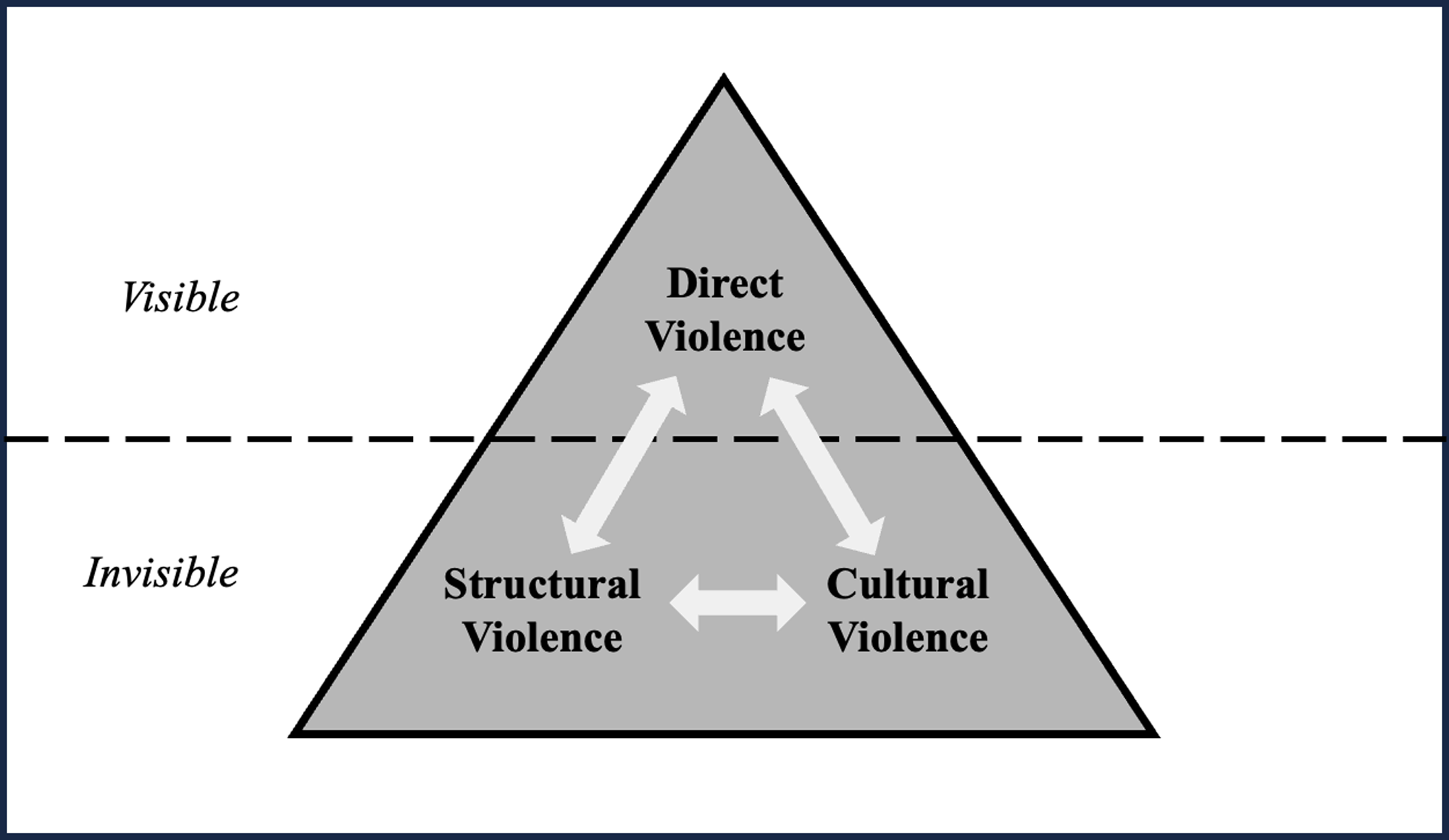
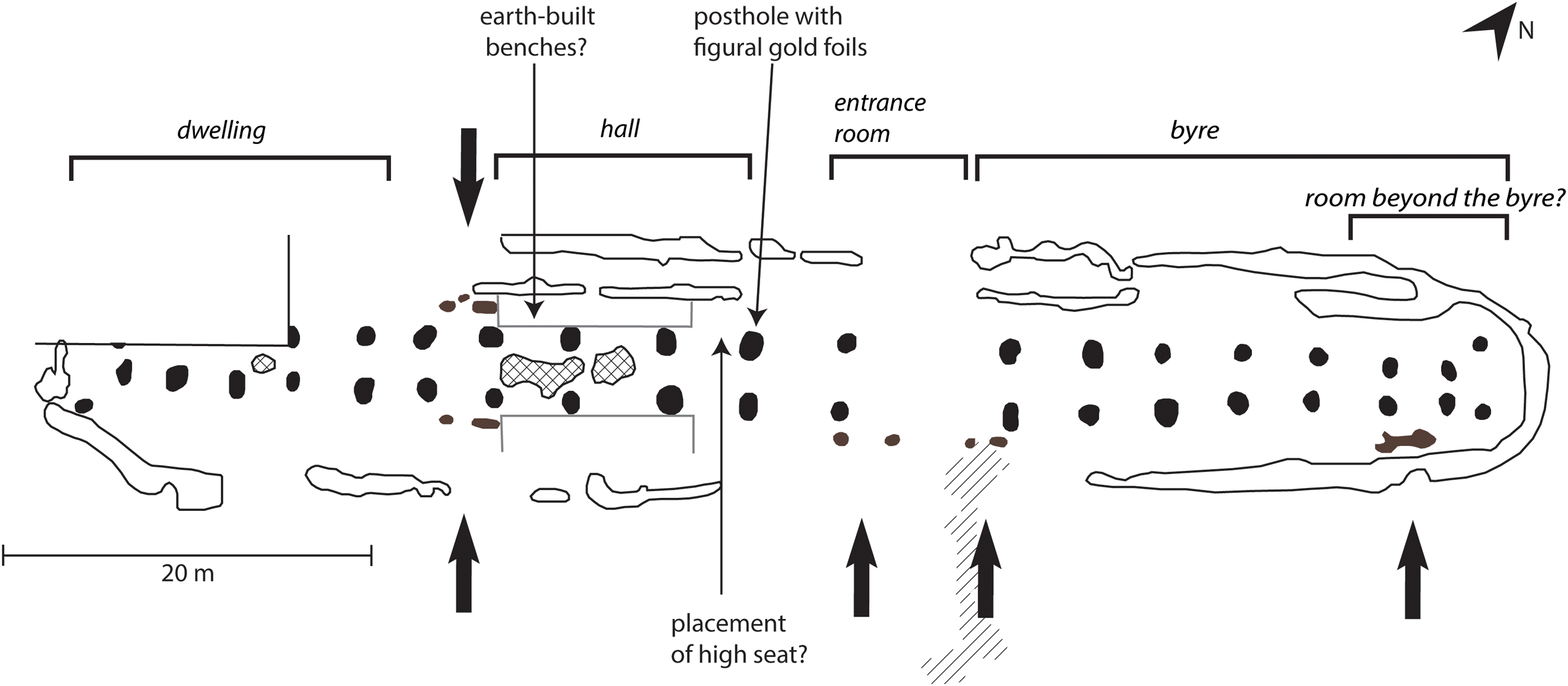
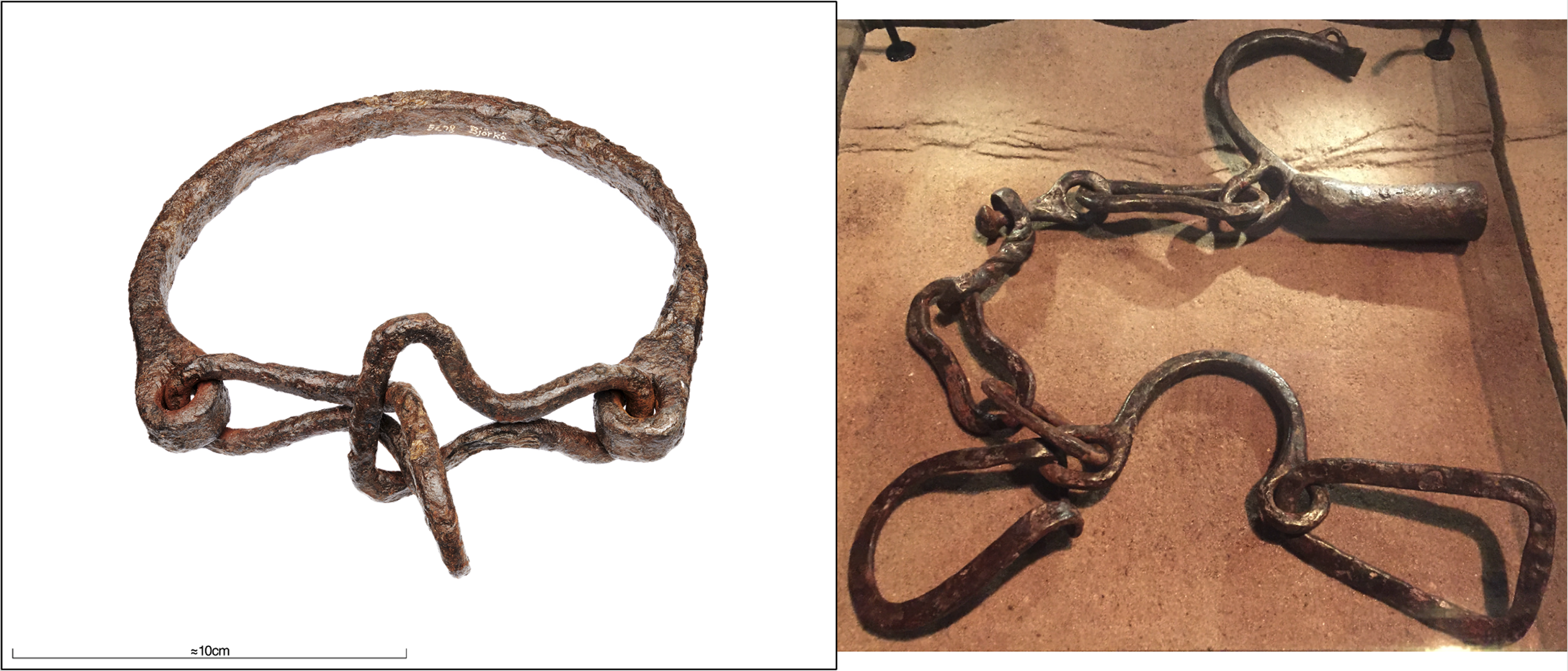
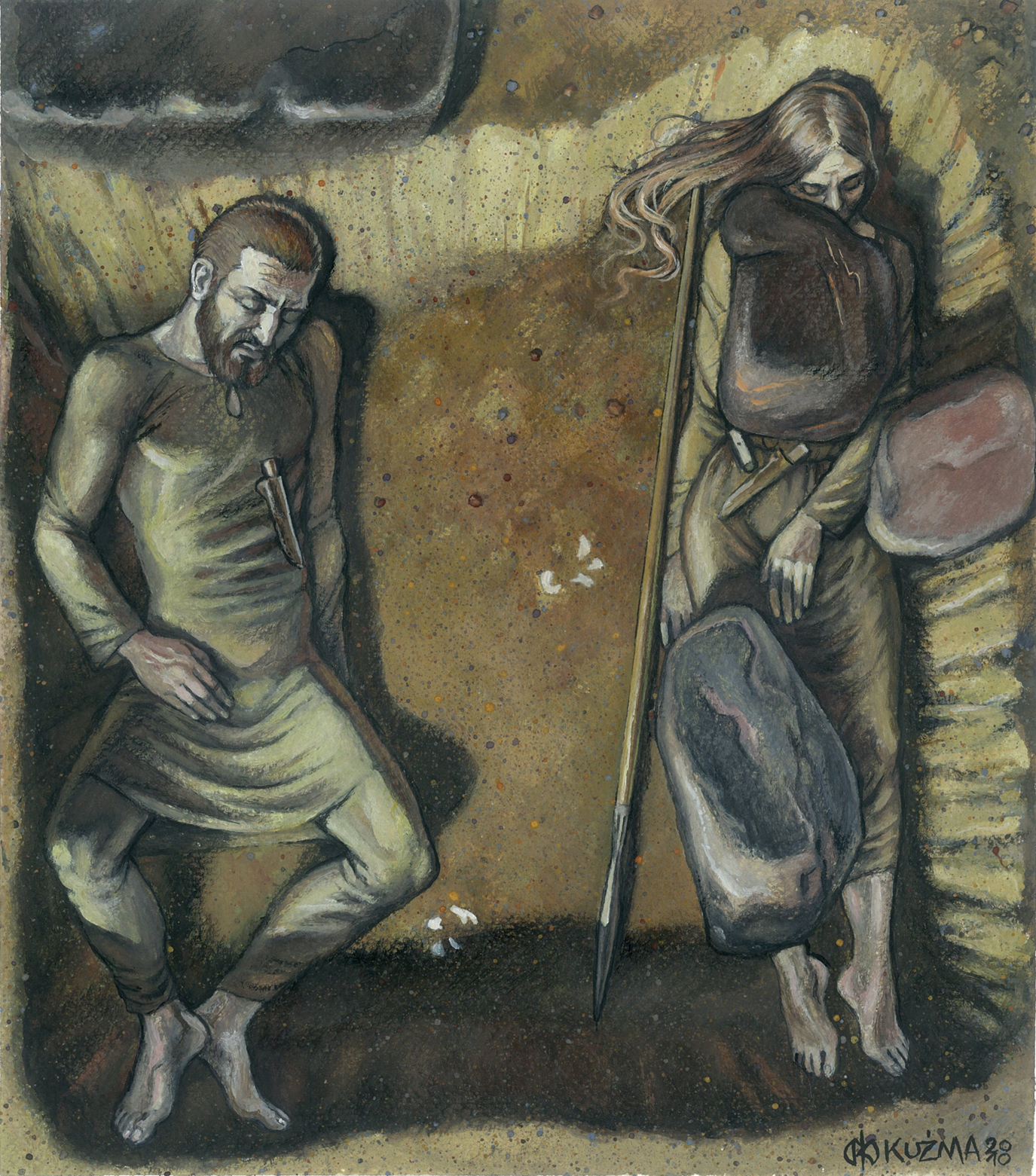
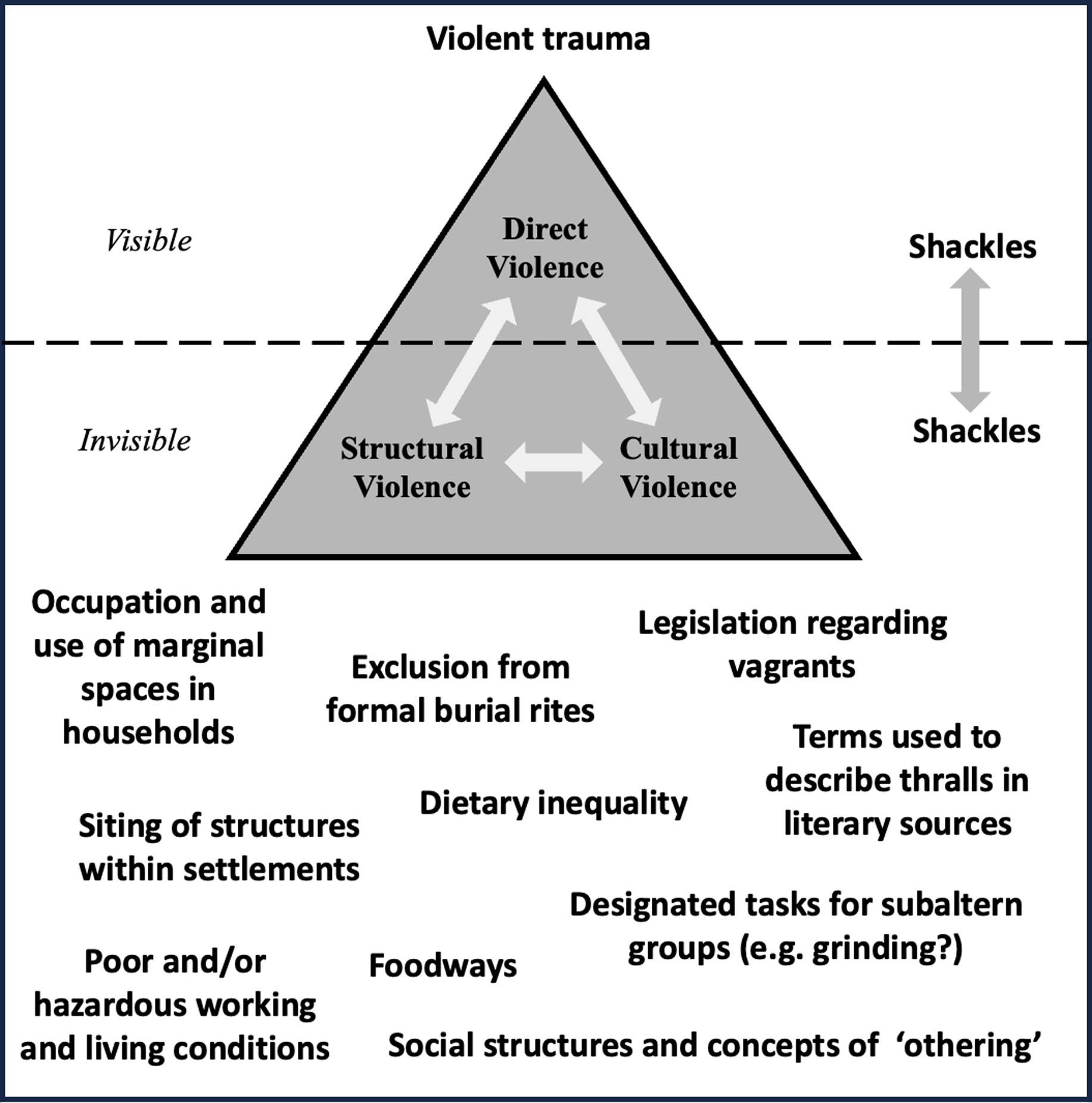

 Open access

