


Singapore is an urbanized Asian country with a widening income gap that has resulted in pockets of poverty in the country. The Public Assistance (PA) scheme was started in 1946 for socio-economically disadvantaged citizens and permanent residents who are unable to work due to old age, illness or unfavourable circumstances, and have no means of subsistence or minimal family support( 1 ). PA recipients receive up to $S 400 ($US 267) per month and free treatment at public primary care clinics and hospitals. Malnutrition is a cause for concern in the elderly, especially in those of lower socio-economic status. A local study by Yap et al. showed that 30·1 % of local community-dwelling Chinese aged above 55 years were at risk of malnutrition, as defined by a DETERMINE Your Nutritional Health checklist score of ≥3( Reference Yap, Niti and Ng 2 ). Chan et al. found that 39 % of residents of a local voluntary welfare nursing home were malnourished as defined by a score of <17 using the Mini Nutritional Assessment (MNA), and 52 % were found to be underweight as defined by a BMI of 18·5 kg/m2 or lower( Reference Chan, Lim and Ernest 3 ). In impoverished individuals like PA recipients, however, the prevalence of malnutrition may be even higher than that in the general population due to factors such as greater economic hardship, lack of resources and limited education( Reference Moshfegh 4 ). No previous study has been done on PA recipients to determine their nutritional status. Some of the subsidized food services available to PA recipients include meal delivery schemes, meal vouchers to purchase cooked food from establishments and grocery vouchers to purchase food items from grocery stores, all of which have been shown to improve or maintain nutritional risk in older American adults( Reference Keller 5 ). However, the awareness and utilization rate of these services among poor individuals in an urban Asian country have not been previously reported. Hence, we assessed PA recipients’ malnutrition risk, nutritional knowledge, co-morbidity burden, depression risk, functional status, and awareness and utilization of available food services. Among malnourished individuals, in-depth interviews were conducted to understand barriers to adequate nutrition.
Materials and methods
Study population
Central Singapore District provided the investigators with a master list of all PA recipients under their care (n 711) and sent each household an official letter inviting them to participate prior to the start of the study. The eligibility criteria for study participation were recipients currently receiving PA and aged 55 years or older. The minimum age of 55 years was chosen so our results could be compared with those by Yap et al.( Reference Yap, Niti and Ng 2 ). The residents of the selected nursing home were included to provide comparison with a similar study done in a local nursing home by Chan et al.( Reference Chan, Lim and Ernest 3 ). Individuals who were non-communicative (e.g. dementia or dysphasic stroke) were excluded from the study. Eighteen pairs of trained medical student interviewers conducted face-to-face interviews with PA recipients from 5 to 21 January 2010 as the study was part of a community health project within the medical school curriculum of Yong Loo Lin School of Medicine, National University of Singapore. Non-responders were defined as those who were not contactable after three visits on three separate days. Refusals were defined as eligible individuals who refused or failed to complete the survey. A structured quantitative questionnaire was used to record data on the participants’ sociodemographic profile, nutritional knowledge, nutritional status, depression risk, co-morbidity burden, functional status, and awareness and utilization of available food services. Individuals identified as malnourished were subsequently invited to participate in a qualitative interview using a guide designed to explore their difficulties in obtaining adequate nutrition.
Assessment tools
Malnutrition
Two nutritional assessment tools were used: the DETERMINE Your Nutritional Health checklist and the full MNA. These were chosen to provide a baseline of comparison with previous local studies by Yap et al. and Chan et al. ( Reference Yap, Niti and Ng 2 , Reference Chan, Lim and Ernest 3 ). The DETERMINE checklist is a well-used screening tool that detects nutritional risk where a score of ≥3 suggests that the individual is at increased risk of being malnourished( Reference Posner, Jette and Smith 6 ). The DETERMINE checklist comprises ten questions formulated to identify those with inadequate dietary nutrition according to RDA standards or individuals with underlying medical conditions that affect their health. Questions focus on pre-existing medical issues and difficulties the elderly face which may prevent them from having access to nutrition (e.g. teeth problems or lack of resources to prepare a balanced diet)( Reference Posner, Jette and Smith 6 ).
The MNA is a nutritional risk assessment tool that has been validated for use on elderly people in both community and nursing home settings( Reference Guigoz and Vellas 7 ). The MNA was designed to identify individuals at risk of malnutrition so that nutritional intervention could be administered promptly( Reference Guigoz and Vellas 7 ). It comprises four categories: (i) anthropometric measurements; (ii) assessment of an individual's lifestyle, medications and mobility; (iii) dietary questionnaire relating to number of meals, food intake and feeding issues; and (iv) self-perception of nutritional health( Reference Guigoz and Vellas 7 ). A score of <17 suggests malnutrition, a score of 17–23·5 suggests risk of malnutrition and a score ≥24 is considered normal. Weight and height were measured using portable weighing machines and measuring tapes respectively. The variation between all weighing machines used was calibrated to within 1 kg using a standard weight as reference. Respondents with impaired mobility were weighed using a portable seated weighing scale which was transported into their homes. Mid-arm circumference and calf circumference were measured to the nearest centimetre. The MNA score of <17 was used to define malnourished individuals who were subsequently invited to participate in the qualitative phase of the study.
Risk factors for malnutrition
A simple nutritional knowledge screening questionnaire based on the guidelines for healthy eating by the Health Promotion Board of Singapore was developed for the purposes of the present study to assess awareness of nutritional requirements( 8 ). Participants were asked to select the correct number of servings recommended for each of the four food groups (rice and alternatives, fruits, vegetables, and meat and alternatives) out of five given choices (see Appendix 1). One point was awarded for each correct answer. The maximum score was 4 and the minimum was 0. A score of zero was arbitrarily chosen to indicate poor nutritional knowledge. We opted to use this simple but unvalidated test to assess nutritional knowledge because existing validated measures were lengthy and we wanted to minimize interviewee burden( Reference Hendrie, Coveney and Cox 9 ). The Charlson Co-morbidity Index was used to assess the co-morbidity burden in the sample population( Reference Charlson, Pompei and Ales 10 ). It is recognized as a valid and reliable clinical research tool with high construct validity and is predictive of mortality, disability, readmissions and length of stay. Its test–retest reliability is good and inter-rater reliability is moderate to good( Reference De Groot, Beckerman and Lankhorst 11 ). The fifteen-item Geriatric Depression Scale – Short Form (GDS-SF) was used to screen for risk of depression( Reference Marc, Raue and Bruce 12 ). The GDS-SF is a validated questionnaire to screen for depression in the general population and in the elderly Chinese population in Singapore( Reference De Craen, Heeren and Gussekloo 13 , Reference Lim, Ng and Chiam 14 ). The GDS-SF has a minimum score of 0 and a maximum of 15, and a score of 4 and above denotes risk of depression. Functional status was assessed using the Lawton–Brody Scale and the Barthel Index, which are validated research tools to measure instrumental activities of daily living (IADL) and basic activities of daily living (BADL), respectively. Both scales have been previously validated for use in elderly populations and are widely used in research( Reference Gresham, Alexander and Bishop 15 – Reference Sainsbury, Seebass and Bansal 18 ).
Community-dwelling participants were also surveyed on their awareness and utilization rate of the three subsidized or free food services available locally (i.e. meal delivery services, meal vouchers and grocery vouchers) currently provided by various voluntary welfare organizations. They were also asked about their interest in applying for food services before and after education on these services. Nursing home participants were not interviewed regarding these free food services because all their meals were provided by the residence.
Barriers to adequate nutrition
In-depth interviews were conducted with respondents identified as malnourished; open-ended prompting questions were asked and participants were allowed to freely express their opinions on the obstacles they faced when obtaining adequate nutrition (see Appendix 2 for the qualitative interview guide). Interviews were conducted in the language and dialect (e.g. Hokkien, Cantonese, etc.) which the participants were conversant with. The interviews were audio-taped and subsequently transcribed into English.
Ethics
Approval was obtained from the National University of Singapore Institutional Review Board prior to the study. Written consent was obtained before the interview and participants were offered grocery vouchers as tokens of appreciation at the end of the interview.
Data analysis
Quantitative data analysis was done using PASW Statistics Version 18. Data were entered at the end of each day of field work by each pair of interviewers. The data from each interviewer were manually checked for errors and then collated into a master database. Multiple rounds of manual data cleaning were performed and a final data fidelity check of a random sample of 5 % of data collection forms had an accuracy of 99·8 %. To determine the factors associated with risk of malnutrition, the full MNA was chosen over the DETERMINE as the main outcome measure, as the latter has not been validated for use in a nursing home setting and the former was found to be superior to the latter in predicting mortality from malnutrition( Reference Beck, Ovesen and Osler 19 ). When determining the factors associated with malnutrition, we subsumed malnutrition under risk of malnutrition because the prevalence of malnutrition was very low in our study population. The χ 2 test and Fisher's exact test (if n < 5 in any cell) were used to analyse bivariate associations between categorical variables and the McNemar test was used to compare changes in the proportions interested in food services before and after education. The Pearson correlation coefficient (r) was used to test for collinearity between MNA and BMI scores because BMI is part of the MNA. The cut-off of P < 0·10 was used to decide which factors associated with the risk of malnutrition in community-dwelling respondents would be included in the multivariate logistic regression model. Backward stepwise regression was used to determine the most parsimonious model of factors independently associated with risk of malnutrition. These steps were not performed for nursing home respondents because risk of malnutrition was only associated with one factor in this population.
We used a phenomenological approach involving immersion and crystallization for thematic analysis of the qualitative data( Reference Crabtree and Miller 20 ). Immersion allowed researchers to surround themselves with the qualitative data in order to sensitize them to the tone, mood, range and content of participants’ experience. Crystallization reflected the gradual development and clarification of important themes offered by participants. Each interviewer read the transcripts independently first, initially looking for keywords and emerging themes. Subsequently, all interviewers met together to compare, discuss and combine their independent analyses. The final stage of analysis involved examining all interviews with all interviewers until agreement on the key themes and sub-themes was achieved. Although all thirteen malnourished respondents were interviewed, the team felt that data saturation was achieved by the tenth respondent interviewed.
Results
Quantitative findings
Among the 711 PA recipients on the master list provided, 551 (77·5 %) were contactable and the remaining 160 were non-contactable (i.e. non-responders). Of the 551 contactable individuals, forty respondents were not eligible and forty-six refused to participate, resulting in a final sample of 465 individuals (participation rate = 465/(551 – 40) = 91·0 %).
Participant characteristics
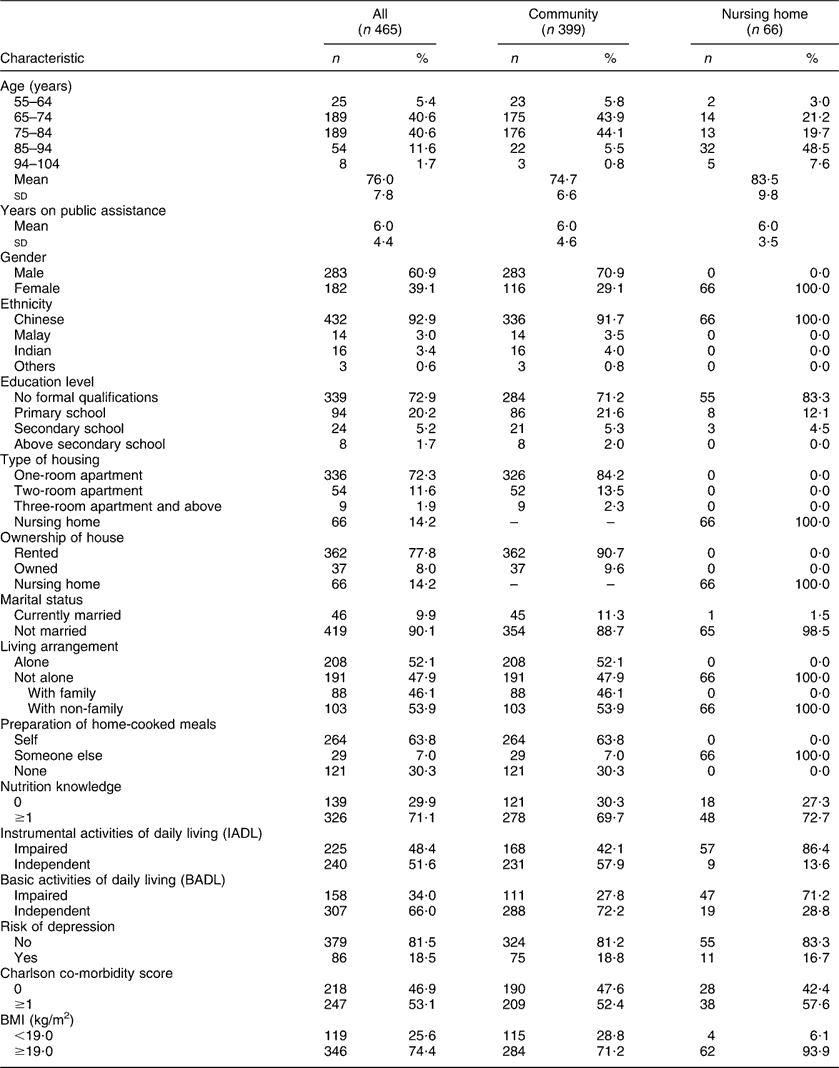
The sociodemographic profile of PA recipients dwelling in the community differed greatly from the sociodemographic profile of those living in nursing homes (Table 1). As the profile of community-dwelling and nursing home participants was very different, we have stratified our results by these two groups.
Sociodemographic characteristicsFootnote * of the sample population by community dwelling and nursing home status; recipients of the Public Assistance scheme for socio-economically disadvantaged Singaporeans, Central Singapore District, January 2010
* Values are presented as n and % of the total population reported, unless otherwise stated.
For the community-dwelling group, the mean respondent age was 74·7 (sd 6·6) years and their mean duration on PA was 6·0 (sd 4·6) years. The majority were male (70·9 %), Chinese (91·7 %), received no formal education (71·2 %), were not currently married (i.e. were divorced, separated or widowed; 88·7 %), lived alone in one-room apartments (84·2 %) that were mainly rented (90·7 %), and were able to cook their own food (63·8 %). Almost a third (30·3 %) scored zero on the knowledge test, 27·8 % were BADL impaired, 42·1 % were IADL impaired, 18·8 % were at risk of depression, 52·4 % had a Charlson co-morbidity score ≥1 and 28·8 % had a BMI < 19·0 kg/m2.
Compared with the community-dwelling group, the nursing home participants were older at 83·5 (sd 9·8) years but the mean duration on PA was similar at 6·0 (sd 3·5) years; all were female (because of the policy of the nursing home) and of Chinese ethnicity, most had no formal education (83·3 %) and most were not currently married (98·5 %); a similar proportion scored zero on the knowledge test (27·3 %) and were at risk of depression (16·7 %), but the nursing home population were more impaired in their BADL (71·2 %) and IADL (86·4 %), and more had a Charlson co-morbidity score ≥1 (57·6 %). Of note, the nursing home population had a much smaller proportion who had a BMI < 19 kg/m2 (6·1 %).
Nutritional status
Using the MNA, the prevalence of malnutrition was 2·8 % (n 13) in the community-dwelling population and 1·5 % (n 1) in the nursing home population (OR = 1·84; 95 % CI 0·30, 11·24; P = 0·703). However, the risk of malnutrition was higher in the nursing home compared with the community-dwelling respondents (68·2 % v. 50·4 %, P = 0·007). Using the DETERMINE checklist, the prevalence of risk of malnutrition was 67·7 % for the community-dwelling population and 45·5 % in the nursing home population.
Risk factors for malnutrition
There was little collinearity between BMI and MNA scores as the correlation between the two scores was weak (r = −0·406). Cronbach's α for the nutritional knowledge test based on all study respondents was low at 0·34.
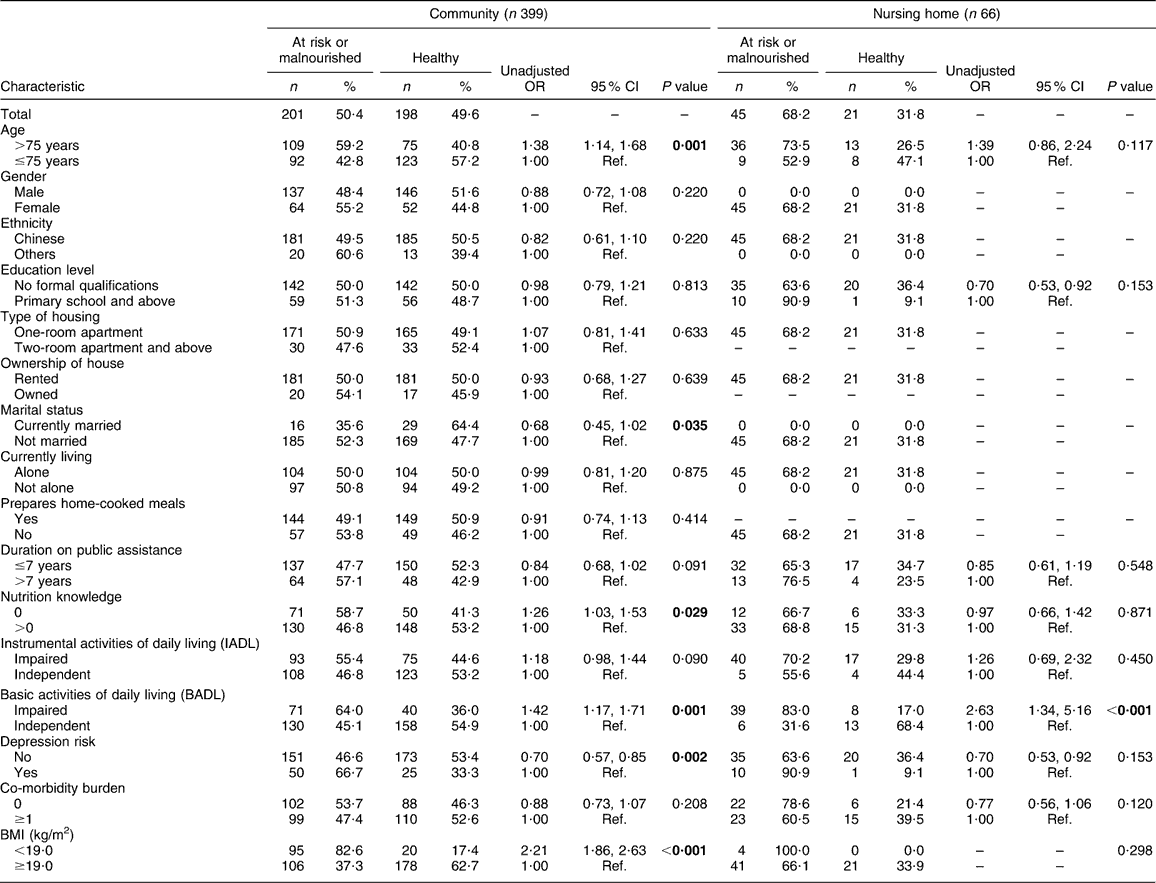
For the community-dwelling group, advanced age (>75 years), currently unmarried, poor nutritional knowledge, BADL impairment, risk of depression and BMI < 19·0 kg/m2 were associated with risk of malnutrition on bivariate analysis (Table 2). For the nursing home group, only BADL impairment was associated with risk of malnutrition on bivariate analysis (Table 2).
Bivariate comparisons of demographic characteristics of participants who are healthy against those at risk of malnutrition or malnourished, as measured by Mini-Nutritional Assessment score, by community dwelling and nursing home status; recipients of the Public Assistance scheme for socio-economically disadvantaged Singaporeans, Central Singapore District, January 2010
Ref., reference category.
Significant P values are indicated in bold font.
For the community-dwelling group, multivariate analysis identified the independent factors for risk of malnutrition as age >75 years (adjusted OR = 1·64; 95 % CI 1·04, 2·60; P = 0·034), currently unmarried (adjusted OR = 2·43; 95 % CI 1·17, 5·01; P = 0·017), BADL impairment (adjusted OR = 2·20; 95 % CI 1·30, 3·70; P = 0·003), risk of depression (adjusted OR = 2·66; 95 % CI 1·46, 4·85; P = 0·0 0 1) and BMI < 19 kg/m2 (adjusted OR = 9·71; 95 % CI 5·46, 17·2; P < 0·001). Poor nutritional knowledge was not found to be significant factor for risk of malnutrition on multivariate analysis.
Food services
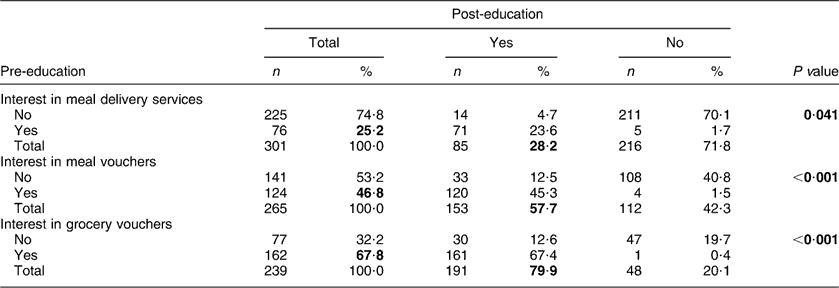
The majority of respondents were aware of the food services available to them: 65·8 %, 57·4 % and 54·8 % of the study population were aware of meal delivery, meal voucher and grocery voucher services, respectively. However, only 20·8 %, 31·6 % and 38·3 % were receiving meal delivery services, meal vouchers and grocery vouchers, respectively. After education on the availability and details of these services, interest in applying increased for meal delivery from 25·2 % to 28·2 % (P = 0·041); for meal vouchers from 46·8 % to 57·7 % (P < 0·001); and for grocery vouchers from 67·8 % to 79·9 % (P < 0·001; Table 3).
Effect of education on interest in applying for food services among recipients of the Public Assistance scheme for socio-economically disadvantaged Singaporeans, Central Singapore District, January 2010
Significant P values for the change in the percentage interested, pre-education v. post-education (bold values), are indicated in bold font.
Qualitative findings
Thirteen community-dwelling malnourished respondents were interviewed and the main barriers to adequate nutrition identified were financial, social and physical barriers, and lack of knowledge.
Financial barriers
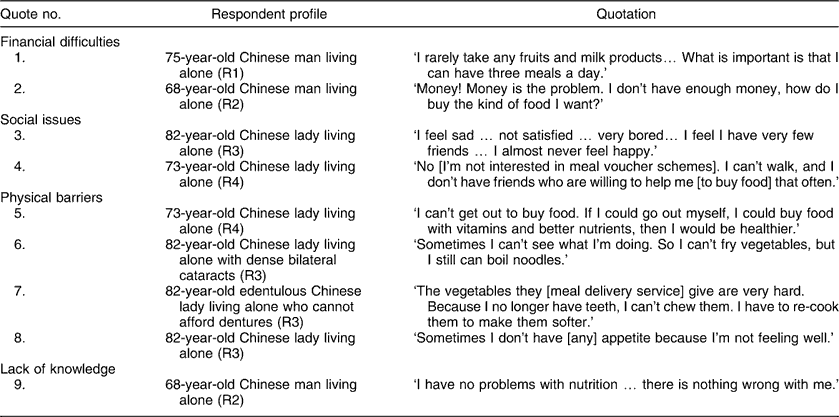
Due to their tight financial situation, malnourished PA recipients were primarily concerned with the quantity of food they could obtain from their fixed allowance rather than food quality or achieving a balanced diet (Quote 1, Table 4). For example, they would prefer to buy canned and preserved vegetables and condensed milk instead of fresh vegetables and milk because the latter are more expensive and perishable. Even if they were moved to consider nutrition as a factor in their purchases, fiscal constraints prevented them from doing so (Quote 2, Table 4).
Quotations from malnourished individuals in receipt of the Public Assistance scheme for socio-economically disadvantaged Singaporeans, Central Singapore District, January 2010
R, respondent.
Social barriers
Malnourished PA recipients faced many social issues such as depression and loneliness (Quote 3, Table 4) which contributed to lack of appetite, mealtimes no longer being a social activity and decreased attention to the meals. Moreover, their isolation and hence poor support network further exacerbated the situation, especially for those with impaired mobility who had no caregiver available to shop or cook for them (Quote 4, Table 4).
Physical barriers
Respondents who had issues with mobility or IADL (as defined by the Lawton–Brody Scale) found it difficult to utilize meal or food vouchers as this entailed reaching nearby food establishments or grocery outlets to purchase food (Quotes 4 and 5, Table 4). Visual impairment is common among the elderly and this impairs their ability to cook (Quote 6, Table 4). Other health problems such as poor dentition which limits the choice of foods they are able to consume (Quote 7, Table 4) and medical illnesses which cause loss of appetite (Quote 8, Table 4) exacerbated malnutrition.
Lack of knowledge
Some respondents were not aware of their own poor nutritional status (Quote 9, Table 4), let alone know what was adequate nutrition. Others were not aware of the various available food services open to them, let alone utilize them.
Discussion
Although the prevalence of malnutrition among community-dwelling and nursing home PA recipients was low, the prevalence of risk of malnutrition was high, with the nursing home population having a higher prevalence. Among community-dwelling respondents, malnutrition risk was independently associated with older age, being unmarried, BADL impairment, depression risk and low BMI; only half were aware of subsidized food services and only about a third were actually utilizing these services; education on these subsidized food services increased interest in applying for them. Among nursing home PA recipients, only BADL impairment was associated with malnutrition risk. Among malnourished PA recipients, impediments to adequate nutrition included financial, social and physical barriers, and poor knowledge about adequate nutrition.
The prevalence of malnutrition in our community-dwelling PA population was comparable to that found in previous studies on community-dwelling elderly in other countries( Reference Han, Li and Zheng 21 – Reference Chen 24 ). However, the prevalence of malnutrition in our nursing home PA population (1·5 %) was much lower than in the 180-bed nursing home located in Singapore assessed by Chan et al. (39 %)( Reference Chan, Lim and Ernest 3 ). This is an interesting finding, which may be attributed to the availability of standardized meals prepared at the nursing home in our study. With reference to the MNA, most nursing home PA recipients would have access to three full meals, consisting of dairy products, proteins, fruits and vegetables. This would have scored the nursing home PA population higher on the MNA. The difference in demographics between the female-only nursing home in our study and the mixed-gender nursing home studied by Chan et al.( Reference Chan, Lim and Ernest 3 ) could also have accounted for some difference in the reported values. Nevertheless, both nursing homes were managed by voluntary organizations and were culturally similar. Compared with the general community-dwelling Singapore population aged ≥55 years who were at risk of malnutrition using DETERMINE score as determined by Yap et al. (30·1 %)( Reference Yap, Niti and Ng 2 ), the prevalence of risk of malnutrition in our community-dwelling PA population was two times higher at 67·7 % using the same tool. When compared with a similar socio-economically disadvantaged population in Taiwan where the prevalence of risk of malnutrition was 37·9 % using the MNA( Reference Chen 24 ), the prevalence of risk of malnutrition in our community-dwelling PA population was higher at 68·2 %.
The factors identified to be independent factors associated with risk of malnutrition were similar to those from previous studies. Advanced age is associated with risk of malnutrition due to physiological changes related to senescence and higher incidence of chronic illnesses which impair appetite, increase nutritional needs and contribute to functional dependence. Moreover, older individuals have lower financial and social resources to obtain adequate nutrition. Social factors such as being unmarried have also been shown to contribute to malnutrition risk( Reference Han, Li and Zheng 21 ). The lack of a spouse not only deprives people of companionship at meals which are usually communal social events, but may also discourage domestic food preparation and promote greater reliance on less nutritious pre-processed food options. Functional impairment is commonly associated with risk of malnutrition and is related to feeding problems and poor mobility, limiting one's ability to cook and shop( Reference Han, Li and Zheng 21 , Reference Chen 24 ). Depression is also a known contributory factor to risk of malnutrition( Reference Chen 24 ) and this may be explained by reduced appetite and decreased motivation to self-care in depressed individuals. A low BMI was also associated with malnutrition risk but this is probably a result of chronic malnutrition rather than a causative factor.
The suboptimal awareness of PA recipients about food services available and the increased interest of the respondents in these services after education suggest that much benefit may be derived from better education of PA recipients on the food services provided by voluntary welfare organizations. It may be helpful to tailor the various types of food services to the needs of recipients and this may also contribute to better resource utilization. For example, individuals with poor mobility would more likely benefit more from meal delivery services than food or grocery vouchers as they have problems reaching nearby food establishments and grocery outlets.
The limitations of the study include the lack of objective measures of nutritional status such as biochemical tests and dietary assessments. Our study was a cross-sectional one, so causality cannot be inferred. Our nutrition knowledge test was unvalidated and it had a low Cronbach's α in our study population, which suggests its internal validity is limited. Participants’ answers to the nutritional knowledge test were based on their understanding of the dimension of a serving size. Interviewer's description of a serving size could have been interpreted differently by participants and supplemental visual aids could have been useful in ensuring that the PA recipients had a more uniform understanding of a serving size. As the study was conducted on PA recipients within the central district of Singapore, results should not be generalized to other areas in Singapore or other countries with different socio-economic status or financial assistance programmes. The sample size in the nursing home population was small and this is probably a major reason why only one factor was found to be associated with malnutrition risk. Moreover, as the nursing home population was from only one institution and conducted in an all-female nursing home, our nursing home results cannot be extrapolated beyond our study. Nevertheless, the strength of our study is its use of a mixed method study design to quantify the nutritional status and contextualize the barriers to adequate nutrition faced by socio-economically challenged persons in an urbanized Asian country.
Conclusion
Although the prevalence of malnutrition among community-dwelling and nursing home Singaporeans on public financial assistance was low, the prevalence of risk of malnutrition was high, with the nursing home population having a higher prevalence. To improve their nutritional status, we need to focus on addressing functional disability, depression and financial barriers, and better educating these elderly PA recipients on adequate nutrition and on available subsidized food services.
Acknowledgements
Sources of funding: This project was funded by the Central Singapore Community Development Council and Heartware Network, Singapore. The funders had no role in the design, analysis or writing of this article. Conflicts of interest: The authors declare no conflict of interest. Authors’ contributions: X.Y.K. and M.L.K. contributed equally to the study. All authors contributed to the study design, data collection, statistical analysis, discussion and writing of the final manuscript. Acknowledgements: The authors thank the Central Singapore Community Development Council for providing the list of PA/SG clients, from which data were obtained. They also thank the students of 2010 Community Health Project Group 1 and the Institute of Technical Education Nursing for assisting in the study.
Nutritional knowledge test
-
1. How many servings of rice and/or alternatives (e.g. noodles, potatoes, etc.) do you think you should consume every day?
-
A. 0 servings
-
B. 1–3 servings
-
C. 3–5 servings
-
D. 5–7 servings
-
E. >7 servings
-
-
2. How many servings of fruits do you think you should consume every day?
-
A. 0 servings
-
B. 0·5–1 servings
-
C. 1·5–2 servings
-
D. 2·5–3 servings
-
E. >3 servings
-
-
3. How many servings of vegetables do you think you should consume every day?
-
A. 0 servings
-
B. 0·5–1 servings
-
C. 1·5–2 servings
-
D. 2·5–3 servings
-
E. >3 servings
-
-
4. How many servings of meat and/or alternatives (e.g. milk products, soya products, pulses, etc.) do you think you should consume every day?
-
A. 0 servings
-
B. 0·5–1 servings
-
C. 1–2 servings
-
D. 2–3 servings
-
E. >3 servings
-
(The correct answers for questions 1 to 4 are D, C, C and D, respectively. Cronbach's α for the nutritional knowledge test based on all study participants was low at 0·34.)
Qualitative interview guide
-
1. Do you think/feel you are malnourished?
-
2. What do you think adequate/good nutrition is?
-
3. How often do you meet this level of nutrition? Please detail.
-
4. Do you feel your diet is inadequate and how?
-
5. What do you think are problems/barriers you face in obtaining adequate nutrition? Prompts:
-
a. Do you face financial difficulties in obtaining food?
-
b. Does your environment/people around you/situation pose inconveniences or problems for you to obtain adequate nutrition?
-
c. Do you face any other problems or inconveniences in obtaining adequate nutrition?
-
d. Do you prepare your meals? If not, why? Who does so for you?
-
-
6. If you were told that your diet was deficient,
-
e. Would you feel there is a need to correct this?
-
f. Would you know how to correct this/How would you correct this?
-



