




Introduction
The foundations of environmental education were laid at the Intergovernmental Conference on Environmental Education, held in Tbilisi, Georgia, in 1977 (UNESCO-UNEP, 1978). The resulting Tbilisi Declaration articulated five broad categories of environmental education objectives: awareness, knowledge, attitudes, skills, and participation. These objectives emphasised the need to foster informed and responsible behaviour toward the environment by integrating ecological considerations into both formal and non-formal education. Although developed more than four decades ago, the Tbilisi framework remains relevant today. Its call for linking environmental knowledge with values, attitudes, and action provides a foundation for current efforts to connect human behaviour with sustainability. As a result, the declaration continues to guide curriculum development and educational practice worldwide, serving as a touchstone for raising awareness of global environmental challenges (Strife, Reference Strife2010).
Building on this foundation, Sinakou et al., (Reference Sinakou, Donche and Van Petegem2022) argue that environmental education must go beyond knowledge acquisition to cultivate action-oriented learners. They highlight the importance of developing students’ capacity to think critically, create, communicate, and collaborate in addressing complex socio-environmental problems such as pollution and global warming. Similarly, ecological awareness entails not only understanding the relationship between humans and the environment but also recognising the urgency of maintaining ecosystem health and environmental sustainability (Wi & Chang, Reference Wi and Chang2019). Green School movements embody these principles by promoting a whole-school approach that engages students, teachers, and local communities. Such initiatives aim to improve school environments, reduce ecological impact, and encourage students to take leadership in solving environmental issues at both local and global scales. They also help cultivate sustainable mindsets by shaping students’ attitudes and everyday practices (Gough et al., Reference Gough and Tsang2020). Research has shown that Green School environments support cognitive, emotional, and social development. Nevertheless, outdoor learning in these contexts faces challenges, including safety concerns, limited teacher expertise, time constraints, resource shortages, and restricted opportunities for fieldwork. Despite these challenges, outdoor learning has been shown to make students more active, critical, creative, and engaged. For instance, Dyment (Reference Dyment2005) explored how Green School grounds can serve as effective outdoor classrooms. Such spaces provide students with opportunities to explore environmental problems while developing practical solutions. Thus, Green Schools promote a holistic approach to sustainability education, empowering students to take responsibility for protecting the environment in their schools, homes, and communities.
The Green School movement, also known globally as Eco-Schools, Enviroschools, Sustainable Schools, or ResourceSmart Schools, emerged after the 1992 United Nations Conference on Environment and Development (UNCED) in Rio de Janeiro. This conference emphasised the critical role of youth participation in environmental protection and sustainable development, sparking international discussions on how schools could serve as platforms for cultivating environmental awareness and action. Soon after, pilot Green School programmes began in different regions, laying the foundation for what would become a worldwide movement. In Indonesia, the Green School concept took shape through the Adiwiyata programme, initiated in 2006 by the Ministry of Environment and Forestry, and further strengthened by a pilot project launched in 2012 with the support of UNESCO Jakarta. The Adiwiyata Green School Indonesia (AGSI) programme integrates environmental education into school management, curriculum, extracurricular activities, and community involvement. Its aim is to create environmentally responsible schools that encourage sustainable practices while embedding local cultural and ecological values into daily activities. Over time, Adiwiyata has grown into a national initiative, recognising schools that successfully implement sustainability principles across teaching, learning, and organisational practices. By combining formal education with experiential and community-based approaches, AGSI has become a model of localised sustainable development in education. Today, Green School programmes like Adiwiyata continue to expand globally, adapting to regional contexts while maintaining the shared goal of preparing young people to act as agents of environmental stewardship.
The Adiwiyata programme in Indonesia
Adiwiyata means a green school in the Indonesian context. Adiwiyata is an award for formal educational institutions that are considered instrumental in the effort to develop environmental education as stipulated in the environmental curriculum. Law number 32 of 2009 concerning Environmental Protection and Management is a systematic and integrated policy in order to preserve the environmental functions and prevent damaging the environment. The policy made by the government through Minister of Environment Regulation Number 5 of 2013 was translated into the Adiwiyata school programme. Policies regarding environmental education are manifested in various programmes, one of which is the “Adiwiyata School” programme. The Adiwiyata Program is geared towards creating a green learning space for teachers, students, and other school community members to make the school environmentally healthy. The Indonesian Adiwiyata School was chosen as a site of research to interpret ecological artefacts with a critical social semiotic visual approach where every representation of pro-environmental behaviour is canalised through language and semiotic materials or sources (images, icons, posters).
A growing body of research has examined the role of environmental education in shaping students’ awareness and pro-environmental behaviour, with particular attention to the Adiwiyata programme in Indonesia. Parker & Sear (Reference Parker and Sear2020), for example, argue that young people must be equipped with pro-environmental responsibilities as an essential dimension of citizenship. Building on this, Kumariyah et al. (Reference Kumariyah, Nopembri, Delano, Amajida and Humam2023) demonstrate that the Adiwiyata programme embeds environmental awareness into schools’ vision, mission, and goals by promoting environmental management, fostering environmentally conscious habits, and integrating health-oriented environmental activities into school culture. Rahman et al. (Reference Rahman, Santosa, Basir, Nur’aini and Arifin2023) highlight the programme’s tangible impact through daily plastic-free cleaning routines, food-safe canteens, small-scale wastewater treatment systems, composting, hydroponics, greenhouses, and the reuse of ablution wastewater. Together, these studies illustrate how Adiwiyata institutionalises sustainability within everyday school life.
The Green School movement globally has its origins in the 1992 United Nations Conference on Environment and Development, which called for youth participation in sustainability efforts. Since then, variations of Green School initiatives have emerged worldwide, adapting to national contexts. In Indonesia, the Adiwiyata programme, introduced in 2006 by the Ministry of Environment and Forestry and further developed through a UNESCO-supported pilot in 2012, has become the cornerstone of the national Green School agenda. Its framework is based on four interconnected components: (1) the adoption of environmentally friendly school policies, (2) the integration of environmental education into the curriculum, (3) participatory environmental activities involving students, teachers, and communities, and (4) sustainable management of school infrastructure and facilities. This whole-school approach positions schools as sites for both environmental learning and practice, fostering cooperation and knowledge exchange across the education system.
The regulatory foundation for Adiwiyata has been strengthened by national policies, including the Ministry of Environment Regulation No. 5 of 2013 and the Minister of Environment and Forestry Regulation No. 52 of 2019 on the Environmental Care and Culture Movement in Schools (PBLHS). These policies require schools to embed pro-environmental values in daily teaching and extracurricular activities, extend sustainable practices to surrounding communities, create networks for collaboration, promote environmental campaigns, and empower student cadres to lead change. Such measures highlight the importance of equipping students and school communities with the knowledge, skills, and dispositions needed to actively contribute to sustainability. Within this context, the present study explores how green school discourse is communicated through visual artefacts – such as images, posters, graffiti, and drawings – within Indonesian Adiwiyata schools. Rather than asking whether these artefacts communicate a discourse of sustainability, the study seeks to examine the specific ways they represent, reinforce, and circulate green school discourse, and what this reveals about the role of schools in shaping ecological awareness and pro-environmental practices.
The framework of social semiotics theory
This study is framed within social semiotic theory (Halliday, Reference Halliday1994; Kress & van Leeuwen, Reference Kress and Van Leeuwen2006) to analyse how visual artefacts, such as posters, murals, and landscaped school environments, communicate sustainability values and practices. Symbols such as “Go Green” not only project an environmentally friendly school identity but also illustrate how individual and collective agency in schools contributes to shaping pro-environmental behaviours. Semiotic analysis is particularly appropriate here because Green School initiatives are deeply multimodal: they use language, images, physical spaces, and practices to signal ecological values. Linking this to environmental education theory, the analysis engages with long-standing debates about whether education should focus on learning about, in, or for the environment (Fien, Reference Fien1993; Tilbury, Reference Tilbury1995). Green School initiatives, such as Adiwiyata, embody the “education for the environment” perspective by encouraging action-oriented learning that connects knowledge with behaviour change and ecological responsibility. Visual artefacts play a central role in this process by embedding sustainability messages into the lived experience of schooling, making environmental values visible, tangible, and culturally meaningful.
A visual social semiotic approach is therefore particularly relevant to environmental education because it examines how these pedagogical principles are materialised and communicated in practice. Posters, graffiti, gardens, and other visual resources are not neutral decorations; they function as semiotic resources that frame environmental problems, construct sustainability identities, and invite particular forms of participation. In this way, they complement formal curriculum efforts by shaping the “hidden curriculum” of environmental education (Gough, Reference Gough2005). By analysing these artefacts, this study explores not only what ecological messages are communicated, but also how they are framed, whose voices are amplified, and what kinds of environmental identities they promote. In doing so, it contributes to environmental education theory by demonstrating how Green School discourse is enacted through multimodal communication, reinforcing the whole-school approach to sustainability that underpins both international frameworks such as Education for Sustainable Development (UNESCO, 2014) and localised programmes such as Adiwiyata in Indonesia.
Methods
Research context
The context of this research was conducted in the elementary school age group. Geographically, this school is located in a densely populated area, which is a semi-urban area in a religious community environment. This school is a state school located in Bandung City, West Java, Indonesia. In learning activities, the school has 620 students, consisting of 328 male students and 292 female students, and is guided by 23 teachers with a total of 18 classes. The basis for choosing this school is because it has become an Independent Adiwiyata School and National Adiwiyata, namely a school that is considered to have succeeded in implementing environmental education starting from 2014 until now. This study has obtained permission and access from the Adiwiyata team leader to follow the school’s Instagram account in order to obtain authentic data through various Adiwiyata activities carried out. This is mainly so as not to violate copyright regulations on the data presented. The involvement of informants as the Adiwiyata team, teachers, students, and all stakeholders, including parents of students, does not conflict with the rights of participants.
Research design and participants
This study adopted a phenomenological approach. Phenomenology is a philosophical framework and methodology that explores and describes how individuals experience certain phenomena, often focusing on how they perceive and make sense of their world (Heidegger, Reference Heidegger2005). This study explores the interpretation of verbal and written texts that interpret meaning functionally. Thus, visual social semiotics as an analytical approach to green school discourse, examines how visual elements such as images, colours, symbols, and layouts communicate messages about sustainability and environmental consciousness within educational contexts (Jewit & Oyama, Reference Jewitt, Oyama, van Leeuwen and Jewitt2004; Kress & Leeuwen, Reference Kress and Van Leeuwen2006). This is in line with Halliday’s approach in recent decades, which has become increasingly popular in ecolinguistic studies. Functional linguists such as Zhang & He (Reference Zhang and Forthcoming2018) and Zhang & Huang (Reference Zhang and Huang2019) have attempted to investigate the application of systemic functional grammar and its interpretative power in discourse analysis. This approach looks at the use of iconic, indexical, and symbolic signs to convey green practices, the interplay between visual and textual elements to tell a cohesive story, and the broader cultural, institutional, and historical contexts influencing these visuals (Widodo, Reference Widodo, Widodo, Perfecto, Canh and Buripakdi2018). By evaluating the ideological messages, power dynamics, and inclusivity of these representations, visual social semiotics provides a nuanced understanding of how green schools visually promote their commitment to sustainability and shape perceptions of environmental education. Nineteen participants, including students (male: 8, female: 7) in classes four to six, as well as director of programme Adiwiyata, consisting of teachers in the Adiwiyata team and parents as community members (male: 2, female: 2).
Data produced
Data produced using documentation, observation, and interviews. Before carrying out observations, we set observation goals in the context of environmental research in schools with a research team involving school principals, teachers, and students. This data produced began with identifying school areas such as the yard, school garden, canteen, classrooms, trash cans, biodigester facilities, hydroponic plants, and plants on the walls. We conducted observations at the school within three months, starting with an introduction to the school environment, introductions to the school community, and the Adiwiyata programme team. This observation aimed to see how the school maintained environmental cleanliness, saved water and energy, and loved the earth with various pro-environmental activities at school. We observed all these activities periodically, such as the rubbish collection movement carried out by students and teachers working together wearing sports uniforms in and around the school area. Next, in the 3R activity, students processed waste into compost for plants. They did other activities, such as harvesting hydroponic plants and planting plants on the walls of the school yard.
In this data produced, we discussed this with the school Adiwiyata team (e.g., interviews with programme directors, teachers, students, and community members). Interviews were conducted to provide an opportunity for participants (Adiwiyata team, interviews with programme directors, teachers, students, and community members) to share and reflect on their experiences on the meaning of pro-environmental behavioural awareness. The interviews were conducted at school about the experience of Adiwiyata activities, images, photos, graffities, and symbolic signs to communicate the discourse of green school practices. The interviews were conducted with fourteen students and the programme directors of Adiwiyata, teachers, and community members (parents of students). Interviews were conducted directly at the school, and each of the interview sessions lasted for 20–30 minutes. Follow-up interviews through Zoom, recorded to reconfirm at different times, lasted 30–60 minutes, were conducted to clarify or elaborate on specific issues that emerged, and were a reflective and interactive process that resulted in broad themes (see Table 1). Each participant has a role, namely the head programme director of the Adiwiyata programme plays a direct role in implementing the Adiwiyata programme with teachers and students in implementing the Adiwiyata programme policy; and parents of students play a role in directing students in the home environment in implementing pro-environmental behaviour practices.
In keeping with this approach, semi-structured interviews were employed. The interview questions were structured around the Halliday & Matthiessen (Reference Halliday and Matthiessen2004, Reference Halliday and Matthiessen2014) and Kress & Leeuwen (Reference Kress and Van Leeuwen2006) framework, introducing three types of meaning as “metafunctions” which are linked to three elements: ideational, interpersonal, and textual. The ideational meaning refers to the content of the text (interpreting our experiences of activities, objects, people, places, and qualities (ideal function). The interpersonal meaning pertains to how social relationships are created through language (realising social relationships between speakers, interpersonal function). The textual meaning deals with how information is arranged into a coherent text (presenting discourse so that it is meaningful in context, textual function). The following is a list of interview questions on each theme.
Data analysis
Interview data were analysed using a phenomenological interpretative approach. We followed the steps for analysing interview data as proposed by Widodo (Reference Widodo2014), including: (1) listening to spoken data, (2) forming spoken data, (3) communicating spoken data with interpretative intent, (4) reproducing or reconstructing spoken data, and (5) establishing data credibility or validating data. All interview data were then transcribed and sorted for further analysis. We focused on the essence of the data for closer analysis and interpretation (Widodo, Reference Widodo2014). It is important to note that interview data discursively convey values, beliefs, feelings, thoughts, and narratives that have multiple interpretations (Lendo et al., Reference Lendo, Widodo, Fadlilah and Qonnita2023; Lestariyana et al., Reference Lestariyana, Qonnita and Suryati2025; Mulyani et al., Reference Mulyani, Widodo, Simbuka, Balisar Panjaitan and Lestariyana2024; Widodo, Reference Widodo, Widodo, Perfecto, Canh and Buripakdi2018). All data were analysed following Halliday & Matthiessen’s (Reference Halliday and Matthiessen2004, Reference Halliday and Matthiessen2014) analytical framework. Further, the meaning of discourse was interpreted into experiential, interactional, and textual functions.
The data for this study were produced through the researchers’ observations, interviews, and semiotic analysis of visual artefacts. These artefacts included photographs, posters, and videos, with particular attention given to content shared on Instagram. Rather than treating social media posts as neutral material, the study approached them as co-constructed representations of how schools project their participation in the Adiwiyata programme. Instagram images were selected because they provide curated, publicly visible evidence of school-based sustainability practices. They capture not only staged or formal activities, such as ceremonies or poster displays, but also everyday practices and student-led initiatives that might otherwise remain undocumented. The decision to focus on particular images was guided by their relevance to Go Green discourse, their visibility to stakeholders, and their capacity to illustrate how ecological values are symbolically framed and circulated in school communities. In this way, the analysis foregrounds how schools use social media to both document and perform their environmental identity.
Interview data were analysed with thematic analysis conducted based on a previous observation within the overall project Adiwiyata, and covered about: greening the school environment and the call for being environmentally friendly. Data analysis was carried out in several steps. The first step was observing activities of greening the environment and calling for environmental friendliness. The second step was identifying photos based on their context. The selected visual images portraying students in greening the school environment included activities for sorting organic and non-organic waste, waste collection movements, making plant compost, planting hydroponic vegetables, and green walls. Next, the selected narrative poster texts of calling for environmental friendliness were the Go Green poster text, the 3R processing poster, save water, save the earth and save energy poster. The identified images and texts mainly contain Go Green values such as environmental awareness, care, responsibility, and cooperation in pro-environmental behaviour. The elements of social semiotics are reflected through student behaviour and interactions in various Go Green activities at school.
Findings
The study presents how visual semiotic sources interact with each other and give rise to the overall meaning of the text. The findings that emerged from the research can be categorised into three themes of the framework proposed by (Halliday & Matthiessen, Reference Halliday and Matthiessen2004, Reference Halliday and Matthiessen2014), and provide a comprehensive lens through the participants’ views and experiences are analysed.
Ideational function : What are the experiential forms of activity landscapes
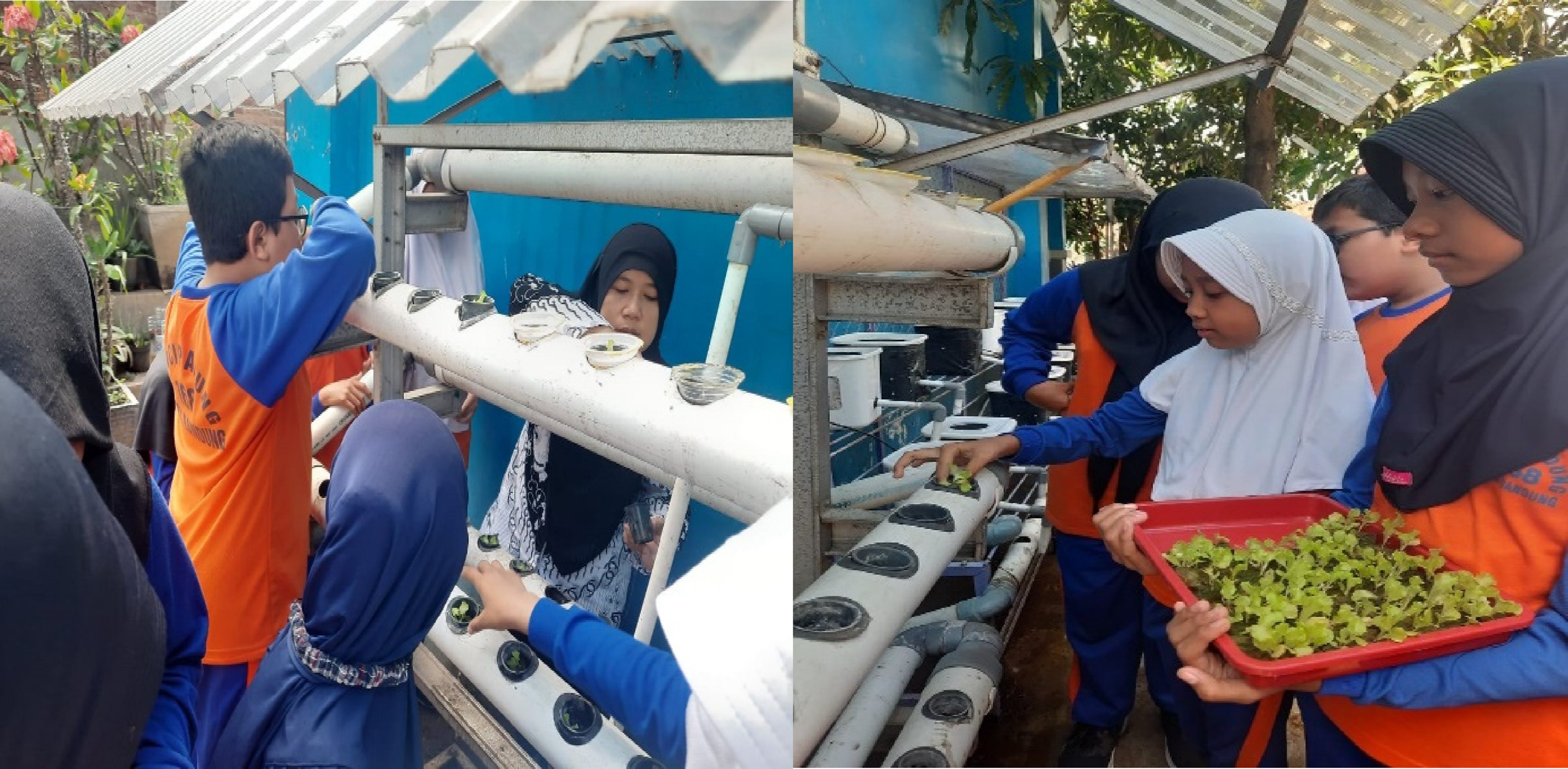
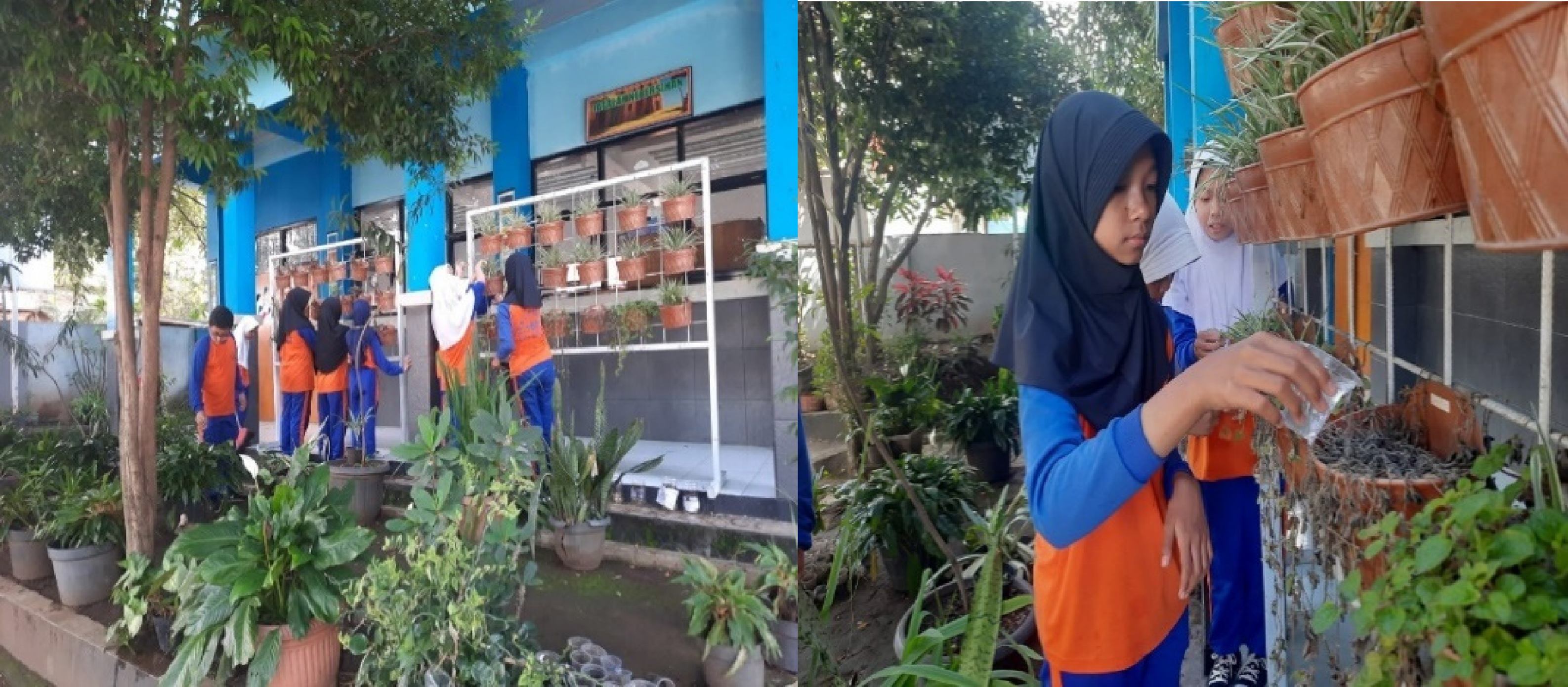
The ideational function concerns the content of texts and images, reflecting how experiences of activities, objects, people, and places are represented. Within the Adiwiyata programme, pro-environmental awareness is expressed through school-based activities such as sorting organic and inorganic waste, composting, hydroponic gardening, and creating vertical gardens. These activities not only promote sustainable practices but also embody the school’s commitment to ecological responsibility. Visual representations of these practices – captured in photographs and shared on school Instagram accounts – extend the reach of environmental messages, allowing all stakeholders to engage with and follow the programme’s initiatives. By framing everyday practices as part of a broader green school identity, the Adiwiyata programme fosters collective responsibility among teachers, students, and staff. In this way, schools become spaces of learning and awareness that cultivate pro-environmental behaviours and contribute to sustainable development. The observed visual artefacts (Figures 1–4) illustrate these themes in practice.
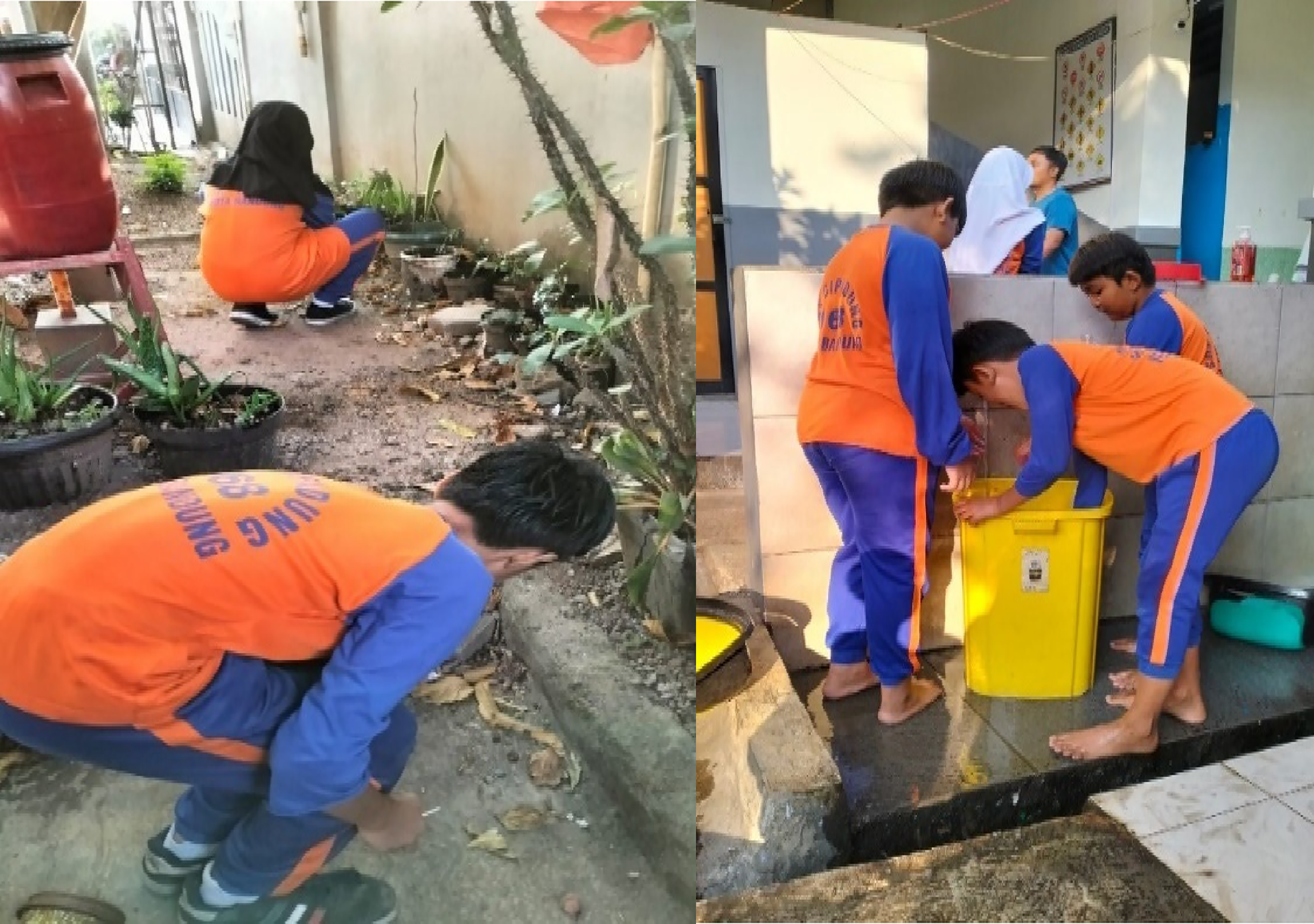
Sorting organic and non-organic waste. See videos on instagram sorting organic and non-organic waste. https://www.instagram.com/p/C374sJLxuio/?img_index=5. https://www.instagram.com/p/C7AzTIvxoRX/?img_index=3.

Figure 1 Long description
The image shows two separate scenes of children engaged in waste sorting activities. In the left scene, a child in an orange and blue uniform is crouching down to pick up waste from the ground, while another child sits nearby. In the right scene, three children are gathered around a yellow bin, with one child bending over to place waste into the bin. The children are wearing matching uniforms, indicating they are part of a group or school activity focused on environmental education and waste management.
Composter activation. See videos on instagram compost er activation. https://www.instagram.com/p/CiCkp17j53B/.
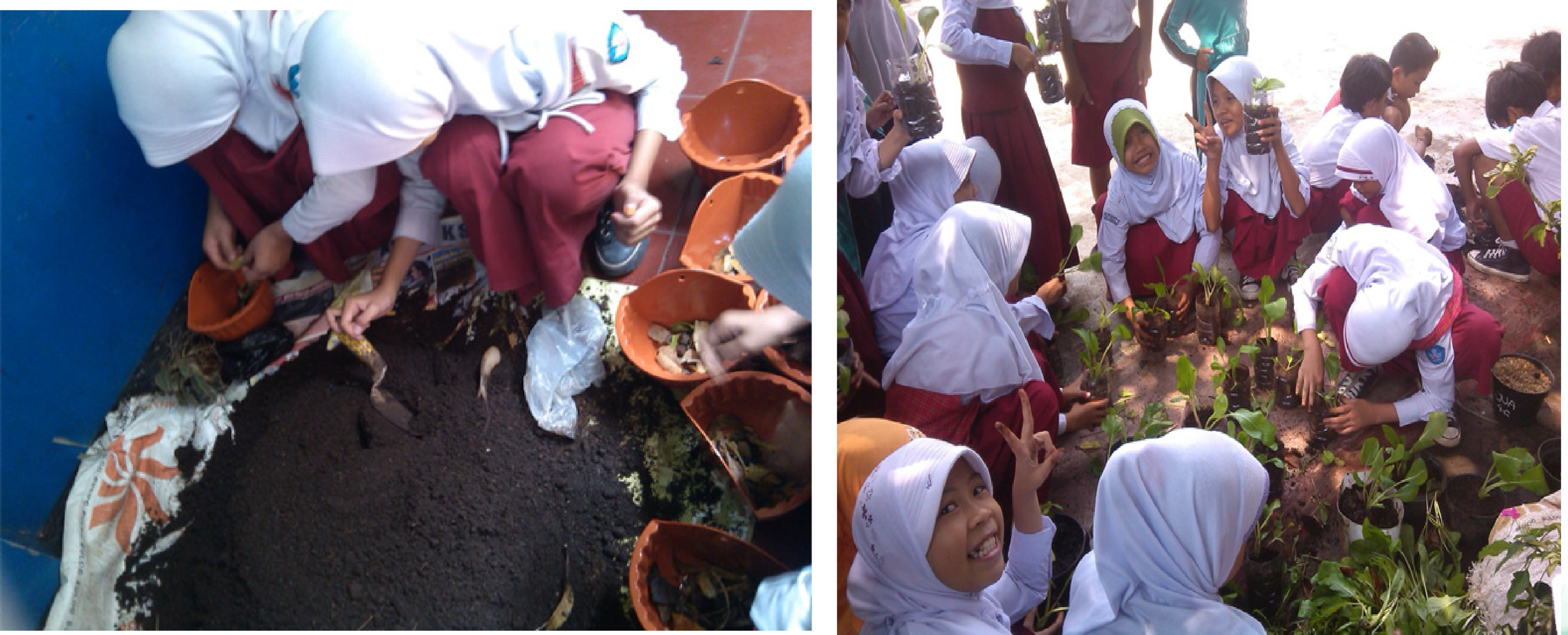
Figure 2 Long description
The image consists of two photos side by side. In the left photo, several students in white shirts and maroon pants are seen planting seedlings in pots. They are using small shovels and appear to be focused on their task. In the right photo, a group of students in similar uniforms are tending to a garden. They are planting seedlings directly into the soil and seem to be enjoying their activity. The students are wearing headscarves and are engaged in hands-on environmental education activities.
Hydroponic plants. See videos on instagram hydroponic plants. https://www.instagram.com/p/CzB06Y6Lay3/. https://www.instagram.com/reel/CkAw28QBix1/?igsh=MW54djBxODZyaDRoMA.

Figure 3 Long description
The image consists of two photos side by side. In the left photo, a group of people wearing orange and blue uniforms are tending to hydroponic plants in a greenhouse. One person is adjusting a pipe while others are handling plants. In the right photo, a different group of people, also in orange and blue uniforms, are examining and holding trays of leafy greens. The greenhouse structure includes blue walls and a corrugated metal roof, with various pipes and containers for the hydroponic system.
Vertical garden. See video on instagram vertical garden. https://www.instagram.com/reel/C7AyqdoRFEG/?igsh=MWU2ZzI5YTNpamttMA.

Figure 4 Long description
The image consists of two photos side by side. In the left photo, several students in blue and orange uniforms are tending to a vertical garden outside a blue building. The garden features multiple shelves with potted plants. In the right photo, a student wearing a blue headscarf and an orange and blue uniform is watering plants in a vertical garden. The garden is attached to the side of a blue building, and various potted plants are visible around the area.
Figure 1 and accompanying Instagram videos illustrate the theme of greening the school environment through the practice of sorting organic and non-organic waste. These activities aim to habituate school community members to responsible waste disposal and to foster cooperation among students through collective efforts to clean both the school and surrounding areas. The event depicted in Figure 1 involves students and teachers as key actors, highlighting waste sorting as a shared responsibility. Semiotic resources reinforce the message: green bins for organic waste, red bins for non-organic waste, and students in both sports and batik uniforms actively participating. Activities include washing yellow and grey bins, cleaning school yards and classrooms, and planting trees. The ideological meaning of these practices is clear maintaining cleanliness and environmental responsibility through proper waste segregation. As shown in the Instagram videos, students are not passive observers but active participants, embodying the values of environmental care.
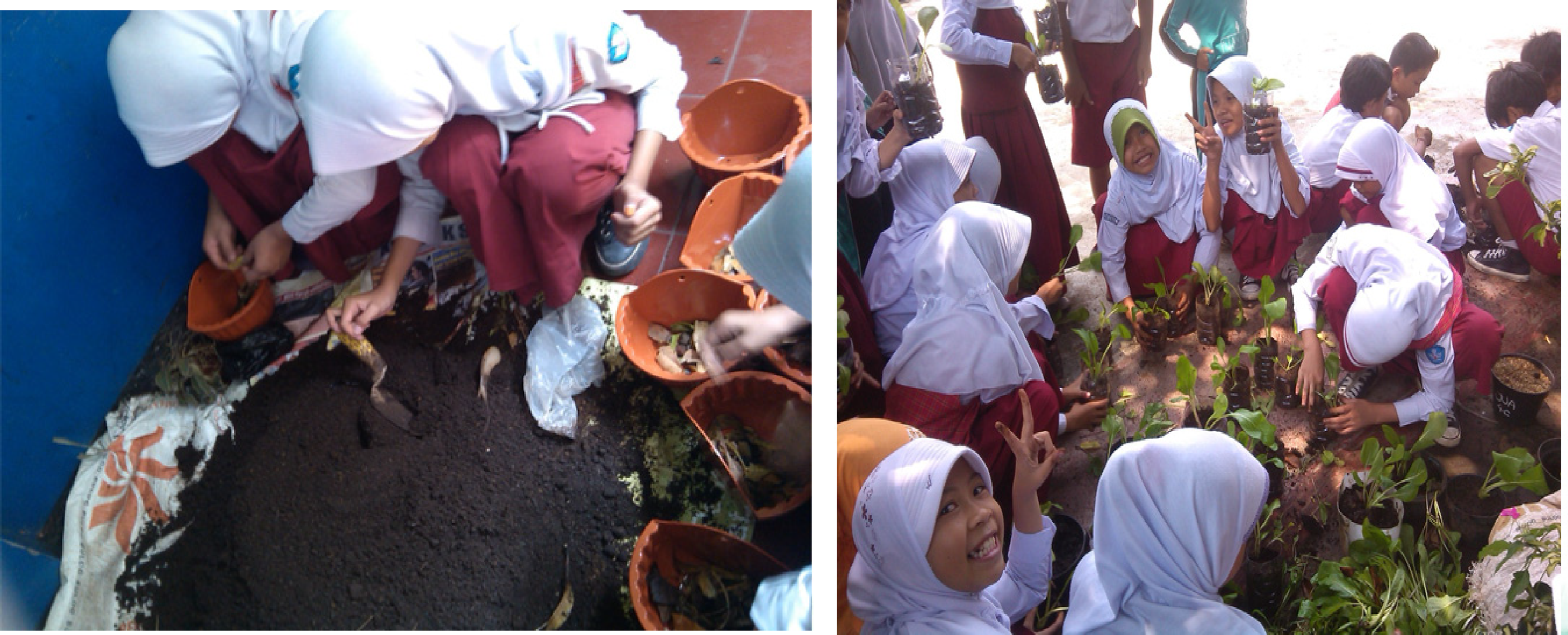
Figure 2 and the Instagram videos depict students learning composting practices under teacher guidance. In the figure, students wear red-and-white uniforms, while in the videos they appear in scout uniforms, with teachers dressed in sports attire. The activities involve mixing dry leaves and twigs with decomposing bacteria (prebiotics) to accelerate the breakdown of organic matter into compost. These materials are collected from the school environment, reinforcing the use of locally available resources. The analysis highlights this event as both a verbal and visual activity in which students collaboratively process organic waste into compost. Semiotic resources such as uniforms, tools, and the composting site – frame the practice as an educational and communal effort. Ideologically, the images and videos convey waste management as a natural process of recycling organic materials into fertiliser, promoting sustainable environmental practices. Complementing this, students and teachers also dig biopore holes in the school yard to enhance soil absorption and support ecological balance.
Figure 3 and Instagram videos show students planting hydroponic seedlings such as lettuce and mustard greens in the school yard. Using pots placed in white containers connected with PVC pipes, students and teachers work collaboratively to establish a hydroponic garden. The teacher wears a black-and-white batik uniform, while students wear orange and blue sports attire. In the front classroom garden, seedlings are also arranged neatly in brown pots. The analysis highlights how the activity is represented both verbally and visually, framing hydroponic gardening as a sustainable practice. Ideologically, the images convey innovation in food production through eco-friendly, resource-efficient methods.
Figure 4 and Instagram videos show students, dressed in sports uniforms, engaged in planting and maintaining vegetation on a vertical garden in the school yard. A vertical garden, or green wall, is used to transform schoolyard walls into productive green spaces. These structures serve multiple ecological functions: absorbing heat, filtering air pollutants, regulating water through absorption and evaporation, and contributing to cooler, cleaner air. The analysis of Figure 4 highlights how students work collaboratively to plant and care for greenery, with the practice represented both verbally and visually. Ideologically, the vertical garden signifies ecological innovation – reducing solar heat, improving air quality, and enhancing oxygen supply while demonstrating responsible environmental stewardship.
The broader findings illustrate how the Adiwiyata programme integrates multiple greening activities into school life. Guided by teachers, students participate in sorting waste (Figure 1), producing compost (Figure 2), cultivating hydroponic vegetables (Figure 3), and establishing vertical gardens (Figure 4). Each initiative fosters awareness of pro-environmental behaviour, instilling values of cleanliness, cooperation, and responsibility. Collectively, these practices demonstrate how green school environments function as living laboratories, where ecological principles are both taught and enacted, preparing students to carry sustainable habits beyond the classroom and into their wider communities.
The interpersonal function: How to raise awareness of pro-environmental values for teachers and students to change behaviour in the community school.
The interpersonal meaning pertains to how social relationships are created through language (realising social relationships between speakers (interpersonal function). To raise awareness of pro-environmental values for teachers and students to change behaviour in the community school. The metafunction of this representation can be seen in the interpretation data at the end of the activity (Figures 1–4 or see videos on instagram), students were asked their opinions about the activity to see their environmental awareness and behaviour. The answers given by the students were analysed and the most frequently used expressions were determined.
The interviews with students, parents, and teachers reveal how experiences in the Adiwiyata programme are discursively constructed through actors, processes, and circumstances. Using Halliday’s ideational function, students’ responses consistently frame themselves as actors engaged in environmental practices (e.g., sorting waste, making compost, planting hydroponics, creating vertical gardens). The processes are material and mental: they involve doing (sorting, planting, cleaning) and learning (realising, understanding, enjoying). The circumstances emphasise place and manner – activities take place outdoors, in the school yard, or in classrooms transformed by posters and green spaces, and are described as fun, useful, explorative, and instructive.
For instance, S1 represents himself as an actor who learns by throwing away waste according to its type, while simultaneously attributing value (it means a lot to me). This blends material and mental processes, showing how experience becomes both action and reflection. Similarly, S2 frames composting as both a physical practice (mixing organic waste with bacteria) and a knowledge-building process (I got experience from making compost… plants need compost as nutrition). Parents (P1, P2) extend this discourse by foregrounding circumstances of immersion, multisensory learning, and real-world experience as central to meaning-making in environmental education.
The analysis of poster interpretations also demonstrates ideational meaning. Students identify texts and symbols (e.g., Go Green, Save Earth, 3Rs) as actors that carry agency by inviting, urging, or instructing. Processes here are largely verbal (invites, teaches, instructs) and mental (understanding, interpreting), while circumstances are framed in terms of school spaces where these messages circulate. Teachers reinforce this by construing posters as symbolic resources that increase awareness, communicate values, and support campaigns. Overall, the ideational analysis highlights how pro-environmental discourse is constructed through experiences of doing, learning, and interpreting. Students and staff are positioned as both actors and interpreters, actively engaged in producing meaning about sustainability. This not only affirms the educational value of Adiwiyata practices but also shows how environmental learning is discursively framed as shared experience, responsibility, and identity.
The findings from the Adiwiyata programme demonstrate how environmental education can be strengthened when schools integrate practice, reflection, and communication. Students and teachers consistently positioned themselves as active participants in ecological practices such as waste sorting, composting, hydroponic planting, and vertical gardening. Through Halliday’s ideational function, these activities are not only material processes of “doing” but also mental processes of “learning” and “valuing.” When learners describe such practices as fun, useful, explorative, and instructive, environmental education becomes a shared social experience that builds cooperation, responsibility, and identity. This suggests that globally, effective programmes should provide opportunities for students to act as both doers and interpreters of sustainability, ensuring that environmental values are experienced as lived practice rather than abstract theory.
Equally important is the role of communication and symbolism. In Adiwiyata, posters, Instagram content, and schoolyard visuals acted as semiotic resources that invited, instructed, and inspired participants to adopt pro-environmental behaviours. These multimodal tools extended ecological discourse beyond classrooms into the broader community, creating shared messages of responsibility and care. The implication for global environmental education is clear: sustainability learning must go beyond technical knowledge by combining hands-on practice, visual and symbolic communication, and reflective dialogue. Such an approach equips schools to cultivate ecological identities, foster community engagement, and align education with the global goals of environmental stewardship and sustainable development.
The textual function: What are the choices of visual text symbols on posters and activity landscapes
Textual meaning concerns how information is organised into coherent messages that resonate in context. In this study, five poster symbols, such as Go Green, Save the Earth, Save Water, Save Energy, and 3R (Reuse, Reduce, Recycle) – and four activity landscapes were examined as cultural texts. These visuals represent people, actions, places, and artefacts, embedding environmental values within everyday school life. Drawing on social semiotics (Kress & van Leeuwen, Reference Kress and Van Leeuwen2006), the analysis shows how posters and activities construct a unified discourse of sustainability. Together, they communicate calls for environmentally responsible behaviour while reinforcing ecological awareness as a shared cultural practice.
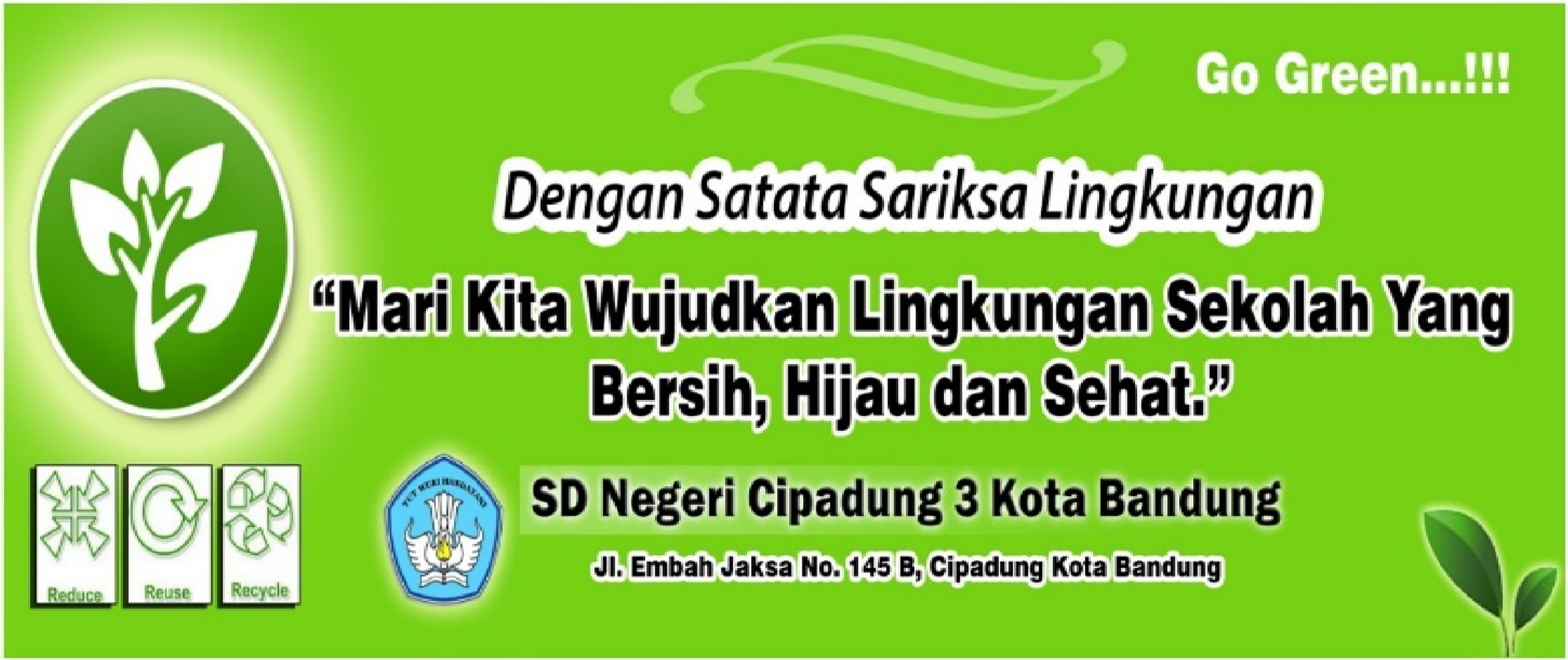
Figure 5 (Go Green Symbol) conveys a call for environmental friendliness, encouraging school residents and the wider community to adopt pro-environmental behaviours, particularly within the school environment. The poster also includes a Sundanese phrase, “Sasata Sariksa Environment,” which reflects local language and culture, reinforcing the message through community identity. Analysis shows that both students and teachers participate in Go Green activities aimed at creating a clean, green, and healthy school environment, communicated textually and visually. The leaf logo and 3R symbol embody the ideology of environmental awareness, emphasising collective responsibility for sustainable practices among school members.
Go Green vision poster. See video on instagram https://www.instagram.com/reel/C721WXsy5hR/?igsh=MW9pYTdscWkwbXI0dw==.

Figure 5 Long description
The poster features a green background with a circular logo containing a white plant on the left side. The text in Indonesian reads, 'Dengan Satata Sariksa Lingkungan, Mari Kita Wujudkan Lingkungan Sekolah Yang Bersih, Hijau dan Sehat.' Below this, it mentions 'SD Negeri Cipadung 3 Kota Bandung' and an address. Icons for reduce, reuse, and recycle are displayed at the bottom left, and the phrase 'Go Green...!!!' is in the top right corner.
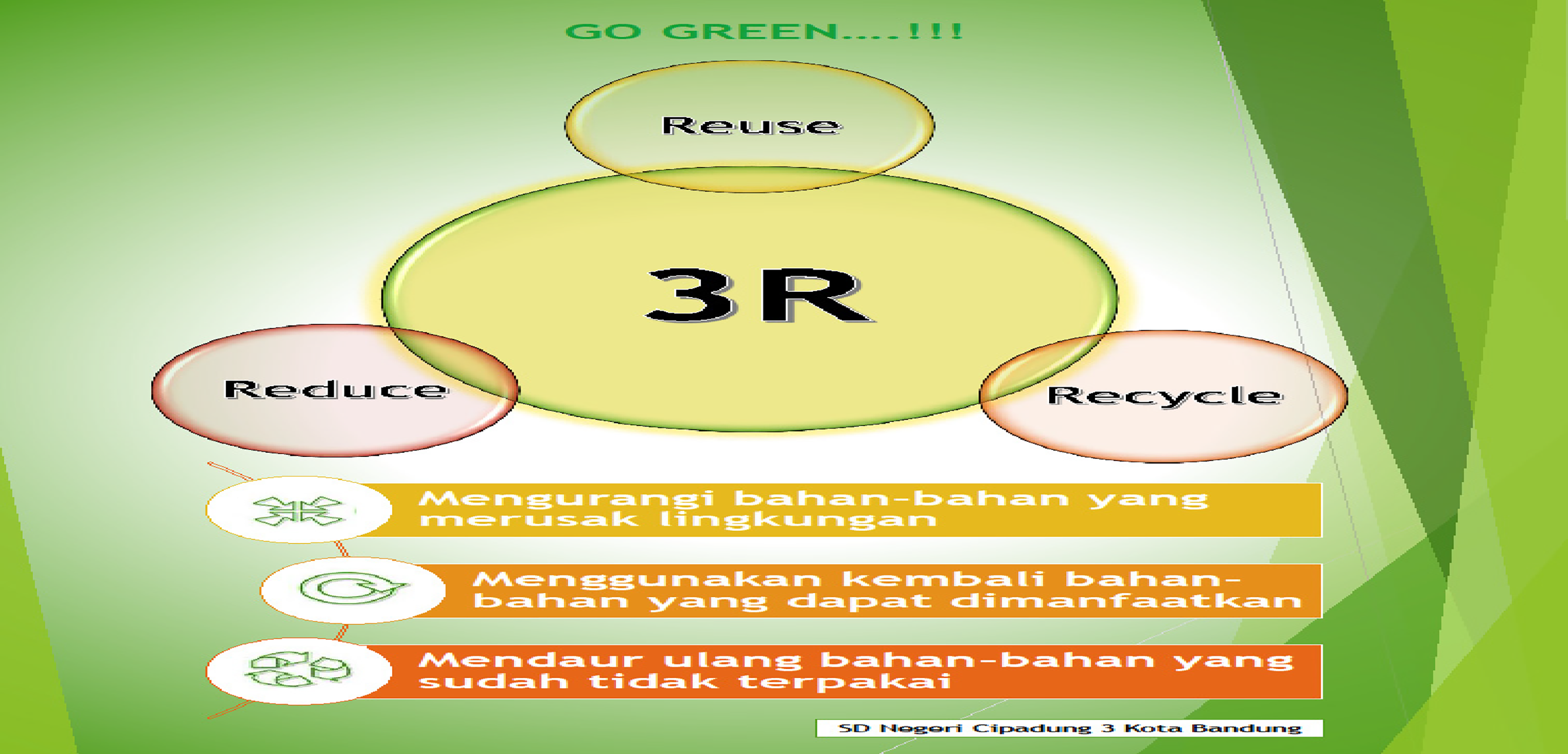
Figure 6 (3R Activity: Reuse, Reduce, Recycle) promotes environmental friendliness by encouraging waste reduction, reuse, and recycling. The poster highlights practical actions such as setting up compost bins and recycling stations for paper, bottles, and other items, activities that can be done by anyone, anytime, and at no cost. These practices not only reduce waste but also serve as hands-on lessons for students, who can extend them into their homes. Analysis shows that students and teachers enact the 3R process in schools as part of Go Green initiatives. Ideologically, the 3R logo symbolises collective responsibility for sustainable waste management.
3R (Reuse, reduce, recycle). See video on instagram https://www.instagram.com/reel/CZzLEAGlv5s/?igsh=ZWM5MmRweHpiZ2h1.

Figure 6 Long description
A Venn diagram illustrating the 3R principle: Reuse, Reduce, and Recycle. The diagram features three overlapping circles, each representing one of the principles. The Reuse circle is at the top, the Reduce circle is on the left, and the Recycle circle is on the right. The overlapping sections indicate the interconnectedness of these principles. The Reduce circle includes a description in Indonesian about reducing materials that pollute the environment. The Reuse circle describes using materials that can be utilized again. The Recycle circle mentions recycling materials that are no longer useful. The diagram emphasizes the importance of these actions for environmental sustainability.
Figure 7 (Save the Earth) uses the image of a tree with the text “Let’s Protect Our Earth (Save the Earth)” to promote environmental responsibility. The poster connects tree planting with Earth Day activities, teaching students the importance of caring for the planet through simple actions: planting trees, using reusable bags and bottles, composting, and disposing of waste properly. Analysis shows that students and teachers embody these practices in school as part of environmental stewardship, conveyed both textually and visually. Ideologically, the Save the Earth logo represents a collective responsibility to sustain life on the planet. The inclusion of English text, such as “Go Green Save the Earth,” reflects the global relevance of environmental literacy while also supporting English language learning in schools.
Save the Earth. See video on instagram https://www.instagram.com/reel/C1NxWbMhw3M/?igsh=MWFob3V5cHh3dXc4Mg==.

Figure 7 Long description
The left image displays a tree with numerous icons representing different aspects of sustainability, such as recycling, energy conservation, and environmental protection. The right image features a globe adorned with green leaves and text that reads 'Go Green...!!! Save The Earth!' in both English and Indonesian. The text in Indonesian translates to 'Ayo Jaga Bumi Kita...!!!', which means 'Let's Take Care of Our Earth...!!!'. The images are overlaid on a green background with a geometric pattern.
Figure 8 (Save Water) emphasises the importance of conserving water through efficient use and sustainable practices. It highlights methods such as careful irrigation, minimising evaporation and runoff, recycling organic residues, and improving soil quality to increase water retention. Analysis shows that students and teachers engage in water-saving practices, both in classrooms and schoolyards, as part of environmental learning. Textual and visual elements together promote the responsible use of water according to need. Ideologically, the Save Water logo conveys a call to cultivate awareness and responsibility for water conservation among all school members.
Save water. See video on instagram https://www.instagram.com/reel/C7G68xPRPws/?igsh=MThoMzh4cWpmZjZ4dA%3D%3D.

Figure 8 Long description
The image features a green faucet with water droplets falling from it on the left side. On the right side, there is a smiling water droplet with the text 'save water' written below it. The background is filled with small blue water droplets. The text 'HEMATLAH AIR' is prominently displayed in large green letters, with the phrase 'Gunakan Air Sesuai Kebutuhan Kita...!!' written in red below it. At the bottom, the text 'SD Negeri Cipadung 3 Kota Bandung' is visible.
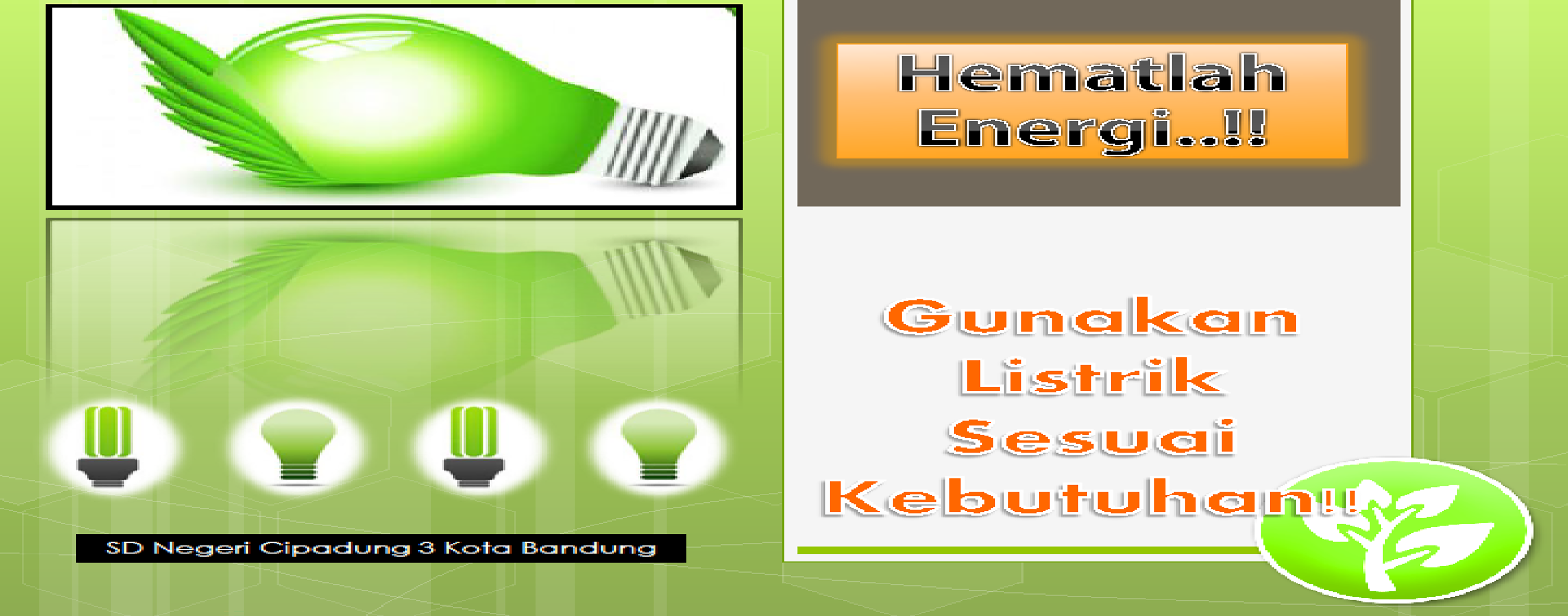
Figure 9 (Save Energy) promotes environmentally friendly behaviour by encouraging simple yet effective energy-saving practices. These include turning off lights when leaving a room, using LED bulbs, switching to energy-efficient appliances, unplugging unused devices, reducing water use, maintaining low indoor temperatures, maximising natural lighting, installing double-glass doors, cooking with lids on, washing clothes at low temperatures, and adopting solar-powered devices. In the poster, the Save Energy message is reinforced through the image of a light bulb, symbolising awareness of responsible energy use. Both students and teachers are depicted as actors practicing energy conservation in everyday school life. Ideologically, the poster conveys energy saving as a shared responsibility for all school members.
Save energy.

Figure 9 Long description
An illustration featuring a green lightbulb with a leaf design, symbolizing energy efficiency. The background is a gradient of green shades. The text on the right side reads 'Hematlah Energi..!!' at the top, which translates to 'Save Energy..!!', and 'Gunakan Listrik Sesuai Kebutuhan!!' below, meaning 'Use Electricity According to Needs!!'. At the bottom left, there are four lightbulbs in circles, likely representing different energy-saving tips or levels. The bottom left corner includes the text 'SD Negeri Cipadung 3 Kota Bandung', indicating the school associated with this message.
The research shows that Save Energy is one of five interconnected poster messages displayed around the school: Go Green (Figure 5), 3Rs: Reduce, Reuse, Recycle (Figure 6), Save Earth (Figure 7), Save Water (Figure 8), and Save Energy (Figure 9). Together, these visual texts serve as communication tools in environmental education, raising awareness, shaping attitudes, and encouraging pro-environmental behaviour among school residents. The posters not only decorate the school but also function pedagogically by embedding environmental values in daily life. They provide students with experiences (e.g., practicing energy conservation), knowledge (e.g., interpreting the meaning of Go Green), skills (e.g., waste processing or water saving), and attitudes (e.g., care for nature). In this way, visual and verbal texts become active learning resources that cultivate environmental literacy and inspire sustainable practices in diverse sociocultural contexts.
Discussion and conclusion
This research aims to examine the meaning of visual texts in both the landscapes of actors’ activities and poster symbols, internalised through an ecolinguistic perspective. The study contributes to the expanding ecolinguistic literature on green schools by analysing how visual and verbal messages foster pro-environmental behaviour within school communities. Using critical discourse analysis (van Leeuwen, Reference Van Leeuwen2008), the research focuses on three metafunctions: ideational/representational (experience), interpersonal (social relationships), and textual/compositional (moral messaging). These metafunctions are analysed through two dominant themes: the greening of the school environment and the call for environmentally friendly practices. The representational metafunction, in particular, illustrates actions and events that occur in transforming and managing space (Kress & van Leeuwen, Reference Kress and Van Leeuwen2006), highlighting how perception, cognition, emotion, and intention are expressed in visual texts. Such representations make it possible to interpret reality through poster symbols and activity images. In Halliday’s transitivity framework, representation is grounded in ecological processes involving actors, material actions, and circumstances (Halliday & Matthiessen, Reference Halliday and Matthiessen2014). This allows the analysis to connect events, objects, and practices with the values, attitudes, and qualities embedded in the school community’s ecological discourse.
The three thematic strands represented in activity landscapes featuring teachers and students, and in poster symbols emphasise that green schools operate within a “whole school” framework. This approach integrates environmental content into the curriculum, incorporates ecological principles into school management, and engages the wider community to strengthen environmental awareness and sustainable behaviour (Goldman et al., Reference Goldman, Ayalon, Baum and Weiss2018). Such findings resonate with Gen et al. (Reference Genc, Genc and Rasgele2017), who argue that nature-based education fosters more positive student attitudes toward the environment and living organisms, enhancing affective engagement as well as cognitive understanding. Students in the current study similarly expressed stronger ecological awareness, demonstrating shifts in their behaviours and attitudes as they engaged with environmental activities and discourses. These results highlight that green school practices must not remain extracurricular but should instead be embedded within the curriculum and broader educational programmes. In doing so, schools can cultivate critical thinking skills, promote sustainable habits, and minimise actions that contribute to environmental degradation.
The practical implications of this study are significant. Findings show that ecological awareness and responsibility are not only taught through hands-on activities, such as composting, hydroponic planting, vertical gardening, and waste sorting, but also discursively constructed and reinforced through visual and verbal texts. Posters such as Go Green, Save Water, Save Energy, and 3Rs (Reduce, Reuse, Recycle) function as symbolic resources that communicate values, provide instructions, and reinforce pro-environmental norms in daily school life. Similarly, Instagram posts and landscaped school spaces serve as semiotic landscapes that position both teachers and students as active participants in sustainability practices. These multimodal resources do not merely decorate the school environment; rather, they operate as teaching tools that encourage reflection, shape ecological identity, and create shared meaning about environmental responsibility. By using these modes of communication, the Adiwiyata programme in Indonesia demonstrates how environmental values can be embedded into everyday school practices and discourses.
Theoretically, this research extends environmental education scholarship by applying a social semiotic lens to green schools. While much of the existing literature focuses on measuring behavioural outcomes, policy impacts, or curricular content, this study demonstrates how sustainability is discursively constructed through language, symbols, and multimodal communication. Drawing on Halliday’s metafunctions and Kress and van Leeuwen’s framework, the findings reveal that ecological identities and responsibilities are framed ideationally (through experiences of action and learning), interpersonally (through relationships and shared values), and textually (through coherent environmental messages). This theoretical contribution is particularly novel in showing that schools are not just sites of ecological practice but also spaces of meaning-making, where sustainability is communicated, contested, and internalised.
In sum, this research highlights that environmental education is most impactful when ecological practices and discourses are combined. Activities such as waste management or energy conservation gain greater significance when reinforced by symbolic communication through posters, visual landscapes, and digital media. The findings suggest that environmental literacy emerges not only from doing but also from interpreting and meaning-making. By foregrounding discourse analysis, the study provides a fresh perspective on how green schools shape ecological awareness, positioning them as both ecological and semiotic environments. This dual focus offers a novel contribution to the theory and practice of environmental education, demonstrating that fostering sustainability requires both action and discourse, both practice and meaning.
List of interview questions

Source(s): Authors’ work.
Acknowledgements
We are deeply grateful to all the participants for generously sharing their lived experiences. We also thank Professor Handoyo Puji Widodo for his insightful feedback on this manuscript and extend our appreciation to the PERIISAI Center for Social Science Research for their intensive manuscript mentoring programme.
Financial support
The research received specific funding from the Inter-University Collaborative Research Program of UIN Sunan Gunung Djati Bandung in 2020, No. 134/Un.05/V.2/Kp.02.3/02/2020.
Ethical standard
This study received ethics approval from the participants involved in this study.
Author Biographies
Ambar Sri Lestari is a faculty member of Islamic Educational Management at Universitas Islam Negeri Syarif Hidayatullah Jakarta, Indonesia. She holds a doctoral degree in Educational Management from Universitas Negeri Jakarta, Indonesia. Her current research interests include education management, higher education management, learning innovation and teacher professional development. Her research activities to explore the green school as a eco-pedagogy in environmental education and she is pursuing is on human resources development in educational institutions or professional learning communities for teacher or faculty member.
Imelda Wahyuni is a member of the Arabic language Education Department of Institut Agama Islam Negeri Kendari, Kendari, Indonesia. Her research interests include language education, language learning in higher education.




 Open access

