


I. Introduction
In the last two decades, the hard cider sector has been one of the fastest growing segments of the alcoholic beverage market in the United States (Wood, Reference Wood2021). Despite this overall remarkable growth, the cider industry has seen sales plateau in the last 5 years, which industry analysts explain by noting that sales and growth have cooled for larger, nationally distributed cider producers, while continuing to grow for small, regional producers (Wood, Reference Wood2021). As is typical for most industries, small, local cider-makers produce ciders with higher variability in a number of different qualities, both between producers (and regions) and within individual businesses, batch-to-batch. This kind of variability is often identified as a positive aspect of “craft,” “local,” and/or “artisan” food-production sectors by consumers and producers alike (Lahne and Trubek, Reference Lahne and Trubek2014; Paxson, Reference Paxson2013). However, for cider, the situation is more ambiguous: cider producers have ascertained an “identity crisis” in hard cider that is, in their opinion, directly related to the sensory/flavor quality of their products and the ways in which they are produced (Fabien-Ouellet and Conner, Reference Fabien-Ouellet and Conner2018).
Economics is often criticized for only assuming consumers are rational in the sense that there is an inverse relationship between price and quantity. Yet, there is a growing literature that assumes psychological factors, such as flavor preferences, play a role in choosing goods. At its core, the economics literature focuses on the central idea that there is an order to an individual's preferences void of social context that is often key to deriving a ranking of preferences. Flavor, and more generally, sensory aspects of food are a prime example of such missing attributes that provide more context to consumer choices. These concepts could be categorized under a contextual theory of demand. Some studies have incorporated sensory components into empirical analysis (Neill and Lahne, Reference Neill and Lahne2022; Tozer et al., Reference Tozer, Galinato, Ross, Miles and McCluskey2015; Waldrop and McCluskey, Reference Waldrop and McCluskey2019), but most have focused on the addition of beliefs and social influences about personal health, healthfulness of certain foods, and other social/environmental preferences (Axsen et al., Reference Axsen, Orlebar and Skippon2013; Lusk et al., Reference Lusk, Schroeder and Tonsor2014; Neill and Holcomb, Reference Neill and Holcomb2019; Neill and Williams, Reference Neill and Williams2016).
Focusing on sensory attributes provides an additional, important lens with which to understand the market appeal of food products with extensive product variety. In sensory and consumer science studies, so-called “intrinsic” attributes, in particular flavor qualities, are considered critical for understanding and predicting consumer preferences (Lawless and Heymann et al., Reference Lawless and Heymann2010). These fields, however, tend to ignore the so-called “extrinsic” attributes that are central to economic interpretations of individual consumers' behavior (Lahne, Reference Lahne2016). On the other hand, as noted above economists tend to assign such intrinsic attributes to a “quality” difference given the variable heterogeneity present in consumer tastes. It may therefore be productive to explicitly consider the intrinsic attributes of products as well as consumers' beliefs and social attitudes toward those products. Here, we examine how consumer preferences may be combined with information about the intrinsic, varied sensory attributes of a product—specifically, American hard cider—in order to examine how ciders are valued within their own product category and in relation to the larger alcoholic beverage market.
To better understand how to position hard cider in the marketplace, we utilized a two-stage approach. First, we develop a shelf-talker choice experiment based on previous literature about the consumer and producer perceptions of hard cider flavor and production. This first experiment allows us to better understand which attributes consumers most highly value and provides insights into consumer segmentation of the hard cider market. We then use these results in a basket- and expenditure-based choice experiment (BEBCE) (Neill and Lahne, Reference Neill and Lahne2022) to determine how hard cider can be positioned in the larger alcoholic beverage market. In particular, we examine the substitution/complementarity patterns of hard cider in relation to alcoholic beverages that it is commonly compared to—red wine, white wine, and beer.
Given hard cider's “identity crisis,” it is imperative to provide evidence-based recommendations for clear marketing strategies so that the industry can provide guidance to producers. Many of the producers of hard cider in the United States are small businesses and owners of apple orchards. Assisting them in discovering key marketing strategies will serve to advance the modern hard cider into a larger portion of the alcoholic beverage market while also catering to the diversity of cider flavors.
The remainder of this article is as follows: a review of previous research on the history of hard cider production and important sensory qualities; the details and results of the shelf-talker choice experiment; the details and results of the BEBCE; followed by a discussion of the results, limitations of the studies, and future work in this area.
II. Defining hard cider
In most of the Western world, “cider” is the alcoholic beverage produced from the fermentation of apple juice; in the United States, however, which has a tradition of consumption of unfermented, unfiltered apple juice, this alcoholic beverage is usually called “hard cider” in order to make the distinction clear (Lea, Reference Lea2015; Proulx and Nichols, Reference Proulx and Nichols2003; Watson, Reference Watson2013). In this manuscript, the terms will be used interchangeably. In the last two decades, the cider sector has been one of the fastest growing segments of the alcoholic beverage market in the United States (Wood, Reference Wood2021).
Despite this overall remarkable growth, the cider industry has seen sales plateau in the last 5 years, which industry analysts explain by noting that sales and growth have cooled for larger, nationally distributed cider producers, while continuing to grow for small, regional producers (Wood, Reference Wood2021). As is typical for most industries, small, local cider-makers produce ciders with higher variability in a number of different qualities, both between producers (and regions) and within individual businesses, batch-to-batch. This kind of variability is often identified as a positive aspect of “craft,” “local,” and/or “artisan” food-production sectors by consumers and producers alike (Lahne and Trubek, Reference Lahne and Trubek2014; Paxson, Reference Paxson2013). However, for cider, the situation is more ambiguous: cider producers have identified an “identity crisis” in hard cider that is, in their opinion, directly related to the sensory quality of their products and the ways in which they are produced (Fabien-Ouellet and Conner, Reference Fabien-Ouellet and Conner2018).
Briefly, the problem facing cider producers in the United States is that consumers apparently do not have a fixed idea of what cider is: what sensory characteristics a cider has, how those characteristics are related to production practices and ingredients, and even how cider relates the set of alcoholic beverages typically consumed in the United States, such as beer, wine, or distilled spirits. For beer and wine, consumers have rich conceptual taxonomies related to expectations of flavor and appropriate use: for example, those who have even a passing interest in wine will quickly learn that Napa Valley Cabernet Sauvignon has a rich, fruity flavor profile with notes of green pepper and vanilla, whereas Appellation d’Origine Contrôlée (AOC) Beaujolais wines (made from the Gamay grape) will be light-bodied with berry notes of strawberry and raspberry; similarly in beers, an American India Pale Ale (IPA) will be expected to have strong bitterness and citrus or fruit notes from the heavy application of hops, while a lager, American or German, will be only lightly bitter, with almost no sweetness and a crisp, refreshing aftertaste. Individual exemplars will of course hew more or less closely to these prototypical descriptions, but consumers quickly learn to refer to these prototypes to guide their purchasing and consumption decisions. The crisis that Fabien-Ouellet and Conner (Reference Fabien-Ouellet and Conner2018) refer to is exactly the lack of this kind of shared, conceptual prototype among U.S. consumers for cider.
Although cider has been made in the United States since before the Revolutionary War (Flynt, Reference Flynt2023), a number of factors—such as Prohibition in the early 20th century and changing consumption patterns from industrialization and immigration around the same time (Lea, Reference Lea2015; Watson, Reference Watson2013)—led to cider's almost complete disappearance from the market between the 1940s and the early 2000s (Lea, Reference Lea2015). Consequently, consumers lack the shared knowledge about prototypical flavors and their relation to ingredients and processing that is more common for beer and wine consumers (Calvert et al., Reference Calvert, Neill, Stewart, Chang, Whitehead and Lahne2023c). Production information analogous to that for beer and wine—whether a cider is made from Honeycrisp or Harrison apples or whether it is made from apples grown in Virginia or Vermont—does not currently carry analogous information about how that cider will taste to a potential purchaser or consumer (Calvert et al., Reference Calvert, Neill, Stewart, Chang, Whitehead and Lahne2023d; Fabien-Ouellet and Conner, Reference Fabien-Ouellet and Conner2018). Thus, cider makers see the current plateau in the growth of the cider industry as exacerbated or even caused by this lack of identity: consumers may be perfectly happy to try a cider once, but without the ability to tie the sensory quality of a cider to its type, consumers are not forming attachments to brands or habits of consuming “types” of cider. In some sense, this is because these “types,” which would be like “Cabernet Sauvignon” or “IPA,” are still not well-defined or understood (Calvert et al., Reference Calvert, Neill, Stewart, Chang, Whitehead and Lahne2023d). Consequently, producers are employing a set of diverse and often discordant attempts to communicate how their ciders taste and how the sensory characteristics are related to production characteristics (Calvert et al. Reference Calvert, Cole, Stewart, Neill and Lahne2023b; Calvert et al., Reference Calvert, Cole, Neill, Stewart, Whitehead and Lahne2023a).
This is not to say that consumers in the United States do not notice or have preferences for the different sensory characteristics of cider. Although a decade ago rigorous evidence of this was sparse, in the last several years a series of studies have investigated the sensory characteristics of cider and consumer responses to those characteristics from a number of different perspectives. A study from Phetxumphou et al. (Reference Phetxumphou, Cox and Lahne2020) found that consumers not only were able to generate a set of consistent descriptors for the sensory characteristics of Virginia hard ciders but to apply them in distinguishing better- and worst-liked ciders. Kessinger et al. (Reference Kessinger, Earnhart, Hamilton, Phetxumphou, Neill, Stewart and Lahne2020) found that Virginia consumers made consistent groups of hard ciders when asked to sort them in a blind tasting, but that these groups did not match the groups consumers made when asked to sort the cider labels and product information without tasting them. Jamir et al. (Reference Jamir, Stelick and Dando2020) found that consumers from different cultures produced different descriptions for ciders and sorted them into different groups. Finally, Calvert et al. (Reference Calvert, Cole, Stewart, Neill and Lahne2023b) found that attempts from cider makers to describe ciders in terms of “dryness” determined from simple cider chemistry was insufficient to explain consumer perceptions of dryness and consumer liking in general.
A separate set of studies has attempted to develop the kind of shared sensory lexicon for cider that is thought to make the identification of “types” in wines and beers possible (Noble et al., Reference Noble, Arnold, Buechsenstein, Leach, Schmidt and Stern1987; Shapin, Reference Shapin2016). Littleson et al. (Reference Littleson, Chang, Neill, Phetxumphou, Sandbrook, Stewart and Lahne2022) used sensory descriptive analysis (Heymann et al., Reference Heymann, King, Hopfer, Varela and Ares2014) to develop the first modern lexicon for American ciders and found that experimental ciders made with different apple types (Harrison and Goldrush), and different fermentation methods (pied de cuvé and yeast inoculation) had significantly different sensory profiles. Following on this, Cole et al. (Reference Cole, Stewart, Chang and Lahne2023) demonstrated that commercial ciders in Virginia had distinct sensory profiles and that there was preliminary evidence of distinct consumer clusters based on their preferences for these different sensory profiles: some consumers preferred sweet ciders but were sensitive to “flaws” in cider making, some only cared if the ciders were sweet, and some consumers actively disliked sweetness in ciders and sought out acidic, tannic ciders with no acceptance of flaws. Finally, recently Calvert et al. (Reference Calvert, Neill, Stewart and Lahne2023e) demonstrated that a large set of ciders from several U.S. states (Virginia, Vermont, and New York) demonstrated distinct sensory profiles, along with differences that could be attributed to state of origin, packaging-type, and declared cider style (“modern” vs. “traditional”). Thus, it is apparent that there are distinct and potentially consistent variations across cider sensory characteristics and profiles in the United States. However, it is not clear that these sensory profiles are well understood by consumers or well explained and communicated by producers (Calvert et al., Reference Calvert, Cole, Neill, Stewart, Whitehead and Lahne2023a, Reference Calvert, Neill, Stewart, Chang, Whitehead and Lahne2023c, Reference Calvert, Neill, Stewart, Chang, Whitehead and Lahne2023d; Fabien-Ouellet and Conner, Reference Fabien-Ouellet and Conner2018).
Therefore, the current work attempts to understand how common cider descriptors and attributes can be utilized in better positioning this product in terms of consumer segmentation and in the larger alcoholic beverage market. By doing so, the “identify crisis” experienced by hard cider producers can begin to be addressed and provide a better economic outlook for the industry.
III. Experiment 1: Hard cider flavor and label preferences
As noted in the growing literature on hard cider, preferences are known to be heterogeneous, yet there is little formal economic analysis to define these consumer profiles (Tozer et al. (Reference Tozer, Galinato, Ross, Miles and McCluskey2015) is the main study cited for economic work in this space). Moreover, only more recent research has addressed the issue of extensively describing flavor attributes in cider via sensory science methods (Calvert et al., Reference Calvert, Cole, Neill, Stewart, Whitehead and Lahne2023a, Reference Calvert, Neill, Stewart, Chang, Whitehead and Lahne2023c, Reference Calvert, Neill, Stewart, Chang, Whitehead and Lahne2023d, Reference Calvert, Neill, Stewart and Lahne2023e; Fabien-Ouellet and Conner, Reference Fabien-Ouellet and Conner2018). Applying the newer knowledge of flavor language about hard cider to traditional choice experiments allows for an understanding of the value consumers place on such attributes.
A. Survey and experimental design
The first experiment is designed as a choice experiment in which participants are asked to repeatedly choose between two hard cider options presented with different “shelf-talkers” or realistic descriptions that could be used on labels for the product. We vary a number of attributes related to flavor and production of hard cider. In terms of production, we vary the locality of which the apples were grown (state or local orchard), whether traditional cider apples were used, type of fermentation, whether the hard cider is a blend of different apples or if it is from a single varietal. For flavor we vary a descriptor of perceived sweetness/dryness (sweet, semi-dry, or extra-dry), an acidity statement (whether the cider was described as having a bright acidity), and whether there is a simple apple flavor or a “funky” flavor. Finally, we vary price at three levels ($15, $20, and $25).
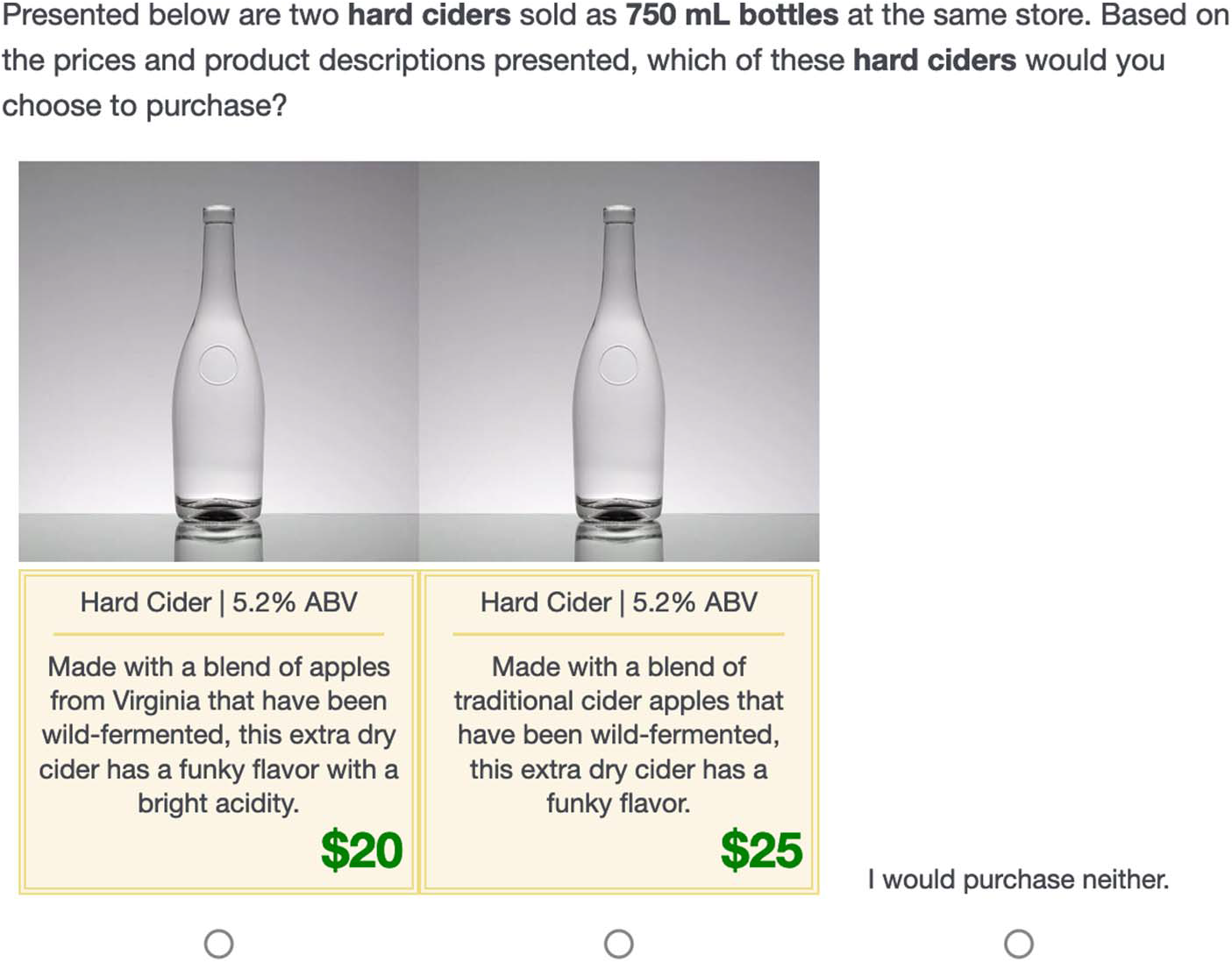
We use a main-effects, orthogonal, fractional factorial design with three attributes varying at three levels (price, locality, and sweetness) and five attributes with two levels (funky flavor, acidity statement, cider apples, single varietal, and fermentation). The design resulted in 36 pairwise choice questions. We employed a blocking factor so that all participants only answered nine questions from one of four sets of questions. Every choice question also had the option of “choose neither” which is used as the base in the analysis. An example of the choice questions is presented in Figure 1.
Example of repeated choice question presented to participants.

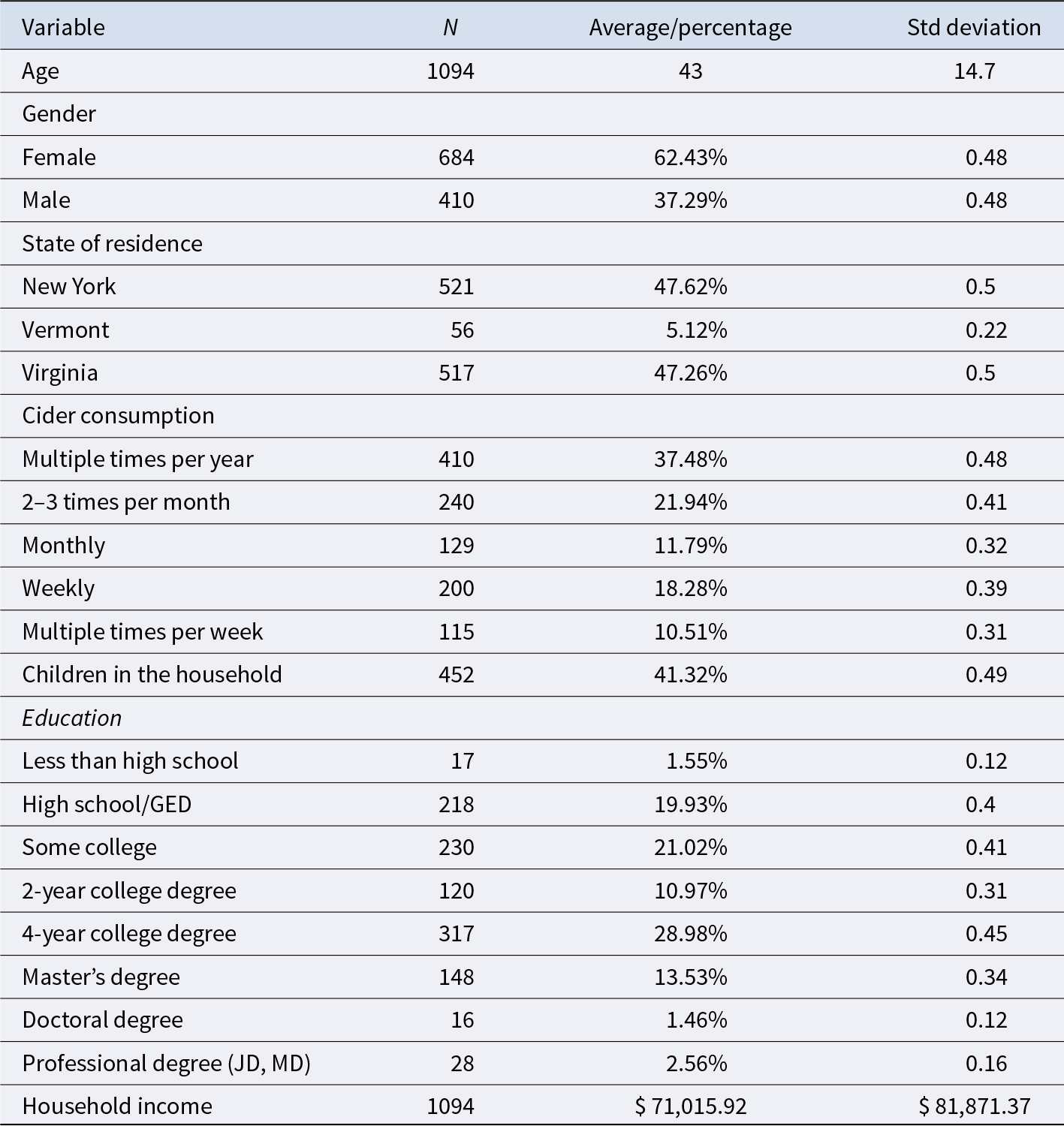
The survey was conducted via an online panel managed by Qualtrics in which participants were incentivized to complete the survey. We chose to sample across three states—New York, Virginia, and Vermont—as these are states on the East Coast of the United States that are predominately focused on producing apples for the juice and cider markets. The summary statistics in Table 1 are for the respondents to the online survey across the three states of interest. There are far more female respondents than U.S. Census records. We also don't have a population-weighted sample from each of the states as this would inordinately favor New York consumers. Also, household income is above the average general U.S. household but we specifically targeted hard cider drinkers which may generally have a higher income.
Summary statistics for experiment 1: hard cider shelf talkers

B. Econometric formulation
To account for consumer heterogeneity and help identify potential market segments, a latent class logit model (LCLM) was used for analysis of the choice experiment. The LCLM is more flexible compared to the conditional logit which restricts consumers to homogeneous preferences in a single equation. As such, we allow for heterogeneity among consumers by allowing for different classes of parameters in each of the choice attributes. The LCLM choice probability of choosing alternative  $j$ is given by:
 \begin{equation}{P_j}|c = \frac{{{e^{{{x{^{\prime}}}_j}{\beta _c} - {\alpha _c}{p_j}}}}}{{\sum\limits_{k = 1}^J {e^{{{x{^{\prime}}}_k}{\beta _c} - {\alpha _c}{p_k}}}}},\end{equation}
 where utility is represented by  $U = {x_j}{\beta _c} - {\alpha _c}{p_j}$ for an individual which is determined by observed variables of each alternative, ${x_j}$, and depends on the parameters $\beta $; $p$ and $alpha$ represent the price and parameter value of alternative $j$ and the resulting probability of an individual $i$ being in class $c$ is calculated as:
 \begin{equation}Prob(class = c) = {Q_{ic}} = \frac{{\exp {\theta _c}{z_i}}}{{\sum\limits_{c = 1}^C \exp {\theta _c}{z_i}}}\end{equation}
 where  ${z_i}$ is a set of individual characteristics. The number of classes, $c$, in the LCLM estimation is chosen a priori to be three in our case after testing the model for two and four classes and compared the results using log-likelihood ratio tests. In other words, we do not arbitrarily choose the number of classes based on prior information but rather use log-likelihood ratio tests to inform our choice in number of classes.
C. Results
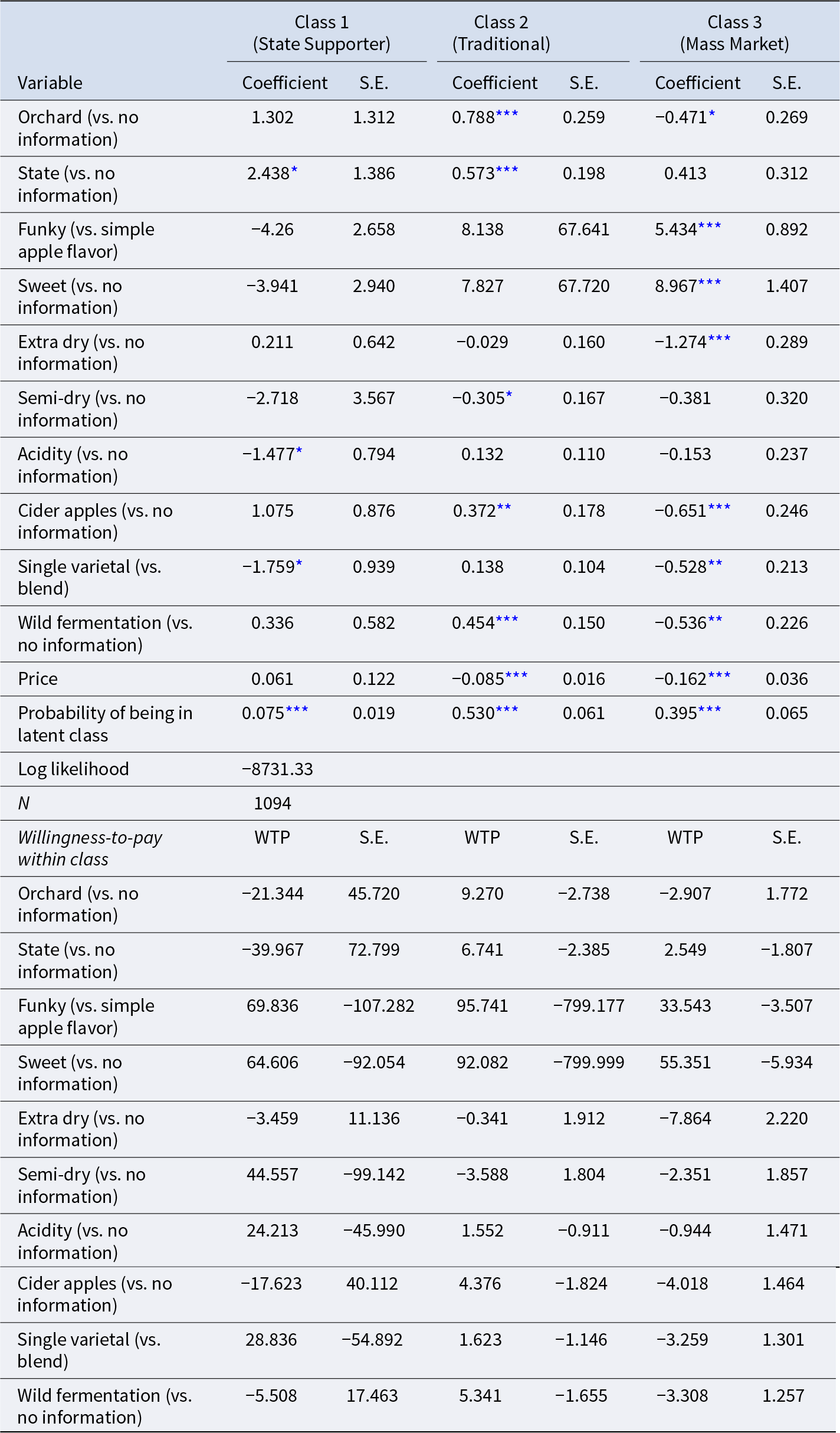
Table 2 shows the LCLM estimation results. As noted earlier, we modeled three latent classes following information gathered from log-likelihood ratio tests, which we name as follows for ease of discussion: Class 1 is denoted as the “State Supporter” cider drinker, Class 2 as the “Traditional” cider drinker, and Class 3 as the “Mass Market” cider drinker. These class names reflect which coefficients were of statistical significance in each class and also correspond with prior research on cider flavors that are common to different cider markets. Table 2 also contains the in-class willingness-to-pay (WTP) for each cider flavor with standard errors calculated following the Daly et al. (Reference Daly, Hess and de Jong2012) method:
 \begin{equation}{\sigma _{WTP}} = ({\beta _x}/{\alpha _{price}})\sqrt {(\frac{{\sigma _x^2}}{{\beta _x^2}} + \frac{{\sigma _{price}^2}}{{\alpha _{price}^2}} - \frac{{2{\sigma _{price,x}}}}{{{\beta _x}{\alpha _{price}}}})} \end{equation}
Latent class results for cider shelf talkers choice model—probability of latent class membership and coefficient values

Note:
*** p  $ \leq $ 0.01, **p $ \leq $ 0.05, *p $ \leq $ 0.10.
where  ${\beta _z}$ is the in-class coefficient for which WTP is calculated and ${\alpha _{price}}$ is the class specific price coefficient.
In the State Supporter class (Class 1), very few factors were shown to be statistically significant and this was only at the 10% level. Whether or not the hard cider was produced within the participant's current state of residence had a positive association with purchase intention. In terms of flavor characteristics, denoting the hard cider as acidic has a negative associate with purchase intent. This class of participants also preferred a blend of apples to be used rather than a single varietal. It is important to note that price was not statistically significant and thus WTP estimates are rendered moot in terms of importance and interpretation. The probability of a survey participant being in this class was 7.5%.
Traditional cider drinkers (Class 2) comprised about 53% of the participants. In terms of location information, these consumers positively valued both orchard and state information with a higher preference for orchard information. Given that these consumers valued orchard information at $9.27 and state information at $6.74, there is a preference for more specific local information than diffuse information such as state. In other words, a consumer in New York prefers information about where the cider is produced but would prefer knowing where the orchard is located than knowing it was produced within the state of New York. Traditional cider drinkers were mostly indifferent to the sweet/dry characteristic of the cider but did have a statistically significant (at the 10% level) negative WTP for semi-dry cider descriptions (−$3.59). This could be an issue with ambiguity of middle of the spectrum terms with sweetness as noted in Calvert et al. (Reference Calvert, Neill, Stewart, Chang, Whitehead and Lahne2023c). Production characteristics were positively associated with WTP. In particular, using cider-specific apples increased WTP to $4.37. Cider-specific apples are those that are not typically used for modern fresh consumption or in cooking applications. The other important production aspect this class of consumers positively valued was wild fermentation at $5.34. Wild fermentation refers to utilizing yeast that naturally occurs in apple orchards rather than utilizing commercially bought yeast in the fermentation stage.
For Mass Market cider drinkers (Class 3), location information was less important as compared to the other two classes. These consumers have a negative WTP for orchard information at the 10% statistical significance level valued at −$2.91. In terms of flavor, Mass Market consumers value this information much more than the other classes and have a positive WTP for hard cider descriptions that contain the words “funky” ($33.54) and “sweet” ($55.35), with a higher WTP for hard cider described as sweet. Both of these attributes have very high WTP values and show to dominate the type of cider this class of consumers is looking to purchase. They have a negative WTP for Extra Dry hard cider at −$7.86. This class of consumers negatively values all production attributes included in the experiment. Information about using cider-specific apples has a negative WTP of −$4.02 and is the second largest negative attribute. These consumers also negatively valued single varietals as compared to a blend of different apples at −$3.26. Lastly, wild fermentation was also negatively valued at −$3.31. This class contains about 39.5% of the sample.
The distinct classes and separation of the coefficients align with that which has been found qualitatively in other studies (Calvert et al., Reference Calvert, Neill, Stewart, Chang, Whitehead and Lahne2023c; Cole et al., Reference Cole, Stewart, Chang and Lahne2023). Much like other alcohol markets, identifying consumer segments that value specific flavor and production methods in cider will be key to positioning cider. Flavor information, particularly language around sweetness levels, is important for a significant portion of the hard cider market, while production information is important for the other large segment. However, utilizing both production and flavor language for the Mass Market class is likely to have a suboptimal effect on demand. This is not necessarily the case for the Traditional class of hard cider drinkers. Traditional cider drinkers only negatively valued the usage of semi-dry flavor language while positively valuing production and location information. Conversely, the Mass Market class of drinkers only positively valued funky and sweet flavor terms while negatively valuing location and production language. Will the Traditional cider drinker class is larger, a significant portion of the market does fall in the Mass Market class and developing marketing language that appeal to both classes will be important to maximize returns.
IV. Experiment 2: Hard cider in the larger alcohol market
Even though hard cider has a long history in the United States, the modern market for hard cider is still developing, even as it grows rapidly (Fabien-Ouellet and Conner, Reference Fabien-Ouellet and Conner2018; Wood, Reference Wood2021). While the first experiment gives insight into the attributes that consumers value in hard cider, it is also critical to determine how consumers view cider within the larger market of commonly consumed alcoholic beverages. This requires understanding market position as a product category in both a discrete and continuous perspective. In other words, what number of consumers would purchase hard cider when presented with relevant alcoholic beverage options and how much would they purchase?
A. Survey and experimental design
Given the relatively unknown aspect of market position of hard cider in the larger alcoholic beverage market, the second experiment utilizes a BEBCE as suggested by Neill and Lahne (Reference Neill and Lahne2022). This experiment is ideal because it addresses the discrete and continuous nature of the question at hand—i.e. what products and how much of each product to buy. Moreover, it allows us to also look at subcategories of alcoholic beverages like beer, wine, and hard cider varieties.
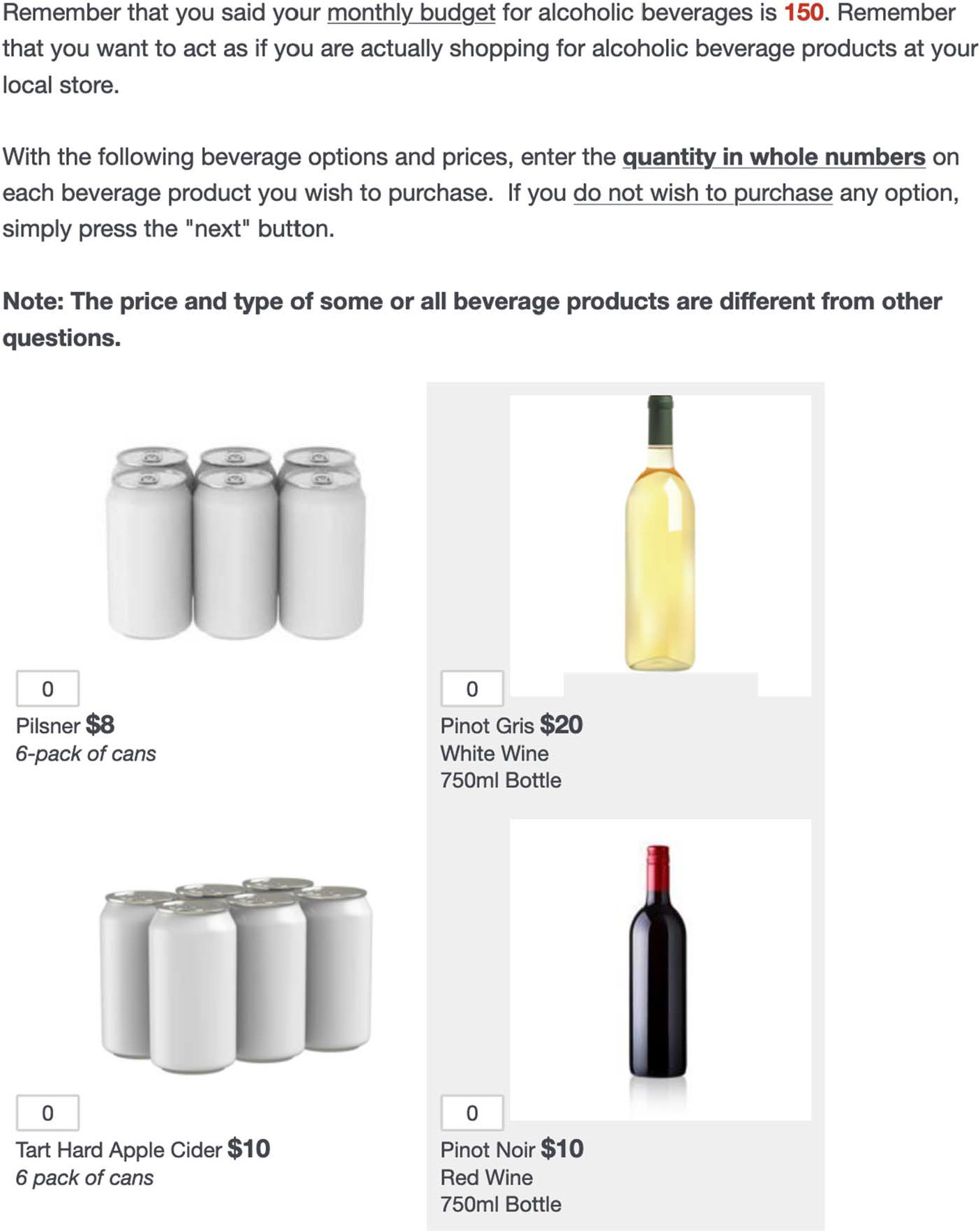
Following Neill and Lahne (Reference Neill and Lahne2022), we use an orthogonal main-effects fractional factorial design with blocking that has four alcohol categories to always be present in every choice question for a respondent. To be clear, participants could always choose to consume each of the four options and determine the amount of consumption. In our case, we consider red wine, white wine, beer, and hard cider as the four beverage categories. Unlike previous studies, we do vary the subcategory of each beverage type with commonly consumed types. For example, in the red wine category the choice question options would vary by three subcategories: Merlot, Cabernet Sauvignon, and Pinot Noir. We allow for this in the design for each category at three levels. While not fully realistic given the wide variety of subcategories, our intent is to capture heterogeneity in consumer preferences. Further, we use alternative specific constants for each alcohol type in the model (see below for more details) to capture the average effect on utility of all beverage-specific related factors that are not included in the model. In addition, each category has an associated price that varies at three levels. Finally, we also wanted to test preferences for cans versus bottles in cider consumption and included that as an attribute for the cider category only. An example of the choice questions is presented in Figure 2. Overall, the design produced has a total of 36 questions placed into three blocks of twelve.
Example of basket- and expenditure-based repeated choice question presented to participants.

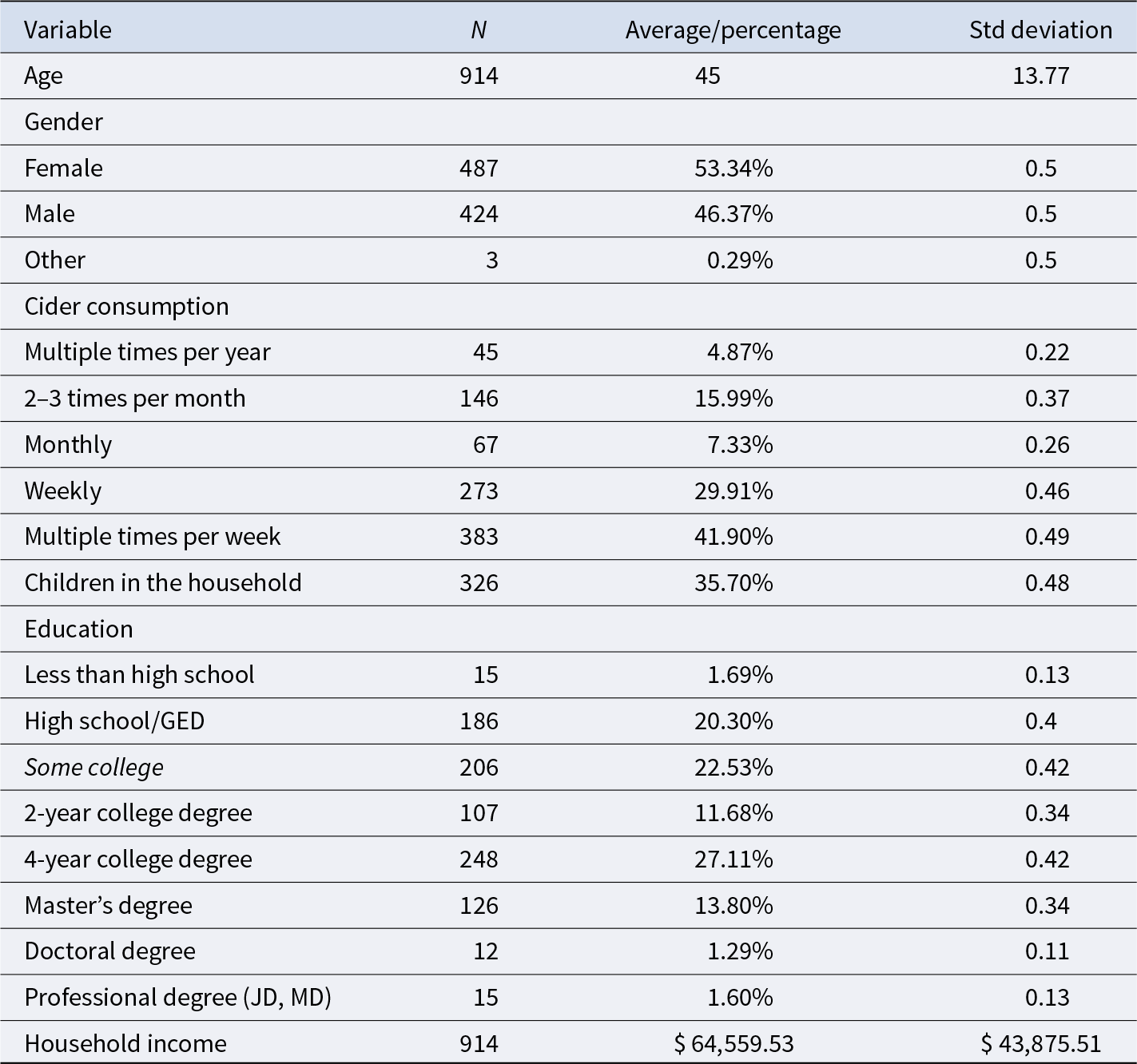
Our sampling procedure for this experiment targeted approximately 1000 completed responses who are U.S. residents over the age of 21 and consumed hard cider at least multiple times per year. The survey was conducted via an online panel managed by Qualtrics in which participants were incentivized to complete the survey. Unlike Experiment #1, the sample and procedures in this experiment were to determine the larger patterns of consumption of hard cider among other types of alcoholic beverages. After removing participants with nonsensical responses (e.g. spending more in choice questions than they budget for food or their income, etc.), we were left with 914 responses for analysis. Participants only viewed one of the blocks of questions. Within each choice question the participants specified the quantity of each alcoholic beverage category, they wanted to purchase for a month's consumption. Participants were also asked what their average alcoholic beverage budget was for a month and this was used as follow-up to each choice question to ensure their responses were anchored to their normal purchase habits. The summary statistics in Table 3 for the respondents to the online survey show to be better balanced than those from the first experiment. There are still slightly more female respondents than U.S. Census records. Also, household income is above the average of all general households but, again, we specifically targeted hard cider drinkers, who may generally have higher incomes.
Summary statistics for experiment 2: alcoholic beverage basket- and expenditure-based choice experiment

B. Theoretical foundations
In order to analyze the discrete and continuous nature of the choice questions, we use a multiple discrete choice extreme value (MDCEV) model (Bhat, Reference Bhat2005) commonly used in transportation economics that has been extended by Palma and Hess (Reference Palma and Hess2022). The consumer's objective function follows that they maximize their random utility (u) that represents the combination of alcohol alternatives given the observed prices and their individual specific attributes. Consumer,  $i$, must choose how much to expend on each of the, $j$, alcoholic beverage products from a set of available alternatives (Neill and Lahne, Reference Neill and Lahne2022) such that their objective function resembles
 \begin{equation}Ma{x_{{x_j}}}{u_0}({x_{i0}}) + \sum\limits_{j = 1}^J {u_j}({x_{ij}}) + \sum\limits_{j = 1}^{J - 1} \sum\limits_{l = j + 1}^J {u_{jl}}({x_{ij}},{x_{il}})\end{equation}
 where  ${x_{ij}}$ denotes the level of expenditure for the $i$th consumer in the $j$th alternative, and ${x_{i0}}$ is an outside good which is the set of all unobserved options in the experiment. The ${u_{jl}}$ component of the utility function reflects the utility the consumer obtains from the joint choice of alcoholic beverage product, $j$, with each of the other alternatives, $l$, chosen. It is important for separability conditions to be maintained to match economic theory. The extended MDCEV model addresses this by assuming a nonadditive utility function where all combinations of inside goods are included in the formulation, not just single pairwise comparisons. So, the assumption of separability still holds in basket-based experiments under the extended MDCEV as proposed by Palma and Hess (Reference Palma and Hess2022). As normal, a consumer is subject to a budget constraint, $M$, defined as
 \begin{equation}{M_i} = {x_{i0}}{p_{i0}} + \sum\limits_{j = 1}^J {x_{ij}}{p_{ij}}\end{equation}
 where 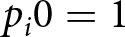 ${p_i}0 = 1$ for the outside good and ${p_{ij}}$ denotes the price of each inside good or good included in the BEBCE. Utility of the good can be derived through given the multiple-discrete nature of the consumer choice problem (Bhat, Reference Bhat2005). The utility of the inside good is defined as
 \begin{equation}{u_j}({x_{ij}}) = {\psi _{ij}}{\gamma _j}{\text{log}}\left( {\frac{{{x_{ij}}}}{{{\gamma _j}}} + 1} \right)\end{equation}
 where  ${\psi _{ij}}$ is the base utility and ${\gamma _j}$ is the satiation parameter which indicates that when the jth good is chosen. The marginal utility of an alternative at zero consumption is represented by ${\psi _{ij}}$, and the parameters are constrained to be strictly positive by adopting the following form:
 \begin{equation}{\psi _{ij}} = {e^{{\beta _j}{z_{ij}} + {\varepsilon _{ij}}}}\end{equation}
 where  ${\beta _j}$ are vectors of parameters representing attributes weights of the jth alternative, ${z_{ij}}$ are attributes of the alternatives, and ${\varepsilon _j}$ is the random error term. Within the ${\beta _j}{z_{ij}}$ vector, we include an alternative specific constant for the overall alcoholic beverage category (red wine, white wine, beer, or cider) while also including additional variables for specific types (defined as subcategories) of each beverage. The resulting coefficient values for the alternative specific constants capture average effect on utility of all beverage-specific factors that are not included in the model (i.e. subcategories not included in the experiment). Thus, the subcategory specific coefficients have a reference point to which ever one of them is dropped to avoid singularity in the model.
The functional form for the utility of the outside food is assumed to be linear, defined as
 \begin{equation}{u_0}({x_{i0}}) = {\psi _{i0}}{x_{i0}}\end{equation}
 \begin{equation}{\psi _{i0}} = {e^{\alpha {z_{i0}}}}\end{equation}
 where  $\alpha $ is a vector of parameters representing weights of characteristics of the outside good, ${z_{i0}}$. As noted by Neill and Lahne (Reference Neill and Lahne2022), this formulation of the outside good alleviates the traditional discrete choice problem by allowing consumer demographics and other relevant information to affect consumer utility without being interacted with product attributes.
The advantage of the extended MDCEV model is the ability to directly estimate substitution/complementarity effects (Palma and Hess, Reference Palma and Hess2022). Moreover, this approach allows for such substitution patterns to be estimated without the need for a strict budget restriction. This is useful as self-reported budgets can be noisy, price situations can lead to overspending in real life, and budget assumptions can lead to misspecification of the model. As such, the utility of the joint choice of two goods is defined empirically as
 \begin{equation}{u_{jl}}({x_{ij}},{x_{il}}) = {\delta _{jl}}\left( {1 - {e^{ - {\delta _j}{x_{ij}}}}} \right)\left( {1 - {e^{ - {\delta _l}{x_{il}}}}} \right)\end{equation}
 where 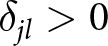 ${\delta _{jl}} \gt 0$ denotes that the pair of goods, $j$ and $l$, are complements. If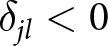 ${\delta _{jl}} \lt 0$, then the pair of goods as substitutes. If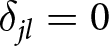 ${\delta _{jl}} = 0$ then the pair of goods are considered independent of one another. Because the nonlinear nature of utility that the model is estimating, the parameter values are unable to be interpreted beyond the sign of the coefficient that provides an understanding of substitution or complementarity.
C. Econometric formulation
The econometric formulation is documented in Palma and Hess (Reference Palma and Hess2022) and Neill and Lahne (Reference Neill and Lahne2022). Here, we briefly discuss the derivation of the likelihood function. As with the original MDCEV model, the empirical optimization function is based on Kuhn–Tucker conditions where the Lagrangian is derived as
 \begin{equation}\mathcal{L}({x_i}) = {u_0}({x_{i0}}) + \sum\limits_{j = 1}^J {u_j}({x_{ij}}) + \sum\limits_{j = 1}^{J - 1} \sum\limits_{l = j + 1}^J {u_{jl}}({x_{ij}},{x_{il}}) - \lambda \left( {{x_{i0}}{p_{i0}} + \sum\limits_{j = 1}^J {x_{ij}}{p_{ij}} - {M_i}} \right)\end{equation}
 \begin{equation}\frac{{\partial \mathcal{L}}}{{\partial {x_{i0}}}} = 0:{\psi _{i0}} = \lambda {p_0}\end{equation}
 \begin{equation}\frac{{\partial \mathcal{L}}}{{\partial {x_{ij}}}} = 0:\frac{{{\psi _{ij}}}}{{\frac{{{x_{ij}}}}{{{\gamma _j}}} + 1}} + {\delta _j}{e^{ - {\delta _j}{x_{ij}}}}\sum\limits_{l \ne j} {\delta _{jl}}\left( {1 - {e^{ - {\delta _l}{x_{il}}}}} \right) \leq \lambda {p_{ij}}\end{equation}
 where equation (13) will be an equality when alternative  $j$ is consumed as the marginal utility of a chosen alcohol product at the optimum level of consumption will be $\lambda $ scaled by its own price, ${p_{ij}}$. If alcohol product $j$ is not chosen in a particular choice scenario, then the marginal utility is lower than this scaled value. By combining the partial derivatives and replacing ${\psi _{i0}}$ and ${\psi _{ij}}$ with equations (9) and (7), respectively, and isolating the random error term we have the following inequality:
 \begin{equation}{\varepsilon _{ij}} \leq - \left( {{z_{ij}}{\beta _j} - log\left( {\frac{{{x_{ij}}}}{{{\gamma _j}}} + 1} \right) - log\left( {({e^{\alpha {z_{i0}}}})\frac{{{p_{ij}}}}{{{p_{i0}}}} - {\delta _j}{e^{ - {\delta _j}{x_{ij}}}}\sum\limits_{l \ne j} {\delta _{jl}}\left( {1 - {e^{ - {\delta _l}{x_{il}}}}} \right)} \right)} \right)\end{equation}
 where  ${\varepsilon _{ij}}$ is assumed to be independent and identically distributed via a Gumbel distribution with mean zero and scale $\sigma $ to be estimated. Thus, the likelihood function is given by (Palma and Hess, Reference Palma and Hess2022):
 \begin{equation}L({x_{ij}}) = |Jac|\frac{1}{{{\sigma ^T}}}\frac{{\prod\limits_{j = 1}^{{T_i}} {e^{\frac{{{W_{ij}}}}{\sigma }}}}}{{\prod\limits_{j = 1}^J {e^{ - {e^{\frac{{{W_{ij}}}}{\sigma }}}}}}}\end{equation}
 where the consumed alcoholic beverage alternatives are reordered so that they hold the indexes 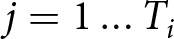 $j = 1\ldots{T_i}$ and the non-consumed alternatives hold indexes $j = ({T_i} + 1)\ldots J$; ${W_{ij}}$ represents the right side of the inequality in equation (11), and $|Jac|$ is the determinant of the Jacobian of ${W_{ij}}$.
D. Results
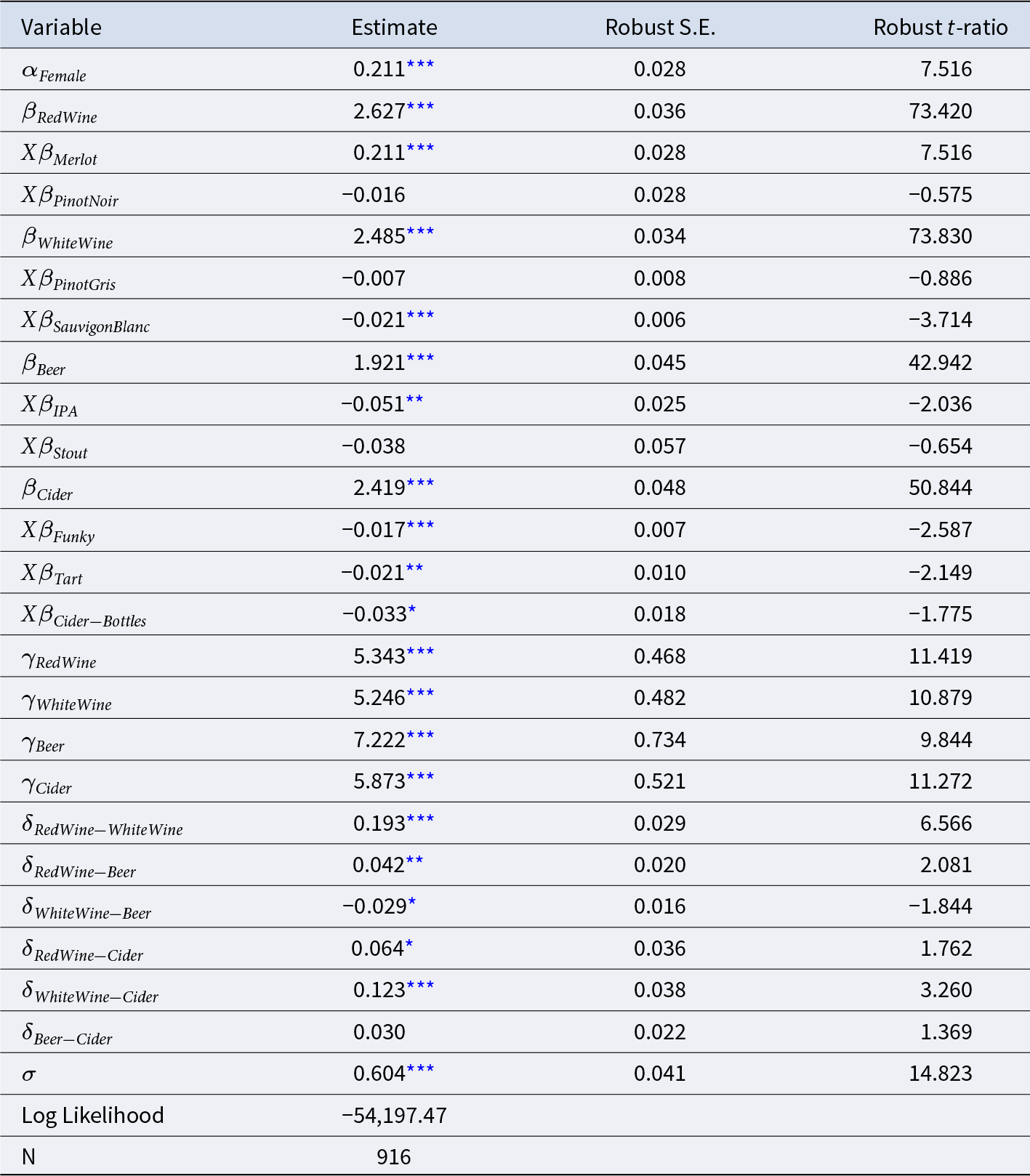
The results of the alcohol BEBCE choices analyzed via the extended MDCEV model is presented in Table 4. We begin by discussing the global parameters, followed by the alcohol category preference parameters, the satiation parameters, and then the substitution parameters. The global  $\alpha $ parameter for gender indicates that female consumers are more likely to consume one of the alcohol categories within the experiment than those not included.
Extended MDCEV results for different types of alcoholic beverages—nonlinear utility coefficients and substitution parameter determination

Note:
*** p  $ \leq $ 0.01, **p $ \leq $ 0.05, *p $ \leq $ 0.10.
All four overall category coefficients were statistically significant. These coefficient values are alternative specific constants that capture average effect on utility of all beverage-specific factors that are not included in the model (i.e. subcategories not included in the experiment). Because including all of the subcategories for each type of alcoholic beverage would lead to singularity, one from each group is dropped: Cabernet Sauvignon for red wine, Chardonnay for white wine, Pilsner for beer, and Fruity for hard cider. As such, the interpretation of the subcategory coefficient values is relative to these bases. Within the red wine category, Merlot is preferred over Cabernet Sauvignon and Pinot Noir. In the white wine category, Chardonnay is preferred. For beer, Pilsner is most preferred; and for cider Fruity is preferred. Within the cider utility function, we also look at the preference of packaging in 750 mL bottles versus a six-pack of cans. We find that cans are preferred to bottles. Satiation parameters indicate that beer has the highest satiation of all categories with the other three having similar levels. This can be interpreted as consumers have a higher propensity to consume more beer as compared to other categories. This reflects the current marketplace for alcohol in the United States where beer is the largest category consumed in terms of volume.
Given that the goal of this analysis is to determine how hard cider fits in the larger market of alcoholic beverages, the  ${\delta _{jl}}$ parameters are of particular interest. Red and white wines are seen as complements given the positive ${\delta _{ij}}$ parameter, rather than substitutes, possibly because of the role of culinary pairings in determining wine choice. The model results also reveal that red wine and beer are complements, possibly for similar culinary reasons. White wine and beer are estimated to be substitutes within this group of consumers given the negative value, though weakly given the statistical significance is at the 10% level. Cider appears to be considered a complement with both red and white wine but independent with beer. This indicates that many consumers would prefer to see hard cider positioned similar to wine and more specifically similar to white wine. There may be subgroups that view cider in different ways in relation to the other alcohol products, as we found in Experiment #1, but that is beyond the scope of the current methods and this study.
V. Conclusions
This study has taken a twofold approach to better understanding a burgeoning alcohol product, hard cider, position among consumers as its own category and where it fits in the larger market. The results of two stated preference experiments provide some guidance on how hard cider producers can achieve better market penetration. In the first experiment, we find distinct classes of consumers that support segmentation on the basis of flavor or production information. Almost 40% of consumers are concerned more with flavor attributes with a strong WTP for ciders marketed as sweet. Another class of consumers, about 53%, prefers more information about production attributes which includes both location information, types of apples used, and fermentation methods.
Previous research has documented such consumer segmentation of hard cider preferences, but this first experiment now places a value on those segmented preferences. From the second experiment, we discover more about how hard cider is viewed by consumers in the larger alcohol market. Of particular interest was whether consumers viewed hard cider as a complement or substitute when compared to red wine, white wine, and beer. We find that hard cider is viewed as a complement to red and white wine but independent from beer. This information is critical to better marketing hard cider within the alcoholic beverages market. Producers/Marketers of hard cider should consider marketing hard cider in combination with white wine as consumers indicate complementarity. If our results hold in revealed preference settings, then positioning hard cider with white wine would increase sales and boost revenues. At the same time, when marketing hard cider it is critical to consider the two prevailing consumer segments. Some consumers value flavor notes over production information suggesting that when targeted marketing occurs it is clear which segment is the focus.
While this study does take a multisided view at the economics of marketing hard cider, there are limitations to our approach. This is a hypothetical, stated preference study which does limit the applicability of results in actual transactions. However, both experiments are grounded in robust previous research in sensory science that is both quantitative and qualitative in nature. This allowed us to create realistic “shelf-talkers” in the first experiment (Calvert et al., Reference Calvert, Neill, Stewart, Chang, Whitehead and Lahne2023c, Reference Calvert, Neill, Stewart, Chang, Whitehead and Lahne2023d, Reference Calvert, Neill, Stewart and Lahne2023e; Cole et al., Reference Cole, Stewart, Chang and Lahne2023). In addition, the experimental design in the second experiment is meant to be more realistic than a normal choice experiment as noted by Neill and Lahne (Reference Neill and Lahne2022). A notable limitation in the second study is in terms of econometric methods. The extended MDCEV model is still relatively new and has yet to be extended to account for latent classes at the time of this study. While we could have done a priori clustering, such as k-means clustering, to create consumer segments as done in other studies (see Neill and Holcomb (Reference Neill and Holcomb2019)), this approach could create very different classes of consumers as compared to a latent class model. Further development of methods used to analyze basket-based choice experiments is needed and will serve to improve the adoption and usability of results from such experiments.
Acknowledgments
We would like to thank the reviewers for the constructive comments on the manuscript and the participants of the studies for providing their time and responses.
Funding statement
This work was supported by the USDA-NIFA AFRI under Grant #2020-68006-31682.

 Open access

