


Introduction
The Neolithic was marked by major shifts in economy, technology and settlement, making it one of the most important periods of development in human prehistory (Uchiyama et al. Reference Uchiyama, Gillam, Hosoya, Lindström and Jordan2014: 197). Archaeologists working across Eurasia are now highlighting two contrasting Neolithic ‘trajectories’ (Gibbs & Jordan Reference Gibbs and Jordan2016). The classic ‘Western’ Neolithic witnessed the emergence of farming economies in the Near East and their dispersal into north-west Europe, along with a package of other innovations including pottery, ground-stone tools and village life. In contrast, the ‘Eastern’ Neolithic trajectory is associated with the emergence of pottery among foraging societies. Importantly, this early use of pottery began long before and independently of any transition to farming.
The Eastern Neolithic trajectory developed slowly across an extended Eurasian transect: it emerged first in Late Pleistocene China, Japan, the Russian Far East and eastern Siberia; during the Holocene, it also appeared in western Siberia, the Urals and European Russia, and somewhat later in the eastern Baltic and Arctic Norway (Jordan & Zvelebil Reference Jordan, Zvelebil, Jordan and Zvelebil2009; Gibbs & Jordan Reference Gibbs and Jordan2013; Jordan et al. Reference Jordan, Gibbs, Hommel, Piezonka, Silva and Steele2016). Understanding what factors drove the appearance of pottery is of central importance, as it marks the onset of the Eastern Neolithic. The precise role of pottery within local hunter-gatherer lifeways has, however, remained uncertain.
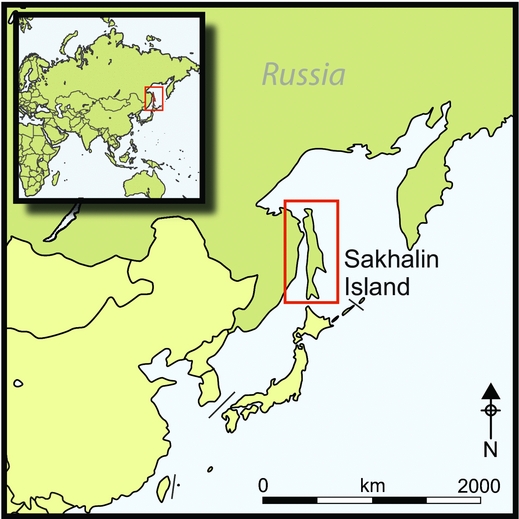
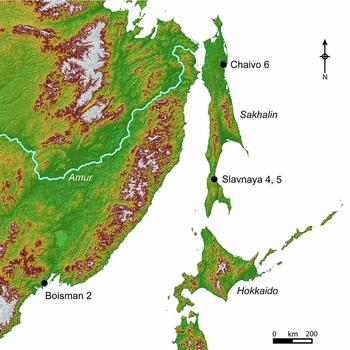
Biomolecular analysis of the organic residues preserved on pottery surfaces and within the clay matrix now provides one of the most direct methods for reconstructing vessel function (Evershed Reference Evershed2008). Recent research has focused on the analysis of early pottery from Japan, one of the oldest centres of ceramic innovation (Craig et al. Reference Craig, Saul, Lucquin, Nishida, Taché, Clarke, Thompson, Altoft, Uchiyama, Ajimoto, Gibbs, Isaksson, Heron and Jordan2013; Luquin et al. Reference Gibbs and Jordan2016). More work, however, is needed in adjacent areas to understand the factors that encouraged the wider uptake of early pottery traditions in surrounding regions. This article addresses that issue, and aims to understand how and why knowledge of pottery technology was able to spread northwards, out of the Japanese archipelago, and onto Sakhalin Island in the Russian Far East (Figure 1). The results of organic residue analysis indicate that the early pottery on Sakhalin was used in the processing of aquatic species, and that its adoption was central to the Neolithic transition in this area, which involved a wider reorientation of local lifeways towards the exploitation of marine resources.
Sakhalin Island and adjacent regions, showing sites mentioned in the text.
The Neolithic of Sakhalin Island
The onset of Holocene warming created major environmental challenges for the Palaeolithic hunter-gatherer communities who had colonised Sakhalin by around 20000 cal BP (Vasilevski Reference Vasilevksi1994, Reference Vasilevksi2003, Reference Vasilevksi2008; Kuzmin et al. Reference Kuzmin, Vasilevski, Gorbunov, Burr, Jull, Orlova and Shubina2004). After a long transitional period, the emergence of pottery marks the onset of the Early Neolithic on Sakhalin at around 9000–7200 years ago. This was followed by the Middle and Late Neolithic phases, which date to approximately 7200–2500 years ago (Vasilevski & Shubina Reference Vasilevski, Shubina, Nelson, Derevianko, Kuzmin and Bland2006: 154; Zhushchikhovskaya Reference Zhushchikhovskaya, Jordan and Zvelebil2009; Vasilevski et al. Reference Vasilevski, Grischenko and Orlova2010). Throughout the Neolithic, Sakhalin had a temperate climate and was mainly covered by coniferous forest, with deciduous forest in some western areas (Aleksandrova Reference Aleksandrova1982; Mikishin & Gvozdeva Reference Mikishin and Gvozdeva1996; Vasilevski Reference Vasilevksi1998; Vasilevski & Shubina Reference Vasilevski and Shubina2002; Kuzmin Reference Kuzmin, Nelson, Derevianko, Kuzmin and Bland2006a; Rudaya et al. Reference Rudaya, Vasilevski, Grishchenko and Mozhaev2013).
The precise function of early pottery on Sakhalin remains unclear despite its vital importance in defining the Neolithic. One persistent problem is the acidic soils found across Sakhalin and the Russian Far East; only a handful of archaeological sites, such as caves or shell middens, have produced faunal or botanical assemblages (e.g. Vostretsov Reference Vostretsov1998; Popov et al. Reference Popov, Tabarev and Mikishin2014). Despite these challenges, available data on prehistoric economic patterns have been summarised across north-east Asia in terms of broad economic-cultural types (see: Kuzmin Reference Kuzmin2005: 185–87, Reference Kuzmin, Nelson, Derevianko, Kuzmin and Bland2006b: 172). In this view, during the Early Neolithic, it is thought that Sakhalin was occupied by hunter-fisher-gatherer cultures who inhabited the forested ecosystems (including at the locations of Slavnaya 4, Slavnaya 5 and Chaivo 6; see below); coastal hunters exploiting marine mammals are recorded only in the extreme southern tip. By the Late Neolithic, hunter-fisher-gatherers were occupying the forest ecosystems across the entire island, but the extent to which they were exploiting coastal resources remains unclear (Kuzmin Reference Kuzmin2005: 188, fig. 45).
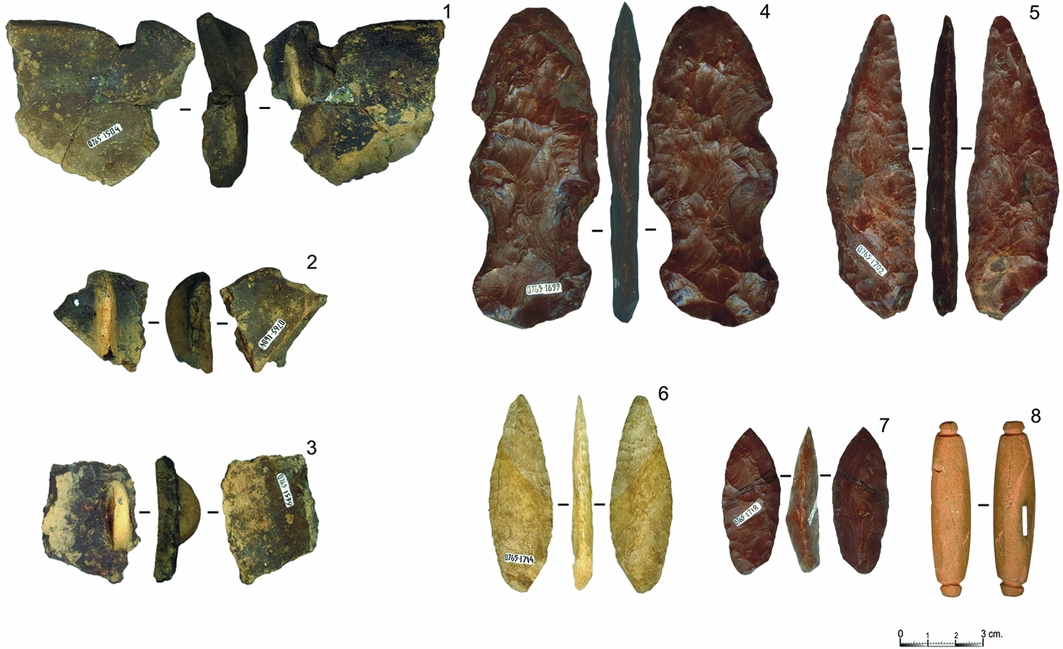
Recent infrastructure development on Sakhalin has resulted in an increased number of rescue excavations. Local archaeologists are now synthesising the new data and are starting to frame the Neolithic transition in Sakhalin in terms of a broader behavioural response to environmental changes that were triggered by the onset of Holocene warming. It has been suggested that the growing importance of aquatic species was the main driving force of the transition process and culminated in a new way of life that focused on coastal and riverine settings, and which involved the exploitation of maritime bio-resources (Vasilevski Reference Vasilevksi2008; Grishchenko Reference Grishchenko2011). Three lines of evidence are used to support this interpretation: a) changing settlement and demography—Neolithic sites cluster along coastlines and along the lower reaches of large rivers; an increasing number of sites suggest higher population density, and the appearance of pit houses suggests growing sedentism; b) innovations in technology—tool kits include fishing equipment, such as polished rods and notched stone fishing weights (e.g. Figures 2.10 & 3.8), and a new range of wood-working implements (e.g. axes, adzes, chisels) that may have been used for building large permanent structures or water craft; c) maritime exchange networks—Neolithic sites across Sakhalin frequently contain obsidian, which probably originated in Hokkaido (Kuzmin & Glascock Reference Kuzmin and Glascock2007).
The adoption of pottery technology into Sakhalin is thought to represent one further element in this wider adjustment process and, of course, defines the onset of the Neolithic (Vasilevski Reference Vasilevksi2008; Grishchenko Reference Grishchenko2011). The oldest pottery on Sakhalin is later in date than in Hokkaido and along the Amur River (Figure 1), and its arrival coincides with warmer conditions. Some pottery-making traditions may have been brought to southern Sakhalin by migrations out of Hokkaido. This may explain the typological similarities in local pottery wares, whereas shell-tempered pottery from northern Sakhalin may ultimately trace its origin back to the Lower Amur River (Zhushchikhovskaya Reference Zhushchikhovskaya, Jordan and Zvelebil2009: 137; Vasilevski et al. Reference Vasilevski, Grischenko and Orlova2010: 19–20). Either way, the local motivations for the adoption of pottery onto Sakhalin remain unclear. Organic residue analysis offers scope for testing this ‘aquatic’ Neolithic transition model by directly reconstructing the function of the earliest ceramic vessels found on Sakhalin.
Neolithic sites and samples
Early pottery from Sakhalin is characterised by small, low-fired, flat-bottomed vessels, probably reflecting limited functional differentiation (Vasilevski & Shubina Reference Zhushchikhovskaya, Shubina, Dumond and Bland2006: 156; Zhushchikhovskaya & Shubina Reference Zhushchikhovskaya, Shubina, Dumond and Bland2006; Zhushchikhovskaya Reference Zhushchikhovskaya, Jordan and Zvelebil2009: 137). To assess spatiotemporal variation in early pottery function, we selected sites from different parts of the island and sampled sherds from both Early and Middle Neolithic phases.
Slavnaya 4
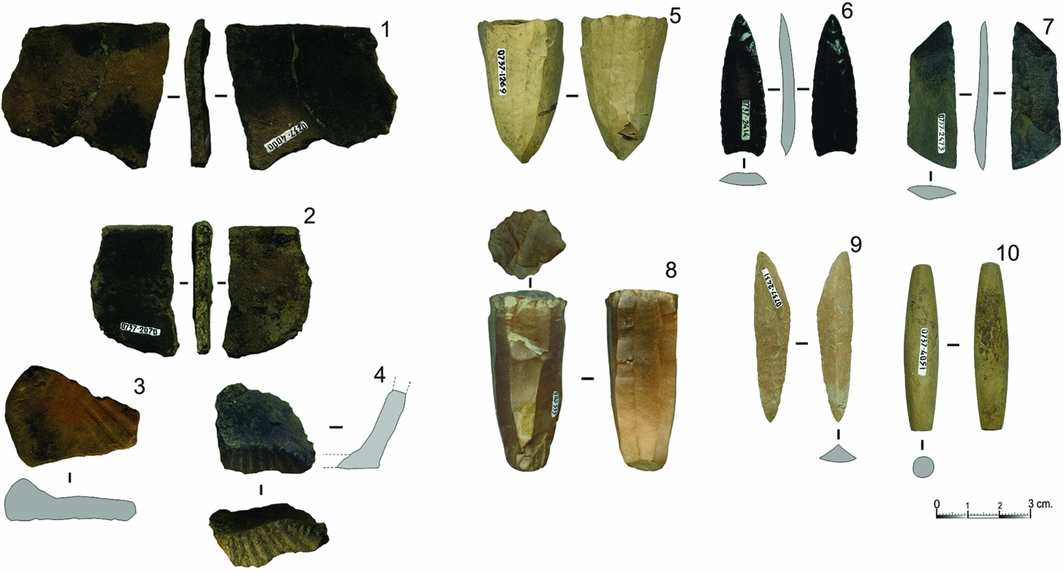
Slavnaya 4 is located on southern Sakhalin, on a terrace 400m from the coast of the Okhotsk Sea. The site has three occupation phases: an Early Neolithic one followed by two Middle Neolithic phases (Figures 2 & 3). Excavations in the Early Neolithic deposits recovered evidence for two pit houses, along with 105 pottery sherds derived from flat-bottomed vessels with walls approximately 6–7mm thick, and with a slightly concave rim. The pottery is mineral-tempered and exhibits low porosity. Radiocarbon dating of food crusts indicates that this pottery is the oldest yet known on Sakhalin (7300–7050 cal BC; see Table 1). The assemblage includes Akatsuki-type pots, which have a characteristic shell-impression on the flat base, and form an Initial Jōmon pottery type that is found in Hokkaido (Kobayashi Reference Kobayashi2004: 31).
Early Neolithic artefacts from Slavnaya 4: Akatsuki-type pottery (1–4), stone cores (5 & 8) and tools (6–7 & 9–10).
Middle Neolithic artefacts from Slavnaya 4: Sony-type pottery (1–3) and stone tools (4–8).
Radiocarbon dates from Slavnaya 4, Slavnaya 5 and Chaivo 6; calibrated with OxCal v4.3 and IntCal13 (Bronk Ramsey 2009; Reimer et al. Reference Reimer, Bard, Bayliss, Beck, Blackwell, Bronk Ramsey, Buck, Cheng, Edwards, Friedrich, Grootes, Guilderson, Haflidason, Hajdas, Hatté, Heaton, Hoffmann, Hogg, Hughen, Kaiser, Kromer, Manning, Niu, Reimer, Richards, Scott, Southon, Staff, Turney and van der Plicht2013).
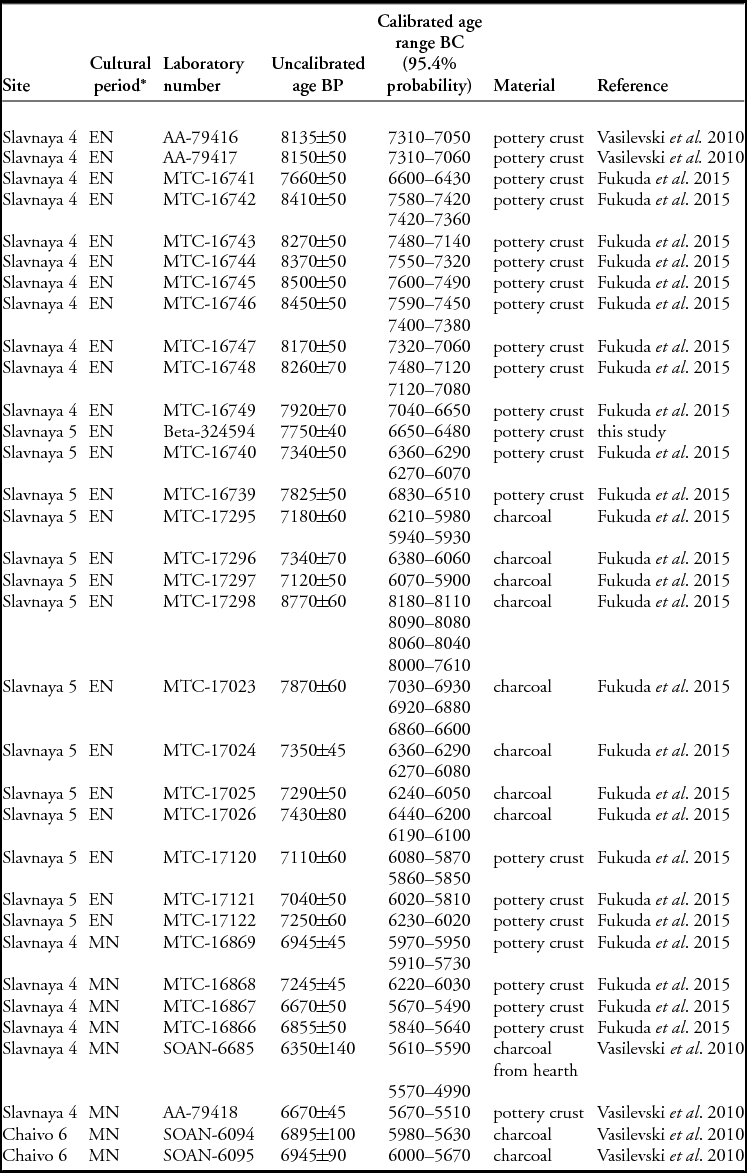
* Key: EN = Early Neolithic; MN = Middle Neolithic.
The Middle Neolithic Sony (or Yuzhno-Sakhalinsk) Culture is present in the later phases of Slavnaya 4. Radiocarbon dates from hearth charcoal and from pottery foodcrusts place this occupation in the range of 6200–5000 cal BC. Excavations produced 1386 fragments of pottery that were assigned to two phases of the Sony Culture (916 to the early phase of the Middle Neolithic and 470 to a later phase of the Middle Neolithic). The material from the later phase has walls with a more uniform thickness (approximately 6–8mm) and a more careful external surface finish.
Slavnaya 5
This Early Neolithic site is also located in the southern part of Sakhalin, approximately 350m from the modern Okhotsk Sea coast. It yielded obsidian, evidence for dwellings and hearths and 30 pottery sherds (Figure 4). These come from thin-walled vessels, with mineral and organic temper. Three radiocarbon dates from charred sherd surface foodcrusts place this material in the range of 6830–6070 cal BC.
Early Neolithic artefacts from Slavnaya 5: pottery (1–5), stone tools (6–8) and ring (9).

Chaivo 6
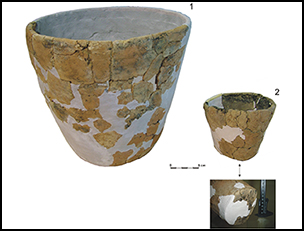
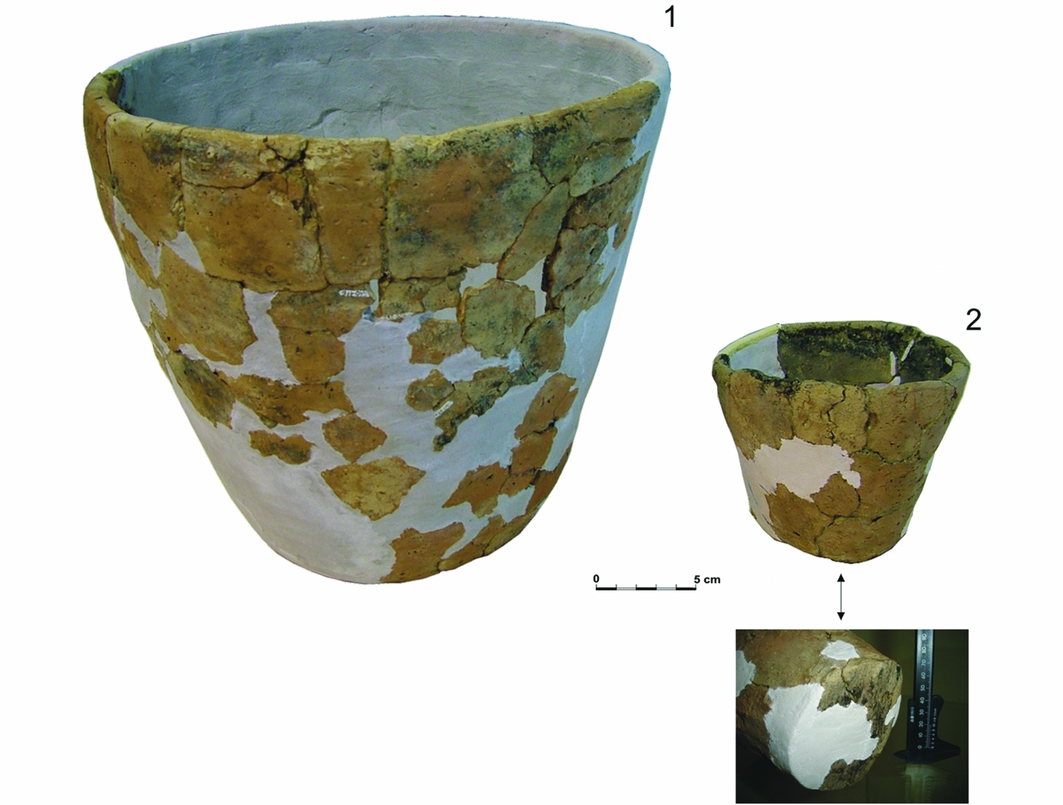
This Middle Neolithic site is located in the northern part of Sakhalin, approximately 2km from the coast. Radiocarbon dates on charcoal from a hearth and the floor of a pit house place the site's occupation in the range of 6000–5630 cal BC. Pottery from the site is thick-walled, porous and undecorated. Two flat-bottomed vessels could be reconstructed, with walls widening towards the mouth (Figure 5).
Middle Neolithic reconstructed pottery vessels from Chaivo 6.
Organic residue analyses of Early and Middle Neolithic pottery sherds
We selected 41 vessels from the University Museum collections of Sakhalin State University and sampled either charred surface foodcrusts or absorbed residues via drilling into the sherd interior. From one sherd (sample 101), we took both surface and absorbed residues. Surface foodcrusts (n = 15) were analysed by elemental analysis-isotope ratio mass spectrometry (EA-IRMS) to determine their bulk isotope composition. Lipids were extracted from the foodcrusts and analysed by gas chromatography MS (GC-MS). The absorbed residues (n = 27) were analysed by GC-MS and GC combustion IRMS (GC-c-IRMS). The analytical procedures are described in the online supplementary material.
Bulk isotope analysis of charred surface deposits
Bulk stable isotope values for all interior pottery foodcrusts (n = 14) are plotted in Figure 6. The bulk δ13C isotope values from Sakhalin range from −19.40 to −25.37‰, and δ15N values from 7.82–18.63‰. All foodcrust δ15N values—with the exception of one Early Neolithic sample from Slavnaya 4—are greater than 9‰ and fall within the range expected of aquatic resources (Craig et al. Reference Craig, Forster, Andersen, Koch, Crombé, Milner, Stern, Bailey and Heron2007, Reference Craig, Saul, Lucquin, Nishida, Taché, Clarke, Thompson, Altoft, Uchiyama, Ajimoto, Gibbs, Isaksson, Heron and Jordan2013). Additionally, a mean δ13C value of −23‰ from all samples can be taken as evidence of a strong marine component in the residues (Craig et al. Reference Craig, Forster, Andersen, Koch, Crombé, Milner, Stern, Bailey and Heron2007).
Bulk stable isotope values for all Sakhalin interior foodcrusts (n = 14).
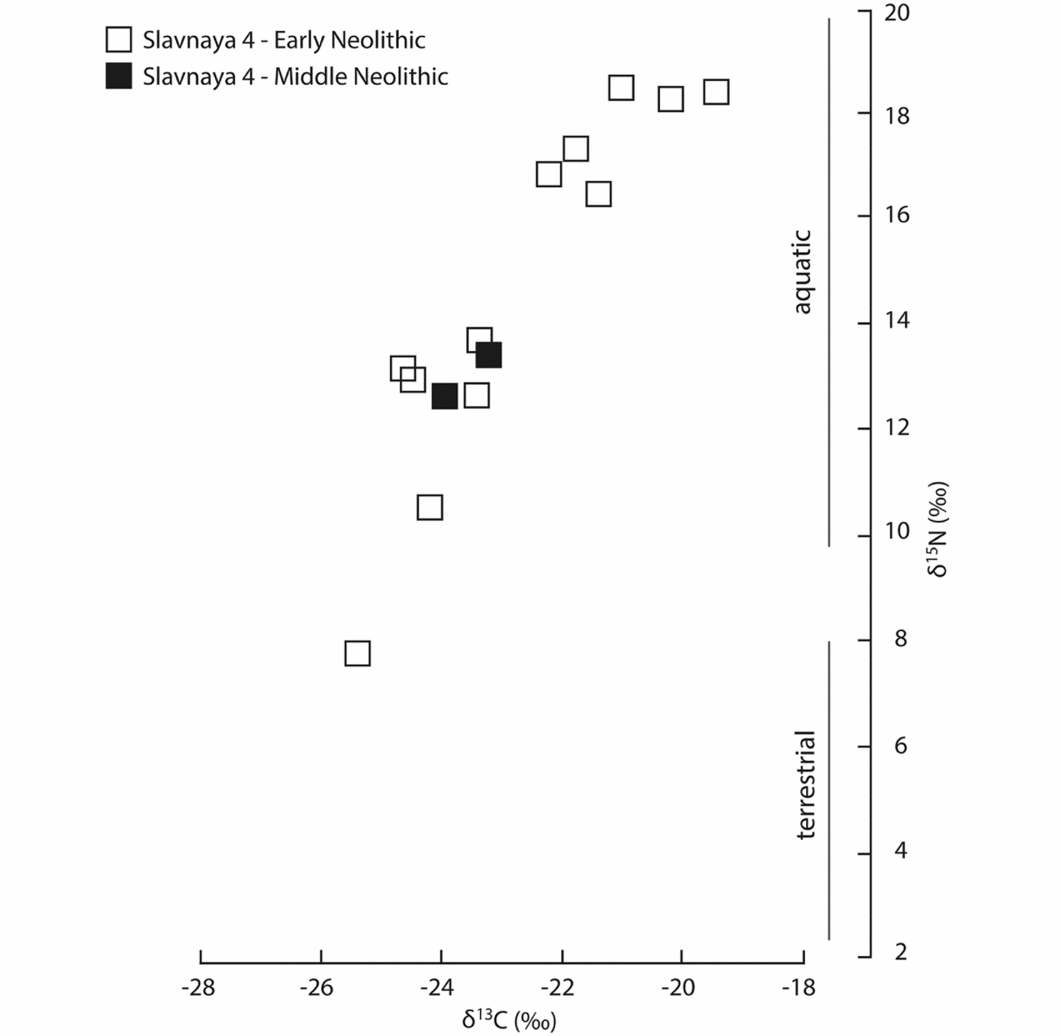
While these bulk isotope values tend to suggest the processing of aquatic resources, there is notable variation in δ13C and δ15N values across the dataset. There are a number of possible explanations for this. First, and most probably, is that the foodcrusts are derived from a variety of resources. For example, the samples with relatively high δ15N values (>15‰) may derive from high trophic-level marine resources, such as mammalian marine piscivores, while those with lower values (<15‰) may be indicative of lower trophic-level marine resources, freshwater resources or perhaps a mixture of aquatic and terrestrial resources.
It is also possible that the variation is caused by other external factors, such as post-depositional loss of nitrogen or microbial alteration (Craig et al. Reference Craig, Forster, Andersen, Koch, Crombé, Milner, Stern, Bailey and Heron2007; Heron & Craig Reference Heron and Craig2015). Varying values may be due to differential contributions of exogenous organic matter to the sample, as bulk isotope analysis does not distinguish between endogenous and exogenous sources of organics. The relatively consistent C:N ratios (ranging from 1.86–4.07) and the amount of nitrogen (ranging from 1.83–8.71%) throughout the samples, however, make it rather unlikely that post-depositional alteration drastically influenced the data presented here. It is interesting that all of the relatively enriched values come from Early Neolithic pottery residues. There is, however, currently insufficient bulk isotope data from the Middle Neolithic to make meaningful statements concerning general patterns of change in the composition of foodcrusts between these two periods.
Molecular characterisation of lipids
The absorbed residues (n = 27) and surface foodcrusts (n = 15) were analysed by GC-MS to obtain more specific compositional information. Of these samples, 24 absorbed extracts yielded interpretable lipid concentrations (>5ug/g), while all 15 of the foodcrust samples were interpretable (Table S1), although lipid preservation was relatively poor in most samples.
The general lipid profiles of the surface crusts are broadly similar in nature (Figure 7; Table S1). Saturated fatty acids range from C14:0–C26:0, while C16:1 and C18:1 are the only unsaturated fatty acids present. Some branched fatty acids (C15, C17 and C18), and dicarboxylic acids (C8–C12) are present in small amounts. Cholesterol in two of the samples confirms the presence of animal resources.
Example of lipid extract from sample 115, Slavnaya 4.
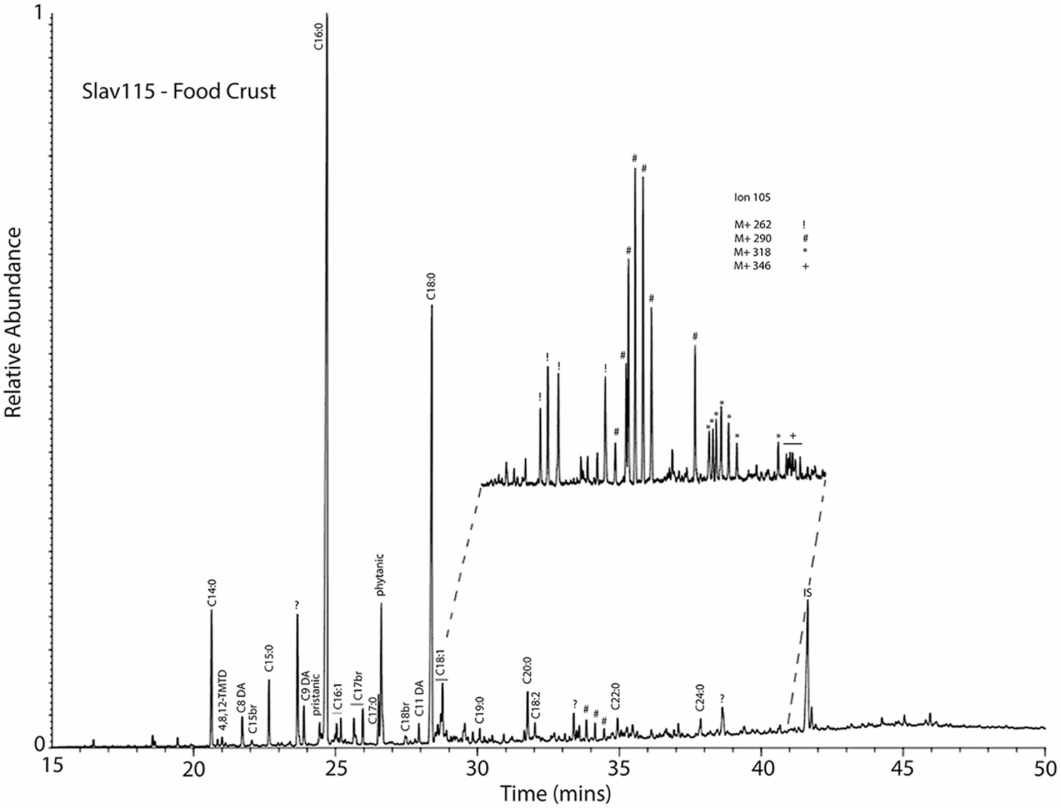
The general lipid profiles of absorbed residues are slightly more variable than those of the surface crusts, perhaps due to the different extraction methods used. Saturated fatty acids range from C12:0–C30:0, while monounsaturated fatty acids range from C16:1–C22:1. Branched fatty acids (C15–C18) and dicarboxylic acids (C7–C12) are present in some samples. Cholesterol is present in 14 samples, confirming the presence of animal resources. Interestingly, β-Sitosterol—a phytosterol found in plants—is present in two samples from Chaivo 6 (numbers 116 and 119). Long-chain alkanols are also present in two Early Neolithic and six Middle Neolithic samples from Slavnaya 4, which may indicate the presence of plant oils/waxes (Charters et al. Reference Charters, Evershed, Quye, Blinkhorn and Reeves1997).
Importantly, isoprenoids (phytanic, pristanic and 4,8,12-trimethyltridecanoic acid) are present in 8 foodcrust and 18 absorbed residue samples, while ω-(o-alkylphenyl) alkanoic acids (APAAs) with carbon chain lengths between 18 and 22 are present in 6 foodcrust and 5 absorbed residue samples. In combination, these are considered reliable indicators of the processing (i.e. heating) of aquatic resources in archaeological pottery (Cramp & Evershed Reference Cramp and Evershed2014). Isoprenoids are only found in abundance in marine and ruminant resources, while APAAs only form upon the heating of C18–C22 polyunsaturated fatty acids. Although particular APAAs can derive from processing certain plant and terrestrial animal sources, the presence of the whole distribution of C18–C22 APAAs is indicative of the processing of aquatic oils (Hansel et al. Reference Hansel, Copley, Madureira and Evershed2004; Cramp & Evershed Reference Cramp and Evershed2014). Compared to the foodcrust samples, the absorbed residues exhibit a relatively lower frequency of APAAs (C18–C22). This could be due to the foodcrusts being exposed to higher temperatures during the use of the pottery, although taphonomy and differences in extraction or analysis conditions cannot be discounted.
Carbon isotope analysis of fatty acids
Where lipid yields permitted, samples were analysed by GC-c-IRMS to measure the carbon isotopic composition of palmitic (C16:0) and stearic (C18:0) acids. Due to relatively low yields across all pottery and sample types, the analysis was limited to 11 absorbed residue samples (Figure 8). These included five Early and six Middle Neolithic samples. All of the samples analysed contained isoprenoids, while five of them also contained APAAs.
Plot of the δ13C values of C16:0 and C18:0 fatty acids from absorbed pottery residues from Slavnaya 4, Slavnaya 5 and Chaivo 6 (n = 11). These data are compared with reference ranges for authentic reference lipids from modern tissues and archaeological bone (66.7% confidence; see Lucquin et al. Reference Lucquin, Gibbs, Uchiyama, Saul, Ajimoto, Eley, Radini, Heron, Shoda, Nishida, Lundy, Jordan, Isaksson and Craig2016 for details).
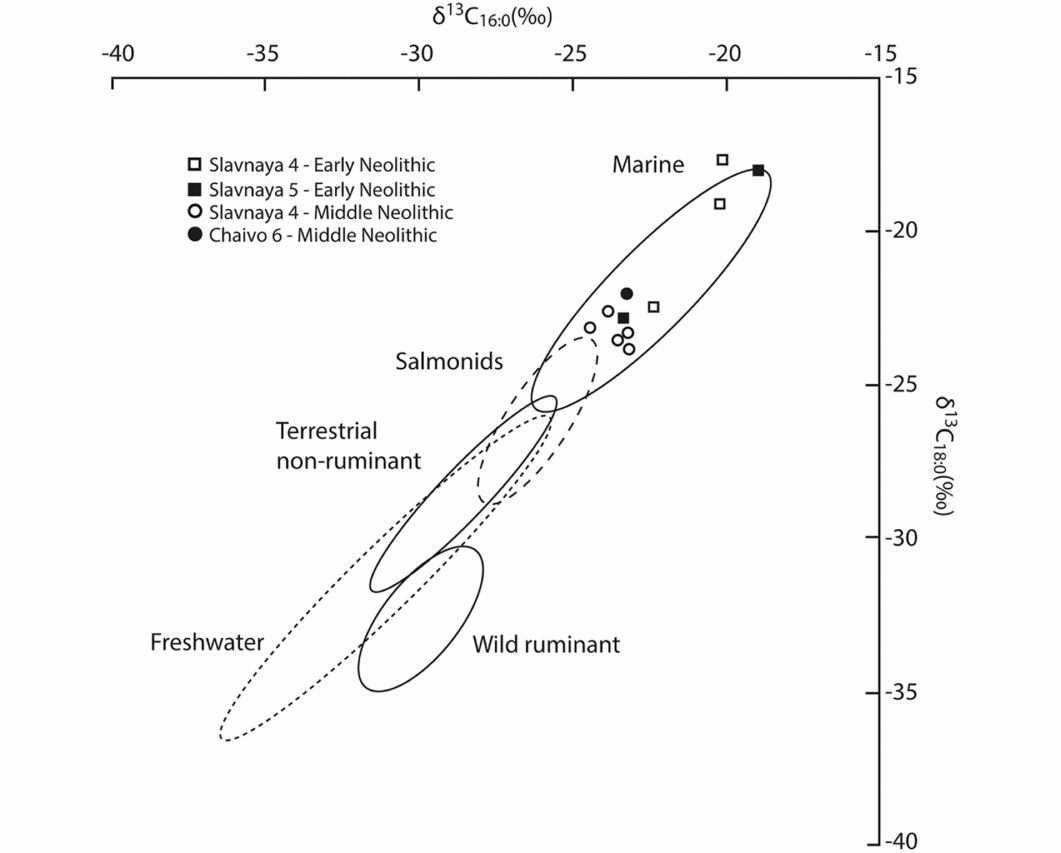
The GC-c-IRMS analysis provides further evidence for the processing of aquatic resources in Sakhalin pottery from both Early and Middle Neolithic sites, corroborating results from the bulk isotope and GC-MS analyses. The values for all 11 samples fall within the range expected of marine resources (Lucquin et al. Reference Lucquin, Gibbs, Uchiyama, Saul, Ajimoto, Eley, Radini, Heron, Shoda, Nishida, Lundy, Jordan, Isaksson and Craig2016), with palmitic δ13C values ranging from −19.0 to −24.4‰, and stearic δ13C values from −17.7 to −23.9‰.
Despite a consistent marine isotope signature, there is also some notable variation within the dataset. A sub-set of Early Neolithic residues have highly 13C enriched fatty acids consistent with reference fats from marine mammals and other aquatic piscivores (Lucquin et al. Reference Lucquin, Gibbs, Uchiyama, Saul, Ajimoto, Eley, Radini, Heron, Shoda, Nishida, Lundy, Jordan, Isaksson and Craig2016). This suggests a preference for high trophic-level marine resources during this period. Interestingly, two samples from this group (sample numbers 87 and 103) have no APAAs whatsoever. The remaining samples, including both Early Neolithic and Middle Neolithic residues, however, cluster towards the lower end of the marine range.
Discussion
The results of the residue analysis strongly support the interpretation that early pottery on Sakhalin was being used to process marine aquatic resources. In all but one sample of the surface foodcrusts, the bulk isotope values fall within the range expected of aquatic resources. Additionally, aquatic biomarkers in the form of isoprenoids were found in eight samples, and APAAs (C18–C22) were present in six samples. The absorbed residues tell a similar story. There is a high frequency of isoprenoids among these samples (n = 18), and several have APAAs (C18–C22) (n = 5). Moreover, in the samples that could be analysed with GC-c-IRMS, there was clear evidence that processing of marine resources had made a significant contribution. While the signals indicate higher trophic-level aquatic resources, however, it is difficult to determine whether this represented anadromous fish (e.g. salmon) or also included the hunting of marine mammals. Conversely, none of the samples had molecular or isotopic characteristics consistent with the processing of wild ruminant animals.
While the evidence for the processing of aquatic resources is clear, it is not possible to determine whether this involved general cooking activities or perhaps a more specialised rendering of fish oils or sea-mammal fats (Grischenko Reference Grishchenko2011: 77–78). Likewise, whether pottery was being used to prepare high-value foods for feasting at regional aggregation sites also remains uncertain (see Hayden Reference Hayden, Jordan and Zvelebil2009). Either way, the results presented here support the argument that pottery adoption on Sakhalin was driven by an increasing emphasis on the processing of aquatic resources—probably salmon, and possibly also marine mammals. The appearance of pottery therefore seems to be one key element in a wider Neolithic transition process that involved the cumulative replacement of the Palaeolithic terrestrial hunting economy with increased sedentism along coastal strips and the lower reaches of larger rivers—locations all offering ready access to abundant aquatic resources.
It is intriguing to note that our results from Sakhalin align well with emerging insights into the early use of pottery by other Eurasian hunter-gatherers. Focusing on some of the world's oldest pottery, Craig et al. (Reference Craig, Saul, Lucquin, Nishida, Taché, Clarke, Thompson, Altoft, Uchiyama, Ajimoto, Gibbs, Isaksson, Heron and Jordan2013) used a similar set of methods to examine 101 pottery foodcrusts from 13 Incipient Jōmon sites across Japan, using bulk IRMS, GCMS and GC-c-IRMS. These samples date from approximately 15000–11800 cal BP—several millennia earlier than pottery from Sakhalin—yet they also show clear evidence for the processing of aquatic organisms. Further investigation of foodcrusts and absorbed residues at one of these sites (Torihama) demonstrated that pottery had been consistently used to process aquatic resources over a 9000-year sequence, despite the major climatic and environmental changes of the Pleistocene to Holocene transition (Lucquin et al. Reference Lucquin, Gibbs, Uchiyama, Saul, Ajimoto, Eley, Radini, Heron, Shoda, Nishida, Lundy, Jordan, Isaksson and Craig2016).
In the Russian Far East, Kunikita et al. (Reference Kunikita, Popov, Lazin, Morisaki and Matsuzaki2017) examined foodcrusts from mainland sites broadly contemporaneous with the Early and Middle Neolithic on Sakhalin. They interpret carbon and nitrogen isotope ratios and C:N values as indicative of the exploitation of marine resources at the coastal sites of Boisman-2 and Vetka-2. Kuzmin's (Reference Kuzmin2015) carbon and nitrogen isotope analysis of Neolithic human remains from the shell-midden site of Boisman-2 and the Chertovy Vorota cave site also suggests a dietary reliance on marine resources, despite archaeozoological evidence pointing to the hunting of diverse terrestrial species. Cassidy (Reference Cassidy, Barnard and Eerkens2007) also analysed 18 Neolithic ceramic sherds from the mainland Russian Far East using GC-MS and reported evidence for aquatic species, but these date to the Terminal Neolithic—several millennia later than the earliest pottery on Sakhalin. Farther afield, hunter-gatherers in the Baltic were also using pottery for the processing of aquatic resources (Isaksson Reference Isaksson2009; Craig et al. Reference Craig, Steele, Fischer, Hartz, Andersen, Donohoe, Glykou, Saul, Jones, Koch and Heron2011; Cramp et al. Reference Cramp, Evershed, Lavento, Halinen, Mannermaa, Oinonen, Kettunen, Perola, Onkamo and Heyd2014).
Conclusions
Two contrasting Neolithic trajectories can be identified in Eurasia. While the study of the classic Western Neolithic has involved the rise of farming economies in the Near East and their dispersal into north-west Europe, this paper has focused on improving current understandings of the Eastern Neolithic, which is defined by the emergence of pottery among hunter-gatherers inhabiting the remaining areas of Eurasia. Specifically, we have aimed to understand what made pottery technology attractive to hunter-gatherers living in areas adjacent to the oldest ceramic innovation centres. Our case study has focused on understanding how and why the early pottery-making traditions of northern Japan and the Lower Amur River were adopted onto Sakhalin, and the probable roles that early pottery could have played within the local Neolithic transition process.
Organic residue analysis of early pottery from different parts of Sakhalin clearly demonstrates that the vessels were being used to process aquatic resources, including high trophic-level species, most probably salmon but possibly also marine mammals. These insights lend direct support to the argument that a unique type of ‘Aquatic’ Neolithic was developing on Sakhalin. Beyond the adoption of pottery, the Neolithic transition process also involved the wholesale reorientation of lifeways towards the exploitation of coastal and riverine resources, encouraging growing sedentism and perhaps also population growth. It is therefore important to conclude that although the uptake of pottery on Sakhalin defines the onset of the Neolithic, its adoption appears to be closely related to a wider package of innovations and developments that were emerging at around the same time.
Looking beyond these insights from Sakhalin Island, it is tempting to speculate further that the exploitation of rich, water-edge ecosystems may have been a primary driving force behind the wider Holocene uptake of pottery among other Eurasian hunter-gatherers (Rice Reference Rice1999: 10–11; Jordan & Zvelebil Reference Jordan, Zvelebil, Jordan and Zvelebil2009: 59), with the increased reliance on aquatic resources perhaps serving as the main economic foundation for the Eastern Neolithic trajectory. Properly testing this general ‘aquatic’ model lies beyond the scope of this article, and will require a new generation of research projects.
Acknowledgements
This research was generously supported by the UK Leverhulme Trust and is an output of the project ‘Ceramics Before Farming: Prehistoric Pottery Dispersals in Northeast Asia’ (code: F/00 152/AM (2011–2014); principal investigator: Peter Jordan; research fellow: Kevin Gibbs; scientific collaborator: Sven Isaksson). O.E. Craig and A. Lucquin also thank the UK Arts and Humanities Research Council for grant AH/L00691X/1, which supported ‘The Innovation and Development of Pottery in East Asia’ project, and A.A. Vasilevski and V.A. Grishchenko acknowledge the support of the Russian Science Foundation (project no. 14-50-00036) and the Ministry of Education and Science of Russia (theme 2845 in state research order no. 2014/408, 2014–2015). Sampling work was conducted during a workshop on early pottery, which was hosted by A.A. Vasilevski at the University Museum, Sakhalin State University, Yuzhno-Sakhalinsk, Russia, 7–14 March 2012. Travel funds for Japanese participants to attend this workshop were provided by the Baikal Hokkaido Archaeology Project (Social Sciences and Humanities Research Council of Canada, Major Collaborative Research Initiative (grant number 410-2011-1001); principal investigator: Andrzej Weber; co-applicant: Peter Jordan). The authors thank the two reviewers for their useful comments. All interpretations presented here remain our own, and we accept responsibility for any final errors or omissions.
Supplementary material
To view supplementary material for this article, please visit https://doi.org/10.15184/aqy.2017.183



