Introduction
The study of abandonment processes in the archaeological record is key to reconstructing the life-history of buildings and settlements and the biographies of individuals, households and communities associated with them (Cameron Reference Cameron, Cameron and Tomka1993: 3–7). Abandonment processes reflect cultural responses to sociocultural, technological and environmental circumstances. Consequently, it is essential to contextualise abandonment practices within a sociocultural framework in order to examine and interpret the factors that generated and affected the formation of the archaeological record (Schiffer Reference Schiffer1987).
At Middle Bronze Age Erimi-Laonin tou Porakou in Cyprus, abandonment sequences are examined by applying a multi-scalar analytical framework, based on the integration of macro-analysis of structures and artefacts and high-resolution micromorphological and Fourier transform infrared spectroscopy (FTIR) analyses of deposits and micro-materials. The aim is to generate richly networked data to study the spatial and temporal components of abandonment processes at Erimi at the end of the Cypriot Middle Bronze Age.
Characterising Middle Bronze Age Erimi
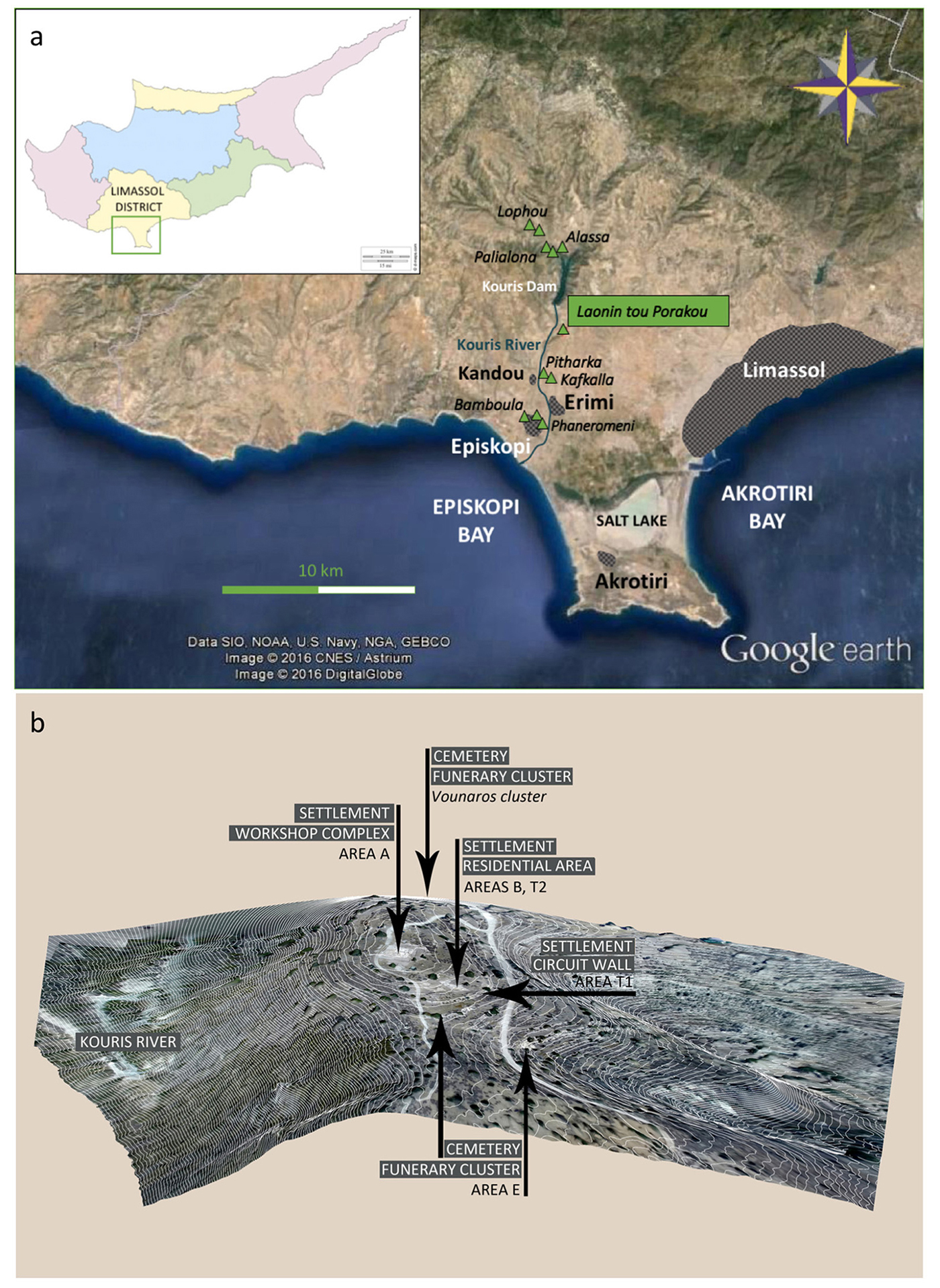
Analyses conducted by the University of Torino have revealed that the settlement was organised into distinct functional areas. On the top of the hill was the workshop complex (area A), which was principally designed for textile production; on the first sloping terraces, the domestic units (area B); a massive wall structure that limits the settlement to the west; and area E—an extramural cemetery on the lower southern terraces (Figure 1). Ongoing Bayesian radiocarbon dating and ceramic analysis confirm that the site was intensively occupied for approximately 300 years, in Middle Bronze Age Cyprus (1950–1650 BC) (Bombardieri Reference Bombardieri2017).
a) The site location; b) the topography of the settlement and funerary areas.
Reconstructing abandonment processes
The study of abandonment sequences revealed the occurrence of two distinct abandonment dynamics:
1. Gradual structural degradation
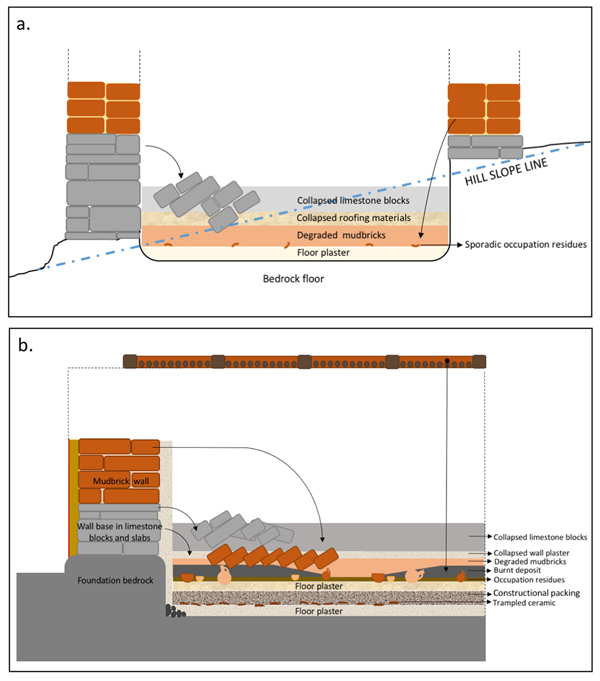
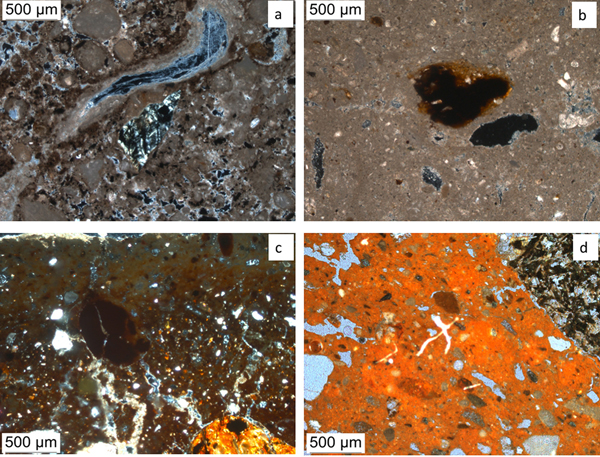
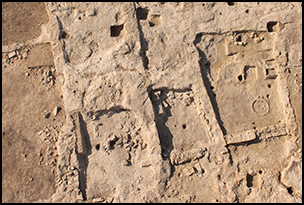
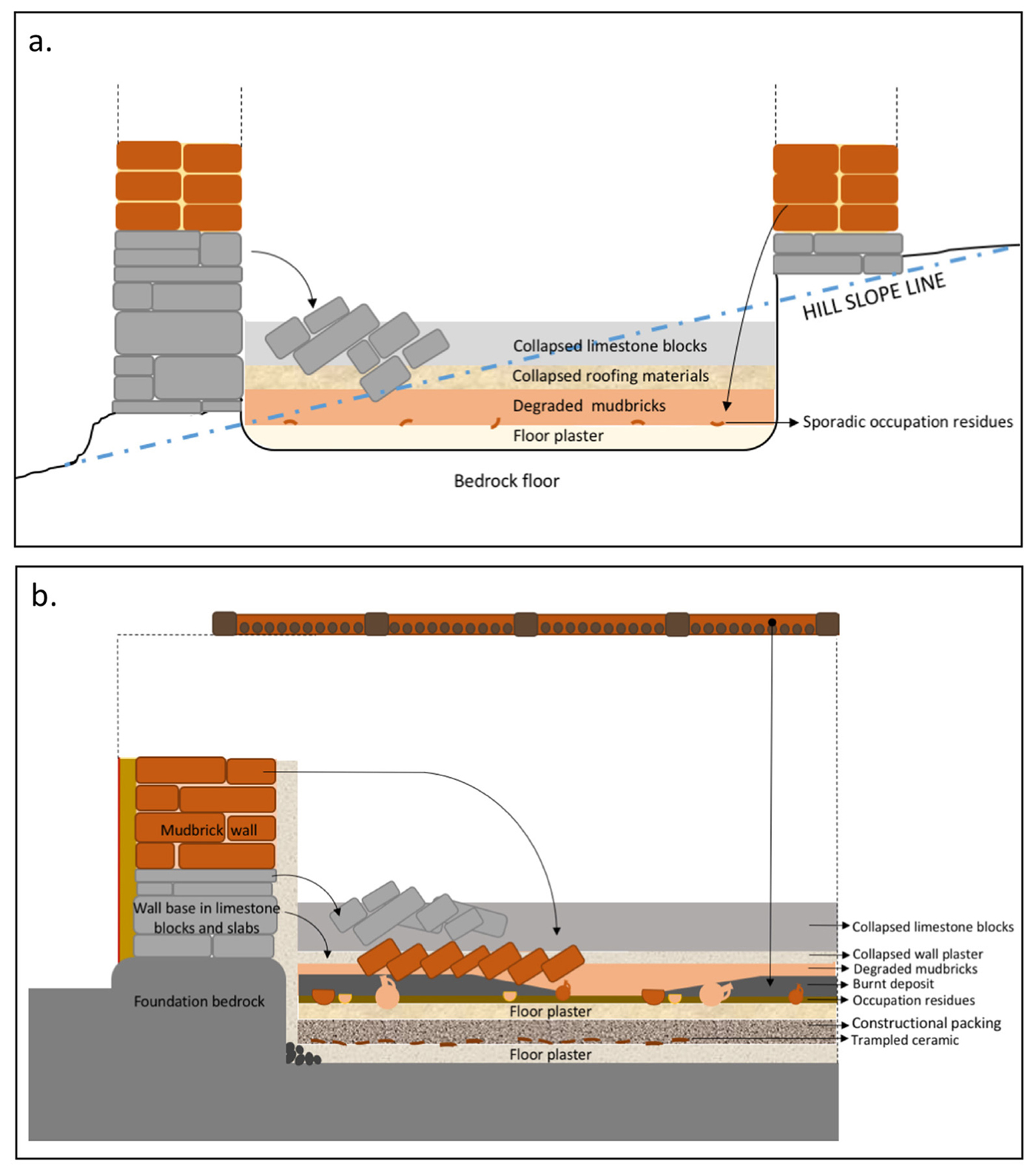
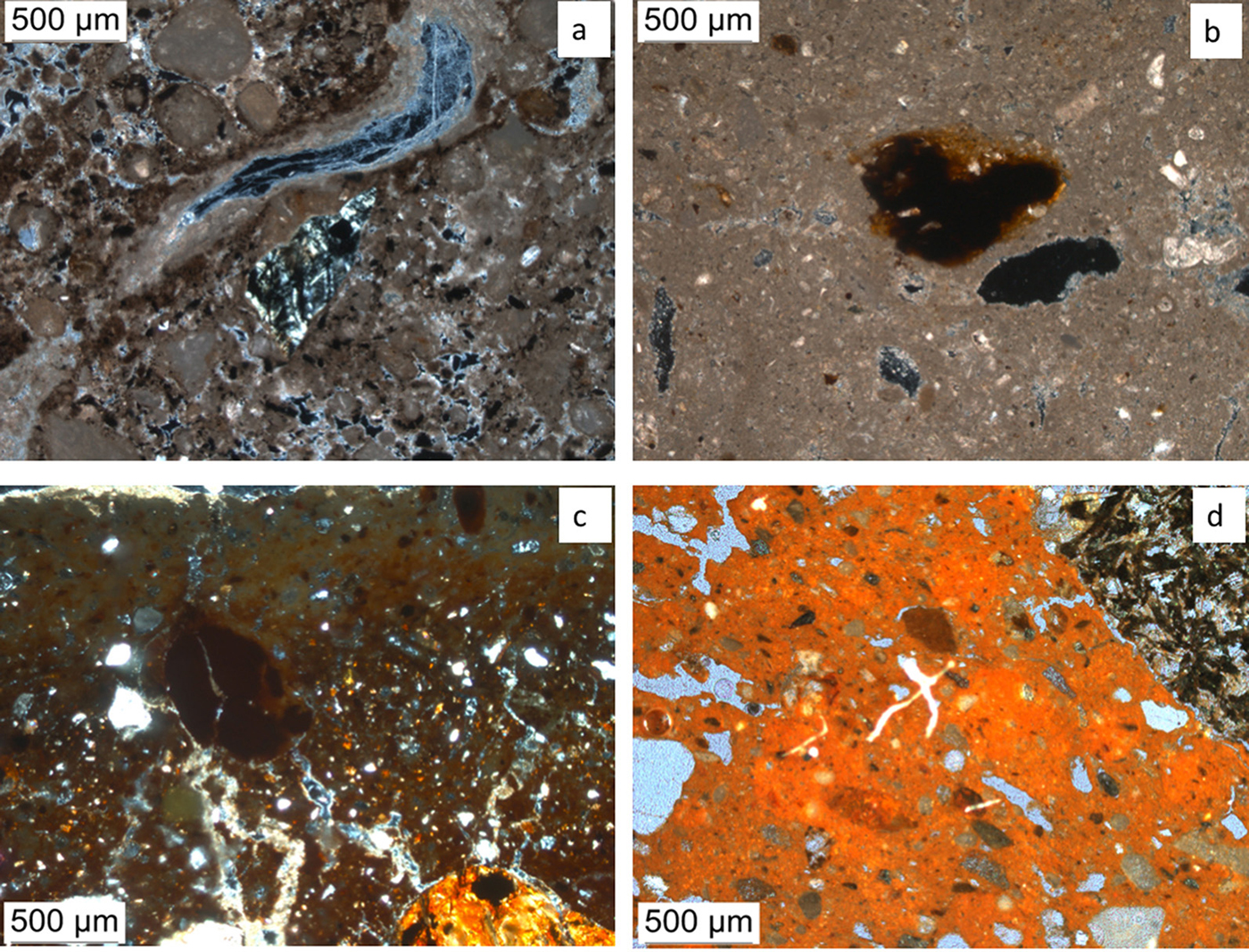
This is characterised by the collapse of internal wall plaster, followed by the erosion of mud-brick walls and roofing structures, and by the collapse of stone wall bases (Figure 2a). This natural degradation process is attested principally in buildings in the residential area (Figure 3), where slow burial of the structures affected the preservation of the underlying occupation deposits. Micromorphological analysis revealed the occurrence of disturbance by roots and faunal activity in occupation deposits. Stratigraphic analysis indicates the almost complete absence of vessels and tools on the occupation floors.
Graphs representing a) gradual degradation; b) the rapid destruction of buildings.
Identified abandonment processes.

2. Fast destruction
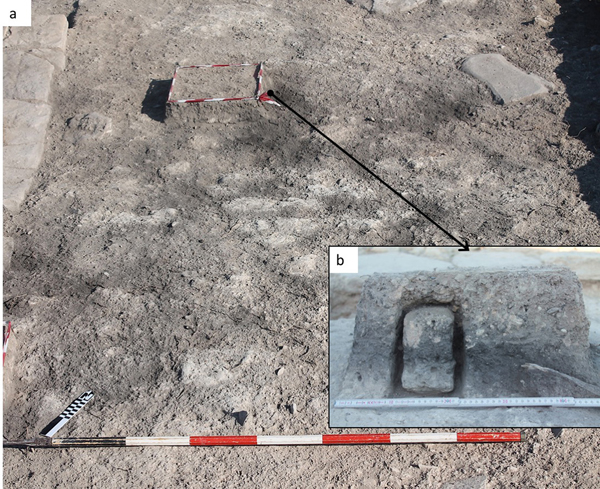
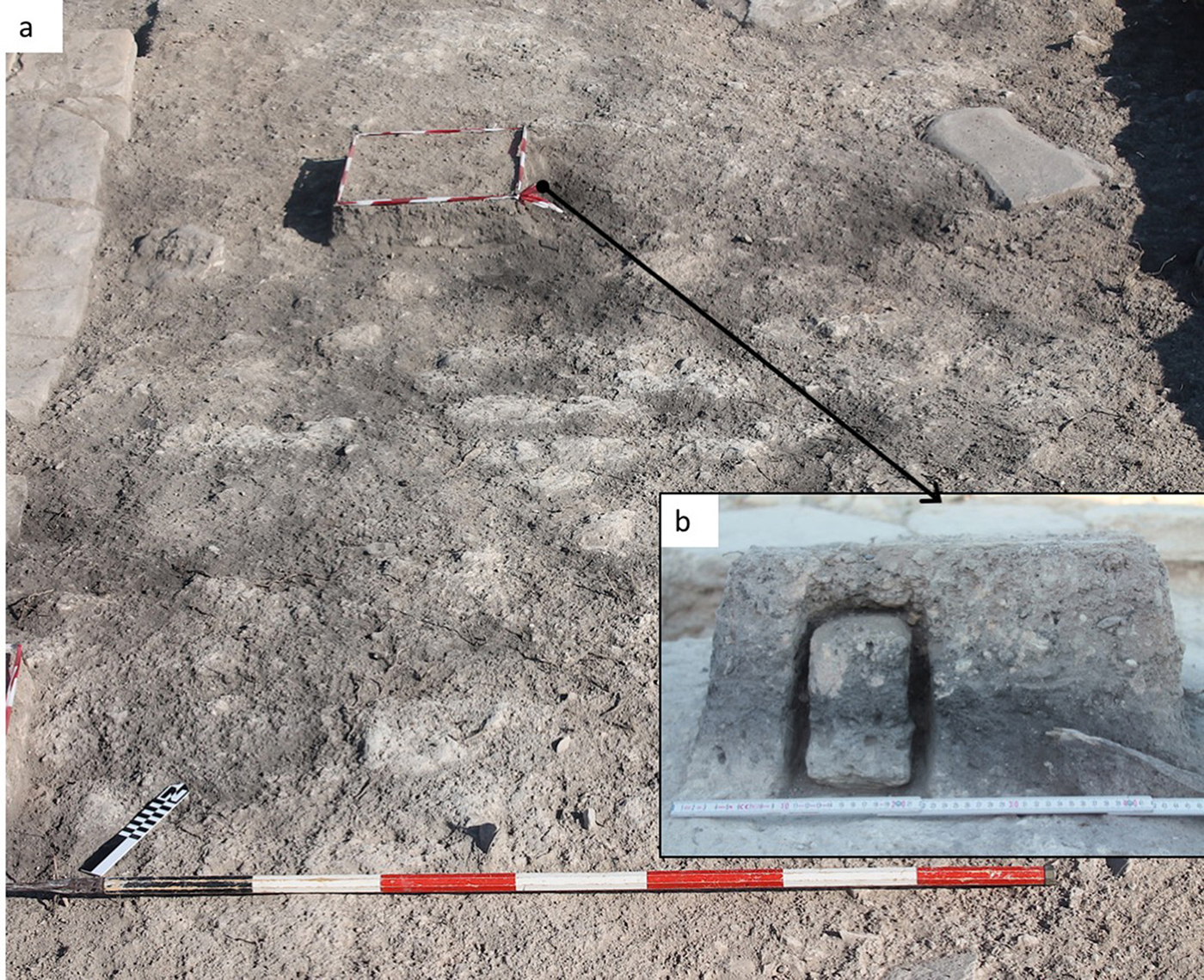
This is caused by a fire event that completely sealed the occupation surfaces and deposits and preserved intact installations, artefacts and micro remains. This process is exclusively attested in communal buildings of the workshop complex (Figure 3). Here, stratigraphic and microstratigraphic analyses revealed the occurrence of layers of burnt sediments and lenses of hardened sediments, which have been interpreted as possible ignition points (Harrison Reference Harrison2004). These burnt layers are covered by the collapse of mud-brick walls (Figures 2b & 4), which are preserved intact due to the hardening process caused by fire. Micromorphological and FTIR analyses of mud-bricks show further evidence for vitrification and oxidation, as well as anomalies in the clay peaks of spectra recorded—these may derive from structural changes caused by prolonged exposure to high temperatures (Berna et al. Reference Berna, Behar, Shahack-Gross, Berg, Boaretto, Gilboa, Sharon, Shalev, Shilstein, Yahalom-Mack, Zorn and Weiner2007).
Workshop complex. Unit SA V: a) burnt and mud-brick layers; b) section showing the sequence of burnt layer covered by degraded mud-bricks.
Identifying sociocultural practices: arson or accidental fire?
It is difficult to confirm if the fire event recorded in the workshop complex was deliberate or accidental. The idea of a possible arson may be suggested by comparative experimental analysis and examination of the archaeological evidence:
1. Experimental analysis and forensic fire investigations demonstrated that mud-brick structures are difficult to ignite without accelerants and additional fuel (Harrison Reference Harrison2004).
2. Stratigraphic analysis revealed the occurrence of intact vessels on the latest occupation floor of many buildings. The presumed deliberate placement of these objects within buildings may be considered part of a commemorative and ritual practice conducted before the abandonment.
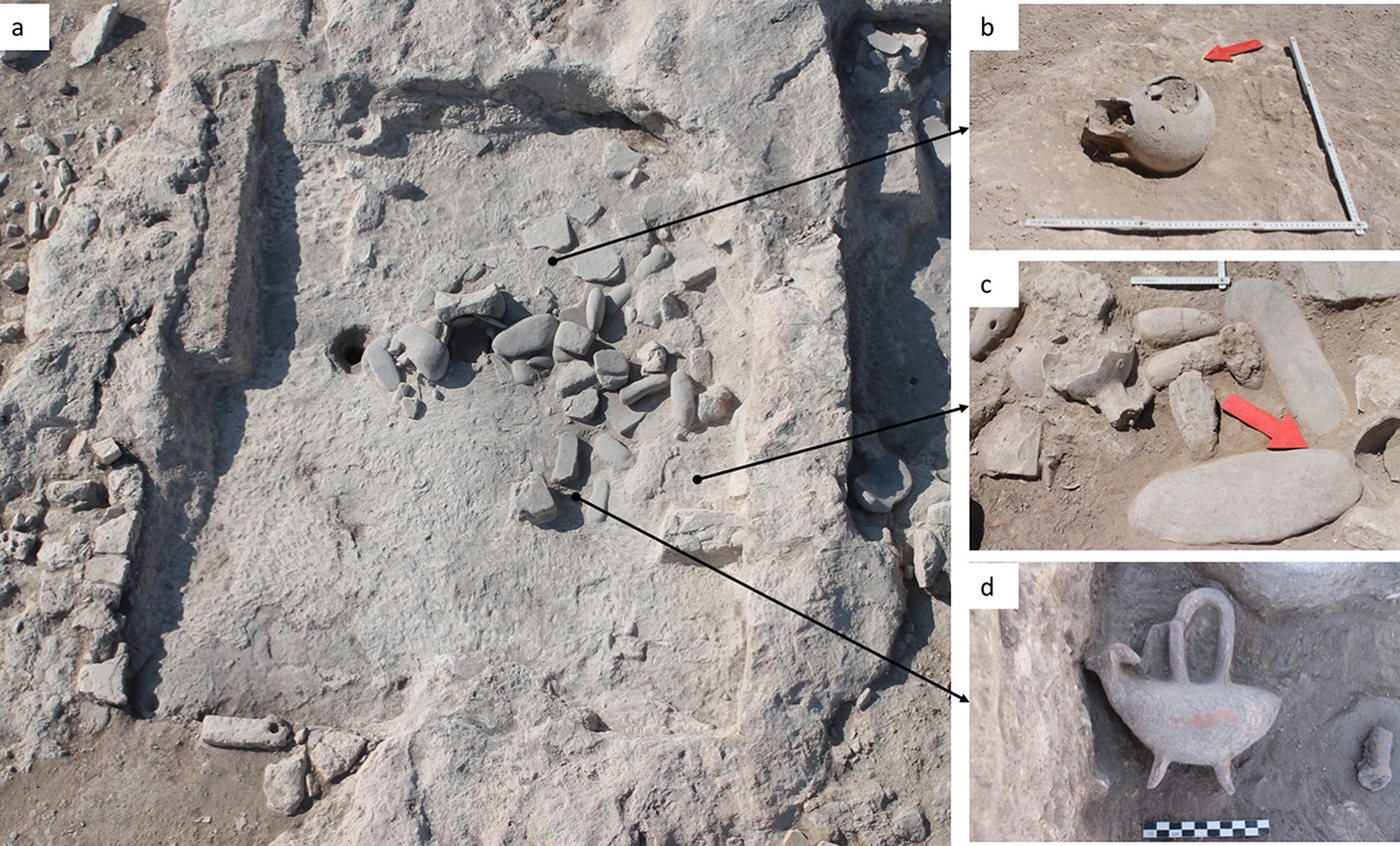
Unit SA III is an interesting example of deliberate abandonment. Here, a layer of re-used rubber stones and sterile sediment was intentionally deposited to seal the latest occupation level, which included intact vessels and working tools (Figures 5–6). Based on this evidence, we support the idea of the intentional burning of buildings as part of an organised effort of ‘sealing off’; this act was possibly intended to create an enduring symbolic continuation of community identity in that place (Stevanovic Reference Stevanovic1997).
Workshop complex. Unit SA III: a) layer of stones intentionally deposited on the occupation surface; b–d) intact vessels and tools recovered from the occupation surface.
Photomicrographs showing: a) bioturbated deposits with burrows and reworking—area B; b) oxidation; c) vitrification; d) reddening identified in mud-brick layers—area A.
Conclusions
The Erimi evidence suggests that, in residential contexts, when houses were left, personal objects were removed by their owners; in communal buildings of the workshop complex, most of the structures were presumably burnt, and selected objects were left behind as part of collective memories.