


Vegetables are fundamental to a healthy diet( Reference Slavin and Lloyd 1 ). In systematic reviews and meta-analyses of cohort studies, increased vegetable consumption was associated with a reduced risk of coronary heart disease( Reference Gan, Tong and Li 2 – Reference Aune, Giovannucci and Boffetta 4 ), stroke( Reference Aune, Giovannucci and Boffetta 4 – Reference Hu, Huang and Wang 6 ) and all-cause mortality( Reference Aune, Giovannucci and Boffetta 4 , Reference Schwingshackl, Schwedhelm and Hoffmann 7 ). Further evidence suggests that higher vegetable consumption may reduce the risk of some cancer types( Reference Boeing, Bechthold and Bub 8 ), depression( Reference Liu, Yan and Li 9 ), type 2 diabetes( Reference Carter, Gray and Troughton 10 , Reference Li, Fan and Zhang 11 ) and weight gain( Reference Bertoia, Mukamal and Cahill 12 ). Low fruit and vegetable intake may be attributable to 7·8 million premature deaths worldwide in the year 2013 alone( Reference Aune, Giovannucci and Boffetta 4 ). In Australia, economic modelling reported that if vegetable consumption were just 10% higher, government health expenditure would reduce by about AU$100 million (2015–2016 dollars)( 13 ).
The Australian Dietary Guidelines (ADG) recommend the consumption of ‘plenty of vegetables’ in order to satisfy nutritional requirements and minimise diet-related chronic disease risk( 14 ). This translates to a recommended 2·5 servings of ‘vegetables and legumes/beans’ for children aged 2–3 years and 4·5–5·5 servings for children aged 4–18 years. More than 99% of children and adolescents (children) in the 2011–2012 National Nutrition and Physical Activity Survey (NNPAS) had usual intakes below recommendations( 15 ). Whilst intake was poor across all five ADG food groups, ‘vegetables and legume/beans’ had the highest proportion of children who failed to meet the recommended servings( 15 ). Of further concern, a number of longitudinal studies have reported that eating behaviour in childhood and adolescence tracks into later life( Reference Lipsky, Haynie and Liu 16 , Reference Pedersen, Holstein and Flachs 17 ), including that for vegetable intakes( Reference Arcan, Neumark-Sztainer and Hannan 18 , Reference Lien, Lytle and Klepp 19 ).
Understanding the context and correlates of vegetable consumption is necessary to help inform interventions and recommendations to increase consumption. A number of determinants are associated with low vegetable and fruit intake in children. These include being male, older, of low socio-economic status( Reference Rasmussen, Krolner and Klepp 20 ), lack of appropriate time/occasion/setting for eating fruit and vegetables, and extensive access to unhealthy food( Reference Krolner, Rasmussen and Brug 21 ). Most of these data combine fruit and vegetables and it is recommended that fruit and vegetable consumption be approached as two separate behaviours, as children are more likely to consume fruit over vegetables( Reference Orlowski, Lee and Spears 22 ).
The frequency of vegetable consumption, measured as the number of daily eating occasions (or meals) with vegetables, may be an important determinant of total vegetable intake as meal skipping has been associated with a low vegetable intake( Reference Andaya, Arredondo and Alcaraz 23 – Reference Pedersen, Meilstrup and Holstein 25 ). Since the timing of vegetable consumption is generally not reported in studies, it is unclear how the types of eating occasion contribute to vegetable intake.
In Australia, vegetable intake among adults has been previously reported, including the timing of consumption( Reference Sui, Raubenheimer and Rangan 26 ), the variety of intake( Reference Nour, Sui and Grech 27 ) and the association with discretionary foods( Reference Sui, Wong and Louie 28 ), but data for children are limited.
The aim of the current study was to profile vegetable consumption, including the prevalence, quantity, frequency, variety, type and timing of vegetable intake, in a nationally representative sample of Australian children; and to examine the profile of high and low vegetable consumers with respect to their demographic, dietary, socio-economic and anthropometric characteristics.
Methods
Survey methodology
The 2011–2012 NNPAS is a nationally representative survey carried out by the Australian Bureau of Statistics (ABS) that forms part of the 2011–2013 Australian Health Survey. Detailed dietary information and physical activity data were collected for the NNPAS during face-to-face interviews by trained interviewers from the ABS. An Automated Multiple-Pass Method, developed by the Agricultural Research Service of the United States Department of Agriculture, was used by the ABS to capture all foods and beverages consumed by respondents within the 24 h prior to the interview day. For children aged 2–14 years, an adult was interviewed on the child’s behalf, although children aged 6–14 years were invited to also participate in the interview. Children aged 15–17 years were personally interviewed with parental consent. Data were collected from 2812 children and adolescents (hereinafter referred to as ‘children’) aged 2–18 years, 1682 of whom provided dietary data for the second day of recall by telephone interview. To maximise the sample size, only the first day of dietary recall was used for all analyses, and data were weighted to represent the Australian population with weightings provided by the ABS. The interview components of the survey were conducted under the Census and Statistics Act 1905 and ethics approval was not necessary. Further survey details are available online under the Australian Health Survey: Users’ Guide, 2011–2013( 29 ).
Dietary intake
Dietary intake data were analysed using the survey specific 2011–2013 Australian Food Composition Database (AUSNUT) developed by Food Standards Australia New Zealand (FSANZ)( 30 ). The ABS categorised foods and beverages in the survey at the major food group level (2-digit), the sub-major food group level (3-digit), and the minor food group level (5-digit). The quantity of each food consumed was measured in grams and kilojoules.
‘Vegetables’ were defined as any ‘vegetables or legumes/beans’ according to the Australian Dietary Guidelines( 14 ). Total grams of vegetables consumed were calculated using a FSANZ database which details the amounts of each of the Five Food Groups in foods consumed in the NNPAS( 31 ). The total vegetable intake (grams) was calculated and the prevalence of vegetable consumption was calculated as the number of children who consumed any vegetables (>0 g). The number of vegetable servings was calculated using the ADG definitions for a serve (1 serve = 75 g, apart from vegetable juice where 1 serve = 130 g)( 14 ). Total vegetable intake and the number of servings were calculated for each sub-major food group. In contrast to some countries and to the WHO guidelines, potatoes are included in the ‘vegetables’ food group in the ADG. We calculated the percentage of vegetable intake that came from the sub-group ‘potatoes’ or ‘potato mixed dishes’ to provide context in comparison with other countries. The number of servings of vegetables and legumes/beans recommended in the ADG varies according to age and sex, from 2·5 among children 2–3 years old, to 5 among girls aged 14–18 years and 5·5 among boys aged 14–18 years( 14 ). The proportion of children of each age and sex group meeting the ADG recommendations was determined. Foods were classified as vegetable-dense based on whether they were >50% vegetables by weight. The majority of vegetable-dense foods were sole vegetables (i.e. carrot, lettuce, etc.), however there were also some mixed dishes such as vegetable stew or vegetable lasagne that were vegetable-dense. There are sixty-two sub-major food groups that have foods containing vegetables, and thirty-five of these have foods that are vegetable-dense. Vegetable variety was calculated by determining the number of different vegetable dense sub-major food groups.
Discretionary food and beverages are defined as foods and beverages not necessary for a nutritious diet, and are high in saturated fat, added sugars, added salt, or alcohol and low in fibre( 14 ). Mean energy intake from discretionary foods and beverages, mean daily energy intake, and the proportion of total energy intake from discretionary foods and beverages was calculated. In the 2011–2012 NNPAS, discretionary foods and beverages that contained vegetables (e.g. potato chips, hash browns, onion rings, vegetable tempura) contributed 23% of total vegetable intake among children aged 2–18 years( 15 ). These foods and beverages were not included in our calculations of vegetable intake.
As part of the survey, respondents were asked to identify the reported eating occasion (REO) as well as the time they began consuming each food or beverage. The available REOs were: breakfast, morning tea, lunch, brunch, afternoon tea, dinner, supper, snack, beverage/drink, extended consumption or other. We defined an eating occasion (EO) as the consumption of one or more foods or beverages at the same time with the same reported eating occasion. For example, if a sandwich was consumed at 13.00 hours with the REO ‘lunch’, and a juice was also consumed at 13.00 hours but with the REO ‘beverage/drink’, this would be classified as two EO. Vegetable intake at each REO was determined. Vegetable frequency, defined as the number of eating occasions that contained vegetables, and the percentage contribution of each REO to total vegetable intake, were calculated.
Anthropometric measures and socio-economic status
Physical measurements including weight, height and waist circumference were measured for participating respondents by trained interviewers during the face-to-face interview. BMI Z-score, also known as BMI sd score, is a measure of relative weight adjusted for age and sex. The BMI Z-score was calculated using the child’s age, sex, height, and weight, and the WHO growth reference standards for 2–4 and 5–19-year-old children( 32 ). The standard normal distribution was then calculated for all children’s BMI Z-scores. This was used to categorise children as: ‘normal weight’ (<85%), ‘at risk for overweight’ (≥85 to <95%) or ‘overweight’ (≥95%). Waist circumference to height ratio was also calculated for each child. A waist circumference to height ratio of <0·5 is associated with a low risk of metabolic complications, whereas a ratio of ≥0·5 is associated with a higher risk( Reference Weili, He and Yao 33 ).
The Socio-Economic Indexes for Areas (SEIFA)( 34 ) was used to define socio-economic status (SES). SEIFA is a product developed by the ABS that ranks areas in Australia into quintiles according to relative socio-economic advantage or disadvantage.
Statistical analysis
The statistical software package ‘IBM SPSS Statistics version 23.0’ was used for all analyses. The median number of vegetable servings per capita was used to define low and high vegetable consumers. Low vegetable consumers were defined as less than the median and high consumers as equal to or greater than the median.
Descriptive summaries were calculated for all variables of interest. ANOVA tables were created to calculate sds, standard errors of the mean, and 95% CI. Associations between frequency of vegetable intake and other vegetable-related metrics were measured using one-way ANOVA for means and Pearson’s Chi-square tests for prevalence. The relationships between low and high vegetable consumers and sociodemographic, dietary, and anthropometric-related measures were also examined using one-way ANOVA and Pearson’s Chi-square tests. Bonferroni post-hoc analysis showed pairwise significance between categories of consumers. Owing to the large sample size (n 2812) and the number of tests, P values <0·001 were treated as significant.
Results
Most children consumed vegetables (83%), and the prevalence was greater among boys compared with girls (Table 1). The lowest prevalence was among 4–8-year-old girls (77·2%) and the highest among 12–13-year-old boys (87·0%). The mean daily servings of vegetables was 1·8 per capita, and 2·1 among vegetable consumers. For all age and sex groups, the median daily vegetable servings per capita were less than a third of the ADG recommendations and only 7·9% of children met the recommendations.
VegetableFootnote * intake by age group and sex
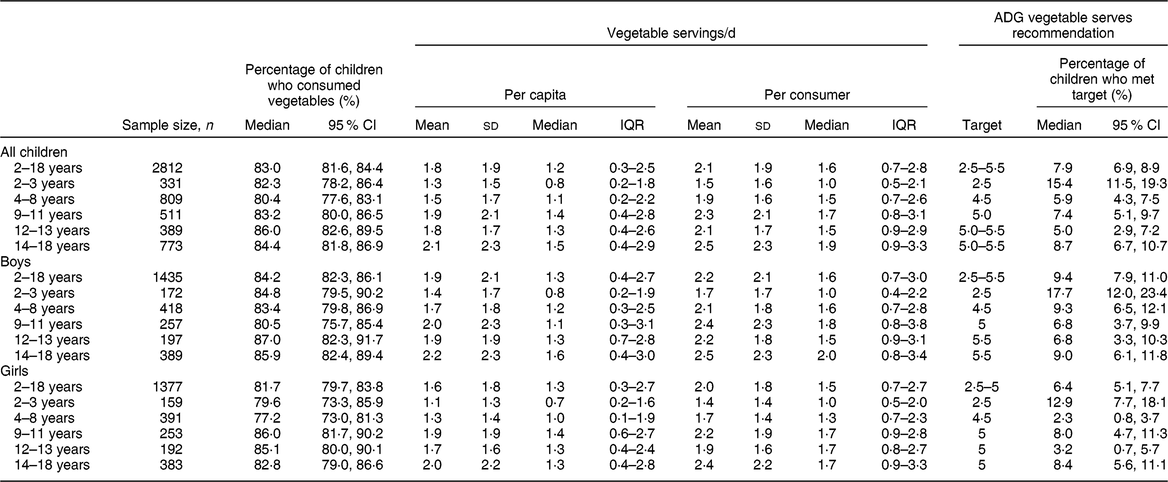
ADG, Australian Dietary Guidelines; IQR, inter-quartile range.
* Refers to ‘vegetables and legumes/beans’ as defined by the Australian Dietary Guidelines, and includes potatoes but excludes discretionary vegetables( 14 ).
Which reported eating occasions contributed the most to vegetable intake?
Dinner was the most common reported eating occasion for vegetable consumption, with 72·3% (95% CI 70·6, 73·9%) of children having vegetables at dinner, followed by 34·2% (95% CI 32·4, 35·9%) at lunch. Dinner had the highest mean servings of vegetables per capita (1·2 sd 1·5) and among consumers of vegetables at the reported eating occasion (1·7 sd 1·5) (Table 2). Less than 10% of vegetable consumers had vegetables at each of the eating occasions: breakfast, snack, supper, and morning and afternoon tea (Table 3).
Vegetable* consumption at reported eating occasions
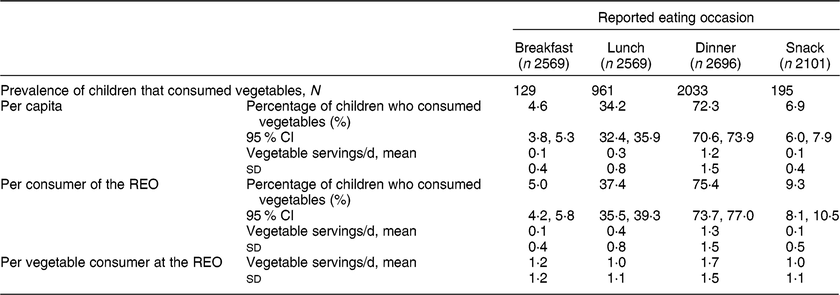
REO, reported eating occasion.
*Refers to ‘vegetables and legumes/beans’ as defined by the Australian Dietary Guidelines, and includes potatoes but excludes discretionary vegetables( 14 ).
Vegetable* intake by the frequency of consumption
ADG, Australian Dietary Guidelines; IQR, interquartile range; REO, reported eating occasion.
a,b,c Mean values within a row with unlike superscript letters were significantly different (P < 0·001, post hoc Bonferroni).
* Refers to ‘vegetables and legumes/beans’ as defined by the Australian Dietary Guidelines, and includes potatoes but excludes discretionary vegetables( 14 ).
† An eating occasion is defined as the consumption of one or more foods or beverages at the same time with the same reported eating occasion.
‡ P values compare number of eating occasions, using one-way ANOVA for means and Chi-square tests for prevalence.
§ Vegetable-dense refers to sub-major food groups with more than 50% vegetable by weight.
How did vegetable intake differ by frequency of consumption?
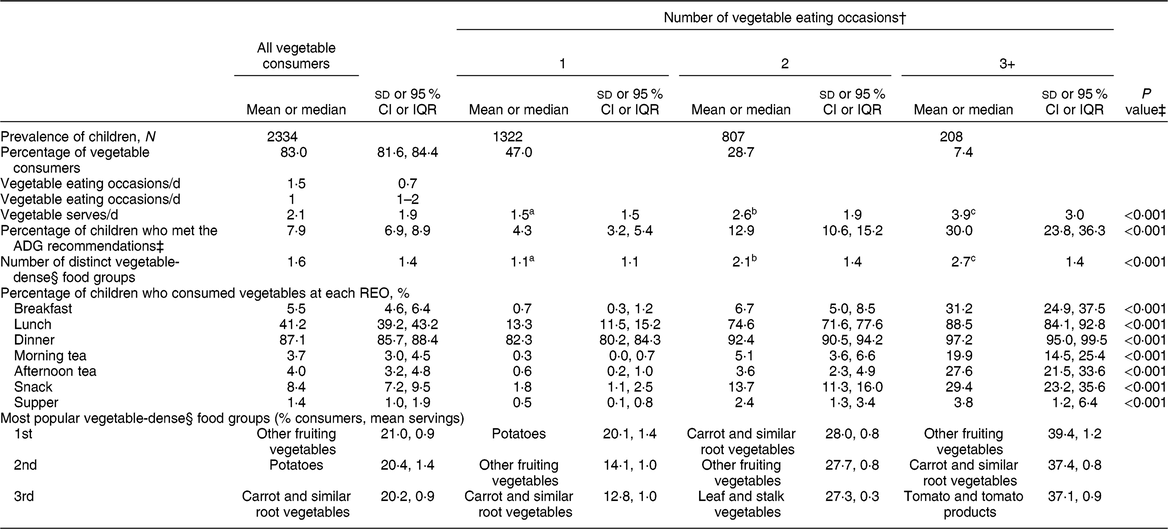
The average frequency of vegetable consumption (the mean number of eating occasions with vegetables) among consumers was 1·5 (sd 0·7), and the majority of vegetable consumers (56·6%) had vegetables once a day (Table 3).
Vegetable frequency had a positive association with daily vegetable servings (P < 0·001). Children who had vegetables once a day had a mean of 1·5 servings, those who had it twice a day had a mean of 2·6 servings, and those who had it three or more times a day had a mean of 3·9 servings. Vegetable frequency was also positively associated with meeting vegetable recommendations (P < 0·001). Among children who had vegetables once a day, 4·3% met the ADG recommended number of servings, and this was significantly lower than among children with two (12·9%) or three or more (30·0%) vegetable eating occasions per day (P < 0·001). Vegetable frequency was positively correlated with vegetable variety (P < 0·001). Children who had vegetables once a day had, on average, 1·1 vegetable-dense food groups, compared with 2·1 among those who consumed vegetables twice, and 2·7 among those who consumed them three or more times (Table 3).
The proportion of children who consumed vegetables at the different eating occasions, and particularly at lunch, increased with increased vegetable frequency. For children who consumed vegetables once a day, vegetables were eaten at dinner by 82·3% and at lunch by 13·3%. For those who consumed vegetables twice a day, this increased to 92·4% at dinner and 74·6% at lunch. For those who had vegetables three or more times a day, vegetables were most commonly consumed at dinner (97·2%) and lunch (88·5%), and then spread across the other eating occasions.
The most popular vegetable food groups consumed differed when comparing top food groups among children who had vegetables once, twice or three or more times a day. ‘Potatoes’ were the most popular among those who had vegetables once a day, but did not make the top three among those who had them twice or those who had them three or more times a day. ‘Tomato and tomato products’ was popular among those who had vegetables three or more times a day, but did not make the top three among the other groups.
Which vegetable-dense food groups were the most popular?
Prevalence and intake of vegetable-dense food groups across the day by the top vegetable eating occasions, lunch and at dinner, are shown in Table 4. Across the day, ‘other fruiting vegetables’ (pumpkin, mushrooms, zucchini, corn, avocado, capsicum, cucumber, etc.) had the highest prevalence of consumers (21·0%), followed by ‘potatoes’ (20·4%), and ‘carrot and similar root vegetables’ (20·2%). The mean vegetable servings per consumer of the ten leading vegetable-dense food groups were all under one serve, apart from ‘potatoes’ and ‘mixed dishes where cereal is the major ingredient’ (sandwiches, pizza, pasta and rice dishes, etc.), which were 1·4 and 2·4, respectively. The ten most popular food groups that contained any vegetable can be found in Supplementary Table S1. For these, ‘Mixed dishes where cereal is the major ingredient’ had the highest prevalence of consumers (39·4%) and the mean vegetables serve per consumer was 1·1. Approximately 14% of total vegetable intake among Australian children came from the sub-groups ‘potatoes’ or ‘potato mixed dishes’.
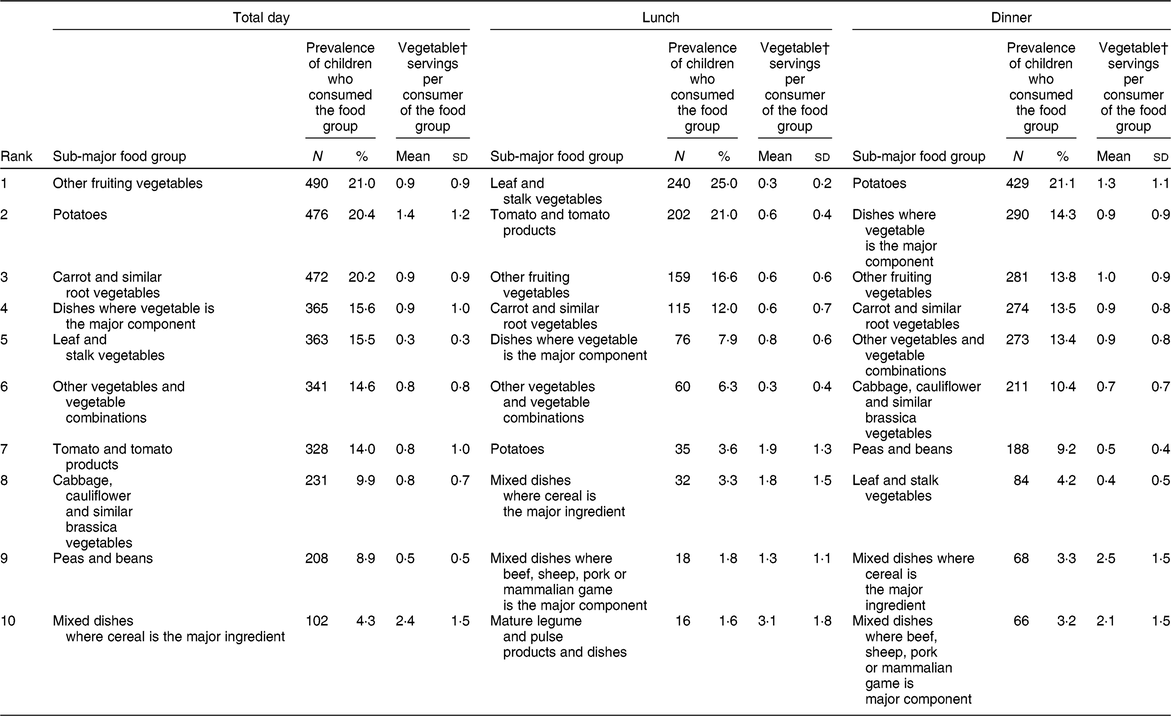
The three most popular vegetable-dense food groups at lunch were ‘leaf and stalk vegetables’ (lettuce, spinach, celery, etc.) (25·0%), ‘tomato and tomato products’ (fresh tomato, tomato paste, sundried tomato, etc.) (21·0%), and ‘other fruiting vegetables’ (capsicum, corn, pumpkin, etc.) (16·6%). At dinner, ‘potatoes’ (21·1%) was the most popular (whereas at lunch this category ranked seventh), followed by ‘dishes where vegetable is the major component’ (salads, vegetable curries, stir-fries casseroles, etc.) (14·3%), and ‘other fruiting vegetables’ (13·8%).
The mean vegetable servings per consumer of the ten most popular vegetable-dense food groups varied widely and were dependent on the food group consumed. At lunch, this ranged from 0·3 (‘leaf and stalk vegetables’; ‘other vegetables and vegetable combinations’) to 3·1 (‘mature legume and pulse products and dishes’). At dinner, it ranged from 0·4 (‘leaf and stalk vegetables’) to 2·5 (‘mixed dishes where cereal is the major ingredient’).
What were the sociodemographic, dietary and anthropometric characteristics of high vegetable consumers?
High vegetable consumers (intake greater than the median of 1·2 vegetable servings/d) were older, had a greater mean total energy intake, and a lower discretionary energy intake (Table 5). The contribution of energy from discretionary foods and beverages was lower among high vegetable consumers (31·9%) compared with low vegetable consumers (41·2%). Low vegetable consumers had a higher prevalence of children at increased risk of metabolic complications (36·1 v. 27·6%) and had a similar mean BMI and waist:height ratio. There were no differences in sex, weight status, or SES.
Sociodemographic, dietary and anthropometric characteristics of low and high vegetable* consumers
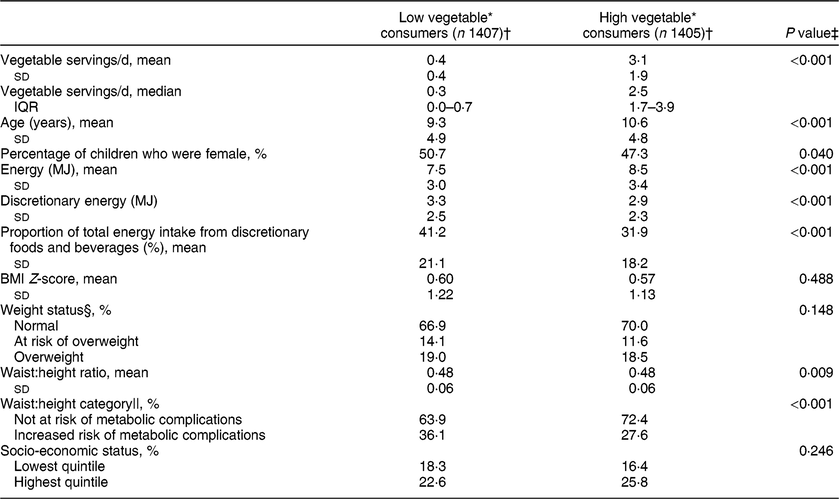
IQR, inter-quartile range.
* Refers to ‘vegetables and legumes/beans’ as defined by the Australian Dietary Guidelines, and includes potatoes but excludes discretionary vegetables( 14 ).
† Low and high consumers defined as below and equal to or above the median intake (1·19 servings/d) respectively.
‡ P values for means tested by one-way ANOVA and for prevalence tested by Chi-square tests.
§ Based on BMI Z-score: normal (<85th percentile), at risk for overweight (≥85th percentile, <95th percentile), overweight (≥95th percentile)( Reference Weili, He and Yao 33 ).
|| Based on waist circumference to height ratio: not at risk of metabolic complications (<0·5), increased risk of metabolic complications (≥0·5)( 32 ).
Discussion
The majority of Australian children consumed vegetables, however both the frequency and total daily servings of vegetable were low, with the median vegetable servings less than a third of recommendations. Children most commonly consumed vegetables once per day, at dinner, and those with a higher vegetable frequency had a greater daily intake of vegetables, were more likely to meet vegetable recommendations and had a greater vegetable variety. More than half of vegetable consumers did not have any vegetables at lunch, and those who had vegetables more than once per day generally had them at both dinner and lunch. ‘Mixed dishes where cereal is the major ingredient’ was the most popular vegetable-containing food group, whilst ‘other fruiting vegetables’ and ‘potatoes’ were the most popular vegetable-dense food groups. High vegetable consumers were older, had a greater energy intake but lower discretionary energy intake, and were less likely to be at risk of metabolic complications based on evaluation of waist:height ratio.
Despite the majority of children consuming vegetables in Australia, a low proportion of children met vegetable recommendations. This is consistent with data from the US( Reference Lorson, Melgar-Quinonez and Taylor 35 ), Canada( Reference Minaker and Hammond 36 ), Europe( Reference Lynch, Kristjansdottir and Te Velde 37 ), Mexico( Reference Batis, Aburto and Sanchez-Pimienta 38 ) and Malaysia( Reference Koo, Poh and Lee 39 ), where the proportion of children meeting recommendations ranged from 7 to 24%. Direct comparisons between countries should be made cautiously for several reasons: recommendations are country specific, there is no consensus on whether potatoes and legumes should be included as a vegetable in the literature, and most of these studies grouped vegetables with fruit. In Canada, almost all (97%) children aged 11–17 years consumed vegetables or fruit, yet only 10% met national recommendations for vegetables and fruit combined( Reference Minaker and Hammond 36 ). In children aged 11 years across ten European countries, 55% ate vegetables at least once daily but only 24% of children met the WHO population goal for total fruit and vegetable consumption( Reference Lynch, Kristjansdottir and Te Velde 37 ). Our data suggest that focusing on increasing the amount of daily vegetables consumed, rather than on the percentage of individuals who are consumers, could help to increase vegetable intake towards recommended targets.
In our study, both vegetable servings and frequency were low, with the majority of children having vegetables once per day. Novel to this study, higher vegetable frequency was correlated with higher daily vegetable servings and with increased vegetable variety. Among Australian adults, a similar pattern was observed where those who had five servings of vegetables or more had the highest proportion of consumers across all meals( Reference Nour, Sui and Grech 40 ). We found that frequent vegetable consumers ate a wider variety of vegetable-dense food groups. Much of the research for increasing vegetable intake has focused on increasing portion size( Reference Collins, Watson and Collins 41 – Reference van Kleef, Bruggers and de Vet 44 ). Evidence from intervention studies in children suggest that this approach is effective but may be limited after reaching a certain portion size, such as 120 g in 3–5-year-olds( Reference Spill, Birch and Roe 45 ) or 150 g in 5–6-year-olds( Reference Kral, Kabay and Roe 46 ), which is still less than or equal to two standard vegetable servings( 14 ). There is experimental evidence that increasing variety can increase vegetable intake in school-aged children( Reference Bucher, Siegrist and van der Horst 47 ). Thus, increasing vegetable frequency may also need to be an important target for increasing vegetable intake in children.
Consuming a wider variety of vegetables may also have public health benefits. In adults, greater vegetable variety has been associated with a reduced risk of type 2 diabetes( Reference Cooper, Sharp and Lentjes 48 ), and a greater fruit and vegetable variety was associated with higher micronutrient intakes( Reference Oude Griep, Verschuren and Kromhout 49 ) and lower markers of inflammation( Reference Bhupathiraju and Tucker 50 ). Our correlation between vegetable frequency and variety could be partially explained by differences in the most popular vegetable food groups consumed at lunch and at dinner. Since those with a higher vegetable frequency had vegetables at both lunch and dinner, they are more likely to have consumed different vegetables at these occasions. It is also possible that the correlation between frequency and variety is a direct result of a higher vegetable quantity. Intervention studies are required to determine causality between increasing vegetable frequency and increased vegetable variety and intake, and future studies should determine if such associations with variety are independent of, or related to, total vegetable servings.
We found that vegetables were most commonly consumed at dinner, followed by lunch, but at a much lower prevalence, providing an opportunity to target portion size at dinner and both portion size and consumption at lunch. These findings are in line with evidence from other cross-sectional studies where dinner contributed the most to vegetable intake. An American study that analysed the diets of children aged 2–18 years from the NHANES 2007–2010 reported that dinner provided more than half (52–54%) of total vegetable intake, followed by lunch (29–31%), snacking (11–14%) and breakfast (4–5%)( Reference Moore, Hamner and Kim 51 ). Similarly, dinner is the most prevalent eating occasion for vegetable consumption among school-aged children in New Zealand( Reference Rockell, Skidmore and Parnell 52 ), among adolescents in Norway( Reference Vejrup, Lien and Klepp 53 ) and also among Australian adults( Reference Nour, Sui and Grech 27 ). Our finding that vegetables are not popularly consumed at lunch is consistent with other countries. In the USA, a study of children aged 4–11 years reported that only 5% of children consumed one serving (80 g) of vegetables at lunch( Reference Upton, Upton and Taylor 54 ). In England, only 19% of packed lunches for 8–9-year-old children provided vegetables( Reference Evans, Greenwood and Thomas 55 ). Our findings that children with a higher frequency of vegetable intake generally had vegetables at both dinner and lunch highlight that interventions designed to increase vegetable frequency could prioritise increasing the percentage of children having vegetables at lunch, whereas dinner recommendations may need to focus on increasing portion size.
Our findings have clinical relevance. A specific focus on frequency and eating occasions may be useful for increasing both total vegetable intake, including the proportion of children meeting vegetable recommendations, and vegetable variety. Recommendations for vegetable intake in children could include frequency messages such as ‘enjoy veggies at least 3 times a day’. Given that fewer than 10% of Australian children currently achieve this, shorter-term frequency messages could be to consume vegetables ‘at least 2 times a day’, ‘at every lunch and dinner’ or to ‘add veggies as a snack every day’, rather than messages on serve sizes. Given the role of vegetable consumption at lunch for greater vegetable frequency, school lunch programmes warrant consideration in Australia. A number of studies in England have shown that children who consumed a lunch as part of a school lunch programme consumed more vegetables or were more likely to consume vegetables at lunch than children who took a packed lunch( Reference Evans, Mandl and Christian 56 – Reference Golley, Pearce and Nelson 58 ), with one study finding a tenfold (81 v. 8%) difference in the prevalence of vegetable consumers( Reference Golley, Pearce and Nelson 58 ). In the US, school lunch programme participation was associated with greater vegetable and lower discretionary food intake( Reference Condon, Crepinsek and Fox 59 ). In Denmark, a school lunch increased vegetable consumption in a randomised controlled trial( Reference Andersen, Biltoft-Jensen and Christensen 60 ), suggesting that the relationship is likely to be causal. Given the overall nutritional quality of the lunch meal in Australia is particularly poor( Reference Fayet-Moore, McConnell and Kim 61 ), and that a high intake of discretionary foods is consumed in Australian schools( Reference Fayet-Moore, McConnell and Kim 61 – Reference Sanigorski, Bell and Kremer 63 ), strategies that address the nutritional quality of the entire lunch meal, not only its vegetable content, are warranted.
‘Mixed dishes where cereal is the major ingredient’ (e.g. sandwiches, pasta, rice) was by far the most popular vegetable food group in the current study. This finding, while not surprising, is in line with other studies that report children are more likely to consume vegetables mixed with other foods rather than on their own, although reasons for consuming specific vegetables in school-aged children have been shown not to be generalisable( Reference Raggio and Gambaro 64 ). An analysis of the NHANES 2003–2008 reported that the leading food group contributor to vegetable intake was mixed dishes (approximately 41%), followed by white and fried potatoes (20·9% combined)( Reference Branum and Rossen 65 ). An analysis of fruit and vegetable intake from the NHANES 2007–2010 reported that only 3–6% of vegetables were consumed as raw or on their own (e.g. whole or cut-up carrots)( Reference Moore, Hamner and Kim 51 ). The meal context is likely an important determinant of vegetable consumption. Numerous studies have described taste as the main reason for children not liking vegetables( Reference O’Dea 66 – Reference Stevenson, Doherty and Barnett 69 ), and that adding another food or flavour can help to facilitate their consumption( Reference Monge-Rojas, Garita and Sanchez 70 , Reference Neumark-Sztainer, Story and Perry 71 ). The importance of mixed dishes in contributing to total vegetable intake should be taken with some caution since they contribute greatly to children’s total energy intake( 72 ) and were not vegetable-dense. We found that 39% of children consumed mixed dishes that contained vegetables, but only 4% consumed mixed dishes that were vegetable-dense. In a randomised crossover trial, the incorporation of vegetables into mixed dishes increased the vegetable intake within the meal by 50–73%( Reference Spill, Birch and Roe 73 ). Thus, adding vegetables to mixed dishes to increase their vegetable density, including sandwiches, casseroles, pasta, rice, and soups, may form effective and culturally appropriate meal-based guidelines to increase vegetable intakes in children in Australia.
‘Other fruiting vegetables’ (e.g. cucumber, capsicum, corn, avocado) and ‘potatoes’ were the two most popular vegetable-dense food groups, suggesting that these foods may be useful for increasing vegetable intake. It has been demonstrated in randomised trials that increasing the variety of vegetables offered to children within a meal increases total vegetable intake at the meal( Reference Bucher, Siegrist and van der Horst 47 , Reference Roe, Meengs and Birch 74 ). One strategy to increase vegetable intake may be to encourage adding smaller quantities of less popular vegetables to these more popular ones. For example, adding extra vegetables to a sandwich or wrap; to a roast vegetable tray, to the barbeque, in a stir fry and remembering to have vegetables as snacks. ‘Potatoes’ were the largest contributor to any single vegetable food group, had the largest vegetable servings per consumer, and were most popular among children with a low vegetable frequency. In New Zealand, children were more likely to consume less popular non-starchy vegetables if they also consumed potato/kumara/taro( Reference Rockell, Skidmore and Parnell 52 ). The versatility of potatoes means that they are likely to be a useful target to facilitate greater variety in vegetable consumption. Potato-based recipes could include extra vegetables and also different varieties of potatoes (i.e. sweet potato). Further, recommendations could also focus on swapping discretionary potatoes (e.g. French fries) to core potatoes (e.g. baked potato), as discretionary foods are not included in the ADG food groups.
Our finding that high vegetable consumers had a lower energy contribution from discretionary energy is of interest given discretionary food and beverage intake is high in Australian children( 15 ), and is consistent with a number of studies. Among Australian adults, discretionary foods and beverages were shown to be inversely associated with vegetable intake( Reference Sui, Wong and Louie 28 ). Cross-sectional studies in Australia have reported that children who met vegetable recommendations had a lower ‘junk food’ intake( Reference Boylan, Hardy and Drayton 75 ) and that a more frequent consumption of fast food was associated with a lower fruit and vegetable intake( Reference Innes-Hughes, Hardy and Venugopal 76 ). In the US, an inverse relationship between fast-food intake and vegetable intake is reported( Reference Bowman, Gortmaker and Ebbeling 77 – Reference Taveras, Berkey and Rifas-Shiman 79 ), and increasing the energy intake from fruit and vegetables in school lunches has been associated with reduced energy intake from other sources( Reference Bontrager Yoder and Schoeller 80 ). There is evidence from intervention studies that increasing vegetable intake directly reduces the intake of other energy sources( Reference Roe, Meengs and Rolls 81 – Reference Blatt, Roe and Rolls 83 ). These findings may be because vegetables generally have a low energy density and that increasing their intake can enhance satiety( Reference Rolls, Roe and Meengs 82 ), and raises questions about whether increasing vegetable intake may have a dual benefit in also reducing discretionary energy.
We found that high vegetable consumers had a lower risk of metabolic complications, but not a lower mean BMI Z-score or mean waist:height ratio. Similarly, in Australian adults, no association was found between vegetable consumption and BMI( Reference Nour, Sui and Grech 40 ). There is limited evidence from longitudinal and experimental studies on a relationship between vegetable intake and adiposity in children( Reference Ledoux, Hingle and Baranowski 84 ). An inverse association has been described in adults in a systematic review and meta-analysis of prospective cohorts( Reference Schwingshackl, Hoffmann and Kalle-Uhlmann 85 ) and is supported by a meta-analysis of randomised controlled trials that found increased fruit and vegetable consumption favoured weight loss( Reference Mytton, Nnoaham and Eyles 86 ). The nature of our cross-sectional analysis, and that adiposity is multifactorial, means that confounding or reverse causation may influence the observed associations. It is possible that we did not observe an association between vegetable consumption and BMI Z-score or waist:height ratio because even the high vegetable consumers in our study had a low total vegetable intake when compared with dietary recommendations. Intervention studies in Australian children are required to better understand the relationship between vegetable consumption, including differing amounts, and adiposity measures.
The strengths of the current study include the use of a large, nationally representative sample of Australian children, with detailed information on a range of consumption factors. The focus was purely on vegetable intake, whereas many cross-sectional studies on vegetable intake group vegetable with fruit, and classify discretionary vegetables as vegetables (i.e. French fries), potentially confounding the true intake profile and associations of vegetable intake. Measuring the intake and prevalence of vegetable consumers at each eating occasion helped to better understand the role of consumption frequency and eatingoccasions in contributing to daily intake. The analysis of food groups with greater than 50% vegetable by weight gives a deeper insight into how children consume vegetable-dense groups, which need to be encouraged.
The current study has limitations. The data are cross-sectional, meaning causal effects cannot be determined. Under-reporting in nutrition surveys is common( Reference Macdiarmid and Blundell 87 ) and this may impact the observed associations between vegetable intake and other variables. However, we suspect that the effect of under-reporting on vegetable intake is minimal, since the intake is low across all age and sex groups, and there is evidence that healthy foods are less likely to be under-reported( Reference Lafay, Basdevant and Charles 88 , Reference Lafay, Mennen and Basdevant 89 ). Nutritional needs and food choices change with age, and many of our analyses were for all children between 2 and 18 years of age, and hence findings may differ across age groups, including the top vegetable food groups and eating occasions in which vegetables are consumed. The vegetable recommendations from the ADG are age- and sex-specific, and key results such as the prevalence of children meeting ADG recommendations apply to children of all ages. The associations we found with frequency of vegetable intake are also likely to be relevant to all age groups. All vegetables and legumes/beans were grouped together, yet it has been observed that potatoes have an opposite association with body weight gain compared with non-starchy vegetables in adults( Reference Mozaffarian, Hao and Rimm 90 ). For this reason, we excluded all vegetables from discretionary food sources, such as those consumed with fast food, or potatoes that were deep-fried. Vegetable intake in our study is likely to be higher than in studies that report vegetable intake using the WHO guidelines, since potatoes (although non-discretionary only) were included in our analyses and the WHO excludes potatoes as vegetables. Eating occasions were subjectively defined, meaning they may differ between people and may not be consistently representative of a certain time of day. Further, we used 1 d of dietary recall to categorise participants and estimate means, which may not reflect usual intakes. The rationale for using 1 d of dietary recall was to retain a larger sample size, as only 57% of children provided the second day of recall.
Conclusions
In conclusion, our findings showed that the low vegetable intake in Australian children and adolescents is related to a low frequency of vegetable consumption, and that many children consume vegetables only at dinner. Our analysis suggests that interventions that successfully increase vegetable frequency, particularly by addressing the consumption of vegetables in the lunch meal, may help to increase the total intake and variety of vegetables consumed. Research is needed to confirm the effectiveness of such interventions.
Acknowledgements
Acknowledgements: The authors would like to thank the Australian Bureau of Statistics for conducting the survey. Financial support: Funding for this research was provided to Nutrition Research Australia by Nestlé Australia. J.K., an employee of Nestlé Australia assisted with editing of the manuscript. The funding sponsors had no role in the design of the study; in the analyses, or interpretation of data; and in the decision to publish the results. Conflict of interest: Nutrition Research Australia received a research grant from Nestlé Australia. J.K. assisted with the manuscript writing. Authorship: F.F.M developed the research plan and had primary responsibility for the analysis and final content. A.Mc. and P.P. were responsible for the data and statistical analyses. All authors assisted with the manuscript writing and have read and approved the final manuscript. Ethics of human subject participation: Not applicable, as this study was a secondary analysis of existing national survey data. The Australian Bureau of Statistics collected the data under the Census and Statistics Act 1905.
Supplementary material
To view supplementary material for this article, please visit https://doi.org/10.1017/S136898001900209X



