Refine listing
Actions for selected content:
861 results in Ebooks for the Good Student
2 - Become a Great Writer
- from Part I - Writing and Publishing
-
- Book:
- The Effective Scientist
- Published online:
- 26 February 2018
- Print publication:
- 22 March 2018, pp 7-25
-
- Chapter
- Export citation
16 - Splitting Your Time
- from Part III - Good Lab Practice
-
- Book:
- The Effective Scientist
- Published online:
- 26 February 2018
- Print publication:
- 22 March 2018, pp 168-179
-
- Chapter
- Export citation
12 - Money
- from Part II - The Numbers
-
- Book:
- The Effective Scientist
- Published online:
- 26 February 2018
- Print publication:
- 22 March 2018, pp 118-134
-
- Chapter
- Export citation
9 - Constructive Editing
- from Part I - Writing and Publishing
-
- Book:
- The Effective Scientist
- Published online:
- 26 February 2018
- Print publication:
- 22 March 2018, pp 96-100
-
- Chapter
- Export citation
10 - Fear Not the Numbers
- from Part II - The Numbers
-
- Book:
- The Effective Scientist
- Published online:
- 26 February 2018
- Print publication:
- 22 March 2018, pp 103-108
-
- Chapter
- Export citation
Acknowledgements
-
- Book:
- The Effective Scientist
- Published online:
- 26 February 2018
- Print publication:
- 22 March 2018, pp xiii-xiv
-
- Chapter
- Export citation
1 - What Is an ‘Effective’ Scientist?
-
- Book:
- The Effective Scientist
- Published online:
- 26 February 2018
- Print publication:
- 22 March 2018, pp 1-4
-
- Chapter
-
- You have access
- HTML
- Export citation
5 - Sticky Subject of Authorship
- from Part I - Writing and Publishing
-
- Book:
- The Effective Scientist
- Published online:
- 26 February 2018
- Print publication:
- 22 March 2018, pp 49-54
-
- Chapter
- Export citation
Part V - What It All Means
-
- Book:
- The Effective Scientist
- Published online:
- 26 February 2018
- Print publication:
- 22 March 2018, pp 239-263
-
- Chapter
- Export citation
References
-
- Book:
- The Effective Scientist
- Published online:
- 26 February 2018
- Print publication:
- 22 March 2018, pp 264-272
-
- Chapter
- Export citation
Copyright page
-
- Book:
- The Effective Scientist
- Published online:
- 26 February 2018
- Print publication:
- 22 March 2018, pp iv-iv
-
- Chapter
- Export citation
7 - The Publishing Battle
- from Part I - Writing and Publishing
-
- Book:
- The Effective Scientist
- Published online:
- 26 February 2018
- Print publication:
- 22 March 2018, pp 69-81
-
- Chapter
- Export citation
4 - Writing a Scientific Paper
- from Part I - Writing and Publishing
-
- Book:
- The Effective Scientist
- Published online:
- 26 February 2018
- Print publication:
- 22 March 2018, pp 37-48
-
- Chapter
- Export citation
Index
-
- Book:
- The Effective Scientist
- Published online:
- 26 February 2018
- Print publication:
- 22 March 2018, pp 273-276
-
- Chapter
- Export citation
22 - Dealing with the Media
- from Part IV - The Fun Stuff
-
- Book:
- The Effective Scientist
- Published online:
- 26 February 2018
- Print publication:
- 22 March 2018, pp 224-238
-
- Chapter
- Export citation
Part II - The Numbers
-
- Book:
- The Effective Scientist
- Published online:
- 26 February 2018
- Print publication:
- 22 March 2018, pp 101-134
-
- Chapter
- Export citation
3 - Me Time
- from Part I - Writing and Publishing
-
- Book:
- The Effective Scientist
- Published online:
- 26 February 2018
- Print publication:
- 22 March 2018, pp 26-36
-
- Chapter
- Export citation
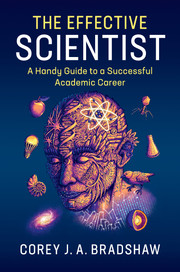
The Effective Scientist
- A Handy Guide to a Successful Academic Career
-
- Published online:
- 26 February 2018
- Print publication:
- 22 March 2018
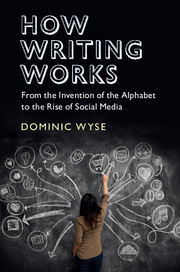
How Writing Works
- From the Invention of the Alphabet to the Rise of Social Media
-
- Published online:
- 12 December 2017
- Print publication:
- 23 November 2017
Acknowledgements
-
- Book:
- How Writing Works
- Published online:
- 12 December 2017
- Print publication:
- 23 November 2017, pp ix-x
-
- Chapter
- Export citation
