Refine search
Actions for selected content:
37404 results in Art
Chapter 2 - The Embodied Letter
-
- Book:
- Letterworlds in Late Nineteenth-Century France
- Published online:
- 16 October 2025
- Print publication:
- 30 October 2025, pp 72-147
-
- Chapter
- Export citation
Index
-
- Book:
- Letterworlds in Late Nineteenth-Century France
- Published online:
- 16 October 2025
- Print publication:
- 30 October 2025, pp 258-264
-
- Chapter
- Export citation
Appendices
-
- Book:
- Wall Painting, Civic Ceremony, and Sacred Space in Early Renaissance Italy
- Published online:
- 19 September 2025
- Print publication:
- 23 October 2025, pp 311-428
-
- Chapter
- Export citation
Contents
-
- Book:
- Wall Painting, Civic Ceremony, and Sacred Space in Early Renaissance Italy
- Published online:
- 19 September 2025
- Print publication:
- 23 October 2025, pp v-vi
-
- Chapter
- Export citation
Introduction
-
- Book:
- Wall Painting, Civic Ceremony, and Sacred Space in Early Renaissance Italy
- Published online:
- 19 September 2025
- Print publication:
- 23 October 2025, pp 1-14
-
- Chapter
- Export citation
Acknowledgments
-
- Book:
- Wall Painting, Civic Ceremony, and Sacred Space in Early Renaissance Italy
- Published online:
- 19 September 2025
- Print publication:
- 23 October 2025, pp vii-viii
-
- Chapter
- Export citation
Appendix II - Filippo de’ Medici, Ricordo
-
- Book:
- Wall Painting, Civic Ceremony, and Sacred Space in Early Renaissance Italy
- Published online:
- 19 September 2025
- Print publication:
- 23 October 2025, pp 365-368
-
- Chapter
- Export citation
Chapter Three - “Most Holy and Unique in the World”
-
- Book:
- Wall Painting, Civic Ceremony, and Sacred Space in Early Renaissance Italy
- Published online:
- 19 September 2025
- Print publication:
- 23 October 2025, pp 151-233
-
- Chapter
- Export citation
Copyright page
-
- Book:
- Wall Painting, Civic Ceremony, and Sacred Space in Early Renaissance Italy
- Published online:
- 19 September 2025
- Print publication:
- 23 October 2025, pp iv-iv
-
- Chapter
- Export citation
Index
-
- Book:
- Wall Painting, Civic Ceremony, and Sacred Space in Early Renaissance Italy
- Published online:
- 19 September 2025
- Print publication:
- 23 October 2025, pp 459-472
-
- Chapter
- Export citation
Chapter One - “Larger, More Ornate, and More Seemly”
-
- Book:
- Wall Painting, Civic Ceremony, and Sacred Space in Early Renaissance Italy
- Published online:
- 19 September 2025
- Print publication:
- 23 October 2025, pp 15-81
-
- Chapter
- Export citation
Chapter Two - “A Most Devout Place”
-
- Book:
- Wall Painting, Civic Ceremony, and Sacred Space in Early Renaissance Italy
- Published online:
- 19 September 2025
- Print publication:
- 23 October 2025, pp 82-150
-
- Chapter
- Export citation
Chapter Four - Rome in Spoleto
-
- Book:
- Wall Painting, Civic Ceremony, and Sacred Space in Early Renaissance Italy
- Published online:
- 19 September 2025
- Print publication:
- 23 October 2025, pp 234-297
-
- Chapter
- Export citation
Appendix III - Will of Filippo de’ Medici
-
- Book:
- Wall Painting, Civic Ceremony, and Sacred Space in Early Renaissance Italy
- Published online:
- 19 September 2025
- Print publication:
- 23 October 2025, pp 369-374
-
- Chapter
- Export citation
Conclusion
-
- Book:
- Wall Painting, Civic Ceremony, and Sacred Space in Early Renaissance Italy
- Published online:
- 19 September 2025
- Print publication:
- 23 October 2025, pp 298-310
-
- Chapter
- Export citation
Bibliography
-
- Book:
- Wall Painting, Civic Ceremony, and Sacred Space in Early Renaissance Italy
- Published online:
- 19 September 2025
- Print publication:
- 23 October 2025, pp 429-458
-
- Chapter
- Export citation
Appendix I - Documents for the Chapel of the Holy Belt in Prato
-
- Book:
- Wall Painting, Civic Ceremony, and Sacred Space in Early Renaissance Italy
- Published online:
- 19 September 2025
- Print publication:
- 23 October 2025, pp 311-364
-
- Chapter
- Export citation
Appendix IV - Documents for the Apse Murals in the Cathedral of Spoleto
-
- Book:
- Wall Painting, Civic Ceremony, and Sacred Space in Early Renaissance Italy
- Published online:
- 19 September 2025
- Print publication:
- 23 October 2025, pp 375-428
-
- Chapter
- Export citation

Letterworlds in Late Nineteenth-Century France
- The Epistolary Culture of Mallarmé, Morisot, Van Gogh, Cézanne, and Zola
-
- Published online:
- 16 October 2025
- Print publication:
- 30 October 2025
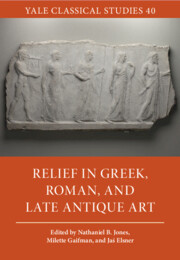
Relief in Greek, Roman, and Late Antique Art
-
- Published online:
- 11 October 2025
- Print publication:
- 25 September 2025
