Refine search
Actions for selected content:
11517 results in Ancient philosophy
Chapter 3 - The Model of the World
- from Part I - The World of the Timaeus
-
- Book:
- Cosmology and Politics in Plato's Later Works
- Published online:
- 25 October 2017
- Print publication:
- 05 October 2017, pp 41-64
-
- Chapter
- Export citation
Chapter 6 - The Legislators of the Laws
- from Part II - The City of the Statesman and the Laws
-
- Book:
- Cosmology and Politics in Plato's Later Works
- Published online:
- 25 October 2017
- Print publication:
- 05 October 2017, pp 105-116
-
- Chapter
- Export citation
Acknowledgements
-
- Book:
- Cosmology and Politics in Plato's Later Works
- Published online:
- 25 October 2017
- Print publication:
- 05 October 2017, pp xi-xii
-
- Chapter
- Export citation
Chapter 2 - The World-Maker
- from Part I - The World of the Timaeus
-
- Book:
- Cosmology and Politics in Plato's Later Works
- Published online:
- 25 October 2017
- Print publication:
- 05 October 2017, pp 25-40
-
- Chapter
- Export citation
Index locorum
-
- Book:
- Cosmology and Politics in Plato's Later Works
- Published online:
- 25 October 2017
- Print publication:
- 05 October 2017, pp 149-154
-
- Chapter
- Export citation
Copyright page
-
- Book:
- Cosmology and Politics in Plato's Later Works
- Published online:
- 25 October 2017
- Print publication:
- 05 October 2017, pp iv-iv
-
- Chapter
- Export citation
Interlude
- from Part I - The World of the Timaeus
-
- Book:
- Cosmology and Politics in Plato's Later Works
- Published online:
- 25 October 2017
- Print publication:
- 05 October 2017, pp 83-84
-
- Chapter
- Export citation
Epilogue
- from Part II - The City of the Statesman and the Laws
-
- Book:
- Cosmology and Politics in Plato's Later Works
- Published online:
- 25 October 2017
- Print publication:
- 05 October 2017, pp 135-140
-
- Chapter
- Export citation
Chapter 4 - The Beauty of the World
- from Part I - The World of the Timaeus
-
- Book:
- Cosmology and Politics in Plato's Later Works
- Published online:
- 25 October 2017
- Print publication:
- 05 October 2017, pp 65-82
-
- Chapter
- Export citation
Chapter 1 - A Feast for the Goddess
- from Part I - The World of the Timaeus
-
- Book:
- Cosmology and Politics in Plato's Later Works
- Published online:
- 25 October 2017
- Print publication:
- 05 October 2017, pp 13-24
-
- Chapter
- Export citation
Part II - The City of the Statesman and the Laws
-
- Book:
- Cosmology and Politics in Plato's Later Works
- Published online:
- 25 October 2017
- Print publication:
- 05 October 2017, pp 85-140
-
- Chapter
- Export citation
Illustrations
-
- Book:
- Cosmology and Politics in Plato's Later Works
- Published online:
- 25 October 2017
- Print publication:
- 05 October 2017, pp vi-vi
-
- Chapter
- Export citation
Contents
-
- Book:
- Cosmology and Politics in Plato's Later Works
- Published online:
- 25 October 2017
- Print publication:
- 05 October 2017, pp v-v
-
- Chapter
- Export citation
Chapter 7 - The Order of the City of the Laws and Its Model
- from Part II - The City of the Statesman and the Laws
-
- Book:
- Cosmology and Politics in Plato's Later Works
- Published online:
- 25 October 2017
- Print publication:
- 05 October 2017, pp 117-134
-
- Chapter
- Export citation
Prologue - The Future of the Past in Plato’s Work
-
- Book:
- Cosmology and Politics in Plato's Later Works
- Published online:
- 25 October 2017
- Print publication:
- 05 October 2017, pp 1-10
-
- Chapter
- Export citation
General Index
-
- Book:
- Cosmology and Politics in Plato's Later Works
- Published online:
- 25 October 2017
- Print publication:
- 05 October 2017, pp 155-158
-
- Chapter
- Export citation
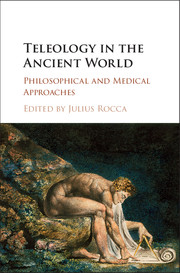
Teleology in the Ancient World
- Philosophical and Medical Approaches
-
- Published online:
- 04 October 2017
- Print publication:
- 12 October 2017
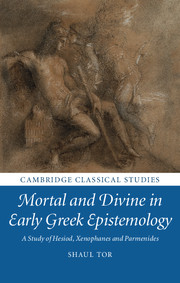
Mortal and Divine in Early Greek Epistemology
- A Study of Hesiod, Xenophanes and Parmenides
-
- Published online:
- 30 September 2017
- Print publication:
- 12 October 2017
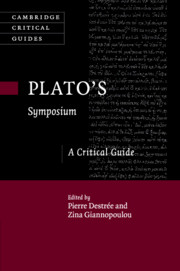
Plato's Symposium
- A Critical Guide
-
- Published online:
- 30 August 2017
- Print publication:
- 23 May 2017
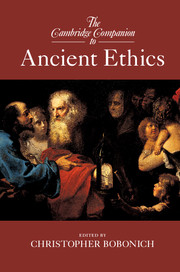
The Cambridge Companion to Ancient Ethics
-
- Published online:
- 26 July 2017
- Print publication:
- 14 July 2017
