Refine search
Actions for selected content:
11517 results in Ancient philosophy
General Index
-
- Book:
- Aristotle on Religion
- Published online:
- 26 October 2017
- Print publication:
- 02 November 2017, pp 183-188
-
- Chapter
- Export citation
Contents
-
- Book:
- Aristotle on Religion
- Published online:
- 26 October 2017
- Print publication:
- 02 November 2017, pp i-iv
-
- Chapter
- Export citation
4 - Aristotle on the Possible Uses of the Myths of “The Ancients”
-
- Book:
- Aristotle on Religion
- Published online:
- 26 October 2017
- Print publication:
- 02 November 2017, pp 86-124
-
- Chapter
- Export citation
2 - Traditional Religion and Its Natural Function in Aristotle
-
- Book:
- Aristotle on Religion
- Published online:
- 26 October 2017
- Print publication:
- 02 November 2017, pp 13-48
-
- Chapter
- Export citation
3 - Humans, ‘Eternal Humans’ and Gods: The Usefulness of Traditional Gods for the Imitation of the Divine
-
- Book:
- Aristotle on Religion
- Published online:
- 26 October 2017
- Print publication:
- 02 November 2017, pp 49-85
-
- Chapter
- Export citation
Figures and Tables
-
- Book:
- Aristotle on Religion
- Published online:
- 26 October 2017
- Print publication:
- 02 November 2017, pp v-v
-
- Chapter
- Export citation
1 - Aristotle’s Rejection of the Content of Traditional Religion
-
- Book:
- Aristotle on Religion
- Published online:
- 26 October 2017
- Print publication:
- 02 November 2017, pp 1-12
-
- Chapter
- Export citation
Bibliography
-
- Book:
- Aristotle on Religion
- Published online:
- 26 October 2017
- Print publication:
- 02 November 2017, pp 167-174
-
- Chapter
- Export citation
Copyright page
-
- Book:
- Aristotle on Religion
- Published online:
- 26 October 2017
- Print publication:
- 02 November 2017, pp i-iv
-
- Chapter
- Export citation
Acknowledgments
-
- Book:
- Aristotle on Religion
- Published online:
- 26 October 2017
- Print publication:
- 02 November 2017, pp vi-vi
-
- Chapter
- Export citation
Index Locorum
-
- Book:
- Aristotle on Religion
- Published online:
- 26 October 2017
- Print publication:
- 02 November 2017, pp 175-182
-
- Chapter
- Export citation
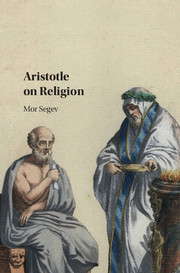
Aristotle on Religion
-
- Published online:
- 26 October 2017
- Print publication:
- 02 November 2017
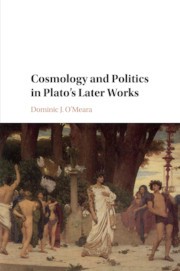
Cosmology and Politics in Plato's Later Works
-
- Published online:
- 25 October 2017
- Print publication:
- 05 October 2017
Notes on Contributors
-
- Book:
- Teleology in the Ancient World
- Published online:
- 04 October 2017
- Print publication:
- 12 October 2017, pp vii-viii
-
- Chapter
- Export citation
Chapter 5 - Signs and Tokens
- from Part II - Plato and the Platonic Tradition
-
-
- Book:
- Teleology in the Ancient World
- Published online:
- 04 October 2017
- Print publication:
- 12 October 2017, pp 76-91
-
- Chapter
- Export citation
Preface
-
- Book:
- Teleology in the Ancient World
- Published online:
- 04 October 2017
- Print publication:
- 12 October 2017, pp ix-x
-
- Chapter
- Export citation
Copyright page
-
- Book:
- Teleology in the Ancient World
- Published online:
- 04 October 2017
- Print publication:
- 12 October 2017, pp i-iv
-
- Chapter
- Export citation
Chapter 9 - William Harvey
- from Part III - Aristotle and the Aristotelian Tradition
-
-
- Book:
- Teleology in the Ancient World
- Published online:
- 04 October 2017
- Print publication:
- 12 October 2017, pp 151-168
-
- Chapter
- Export citation
Part IV - Teleology in Medicine
-
- Book:
- Teleology in the Ancient World
- Published online:
- 04 October 2017
- Print publication:
- 12 October 2017, pp 169-200
-
- Chapter
- Export citation
Preface and Acknowledgements
-
- Book:
- Mortal and Divine in Early Greek Epistemology
- Published online:
- 30 September 2017
- Print publication:
- 12 October 2017, pp ix-xi
-
- Chapter
- Export citation
