To save content items to your account,
please confirm that you agree to abide by our usage policies.
If this is the first time you use this feature, you will be asked to authorise Cambridge Core to connect with your account.
Find out more about saving content to .
To save content items to your Kindle, first ensure no-reply@cambridge.org
is added to your Approved Personal Document E-mail List under your Personal Document Settings
on the Manage Your Content and Devices page of your Amazon account. Then enter the ‘name’ part
of your Kindle email address below.
Find out more about saving to your Kindle.
Note you can select to save to either the @free.kindle.com or @kindle.com variations.
‘@free.kindle.com’ emails are free but can only be saved to your device when it is connected to wi-fi.
‘@kindle.com’ emails can be delivered even when you are not connected to wi-fi, but note that service fees apply.
Two experiments were conducted to assess preference by sheep for endophyte-infected tall fescue growing in monoculture at least 5 m away from alfalfa (fescue-middle (FM)) over endophyte-infected tall fescue growing adjacent (0.2 to 1 m; fescue–alfalfa (FA)) to alfalfa (FA), and the effect of legume scent on preference for endophyte-infected tall fescue. In Experiment 1, 10 six-month-old lambs were offered for 12 days a choice of freshly harvested FA and FM. On days 13 and 14, lambs were offered the same choice, except cages (to allow access only to scent) containing freshly harvested alfalfa were put in the feeders containing FA, whereas cages containing freshly harvested FM were included with the feeders containing FM. Forage intake was measured 1 h after feeding and at three consecutive 2-h intervals thereafter. FA contained greater (P<0.002) concentrations of the alkaloid ergovaline (360±27 ppm) and CP (8±0.4%) than FM (219±27 ppm and 6±0.4%, respectively). Lambs preferred (P<0.05) FA to FM during the 1st hour of feeding, but the differences became smaller and disappeared in later feeding periods (P<0.005). Lambs offered FA with alfalfa scent or FM with FM scent preferred (P<0.05) FA but only on the 2nd day. In Experiment 2, 10 six-month-old lambs were offered a choice of FM with cages (to allow access only to scent) containing freshly harvested alfalfa or FM for 8 days. During the following 4 days, FM in the cages was replaced with freshly harvested sainfoin. Preference was greater (P<0.05) for FM offered with alfalfa scent than for FM offered with FM scent only on days 4 and 8. When lambs were offered FM with alfalfa or sainfoin in cages, they preferred (P<0.05) tall fescue with sainfoin scent over fescue with alfalfa scent, but intake was variable across hours and days (P<0.001). It is concluded that (1) lambs adjusted their intake of and preference for FA and FM over successive feeding bouts within each day, likely owing to an attempt to balance intakes of nutrients and alkaloids and (2) olfactory cues influenced preference, but to a lesser extent than nutrients and alkaloids in endophyte-infected tall fescue.
Dysbiosis or dysbacteriosis is defined as a shift in the intestinal microbiota composition resulting in an imbalance between beneficial and harmful bacteria. Since the ban on the use of growth-promoting antibiotics in animal feed in the EU, dysbiosis has emerged as a major problem in intensive animal production. Prebiotics and probiotics are currently under investigation as possible alternatives to growth-promoting antibiotics, as their mode of action is thought to be based largely on a modulation of the composition and function of the intestinal microbiota. In this review, we analyse the currently available data from both animal and human nutrition that document the potential and limitations of prebiotics and probiotics for the control of dysbiosis. An impressive number of empirical feeding trials have been carried out in healthy animals, yielding sometimes contradictory results. More in-depth studies have revealed the complexity of the interactions taking place in the lower intestinal tract, thus illustrating that pre- and probiotics cannot be a simple replacement for growth-promoting antibiotics. Although there are indications that the strategic use of pre- and probiotics can provide major benefits, there is still a lack of basic knowledge on the delicate interactions between the microbiota, the host and the feed components, which hampers the widespread use of these valuable feed additives.
The contribution of matrix metalloproteinases (MMP) to timely discharge of the placenta from bovine uterus at parturition is yet inconclusive, partly because of the presence of multiple MMP forms in situ. In the current study, the expression of different gelatinase subtypes on non-retaining placentas of Holstein cows was fingerprinted by using gelatin zymography. Different topographic regions on the placenta were measured separately, including the placentome-like structure and the fetal and maternal sides of interplacentomal placenta, all sampled from the central and peripheral areas of the placenta, respectively. The spontaneously ruptured umbilical cords were cross-sectioned as fetus end, middle and placenta end also for separate measurement. Body fluids including blood samples from the parturient cows, their neonatal calves and umbilical cord, as well as fetal fluids and the first colostrum were measured concomitantly. Results showed multiple forms of gelatinases subtypes in the placenta tissues and body fluids, including neutrophil gelatinase-associated lipocalin (NGAL)-MMP-9 complex, both the latent and active forms of MMP-2 and MMP-9; of them, the latent forms were much more abundantly and frequently expressed than the active forms. NGAL-MMP-9 complex was more prevalently present in the body fluids than in the placenta tissues. No distinguishable pattern of the expression of any gelatinase subtype was observed among the placentome-like structure, interplacentomal placenta and umbilical cord, or between fetal and maternal sides. Nonetheless, for interplacentomal placenta, proMMP-9 expression was higher in the central than in the peripheral area. In addition, proMMP-2 expression was higher in the rupture end (fetus end) than the placenta end of the umbilical cord. In conclusion, the current validated gelatin zymography detected a gradient proMMP-9 expression on the non-retaining placenta of cows in reverse to the proximity to the umbilical insertion point, and a gradient proMMP-2 expression on a section of the umbilical cord in reverse to the proximity to the rupture site, suggesting roles played by gelatinases in normal discharge of the placenta at term.
A better understanding of how livestock respond to weather is essential to enable farming to adapt to a changing climate. Climate change is mainly expected to impact dairy cattle through heat stress and an increase in the frequency of extreme weather events. We investigated the effects of weather on milk yield and composition (fat and protein content) in an experimental dairy herd in Scotland over 21 years. Holstein Friesian cows were either housed indoors in winter and grazed over the summer or were continuously housed. Milk yield was measured daily, resulting in 762 786 test day records from 1369 individuals, and fat and protein percentage were sampled once a week, giving 89 331 records from 1220 cows/trait. The relative influence of 11 weather elements, measured from local outdoor weather stations, and two indices of temperature and humidity (THI), indicators of heat stress, were compared using separate maximum likelihood models for each element or index. Models containing a direct measure of temperature (dry bulb, wet bulb, grass or soil temperature) or a THI provided the best fits to milk yield and fat data; wind speed and the number of hours of sunshine were most important in explaining protein content. Weather elements summarised across a week’s timescale from the test day usually explained milk yield and fat content better than shorter-scale (3 day, test day, test day −1) metrics. Then, examining a subset of key weather variables using restricted maximum likelihood, we found that THI, wind speed and the number of hours of sunshine influenced milk yield and composition. The shape and magnitude of these effects depended on whether animals were inside or outside on the test day. The milk yield of cows outdoors was lower at the extremes of THI than at average values, and the highest yields were obtained when THI, recorded at 0900 h, was 55 units. Cows indoors decreased milk yield as THI increased. Fat content was lower at higher THIs than at intermediate THIs in both environments. Protein content decreased as THI increased in animals kept indoors and outdoors, and the rate of decrease was greater when animals were outside than when they were inside. Moderate wind speeds appeared to alleviate heat stress. These results show that milk yield and composition are impacted at the upper extreme of THI under conditions currently experienced in Scotland, where animals have so far experienced little pressure to adapt to heat stress.
In the classic in situ method, small particles are removed during rinsing and hence their fractional degradation rate cannot be determined. A new approach was developed to estimate the fractional degradation rate of nutrients in small particles. This approach was based on an alternative rinsing method to reduce the particulate matter loss during rinsing and on quantifying the particulate matter loss that occurs during incubation in the rumen itself. To quantify particulate matter loss during incubation, loss of small particles during the in situ incubation was studied using undegradable silica with different particle sizes. Particulate matter loss during incubation was limited to particles smaller than ~40 μm with a mean fractional particulate matter loss rate of 0.035 h−1 (first experiment) and 0.073 h−1 (second experiment) and an undegradable fraction of 0.001 and 0.050, respectively. In the second experiment, the fractional particulate matter loss rate after rinsing in a water bath at 50 strokes per minute (s.p.m.) (0.215 h−1) and the undegradable fraction at 20 s.p.m. (0.461) were significantly larger than that upon incubation in the rumen, whereas the fractional particulate matter loss rate (0.140 and 0.087 h−1, respectively) and the undegradable fraction (0.330 and 0.075, respectively) after rinsing at 30 and 40 s.p.m. did not differ with that upon rumen incubation. This new approach was applied to estimate the in situ fractional degradation rate of insoluble organic matter (OM) and insoluble nitrogen (N) in three different wheat yeast concentrates (WYC). These WYC were characterised by a high fraction of small particles and estimating their fractional degradation rate was not possible using the traditional washing machine rinsing method. The new rinsing method increased the mean non-washout fraction of OM and N in these products from 0.113 and 0.084 (washing machine method) to 0.670 and 0.782, respectively. The mean effective degradation (ED) without correction for particulate matter loss of OM and of N was 0.714 and 0.601, respectively, and significant differences were observed between the WYC products. Applying the correction for particulate matter loss reduced the mean ED of OM to 0.676 (30 s.p.m.) and 0.477 (40 s.p.m.), and reduced the mean ED of N to 0.475 (30 s.p.m.) and 0.328 (40 s.p.m.). These marked reductions in fractional degradation rate upon correction for small particulate matter loss emphasised the pronounced effect of correction for undegraded particulate matter loss on the fractional disappearance rates of OM and N in WYC products.
Van der Woude syndrome (VWS) is an autosomal dominant developmental malformation presenting with bilateral lower lip pits related to cleft lip, cleft palate and other malformations. We performed a whole-genome copy number variations (CNVs) scan in an Indian family with members suffering from VWS using 2·6 million combined SNP and CNV markers. We found CNVs affecting IRF6, a known candidate gene for VWS, in all three cases, while none of the non-VWS members showed any CNVs in the IRF6 region. The duplications and deletions of the chromosomal critical region in 1q32–q41 confirm the involvement of CNVs in IRF6 in South Indian VWS patients. Molecular network analysis of these and other cleft lip/palate related module genes suggests that they are associated with cytokine-mediated signalling pathways and response to interferon-gamma mediated signalling pathways. This is a maiden study indicating the involvement of CNVs in IRF6 in causing VWS in the Indian population.
Premature ovarian failure and diminished ovarian reserve have been noted both in female BRCA1/BRCA2 mutation carriers and in carriers of the Fragile X syndrome FMR1 gene CGG repeat size premutation. Based on the observation that BRCA mutation carriers do not harbour long CGG repeats in the FMR1 gene, it was hypothesized that BRCA-associated premature ovarian failure is mediated via FMR1. To test this notion, we evaluated the distribution of constitutional FMR1 genotypes in 188 BRCA1/BRCA2 mutation-positive Jewish Ashkenazi women and 15 708 female, mostly Ashkenazi controls in Israel. BRCA1/BRCA2 mutation carriers displayed a unique distribution of FMR1 genotypes compared with controls (p = 0·018) with a prominence of the shorter CGG alleles (<26 repeats). There was no allele size distribution differences within BRCA carriers when comparing cancer free (n = 95) and breast cancer affected women (n = 93) (p = 0·43). In conclusion, BRCA mutation carriers exhibit a distinct CGG FMR1 repeat size pattern compared with the general population, but it is unlikely to account for the reported diminished ovarian reserve or act as a modifier breast cancer gene in BRCA mutation carriers.
The valorization of spent hens via the food chain has some major limitations, which include low meat yield and tough meat. The latter issue can be overcome by producing convenience foods; the first may be alleviated by employing a genotype with higher meatiness. To quantitatively compare two common layer genotypes in production performance, meat yield and sausage quality, 2200 57 weeks old Institut de Sélection Animale (ISA) Warren and Dekalb White hens each were investigated during the last 60 days of egg laying. The hens were housed in an aviary system in 2×10 compartments (10 compartments/each genotype). Measurements included feed intake, laying performance, egg weight and feed conversion ratio as measured per compartment. BW was determined twice on 10 animals per compartment. Finally, two sub-groups of five hens per compartment were slaughtered, meat yield was recorded and bratwurst-type sausages were produced (n=20 per genotype). Fat proportion, cooking loss, connective tissue properties and Kramer shear energy were measured. After 1, 4, 7 and 10 months of frozen storage, oxidative stability (thiobarbituric acid reactive substances (TBARS)) and microbiological status were determined as shelf-life related criteria. ANOVA was performed considering genotype as the main effect. The ISA Warren hens were inferior in laying performance (−11%) and feed conversion ratio (+10%) compared with Dekalb White, but had the same feed intake. The ISA Warren had higher BW and carcass weight than the Dekalb White. Carcass yield was higher by 5.9%. There were 80 g (23%) more meat available for sausage production from ISA Warren compared with Dekalb White. Sausages prepared from meat of ISA Warren hens contained less fat than those from Dekalb White, but showed the same cooking loss. Although the collagen proportion of the sausages produced from ISA Warren was lower than from Dekalb White, collagen solubility was lower and shear energy was higher. During the 10 months of frozen storage, TBARS increased continuously, but not to an extent that would prevent its use as food. The sausages from the ISA Warren genotype had marginally higher TBARS levels during storage. Total colony counts decreased with storage time, with slightly lower values found in the non-spiced sausage material from the ISA Warren hens. In conclusion, when intending to use spent hens as food, ISA Warren are clearly superior to Dekalb White in meat and sausage yield. When processing the meat to sausages, the higher shear energy is probably advantageous.
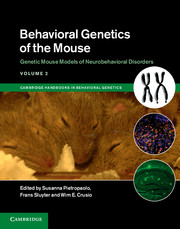
The second volume of Behavioral Genetics of the Mouse provides a comprehensive overview of the major genetically modified mouse lines used to model human neurobehavioral disorders: from disorders of perception, of autonomous and motor functions to social and cognitive syndromes, drug abuse and dependence as well as neurodegenerative pathologies. Mouse models obtained with different types of genetic manipulations (i.e. transgenic, knockout/in mice) are described in their pathological phenotypes, with a special emphasis on behavioral abnormalities. The major results obtained with many of the existing models are discussed in depth highlighting their strengths and limitations. A lasting reference, the thorough reviews offer an easy entrance into the extensive literature in this field, and will prove invaluable to students and specialists alike.
An automated, non-invasive system for monitoring of thermoregulation has the potential to mitigate swine diseases through earlier detection. Measurement of radiated temperature of groups of animals by infrared thermography (IRT) is an essential component of such a system. This study reports on the feasibility of monitoring the radiated temperature of groups of animals as a biomarker of immune response using vaccination as a model for febrile disease. In Study A, weaned pigs were either treated with an intramuscular vaccine (FarrowSure Gold), a sham injection of 0.9% saline or left as untreated controls. An infrared thermal camera (FLIR A320) was fixed to the ceiling directly above the pen of animals, and recorded infrared images of the treatment groups at 5 min intervals. The effect on temperature of the spatial distribution of pigs within the pen was significant, with higher temperatures recorded when pigs were grouped together into a single cluster. A higher frequency of clustering behaviour was observed in vaccinated animals compared with controls during a period of the afternoon ~4 to 7 h post-vaccination. The daily mean of the maximum image temperature was significantly higher in vaccinated animals compared with control and sham-treated animals. In the vaccination treated group, the 24 h mean of the maximum temperature was significantly higher during the post-vaccination period compared with the 24 h period before vaccination. Increased temperature in the vaccinated animals occurred from ~3 h, peaked at ~10 h, and remained elevated for up to 20 h post-vaccination. In Study B, the effect of prevalence was tested in terms of the difference in maximum temperature between control and vaccination days. A thermal response to vaccination was detected in a pen of 24 to 26 animals when <10% of the animals were vaccinated. The results support the concept of radiated temperature measurements of groups of animals by IRT as a screening tool for febrile diseases in pig barns.
Examining the characteristics of an animal’s lying behaviour, such as frequency and duration of lying bouts, has become increasingly relevant for animal welfare research. Triaxial accelerometers have the advantage of being able to continuously monitor an animal’s standing and lying behaviour without relying on live observations or video recordings. Multiple models of accelerometers have been validated for use in monitoring dairy cattle; however, no units have been validated for use in equines. This study tested Onset Pendant G data loggers attached to the hind limb of each of two mature Standardbred horses for a period of 5 days. Data loggers were set to record their position every 20 s. Horses were monitored via live observations during the day and by video recordings during the night to compare activity against accelerometer data. All lying events occurred overnight (three to five lying bouts per horse per night). Data collected from the loggers was converted and edited using a macro program to calculate the number of bouts and the length of time each animal spent lying down by hour and by day. A paired t-test showed no significant difference between the video observations and the output from the data loggers (P=0.301). The data loggers did not distinguish standing hipshot from standing square. Predictability, sensitivity, and specificity were all >99%. This study has validated the use of Onset Pendant G data loggers to determine the frequency and duration of standing and lying bouts in adult horses when set to sample and register readings at 20 s intervals.
The aim of this study was to test the hypothesis of an improved gut environment of post-weaning piglets when administered a blend of essential oils (EO; thymol and cinnamaldehyde) and an enzyme combination (xylanase and β-glucanase (XB)) either alone or in combination. To assess the effect of dietary treatments, faecal nutrient digestibility and microbial counts, as well as ileum histology and gene expression of inflammatory mediators were evaluated. One hundred and ninety-two weaned piglets were allocated into four experimental treatments, and fed the basal diet (CTRL) either without or with EO, XB or their combination (EO+XB) for a 42-day period. The experiment concerning digestibility was designed with two periods (period I: days 15 to 21; period II: days 29 to 35) and the faeces were collected on days 20, 21, 34 and 35. On day 42, six piglets from each treatment were slaughtered. It was found that EO, XB and EO+XB supplementation did not affect (P>0.05) the growth performance of the piglets from days 0 to 42. Moreover, no dietary effect on faecal score was observed. Faecal digestibility of dry matter, organic matter, ash, dietary fibre, lipid, CP and NDF were increased from period I to period II (P<0.01 to P=0.06), while no effect (P>0.05) of EO, XB or their combination on the faecal digestibility was observed at both periods. Compared with the CTRL diet, dietary XB reduced the faecal Lactobacillus and Escherichia coli counts but increased the Lactobacillus to Coliforms ratio on day 42 (P=0.02, 0.03 and 0.03, respectively), and all the additives supplementations decreased the counts of faecal Coliforms on day 42 (P<0.01). XB supplementation increased the villus to crypt ratio (P=0.04) and reduced the mucosal macrophages number (P<0.01) in the ileum compared with the CTRL group, and dietary EO or EO+XB decreased the number of lymphatic follicles (P=0.01 and P<0.01, respectively) and mucosal macrophages (P=0.02 and P<0.01, respectively). In addition, the interleukin (IL)-1α was downregulated in piglets treated with EO+XB compared with the EO group (P=0.02). In conclusion, the administration of EO, XB or their combination was effective in improving ileum histology, and EO+XB supplementation might benefit the modulation of the expression of ileum inflammatory cytokines in piglets.
The effects of a marine oil-based n-3 long-chain polyunsaturated fatty acid (mLCPUFA) supplement fed to the sow from weaning, through the rebreeding period, during gestation and until end of lactation on litter characteristics from birth until weaning were studied in sows with known litter birth weight phenotypes. It was hypothesized that low birth weight (LBW) litters would benefit more from mLCPUFA supplementation than high birth weight litters. A total of 163 sows (mean parity=4.9±0.9) were rebred after weaning. Sows were pair-matched by parity and litter average birth weight of the previous three litters. Within pairs, sows were allocated to be fed either standard corn/soyabean meal-based gestation and lactation diets (CON), or the same diets enriched with 0.5% of the mLCPUFA supplement at the expense of corn. Each litter between 9 and 16 total pigs born was classified as LBW or medium/high average birth weight (MHBW) litter and there was a significant correlation (P<0.001) between litter average birth weight of the current and previous litters within sows (r=0.49). Sow serum was harvested at day 113 of gestation for determination of immunoglobulin G (IgG) concentrations. The number of pigs born total and alive were lower (P=0.01) in mLCPUFA than CON sows, whereas the number of stillborn and mummified pigs were similar between treatments. Number of stillborns (trend) and mummies (P<0.01) were higher in LBW than MHBW litters. Tissue weights and brain : tissue weight ratios were similar between treatments, but LBW litters had decreased tissue weights and increased brain : tissue weight ratios compared with MHBW litters. Placental weight was lower (P=0.01) in LBW than MHBW litters, but was not different between treatments. Average and total litter weight at day 1 was similar between treatments. mLCPUFA increased weaning weight (P=0.08) and average daily gain (P<0.05) in MHBW litters, but not in LBW litters. Pre-weaning mortality was similar between treatments, but was higher (P<0.01) in LBW than MHBW litters. IgG concentration in sow serum was similar between treatments and litter birth weight categories. In conclusion, litter birth weight phenotype was repeatable within sows and LBW litters showed the benchmarks of intra-uterine growth retardation (lower placental weight and brain sparing effects). As maternal mLCPUFA supplementation decreased litter size overall, only improved litter growth rate until weaning in MHBW litters, and did not affect pre-weaning mortality, maternal mLCPUFA supplementation was not an effective strategy in our study for mitigating negative effects of a LBW litter phenotype.
The objective of this study was to evaluate the fatty acid profile and qualitative characteristics of meat from feedlot young bulls fed ground soybean or ground cottonseed, with or without supplementation of vitamin E. A total of 40 Red Norte young bulls, with an initial average age of 20 months, and an initial average BW of 339±15 kg, were allotted in a completely randomized design using a 2×2 factorial arrangement, with two oilseeds, and daily supplementation or not of 2500 IU of vitamin E. The experimental period was for 84 days, which was preceded by an adaptation period of 28 days. The treatments were ground soybean (SB), ground soybean plus vitamin E (SBE), ground cottonseed (CS) and ground cottonseed plus vitamin E (CSE). The percentage of cottonseed and soybean in the diets (dry matter basis) was 24% and 20%, respectively. Diets were isonitrogenous (13% CP) and presented similar amount of ether extract (6.5%). The animals were slaughtered at average live weight of 464±15 kg, and samples were taken from the longissimus dorsi muscle for the measurement of fatty acid concentration and the evaluation of lipid oxidation and color of the beef. Before fatty acid extraction, muscle tissue and subcutaneous fat of the longissimus dorsi were separated to analyze fatty acid profile in both tissues. Supplementation of vitamin E did not affect fatty acid concentration, lipid oxidation and color (P>0.05). Subcutaneous fat from animals fed CS diet had greater C12:0, C16:0 and C18:0 contents (P<0.03). In addition, CS diets reduced the C18:1 and C18:2 cis-9, trans-11 contents in subcutaneous fat (P<0.05). The muscle from animals fed CS tended to higher C16:0 and C18:0 contents (P<0.11), and decreased C18:1, C18:2 cis-9, trans-11 and C18:3 contents (P<0.05) compared with SB. The Δ9-desaturase index was greater in muscle from animals fed SB (P<0.01). At 42 days of age, meat from cattle fed SB had a greater lipid oxidation rate (P<0.05). Meat from animals fed SB diets had less lightness and redness indices than meat from animals fed CS diets after 14 days of age. In conclusion, the addition of ground cottonseed in the finishing diets did increase the saturated fatty acid content of the longissimus dorsi. However, animals fed cottonseed exhibited greater lightness and redness of beef. In this study, the addition of vitamin E did not affect qualitative characteristics of meat.
Edited by
Susanna Pietropaolo, Centre National de la Recherche Scientifique (CNRS), Paris,Frans Sluyter, University of Portsmouth,Wim E. Crusio, Centre National de la Recherche Scientifique (CNRS), Paris
Edited by
Susanna Pietropaolo, Centre National de la Recherche Scientifique (CNRS), Paris,Frans Sluyter, University of Portsmouth,Wim E. Crusio, Centre National de la Recherche Scientifique (CNRS), Paris
Edited by
Susanna Pietropaolo, Centre National de la Recherche Scientifique (CNRS), Paris,Frans Sluyter, University of Portsmouth,Wim E. Crusio, Centre National de la Recherche Scientifique (CNRS), Paris
Edited by
Susanna Pietropaolo, Centre National de la Recherche Scientifique (CNRS), Paris,Frans Sluyter, University of Portsmouth,Wim E. Crusio, Centre National de la Recherche Scientifique (CNRS), Paris