Refine search
Actions for selected content:
4138 results in Logic
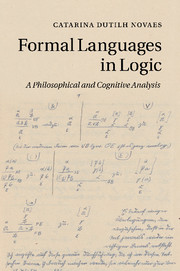
Formal Languages in Logic
- A Philosophical and Cognitive Analysis
-
- Published online:
- 05 December 2012
- Print publication:
- 08 November 2012
Introduction
-
- Book:
- Formal Languages in Logic
- Published online:
- 05 December 2012
- Print publication:
- 08 November 2012, pp 1-8
-
- Chapter
- Export citation
Chapter 1 - Two notions of formality
- from Part I
-
- Book:
- Formal Languages in Logic
- Published online:
- 05 December 2012
- Print publication:
- 08 November 2012, pp 11-28
-
- Chapter
- Export citation
Chapter 5 - Formal languages and extended cognition
- from Part II
-
- Book:
- Formal Languages in Logic
- Published online:
- 05 December 2012
- Print publication:
- 08 November 2012, pp 161-197
-
- Chapter
- Export citation
Part II - Part
-
- Book:
- Formal Languages in Logic
- Published online:
- 05 December 2012
- Print publication:
- 08 November 2012, pp 111-248
-
- Chapter
- Export citation
Formal Languages in Logic - Title page
-
-
- Book:
- Formal Languages in Logic
- Published online:
- 05 December 2012
- Print publication:
- 08 November 2012, pp iii-iii
-
- Chapter
- Export citation
Acknowledgements
-
- Book:
- Formal Languages in Logic
- Published online:
- 05 December 2012
- Print publication:
- 08 November 2012, pp vii-viii
-
- Chapter
- Export citation
Chapter 7 - The debiasing effect of formalization
- from Part II
-
- Book:
- Formal Languages in Logic
- Published online:
- 05 December 2012
- Print publication:
- 08 November 2012, pp 221-248
-
- Chapter
- Export citation
Part I - Part
-
- Book:
- Formal Languages in Logic
- Published online:
- 05 December 2012
- Print publication:
- 08 November 2012, pp 9-110
-
- Chapter
- Export citation
References
-
- Book:
- Formal Languages in Logic
- Published online:
- 05 December 2012
- Print publication:
- 08 November 2012, pp 258-272
-
- Chapter
- Export citation
Chapter 3 - The history, purposes, and limitations of formal languages
- from Part I
-
- Book:
- Formal Languages in Logic
- Published online:
- 05 December 2012
- Print publication:
- 08 November 2012, pp 66-110
-
- Chapter
- Export citation
Chapter 6 - De-semantification
- from Part II
-
- Book:
- Formal Languages in Logic
- Published online:
- 05 December 2012
- Print publication:
- 08 November 2012, pp 198-220
-
- Chapter
- Export citation
Chapter 2 - On the very idea of a formal language
- from Part I
-
- Book:
- Formal Languages in Logic
- Published online:
- 05 December 2012
- Print publication:
- 08 November 2012, pp 29-65
-
- Chapter
- Export citation
Formal Languages in Logic - Half title page
-
- Book:
- Formal Languages in Logic
- Published online:
- 05 December 2012
- Print publication:
- 08 November 2012, pp i-ii
-
- Chapter
- Export citation
Conclusion
-
- Book:
- Formal Languages in Logic
- Published online:
- 05 December 2012
- Print publication:
- 08 November 2012, pp 249-257
-
- Chapter
- Export citation
Index
-
- Book:
- Formal Languages in Logic
- Published online:
- 05 December 2012
- Print publication:
- 08 November 2012, pp 273-275
-
- Chapter
- Export citation
Copyright page
-
- Book:
- Formal Languages in Logic
- Published online:
- 05 December 2012
- Print publication:
- 08 November 2012, pp iv-iv
-
- Chapter
- Export citation
Chapter 4 - How wedoreason – and the need for counterbalance in science
- from Part II
-
- Book:
- Formal Languages in Logic
- Published online:
- 05 December 2012
- Print publication:
- 08 November 2012, pp 113-160
-
- Chapter
- Export citation
Contents
-
- Book:
- Formal Languages in Logic
- Published online:
- 05 December 2012
- Print publication:
- 08 November 2012, pp v-vi
-
- Chapter
- Export citation
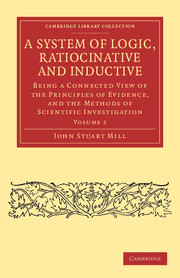
A System of Logic, Ratiocinative and Inductive
- Being a Connected View of the Principles of Evidence, and the Methods of Scientific Investigation
-
- Published online:
- 05 November 2012
- Print publication:
- 08 December 2011
- First published in:
- 1843
