



Earlier studies investigating diet–disease relationships have mostly focused on isolated nutrients or foods; however, nutrients or foods are consumed together. Thus a single nutrient or food cannot completely explain the aetiology of a chronic condition( Reference Hu 1 ). Dietary pattern approach, as a new direction in nutritional epidemiology, has recently emerged to take the combined effects of nutrients and foods into account( Reference Huijbregts, Feskens and Räsänen 2 , Reference Kant, Graubard and Schatzkin 3 ). This approach can provide a comprehensive picture of food and nutrient interactions and can be efficiently applied in the community setting to reduce chronic diseases( Reference Le Port, Gueguen and Kesse-Guyot 4 ). Data-driven and hypothesis-oriented methods have been used to identify dietary patterns( Reference Reedy, Wirfält and Flood 5 ).
Psychological disorders including depression and anxiety are highly prevalent worldwide( Reference Kessler, Chiu and Demler 6 , Reference Kessler, Berglund and Demler 7 ). Depression is the fourth leading cause of disease burden and the main cause of disability worldwide( Reference Kessler, Chiu and Demler 6 , Reference Kessler, Berglund and Demler 7 ). Although not a prominent cause of mortality, depression results in significantly decreased quality of life( Reference Worley 8 ). Previous studies on diet and psychological disorders have assessed the association between dietary intakes of folate, vitamin B6, vitamin B12, long-chain fatty acids, Zn and Mg and depression( Reference Sánchez-Villegas, Verberne and De Irala 9 – Reference Calon 15 ). Limited data are available linking dietary patterns to psychological disorders. In a study on Australian adult women, consumption of a ‘traditional’ dietary pattern containing high amounts of vegetables, fruit, meat, fish and whole grains was associated with lower odds of depression( Reference Jacka, Pasco and Mykletun 16 ). Adherence to a ‘processed food’ dietary pattern was linked with increased risk, while a ‘whole food’ dietary pattern decreased the risk of depression in British middle-aged women( Reference Akbaraly, Brunner and Ferrie 17 ). Similar findings have also been reported from Norway( Reference Jacka, Mykletun and Berk 18 ) as well as from Chinese adolescents( Reference Weng, Hao and Qian 19 ).
Almost all previous reports on dietary patterns and depression came from Western populations and we are not aware of any report in non-Western nations, particularly in Middle Eastern populations, where the dietary intakes are highly different from those in other parts of the world( Reference Esmaillzadeh and Azadbakht 20 ). For instance, studies have estimated the prevalence of psychiatric disorders in the Iranian population as 10·81 %; more common in females (14·34 %) than males (7·34 %). The prevalence of anxiety and mood disorders was 8·35 % and 4·29 %, respectively( Reference Mohammadi, Davidian and Noorbala 21 ). This is higher than reported in China( Reference Shen, Zhang and Huang 22 ) and Japan( Reference Kawakami, Takeshima and Ono 23 ), and lower than that reported in the USA( Reference Kessler, Berglund and Demler 24 ). Therefore, the association between dietary patterns and psychological disorders in this part of the world might provide some novel insights into diet–disease relationships. Given the high prevalence of depression in this area( Reference Worley 8 , Reference Mohammadi, Davidian and Noorbala 21 ), it seems that dietary patterns might play a key role. In addition, earlier studies have mostly focused on depression, and the association between dietary intakes and other psychological disorders like anxiety and psychological distress has not been adequately addressed. Due to the contribution of several nutrients and foods to these conditions( Reference Sánchez-Villegas, Verberne and De Irala 9 – Reference Calon 15 ), it is expected to find a significant association between major dietary patterns and these disorders. Moreover, previous studies from this region have indicated that the application of statistical methods like factor analysis on dietary data would result in interpretable dietary patterns( Reference Esmaillzadeh and Azadbakht 20 , Reference Esmaillzadeh and Azadbakht 25 , Reference Jahromi, Toghae and Jahromi 26 ); however, almost all previous reports on dietary patterns from this region have been conducted on small sample sizes. For example, dietary patterns have been identified on a sample of 486 female subjects( Reference Esmaillzadeh and Azadbakht 20 , Reference Esmaillzadeh and Azadbakht 25 ) and 150 participants( Reference Jahromi, Toghae and Jahromi 26 ) in different studies from the region. However, it remains unknown if the application of these methods on a representative large sample could provide meaningful dietary patterns.
Therefore the present study was done to examine the relationship between major dietary patterns derived from factor analysis and prevalence of psychological disorders in a large sample of Iranian adults.
Participants and methods
Study population
The current study was conducted within the framework of the Study on the Epidemiology of Psychological, Alimentary Health and Nutrition (SEPAHAN), a cross-sectional study that aimed to examine the epidemiological concepts of functional gastrointestinal disorders (FGID) and their association with lifestyle and psychological determinants. Detailed information about the study design, sampling procedures, participants’ characteristics and data collection process has been published previously( Reference Adibi, Ammar and Esmaillzadeh 27 ). Briefly, the SEPAHAN project was designed based on FGID as its main outcome of interest. Therefore, the sample size calculation was based on this variable. We hypothesized that the prevalence of FGID in Iran would be 15 %. We further hypothesized that psychological disorders or eating a diet low in fibre would double the risk of having any FGID. With an 80 % power, a type I error of 0·05 and desired confidence interval of 0·03, the minimum required sample size was calculated to be 1387 subjects. As mentioned, this sample size was calculated for FGID as the main outcome of the SEPAHAN study. Because the prevalence of psychological disorders is lower than that of FGID in the Iranian population, the required sample size for assessing psychological disorders as the main outcome in the current study would even be lower than 1387 people. Therefore, 3846 participants recruited in the current analysis seem to be enough.
We enrolled a sample of the Iranian adult population aged 20–55 years who were working in health centres. Isfahan University of Medical Sciences (IUMS) central office has direct contact with all staff in different cities and centres through fifty staff members working in Public Relations Units (PRU). Monthly sessions with PRU staff started four months prior to the recruitment of participants. In these sessions, the principal investigator of the project (P.A.) and its coordinator (A.H.K.) described the rationale and methodological aspects of SEPAHAN completely and answered PRU staff questions. Two months prior to the initiation of SEPAHAN, the first official letter was sent to all managers of IUMS units working in different cities and centres and the study was introduced to them briefly. Some of them later called the coordinator of the study and, if requested, more details were provided. The last letter was sent to the managers of IUMS units one week prior to the launch of the study. Forty‐five days before distributing the first wave of questionnaires, staff in the selected centres were informed about the study through brochures and posters that were distributed among them by PRU staff. PRU staff informed participants about the contents of the questionnaires and study aims while they were handing out the questionnaires. Each participant was provided with an envelope in which to put the completed questionnaires and asked to return the completed questionnaires to PRU staff within 7 d. All questionnaires were distributed and collected within three weeks and sent to the main office of the project.
Data collection and data entry were monitored continuously by the principal investigator of the project (P.A.) and its coordinator (A.H.K.). We collected data in two separate phases with a short period (3–4 weeks) between them to increase the accuracy of data collection as well as the response rate. In the first phase, all participants were asked to complete a self-administered questionnaire on demographic and lifestyle factors including nutritional habits and dietary intakes (response rate: 86·16 %). In order to collect information on psychological health, another set of self-administered questionnaires was applied in the second phase. After linking data from both phases, 4763 adults who had complete information on both dietary data and psychological health were available for analysis. We excluded those who reported energy intake outside the range 3347–17573 kJ (800–4200 kcal). These exclusions left 3846 persons for the current analysis.
The IUMS Ethics Committee as well as the Tehran University of Medical Sciences Ethics Committee reviewed the study aims and procedures and then approved the study ethically for conduct.
Dietary assessment
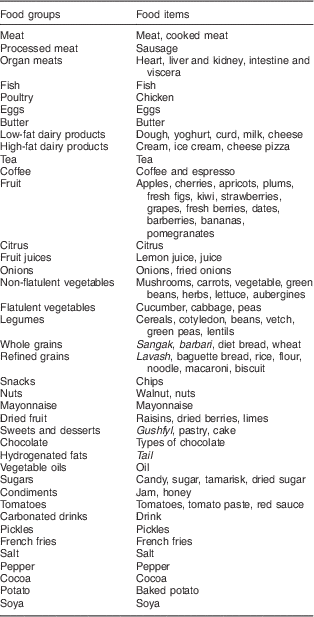
Dietary data were collected using a self-administered, Willett-format, dish-based, 106-item semi-quantitative FFFQ (DS-FFQ), which was designed and validated specifically for Iranian adults( Reference Keshteli, Esmaillzadeh and Rajaie 28 ). Detailed information about the design, foods included as well as the validity of this questionnaire has been reported elsewhere. Briefly, the questionnaire contained five categories of foods and dishes: (i) mixed dishes (cooked or canned, twenty-nine items); (ii) grains (different types of bread, cakes, biscuits and potato, ten items); (iii) dairy products (dairy, butter and cream, nine items); (iv) fruits and vegetables (twenty-two items); and (v) miscellaneous food items and beverages (including sweets, fast foods, nuts, desserts and beverages, thirty-six items). To develop the questionnaire, a comprehensive list of foods and dishes commonly consumed by Iranian adults was constructed. Then, we chose those foods that were nutrient-rich, consumed reasonably often or contributed to between-person variation. This process led to the remaining of the 106 food items in the questionnaire. The portion size for food items and mixed dishes was defined based on the most commonly consumed portion size for each item in the general population. To increase precision and accuracy of estimates, we attempted to give the portion size of foods and mixed dishes as a unit with the same perception for all people. Participants were asked to report their dietary intakes of foods and mixed dishes based on nine multiple-choice frequency response categories varying from ‘never or less than once a month’ to ‘twelve or more times per day’. The number of frequency response categories was not constant for all foods. For foods consumed infrequently, we omitted the high-frequency categories, while for common foods with a high consumption, the number of multiple choice-categories increased. The number of response categories for the food list varied from six to nine choices. For instance, the frequency response for tuna consumption included six categories, as follows: never or <1 time/month, 1–3 times/month, 1 time/week, 2–4 times/week, 5–6 times/week and 1–2 times/d; and for tea consumption the frequency response included nine categories, as follows: never or <1 cup/month, 1–3 cups/month, 1–3 cups/week, 4–6 cups/week, 1 cup/d, 2–4 cups/d, 5–7 cups/d, 8–11 cups/d and ≥12 cups/d. Finally, we computed daily intake of all food items and then converted to grams per day using household measures. Daily nutrient intakes for each participant were calculated using the US Department of Agriculture’s national nutrient databank. To identify dietary patterns, we assigned each food item to one of thirty-nine predefined food groups (Table 1). Food items were included in a certain food group or as a distinct group based on the similarity of nutrients and their association with psychological health.
Food grouping used in the dietary pattern analyses
Assessment of psychological health
The Iranian validated version of the Hospital Anxiety and Depression Scale (HADS) was used to screen for anxiety and depression( Reference Montazeri, Vahdaninia and Ebrahimi 29 ). HADS is a brief and useful questionnaire to measure psychological disorders and assess the symptom severity of anxiety disorders and depression. The HADS contains fourteen items and consists of two subscales: anxiety and depression. Each item includes a four-point scale; higher scores indicate an elevated level of anxious and depressive symptomatology. The maximum score is 21 for anxiety and depression. Scores of ≥8 on either subscale were considered as psychological disorders and scores of 0–7 were defined as ‘normal’ in the current study( Reference Montazeri, Vahdaninia and Ebrahimi 29 ).
The Iranian validated version of the General Health Questionnaire (GHQ) with twelve items was used to assess psychological distress( Reference Montazeri, Harirchi and Shariati 30 ). GHQ-12 is a brief, simple, easy-to-complete instrument for measuring current and primary mental health that asks the respondent whether he/she has experienced a particular symptom of psychological distress recently. Each item consists of a four-point scale (‘less than usual’, ‘no more than usual’, ‘rather more than usual’, ‘much more than usual’). There are two most common scoring methods, bimodal (0–0–1–1) and Likert scoring (0–1–2–3), giving a total score of 12 or 36 on the basis of the scoring method selected. We used the bimodal scoring style for the present study. This gives scores ranging from 0 to 12. Higher scores indicate a greater degree of psychological distress. In the current study, psychological distress was defined as having the score of ≥5( Reference Montazeri, Harirchi and Shariati 30 ).
Assessment of covariates
Required information on other variables including age, sex, marital status, socio-economic status (SES), smoking status, chronic conditions (diabetes, asthma, colitis, stroke, heart failure and cancers) and the use of antidepressant medications was obtained from demographic and medical history questionnaires. SES score was computed as an index of socio-economic status based on family size (≤4, >4 people), education (academic and non-academic education) and acquisition (house ownership or not). For each variable of the SES score, participants were given a score of 1 if they had ≤4 family members, were academically educated or owned a house, and were given a score of 0 if they had >4 family members, had non-academic education or had leasehold house. Then, total SES score was calculated by summing up the assigned scores (minimum SES score of 0 to maximum score of 3). Individuals with the score of 3 were considered as having high SES. Physical activity was assessed using the General Practice Physical Activity Questionnaire (GPPAQ)( 31 ) and those with more than 1 h of activity per week were considered as physically active. Anthropometric measures including weight, height and waist circumference were assessed using a self-administered questionnaire. BMI was calculated by dividing weight (in kilograms) by the square of height (in metres).
Statistical analysis
To identify major dietary patterns based on the thirty-nine food groups, we used principal component analysis and the factors were rotated by varimax rotation. The natural interpretation of the factors in conjunction with eigenvalues >1·5 and the scree plot determined whether a factor should be retained. The derived factors (dietary patterns) were labelled on the basis of our interpretation of the data and of the earlier literature. The factor score for each pattern was calculated by summing intakes of food groups weighted by their factor loadings, and each participant received a factor score for each identified pattern. We categorized participants by quintiles of dietary pattern scores. One-way ANOVA was used to examine significant differences in continuous variables across quintile categories of dietary pattern scores. The distribution of participants in terms of categorical variables across quintiles was assessed by means of the χ 2 test. Age- and energy-adjusted intakes of foods and nutrients across quintiles of dietary pattern scores were examined using ANCOVA. To find the association between dietary patterns and psychological disorders, we used logistic regression in different models. First, we controlled for age (continuous) and then for sex (categorical), marital status (married, single, widowed, divorced), education (under diploma, diploma, above diploma, bachelors and above), physical activity (never, <1 h/week, >1 h/week), chronic diseases (hypertension, diabetes, stroke, CVD, cancers), smoking (non-smoker, ex-smoker, current smoker), antidepressant use (yes, no) and energy intake (kcal/d). Further adjustments for BMI were done in the last model. Stratified analyses by sex and BMI status (<25·0 and ≥25·0 kg/m2) were also done in age-adjusted and multivariable-adjusted models. The covariates in these models were the same as above. The potential confounders we adjusted for in the analyses were determined based on earlier publications that had examined the relationship of dietary patterns with psychological disorders( Reference Jacka, Pasco and Mykletun 16 – Reference Weng, Hao and Qian 19 ). In all analyses, the first quintile of dietary pattern scores was considered as a reference. To assess the overall trend of odds ratios across increasing quintiles of dietary pattern scores, we treated the quintile categories as an ordinal variable in the analyses. All analyses were performed using the statistical software package IBM SPSS Statistics version 19·0. P values were considered significant at <0·05.
Results
Characteristics of the study population
The mean age of the study population was 36·4 (sd 8·0) years. Prevalence of depression, anxiety and psychological distress was 10·6 % (men, 7·0 %; women, 13·5 %), 5·7 % (men, 4·4 %; women, 6·8 %) and 23·3 % (men, 18·4 %; women, 26·5 %), respectively.
We identified four major dietary patterns: (i) a ‘fast food’ dietary pattern that was high in French fries, vegetable oils, meat, pepper, salt, onions, soya and egg; (ii) a ‘traditional’ dietary pattern that was high loaded by vegetable oils, meat, salt, legumes, non-flatulent vegetables, poultry, hydrogenated vegetable oils, dried fruits, fish and organ meats; (iii) a ‘lacto-vegetarian’ dietary pattern which was comprised mainly of non-flatulent vegetables, tomato, citrus fruits, flatulent vegetables, fruits and low-fat dairy products; and (iv) a ‘Western’ dietary pattern that was characterized by high intakes of snacks, high-fat dairy products, chocolate, carbonated drinks, sweets and desserts (Table 2). These dietary patterns explained 30·2 % of the whole variance in dietary intakes.
Factor loading matrix for the major dietary patterns identified among the sample of Iranian adults (n 3846) aged 20–55 years
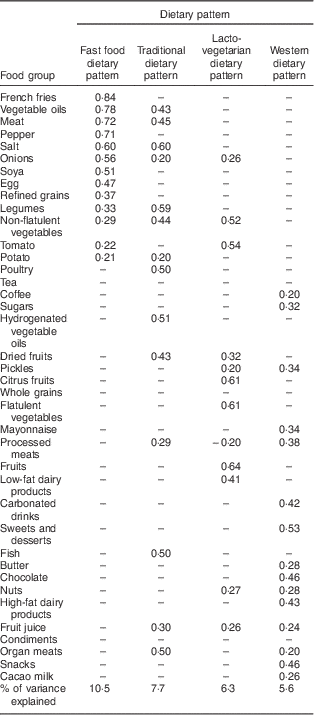
Only items with correlation coefficients ≥0·20 are presented.
Characteristics of the study participants across quintiles of dietary pattern scores are provided in Table 3. Mean weight and BMI were not significantly different across quintile categories of different dietary pattern scores. We did not find any significant difference in other general characteristics of participants across quintile categories of the fast food and Western dietary pattern scores. Participants in the third quintile of the traditional dietary pattern score were older than those in the lowest quintile. Participants in the highest quintile of the lacto-vegetarian dietary pattern were slightly older and less likely to consume fried foods. No further overall significant difference was found across quintiles of dietary pattern scores.
Participant characteristics and dietary intakes by quintile (Q) categories of dietary pattern scores in a sample of Iranian adults (n 3846) aged 20–55 years

* Fast food dietary pattern: loaded by French fries, vegetable oils, meat, pepper, salt, onions, soya and egg.
† Traditional dietary pattern: loaded by vegetable oils, meat, salt, legumes, non-flatulent vegetables, poultry, hydrogenated vegetable oils, dried fruits, fish and organ meats.
‡ Lacto-vegetarian dietary pattern: loaded by non-flatulent vegetables, tomato, citrus fruits, flatulent vegetables, fruits and low-fat dairy products.
§ Western dietary pattern: loaded by snacks, high-fat dairy products, chocolate, carbonated drinks, sweets and desserts.
|| ANOVA for continuous variables and χ 2 test for categorical variables were used.
¶ Defined as physical activity >1 h/week.
** Defined as individuals who used fried foods ≥4 times/week.
Age- and energy-adjusted intakes of food groups and nutrients across quintile categories of dietary pattern scores are indicated in Table 4. Compared with those in the lowest quintile of the fast food dietary pattern, individuals in the top quintile had significantly higher intakes of vegetable oils, processed meat, egg, low-fat dairy products, vegetables, legumes, refined grains, French fries and pickles; however, they had lower intakes of coffee, fruits, whole grains and nuts. Adherence to the traditional dietary pattern was associated with higher intakes of vegetable oils, processed meat, egg, high fat dairy products, coffee, fruits, vegetables, legumes, whole grains, nuts, French fries and pickles, and lower consumption of refined grains, low-fat dairy products and chocolate. Participants in the top quintile of the lacto-vegetarian dietary pattern had significantly higher intakes of vegetable oils, low- and high-fat dairy products, coffee, fruits, vegetables, legumes, whole grains, nuts, chocolate and pickles, and lower intakes of meat and refined grains than those in the bottom quintile. High consumption of the Western dietary pattern was associated with higher intakes of vegetable oils, processed meat, egg, low- and high-fat dairy products, coffee, fruits, vegetables, whole and refined grains, nuts, chocolate, French fries and pickles, and lower intakes of legumes. Dietary intakes of energy, protein, fat, fibre vitamin C, cholesterol, trans-fatty acids, SFA, MUFA and PUFA were significantly higher among those in the top quintile, than among those in the lowest, of the fast food, traditional and Western dietary patterns. There was also a significant difference across quintiles of the lacto-vegetarian dietary pattern in terms of macro- and micronutrient intakes.
Dietary intakes by quintile (Q) categories of dietary pattern scores in a sample of Iranian adults (n 3846) aged 20–55 years
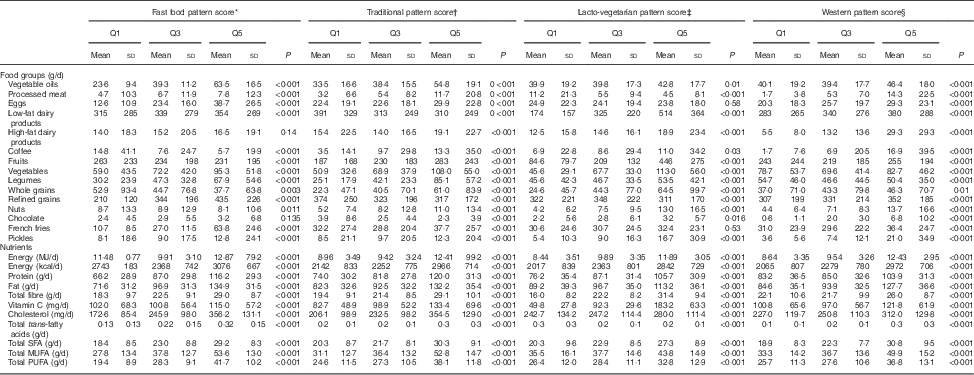
* Fast food dietary pattern: loaded by French fries, vegetable oils, meat, pepper, salt, onions, soya and egg.
† Traditional dietary pattern: loaded by vegetable oils, meat, salt, legumes, non-flatulent vegetables, poultry, hydrogenated vegetable oils, dried fruits, fish and organ meats.
‡ Vegetarian dietary pattern: loaded by non-flatulent vegetables, tomato, citrus fruits, flatulent vegetables, fruits and low-fat dairy products.
§ Western dietary pattern: loaded by snacks, high fat dairy products, chocolate, carbonated drinks, sweets and desserts.
Dietary patterns and depression
Multivariable-adjusted odds ratios for depression across quintile categories of dietary pattern scores are provided in Table 5. There was no significant relationship between the traditional, Western and fast food dietary patterns and odds of depression after taking all potential confounders into account. However, individuals in the third quintile of the lacto-vegetarian dietary pattern tended to have lower odds of depression (OR=0·80; 95 % CI 0·61, 1·05). When the analysis was done stratified by sex, we found no associations between the fast food and vegetarian dietary patterns and depression in men. However, men in the second quintile of the traditional dietary pattern had 41 % lower odds for depression compared with those in the first quintile (OR=0·56; 95 % CI 0·35, 0·89, P<0·05). Also, individuals in the third quintile tended to have 37 % lower odds for depression (OR=0·63; 95 % CI 0·40, 1·00, P<0·05). Men in the third quintile of the Western dietary pattern had 73 % higher chance for depression (OR=1·73; 95 % CI 1·07, 2·81, P<0·05).
Multivariable-adjusted odds ratios of the associations between depression and dietary patterns in a sample of Iranian adults (n 3846) aged 20–55 years
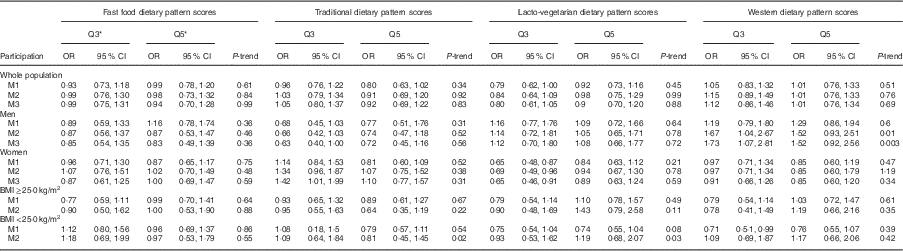
M1, adjusted for age; M2, adjusted for age, sex, marital status, education, smoking, physical activity, chronic disease, antidepressant drugs and energy intake; M3, adjusted for age, sex, marital status, education, smoking, physical activity, chronic disease, antidepressant drugs, energy intake and BMI.
Multivariate logistic regression models were used to estimate odds ratios with 95 % confidence intervals for the outcome of depression and dietary factor scores.
* All comparisons were made in reference to the first quintile (Q) of the corresponding pattern.
Among women, we did not find any significant association between the fast food dietary pattern and depression. However, the traditional dietary pattern was associated with greater odds of depression (OR=1·42; 95 % CI 1·01, 1·99, P<0·05). After adjustment for age, women in the third quintile of the lacto-vegetarian dietary pattern had 35 % lower odds for depression (OR=0·65; 95 % CI 0·48, 0·87, P<0·05) than those in the first quintile. This association remained significant even after further adjustments for confounders. No significant associations were seen between major dietary patterns and psychological disorders in normal-weight or overweight participants.
Dietary patterns and anxiety
Multivariable-adjusted odds ratios for anxiety across quintile categories of dietary pattern scores are provided in Table 6. No significant associations were observed between major dietary patterns and anxiety.
Multivariable-adjusted odds ratios of the associations between anxiety and dietary patterns in a sample of Iranian adults (n 3846) aged 20–55 years
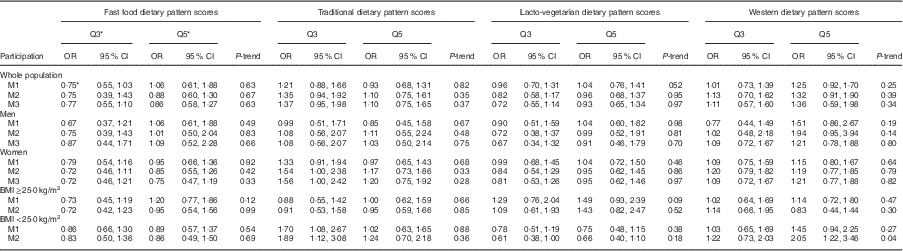
M1, adjusted for age; M2, adjusted for age, sex, marital status, education, smoking, physical activity, chronic disease, antidepressant drugs and energy intake; M3, adjusted for age, sex, marital status, education, smoking, physical activity, chronic disease, antidepressant drugs, energy intake and BMI.
Multivariate logistic regression models were used to estimate odds ratios with 95 % confidence intervals for the outcome of anxiety and dietary factor scores.
* All comparisons were made in reference to the first quintile (Q) of the corresponding pattern.
When the analysis was stratified by sex, we observed no link between major dietary patterns and anxiety in men. However, women in the third (OR=1·56; 95 % CI 1·00, 2·42, P<0·05) and fourth quintiles (OR=1·57; 95 % CI 1·01, 2·41, P<0·05) of the traditional dietary pattern tended to be more anxious than those in the lowest quintile. There were no significant relationships between other dietary patterns and anxiety among women. Stratified analysis by BMI status revealed no significant relationships between major dietary patterns and anxiety in the overweight participants. However, in normal-weight participants, those in the third quintile of the traditional dietary pattern had greater odds for anxiety than those in the first quintile (OR=1·89; 95 % CI 1·12, 3·08, P<0·05). Furthermore, those in the second and third quintiles of the lacto-vegetarian dietary pattern were less likely to have anxiety. The Western dietary pattern was also associated with increased odds of anxiety in normal-weight participants (OR=2·05; 95 % CI 1·22, 3·46, P<0·05).
Dietary patterns and psychological distress
Multivariable-adjusted odds ratios for psychological distress across quintile categories of dietary pattern scores are provided in Table 7. There were no significant associations between the traditional and Western dietary patterns and psychological distress in the whole population. However, those in the third (OR=0·77; 95 % CI 0·57, 1·01) and top quintiles (OR=0·79; 95 % CI 0·59, 1·02) of the lacto-vegetarian dietary pattern tended to have lower odds for psychological distress compared with those in the lowest quintile. In our stratified analysis by sex, there was a significant increasing trend in the odds of psychological distress across increasing quintiles of the fast food dietary pattern among women (P trend=0·02); however, no significant associations were seen in men. Furthermore, our stratified analysis by BMI status revealed no significant associations between major dietary patterns and psychological distress in normal-weight and overweight participants.
Mean scores on the psychological disorders across quintiles of dietary pattern scores are provided in Table 8. There were no significant relationships between mean scores of dietary patterns and psychological disorders.
Multivariable-adjusted odds ratios of the associations between psychological distress and dietary patterns in a sample of Iranian adults (n 3846) aged 20–55 years
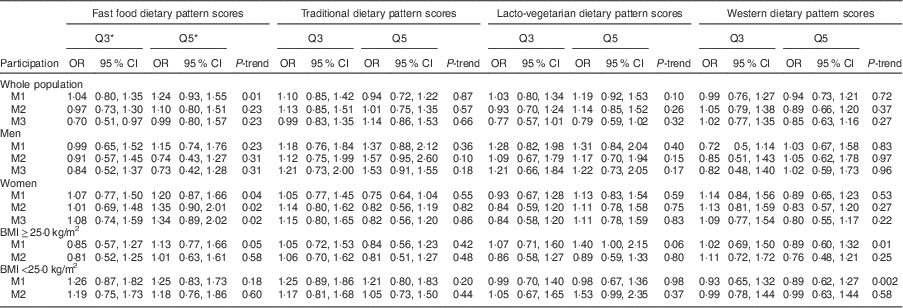
M1, adjusted for age; M2, adjusted for age, sex, marital status, education, smoking, physical activity, chronic disease, antidepressant drugs and energy intake; M3, adjusted for age, sex, marital status, education, smoking, physical activity, chronic disease, antidepressant drugs, energy intake and BMI.
Multivariate logistic regression models were used to estimate odds ratios with 95 % confidence intervals for the outcomes of current major psychological distress and dietary factor scores.
* All comparisons were made in reference to the first quintile (Q) of the corresponding pattern.
Mean scores on the psychological disorders by quintile (Q) categories of dietary pattern scores for a sample of Iranian adults (n 3846) aged 20–55 years
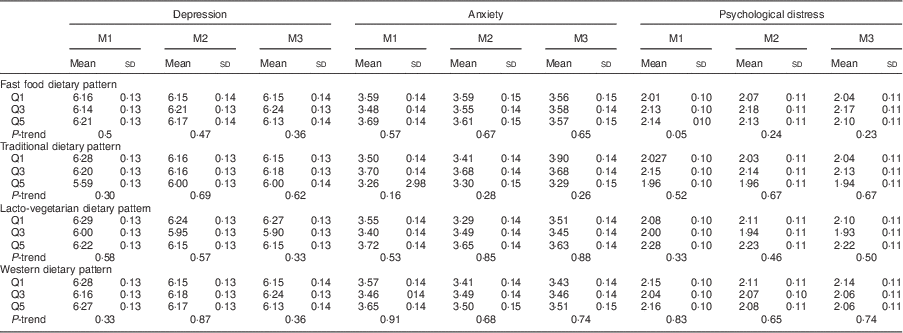
M1, adjusted for age; M2, adjusted for age, sex, marital status, education, smoking, physical activity, chronic disease, antidepressant drugs and energy intake; M3, adjusted for age, sex, marital status, education, smoking, physical activity, chronic disease, antidepressant drugs, energy intake and BMI.
Discussion
In the current cross-sectional study exploring the relationship between dietary patterns and psychological disorders in the Iranian adult population, we observed that the lacto-vegetarian dietary pattern was protectively associated with depression in women and tended to be associated with decreased odds of anxiety in normal-weight participants. In addition, the traditional dietary pattern was inversely associated with depression in men, but with increased odds of depression in women and greater odds of anxiety in normal-weight participants. The Western dietary pattern was also associated with increased odds of depression in men and greater odds of anxiety in normal-weight participants. Also the lacto-vegetarian dietary pattern tended to be associated with decreased odds of psychological distress. Furthermore, the fast food dietary pattern was protectively associated with psychological distress in women. These associations persisted in multivariate models adjusting for a wide range of potential confounding variables. To the best of our knowledge, the present study is among the first investigations examining the associations between major dietary patterns and anxiety and psychological distress in a Middle Eastern country.
Depression is one of the most prevalent psychological disorders in the world( Reference Worley 8 ), especially in developing countries( Reference Mohammadi, Davidian and Noorbala 21 , Reference Shen, Zhang and Huang 22 ). We found no significant associations between major dietary patterns and depression in the whole population; however, sex-stratified analyses revealed a protective association between the traditional dietary pattern and depression in men. Furthermore, among women, the lacto-vegetarian dietary pattern was inversely associated with depression. Also the Western dietary pattern was associated with increased odds of depression in men. These findings are in line with previous reports that documented a significant association between major dietary patterns and depression. Earlier studies have mostly been conducted in Western nations. For instance, in a population of 1046 Australian adult women, a traditional dietary pattern that included high intakes of vegetables, fruit, beef, lamb, fish and wholegrain foods was associated with a lower likelihood of depressive symptoms( Reference Jacka, Pasco and Mykletun 16 ). However, their findings must be interpreted cautiously because Jacka et al.( Reference Jacka, Pasco and Mykletun 16 ) did not control for energy intake in their analyses. Although they obtained energy-adjusted scores of dietary patterns in their study, the confounding effect of energy intake on depression was not controlled for. Furthermore, the ingredients of their traditional dietary pattern were different from ours. Moreover, while we applied a validated HADS questionnaire to identify depressed persons, Jacka et al. used the DSM-IV (Diagnostic and Statistic Manual of Mental Disorders, 4th edition) for this objective. Earlier studies have shown that the HADS questionnaire has a limited ability to identify major depression compared with a clinical interview measuring tool( Reference Montazeri, Vahdaninia and Ebrahimi 29 ). Another report in men also found an inverse relationship between a traditional Norwegian dietary pattern and risk of depression; however, they failed to find a significant association in women( Reference Jacka, Mykletun and Berk 18 ). Findings of a cross-sectional study in middle-aged British women indicated a ‘processed food’ dietary pattern as increasing the risk and a ‘whole food’ dietary pattern as protective against depression( Reference Akbaraly, Brunner and Ferrie 17 ). Different study designs, lack of control for several confounders as well as different tools used for the assessment of depressive symptoms might explain the discrepant findings.
We found that the traditional dietary pattern was associated with increased odds of anxiety in women and normal-weight participants. The Western dietary pattern was associated with increased odds and the lacto-vegetarian diet with decreased odds of anxiety in normal-weight participants. In contrast to our findings, Jacka et al.( Reference Jacka, Mykletun and Berk 18 ) found a protective association between their traditional dietary pattern and anxiety in women, but not in men. Another study in Australian women( Reference Jacka, Pasco and Mykletun 16 ) reached the same association. The food content of traditional dietary patterns in the different studies, along with the interactions of these foods in the dietary pattern, might provide a reason for the discrepancies.
Similar to our findings, a Western dietary pattern in Norwegian adults was associated with increased odds of anxiety( Reference Jacka, Mykletun and Berk 18 ). In addition, a prospective study reached a significant direct association between adherence to the Western dietary pattern and anxiety( Reference Chocano-Bedoya, O’Reilly and Lucas 32 ).
We did not observe significant associations between our major dietary patterns and psychological distress. This is in contrast to the findings of Jacka et al.( Reference Jacka, Pasco and Mykletun 16 ), who reported a significant positive association between their Western dietary pattern and this condition. They did not find any significant association between their traditional and modern dietary patterns and psychological distress. Lack of adjustment for total energy intake in the study of Jacka et al.( Reference Jacka, Pasco and Mykletun 16 ) might provide the reason for this discrepancy. Furthermore, the difference in food content of the major dietary patterns between the two studies might also contribute to this difference.
The exact mechanisms through which dietary intakes might affect psychological disorders are unknown. Psychological disorders, in particular depression, are the result of interaction between genetic, hormonal, immunological, biochemical and neurodegenerative factors. Dietary factors might influence mental function through affecting inflammatory processes and modulating oxidative stress. Earlier studies have shown that elevated inflammation plays a key role in psychological disorders( Reference Maes 33 ). Plant-based foods loaded on our lacto-vegetarian dietary pattern are rich in bioactive compounds being potentially associated with decreased inflammation. Consumption of fruits and vegetables, which include high amounts of folate and antioxidants, has been associated with decreased inflammation and oxidative stress in adults( Reference Murakami and Sasaki 11 ). Therefore, the protective association of the lacto-vegetarian dietary pattern with psychological disorders might be explained by its high content of antioxidants( Reference Murakami, Miyake and Sasaki 10 ). Legumes and wholegrain cereals that were loaded on our traditional dietary pattern contain higher amounts of folate and other B vitamins. These nutrients might have favourable effects on psychological conditions through reducing serum homocysteine levels as well as through synthesis of monoamines including dopamine and serotonin in the brain( Reference Kamphuis, Geerlings and Grobbee 12 ). Increased concentrations of serum homocysteine and decreased levels of dopamine and serotonin have been associated with increased risk of depressive disorders( Reference Murakami, Miyake and Sasaki 10 – Reference Kamphuis, Geerlings and Grobbee 12 ). Folate and B vitamins are cofactors in the methylation process of homocysteine to methionine. Methionine plays a key role in the production of monoamine transmitters( Reference Kamphuis, Geerlings and Grobbee 12 , Reference Crider, Yang and Berry 34 ).
It seems that high intakes of fish (which contain long-chain n-3 PUFA) in the traditional dietary pattern can also help brain function. This might also contribute to the favourable inverse association of the traditional dietary pattern and anxiety in normal-weight participants. The Western dietary pattern is composed of refined carbohydrates which could be related with elevated C-reactive protein( Reference Maes 33 ). Consumption of dietary factors in the Western dietary pattern has also been associated with decreased brain-derived neurotrophic factor levels( Reference Molteni, Barnard and Ying 35 ). This factor has been shown to protect neurons from oxidative stress and induces neurogenesis in the short term( Reference Shirayama, Chen and Nakagawa 36 ).
It seems that the associations of dietary patterns with psychological disorders are sex dependent. In a systematic review, this sex difference has been highlighted( Reference Murakami and Sasaki 11 ). Biases in dietary reporting between men and women might explain this difference by sex. In addition, gonadal hormones might lead to differential responses to possible mediating factors( Reference Murakami and Sasaki 11 ).
The present study has several strengths. To the best of our knowledge, it is the first study that reports the association between major dietary patterns and psychological disorders in a Middle Eastern country. Furthermore, we controlled for a wide range of confounders that might affect psychological conditions. In addition, the large sample size of the study including both sexes must also be kept in mind. Some limitations should also be taken into account in the interpretation of our findings. First of all, due to the cross-sectional design of the study, we cannot confer causality. Some mental disorders such as depression or anxiety might lead to changes in appetite and dietary intakes of the participants; therefore, poor diet quality may be the result of mental health symptoms, rather than a causative factor. We used factor analysis to identify dietary patterns. This method includes several subjective decisions, such as the consolidation of food items into food groups, the number of factors extracted, the method of rotation and labelling of the factors. As the study participants were adults working in health centres, selection bias is a concern that could in turn influence the findings. However, participants were selected from different socio-economic categories throughout the Isfahan province and the studied population covered a wide range of socio-economic categories from both urban and rural areas. Despite these efforts, selection bias is a limitation in the current study and the findings cannot easily be generalized to the general population of Iranian adults. Another potential limitation is measurement error, which is a recognized feature of any dietary assessment method. Due to the use of an FFQ, misclassification of study participants is another concern. Furthermore we cannot exclude the possibility of residual confounding in the analysis due to unmeasured or imprecisely measured factors.
Conclusion
In conclusion, we found some significant associations between major dietary patterns and psychological disorders. The implications of the current findings to the general population are to recommend increased intakes of fruits, citrus fruits, vegetables, tomatoes and low-fat dairy products to reduce the chance of psychological disorders. In addition, the general public should be aware to reduce consumption of the Western dietary pattern that was characterized by high intakes of snacks, high-fat dairy products, chocolate, carbonated drinks, sweets and desserts, to protect them against these disorders.
Acknowledgements
Financial support: The study was financially supported by the Deputy for Research, Isfahan University of Medical Sciences (IUMS) jointly with a grant for a PhD student from Tehran University of Medical Sciences (TUMS), Tehran, Iran. The funders had no role in the design, analysis or writing of this article. Conflict of interest: None. Authorship: M.H., M.V. and A.E. contributed in conception, design and drafting of the manuscript. M.H., A.E., A.F. and R.M. contributed in data analysis. H.A., A.H.K. and P.A. contributed in data collection and manuscript drafting. All authors read and approved the final manuscript. Ethics of human subject participation: The IUMS Ethics Committee as well as the TUMS Ethics Committee reviewed the study aims and procedures and then approved the study ethically for conduct.



