




1. Introduction
Research ethics has long been a topic of interest in applied linguistics, but recent years have witnessed a surge in attention to research ethics (De Costa, Reference De Costa2024). This growing interest is reflected in numerous journal articles, handbook chapters, and journal guidelines (e.g., De Costa et al., Reference De Costa, Rabie-Ahmed and Cinaglia2024; De Costa, Randez, et al., Reference De Costa, Randez, Her and Green-Eneix2021; Ghanbar & Kamali, Reference Ghanbar and Kamali2026; Kubanyiova, Reference Kubanyiova2024; Mahboob et al., Reference Mahboob, Paltridge, Phakiti, Wagner, Starfield, Burns and De Costa2016; Plonsky, Reference Plonsky2024; Yaw et al., Reference Yaw, Andringa, Gass, Hancock, Isbell, Kim and Wood2023). The principles and guidelines for research ethics are outlined in the Belmont Report (National Commission for the Protection of Human Subjects of Biomedical Research, 1979). Regarding research ethics and the protection of human subjects, applied linguists generally agree on a set of core ethical principles and guidelines (Kessler et al., Reference Kessler, Marino and Liska2023). These ethical principles and guidelines are summarized in the Belmont Report (National Commission for the Protection of Human Subjects of Biomedical Research, 1979), which established many of the fundamental ethical principles and practices (e.g., informed consent) that guide research activities today. The report outlines three core principles: (1) respect for persons (e.g., protecting individuals with diminished autonomy), (2) beneficence (e.g., minimizing harm while maximizing the benefits offered to participants), and (3) justice (e.g., ensuring that individuals are treated fairly). In short, research ethics require researchers to respect participants, minimize risks, and maximize benefits throughout the research process.
1.1. Beyond procedural ethics
Notably, there have been calls to consider the dynamics surrounding research ethics beyond “procedural ethics.” Procedural ethics refer to the ethical requirements established by institutional mechanisms such as Institutional Review Boards (IRBs) or professional organizations (e.g., the American Psychological Association, the British Association for Applied Linguistics, TESOL International Association). Procedural ethics typically focuses on actions researchers ought to take before a study begins (e.g., providing information about the study and obtaining participant consent) and at its conclusion (e.g., data storage and disposal). In contrast, “ethics-in-practice” describes the day-to-day ethical decisions researchers make throughout the research process to ensure that respect, justice, benefit, and risk concerns are observed (Guillemin & Gillam, Reference Guillemin and Gillam2004). Building on these developments within applied linguistics, Kubanyiova (Reference Kubanyiova2008) called for a distinction to be made between macro- (i.e., procedural) and micro- (i.e., ethics-in-practice) ethics, respectively. Relatedly, as De Costa (Reference De Costa2015) notes, while ethical review boards (or IRBs) play a crucial role in overseeing macro-ethical conduct, the regulations they set forth are not always sufficient to guide researchers in making micro-ethical decisions.
In particular, qualitative research, which delves deeply into participants’ personal experiences, poses a relatively higher risk of harm to participants if researchers fail to exercise ethical judgment in managing their relationships with them. Echoing this sentiment, González (Reference González2000) argues that researchers, as “human instruments” (p. 625), must consistently show respect for others. Such respectful practices can take the form of allowing participants to help define the rules of engagement in the study and informing researchers about the practical implications of deviating from conventional practices. Ethical dilemmas frequently emerge in applied linguistics narrative research, where close discursive engagement with participants can give rise to unexpected and ethically significant moments.
1.2. Doing narrative inquiry research: some ethical concerns and recommendations
Building on the general discussion of research ethics in the previous section, this section turns specifically to narrative inquiry and its distinct ethical sensibilities. Narrative inquiry is not only defined by its use of stories as data or analytical tools; it is an approach grounded in relational, temporal, and contextual understandings of human experience (Clandinin & Connelly, Reference Clandinin and Connelly2000; Barkhuizen et al., Reference Barkhuizen, Benson and Chik2024). As we see in the literature, narrative researchers often co-construct participants’ stories and remain closely engaged with them over time, blurring traditional researcher–participant boundaries, and these features give rise to unique ethical challenges that extend well beyond the procedural requirements typically enforced by ethics review boards. Defined as “any research approach that utilizes stories or storytelling” (Benson, Reference Benson, Phakiti, de Costa, Plonsky and Starfield2018, p. 597), narrative inquiry is particularly suited for exploring the depth and complexity of human experiences. Given its focus on individuals’ lived experiences within social contexts and its potential to engage participants in the creation and dissemination of accessible outcomes, narrative inquiry has been gaining increasing popularity in applied linguistics (Benson, Reference Benson, Phakiti, de Costa, Plonsky and Starfield2018; Ghanbar et al., Reference Ghanbar, Cinaglia, Randez and De Costa2024). Moreover, a substantial body of conceptual papers, methodological commentaries, narrative overviews, and methodological syntheses has been published on narrative inquiry in applied linguistics (e.g., Barkhuizen, Reference Barkhuizen2011, Reference Barkhuizen2013, Reference Barkhuizen2014, Reference Barkhuizen, De Fina and Georgakopoulou2015, Reference Barkhuizen, McKinley and Rose2020; Barkhuizen et al., Reference Barkhuizen, Benson and Chik2014; Barkhuizen & Consoli, Reference Barkhuizen and Consoli2021; Benson, Reference Benson2014, Reference Benson, Phakiti, de Costa, Plonsky and Starfield2018). Collectively, these works provide critical orientation, typologies, and review-style mappings and research syntheses of the field, thereby demonstrating that narrative inquiry has become not only one of the most widely adopted qualitative approaches in applied linguistics but, in recent years, more popular and more extensively taken up than many other qualitative traditions such as participant observation, phenomenological inquiry, linguistic ethnography, and collaborative and community-based research. For example, Barkhuizen et al. (Reference Barkhuizen, Benson and Chik2014, Reference Barkhuizen, Benson and Chik2025) and Barkhuizen (Reference Barkhuizen2014) offer comprehensive overviews of published narrative studies and annotated research timelines, while Benson (Reference Benson2014, Reference Benson, Phakiti, de Costa, Plonsky and Starfield2018) systematically maps analytical approaches and key publication venues. Furthermore, recent syntheses (e.g., Barkhuizen et al., Reference Barkhuizen, Benson and Chik2014, Reference Barkhuizen, Benson and Chik2025; Ghanbar et al., Reference Ghanbar, Cinaglia, Randez and De Costa2024; Ghanbar & Kamali, Reference Ghanbar and Kamali2026) indicate that the use of narrative inquiry in the field has increased markedly over the past two decades and is expected to continue to grow, underscoring its expanding methodological prominence relative to the aforementioned qualitative approaches. This growing popularity, in conjunction with the distinct ethical challenges posed by the close researcher–participant relationships that characterizes narrative inquiry, warrants the investigation of ethical reporting practices in the conduct of such research. Such an investigation is in keeping with recent calls (e.g., Ghanbar et al., Reference Ghanbar, Cinaglia, Randez and De Costa2024; Ghanbar & Kamali, Reference Ghanbar and Kamali2026) to systematically review reporting practices in order to strengthen ethical transparency of conducting narrative research. While all research approaches should aim to protect the interests of those involved in the investigative enterprise, narrative researchers bear an especially significant burden of managing “complex ethical, ideological, and emotional responsibilities” (Barkhuizen, Reference Barkhuizen2011, p. 393). This is because they are deeply involved in the research process, eliciting, co-constructing, interpreting, and re-telling participants’ personal and imagined lived experiences (Barkhuizen et al., Reference Barkhuizen, Benson and Chik2024; De Costa, Randez, et al., Reference De Costa, Randez, Her and Green-Eneix2021). In other words, this participatory aspect of narrative inquiry places researchers in close proximity to participants, blurring traditional boundaries and heightening the need for ongoing ethical reflexivity (De Costa, Randez, et al., Reference De Costa, Randez, Her and Green-Eneix2021) to be exercised by the researchers. Thus, unlike methodologies grounded in positivist or post-positivist paradigms (e.g., experimental designs and surveys) that require the maintenance of objective distance from research participants, narrative inquiry requires researchers to engage intimately with participants’ stories, ensuring respect for their voices and autonomy throughout the research process (Benson, Reference Benson, Phakiti, de Costa, Plonsky and Starfield2018). Unlike experimental or survey-based methodologies, which can often adhere to procedural ethics alone, narrative inquiry demands ongoing ethical negotiation. This is because participants’ lived experiences are central, deeply personal, and highly context-dependent, and because the researcher’s interpretations inevitably shape the stories being told.
Moreover, and as stated earlier, ethical considerations in narrative inquiry extend beyond procedural ethics to include “ethics-in-practice,” with the latter often encompassing the unpredictable decisions that arise in co-constructing and re-telling stories (Guillemin & Gillam, Reference Guillemin and Gillam2004). Due to the sensitivities and critical issues inherent in narrative inquiry, researchers must thoughtfully and continuously reflect on how their interpretations and representations of participants’ narratives could potentially impact participants’ identities, privacy, and overall well-being (Clandinin & Connelly, Reference Clandinin and Connelly2000). In particular, as emphasized by Kubanyiova (Reference Kubanyiova2008), the potential harm in revealing intimate or sensitive details places a heightened responsibility on narrative researchers to balance beneficence with the risks of storytelling. In short, these ethical dimensions underscore the importance of collaboration with participants in determining how their stories are shared and ensuring that the research process fosters the establishment of trust and respect, which are integral to narrative inquiry.
In the main, what we discussed here in this part highlights why narrative inquiry, more than many other forms of qualitative research, requires ethical reflexivity that is both micro-ethical (sensitive to context and relationships) and macro-ethical (attentive to institutional and disciplinary standards). Against this backdrop, we, in the next section, provide a stage-by-stage discussion of ethical practices.
2. Enacting ethical practices throughout the narrative inquiry research process
While the preceding sections (1.1–1.2) examined ethics in narrative inquiry at a conceptual level, the following subsections (2.1–2.6) outline how these ethical considerations are enacted across the various stages of the research process. This structure allows us to provide a stage-by-stage discussion – ranging from study design to data sharing – that highlights both macro- and micro-ethical concerns in practical contexts. Ethical considerations in narrative inquiry transcend procedural requirements and permeate every stage of the research process, from design to dissemination. Unlike methodologies that emphasize detachment or objective distance, narrative inquiry involves a deep relational engagement with participants’ stories, creating unique ethical challenges and responsibilities. Researchers must navigate a delicate balance between respecting participants’ rights and ensuring the credibility and transparency of their work. This balance requires not only adherence to established ethical principles but also ongoing reflexivity and cultural sensitivity to address the complexities inherent in eliciting, interpreting, and sharing participants’ lived experiences. Against this backdrop, in this section we explore how ethical practices can be observed across various stages of the narrative inquiry research process. To this end, we look at study design, participant recruitment, data collection, data analysis, data representation, and the overall research process. Of note, while procedural or macro-ethics – such as obtaining IRB approval, securing informed consent, and complying with data protection policies – are foundational to ethical research conduct in narrative inquiry, they offer only a partial picture of the ethical landscape that narrative inquirers navigate. Ethical decision-making in narrative research also demands attention to micro-ethics or ethics-in-practice, which encompass the relational, situated, and often unpredictable ethical considerations that arise throughout a study. These include responding to participant vulnerability, navigating power dynamics, practicing reflexivity, and ensuring authentic representation.
Table 1 depicts six main phases of the research in a narrative inquiry, each accompanied by a set of ethical concerns. We should note here that this table is not intended as a prescriptive, positivist checklist. Instead, it integrates procedural (macro) and relational (micro) ethical concerns to provide a flexible heuristic for shedding light on how ethical issues are – or are not – reported in narrative inquiry studies. To our knowledge, this is the first field-specific attempt to systematically compile and structure ethical considerations for narrative inquiry into a tabular reporting format, offering practical guidance for researchers and instructors alike. To help clarify the distinction for readers less familiar with ethics in the field, we explicate which phases involve primarily macro-ethical concerns, which involve micro-ethical judgments, and which require attention to both. We use the macro–micro distinction here as a heuristic analytic device rather than a rigid taxonomy: many practices (for example, informed consent and participant incentives) can function as either macro- or micro-ethical concerns, depending on the specific research context and on how decisions are made (a priori, in policy, or negotiated in situ). For instance, Study Design can encompass macro-ethical responsibilities (e.g., IRB approval) while also necessitating micro-ethical sensitivity to the local contexts. Similarly, participant recruitment often involves procedural measures such as the signing of consent forms but may also require in situ negotiation about consent and incentives, practices whose ethical status may shift depending on certain micro-level contexts and local policies. Data collection and data analysis, as well, are largely based on micro-ethical considerations, given that researchers must respond in real time to issues such as participants’ emotional well-being, power imbalances, and nuanced transcription decisions that cannot be predetermined. Data Representation and Sharing spans both domains: while some aspects – such as anonymization and repository use – are procedural, others involve ethically complex decisions about how to represent participants’ voices and identities with care. Ultimately, Reflexivity is fundamentally micro-ethical, requiring narrative researchers to examine how their positionality shapes every stage of the project – from design through dissemination. In the ensuing section, we delve into different phases of narrative inquiry and ethical issues that need to be considered in each.
Key ethical concerns in the previous literature

2.1. Study design
Building on the broader discussion of ethics in narrative inquiry, this subsection focuses on ethical issues specific to the study design stage. We illustrate how procedural requirements (e.g., IRB approval) intersect with context-sensitive, micro-ethical considerations that researchers must navigate when planning narrative inquiry studies.
For many researchers in applied linguistics, the term ethics evokes the bureaucratic process of meeting the requirements of ethics review boards (e.g., IRBs in the U.S.) as a preparatory step in conducting human subjects research (Sterling & Gass, Reference Sterling and Gass2017; Yaw et al., Reference Yaw, Andringa, Gass, Hancock, Isbell, Kim and Wood2023). These procedural guidelines enforce normative principles, such as minimizing participants’ potential risks, maintaining research integrity, ensuring privacy and confidentiality, and upholding beneficence. Narrative inquiry researchers are required to obtain approval from an ethics review board before initiating research, ensuring adherence to these principles (Mahboob et al., Reference Mahboob, Paltridge, Phakiti, Wagner, Starfield, Burns and De Costa2016). However, due to the nature of the narrative inquiry, where researchers engage closely with participants’ stories and explore their personal experiences in-depth while considering the local and cultural contexts, macro-ethical principles sometimes prove ambiguous or inadequate in guiding research conducted in diverse contexts (Guillemin & Gillam, Reference Guillemin and Gillam2004; Kubanyiova, Reference Kubanyiova2008). For example, in some cultural settings, requesting participants to sign consent forms might seem unusual, perplexing, or even offensive (e.g., Sarfraz, Reference Sarfraz2020). Additionally, some institutions may lack an established, formal ethical review board altogether (De Costa, Reference De Costa2024).
While acknowledging the value of macro-ethical principles, narrative researchers (e.g., Ghanbar et al., Reference Ghanbar, Cinaglia, Randez and De Costa2024) have called for the development of more context-sensitive ethical norms that address the specificities of diverse research settings and circumstances. Moreover, when narrative inquiry research constitutes a small component of larger research projects, researchers can ensure transparency by explicitly reporting its inclusion as part of the broader study and referencing relevant publications from the overarching project (Ghanbar et al., Reference Ghanbar, Cinaglia, Randez and De Costa2024). It may be the case that ethical practices were adopted in the larger study but not reported in the smaller, specific publication. Including a reference to the larger study would thus help readers access this information.
2.2. Participant recruitment
Informed consent is one of the core ethical practices (Tao et al., Reference Tao, Shao and Gao2017) that allows narrative inquiry researchers to protect and prepare participants who may not be fully aware of potential risks associated with taking part in a study. In general, many applied linguists view data manipulation and failing to obtain consent as more serious violations of ethical codes than other issues (Sterling & Gass, Reference Sterling and Gass2017). Special caution is required when consent forms use language so complex that language learners cannot fully understand what they are agreeing to (Sterling, Reference Sterling2018). Another consideration involves the issue of reciprocity, whereby researchers offer participants incentives or some form of compensation (e.g., cash, gift cards, or even language lessons). In some small-scale studies, people may be willing to participate voluntarily, but this raises ethical concerns (Litosseliti, Reference Litosseliti2003) and can even lead to questions of participant exploitation (Prior, Reference Prior, Phakiti, De Costa, Plonsky and Starfield2018). As noted by narrative inquiry scholars Blix et al. (Reference Blix, Clandinin, Steeves and Caine2024), researchers should highlight the importance of including stakeholders in decisions about incentives, giving them a voice in the process to foster mutual respect. Given these general calls for inclusion and procedural transparency, it is not uncommon for narrative researchers to explain their participant recruitment process and how they subsequently collected and analyzed their narrative data (De Costa, Randez, et al., Reference De Costa, Randez, Her and Green-Eneix2021), two points to which we turn next.
2.3. Data collection
Ensuring the ethical treatment of participants is of utmost importance throughout the data collection process. Researchers must remain attentive to participants’ cultural and emotional needs, ensuring that studies are presented in a language participants can understand and that potential risks are minimized (e.g., safeguarding personal information; for details, see Frost et al., Reference Frost, Gren, Benson and Carlson2023). These ethical considerations become even more complex in situations where researchers occupy multiple roles, such as instructor, colleague, or friend – a phenomenon referred to as “role duality” (Unluer, Reference Unluer2012, p. 7). For example, when a researcher also serves as a course instructor, institutional authority over critical matters such as grading or course outcomes (e.g., whether students pass) can create a power imbalance (Tolich & Tumilty, Reference Tolich and Tumilty2021). This imbalance may influence students’ willingness to participate in research activities, potentially compromising voluntary consent and introducing ethical dilemmas related to coercion or bias (Otrel-Cass et al., Reference Otrel-Cass, Andrée and Ryu2020).
Additional safeguards are necessary when working with vulnerable groups (e.g., children, individuals with disabilities, refugees, individuals from marginalized communities, or those with limited literacy). While these principles would apply to all forms of qualitative research, they bear an added significance in narrative inquiry work in light of the close relationships forged between the narrative researcher and their participants. For example, when conducting research with minors, narrative researchers ought to address issues such as minors’ vulnerability, their incomplete understanding of the study, and the potential for coercion (Frost et al., Reference Frost, Gren, Benson and Carlson2023). Relatedly, narrative studies that include participants with mental health conditions must navigate the delicate boundary between protecting these individuals and avoiding their exclusion from important research. When working with vulnerable groups, it is crucial to provide additional time to consider enrolment, the collection of narratives in a safe space, the development and explanation of protocols for preserving confidentiality and securely storing the narrative data, respecting a participant’s decision to opt out of some or all parts of the study at a later stage, and ensuring participants remain unidentifiable to others (Tolich & Tumilty, Reference Tolich and Tumilty2021).
2.4. Data analysis
In narrative work, transcription choices are particularly significant because they shape how participants’ voices and identities are conveyed. Bernstein et al. (Reference Bernstein, Bhattacharya, Johnson, De Costa, Rabie-Ahmed and Cinaglia2024) recommend that researchers recognize the modal complexity inherent in communication and transparently disclose the decisions they made about how they represented participants’ meaning-making processes. In other words, the recommendation is that researchers should be aware of the representational decisions – which one could also interpret as different ways that participants might elect to narrativize their experiences – they make in creating a transcript, which is always a subjective process (Bernstein et al., Reference Bernstein, Bhattacharya, Johnson, De Costa, Rabie-Ahmed and Cinaglia2024). For example, the use of punctuation, pauses, and tone in the transcription process can alter how a participant’s message is interpreted. Capturing these nuances accurately, without distorting the participant’s meaning or intent, is key to maintaining the authenticity of their story, and reporting such measures should add to the transparency of data analysis in the studies.
Another strategy that can have ethical implications is member checking, which provides participants the opportunity to review a manuscript before publication, ensuring that the data accurately reflect their perspectives. However, this process assumes participants not only have basic literacy skills but can also comprehend academic writing sufficiently to judge the manuscript’s content. Current trends in academic publishing often require participants to read advanced English texts or necessitate that researchers translate documents into participants’ first language, thereby posing an additional burden in an already time-constrained research process (Sterling & De Costa, Reference Sterling, De Costa, Phakiti, De Costa, Plonsky and Starfield2018).
2.5. Data representation and data sharing
Beyond anonymity, transparency in research and reporting practices presents another layer of ethical complexity and challenges for narrative researchers. In the social sciences, there has been a growing movement toward greater transparency (Plonsky et al., Reference Plonsky, Egbert and Laflair2015). In particular, within the post-positivist paradigm, many SLA researchers (e.g., Marsden et al., Reference Marsden, Morgan-Short, Trofimovich and Ellis2018) have urged their peers to demonstrate transparency in research and reporting practices. Researchers are encouraged to make materials and data fully accessible through open repositories such as IRIS and the Center for Open Science (Marsden et al., Reference Marsden, Mackey, Plonsky, Mackey and Marsden2016) to facilitate replication studies. However, consensus on the level of transparent reporting has yet to be fully established (see M. Riazi et al., Reference Riazi, Ghanbar and Rezvani2023, for similar observations in qualitative L2 writing research).
Specifically, while replication is a central goal in post-positivist-oriented SLA research, postmodern-inspired SLA researchers have emphasized the social utility of research as an ethical consideration, urging peers to carefully report findings with awareness of how they may be interpreted by the public (De Costa et al., Reference De Costa, Lee, Rawal and Li2019). Merson et al. (Reference Merson, Phong, Nhan, Dung, Ngan, Kinh and Bull2015, p. 260) emphasize that a key principle of data sharing is ensuring “the rights and interests of research participants and their communities are protected, including … protection from harm and equitable sharing of benefits”. Thus, data sharing involves ethical challenges related to transparency and participant privacy, necessitating clear communication and participant consent regarding how data will be stored and shared (Frost et al., Reference Frost, Gren, Benson and Carlson2023). In narrative inquiry, where participants’ stories often include personal and context-specific details, striking a balance between transparency and privacy is particularly complicated. Narrative researchers must navigate these ethical complexities with care, making sure that data sharing practices both take into account participants’ trust and protect their identities while still contributing to the broader goals of scholarly transparency and accountability.
2.6. Reflexivity matters
In narrative inquiry, reflexivity (Consoli & Ganassin, Reference Consoli and Ganassin2023) is also a cornerstone of ethical research practice, enabling researchers to engage with participants’ stories in a respectful and nuanced manner. By critically examining their own biases, positionality, and influence on the research process, narrative researchers are better equipped to navigate the relational and interpretive complexities inherent in narrative work. This process of self-reflection helps to mitigate power imbalances and fosters trust in the co-construction of narratives (Finlay & Gough, Reference Finlay and Gough2008; Guillemin & Gillam, Reference Guillemin and Gillam2004; Whitaker & Atkinson, Reference Whitaker and Atkinson2021). The inclusion of positionality statements – now widely recognized as essential in the social sciences – further enhances the transparency of narrative inquiry. These statements offer a detailed account of how researchers’ identities and perspectives shape both the interpretation of participants’ lived experiences and the representation of their stories. Such practices not only strengthen the ethical framework of narrative inquiry but also enrich the depth, rigor, and credibility of the resulting narratives (King, Reference King2024).
3. The present study and addressing the research gap
Following the growing attention to ethical issues within applied linguistics (De Costa, Reference De Costa2024; Dörnyei, Reference Dörnyei2007; Kubanyiova, Reference Kubanyiova2024; Larsson et al., Reference Larsson, Plonsky, Sterling, Kytö, Yaw and Wood2023; Ortega, Reference Ortega2005; Sterling & Gass, Reference Sterling and Gass2017; Sterling et al., Reference Sterling, Winke, Gass and Costa2016; Yaw et al., Reference Yaw, Andringa, Gass, Hancock, Isbell, Kim and Wood2023), over the years we have seen methodological recommendations put forward to ensure that ethical research practices are in place (De Costa, Reference De Costa2024); however, there remains a gap concerning whether researchers have taken such recommendations into account and reported them in their research. In particular, narrative inquiry has emerged as a popular qualitative research approach in applied linguistics, marked by intensive engagement with participants and the disclosure of deeply personal information, making ethical considerations particularly critical (Ghanbar et al., Reference Ghanbar, Cinaglia, Randez and De Costa2024; Ghanbar & Kamali, Reference Ghanbar and Kamali2026). Nevertheless, to our knowledge, no systematic investigation has been conducted on researchers’ ethical reporting practices and decisions in narrative inquiry studies. In response to De Costa, Randez, et al. (Reference De Costa, Randez, Her and Green-Eneix2021), who spotlighted the macro-ethical and micro-ethical practices L2 narrative researchers adopt when addressing emergent problems at their research sites, this study examines how L2 narrative researchers reported their ethical considerations. In fact, shedding light on ethics-in-practice has become increasingly significant and relevant, particularly in the context of thriving qualitative approaches such as narrative inquiry (see Ghanbar et al., Reference Ghanbar, Cinaglia, Randez and De Costa2024; Ghanbar & Kamali, Reference Ghanbar and Kamali2026). However, there remains a noticeable gap in studies focusing on micro-ethics in applied linguistics. This focus on ethical reporting is crucial because published research functions as a primary platform through which ethical norms, expectations, and standards are communicated to key stakeholders in the field, including novice researchers, supervisors, instructors, journal reviewers, and editors. In this sense, ethical reporting plays a formative and normative role in shaping how ethical research conduct is understood, taught, evaluated, and institutionalized in applied linguistics.
It should also be noted that there is a paucity of methodological syntheses on narrative inquiry. As far as we know, the only notable study in this area is Ghanbar et al. (Reference Ghanbar, Cinaglia, Randez and De Costa2024), which, while addressing ethics and exploring how narrative researchers consider ethical issues, did not investigate in detail the nuanced ethical decision-making processes that narrative researchers engage in. Specifically, it did not focus on ethical considerations related to study design, participant recruitment, data collection, data analysis, and other aspects of ethical decision-making in narrative inquiry. In order to address this gap, this study aims to answer these overarching research questions:
1. How have researchers in narrative inquiry studies considered and reported ethical issues?
2. What empirically grounded suggestions and recommendations can be made to improve ethical reporting practices in narrative research within our field?
It should be mentioned that in the second research question, “empirically grounded” refers to recommendations derived from systematic patterns observed in published reporting practices, rather than from direct observation of ethical conduct in real-world research settings. Also, we would like to make it clear upfront that even if narrative inquiry researchers in this study did not report these ethical considerations, it does not necessarily mean they were unethical. As we mentioned, narrative inquiry researchers engage deeply with participants’ stories and explore their personal experiences in depth while considering local and cultural contexts. This nature of narrative inquiry may make some ethical principles ambiguous or even inappropriate in guiding research conducted in diverse contexts (e.g., see how macro-ethical principles may be inappropriate in some contexts in Section 2.1). Moreover, what is ethical in one context may be unethical in another (for example, sharing data when vulnerable participants’ narratives contain personal and context-specific details). Nevertheless, we aim to provide novice researchers with guidance on the ethical considerations involved in conducting narrative inquiry research and on how to report them by synthesizing the reporting practices in existing research to highlight the macro-ethical and micro-ethical practices L2 narrative researchers report when ethical issues arise in their fieldwork. In addition, while transparent ethical reporting may raise awareness of ethical responsibilities and contribute to the development of shared disciplinary norms, we should here say that it does not in itself guarantee ethical enactments in practice. The relationship between reporting and real-world ethical practices is, as a result, understood as formative rather than deterministic. Ultimately, as a disclaimer, we should reiterate here that our study focuses specifically on the reporting of ethical practices in published narrative research rather than on the direct examination of how ethics is enacted in real-world research settings.
3.1. Methodology
To examine the extent to which the extensive ethical considerations in narrative inquiry have been considered in the current narrative research, we conducted this methodological synthesis (Ghanbar et al., Reference Ghanbar, Dehghan-Chaleshtori and Farsani2025). Through this review, we aim to provide a comprehensive understanding of current practices and offer guidance for future studies in applied linguistics.
3.1.1. Positionality statement
As a qualitative researcher whose work encompasses several narrative-inquiry works in applied linguistics, Hessameddin (author 1) entered this project with long-standing engagement in story-based research and its ethical complexities. His scholarship also includes methodological syntheses on qualitative research rigor and reporting practices, including a synthesis of narrative inquiry and multiple systematic reviews examining transparency and methodological quality in applied linguistics. Through participating in this study, he deepened his attention to how ethical decisions are articulated, justified, and negotiated across different stages of narrative inquiry. This engagement strengthened his commitment to supporting novice researchers in adopting both ethically sensitive practices and clear, transparent approaches to reporting ethics in their qualitative work.
As a critical applied linguist, Nari (author 2) is particularly interested in issues of power, including power relations between researchers and participants. Given her strong interests in narrative inquiry and research ethics, she welcomed her doctoral advisor Peter’s invitation to collaborate and entered the study with an explicitly learning-oriented stance. She approached the collaboration as an opportunity to deepen her methodological and ethical understanding of narrative inquiry. Through her engagement with the project, she came to recognize the range of options involved in micro-level ethical decision-making. At the same time, her understanding of, and interest in, narrative research further deepened. She began to deliberate more carefully among these possibilities in her work (e.g., choosing appropriate pseudonyms that respect participants’ identities, involving participants in compensation decisions, and attending to participant well-being).
Carlo (author 3) is a relative newcomer to narrative research. He first learned about narrative inquiry in a doctoral course about qualitative research methods, taught by Peter (author 4). During his doctoral studies, Carlo employed narrative approaches for multiple preliminary research projects – including cross-event narrative discourse analysis (Cinaglia, Reference Cinaglia2023a), short story analysis (Cinaglia, Reference Cinaglia, Yazan, Trinh and Pentón Herrera2023b), and autobiographical narrative analysis (Cinaglia et al., Reference Cinaglia, Montgomery and Coss2024) – as well as for his dissertation study (Cinaglia, Reference Cinaglia2025), which utilized narrative as data generation tool, analytic lens, and reporting device. Carlo also worked with colleagues to conduct a methodological synthesis of narrative inquiry studies in applied linguistics (Ghanbar et al., Reference Ghanbar, Cinaglia, Randez and De Costa2024) and co-edit a book about ethical issues faced in applied linguistics research (De Costa et al., Reference De Costa, Rabie-Ahmed and Cinaglia2024). Carlo entered the current project with a developing understanding of and experience with narrative research methods as well as a desire to further examine methodological design choices and reporting practices in order to promote greater transparency surrounding narrative inquiry in applied linguistics.
As noted, Peter (author 4) was Carlo’s doctoral advisor. He is also currently Nari’s (author 2) doctoral advisor. Over the years, he has been afforded opportunities to advance his understanding of qualitative research through working with his doctoral advisees, collaborating with colleagues such as Hessameddin (author 1), and co-editing a leading applied linguistics journal, TESOL Quarterly. These collective experiences have solidified and deepened his understanding of ethics in applied linguistics, an area of inquiry to which he has been committed for the greater part of a decade (e.g., De Costa, Reference De Costa2015, Reference De Costa2024; De Costa et al., Reference De Costa, Lee, Rawal and Li2019, Reference De Costa, Rabie-Ahmed and Cinaglia2024; De Costa, Sterling, et al., Reference De Costa, Sterling, Lee, Li and Rawal2021). Given his enduring interest in ethics in applied linguistics and following the publication of Ghanbar et al. (Reference Ghanbar, Cinaglia, Randez and De Costa2024), he warmly welcomed the prospect of collaborating again with Hessameddin and Carlo again, while also bringing Nari on board this exciting intellectual journey.
3.1.2. Study identification
Following Plonsky (Reference Plonsky2013, Reference Plonsky2014) and Sudina (Reference Sudina2021), our identification process considered (a) temporal, (b) substantive, and (c) locational criteria for eligibility. Building on a previously developed sample of narrative inquiry studies (see Ghanbar et al., Reference Ghanbar, Cinaglia, Randez and De Costa2024), our temporal criteria included studies published during the period of 2012–2023. It should be noted that the sample in Ghanbar et al. (Reference Ghanbar, Cinaglia, Randez and De Costa2024), the most recent systematic review of narrative inquiry in the field, was updated and expanded by incorporating studies published after 2022, as the original sample covered a 10-year period from 2012 to 2022 and target 12 highly cited, international, peer-reviewed journals that publish applied linguistics research. More specifically, in Ghanbar et al. (Reference Ghanbar, Cinaglia, Randez and De Costa2024), we conducted a systematic examination of reporting practices in narrative inquiry across a broad spectrum of dimensions, including (a) theoretical framing (i.e., theoretical foundations and research foci), (b) demographic characteristics (such as geographical contexts and participant profiles), (c) methodological design (encompassing narrative approaches, narrative types, and issues related to data collection and analysis), and (d) the reporting of ethical considerations, researcher positionality, and funding disclosures. While our previous study (Ghanbar et al., Reference Ghanbar, Cinaglia, Randez and De Costa2024) assessed the reporting of ethical considerations using a binary coding scheme – distinguishing only between presence and absence of ethical reporting – and revealed that approximately half of the sampled studies failed to mention ethical issues altogether, the present study adopts a more nuanced and comprehensive coding framework. Specifically, we offer a detailed analysis of ethical reporting practices, illuminating a broader and more granular range of ethical issues in narrative inquiry. We followed the exact same study identification procedure as Ghanbar et al. (Reference Ghanbar, Cinaglia, Randez and De Costa2024) to build the newly expanded corpus as we expelled in the ensuing paragraph.
In terms of substantive criteria, our review focused on primary narrative inquiry research in applied linguistics. Specifically, we examined empirical studies in the form of published journal articles, and we intentionally excluded literature reviews, commentaries, and methodological publications. For our purposes, we drew on Barkhuizen et al.’s (Reference Barkhuizen, Benson and Chik2024) descriptions of narrative inquiry:
Narrative inquiry brings storytelling and research together either by using stories as research data or by using storytelling as a tool for data analysis or presentation of findings. (p. 6)
…[T]he main strength of narrative inquiry lies in its focus on how people use stories to make sense of their experiences in areas of inquiry where it is important to understand phenomena from the perspectives of those who experience them. (p. 5)
In other words, our substantive criteria included studies that (1) either analyzed data in the form of stories or used stories as an analytical lens or reporting tool, and (2) focused on participants’ perspectives toward particular phenomena they had experienced. It is important to note that studies focusing specifically on language development (such as those including narrative language development or narrative production tasks) or secondary research studies (such as those using narrative review or narrative research synthesis) were excluded from our targeted sample, as these studies did not constitute narrative inquiry according to our criteria and focus. See Ghanbar et al. (Reference Ghanbar, Cinaglia, Randez and De Costa2024) for a detailed description of our search criteria and procedures.
Lastly, for our locational criteria, we targeted 12 international, peer-reviewed, Q-1 quartile journals in applied linguistics. These journals include Applied Linguistics (AL), Applied Linguistics Review (ALR), Foreign Language Annals (FLA), International Journal of Applied Linguistics (IJAL), International Journal of Bilingual Education and Bilingualism (IJBEB), Journal of Language, Identity, and Education (JLIE), Journal of Second Language Writing (JSLW), Language Teaching Research (LTR), Modern Language Journal (MLJ), System, TESOL Journal (TJ), and TESOL Quarterly (TQ). Some of these journals focus specifically on language learning and teaching, and others include a broader range of topics within applied linguistics. As these journals are top-tier in the field, we believe that this sample will provide a representative sample of practice related to ethics in narrative studies (see Ghanbar et al., Reference Ghanbar, Cinaglia, Randez and De Costa2024 for more justification regarding this type of sampling).
Our final and updated sample of relevant narrative inquiry articles included 332 items. A full list of articles included in our final sample can be found in Appendix 2. Figure 1 illustrates the locational distribution of articles.
Frequencies of Narrative Inquiry Studies Published in Targeted Journals (2012–2023).

3.1.3. Coding and analysis
To address our research concerns that sought to find out about the consideration and reporting of ethics issues in narrative inquiry studies with a view to generate
suggestions and recommendations to improve ethical narrative reporting practices, a coding scheme was developed to extract relevant data. This coding scheme was developed based on ethical concerns at different stages of the research process highlighted in existing literature (see Table 1 for detailed issues and concerns). Specifically, our coding scheme recorded information relevant to:
• Study design (institutional ethics approval, part of larger study), participant recruitment (consent, incentivization);
• Data collection (ethical treatment of participants, conflicts of interest, considerations for vulnerable groups, accessibility of data collection modality);
• Data analysis (selective data inclusion, transcription decisions, member checking); and
• Other ethical considerations (protection of participant identity, data sharing, researcher positionality and reflexivity, author contributions).
Particular attention was paid to the specification of variables that were based on recommendations for ethical research and reporting practices by a variety of scholarly sources. We expounded upon the variables in our coding scheme, their descriptions and coding categories, as well as decision rules in our codebook (see Appendix 1). In the main, our coding scheme also sought to examine whether, and in what ways, the ethical research and reporting practices identified in Section 2 have been reflected or documented in applied linguistics narrative inquiry research. Rather than assuming that such practices have been systematically communicated or taken up through formal training, we aimed to explore the extent to which these practices appear to have informed the ethical conduct and representation of narrative inquiry as evidenced in published studies. This approach enables us to highlight existing strengths and identify gaps where more explicit ethical guidance or community norms may be needed.
Following Plonsky and Oswald’s (Reference Plonsky and Oswald2015) recommendation, an initial coding scheme was piloted by the authors and underwent substantial revisions to ensure that all relevant features across eligible studies were documented and that appropriate and usable operational definitions of these features were utilized. Authors 1–3 separately coded a subset of the sample (10 randomly selected studies) and calculated interrater reliability in terms of the percent of agreement. Following an initial agreement of 92%, Authors 1–3 engaged in six additional coding and discussion sessions, totaling eight hours in duration, to refine all categories and variables until final agreement reached 100%. Using the final coding scheme, Authors 1–3 each coded a portion of the remaining studies in the sample. The complete coding scheme, including 21 variables, will be made available on IRIS, by request, or upon publication of this work. A summarized version of the final coding scheme can be found in Appendix 1.
3.1.4. Data analysis
Data analysis was constrained to descriptive statistics designed to summarize the reporting of ethical practices in published narrative inquiry studies. Following the completion of the coding process, all coded data were compiled and analyzed using Microsoft Excel. Each ethical element was treated as a categorical variable, and the presence or absence of each was documented across the entire dataset (N = 332). Frequencies and percentages were calculated for all 21 ethical reporting dimensions, including but not limited to IRB approval, participant consent, data anonymization, disclosure of researcher positionality, and use of member checking. These descriptive statistics provided a broad overview of how frequently each ethical consideration was reported in the reviewed studies.
4. Results
In this section, we present our results broadly in accordance with the key ethical concerns identified in Table 1.
4.1. Study design and participant recruitment
Prior to presenting the results in this part, it should be noted that as we coded the narrative work, we found that autoethnographic studies and text-based narrative inquiries did not adequately align with certain variables in the existing coding scheme (e.g., IRB approval, informed consent, participant incentives, ethical treatment of participants, educational conflicts of interest, and member checking). Therefore, we excluded autoethnographic studies and text-based narrative inquiries (n = 30) from the analysis of these variables. It should be mentioned that text-based narrative inquiry is a kind of narrative inquiry that examines and interprets narratives or stories found in written or multimodal format, such as literature, digital media, and other forms of cultural artifacts. Unlike traditional narrative inquiry, which often involves direct interaction with participants (e.g., in interviews), text-based narrative inquiry focuses on pre-existing texts or other forms of data (e.g., YouTube videos; see Darvin, Reference Darvin2020) as the primary data source.
We observed that out of 302 narrative studies (except autoethnographic studies and text-based narrative inquiry), 262 reports (87%) did not provide any information pertaining to receiving institutional ethics approval, while merely 40 studies (13%) that offered pertinent information (see for example Xu & Zhang, Reference Xu and Zhang2023). Moreover, among 332 reviewed narrative inquiries, 234 studies (70%) were not reported to be a part of a larger study, while 98 narrative inquiries were a part of a more comprehensive research. We delved into those 98 studies to check whether they provided a reference to a publication from a larger study and found that only 36 studies (37%) (e.g., Miller, Reference Miller2016) provided such a reference, and the significant number of narrative works did not do so (n = 62, 63%).
As with ethical safeguards regarding participant recruitment, we witnessed that out of 302 narrative studies, shockingly, 204 (68%) articles did not report obtaining informed consent from the participants, with only 98 (32%) reported having obtained participant consent. We also examined whether authors reported offering a form of compensation to incentivize participations, and it was surprising to see that merely three studies (1%) out of 302 reported offering incentives to the participants (e.g., Back, Reference Back2020; Crowther, Reference Crowther2020; Karam et al., Reference Karam, Oikonomidoy and Kibler2021). For instance, Crowther (Reference Crowther2020), as a compensation, offered an hour of one-on-one tutoring for each interview completed, and Karam et al. (Reference Karam, Oikonomidoy and Kibler2020) provided funds for the participants (see Fig. 2 for the comparison of reporting practices in variables of this part of the coding scheme).
Reporting practices relating to study design and participant Recruitment.

4.2. Ethical data collection issues
The first variable in this section of our coding scheme examines whether the article reports on how data collection procedures either promoted participant well-being and/or benefits (e.g., through the choice of language used during data collection) or minimized participant harm (e.g., by safeguarding personal information) (see Fig. 3). We found that among 302 narrative inquiry studies, 54% (n = 164) did not provide any information pertaining to the ethical treatment of the participants, in contrast to 46% of studies (n = 138) which reported taking measures in this regard (e.g., using both students’ native language and English in giving instructions to students in doing a task).
Reporting practices relating to ethical data collection issues.
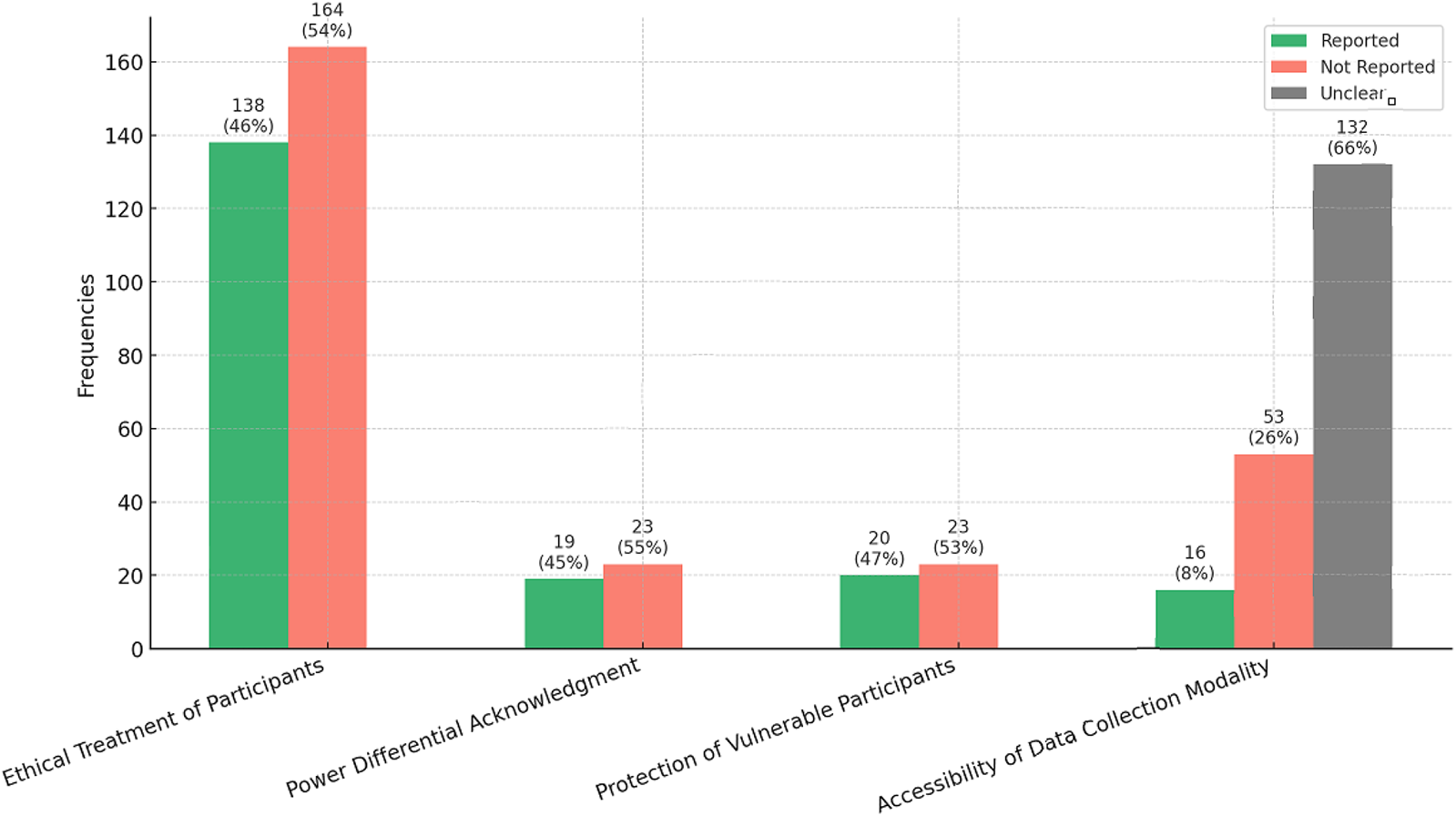
In the next variable of this part, we investigated whether the article reported on how this power differential was mitigated or acknowledged, if the study was conducted in an educational setting by teacher-researchers (assuming these roles were explicitly specified). We observed that from among 42 studies that were implemented in an educational setting by a teacher-researcher, 23 narrative works (56%) did not clarify how this power differential was addressed, while 18 studies reported doing so (44%). For example, Lee et al. (Reference Lee, Kim and Choi2023) acknowledged this power-differential in the following way:
I had previously taught in the program for one year, and the teacher had been my former colleague during that time. I asked her whether she would allow me to conduct research on classroom interaction in her upper-division Chinese class. With her permission, I attended the class and was introduced as a researcher interested in language learning and teaching. After I had explained my interest in studying classroom interactions and addressed issues relating to research confidentiality, all the students and the teacher gave their consent. (p. 640)
Additionally, we examined whether studies involving vulnerable participants – such as children, individuals with disabilities, and marginalized groups – reported measures to safeguard participants’ well-being. Of the 43 relevant studies identified, 23 (53%) did not specify how they addressed the vulnerability of participants, whereas 20 studies (47%) explicitly detailed such protective measures. For example, Al-Nofaie (Reference Al-Nofaie2018) described the safeguard he implemented as follows:
These two participants were cousins and were relatives of the researcher. They were specifically chosen because of their convenient accessibility to the researcher, which facilitated the interviews and observation processes. This type of sampling is known as convenience sampling. It was difficult to choose non-relative participants because families are often uncomfortable allowing a stranger to talk to and observe their children. (p. 455)
Accessibility and choice of data collection modality were also examined. For this variable, we examined whether data collection involved digital, online, or other specific modalities (e.g., telephone surveys or interviews) and whether the article reported on measures taken to ensure accessibility for participants. In addition, we assessed whether alternative data collection methods were provided in studies to avoid restricting participation, ensuring that the modality was not imposed on participants. Among the 201 relevant narrative studies examined in this section, 53 studies (26%) did not report how online, digital, or other less common modalities were made accessible to participants. In contrast, only 16 narrative inquiries (8%) demonstrated transparency in addressing this aspect; a case in point is Fernandez et al. (Reference Fernandez, McGREGOR and Yuldashev2021), who reported that:
Given that data collection occurred outside of the regular academic year (i.e., over the summer) due to the funding cycle of the grant supporting this project, our study participants were mostly not on campus. For this reason, and based on our participants’ individual situations and requests, we conducted interviews either via the video conferencing software platform Zoom (recorded, mostly with video on) with Brody, Elena, and Liam, or in person (audio-recorded) with Melanie. (p. 881)
Notably, in 132 studies (66%), we were unable to determine the specific modality of data collection due to insufficient or unclear explanations. As a consequence, we could not ascertain whether these studies provided the relevant information required for this aspect of the coding scheme.
4.3. Ethical data analytic issues
For the first variable in this section – justification for selecting specific portions of data for analysis, where applicable – we identified 54 relevant studies in which selective inclusion of data was observed (see Fig. 4). Among these, over two-thirds (n = 39, 72%) provided a justification for their selective data inclusion, demonstrating ethically related transparency, whereas 15 studies (28%) did not offer such justification. For example, Eslamdoost et al. (Reference Eslamdoost, King and Tajeddin2020) justify a selective inclusion, stating that “We consider the data from the weekly discussions on Telegram to be narrative accounts, as they are largely explanatory and dialogic” (p. 331). More specifically, they stated that the Telegram discussion forum for the larger study went on for 12 weeks, and seven weeks were selected for analysis for the present study, transparently reporting this selective inclusion of part of the data (see also Iikkanen, Reference Iikkanen2022).
Reporting practices relating to ethical data analytic issues.

We also shed light on the transcription decisions of authors in this part. Specifically, we examined whether articles that employed transcription procedures at any stage (e.g., data analysis or reporting) provided a description of the authors’ transcription decisions. This included detailing the inclusion and exclusion of modes of communication, representation of language choices, and other related considerations (e.g., whether the transcript includes verbatim speech [including pauses, fillers, overlaps] or a cleaned-up version). It became evident that a significant majority of the relevant studies in this category (n = 143, 70%) did not disclose any information regarding transcription decisions, in contrast to only 30% of the studies (n = 60) that provided such details; a case in point is Quan and Menard-Warwick (Reference Quan and Menard-Warwick2021), who clarified: “All quotes are cited directly from participant sources and maintain original grammatical and lexical choices” (p. 360). In this study, the researchers audio-recorded the classes in which the student (the only case in this study) participated, along with three semi-structured interviews. All recordings were transcribed and subsequently used for data analysis.
The other research component that we checked in the studies was the reporting of member checking by authors. Specifically, we analyzed narrative inquiry work to determine whether each article included a description of member-checking procedures, such as sharing preliminary analyses or reports with participants to solicit their feedback and input. For example, Goble (Reference Goble2023) reported member checking transparently as follows:
In the interest of collaboration and internal validity, emergent themes surrounding LLs’ insecurity were discussed, verified, and refined with one advisor participant through member checking meetings, in addition to two multilingual undergraduate researchers who assisted with transcription and preliminary, holistic coding. (p. 434)
It came to light that a significant proportion of related 302 narrative studies (excluding text-based and auto-ethnographies) did not report any member checks (n = 225, 75%). In contrast, 77 narrative studies (25%) did report member checking.
4.4. Other relevant ethical issues in narrative studies: data representation, data sharing, and reflexivity
In this section, we describe some other ethical practices of narrative researchers. One key practice entailed participant identity protection, that is, whether articles reported measures taken to conceal the identity of their participants. Our analysis revealed that slightly more than half of the 326 studies (excluding text-based narrative studies) in this category (n = 173) employed pseudonyms to safeguard participants’ identities (see Fig. 5). Additionally, a smaller subset of studies (n = 41, 13%) utilized alternative strategies, such as assigning letters and numbers (e.g., T1, P1), generic labels like “participant” or “case,” numbering (e.g., case 1, participant 1), or combining pseudonyms with real names. Only a few studies (n = 27, 9%) disclosed the real names of participants, however. Markedly, in a significant portion of the narrative inquiries (n = 85, 25%), no identifiable measures to protect participant identities were reported. These studies might use pseudonyms, for example, but it was not clear whether this was an intentional identity-masking strategy or a simple naming convention or those names were real names (e.g., King & Hermes, Reference King and Hermes2014; Van Mensel & Deconinck, Reference Van Mensel and Deconinck2019). In fact, studies in this category employed strategies to conceal the identity of participants but did not explicitly name or explain those strategies.
Other relevant ethical issues in narrative studies.

Upon examining the data-sharing practices of narrative researchers, we found that the vast majority of narrative studies (n = 323, 97%) did not share their data. In contrast, only two studies made their data available as supplementary materials in the respective journals, while three studies indicated a willingness to provide their data upon request. Interestingly, four studies utilized alternative external data sources, including YouTube videos, web-based transcripts, and various online video talks.
With respect to authors’ positionality and reflexivity, we observed that more than two-thirds of studies (n = 224) did not state anything about positionality and reflexivity, as opposed to a low minority (n = 108, 33%) that contained related statements. For example, Song (Reference Song2020) disclosed:
My status as a non-Saudi female international scholar positioned me as both “insider” and “outsider” in co-constructing her narratives and maintaining an analytical perspective toward them (Van Maanen, Reference Van Maanen1988). My female international status helped establish common ground between us as we shared an understanding of the challenges faced by minority women. At the same time, my non-Saudi status allowed her space to share her views openly and without fear of judgement (from me) that could damage her status within Saudi communities. (p. 153)
The last variable in this part was related to providing information about authors’ contributions. We found that of 180 studies that had two or more authors, 85 studies (47%) did not provide any information about authors’ contributions to the work. We also observed that 52 narrative inquiries (29%), partially provided related information (i.e., details of some authors’ contributions; see, for example, Corona & Block, Reference Corona and Block2020), and 20 studies (11%) offered full information relating to researchers’ contributions. Also, 17 articles (9%) explicitly included information on authors’ contributions (using formal statements required by the respective journal), while only six narrative inquiries utilized the amalgamation of both author-written details in the text and journal-required statements.
5. Discussion
This methodological synthesis sheds light on ethical reporting practices in narrative inquiry studies in applied linguistics, addressing both macro-ethical (procedural) and micro-ethical (ethics-in-practice) dimensions. In discussing the ethical considerations of this study, we distinguish between micro-ethical concerns (interpersonal, context-specific decisions such as informed consent, participant incentives, ethical treatment of participants, handling of vulnerable groups, transcription choices, and member checking) and macro-ethical concerns (institutional and structural issues such as IRB approval, participation in larger research agendas, data sharing and accessibility, and researcher positionality within systems of power).
Our findings highlight a notable gap between the nuanced ethical recommendations in the literature and how these are reflected in published studies in key journals. While scholars such as De Costa (Reference De Costa2024) and Kubanyiova (Reference Kubanyiova2008, Reference Kubanyiova2024) have called for a shift beyond procedural ethics toward more micro-ethical, context-sensitive practices, our analysis suggests that this shift is still in progress. Given the recency of some of these contributions – especially De Costa, Sterling, et al.’s (Reference De Costa, Sterling, Lee, Li and Rawal2021) paper on narrative inquiry ethics – it may be premature to expect widespread uptake in studies published through 2024. Nonetheless, the presence of these recommendations signals an important opportunity: as a field, we are increasingly aware of the complexities of ethical decision-making in qualitative research, but there remains room to strengthen how these are transparently reported. In what follows, we discuss some of our key findings and offer several empirically grounded suggestions and recommendations for researchers aiming to engage more deeply with both micro- and macro-ethical dimensions of narrative inquiry.
5.1. The limitations of procedural ethics and the need for micro-ethical reflexivity
Notably, our review found that a significant majority of studies (87%) did not report obtaining institutional ethics approval – an essential component of procedural ethics as articulated in the Belmont Report (1979). Furthermore, informed consent was mentioned in only about one-third of the studies. These omissions suggest a need for more consistent attention to ethical oversight within narrative inquiry. However, the situation may be more complex than concluding that the authors acted unethically simply because they did not receive IRB approval. For instance, as De Costa (Reference De Costa2024) notes, some institutions do not have a formal IRB (It is also likely that some researchers are following these steps but not reporting them). Also, in some cultural settings, asking participants to sign a consent form might seem embarrassing or even offensive (e.g., Sarfraz, Reference Sarfraz2020). This suggests that macro-ethical principles may sometimes be inappropriate when conducting narrative inquiry research in diverse contexts (Guillemin & Gillam, Reference Guillemin and Gillam2004; Kubanyiova, Reference Kubanyiova2008). Although procedural ethics provide a necessary foundation (De Costa, 2016; Mahboob et al., Reference Mahboob, Paltridge, Phakiti, Wagner, Starfield, Burns and De Costa2016), our findings provide support for the critiques raised by Guillemin and Gillam (Reference Guillemin and Gillam2004) and further elaborated by De Costa (Reference De Costa2015) in that relying solely on these mechanisms fails to address the unpredictable ethical dilemmas that arise in the co-construction of narratives. Indeed, narrative inquiry’s inherent emphasis on relational engagement and the elicitation of deeply personal experiences necessitates a robust micro-ethical framework (Barkhuizen et al., Reference Barkhuizen, Benson and Chik2024; Benson, Reference Benson, Phakiti, de Costa, Plonsky and Starfield2018). Yet, our review demonstrates some inconsistencies in this regard. For example, despite repeated calls to integrate reflexivity and positionality into ethical practice (Consoli & Ganassin, Reference Consoli and Ganassin2023; Kubanyiova, Reference Kubanyiova2008), more than two-thirds of the studies did not include any positionality statements. This omission not only compromises the methodological transparency of the narrative study but also undermines the ethical responsibility of researchers to acknowledge and critically assess their own influence on data collection, analysis, and interpretation (González, Reference González2000). It is, however, important to note that this study analyzes published reporting practices and does not make claims about whether researchers did or did not obtain ethical approval or informed consent. The absence of such information in publications may reflect space constraints, assumptions about disciplinary norms, or journal editorial policies. However, this underlines the need for clearer and more consistent reporting of ethical procedures, especially in light of increasing calls for transparency in qualitative research.
Another dimension of transparency concerns whether the narrative inquiry was part of a larger research project. We found that several studies did not report this information, leaving it unclear whether the narrative inquiry stood alone or was nested within a broader research design. While such omissions might raise questions about transparency and ethical reporting, it is also possible, as others have noted, that narrative inquiry components may be the first to be published, even if they are part of a larger study. In these cases, a lack of reference to the overarching project may simply reflect the sequencing of publications rather than an intent to obscure context. Nonetheless, a brief mention of the study’s broader context – where applicable – would help clarify research design, enhance transparency, and reflect ethical responsibility toward participants and readers alike.
5.2. Inadequate ethical safeguards across research stages
Our findings also bring to the fore that ethical concerns in participant recruitment and data collection are frequently underreported. While the literature emphasizes the importance of protecting vulnerable populations and addressing power imbalances – especially in settings where teachers and researchers are involved (Sterling, Reference Sterling2018; Tolich & Tumilty, Reference Tolich and Tumilty2021) – over half of the studies conducted in educational settings failed to explain how these potential conflicts were mitigated. Such a lack of reporting may be problematic in narrative inquiry, where the researcher’s role as a “human instrument” (González, Reference González2000) needs continuous ethical negotiation and sensitivity.
Pertaining to the data analysis, although selective data inclusion was adequately justified (e.g., Eslamdoost et al., Reference Eslamdoost, King and Tajeddin2020; Iikkanen, Reference Iikkanen2022), the vast majority of studies did not report details pertaining to transcription choices and the use of member checking – a practice that could enhance both the ethical integrity and credibility of qualitative works (Bernstein et al., Reference Bernstein, Bhattacharya, Johnson, De Costa, Rabie-Ahmed and Cinaglia2024; A. M. Riazi et al., Reference Riazi, Rezvani and Ghanbar2023). As Barkhuizen and Consoli (Reference Barkhuizen and Consoli2021) pointed out, this lack of transparency risks distorting participants’ voices, an issue of utmost significance given that narrative inquiry is predicated on accurately representing lived experiences
5.3. Transparency, accountability, and the paradox of anonymity
As we mentioned in the first part of the paper, the challenge of ensuring participant anonymity without concealing their unique identities further complicates ethical reporting in narrative inquiry. While the use of pseudonyms is widely regarded as a standard measure to protect participant privacy (Kubanyiova, Reference Kubanyiova2008), our analysis uncovered significant variability in naming practices across studies. Interestingly, some researchers opted to disclose participants’ real names, a practice that could be viewed as potentially reinforcing power dynamics or reflecting cultural insensitivities (Wang et al., Reference Wang, Ramdani, Sun, Bose and Gao2024). Nonetheless, it is crucial to note that in some contexts, participants may explicitly request the use of their actual names. In such cases, the decision to reveal identities must be contingent upon obtaining informed consent from participants. Additionally, we need to mention that researchers in these cases need to bear the responsibility of ensuring that participants are fully aware of the potential consequences of such disclosures and that their preferences are genuinely respected. Moving forward, further investigation is needed to examine how these decisions are negotiated and recorded, with the aim of developing more nuanced ethical guidelines that harmonize researchers’ obligations with participants’ autonomy and cultural contexts. Similarly, the near-total absence of data sharing – observed in 97% of the reviewed narrative enquiries – brings to the fore a persistent tension between researchers’ endeavors to have transparency in theory narrative works and, at the same time, the ethical requirements to maintain confidentiality and protect participants anonymity. This dilemma has also been discussed in other works, such as Merson et al. (Reference Merson, Phong, Nhan, Dung, Ngan, Kinh and Bull2015) and Frost et al. (Reference Frost, Gren, Benson and Carlson2023), that emphasize the delicate balance researchers must strike. This tension underscores the need for clearer guidelines that enable narrative inquiry researchers to navigate these competing priorities effectively, ensuring both accountability and ethical integrity in their work.
5.4. Recommendations and implications for future research and practice
The results of this review point to a need for the field to re-examine its approach to ethics in narrative inquiry. Considering our findings, we believe we need to move beyond a reliance on procedural ethics and embrace the more challenging yet essential realm of micro-ethical decision-making. Based on our findings, we, in what follows, propose several recommendations and suggestions to improve ethical reporting practices in narrative inquiry studies:
• Adopting comprehensive reporting guidelines: Journals in the field need to consider adopting or refining ethical reporting guidelines that specifically address micro-ethical issues. Moreover, journals ought to require detailed descriptions of ethical decision-making processes reported by authors, including, for example, reflexive practices, strategies for mitigating power imbalances, details of IRB approvals, ethical treatment of human research participants, and clear documentation of informed consent procedures. This approach would align practice with the calls made by De Costa, Sterling, et al. (Reference De Costa, Sterling, Lee, Li and Rawal2021, Reference De Costa, Rabie-Ahmed and Cinaglia2024) and Kubanyiova (Reference Kubanyiova2008). We reckon that the variable in our coding scheme can be a potential source for constructing or expanding such a list of guidelines.
• Reflexivity and positionality statements: Given the significant influence of researcher identity on data collections and data analysis in narrative inquiries (Barkhuizen et al., Reference Barkhuizen, Benson and Chik2024; Consoli & Ganassin, Reference Consoli and Ganassin2023), it is essential that all narrative inquiry studies include robust positionality statements that critically assess the researchers’ roles and biases. In tandem, TESOL Quarterly, now on its website, explicitly requires authors to assign one section of qualitative works for placing positionality statements.
• Transparency in data analysis and boosting trustworthiness in narrative inquiry: Detailed reporting on transcription decisions, selective data inclusion, and member-checking practices should be considered non-negotiable elements of ethical research. This level of transparency is critical not only for ethical accountability but also for the credibility and rigor of qualitative research (Bernstein et al., Reference Bernstein, Bhattacharya, Johnson, De Costa, Rabie-Ahmed and Cinaglia2024). This will also play a pivotal role in establishing the trustworthiness of qualitative research. Trustworthiness in qualitative research is often framed through the lenses of credibility, transferability, dependability, and confirmability (Lincoln & Guba, Reference Lincoln and Guba1985; A. M. Riazi et al., Reference Riazi, Rezvani and Ghanbar2023). By detailing transcription decisions, for example, researchers provide a clear audit trail that allows readers to understand how raw data are transformed into an analyzable text. This transparency ensures that interpretations remain closely linked to the participants’ original meanings, thereby enhancing credibility. We believe that such detailed reporting transforms ethical accountability into a methodological rigor (Tracy, Reference Tracy2010), boosting methodological transparency that facilitates the transferability of narrative inquiries (see A. M. Riazi et al., Reference Riazi, Rezvani and Ghanbar2023). This, in fact, provides other narrative inquiry researchers with the information needed to assess the study’s rigor and trustworthiness, thus contributing to the overall integrity and robustness of qualitative research (Bernstein et al., Reference Bernstein, Bhattacharya, Johnson, De Costa, Rabie-Ahmed and Cinaglia2024). Pertaining to the detailed justification for selective data inclusion, we believe that providing such would demonstrate that the researcher has engaged in a reflective and systematic process when determining which aspects of the data are most relevant to the research questions. This not only guards against researchers’ bias but also supports the dependability of the study by making the analytical process more rigorous and systematic. Furthermore, member-checking, during which participants are provided with this opportunity to review and validate the interpretations, is also essential for confirming the accuracy of the data analysis. This not only boosts credibility but also strengthens confirmability by ensuring that the findings are grounded in the participants’ perspectives rather than solely the researchers’ interpretations.
• Balancing anonymity and identity: Researchers must develop culturally sensitive strategies for anonymizing data that respect participants’ unique identities while safeguarding their privacy. This balance is especially crucial in applied linguistics, where cultural and linguistic niceties and complexities are central (Kubanyiova, Reference Kubanyiova2008; Plonsky, Reference Plonsky2024).
It should be noted that Table 1 in the first part of the paper presents a comprehensive, stage-by-stage ethical framework for narrative inquiry, functioning as a provisional set of reporting guidelines. It offers a practical reference for researchers – particularly those new to narrative methods – who must navigate ethical decision-making across the lifespan of a project. This table may also serve as a preliminary reporting guideline, inviting further refinement and possible adoption by narrative researchers seeking to standardize ethical reflection and transparency.
6. Conclusion
Our methodological synthesis has brought to light a gap between the ethical ideals of narrative inquiry and their actual reporting practices. Despite a well-established body of applied linguistic literature emphasizing the importance of ethical transparency (e.g., De Costa, Reference De Costa2024; Plonsky, Reference Plonsky2024; Sterling & Gass, Reference Sterling and Gass2017; Yaw et al., Reference Yaw, Andringa, Gass, Hancock, Isbell, Kim and Wood2023), our findings illustrated that these principles are not consistently put into practice. This principle-practice gap would affect the integrity of narrative research and its ability to authentically represent participants’ lived experiences. We believe that addressing these challenges requires a concerted effort to enhance ethical transparency, particularly concerning micro-ethical practices, by adopting more comprehensive reporting guidelines and fostering a culture of reflexivity. By integrating ethical considerations more explicitly into every stage of the research, narrative inquiry can not only safeguard participants’ welfare and well-being but also strengthen its credibility and methodological rigor. Future research should continue to explore innovative strategies that bridge the gap between ethical theory and practice, ensuring that ethical integrity remains central to applied linguistics scholarship. Another research avenue worthy of pursuit is delving into the thought processes and cognition of narrative inquiry researchers with respect to ethical issues.
While this methodological synthesis provides insights into the ethics-related reporting practices of researchers in narrative inquiry studies, several limitations must be acknowledged. First, because our analysis is based solely on published reports, it captures only what researchers chose – or were able – to disclose in their final manuscripts. Ethical practices such as obtaining informed consent or securing institutional approval may well have been implemented but omitted from reporting due to factors like space constraints, disciplinary conventions, or editorial guidelines. Therefore, the absence of such information should not be construed as evidence of ethical oversight failure. Second, the considerable variability in how ethical considerations are reported across studies makes it difficult to uniformly assess the depth and quality of ethical engagement. As noted previously, future reviews might benefit from incorporating additional data sources, such as interviews with authors, to better understand the reasoning behind ethical choices and to capture the often-invisible dimensions of ethical decision-making in narrative inquiry.
Appendix 1: Code Book and Coding Procedures

Appendix 2: List of studies included in sample
Hessameddin Ghanbar is an Assistant Professor of Applied Linguistics in Islamic Azad University, Fereshtegaan International Branch, whose research focuses on methodological synthesis, quantitative and qualitative inquiries, and research quality in applied linguistics studies. His work critically targets how quantitative, qualitative and mixed-methods research is designed, conducted, synthesized, and reported in applied linguistics, with particular attention to narrative inquiry, trustworthiness, and secondary research methodologies (e.g., systematic reviews, meta-syntheses, and bibliometric analyses). He has published extensively on quantitative, qualitative, and mixed methods, methodological rigor, and research synthesis in leading journals like TESOL Quarterly, Research Methods in Applied Linguistics, System, Studies in Second Language Acquisition, Language Learning, Modern Language Journal, English for Academic Purposes, and International Journal of Applied Linguistics. His broader research agenda also engages with inclusive and critical perspectives, especially in studies involving Deaf and hard-of-hearing populations and language education.
Nari Kim is a Ph.D. candidate in Second Language Studies at Michigan State University. Drawing on narrative and discourse analytic approaches, her research examines the intersections of research ethics, emotions, identity, and ideology in the experiences of multilingual and transnational language learners and teachers. She is particularly interested in how ethical decision-making and power relations are negotiated in language education research and practice. She also investigates critical digital literacies, especially as they relate to issues of equity and access in online spaces. Her work has appeared in Foreign Language Annals, System, and Pedagogies: An International Journal.
Carlo Cinaglia is Assistant Professor of Second Language Education at Florida State University. He teaches graduate and undergraduate courses and supervises graduate students in the TESOL and Second Language Education programs. His research uses narrative and discourse analytic approaches to examine student identity and investment in additional language study and teacher identity and emotions in language teacher education. His work has appeared in the International Journal of Applied Linguistics, International Review of Applied Linguistics in Language Teaching, Journal of Language, Identity, and Education, RELC Journal, and TESOL Quarterly. He is co-editor of the Focus on Practice section of the journal Language Awareness.
Peter I. De Costa is Professor in the Department of Linguistics, Languages & Cultures and the Department of Teacher Education at Michigan State University. He is the English as a Second Language (ESL) graduate director in the College of Education. As a critical applied linguist, his research areas include emotions, identity, ideology and ethics in language learning, language teaching, and language policy. In addition, his ecologically- and social justice-oriented work looks at the intersection between second language acquisition (SLA), second language teacher education (SLTE), and language policy. He is the co-editor of TESOL Quarterly and the Immediate Past President of the American Association for Applied Linguistics.

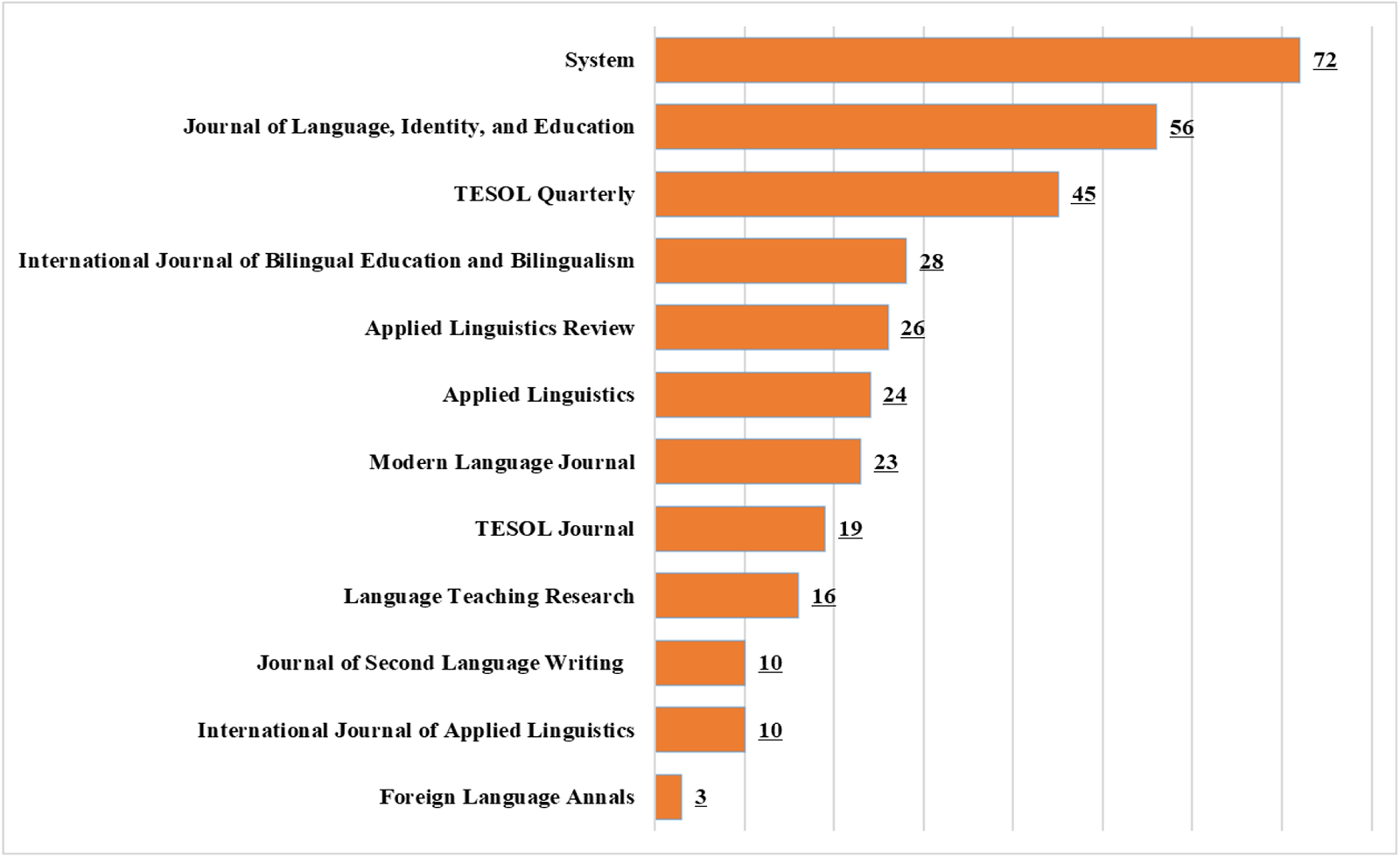
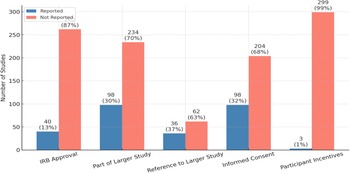
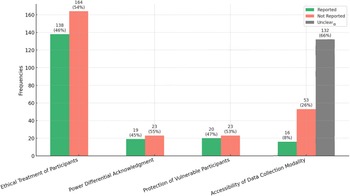
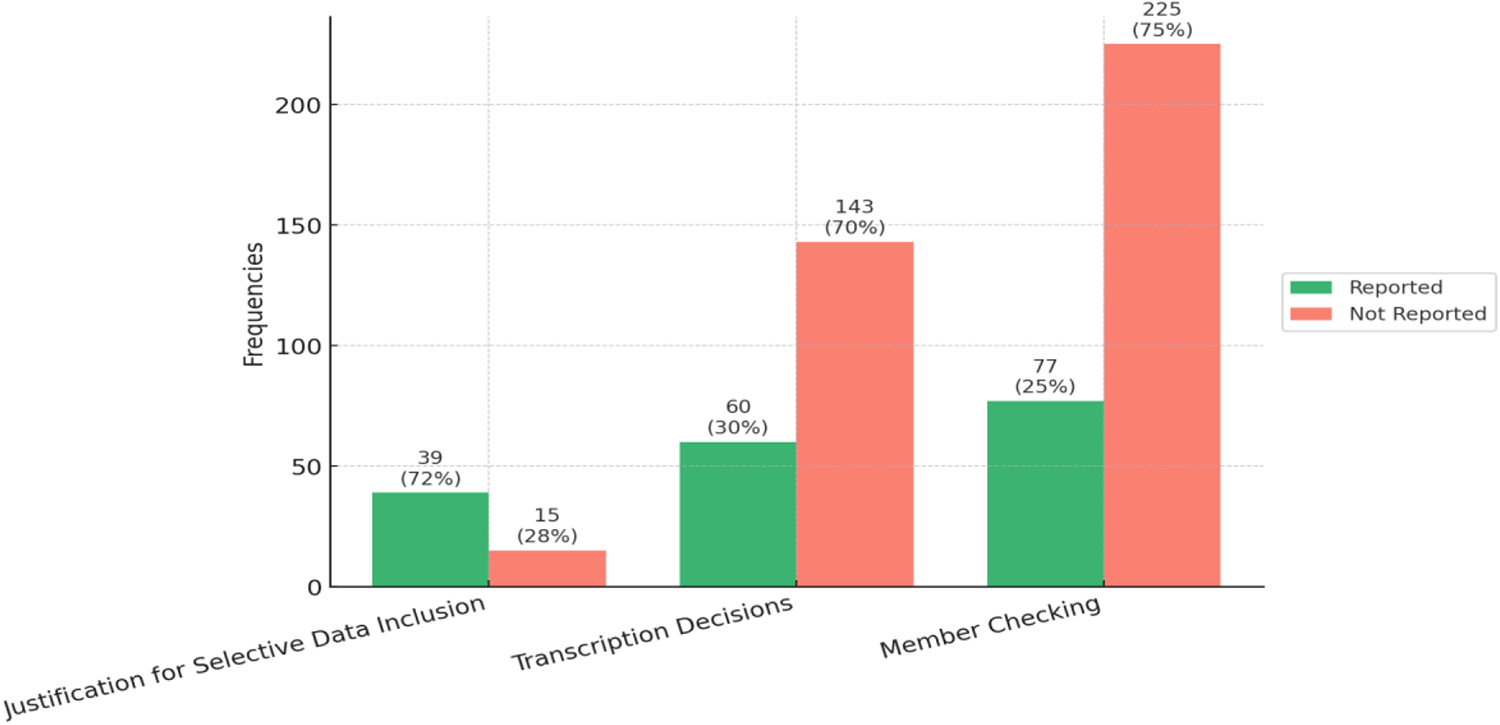
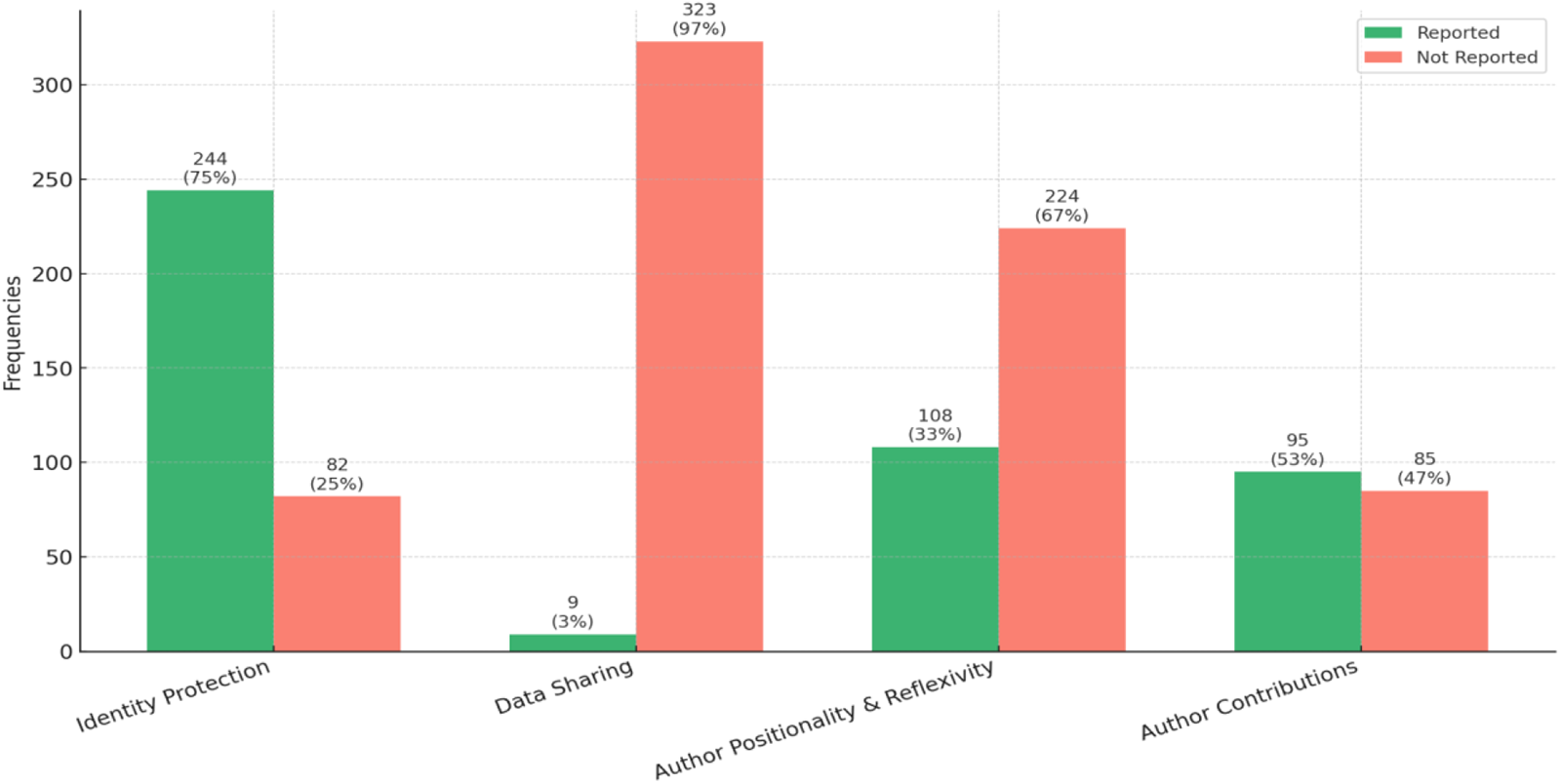

 Open access

