





Introduction
Ectoparasites play a key role in maintaining sylvatic cycles of eukaryotic vector-borne pathogens (VBPs, hereafter), facilitating their development and propagation across diverse ecological and geographical landscapes (Benelli and Nathan, Reference Benelli and Senthil-Nathan2019; Weitzel et al., Reference Weitzel, Makepeace, Elliott, Chaisiri, Richards and Newton2020). The spectrum of eukaryotic parasites that might be transmitted by fleas (Ceratophyllidae, Hystrichopsyllidae and Pulicidae), lice (Hoplopleuridae and Haematopinidae), mites (Laelapidae), ticks (Ixodidae) and triatomines (Reduviidae) include apicomplexans such as Babesia spp. and Hepatozoon spp., as well as onchocercid filarial nematodes (e.g. Cercopithifilaria, Cherylia, Cruorifilaria, Monanema, Yatesia and Acanthocheilonema), among other VBPs (Smith, Reference Smith1996; Jalovecka et al., Reference Jalovecka, Sojka, Ascencio and Schnittger2019; Schnittger et al., Reference Schnittger, Ganzinelli, Bhoora, Omondi, Nijhof and Florin-Christensen2022; Špitalská et al., Reference Špitalská, Minichová, Hamšíková, Stanko and Kazimírová2022; Gruntmeir et al., Reference Gruntmeir, Kelly, Ramos and Verocai2023; Thomas et al., Reference Thomas, Santodomingo, Saboya-Acosta, Quintero-Galvis, Moreno, Uribe and Muñoz-Leal2024; Ajileye et al., Reference Ajileye, Verocai and Light2025). These parasites typically have complex life cycles involving vertebrates and ectoparasites, often resulting in health impairments and economic impact on humans, and companion and wild animals (Jalovecka et al., Reference Jalovecka, Sojka, Ascencio and Schnittger2019; Schnittger et al., Reference Schnittger, Ganzinelli, Bhoora, Omondi, Nijhof and Florin-Christensen2022; Gruntmeir et al., Reference Gruntmeir, Kelly, Ramos and Verocai2023; Thomas et al., Reference Thomas, Santodomingo, Saboya-Acosta, Quintero-Galvis, Moreno, Uribe and Muñoz-Leal2024; Ajileye et al., Reference Ajileye, Verocai and Light2025). Examples include babesioses in humans and animals (caused by Babesia spp.), while cutaneous disorders (caused by nematodes), theilerioses (caused by piroplasms) and hepatozoonosis (caused by Hepatozoon spp.) affect wild and domestic animals (Jalovecka et al., Reference Jalovecka, Sojka, Ascencio and Schnittger2019; Schnittger et al., Reference Schnittger, Ganzinelli, Bhoora, Omondi, Nijhof and Florin-Christensen2022; Gruntmeir et al., Reference Gruntmeir, Kelly, Ramos and Verocai2023; Thomas et al., Reference Thomas, Santodomingo, Saboya-Acosta, Quintero-Galvis, Moreno, Uribe and Muñoz-Leal2024; Ajileye et al., Reference Ajileye, Verocai and Light2025).
Among apicomplexans, the genus Hepatozoon stands out as an intriguing yet understudied group in many regions of the Americas (Thomas et al., Reference Thomas, Santodomingo, Saboya-Acosta, Quintero-Galvis, Moreno, Uribe and Muñoz-Leal2024). Unlike most VBPs, which infect vertebrates via direct ectoparasite bites, transmission of Hepatozoon spp. occurs primarily when the hosts ingest arthropods harbouring mature Hepatozoon oocysts (Smith, Reference Smith1996; Thomas et al., Reference Thomas, Santodomingo, Saboya-Acosta, Quintero-Galvis, Moreno, Uribe and Muñoz-Leal2024). Once released in the hosts’ gut, Hepatozoon sporozoites migrate to target organs such as the liver, spleen and kidneys. Hepatozoon species exhibit a dioxenic life cycle, alternating between a wide range of vertebrate intermediate hosts (mammals, reptiles, amphibians and birds), where asexual reproduction takes place, and diverse ectoparasites (e.g. fleas, flies, lice, mites, mosquitos, ticks and triatomines), which serve as definitive hosts, where sexual maturation and reproduction occur (Smith, Reference Smith1996; Telford, Reference Telford2009; Baneth, Reference Baneth2011; Thomas et al., Reference Thomas, Santodomingo, Saboya-Acosta, Quintero-Galvis, Moreno, Uribe and Muñoz-Leal2024). These vector–host associations vary by host taxon; for example, in rodents, Hepatozoon spp. are typically transmitted by mites, fleas and lice, whereas in lizards, triatomines can act as vectors (Smith, Reference Smith1996; Telford, Reference Telford2009; Thomas et al., Reference Thomas, Santodomingo, Saboya-Acosta, Quintero-Galvis, Moreno, Uribe and Muñoz-Leal2024).
The molecular systematics of VBPs, including Hepatozoon, traditionally relies on the analysis of the small subunit ribosomal RNA (SSU, 18S rRNA) gene (Pinto et al., Reference Pinto, Kalko, Cottontail, Wellinghausen and Cottontail2012; Jalovecka et al., Reference Jalovecka, Sojka, Ascencio and Schnittger2019; Hrazdilová et al., Reference Hrazdilová, Rybářová, Široký, Votýpka, Zintl, Burgess, Steinbauer, Žákovčík and Modrý2020, Reference Hrazdilová, Červená, Blanvillain, Foronda and Modrý2021; Thomas et al., Reference Thomas, Santodomingo, Saboya-Acosta, Quintero-Galvis, Moreno, Uribe and Muñoz-Leal2024). The conserved nature of this gene, interspersed with variable (V1, V3, V5, V7 and V8) and hypervariable (V2, V4 and V9) regions, allows for taxonomic resolution across diverse eukaryotic lineages (Hadziavdic et al., Reference Hadziavdic, Lekang, Lanzen, Jonassen, Thompson and Troedsson2014; Jalovecka et al., Reference Jalovecka, Sojka, Ascencio and Schnittger2019; Davidov et al., Reference Davidov, Iankelevich-Kounio, Yakovenko, Koucherov, Rubin-Blum and Oren2020; Reisoglu et al., Reference Reisoglu, Cati, Yurtsever and Aydin2024; Suárez et al., Reference Suárez, Vargas-Soler, Manosalva-Arciniegas, Becerra-González, Ramirez, Cáceres, Luna, Ramírez and Paniz-Mondolfi2024; Thomas et al., Reference Thomas, Santodomingo, Saboya-Acosta, Quintero-Galvis, Moreno, Uribe and Muñoz-Leal2024). The V4 region is highly valued in large-scale biodiversity studies due to its optimal balance of taxonomic resolution, primers with broad taxonomic coverage and strong database representation (Hadziavdic et al., Reference Hadziavdic, Lekang, Lanzen, Jonassen, Thompson and Troedsson2014). In contrast, the adjacent V5 region, though shorter and less variable, complements V4 by improving amplification consistency and sequence reliability, making the V4–V5 combination a useful target for eukaryotic profiling (Hadziavdic et al., Reference Hadziavdic, Lekang, Lanzen, Jonassen, Thompson and Troedsson2014).
Although high-throughput sequencing (HTS) is increasingly used for microbial surveillance and biodiversity studies, its use for exploring VBPs diversity in South America remains limited, with research focusing mainly on ticks and triatomines (Patiño et al., Reference Patiño, Castillo-Castañeda, Muñoz, Jaimes, Luna-Niño, Hernández, Ayala, Fuya, Mendez, Hernández-Pereira, Delgado, Sandoval-Ramírez, Urbano, Paniz-Mondolfi and Ramírez2021; Martínez et al., Reference Martínez, Gómez, De Las Salas, Hernández, Zamora Flórez, Muñoz and Ramírez2023; Cruz-Saavedra et al., Reference Cruz-Saavedra, Ospina, Patiño, Villar, Sáenz Pérez, Cantillo-Barraza, Jaimes-Dueñez, Ballesteros, Cáceres, Vallejo and Ramírez2024; Ossa-López et al., Reference Ossa-López, Ramírez-Chaves, Álvarez López, Castaño Villa and Rivera-Páez2024), and no studies are available for other ectoparasites of medical and veterinary relevance, such as fleas, lice and mites. Collecting baseline data on VBPs in these groups is the first step for detecting new pathogens before disease outbreaks occur in animals and/or people, particularly in understudied areas (Cannon et al., Reference Cannon, Bogale, Bhalerao, Keita, Camara, Barry, Keita, Coulibaly, Kone, Doumbo, Thera, Plowe, Travassos, Irish, Yeroshefsky, Dorothy, Prendergast, St. Laurent, Fritz and Serre2021).
Among HTS platforms, Oxford Nanopore Technologies (ONT, hereafter) offers distinct advantages, including portability, affordability, real-time data generation and the capacity to handle large sample sets with minimal infrastructure, making it well-suited for working in diverse field settings (Santos et al., Reference Santos, van Aerle, Barrientos and Martinez-Urtaza2020; Regueira-Iglesias et al., Reference Regueira-Iglesias, Balsa-Castro, Blanco-Pintos and Tomás2023; Tamames et al., Reference Tamames, Jiménez-Lalana, Redondo, Martínez-García and de Los Rios2024). Unlike Sanger sequencing, which is limited to detecting specific targets and has low throughput, or Illumina, which restricts amplicon length (typically <500 base pairs [bp, hereafter]), for efficient paired-end sequencing, ONT allows the simultaneous detection of multiple parasite lineages across many samples using longer DNA fragments (Santos et al., Reference Santos, van Aerle, Barrientos and Martinez-Urtaza2020; Patiño et al., Reference Patiño, Castillo-Castañeda, Muñoz, Jaimes, Luna-Niño, Hernández, Ayala, Fuya, Mendez, Hernández-Pereira, Delgado, Sandoval-Ramírez, Urbano, Paniz-Mondolfi and Ramírez2021; Regueira-Iglesias et al., Reference Regueira-Iglesias, Balsa-Castro, Blanco-Pintos and Tomás2023; Cruz-Saavedra et al., Reference Cruz-Saavedra, Ospina, Patiño, Villar, Sáenz Pérez, Cantillo-Barraza, Jaimes-Dueñez, Ballesteros, Cáceres, Vallejo and Ramírez2024). In this study, we applied a nanopore amplicon-based sequencing approach targeting a long fragment of the 18S rRNA gene, using universal eukaryotic primers to explore and characterize the diversity of VBPs in Chile. To this end, we analysed fleas, lice, mites, ticks and triatomine samples collected over 10 years from the environment and from vertebrate hosts across the country.
Materials and methods
Collection and processing of ectoparasites
Between 2013 and 2023, 6047 ectoparasites were recovered from the environment and from 11 vertebrate host species from 23 localities across Chile (Fig. 1 and Supplementary Table S1). The hosts comprised 6 wild species from the genera Abrothrix and Loxodontomys (Rodentia: Cricetidae), Scelorchilus (Passeriformes: Rhinocryptidae) and Spheniscus (Sphenisciformes: Spheniscidae); 3 invasive species from the genera Rattus (Rodentia: Cricetidae) and Neogale (Carnivora: Mustelidae); and 1 domestic species from the genus Felis (Carnivora: Felidae) (Table S2). Upon collection, ectoparasites were stored at −80 °C until processing.
Map of Chile showing the geographic locations of ectoparasite collection sites, covering northern, central and southern regions. Abbreviations: NP, National Park; NR, National Reserve. Maps were designed with Quantum Geographic Information System (QGIS) 3.34.0-Prizren (https://www.Gnu.Org/licenses). Arthropod silhouettes were obtained from the PhyloPic portal (https://www.Phylopic.Org/) (accessed on April 4th, 2025).

Figure 1 Long description
Geographic map of Chile displaying ectoparasite sampling locations collected between 2013 and 2023. Sites span multiple latitudes and include Llanos de Challe National Park, Altos de Lircay National Reserve, Conguillío National Park, and Alerce Costero National Park. Symbols denote collection points for fleas, lice, mites, ticks, and triatomines from rodents, birds, carnivores, and environmental settings. Geographic coordinates allow precise localization along Chile’s latitudinal gradient.
Ectoparasites were identified using specific taxonomic keys for fleas (Johnson, Reference Johnson1957), lice (Kim et al., Reference Kim, Pratt and Stojanovich1986), mites (Brennan and Goff, Reference Brennan and Goff1977; Stekolnikov and González-Acuña, Reference Stekolnikov and González-Acuña2015; Silva-De La Fuente et al., Reference Silva-De La Fuente, Stekolnikov, Weitzel, Beltrami, Martínez-Valdebenito, Abarca and Acosta-Jamett2021), ticks (Nava et al., Reference Nava, Venzal, González-Acuña, Martins and Guglielmone2017) and triatomines (Lent and Wygodzinsky, Reference Lent and Wygodzinsky1979; Frias et al., Reference Frias, Henry and Gonzalez1998; Frías-Lasserre, Reference Frías-Lasserre2010). From the collected ectoparasites, 117 were processed individually for molecular analyses, including 43 fleas from 9 species (Chiliopsylla allophyla, Ctenocephalides felis, Ctenoparia inopinata, Leptopsylla segnis, Neotyphloceras sp., Nosopsyllus fasciatus, Parapsyllus sp., Pulex irritans and Sphinctopsylla araes), 4 lice (Polyplax spinulosa), 46 ticks (Amblyomma parvitarsum) and 24 triatomines from 3 species (Mepraia parapatrica, Mepraia spinolai and Triatoma infestans). In contrast, the 5930 mites were grouped into 43 pools according to mite species (Derrickiella expansus, Herpetacarus sp., Ornithonyssus sp. and Quadraseta sp.) and their associated vertebrate host species. Table S2 presents the sample origin, host species and ectoparasite taxonomic classification.
DNA extraction
Ectoparasites were initially washed with 1% hypochlorite for 30 sec, followed by 3 washes with nuclease-free water (Promega, Madison, WI, USA) for 1 min each to eliminate external nucleic acids and surface contaminants (Lejal et al., Reference Lejal, Estrada-Peña, Marsot, Cosson, Rué, Mariadassou, Midoux, Vayssier-Taussat and Pollet2020). Then, depending on the ectoparasite group, they were crushed either individually or in pools using sterile pestles as indicated previously. Genomic DNA of ectoparasites was extracted using the DNeasy Blood & Tissue Kit (QIAGEN, Hilden, Germany), following the manufacturer’s guidelines. The DNA was eluted in 40 μL buffer AE from the same kit. To account for potential contamination, we included DNA extraction blanks for each ectoparasite group, which were processed alongside the samples during washing, homogenization, DNA extraction, amplification and sequencing. DNA extraction and subsequent quality assessments for each ectoparasite group were conducted on separate days and in different laboratory rooms to prevent cross-contamination. The quantity and purity of DNA were measured using an Epoch Microplate Spectrophotometer (BioTek Instruments, Inc., Winooski, VT, USA). DNA purity was assessed using A260/A280 and A260/A230 absorbance ratios, following Khare et al. (Reference Khare, Raj, Chandra and Agarwal2014) and Thermo Fisher Scientific (2009), respectively. Only samples with purity values of 1.8–2.0 for A260/A280 and 1.8–2.2 for A260/A230 were retained for further analyses.
Nanopore sequencing
Before sequencing, DNA eluates from ectoparasites and the extraction blanks were amplified by conventional PCR (cPCR) using universal primers 566-F (5′-CAGCAGCCGCGGTAATTCC-3′) and 1289-R (5′-ACTAAGAACGGCCATGCACC-3′), which have been validated for eukaryotic DNA profiling in previous HTS studies (Hadziavdic et al., Reference Hadziavdic, Lekang, Lanzen, Jonassen, Thompson and Troedsson2014; Davidov et al., Reference Davidov, Iankelevich-Kounio, Yakovenko, Koucherov, Rubin-Blum and Oren2020; Reisoglu et al., Reference Reisoglu, Cati, Yurtsever and Aydin2024; Suárez et al., Reference Suárez, Vargas-Soler, Manosalva-Arciniegas, Becerra-González, Ramirez, Cáceres, Luna, Ramírez and Paniz-Mondolfi2024). These primers amplify an internal region of the 18S rRNA gene (∼723 bp), spanning from the V4 region to the beginning of the V7 region.
The suitability of primers 566-F/1289-R for this study was assessed in silico with the Primer-BLASTn tool (https://www.ncbi.nlm.nih.gov/tools/primer-blast/) and the SILVA TestPrime (https://www.arb-silva.de/testprime) against representative Apicomplexa and Nematoda sequences, prior to experimental amplification. After confirming their in silico performance, with no mismatches detected, the primers were empirically validated using Hepatozoon canis DNA (GenBank accession number OR814218) as a positive control. This control was used solely to confirm amplification and was not subjected to sequencing.
PCR reactions were performed on a SimpliAmp thermal cycler (Thermo Fisher Scientific, Waltham, MA). Each reaction had a final volume of 12.5 µL, consisting of 6.25 µL of LongAmp Taq 2X Master Mix (catalogue number M0287S; New England BioLabs Inc., Ipswich, MA), 1.25 µL of each primer (0.4 µM), 2.25 µL of ultrapure water and 1.5 µL of template DNA. No template controls included ultrapure nuclease-free water instead of template DNA. PCR products were purified using AMPure XP beads (Beckman Coulter) and quantified using the Qubit dsDNA High Sensitivity Assay (Life Technologies) on a Qubit 3.0 fluorometer to ensure sufficient double-stranded DNA yield for sequencing.
Purified PCR products were then used to prepare 2 independent libraries for sequencing with the SQK-LSK114 Native Barcoding Kit (ONT), following the manufacturer’s instructions. The process included end-repair and A-tailing of the PCR products using the NEBNext® Ultra™ II End Repair/dA-Tailing Module Kit, barcoding with the kit’s barcodes and adapter ligation using the NEBNext® Quick Ligation Module. Libraries were loaded onto 2 R10.4.1 flow cells, adding bovine serum albumin (Invitrogen™ UltraPure™ BSA 50 mg/ml) as recommended, and were sequenced for 72 h in June 2023 using 2 MinION MK1C devices running MinKNOW software v22.10.7. Seventy-three samples plus four no-template controls were loaded into 1 flow cell, while 92 samples plus 3 no-template controls were loaded into the other.
Bioinformatic analyses
Data processing and quality filtering
Considering that the available bioinformatic pipelines for nanopore metabarcoding datasets, such as NanoCLust (Rodríguez-Pérez et al., Reference Rodríguez-Pérez, Ciuffreda and Flores2021), NanoASV (Cousson et al., Reference Cousson, Mahé, Guyet, Razafimahafaly and Bernard2025) and PRONAME (Dubois et al., Reference Dubois, Delitte, Lengrand, Bragard, Legrève and Debode2024), are optimized for full-length amplicons or reads typically exceeding 1000 bp, and the expected sequence length with the selected primers was ∼723 bp, we developed and implemented a comprehensive bioinformatics workflow using multiple open-source tools to analyse our sequencing data (Supplementary Figure S1).
FAST5 files were processed with Guppy v6.5.7, using the Super Accuracy model to ensure high-fidelity basecalling (decoding the signal to its corresponding bases), retaining only reads with a Phred quality score (Q-score) ≥ 10. Basecalled reads were subsequently demultiplexed using sample-specific barcodes. Only reads with barcodes at both ends were retained. The resulting FASTQ files were then concatenated by barcode, and an initial quality evaluation was conducted using NanoPlot v1.42.0 (De Coster et al., Reference De Coster, D’Hert, Schultz, Cruts and Van Broeckhoven2018). Adapters and chimeric reads were removed using Porechop v0.2.4 (https://github.com/rrwick/Porechop).
Enzyme amplification dropout, potential mutations, insertions or deletions introduced during PCR amplification, nanopore sequencing errors and natural heterogeneity in the DNA can result in variable read lengths (Acinas et al., Reference Acinas, Sarma-Rupavtarm, Klepac-Ceraj and Polz2005; Delahaye and Nicolas, Reference Delahaye and Nicolas2021; Sultanov and Hochwagen, Reference Sultanov and Hochwagen2022). To address these issues, we applied length-based filtering with fastp v0.23.4 (Chen et al., Reference Chen, Zhou, Chen and Gu2018), retaining reads within the 577–831 bp range. This range covered the target DNA region (∼723 bp), including the hypervariable IV and variable V regions of the 18S rRNA gene (∼577 bp; Hadziavdic et al., Reference Hadziavdic, Lekang, Lanzen, Jonassen, Thompson and Troedsson2014), with an additional 15% margin. This strategy ensured the inclusion of biologically relevant reads while minimizing off-target sequences and artefacts.
PCR primers were removed using Cutadapt v3.3 (Martin, Reference Martin2011), which was configured to detect primers at both ends and within reads, including their reverse complements (‘--rc’ option), to account for the bidirectional nature of nanopore sequencing. Reads with primers located in the middle of the sequence were discarded. An error tolerance of 25% (−e 0.25) was applied to account for sequencing and PCR errors. The ‘--times 6’ parameter was used to iteratively remove multiple primer occurrences. After primer trimming, a second quality check was conducted using NanoPlot (De Coster et al., Reference De Coster, D’Hert, Schultz, Cruts and Van Broeckhoven2018). Quality metrics from both NanoPlot analyses were aggregated and summarized with MultiQC v1.24.1 (Ewels et al., Reference Ewels, Magnusson, Lundin and Käller2016).
Taxonomic analysis and genetic characterization
Sections 2.4.2
Taxonomic classification was performed using Kraken2 v2.0.9 (Wood et al., Reference Wood, Lu and Langmead2019) using the non-redundant (nr) SILVA Ref NR 138.2 reference database (Quast et al., Reference Quast, Pruesse, Yilmaz, Gerken, Schweer, Yarza, Peplies and Glöckner2013) obtained from the ARB-SILVA portal (https://www.arb-silva.de/browser/) (Figure S1), which includes a set of 56 826 curated 18S rDNA sequences. Kraken2 assigns taxonomic labels by comparing sub-sequences (k-mers) of the reads to those in the reference database. The 18S rDNA dataset was indexed for Kraken2 with the parameters ‘--kmer-len 35’, ‘--minimizer-len 31’ and ‘--minimizer-spaces 6’ to balance computational efficiency and classification accuracy (Peterson et al., Reference Peterson, Alexander, Chen, Adam, Walker, Ali, Forbes, Taboada, Barker, Graham, Knox and Reimer2022) (for details, see Additional file: Kraken2_indexing_script.sh).
To improve the reliability of taxonomic classifications and reduce misassignments, we applied additional parameters: ‘--confidence 0.1’ and ‘--minimum-hit-groups 3’, following the Kraken2 handbook (https://github.com/DerrickWood/kraken2/wiki/Manual) and Lu et al. (Reference Lu, Rincon, Wood, Breitwieser, Pockrandt, Langmead, Salzberg and Steinegger2022). This confidence threshold ensures that taxonomic labels are only assigned with at least 10% confidence, while the second parameter guarantees that at least 3 independent sets of k-mers match the reference sequence before a taxonomic label is assigned.
Taxonomic classifications were visualized using the Pavian web application (https://fbreitwieser.shinyapps.io/pavian/), and the results were exported in tabular format (see Figure S1). Only assignments related to ectoparasite-transmitted VBPs at the family or genus level were retained, including those based on a single read. Although such taxonomic assignments are typically considered unreliable, they were included for exploratory purposes, particularly to detect potentially rare or undescribed taxa and highlight areas of possible occurrence. To further validate Kraken2 classifications, taxonomic identifications supported by <20 reads (low-read assignments, hereafter) were subjected to BLAST (https://blast.ncbi.nlm.nih.gov/Blast.cgi) comparisons against the NCBI nr nucleotide database.
We compiled BLAST alignment threshold criteria reported across multiple studies that evaluated inter- and intra-genus nucleotide variation in several eukaryotic taxa, including Apicomplexa and Nematodes (Inokuma et al., Reference Inokuma, Okuda, Ohno, Shimoda and Onishi2002; Dunthorn et al., Reference Dunthorn, Klier, Bunge and Stoeck2012; Newell et al., Reference Newell, Fricker, Roco, Chandrangsu and Merkel2013; Pearson, Reference Pearson2013; Hugerth et al., Reference Hugerth, Muller, YOO, Lebrun, Roume, Lundin, Wilmes and Andersson2014; Wu et al., Reference Wu, Xiong and Yu2015; Rozej-Bielicka et al., Reference Rozej-Bielicka, Masny and Golab2017; Bazinet et al., Reference Bazinet, Ondov, Sommer and Ratnayake2018; Davidov et al., Reference Davidov, Iankelevich-Kounio, Yakovenko, Koucherov, Rubin-Blum and Oren2020; Squarre et al., Reference Squarre, Nakamura, Hayashida, Kawai, Chambaro, Namangala, Sugimoto and Yamagishi2020; Murillo-Solano et al., Reference Murillo-Solano, López-Domínguez, Gongora, Rojas-Gulloso, Usme-Ciro, Perdomo-Balaguera, Herrera, Parra-Henao and Dumonteil2021; Patiño et al., Reference Patiño, Castillo-Castañeda, Muñoz, Jaimes, Luna-Niño, Hernández, Ayala, Fuya, Mendez, Hernández-Pereira, Delgado, Sandoval-Ramírez, Urbano, Paniz-Mondolfi and Ramírez2021; Santodomingo et al., Reference Santodomingo, Robbiano, Thomas, Parragué-Migone, Cabello-Stom, Vera-Otarola, Valencia-Soto, Moreira-Arce, Moreno, Hidalgo-Hermoso and Muñoz-Leal2022a; Alkathiri et al., Reference Alkathiri, Lee, Ahn, Youn, Yoo, Lee, Cho, Jung, Seo, Kim, Umemiya-Shirafuji, Xuan, Kwak, Shin and Lee2024; Cruz-Saavedra et al., Reference Cruz-Saavedra, Ospina, Patiño, Villar, Sáenz Pérez, Cantillo-Barraza, Jaimes-Dueñez, Ballesteros, Cáceres, Vallejo and Ramírez2024; Gaonkar and Campbell, Reference Gaonkar and Campbell2024; Wang et al., Reference Wang, Schneider, Hartke, Ballauff, de Melo Moura, Schulz, Li, Polle, Daniel, Gailing, Irawan, Scheu and Krashevska2024; Freitas et al., Reference Freitas, de Teixeira, Machado, Pinto, Oliveira, Varella, Santos, Santos, Tiepolo, Massard and Peckle2025). Taking these threshold criteria into account, we implemented the following cut-offs to validate low-read assignments and consensus sequences at the genus level using MEGABLAST: ≥95% identity, ≥98% query coverage, E values ≤0, bit scores ≥50 and bit-score differences ≥32 between the top hit (target taxon) and the best alternative hit (non-target taxon). MEGABLAST is optimized for the high-speed alignment of closely related sequences, demonstrating optimal performance when sequence identity is ≥95% (https://blast.ncbi.nlm.nih.gov/Blast.cgi). When multiple matches shared alignment statistics, we selected the top-listed hit as the matching sequence because it reflects the best overall alignment according to the algorithm’s ranking. Kraken2 unclassified reads were analysed via BLAST using the algorithm and criteria threshold outlined above (see MEGABLAST.sh script). These cut-offs and criteria were utilized for all BLAST analyses.
For downstream analyses, including infection rate (IR) estimates, read abundance and consensus sequence generation for each sample, only samples with at least 20 quality-filtered reads (Q-score ≥15) assigned to a target taxon and with no detection in negative controls were included. This threshold was selected to minimize random sequencing errors and ensure reliable consensus accuracy, as previous studies demonstrate that 5–50 nanopore reads (5–50X) are generally sufficient to produce stable and accurate consensus sequences, ensuring confidence in taxonomic identification (Loman et al., Reference Loman, Quick and Simpson2015; Radhakrishnan et al., Reference Radhakrishnan, Cook, Bueno-Sancho, Lewis, Persoons, Mitiku, Heaton, Davey, Abeyo, Alemayehu, Badebo, Barnett, Bryant, Chatelain, Chen, Dong, Henriksson, Holdgate, Justesen, Kalous, Kang, Laczny, Legoff, Lesch, Richards, Randhawa, Thach, Wang, Hovmøller, Hodson and Saunders2019; Davidov et al., Reference Davidov, Iankelevich-Kounio, Yakovenko, Koucherov, Rubin-Blum and Oren2020; Espada et al., Reference Espada, Zarevski, Dramé-Maigné and Rondelez2022). Besides, recent empirical evaluations of updated ONT sequencing using R10.4.1 flow cells with Kit 14 chemistry indicate that cross-sample artefacts, including barcode misassignment and/or index crosstalk, are typically low (≈0.002–0.05%) under stringent dual-end demultiplexing conditions (Goraichuk and Suarez, Reference Goraichuk and Suarez2025; Kuba et al., Reference Kuba, Takemae, Kawato, Oba, Taniguchi and Kageyama2025).
Consensus sequence generation and variant search
Section 2.4.3
We implemented several error correction steps during consensus sequence assembly and variant identification (Figure S2). After identifying samples with reads assigned to the genus Hepatozoon, we extracted the corresponding reads using the ‘awk’ utility based on their taxonomic identifiers. Only samples with ≥20 reads and Q-score ≥15 were used for consensus sequence assembly (Loman et al., Reference Loman, Quick and Simpson2015; Radhakrishnan et al., Reference Radhakrishnan, Cook, Bueno-Sancho, Lewis, Persoons, Mitiku, Heaton, Davey, Abeyo, Alemayehu, Badebo, Barnett, Bryant, Chatelain, Chen, Dong, Henriksson, Holdgate, Justesen, Kalous, Kang, Laczny, Legoff, Lesch, Richards, Randhawa, Thach, Wang, Hovmøller, Hodson and Saunders2019; Davidov et al., Reference Davidov, Iankelevich-Kounio, Yakovenko, Koucherov, Rubin-Blum and Oren2020; Espada et al., Reference Espada, Zarevski, Dramé-Maigné and Rondelez2022). Quality filtering was performed using NanoFilt v2.8.0 (De Coster et al., Reference De Coster, D’Hert, Schultz, Cruts and Van Broeckhoven2018), with the threshold determined based on average read quality evaluated using NanoPlot, and the results summarized in MultiQC.
Consensus sequence refinement was performed iteratively using a multi-step approach optimized for Nanopore data. High-quality reads were aligned to the Hepatozoon 18S rDNA reference sequence (MH615006) using Minimap2 v2.28-r1209 (Li, Reference Li2018). To ensure high-confidence alignments, we applied a mapping quality (MAPQ) filter using Samtools v1.21 (Danecek et al., Reference Danecek, Bonfield, Liddle, Marshall, Ohan, Pollard, Whitwham, Keane, McCarthy and Davies2021), retaining only reads with MAPQ ≥ 60 to exclude low-confidence mappings (Ruiz-Reche et al., Reference Ruiz-Reche, Srivastava, Indi, I and Eyras2019).
A draft consensus sequence was generated using Racon v1.50 (Vaser et al., Reference Vaser, Sović, Nagarajan and Šikić2017), which iteratively aligns sequencing reads to a reference while correcting base-level errors. Three rounds of refinement were performed, each using the previous consensus as a new reference to progressively improve the accuracy and reliability of the initial draft sequence. Medaka v2.0.1, a neural network-based polishing tool, was employed using the r1041_e82_400bps_sup_v5.0.0 correction model to eliminate systematic errors and produce a high-quality consensus (https://github.com/nanoporetech/medaka).
Consensus sequences were aligned using MAFFT v7.308 (https://mafft.cbrc.jp/alignment/server/index.html) with the G-INS-i strategy, as implemented by Thomas et al. (Reference Thomas, Santodomingo, Saboya-Acosta, Quintero-Galvis, Moreno, Uribe and Muñoz-Leal2024). To retain conserved orthologous positions and eliminate poorly aligned positions or unsupported insertions, the alignment was refined with Gblocks v0.91b (Castresana, Reference Castresana2000; Talavera and Castresana, Reference Talavera and Castresana2007) using default parameters. This approach reduced the impact of non-orthologous positions and sequencing artefacts, ensuring a more reliable dataset for genetic analyses. Final sequences were then validated via BLAST comparisons, applying the threshold criteria previously described (see Section 2.4.2).
Variant identification
Considering the intraspecific variation in Hepatozoon canis 18S rDNA sequences, which includes up to 3 distinct types and 10 unique subtypes of 18S rDNA copies (Léveillé et al., Reference Léveillé, Baneth and Barta2019), we performed a genetic variant analysis using the Medaka variant module (Figure S2). Consensus sequences were aligned to the high-quality filtered FASTQ reads, applying the r1041_e82_400bps_sup_variant_v5.0.0 correction model to infer true single-nucleotide polymorphisms (SNPs) and insertions or deletions (indels). The resulting Variant Call Format files were analysed with Bcftools (Danecek et al., Reference Danecek, Bonfield, Liddle, Marshall, Ohan, Pollard, Whitwham, Keane, McCarthy and Davies2021) to identify and confirm high-confidence variants (Figure S2).
To facilitate the reproducibility of our analysis, we developed a set of Bash scripts specifically designed for 18S rRNA nanopore amplicon-based sequencing (<1000 bp), which are available in the open-source GitHub repository (rthomasshz/nanopore_amplicon_based_sequencing).
Phylogenetic and population genetic analyses
Phylogenetic analysis
In molecular systematics, phylogenies are based on the character states of terminal taxa inferred from their sequences (Felsenstein, Reference Felsenstein1981; Rannala and Yang, Reference Yang1996). While the primary focus is on in-group relationships, out-group sequences are essential for polarizing characters and testing evolutionary hypotheses (Hennig, Reference Hennig1965; Baum and Smith, Reference Baum and Smith2013). Broader taxon sampling improves node resolution, supports character polarization and reduces long-branch attractions (Pollock et al., Reference Pollock, Zwickl, McGuire and Hillis2002; Grant, Reference Grant2019; Santodomingo et al., Reference Santodomingo, Uribe, Lopez and Castro2021; Uribe et al., Reference Uribe, Kelava, Nava, Cotes-Perdomo, Castro, Rivera-Paéz, Perea, Mans, Gofton, Teo, Zardoya and Barker2024). Based on these principles, Hepatozoon consensus sequences were analysed using the phylogenetic framework proposed by Thomas et al. (Reference Thomas, Santodomingo, Saboya-Acosta, Quintero-Galvis, Moreno, Uribe and Muñoz-Leal2024), along with ortholog sequences identified through BLAST comparisons. Multiple sequence alignments were performed following the same alignment parameters and software previously described (see Section 2.4.3).
Phylogenies were inferred using maximum likelihood (ML; Felsenstein, Reference Felsenstein1981) and Bayesian inference (BI; Rannala and Yang, Reference Yang1996; Yang and Rannala, Reference Yang and Rannala1997) methods, following the procedures of Thomas et al. (Reference Thomas, Santodomingo, Saboya-Acosta, Quintero-Galvis, Moreno, Uribe and Muñoz-Leal2024). Both methods use probabilistic models to estimate DNA sequence evolution, accounting for base composition, substitution rates, rate heterogeneity among sites and selective pressures, to ensure robust phylogenetic inferences (Yang, Reference Yang1996; Huelsenbeck et al., Reference Huelsenbeck, Larget and Alfaro2004; Ronquist et al., Reference Ronquist, Teslenko, Van Der Mark, Ayres, Darling, Höhna, Larget, Liu, Suchard and Huelsenbeck2012; Baum and Smith, Reference Baum and Smith2013; Nguyen et al., Reference Nguyen, Schmidt, Von Haeseler and Minh2015). Phylogenetic trees were visualized and edited with FigTree v1.4.1 (http://tree.bio.ed.ac.uk/software/figtree/) and edited in Inkscape v1.1 (https://inkscape.org/es/). The consensus topology combining ML and BI tree outputs was constructed following Santodomingo et al. (Reference Santodomingo, Robbiano, Thomas, Parragué-Migone, Cabello-Stom, Vera-Otarola, Valencia-Soto, Moreira-Arce, Moreno, Hidalgo-Hermoso and Muñoz-Leal2022a).
Haplotype analysis
Aiming to explore broader host-association patterns, we incorporated the new Hepatozoon genotypes into the haplotype framework established by Thomas et al. (Reference Thomas, Santodomingo, Saboya-Acosta, Quintero-Galvis, Moreno, Uribe and Muñoz-Leal2024) to evaluate the haplotype frequencies (HFs) and polymorphisms among consensus sequences at a broader scale. For this, the allelic phase was inferred using the PHASE module in DNAsp v6.12.03 (Rozas et al., Reference Rozas, Ferrer-Mata, Sanchez-delbarrio, Guirao-Rico, Librado, Ramos-Onsins and Sanchez-Gracia2017), which allows grouping of SNPs into distinct haplotypes. Subsequently, standard genetic diversity metrics were calculated, including the number of polymorphic sites (S), haplotypes (H), haplotype diversity (Hd), nucleotide diversity (π) and HFs. Gaps were excluded from the analysis, whereas invariant sites were retained. To contextualize haplotypes recovered from samples, HFs were visualized through a median-joining (MJ) network (Bandelt et al., Reference Bandelt, Forster and Röhl1999) generated with PopART v1.7 (http://popart.otago.ac.nz).
In addition, to explore fine-scale ecological and spatial patterns of Hepatozoon diversity in Chile, we focused on the subset of sequences obtained in this study, along with sequences previously identified from Chilean hosts (Merino et al., Reference Merino, Vásquez, Martínez, Celis-Diez, Gutiérrez-Jiménez, Ippi, Sánchez-Monsalve and Martínez-De La Puente2009; Muñoz-Leal et al., Reference Muñoz-Leal, Lopes, Marcili, Martins, González-Acuña and Labruna2019; Alabí et al., Reference Alabí, Monti, Otth, Sepulveda-García, Perles, Machado, André, Bittencourt and Müller2021; Di Cataldo et al., Reference Di Cataldo, Cevidanes, Ulloa-Contreras, Cabello, Gambino, Gargano, Hidalgo-Hermoso, Latrofa, Napolitano, Sacristán, Salaberry-Pincheira, Vianna, Acosta-Jamett, Vicari, Otranto and Millán2022; Thomas et al., Reference Thomas, Santodomingo, Saboya-Acosta, Quintero-Galvis, Moreno, Uribe and Muñoz-Leal2024), following the same procedures described in the previous paragraph. HFs were examined in relation to biogeographic context. An MJ haplotype network was constructed from Chilean Hepatozoon sequences. The haplotype network was annotated with host associations and paired with a map of Chile displaying the regional occurrence of each haplotype. Sampling sites were plotted using their geographic coordinates and grouped according to the biogeographic regionalization of Chile proposed by Morrone (Reference Morrone2015), which delineates areas based on shared patterns of terrestrial biodiversity and assemblages of endemic species.
Genetic structure of Hepatozoon in Chile
A hierarchical analysis of molecular variance (AMOVA) was performed with ARLEQUIN v3.11 (Excoffier and Lischer, Reference Excoffier and Lischer2010), using Hepatozoon sequences identified from vertebrate and invertebrate hosts in Chile. To evaluate whether host association or biogeography better explains the genetic differentiation of Hepatozoon lineages, we grouped the sequences to test these 2 hypotheses by (1) clustering patterns derived from genetic analyses and the ecological and phylogenetic relationships of the associated Hepatozoon hosts and (2) the biogeographic regionalization of Chile proposed by Morrone (Reference Morrone2015).
Results
Sample processing and sequencing performance
A total of 160 ectoparasite DNA samples were analysed. In total, approximately 1.52 million reads (Mr), corresponding to 1078.14 Mb, were generated from 166 samples, comprising 160 experimental samples and 6 DNA extraction blanks (Table S3). As expected, blank samples produced fewer reads (2558 reads; 0.57 Mb in total). The remaining blank did not yield any reads (see Table S3; flow cell 2, barcode76).
Initial quality checks revealed an average read length of 762 bp and a mean Q-score of 14. After quality filtering and data curation, 163/166 (98.19%) samples yielded ∼1.14 million high-quality reads (788.10 Mb), with an average read length of 696 bp (Table S4). Three experimental samples and 2 DNA extraction blanks rendered no reads after this process (Table S4).
Taxonomic classification
Slightly more than 1.13 million reads (785.01 Mb) were successfully classified (Table S5), while 4494 reads (3.09 Mb) remained unclassified (Table S6). Among unclassified reads, 4199 (93.44%) could not be taxonomically assigned after stringent BLAST, while 11 (0.24%) showed significant similarity to non-target organisms (Table S7). A total of 6082 reads from 26 out of the 160 samples analysed (16.25%) were assigned to the VBPs (Table 1). Of these, 6080 (99.97%) from 25 samples were classified within the genus Hepatozoon, whereas a single read (0.02%) from 1 sample was affiliated with the family Babesiidae (Table 1). Reads assigned only to the Nematoda phylum rank were not retained, as they did not meet the established filtering criteria for VBP detections. The remaining classified reads were associated with ectoparasites and untargeted taxa (Tables S8 and S9). Taxonomic classification of blank sample reads did not resolve to lower taxonomic levels.
Vector-borne parasite reads from ectoparasite samples with sampling and sequencing metadata

Table 1 Long description
Metadata table for 160 ectoparasite sequencing samples. Columns: ectoparasite group, specimen ID, flow cell/barcode, source (wild host or environment), taxonomic classification (class, family, species), specimen count, vertebrate host species, locality, coordinates, total processed reads, and Hepatozoon/Babesiidae read counts. Key findings: Hepatozoon detected in 25 samples across three mite species (Derrickiella expansus, Quadraseta sp., Ornithonyssus sp.) and one triatomine (Mepraia parapatrica). Infection rates: 23.26% in mites, 12.50% in triatomines. One Babesiidae read found in a triatomine.
Although Hepatozoon was detected in 25 samples, only 13 (52%) met the established inclusion criterion of ≥20 reads, qualifying them for IR and read abundance estimates (Table 1). In mites, the global IR of Hepatozoon was 23.26% (10/43 pools), with reads detected in 2 of 7 pools (28.57%) of Ornithonyssus sp., followed by Quadraseta sp. (6/22; 27.27%) and D. expansus (2/13; 15.38%). The read abundance of Hepatozoon also varied between mite pools, accounting for 2.76% (4012/145 335 reads) of the total reads (Table 1). Specifically, D. expansus harboured the highest proportion with 3.30% (1693/51 272 reads), followed by Quadraseta sp. with 2.77% (2242/80 916 reads) and Ornithonyssus sp. with 0.59% (77/13 147 reads). Triatomines, on the other hand, showed a Hepatozoon IR of 12.50% (3/24), with reads detected exclusively in 3 of the 7 M. parapatrica specimens (42.86%), resulting in a Hepatozoon read abundance of 9.44% (2020/21 393 reads) (Table 1).
Regarding low-read count samples (i.e. those below 20 reads), 36 of the 48 reads (76.60%) were confirmed by Kraken2 classification and BLAST analysis, with BLAST validation rates ranging from 50% to 100% across samples (Table 2). Among these, 35 (72.92%) reads assigned to the Hepatozoon genus showed concordance between both methods. Additionally, low read counts derived from mites matched Hepatozoon sequences previously characterized from Abrothrix rodents in Chile, whereas a single read from a flea matched a Hepatozoon sequence previously identified in a Rattus rodent (Table 2). Only a single Hepatozoon read, matching H. canis isolate Thrissur, Kerala (MG543849), did not pass BLAST validation (Table 2). On the other hand, the read initially assigned to the Babesiidae family by Kraken2 was confidently associated with the genus Babesia after BLAST analysis (Table 2).
Summary of BLAST comparison for validation of low-read Kraken2 assignments

Table 2 Long description
Table validating low-read (<20) taxonomic assignments via BLAST. Columns: ectoparasite group/ID, flow cell/barcode, species, Kraken2 read count, BLAST-validated reads, validation rate (%), read length, BLAST subject, alignment metrics (% identity, query cover, E-value, gaps, bit score), bit score difference vs. best alternative hit, and GenBank accessions. Results: 36/48 Hepatozoon assignments (76.60%) confirmed by BLAST; validation rates 50–100%. Mite reads matched Hepatozoon from Chilean Abrothrix rodents; one flea read matched Hepatozoon from Chinese Rattus. One triatomine Babesia read aligned with Babesia microti-like group.
Maximum and minimum values are provided for each BLAST metric when possible (e.g. % identity, query cover, bit score, bit-score difference). Bit-score differences were calculated using the best alternative hit (non-target taxon): Hemolivia sp. isolate 5060 (bit-score: 1057; GenBank accession number KF992714) for reads assigned to Hepatozoon, Theileria sp. HN2 (980; FJ645725) for the Babesiidae read.
* A detailed breakdown of BLAST results per individual read and sample is provided in Supplementary Table S10, where non-validated assignments are also highlighted.
Consensus sequences, variant detection and BLAST analysis
Thirteen samples met the inclusion criterion for consensus sequence generation (≥20 Hepatozoon-assigned reads). After quality filters, 11 high-quality Hepatozoon sequences were successfully assembled. The resulting Hepatozoon sequences had an average length of 710 bp and a mean Q-score of 32 (Table S11). Following refinement with Gblocks, all consensus sequences were of 691 bp. Pairwise comparisons between the 11 Hepatozoon genotypes revealed 4 distinct haplotypes (Table S12). Haplotype 1 (PV776293, PV776297, PV776299 and PV776300) and haplotype 2 (PV776294, PV776295 and PV776296) consisted of identical sequences each and shared 99.86% identity between them. Haplotype 3 (PV776298 sequence) showed 99.71% identity with haplotype 1 and 99.57% with haplotype 2. Haplotype 4 (PV776301, PV776302 and PV776303) also consisted of identical sequences but diverged more strongly from the other haplotypes, showing 97.25% identity with haplotype 1, 97.10% with haplotype 2 and 99.25% with haplotype 3. BLAST validation confirmed that all consensus sequences matched host-derived Hepatozoon 18S rDNA sequences reported from native South American cricetid rodents and invasive geckos, with similarities ranging from 98.78% to 100% (Table 3). No variants were detected among the assembled Hepatozoon consensus sequences.
BLAST comparisons of Hepatozoon consensus sequences generated from reads sequenced from ectoparasite samples

Table 3 Long description
Table presenting BLAST analysis of 11 Hepatozoon consensus sequences (691 bp post-Gblocks refinement) from mite and triatomine samples. Columns: ectoparasite group/ID, barcode/flow cell, sequence length, Q-score, genotype name, NCBI accession (PV776293–PV776303), ectoparasite species, top BLAST match, alignment statistics (99.31–100% identity, 100% query cover, E-value 0), bit scores/differences, matching sequence accessions, and host/country origin. All sequences matched Hepatozoon from South American rodents (Abrothrix spp., Chile) or geckos (Hemidactylus mabouia, Brazil), confirming four distinct haplotypes with pairwise.
Genetic analyses
Evolutionary relationships of Hepatozoon lineages
Phylogenies for ML and BI trees revealed 2 major clades: Clade I predominantly associated with small mammals, birds, amphibians and reptiles (Fig. 2A), and Clade II primarily linked to carnivores (Figure S3). Likewise, the general haplotype network mirrored this phylogenetic structure, revealing a clear correspondence between haplogroups and the 2 major clades (Fig. 2B and Figure S3). Sequences obtained from mites and triatomines clustered exclusively within Clade I. Mite-derived sequences grouped closely with Hepatozoon lineages infecting South American rodents, alongside Hepatozoon sequences from Abrothrix rodents in Chile (Fig. 2A and B; Table S13). Similarly, Hepatozoon associated with triatomines fell within Clade I, forming an independent branch adjacent to Hepatozoon lineages related to both endothermic and ectothermic hosts across South America (Fig. 2A and B).
Phylogenetic and genetic analysis. Panel (A) displays the evolutionary relationships of Hepatozoon spp. Associated with small mammals, birds, amphibians and reptiles (Clade I), highlighting the phylogenetic placement of the Hepatozoon sequences characterized in this study (labelled in navy blue). HL1 and HL2 correspond to closely related subclades within a rodent-associated Hepatozoon complex from Chile, whereas HL3 represents a distinct lineage detected in triatomines. A consensus phylogram was inferred using maximum likelihood (ML) and Bayesian inference (BI) from 270 18S rDNA sequences of Hepatozoon and related haemogregarines, spanning 1985 bp. The best-fit evolutionary models calculated were TVM + F + G4 for ML and M 134, M 85 and M 15 for BI. Node support values include ultrafast bootstrap values >70% for ML (Nguyen et al., Reference Nguyen, Schmidt, Von Haeseler and Minh2015) and Bayesian posterior probabilities ≥0.71 for BI (Huelsenbeck and Rannala, Reference Huelsenbeck and Rannala2004), shown above or below each branch. Asterisks (*) indicate maximum node support for both ML and BI. The scale bar represents nucleotide substitutions per site. Adelina dimidiata was used as an outgroup. The inset tree on the left depicts the complete Hepatozoon phylogeny. A dashed branch symbolizes the connection between this section and the rest of the phylogeny, which is fully illustrated in Supplementary Figure 3. Panel (B) shows the general haplotype network inferred from 143 Hepatozoon 18S rDNA sequences, covering a 409 bp alignment. Hepatozoon haplotypes H8–H9 represent Hepatozoon lineage HL1, while haplotype H12 to lineage HL2 and haplotype H23 to lineage HL3. Hepatozoon haplotype details are provided in Table S13. Silhouettes were obtained from the PhyloPic portal (https://www.Phylopic.Org/) (accessed on April 4th, 2025).

Figure 2 Long description
Panel A: Consensus phylogram inferred via maximum likelihood and Bayesian Inference from 270 Hepatozoon 18S rDNA sequences (1,985 bp). Highlights Clade I associated with small mammals, birds, amphibians, and reptiles. Novel sequences from this study are in navy blue, identifying three lineages (HL1, HL2, HL3). Support values: ultrafast bootstrap (>70%) and posterior probabilities (≥0.71). Panel B: Median-joining haplotype network of 143 sequences (409 bp). H8-H9 represent HL1, H12 represents HL2, and H23 represents HL3. Host silhouettes indicate vertebrate associations.
Haplotype diversity and network structure
Broader polymorphism analysis of Hepatozoon 18S rDNA sequences, including sequences generated in this study and those previously published, yielded 86 haplotypes (Fig. 2A and Table S13), Hd = 0.983 ± 0.002, π = 0.05025 and S = 138. In contrast, local polymorphism analyses produced 19 haplotypes (Fig. 3A and Table S14), with a Hd = 0.913 ± 0.014, π = 0.02773 and S = 64. Specifically, the local haplotype network revealed at least 6 distinct haplogroups (Fig. 3A). Haplotypes H17–H19, associated with native foxes, formed 2 groups within Clade II. The remaining haplotypes were grouped into 4 haplogroups within Clade I (Fig. 3A). Haplotypes H14–H16 formed a group linked to the marsupial Dromiciops gliroides (Microbiotheria: Microbiotheriidae), situated adjacent to the haplotype H13, derived from a soft tick (Ornithodoros atacamensis).
Genetic diversity and ecological patterns of Hepatozoon in Chile. Panel (A) shows a local haplotype network inferred from 38 Hepatozoon 18S rDNA sequences, covering 383 bp alignment. Panel (B) displays a map with the geographic distribution of Hepatozoon haplotypes across Chile, mapped using their geographic coordinates and grouped according to the biogeographic regionalization proposed by Morrone (Reference Morrone2015). Maps were designed with Quantum Geographic Information System (QGIS) 3.34.0-Prizren (https://www.Gnu.Org/licenses). See Supplementary Tables S14 and S15 for details of the left and right panels, respectively.

Figure 3 Long description
Panel A: Median-joining network of 38 Chilean Hepatozoon sequences (383 bp), revealing six haplogroups: H1-H9 (native and invasive rodents, largest group with three subclusters); H10-H12 (foxes and triatomines); H13 (soft tick Ornithodoros atacamensis); H14-H16 (marsupial Dromiciops gliroides); H17-H19 (native foxes). Panel B: Haplotype distribution map aligned with Morrone’s biogeographic provinces (Coquimban, Santiagan, Maule, Valdivian). Clade I haplotypes span multiple ecoregions; Clade II is restricted to central-northern areas.
Nearby, the haplotypes H10–H12 formed a haplogroup composed of haplotypes recovered from foxes and triatomines; however, the overall haplotype network suggested a connection to Hepatozoon lineages linked with reptiles (Fig. 2A and B). The haplotype from O. atacamensis was also grouped with reptile-associated Hepatozoon spp. in the phylogenetic tree (Fig. 2A), although it formed an independent group in the haplotype network. The largest haplogroup consisted of haplotypes H1–H9, primarily associated with both native and invasive rodents (Fig. 3B). Within this haplogroup, we identified 3 well-defined subclusters of closely related haplotypes (H1–H3, H4–H7 and H–H6). Interestingly, haplotypes from Clade I were widely distributed across multiple ecoregions, while Clade II was restricted to the central and northern regions (Fig. 3B).
Genetic differentiation of Hepatozoon in Chile
The first comparison in the AMOVA was conducted using 5 groups of biologically meaningful host-associated categories based on genetic analyses: (1) native rodents, (2) invasive rodents, (3) foxes, (4) marsupials and (5) reptiles. The latter group included haplotypes recovered from foxes, triatomines and 1 soft tick (O. atacamensis), which clustered closely with Hepatozoon lineages previously reported in squamate hosts (Fig. 2A and B). The analysis revealed 12.8% of genetic variation among groups of Hepatozoon, which was statistically significant (F CT = 0.12840; P < 0.01564). In addition, variation among populations within host groups accounted for an even greater proportion of the total variance: 21.50% (F SC = 0.24671; P < 0.01662) (Table S16).
On the other hand, the second model tested was performed by grouping each Hepatozoon haplotype by locality into the 4 biogeographic regions corresponding to Morrone’s provinces (Fig. 3B): Coquimban, Santiagan, Maule and Valdivian Forest. The AMOVA analysis indicated that Morrone’s ecoregional boundaries have a low percentage of genetic variation (0.21%). In contrast, the genetic variation among populations within groups was high: 36.12% (F SC = 0.36194; P < 0.00000) (Table S16).
Discussion
In this study, we applied ONT sequencing to survey VBPs’ diversity within a broad taxonomic scope of ectoparasites, revealing mostly Hepatozoon lineages, with novel host–parasite associations. Despite the increasing accessibility of HTS technologies, the application of these tools to characterize VBPs’ diversity in South American ecosystems remains limited. Nowadays, most regional efforts have concentrated on specific ectoparasite groups (particularly ticks and triatomines) to investigate vector-borne viruses (Martínez et al., Reference Martínez, Gómez, De Las Salas, Hernández, Zamora Flórez, Muñoz and Ramírez2023), vector-borne bacteria (Ossa-López et al., Reference Ossa-López, Ramírez-Chaves, Álvarez López, Castaño Villa and Rivera-Páez2024) or specific VBPs (Patiño et al., Reference Patiño, Castillo-Castañeda, Muñoz, Jaimes, Luna-Niño, Hernández, Ayala, Fuya, Mendez, Hernández-Pereira, Delgado, Sandoval-Ramírez, Urbano, Paniz-Mondolfi and Ramírez2021; Cruz-Saavedra et al., Reference Cruz-Saavedra, Ospina, Patiño, Villar, Sáenz Pérez, Cantillo-Barraza, Jaimes-Dueñez, Ballesteros, Cáceres, Vallejo and Ramírez2024). In contrast, other ectoparasites (such as fleas, lice and mites) and eukaryotic VBPs are absent from HTS-based studies, despite their ecological and epidemiological relevance. Our findings demonstrated that long-read metabarcoding using ONT sequencing can help bridge this knowledge gap by enabling lineage-level resolution from mixed-template samples.
Only a small proportion of reads (0.5%; 6082 reads/1.13 Mr) were assigned to VBPs (i.e. our target organisms), highlighting the challenge of detecting low-abundance taxa in complex, arthropod-derived metagenomic samples. Although our exploratory survey included a broad range of ectoparasites, Hepatozoon DNA was confidently detected in only 3 mite species (D. expansus, Quadraseta sp. and Ornithonyssus sp.) and 1 triatomine species (M. parapatrica) (Table 1). A few additional samples showed low-read assignments to Hepatozoon and Babesia, but these did not meet the confidence threshold for consensus sequence generation, and some were not supported by BLAST validation (Table 2).
Our inability to detect other VBPs (e.g. Theileria, Cytauxzoon and onchocercid filarial nematodes), along with low-read counts in some samples, may stem from multiple factors. These include the possible absence of these parasites in the surveyed samples; low parasite loads; dominance of host DNA; high number of samples loaded per sequencing cell; seasonal variations in IRs; limited representation of local parasite diversity in reference databases; and the use of pan-eukaryotic primers, all likely contributing to reduced detection sensitivity (Botto-Mahan et al., Reference Botto-Mahan, Rojo, Sandoval-Rodríguez, Peña, Ortiz and Solari2015; AL-Mayah and Abdul-Karim, Reference AL-Mayah and Abdul-Karim2020; Thomas et al., Reference Thomas, Milotic, Vaux and Poulin2022; Kipp et al., Reference Kipp, Lindsey, Khoo, Faulk, Oliver and Larsen2023a, Reference Kipp, Lindsey, Milstein, Blanco, Baker, Faulk, Oliver and Larsen2023b).
Among these factors, the use of pan-eukaryotic primers likely had a strong influence, as it led to a predominance of host DNA, limiting the relative yield of parasite reads (∼0.5% of total sequences). Nevertheless, these primers were selected to capture a wide phylogenetic range of known and potentially undescribed VBPs. While this strategy was valuable for exploratory purposes, the dominance of host DNA likely reduced the amount of parasite DNA rather than precluding parasite detection and limiting taxonomic assignments. Future efforts should focus on primer optimization, including the use of host-blocking primers, and on the application of nanopore adaptive sampling to improve recovery of target DNA while limiting multiplexing per flow cell to maximize per-sample sequencing depth. These approaches could improve taxonomic resolution and detection sensitivity (Kipp et al., Reference Kipp, Lindsey, Khoo, Faulk, Oliver and Larsen2023a, Reference Kipp, Lindsey, Milstein, Blanco, Baker, Faulk, Oliver and Larsen2023b; De Meulenaere et al., Reference De Meulenaere, Cuypers, Gauglitz, Guetens, Rosanas-Urgell, Laukens and Cuypers2024; Gaonkar and Campbell, Reference Gaonkar and Campbell2024).
Detecting Hepatozoon DNA in ectoparasites does not definitively confirm their role as biological vectors of this parasite (Giannelli et al., Reference Giannelli, Ramos, Dantas-Torres, Mencke, Baneth and Otranto2013; Thomas et al., Reference Thomas, Santodomingo, Saboya-Acosta, Quintero-Galvis, Moreno, Uribe and Muñoz-Leal2024). This detection could simply reflect residual, undigested blood from a recent meal, rather than an active infection in the ectoparasite. However, mites and triatomines have been implicated as vectors and definitive hosts in the epidemiology of Hepatozoon spp. infecting rodents and reptiles previously (Smith, Reference Smith1996; Thomas et al., Reference Thomas, Santodomingo, Saboya-Acosta, Quintero-Galvis, Moreno, Uribe and Muñoz-Leal2024).
Based on genetic analyses and ecological evidence, we identified 3 Hepatozoon lineages and 4 haplotypes from 11 consensus sequences (Fig. 2A and B). A Hepatozoon lineage represents evolutionary trajectories from a current species to their ancestors, defined by their genetic sequences and often shaped by genetic pressures (e.g. mutation, genetic drift or natural selection) and ecological factors – such as host use dynamics (i.e. host switching, which may lead to specialization), regional isolation, vector ecology and host community structure – reflecting specific adaptations of Hepatozoon spp. to different hosts, and in some cases, potentially representing undescribed or cryptic species (Léveillé et al., Reference Léveillé, Skhawy and Barta2020; Hrazdilová et al., Reference Hrazdilová, Červená, Blanvillain, Foronda and Modrý2021; Thomas et al., Reference Thomas, Santodomingo, Saboya-Acosta, Quintero-Galvis, Moreno, Uribe and Muñoz-Leal2024).
Hepatozoon in mites
Phylogenetic analysis of Hepatozoon sequences from mites parasitizing A. hirta in central-southern Chile recovered 2 distinct Hepatozoon (HL1 and HL2) and 3 haplotypes (H8, H9 and H12) (Fig. 2A and B). Both lineages correspond to Hepatozoon genotypes previously detected in Abrothrix rodents from southern Chile (Merino et al., Reference Merino, Vásquez, Martínez, Celis-Diez, Gutiérrez-Jiménez, Ippi, Sánchez-Monsalve and Martínez-De La Puente2009; Alabí et al., Reference Alabí, Monti, Otth, Sepulveda-García, Perles, Machado, André, Bittencourt and Müller2021), thus representing the first detection of these rodent-associated lineages in ectoparasitic mites.
HL1 includes 5 mite-derived sequences that cluster with Hepatozoon sequences from Abrothrix olivacea and Abrothrix sanborni rodents on Chiloé Island, forming a subclade within Clade I (Fig. 2A and B; see Table S14 for Chilean localities). Despite minor sequence divergence among them (Table S12), these sequences were grouped into 2 haplotypes (H8 and H12), suggesting limited genetic structuring within a cohesive lineage. In contrast, HL2 comprises 3 mite-derived sequences (haplotype H9) that share ∼99.9% similarity with HL1 but form a sister subclade together with Hepatozoon sequences previously reported from A. sanborni and Abrothrix longipilis (Fig. 2A and B) sampled in Chiloé, Corral and Valdivia (Alabí et al., Reference Alabí, Monti, Otth, Sepulveda-García, Perles, Machado, André, Bittencourt and Müller2021), respectively (Table S14), suggesting subtle genetic structuring associated with host species or geographic origin within a rodent-associated Hepatozoon complex. As the mitochondrial cox1 gene shows higher nucleotide divergence than the 18S rRNA gene, adding cox1 sequences in future analyses could provide finer resolution to help determine whether HL1 and HL2 are distinct lineages or variants within the same Hepatozoon species complex (Léveillé et al., Reference Léveillé, Skhawy and Barta2020; Hrazdilová et al., Reference Hrazdilová, Červená, Blanvillain, Foronda and Modrý2021; Thomas et al., Reference Thomas, Santodomingo, Saboya-Acosta, Quintero-Galvis, Moreno, Uribe and Muñoz-Leal2024).
Trombiculid mites, such as D. expansus and Quadraseta sp., have a complex life cycle consisting of 6 free-living stages and a single parasitic larval stage (Shatrov and Kudryashova, Reference Shatrov, Kudryashova, Morand, Krasnov and Poulin2006). In contrast, the macronyssid Ornithonysus spp. are obligate haematophagous mites throughout all life stages (Radovsky, Reference Radovsky2010; Yin et al., Reference Yin, Guo, Jin, Fan, Zhao, Zhang, Huang and Mao2021). Although both groups feed on a variety of small mammals, rodents appear to be their preferred host (Shatrov and Kudryashova, Reference Shatrov, Kudryashova, Morand, Krasnov and Poulin2006; Yin et al., Reference Yin, Guo, Jin, Fan, Zhao, Zhang, Huang and Mao2021). In addition, considering mites are regarded as the primary vector of Hepatozoon species associated with rodents (Smith, Reference Smith1996; Thomas et al., Reference Thomas, Santodomingo, Saboya-Acosta, Quintero-Galvis, Moreno, Uribe and Muñoz-Leal2024), the Hepatozoon-positive mite species identified here may be considered putative vector candidates and promising models for investigating this parasite’s persistence throughout mites’ life cycles. Nonetheless, experimental studies will be necessary to confirm these mite species as true vectors of Hepatozoon.
Given the mites’ ecological preference for rodents, and the fact that all Hepatozoon-positive mites were recovered from A. hirta rodents, along with the genetic similarity between Hepatozoon sequences found in mites and those previously reported in Abrothrix rodents in Chile (Fig. 2A and B), it is reasonable to assume the sympatric circulation of closely related yet distinct Hepatozoon lineages among Abrothrix species in Chilean ecosystems, likely maintained through rodent-mite interactions. Until now, only mites from the families Haemogamasidae (Euhaemogamasus ambulans) and Laelapidae (Echinolaelaps echidninus) have been reported as vectors of Hepatozoon spp. in the Americas, associated with North American rodents (Watkins et al., Reference Watkins, Moshier and Pinter2006). However, that investigation did not include genetic data to confirm the identity of Hepatozoon from mites. In contrast, our study provides the first genetic evidence of Hepatozoon DNA in mites of the families Trombiculidae and Macronyssidae parasitizing A. hirta rodents, expanding the known range of potential vectors and hosts for this parasite.
Hepatozoon in triatomines
Molecular screening revealed the presence of Hepatozoon DNA in M. parapatrica from northern Chile, marking the first genetic detection of Hepatozoon in triatomines worldwide. Phylogenetic analyses showed that the Hepatozoon lineage detected in M. parapatrica is genetically associated with Hepatozoon lineages previously identified in ectothermic and endothermic hosts (Fig. 2A). Interestingly, the putative HL3 lineage clustered closely with one identified in geckos in Brazil, which also shared a haplotype with lineages found in snakes in Uruguay (Fig. 2B and Table S13).
Since M. parapatrica feeds on rodents, reptiles and birds (San Juan et al., Reference San Juan, Araya-Donoso, Sierra-Rosales, Correa, Quiroga, Campos-Soto, Solari, Llewellyn, Bacigalupo and Botto-Mahan2023), the presence of Hepatozoon DNA likely reflects residual DNA from a previous blood meal. However, the close phylogenetic relationship of HL3 with lineages found in reptilian hosts, combined with evidence of geckos in M. parapatrica’s feeding profile (Quiroga et al., Reference Quiroga, Correa, Campos-Soto, San Juan, Araya-Donoso, González, Botto-Mahan and Díaz-Campusano2022; San Juan et al., Reference San Juan, Araya-Donoso, Sierra-Rosales, Correa, Quiroga, Campos-Soto, Solari, Llewellyn, Bacigalupo and Botto-Mahan2023), suggests its potential involvement in a complex transmission cycle of reptile-associated Hepatozoon in northern Chile, beyond acting as a passive carrier. Nevertheless, this supposition requires experimental confirmation.
Although triatomines have been identified as vectors of lizard-associated Hepatozoon species (Smith, Reference Smith1996), such evidence was based solely on morphology and precedes the molecular era, underscoring the need for an integrative systematic approach in future studies. Our results provide the first genetic evidence that triatomines may be involved in transmitting Hepatozoon in South America. In Chile, only M. spinolai was previously identified as a vector of Hepatozoon triatomae based on morphological evidence (Aguilera et al., Reference Aguilera, Miles and Apt1986). Unfortunately, the absence of molecular data in that study prevents direct comparison. Notably, no Hepatozoon DNA was detected in M. spinolai specimens examined in this study. This absence of the parasite in the tested specimens may reflect a sampling effect influenced by spatial or temporal variations in infection patterns, so the potential presence of Hepatozoon in the sampled M. spinolai populations cannot be discarded. It is important to consider that the M. spinolai specimens analysed by Aguilera et al. (Reference Aguilera, Miles and Apt1986) were collected from Flor del Valle, which is located about 213 km north of Piedra de Pillo Pillo, where the M. spinolai individuals included in this study were sampled. This geographic separation might explain variations in host–parasite interactions or parasite distribution across regions.
Taxonomic assignments supported by few reads
Despite the improved accuracy of R10.4.1 flow cells and Q20+ chemistry (https://nanoporetech.com/), residual base-calling and substitution errors, as well as multiplexing artefacts (e.g. barcode misassignment and/or index crosstalk), cannot be ruled out, meaning uncertainty remains for low- or single-read assignments. Since such classifications inherently carry a higher risk of misclassification due to limited sequencing depth and reduced taxonomic resolution (Loman et al., Reference Loman, Quick and Simpson2015; Radhakrishnan et al., Reference Radhakrishnan, Cook, Bueno-Sancho, Lewis, Persoons, Mitiku, Heaton, Davey, Abeyo, Alemayehu, Badebo, Barnett, Bryant, Chatelain, Chen, Dong, Henriksson, Holdgate, Justesen, Kalous, Kang, Laczny, Legoff, Lesch, Richards, Randhawa, Thach, Wang, Hovmøller, Hodson and Saunders2019; Espada et al., Reference Espada, Zarevski, Dramé-Maigné and Rondelez2022), they should be viewed as exploratory signals rather than definitive results.
In this study, the application of dual-end demultiplexing, together with a dual-validation taxonomic approach combining strict Kraken2 classification and confirmatory BLAST analyses, improved confidence in low-abundance signals (≤20 reads), allowing their identification at least at the genus level (Table 2 and Table S10). Even so, the absence of independent cPCR validation due to complete use of the gDNA samples during experimental procedures prevents full confirmation, emphasizing that these findings reflect trends rather than conclusive evidence. This limitation constrains the taxonomic resolution but does not invalidate the potential detection signal. Furthermore, as discussed below, the biological and ecological context of these detections provide additional support for their plausibility. Nevertheless, caution is warranted when interpreting these assignments, as definitive confirmation remains pending.
Low-read Hepatozoon detections in mites closely matched Hepatozoon sequences previously identified from Abrothrix rodents in Chilean ecosystems, consistent with the mites being collected while parasitizing a rodent species of the same genus (Table 2). In contrast, the single Hepatozoon read obtained from a Leptopsylla segnis flea (Table 2) resembled a Hepatozoon sequence found in Rattus andamiensis from China (Xue et al., Reference Xue, Chen, Jian, Chen, Qin, Lu, Wang, Xie, Du, Li and Guo2024), suggesting a genus-level match consistent with the flea’s origin from an R. norvegicus host. Notably, Hepatozoon 18S rDNA sequences have shown over 99% similarity across geographically distant Rattus populations (Hrazdilová et al., Reference Hrazdilová, Červená, Blanvillain, Foronda and Modrý2021), limiting their resolution for distinguishing closely related species. These detections, along with findings of Alabí et al. (Reference Alabí, Monti, Otth, Sepulveda-García, Perles, Machado, André, Bittencourt and Müller2021) and Santodomingo et al. (Reference Santodomingo, Thomas, Quintero-Galvis, Echeverry-Berrio, Silva-de la Fuente, Moreno-Salas and Muñoz-Leal2022b), suggest the coexistence of distinct Hepatozoon lineages in Chilean ecosystems, with some associated with native rodents and others with invasive rodent species.
The single Babesia read from a triatomine (Table 2) was similar to a Babesia sequence from a R. andamiensis in China, associated with the Babesia microti-like group (Xue et al., Reference Xue, Chen, Jian, Chen, Qin, Lu, Wang, Xie, Du, Li and Guo2024). Detecting Babesia in triatomines was unexpected, as only hard ticks (Ixodidae) are recognized as biological vectors of the B. microti-like group (Jalovecka et al., Reference Jalovecka, Sojka, Ascencio and Schnittger2019; Schnittger et al., Reference Schnittger, Ganzinelli, Bhoora, Omondi, Nijhof and Florin-Christensen2022). This unusual detection might be explained by rodents being part of the host profile of M. parapatrica in northern Chile (Quiroga et al., Reference Quiroga, Correa, Campos-Soto, San Juan, Araya-Donoso, González, Botto-Mahan and Díaz-Campusano2022). Since rodents are known reservoir hosts for B. microti-like babesias (Jalovecka et al., Reference Jalovecka, Sojka, Ascencio and Schnittger2019; Schnittger et al., Reference Schnittger, Ganzinelli, Bhoora, Omondi, Nijhof and Florin-Christensen2022), and the Babesia-positive triatomine was collected in Llanos de Challe National Park, where a Babesia-related lineage was previously identified in a Phyllotis darwini rodent (Santodomingo et al., Reference Santodomingo, Thomas, Quintero-Galvis, Echeverry-Berrio, Silva-de la Fuente, Moreno-Salas and Muñoz-Leal2022b), the detected Babesia DNA may derive from remnants of an undigested blood meal from an infected rodent in the triatomine’s gut. Although the detection is based on a single read, the growing evidence of B. microti-like diversity in South America (Santodomingo et al., Reference Santodomingo, Thomas, Quintero-Galvis, Echeverry-Berrio, Silva-de la Fuente, Moreno-Salas and Muñoz-Leal2022b, Reference Santodomingo, Enríquez, Thomas, Muñoz-Leal, Félix, Castellanos, Bermúdez and Venzal2025; Alvez et al., Reference Alvez, Félix, Santodomingo, Parodi, Thomas, Muñoz-Leal, Carvalho and Venzal2025) suggests that such parasites may be more widespread and ecologically established than previously recognized, a possibility that merits targeted validation.
Low- or single-read assignments lacking consensus support (e.g. the Babesia hit and Hepatozoon hits lacking consensus) should be viewed only as exploratory signals rather than confirmatory findings. However, at the genus level, they still offer valuable preliminary insights into the potential presence of undescribed taxa, rare organisms and their potential ecological distributions. Retaining these signals can help illuminate target organisms, providing a basis for hypothesis generation and guiding future research, particularly in understudied ecosystems. Ultimately, these detections suggest the potential existence of multiple sylvatic cycles involving distinct Hepatozoon and Babesia lineages in Chilean ecosystems. Their precise identification, host associations with both final and intermediate hosts, and distribution patterns still need to be validated to support the biological relevance of these initial observations.
Genetic diversity of Hepatozoon in Chile and ecological patterns
This study offers valuable insights into the genetic structure of Hepatozoon in Chile, although several limitations must be acknowledged. The 18S rRNA gene, while widely used and standardized for biodiversity studies (Hadziavdic et al., Reference Hadziavdic, Lekang, Lanzen, Jonassen, Thompson and Troedsson2014; Davidov et al., Reference Davidov, Iankelevich-Kounio, Yakovenko, Koucherov, Rubin-Blum and Oren2020; Cruz-Saavedra et al., Reference Cruz-Saavedra, Ospina, Patiño, Villar, Sáenz Pérez, Cantillo-Barraza, Jaimes-Dueñez, Ballesteros, Cáceres, Vallejo and Ramírez2024; Reisoglu et al., Reference Reisoglu, Cati, Yurtsever and Aydin2024; Suárez et al., Reference Suárez, Vargas-Soler, Manosalva-Arciniegas, Becerra-González, Ramirez, Cáceres, Luna, Ramírez and Paniz-Mondolfi2024), has known drawbacks, including low resolution for closely related lineages, limited ability to resolve fine-scale population structure due to its conserved and multicopy nature and potential non-neutral evolution (Rooney, Reference Rooney2004; Léveillé et al., Reference Léveillé, Baneth and Barta2019, Reference Léveillé, Skhawy and Barta2020; Hrazdilová et al., Reference Hrazdilová, Červená, Blanvillain, Foronda and Modrý2021). Despite these constraints, it remains the most accessible genetic reference for Hepatozoon (Thomas et al., Reference Thomas, Santodomingo, Saboya-Acosta, Quintero-Galvis, Moreno, Uribe and Muñoz-Leal2024). The findings presented here should thus be viewed as a baseline for comparative studies and long-term research on Hepatozoon in Chile. Furthermore, the observed patterns of genetic differentiation, though statistically supported, should be interpreted cautiously and considered preliminary until additional information (e.g. full-length 18S gene, mitochondrial and apicoplast markers, as well as whole genome data) is available to refine lineage boundaries.
The detection of 64 segregating sites within the Chilean dataset, compared to 138 at the continental scale, reflects substantial nucleotide variation despite the smaller geographic and taxonomic scope. This suggests the presence of multiple Hepatozoon lineages circulating among local hosts, consistent with previous reports of novel haplotypes in Chilean rodents, marsupials, foxes and ticks (Merino et al., Reference Merino, Vásquez, Martínez, Celis-Diez, Gutiérrez-Jiménez, Ippi, Sánchez-Monsalve and Martínez-De La Puente2009; Muñoz-Leal et al., Reference Muñoz-Leal, Lopes, Marcili, Martins, González-Acuña and Labruna2019; Alabí et al., Reference Alabí, Monti, Otth, Sepulveda-García, Perles, Machado, André, Bittencourt and Müller2021; Di Cataldo et al., Reference Di Cataldo, Cevidanes, Ulloa-Contreras, Cabello, Gambino, Gargano, Hidalgo-Hermoso, Latrofa, Napolitano, Sacristán, Salaberry-Pincheira, Vianna, Acosta-Jamett, Vicari, Otranto and Millán2022; Santodomingo et al., Reference Santodomingo, Thomas, Quintero-Galvis, Echeverry-Berrio, Silva-de la Fuente, Moreno-Salas and Muñoz-Leal2022b). Both phylogenetic (Fig. 2A) and haplotype network analyses (Figs. 2B and 3A) showed a host-associated organization of Hepatozoon haplotypes, likely shaped by vector–host associations and host–parasite compatibility (Thomas et al., Reference Thomas, Santodomingo, Saboya-Acosta, Quintero-Galvis, Moreno, Uribe and Muñoz-Leal2024). Likewise, the distinction of multiple haplogroups across both clades (Fig. 3 left) further supports non-random structuring of Hepatozoon lineages, consistent with patterns of host–parasite specificity observed in other studies in Chile (Merino et al., Reference Merino, Vásquez, Martínez, Celis-Diez, Gutiérrez-Jiménez, Ippi, Sánchez-Monsalve and Martínez-De La Puente2009; Muñoz-Leal et al., Reference Muñoz-Leal, Lopes, Marcili, Martins, González-Acuña and Labruna2019; Alabí et al., Reference Alabí, Monti, Otth, Sepulveda-García, Perles, Machado, André, Bittencourt and Müller2021; Di Cataldo et al., Reference Di Cataldo, Cevidanes, Ulloa-Contreras, Cabello, Gambino, Gargano, Hidalgo-Hermoso, Latrofa, Napolitano, Sacristán, Salaberry-Pincheira, Vianna, Acosta-Jamett, Vicari, Otranto and Millán2022; Santodomingo et al., Reference Santodomingo, Thomas, Quintero-Galvis, Echeverry-Berrio, Silva-de la Fuente, Moreno-Salas and Muñoz-Leal2022b).
Notably, rodent-associated haplotypes formed the largest and most structured group, with 3 subclusters, suggesting that rodents can act as central host reservoirs for diverse Hepatozoon lineages. Their wide ecological ubiquity, high population density and interactions with multiple vectors likely facilitate parasite maintenance and spillovers (Han et al., Reference Han, O’Regan, Schmidt and Drake2020). Host-associated clustering was further supported by the AMOVA, which revealed statistically significant genetic differentiation among 5 biologically defined host categories (Table S16). Additionally, a higher proportion of genetic variation was observed among populations within host groups. These results suggest that host identity, including host population-level, may contribute to the genetic structuring of Hepatozoon in Chile, underscoring the central role of host biology in shaping parasite structure.
Such host-associated differentiation, in addition to that observed in Chilean rodents, has also been reported in foxes across central Chile, where Hepatozoon lineages appear to segregate by fox species (Di Cataldo et al., Reference Di Cataldo, Cevidanes, Ulloa-Contreras, Cabello, Gambino, Gargano, Hidalgo-Hermoso, Latrofa, Napolitano, Sacristán, Salaberry-Pincheira, Vianna, Acosta-Jamett, Vicari, Otranto and Millán2022). Nevertheless, the detection of similar haplotypes in distinct host taxa (e.g. foxes and triatomines, as well as native and invasive rodents) (Fig. 3A) indicates that ecological interactions, such as habitat overlap, trophic links or shared vectors, could still contribute to occasional cross-species transmission (Thomas et al., Reference Thomas, Santodomingo, Saboya-Acosta, Quintero-Galvis, Moreno, Uribe and Muñoz-Leal2024). Unlike findings from Brazil, where Hepatozoon haplotypes from rodents showed geographic structuring (Perles et al., Reference Perles, Roque, D’Andrea, Lemos, Santos, Morales, Machado and André2019), our AMOVA results indicated minimal differentiation across Chilean ecoregions. This is evidenced by widespread distribution of identical haplotypes across multiple localities and ecoregions (Fig. 3B), a pattern which, together with the AMOVA findings, suggests that the evaluated ecoregional barriers may be less influential in shaping Hepatozoon populations in Chile. The observed trends in diversity, phylogeny and population structure point to a dynamic and heterogeneous Hepatozoon system, where both specialist and generalist lineages coexist. Ultimately, our findings reinforce the notion that Chile harbours uniquely structured Hepatozoon lineages shaped by endemic hosts, highlighting the central role of host–parasite interactions in parasite evolution.
Conclusions/future directions
This study underscores the use of nanopore amplicon-based metabarcoding to detect diversity of VBPs in ectoparasites, even from samples with low depth data. The bioinformatic workflow developed here produced high-quality consensus sequences, enabling phylogenetic and population-level analyses beyond mere taxonomic detection. Integrating ecological and biological context further strengthens the interpretation of atypical findings, allowing for more nuanced insights into parasite–host interactions. Our study identified 3 Hepatozoon lineages, including 2 closely related subclades (HL1 and HL2) from mites within a rodent-associated Hepatozoon complex and 1 distinct lineage (HL3) detected in triatomines. These results point to previously unrecognized ectoparasite-vertebrate host associations in Chile, involving mites and triatomines linked to rodents and reptile hosts, respectively. The observed haplotype diversity and phylogenetic structure suggest host-driven differentiation rather than geographic partitioning. These findings highlight complex sylvatic transmission cycles and identify neglected ectoparasite groups as potential vectors of Hepatozoon in Chile.
Supplementary material
The supplementary material for this article can be found at https://doi.org/10.1017/S003118202610211X.
Data availability statement
The datasets generated and/or analysed during the current study are available in the manuscript as supplementary information files. Generated sequencing files and sequences are accessible in open-access databases: FASTQ files are deposited in the Sequence Read Archive (SRA) database (https://www.ncbi.nlm.nih.gov/sra) under BioProject PRJNA1276110; FASTQ files for individual samples with Hepatozoon low-read counts are accessible on the Mendeley data repository (https://data.mendeley.com/) under the DOI: https://doi.org/10.17632/95ymwxcj9v.1; and GenBank accession numbers for Hepatozoon consensus sequences generated in this study are available at the National Center for Biotechnology Information (NCBI) nuccore database (https://www.ncbi.nlm.nih.gov/nuccore) as follows: mites (PV776293-PV776300) and triatomines (PV776301-PV776303).
Acknowledgements
We thank Fredy Riquelme Velásquez, Fidel Castro Reboredo and Lleretny Rodriguez Alvarez for their assistance with the laboratory work, and Esteban San Juan for assistance in the field. We also thank CONAF Llanos de Challe for facilitating access to the park and the facilities.
Author contributions
RT, AB and LM conceived and designed the study. RT and AB contributed equally to this work, developing the methodology, performing formal analyses, curating the data and contributing to visualization. RT designed and implemented the bioinformatic pipelines, performed the genetic analyses and drafted the manuscript. MCSDLF, NQ, AS, MM, CH, MSML, CBM, CLA and SML conducted the investigation and contributed to methodology and data curation. JQG and NL performed formal analyses and contributed to data curation and validation. LV and NB contributed to methodology, data curation and visualization. JDR, MSML, CBM, CLA and SML provided resources and contributed to validation. LM acquired funding, administered and supervised the project. All authors contributed to manuscript review and editing and approved the final version.
Financial support
This study was funded by the ‘Fomento a la Vinculación Internacional para Instituciones de Investigación, Agencia Nacional de Investigación y Desarrollo (ANID): Fortalecimiento en el análisis metagenómico de patógenos transmitidos por vectores de importancia en salud pública (FOVI220125)’; by the ‘Fondo Nacional de Desarrollo Científico y Tecnológico (FONDECYT) 1221045 and 11220177’; by the ‘Anillo ATE230025’; and by ANID Scholarship Programmes: ‘Doctorado Becas Chile 2019-72200391’ and ‘Doctorado Nacional 2019-21190078 and 2020-21200182’. Funders had no role in the study design, data collection, analysis, preparation of the manuscript and decision to publish.
Competing interests
The authors declare there are no conflicts of interest.
Ethical standards
All procedures were approved and carried out according to the Bioethics Committee of the School of Veterinary Sciences, Universidad de Concepción (code CBE 47-2017; CBE-51-2019; CEBB 1081-2021) and by the Scientific Ethics Committee for the Care of Animals and the Environment, Pontificia Universidad Católica de Chile (N˚160816007, 07 November 2017). Captures were approved by the National Forest Corporation (CONAF 045-2017 and 005-2019) and Agricultural and Livestock Service (permit numbers: 7034-2017, 7684/2017, 3731/2018, 8517/2018, 774/2019 and 1829/2020).

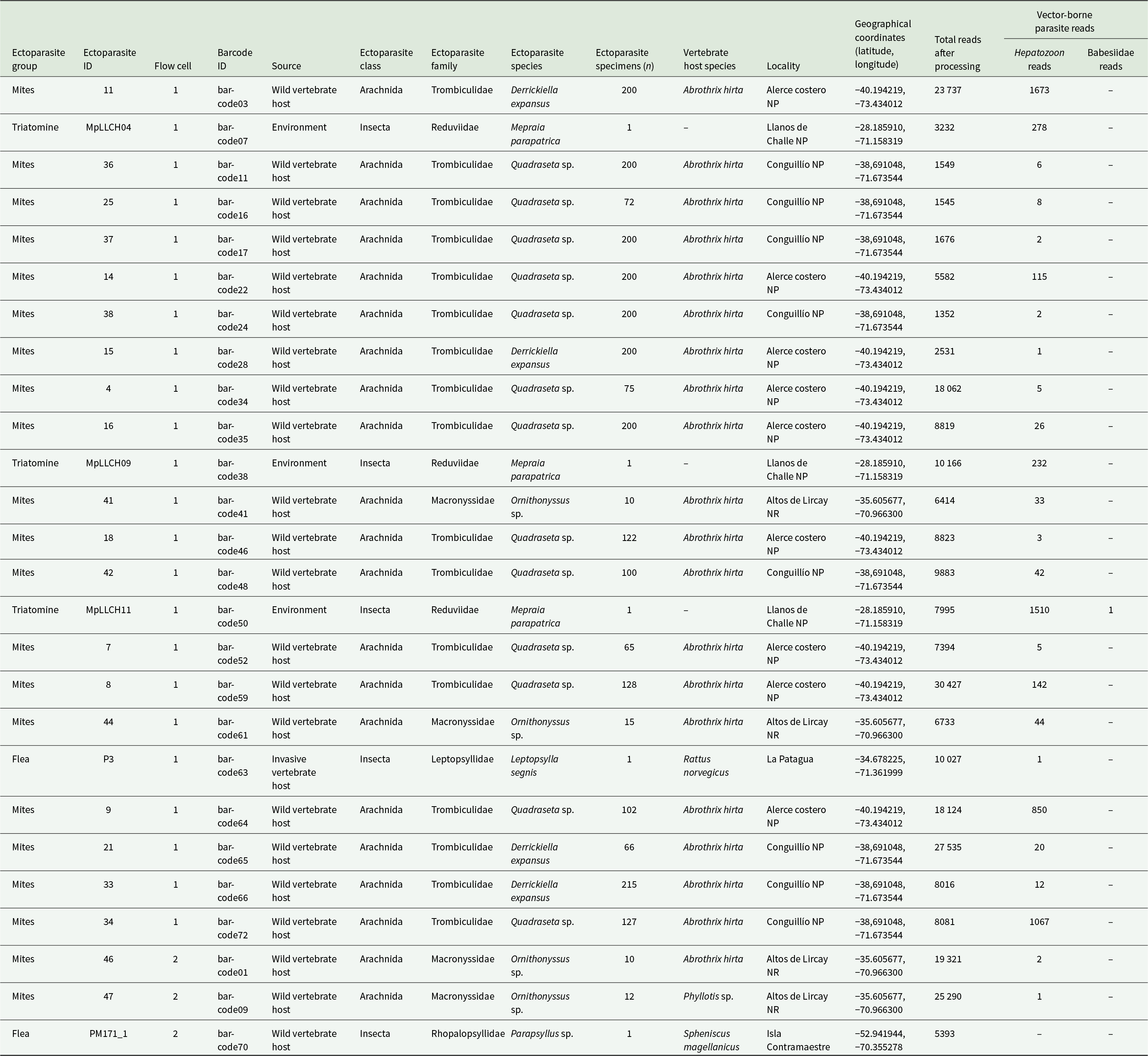
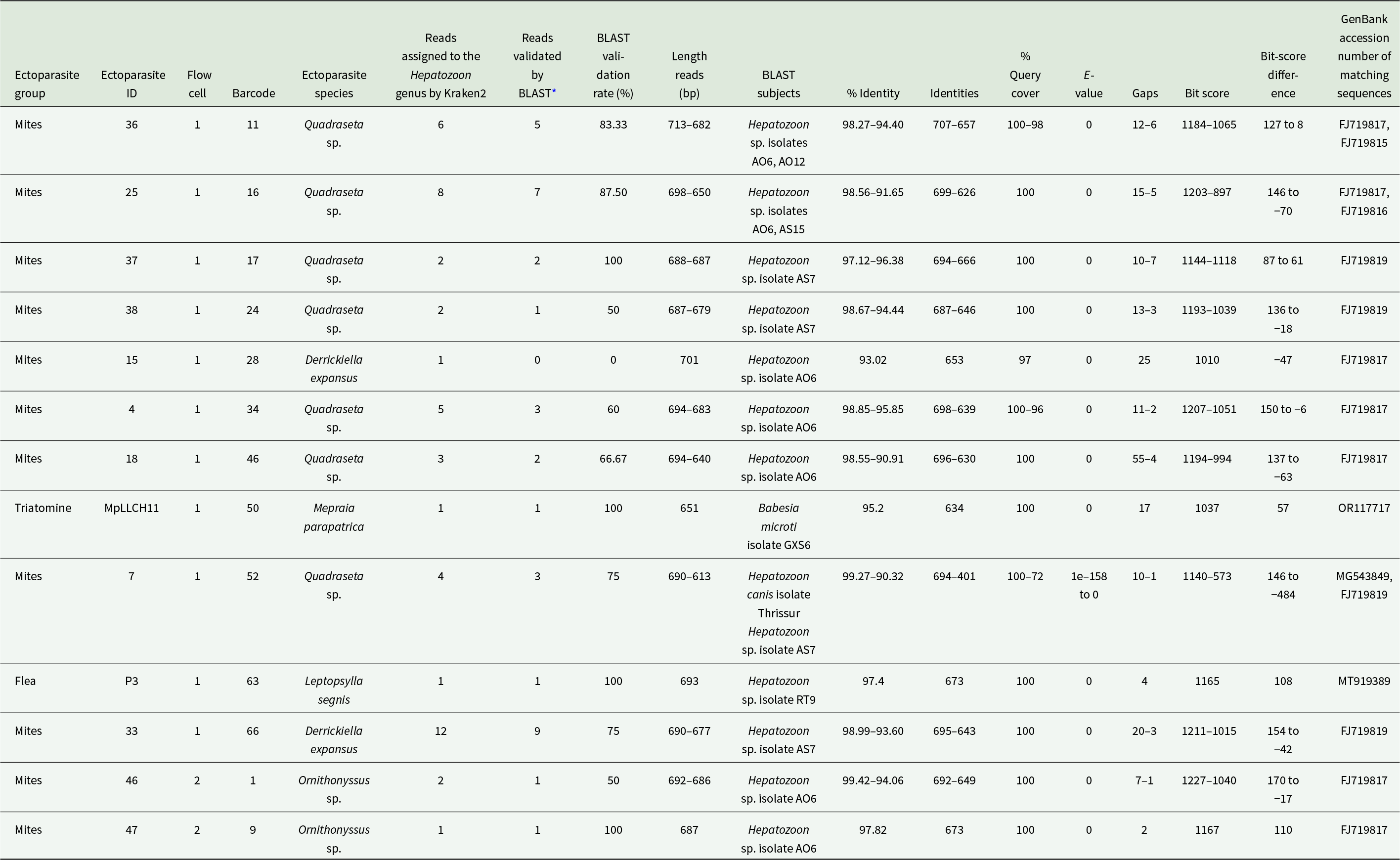
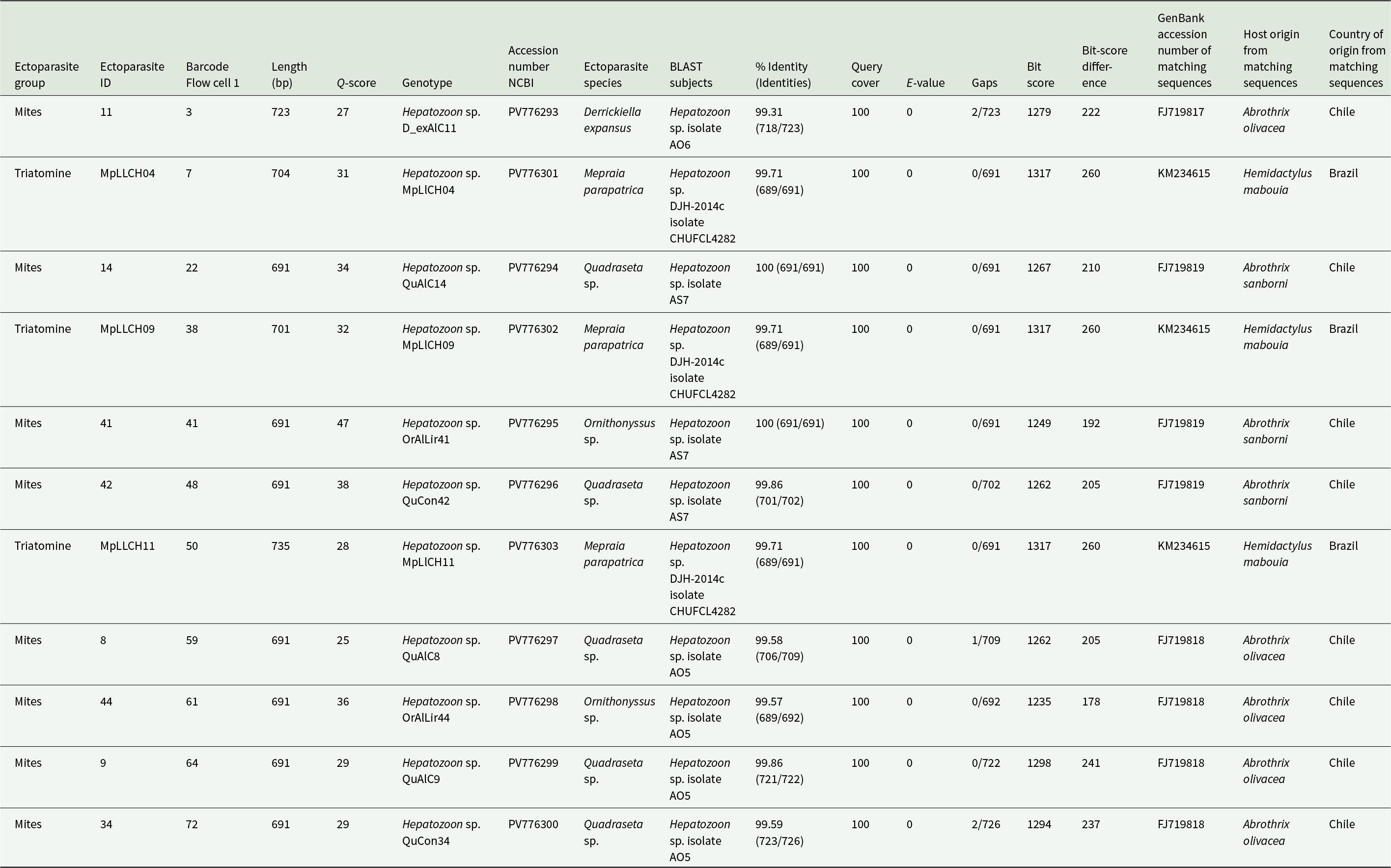
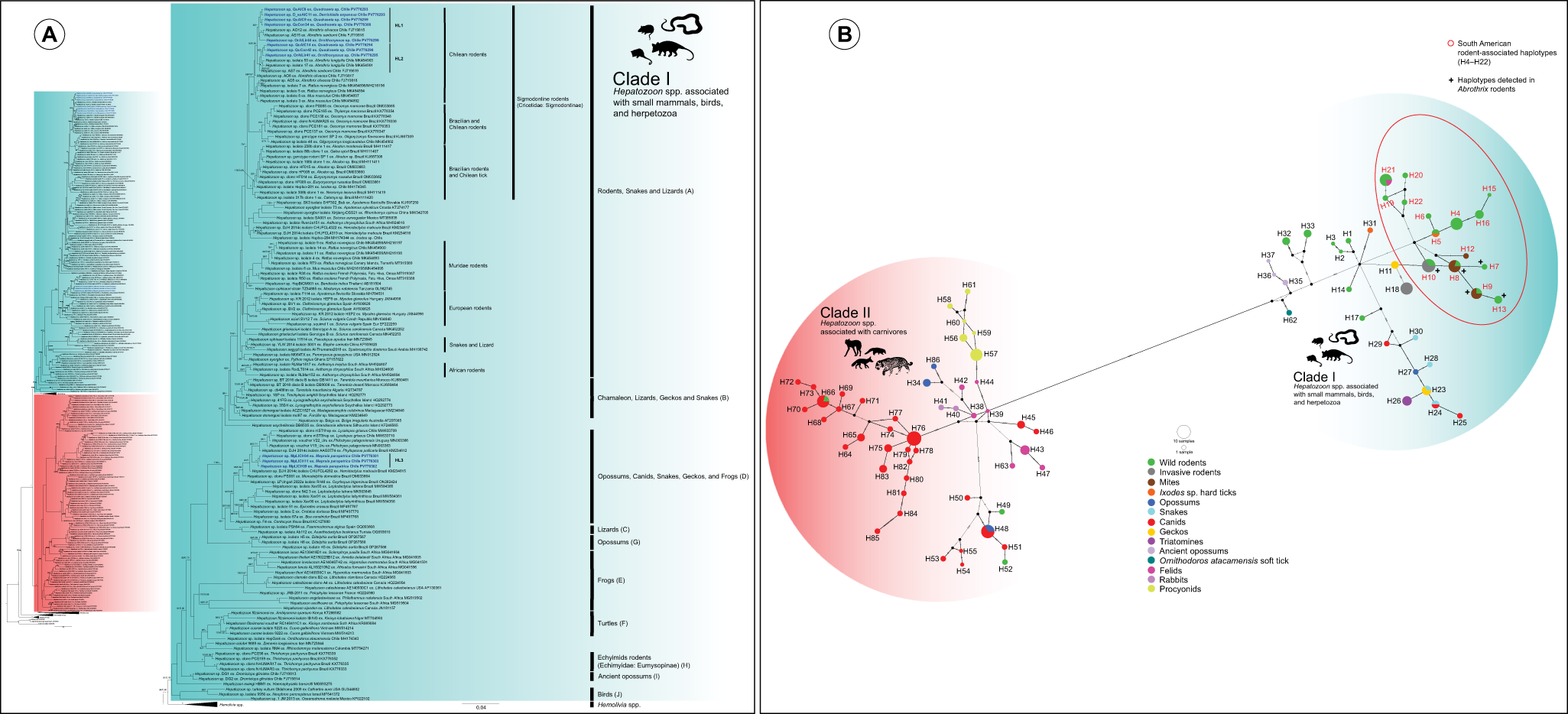
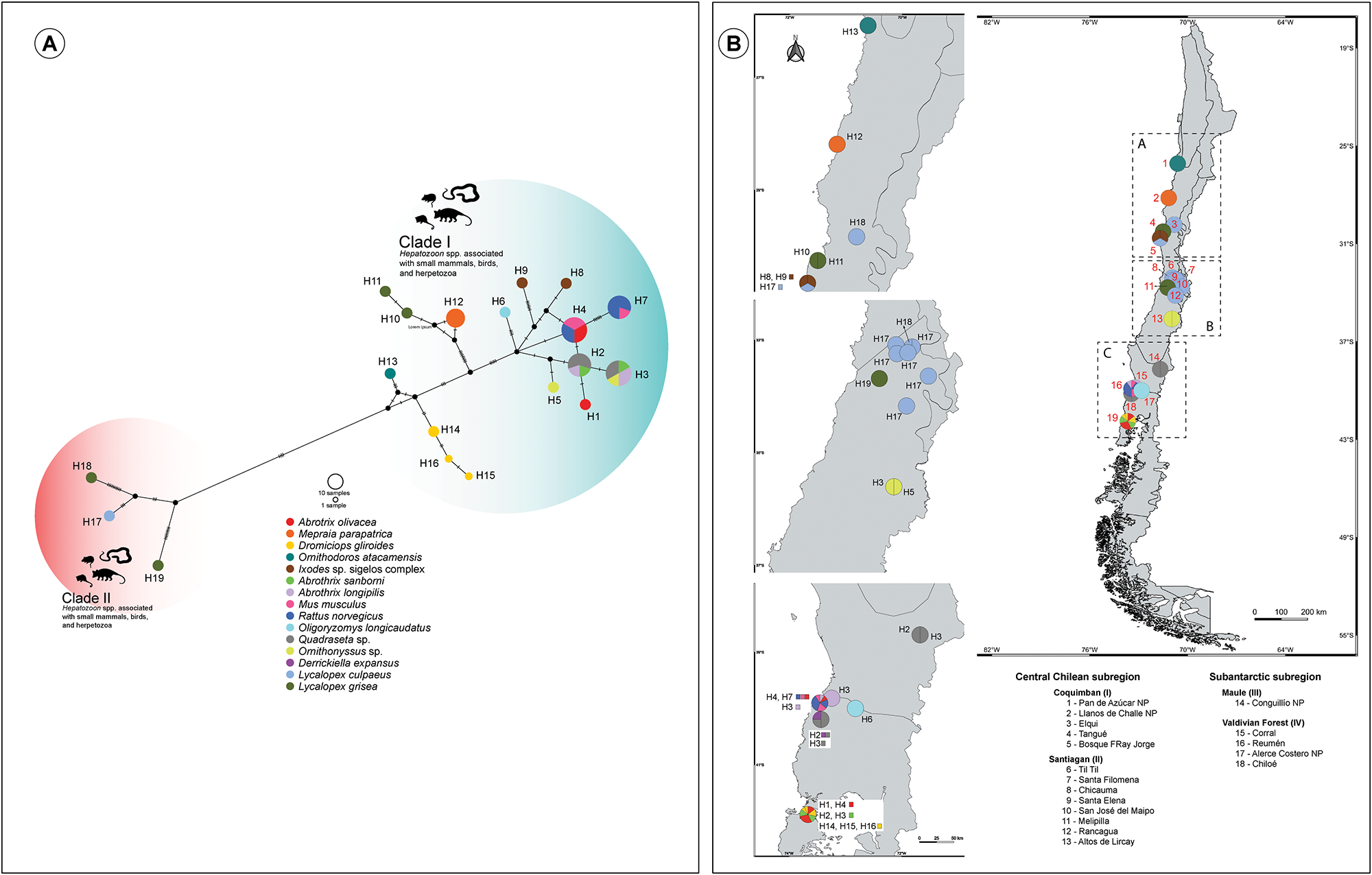


 Open access

