



It is well recognised that breast milk provides infants with the best source of nutrients for healthy growth and development(Reference Agostoni, Braegger and Decsi1). The WHO recommends that infants should be exclusively breastfed for the first 6 months of their lives, and from then on be given appropriate complementary foods along with breastfeeding until the age of 2 years or beyond(Reference Gersovitz, Madden and Smiciklas-Wright2). The first 1000 d from conception to age 2 years are a critical period of growth and development during which malnutrition may result in retarded growth and altered metabolism(Reference Barker, Eriksson and Forsen3). However, the rate of exclusive breastfeeding in Hong Kong up to 4 months and up to 6 months was 31 and 1 %, respectively, in 2016(Reference Moreira, Teixeira Teixeira and da Silveira Osso4). These low rates may be caused by a number of factors, including aggressive marketing and promotion of the use of infant formula and inadequate support in workplace and community as well as misconception of the nutritional values of breast milk(Reference Tarrant, Fong and Wu5).
Milk fatty acids, including long-chain PUFA, play an essential role in infant growth, optimal visual and neurological development(Reference Lauritzen, Hansen and Jorgensen6, Reference Tau and Peterson7). Humans are unable to synthesise essential fatty acids, linoleic acid and α-linolenic acid. Also, the conversion efficiency of precursor fatty acids to arachidonic acid (AA) and DHA is low(Reference Gibson, Muhlhausler and Makrides8). Maintaining an adequate balanced intake of AA and DHA is important for the development and function of the immune system in the early stage of life(Reference Lien, Richard and Hoffman9). Therefore, optimum dietary intakes of both AA and DHA are not only important to breast-fed infants, but are even more important to formula-fed infants who would not receive any long-chain PUFA unless their infant formula is supplemented with them.
The composition of fatty acids in breast milk is regulated by various factors, such as endogenous fatty acids production in the mammary glands and the fatty acids released by maternal adipose tissue(Reference Jensen10); it is also significantly influenced by maternal diets and nutritional status(Reference Makrides, Simmer and Neumann11–Reference Bokor, Koletzko and Decsi13). Seafood, especially oily fish, is a prominent dietary source of n-3 fatty acids, particularly DHA. DHA concentration in milk varies from 0·06 to 1·4 % among populations(Reference Antonakou, Skenderi and Chiou14). Many studies have shown that lactating women living in coastal regions or women who have high fish consumption, like those in Japan(Reference Yuhas, Pramuk and Lien15), Korea(Reference Golfetto, McGready and Ghebremeskel16) and some cities in China(Reference Gao, Zhang and Wang17, Reference Urwin, Zhang and Gao18), have higher n-3 fatty acids concentration in their breast milk than those living in inland regions. However, information on the relationship between the milk fatty acid proportions and specific fish consumption is limited. In 2011, the per capita average seafood consumption level in Hong Kong was 3·8 and two times higher than that of the global and China figures, respectively. The city has the second highest per capita seafood consumption in Asia and is the seventh highest in the world(19). Moreover, in recent decades, rapid economic development has led to changes in the lifestyle and dietary habits of the populations(20). To our knowledge, although there are some studies on the fatty acid composition of breast milk in Asian and Western countries, the last one conducted on Hong Kong lactating women took place a decade ago(Reference Chen, Kwan and Tong21). Therefore, the objectives of the present study were (i) to investigate the dietary pattern of Hong Kong lactating women, (ii) to determine the fatty acid profile of their breast milk and (iii) to examine the correlations between the nutritional composition of human milk and dietary characteristics of local mothers.
Methods
Justification of sample size
The optimal sample size was estimated based on a previous published study(Reference Peng, Zhou and Wang22) in which the variability of the level of PUFA in the breast milk of Chinese women (mean 25·5 (sd 5·27) mol % of the total fatty acid content, n 82) was considered. The study results were adopted as the subjects of the study are ethnically, geographically and culturally most similar to those of our present study. Cochran’s sample size formula was then applied to determine the optimal sample size: n ≥ (ZS/E)2 where n = sample size, S = standard deviation, Z = confidence level (95 % confidence = 1·96) and E = range of possible random error. Assuming that possible random error (E) was 4–5 % of the mean value, E would be equal to 25·5 × 4/5 % and the optimal sample size (N) was estimated to be ≥ (1·96 × 5·27/1·02~1·275)2 = 65~102.
Participants
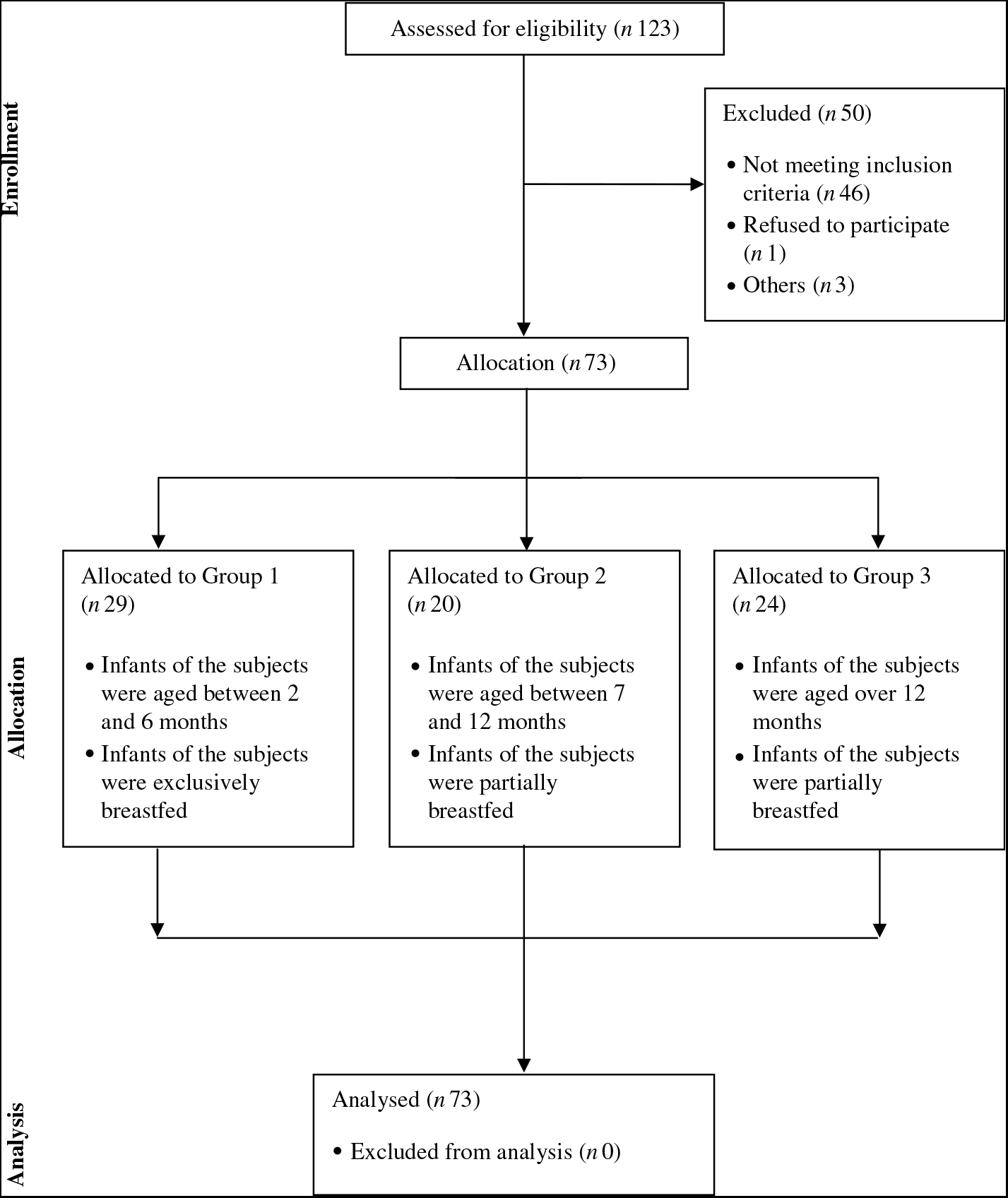
Subjects were recruited via convenience sampling with the use of posters and email announcements as well as online social networking platforms between August 2014 and June 2015 (Fig. 1). Eligible subjects met the following criteria: they (1) were healthy Chinese lactating mothers aged 18–40 years old; (2) were Hong Kong residents who had resided in Hong Kong for a continuous period of not less than 18 months; (3) had delivered a full term (>37 gestation weeks) singleton who had normal birth weight of >2500 g and no known abnormality; and (4) had infants aged within 2 to 6 months who had been exclusively breastfed or had infants aged over 6 months who had been partially breastfed. Those who were concurrently participating in any clinical trial or study, taking contraceptive medication after giving birth, suffering from renal, liver or thyroid dysfunction, cognitive impairment or any other indication of a major medical or psychological illness were excluded. A total of 123 volunteers were screened in the present study, among which fifty were excluded. The high exclusion rate (40·7 %) of subjects was due to the intake of fatty acid-containing supplements. Seventy-three subjects were recruited for the study. They were divided into three groups according to the lactation stages they were in. Mothers with infants aged 2–6 months who were exclusively breastfed were assigned to Group 1, mothers with infants aged between 7 and 12 months who were partially breastfed were assigned to Group 2 and mothers with infants aged over 12 months who were partially breastfed were assigned to Group 3 (Fig. 1). Researchers were not allowed to influence the diets and extent of breastfeeding of subjects. Subjects were allowed to give their infants complementary foods at their own choice. An informed consent form was signed by each subject after they had received detailed explanation of the study information sheet and protocol. Ethics approval was obtained from the Human Subjects Ethics Sub-Committee and the biological safety and chemical safety of study were approved by the Health, Safety and Environment Office, The Hong Kong Polytechnic University, Hong Kong.
Consolidated Standards of Reporting Trials (CONSORT) diagram of the study.
Study design
Data collection
Anthropometric and demographic data collection
Data were collected during interview. Weight and height were measured using standardised methods with the use of a digital electronic balance (REX TE856; Rex Products Ltd) and a measuring tape. They were measured to the nearest 0·1 kg and 0·1 cm, respectively. BMI (kg/m2) was then calculated as body weight (kg) divided by body height (m) squared.
Demographic information such as subject’s age, occupation, family income and information on other lifestyle habits such as smoking status and alcohol use was collected using a standardised questionnaire. Information on other maternal characteristics such as the number of pregnancies and births they had had, previous history of lactation, breastfeeding practice and pattern of the current lactation was also collected.
Assessment of dietary intake
Dietary records of three consecutive days prior to the interview were assessed using a 3-d dietary record sheet, which was mailed to each subject after appointment of interview had been made. Prior to the interview, subjects were asked to record the time, types and amounts of both food and beverage, condiments and oils consumed using standard household measures (e.g. bowls and cups). Also, cooking methods were recorded to estimate the amount of cooking oil consumed. Subjects were reminded to consume their usual diets. On the day of the interview, subjects were reminded to bring the records with them to the interview venue. The records were checked by our research staff for any unclear or missing food items. During the interview, a food book/album consisting of photos of local commonly consumed foods and guidelines on estimating food portion sizes and food container volumes was provided to subjects to assist them complete the dietary records. Meanwhile, utensils, including bowls, plates and spoons, of different standardised portion sizes were shown to subjects to help quantify the dietary intake. Moreover, subjects were asked whether they had carried out certain dietary practices such as addition of extra sauces and removal of fat in meats to minimise estimation bias. Subjects were interviewed again over the phone to clarify any incomplete items, if necessary. The records were then analysed using the nutritional analysis software The Food Processor Nutrition Analysis and Fitness software version 10.13.1 (ESHA Research). Traditional Chinese and local foods had been input into the database based on information obtained from China and the Centre for Food Safety, Hong Kong. Maternal intakes of energy, macronutrients and the proportions of several long-chain-PUFA were estimated based on the 3-d dietary records.
To assess their dietary habits during the past 3 months, subjects were asked to complete a FFQ, modified from a previous population survey(Reference Woo, Leung and Ho23), by addition of PUFA-rich food items in accordance with the study purpose. The questionnaire comprises eleven food categories with a total of 153 food items, including vegetables and beans, mushrooms and algae, fishes and seafood, fish soups and soup remains, eggs, dairy products and beverages, snacks and soups as well as condiments and oils. The category of fish and seafood includes items on the list of ‘Advice for pregnant women, women planning pregnancy and young children on fish consumption’, which was issued by the Center for Food Safety, Hong Kong Special Administrative Region, in 2013(24). As it is not possible to include all food items in the questionnaire, rows of ‘others’ were provided to the respondents to record other consumed foods in each part. To minimise assessment error, our subjects were reminded to average the consumption amounts of seasonal foods in the past 3 months. Subjects’ consumption frequency, of which nine options ranging from never to everyday in the past 3 months, and the average amounts of specific food items consumed were recorded. The mean daily intake of different kinds of foods was calculated by dividing the total amount by 90 d, whereas that of each food group was calculated by the sum of mean daily intake of foods in that food group. The mean intake of EPA and DHA from total freshwater fish, saltwater fish and some specific fish species consumed by the lactating women in the present study was then calculated by using the Food Composition Database of the US Department of Agriculture, Agricultural Research Service (2015) and the China Food Composition (Chinese Edition, 2002).
Breast milk collection and analysis
On the day of interview, after completing the dietary record, each subject was asked to supply a specimen of milk that was fully expressed from one breast in a private interview room. Subjects were allowed to use an electric breast pump (mini electric breast pump, Medela Inc.) we provided or their hands to express milk into sterile polystyrene containers without preservatives. The samples were kept in ice buckets and transported to the laboratory within 2 h of collection. All milk samples were divided into aliquots on receipt. One aliquot was stored at −20°C and batched for fatty acid analysis. The remaining aliquots were stored at −80°C until further analysis.
Determination of milk fatty acid profile
The test method for fatty acid determination was modified from AOAC 996.06.
Fat extraction. Fat was extracted from 1 g of milk samples in a Mojonnier flask; 100 mg pyrogallic acid, 2 ml (5 mg/ml C11 TAG) internal standard solution and a few boiling granules were then added to the flask; 2 ml ethanol was added and the solution was mixed well; and 4 ml H2O and 2 ml NH4OH were added to the mixture. The flask was placed into a basket in a shaking water bath at 70–80°C at a moderate agitation speed for 10 min. The solution was mixed every 5 min. The flask was then cooled down to room temperature. Ethanol was added to fill the bottom reservoir of the flask and mixed gently. Then, 20 ml diethyl ether and 20 ml petroleum ether were added to the flask and then the mixture was shaken gently. The ether (top) layer was decanted into a 150 ml boiling tube. Addition of diethyl ether and petroleum ether was repeated twice. Ether was evaporated with the aid of a nitrogen blow concentrator (Eyela MGS2200).
Methylation. Fat was then dissolved in chloroform and diethyl ether. The mixture was transferred to a test tube and then evaporated to dryness using a nitrogen blow concentrator. Fatty acid methyl esters (FAME) were obtained after trans-methylation of total lipids by using 7 % BF3 in toluene (1 ml) for 45 min at 100°C. FAME were extracted with hexane (1 ml).
GC determination. With added internal standard (FAME C11 : 0), samples were injected into a gas chromatograph (GC system, 7890A; Agilent Technologies), separated by a capillary column (Supleco, SP 2560) and analysed by a flame ionised detector. Commercially available FAME standard (Nu-Check- Prep, catalogue no. GLC- Nestle-36 (Nu-Check-Prep GLC-Nestle36, or equivalent grade)) was injected to the gas chromatograph to establish a calibration curve for peak identification on the basis of retention times. Specific fatty acid was then quantified by calculation from the calibration curve with reference to an internal standard.
Statistical analyses
All analyses were performed using the software SPSS version 23. Normality of data was tested by Shapiro--Wilk test while homogeneity of variances was assessed by Levene’s test. Normal distributed data are shown as means and standard deviations, whereas non-normally distributed data are shown as medians and interquartile ranges. Correlation of maternal intake of n-3 fatty acids as well as freshwater and saltwater fish species and fatty acid concentration in breast milk was determined by the Spearman rank correlation test and stepwise multiple linear regressions. P < 0·05 (two-tailed) was considered statistically significant for all analyses.
Results
Subjects’ characteristics
The anthropometric and socio-economic characteristics of seventy-three subjects, namely their age, body weight, body height, BMI, education level, household income and occupation, are shown in Table 1. The subjects were young women with a mean age of about 32 years and a mean BMI around 22 kg/m2. Nearly one-third of the subjects were overweight (BMI ≥ 23 kg/m2) or obese (BMI ≥ 25 kg/m2)(Reference Arenz, Ruckerl and Koletzko25). The majority were working full-time. Two-thirds of them had both tertiary or above education level and high monthly household income (>HK$ 30 000)(Reference Chan, Mok and Wong26). Positive correlation was shown between the maternal education level and household income. Subjects with infants aged from 2 to 6 months were exclusively breastfeeding (n 29).
Anthropometric and socio-economic characteristics of seventy-three lactating women (Mean values and standard deviations; numbers of participants and percentages)
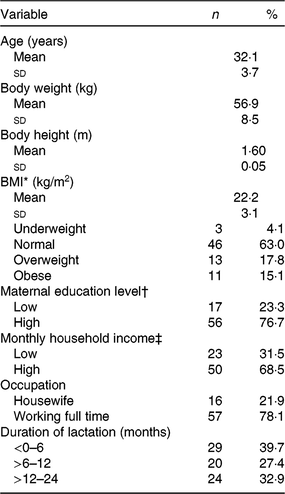
* Underweight: BMI < 18·5 kg/m2; normal: BMI 18·5–< 23·0 kg/m2; overweight: BMI 23–< 25·0 kg/m2; obese: BMI ≥25 kg/m2.
† High: tertiary education or above.
‡ High: monthly household income > HK$ 30 000.
Dietary intake of lactating mothers
The mean dietary intakes of macronutrients and selected kinds of PUFA of lactating women, as calculated from the 3-d dietary records, are shown in Table 2. The energy intake of the lactating mothers was about 2400 kcal/d (10 040 kJ/d) while the percentage energy intake of mothers from carbohydrates, protein and fat was about 44, 18 and 37 %, respectively. The subjects’ mean dietary intake of the macronutrients was out of the acceptable macronutrient distribution range (AMDR) suggested by the Chinese Dietary Reference Intakes (DRI) 2013(27). The diets of these lactating women were characterised by high consumption of protein and fat. Maternal mean protein intake was higher than the Chinese recommended nutrient intake (RNI) for lactating women by 40 %. The mean maternal energy intake from fat was higher than the upper limit of the Chinese AMDR by 23 %. On the other hand, maternal intakes of several n-3 fatty acids (i.e. α-linolenic acid, EPA and DHA) as well as n-6 fatty acids (i.e. linoleic acid) met the levels recommended by the Chinese DRI.
Dietary intake of macronutrients of the seventy-three lactating women* (Mean values and standard deviations; medians and interquartile ranges (IQR))
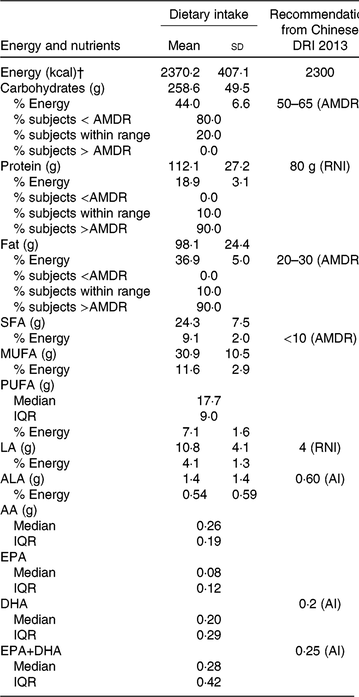
DRI, Dietary Reference Intake; AMDR, acceptable macronutrient distribution range; RNI, recommended nutrient intake; LA, linoleic acid; AI, adequate intake; ALA, α-linolenic acid; AA, arachidonic acid.
* Data are calculated from the 3-d dietary records.
† To convert energy in kcal to kJ, multiply by 4·184.
The mean intake of different food groups of the lactating mothers, as calculated from the 3-d dietary records, is shown in Table 3. Intakes of grains and meats could meet the recommended levels. However, intakes of vegetables, fruits and dairy products were all below the recommended levels.
Food group consumption of the seventy-three lactating women* (Medians and interquartile ranges (IQR); mean values and standard deviations)
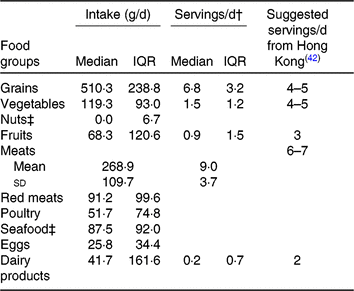
* Data are calculated from the 3-d dietary records.
† One serving: grains: 75 g; vegetables: 80 g; fruits: 80 g; dairy products: 240 ml; meats: 30 g (cooked).
‡ Food items rich in n-3 fatty acids.
The mean dietary intake of EPA and DHA from the freshwater fish, saltwater fish and some fish species consumed in Hong Kong of the seventy-three lactating women, as estimated from the FFQ, is shown in Table 4. The maternal dietary intake of EPA and DHA from salmon ranked the highest among all types of fish species.
Dietary intake of EPA and DHA from freshwater fish, saltwater fish and some fish species consumed in Hong Kong by seventy-three lactating women* (Mean values and standard deviations)
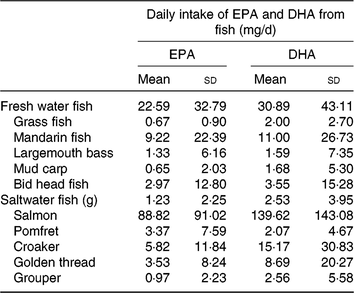
* Data are estimated from the FFQ.
Breast milk fatty acid composition of lactating mothers
The fatty acid composition in the breast milk of the seventy-three lactating women is shown in Table 5. The three categories of fatty acids, SFA, MUFA, PUFA, represented approximately 42, 36 and 22 %, respectively, of total fatty acids. Palmitic acid accounted for the largest proportion of SFA while oleic acid and linoleic acid accounted for the largest proportion of MUFA and PUFA, respectively.
Milk fatty acid (FA) composition of the seventy-three lactating women at different stages of lactation* (Mean values and standard deviations)
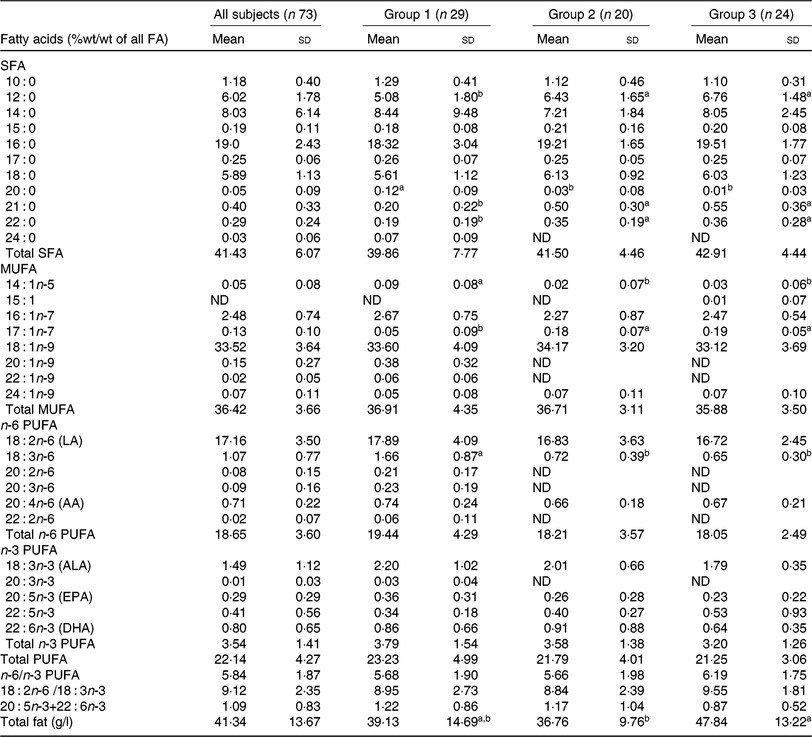
ND, not detectable; LA, linoleic acid; AA, arachidonic acid; ALA, α-linolenic acid.
a,b Mean values within a row with unlike superscript letters were significantly different (P < 0·05).
The fatty acid composition of the breast milk of mothers in the three groups is also shown in Table 5. Significant differences in concentrations of some fatty acids were mainly observed between mothers from Group 1 and Group 2 as well as between mothers from Group 1 and Group 3. Mean DHA level was approximately 0·9 % of total fatty acids in the milk from mothers who had exclusively breastfed their infants aged within 6 months.
Correlation between maternal dietary intake and fatty acid composition of breast milk
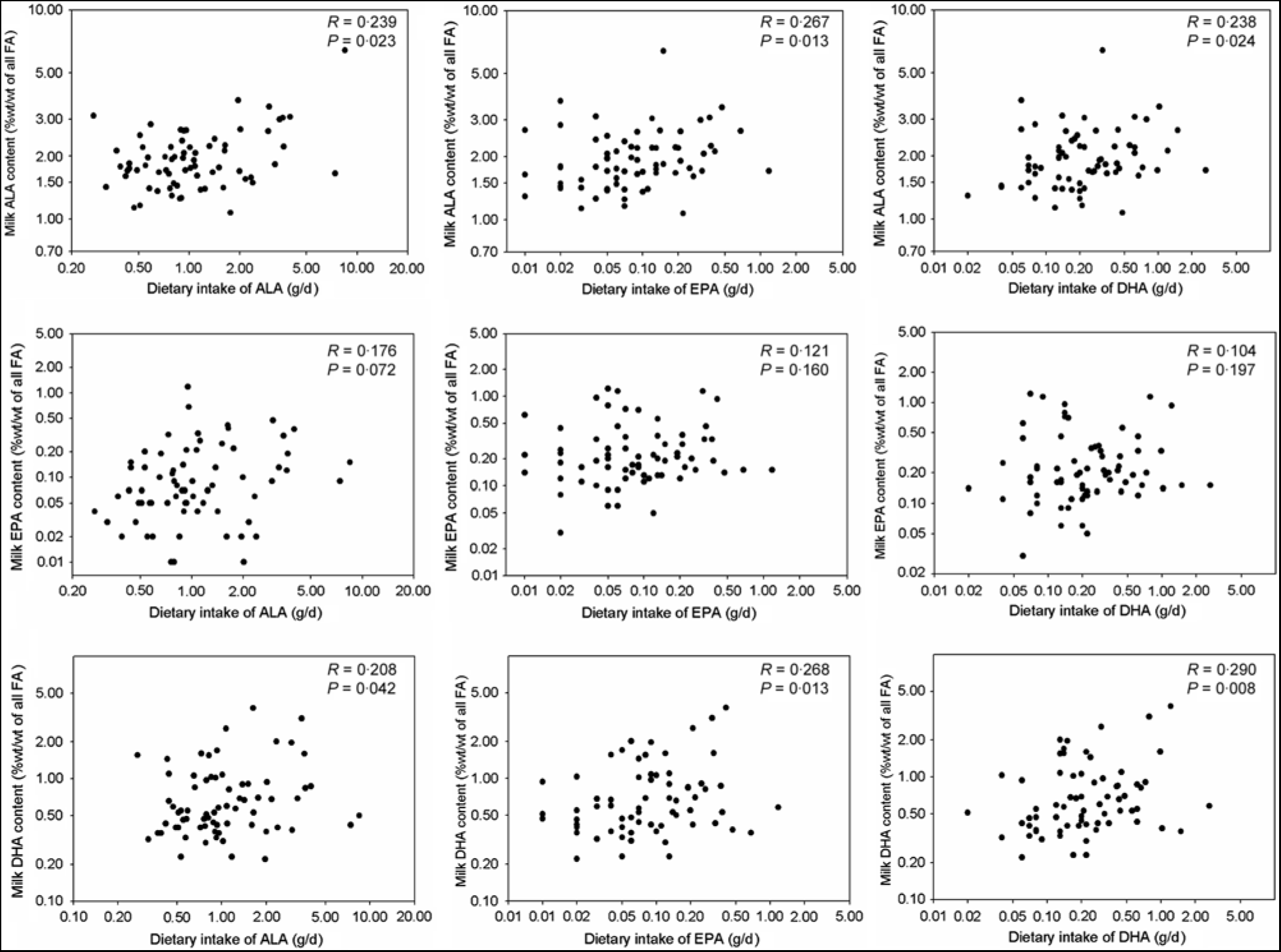
Correlation tests were conducted between the dietary intake of n-3 fatty acids of the seventy-three lactating women and their levels in breast milk (Fig. 2). Results showed that levels of maternal DHA (R = 0·290, P = 0·008) and α-linolenic acid (R = 0·239, P = 0·023) intake and their levels in milk were significantly associated. Moreover, the results revealed significant associations between DHA content in the milk samples and maternal intakes of both freshwater and saltwater fish as well as some frequently consumed types of fish in Hong Kong (Table 6). In stepwise linear regression analysis, we studied the association of milk DHA concentration with maternal intake of freshwater fish, saltwater fish, age, BMI, education level and monthly household income, respectively. Maternal intake of saltwater fish was the only significant predictor of the content of DHA in milk (R 2 = 0·242, P < 0·001) while the other variables were not.
Scatter plots of the intakes of n-3 fatty acids (FA) of the seventy-three lactating women and their contents in breast milk (Spearman’s correlation coefficient (r s) between each pair of factors is shown in the plot). ALA, α-linolenic acid.
Spearman’s correlation coefficients between dietary intake of freshwater and saltwater fish species consumed in Hong Kong and contents of DHA and EPA in breast milk

Significant correlation: * P < 0·05, ** P < 0·01 (two-tailed).
Discussion
Hong Kong people have a local dietary habit with high seafood consumption. Over the past decades, the dietary patterns of Hong Kong people have had substantial changes, which may have significant impacts on the fatty acid components of the breast milk of Hong Kong mothers(Reference Zhang, Dhakal and Zhao28). The last study on the breast milk fatty acid components in Hong Kong dates back to 1997(Reference Chen, Kwan and Tong21). Previous studies have reported different breast milk fatty acid profiles among mainland Chinese women living in urban, rural, coastal and inland regions and showed maternal diet impacts on the fatty acids in milk(Reference Urwin, Zhang and Gao18, Reference Peng, Zhou and Wang22, Reference Li, Fan and Zhang29, Reference Jiang, Wu and Yu30). The present study shows the dietary patterns of Hong Kong lactating mothers and confirms the association between fatty acid contents in their breast milk and their consumption of aquatic foods. More importantly, for the first time, the study demonstrates the associations between the fatty acid contents in milk of mothers and their specific fish consumptions.
The present study shows that the concentrations of DHA (0·86 %) and n-3 fatty acids (3·79 %) in breast milk are significantly higher than those observed in Hong Kong in 1997 (0·56, 2·17 %)(Reference Chen, Kwan and Tong21) and those from coastal areas of China (0·41–0·61 %, 1·68–3·34 %)(Reference Urwin, Zhang and Gao18, Reference Peng, Zhou and Wang22, Reference Li, Fan and Zhang29). Moreover, the contents of DHA (0·86 %) and AA (0·74 %) in breast milk of Hong Kong lactating mothers are higher than their worldwide mean (0·32, 0·47 %)(Reference Brenna, Varamini and Jensen31).
The high content of DHA (0·86 %) in breast milk of Hong Kong mothers is comparable with that from some island countries and regions such as Japan (0·99 %)(Reference Yuhas, Pramuk and Lien15), Korea (0·96 %) and Taiwan (0·98, 1·13 %), regions that account for the high levels of DHA concentrations in the breast milk of Asian mothers(Reference Li, Dong and Wong32). DHA is synthesised limitedly in infants from the age of 0 to 6 months, regarded as a conditional essential fatty acid for infants(33). Assuming that the daily milk consumption of milk is 750 ml, among the twenty-nine milk samples from lactating mothers with infants aged from 2 to 6 months old, twenty-four could provide their infants (i.e. more than 80 %) with adequate level of DHA (100 mg) as recommended by the Chinese DRI 2013(27).
The average fish intake of lactating mothers in our study is ten servings per week, which is higher than the recommended weekly consumption suggested by the US Department of Agriculture(34). There is increasing amount of evidence suggesting that maternal diet affects milk lipid profile to a certain extent(Reference Koletzko35). It is well known that both seafood and fish are prominent dietary sources of n-3 fatty acids, especially DHA and EPA(Reference Grote, Verduci and Scaglioni36). The findings are in line with those of other studies, suggesting a positive association between DHA concentration in milk of lactating mothers and their frequency of fish consumption(Reference Antonakou, Skenderi and Chiou14). However, our results only show significant association between milk EPA and intake of saltwater fish, but not freshwater fish. The most frequently consumed type of fish by the subjects in our study is salmon, which is regarded as a type of fatty fish containing high levels of EPA and DHA(Reference Philibert, Vanier and Abdelouahab37). Our subjects’ high consumption of n-3 fatty acids-rich fish may explain the result that there is correlation only between the intake of saltwater fish and the content of EPA in the milk samples. The DHA content in the breast milk from Hong Kong mothers (0·86 %) is higher than that from mainland Chinese mothers (0·38 %), while the EPA content in the breast milk from Hong Kong mothers (0·36 %) is comparable with that from mainland Chinese mothers (0·41 %)(Reference Jiang, Wu and Yu30). Our study shows that DHA content in breast milk is more influenced by maternal saltwater fish intake (r 0·404) than EPA content (r 0·284). This may explain the significant differences in DHA contents in breast milk between Hong Kong mothers and mainland Chinese mothers. However, correlation analysis indicates that the intakes of EPA and DHA from total consumption of saltwater fish are not associated with the milk concentrations of the corresponding fatty acid. Thus, the results are contradictory to the findings on the correlation between intake of saltwater fish and the DHA and EPA content of breast milk. Such discrepancy may be due to the use of both Chinese and US databases as references in the present study to estimate the dietary intake of EPA and DHA from different fish. The level of fatty acids in fish varies with many factors such as growing location and fish feeds, which may result in the inconsistency in findings of the correlation test. As expected, PUFA content in breast milk apparently varies with both the quantities and types of fish consumed. Populations in Hong Kong consume a wide range of fish, among which maternal intakes of salmon, croaker and mandarin fish are significantly correlated with milk DHA content, while maternal intake of mandarin fish is significantly correlated with milk EPA content (Table 6).
The AA concentration of 0·74 % of our milk samples is within the recommended range of 0·35–1·00 %(Reference Antonakou, Skenderi and Chiou38) and slightly lower than the DHA concentration (0·86 %). The results of the present study reveal that, in line with the results of some previous studies showing that the content of AA in breast milk is relatively stable and not influenced by maternal dietary intake(Reference Demmelmair, Baumheuer and Koletzko39), the correlation between maternal intake of AA and milk AA is insignificant. The concentration of AA in breast milk is commonly higher than that of DHA; it is less dependent on dietary intake, whereas that of DHA fluctuates more due to changes in dietary intake. Interestingly, AA levels in breast milk also tend to be higher when DHA levels are higher, suggesting the importance of maintaining a certain ratio of AA and DHA. However, we do not know yet the right balance between these two; but recent systematic reviews have pointed toward the beneficial effect of having more DHA in breast milk on some health outcomes such as the cognitive and visual development in preterm infants(Reference Lien, Richard and Hoffman9, Reference Koletzko, Boey and Campoy40).
The present cross-sectional study examines the dietary patterns and fatty acid profile of breast milk in Hong Kong mothers at different stages of lactation (0–24 months). It is likely that there are factors other than diet that affect the breast milk composition. Milk fatty acid contents may change along the different stages of lactation(Reference Koletzko35). Many women in Hong Kong follow traditional Chinese cultural practices during the first month postpartum, with restrictions on their diet, hygiene and physical activities(Reference Liu, Mao and Sun41), but the impacts of these practices on breast milk composition are not well studied.
There are some limitations of the present study. The recruitment procedure, including promotion on campus via poster and email or via online social platforms and the voluntary participation of the women, may have resulted in selection bias, as women who use online social platforms are expected to have high educational level and economic status. Also, the generalisability of the present results is limited by the small sample size. The preliminary results of the present study are able to give us more information about the milk fatty acid profile of Hong Kong lactating women, and thus support us to design further studies with larger sample sizes.
In conclusion, the present study determines the fatty acid profile of breast milk in Hong Kong populations and verifies that certain dietary factors could influence the fatty acid profile. High levels of n-3 PUFA, especially DHA, have been observed in the breast milk of Hong Kong lactating women. Specifically, maternal intakes of certain fish types are significantly correlated with milk DHA content. This may serve as a dietary reference for lactating mothers to optimise their breast milk fatty acid profile.
Acknowledgements
The authors wish to acknowledge the support of Laboratory for Infant & Child Nutrition, Food Safety and Technology Research Centre, Department of Applied Biology and Chemical Technology, The Hong Kong Polytechnic University and the mothers who donated their milk for our study.
The present study was funded by the Department of Applied Biology and Chemical Technology, The Hong Kong Polytechnic University.
V. W.-S. W., M.-S. W., S.-Y. L., S.-M. C., Y.-X. S., H.-M. C. and K. W.-H. K. designed the study, analysed and interpreted the data and drafted the manuscript. H.-W. L. and W.-Y. P. performed experiments. C.-L. C. and Y.-F. N. designed the study.
The authors declared that they have no conflict of interest.



