

In this final chapter, we provide a wide-angle perspective on the major issues that arise when one thinks globally about literacy. In doing so, we draw attention to what we see as convergent higher-level conclusions that emerge from global literacy research, especially some of the observations made by authors of this volume. We begin with an obvious starting point: regional variations in literacy.
20.1 Regional Variations in Global Literacy
The previous chapters report observations from nine areas that cover most of human habitation across the globe, minus some large areas (North Africa, West Asia, Southeast Asia) and all but one of the many island communities around the globe. Overall, we have a strong representation of world regions, even though, in some cases, the information is based on a small fraction of a region’s many subregions and communities.
There are two different aspects of regional variation that are relevant for the goal of understanding global literacy issues. One is the detailed analysis of a region as a case study, a description of uniquely identified literacy practices. The second is the identification of literacy practices and outcomes in that region that reflect patterns that are universal or at least largely shared. Both are valuable. The specific observations allow us to learn about, for example, differences in literacy practices within a village in Rwanda, across island communities in the Caribbean, or within bilingual families in Israel. They also allow us to reflect on how these specific differences reflect general principles of a human-ecology analysis of literacy; for example, the fact that the differences observed within a specific Rwandan, Caribbean, or Israeli community mirror sociocultural processes that vary in a similar way in other regions, even though these variations may be expressed differently.
In what follows, we focus mainly on this second aspect of regional variation, highlighting the shared patterns that we see across regions and suggesting the generalizations, hedges, and universal patterns that emerge.
20.2 Global Patterns and Principles in Literacy Development
Despite many important differences across the globe, literacy development suggests some general patterns that reflect nearly universal developmental phases and shared operating principles.
20.2.1 Operating Principles in Literacy Development
In an earlier volume, Reference Verhoeven and PerfettiVerhoeven and Perfetti (2017) suggested a set of operating principles (OPs) that underlie learning to read. These OPs, based on research across seventeen diverse languages and their writing systems, identified generalizations that applied to those seventeen languages, and by extension, to reading in all languages.
These OPs follow from a zero-order first principle: Learning to read is figuring out (in detail) how one’s writing system encodes one’s language. The nine general OPs (Reference Verhoeven and PerfettiVerhoeven & Perfetti, 2021) capture the essential features of this learning across three overlapping phases of reading development: (a) preliteracy attention to spoken language and secondarily to written-language signals in the environment; (b) development of word identification and spelling through discovery of the mapping principles of the writing system and acquisition of an orthographic inventory of words that increases with experience, allowing a shift from computation to retrieval as the major procedure for word identification; (c) increasingly fluent comprehension through increased use of linguistic and conceptual knowledge and executive control.
These OPs reflect the perceptual, cognitive, and linguistic demands of written language and apply universally. They are, however, embedded in layers of literacy ecology that affect the opportunity for children to prosper across all three of these phases of development. We interpret the development of literacy as reflecting the cognitive achievements of the OPs, embedded across all its phases in a literacy ecology.
In the following sections, we examine the patterns of literacy development and some of the ways that cognitive outcomes are affected by their ecological embedding.
20.2.2 Role of Language and Writing-System Variation
Only when the study of reading moved beyond research on the alphabetic writing system, mainly English, could the role of writing-system variation be appreciated. It was predictable that reading is largely the same across writing systems because of the foundational principle of writing systems: They map written forms to language forms, not directly to concepts. Thus, at the highest level, all writing systems follow this principle – and all successful learners figure out, at least implicitly, how their writing system does this. These general ideas, formulated as a universal grammar of reading (Reference PerfettiPerfetti, 2003), are the starting point for considering how variations in writing systems matter for literacy development.
The general approach for such consideration is the classification of writing systems based on the level of language they map – words, morphemes, syllables, and subsyllabic units including phonemes. With this approach, we can compare literacy development across systems, with a focus on the demands of learning, comparing, for example, the demands of a syllable mapping with those of a phoneme mapping. This binary mapping comparison tends to favor syllabic systems (e.g., Japanese Kana and Cree) in some ways and alphabetic systems in others. Thus, syllable systems provide an easier mapping because spoken syllables are more accessible to consciousness than are phonemes. However, for many languages, alphabets are much more efficient than syllabaries, because the number of graphs is smaller, matching (in a perfect alphabet) the number of phonemes in a language; the number of syllables is always many times larger than the number of phonemes and thus requires more graphs to be learned. The comparative research within this framework provides specific implications for a general theory of reading that includes both universal and writing-specific components that are instantiated in the development of brain specialization for reading (Reference Perfetti, Cao and BoothPerfetti, Cao, & Booth, 2013).
Beyond mapping comparisons are other dimensions of writing that are relevant (Reference Daniels and ShareDaniels & Share, 2018). A particularly important one for the learner is the number of graphs in the writing system. This number is determined by the mapping system – relatively few graphs for abjads and alphabets, more for syllabaries, many more for alphasyllabaries, and the largest number for the Chinese morphosyllabic system (Reference Chang, Chen and PerfettiChang, Chen, & Perfetti, 2017). As is the case with Chinese, the very large inventory of graphs in alphasyllabaries requires an extended learning period over several years (Reference NagNag, 2007) This multidimensional framework is valuable in understanding the cognitive demands that writing systems place on learning to read: The mapping level, the consistency of the mapping, the number and corresponding complexity of the graphs – these differ systematically across writing systems and they make a difference for the course of reading development.
The role of the writing system is a bit more complex when considered in specific regional contexts. What determines which system serves a given region or nation? The world’s existing writing systems are mainly the result of discovery and borrowing, with some invention, developed over long periods with many modifications. Ideally, one might imagine that languages develop written forms that are well suited to the properties of the language, and there are multiple suggestions that writing systems show such adaptations (Reference Seidenberg, McCardle, Ren, Tzeng and MillerSeidenberg, 2011; Reference FrostFrost, 2012; Reference Perfetti and HarrisPerfetti & Harris, 2013). However, there are many sociopolitical counterinfluences to idealized language adaptation that are most noticeable when writing systems are imposed from outside. As suggested by Reference Daniels, Downing, Lima and NoonanDaniels (1992), when nonliterate people developed writing, they tended to adopt syllabaries. When literate people, including colonial powers and missionaries, developed writing, they chose alphabets. A good match with an indigenous language may or may not result. A mismatch between an imposed writing and a native language adds to a literacy challenge. It is true that any writing system can be learned by the speaker of any language. It is also true that learning a mismatched writing system adds to the challenge of literacy acquisition (see Verhoeven & Severing, Chapter 4; Nakamura & Holla, Chapter 8 in this volume).
20.3 Patterns of Literacy Development
Here we consider general patterns observable across the overlapping phases of reading development that we described in the introductory chapter (Chapter 1): early (pre)literacy, learning to read and spell, and advanced literacy.
20.3.1 Early Literacy
We do not expect the pathway through literacy development to vary dramatically across the ecological structures that support the language and preliteracy phases. Early preliteracy experiences are important to start a child on the path to literacy, whether the child lives in Austria, Canada, Mongolia, or Zambia. What varies is not so much the importance of supportive preliteracy experiences, but their quality and quantity. These vary within a region and within a language community as well as across regions. Although effective teaching should and can make up for low-quality preliteracy experiences, high-quality preliteracy experiences increase the literacy odds for any child.
It is important to recognize the role of the immediate social environment – not just parents but the more general role of the child’s caregivers, peer environment, and neighborhood. This immediate social environment provides input for language development, especially through vocabulary growth. The knowledge of word forms and their meanings is critical in supporting a child’s knowledge of language and concepts. A rich language environment that supports early literacy development can be provided by a community of caregivers, siblings, and other conversation partners. We see dramatic contrasts around the world in these early environments and, importantly, while these contrasts may vary somewhat with regions, what matters most are the specific local ecologies of the home and the local community.
A final observation on the general pattern of early literacy development: The early experiences provided by the family and community environments help develop the cognitive resources that the child has to apply to literacy and the self-regulation that can facilitate the transition from home to school (Morrison et al., Chapter 14 in this volume). They can also stimulate affective and motivational enablers of literacy, especially the child’s interest in language and literacy. On the cognitive side, the development of literacy begins early in the life of the child, in the form of natural processes of language development and conceptual development. Vocabulary acquisition is a component of both conceptual and language development and is a critical cognitive component in supporting literacy (see Reference Verhoeven and PerfettiVerhoeven & Perfetti, 2011). On the affective and motivational side, seeking rather than avoiding language and literacy experiences is a disposition that makes a future of literacy engagement more likely.
20.3.2 Learning to Read
For the child learning to read and spell, the key foundational learning occurs through a series of learning episodes that unlock the written code that opens the spoken language and its meanings. This can happen prior to school, but universally it is schooling that provides the needed systematic learning episodes. These learning episodes can include some insights about how the writing system works: “Ah, the symbols stand for little pieces of sound” (or big pieces, or word-like forms). But the real work is acquiring an inventory of these mappings. This gradually increasing inventory, rather than sudden insight, may lead the child to solve the problem of how a writing system works. Either way, the mappings must be learned and applied to specific written forms (see also Reference McBride, Pan and MohseniMcBride, Pan, & Mohseni, 2021).
This process occurs around the world in the child’s interactions with reading materials and teachers. Whether the child is learning that <t> is /t/ or that <a> is always /a/ (in most European languages), or that <a> is almost never /a/ (in English), the learning episodes may produce both insight into the principles of the system and the acquisition of its specific mappings. Of course, these processes are only the start. Breaking the code but using it on just a few words or even a few hundred words produces an inert knowledge that is well short of functional literacy. For this additional step, increasing opportunities for effective reading practice are essential.
The school and community ecologies are critical for both the initial code-breaking and extended-practice phases of literacy development. So too are the home environments, whose effect begins in the preschool years. As concluded by Friedlander and Goldenberg (Chapter 18, this volume), research in middle- and high-income countries has, on balance, demonstrated the impact of the quality of children’s home experiences on their learning. We should expect this relationship to be evidenced in low-income countries as well, because all regions have variability in home experiences. Although research confirming this assumption is thin, the research in rural Rwanda summarized by Friedlander and Goldenberg shows positive relations between home-literacy factors and measures of primary-grade reading skill. For example, literacy interactions, as reported by a caregiver, and the literacy competence of the caregiver predicted a child’s basic skills in letter knowledge and decoding. Furthermore, literacy interactions also predicted fluency and comprehension. We can assume that these relations are highly general. They converge with the results of studies in the United States and other middle- and high-income countries in showing a positive role for verbal interactions (e.g., Reference Hart and RisleyHart & Risley, 1995; Reference Dickinson and PorcheDickinson & Porche, 2011), and shared book reading (Reference Bus, van IJzendoorn and PellegriniBus, van IJzendoorn, & Pellegrini, 1995; Reference Noble, Houston and BritoNoble et al., 2015).
20.3.3 Advanced Literacy
Beyond the achievement of basic literacy is the transition to a more robust functional literacy, one that serves the individual as a participant in a variety of culturally defined literacy activities. The importance of this higher level for both individuals and societies is a worldwide concern. Many children make a start at the decoding and early reading phases of literacy but move only partway to the level of functional literacy implied by current standards.
The concept of functional literacy needs to be contextualized: Functional for what and for whom? These contexts are partly recognized in international assessments that distinguish different literacy contexts, for example, digital literacy, workplace literacy. Still, there is a shared idea across these different contexts: An individual with functional literacy can read and understand written texts and chooses to engage in literacy activities when doing so would be useful. Higher standards, for example, the ability to write a series of coherent paragraphs, are sometimes evoked. A few wide-scope generalizations are possible. On the one hand, the factors that affect basic literacy (e.g., early literacy experiences, SES) also affect this achievement of higher literacy achievements. On the other hand, success in basic literacy does not guarantee success in higher-level functional literacy (see Reference Vágvölgyi, Coldea, Dresler, Schrader and NuerkVágvölgyi et al., 2016, for a review on functional literacy).
The pathway to advanced literacy requires basic reading skill plus motivation and opportunity. Comprehension of written texts is at the heart of advanced literacy because other aspects of functional literacy (reading to follow instructions or to learn something, writing comprehensible messages) depend on it. Comprehension depends on multiple knowledge sources and an array of cognitive processes that operate on them, as described in the Reading Systems Framework (Reference Perfetti and StafuraPerfetti & Stafura, 2014). One of these knowledge sources is vocabulary, which combines knowledge of word forms with conceptual knowledge and is a powerful component of reading across languages. Another important source involves knowledge of increasingly complex syntactic constructions. Crucially, these knowledge sources and comprehension processes depend on a reader’s deeper engagement with the texts. This engagement depends on a motivation to read (e.g., Reference Wigfield and GuthrieWigfield & Guthrie, 1997), which, in turn, depends on many factors in the literacy ecology.
The global variation in comprehension and the low levels of functional literacy even in many middle- and high-income countries reflect many considerations that matter for engagement and opportunity, including SES, language factors, immigration status, schooling quality, access to books, and other factors throughout the literacy ecology. One fact that highlights that low levels of functional literacy are present even in middle- and high-income countries is the finding that, in 2018, around one in five fifteen-year olds in the European Union (EU) could not interpret texts effectively (PISA data, cited by Araújo and Costa, Chapter 5 in this volume). However, the variation across countries within the EU is equally dramatic (from 8 to 26 percent), an indication that there are specific national circumstances and policies that matter.
20.4 Literacy and Schooling
Although the development of literacy begins early through natural processes of language development and conceptual development, it is the factor of school experiences, explicitly designed to teach reading, that we expect to ensure the achievement of literacy. Each classroom within a school is its own literacy ecosystem, with one or more teachers, students, literacy curriculum materials, assessments, and regulated interactions. The classroom itself is embedded within other systems – the school, the community, the larger school administrative units, and local, regional, and national government control agents. The child experiences the classroom directly, but the layered systems have dramatic impacts on what happens there. Most obvious are the financial resources that influence the classroom’s educational focus, the teaching, the curriculum materials, and the class size. Additionally, educational goals, achievement standards, teacher training, and other important factors are controlled at various layers in the schooling ecosystem. A national case study of the multiple consequences of broad changes in educational goals and policy is provided for Russia by Velichenkova and Rusetskaya (Chapter 6 in this volume).
20.4.1 Patterns and Variations in School Ecosystems
Expanded schooling is responsible for worldwide increases in literacy, not just in the twenty-first century but even prior to 1800. Across Europe and other areas (generally the Global North), an increase in schooling has continuously brought an increase in literacy. The delivery of basic literacy instruction is the main goal of primary-grade schooling around the world. Beyond this general pattern, variation abounds in multiple ways. To focus on one, we consider the setting of standards and goals.
The EU provides a wide-scope model, developed in accord with the general regional goals the EU community. The countries of the EU share education benchmarks, setting goals for increasing the number of students who achieve at or above benchmarks in reading. Interestingly, the EU also sets goals for post-secondary education, reflecting a shared purpose of preparing people for high-skill jobs. The linkage of educational attainment with economic outcomes (and thus social outcomes as well) may be an important driver of the growth in literacy.
For regional goal setting to be effective, assessments that inform policymakers about progress are important. International assessments such as the Program for International Student Assessment (PISA) for secondary schools and the Progress in International Reading Literacy Study (PIRLS) for the fourth grade provide results that are used comparatively (across regions and across language, SES and gender demographics) and as policy drivers. Important also is the value of these assessments in research. For example, studies with PIRLS data point to general patterns – for example, cross-national effects of early literacy skills and/or early literacy experiences in predicting fourth-grade achievement (Araújo and Costa, Chapter 5 in this volume).
The European model – goal setting and assessment – has come to be recommended as a way to chart progress and inform policy in the Global North, and increasingly in the Global South. Assessment at scale is thus used to inform national policies from early-childhood to primary-school programs. For example, PIRLS data include the resources schools commit to teaching reading and the extent to which they focus on academic success. However, evidence that instructional factors affect fourth-grade achievement has been weak, leaving little to recommend to schools on basic approaches to reading. This may reflect relative low variance in teaching methods within earlier PIRLS samples, because they were limited to within the EU. The discussion of influential factors is likely to change as cross-national surveys become more varied: More than fifty-five countries participated in the 2018 PIRLS assessments, and more than eighty countries participated in each of the two most recent PISA assessments of fifteen-year-olds. The absence of a systematic cross-national assessment of teaching methods that also accounts for culturally rooted practices is another reason why evidence for recommendations of basic approaches to support foundational literacy in diverse settings is yet to develop.
Of course, participating in an assessment is not enough. Using the assessments to make effective policy is the necessary next step. Among low-and middle-income countries, a 2013 report by the IEA (International Association for the Evaluation of Educational Achievement, 2013) found evidence that assessments (many regional and national as well as international) were used to recommend policy (Reference Best, Knight, Lietz, Lockwood, Nugroho and TobinBest et al., 2013). Data from assessment programs were most often used at the agenda-setting, implementation, and evaluation stages, but less frequently at the policy formulation stage. The largest policy impacts were aimed at teacher quality in preparation and in-service professional development. Curricula and performance standards were also influenced by assessment data. Interestingly, whether policy was affected by the assessments depended on other layers in the school ecosystem – investment priorities, media attention, public opinion, and dissemination to stakeholders.
Overall, the increased use of assessments and their use in literacy policy is a positive indicator that the goals-assessment model can be effective input to policy (thus, a goals-assessment-policy model) to improve literacy outcomes. Still, the larger effect of schooling is the difference between school and no school. Some 59 million primary-age children did not attend school in 2018, according to the most recent data from UNESCO (2019). The same report showed 138 million 15–17-year-olds not in school. The report attributes these high numbers, especially the data on adolescents, to factors of sex, location, and wealth.
20.4.2 Teaching and Teacher Quality
The child’s participation in literacy activities in school centers on the classroom teacher. School systems control teacher quality and literacy expertise through their ability to allocate resources and manage instruction. Children in poor areas attending low-resourced schools face correspondingly poor literacy outcomes. Still, poor areas also can have great teachers and we expect such teachers to produce better outcomes for their students.
The specific contribution of the individual teacher within the many-layered factors that affect individual student outcomes (school resources, community SES, classroom makeup, individual student characteristics) can be difficult to assess. Indeed, the teacher qualities that succeed in one situation might fail in another. Illustrating the relation between teacher effects and disadvantage, a review of multiple studies shows that between 4 and 16 percent of the variance in elementary-grade students’ reading is accounted for by teacher effects (Reference Rowan, Correnti and MillerRowan, Correnti, & Miller, 2002). These effects are even larger among disadvantaged urban Black and Hispanic student populations (see Dickinson et al., Chapter 17 in this volume).
A particularly important perspective on this question comes from data from the International Longitudinal Twins Study (ILTS), which assesses the contribution of genetic and environmental influences on literacy. Among a heterogeneous sample, teacher effects are much stronger than other environmental factors. Thus, as pointed out by Dickinson et al., when children come from varied backgrounds, the importance of strong teachers is increased. Further, genetic influences are much stronger in classrooms that have effective teachers (Reference Taylor, Roehrig, Soden Hensler, Connor and SchatschneiderTaylor et al., 2010), because effective teaching is a major environmental factor that is “controlled,” allowing genetic influences to be observed.
The more specific question is, what makes an effective teacher? Certainly, education and specific preparation in literacy teaching should matter. But unpacking teacher effectiveness through large scale multifactor studies has not been successful at pinpointing specific features. Self-report studies in the United Kingdom indicated that effective teachers taught letter sounds and read aloud to their early-primary-grade students. More detailed studies of teacher interactions with learners can be more revealing, but have come mainly from preschool situations, where one finds generalizations across countries in the effectiveness of specific teacher–child interactions that support learning (e.g., Chile as well as the United States, Reference Leyva, Weiland and BarataLeyva et al., 2015).
Our generalization on teaching is this: Despite problems assigning unique value-added effects to teachers in the context of contributions of other layers in the literacy ecosystem, the evidence that teachers make a difference is clear and substantial.
20.4.3 The Language of Instruction
Colonial conquests, voluntary migrations, and the political settings of international boundaries ensure that there is no such thing as a monolingual nation. Moreover, communities within nations also tend toward multilingualism. In such communities, instruction in a single school (politically dominant) language means that many children are not being taught in their native or home language. From a strictly cognitive perspective, learning to read in one’s “mother tongue” – or at least in a second language that has been mastered – is critical: Learning to read includes learning how a writing system encodes one’s language. Beyond this foundational principle are gradations that matter. For one, some children enter a school with some knowledge (as opposed to no knowledge) of the school language. What is nearly impossible with no knowledge becomes merely difficult with some experience with the school language. Second, it is possible for a child to increase its knowledge of the school language itself because of literacy instruction in that language. These gradations are the basic background for the practical questions concerning the language of instruction: Should the home language be used? If not, what can help support literacy? The issues surrounding these questions are varied and complex, as shown across multiple geographical and political contexts, including the Caribbean (Verhoeven & Severing, Chapter 4), Australia (Morgan, Reid, & Freebody, Chapter 10), and India (Nakamura & Holla, Chapter 8) and other areas discussed in chapters of the current volume.
Some countries have established a policy of initial instruction in a child’s home language, with a later shift to the dominant language. In Mali, where native language instruction was introduced to precede the later use of French as the school language, children in schools that followed this approach showed substantially higher literacy scores than children in French-only schools (Reference Bender, Dutcher, Klaus, Shore and TesarBender et al., 2005). Positive effects for home-language instruction were also found in studies in Brazil, Portugal, and Burkina Faso. A review by Reference NagNag et al. (2019) concluded that, across twenty-six of twenty-nine countries, benefits for home-language instruction occurred between Grades 2 and 6, although the extent of the advantage varied by context. (See Dickinson et al. [Chapter 17 in this volume] for a review of the evidence for home-language effects.)
Thus, both the basic logic of how reading works and the results of research support the positive effects of home-language instruction in school. Prior to school, home support for language development and early literacy can give a child language resources that serve literacy whether or not the home language is used in the school. Having books in the home language in the home, where that is possible, can ease the child’s transition to school-language literacy while also strengthening language development.
There are, nevertheless, counter-considerations. For one, the dominant language, not the home language, may be perceived as more valuable, that is, prestigious or economically and socially important. Certainly, governments and school administrators make this argument on behalf of learning in a dominant language rather than home languages. Further, parents themselves often have the same view. India’s emphatic multilingualism provides an example of the tension between such perceptions and the case for home language (Nakamura & Holla, Chapter 8 in this volume).
A second complicating factor is how to provide instruction in multiple languages. Bilingual cases with a dominant privileged language and a prominent second language (e.g., English and Spanish in the United States), should be relatively simple to manage for home-language first (or dual-language) instruction. This is not simple in practice, and assuring quality instruction in each of two languages can be a challenge. Moreover, multiple languages, not just two, are common across the world. Mali is teaching in 11 different languages, and New Guinea manages instruction in 380 languages through desktop publishing (Dickinson et al., Chapter 17 in this volume). The lesson seems to be that managing home-language support for literacy is challenging, but possible.
20.5 Challenges to Literacy Development
In considering the challenges to literacy development, we elaborate on our framework of literacy ecology as introduced in Chapter 1. Figure 20.1 captures this global literacy framework. It shows literacy development as embedded in language development and that it can be predicted by (a) system factors referring to variations in the linguistic and writing systems, (b) child factors associated with the neurobiological foundation of children’s learning capacity, and (c) support factors associated with processes in the home and at school. All these influences exist within a sociopolitical context that exerts influence broadly across the system.
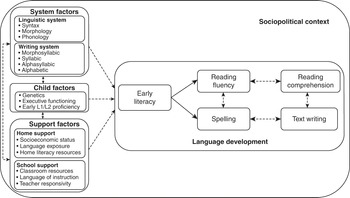
Figure 20.1 The global literacy framework
This framework draws attention to the proximal factors influencing literacy development – home and school support – that are enfolded within layer of “sociopolitical context,” which has both broad and deep influences on the functioning of the more proximal factors. The challenges to literacy attainment arise from all levels of the literacy ecosystem, from factors intrinsic to the individual child to extrinsic factors that are seemingly very remote from the child’s literacy interactions but have large effects mediated through multiple educational, social, and political structures. We begin with system-based and child-based challenges, with the clear recognition that even these are partly the result of the broader layering of ecosystems that include the child.
20.5.1 Language- and Writing-System-Based Challenges
The challenges of languages and writing systems are complex, not reducible to simple generalizations nor to lists of “top ten” most difficult languages. Claims of learning differences among languages and writing systems abound: English spelling is too complex to learn, alphabets are easiest to learn, Chinese writing is the hardest to learn, and so on. Such claims require context to evaluate and do not stand up as generalizations. For example, language difficulty is about learning a foreign language, which depends very much on its relation to the speaker’s native language. For the child acquiring language naturally, differences among languages are negligible and nearly impossible to quantify. Learning a writing system is different, because it must be learned through explicit or implicit teaching rather than naturally. The real challenge for the learner is less about the features of the writing system than about the match between those features and the spoken language. Written Chinese seems to fit better with spoken Chinese than with spoken English, and the reverse is also likely. These observations are caveats to guard against overemphasizing language and writing-systems differences in learning to read. With these caveats, we can better appreciate the differences that matter. There are several that do matter for the learner.
An important one of these is that writing systems differ in graphic efficiency, that is, the number and complexity of their graphs. The more graphs an orthography has, the more demanding it is to learn. The challenge from the size and complexity of the graphic inventory varies – relatively low in the case of alphabetic learning, intermediate in the case of syllabic (e.g., Japanese Kana) and alphasyllabic learning (e.g., Kannada), and high in the case of Chinese. These differences translate to differences in the amount of learning time required to master the inventory of graphs and their mappings to language. Among alphabetic orthographies, the development of reading fluency is affected by syllabic complexity and the transparency of the grapheme–phoneme mappings (see Reference Daniels and ShareDaniels & Share, 2018). Thus, system-based challenges include not just the graphs but also the mapping principles that govern their link to spoken language. Since writing involves encoded language, not simply encoded speech, it can accommodate not only phonemic but also syllabic and morphological aspects of a language. An optimal writing system – one perfectly tuned to the features of the spoken language – is an ideal that may be approximated in some cases (Reference FrostFrost, 2012) but in general, especially when the writing system is imposed from outside the language community, this is not the case.
20.5.2 Child-Based Challenges
Some factors become, in some sense, enduring characteristics of the child, such as individual learner-cognitive and language abilities, approaches to literacy events, and self-regulation. All these individual characteristics, however, reflect the complex influences of context- and environment-provided literacy ecosystems. Thus, we focus here on brain-based child-based factors that seem intrinsic to the child in a clearer way – although even for these, factors external to the child are important.
20.5.2.1 Reading Disability
Reading disability, or dyslexia, has always been understood as having biological origins, as instantiated by current definitions (Reference Verhoeven, Perfetti and PughVerhoeven, Perfetti, & Pugh, 2019). According to the International Dyslexia Association (https://dyslexiaida.org), dyslexia can be defined as “a specific learning disability that is neurobiological in origin.” The definition adds that dyslexia “results from a deficit in the phonological component of language.” Dyslexia organizations around the world echo this definition, including those in India, Singapore, Australia, the UK. The Australian Dyslexia Association adds, unhelpfully, “There is no cure for dyslexia since it is a brain-based difference” (Australian Dyslexia Association, 2021).
We need to accept the biological definition, because of the overwhelming evidence of genetic transmission, and also hedge it slightly, because of the incorrect inferences it invites. The first of these is the assumption that a genetic condition cannot be modified. As Grigorenko (Chapter 13, this volume; also, Reference Olson, Keenan, Byrne, Samuelsson, Verhoeven, Perfetti and PughOlson et al., 2019 and others) emphasizes, it is when genetic status is controlled (e.g., in identical twins) that environmental effects are most clearly observed. These effects include teacher effects, as we observed in the preceding section. Environmental interventions to counter the challenges of a biologically based dyslexia not only are possible but have been proved effective.
The second reason for the hedge is that the dyslexia label has been applied unevenly around the globe, within communities, and across demographic groups. Two children may have identical profiles of inaccurate and halting word identification with phonological problems, but only one of them may be considered to have dyslexia, while the other is considered a poor reader or a slow learner. Reference Elliott and GrigorenkoElliot and Grigorenko (2014) argued, with supporting detail, that the term dyslexia may do more to hide reading problems than to illuminate them. There are many aspects to this issue, but a global perspective brings two into focus: (a) Do our two failing readers benefit from the same focused interventions designed to address decoding? (b) If one of them is poor or from a disadvantaged group, will their reading problem be attributed to low intelligence or low opportunity, while the higher-SES child receives a dyslexia diagnosis? Will they be treated differently because of these attributions? We assume, with or without a special dyslexia label, and consistent with advances in research, that genetic factors place some children at risk of having problems in basic word-reading and spelling processes. Instead of claiming there is not much that can be done about a genetically affected disorder, the response should be to optimize the child’s proximal ecosystems, including focused instruction on word reading and phonology.
In the second part of the three-volume series on reading of which this book forms the third part, Reference Perfetti, Verhoeven, Pugh, Verhoeven, Perfetti and PughPerfetti, Verhoeven, and Pugh (2019) concluded that reading problems around the world are associated with multiple cognitive factors. The main one is indeed the phonological deficit, most often expressed in both spoken language and written language. But there are also orthographic and symbol-naming factors that emerge as important in most languages, and especially in nonalphabetic languages that do not demand phoneme-level mapping. Reading problems at the individual-child level thus follow a shared pattern around the globe: that of a prevalent phonological processing problem accompanied by additional problems with other aspects of the word-identification system.
This does not mean there is no global variation in the pattern of child-based reading problems. The genetic approach makes this clear. Schooling in high-income countries is less variable than it is in lower-income countries. This implies that the distribution of heritability and total environment influences are correspondingly different. When most children receive quality schooling, individual differences will tend to reflect the genetic factors. When many children fail to receive quality schooling, environmental variability is large, influenced by the schooling and the more remote ecosystem layers that affect it. For the well-off, schooling may be better as a result of their access to higher-resourced private or public schools. For the poor, however, a lower-quality school may be the best environment possible, compared with dropping out of school or not attending at all. As Grigorenko (Chapter 13 in this volume, p. 304.) concludes: “The propensity of a human brain to transform into a literate brain then depends on print exposure and effective teachers, because children cannot learn to read and write without being taught how to read and write.”
We can talk about child-based factors because genes and the neurological development they control are indeed individual. However, in so doing, we do not evade the layered elements of the literacy ecology and their direct influence on “child-based” challenges to literacy.
20.5.2.2 Poverty Challenges to Brain Development
If brain function is the signature individual-child factor, then brain development is the primary pathway to a brain that is wired to meet the challenges of learning, including learning to read. Rigatti et al. (Chapter 12 in this volume) provide a general picture of the development of the brain systems that serve language, memory, and vision and become connected to function as reading networks.
However, the development of neural systems is at risk from the effects of environmental stressors. These stressors, which arise from exposure to toxins, malnutrition, and socio-emotional stress, are more frequently experienced by children in poverty. The negative effects of poverty on brain development are becoming well documented and there are plausible links to explain the pathways of these effects. Indeed, atypical patterns of structural brain development mediate the relationship between household poverty and impaired academic performance (Reference Hair, Hanson, Wolfe and PollakHair et al., 2015).
Socioeconomic status is associated with literacy in multiple ways because it is reflective of multiple layers of the ecosystem (neighborhood, family, school). Part of this association is mediated by brain development. For example, family income is associated with a child’s brain surface area, and this association is especially strong for lower-income families – small differences in income are associated with large differences in brain surface area (Reference Noble, Houston and BritoNoble et al., 2015). Providing a possible explanation for such effects, Reference Merz, Wiltshire and NobleMerz, Wiltshire, and Noble (2019) observed brain-structure differences in the cortical surface area of left hemisphere brain areas that function in language – larger cortical surfaces for high-SES children than those with lower SES. Further, they found that this SES-left hemisphere association was mediated by measures of language input to the child (number of adult–child conversation turns). Thus, we see here the layered effects of the ecosystem on the brain’s readiness for literacy and learning in general.
It is important to point out also that the poverty–brain development relationship is not just about cognitive functioning. The accumulation of socio-emotional stressors that can accompany poverty has a negative effect on emotional regulatory systems in the brain that affect later mental health (Reference Hanson, Albert, Skinner, Shen, Dodge and LansfordHanson et al., 2019). We can expect to find that emotional health is another factor in the child’s engagement with literacy activities. Thus, as observed by Rigatti et al. (Chapter 12 in this volume), although brain development is a “child-based” challenge, the challenges to normal brain development arise not just through genetic anomalies, but also from adverse physical and social environments.
20.5.3 Challenges in Literacy Ecological Systems
When we think of poverty effects on literacy and schooling, our thoughts are less likely to be on the brain and more likely to be on financial resources that affect educational opportunities. Wealth – familial, regional, national – matters greatly for educational outcomes across the globe. Socioeconomic status consistently correlates with language and literacy skills (Nag, Chapter 15 in this volume; Reference Shure, Parameshwaran, Nag and SnowlingShure et al., 2014). Further, this relation holds across ages – early childhood, childhood, and adolescence – and schooling across global regions. This pattern does not depend on which indicators of SES are used, as Kieffer and Vuković (Chapter 2 in this volume) conclude in their North American studies.
Schooling provides the institutional center of the literacy ecology: the agencies charged by governments around the world with the delivery of education. Accordingly, we have devoted a previous section to schooling and teaching, the most important way schooling supports the child’s learning. Here, in considering the challenges to literacy associated with schooling, we emphasize the risk to those children who must attend poorly resourced schools or learn in conditions that interfere with effective teaching. Effective teaching matters, even when its critical features are less tangible than the specific literacy teaching methods. A few conclusions that affect teaching quality and classroom environment are obvious, some backed clearly by data, some not so clearly. Literacy learning is more at risk when the teacher/student ratio is large, in a class with an attention-dividing environment. Learning is more effective when student attention can be directed to specific learning events – the teacher, a visual display, a book – when teachers are well trained in the basics of literacy instruction, and when instructional methods and curriculum materials are consistent with the sciences of learning and reading.
These proximal factors, situated in the child’s immediate learning environment, mediate influences from the higher levels of the schooling ecosystem – in particular, the financial and human resources that can provide safe, supportive physical learning environments and the hiring of trained teachers. Economic disparities around the world cause schooling disparities and thus place many children at risk of poor learning outcomes. Rich countries can pay more for education and usually do; children in poor countries are at risk for low-quality schooling.
Some national comparisons are possible and show an interesting picture of commitment to education. Thirty-seven countries are members of the Organisation for Economic Cooperation and Development (OECD). These countries provide a wide range of per capita wealth, as measured in Gross Domestic Product (GDP). In 2017, the per capita GDP ranged from less than $20,000 US dollars (Colombia) to almost $120,000 (Luxembourg), providing a large-enough wealth range to assess national commitments to education. For elementary- and secondary-school education, the expenditures of these thirty-seven countries were remarkably predictable along a linear function with a correlation of r=.86 between per capita GDP and total expenditures (public and private funding) per student (National Center for Education Statistics, 2022). With 74 percent of the variance in student expenditures accounted for by a country’s per capita GDP, there can be only small deviations. The two poorest countries (Colombia, Mexico) somewhat underspent relative to their GDP; but so too did two of the three richest countries (Ireland, Switzerland) and a few with midrange economies (Lithuania, Turkey). Only a few countries noticeably overspent on education relative to their wealth, including one of the poorer countries (Portugal), three midrange countries (Korea, Belgium, Austria), and one at the high-wealth end (Norway). Comparable data from more countries in the Global South are needed to get a fuller picture. But for these thirty-seven countries, most of them in the Global North, we see a striking uniformity in the portion of a nation’s wealth invested in the education of children in the primary and secondary grades. (Data from 2019 allow a similar conclusion.)
It is important to emphasize that school resources extend beyond the financial, to human resources that are broadly educational – the instructional resources enabled by the sociocultural, linguistic, technological, and strategic structures that characterize a classroom environment and that can be supported or inhibited by school leadership. These depend not only on financial resources but also on the leveraging of available talent and leadership.
20.5.4 Challenges in Preschool and Home Support
Preschool. Formal schooling has the role of education guarantor; it is the place where inequities in earlier opportunities are confronted and where all children should have a chance to learn. However, we know that literacy opportunities prior to formal schooling are essential in preparing children for success at school. The effects of inequities are evidenced in the early markers available in preschool settings: Vocabulary, expressive language, and print-related concepts are predicted by SES. As children enter school, SES predicts reading measures including accuracy, rate, and comprehension. Nag (Chapter 15 in this volume) concluded that the SES factor in literacy is universal across nations, grade levels, and language of instruction (i.e., for first or second language). Access to supportive preschool literacy experiences is important in preparing children for formal instruction, but it too is highly dependent on SES in most of the world.
Home and Community. Differences in home environments arise from economic and family-education factors and can be indexed in various ways. One well-known index is the number of books in the home. While such an index might imply differences in literacy events (amount of reading by family members and reading to children), it is more likely to be a stand-in for SES. Indeed, the number of books loses much of its predictive power when SES is controlled. However, the effects of SES itself – and its components of family income and parental education – are also indirect. They are implemented through the language, literacy, and learning opportunities that are greater with higher SES. It is important to recognize that these more direct causes of early literacy support are not totally dependent on economic status. Reading to children, an important preliteracy event, can be done with one or two books; unopened books on the shelf are not helpful except as indicators of other opportunities that families with education and financial resources can provide to children. Schwartz (Chapter 19 in this volume) shows how parental support can make a difference in children’s literacy development in both monolingual and bilingual contexts.
Because home environments are enabling factors in literacy development, the challenge is how to leverage the potential of home environments – even in poor homes – to be actually supportive. Research on home environments in middle- and high-income countries has generally verified that the quality of children’s home experiences is related to learning outcomes, including reading scores (e.g., Friedlander and Goldenberg, Chapter 18 in this volume). There has also been considerable research on this relationship in lower-income countries, including a review of data from schools in locations across Africa and Asia (Reference Dowd, Friedlander and JonasonDowd et al., 2017, Reference NagNag et al., 2019). Interestingly, reading scores have also been found to be higher when children participate in community learning activities. However, as Friedlander and Goldenberg (Chapter 18 in this volume) point out, there remains a shortage of systematic intervention studies to provide models and evaluations of home/community interventions. Still, it seems clear that the combination of family and community can provide important resources for early literacy support (see also Nag, Chapter 15 in this volume).
20.6 Literacy Learners and Their Enfolding Ecosystems
We conclude by emphasizing the value of a particular ecological perspective on literacy development. The proximal enablers of successful learning (the child’s relevant knowledge, the teacher’s effectiveness) must be in central focus. Embracing an ecological perspective without this focus can draw attention away from what can be fixed directly – the learning and teaching events. The array of political and social systems that enfold the child and the school have profound influences on these learning and teaching episodes and need to be addressed. Our perspective – a learning-centered literacy-ecology approach – focuses attention on the enfolding ecosystems and their powerful influences, while keeping the learning events that directly lead to literacy at the center.
Our global literacy framework (Figure 20.1) draws attention to the proximal factors influencing literacy development – home and school support – while leaving the largest enfolding layer of “sociopolitical context” undifferentiated. This lack of differentiation of social-political context is partly because of its complexity and partly because the specific features of context depend on local conditions that reflect factors of social stratification, governance, linguistic, cultural, economic, and political power, and historical developments. Nevertheless, a complete analysis of the contexts of literacy should include a critical evaluation of how ideological beliefs, economic interests, and political agendas drive literacy-support systems around the world (see also Reference Wickins and SandlinWickins & Sandlin, 2007).
Striving for global literacy, at a meaningful level, involves focusing attention on all these factors in different ways and on different timelines. The nearly universal acceptance of literacy as a human right helps with this. So too does the accumulation of scientific knowledge about the basic nature of literacy across languages and writing systems, its various proximal enablers, and the distal contexts that can support or challenge it.

