

At one moment in our fieldwork on Pirahã during the conference on recursion in Rio de Janeiro (Recursion in Brazilian Languages and Beyond), we asked the monolingualFootnote 1 Pirahã speaker to explain what we instructed him to do through Pirahã translation of the following English example:
| (1) | ‘Put the coin on the paper on the rug.’ |
Interestingly, he spontaneously reversed the order of two PPs, as follows:
| (2) | ‘Put the coin on the rug on the paper.’ |
Why? This does not seem to be coordination with respect to semantic interpretation:
| (3) | ‘Put the coin on the rug and the paper.’ |
Is this a new type of recursion not only for Pirahã, but also crosslinguistically? If so, the prediction is that it is found in other languages as well. In fact, though little discussed, it is attested in English with sequences of PPs:
| (4) | a. Throw the waste in the garage in the back corner in the black barrel. |
| b. Put the jar in the kitchen in the closet on the second shelf. |
In these examples, multiple PPs jointly fill the locative argument of the predicates. If (4) were recursive embedding of PPs, the order would be the opposite, like Pirahã:
| (5) | a. Throw the waste in the black barrel in the back corner in the garage. |
| b. Put the jar on the second shelf in the closet in the kitchen. |
Notice that if (4) were recursive embedding of PPs, the meaning would also be infelicitous: the kitchen cannot be in the closet (unless miniature toy kitchens). This type of recursion seems to be present in another indigenous Brazilian language, Kaingang (Luiz Amaral, personal communication), as well as on the acquisition path in English.
In this chapter, given these observations in Pirahã and English, we propose a new type of recursion called Direct Structured Recursion, added to the typology of recursion in Roeper and Snyder (Reference Roeper, Snyder, Di Sciullo and Delmonte2005) and Roeper (Reference Roeper2011). Specifically, we argue that there are three types of recursion, which are clearly distinguished in terms of syntactic behavior: (1) Direct Unstructured Recursion (DUR), (2) Direct Structured Recursion (DSR), and (3) Indirect Recursion (IR). Furthermore, it will be argued that these types of recursion may be reflected in the acquisition path of English through their increasing complexity. The theoretical implications for the debate on recursion in Pirahã will also be discussed (Everett Reference Everett2005, Reference Everett2009; Nevins et al. Reference Nevins, Pesetsky and Rodrigues2009a, Reference Nevins, Pesetsky and Rodrigues2009b; Levinson Reference Levinson2013; Legate et al. Reference Legate, Pesetsky and Yang2014; Roeper and Speas Reference Roeper2014).
This chapter is organized as follows. Section 1 descriptively introduces three types of recursion and their syntactic behaviors. Section 2 argues that the acquisition path of recursion in English corroborates their psychological reality, where syntactic complexity of each type of recursion is reflected in the time course of acquisition. Section 3 discusses the relevance of Direct Structured Recursion for the recursion debate in Pirahã. Section 4 concludes the chapter.
1 Typology of Recursion
In this section, building on Roeper and Snyder (Reference Roeper, Snyder, Di Sciullo and Delmonte2005) and Roeper (Reference Roeper2011), we propose a new typology of recursion. In particular, three types of recursion are introduced, as in (6).
| (6) | Typology of Recursion: |
| a. Direct Unstructured Recursion | |
| b. Direct Structured Recursion | |
| c. Indirect Recursion |
Roeper (Reference Yang, Roeper and Boeckx2011) has argued that Direct Unstructured Recursion (DUR) adjoins XPs in a linear manner, while Indirect Recursion (IR) introduces XPs in a hierarchical way mediated through an additional category YP.Footnote 2 Direct Structured Recursion (DSR) is the new type of recursion proposed in this chapter and displays an intermediate complexity between DUR and IR in that XPs are introduced hierarchically, but not through an additional category YP. Although full theoretical formalization of this typology of recursion is beyond the scope of this chapter, syntactic behavior of each type of recursion is described below.Footnote 3
1.1 Direct Unstructured Recursion
Direct Unstructured Recursion (DUR) is the “default” type of recursion and adds an indefinitely large number of XPs in a linear manner without generating hierarchical structures. DUR would be formulated with the phrase structure rule (7).Footnote 4
| (7) | Direct Unstructured Recursion: |
| YP → YP XP* | |
| (where “*” means zero or more) |
Example (8) instantiates DUR, where YP = VP and XP = PP, and what Langendoen et al. (Reference Langendoen, McDaniel and Langsam1989) call “coordinating.”
| (8) | Put an apple [PP in the kitchen], [PP in the bedroom], and [PP in the balcony]. |

Semantically, DUR has a conjunctive interpretation. For example, example (8) means that each PP is individually predicated of the object “an apple” and PPs are not predicated as a unit (Chomsky Reference Chomsky2013). Consequently, DUR shows no compositional relationships among recursive XPs, so that permutation yields no semantic differences, as in (9).
| (9) | Put an apple [PP in the balcony], [PP in the kitchen], and [PP in the bedroom]. |
Syntactically, since recursive XPs are coordinated in a linear manner, extraction out of them is impossible due to the Coordinate Structure Constraint (Ross Reference Ross1967), as in (10).
| (10) | *What did John put an apple in the kitchen, in the bedroom, and in <what>? |
In sum, DUR is semantically conjunctive and syntactically linear. This type of recursion is equivalent to “parataxis” in non-literate languages observed by Hale (Reference Hale and Dixon1976), Everett (Reference Everett2005, Reference Everett2009), and Evans and Levinson (Reference Evans and Levinson2009). This corroborates the view that DUR is the “default” type of recursion available universally and predicts that children begin with producing and comprehending recursive XPs as DUR.
1.2 Direct Structured Recursion
Our initial observations in Pirahã and English all motivate this second new type of recursion: Direct Structured Recursion (DSR), which appears similar to DUR but quite different in involving hierarchical structure, rather than linear structure. The phrase structure rule responsible for DSR can be formulated as in (11).
| (11) | Direct Structured Recursion: |
| XP[+F] → XP[+F] XP[+F] |
Unlike DUR, the phrase structure rule is binary and crucially generates hierarchical structure; namely, more than two sisters are impossible. This is achieved by the shared feature [+F] between XPs (Chomsky Reference Chomsky2013). Typical examples of DSR are what Langendoen et al. (Reference Langendoen, McDaniel and Langsam1989) call “stuffing” (12), where XP = PP.
| (12) | a. Put an apple [[[PP in the house] [PP in the kitchen]] [PP in the cabinet]].Footnote 5 |
| b. Bill saw Mary [[[PP on Saturday] [PP in the morning]] [PP at nine]]. |

DSR, unlike DUR, is semantically compositional. For instance, in the example (12a), three PPs are jointly predicated of the object “an apple,” but PPs do not modify the preceding NPs (i.e., the house is not in the kitchen). In other words, PPs collectively saturate the obligatory locative argument of “put” and can be interpreted in a single event, unlike example (8). Similarly, in example (12b), three PPs together express one specific time (i.e., Saturday is not in the morning). Therefore, in contrast with DUR, permutation of recursive XPs does affect semantic interpretations, making the example ungrammatical or at least infelicitous, as shown in (13).
| (13) | #Put an apple [[[PP in the cabinet] [PP in the house]] [PP in the kitchen]]. |
Importantly, extraction out of DSR is possible, indicating that PPs here must be hierarchically organized and not coordinated in a linear manner.
| (14) | What did John put an apple in the house in the kitchen in <what>? |
This observation is reminiscent of asymmetric coordination, where extraction is generally permitted (Nonato, this volume). In summary, DSR is different from DUR in that the former is compositional and hierarchical, while the latter is conjunctive and linear, as revealed by permutation and extraction facts. Nevertheless, DSR and DUR are similar in that both can stack adjacent identical XPs without an intervening category YP. This “direct” nature distinguishes DSR and DUR (i.e., recursion by one rule) from the third type of recursion (i.e., recursion by two rules), to which we now turn.
1.3 Indirect Recursion
The third and final type of recursion is Indirect Recursion (IR), which is fully compositional and hierarchical in nature. IR resembles DSR in that both involve hierarchical structure, but importantly IR arises through two phrase structure rules (15).
| (15) | Indirect Recursion: |
| XP → X YP | |
| YP → Y XP |
Representative examples of IR are recursive embedding of PPs mediated through NPs (16), where XP = PP and YP = NP. Compared to DSR (12), the order of PPs is exactly the opposite with the meaning roughly the same. This is what Langendoen et al. (Reference Langendoen, McDaniel and Langsam1989) call “alternating”:
| (16) | a. Put an apple [PP in [[NP the cabinet] [PP in [[NP the kitchen] [PP in the house]]]]]. |
| b. Bill saw Mary [PP at [[NP nine] [PP in [[NP the morning] [PP on Saturday]]]]]. |
IR is compositional in the sense that PPs modify the preceding NPs. In example (16a), the cabinet is inside the kitchen, which is further inside the house. Similarly, in example (16b), nine should fall inside the morning, which is in turn on Saturday. Consequently, permutation does change semantics in the same way as DSR, as exemplified in (17).
| (17) | #Put an apple [PP in [[NP the house] [PP in [[NP the kitchen] [PP in the cabinet]]]]]. |
Extraction out of recursive XPs is generally fine with IR, like long-distance wh-extraction from recursive VPs:
| (18) | What did John put an apple in the cabinet in the kitchen in <what>? |
If both IR and DSR are semantically compositional and syntactically hierarchical, what is the difference between IR and DSR? The answer lies in the complexity of recursion. DSR can directly stack identical XPs, but IR never has adjacent identical XPs. Consequently, one phrase structure rule is sufficient for DSR (i.e., recursion by one rule), whereas two mutually dependent phrase structure rules are necessary for IR (i.e., recursion by two rules). This difference can be treated in terms of the “anti-identity” condition discussed by Leivada (Reference Leivada2015) that adjacent XPs are not preferred (cf. OCP in phonology): DUR and DSR violate the “anti-identity” condition, while IR does not.Footnote 6
2 Acquisition Path of Recursion
In this section, we explore the psychological reality of the proposed typology of recursion by showing that three types of recursion are reflected in the acquisition path of recursion. Since those types of recursion differ in syntactic complexity, the following time course of acquisition is predicted by the theory:
| (19) | Acquisition Path of Recursion: |
| Direct Unstructured → Direct Structured → Indirect |
Furthermore, this particular order of the acquisition path is quite natural under the theory of the acquisition engine with automatic self-revision (Roeper Reference Roeper2014). Since adjacent identical XPs attested in Direct Unstructured Recursion and Direct Structured Recursion are not preferred by the “anti-identity” condition (Leivada Reference Leivada2015), the acquisition engine seeks to revise those dispreferred types of recursion to Indirect Recursion, which does not involve adjacent identical XPs. One consequence is that some speakers find “put the jar on the table in the box” (Direct Structured Recursion) to be worse than “put the jar in the box on the table” (Indirect Recursion), which is actually the case from informal investigation.
2.1 Acquisition of Direct Unstructured Recursion
DUR has been shown experimentally for many constructions, as indicated by children’s bias to comprehend recursive XPs as linear conjunction:
| (20) | Adjectives: |
| second green ball → second and green ball | |
| (Matthei Reference Matthei1982) |
| (21) | Possessives: |
| Mary’s father’s bike → Mary and father’s bike | |
| (Limbach and Adone Reference Limbach and Adone2010) |
| (22) | Compounds: |
| tea-pourer-maker → tea-pourer and maker | |
| (Hiraga Reference Hiraga2010) |
| (23) | Sentences: |
| What did Sue tell Mom Bill said… → What did Sue tell and Bill said… | |
| (Hollebrandse et al. Reference Hollebrandse, Hobbs, de Villiers, Roeper, Gavarró and Freitas2008) |
The results of these various experiments clearly indicate that DUR is the default and simplest mode of recursion. Lebeaux (Reference Lebeaux2000) and Yang and Roeper (Reference Yang, Roeper and Boeckx2011) have also argued that children begin with adjunction before acquiring argument structures.
2.2 Acquisition of Direct Structured Recursion
We turn now to DSR in the acquisition path. Since DSR is syntactically simpler than IR, we predict that DSR occurs relatively early in acquisition as compared to IR. The examples in (24) from various corpora in the CHILDES database (MacWhinney Reference MacWhinney2000) show that it emerges around 2;3 years. In these spontaneous examples, the directional PPs go from larger to smaller, as in our previous examples:
| (24) | a. I will go right on the street in a car. | [2;3.0] |
| b. He left his bear alone in the park on the seat. | [3;6.9] |
The following examples, based on searches for “there” with 2 years old, should also be regarded as DSR, not IR, because the PP in there is further modified by the following PPs, which would not be the case if they exemplified Indirect Recursion:
| (25) | a. Put it under the other puppet in there on your hand. | [3;2.4] |
| b. Some milk # put them in there in the water. | [2;8.30] | |
| c. That one go on there in the tower. | [2;2.12] | |
| d. Let’s look down there on the ## floor. | [2;5.0] | |
| e. Put that one in there on that side. | [3;4.1] | |
| f. In with somebody else right right in there in the other room. | [3;6] | |
| g. I saw him right in there on the ceiling. | [3;2.29] | |
| h. Snowman down there in my trousers. | [2;3.15] |
Naturalistic data in (26) also suggests that children indeed resist Indirect Recursion in favor of DSR (Gu Reference Gu2008):
| (26) | Father: | up on the shelf in the closet in the kitchen |
| Father: | can you say that | |
| Child: | yeah | |
| Child: | up in the # up in the # what | |
| Father: | up on the shelf in the closet in the kitchen | |
| Child: | up on the shelf in the # what | |
| Father: | closet | |
| Child: | in the closet in the kitchen | |
| Father: | in the jar up on the shelf | |
| Father: | can you say that? | |
| Child: | I can’t | |
| Father: | you can | |
| Child: | in the jar # say in the jar | |
| Child: | up on the shelf in the jar in the closet in the kitchen |
Notice in the last sentence of (26) that the order of two PPs would be wrong if this example instantiates IR: the shelf is not in the jar. Therefore, we should conclude that this is an instance of DSR where the referent specified by the first PP is directly modified by the following PP.
In addition, the famous examples called “kindergarten path effects” originally discovered by Trueswell et al. (Reference Trueswell, Sekerina, Hill and Logrip1999) and subsequently replicated by Weighall (Reference Weighall2008) suggest that children misinterpret the first PP in sentences like (27) as the locative argument of the predicate, not the modifier of DP.
| (27) | Put the frog on the napkin in the box. |
While these examples have been regarded as evidence of the processing limitations of children, this result can be interpreted as children’s bias to avoid IR in favor of DSR, where the frog goes both on the napkin and in the box.
2.3 Acquisition of Indirect Recursion
Finally, children acquire IR, but when exactly Indirect Recursion appears in child grammar is still under debate. Pérez-Leroux et al. (Reference Pérez-Leroux, Castilla-Earles, Béjar and Massam2012, this volume) argue that multiple adjectives and PPs do not occur regularly in children’s production until 7–10 years. Roeper (Reference Roeper2011) also observes that spontaneous and experimental results do not always converge on the same conclusion. For example, IR such as sentence embedding is sometimes found around 5 years:
| (28) | a. I think Daddy says he wears underpants. |
| b. I think he said they gonna be warm. |
However, notice that the embedded sentences without the complementizer that could be argued to be conjunction (e.g., I think and Daddy says and he wears underpants). Therefore, our suspicion is that the discrepancy between comprehension and production, as Pérez-Leroux et al. (Reference Pérez-Leroux, Castilla-Earles, Béjar and Massam2012, this volume) argue, means that the representations generated for production might actually involve conjunction. If so, these early apparent examples of IR are compatible with the proposal that both DUR and DSR are available before IR.
2.4 Neurophysiological Evidence
The acquisition path defended above is motivated by the syntactic complexity of the typology of recursion. Interestingly, processing costs observed in the neurophysiological experiments also reflect this complexity effect in the acquisition path. Maia et al. (this volume) designed EEG experiments to compare DUR (coordination) and IR (embedding), and found that embedding is costlier to process than coordination in terms of both the latency and the amplitude. We suggest that DSR is a “stepping stone” on the acquisition path, whereby a non-restrictive semantic interpretation is projected prior to a restrictive semantic interpretation. If IR has tighter syntax-semantics mapping and is preferred with no violations of the “anti-identity” condition, children may ultimately reject DSR. Correspondingly, it is natural that DSR is sometimes perceived as substandard by adults.
3 Recursion in Pirahã?
Everett (Reference Everett2005) has argued against Hauser, Chomsky, and Fitch (Reference Hauser, Chomsky and Fitch2002) that Pirahã lacks sentential embedding, one major instance of IR, arguing instead that recursion is not universal but rather cultural in nature. However, Sandalo et al. (this volume) carefully show with various experimental tasks that Pirahã does have PP recursion, another instance of IR. Again, in the acting-out experiment, the following example of IR was first presented and understood perfectly by the monolingual speaker of Pirahã:
| (29) | Indirect Recursion: |
| ihiaipati gigohoi kopo ko tiapapati apo. | |
| put coin cup in chair on. | |
| ‘Put a coin in the cup on the chair.’ |
Interestingly, in spontaneous production, that Pirahã speaker inverted the order of two other PPs, creating DSR:
| (30) | Direct Structured Recursion: |
| tabo apo tiapapati apo kapiiga apo gigohoi. | |
| board on chair on paper on coin | |
| = ‘The coin on the paper on the chair.’ |
This fact not only serves as a strong existence proof of PP recursion in Pirahã, but also squarely fits with the theoretical claim that DSR is less complex than IR.
Critical independent confirmation came in the elicitation experiment reported by Sandalo et al. (this volume), where the following example of IR was elicited:
| (31) | Indirect Recursion: |
| Kapiiga ko kapiigaitoi xihi-aip-aáti kapiiga ko | |
| paper inside pencil store-down-unexpected paper inside | |
| kapiiga ho-áop-aáti | |
| paper Aux-imperfect-unexpected | |
| ‘You are putting down pencil inside paper inside paper.’ |
Here there are two verbs, main xihi ‘store’ and auxiliary ho ‘be,’ but there is only one tense marker on the auxiliary verb, which crucially rules out the possibility of parataxis, contrary to Everett’s (Reference Everett2005) claim.
In addition, DUR occurs in Pirahã, as expected under the view that DUR is the default and simplest mode of recursion:
| (32) | Direct Unstructured Recursion: | |||||
| koxoahai | bege | apo | xaxai | apo | piai | |
| alligator | floor | on | stone | on | also | |
| ‘Alligator on the floor and on the stone.’ | ||||||
This example is interpreted by the Pirahã speaker conjunctively, not compositionally, and requires the conjunct piai ‘and’ exactly as in English.
It follows that Pirahã does have recursion, at least in the domain of PP. But what about the alleged absence of recursion in the domain of CP? In fact, Sauerland (this volume) and Rodrigues et al. (this volume) have shown that Pirahã also does have recursion in the domains of CP (sentential embedding) and VP (obligatory control). In addition, Salles (Reference Salles2015) has shown that recursive possessives are found in Pirahã as well:
| (33) | Iapohen | baíxi | xapaitaí | kobiaí |
| Iapohen | mother | hair | white | |
| ‘Iapohen’s mother’s hair is white.’ | ||||
Even without these pieces of evidence, the lack of recursion with specific categories is not surprising. As articulated by Watumull et al. (Reference Watumull, Hauser, Roberts and Horstein2014), the absence of recursion in particular domains simply means that there are some lexically specific constraints, not the absence of recursion in the grammar itself. For example, as documented by Roeper (Reference Roeper2011), German lacks recursive possessives as in (34).Footnote 7
| (34) | a. | Marias Haus |
| ‘Maria’s house’ | ||
| b. | *Marias Nachbars Freundins Haus | |
| ‘Maria’s neighbor’s friend’s house’ |
In the same vein, there are no recursive compounds in Romance languages, no recursive prenominal adjectives in French, no recursive serial verbs in English, no sentential embedding in Warlpiri, and so on. In this light, the alleged absence of recursion in Pirahã is simply explained away by lexically specific constraints. From the acquisition perspective, this fact entails that children should not automatically extend recursion in one domain to another without language-specific experience; otherwise, impossible recursive XPs would be over-generated.
We also note that these results do not match the domain-general approach to recursion: for those who consider recursion to be domain general and not specific to human language (Corballis Reference Corballis2011), then lexically specific constraints on recursion are not expected, as in German recursive possessives. If recursion is derived from cognition outside human language, why are there language-specific constraints on the depth of recursive possessives? All of these linguistic arguments are incompatible with the claim that recursion is a domain-general capacity that is applicable across all forms of cognition.
4 Conclusion
Our proposal for how recursion is represented with the three primary types of recursion – beyond Merge – reflects increasing structural complexity. They are in turn reflected in the acquisition path: (1) DUR, (2) DSR, and (3) IR. We have found preliminary suggestive evidence at every possible data point (introspective acceptability judgments, child spontaneous production, child laboratory comprehension, electrophysiological measurement) to support our perspective (though much remains to be carefully explored).
The history of the generative enterprise has had enormous success in demonstrating that principles of grammar serve to describe grammars of natural languages around the world. The fact that the same experimental methodologies can be applied across Brazilian languages with parallel questions and comparable results strongly supports this enterprise. This not only provides important evidence for theoretical assumptions, but also demonstrates that experimental techniques developed in language acquisition can naturally transfer to fieldwork. Despite the diversity of languages, histories, cultural circumstances, and social environments, deep universal principles of grammar emerge repeatedly with surprising clarity.
1 Introduction
Our specific goal in this chapter is to use experimentation developed in acquisition work to identify the presence of self-embedding recursion in Pirahã.Footnote 1 Our broader goal, in concert with other chapters in this volume, is to jointly explore formal theoretical issues and extend experimental methodology to indigenous languages. We shall provide evidence that recursive self-embedding is present in Pirahã PPs and explore the consequences for the larger tapestry of recursive structures in human language in general. As a result, we reconsider the provocative claim by Everett (Reference Everett2005, Reference Everett2009, Reference Everett2012) that Pirahã lacks recursive syntactic structures altogether, showing that this view most likely results from a misunderstanding about the underlying grammatical system of Pirahã.
1.1 Broader Questions
There are broader issues entailed in the type of research described here:
(a) What is self-embedding in the larger context of recursive operations?
(b) How can a mathematical theory of grammar become visible to researchers in a language whose grammar is not fully understood?
(c) Can we reliably engage with such issues despite the necessity of translation and the presence of cultural differences?
(d) Can we apply a common methodology across a variety of indigenous languages and a variety of self-embedding constructions?
Our work is essentially just a step in this larger quest.
1.2 Experimental Fieldwork
Large challenges exist in doing fieldwork on isolated languages. It is not straightforward to obtain acceptability judgments from monolingual speakers without a writing system, relying mostly on uneasy translations. Yet it is very much like scientific inquiry elsewhere. In astronomy, observations can be severely clouded by limits on visibility. In biology, the extraordinary diversity in the physical environment of organisms, from the microscopic to the macroscopic, can be daunting. Our environmental challenge in discovering grammars may be less severe than in biology: it can be largely overcome once known experimental methods are imported into the inquiry. By utilizing stories and picture choice experimentation, we can create sharp pragmatic contrasts that allow us to highlight minimal pairs. This approach avoids subtle and frequently inconsistent grammaticality judgments.Footnote 2
In general, we find not a contradiction but a refinement of results when informal judgment, as well as truth-functional experiments and on-line approaches, are jointly explored. We see this approach as a harbinger of future work throughout linguistics.
1.3 Abstract Principles and Fieldwork
The claim that sophisticated, abstract Universal Grammar (UG) principles could be quickly and directly visible in a new language may seem very surprising. Half a century of painstaking and subtle explorations of intuitions of grammaticality have been needed to isolate distinctive characteristics of human grammar, such as the cyclic rules, Logical Form, barrier constraints on movement, and underlying parametric patterns (Baker Reference Baker2001). As a result, one might expect that each new isolated grammar produces an equal challenge that would take decades before an appropriate analysis succeeded. However, we believe that the opposite expectation emerges when scientific principles are fully clarified: if a UG principle can be expressed with formal precision, we should be able to isolate it easily in a new language.
In fact, recursion can be signaled by visible surface identity in morphemes, like –’s in ‘John’s friend’s hat’ or –er in ‘coffee-maker-maker,’ or specific prepositions like (de– in Romanian or –no in Japanese). Therefore, it is an excellent candidate for this expectation.
1.4 Overview of Recursion
Two meanings of recursion stand out in the literature in linguistics, derived from work in mathematics and computer science (Graffi Reference Graffi, Busà and Gesuato2015):
| (1) | Recursion as an iterative operation of Merge on words, and |
| (2) | Recursion as self-embedding of structures. |
There can be little doubt that the formation of every phrase requires the recursive algorithm of Merge or an equivalent formal operation that combines elements and operates upon its own output.Footnote 3 Therefore, this fundamental form of recursion must be universal for every structure identified as human language.
As for self-embedding, it is easily spotted in English PPs (the dog next to the cat next to the horse), possessives (John’s friend’s hat), adjectives (the second green ball), compounds (coffee-maker-lover), or in derivational morphology (re-re-reread), as well as in embedded sentences and in relative clauses.
It is well known that not every form of embedding is found in every language (Hale Reference Hale, Kinkade, Hale and Werner1975; Evans and Levinson Reference Evans and Levinson2009). So the question arises: which forms are found where? Tightly coordinated use of experimental materials developed in English (Pérez-Leroux et al., this volume), Japanese (Terunuma and Nakato, this volume), Portuguese (Maia et al., this volume), and Spanish, Dutch, and German have shown the presence of self-embedding not only with adults but also with children for both common (relative clauses) and rare (possessive) structures.
In this volume, Franchetto, working on Kuikuro, Lima and Kayabi on Kawaiwete, Amaral and Leandro on Wapichana, and Maia et al. on Karajá apply virtually identical or comparable materials on recursive locative PPs. Even though the tests have varied from non-chronometric acting-out tests applied to a single subject to direct on-line measures obtained with many subjects, all this work presents gratifyingly comparable results, showing the existence of self-embedding in these less-studied languages. Is it possible that Pirahã is a completely different language, banning any form of self-embedding? While Everett, based on his fieldwork, denies the presence of all forms of self-embedding, independent evidence first gathered by Sandalo in 1991 from informants, discussed below, runs directly counter to his claims. Moreover, Sandalo’s data fall together with Sauerland’s and Rodrigues et al.’s contributions (this volume) for recursively embedded sentential complementation in Pirahã, and with further work by Salles (Reference Salles2015) on self-embedded possessive nominal phrases.
At any rate, it is the full panoply of results within a language, using a variety of methodologies, that produces the kind of empirical robustness that science traditionally seeks. To capture all these facts, we need a more refined representation of recursion varieties.
2 Recursion Types
The universal form of Merge has been defined by Chomsky (Reference Chomsky2013) in the following terms:
| (3) | Merge (α,β) = {α,β} |
| Recursive Merge: T (α,β) → {T [α,β]} |
That is, recursive Merge refers here to a structure-building algorithm where only set formation ({α,β}) is combined, without a built-in label assigned to nodes.
In this recursive procedure, every step in structure-building is an operation of Merge that takes as its input (α and β) two lexical items and merges them, delivering as its output a more complex object ({α,β}). In the next step, Merge may take a new phrase as input and combine it with the complex object formed in step 1.Footnote 4
When we turn to self-embedding recursion, it is easy for us to conceive it in terms of node labels, which abstractly are maximal projections, represented as XP or YP, projected from heads, as X or Y. From there, we can differentiate three types of structures with rules that operate upon labelled nodes. Each entails a different formal representation, although their ideal formal representation will no doubt undergo further evolution. Snyder and Roeper (Reference Roeper and Snyder2004) and Roeper (Reference Roeper2011), building upon work in computer science, have identified Direct Recursion (DR) and Indirect Recursion (IR). Roeper and Oseki (this volume) have further divided Direct Recursion into Direct Unstructured Recursion (= Conjunctive) (DUR) and Direct Structured Recursion (DSR).Footnote 5
DUR delivers a conjunction, which can be generated in accordance with the rewriting rule in (4a):
| (4a) | Direct (conjunctive) Recursion: X → X (and X) |
The signature characteristic of DUR can be represented as in (1) and it is interpreted as conjunction or “and.”
Everett (Reference Everett2005) calls this elementary form “parataxis,” and claims that all phrases in Pirahã are interpreted in this straightforward way. Arsenijević and Hinzen (Reference Arsenijević and Hinzen2012)Footnote 6 suggest that this default form actually lies outside of grammar itself and it applies to every structural level (XP-level, sentence-level, word-level).Footnote 7 Classic evidence for this kind of structure comes from forms like (4b), where order has no interpretive effect and little evidence of binary structure is present:
| (4b) | John, Bill, Susan, and Fred arrived |
A second form of recursion, Indirect Recursion, involves an extra derivational step, or an extra rewriting rule (5):
| (5) | X → Y Z |
| Z → W (X) |
According to this, a category Z may emerge from the combination of other categories. In this second step of the derivation, X, created in step 1, is optionally re-introduced, resulting in a structure with self-embedding or “mutual recursion” in some accounts. The core forms of self-embedding in grammar are expressed through IR because they entail interpretive dependencies. An interesting case for the present discussion is DP-PP recursion (6), where PPs are introduced within DPs, creating a loop:
| (6) | Indirect Recursion |
| DP → D NP | |
| NP → N PP | |
| PP → P DP |
This can produce forms like (7) (marking the maximal projections: DP, NP, PP):
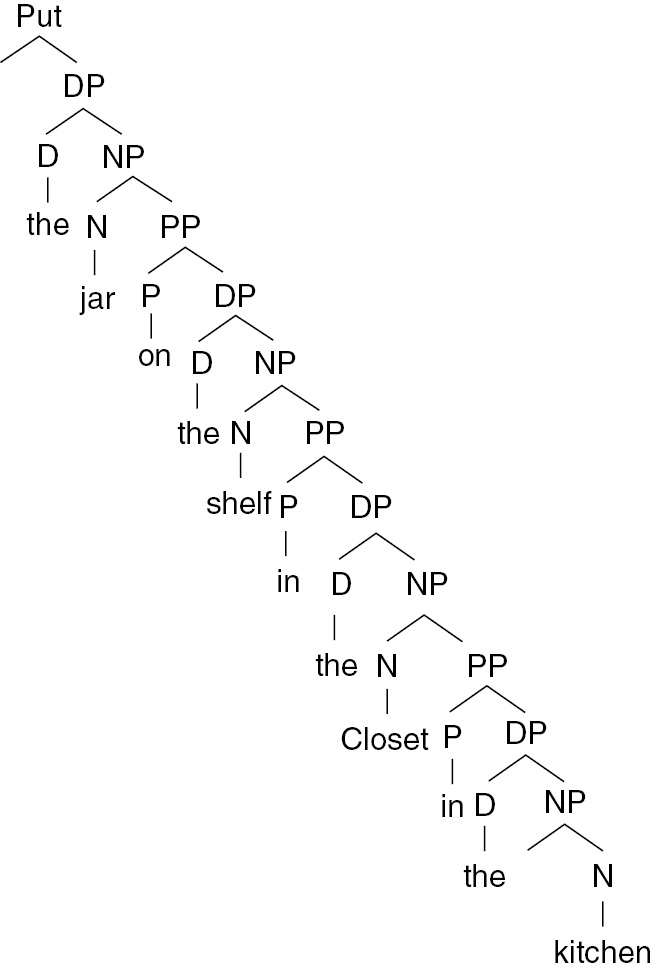
| (7) | a. | The jar on the shelf in the closet in the kitchen |
| b. | [DP the [NP jar [PP on [DP the [NP shelf [PP in [DP the [NP closet [PP in [DP the [NP kitchen]]]]]]]]]]] |
In (7), we have a cascade of referential DPs containing a NP with a PP specifying the reference of the DP. This means that the DP the jar is defined by the PP on the shelf, and the shelf is defined by the PP in the closet, which is further defined by the PP in the kitchen. The significant fact here is, ultimately, the complex way in which recursion controls reference or interpretation dependencies. Pérez-Leroux et al. (this volume) provide discussion of the syntax/semantics interface entailed by this type of structure.
A third form of recursion involves linked or “stacked” PPs or relative clauses and has been called feature-sharing by Chomsky (Reference Chomsky2013). Roeper and Oseki (this volume) call it DUR because it is formed in accordance with the rules in (6), in which a category PP emerges from merging a PP with a *PP, but the result involves referential dependencies and structural domination. This is best illustrated through VP recursion
(notation adapted from traditional Kleene* system):
| (8) | Direct Structured Recursion: |
| VP → V DP (PP*) | |
| PP* → PP (PP*) | |
| PP → P DP |
It is evident in cases of phrases describing motion following a path:
| (9) | a. | The ball rolled down the stairs into the street into the gutter into a hole |
| b. | Stand the chair up in the living room in the corner on the small rug |
It can also generate examples like (10) with order opposite to (7):
| (10) | Put the jar in the kitchen in the closet on the shelf |
Notably these forms allow wh-extraction, which requires c-command:
| (11) | a. Where did you say you put the jar in the kitchen in the closet? |
| → On the second shelf |
(10) and (11) involve a series of locative interpretations dependent upon each other, and is, therefore, not conjunctive, as it would be for (12), where conjunction would allow multiple jars to be placed:
| (12) | Put a jar in the kitchen and in the closet and on the shelf |
Therefore, DUR behaves syntactically and semantically differently from DSR, as in (13):
| (13) | Direct Structured Recursion through linked PPs: |
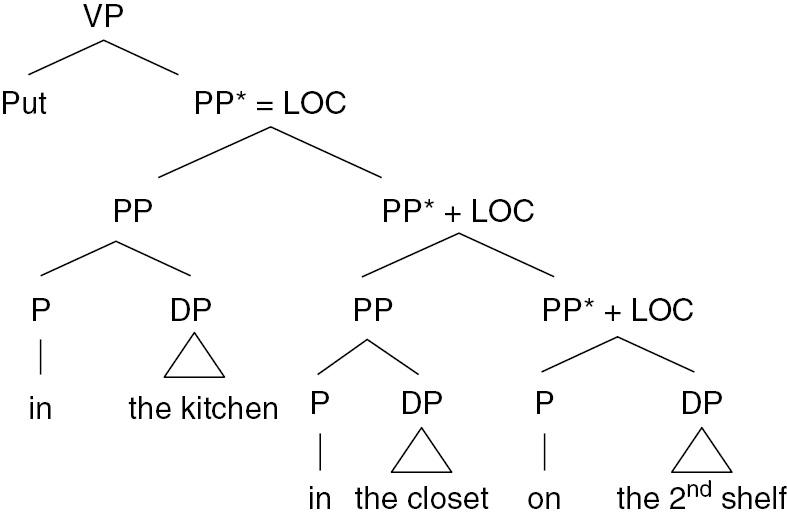
The PP* shares the [+LOC feature] and represents one argument of the verb ‘put.’ It also reflects the direction of motion and the fact that a single action of putting is usually entailed. That is, one does not first put the jar in the kitchen, then move it into the closet, and then move it onto the second shelf.
IR
through DP, however, is the more common form:
| (14) | Indirect Recursion through DP: |
| [DP [PP [DP [PP [DP [PP]]]]]] |
Or a more fully expanded DP:
| (15) | [DP [NP [PP [DP [NP [PP [DP…]]]]]]] |
Roeper and Oseki (this volume) show very early spontaneous use of PP recursion in language acquisition, which suggests that it is less difficult for a child to recognize it. Maia et al. (this volume) also observe that DUR is a more accessible default form, which does not exclude the presence of Indirect Recursion.
3 Pirahã Recursion
Now we have to adjust our structures to account for the left-branching nature of DP-PPs in Pirahã. The structures run the opposite way, but with the same relations:
| (16) | gata hio apo hoai |
| can inward match box | |
| ‘The match box is in the can’ |
Based on the example in (16), where hio apo likely represents a complex preposition akin to English into, we could represent the internal structure of the DP in (16) as in (17):
| (17) | Head-final NP constructions in Pirahã |

What would happen to the internal structure of the construction if Pirahã accepted multiple PP embedding? The example above suggests that should Pirahã speakers be able to understand multiple embedded PPs under DUR, then sentences like the one in (18) would be preferred over IR, as it is along the acquisition path from DUR to DSR to IR. The left-branching reverses the order: ‘coin on paper on chair on board’ to ‘on board on chair on paper coin’:
| (18) | tabo apo tiapapati apo kapiiga apo gigohoi |
| board on chair on paper on coin | |
| ‘The coin on the paper on the chair on the board’ |
Notice that the sentence in (18) allows for a representation following the Indirect Recursion example presented in (15) above for English. The main distinction would be based on the fact that Pirahã is a head-final language, which would give us the structure in (19):
| (19) | PP Indirect Recursion in Pirahã |

This also allows PP DUR with the implied conjunctive ‘and.’ If PP DSR is available in Pirahã, then speakers would be able to interpret DPs like those in (20), with the structure in (21):
| (20) | kapiiga apo tiapapati apo tabo apo gigohoi |
| paper on chair on board on coin | |
| ‘The coin on the board on the chair on the paper’ |
| (21) | PP Direct Structured Recursion in Pirahã |

We should, therefore, seek all three forms of recursion in Pirahã, although it is conceivable that Indirect (and, consequently, Structured) Recursion might be less evident, since it seems to be rarer among languages in general. Nevertheless, as we shall see, there are indications that they are all present. It might be that Pirahã blocks some forms of IR, as so many languages do. For instance, it is impossible to have recursive possessives in German (of the type, ‘John’s friend’s father’s house’), but Franchetto (this volume) and Lima and Kayabi (this volume) find them in Kuikuru and Kaiweiwete, respectively. Pirahã also allows recursive possessive DPs as shown in Salles (Reference Salles2015), who collected data containing three levels of self-embedding within possessive DPs. Can we predict where this type of recursion will be found? It is not obvious where one should look, and in fact any language might have a form of syntactic recursion never seen before. For Pirahã, in addition to sentence recursion, PP recursion is a natural choice to investigate.
Thus far, there are no known criteria for what links recursive structures in a given language, but it is very noticeable that, although English has both left and right-branching recursion, Romance languages with SVO structures appear to favor right-branching, while languages with SOV structure allow more left-branching recursion. The question of whether different forms of recursion are linked typologically and along the acquisition path is the next frontier in this research.
3.1 Naturalistic Examples of PP Recursion in Pirahã
During fieldwork, Sandalo collected examples like (22) that immediately suggest that Pirahã allows recursive PPs. (22) is a description provided by a Pirahã speaker for a scenario in which a pen is placed inside a small paper boat, which is placed inside a bigger paper boat.Footnote 8
| (22) | kapiiga ko kapiigatoi xihi-aip-aáti kapiiga ko kapiiga |
| paper inside pencil store-downward-unexpectedly paper inside paper | |
| ho-áop-aáti | |
| aux-impefective-unexpectedly | |
| ‘(You are putting down) pencil inside paper inside paper’ |
This example contains two verbal forms: a main verb xihi ‘put’ and an auxiliary ho-áop-aáti.Footnote 9 The main verb root, xihi, is inflected by two morphemes: a directional morpheme (downward) and a morpheme indicating ‘unexpected.’ It is the auxiliary verb that carries inflection related to tense (imperfective), as in other languages: for example, Basque. The presence of only one tense morpheme suggests that there is only one sentence with a postpositional phrase embedded under another. Therefore, with respect to PP recursion, Pirahã might not be different from other Brazilian native languages, for instance Kaingang, which seems to allow PP recursion as well.Footnote 10, Footnote 11
| (23) | Kãkénh tá runja kãki lata ki krẽkufár vyn kỹ pó ki |
| canoe on bucket inside can in fish grab thn rock in | |
| krẽkufár rẽ fi | |
| fish near put | |
| ‘Grab the fish in a can inside a bucket in the canoe then put (it) near the fish in the rock’ |
One might imagine that examples like (23) are not spontaneously found in Pirahã, as this type of complex sentence may overload the parser. Thus, in order to verify the availability of examples like this in Pirahã, we ran two experimental pilot studies. Two monolingual native speakers of Pirahã were tested: Iapohen Pirahã, who is about 40 years old, and Iaoá Pirahã, who is about 20 years old.Footnote 12 These two speakers participated in our research in two different venues: in July 2012 at the University of Campinas/Brazil and in August 2013 at the Federal University of Rio de Janeiro/Brazil.Footnote 13 Given the small amount of speakers we had access to and the fact that we did not have a controlled experimental set-up, our experiments should be understood as pilot studies.
In these experimental pilots, we worked with picture description (experiment 1) and acting-out routines (experiment 2).
3.2 Pilot Study 1: Teasing Direct and Indirect Recursion Apart
Method: Participants, Materials, and Design
Iaoá and Yapohen Pirahã, our participants, are native speakers of Pirahã with no apparent knowledge of Portuguese. They were exposed to a series of six pictures, like the ones shown in Figure 15.1, and after hearing a sentence in Pirahã (pronounced by one of the experimenters) they were expected to point towards the picture that best fit the description provided in the sentence.Footnote 14

Figure 15.1 Pictures in pilot study 1
Pictures 1 to 6 in Figure 15.1 were borrowed from Maia (Reference Maia2012) and Maia et al. (this volume) and were crucial to this experiment, as they visually describe the following grammatical possibilities:
| i. | No recursivity or coordination of PPs (pictures 3 and 4) |
| alligator on the beach on the stone =/=> not on stone on the beach (picture 3) | |
| =/=> not on stone and beach |
| ii. | Coordination of two PPs (picture 1) |
| alligator on stone on beach => alligator on stone and on the beach |
| iii. | Coordination of three PPs (picture 4) |
| alligator on blanket on stone on beach => on blanket and on a stone and on a beach |
| iv. | Recursivity of two PPs (picture 2) (pictures 1, 2, 4, 5) |
| alligator on stone on beach = alligator is on the stone that is on the beach |
| v. | Recursivity of three PPs (picture 5) |
| alligator on blanket on stone on beach = alligator that is on the blanket that is on the stone that is on the beach |
We started the procedure with lexical elicitations. Each of the objects composing the pictures in Figure 15.1 was first introduced to the speakers, and the corresponding lexical items were elicited. Then, we pointed to each picture and asked the speaker to describe it for us. Note that it was mandatory for this study that a picture representing direct and IR (e.g., pictures 5 and 6) be shown together in contrast to highlight a minimal pair.
Through controlled elicitations, we collected the following target sentences where apo ‘on’ re-appeared with reference to recursive pictures.
| (24) | a. | koxoahai bege apo xaxai apo |
| alligator floor on stone on | ||
| b. | koxoahai bege apo xaxai apo tahoasi apo | |
| alligator floor on stone on mat on |
The second part of our procedure was an interpretation task, which reversed the tasks done in the first procedure. The experimenter pronounced out loud each one of the elicited sentences to the participant, and asked him to show the situation (a picture in Figure 15.1) described by the sentences he heard. This was done sentence by sentence, situation by situation, and the trials were randomly ordered in order to prevent saturation.
If the participant treated the target sentences in (24) as involving conjoined PPs, then he was expected to point towards picture 1 or 4. If, however, the prepositional phrases were treated as a case of self-embedding, then the participant should point towards either picture 2 or 5.
3.3 Results and Discussion
The results of this first experiment suggest that Pirahã speakers are able to process, comprehend, and differentiate ambiguous prepositional phrases. The speaker consistently paired the target sentences with the recursive pictures, as shown in the following:

To describe pictures with coordination, the speaker modified the target sentences, introducing an additional word, piai, a coordinative particle translated as ‘also’ by Everett (Reference Everett1990).Footnote 15
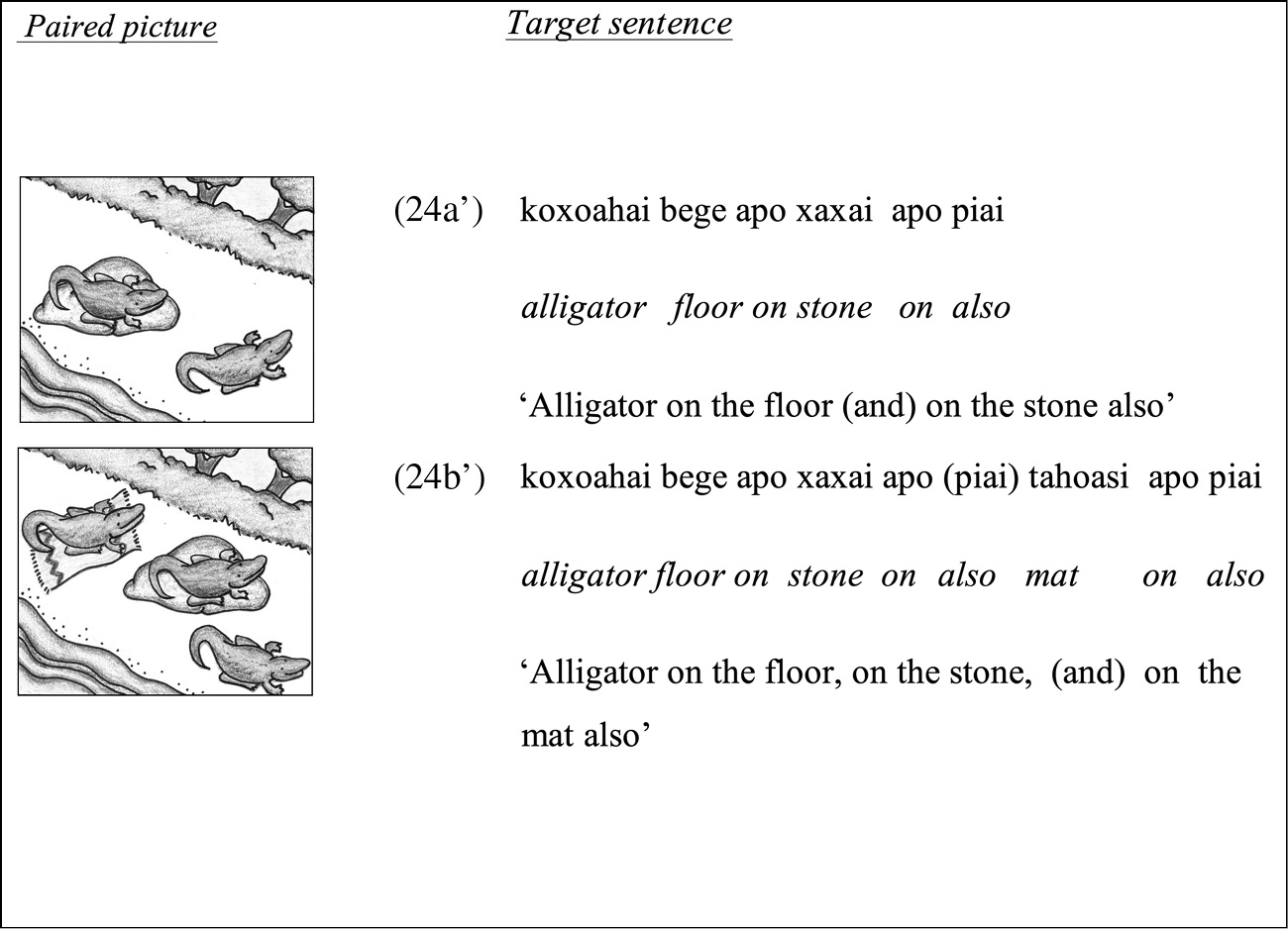
These results clearly show that Pirahã speakers are capable of teasing coordination and recursion apart. It suggests that the target sentences, (24a) and (24b), might not even be ambiguous. If they are, however, the results presented here indicate that: (a) a recursive structure (IR) is available for these sentences; (b) speakers have a preference for treating (24a) and (24b) as containing IR PPs; and (c) the ambiguity is resolved by inserting an overt conjunction, reinforcing a coordinative reading.
In formal terms, we conclude, thus, that Pirahã, similar to English, Portuguese and many other known languages, has both DUR (Direct) and IR.
3.4 Pilot Study 2: Spotting Indirect Recursion
Methods: Participants, Materials, and Design
This test followed test 1. Iaoá was our only participant. The test consisted of an acting-out game, with the participation of two players. The player in charge would give commands that the other had to execute. The picture (Figure 15.2) shows one of the scenarios involved in the activity. Two chairs were placed on the floor, one above a wooden board. There were two cups, one placed on the wooden board, and the other placed on the chair, which was placed on the wooden board.
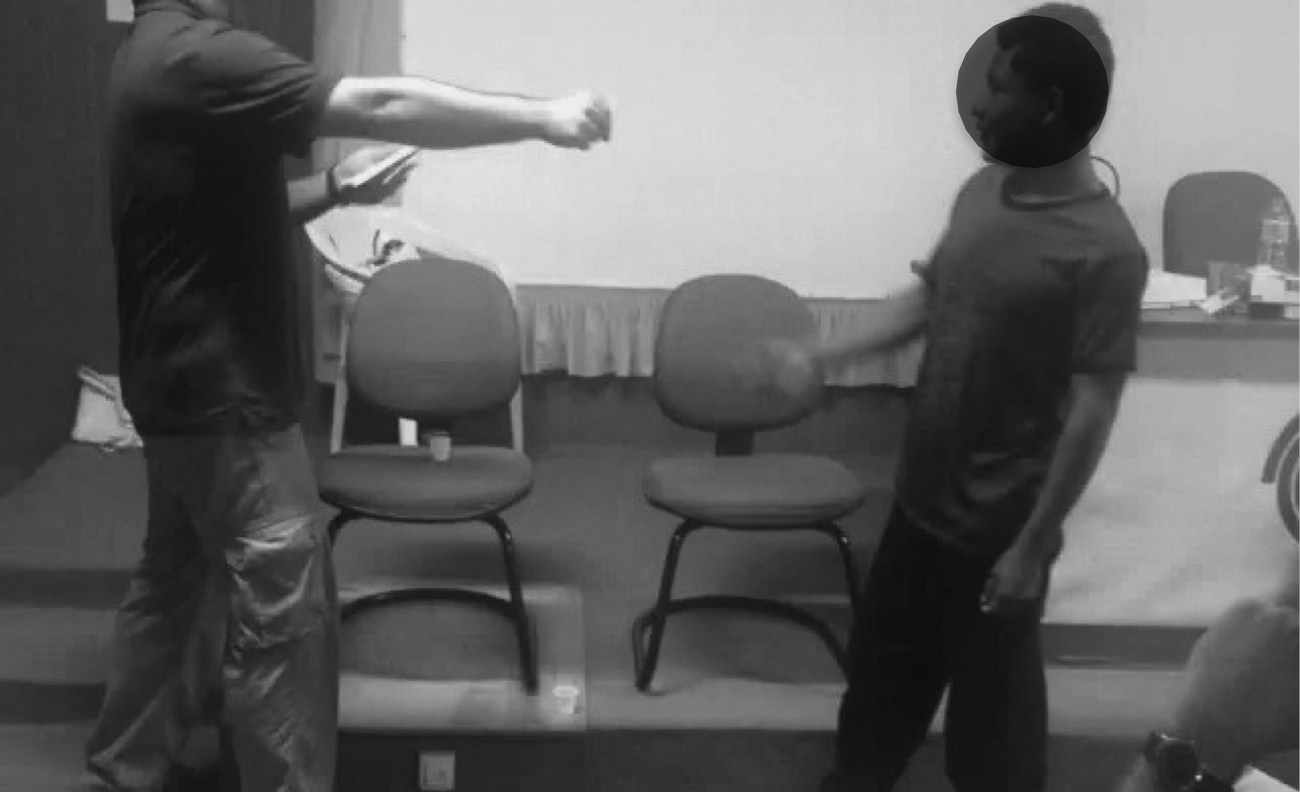
Figure 15.2 A scene from pilot study 2 in which the experimenter gives commands to the participant
As in the first test, we started with lexical elicitations. Each of the objects composing the scene above was first introduced to the speakers, and the correspondent lexical items were elicited. Then we executed actions of putting coins in/on different objects present in the scene. This procedure allowed us to elicit target sentences, such as (25), which describes a scene in which a coin is placed inside the cup on top of the wooden board to the left and another coin is placed on the blue chair to the right, and (26), which describes a scene in which a coin is placed inside the cup on the chair on the wooden board.Footnote 16
| (25) | ihiaipati gigohoi kopo ko tiapapati apo piai |
| put coin cup in chair on also |
| (26) | ihiaipati gigohoi kopo ko tiapapati apo |
| put coin cup in chair on |
Once the participant felt comfortable with the game, we changed the scenario to include situations involving three pieces of paper, one sitting on the top of the chair placed on the wooden board, one on the top of the other chair, and another one on the wooden board. This scene allowed us to test the following target sentences:
| (27) | ihiaipati gigohoi kapiiga apo tiapapati apo (piai) tabo apo piai |
| put coin paper on chair on (also) board on also |
| (28) | ihiaipati gigohoi kapiiga apo tiapapati apo tabo apo |
| put coin paper on chair on board on |
These four target sentences are samples of the following type of structures:
| (29) | a. | Coordination of two PPs | (25) |
| b. | Recursivity of two PPs | (26) | |
| c. | Coordination of three PPs | (27) | |
| d. | Recursivity of three PPs | (28) |
In the first part of the game, the experimenter provided the participant with a handful of Brazilian coins, and asked him to put coins in different places. The commands were the target sentences in (25)–(28).
In the second part of the game, the roles of the participants were reversed, and Iaoá became the one in charge. He provided the experimenter with a handful of Brazilian coins and gave him commands about places to put the coins. This procedure allowed us to verify if Pirahã speakers were capable of comprehending and producing structures with multiple levels of PP embedding. Thus, similar to the first experiment, this experiment was originally designed to examine the availability of Direct (Unstructured Recursion) versus Indirect Recursion.
3.5 Results and Discussion
In the first part of the procedure, the speaker had no problem in comprehending and, consequently, executing the commands he heard. Once he understood the game, he was fast in executing all the commands, including those involving two or three embeddings. However, in the second part of the game, when the speaker himself was producing the target sentences, he switched the order of the PPs in the sentence involving recursivity, providing examples like:
| (30) tabo apo | tiapapati | apo | kapiiga | apo | gigohoi |
| board on | chair | on | paper | on | coin |
| ‘The coin on the paper on the chair on the board’ | |||||
| = (put) coin on board on chair on paper = DSR | |||||
In (30) the PPs are computed bottom up, which fits the claim that the lower PP nodes share interpretative features with the upper PP nodes, rather than indirectly modifying DPs. This is then spontaneous evidence of DSR. These results corroborate the first experiment: Pirahã grammar allows DUR, DSR, and IR. These spontaneous data suggest that Pirahã may prefer DUR. This type of recursion is arguably easier for them to produce, just as it seems to be for children (see Roeper and Oseki, this volume).
4 Conclusion
These pilot studies constitute informal, experimental evidence that Pirahã allows recursive syntactic structures of three types. Once again, the speakers who participated in our pilot studies demonstrated no difficulties in comprehending and producing self-embedding postpositional phrases (IR), in contrast to conjunctive, or paratactic, structures, which Everett claimed were the only available structures.
Although Everett’s strong claim (Reference Everett2005, Reference Everett2012) is not upheld, it had the merit of provoking fruitful discussion on Pirahã grammar and recursion in general. Based partly on data published by Everett and Nevins, Pesetsky, and Rodrigues (Reference Nevins, Pesetsky and Rodrigues2009b) developed an interesting cross-linguistic study, showing that Pirahã is in no way exceptional with respect to recursion.
Their work has now initiated new fieldwork beyond this study, as has the work by Sauerland (this volume) for sentential self-embedding and Rodrigues, Salles, and Sandalo (this volume) for self-embedding VPs in control configurations. Silva (Reference Silva2014), looking at constructions with focus and topicalization, points out that movement is possible out of self-embedding/recursive PPs, in contrast with coordinated PPs. Additionally, Salles (Reference Salles2015) demonstrates clear cases of recursive possessive DPs. The studies here and throughout this book demonstrate that the extension of acquisition experimentation to fieldwork is quite straightforward. It has created a new vista of possibilities for experimental fieldwork.
As such, support for UG has emerged from fieldwork with isolated indigenous languages. With such compelling support, we maintain that the same type of complex grammatical phenomena and formal constraints upon them are found in all known languages in the world.
Does children’s capacity to represent, process, and produce complex structures change during development? Are some configurations more complex for children? These questions involve three, interrelated dimensions: (i) the question of structural complexity, (ii) referential complexity, and (iii) the continuity or discontinuity in children’s language abilities.
Is there continuity in the types of operations available to children to articulate complex phrasal structure? Do children initially favor paratactic associations over embedding? If so, why? Some propose that there are dual mechanisms for combining constituents: merge, which yields hierarchically headed structures, and concatenation, which does not. According to Cowart and McDaniel (Reference Cowart, McDaniel and Myers2012), coordination is an evolutionary predecessor of merge and falls outside of the X-bar schema. In Hornstein (Reference Hornstein2009), merge is the simultaneous incorporation of concatenation and labeling. Within the child language literature, Lebeaux (Reference Lebeaux1988) proposed that children start with a high-attachment rule (conjoin alpha), which is eventually bled by an adjunction rule. Givón (Reference Givón2009) proposes that complexity proceeds by synthesis. Structures that are initially linked by parataxis eventually integrate into larger, more complex structures.
Referential complexity is a separate dimension. Processing studies show that children process prepositional phrases (PPs) in temporarily ambiguous structures, such as put the frog on the napkin in the box, with a preference for high attachment (i.e., less embedded) interpretations. Children and adults initially misanalyze the PP as a goal argument, but only children persist in this misanalysis, ignoring additional contextual cues that block the garden-path effect in adults. According to Trueswell et al. (Reference Trueswell, Sekerina, Hill and Logrip1999), children’s inability to revise garden-path sentences stems from their limited capacity to integrate referential, lexical, and structural cues during sentence processing.
These issues touch on the traditional problem of continuity versus maturation in acquisition. The continuity hypothesis holds that children’s language contains the same categories and processes that are present in adult grammars. Under this view, children’s grammars only differ from those of adults in the same way that adult grammars differ from one language to another. In contrast, maturational approaches hold that certain categories or processes mature during the course of development. We propose to explore the continuity approach in the domain of NP recursion, understood in the narrower linguistic sense of iterative self-embedding of phrasal categories.
This chapter aims to investigate whether children have a special difficulty with embedding, specifically with recursive embedding of PP modifiers. We present a study of children’s and adults’ production of complex determiner phrases (DPs) of two types. One is the result of recursive PP modification, as in (1), and the other consists of sequentially modified PPs, which do not add further structural depth, as in (2).
| (1) | [The bird [on the alligator [in the water]]] |
| (2) | [The plate [with oranges] [under the table]] |
Through this comparison of double and simple embedding, we simultaneously explore whether children’s structural representations of complex DPs are continuous to adults and whether children have a bias towards less embedded representations.
1 Simplicity and Complexity in Children’s Language
Children’s early utterances lack complexity (Brown and Hanlon Reference Brown, Hanlon and Hayes1970; Brown Reference Brown1973; among others.). Much of the process of development can be described as growth of complexity, and much of it might be due to growth of processing capacities (Bloom Reference Bloom1990). Complexity itself, however, has not been given a coherent definition in acquisition. It has been operationalized in terms of mean length of utterance (MLU), subordination, or diversity of grammatical markers and constructions in children’s sentences. All of these phenomena correlate with complexity but are distinct from it. Alternatively, complexity has been described in terms of derivations and locality conditions (Friedmann, Belletti, and Rizzi Reference Friedmann, Belletti and Rizzi2009; Friedmann and Costa Reference Friedmann and Costa2010; Jakubowicz Reference Jakubowicz2011).
Utterance length provides a limited perspective on the development of complexity in child language. Modified NPs can illustrate precisely why this is so. At the age of five, most children have MLUs that roughly approximate those of adults (Brown Reference Brown1973); yet, their spontaneous and elicited speech seems to lack NP modification. Complex NPs in child language have low productivity. Until the age of five, NPs consist mostly of single, unmodified nouns. PPs and adjectives are commonly produced, but rarely in NP-internal position. Eisenberg et al.’s (Reference Eisenberg, Ukrainetz, Hsu, Kaderavek, Justice and Gillam2008) analysis of narrative samples shows that less than 60 percent of English-speaking 5 year olds produce any nouns modified by a PP (e.g., aliens with legs). NP-internal adjectives (e.g., the yellow ball) are more common (around 80 percent of children). Double adjectival modification (e.g., big yellow thing) is not (25 percent of 5 year olds). Full productivity with nominal modification is achieved in the school years. According to Eisenberg et al., 11 is the age when most children are able to use PP modifiers and double adjectival modifiers in elicited narratives. Recursive PP modifiers such as those targeted in this study are altogether absent.
This observation cannot be explained in terms of functional development. Possession (sister > Elmo’s sister) and modification (dog > big dog) are among the earliest semantic primitives identifiable in children’s speech (Bloom, Lightbown, and Hood Reference Bloom, Lightbown and Hood1975). The grammatical connectors (such as genitive ’s and prepositions) are learned early in many languages (Brown Reference Brown1973; Hernández Pina Reference Hernández Pina1984; Aguado Reference Aguado2000; Eisenbeiss Reference Eisenbeiss, Rizzi and Friedemann2000), but there is a lag between their first uses and their use as NP-internal modifiers. It seems unlikely that 5-year-old children do not understand the grammatical function of modification. NP modification is a response to specific referential demands. Young speakers are sensitive to context when deciding to produce modification. Nadig and Sedivy (Reference Nadig and Sedivy2002) found that 5 year olds produced adjectives (the small glass) only when a referential competitor was present in the context (for instance, a large glass). Children also demonstrated their ability to use adjectives according to the referential perspective of their conversation partners.
There are various accounts of how structural complexity develops in children, mostly focused on the acquisition of sentence subordination. Diessel and Tomasello (Reference Diessel and Tomasello2001) and Diessel (Reference Diessel2004) argue that structural complexity grows through expansion. From a usage-based perspective, these authors propose that in children’s early subordinates (such as I think my Daddy took it (Sarah 3;07), I bet I can (Sarah 3;09)), the main verb acts as an epistemic or deontic marker for the second proposition. Under this view, early subordinates are not considered biclausal. Later, children learn that matrix and embedded verbs belong in separate clauses. Thus, development from a monoclausal to a biclausal structure proceeds through analysis. Other perspectives focus on children’s use of appositive sequences in lieu of sentences with more complex structure. Children are known to produce unintegrated clauses linked by a coordinating use of the complementizer, in lieu of object relatives, as in (3).
| (3) | a. | The cat washed the dog that the dog pushed the elephant. |
| b. | The dog that the cat washed pushed the elephant. (Ferreiro et al. Reference Ferreiro, Othenin-Girard, Chipman and Sinclair1976) |
Under the alternative accounts, development proceeds by synthesis, i.e., by the grammatical integration of paratactic configurations over time (Abbedduto and Rosenberg Reference Abbeduto and Rosenberg1985; Lebeaux Reference Lebeaux1988; Givón Reference Givón2009).
Examining the same data as Diessel and Tomasello (Reference Diessel and Tomasello2001), Givón (Reference Givón2009) reached the opposite conclusion. In his account, the first step in syntactic development is for single words to combine by fusion into simple clauses. Next, simple clauses combine into clausal chains, linked paratactically. Finally, clausal chains become proper embedded clauses, which are hypotactically linked. This proposal is not that different from work by Lebeaux (Reference Lebeaux1988, Reference Lebeaux2000), within the generative framework, identifying parataxis as a precursor to embedding. Lebeaux proposed that at some early stages, children’s representation of complex clauses does not necessarily involve structural subordination. When their analysis of a complex structure fails, they resort to a default conjunction operation. According to Lebeaux, these two operations (adjoin and conjoin) describe the course of development, as well as the distinction between languages with DP internal relative clauses and languages where relatives are peripheral to the main clause, as in the Hindi correlative construction.
The emergent literature on recursion in children suggests that depth of embedding is constrained. According to Roeper and Snyder (Reference Roeper, Snyder, Di Sciullo and Delmonte2005), children do not use recursive NPs in spontaneous interactions or understand them in parental speech. Comprehension experiments confirm this for a range of recursive structures, including locatives (Up on the shelf in the closet in the kitchen), compounds (Christmas tree cookie), and possessives (Roeper Reference Roeper2011; Limbach and Adone Reference Limbach and Adone2010; Amaral and Leandro Reference Amaral and Leandro2013). In one sense, it is natural that children have to learn the recursive step, given that languages vary as to which categories iterate (Roeper and Snyder Reference Roeper, Snyder, Di Sciullo and Delmonte2005). A language can have a form of embedding while blocking further self-embedding of that category. For instance, German has a possessive marker that is historically related to the English Saxon genitive. The English case is recursive (John’s friend’s father’s hat), but the German is not (Marias Haus, *Marias nachbars Haus; Roeper Reference Roeper2011). Similarly, Spanish noun-noun compounding (mujer araña ‘spider woman’) only happens once (*mujer araña móvil ‘spider woman mobile’). Such variation indicates that, although a fundamental feature in language, recursion must be learned beyond the initial step of acquiring the connectives (Roeper and Snyder Reference Roeper, Snyder, Di Sciullo and Delmonte2005; Roeper Reference Roeper2011; Pérez-Leroux et al. Reference Pérez-Leroux, Castilla-Earles, Béjar and Massam2012). Acquisition evidence such as in Terunuma and Nakato (this volume) supports the idea of recursion as a distinct step in acquisition.
The only production study to date supports available comprehension data. Pérez-Leroux et al. (Reference Pérez-Leroux, Castilla-Earles, Béjar and Massam2012) elicited recursive possessives (4) and PP modifiers (5) in children between the ages of 3 and 5.
| (4) | Elmo’s sister’s ball |
| (5) | The baby with the woman with the flowers |
Adults used recursive PPs quite frequently, but few children did. One third of the children under 5 could produce the first level of NP embedding. Second-level embedding appeared after 5, with only 43 percent of children at that age producing them. Children often understood the referential demands of the task, producing elaborate answers that expressed the desired meaning but which lacked recursive syntax (This baby, look, the mother got flowers). Coordinate structures, however, were easy to produce even for the youngest children.
2 The Question of Performance: PP Attachment Ambiguities, Processing, and Children
Understanding embedding problems in children can make use of a body of work on children’s comprehension of temporarily ambiguous PP structures. Children fail to reanalyze garden-path sentences such as (6) (Trueswell et al. Reference Trueswell, Sekerina, Hill and Logrip1999), but have less difficulty with their unambiguous counterparts, as in (7):
| (6) | Put the frog on the napkin in the box. |
| (7) | Put the frog that is on the napkin in the box. |
Sentences such as (6) are temporarily ambiguous. At the moment in which listeners hear the first PP (on the napkin), they might treat it as the goal of the motion verb put. As the sentence progresses and the second PP (in the box) is heard, adult listeners realize that the first PP is in fact a modifier within the direct object NP (the frog on the napkin). Children behave unlike adults both in explicit action (which object they reached to move), and in their patterns of looking preferences to one referent or the other. With temporarily ambiguous sentences, looking preference data suggest that children maintain the high attachment of the initial locative PP as goal argument to the ditransitive verb put, and fail to correct this interpretation. The presence of a second frog in the context allows adults to treat the first PP as a modifier and converge faster on the target frog. It makes no difference for children, who continue to assign a goal interpretation to the first PP. Furthermore, children persevere in this initial incorrect parsing to the extent that in 60 percent of the trials they actually ignore the second PP and go on to perform the action of moving the frog to the napkin.
Trueswell et al. (Reference Trueswell, Sekerina, Hill and Logrip1999) interpret the data within a constraint satisfaction framework. They propose that children’s parsing problems relate to their inability to coordinate lexical and contextual cues. They reject the possibility that children’s performance could be based on structural economy strategies such as the Principle of Minimal Attachment (Clifton, Speer, and Abney Reference Clifton, Speer and Abney1991). Subsequent work has pointed out that these effects can result from either minimal attachment or early overreliance on lexical cues (the ditransitivity of put). To disambiguate the two possibilities, Snedeker and Trueswell (Reference Snedeker and Trueswell2004) subsequently studied how lexical verb bias affected PP attachment.
| (8) | a. Choose the cow with the stick. (Modifier Bias) |
| b. Feel the frog with the feather. (Equipollent Bias) | |
| c. Tickle the pig with the fan. (Instrument Bias) |
Children remained biased towards instrument (high-attachment) responses. However, the effect appeared only with instrument-bias and equipollent verbs. In other words, children’s high-attachment preference does not override lexical constraints. The high-attachment preference is thus due to ignoring the contribution of the referential context. Snedeker and Trueswell (Reference Snedeker and Trueswell2004) concluded that children do not show a general preference for high attachment, but over-rely on lexical cues.
Kidd, Stewart, and Serratrice (Reference Kidd, Stewart and Serratrice2009) explored how the structural distance between ambiguity point and target constituent affected children’s errors. For this purpose, they combined verbs with high bias for instruments (such as to cut), with potential instruments of low plausibility (such as a candle):
| (9) | Cut the cake with a candle. |
Adults allowed both interpretations, realizing that with a candle could function as either modifier of the cake or as instrument for cutting. Children looked at the plausible instrument at the initial region of the sentence and again at the end. They also followed up with using the final NP as instrument. Kidd, Stewart, and Serratrice (Reference Kidd, Stewart and Serratrice2009) did not consider minimal attachment as a possibility, concluding instead that children favor high attachment because they over-rely on bottom-up, lexical cues for interpretation. They favored a probabilistic parser model, that relies on multiple comprehension cues from the start, while acknowledging that not all cues are present or are as strongly represented at the outset of language development. Snedeker and Trueswell (Reference Snedeker and Trueswell2004) carefully noted that such theories, unlike general domain theories of cue competition, assume representational modularity. Semantic, syntactic, and phonological information are independently represented, but are available to interact with other sources of information.
Meroni and Crain (Reference Meroni and Crain2011) objected on the grounds that this violates continuity. They proposed that children are sensitive to the same referential and thematic constraints that guide adult parsing, but are unable to revise an analysis once started. Because children’s responses are less automatic than adults’, due to their lesser verbal memory capacities, they tend to act out parts of the analyses generated before all planning is complete (see McDaniel, McKee, and Garrett Reference McDaniel, McKee and Garrett2010). Meroni and Crain’s experiments demonstrated that as long as children are forced to process the entire sentence before acting, they can treat the first PP as modifier.
3 Articulating the Challenge of Recursion: Acquisition, Processing, and Theory
The previous section suggests that children can acquire different components of a grammatical system without putting their full power to use. By the age of four, children have a strong grasp of syntax, including the ability to use a variety of pre- and post-nominal modifiers, and to produce multi-clausal sentences. However, at that age, children still process complex structures differently from adults (Snedeker and Trueswell Reference Snedeker and Trueswell2004). The processing evidence has been attributed to differences in the ability to integrate various sources of knowledge. However, it is still the case that, beyond the lexical facts, children produce more high-attachment responses overall. This is compatible with the view that children have a minimal attachment bias and that such bias is driven by processing economy. Within the range of possibilities given by lexical constraints, children consistently choose VP attachment at rates higher than adults. Both perspectives fit well with the general view that resource limitations shape children’s language processing.
We now summarize the three observations about children’s grammar and processing of complex nominal structures:
1. complex nominals are rarer in children’s speech than they perhaps ought to be;
2. children prefer less embedding, when it comes to PP attachment, within the range of possibilities allowed;
3. children seldom produce recursively embedded possessives or modifiers, and have substantive difficulty comprehending them.
Recursive structures appear to present a specific learning problem for children. Before discussing the implications of this, let us clarify the concept of recursion. Watumull et al. (Reference Watumull, Hauser, Roberts and Horstein2014) critiqued the common misunderstanding that equates linguistic recursion with embedding, or particular forms of it (Levinson Reference Levinson2013). Recursion depends on properties of the formal system (computability, definition by induction, mathematical induction), not on properties of the actual strings of language it outputs. In their words:
Recursiveness is a property of the procedure applicable to any input rather than a property of potential output, equating recursion with syntactic embedding is simply a fallacy.
Any language, insofar as it is not a list of utterances, is generative, and arises as the result of recursive procedures. Whether the utterances it generates contain actual embedded or recursively embedded sentences is beside the point. Recursion is a property of the intensional system, not of the e-language extensions.
In this broad conception, recursion refers simply to the fundamental operation of asymmetric merge. Children possess this form of recursion from the onset of word combinations. Children unfailingly map utterances into hierarchical structure as soon as they can produce multiword utterances. This ability is the gift of the language faculty. While there is a position within the developmental field that explicitly argues against generativity in the earliest utterances produced by children (Tomasello Reference Tomasello2000; Ambridge, Pine, and Lieven Reference Ambridge, Pine and Lieven2013), the argument against productivity has not withstood the empirical tests (Valian Reference van Hout, Kamiya and Roeper2009; Yang Reference Yang2010, Reference Yang2013; Ninio Reference Ninio2011). Hunsicker and Goldin-Meadow (Reference Hunsicker and Goldin-Meadow2012) documented evidence that deaf children without access to sign language develop hierarchical nominal constituents in their home sign systems. Endocentric NPs appear in the language created by these children in the absence of a conventional language model.
There is also a narrower notion of recursion as iterative self-embedding of phrasal categories, such as a DP within a DP, or a CP within a CP (Arsenijević and Hinzen Reference Arsenijević and Hinzen2012). In this narrow sense, we have seen that recursion is both a locus of language variation and a specific challenge in acquisition (Roeper Reference Roeper2011; Pérez-Leroux et al. Reference Pérez-Leroux, Castilla-Earles, Béjar and Massam2012). Roeper and Pérez-Leroux et al. pointed out that since all human languages have hierarchical, asymmetrical concatenated structures, one would expect continuous access to this fundamental property. Therefore, it should be easy for children to acquire recursive embedding, but it is not. Why is that?
Herein lies the relevance of the processing data. The parsing system, although highly sensitive to lexical demands, shows a bias against embedding. When thematic constraints are pitted against referential contrast, children first satisfy the thematic constraints.This is in accordance with the prediction of minimal attachment, which attributes more complexity to embedded adjunct PPs than to argumental PPs. Probabilistic input also goes against low attachment. Recursive modification, such as elicited in Pérez-Leroux et al. (Reference Pérez-Leroux, Castilla-Earles, Béjar and Massam2012), is rather rare. It is only used in contexts where a speaker must disambiguate from multiple competing referents. To illustrate, we turn to (10) and (11), where the initial head noun baby is followed by two prepositional modifiers.
| (10) | The baby with a lollipop with his mother |
| (11) | The baby with a woman with the flowers |
Such sentences will be produced only when speakers need to distinguish between babies in two ways: one, on whether they are paired with women, and two, on the basis of an additional property applicable to either baby or woman. Neither property can uniquely identify the given baby. In (10), there might be babies that have lollipops but are not with their mothers. In (11), it could be that there are two babies held by women, but only one of the women is holding flowers. The amount of information to be coordinated is substantial. It is not surprising that children can produce three coordinated NPs, which are both common and semantically simple, but fail to produce recursively modified NPs. If we want to evaluate the challenge of embedding, we need to compare recursive embedding with non-recursive double modification, i.e., on the contrast between (10) and (11). In (10), each modifier independently restricts the head noun. We describe these cases as two instances of level 1 modification. In principle, (11) has two interpretations, but we focus here on the one where it is the mother who is carrying the flowers, which is an instance of recursive modification, wherein the nominal under the first PP is itself restricted by a second PP modifier, presumably requiring more complex coordination of information. By comparing these two types of complex nominal, we isolate the question of children’s embedding preferences from that of the competition between lexical constraints and referential constraints.
4 Study
4.1 Methods and procedure
We designed an elicited production study to test whether children differentiate between recursive and non-recursive double modification, as in (1) and (2). In principle, since both of these targets involve two modifiers, they should represent comparable degrees of difficulty for children and adults. Alternatively, if embedding, in and of itself, introduces complexity, we predict an asymmetry in the productivity of the two types. If the tendency to avoid embedding is related to planning capacities, we also predict that working memory might be part of the asymmetry. Last, we examine whether the effect of recursive embedding is comparable in children and adults. These hypotheses can be summarized as follows:
Null Hypothesis: No difference in the frequency of complex modification in contexts where successful reference requires recursive and non-recursive double modification
Alternative Hypothesis: Asymmetry in productivity of recursive and non-recursive doubly modified DPs.
Performance Hypothesis: Working memory plays a role in the difficulty presented by embedding.
Continuity Hypothesis: If children have access to the same processes and mechanisms as adults, they should treat doubly modified NPs in an analogous manner.
We employed a referential elicitation task similar to the one in Pérez-Leroux et al. (Reference Pérez-Leroux, Castilla-Earles, Béjar and Massam2012). A visual context with multiple referential competitors is arranged so an adequate description of the target referent required two different modifier PPs in order to uniquely refer to the target. Examples are given in (12) and (13).
(12)

(13)
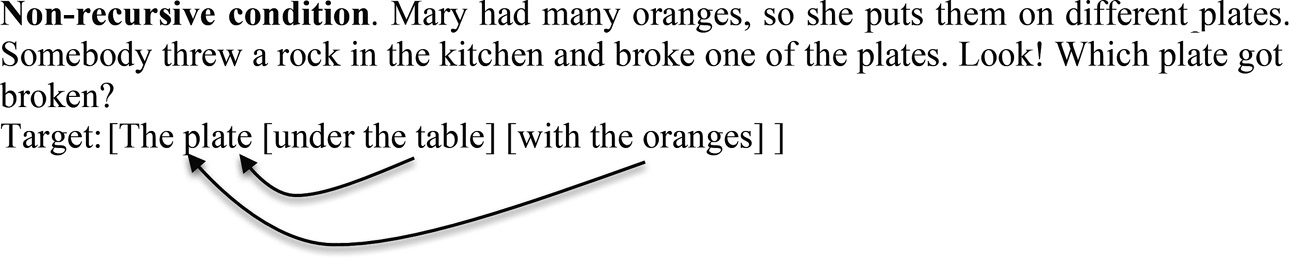
These phrases are surface-ambiguous. The context alone determines the underlying structure. In (12), the bird itself is not in the water; just the alligator is. The speaker must specify which bird got the worm, since another bird also stands on another alligator, crucially standing outside the pond. Similarly, in (13), the visual context shows that the plate has oranges and the table does not, and the other plate with oranges differs from the target in terms of location: it is not under the table.
4.2 Participants
Fifty monolingual English-speaking children and thirteen adults from Western New York participated in the study (N=50). Ages of the children ranged between 4;00 and 5;11. In addition to the recursion elicitation task, children were administered two standardized language tests (CELF Preschool 2, PPVT-IV), a standard non-word repetition task (Dollaghan and Campbell Reference Dollaghan and Campbell1998), and the Non-Verbal Scale of the Kaufman Assessment Battery for Children Second Edition (KABC-II; Kaufman and Kaufman, Reference Kaufman and Kaufman2004). These children had no history of language disorders, and their overall language and cognitive development was within the normal range.
4.3 Coding
Responses were classified according to depth of embedding in the NP produced (level 2 embedding > level 1 embedding > single NP), as in Pérez-Leroux et al. (Reference Pérez-Leroux, Castilla-Earles, Béjar and Massam2012). We additionally coded the structures in terms of referential success, as summarized in Figure 16.1. This coding system determined whether (i) the target referent was successfully described (by whatever means); (ii) the description included the target semantic predicates; (iii) the description was descriptively incomplete or complete (i.e., it made reference to three contrasting referents, i.e., alligator, bird, water); or (iv) the description was integrated syntactically as a complex NP, which provides the most felicitous and economical response to the question presented by the experimenter.

Figure 16.1 Decision tree for referential coding of responses
Children gave responses where they were able to uniquely identify the target referent, while failing to embed the modifiers into a single complex NP. Such cases of referential success with syntactic failure include various strategies, including coordination and distribution of the modifiers in different clausal constituents.
| (14) | Target: The worm in an apple on the plate |
| Response: The worm inside the apple and the apple is on the plate and the worm is green. (DA, 5;10) |
| (15) | Target: The worm in an apple on the plate |
| Response: The worm that’s in an apple and on the plate. (IR, 5;08) |
| (16) | Target: The toothbrush in the cup on the shelf |
| Response: The big toothbrush is in the cup on the shelf. (MD, adult) |
| (17) | Target: The bird on the crocodile in the water |
| Response: The birds that’s on top of the crocodiles the crocodiles that’s in water. (AL4, 5;04) |
Note that only the target complex NP constitutes a proper answer. Cases that approach referential success, while lacking the target syntax, remain suboptimal. A clausal response such as (16) does not address the question under discussion, about which toothbrush is the largest. Such clausal responses (which effectively eliminate recursive embedding) provide truthful but infelicitous responses.
For the non-recursive condition, reordering the modifiers has no effect, but it degrades a response to the target condition. Responses such as (18) and (19) are not quite right, since one of the other toothbrushes is on the surface of the shelf, but the target is not.
| (18) | Target: The toothbrush in the cup on the shelf. |
| Response: The toothbrush on the orange shelf in the bowl. (DA9, 5;10) |
| (19) | Target: The toothbrush in the cup on the shelf |
| Response: A big one on the orange shelf with a little cup. (JS21, 5;04) |
Reordering in the recursive NP forces the application of the second modifier to the head noun. The resulting description might now be false: in The bird in the water on the alligator, the bird is not in the water; the alligator is. Of course, we can charitably assume that children giving such responses know what they intend to describe but have sentence planning difficulties. These difficulties might range from mild to severe. For instance, the nouns might be part of the structure but not articulated as required, including cases of predicate-argument reversals and various prepositional choices that render the description nonsensical, as in the following examples:
| (20) | That one [=bird] is in the water and that one is on a crocodile. (JS20, 5;01) |
| (21) | Prompt: Which worm is green? |
| Target: The worm on the apple in the plate | |
| Response: The one [=apple] that has yellow plate but that has the green um the green worm. (AN, 5;11) |
| (22) | Prompt: Which books are blue? |
| Target: [The books [inside the (green) box] [under the chair]] | |
| Response: The ones [=books] under the chair that has a green box on them. (PS42, 5;01) | |
| Response: With the blue box on it and it’s under the table. (SS, 4;04) |
We also observed a pattern of responses that were syntactically quite complex but semantically incomplete. Children produced some responses that incorporated supplementary nominal structure by further specifying the modifier, such as adding a relational noun over one of the modifiers. In (23), the use of on top of and eye effectively increases the level of embedding of the response. However, lack of mention of the second contrasting modifiers renders the response referentially unsuccessful. Children also produced sentences where the most embedded NPs redundantly made reference to a higher referent, as shown in (24):
| (23) | The bird on the top of the alligator’s eye. (DA, 5;10) |
| (24) | The yellow plate with the apple on it. (LM, 4;09) |
Here, the speaker merely introduced two of the nouns (plate, apple), iterating the reference to the second noun. The result is tautological: if there is an apple on the plate, the plate has an apple on it (see Peterson et al. Reference Peterson, Pérez-Leroux, Castilla-Earls, Béjar and Massam2015)
4.4 Results
Table 16.1 presents the overall frequencies of responses, classified according to the referential schema.
Table 16.1 Number of responses by group and condition, classified according to the referential schema
| Coding | Description | Example | Children | Adults | ||
|---|---|---|---|---|---|---|
| Recursive | NonRec | Recursive | NonRec | |||
| Incomplete | Single NP or level 1 embedding | The plate The bird on the alligator | 204 | 182 | 25 | 21 |
| Alternative | Appropriate but alternative description that does not include the target modifiers | The one on the left The smallest statue | 25 | 8 | 13 | 6 |
| Sequential | Sequences of independent NPs that together contain the three target predicates | The bird on the alligator. The one in the water. | 32 | 56 | 3 | 3 |
| Unembedded | Referentially complete, single utterance without embedded NP syntax | The worm inside the apple and the apple is on the plate and the worm is green. | 15 | 32 | 9 | 25 |
| Target | Specified level 2 or two level 1 N PP PP sequence: These have both target syntax and referential success | The plate with oranges under the table. The bird on the alligator in the water. | 24 | 22 | 28 | 23 |
Children produced few target responses. Not all the non-target responses were referential errors. However, since our focus is on examining children’s ability to articulate complex NPs, we concentrate only on responses that contain the three target nouns. These semantic predicates were introduced in the story, which highlighted them as the source of contrast between referents. We group these as descriptively complete attempts: unembedded, sequential, and target responses. Figure 16.2 groups the various response patterns into incomplete (including incomplete and alternative responses), complete but non-target, and target. The data show that children can produce more descriptively complete responses and more target responses for non-recursive than recursive NPs.

Figure 16.2 Frequency of children’s responses classified as descriptively incomplete, descriptively complete but non-target, and target, across conditions
Our next step was to compare overall frequencies of target responses across groups. Adults were far from ceiling. This is not entirely surprising in an open elicitation task, which allows a certain degree of expressive freedom. The majority of non-target responses in the adults were either incomplete, as participants at times failed to notice one of the contrasting referents, or an alternative description (which is not helpful to our comparison but still correct). Figure 16.3 shows that adults produced the target structures much more frequently than children, at about a ratio of four to one. Individually, twelve of the thirteen adults produced the recursive target, while only eighteen out of fifty children were able to do so. Both groups produced target responses approximately twice as frequently for the non-recursive as for the recursive condition.

Figure 16.3 Proportion of target responses across children and adults
Frequencies of target responses were submitted to a logistic regression analysis with group and conditions as fixed effects and participants as a random effect. The results show significant differences in the frequency of target responses across groups (β=2.21, Z=4.56, p<.001) and across conditions (β=1.38, Z=3.84, p<.001). The lack of interaction (β=0.45, Z=1.00, p=.31) shows that the recursive condition was not comparatively harder for the children.
Age was not a strong predictor of target production in children, unlike in other studies, such as Terunuma and Nakato (this volume) and Corrêa et al. (this volume). To investigate the role of phonological working memory, we tested the association between children’s scores in the non-word repetition task and the two NP conditions. A partial (Kendall’s) correlation controlling for the small but positive effect of age showed no effect of working memory in the non-recursive condition (τ=.07, p=.45), but a small but significant correlation of phonological working memory on targets produced in the recursive condition (τ=.20, p=.047).
5 Discussion
Recursive modification does not require that children learn additional functional vocabulary nor special operations beyond those present at the first level of embedding (the bird on the alligator). The semantic ingredients and operations are also the same for first and second level of embedding: the definite determiner; selecting a unique individual that fits the descriptive content of the relevant predicates; the semantic predicates (noun and PPs); and the semantic derivations which include predicate modification. Syntactically, there is no reason why one additional step in recursion should introduce complexity. From a competence perspective, we would predict no differences between level 1 and recursive modification. What about performance factors? The processing literature suggests a possible initial preference for high attachment. One potential explanation for such preference is performance limitations in children.
Our results show that recursive modification is specifically more difficult. Children produced target descriptions twice as often for non-recursive than recursive targets. Surprisingly, so did adults. Thus, the null hypothesis, that there are no differences between types, is rejected. Our data concur with other studies in this volume in showing that the second level of embedding is a distinct acquisition step from the first level (see Hollebrandse, this volume; Terunuma and Nakato, this volume).
How the difference is stated is no trivial matter. Given that the two types of nominal involve the same bits of syntax and semantics, the differences in complexity should be characterized at the interface of the syntax and the semantics. In the non-recursive description, when the highest DP is composed, a fully intersective interpretation is available between all three predicates: the unique thing that is a plate and is under the table and has oranges. The truth conditions that show commutativity are given in (25):
| (25) | The unique x such that x is a plate and x is under the unique y such that y is a table and x is with the unique z such that z are oranges [got broken] |
The same variable linked to the head noun plate and the other two predicates derived from the constituent PPs is accessible to the definite function. In the recursive case, however, there is no simple Boolean intersect that describes the domain to which the definite functionapplies. The phase [the alligator in the water] introduces an opaque domain. In the highest NP, the water is not predicated of the bird, just of the alligator; the lower modifier does not relate to the head noun because its variable is closed off when it becomes part of the larger characteristic function λu. u is an alligator and u is in the water. Intersection is only possible between the simple predicate λu. u is a bird and the complex predicate λu. u is on an alligator in the water. These truth conditions are given in (26):
| (26) | The unique x such that x is a bird and x is on the unique y such that y is an alligator and y is in the unique z such that z is water [got the worm] |
Recursive structures require that speakers, at the moment of composing the higher NP, attend to a referent (the alligator in the water) that has become inaccessible in the active derivational workspace. At the point when the active predicates intersect, the lowest predicate is now just part of the descriptive restriction on the characteristic function of the higher predicate. In the terms of Arsenijević and Hinzen (Reference Arsenijević and Hinzen2012), it has become intensionalized. The difference in complexity can be described in terms of the referential demands at the interface.
In other words, recursively modified DPs are challenging because the speaker is required to attend to material embedded in a closed phase. The referential task conflicts with phasal architecture. Referential intention drives the process: the syntactic phases construct a path from referent to referent until the target is identified. This analysis situates the cost at the interface, similar to Corrêa et al.’s (this volume) proposal that computational costs arise from the number of syntactic objects to be processed in parallel derivational spaces. We predicted that if children’s avoidance of embedding was related to planning capacities, working memory and the ability to embed would be correlated. In fact, we found the correlations for recursive modification, but not for non-recursive modification.
Maia et al. (this volume) propose a role of learning in processing. Their adult comprehension experiments show an initially higher processing cost for self-embedded PPs. However, embedding becomes less costly with iteration. The N400 amplitudes elicited by PP processing (an indicator of processing difficulty) decrease sharply for the third embedded PP. This is interpreted as progressive facilitation from the processing of the first embedded PP, to the second and to the third. Maia et al. suggest that the algorithm in recursion is costly to launch, but once established, it can be easily redeployed. Their online measurements demonstrate facilitation in processing, whereas the off-line measures showed the cumulative effect of referential complexity (in comparison to coordinated structures).
Our findings are not compatible with approaches positing discrete changes in the syntactic representation in the acquisition of the recursive structure. Terunuma and Nakato (this volume) propose a distinct representational shift, where the label assigned to the possessive phrase changes in the grammar of children. The initial non-recursive possessive has a less specified type (MODP) than the recursive target (POSSP). Subsequently, the label content is further refined and the configuration can recur. We believe that the same findings can be accounted for in terms of processing capacities without proposing discontinuous syntax. Because the cost of embedding is comparable for children and adults, our results support continuity approaches.
In sum, we have examined a unified account for the various paratactic trends in the acquisition literature, including the preference for minimal attachment in the processing of PP attachment ambiguities, the modification gap in production and the general difficulty with recursive structures. As we found that the predicted asymmetry is associated with recursive embedding, we conclude that embedding introduces an additional degree of complexity beyond the referential demands of modification. The data reviewed here are naturally more compatible with the development as synthesis approach, at least for nominal modification.
Kuikuro is a dialect of the Upper Xingu Carib Language (LKAX), the Xinguan Southern Branch of the Carib family (Meira and Franchetto Reference Meira and Franchetto2005).Footnote 1 It is spoken by around 700 Amerindians in six villages in the southeastern part of the Xingu Indigenous Land, in the north of the State of Mato Grosso, Southern Brazilian Amazonia. LKAX/Kuikuro is an agglutinative, head-final, and ergative language from the point of view of morphosyntactic typology.
Different syntactic recursive strategies are available at the word, phrasal, and sentence levels. Starting from the basic idea that a canonical recursive structure is the embedding of one type of structure inside another of the same type, and that self-embedding poses a more intricate cognitive challenge than either concord or repetition (Roeper Reference Roeper2007), we will focus on the operations available in Kuikuro for the construction of Determiner Phrase (DP) and Postpositional Phrase (PP) recursive structures. In the absence of explicit complementizers, following Slobin (Reference Slobin2007), we must consider the potential impact of prosody in detecting recursion in most of the Brazilian indigenous languages. As argued by Mithun (Reference Mithun, Givón and Shibatani2009) and Sauerland (Reference Sauerland2010b), prosody and, specifically, prosodic integration, as well as matches and seeming mismatches between intonation contours and syntax, could be the key for the identification of these structures.
Grammatical and prosodic phenomena relevant to the subject in question are synthesized in Section 1, concentrating on the relationship between heads and their (absolutive) internal arguments. Sections 2 and 3 deal with recursive structures of DP and PP, respectively. We will see that DP and PP recursion cannot be reduced to one (or the same) phenomenon. On one side, DP recursive structures are easy to produce, with a potentially unlimited number of embeddings. Recursive constructions with kinship terms, inherently inalienable nouns, are the outputs of complex calculations of kinship relations, a common and daily exercise for any member of a traditional and small-scale society. In Kuikuro, at least, alienable nouns do not behave differently regarding the possibility of virtual unlimited recursion.
At the same time, it must be said that our study is for now limited to complex PPs denoting exclusively spatial relationships between objects in contact. In this domain, PP recursion is only partially analogous to DP recursion and it seems that cognitive constraints are at work. Recursive PP structures with more than one embedding are not easy to produce: trained Kuikuro consultants usually produce sequences, not necessarily ordered, of alternative constructions, some of them judged as ‘not good’ (unacceptable, if not really ungrammatical). It was an interesting exercise to trace a path between the translation of the visual or verbal (in Portuguese) inputs and a fully acceptable construction. The dissolution of very complex PP recursive structures in sequences of loosely tied subordinate or coordinated syntactic units provides the only preferred phrasing in most cases. In the absence of explicit complementizers and following our perceptual insights, prosodic cues have been our road map.
A brief description of the methodology used in this first study of Kuikuro DP and PP recursion forms Sections 2 and 3. The selected data were recorded with one consultant, an adult man, 30 years of age, who was a native speaker of Kuikuro and learned oral and written Portuguese after the age of 15. Each word or sentence was repeated three times with an interval of a few seconds between one repetition and another. The relevant recorded data were edited and submitted to acoustic analysis using PRAAT, in order to extract the pitch track visualizing the prosodic contour of each construction. The sample pitch tracks included in this chapter are more than similar to the other recordings made in this same study. For the elicitation of PP recursive structure, two crucial observations must be registered. First, the recorded sentences were obtained having at the same time oral and visual inputs: the targeted constructions or situations spoken in Portuguese to be translated to Kuikuro, as well as pictures. Our main consultant then would draw the situations designated by the sentences; the reader will find these pictures in the Appendix. Next, other Kuikuro consultants, all bilingual young men, participated in the discussion of the data elicited on DP and, especially, PP recursive structures.
Beyond the expected clear prosodic integration as the cue for syntactic and cognitive recursion and the fact that recursion and coordination are clearly distinguishable through their distinct phrasal prosodies, some of the obtained results, even if preliminary and to be checked through a more careful future investigation, are nevertheless exciting as well as intriguing. We focus on the asymmetry between DP and PP recursion and on the strategies mobilized to split cognitively heavy complex PP recursion into loosely tied syntactic pieces.
The empirical investigation in this chapter relates to the volume as a whole in that it compares the availability of PP recursion and DP recursion within a single language. The structure of the examples, with recursive possessors and spatial expressions, are similar to those examined in other chapters in this volume, including those in Lima and Kayabi’s chapter and Maia et al.’s chapter. Despite the patent morphological and syntactic differences between Kawaiwete and Karajá (the two indigenous languages introduced by these chapters) and Kuikuro, the three languages share some basic structural properties, including the fact that they are all head-final languages. Although discussions are based on different analytical foci and methodologies, the authors’ discussions all reveal intriguing asymmetries between DP and PP complex embedding.
1 Relevant Generalities about Kuikuro Grammar and Prosody
As mentioned above, Kuikuro is ergative. Internal arguments (of postpositions, nouns, Patient/Experiencer of a verb) are morphologically unmarked for (absolutive) Case and they always form a phonological-prosodic unit with their heads. All intransitive verbs are unaccusative, as shown by examples (1) and (2). The sentence in (3) is an example of a transitive sentence: the External Argument (external Cause/Source/Agent of an event/action) is marked by heke, which is a postposition used to mark ergative case (ERG), though semantically can be thought of roughly as expressing the spatial distance between two points measured from the perspective of one of them (Franchetto Reference Franchetto, Gildea and Queixalós2010):Footnote 2
| (1) | kangamuke atsaku-lü |
| child run-pnct | |
| ‘(The/a) child/children run(s)/ran’ |
| (2) | kangamuke agu - ti - lü |
| child thin-vblz-pnct | |
| ‘(The/a) child/children got thin’ |
| (3) | [kangamuke agu-ki-jü ] is-ügünu heke |
| child thin-vblz-pnct 3-sick. pnct erg | |
| ‘His sickness made (the) child thin’ |
Kuikuro has one single set of bound (prefixed) pronominal forms, which encode the absolutive pronominal argument of a verb, the possessor of a noun or the argument of a postposition. There are no auxiliaries and there is no explicit agreement on verbs or nouns.
For a fuller understanding of the prosodic patterns discussed in Sections 2 and 3, a brief introduction to Kuikuro phrasal prosody is necessary, summarizing the findings presented in an earlier publication (Silva and Franchetto Reference Silva and Franchetto2011). The main stress is generally on the penultimate syllable of the isolated word; stressed syllables are basically distinguished by high pitch (and associated with lengthening). As previously stated, internal arguments (of postpositions, nouns, Patient/Experiencer of a verb) always form a phonological-prosodic unit with their heads. Then, as a first level of prosodical integration, any head constitutes with its direct or internal argument an intonation unit: the phrasal main stress is on the juncture, manifested on the last syllable of the argument or on the first syllable of the head (Silva and Franchetto Reference Silva and Franchetto2011). Consider the following examples in order to understand the two patterns of Kuikuro phrasal prosody. Main stressed syllables are in bold and marked with [ˈ]. First of all, observe that in the isolated words tahinga (‘cayman’ in (4a)) and kangamuke (‘child’ in (5a)) the main stress is, as expected, on the penultimate syllable. When the nominal word becomes the argument of a head, like a verbal head, however, something happens in the prosodic domain. Compare tahinga when it is the internal argument (direct object) of the transitive verb ‘to see’ in (4b) and the internal argument (actor or theme) of the intransitive verb ‘to fall’ in (4c).
| (4a) | taˈhinga |
| ‘cayman’ |
| (4b) | [tahiˈnga iˈngilü] iheke |
| Tahinga ingi-lü i-heke | |
| cayman see-pnct 3-erg | |
| ‘he saw (the/a) cayman(s)’ |
| (4c) | [tahiˈnga alamaˈkilü] |
| tahinga alamaki-lü | |
| cayman fall-pnct | |
| ‘(the/a) cayman(s) fell’ |
In (4b) and (4c), the syllable perceived by the native speakers and researchers as carrying the main stress is the last one of the argument, but it is the first syllable of the head (the verb) that has the prominent F0 peak of the whole VP (σ). This is the first pattern of Kuikuro phrasal prosody:
Pattern 1: [ˈσ # σ]
If we place focus on the external argument in the transitive sentence (5b), where unlike (4b) which has a postposed pronominal subject, this full DP with a postpositional phrase comes before the VP, the syllable perceived as prominent is the last one of the (internal) argument of the PP heke, and, in fact, it is this syllable that is marked by the prominent F0 peak of the whole PP [kangamuˈke heke].
| (5a) | kangaˈmuke |
| ‘child’ |
| (5b) | [[kangamuˈke heke] [tahinga ingi-lü]] |
| kangamuke heke tahinga ingi-lü | |
| child erg cayman see-pnct | |
| ‘(the/a) child/children saw (the/a) cayman(s)’ |
The left-hand phrase in (5b) is an example of the second pattern of the Kuikuro phrasal prosody:
Pattern 2: [ˈσ # σ]
The environments of the two patterns of prosodic integration, briefly described here, are verb phrases, nominal phrases and postpositional phrases, and we will see that they occur in the data recorded during our study of Kuikuro DP and PP recursive constructions. The problem is to understand how and where they are at work when we have multiple embedding.
2 DP Recursion in Kuikuro: Possessives
In recursive DP constructions, the two prosodic patterns described above characterize the first argument/head relation. Any embedded N to this first merge maintains its own lexical stress on the penultimate syllable, but the prosodic pattern of the whole phrase reveals a clear recursive structure. The same recursive constructions are productive for alienable and inalienable Ns. Recursion and coordination are thus clearly distinguishable through their distinct phrasal prosodies.
2.1 DP Recursive Possessives with Alienable Nouns
In the following examples, the genitive suffix on the ‘possessed’ N – glossed as GEN – marks the dependence between NPs. Stressed syllables are marked with a preceding [ˈ]; the syllable perceived as bearing the main stress of the whole construction is marked with [ˈ] and in bold. The relational marker –gü undergoes assimilation to –gu when following an /u/ in the preceding syllable.
Alienable N:
| (6a) | eˈtene ‘paddle’ |
| ˈiku ‘decoration’ |
| (6b) | [eteˈne iˈkusü] |
| etene iku - sü | |
| paddle decoration-gen | |
| ‘paddle’s decoration’ |
| (7a) | aˈnetü ‘chief’ |
| ˈehu ‘canoe’ |
| (7b) | [aneˈtü eˈhugu] | ||
| anetü ehu - gu | |||
| chief canoe-gen | |||
| ‘chief’s canoe’ | |||
| (8) | [[[[aneˈtü eˈhugu] eteˈnegü] iˈkusü]] | ||
| anetü ehu-gu | etene-gü | iku-sü | |
| chief canoe-gen paddle-gen decoration-gen | |||
| ‘chief’s canoe’s paddle’s decoration’ | |||
Declination reset (Ladd Reference Ladd1986, Reference Ladd1988; see also Mithun Reference Mithun, Givón and Shibatani2009) is used as a diagnostic of prosodic domain delimitation. The pitch movement or intonation of the recursive construction in (8) is shown in Figure 17.1 and is coherent with the first pattern of prosodic integration between argument and head. A rising intonation reaches the highest pitch of the whole construction exactly on the internal juncture in [anetü ehugu], ‘chief’s canoe.’ After this, the following stressed syllables are characterized by a sequence of increasingly lower pitches or declination resets, until the final fall.

Figure 17.1 Pitch movement of the recursive construction in (8)
(9b) results from adding one more level of embedding to (8).
| (9a) | ngiˈkogo ‘(wild) Indian’ |
| (9b) | [[[[ngikoˈgo aneˈtü-gü] eˈhu-gu] eteˈne-gü] iˈku-sü] |
| ngikogo anetü-gü ehu-gu etene-gü iku-sü | |
| indian chief-gen canoe-GEN paddle-gen decoration-gen | |
| ‘Indian’s chief’s canoe’s paddle’s decoration’ |
Figure 17.2 shows the prosodic profile of (9b).

Figure 17.2 The prosodic profile of (9b)
Examples (8) and (9b), with the pitch tracks shown in the figures below, reveal just one higher pitch exactly on the juncture of the first merge between head and argument, and then declination during the entire course of the complex DP. This can be directly contrasted with an example of coordination, which contains two syntactically independent DPs, and as a result, no declination reset and two declination domains, as shown in Figure 17.3.
| (10) | [ngikoˈgo eteˈne-gü] õ [aneˈtü eˈhu-gu] iˈmbe-lü geˈhale iˈheke |
| ngikogo etene-gü õ anetü ehu-gu imbe-lü gehale i-heke | |
| Indian paddle-gen & chief canoe-gen bring also 3-erg | |
| ‘he brought the Indian’s paddle and the chief’s canoe’ |

Figure 17.3 No declination reset and two declination domains
Two equal higher pitches and two falling intonations constitute evidence that DP coordination is distinct from DP recursive structure, a crucial piece of evidence from the intonation domains as correlates of syntactic domains.
2.2 DP Recursive Possessives with Inalienable Nouns
The phrasal prosodic pattern of possessive recursive constructions containing inalienable nouns is not different from that described in Section 2.1 for alienable nouns. The following data result from the expansion of the recursive construction by adding, one by one, more levels of embedding.
| (11a) | uaˈkongo |
| u-akongo | |
| 1-companion | |
| ‘my companion’ |
| (11b) | uhameˈtigü |
| u-hameti - gü | |
| 1-brother-in-law-gen | |
| ‘my brother-in-law’ |
| (11c) | [uakoˈngo hameˈtigü] |
| u-akongo hameti - gü | |
| 1-companion brother-in-law-gen | |
| ‘my companion’s brother-in-law’ |
| (11d) | [uhametiˈgü hisü] |
| u-hameti - gü hi - sü | |
| 1- brother-in-law-gen younger.brother-gen | |
| ‘my brother-in-law’s younger brother’ |
| (11e) | [[uakoˈngo hisü] ˈhitsü] |
| u-akongo hi- sü hi-tsü | |
| 1-companion younger.brother-gen wife-gen | |
| ‘my companion’s younger brother’s wife’ |
The first level of embedding exemplified in (11e) results in a construction with the highest pitch on the first syllable of the head (ˈhisü) of the first syntactic-prosodic integration and then a partial reset with a lower peak on the first syllable of [ˈhitsü]. This can be seen in Figure 17.4.

Figure 17.4 Pitch profile of (11e)
The example in (12) has one more level of embedding:
| (12) | [[uakoˈngo hameˈtigü] ˈhisü] ˈhitsü] etijiˈpügü] |
| u-akongo hamet i- gü hi-sü | |
| 1-companion brother-in-law- gen younger.brother-gen | |
| hi-tsü etiji-pügü | |
| wife-gen sprout-perf | |
| ‘my companion’s brother-in-law’s younger-brother’s wife’s children’ |

Figure 17.5 Pitch profile of (12)
As shown in the Figure 17.5, the single highest pitch is exactly at the juncture between the complement and the head of the first merge: uakongo (or uakango) and hametigü. This highest pitch is followed by a ladder of lower pitches, each one corresponding to the stressed syllable of hisü, hitsü, and etijipügü.
The example in (13) results from a further level of embedding:
| (13) | [[[uakoˈngo hameˈtigü] ˈhisü] ˈhitsü] etijiˈpügü] muˈkugu] |
| u-akongo hameti - gü hi- sü | |
| 1-companion brother-in-law-gen younger.brother-gen | |
| hi-tsü etiji-pügü muku-gu | |
| wife-gen sprout-perf son-gen | |
| ‘my companion’s brother-in-law’s younger-brother’s wife’s children’s son’ |

Figure 17.6 Pitch profile of (13)
No matter how many possible embeddings, the expanded recursive DP, as exemplified in (13) and in Figure 17.6, shows a striking prosodic integration with just one highest pitch on the first merge and then a declination of continuously lower pitches on the stressed syllables of the following embedded possessed nouns.
3 PP-Level Recursion
If the production of DP recursive constructions, like those exemplified in Sections 2.1 and 2.2, is an easy task for Kuikuro speakers, we cannot say the same for the production of PP recursive constructions with more than one or two levels of embedding. For the time being, we do not have a clear answer to the question of why recursive PPs would be more difficult to process and to produce than recursive possessive DPs. We encountered two main difficulties during the elicitation of recursive PP constructions. On the one hand, our Kuikuro consultants took longer: several attempts were discarded as unsatisfactory or unacceptable, until they reached a construction consensually considered as “good (atütü).” On the other hand, our own perception of prosodic integration was far from clear if compared with the immediate apprehension of the whole intonation of recursive DPs. It is the pitch movement, however, that came to inform our analysis, showing, as we will see, intonation patterns similar to those already found in complex recursive DPs.
As this is an initial investigation of these structures, for now we only deal with locative PPs expressing spatial relations between objects. In this case, in order to elicit specific locative PPs, we used, together with verbal instructions, visual stimuli such as the direct or indirect manipulation of familiar objects (bench, gourd, mat, platform, fish, turtle, etc.), in order to obtain precise descriptions. Since the speaker could produce a sentence that he considered as “good,” he made a drawing representing exactly the specific spatial arrangement of the objects, generally one inside or on another, as described by the complex construction. The Appendix contains the drawings associated with the examples selected.
In the apparently less complex constructions, as in (14b), the matching between syntax, perception, and the intonation contour displayed in the figure generated using PRAAT is apparent. We found just one higher pitch and then declination during the entire course of the complex PP [uagisuˈgu agiˈsugu aˈtalü ˈata], both delimiting one single phrasal domain, as shown by the pitch track in Figure 17.7. Note that the last two words ainde kuihi are not part of the recursive PP structure and hence the last pitch peak, i.e., the one on ainde, is not relevant to the question at hand.
| (14a) | uagiˈsugu |
| u-agisu-gu | |
| 1-bag-gen | |
| ‘my bag’ |
| (14b) | [[u-agisuˈgu agiˈsu-gu] aˈtalü] ˈata] aˈinde kuˈihi |
| u-agisu-gu agisu-gu ata-lü ata ainde kuihi | |
| 1-bag-gen bag-gen inside-gen inside deic needle | |
| ‘the needle (is) inside the bag inside my bag’ (lit. inside the inside of my bag here (is) needle) |

Figure 17.7 Pitch profile of (14b)
More complex recursive cognition of spatial relations is expressed by different and apparently non-recursive syntactic strategies.
(15a–c) present a first set of examples, with the aim to produce the translation of ‘the turtle on the stone on the beach of the lagoon’:
| (15a) | ˈipa ‘lake’ |
| ˈtehu ‘stone’ | |
| nheˈtune ‘sand/beach’ | |
| hikuˈtaha ‘turtle’ |
A first attempt by our Kuikuro consultants, in order to describe ‘the turtle on the stone on the beach of the lagoon,’ was judged as “not good” (atütühüngü, good-NEG), even if not ungrammatical (kütsü, ‘bad’):Footnote 3
| (15b) | ?? [hikuˈtaha teˈhu uˈgupo] [[iˈpa inhetuneˈgüho] |
| hikutaha tehu ugupo ipa inhetune-gü -ho | |
| turtle stone on lake sand-gen loc |
Then, they consensually considered the construction in (15c) as finally ‘good’ (atütü):
| (15c) | [iˈpa inhetuneˈgüho] hikuˈtaha [teˈhu ugupo] |
| Ipa inhetune-gü-ho hikutaha tehu ugupo | |
| lake sand-gen-loc turtle stone on | |
| ‘turtle on the stone on the beach of the lagoon’(lit. on beach of lagoon, (there is) turtle, on stone)’ |
A full sentence was immediately uttered as an appropriate syntactic context:
| (15d) | iˈpa inhetuneˈgüho hikutaˈha iˈngilü uˈheke teˈhu uˈgupo |
| ipa inhetune-gü-ho hikutaha ingi-lü u-heke | |
| lake sand-gen-loc turtle see-pnct 1-erg | |
| tehu ugupo | |
| stone on | |
| ‘I saw (a/the) turtle on (a/the) stone on (a/the) beach of (a/the) lagoon’ |
(15b) was considered just a translation of the Portuguese corresponding construction. The “heavy” recursive PP in the less “good” construction (15b) was split in two parts by hikutaha (‘turtle’) in order to have (15c), the “good” one. As the consultants explained, a “good” sentence would be one which expresses the right sequence of the objects in contact, in a kind of bottom-up cognitive apprehension of a vertical spatial relation: on the left side of the sentence, the base or the ground, and on its right side of what is on the base.Footnote 4
(16b), an even more complex PP, is an example of one of the usual solutions, in Kuikuro, for avoiding ‘heavy’ syntactic objects, splitting the whole into two units tied by an anaphoric pronoun, üle:
| (16a) | ˈogo | ‘platform’ |
| huˈkugu | ‘small pot’ | |
| ˈüle | anaphoric demonstrative pronoun | |
| tuˈahi | ‘mat’ | |
| tüheˈnkginhü | ‘gourd’ | |
| (16b) | [[oˈgo uguˈpongo] ahuˈkugu]] [üˈle uˈgupo] [tuaˈhi uˈgupo] tüheˈnkginhü | |
| ogo ugupo-ngo ahukugu üle ugupo tuahi ugupo | ||
| platform on-nmlz pot an on mat on | ||
| tühenkginhü | ||
| gourd | ||
| ‘the gourd on the mat on the pot on the platform’ (lit. the one on platform, pot, on this, on mat, gourd’) | ||
The match between prosody, syntactic and cognitive integration is evidence that (16b) is not a paratactical construction. The pitch trace of example (16b), shown in Figure 17.8, is evidence of a single intonation unit, a clear manifestation of prosodic integration.

Figure 17.8 Pitch trace of (16b)
Looking at Figure 17.8, we see that the higher pitch of the whole complex construction is at the juncture of the first merge (syllable in bold in [oˈgo ugupongo]), followed by descending partial pitch resets on the stressed syllables in [üˈle ugupo], [tuaˈhi ugupo] and [tüheˈnkinhü]. Then, we have an overall intonation contour that includes three prosodic sub-contours with prosodic breaks between them (similar to the kind of evidence adduced in Mithun (Reference Mithun, Givón and Shibatani2009)).
Before they reached the ‘good’ construction in (16b), the Kuikuro consultants produced two attempts (16c–d), with the first one judged as less ‘good’ than the second one, but this latter one less good than (16b), manifesting a kind of growing gradient of acceptability:
| (16c) | ?? [[[oˈgo uguˈpongo] ahukuˈgu ugupo] tuaˈhi ugupo] üˈle ugupo] tüheˈnkginhü |
| ogo ugupo-ngo ahukugu ugupo] tuahi ugupo]] | |
| platform on-nmlz pot on mat on | |
| üle ugupo tühenkginhü | |
| an on gourd | |
| ‘(lit.) the one on the platform on the pot on the mat, on this one the gourd’ |
| (16d) | ? oˈgo uguˈpongo ahukuˈgu uguˈpongo tuˈahi üˈle uˈgupo tüheˈnkginhü |
| ogo ugupongo ahukugu ugupongo tuahi | |
| platform on-nmlz pot on-nmlz mat | |
| üle ugupo tühenkginhü | |
| an on gourd | |
| ‘(lit.) the one on the platform, the one on the pot, mat, on this, gourd’ |
Once more, as we saw before, a full sentence was uttered as the appropriate syntactic context for the situation described by (16b) and depicted by the correspondent drawing (see Appendix):
| (16e) | oˈgo uˈgupo tühenkgiˈnhü iˈngilü uˈheke ahukuˈgu uˈgupo tuaˈhi ugupo |
| ogo ugupo tühenkginhü ingi-lü u-heke | |
| platform on gourd see-pnct 1-erg | |
| ahukugu ugupo tuahi ugupo | |
| pot on mat on | |
| ‘lit. on the platform / I saw the gourd / on the pot / on the mat | |
| ‘I saw the gourd on the mat on the pot on the platform’ |
Once more, our consultants clarified the reason why (16b) is the best construction, reproducing the same cognitive apprehension of the bottom-up order of a vertical spatial relation between objects in contact, as we saw in (15c).
Contrasting with (16b) and parallel to the coordinate structure in (10) and Figure 17.3, (17b) could be considered an example of dissolution of complex spatial cognitive relations between objects into two syntactic units, loosely tied by the anaphoric üle.
| (17a) | ˈogo | ‘platform’ |
| akaˈndoho | ‘bench’ | |
| aˈtange | ‘pot’ | |
| ˈkanga | ‘fish’ | |
| ˈüle | anaphoric demonstrative pronoun | |
| (17b) | [oˈgo uguˈpongo] akaˈndoho [üˈle uˈgupo] [ataˈnge ata] ˈkanga | |
| ogo ugupo-ngo akandoho üle ugupo atange ata kanga | ||
| platform on-nmlz bench an on pot inside fish | ||
| ‘fish in the pot on the bench on the platform’ (lit. the bench (is) the one on the platform, on this, inside the pot (is) the fish) | ||

Figure 17.9 Pitch trace of (17b)
Looking at Figure 17.9, we see that between ogo ugupo akandoho and üle ugupo atange ata kanga, there is a total pitch reset on the main stressed syllable of [üˈle ugupo]. Thus, we have two distinct prosodic units or phrases, revealing a coordination in a way that is perfectly parallel to what we saw in Figure 17.3, corresponding to the canonical coordination exemplified by (10). Partial resets are visible inside each intonation domain. Note that the one in the second domain points to a first-level recursive structure (üle ugupo / atange ata, ‘(fish) inside the pot on the platform’). Could this coordination-like construction be interpreted as a mismatch between cognitive integration and syntactic/prosodical integration?
The ‘not good’ constructions produced by the Kuikuro consultant on the path to the ‘good’ one are yet again interesting. (17c) was considered a direct translation from Portuguese:
| (17c) | ?? [[[ataˈnge ata ˈkanga] akandoˈho ugupo]] oˈgo ugupo]] |
| pot inside fish bench on platform on |
Consequently, they produced (17d) after the comment: “it’s not right to say this, you must take off something,” but it was judged as ‘not good’ because the ‘platform’ does not come first, as in the ‘good’ (17e):
| (17d) | ? [[[ataˈnge ata ˈkanga] oˈgo ugupo]] |
| pot inside fish platform on |
| (17e) | [[oˈgo ugupo ˈkanga [ataˈnge ata]] |
| platform on fish pot inside |
(17f) was offered as a ‘good’ sentential context:
| (17f) | [oˈgo uˈgupo] [akandoˈho a-tüˈhügü uˈgupo geˈhale] |
| platform on bench be-perf on also | |
| [atange ata] kanga | |
| pot in fish | |
| ‘on (the) platform bench is on also, inside (the) pot (the fish)’ |
4 Final Remarks
The incorporation of finely graded phonological knowledge into syntactic properties allows a much better understanding of the DP and PP recursive constructions in Kuikuro, not only when the match between prosodic integration and syntactic structure is manifestly clear, as we discovered in our first incursion in Kuikuro phrasal prosody where the syntactic merge between head and complement was nicely mirrored by their prosodic integration.
The prosodic contrast between two syntactically parallel sentences, e.g., (16b) and (17b), shows two different strategies in order to simplify a complex PP. The paratactical coordination in (17b) could be a case of an apparent mismatch between syntactic and prosodic structures, contrasting with the clear prosodic integration in (16b), shown by Figure 17.8. This led me to mention the idea of a matching between prosodic and cognitive integration following Mithun (Reference Mithun, Givón and Shibatani2009). We saw the paths followed by Kuikuro speakers in order to avoid unnecessary and unmotivated complexity and then reach the ‘good’ construction when dealing with multiple spatial embedding. However, this points to the need for a new and deeper syntactic analysis. This would be a more cautious descriptive and theoretical step forward,Footnote 5 rather than to accept immediately the conclusions presented by some authors (see Mithun Reference Mithun, Givón and Shibatani2009; Hunyadi Reference Hunyadi and van der Hulst2010; Hulst Reference Hulst, van der Hulst, Koster and van Riemsdijk2010).Footnote 6 These authors state that if we are facing phenomena at the interface between prosody and semantics or cognition, then syntax must be discarded as the central computational device generating structures interpreted at the phonological and the conceptual interfaces. By contrast, I contend that prosody is the key for the understanding of recursive structures, but it pushes us back to syntax.
Recursive embedding, “an operation which takes its own output as an input” (Roeper Reference Roeper, França and Maia2010), has been widely identified as the most fundamental property of the combinatorial systematicity of the human language faculty (Chomsky Reference Chomsky1957; Hauser, Chomsky, and Fitch Reference Hauser, Chomsky and Fitch2002).Footnote 1 Even though there is robust evidence that embedding is a language universal, taking place in several structures in typologically different languages, embedded phrases seem to pose greater processing challenges than coordinated ones.
Concerning the acquisition of recursion, despite the fact that children seem to need explicit evidence of self-embedded structures to unleash a number of fundamental language computations, they seem to take rather a long time to understand and produce some types of embedded constructions (Roeper and Snyder Reference Roeper and Snyder2004, Reference Roeper, Snyder, Di Sciullo and Delmonte2005; Roeper Reference Roeper2011).
While embedded phrases do not seem to be present in children’s earliest utterances, juxtaposition appears early, both in children’s comprehension and in production (Pérez-Leroux et al. Reference Pérez-Leroux, Castilla-Earles, Béjar and Massam2012; França et al. Reference França, Lemle, Cagy, Constant and Infantosi2004). This contrast between embedding and coordination is also supported by evidence from imaging studies. Two of the pathways that process language differ both phylogenetically and ontogenetically, and process different levels of linguistic complexity. One of them, available since birth, underlies the mechanisms for acquisition of lexical items and simple phrases, but this circuit is not sufficient to process complex structure. In contrast, the other pathway, only available some years after birth, underlies processing of hierarchical structures (Friederici and Brauer Reference Friederici, Brauer, Givón and Shibatani2009; Berwick et al. Reference Berwick, Friederici, Chomsky and Bolhuis2013).
A complexity effect connected with recursive structures is also found in adult language studies, using different languages and methodologies. When comparing eye-tracking fixation durations of one relative clause modifying the matrix object with those of two recursively embedded relative clauses in Japanese, Mazuka et al. (Reference Matthewson1989) suggest that the greater the depth of embedding, the harder it is to process the sentence. In a corpus-based study in English, Chafe (Reference Chafe and Tannen1982) found more coordinate sentences in spoken language than in written texts, arguing for a dichotomy equating “oral = syntactic simplicity” on one side and “written = syntactic complexity” on the other.
Nevertheless, there is opposition to the one-to-one relationship between embedding and computational complexity. On the basis of findings of computer modeling studies, Stabler (Reference Stabler, Roeper and Speas2014) argues that the recursive depth of a structural analysis “does not correspond in any simple way to depth of the calculation of that structure in linguistic performance” (p.159).
Other studies have reached similar conclusions. In a production study, Gayraud and Martinie (Reference Gayraud and Martinie2008) had French-speaking subjects freely share their thoughts about a topic and analyzed occurrences of longer than 250ms in twenty individual recordings with a mean length of thirty-five clauses with a mean duration of 135ms. Gayraud and Martinie concluded that as far as pauses can be taken as indices of processing difficulty in production, there is no direct correlation between sentence complexity and processing difficulty.
Finally, contrary to traditional comprehension studies that argue that object center-embedded relative clauses are difficult to process for syntactic reasons (see Fodor and Garrett Reference Fodor and Garrett1967; Ford Reference Ford1983; Frazier Reference Frazier, Dowty, Karttunen and Zwicky1985; Gibson Reference Gibson1998), Fernandez-Duque (Reference Fernandez-Duque, Givon and Shibatani2009) presents a review paper relying on imaging studies to argue that the greater processing difficulty of object relative clauses vis-à-vis their subject relative clause counterparts is a domain-general effect.
The possibility of attributing some degree of linguistic processing to general cognitive computation has also surfaced in linguistic theory. Chomsky (Reference Chomsky2005) proposes that three factors must be considered in human language design: (1) genetic endowment, which is uniform in the species; (2) experience, which leads to variation; and (3) principles not specific to the faculty of language, especially principles of structural architecture, such as efficient computation.
Trotzke, Bader, and Frazier (Reference Trotzke, Bader and Frazier2013) assume current Biolinguistic Program proposals that tend to ascribe to Universal Grammar (UG) only basic properties, such as recursive Merge, binary branching structure and the valued/unvalued feature distinction, leaving all other universal properties to be explained by the interaction between UG and independently motivated third-factor principles. Their main claim is that systematic processing phenomena are part of the implicit knowledge of human language performance systems, lending to third-factor type of explanations of language architecture.
In order to contribute to this discussion, we report the findings of a series of psycholinguistic and neurophysiological studies designed to compare the computational costs involved in the processing of prepositional phrases in Brazilian Portuguese inserted either in coordinative or in recursively embedded constructions.
To enrich the analysis with data from typologically different languages, we also tested the computational costs of postpositional phrases in Karajá in coordination and in recursively embedded constructions. Thus, here we present a multi-methodological comparative study of the processing costs of phrase embedding and coordination. The theoretical framework assumed here relies both on the proposals in Trotzke, Bader, and Frazier (Reference Trotzke, Bader and Frazier2013) and those in Chomsky (Reference Chomsky2005).
Trotzke, Bader, and Frazier claim that “performance data can provide evidence on whether the limited use made of certain syntactic structures can plausibly be attributed to performance factors, or whether grammatical constraints are necessary for this purpose” (Reference Trotzke, Bader and Frazier2013:5). This consideration was used by the authors in relation to performance constraints on center embedding, but we claim it can also be extended to support the view that a grammatical algorithm (embedding) can interact with performance factors in a specific fashion. Ultimately, this view is also in line with the original classic proposal in Chomsky and Miller (Reference Chomsky, Miller, Luce, Bush and Galanter1963) to the effect that grammar allows multiple embedding, while the parser constrains them.
This chapter is organized in the following way. In Section 1, we present three oral sentence/picture matching experiments that show that PP embedding is harder to process than PP coordination, both in Karajá and in Brazilian Portuguese (BP) as L1 or as L2 of Karajá native speakers. In Section 2, we present an event-related brain potential (ERP) test carried out with Karajá and, in Section 3, an ERP test in BP. The results of those tests indicate, however, a progressive facilitation going from the constructions with one embedded PP, to two PPs and three PPs. Finally, in the last section of the chapter we argue that our results illustrate an interesting performance or third-factor phenomenon in the processing of structural complexity: even though coordination yielded earlier N400s than those of embedding, once subjects were engaged in the recursive algorithm, subsequent embedding was facilitated.
1 The Psycholinguistic Sentence/Picture Matching Experiments
To investigate the hypothesis that recursively embedded PPs should be harder to processFootnote 2 than their coordinated counterparts both in Karajá and in Portuguese, we applied an auditory sentence/picture matching experiment in three groups of subjects: Karajá speakers tested in their native Karajá; Karajá speakers tested in their L2 Portuguese; and monolingual BP speakers. The objective of the experiments was to assess whether the processing of PP embedding was costlier than the processing of PP coordination. The independent variables of the study were, therefore, 2- and 3-PP/DP embedding and coordination and the dependent variables were the accuracy rates and decision times.
Participants
There were twenty-four participants in each study group, giving a total of seventy-two participants.
Materials
There were six conditions in the experiments, as exemplified in the Karajá and BP constructions in Figures 18.1–18.6. These figures, as well as all the other sets used in the experiment, displayed situations in which different locative PPs (e.g., in the basket, on the beach, etc.) may be either embedded or juxtaposed, as shown in the following six conditions:
| utura ijõdire weriri-roki ynyra tyre-ki |
| fish there is basket-inside beach on |
| Tem peixe na cesta na praia. |
| “There is fish in the basket on the beach” |
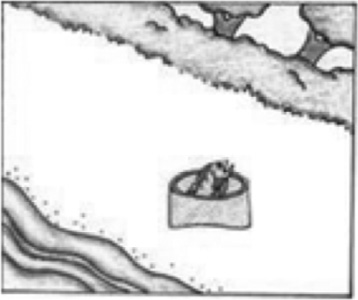
Figure 18.1 Recursion with two embedded PPs
Condition 2. Recursion with three embedded PPs
| utura ijõdire weriri-roki myna tyre-ki ynyra-ki |
| fish there is basket inside rock on beach-on |
| Tem peixe na cesta na pedra na praia |
| “There is fish in the basket on the rock on the beach” |

Figure 18.2 Recursion with three embedded PPs
| utura ijõdire myna tyre-ki ijõ ynyra tyre-ki |
| fish there is inside rock on other beach on |
| Tem peixe na pedra e na praia |
| “There is fish on the rock and on the beach” |

Figure 18.3 Coordination with two PPs
Condition 4. Coordination with three PPs
| utura weriri-roki ijõdire ijõ myna tyre-ki ijõ ynyra tyre-ki |
| fish basket-in there is other rock on other beach on |
| Tem peixe, na cesta, na pedra e na praia |
| “There is fish in the basket, on the rock, and on the beach” |

Figure 18.4 Coordination with three PPs
Condition 5. Coordination with two NPs
| utura | weriri | wyna | ynyra-ki | ijõdire |
| fish | basket | and | beach-on | there is |
| Tem peixe e cesta na praia |
| “There is (a) fish and (a) basket on the beach” |

Figure 18.5 Coordination with two NPs
Condition 6. Coordination with three NPs
| utura weriri myna ynyra-ki ijõdire |
| fish basket rock beach-on there is |
| Tem peixe, cesta e pedra na praia |
| “There is (a) fish, (a) basket, and (a) rock on the beach” |

Figure 18.6 Coordination with three NPs
Notice that recursive embedding of PPs is not morphologically marked in Karajá or in BP (Conditions 1 and 2). Nevertheless, the conjoining of PPs in Karajá is operated by the quantifier ijõ ‘other’ (Conditions 3 and 4), whereas the conjoining of NPs may be obtained through the optional conjunction wyna‘and’ (Conditions 5 and 6). In BP, as exemplified in the glosses of Conditions 3, 4, 5, and 6, the same conjunction e, which means ‘and,’ is employed both for the PP and NP conjoining.
Procedures
In the oral sentence/picture matching experiment, participants were asked to match a sentence they heard with a picture displayed on a computer screen. The picture remained on the computer for six seconds. Twenty-four existential target sentences distributed in a Latin square design were randomly presented amidst twenty-four fillers in six versions of the experiment.
Results
The results indicated that recursively embedded PP constructions were more difficult to process than PP and NP conjoined constructions, both for Karajá tested in Karajá and in BP as well as for the monolingual BP participants. Even though decision rates were not different across conditions, average reaction times were significantly higher for three embedded PPs than for two embedded PPs or for any coordinate constructions in all subject groups. Reaction times for constructions with two embedded PPs were significantly higher than reaction times for constructions with two coordinate PPs or NPs. Reaction times for coordinate PPs were not significantly different than for coordinate NPs. Table 18.1 and Figure 18.7 summarize these results.
Table 18.1 Average reaction times (ms) in the oral sentence/picture matching experiment
| Group/Condition | R2PP | R3PP | C2PP | C3PP | C2NP | C3NP |
|---|---|---|---|---|---|---|
| Karajá tested in Karajá | 1614 | 2990 | 1142 | 2004 | 1040 | 1553 |
| Karajá tested in BP | 1557 | 2694 | 1206 | 1570 | 1393 | 1780 |
| BP tested in BP | 1496 | 2018 | 916 | 1191 | 1388 | 1297 |

Figure 18.7 Average reaction times (ms) in the oral sentence/picture matching experiment
A three-way analysis of variance (ANOVA) was applied to the PP conditions, crossing two within-factors and one between-factor. The within-factors were Syntax (recursive embedding × conjoining) and Number of PPs (two × three). The between-factor was the group of participants (KK, Karajá judging Karajá; KP, Karajá judging Portuguese; and BP, monolingual Brazilian Portuguese speakers judging Brazilian Portuguese). There was a highly significant main effect of the factor Syntax in the expected direction, indicating that PP embedding is harder to process than PP conjoining in the three groups (F(1,46) = 51.2 p<0.000001***). The factor Number of PPs also yielded a significant main effect, indicating that increasing the number of PPs increases response times regardless of the syntactic process (F(1,46) = 40.1 p<0.000001***) in the three groups. However there was no significant interaction of the factors Syntax and Group of participants (F(2,92) = 0.200 p<0.818722), indicating that the three groups did not differ in their pattern of responses: all participants decided faster in PP coordination than in PP embedding. Likewise, there was no significant interaction of the factors Syntax, Number, and Group (F(2,92) = 0.183 p<0.833306), confirming the similarity of response patterns across all the factors. Pairwise t-tests were also conducted across the conditions, supporting the hypotheses, as indicated in Table 18.2.
Table 18.2 Pairwise t-tests comparing conditions in the three groups of participants
| R2PP x C2PP | R3PP x C3PP | R2PP x R3PP | C2PP x C3PP | |
|---|---|---|---|---|
| KK | t(46)=2.31 p<0.025 | t(46)=2.50 p<0.015 | t(23)=3.19 p<0.004 | t(23)=5.5 p<0.000 |
| KP | t(46)=2.44 p<0.018 | t(46)=3.52 p< 0.0010 | t(23)=2.20 p<0.038 | t(23)=1.41 p< 0.17 |
| BP | t(46)=2.73 p< 0.009 | t(46)=5.55 p< 0.0001 | t(23)=2.62 p< 0.015 | t(23)=2.12 p< 0.04 |
We interpreted these results as an additional piece of evidence that performance systems are habitual and may lie beyond narrow syntax in the domain of third-factor effects. As proposed by Trotzke, Bader, and Frazier (Reference Trotzke, Bader and Frazier2013), performance systems must be taken as essential in the challenge to understand the boundaries of grammar. Note that Perez-Léroux et al. (this volume) offer acquisition evidence in line with our finding that PP embedding introduces an additional degree of complexity, in comparison with conjoined PPs.
2 The Neurophysiological Assessment of Karajá Participants
With such interesting behavioral results in the sentence/picture matching, we set out to conduct an event-related brain potential (EEG-ERP) test, aiming at grasping subtler on-line effects that could be related to the reading of specific chunks of the stimuli. We carefully organized stimuli to be able to compare the electrophysiological responses (i.e., brain waves) related to the reading of SOV sentences containing three PPs, either conjoined or embedded in Karajá.
Methods
We recorded ERPs related to critical words (PPs) while participants read sentences in three different conditions: (1) coordinated PPs (thirty-two sentences); (2) embedded PPs (thirty-two sentences); and (3) fillers (sixty-four grammatical and sixty-four ungrammatical sentences). The independent variables were the number of embedded PPs (1, 2, and 3) and the number of coordinated PPs (1, 2, or 3). The dependent variables were the ERP latencies and amplitudes.
Participants
Eleven participants (nine males, 19–37 years old) were selected from a small group of Karajá speakers that were participating in an event in Rio de Janeiro. This is a smaller number of volunteers than usually tested, but the electrophysiological data were sufficiently reliable to analyze results. All participants were right-handed. Selection criteria required all participants to have normal or corrected-to-normal vision and to be native speakers of Karajá. Written consent was obtained from all volunteers before participation. After signing the consent form, the participants sat in front of a laptop screen, while the electrodes of a 21-channel EEG (EMSA, Brazil) were properly adjusted to their scalp,Footnote 3 following the 10–20 International System.Footnote 4
Before starting the test, participants were instructed to read the computer screen as normally as possible and to try to understand the sentences so that they could judge if they were grammatical or not. They were instructed to indicate whether a sentence they read on the screen was grammatical by pressing the green key, or ungrammatical by pressing the red key on the keyboard. After instructions, there was a training session with ten stimuli that could be repeated until the participant was ready to start the test.
Stimuli and Presentation
In Karajá, a sequence of PPs are embedded by juxtaposition, while a way of structuring conjoined PPs or DPs is by means of the particle ijõ ‘other.’ Tables 18.3 and 18.4 show a sample of the sixty-four experimental sentences (thiry-two with coordinated items and thirty-two with embedding). There were also 128 distracting fillers (sixty-four were grammatical and sixty-four contained a nonword).
Table 18.3 Embedding
| Kua habu | ↓ Trigger 1 | ↓ Trigger 2 | ↓ Trigger 3 | ||
|---|---|---|---|---|---|
| utura | womati-ràbi | berysyna-roki | mana-tyretxi | riwyra | |
| That man | fish | can from | bucket in | stone on top | took |
| “That man took fish from the can in the bucket on top of the stone” | |||||
Table 18.4 Conjoined
| 1 | ↓ Trigger 1 | ↓ Trigger 2 | ↓ Trigger 3 | ||
|---|---|---|---|---|---|
| Kua habu | utura | womati-ràbi ijõ | berysyna-roki ijõ | mana-tyretxi | riwyra |
| That man | fish | can from other | bucket in other | stone on top | took |
| “That man took fish from the can and from the bucket and from the stone” | |||||
Before starting the test, participants had to go through a training session to get used to the kind of sentences being tested. The idea was to clearly signal to the participant, as of the appearance of the first PP, that the sentence would have one of two structural possibilities: either a sentence with conjoined items (those that had the word ijõ) or a sentence with embedding (without ijõ). The sentences appeared on the screen in chunks, as can be seen in the experiment timeline (Figure 18.8).

Figure 18.8 The experiment timeline
Participants would first see a fixation cross for 500 ms. Then, after a 50 ms interval, the first word group displayed the sentence subject for 500 ms. After another interval of 50 ms, the second word group, displaying the object, appeared for 500 ms. Then, the three critical PPs, triggered so as to be time-locked to the ERP measurement, appeared on the screen for 500 ms each. Finally, there was a question prompt in relation to the grammaticality judgment of the sentence. The response was linked to a time-out routine of 1500 ms.
Results
Figure 18.9 presents a comparison of stimulus sections corresponding to the three PPs. For the sentences with PP embedding, the waves from a central electrode (C3) are shown comparing the first embedded PP to the second one and the first to the third. The dependent measures, i.e., the voltages within the N400 mean voltage time-window, were analyzed by the Wilcoxon test and it was possible to eliminate the null hypothesis. The visual inspection of the N400 wave at trigger 3 clearly shows lower amplitude and shorter latency components than those of the two other triggers. These two attributes, lower amplitude and shorter latency, are usually interpreted as less complex computations. The first PP has a larger amplitude and longer latency than those of the others. This, in turn, indicates that higher structural complexity demands more energy and time.
While the two graphs relating to embedded structures show statistically different waves, the ones related to the coordinated structures show an overlapping pattern at 400 ms and were not statistically significant (p=0.6).

Figure 18.9 The waves corresponding to the different PPs both for the embedded conditions and for the coordination ones, sensed from a central-left electrode (C3)
Despite the fact that the number of participants was not ideal in this experiment, it was possible to verify a number of aspects of the comparison between coordinated PPs and recursively embedded ones: (1) coordination computations seemed faster than those of embedding; (2) at each PP layer, the recursive embedding gets progressively easier and faster. Since there is an open morpheme signaling coordination in Karajá, a parametric comparison with a language that does not have an open morpheme marking coordination is desirable to understand the importance of this characteristic, computationally speaking.
3 The Neurophysiological Assessment of Brazilian Portuguese Participants
To understand the parametric difference between Karajá and BP, the former marking the coordination with an open morpheme (ijõ) but not the latter, we decided to run another EEG-ERP test, this time in BP, again comparing PP embedding with conjoining.
Methods
We recorded ERPs to critical words (PPs) while participants read sentences in three different conditions: (1) coordinated PPs (thirty-two sentences); (2) embedded PPs (thirty-two sentences); and (3) fillers (sixty-four grammatical and sixty-four ungrammatical sentences). The independent variables were the number of embedded PPs (1, 2, and 3) and the number of coordinated PPs (1, 2, or 3). The dependent variables were the ERP latency and amplitude.
Participants
A total of thirty-nine participants (fifteen males), undergraduates from the Federal University of Rio de Janeiro, took part in this experiment. Participants were aged 18–34 (mean: 25;7). All participants were right-handed. Selection criteria required all participants to have normal or corrected-to-normal vision and to be native speakers of BP. Written consent was obtained from all subjects before participation. After being analyzed, the electrical signals from four participants were eliminated because they showed no response to over 30 percent of the trials. One participant was eliminated because she stood out from the standard deviation threshold by a factor of 3.
Experimental Design
In a 2×2 design, we manipulated two variables: (i) coordination versus embedding, and (ii) congruence versus incongruence. Coordinated sentences presented a sequence of three PPs in which the second and third could only be interpreted as being coordinated, since they presented the coordinating conjunction ‘and,’ whereas in the embedded sentences, the second and third PPs could only be interpreted by means of an embedded reading. Congruence was manipulated by adding an adverbial phrase at the end of the sentence, at the region known to give rise to the wrap-up effect. Manipulation made the sentences either make sense or not. Thus, lists of stimuli were compiled, each with ten items for four conditions (Table 18.5), as well as eighty fillers of which forty were congruous and forty incongruous, resulting in a total of 120 sentences per experimental list.
Table 18.5 Sample items
| Condition | Congruous | Incongruous |
|---|---|---|
| Coordination | O zelador limpou as lixeiras da escada e do pátio e do prédio com cuidado (n=10) The janitor cleaned the trashcans on the stairs and on the patio and in the building carefully | O contador calculou os lucros da drogaria e da livraria e da ótica depois de amanhã (n=10) The accountant figured the profit of the drugstore, and of the bookstore and of the eyeglasses store the day after tomorrow |
| Embedding | O contador calculou os lucros da drogaria da filial da empresa anteontem (n=10) The accountant figured the profit of one of the branches of the drugstore of the holding, the day before yesterday | O zelador limpou as lixeiras da escada do pátio do prédio amanhã (n=10) The janitor cleaned the trashcans on the stairs and on the patio and in the building tomorrow |
Participants were instructed to judge whether the sentence made sense or not at the end of each sentence, by pressing a key for YES and another one for NO. Sentences were presented in chunks of up to two words, respecting syntactic boundaries. Each chunk of the sentence was presented for 250 ms, followed by an interval of 100 ms. Before each sentence, a fixation cross was shown for 1500 ms, and after each sentence, participants had 2500 ms to respond. Sentences were presented on a computer screen, chunk by chunk, following the events depicted in Figure 18.10.

Figure 18.10 The experiment timeline
Each test started with a training session with eight sentences mixing the two experimental conditions and fillers. The training session could be repeated in case the participant was not completely sure of the procedures.
The test came immediately after the training, following a within-subject experimental design. Participants were tested in a single session lasting about one hour (including about 30 minutes of experimental preparation). Participants were randomly assigned to one of the two lists used, so as not to repeat tests across participants and to counterbalance participants across lists.
Data Acquisition and Analysis
The EEG signals were recorded continuously from sixty-four sintered Ag/Ag–Cl electrodes attached to an elastic cap in accordance with the extended 10–20 International System (Nuwer et al. Reference Nuwer, Comi, Emerson, Fuglsang-Frederiksen, Guérit, Hinrichs, Ikeda, Lucas and Rappelsburger1998). Several of these electrodes were placed in standard International System locations, including five sites along midline (FPz, Fz, Cz, Pz and Oz) and sixteen lateral/ temporal sites, eight over each hemisphere (FP1/FP2, F3/F4, F7/F8, C3/C4, T3/T4, T7/T8, P3/P4, and P7/P8). Also, another forty-three extended 10–20 system sites were used (AF3/AF4, F1/F2, F5/F6, FC1/FC2, FC3/FC4, FC5/FC6, FT7/FT8, C1/C2, C5/C6, CP1/CP2, CP3/CP4, CP5/CP6, TP7/TP8, P1/P2, P5/P6, P7/P8, PO3/PO4, PO5/PO6, PO7/PO8, CB1/CB2, O1/O2).

Figure 18.11 The gray shaded circles highlight the six regions of interest (ROIs) bilaterally distributed among a 64-channel scalp-electrode array, used for visual inspection and statistical analysis: frontal-left, frontal-mid, frontal-right, central temp-left, central-mid, central temp-right, parietal-left, parietal-mid, parietal-right, occipital-left, occipital-mid, occipital-right
The EEG was referenced on-line to left and right mastoid channels. Impedances were maintained below 10 kΩ. EEG was amplified and digitized at a sampling frequency of 500 Hz. After recording, data was filtered with a bandpass of 0.1–30 Hz. ERPs were averaged off-line within each experimental condition (coordination, embedding, congruous and incongruous) for each subject at each electrode site in epochs spanning −200 to 1000 ms relative to the onset of the target stimulus. Epochs characterized by eye blinks or excessive muscle artifacts were dependent on the experimenter’s visual inspection. Accuracy was computed as the percentage of correct responses (min 95 percent).
ERP components of interest were identified based on visual inspection of ERPs, ROIs (regions of interest) and topographic maps, as well as prior findings. For each of the channels, we quantified ERPs for analysis as mean voltages within windows of 300–500 ms (capturing a broad negativity). Grand-averages were formed by averaging over participants.
These dependent measures, i.e., the voltages within the N400 mean voltage time-window, were analyzed with repeated measures ANOVAs. ANOVAs were performed separately at each electrode side, and then also averaged for analysis within six-channel-groups (see Figure 18.11). A three-way ANOVA model was used, and the factors were sentence-type (coordination, embedding), interval (1st PP, 2nd PP, and 3rd PP) and ROI (frontal-left, frontal-mid, frontal-right, central temp-left, central-mid, central temp-right, parietal-left, parietal-mid, parietal-right, occipital-left, occipital-mid, occipital-right).
The Greenhouse-Geisser correction for inhomogeneity of variance was applied to all ANOVAs with greater than one degree of freedom in the numerator. In such cases, the corrected p value was reported. Significant main effects were followed by simple-effects analysis.
Results
In an ERP test, visually inspecting the waves related to well-streamlined conditions gives an idea of how different these conditions are. Figure 18.12 is just a sample of the difference between embedded and conjoined PPs perceived at a central-parietal site. It is possible to follow each stimulus chunk in the two conditions, during the time-window of 1800 ms, that encompasses the five chunks of each stimuli. It is also possible to visualize both conditions running in parallel: the black line represents the electrical flow of coordination and the dark grey line, that of embedding. The light grey line represents the difference between the two conditions.
As can be seen, the light grey line flows relatively close to 0 µV, in the segments related to the second and third chunks of the stimuli that correspond to the first and second PPs. This means the conditions are not very different from each other. But at the fourth chunk, relating to the third PP, there is a more prominent difference, meaning the greatest contrast is between coordination and embedding of the third PP.

Figure 18.12 Grand-average ERPs recorded at central-parietal electrode midline sites. The onset of the critical DP and the three PPs is indicated by the vertical bars. Positive voltage is plotted down.
Beyond visual inspection, contrasts can be more accurately depicted in the statistical analysis of the waves, considering their main aspects: latencies and amplitudes. Starting with latencies, Table 18.6 shows the main effects. There is a main effect for the ROI comparisons. This means that when we subtract the waves related to the embedded stimuli from those of the conjoined ones, we can assume that each of the regions evaluated is different from zero.
Table 18.6 Main effect for mean latency: (a) comparison between two intervals (200–400 ms and 400–600 ms) was analyzed according to four different statistical criteria, with the most restrictive one being a Sphericity Assumption; (b) ROI with the same criteria; (c) Coordination versus Embedding (notated as Coor × Rec)
| Source | Type III Sum of Squares | df | Mean Square | F | Sig. | Partial Eta Squared | Noncent. Parameter | Observed Powera | |
|---|---|---|---|---|---|---|---|---|---|
| Interval | Sphericity Assumed | 53339.457 | 2 | 26669.729 | 1.030 | .363 | .033 | 2.060 | .222 |
| Greenhouse-Geisser | 53339.457 | 1.901 | 28053.576 | 1.030 | .360 | .033 | 1.958 | .217 | |
| Huynh-Feldt | 53339.457 | 2.000 | 26669.729 | 1.030 | .363 | .033 | 2.060 | .222 | |
| Lower-bound | 53339.457 | 1.000 | 53339.457 | 1.030 | .318 | .033 | 1.030 | .166 | |
| Error (interval) | Sphericity Assumed | 1553585.773 | 60 | 25893.096 | |||||
| Greenhouse-Geisser | 1553585.773 | 57.040 | 27236.545 | ||||||
| Huynh-Feldt | 1553585.773 | 60.000 | 25893.096 | ||||||
| Lower-bound | 1553585.773 | 30.000 | 51786.192 | ||||||
| ROI | Sphericity Assumed | 147778.316 | 12 | 12314.860 | 3.579 | .000 | .107 | 42.951 | .998 |
| Greenhouse-Geisser | 147778.316 | 3.681 | 40151.011 | 3.579 | .011 | .107 | 13.174 | .836 | |
| Huynh-Feldt | 147778.316 | 4.259 | 34696.974 | 3.579 | .007 | .107 | 15.245 | .877 | |
| Lower-bound | 147778.316 | 1.000 | 147778.316 | 3.579 | .068 | .107 | 3.579 | .449 | |
| Error (ROI) | Sphericity Assumed | 1238617.684 | 360 | 3440.605 | |||||
| Greenhouse-Geisser | 1238617.684 | 110.417 | 11217.648 | ||||||
| Huynh-Feldt | 1238617.684 | 127.773 | 9693.864 | ||||||
| Lower-bound | 1238617.684 | 30.000 | 41287.256 | ||||||
| Coor x Rec | Sphericity Assumed | 10994.349 | 1 | 10994.349 | 1.449 | .238 | .046 | 1.449 | .214 |
| Greenhouse-Geisser | 10994.349 | 1.000 | 10994.349 | 1.449 | .238 | .046 | 1.449 | .214 | |
| Huynh-Feldt | 10994.349 | 1.000 | 10994.349 | 1.449 | .238 | .046 | 1.449 | .214 | |
| Lower-bound | 10994.349 | 1.000 | 10994.349 | 1.449 | .238 | .046 | 1.449 | .214 | |
| Error (Coor × Rec) | Sphericity Assumed | 227669.651 | 30 | 7588.988 | |||||
| Greenhouse-Geisser | 227669.651 | 30.000 | 7588.988 | ||||||
| Huynh-Feldt | 227669.651 | 30.000 | 7588.988 | ||||||
| Lower-bound | 227669.651 | 30.000 | 7588.988 |
Tests of Within-Subjects Effects
Measure: latency
Despite the fact that there was a main effect for latency in the ROIs, no other main effect could be observed in the interval or in the comparison between coordination and embedding as a whole. That is not critical, as the computations being compared here are qualitatively different and should not be relevant when all electrodes are averaged as a whole. Thus, an effect should not be expected in this kind of general comparison.
Figures 18.13 and 18.14 plot the coordination and embedding latencies, respectively, at different ROIs.

Figure 18.13 Coordination latencies of the N400 at relevant ROIs

Figure 18.14 Embedding latencies of the N400 at relevant ROIs
Embedding-related N400 latencies at relevant ROIs contrast with those related to PP layers connected by coordination at the second and the third PPs. While the coordinated PPs yielded in N400 latencies of similar value in the most relevant ROIs, the N400 latencies related with the embedding condition could be statistically differentiated at central, temporal, and parietal electrodes concerning the layers. Moreover, the third PPs show shorter latencies in all of the relevant ROIs. These results replicate those of the Karajá test. The PP embedding seems to be facilitated after the first layer, that is, after one enters the recursive embedding mode.
The amplitude differences that can be visually observed in the electric flow between coordinated PPs plotted together with embedded ones could be statistically testified by the main effect results plotted in Table 18.7.
Table 18.7 Main effect for mean amplitude: (a) comparison between two intervals (200–400 ms and 400–600 ms) was analyzed according to four different statistical criteria, with the most restrictive one being a Sphericity Assumption; (b) ROI with the same criteria; (c) Coordination versus Embedding (notated as Coor × Rec)
| Source | Type III Sum of Squares | df | Mean Square | F | Sig | Partial Eta Squared | Noncent. Parameter | Observed Powera | |
|---|---|---|---|---|---|---|---|---|---|
| Interval | Sphericity Assumed | 326.945 | 2 | 163.473 | 9.093 | .000 | .233 | 18.186 | .969 |
| Greenhouse-Geisser | 326.945 | 1.845 | 177.214 | 9.093 | .001 | .233 | 16.776 | .959 | |
| Huynh-Feldt | 326.945 | 1.960 | 166.783 | 9.093 | .000 | .233 | 17.825 | .967 | |
| Lower-bound | 326.945 | 1.000 | 326.945 | 9.093 | .005 | .233 | 9.093 | .831 | |
| Error (interval) | Sphericity Assumed | 1078.656 | 60 | 17.978 | |||||
| Greenhouse-Geisser | 1078.656 | 55.348 | 19.489 | ||||||
| Huynh-Feldt | 1078.656 | 58.809 | 18.342 | ||||||
| Lower-bound | 1078.656 | 30.000 | 35.955 | ||||||
| ROI | Sphericity Assumed | 2955.186 | 12 | 246.266 | 16.018 | .000 | .348 | 192.211 | 1.000 |
| Greenhouse-Geisser | 2955.186 | 2.671 | 1106.516 | 16.018 | .000 | .348 | 42.778 | 1.000 | |
| Huynh-Feldt | 2955.186 | 2.956 | 999.642 | 16.018 | .000 | .348 | 47.352 | 1.000 | |
| Lower-bound | 2955.186 | 1.000 | 2955.186 | 16.018 | .000 | .348 | 16.018 | .972 | |
| Error (ROI) | Sphericity Assumed | 5534.903 | 360 | 15.375 | |||||
| Greenhouse-Geisser | 5534.903 | 80.121 | 69.081 | ||||||
| Huynh-Feldt | 5534.903 | 88.687 | 62.406 | ||||||
| Lower-bound | 5534.903 | 30.000 | 184.497 | ||||||
| Coor × Rec | Sphericity Assumed | 3.372 | 1 | 3.372 | .032 | .859 | .001 | .032 | .053 |
| Greenhouse-Geisser | 3.372 | 1.000 | 3.372 | .032 | .859 | .001 | 032 | .053 | |
| Huynh-Feldt | 3.372 | 1.000 | 3.372 | .032 | .859 | .001 | .032 | .053 | |
| Lower-bound | 3.372 | 1.000 | 3.372 | .032 | .859 | .001 | .032 | .053 | |
| Error (Coor × Rec) | Sphericity Assumed | 3160.276 | 30 | 105.343 | |||||
| Greenhouse-Geisser | 3160.276 | 30.000 | 105.343 | ||||||
| Huynh-Feldt | 3160.276 | 30.000 | 105.343 | ||||||
| Lower-bound | 3160.276 | 30.000 | 105.343 |
Tests of Within-Subjects Effects
Measure: meanAmp
The main effects for mean amplitude were observed in relation to interval (all electrodes as a whole) and ROIs, concerning the comparison between coordinated PPs and embedded ones. Nevertheless, a general comparison of latencies between coordination and embedding was not statistically relevant. This is probably due to the fact that the effect is qualitatively different among the three PP layers.
Figures 18.15 and 18.16 plot the coordination and embedding latencies, respectively, at different regions of interest (ROIs).
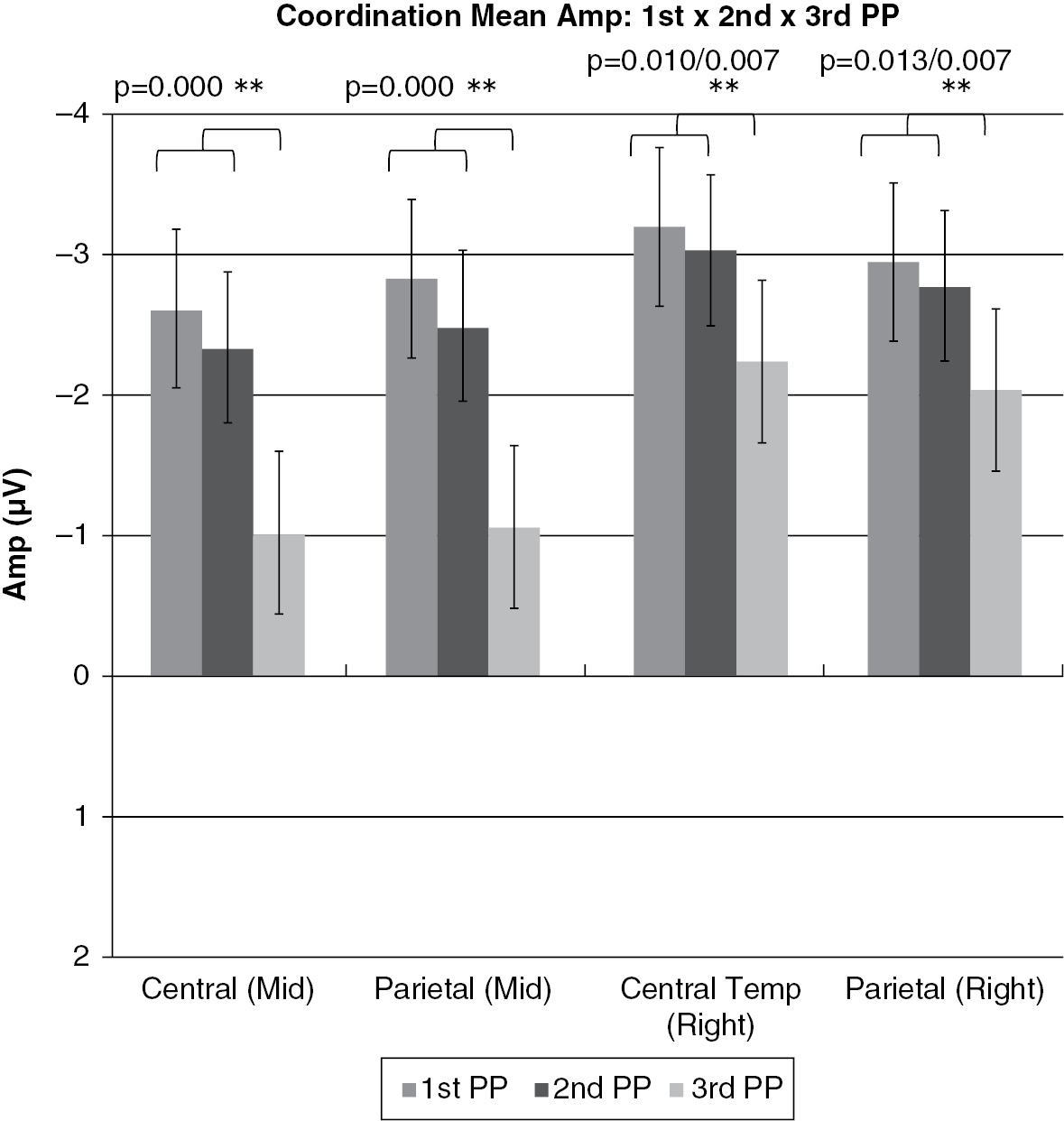
Figure 18.15 Coordination mean amplitudes of the N400 at relevant ROIs

Figure 18.16 Embedding of PPs’ mean amplitudes for the N400 at relevant ROIs
The results at relevant ROIs show that it is possible to differentiate among the PP layers connected by coordination by means of the statistically significant N400 amplitudes of the first, second and third PPs, an effect that is stronger on the left hemisphere ROIs. Since amplitudes are related to computational complexity, these results seem to point to a progressive facilitation at each PP within the coordination mode. The interesting aspect of this finding is that, as seen in Figures 18.13 and 18.14, this facilitation does not result in time advantage, since coordination of PPs presented the same latency times for each PP. As could be imagined, coordination must involve more memory resources,Footnote 5 often linked to increased processing time, but not necessarily more complex operations. It is possible that this effect was not found in Karajá because of the coordination morpheme that might make processing simpler.
Similar to the coordinated PPs, but not as strong and not as widespread, the N400 latencies for embedded PPs yielded different values in the most relevant ROIs. Therefore, the N400 latencies related with the embedding condition could be statistically differentiated, showing a smaller amplitude at each PP. This progressive facilitation is followed here by time advantage. This result seems to replicate the results we found in Karajá, which made us conclude that the processing of the PPs seems to be facilitated after one enters the recursive embedding mode.
4 Conclusions
Despite the fact that the tests differed in methodology, i.e., a chronometric off-line psycholinguistic test with oral stimuli versus on-line electrophysiological ERP tests with visual stimuli, the results showed a marked facilitation of coordination compared to embedding.
Both Karajá and BP PP coordination and embedding, tested off-line and on-line, yielded compatible results in two aspects: (i) the three types of stimuli listing one, two, and three coordinated words had similar RTs and ERP latencies; (ii) coordination yielded earlier RTs and N400s than those of embedding; and (iii) strikingly, as to the embedded stimuli, there was a progressive facilitation going from the constructions with one PP layer, to two and three PPs. Thus, since marked N400s are connected with difficulties in word integration with the working context, according to this view, the more salient the N400, the harder the combinatorial process (Kutas and Hillyard Reference Kutas and Hillyard1980, Reference Kutas and Hillyard1984; Brown and Hagoort Reference Brown and Hagoort1993; França et al. Reference França, Lemle, Cagy, Constant and Infantosi2004; Lau, Phillips, and Poeppel Reference Lau, Phillips and Poeppel2008).
Our interpretation is, therefore, that embedding is the result of a syntactic algorithm that is costly to be launched, but once established, does not pose any extra significant effort to the system.
This result is striking also in view of the fact that the embedding condition has an inherent supplement of complexity, which is semantic restrictiveness. However, it can be explained because, within the ERP sensitivity, syntax is accessed earlier than semantics. Very early ERPs, within the 100–200 ms timeframe, are known to be sensitive to phrase structure building (Lau et al. Reference Lau, Phillips and Poeppel2008; Kim and Gilley Reference Kim and Gilley2013).
Additionally, the N400 in fact also reflects the minute semantic manifestation of syntax, the kind of semantics that derives anticipating meaning from syntactic configuration and not from root meaning (Lau, Holcomb, and Kupperberg Reference Lau, Holcomb and Kupperberg2012). If this is the case, then maybe the N400 does not result from lexical-level processes, but might be related to the effort to perform a combinatorial process: the syntactic head-complement combination.
Thus, we argue here that our ERP results reflect the basic syntactic algorithm of embedding, in contrast with the off-line psycholinguistic test, which probably captured cumulative semantic effects of restrictiveness.
Finally, it should be clear that we are not arguing here that embedding can be reduced to a processing effect, since such a conclusion could not be granted by the very findings in two sets of experiments conducted: our coordination results yielded faster RTs and shorter latency ERPs than those of recursively embedded PPs. More importantly, we assume that the two kinds of Merge that are necessary to coordinate and to embed PPs are not extra-grammatical, but primitive narrow faculty computations. However, the subtlety of the ERP results, disentangling syntactic and semantic computations, allowed us to ponder that since syntactic facilitation does appear in the subsequent embedding, a performance or third-factor phenomenon might be connected to this facilitation. Embedding is hard to deploy, but once engaged in its algorithm, subsequent embedding is facilitated.


