To save content items to your account,
please confirm that you agree to abide by our usage policies.
If this is the first time you use this feature, you will be asked to authorise Cambridge Core to connect with your account.
Find out more about saving content to .
To save content items to your Kindle, first ensure no-reply@cambridge.org
is added to your Approved Personal Document E-mail List under your Personal Document Settings
on the Manage Your Content and Devices page of your Amazon account. Then enter the ‘name’ part
of your Kindle email address below.
Find out more about saving to your Kindle.
Note you can select to save to either the @free.kindle.com or @kindle.com variations.
‘@free.kindle.com’ emails are free but can only be saved to your device when it is connected to wi-fi.
‘@kindle.com’ emails can be delivered even when you are not connected to wi-fi, but note that service fees apply.
Caregivers in the Sfax region, Tunisia, having been at the forefront in the face of the Covid-19 pandemic, were therefore faced with intense stress. It seemed useful and interesting to us to study their adaptation strategies during this period of pandemic.
Objectives
The aims of our study were to identify the coping strategies used by Tunisian Healthcare workers (HCW) during the Covid-19 pandemic and to study the links of the different coping strategies with perceived social support and trait anxiety.
Methods
A cross-sectional, descriptive, and analytical study conducted among 254 Tunisian HCW working at the Habib Bourguiba and Hedi Chaker university hospitals in Sfax, during period from January 2021 to April 2021. the questionnaire used included an information sheet and three scales; “Social support questionary 6” (SSQ-6), “State Trait Inventory Anxiety Form Y2” (STAI-Y2), and “Ways of Coping Checklist” (WCC).
Results
Using the WCC scale, the strategy most used by participants was the problem-focused one (M = 2.98 ±0.53), followed by the emotion-focused strategy (M = 2.65 ±0 .58), and that centered on the search for social support (M = 2.64 ±0.59). Using the SSQ-6, the mean score for the availability of perceived social support was equal to 8.91±4.59 and the score mean perceived satisfaction was equal to 28.63±5.84. The prevalence of trait anxiety was 50%, according to the STAI-Y2. Statistical tests showed that problem-focused coping was the strategy most adopted by non-anxious participants. They also showed that the higher the availability of perceived social support, the more the social support-seeking coping strategy was chosen, and the higher the perceived satisfaction with perceived social support, the less the emotion-focused strategy was chosen.
Conclusions
It seems necessary to propose a learning program for coping strategies to counter the potential emergence of ineffective strategies and to reinforce the use of effective strategies, in order to improve or maintain optimal well-being of health personnel.
Mental health at work is increasingly an essential element to assess, especially in sectors with a high risk of psychological and physical stress. Working in a healthcare environment and particularly work in a psychiatric environment can constitute a psychological risk for workers. Among the risks faced by emergency psychiatric medical staff is the risk of developing PTSD (post traumatic stress disorder), which occurs after a traumatic event and results in moral suffering and physical complications that profoundly alter life:personal, social and professional life.
Objectives
Screening psychiatric emergency nurses for post-traumatic stress disorders.
Methods
This is a cross-sectional study carried out in the psychiatric emergency department of the Arrazi University Hospital in Salé, using an anonymous questionnaire distributed to nurses. It includes a 1st part on sociodemographic and professional data, a 2nd part focused on the evaluation of mental health through the GHQ12 and a 3rd part which evaluates post-traumatic stress made by the scale of post-traumatic stress disorder (PCLS).
Results
60 pourcent of women are more able to have ptsd disorder
40 pourcent men 95 pourcent are under the age of 30 and 5 pourcent have more than 30 years
80 pourcent have morked less than 5 years in the emergency hospital
and 20 pourcent have worked more 73 pourcent have scored more than 44 in pcls score
23 pourcent have scored less than 44 in pcls score
Conclusions
This work highlighted an extremely high rate of exposure to a violent event among psychiatric emergency nurses, even if in this study the prevalence of PTSD found among nurses is lower than expected, in this professional environment overexposure a violence requires special attention to protect and prevent the development of PTSD in professionals
Familial adenomatous polyposis (FAP) is a condition characterised by multiple polyps inside the colon or rectum, leading to colorectal cancer in all patients who do not perform prophylactic colectomy and a higher risk of cancer in other organs. Nevertheless, it has been reported that 14-48% of patients do not comply with regular endoscopic surveillance, which seems to be related to the lower levels of emotional distress observed in these patients. Also, APC gene polymorphisms have been described as being related to neurodevelopmental disorders, such as autism.
Objectives
To study the prevalence of alexithymia, autistic traits and emotion regulation strategies in patients with FAP.
Methods
We conducted a cross-sectional study of patients with a genetic or clinical FAP diagnosis and assessed for alexithymia, autistic traits and emotion regulation using psychometric tests - Toronto Alexithymia Scale - 20 items (TAS-20), Autism-Spectrum Quotient Test (AQ) and Emotion Regulation Questionnaire (ERQ), respectively. The control group were patients with Lynch Syndrome. Statistical analysis was performed using SPSS vs.26.
Results
We recruited a total of 20 patients (10 with FAP vs 10 with Lynch Syndrome). Nine patients were male (45%) versus 11 female (55%). The mean age was 53,35 years (SD 18,4). Half the sample presented a low educational level (equal or inferior to 4th grade).
The overall prevalence of alexithymia was 65%, with an 80% prevalence in FAP patients and 50% in Lynch Syndrome. TAS-20 total score was higher in FAP patients (69,0 vs 60,7; p=0,68). Externally-oriented thinking subscale score was statistically higher in FAP patients (p=0,024).
The overall prevalence of autistic traits was 25%, and the mean AQ score was higher in FAP (23,4; SD 4.97) compared to Lynch Syndrome patients (20,2; SD 5.57), but there were no statistically significant differences between the diagnoses (p=0,192).
A moderate positive correlation exists between Total AQ and Total TAS (r=0.51; p=0.020).
Concerning the scores obtained on the ERQ scale, most participants (14; 70%) use Expressive Suppression as a regulation strategy. Patients with Lynch Syndrome had higher scores than those with FAP, both in the Cognitive Reappraisal (4.22; SD 1.58 vs 4.28; SD 0.90) and Expressive Suppression (4.58; SD 1.08 vs 5.15; SD 1.03) domains.
The average AQ score for patients who mostly use expressive suppression is significantly higher than for those who use cognitive reappraisal (23.86 (3.63) vs 17.00 (6.6); p=0.039).
Conclusions
The preliminary results of this study point to high levels of alexithymia and autistic traits in this population, and a higher tendency to regulate emotions by expressive suppression.
The main limitation of the study was the small sample size, which reduced the power of the study to find statistically significant differences. Also, in future studies, a different control group should be considered.
Following the pandemic, we can find many new communication situations. Social relationships have changed a lot and are developing differently due to digital development, new lifestyles, and the effects of COVID-19. These components: social media, the transformation of interpersonal relationships, and the use of the platforms provided by the internet can lead to addictive disorders as risk factors.
Objectives
In this presentation, we review studies investigating the relationship between the new digital techniques, social connection, and communication development of adults with addictive disorders. We attempt to provide a summary of new theories and the areas currently being researched around the topic. Another aim of our research is to present the new drama-based therapy theories and methods in adults with addictive disorders.
Methods
To learn about recent international results, we conducted a literature search in 3 databases (PubMed, Medline, Web of Science) using the following keywords: drama therapy, addiction, emotion regulation, and adults, over the past 5 years. Empirical journal articles in English were used to prepare the literature review. Exclusion criteria were: the appearance publication before the year 2017 and the adolescent population.
Results
Changes in social behavior, emotion regulation, and addictive disorder were correlated. The studies examined social communications and loneliness in primarily cross-sectional studies design. The escapism from interpersonal relations and low self-esteem is the highest motivation to start regular videogame playing or using social media without control which becomes an addictive disorder.
Conclusions
Problematic social media use and changes in social connection threaten adults’ mental health. The diagnosis of emotion dysregulation, low self-esteem, and social disconnection is the detection of risk factors for addictive disorders. The new methods and tools of drama-based therapy are new prevention possibilities for these risk factors. In this way, it is a relevant issue in the field of education science.
Epilepsy is one of the most common serious brain illness, with symptoms influenced by multiple risk factors and a strong genetic predisposition, rather than having a single expression and cause¹. Neuropsychiatric symptoms in epilepsy can encompass manifestations such as mood alterations, anxiety, sleep disturbances, psychosis, and behavioral disorders. While the motor and sensory manifestations of epileptic seizures are widely recognized, neuropsychiatric symptoms accompanying epilepsy are often underestimated. Therefore, it is essential to understand the most prevalent epidemiological profile of these patients to improve the diagnosis and management of these symptoms.
Objectives
Our goal was to evaluate the neuropsychiatric behavior of epilepsy patients in Brazilian over the past 3 years through hospitalization data in order to outline an epidemiological and behavioral profile.
Methods
A cross-sectional, descriptive, retrospective, and quantitative study was conducted on hospitalizations of individuals simultaneously diagnosed with epilepsy, schizotypal and delusional disorders, and mood disorders in all five regions of Brazil (South, Southeast, Midwest, North, and Northeast) between February 2020 and December 2022. Data from January 2020 were not available. The data used were collected through the Department of Health Informatics of the Brazilian Unified Health System (DATASUS) in the “Hospital Information System of SUS” section, gathering information regarding the nature of care, age range, gender, and ethnicity of the patients.
Results
The analysis covers the years 2020 to 2022, totaling 503,045 hospitalizations. In 2022, the highest number of cases occurred (≈ 37.55%), followed by 2021 (≈ 33.62%) and 2020 (≈ 28.81%). Urgent hospitalizations represented ≈ 90.85% of the total. The most affected age group was 30 to 39 years old (≈ 18.30%). Men were more affected than women (≈ 52.03% and ≈ 47.96%, respectively), and Caucasians accounted for ≈ 36.07% of the hospitalizations. The average length of stay was 19.1 days, and the mortality rate was 1.4%.
Conclusions
Thus, there is a gradual and annual increase in the number of hospitalizations during the observed period. While there is a minimal disparity between the affected genders, it is evident that the profile of male, caucasian, and adult patients is the most prevalent. Moreover, the predominantly urgent nature of hospitalizations points to an alarming scenario regarding this issue. From the analysis of the data obtained in the study, there is a clear need for interventions capable of reducing the prevalence of hospitalizations for neuropsychiatric symptoms in epilepsy patients in Brazil.
Osteoarthritis is one of the most common diseases and a leading cause of functional limitation and dependence, significantly impacting the quality of life (QOL).
Objectives
The aim of this study was to evaluate the impact of knee osteoarthritis on QOL and identify associated factors.
Methods
This prospective cross-sectional descriptive study was conducted in the Physical Medicine and Functional Rehabilitation Department over a 4-month period, involving patients with symptomatic bilateral knee osteoarthritis (according to the American College of Rheumatology (ACR) criteria). Sociodemographic data, comorbidities, and characteristics of knee osteoarthritis were collected. The assessment of QOL and the functional impact of knee osteoarthritis were based on the KOOS (Knee Injury and Osteoarthritis Outcome Score) self-questionnaire, Lequesne Index, and modified WOMAC (Western Ontario and McMaster Universities Osteoarthritis Index) Score. The KOOS questionnaire included 5 subscales: pain (KOOS-Pain), symptoms other than pain (KOOS-Symptoms), activities of daily living (KOOS-ADL), sports and recreational function (KOOS-Sport), and QOL (KOOS-QOL).
Results
We included 30 patients with an average age of 59.27±6.3; the male-to-female ratio was 0.15. Sixty percent of patients lived in urban areas, with varying levels of education: primary (n=10), secondary (n=4), and university (n=4), while the majority were illiterate (40%). Most of our patients were employed, with 64.28% engaging in significant physical activity, resulting in an average of 6±2 days of work absenteeism every 3 months due to knee pain. The mean duration of knee osteoarthritis was 7.97 years±3.14. The average pain visual analog scale (VAS) score was 5.2±0.4. Knee osteoarthritis was classified as stage 2 in 40% and stage 3 in 60% of cases. Regarding functional impact, the mean WOMAC global index was 16.6±4.68, and the mean Lequesne Index was 11.05±3.45; moderate disability was observed in 16.7%, significant disability in 50%, and severe disability in 16.7% of patients. Furthermore, the KOOS questionnaire revealed decreased KOOS-Sport and KOOS-QOL scores, with mean values of 35±10.2 and 37±8.9, respectively. Our study identified factors associated with a poor quality of life: age > 65 years (p<0.05), disease duration (p=0.02), and VAS pain > 5 (p=0.02).
Conclusions
Improving the quality of life is an essential therapeutic goal in managing knee osteoarthritis. Our study demonstrates that advanced age, longer disease duration, and high pain intensity can negatively impact quality of life.
According to UNICEF, 2 million children have left the country since the beginning of the war. 2.5 million Ukrainian children are internally displaced persons. Minors often become victims or witnesses of violence.
The events of 2022-2023 are the largest military conflict in the world since World War II. The impact on the mental health of the population is characterized by the variety and mass of traumatizing factors.
The aim of the study was to determine the prevalence of PTSD and its comorbidities at different stages of experiencing a traumatic experience.
Methods
785 teen`s displaced from the zone of military operations, occupied territories were surveyed. Examinations included: K-SADS-PL, PSC-17, SCARED, CATS. 260 teen`s were examined during - 6, 400 – 6–12 months after traumatization.
Results
After 6 months of trauma, PTSD was diagnosed in 9.8%, ADHD – 10.2%, DD-22.3%, AD-30.8%, CD – 15.4%, 28.8%; examined 6 to 12 months after the injury, respectively: 21.9%, 12.6, 33.3%, 11.5%, 18.0%.
Conclusions
In war-affected children, PTSD is a risk factor for the subsequent development of comorbid depression, anxiety, conduct disorders, and ADHD. Female sex, secondary traumatization after displacement increase the risk of developing depression, signs of pervasive development and ADHD - the risk of destructive and self-injurious behavior. The prevalence of PTSD, DD, ADHD increases within 6-12 months after the trauma, the sensitivity of children with PTSD to secondary traumatic events increases.
We present the case of an elderly patient with a severe depressive episode who, in order to maintain psychopathological stabilisation, receives ECT on an outpatient basis.
Objectives
The objective is to briefly review the use of ECT as a maintenance treatment for severe depression in the elderly.
Methods
Patient aged 76 years, multipathological, with a history of hypertension, DM and LBP. Femoral head fracture, myelodysplastic syndrome, severe osteoporosis with vertebral crushing, requiring rescue treatment with tramadol, and renal failure.
She came for consultation, reporting depressive symptoms of months’ duration, together with delusions of ruin and nihilism. Despite antidepressant and stabilising treatment with duloxetine at daily doses of 120mg, extended-release quetiapine 600mg, lorazepam 2.5mg and mirtazapine 45mg, the patient began to show negative behaviour towards accepting food, clinophilic behaviour and abandonment, which led to her being admitted to the short-term hospitalisation unit.
Results
Due to the severity of the depressive symptomatology, it was decided to start ECT, administering a total of 12 sessions, which were effective, and outpatient follow-up was resumed. However, after a week, the patient again began to show marked apathy and abulia, as well as complete anorexia lasting more than 24 hours, which led to a new admission. It was then that it was decided to maintain the ECT treatment, on an outpatient basis, as maintenance treatment, together with pharmacological treatment.
Conclusions
ECT is indicated in severe depression, with or without psychotic symptoms, with malnutrition and organic pathology. According to studies, it has a beneficial response of more than 60%. However, the rate of receiving depressive symptomatology in a severe episode is high, despite ECT, so studies and clinical practice recommend maintenance ECT. It is usual to start with weekly sessions, and progressively space them out to maintain the minimum that guarantees stability.
Individuals experiencing psychotic symptoms often lack insight into their conditions, especially in first psychotic episodes. According to the Portuguese Mental Health Law, involuntary hospitalization may be necessary in cases of severe mental disorder, involving a threat to the patient or his/her legal assets, when there is a refusal of the necessary treatment.
Objectives
The aim of our study was to characterize patients admitted involuntarily for first psychotic episode and to compare them with the patients undergoing inpatient voluntary treatment.
Methods
Out of a total of 87 patients diagnosed with first psychotic episode, hospitalized between 2020 and 2022 in our service, at Hospital Magalhães Lemos, 65 were included in the study. Exclusion criteria included patients from other residential areas. 40 patients were admitted under involuntary treatment, whereas 25 were hospitalized voluntarily. For both groups, we calculated the duration of untreated psychosis, the prevalence of psychoactive substance abuse, the type of treatment provided and the number of re-hospitalizations.
Results
Patients in involuntary treatment had longer duration of untreated psychosis (71 vs 38 weeks). Among these patients, 53% had comorbid psychoactive substance abuse, in contrast with only 36% of voluntarily treated patients. Upon discharge, 58% of patients in involuntary treatment were prescribed depot antipsychotic medication, whereas only 12% of the ones in voluntary treatment. Out of 40 patients admitted involuntarily, 11 were re-hospitalized, but only 4 of the 25 patients in voluntary treatment (28 vs 16%).
Conclusions
Patients in involuntary treatment probably suffered from more severe disease, as seen for the higher duration of untreated psychosis and frequent comorbid substance abuse. Injectable medication was the preferred choice at the time of discharge for this group. Additionally, they experienced higher rates of re-hospitalizations. Recent changes in Portuguese Mental Health Law, that aims to safeguard the rights and responsibilities of individuals with mental health care needs, motivated this study.
In recent times, there has been a growing emphasis on the significance of fostering intergenerational learning and interaction. This involves individuals from diverse age groups engaging in purposeful and mutually beneficial activities aimed at enhancing their knowledge, skills, and values.
Objectives
This systematic review was undertaken to explore the psychosocial consequences of intergenerational learning experiences among primary school-age children and older adults.
Methods
In accordance with the PRISMA guidelines, a comprehensive review of both quantitative and qualitative data was conducted. Electronic databases such as PubMed, Scopus, and ERIC were meticulously searched up to July 26, 2022, using the following Population (P) - Exposure (E) - Outcome (O) criteria: primary school-age children and older adults (P), participation in intergenerational learning (E), and psychosocial effects (O). Additionally, we extensively scrutinized the reference lists of included datasets and pertinent review articles (Figure 1). To evaluate the quality of the eligible studies, we employed the Mixed Methods Appraisal Tool (MMAT). Data analysis was structured around a narrative synthesis approach.
Results
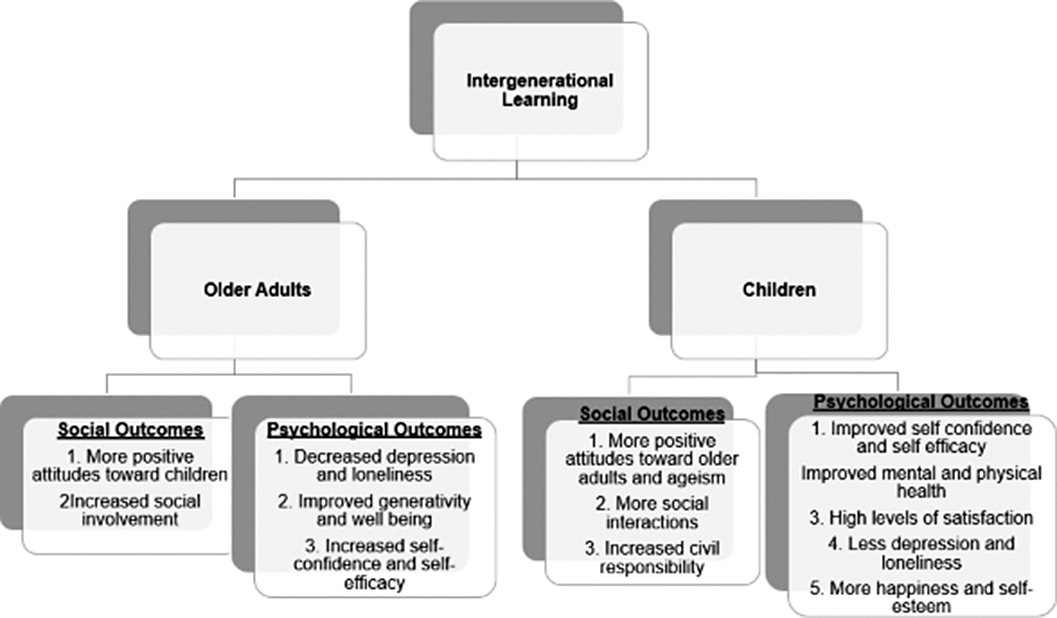
A total of seventeen studies were deemed eligible for inclusion in this review. The findings regarding the psychosocial consequences of engaging in intergenerational activities for both children and older adults predominantly underscored positive improvements in their attitudes, well-being, happiness, and various other aspects of their social and psychological well-being, although certain methodological limitations were identified (Figure 2).
Image:
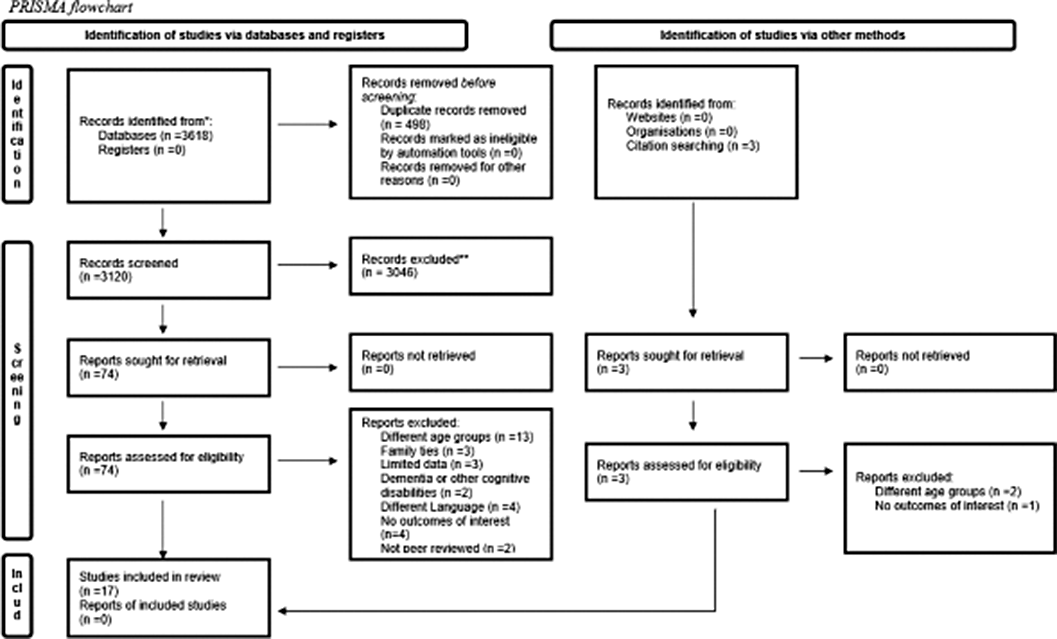
Image 2:
Conclusions
Promoting intergenerational interactions and learning experiences holds promise as a means to enhance the overall quality of life and well-being for both younger and older members of our communities.
Opioid use disorder is still the main presenting illicit substance use disorder that patients present within Addiction and Mental Health Services even though the majority of the patients are polysubstance users. Innovation in the field will allow providers to understand better how systems work to support a population with physical and psychological morbidities
Method
We will present novel narratives in describing:
1. Standards and principles
2. Pharmacology
3. Delivery systems
4. Neuroscience based interventions
5. Systems and implementation
Results and Discussion
The above desscriptors will allow a landscape that is less stigmatising and better in responding to the needs of the people who are highly stigmatised and multidisdvantaged.
Opus signinum is a lime mortar mix that includes crushed pottery as an aggregate. Because it is water-resistant, it was used to line hydraulic structures like pools and aqueducts. While there have been numerous recreations of Roman ‘concretes’ in the past, hydrophobic linings have received little attention, and all preliminary studies in these recreations have paid more attention to the dry components and the lime than to the hydric needs of the mortar. The experiment presented here was to gain a better understanding, with the help of traditional builders, of the process of mixing and applying hydrophobic linings and calculate the water consumption of individual samples. The data obtained contribute to assessing the water consumption needs on Roman construction sites, what associated logistics these volumes required, and what the technicalities of applying this specific type of lining were.
The Contrast Avoidance Model (CAM) was developed to explain pathological worry in generalized anxiety disorder (GAD). The CAM posits that those with GAD are sensitive to sharp increases in emotions, and use worry to maintain heightened states of negative arousal to avoid these emotional shifts. Research has widely supported the CAM in the conceptualization of GAD, and has extended these findings to other disorders, including major depressive disorder (MDD) and social anxiety disorder (SAD). Despite the utility of the CAM model in informing the etiology of these conditions, research has yet to expand these findings beyond GAD, MDD, and SAD. Specifically, obsessive-compulsive disorder (OCD), which co-occurs with GAD, MDD, and SAD in adults at a rate of 15.0%, 40.7%, and 14.7%, respectively, and shares many of their etiological features, has yet to examined in the context of the CAM. Thus, examining CA as a relevant mechanism and therapeutic target for OCD is an unstudied conceptual framework that may offer meaningful clinical utility.
Objectives
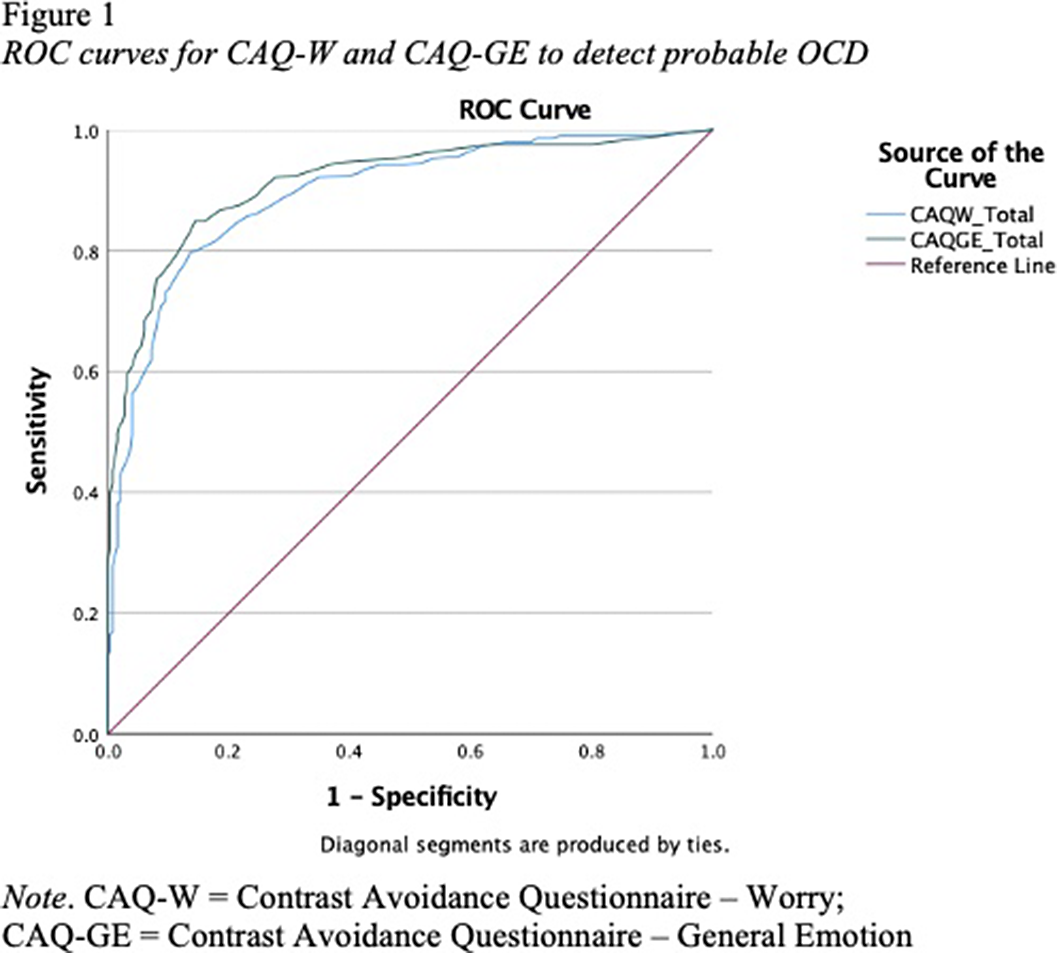
The present study used receiver operator curve (ROC) analyses to examine the predictive utility of the CAQ-W and CAQ-GE in detecting probable OCD in a large undergraduate sample. We hypothesized that the CAQ-W and CAQ-GE would be higher in participants with probable OCD and would offer sufficient sensitivity and specificity in predicting probable OCD.
Methods
1259 undergraduates were recruited for a mass University screening. Participants were included in the OCD group (N = 291) if they met diagnostic criteria for OCD (DOCS total score > 20). Participants were included in the nondisordered group (n = 249) if they did not meet diagnostic criteria for any of the screened disorders (SAD, MDD, GAD, OCD, panic disorder, post-traumatic stress disorder, OCD, borderline personality disorder), denied suicidality, and denied receiving mental health treatment in the last 12 months. ROC analyses were used to examine the accuracy of the CAQ-W and the CAQ-GE in detecting probable OCD.
Results
Results of ROC analyses are reported in Table 1. AUC values for the CAQ-W and CAQ-GE were significantly different from the null hypothesis (AUC = .50, p < .001), and demonstrated excellent (.89) to outstanding (.91) accuracy in predicting probable OCD (Figure 1), respectively. Optimal sensitivity and specificity to detect probable OCD (Table 2) was achieved at a cut off score of 67.5 for the CAQ-W (Sensitivity = 81.4%; Specificity = 82.3%) and a cutoff score of 43.5 for the CAQ-GE (Sensitivity = 84.9%; Specificity = 85.5%).
Image:
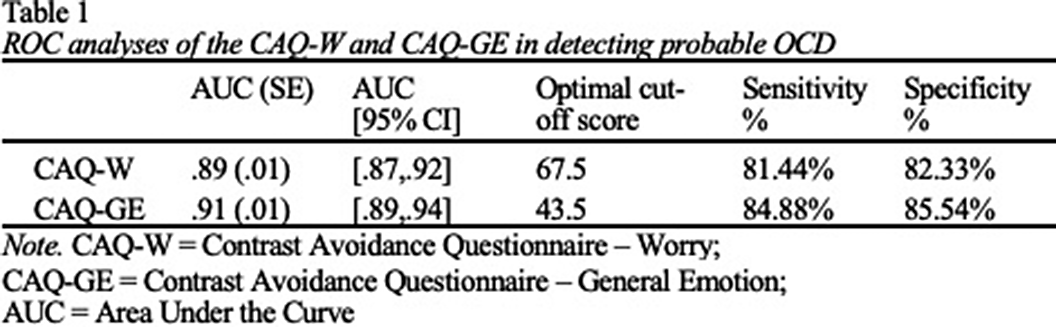
Image 2:
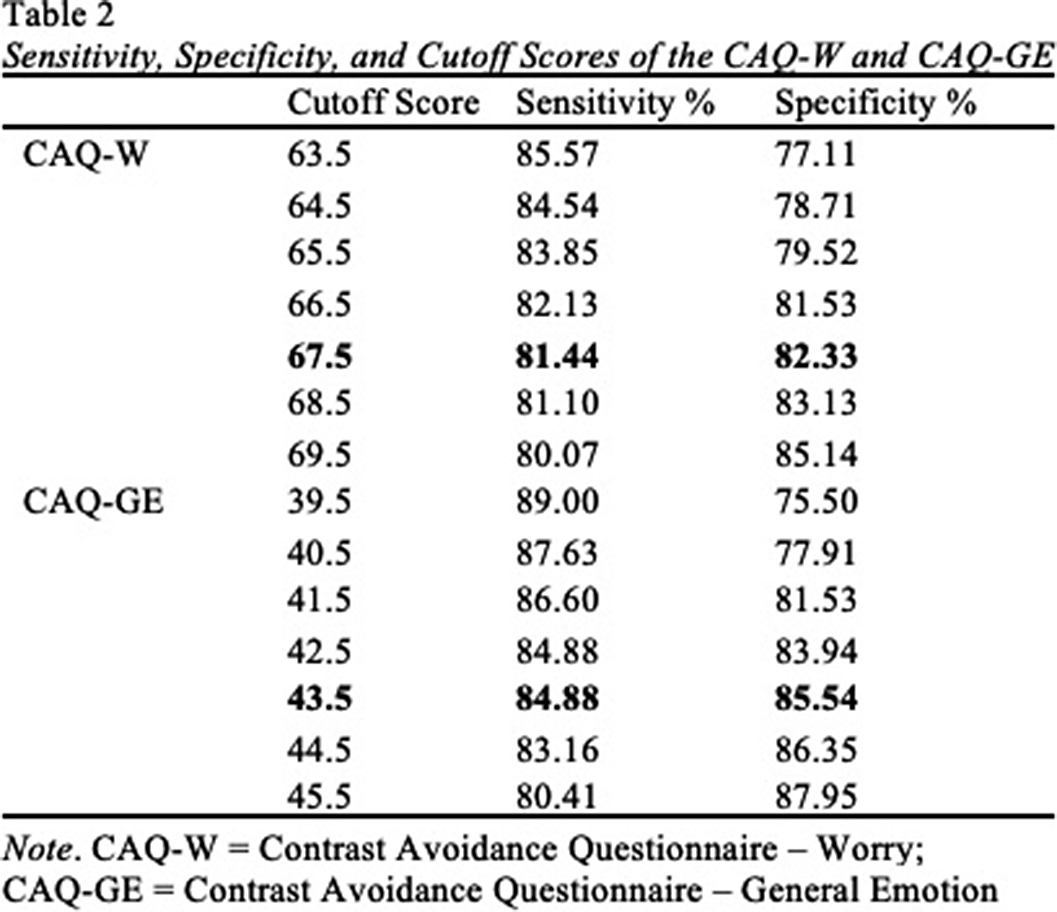
Image 3:
Conclusions
Results suggest that OCD can be accurately characterized by CA. Findings also highlight the utility of examining CA as a relevant maintenance factor for OCD symptoms. Future research should examine the impact of CA on OCD symptoms in-laboratory and ecological settings.
Research indicates that psychopathy can hinder treatment success and can lead to dropout. Impulsivity is a complex construct that overlaps with psychopathic personality traits and is often targeted in forensic psychotherapy due to its relation to the risk of reoffending.
Objectives
Our aim was to investigate the overlap between psychopathy and impulsivity and the influence of psychopathic traits on change in impulsivity.
Methods
We conducted a pre-post-study for measures of psychopathy and impulsivity in men imprisoned for sexual and non-sexual violent offenses. All participants took part in standardized pre- and post-treatment ratings shortly after admission as well as after an average of 19 months (n=370 for pre-rating, n=168 for post-rating). Psychopathy was measured via the PCL-R, impulsivity with the BIS-15.
We calculated two-tailed Pearson correlations for BIS-15 Pre-, Post-, and Change Scores and the PCL-R. In a second step, the BIS-15 pre-post-differences were compared using independent t-Tests, effect sizes were calculated using Cohen’s d (small, medium, and large effect sizes are d = .20, .50, and .80). Further, unpaired t-tests were carried out to compare between participants with lower and higher PCL-R sum scores (median split, mdn= 15.8, M=15.5, SD=7.9).
Results
In the total population a significant reduction of self assessed impuslivity can be demonstrated for total impulsivity (p<.001, cohens d= .34) nonplanned (p<.001, cohens d= .39) and motor impulsivity (p=.004, cohens d= .23). In both groups, with higher and lower psychopathic traits, a significant reduction in total and nonplannend impulsivity can be seen.
While the reduction in total impulsivity was 0.9 points higher in the group with higher psychopathy, the difference was not significant, t(147.8)= -1.1, p = .285. Also, the nonplanned impulsivity was showed a stronger reduction in the high PCL group, though the effect was not significant, t, t(166)= -1.2, p = .243.Table 1.
Correlationen between BIS-15 post-ratings and PCL-R
PCL-R
PCL-R Sum
Interpersonal
affective
lifestyle
antisocial
BIS-15 prä (n=370)
Total Impulsivity
.20 **
-.14 **
.02
.34 **
.28 **
BIS-15 post (n=168)
Total Impulsivity
.33**
.04
.20**
.35**
.36**
BIS-15 Change (n=168)
Total Impulsivity
-.03
-.15
-.09
.07
.01
Note: * correlation significant für p ≤ .05; ** correlation significant für p ≤ .001.
Conclusions
We demonstrate a significant correlation between psychopathy and impulsivity, especially regarding facets 3 and 4, but also for the sum score. Neither the PCL-R sum core, nor the facets correlate with the change in impulsivity during treatment progress in the STU. In both groups, with higher and lower psychopathy, impulsivity was reduced during therapy but there was no significant difference in the change scores. Our results underline that treatment progress can be achieved also in patients with higher psychopathic traits.
Today, the most vulnerable group of Ukrainians are children. Their physical and mental health has been tested since 2020, from COVID-19 to 2022, the start of a full-scale-russia’s war against Ukraine. The children of Ukraine were the first to feel the changes, since a complete change in life and the principles of acquiring primary adaptive skills of social interaction were distorted by COVID-19. Subsequently, new challenges in the form of war deformed the idea of life, happiness and the future.
Objectives
Studying the level of adaptation potential in children and adolescents living in the front-line zone in Ukraine.
Methods
The examination included the use of clinical-psychological, psychodiagnostic and psychometric research methods.
Results
The study in 2021 involved 217 children and adolescents with signs of maladjustment. In 2022, 378 children and adolescents with signs of maladjustment, of which 285 children are still in the frontline zone of Ukraine, 93 children, at the time of 2022, were taken abroad and returned to Kharkov in 2023.
During the initial analysis of the results, it was revealed that children with low adaptive resources are more susceptible to showing signs of maladjustment. One of the main factors of an adaptation resource is interaction with others (direct communication). It was this criterion that became the primary frustrating factor for children in the first months of the war. External isolation has led to a lack of communication between children and everyone in Ukraine, who during COVID-19 have adapted to a way of communicating while staying at home in physical isolation. War is a powerful independent psychogenic factor for the formation of maladaptation, but in today’s realities it has also become an additional trigger for a previous psychogenic event in the life of Ukrainians.
Parents, for their part, note a sharp deterioration in the well-being of their children, frequent complaints of headaches (89.4%), overwork, aggressiveness (81,5%), closed-mindedness (78,6%), health complaints (74,5%), which is why they have to often consult a doctor and endlessly carry out diagnostics in search of reasons for deterioration (72,3%), weight loss (64,5%). The data indicate the frustration of being in the front-line zone, which aggravates mental health and triggers the process of disruption of adaptation and mental health of children and adolescents.
Conclusions
The study is aimed at developing a psychorehabilitation program for children and adolescents with a low level of adaptive resource.
It is known that many psychopharmacological drugs have anti-inflammatory, as well as antibacterial and antiviral effects.
Objectives
To investigate the association between the severity and duration criteria of COVID-19 with psychopharmacotherapy in double-diagnosed patients.
Methods
A total of 169 case histories from a specialized infectious psychiatric department (May 2020 to January 2021) were evaluated. Progression indicators of severe and mild COVID-19, along with the duration of persistent SARS-CoV-2 viral shedding, were assessed in correlation with the administration of antidepressants, antipsychotics, and acid sphingomyelinase inhibitors (FIASMA-active drugs).
Results
The use of any psychotropic agents was associated with a 0.9% increase in the risk of severe course of COVID-19 for each unit increase in the systemic inflammation index PLR, specifically in patients with intellectual disability (ICD-10 codes F70-79), when compared to patients with schizophrenia (ICD-10 codes F20-29): R²McF=0.138; AIC=181; χ²=25.8; df=9; p=0.002. High PLR values and the use of FIASMA-active drugs were associated with prolonged COVID-19 duration, while antidepressant therapy and elevated C-reactive protein levels were associated with a reduced predicted duration of viral shedding in 13.8% of variance: R²=0.0864; AIC=1299; F=5.2(3), p=0.002. Including the nosology of psychiatric disorders in the regression model increased the proportion of explained variance to 22.8%.
Conclusions
Thymoanaleptic therapy for individuals with psychiatric disorders may act as a protective factor against COVID-19. There is no evidence suggesting adverse effects of antipsychotics on the severity and duration of COVID-19. Further research is necessary to investigate the effects of FIASMA-active psychopharmacological agents within nosologically homogeneous groups.
Suicidal behaviors are frequently observed among patients with substance use disorder, including suicidal ideation (SI) (1). Alcohol use disorder (AUD) is one of the most prevalent addictions and may be related to suicidal behaviors (2,3). However, the association between AUD and SI requires a deeper analysis which includes several clinical features observed among AUD patients.
Objectives
To analyze the clinical characteristics and features associated with lifetime SI among patients who had AUD.
Methods
This is a cross-sectional study performed in an outpatient center for addiction treatment in patients seeking treatment who met the criteria for AUD between 01/01/2010 and 12/31/2021. Patients were evaluated with an ad-hoc questionnaire and the European addiction severity index (EuropASI). SI was evaluated by using the item for SI in EuropASI.
Results
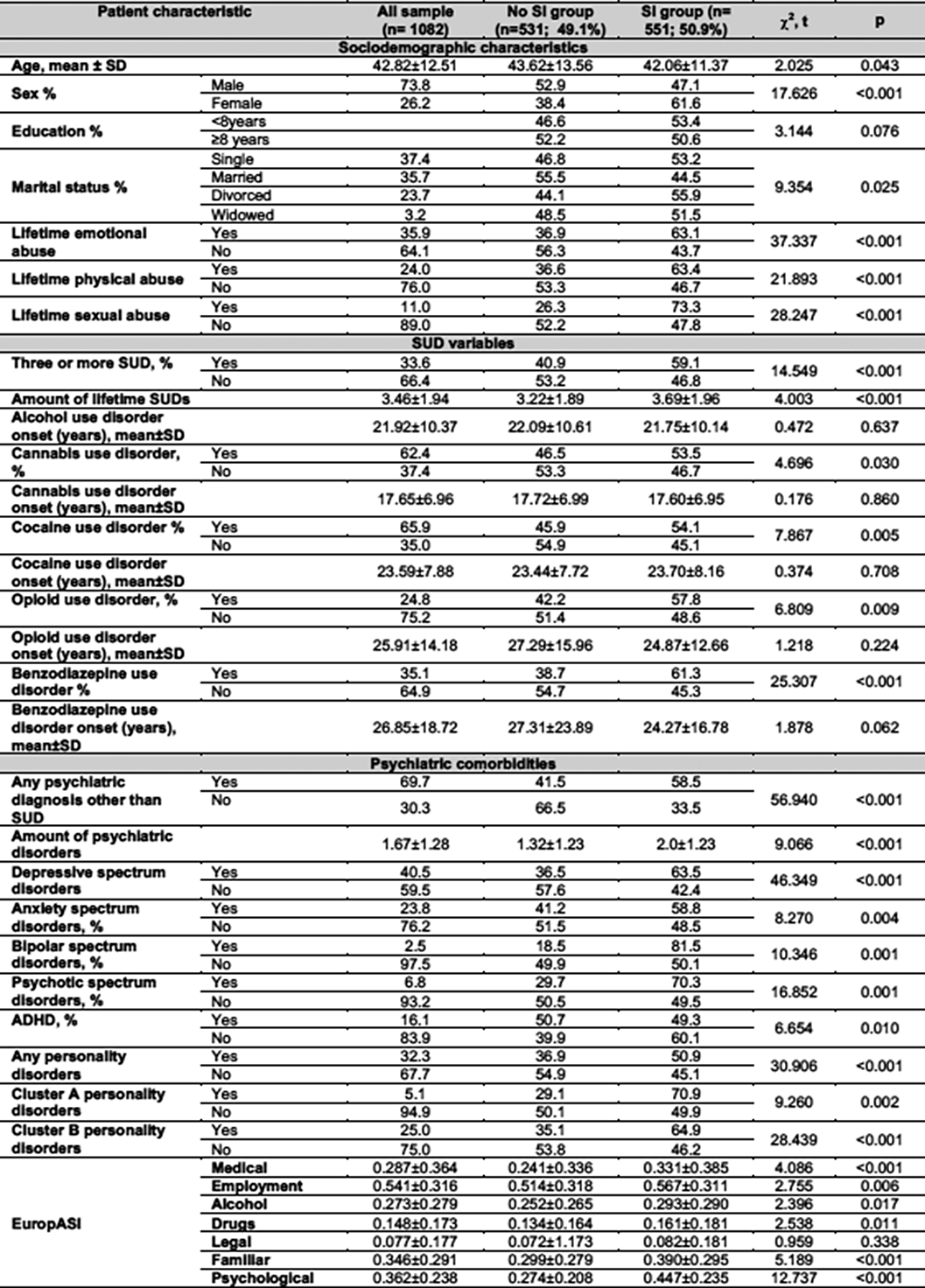
From a potential sample of n=3729 patients, only n=1082 (73.8% males; mean age 42.82±12.51) met inclusion criteria and had data for the current analysis. Lifetime SI was present in 50.9% of the AUD patients. Several clinical features were related to SI, including: sex differences, any type of lifetime abuse, polyconsumption, benzodiazepine use disorder, any psychiatric diagnosis aside of SUD, and higher addiction severity according to the EuropASI (See table)
Image:
Conclusions
SI among AUD patients is related to several clinical features which indicate a higher addiction severity, more polyconsumption, and a higher prevalence of psychiatric comorbidities. These findings may contribute to the understanding of suicidal behaviors in AUD patients but it is required further investigations, including longitudinal studies.
REFERENCES
1. Rodríguez-Cintas L, et al. Factors associated with lifetime suicidal ideation and suicide attempts in outpatients with substance use disorders. Psychiatry Res. 2018;262:440-445. doi:10.1016/j.psychres.2017.09.02
2. MacKillop J, et al. Hazardous drinking and alcohol use disorders. Nat Rev Dis Primers. 2022;8(1):80. doi:10.1038/s41572-022-00406-1 3. Darvishi N, et al. Alcohol-related risk of suicidal ideation, suicide attempt, and completed suicide: a meta-analysis [published correction appears in PLoS One. 2020;15(10):e0241874]. PLoS One. 2015;10(5):e0126870. doi:10.1371/journal.pone.0126870
Disclosure of Interest
R. Palma-Alvarez Speakers bureau of: RFPA has received speaker honorariums from Angelini, Cassen Recordati, Exeltis, Lundbeck, MSD, Rubió, Servier, and Takeda., A. Rios-Landeo: None Declared, G. Ortega-Hernandez Speakers bureau of: GOH has received speaker honorariums from Rubió., E. Ros-Cucurull Speakers bureau of: ERC has received speaker honorariums from Janssen-Cilag, Lundbeck, Otsuka, Pfizer, Lilly, Servier, Rovi, Juste., C. Daigre: None Declared, M. Perea-Ortueta: None Declared, L. Grau-Lopez Speakers bureau of: LGL has received fees to give talks for Janssen-Cilag, Lundbeck, Servier, Otsuka, and Pfizer., J. Ramos-Quiroga Speakers bureau of: JARQ has been on the speakers’ bureau and/or acted as consultant for Janssen-Cilag, Novartis, Shire, Takeda, Bial, Shionogi, Sincrolab, Novartis, BMS, Medice, Rubió, Uriach and Raffo.
The COVID-19 pandemic involved stringent social restrictions, a surge in mortality, and significant economic consequences, affecting age groups differently and leading to increases in loneliness and mental health problems, particularly depression, which was already very common before the pandemic.
Objectives
Analyse changes and related factors of the relationship between loneliness and depression by age group from (1) before to the COVID-19 outbreak, (2) during the pandemic, and (3) after the last state of emergency. Moreover, we aim to (4) evaluate the effect of social support to alleviate feelings of loneliness and improve the course of depression.
Methods
We used data from three different cohorts, all representative of the Spanish adult population. (1) We longitudinally analysed the association between loneliness and depression with a sample interviewed before (N = 1,880) and during (N = 1,103) the pandemic. We used mixed-models to study changes in major depressive disorder (MDD) by age group and regression models to quantify the association between age and potential mediating effects. (2) We analysed data of 2,000 adults during the pandemic. Several regression models were constructed to assess the impact of pre-pandemic mental disorders on the main association by age group. (3) Out of those 2,000 participants, 1,300 were interviewed 9 months later, to determine group-based loneliness trajectories and its associated risk factors. (4) We analysed the relationship between loneliness, social support, and MDD over a 7-year period (N=404 individuals aged 50+ having MDD). We tested cross‐lagged panel models using structural equation modelling.
Results
During the pandemic the probability of having MDD increased significantly among younger individuals, and was partly explained by loneliness, low resilience, and worsened economic situation. Loneliness was associated with more depressive symptoms, and this association was stronger in younger adults without pre-pandemic mental disorders and in older adults with them. At the end of pandemic, three courses of loneliness were detected: invariant low loneliness (42.6%), decreasing medium loneliness (51.5%), and fairly invariant high loneliness (5.9%). Risk factors for worse trajectories were being younger, female, not married, and, notably, having pre-pandemic mental disorders. Among individuals with depression prior to the pandemic, lower social support predicted higher subsequent levels of loneliness, resulting in an increase in MDD recurrence.
Conclusions
Strategies to decrease the impact of loneliness on depressive symptoms should consider individuals mental health background, address social determinants, and adopt an age-driven perspective.
In recent years, overweight and obesity have reached an alarmingly high incidence and prevalence worldwide; they have also been steadily increasing in military populations. Military personnel as an occupational group are often exposed to stressful and harmful environments that represent a risk factor for disordered eating with major repercussions on both physical and mental health.
Objectives
This study aims to explore the effectiveness of weight loss interventions and to assess the significance of current obesity treatments for military populations.
Methods
Three online databases (PubMed, PsycInfo, and Web of Science) were screened to identify randomized controlled trials (RCTs) aiming to treat obesity in active-duty military personnel and veterans. Random-effects meta-analyses were conducted for body weight (BW) and body mass index (BMI) values, both longitudinally comparing treatment group from pre-to-post intervention, and cross-sectionally comparing the treatment group to controls at the end of the intervention.
Results
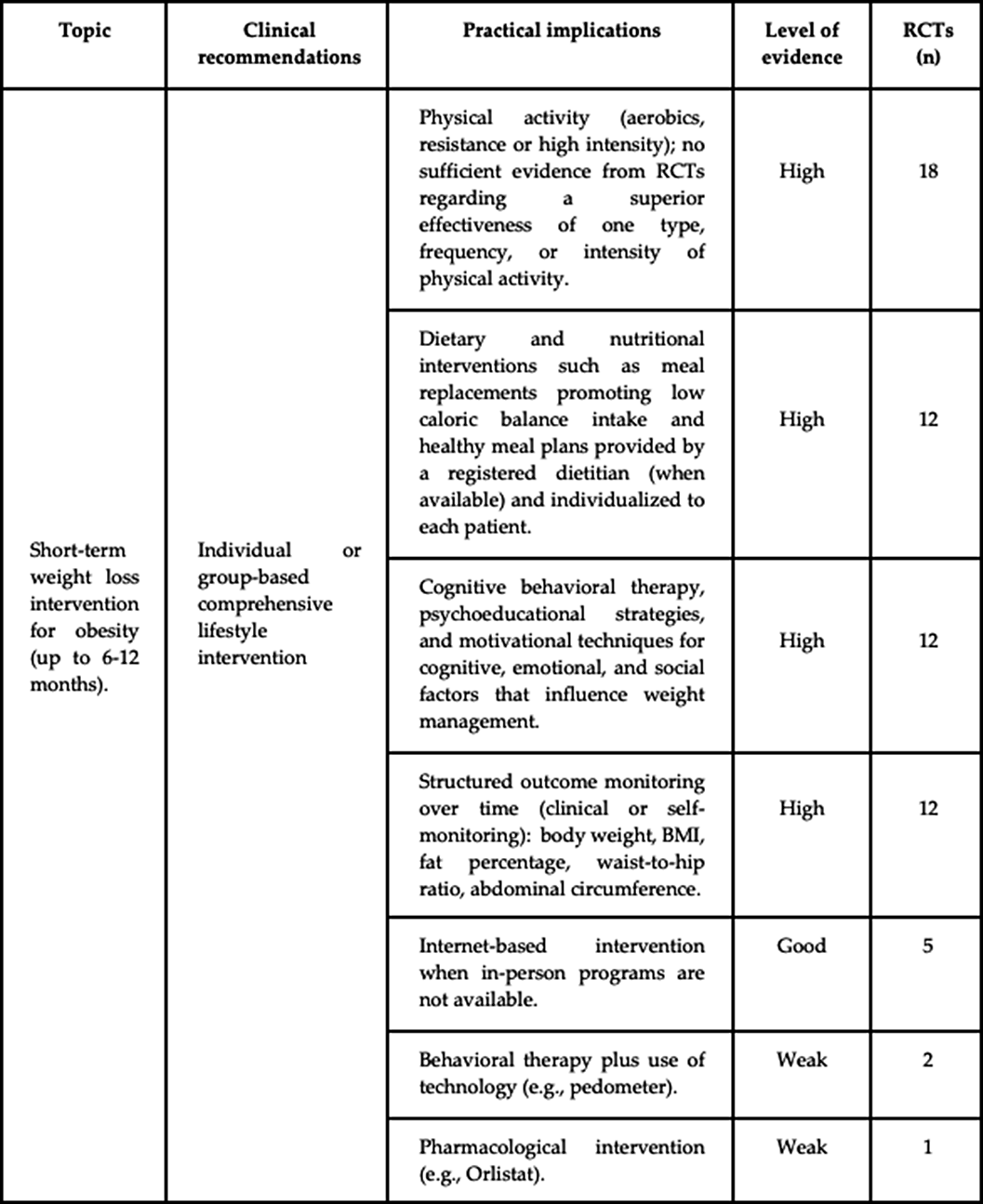
A total of 21 studies were included: 16 cross-sectional (BW: n=15; BMI: n=12) and 16 longitudinal (BW: n=15; BMI: n=12) were meta-analyzed, and 5 studies were narratively synthesized. A significant small overall BW and BMI reduction from baseline to post-intervention was observed (BW: g = -0.10; p = 0.015; BMI: g = -0.32; p < 0.001), together with a decreased BMI (g = -0.16; p = 0.001) and nominally lower BW (g = -0.08; p = 0.178) in the intervention group compared to controls at post-intervention time-point. When conducting additional meta-analyses dividing by sample type, a significant decrease in both BMI (g= -0.35; p< 0.001) and BW (g= -0.12; p= 0.041) from pre-to-post intervention was observed in active-duty military personnel but not for veterans.Recommendations for clinical practice have been outlined from the findings of this study and summarized in Figure 1.
Image:
Conclusions
Despite limitations, such as the heterogeneity across the included interventions and the follow-up duration, our findings highlight how current weight loss interventions are effective in term of BW and BMI reductions in military populations, and how a comprehensive approach with multiple therapeutic goals should be taken during the intervention.
Psychiatric pathologies are more common in people with epilepsy than in the general population and have a negative impact on the quality of life of these patients.
Objectives
The objective of this work is to illustrate, through a series of cases, the complex relationship between epilepsy and psychiatric pathologies.
Methods
We report the cases of four patients with different psychiatric pathologies associated with epilepsy admitted to the psychiatry department of Hedi Chaker Sfax. We collected the clinical characteristics of these patients based on their medical files.
Results
The patients were aged 64, 45, 38 and 26 respectively. The first patient had a late-onset vascular epilepsy following the psychiatric pathology onset by 20 years. In the remaining cases epilepsy onset preceded the psychiatric pathology by 6, 3 and 1 year respectively. The aetiology of epilepsy was juvenile myoclonic epilepsy, and idiopathic in 2 cases. The psychiatric pathologies were schizophrenia, obsessive compulsive disorder with schizoid personality, schizoaffective disorder in the bipolar type and mild intellectual disability with histrionic personality, respectively. Familial history of psychiatric disorders was found 2 patients and of epilepsy in one.
Conclusions
Epilepsy and psychosis have a complex and bidirectional relation. Not only are patients with epilepsy at a greater risk of developing a psychotic disorder, but patients with a primary psychotic disorder are also at greater risk of developing epilepsy. The fact that the association between these pathologies is more frequent than expected should prompt more in-depth studies concerning the underlying etiopathogenic mechanisms to improve their management.
