Refine listing
Actions for selected content:
73852 results in Boydell & Brewer

Leper Knights
- The Order of St Lazarus of Jerusalem in England, c.1150-1544
-
- Published by:
- Boydell & Brewer
- Published online:
- 25 March 2023
- Print publication:
- 06 April 2003

Medieval Allegory and the Building of the New Jerusalem
-
- Published by:
- Boydell & Brewer
- Published online:
- 25 March 2023
- Print publication:
- 04 December 2003
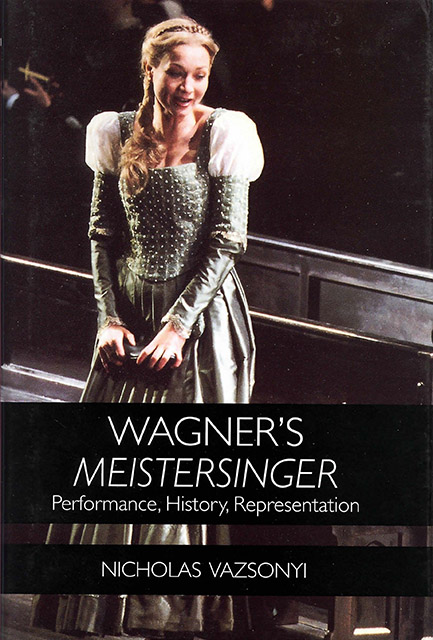
Wagner's Meistersinger
- Performance, History, Representation
-
- Published by:
- Boydell & Brewer
- Published online:
- 25 March 2023
- Print publication:
- 31 March 2003

Leibniz on Purely Extrinsic Denominations
-
- Published by:
- Boydell & Brewer
- Published online:
- 25 March 2023
- Print publication:
- 15 August 2002
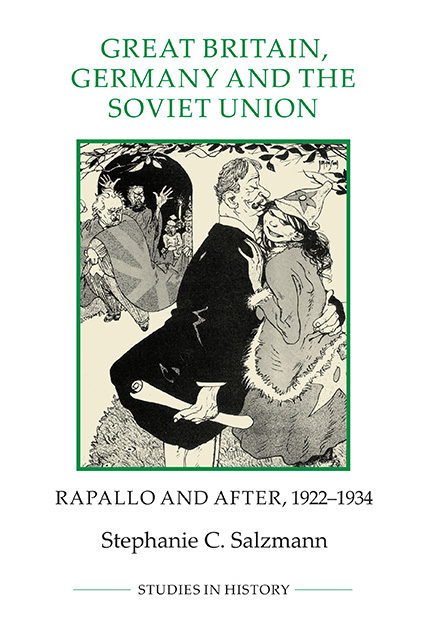
Great Britain, Germany and the Soviet Union
- Rapallo and after, 1922-1934
-
- Published by:
- Boydell & Brewer
- Published online:
- 25 March 2023
- Print publication:
- 10 December 2002

Alabaster Images of Medieval England
-
- Published by:
- Boydell & Brewer
- Published online:
- 25 March 2023
- Print publication:
- 04 December 2003

Rural Conflict, Crime and Protest
- Herefordshire, 1800-1860
-
- Published by:
- Boydell & Brewer
- Published online:
- 25 March 2023
- Print publication:
- 31 October 2003
Youth in the Middle Ages
-
- Published by:
- Boydell & Brewer
- Published online:
- 25 March 2023
- Print publication:
- 01 January 2002

Mental Health Care in Modern England
- The Norfolk Lunatic Asylum/St Andrew's Hospital, 1810-1998
-
- Published by:
- Boydell & Brewer
- Published online:
- 25 March 2023
- Print publication:
- 28 February 2003

Nazi Cinema as Enchantment
- The Politics of Entertainment in the Third Reich
-
- Published by:
- Boydell & Brewer
- Published online:
- 25 March 2023
- Print publication:
- 28 November 2003

Propaganda and Zionist Education
- The Jewish National Fund 1924-1947
-
- Published by:
- Boydell & Brewer
- Published online:
- 25 March 2023
- Print publication:
- 08 December 2003
The Correspondence of Dante Gabriel Rossetti
- The Formative Years, 1835-1862: Charlotte Street to Cheyne Walk. I. 1835-1854
-
- Published by:
- Boydell & Brewer
- Published online:
- 25 March 2023
- Print publication:
- 25 July 2002

The Music of Luigi Dallapiccola
-
- Published by:
- Boydell & Brewer
- Published online:
- 25 March 2023
- Print publication:
- 10 March 2003

Anglo-Norman Studies XXIV
- Proceedings of the Battle Conference 2001
-
- Published by:
- Boydell & Brewer
- Published online:
- 25 March 2023
- Print publication:
- 25 July 2002

Cambridge in the 1830s
- The Letters of Alexander Chisholm Gooden, 1831-1841
-
- Published by:
- Boydell & Brewer
- Published online:
- 25 March 2023
- Print publication:
- 20 November 2003
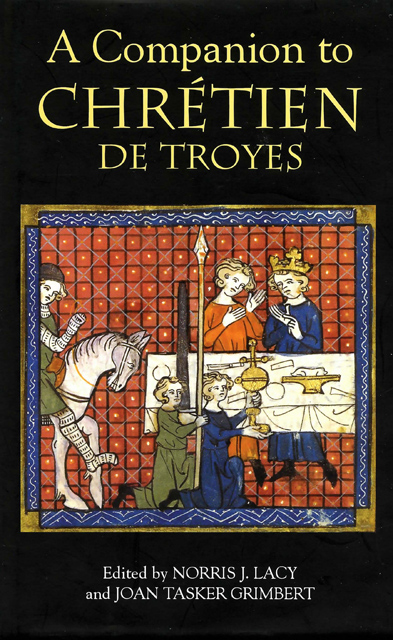
A Companion to Chrétien de Troyes
-
- Published by:
- Boydell & Brewer
- Published online:
- 23 March 2023
- Print publication:
- 11 August 2005
North-East England in the Later Middle Ages
-
- Published by:
- Boydell & Brewer
- Published online:
- 23 March 2023
- Print publication:
- 01 October 2005

Anglo-Norman Studies IX
- Proceedings of the Battle Conference 1986
-
- Published by:
- Boydell & Brewer
- Published online:
- 23 March 2023
- Print publication:
- 01 September 1987

Irish Migrants in New Zealand, 1840-1937
- 'The Desired Haven'
-
- Published by:
- Boydell & Brewer
- Published online:
- 23 March 2023
- Print publication:
- 15 July 2005

Letters of Gerald Finzi and Howard Ferguson
-
- Published by:
- Boydell & Brewer
- Published online:
- 23 March 2023
- Print publication:
- 15 July 2001
