To save content items to your account,
please confirm that you agree to abide by our usage policies.
If this is the first time you use this feature, you will be asked to authorise Cambridge Core to connect with your account.
Find out more about saving content to .
To save content items to your Kindle, first ensure no-reply@cambridge.org
is added to your Approved Personal Document E-mail List under your Personal Document Settings
on the Manage Your Content and Devices page of your Amazon account. Then enter the ‘name’ part
of your Kindle email address below.
Find out more about saving to your Kindle.
Note you can select to save to either the @free.kindle.com or @kindle.com variations.
‘@free.kindle.com’ emails are free but can only be saved to your device when it is connected to wi-fi.
‘@kindle.com’ emails can be delivered even when you are not connected to wi-fi, but note that service fees apply.
The population density and nesting behaviour of gorillas (Gorilla gorilla gorilla) was studied in the Ngotto forest, Central African Republic. We carried out a nest count along 94 km of transects. Also, the herbaceous vegetation of the understory was quantified and we attempted to assess the decay rate of nest sites. A total of 145 gorilla nests in 27 nest sites was found. We found 82.1% of gorilla nests > 2 m above ground. There was a significant correlation between the height of nests and the diameter of trees with nests. The density was estimated at 0.34–0.40 weaned gorillas per km2 depending on the value of nest site decay rate used. The herbaceous vegetation was scarce in the study site (42 out of 50 quadrats had no herbaceous stems). Compared with the gorilla population of the nearby Dzanga-Sangha forest, the population density of gorillas at Ngotto was lower but the proportion of nests found above ground was much higher. These differences are discussed and we suggest that they were the result of the scarcity of herbaceous vegetation in the Ngotto forest.
After the pioneering study of sympatric western lowland gorillas (Gorilla gorilla gorilla) and tschego chimpanzees (Pan troglodytes troglodytes) in Rio Muni (Equatorial Guinea) by Jones & Sabater Pi (1971), several study sites were established in the 1980s in tropical forests where both chimpanzees and gorillas occur (western lowland gorillas and tschego chimpanzees – Gabon: Tutin & Fernandez, 1984, 1993; Tutin et al., 1991; Tutin, Chapter 5; Central African Republic: Carroll, 1988; Fay, 1988; Remis, 1993, 1994; Congo: Kuroda, 1992; Nishihara, 1992, 1994; Mitani et al., 1993; eastern lowland gorillas (Gorilla gorilla graueri) and long-haired chimpanzees (Pan troglodytes schweinfurthii) eastern Zaïre: Yamagiwa et al., 1992, 1994, Chapter 7).
Recent studies at these sites suggest common features of interspecific relationships between gorillas and chimpanzees. Generally, dietary overlap in plant food is great, ranging from about 50% at Kahuzi-Biega (Yamagiwa et al., 1994) to 60–80% at Lopé (Williamson et al., 1990; Tutin & Fernandez, 1993) and Ndoki (Kuroda, 1992). Overlap in fruit consumption is particularity high (70–90%) and habitat use patterns are similar. Thus, they share a similar niche and ecological competition is likely to occur between these two ape species (Tutin & Fernandez, 1985, 1993; Williamson et al., 1990; Kuroda, 1992). Low population densities of gorillas and chimpanzees in Lopé and Kahuzi-Biega might partly be due to this competition (Tutin & Fernandez, 1985; Yamagiwa et al., 1992).
The Critically Endangered western lowland gorilla Gorilla gorilla gorilla is found at high density in the swamp forests of Lac Télé Community Reserve, northern Republic of Congo. Preliminary surveys for apes on the Reserve periphery in the 1990s indicated that this area may also contain high densities of apes and we wished to verify this. Using distance sampling methodology we surveyed 1,029 km2 of the south-eastern Reserve periphery including Raphia swamp forests. We recorded 1,021 ape nests along 21 2-km transects. Results indicated that ape density estimated from nest group density, excluding old and very old Raphia nests (which may decay slowly), was very high: 6.81 weaned apes km-2 (95% confidence interval 3.93–11.84). Gorillas built most of the nests recorded: their density was estimated at 5.25 individuals km-2 (2.70–10.19). Most nests were constructed in Raphia swamp forest despite it covering only 25% of the study area. These are among the highest recorded densities of apes in Central Africa but, as nest decay rates in swamps are unstudied, we also estimated densities based on hypothetically slow nest decay rates and published data from other habitats. Gorilla densities may be linked to availability of monocotyledons as food and the natural protection from hunting offered by Raphia swamps. Gorilla density in swamp forest is spatially and temporally variable and surveys are required to estimate ape populations elsewhere in this habitat. Most Raphia swamps in Congo are unprotected, including the periphery of Lac Télé Community Reserve; protection and management are required to assure their continued availability for apes.
During 1998–2000 extremely low densities of gorillas Gorilla gorilla gorilla and chimpanzees Pan troglodytes troglodytes were found in the Minkebe Forest block in north-eastern Gabon. When compared with data collected before 1994, these data suggest a catastrophic decline in ape populations in the area. We believe that this decline was caused by a disease epidemic. The period of decline corresponds with the Ebola outbreaks of 1994 and 1996 that occurred in the human population in the same area. Deaths of gorillas and chimpanzees were associated with both Ebola outbreaks. Data from nearby sites indicate that the epidemic was limited to the Minkebe Forest. Occurrence of such epidemic die-offs should be taken into account in conservation strategies for the long-term survival of ape populations. At the time of writing, an Ebola epidemic among humans in the Zadié Department east of Minkebe Forest has resulted in 53 deaths. In the neighbouring Republic of Congo, authorities have reported 43 deaths and at least 12 other cases of Ebola. These epidemics are believed to be linked to the handling and eating of dead apes.
The Marantaceae Petersen (31 genera; ~530 ssp.: Andersson, 1998) are a pantropically (80% America; 11% Asia; 9% Africa: Kennedy, 2000) distributed family of perennial herbs and lianas found in the understory of tropical lowland rainforests. They are characterized by a unique pollination mechanism combining secondary pollen presentation with an explosive style movement (Kunze, 1984; Claßen-Bockhoff, 1991; Claßen-Bockhoff and Heller, 2008a). The specific pollen transfer mechanism is found in conjunction with a high synorganization of morphologically modified floral elements and has been postulated to be a key innovation responsible for the radiation of the Marantaceae (Kennedy, 2000).
Flowers in Marantaceae are trimerous, with inconspicuous sepals and petals and extremely modified elements in the two androeceal whorls (Fig 10.1). In the outer whorl one or two petaloid ‘outer staminodes’ act as the showy organs of the flowers. The three elements of the inner whorl are functionally differentiated into: (1) a single (monothecate) anther, (2) a ‘fleshy (callose) staminode’ and (3) a ‘hooded (cucullate) staminode’ (Kunze, 1984; Claßen-Bockhoff, 1991). These organs closely interact with the style resulting in secondary pollen presentation, set-up of tension and finally the explosive pollination mechanism (e.g. Gris, 1859; Delpino, 1869; Schumann, 1902; Yeo, 1993; Claßen-Bockhoff and Heller, 2008a, b; Ley, 2008; Pischtschan and Claßen-Bockhoff, 2008; Fig 10.2). As the style movement demands a high degree of synorganization of floral parts and synchronization with the pollinator and as the movement is irreversible, providing the flowers with a single opportunity for pollination, one should expect rather uniform structures across the whole family, as slight morphological deviations might result in a loss of operability. However, the high degree of floral diversity in the Marantaceae contradicts this expectation (Kunze, 1984; Kennedy, 2000; Claßen-Bockhoff and Heller, 2008a; Ley, 2008). It instead raises the questions: how far are elements of a functional unit allowed to vary without jeopardizing the reproductive success, and has the variation of the flowers influenced speciation in the family?
Perennial forest herbs with sympodial fibrous or woody rhizomes and aerial stems bearing distichously arranged leaf sheaths or foliage leaves, both kinds eligulate, each stem ending in an ‘inflorescence’ (the synflorescence of Andersson, 1976). This is a compound bracteate cyme (synflorescence) with fragile flowers in pairs. This is a mainly New World family, with relatively few species in Africa, Asia and the Pacific area.
The leaves have open sheaths ± a false petiole, but always with a pulvinus (calloused portion) next to the leaf blade. In Megaphrynium and Thaumatococcus the pulvinus is particularly long, about 10 cm. The leaf blade is entire, ± ovate-elliptic and asymmetrical, one margin being ± parallel to the midrib, the other curved. Venation is close and pinnate, cf. Chapter 33, Zingiberaceae. In the bud, the straight-edged leaf half is rolled round the other half (ptyxis supervolute). Usually, corresponding halves of the leaf blade are either straight or curved (homotropy, Trachyphrynium), but occasionally leaves on one side of the stem will show symmetry consistently opposite to that of leaves on the other side (anitropy, Marantochloa congensis).
The aerial stems appear forked, often in a zig-zag way, but bear true lateral branches. Each branch bears a two-keeled prophyll (scale) as its first leaf on the adaxial side.
Various developmental patterns exist in the family, according to the relative development of aerial stems and petioles.
Animal well-being and enrichment continue to gain importance in the maintenance of primates living in captivity. Positive reinforcement training (PRT) and/or playing interaction have been shown to be effective in improving the well-being of several species of primates. This research study evaluated the effects of applying a combination of these two techniques (training/playing therapy) on a group of lowland gorillas (Gorilla gorilla gorilla). The effects of this combination on the behaviour of captive primates have been given very little attention to date. The behaviour of a group of seven females was recorded in two different phases at Barcelona Zoo: before (periods 1 and 2) and after (periods 3 and 4) a series of changes were made to the composition of this social group. In each period, two phases were distinguished: i) baseline condition, after the subjects became used to the researcher, focal recordings were made of the group's regular behaviour and, ii) experimental condition, the training and playing sessions (‘gorilla play’) with two specific subjects began one hour before the group went to the outdoor facility. The frequency and duration of the behaviour observed in each of the recording conditions were compared. The results showed positive changes in the gorillas’ behaviour: stereotypies, interactions with the public, aggression between subjects and inactivity were all reduced, while affiliative behaviour and individual and social play-related behaviour increased. Moreover, the benefits of this therapy were observed in trained individuals and the rest of the gorillas in the group, which would seem to indicate that training/playing can be used to create a more relaxed atmosphere, reducing social tension and improving the well-being of all the subjects involved.
Gorilla diet varies seasonally, geographically, and with altitude among eastern (Gorilla gorilla beringei and Gorilla gorilla graueri) and western (Gorilla gorilla gorilla) populations. Recent research on gorillas has highlighted the importance of fruit consumption and dietary flexibility at most sites (Rogers et al., 1990; Tutin et al., 1991, 1997; Remis, 1994, 1997a, b; Nishihara, 1995; Goldsmith, 1996, 1999 this volume; Doran and McNeilage, 1998; McFarland, 2000). Traditional characterizations of gorillas as folivores (Schaller, 1963; Fossey and Harcourt, 1977) have now shifted to include seasonal frugivory at all but the highest elevation sites (Yamagiwa et al., 1996; Remis, 1997a; Robbins, 2000). Nevertheless, gorillas have been argued to be opportunistic frugivores relative to the smaller and more persistently frugivorous chimpanzee (Nishihara, 1995; Kuroda et al., 1996), and some might characterize them as vacuum cleaners of the forest floor. I examine the consequences of large body size and habitat on dietary flexibility among gorillas as well as interpopulation variation in frugivory and nutrient intake. I further integrate research in captivity on taste sensitivity and food preferences with field data to explore some of the physiological and behavioral bases for dietary flexibility of gorillas in their native habitats.
Gorillas are most often described as herbivore–folivores, primarily as a consequence of their large size and spacious colons and cecums that contain a high number of cellulose-digesting ciliates (Collet et al., 1984).
The aim of this study was to make preliminary assessments of the effects of human activities on the gorillas and other wildlife in the Dzanga-Ndoki Park and broader Dzanga-Sangha Dense Forest Reserve (RDS), Central African Republic. During a month-long survey in 1997, observation and sign of humans and large mammals, including ape nest-sites, were recorded on 81.2 km of line transects in three sectors of the park and reserve. Human activities, including intensities of logging and hunting, appeared to decrease with distance from the population centres and were lower in the park than in the reserve sectors. Encounter rates with sign of duikers Cephalophus spp., monkeys Cercopithecus spp. and Cercocebus albigena, elephants Loxodonta africana, and gorillas Gorilla gorilla gorilla were generally lower in regions of high human activity in the reserve than in the park sectors. Nevertheless, gorilla nest-site densities did not vary significantly between sectors or with human activity levels. A high frequency of zero (bare ground) nests at RDS suggests that gorilla surveys that rely on line transect methods and use nest decomposition rates from other studies may sometimes underestimate gorilla densities. This study suggests that current levels of exploitation in managed hunting zones of national forest reserves may be negatively affecting targeted wildlife populations in these zones. Assessments should be a regular part of efforts to monitor the health of wildlife populations in managed protected zones. Participation by Central Africans in research will continue to benefit conservation and development efforts.
By
Andrea B. Taylor, Assistant Professor in the Departments of Community and Family Medicine and Biological Anthropology and Anatomy, Duke University Medical Center,
Michele L. Goldsmith, Assistant Professor in the Department of Environmental and Population, Health Tufts University School of Veterinary Medicine
Syngamid strongylids of the genus Mammomonogamus undoubtedly belong among the least known nematodes with apparent zoonotic potential and the real diversity of the genus remains hard to evaluate without extensive molecular data. Eggs of Mammomonogamus sp. are frequently found in feces of African forest elephants (Loxodonta cyclotis) and western lowland gorillas (Gorilla gorilla gorilla) in Dzanga-Sangha Protected Areas. Using sedimentation-based coproscopic techniques, we found the eggs of Mammomonogamus in 19·7% elephant and 54·1% gorilla fecal samples with 8–55 and 1–24 eggs per gram of fecal sediment for elephants and gorillas, respectively. We used a combination of light microscopy, scanning electron microscopy and analysis of cytochrome c oxidase subunit I (cox1) and a partial sequence of 18S rDNA isolated from single eggs to test the hypothesis of possible Mammomonogamus conspecificity in gorillas and elephants. Whereas 18S rDNA sequences were identical in both gorillas and elephants, we distinguished seven different haplotypes within the cox1. Two haplotypes were found in both gorillas and elephants suggesting sharing of Mammomonogamus. Assignment of the parasite to M. loxodontis is proposed. Provided sequences represent the first genomic data on Mammomonogamus spp.
Non-human primates occasionally exhibit behaviours thought to occur only in captivity that are considered abnormal. In particular, hair-plucking behaviour occurs across many species of mammals and birds. This study was the first to assess the phenomenology, demography and aetiology of this behaviour in captive gorillas across the Association of Zoos and Aquariums (AZA) population. A survey was sent to 52 AZA institutions housing western lowland gorillas. Hair-plucking behaviour occurred in 15% of the surveyed population with 62% of institutions housing a hair plucker. Individuals were most likely to self-pluck using their fingers. Individuals that were exposed as youngsters to a hair-plucking group member were significantly more likely to develop the behaviour themselves. There was also a trend toward solitary individuals being more likely to perform this behaviour. Future research needs include identifying hormonal correlates to this behaviour, understanding its relationship to acute or chronic stressors, and examining what causes this behaviour to fluctuate in frequency once it has developed.
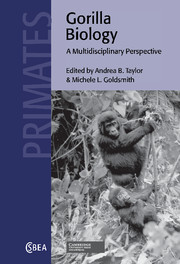
Gorillas are one of our closest living relatives, the largest of all living primates, and teeter on the brink of extinction. These fascinating animals are the focus of this in-depth and comprehensive examination of gorilla biology. Gorilla Biology combines recent research in morphology, genetics and behavioural ecology to reveal the complexity and diversity of gorilla populations. The first section focuses on morphological and molecular variation and underscores the importance of understanding diverse biological patterns at all levels in testing evolutionary and adaptive hypotheses and elucidating subspecies and species diversification. Following are discussions of the ecological constraints that influence gorilla social organization and highlight their surprising flexibility. The book ends with discussions of the conservation status of gorillas and the many and increasing threats to their continued survival. Giving insight into the evolutionary biology of these unique primates, this book will be essential reading for primatologists, anthropologists and evolutionary biologists.
This survey of the status of the three gorilla races was made in 1974. Part One, below, covers the western lowland race, and Part Two, to be published in the next Oryx, will discuss eastern lowland and volcano gorillas.
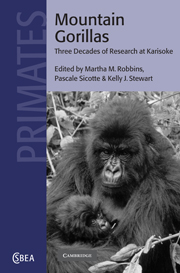
For the past three decades the mountain gorillas of Karisoke Research Center have been the subject of many studies focusing on their behaviour and ecology. Long-term observations on known individuals, from birth to death, and data on social behaviour within and between groups have led to an understanding of many aspects of gorilla social structure. The findings have made significant contributions to models of comparative primate behavioural ecology. Mountain gorillas have also been the focus of intense conservation efforts, which have become a model for conservation programs elsewhere. While most research has focused on mountain gorillas, data on the other two recognised subspecies have increased over the past twenty years. This book highlights and summarises some of the behavioural, ecological and conservation work on mountain gorillas, and makes comparisons with findings from other study sites. It represents the most up-to-date and diverse collection of information available on this endangered ape.
Experienced leaders with decades of successfully leading organizations are much more likely today than in the past to make poor decisions or to be unceremoniously removed from their positions of authority. The underlying causes of these actions seem to be the failure to realize that complexity is the “new norm.” The new norm is responsible for subtle changes that are affecting meeting process, team composition, and the way problem solvers need to view the world as it grows more diverse. This chapter provides an understanding of the causes and impacts of complex systems on modern meeting planning. It introduces the concepts of a collective knowledge team (CKT) that uses diversities in a positive way to solve complex, nonlinear problems and of cognitive style theory as a powerful tool for managing team diversity and change. It also identifies 10 team task and work task competencies that appear to be crucial to team process success. Finally, it presents a complex meeting process model that incorporates complex theory, team and cognitive theory, critical skills and competencies, and the management of diversity and change into a meeting process model that, when used effectively, could increase success in modern-day problem solving.
While the use of salivary cortisol as an index of hypothalamic–pituitary–adrenal (HPA) axis activation has increased rapidly in human studies, few non-human primate studies have used saliva samples. Nearly 300 h of behavioural data and over 400 saliva samples were collected from three young adult, male western lowland gorillas to document the feasibility and effectiveness of using salivary cortisol as an index of HPA activation in gorillas. Cortisol concentrations were significantly higher in morning samples than in afternoon samples, and there was a significant decrease in morning cortisol concentrations across the study period. Additionally, acute increases, followed by a return to baseline concentrations of cortisol were observed. Salivary cortisol concentration was found to correlate across individuals, indicating potential psychological attunement to environmental and/or social variables in these animals. Although no clear relationship between behaviour and cortisol concentrations was established, these results indicate that salivary cortisol is an effective technique for documenting HPA activity over an extended period of time, as it allows for detection of diurnal variation as well as acute changes in salivary cortisol concentrations.