Refine search
Actions for selected content:
37404 results in Art
Chapter Five - Royal Mothers and Attalid Dynastic Monuments
-
- Book:
- The Art of Queenship in the Hellenistic World
- Published online:
- 11 July 2025
- Print publication:
- 31 July 2025, pp 199-256
-
- Chapter
- Export citation
maps
-
- Book:
- The Art of Queenship in the Hellenistic World
- Published online:
- 11 July 2025
- Print publication:
- 31 July 2025, pp ix-x
-
- Chapter
- Export citation
Contents
-
- Book:
- The Art of Queenship in the Hellenistic World
- Published online:
- 11 July 2025
- Print publication:
- 31 July 2025, pp vii-viii
-
- Chapter
- Export citation
Dedication
-
- Book:
- The Art of Queenship in the Hellenistic World
- Published online:
- 11 July 2025
- Print publication:
- 31 July 2025, pp v-vi
-
- Chapter
- Export citation
Note on the Text
-
- Book:
- The Art of Queenship in the Hellenistic World
- Published online:
- 11 July 2025
- Print publication:
- 31 July 2025, pp xv-xvi
-
- Chapter
- Export citation
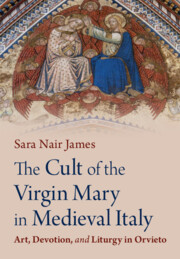
The Cult of the Virgin Mary in Medieval Italy
- Art, Devotion, and Liturgy in Orvieto
-
- Published online:
- 24 July 2025
- Print publication:
- 24 July 2025
Part III - Ugolino’s Frescoes of the Life of the Virgin
-
- Book:
- The Cult of the Virgin Mary in Medieval Italy
- Published online:
- 24 July 2025
- Print publication:
- 24 July 2025, pp 157-238
-
- Chapter
- Export citation
Introduction
-
- Book:
- The Cult of the Virgin Mary in Medieval Italy
- Published online:
- 24 July 2025
- Print publication:
- 24 July 2025, pp 1-16
-
- Chapter
- Export citation
Chapter Fouteen - Conclusion and Legacy
- from Part IV - Mary’s Transition from Earthly Mother to Heavenly Queen
-
- Book:
- The Cult of the Virgin Mary in Medieval Italy
- Published online:
- 24 July 2025
- Print publication:
- 24 July 2025, pp 287-294
-
- Chapter
- Export citation
Dedication
-
- Book:
- The Cult of the Virgin Mary in Medieval Italy
- Published online:
- 24 July 2025
- Print publication:
- 24 July 2025, pp v-vi
-
- Chapter
- Export citation
Chapter Eight - The Infancy of Jesus
- from Part III - Ugolino’s Frescoes of the Life of the Virgin
-
- Book:
- The Cult of the Virgin Mary in Medieval Italy
- Published online:
- 24 July 2025
- Print publication:
- 24 July 2025, pp 192-209
-
- Chapter
- Export citation
Chapter Seven - A New Vision of the Holy Couple
- from Part III - Ugolino’s Frescoes of the Life of the Virgin
-
- Book:
- The Cult of the Virgin Mary in Medieval Italy
- Published online:
- 24 July 2025
- Print publication:
- 24 July 2025, pp 176-191
-
- Chapter
- Export citation
Chapter Eleven - Gateway to Heaven
- from Part IV - Mary’s Transition from Earthly Mother to Heavenly Queen
-
- Book:
- The Cult of the Virgin Mary in Medieval Italy
- Published online:
- 24 July 2025
- Print publication:
- 24 July 2025, pp 241-254
-
- Chapter
- Export citation
Part II - The Orvietan Setting and the Artists
-
- Book:
- The Cult of the Virgin Mary in Medieval Italy
- Published online:
- 24 July 2025
- Print publication:
- 24 July 2025, pp 81-156
-
- Chapter
- Export citation
Contents
-
- Book:
- The Cult of the Virgin Mary in Medieval Italy
- Published online:
- 24 July 2025
- Print publication:
- 24 July 2025, pp vii-xii
-
- Chapter
- Export citation
Preface
-
- Book:
- The Cult of the Virgin Mary in Medieval Italy
- Published online:
- 24 July 2025
- Print publication:
- 24 July 2025, pp xiii-xvi
-
- Chapter
- Export citation
Index
-
- Book:
- The Cult of the Virgin Mary in Medieval Italy
- Published online:
- 24 July 2025
- Print publication:
- 24 July 2025, pp 323-336
-
- Chapter
- Export citation
Copyright page
-
- Book:
- The Cult of the Virgin Mary in Medieval Italy
- Published online:
- 24 July 2025
- Print publication:
- 24 July 2025, pp iv-iv
-
- Chapter
- Export citation
Chapter One - Defining Orvieto 1190–1370
- from Part I - History and Context
-
- Book:
- The Cult of the Virgin Mary in Medieval Italy
- Published online:
- 24 July 2025
- Print publication:
- 24 July 2025, pp 19-38
-
- Chapter
- Export citation
Chapter Thirteen - The Beatific Vision
- from Part IV - Mary’s Transition from Earthly Mother to Heavenly Queen
-
- Book:
- The Cult of the Virgin Mary in Medieval Italy
- Published online:
- 24 July 2025
- Print publication:
- 24 July 2025, pp 270-286
-
- Chapter
- Export citation
