Refine search
Actions for selected content:
11517 results in Ancient philosophy
Chapter 5 - Hesiod ad mea tempora in Ovid’s Metamorphoses
-
- Book:
- Playing Hesiod
- Published online:
- 05 December 2014
- Print publication:
- 15 December 2014, pp 204-260
-
- Chapter
- Export citation
Playing Hesiod - Half title page
-
- Book:
- Playing Hesiod
- Published online:
- 05 December 2014
- Print publication:
- 15 December 2014, pp i-i
-
- Chapter
- Export citation
Playing Hesiod - Title page
-
-
- Book:
- Playing Hesiod
- Published online:
- 05 December 2014
- Print publication:
- 15 December 2014, pp iii-iii
-
- Chapter
- Export citation
Texts, translations and abbreviations
-
- Book:
- Playing Hesiod
- Published online:
- 05 December 2014
- Print publication:
- 15 December 2014, pp ix-x
-
- Chapter
- Export citation
Acknowledgements
-
- Book:
- Playing Hesiod
- Published online:
- 05 December 2014
- Print publication:
- 15 December 2014, pp vii-viii
-
- Chapter
- Export citation
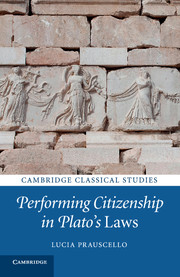
Performing Citizenship in Plato's Laws
-
- Published online:
- 05 December 2014
- Print publication:
- 13 November 2014
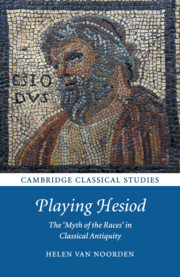
Playing Hesiod
- The 'Myth of the Races' in Classical Antiquity
-
- Published online:
- 05 December 2014
- Print publication:
- 15 December 2014
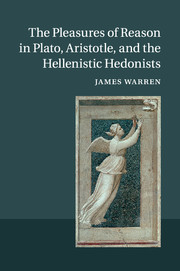
The Pleasures of Reason in Plato, Aristotle, and the Hellenistic Hedonists
-
- Published online:
- 05 December 2014
- Print publication:
- 27 November 2014
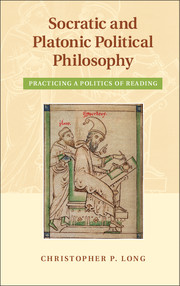
Socratic and Platonic Political Philosophy
- Practicing a Politics of Reading
-
- Published online:
- 01 December 2014
- Print publication:
- 01 January 2000
Chapter 5 - Measuring future pleasures in Plato’s Protagoras and Philebus
-
- Book:
- The Pleasures of Reason in Plato, Aristotle, and the Hellenistic Hedonists
- Published online:
- 05 December 2014
- Print publication:
- 27 November 2014, pp 104-128
-
- Chapter
- Export citation
References
-
- Book:
- The Pleasures of Reason in Plato, Aristotle, and the Hellenistic Hedonists
- Published online:
- 05 December 2014
- Print publication:
- 27 November 2014, pp 213-224
-
- Chapter
- Export citation
Copyright page
-
- Book:
- The Pleasures of Reason in Plato, Aristotle, and the Hellenistic Hedonists
- Published online:
- 05 December 2014
- Print publication:
- 27 November 2014, pp iv-iv
-
- Chapter
- Export citation
Chapter 2 - Plato on the pleasures and pains of knowing
-
- Book:
- The Pleasures of Reason in Plato, Aristotle, and the Hellenistic Hedonists
- Published online:
- 05 December 2014
- Print publication:
- 27 November 2014, pp 21-51
-
- Chapter
- Export citation
Index locorum
-
- Book:
- The Pleasures of Reason in Plato, Aristotle, and the Hellenistic Hedonists
- Published online:
- 05 December 2014
- Print publication:
- 27 November 2014, pp 225-232
-
- Chapter
- Export citation
Acknowledgements
-
- Book:
- The Pleasures of Reason in Plato, Aristotle, and the Hellenistic Hedonists
- Published online:
- 05 December 2014
- Print publication:
- 27 November 2014, pp ix-ix
-
- Chapter
- Export citation
Subject index
-
- Book:
- The Pleasures of Reason in Plato, Aristotle, and the Hellenistic Hedonists
- Published online:
- 05 December 2014
- Print publication:
- 27 November 2014, pp 233-234
-
- Chapter
- Export citation
The Pleasures of Reason in Plato, Aristotle, and the Hellenistic Hedonists - Half title page
-
- Book:
- The Pleasures of Reason in Plato, Aristotle, and the Hellenistic Hedonists
- Published online:
- 05 December 2014
- Print publication:
- 27 November 2014, pp i-ii
-
- Chapter
- Export citation
Contents
-
- Book:
- The Pleasures of Reason in Plato, Aristotle, and the Hellenistic Hedonists
- Published online:
- 05 December 2014
- Print publication:
- 27 November 2014, pp vii-viii
-
- Chapter
- Export citation
Dedication
-
- Book:
- The Pleasures of Reason in Plato, Aristotle, and the Hellenistic Hedonists
- Published online:
- 05 December 2014
- Print publication:
- 27 November 2014, pp v-vi
-
- Chapter
- Export citation
The Pleasures of Reason in Plato, Aristotle, and the Hellenistic Hedonists - Title page
-
-
- Book:
- The Pleasures of Reason in Plato, Aristotle, and the Hellenistic Hedonists
- Published online:
- 05 December 2014
- Print publication:
- 27 November 2014, pp iii-iii
-
- Chapter
- Export citation
