Refine search
Actions for selected content:
3730 results in Classical languages
Syllabic Writing on Cyprus and its Context - Title page
-
-
- Book:
- Syllabic Writing on Cyprus and its Context
- Published online:
- 05 March 2013
- Print publication:
- 28 March 2013, pp iii-iii
-
- Chapter
- Export citation
Figures
-
- Book:
- Syllabic Writing on Cyprus and its Context
- Published online:
- 05 March 2013
- Print publication:
- 28 March 2013, pp ix-ix
-
- Chapter
- Export citation
General index
-
- Book:
- Syllabic Writing on Cyprus and its Context
- Published online:
- 05 March 2013
- Print publication:
- 28 March 2013, pp 186-191
-
- Chapter
- Export citation
Bibliography
-
- Book:
- Syllabic Writing on Cyprus and its Context
- Published online:
- 05 March 2013
- Print publication:
- 28 March 2013, pp 161-180
-
- Chapter
- Export citation
Contributors
-
-
- Book:
- Syllabic Writing on Cyprus and its Context
- Published online:
- 05 March 2013
- Print publication:
- 28 March 2013, pp xi-xiii
-
- Chapter
- Export citation
Tables
-
- Book:
- Syllabic Writing on Cyprus and its Context
- Published online:
- 05 March 2013
- Print publication:
- 28 March 2013, pp x-x
-
- Chapter
- Export citation
6 - The Cypriot Syllabary as a royal signature: the political context of the syllabic script in the Iron Age
-
-
- Book:
- Syllabic Writing on Cyprus and its Context
- Published online:
- 05 March 2013
- Print publication:
- 28 March 2013, pp 133-152
-
- Chapter
- Export citation
1 - The development of Cypriot syllabaries, from Enkomi to Kafizin
-
-
- Book:
- Syllabic Writing on Cyprus and its Context
- Published online:
- 05 March 2013
- Print publication:
- 28 March 2013, pp 7-26
-
- Chapter
- Export citation
Concordance ofHoChyMininscriptions cited
-
- Book:
- Syllabic Writing on Cyprus and its Context
- Published online:
- 05 March 2013
- Print publication:
- 28 March 2013, pp xvi-xviii
-
- Chapter
- Export citation
Acknowledgements
-
- Book:
- Syllabic Writing on Cyprus and its Context
- Published online:
- 05 March 2013
- Print publication:
- 28 March 2013, pp xiv-xiv
-
- Chapter
- Export citation
Index of inscriptions cited
-
- Book:
- Syllabic Writing on Cyprus and its Context
- Published online:
- 05 March 2013
- Print publication:
- 28 March 2013, pp 181-183
-
- Chapter
- Export citation
5 - From the Cypro-Minoan to the Cypro-Greek syllabaries: linguistic remarks on the script reform
-
-
- Book:
- Syllabic Writing on Cyprus and its Context
- Published online:
- 05 March 2013
- Print publication:
- 28 March 2013, pp 107-132
-
- Chapter
- Export citation
Syllabic Writing on Cyprus and its Context - Half title page
-
- Book:
- Syllabic Writing on Cyprus and its Context
- Published online:
- 05 March 2013
- Print publication:
- 28 March 2013, pp i-i
-
- Chapter
- Export citation
Introduction: Syllabic Writing on Cyprus and its Context
-
-
- Book:
- Syllabic Writing on Cyprus and its Context
- Published online:
- 05 March 2013
- Print publication:
- 28 March 2013, pp 1-6
-
- Chapter
- Export citation
Abbreviations
-
- Book:
- Syllabic Writing on Cyprus and its Context
- Published online:
- 05 March 2013
- Print publication:
- 28 March 2013, pp xv-xv
-
- Chapter
- Export citation
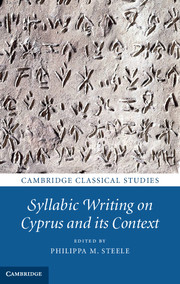
Syllabic Writing on Cyprus and its Context
-
- Published online:
- 05 March 2013
- Print publication:
- 28 March 2013
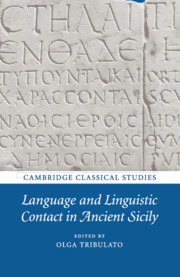
Language and Linguistic Contact in Ancient Sicily
-
- Published online:
- 05 December 2012
- Print publication:
- 29 November 2012
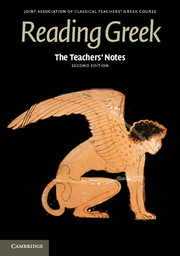
The Teachers' Notes to Reading Greek
-
- Published online:
- 05 December 2012
- Print publication:
- 29 November 2012
General index
-
- Book:
- Language and Linguistic Contact in Ancient Sicily
- Published online:
- 05 December 2012
- Print publication:
- 29 November 2012, pp 412-415
-
- Chapter
- Export citation
Chapter 3 - Phoenician and Punic in Sicily
- from Part I - Non-Classical Languages
-
-
- Book:
- Language and Linguistic Contact in Ancient Sicily
- Published online:
- 05 December 2012
- Print publication:
- 29 November 2012, pp 115-131
-
- Chapter
- Export citation
