To save content items to your account,
please confirm that you agree to abide by our usage policies.
If this is the first time you use this feature, you will be asked to authorise Cambridge Core to connect with your account.
Find out more about saving content to .
To save content items to your Kindle, first ensure no-reply@cambridge.org
is added to your Approved Personal Document E-mail List under your Personal Document Settings
on the Manage Your Content and Devices page of your Amazon account. Then enter the ‘name’ part
of your Kindle email address below.
Find out more about saving to your Kindle.
Note you can select to save to either the @free.kindle.com or @kindle.com variations.
‘@free.kindle.com’ emails are free but can only be saved to your device when it is connected to wi-fi.
‘@kindle.com’ emails can be delivered even when you are not connected to wi-fi, but note that service fees apply.
Fatty acid translocase (FAT/CD36) is a membrane receptor that facilitates long-chain fatty acid uptake. To investigate its role in the regulation of long-chain fatty acid composition in muscle tissue, we studied and compared FAT/CD36 gene expression in muscle tissues of commercial broiler chickens and Chinese local Silky fowls. The results from gas chromatography–mass spectrometry analysis of muscle samples demonstrated that Chinese local Silky fowls had significantly higher (P < 0.05) proportions of linoleic acid (LA) and palmitic acid, lower proportions (P < 0.05) of arachidonic acid (AA) and oleic acid than the commercial broiler chickens. The mRNA expression levels of fatty acid (FA) transporters (FA transport protein-1, membrane FA-binding protein, FAT/CD36 and caveolin-1) in the m. ipsilateral pectoralis and biceps femoris were analyzed by Q-PCR, and FAT/CD36 expression levels showed significant differences between these types of chickens (P < 0.01). Interestingly, the levels of FAT/CD36 expression are positively correlated with LA content (r = 0.567, P < 0.01) but negatively correlated with palmitic acid content (r = −0.568, P < 0.01). Further experiments in the stably transfected Chinese hamster oocytes cells with chicken FAT/CD36 cDNA demonstrated that overexpression of FAT/CD36 improves total FA uptake with a significant increase in the proportion of LA and AA, and a decreased proportion of palmitic acid. These results suggest that chicken FAT/CD36 may selectively transport LA and AA, which may lead to the higher LA deposition in muscle tissue.
Recently, a Haley–Knott-type regression method using combined linkage disequilibrium and linkage analyses (LDLA) was proposed to map quantitative trait loci (QTLs). Chromosome of 5 and 25 cM with 0·25 and 0·05 cM, respectively, between markers were simulated. The differences between the LDLA approaches with regard to QTL position accuracy were very limited, with a significantly better mean square error (MSE) with the LDLA regression (LDLA_reg) in sparse map cases; the contrary was observed, but not significantly, in dense map situations. The computing time required for the LDLA variance components (LDLA_vc) model was much higher than the LDLA_reg model. The precision of QTL position estimation was compared for four numbers of half-sib families, four different family sizes and two experimental designs (half-sibs, and full- and half-sibs). Regarding the number of families, MSE values were lowest for 15 or 50 half-sib families, differences not being significant. We observed that the greater the number of progenies per sire, the more accurate the QTL position. However, for a fixed population size, reducing the number of families (e.g. using a small number of large full-sib families) could lead to less accuracy of estimated QTL position.
Sequence-based variations in starch synthesis-related genes (SSRGs) exert a basic influence on the determination of eating quality in rice (Oryza sativa L.). This study aimed to investigate the relationship between the sequence variations from parts of 10 SSRGs and the amylose content (AC) plus rapid viscosity analysis (RVA) profiles in a heuristic rice core set by association mapping (AM). In total, 86 sequence variations were found in 10 sequenced amplicons, including 79 single-nucleotide polymorphisms (SNPs), six insertion-deletions (InDels) and one polymorphic simple sequence repeat (SSR). Among them, 61 variations were exon-based, of which 41 should lead to amino acid changes. Four subpopulations were revealed by population structure analysis based on 170 genome-wide SSR genotypes. The final AM showed a sum of four significant associations between three phenotypic indices and three sequence variations. An ADP-glucose pyrophosphorylase small unit 1 (OsAGPS1) SNP (A–G) was significantly associated with increased AC (P<0·001, R2=15·6%), while a 12-bp deletion of AGPase large unit 4 (OsAGPL4) was significantly related to the decreased breakdown viscosity (BDV) (P<0·001, R2=16·6%) in both general linear model (GLM) and mixed linear model (MLM). This study provides a new perspective of allele mining for breeding strategies based on marker-assisted selection.
Linkage analysis plays an important role in genetic studies. In linkage analysis, accurate estimation of recombination frequency is essential. Many bi-parental populations have been used, and determining an appropriate population is of great importance in precise recombination frequency. In this study, we investigated the estimation efficiency of recombination frequency in 12 bi-parental populations. The criteria that we used for comparison were LOD score in testing linkage relationship, deviation between estimated and real recombination frequency, standard error (SE) of estimates and the least theoretical population size (PS) required to observe at least one recombinant and to declare the statistically significant linkage relationship. Theoretical and simulation results indicated that larger PS and smaller recombination frequency resulted in higher LOD score and smaller deviation. Lower LOD score, higher deviation and higher SE for estimating the recombination frequency in the advanced backcrossing and selfing populations are larger than those in backcross and F2 populations, respectively. For advanced backcrossing and selfing populations, larger populations were needed in order to observe at least one recombinant and to declare significant linkage. In comparison, in F2 and F3 populations higher LOD score, lower deviation and SE were observed for co-dominant markers. A much larger population was needed to observe at least one recombinant and to detect loose linkage for dominant and recessive markers. Therefore, advanced backcrossing and selfing populations had lower precision in estimating the recombination frequency. F2 and F3 populations together with co-dominant markers represent the ideal situation for linkage analysis and linkage map construction.
The objective of this study was to determine the effects of varying forage particle length on chewing activity, sorting behavior, rumen pH and rumen fill in late lactation and dry dairy cattle, fed rations with similar physically effective NDF but different mean particle length. Treatments consisted of three diets differing only in geometric mean length of forage: hay (5.40, 8.96 and 77.90 mm, for short (S), medium (M) and long (L) diets, respectively) for Experiment 1 (E1), and straw (10.16, 24.68 and 80.37 mm) for S, M and L diets, respectively, for Experiment 2 (E2). Hay or straw comprised the sole source of forage (50% and 75% of ration dry matter (DM) for E1 and E2, respectively). Both experiments used three rumen cannulated Holstein dairy cows, in late lactation for E1 and dry in E2, with 3 × 3 Latin square designs with 14 day periods. In E1, DM intake (DMI; 18.3 ± 2.1 kg/day; mean ± s.e.), pH (6.4 ± 0.1), time spent eating (280 ± 22.5 min/day), time spent ruminating (487 ± 17 min/day), and total time spent chewing (767 ± 34 min/day) were not different, whereas eating minutes per kilogram of DMI and NDF intake (NDFI) tended to increase linearly as forage length increased. Rumen digesta volume (l; 113.3 S, 117.8 M and 114.4 L ± 17.1) had a quadratic response, and rumen digesta weight tended to respond quadratically; however, differences were numerically small. In E2, DMI (8.3 ± 1.3 kg/day), pH (6.7 ± 0.1), time spent eating (236 ± 23.5 min/day), time spent ruminating (468 ± 45.2 min/day), total time spent chewing (704 ± 67.7 min/day) and minutes per kilogram NDFI were not different, whereas minutes per kilogram of DMI had a trend for a quadratic effect. Rumen digesta volume (111 ± 18.8 l) and weight (103 ± 17.4 kg) were not different. In both experiments, cows sorted against longer particles as determined by a particle length selection index; this behavior increased linearly as particle length increased. Greater forage particle length increased sorting behavior, but had no effect on rumen fermentation or chewing behavior.
This work was part of a project designed to assess whether organic selenium (Se) can protect against the toxic effects of cadmium (Cd). A total of 300 1-day-old, as hatched, broilers were randomly distributed in four dietary treatments with five replicate pens per treatment. In T1 treatment, broilers were fed a diet with 0.3 mg/kg added Se, as Se-yeast, without added Cd; in T2, broilers were fed a diet with 0.3 mg/kg Se and 10 mg/kg Cd; in T3, broilers were fed a diet with 0.3 mg/kg Se and 100 mg/kg of Cd; and in T4 treatment broilers were fed a diet with 3 mg/kg Se and 100 mg/kg Cd. The Cd was added to diets T2, T3 and T4 as CdCl2. On the 4th and 6th week, two broilers per replicate pen were killed in order to obtain whole blood, liver, kidney and breast samples. Body mass, feed conversion ratio and mortality were assessed and haematological analyses were performed. Se and Cd levels in tissues were analysed by inductively coupled plasma mass spectrometry. Broilers supplemented with 0.3 mg/kg Se can tolerate low levels of Cd added to the diets, as there were no significant negative effects on the examined performance parameters, whereas addition of excess Cd led to an impairment of broilers’ performance. Mortality of broilers did not differ between the four dietary treatments at any interval point or the whole period. The examined haematological parameters such as haematocrit, total blood protein concentration, and leukocytes types ranged within physiological values, revealing no negative health effects after simultaneous Cd and Se addition. The present study indicated that Se can help against the negative effects of Cd, but cannot counteract all of its negative effects.
The effects of first calving (FC) in Holstein heifers on their first lactation, second lactation and lifetime milk production were examined from an initial database of 459 743 animals that first calved between 1 January 1990 and 31 July 2010 in Wallonia, Belgium. The FC age class (18 to 22, 22 to 26, 26 to 30, 30 to 34, 34 to 38 and 38 to 42 months), the FC season and FC year class (1990 to 1994, 1995 to 1999, 2000 to 2004 and 2005 to 2010) were considered when analysing the first and second lactation data. Lifetime data were similarly analysed, but did not include animals that calved after 2005 because many of them were still lactating. Only 24% of animals had their FC before 26 months of age. Animals that first calved between 22 and 26 months of age had more lactations and productive days during their life. They also had higher first and second lactation milk production and lifetime milk production. Summer or autumn FC improved first lactation, second lactation and lifetime milk production, as well as production per day of lactation, compared with winter or spring FC. Compared with animals that calved for the first time in 1990 to 1994, animals with a FC in 2000 to 2004 had a longer calving interval (0.5 months), fewer lactations per animal (−0.6) and fewer days in their lifetime lactation (a reduction of 144 days). As a result, the animals’ lifetime production did not increase between 1990 to 1994 and 2000 to 2004, although milk production per day of lactation (22.85 v. 20.49 l/day) and per day of life (11.49 v. 10.78 l/day) improved. Milk fat content was lower in 2000 to 2004 than in 1990 to 1994, but protein content remained relatively constant, probably because of the cows’ higher production level and increased dietary concentrate supplementation.
A buffalo oocyte-specific subtracted cDNA library was constructed to identify exclusively or preferentially oocyte-expressed genes. The library represented an enriched population of transcripts obtained from oocytes of diverse ovarian follicular origin and at different stages of in vitro maturation. A total of 1173 high-quality sequences of oocyte-specific genes were clustered into 645 unique sequences, out of which 65.76% were represented as singlets and 34.26% as contig expressed sequence tags (ESTs; clusters). Analysis of sequences revealed that 498 of these sequences were identified as a known sequence in mammalian species including buffalo, 103 as uncharacterized ESTs and 44 unknown sequences including 1 novel EST, so far not reported in any species. Gene ontology annotation classified these sequences into functional categories of cellular events and biological processes associated with oocyte competence. Expression status of the isolated unknown ESTs confirmed that many of these are expressed in oocytes exclusively and in others preferentially, some in excess of 80-fold greater in comparison with a variety of somatic tissues. The isolated novel EST was detected to be expressed exclusively in oocytes and testicular cells only. To our knowledge, this is the first report giving a detailed transcriptome account of oocyte-expressed genes in buffalo. This study will provide important information on the physiological control of oocyte development, as well as many questions yet to be addressed on the reproductive process of buffalo.
The present study was designed to analyze the growth performance, behavioral patterns and intensity of injuries of weaned pigs (26 days) during a rearing period of 6 weeks. The farrowing system (group housing (GH) v. single housing (SH)) and the post-weaning regrouping weight class (light, medium, heavy) were considered as the main factors. A number of 120 GH-pigs and 120 SH-pigs were kept in three batches (20 pens, 12 pigs each). The GH- and SH-pigs were divided by weight into three groups: light (5 to ⩽7 kg), medium (>7 to ⩽9 kg) and heavy (>9 to ⩽12 kg), with two pigs of six different litters in each pen. The pigs were weighed individually at weaning (week 1) and during rearing (weeks 2, 3 and 7). The feed conversion ratio (FCR) was calculated between weeks 1 and 7. The duration and number of fights (NF) per pen and hour were determined by continuous sampling (40 h after weaning). Lesions of the integument were scored into four classes (none, minor, medium, severe) and recorded at weaning and 48 h afterwards. The farrowing system had no effect on the weights in week 1 (GH: 7.8 kg v. SH: 7.7 kg; week as linear, quadratic regression nested within housing systems) or in week 7 (GH: 29.4 kg v. SH: 28.6 kg). The body weights were influenced significantly by the weaning weight class (light: 11.7 kg (s.e.m.: 0.30), medium: 14.8 kg (s.e.m.: 0.22), heavy: 17.3 kg (s.e.m.: 0.26)). The FCR of the GH-pigs was 1.64 (s.e.m.: 0.03) and 1.58 (s.e.m.: 0.03) for SH-pigs. A reduced agonistic behavior of the GH-pigs was observed with 2.1 fights per pen and hour (s.e.m.: 0.07) v. the SH-pigs with 4.6 fights per pen and hour (s.e.m.: 0.05). The fight duration of the GH-pigs with 10.3 s per pen and hour (s.e.m.: 1.07) was significantly lower in comparison to the SH-pigs with 18.8 s per pen and hour (s.e.m.: 1.06). The SH-pigs had more new skin lesions at the shoulders than the GH-pigs 48 h after weaning (P < 0.05). In conclusion, early mixing of unacquainted litters during lactation had no influence on their growth performance during rearing but reduced agonistic behavior and lesion score difference during the first 2 days after weaning. No significant interaction between the farrowing system and weaning weight class was detected with regard to growth performance and NF.
An experiment was set up for (i) comparing Australian and French consumer preferences to beef and to (ii) quantify how well the Meat Standards Australia (MSA) grading model could predict the eating quality of beef in France. Six muscles from 18 Australian and 18 French cattle were tested as paired samples. In France, steaks were grilled ‘medium’ or ‘rare’, whereas in Australia ‘medium’ cooking was used. In total, 360 French consumers took part in the ‘medium’ cooking test, with each eating half Australian beef and half French beef and 180 French consumers tested the ‘rare’ beef. Consumers scored steaks for tenderness (tn), juiciness (ju), flavour liking (fl) and overall liking (ov). They also assigned a quality rating to each sample: ‘unsatisfactory’, ‘satisfactory everyday quality’ (3*), ‘better than everyday quality’ (4*) or ‘premium quality’ (5*). The prediction of the final ratings (3*, 4*, 5*) by the French consumers using the MSA-weighted eating quality score (0.3 tn + 0.1 ju + 0.3 fl + 0.3 ov) was over 70%, which is at least similar to the Australian experience. The boundaries between ‘unsatisfactory’, 3*, 4* and 5* were found to be ca. 38, 61 and 80, respectively. The differences between extreme classes are therefore slightly more important in France than in Australia. On average, even though it does not have predictive equations for bull meat, the mean predicted scores calculated by the MSA model deviated from observed values by a maximum of 5 points on a 0 to 100 scale except for the Australian oyster blade and the French topside, rump and outside (deviating by <15). Overall, the data indicate that it would be possible to manage a grading system in France as there is high agreement and consistency across consumers. The ‘rare’ and ‘medium’ results are also very similar, indicating that a common set of weightings and cut-offs can be employed.
The files for ultrasound diagnosis of gestating mares belonging to the French equine herd recorded for 3 consecutive years were joined with the files for foal birth of these same mares, allowing the statistical analysis of factors of pregnancy loss. For 28 872 positive diagnoses of gestation, 2898 losses were recorded, that is, a global rate of gestation interruption of 9.12%. The etiology of these interruptions is mainly extrinsic: the year and month of insemination, as well as region for climatic reasons. The intrinsic causes that are implicated are breed of the father (heavy breeds except the hypermetric ones lose fewer pregnancies than warm-blooded breeds), age of the mother (losses are lower in mares of 7 to 10 years of age) and status (mares with foals have fewer pregnancy losses than mares not having foaled the previous year), as well as fetuses with consanguinity (when this increases, the pregnancy losses increase as well). However, the additive genetic effect is extremely low; it corresponds to heritability below 5% and few effects of the environment, common to the offspring of the same mare, were identified. This therefore gives little hope of being able to select against the ‘gestation loss’ trait.
The effect of feed restriction on gene expression of regulatory enzymes of intermediary metabolism was studied in two sheep breeds (Australian Merino and Dorper) subjected to two nutritional treatments: feed restriction (85% of daily maintenance requirements) and control (ad libitum feeding), during 42 days. The experimental animals (ram lambs) were divided into four groups, n = 5 (Australian Merino control (MC), Australian Merino Restriction (MR), Dorper control (DC) and Dorper Restriction (DR)). After the trial, animals were sacrificed and samples were taken from liver tissue to quantify glucose levels and gene expression of relevant intermediary metabolism enzymes (phosphofructokinase (PFK), pyruvate kinase (PK), phosphoenolpyruvate carboxykinase, fructose 1,6-bisphosphatase, glucose-6-phosphatase, glycogen synthase (GS), fatty acid synthase (FAS), glutamate dehydrogenase (GDH) and carbamoyl phosphate synthase (CPS)) through real-time PCR. During the experimental period, the MR animals lost 12.6% in BW compared with 5.3% lost by the Dorper lambs. MC and DC rams gained, respectively, 8.8% and 14% during the same period. Within the Dorper breed, restricted feed animals revealed a significant decrease over controls in the transcription of PFK (1.95-fold) and PK (2.26-fold), both glycolytic enzymes. The gluconeogenesis showed no change in the feed restricted animals of both breeds. DR feed group presented a significant decrease over the homologous Merino sheep group on GS. In both experimental breeds, FAS mRNA expression was decreased in restricted feed groups. GDH expression was decreased only in the DR animals (1.84-fold) indicating a reduced catabolism of amino acids in these animals. Finally, CPS was significantly (P < 0.05) higher in the Dorper sheep, indicating a facilitated urea synthesis in this breed. These results indicate a better adaptation of metabolic intermediate regulatory enzymes and hepatic glucose production of Dorper sheep to feed restriction concurring with the BW results in the experimental groups.
Anyone who has watched a wrinkle slowly gouge their face like a strip mine, or has been disturbed by a loss of memory, has uncomfortably confronted the human ageing process. The inexorable march of time on our bodies begs an important question: why do we have to grow old? Written in everyday language, The Clock of Ages takes us on a tour of the ageing human body - all from a research scientist's point of view. From the deliberate creation of organisms that live three times their natural span to the isolation of human genes that may allow us to do the same, The Clock of Ages also examines the latest discoveries in geriatric genetics. Sprinkled throughout the pages are descriptions of the aging of many historical figures, such as Florence Nightingale, Jane Austen, Bonaparte and Casanova. These stories underscore the common bond that unites us all: they aged, even as we do. The Clock of Ages tells you why.
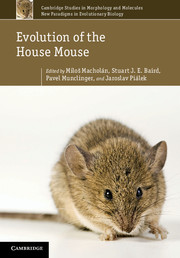
The house mouse is the source of almost all genetic variation in laboratory mice; its genome was sequenced alongside that of humans, and it has become the model for mammalian speciation. Featuring contributions from leaders in the field, this volume provides the evolutionary context necessary to interpret these patterns and processes in the age of genomics. The topics reviewed include mouse phylogeny, phylogeography, origins of commensalism, adaptation, and dynamics of secondary contacts between subspecies. Explorations of mouse behaviour cover the nature of chemical and ultrasonic signalling, recognition, and social environment. The importance of the mouse as an evolutionary model is highlighted in reviews of the first described example of meiotic drive (t-haplotype) and the first identified mammalian speciation gene (Prdm9). This detailed overview of house mouse evolution is a valuable resource for researchers of mouse biology as well as those interested in mouse genetics, evolutionary biology, behaviour, parasitology, and archaeozoology.
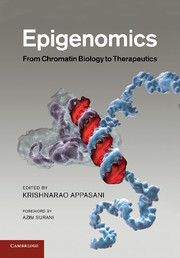
Understanding mechanisms of gene regulation that are independent of the DNA sequence itself - epigenetics - has the potential to overthrow long-held views on central topics in biology, such as the biology of disease or the evolution of species. High throughput technologies reveal epigenetic mechanisms at a genome-wide level, giving rise to epigenomics as a new discipline with a distinct set of research questions and methods. Leading experts from academia, the biotechnology and pharmaceutical industries explain the role of epigenomics in a wide range of contexts, covering basic chromatin biology, imprinting at a genome-wide level, and epigenomics in disease biology and epidemiology. Details on assays and sequencing technology serve as an up-to-date overview of the available technological tool kit. A reliable guide for newcomers to the field as well as experienced scientists, this is a unique resource for anyone interested in applying the power of twenty-first-century genomics to epigenetic studies.