To save content items to your account,
please confirm that you agree to abide by our usage policies.
If this is the first time you use this feature, you will be asked to authorise Cambridge Core to connect with your account.
Find out more about saving content to .
To save content items to your Kindle, first ensure no-reply@cambridge.org
is added to your Approved Personal Document E-mail List under your Personal Document Settings
on the Manage Your Content and Devices page of your Amazon account. Then enter the ‘name’ part
of your Kindle email address below.
Find out more about saving to your Kindle.
Note you can select to save to either the @free.kindle.com or @kindle.com variations.
‘@free.kindle.com’ emails are free but can only be saved to your device when it is connected to wi-fi.
‘@kindle.com’ emails can be delivered even when you are not connected to wi-fi, but note that service fees apply.
Sirtuins are NAD+-dependent histone and protein deacetylases, which have been studied during the last decade with a focus on their role in lifespan extension and age-related diseases under normal and calorie-restricted or pathological conditions. However, sirtuins also have the ability to regulate energy homeostasis as they can sense the metabolic state of the cell through the NAD+/NADH ratio; hence, changes in the diet can modify the expression of these enzymes. Dietary manipulations are a common practice currently being used in livestock production with favorable results, probably due in part to the enhanced activity of sirtuins. Nevertheless, sirtuin expression in livestock species has not been a research target. For these reasons, the goal of this review is to awaken interest in these enzymes for future detailed characterization in livestock species by presenting a general introduction to what sirtuins are, how they work and what is known about their role in livestock.
In dairy cows, the intensity of metabolic activity, associated with the negative energy balance (NEBAL), is responsible for an increased production of reactive oxygen species (ROS) and, subsequently, for the development of the condition of oxidative stress, which may overwhelm the antioxidant potential of the bovine maternal organism, making it prone to the development of many puerperal dysfunctions, as well as to an alteration of colostrum and milk quality. Given these premises, the aims of this study are to evaluate serum and milk concentrations of ROS and lipoperoxides, vitamins A and E, on the 10th, 12th, 14th and 16th day postpartum of dairy cows, a particularly critical period during which the NEBAL reaches its nadir, and to compare the trends of these parameters in two different bovine breeds. The study was performed in pluriparous Italian Friesian and Brown dairy cows. On the 10th day postpartum, all cows underwent a clinical examination to exclude the presence of alterations; furthermore, on the same day, a milk sample was collected from each cow, in order to perform the somatic cell count (SCC; (CE) N. 853/2004) and to establish which of them had an SCC ⩽400 000/ml or >400 000/ml. In this study, among the 110 cows that were initially selected, the evaluation of these parameters allowed the inclusion of 80 animals, which were divided into four groups of 20 subjects each: Group F and F1: Italian Friesian healthy cows, with SCC ⩽400 000/ml and >400 000/ml, respectively; Group B and B1: Italian Brown healthy cows, with SCC ⩽400 000/ml and >400 000/ml, respectively. On the 10th, 12th, 14th and 16th day postpartum, peripheral blood and milk samples were collected. The results obtained show that in group B1 there were higher concentrations of ROS and milk antioxidants compared with Friesian group cows. This datum let us suppose that even in the presence of higher ROS concentrations the antioxidant status found in group B1 seems to be able to counteract the oxidative damage, which is more likely to develop in these cows.
Nitric oxide (NO) and protein kinase C (PKC) are involved in the activation of mammalian oocytes, although their role in the exit from the metaphase II stage and cortical granule (CG) exocytosis is still not fully understood. The aim of this study was to verify whether the NO-donor together with specific PKC-activators induce the complete activation of porcine oocytes assessed as meiosis resumption and a cortical reaction. Pig maturated oocytes were treated with the NO-donor S-nitroso-N-acetylpenicillamine (SNAP, 2 mM) or PKC-activators such as phorbol-12-myristate-13-acetate (PMA, 100 nM), 1-oleoyl-2-acetyl-sn-glycerol (OAG, 400 μM) and l-α-phosphatidylinositol-3,4,5-trisphosphate dipalmitoyl heptaammonium salt (DPAM, 2 μM). To study the combined effect of NO-donor and PKC-activators, aliquots of oocytes were also incubated with SNAP (0.5 mM) together with PKC-activators at the same concentration as above (SNAP–DPAM, SNAP–OAG and SNAP–PMA groups). After invitro maturation, an aliquot of oocytes was placed in a fresh medium without NO-donor or PKC-activators (Control group). Another aliquot of oocytes was activated by calcium ionophore A23187 (25 μM, 5 min). The results showed that 0% of the control oocytes reassumed meiosis. However, both the PKC-activators (DPAM 44.0 ± 10.0%, OAG 63.3 ± 1.0% and PMA 45.0 ± 16.5%) as well as the NO-donor alone (48.7 ± 21.0%) significantly induced exit from MII. Interestingly, the combination of PKC-activators and SNAP mainly restrained to the meiosis resumption (SNAP–OAG 0, SNAP–DPAM 17.4 ± 2.5% and SNAP–PMA 38.4 ± 8.5%). Control oocytes did not show a cortical reaction and the area occupied by CG reached 25.9 ± 1.7%, whereas CGs were partially released after Ca2+ ionophore treatment (13.0 ± 3.2%). Treatment with PKC-activators induced a cortical reaction compared with the control group (8.6 ± 2.5, 6.7 ± 1.9 and 0.7 ± 0.4%, respectively, for DPAM, OAG and PMA groups). However, treatment with the NO-donor alone (SNAP group 17.2 ± 2.2%) or combined with any PKC-activator prevented cortical reaction (SNAP–DPAM 20.7 ± 2.6%, SNAP–OAG 16.7 ± 2.9% or SNAP–PMA 20.0 ± 2.4%). Besides, meiosis resumption was not always accompanied by a cortical reaction, indicating that these two activation events are independent. In conclusion, PKC-activators alone induce CG exocytosis to the same degree as calcium ionophore. However, an NO-donor alone or combined with PKC-activators is not able to induce a cortical reaction in pig oocytes.
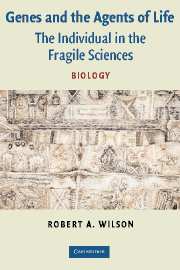
Genes and the Agents of Life undertakes to rethink the place of the individual in the biological sciences, drawing parallels with the cognitive and social sciences. Genes, organisms, and species are all agents of life but how are each of these conceptualized within genetics, developmental biology, evolutionary biology, and systematics? The book includes highly accessible discussions of genetic encoding, species and natural kinds, and pluralism above the levels of selection, drawing on work from across the biological sciences. The book is a companion to the author's Boundaries of the Mind, also available from Cambridge, where the focus is the cognitive sciences. The book will appeal to a broad range of professionals and students in philosophy, biology, and the history of science.
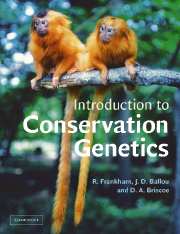
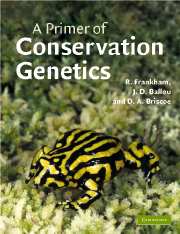
The biological diversity of our planet is being depleted due to the direct and indirect consequences of human activity. As the size of animal and plant populations decrease, loss of genetic diversity reduces their ability to adapt to changes in the environment, with inbreeding depression an inevitable consequence for many species. This textbook provides a clear and comprehensive introduction to the importance of genetic studies in conservation. The text is presented in an easy-to-follow format with main points and terms clearly highlighted. Each chapter concludes with a concise summary, which, together with worked examples and problems and answers, emphasise the key principles covered. Text boxes containing interesting case studies and other additional information enrich the content throughout, and over 100 beautiful pen and ink portraits of endangered species help bring the material to life.
An essential guide to this major contemporary issue, Consanguinity in Context is a uniquely comprehensive account of intra-familial marriage. Detailed information on past and present religious, social and legal practices and prohibitions is presented as a backdrop to the preferences and beliefs of the 1100+ million people in consanguineous unions. Chapters on population genetics, and the role of consanguinity in reproductive behaviour and genetic variation, set the scene for critical analyses of the influence of consanguinity on health in the early years of life. The discussion on consanguinity and disorders of adulthood is the first review of its kind and is particularly relevant given the ageing of the global population. Incest is treated as a separate issue, with historical and present-day examples examined. The final three chapters deal in detail with practical issues, including genetic testing, education and counselling, national and international legislation and imperatives, and the future of consanguineous marriage worldwide.
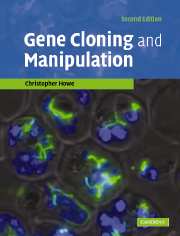
Updated to reflect advances in the field, this introduction provides a broad, but concise, coverage of recombinant DNA techniques. Written for advanced undergraduates, graduates and scientists who want to use this technology, emphasis is placed on the concepts underlying particular types of cloning vectors to aid understanding and to enable readers to devise suitable strategies for novel experimental situations. An introduction to the basic biochemical principles is presented first. Then PCR and cloning using E. coli hosts and plasmid, phage and hybrid vectors are described, followed by the generation and screening of libraries and how to modify, inactivate or express cloned sequences. Finally genetic manipulation in a range of other organisms is discussed, including other bacteria, fungi, algae and plants, insects and mammals. A series of 'real-life' biological problems are also presented to enable readers to assess their understanding of the material and to prepare for exams.
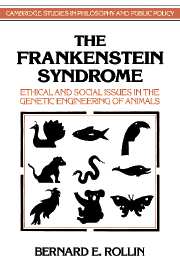
This book is a philosophically sophisticated and scientifically well-informed discussion of the moral and social issues raised by genetically engineering animals, a powerful technology which has major implications for society. Unlike other books on this emotionally charged subject, the author attempts to inform, not inflame, the reader about the real problems society must address in order to manage this technology. Bernard Rollin is both a professor of philosophy, and physiology and biophysics, and writes from a uniquely well-informed perspective on this topic. The style is non-technical and anecdotal and will ensure that the book can be used on a wide range of courses on bioethics, biotechnology, veterinary medicine and public policy. The book could also appeal to a general, non-academic reader with a serious interest in genetic engineering.
This concise, entry level text provides an introduction to the importance of genetic studies in conservation and presents the essentials of the discipline in an easy-to-follow format, with main points and terms clearly highlighted. The authors assume only a basic knowledge of Mendelian genetics and simple statistics, making the book accessible to those with a limited background in these areas. Connections between conservation genetics and the wider field of conservation biology are interwoven throughout the book. Worked examples are provided throughout to help illustrate key equations and glossary and suggestions for further reading provide additional support for the reader. Many beautiful pen and ink portraits of endangered species are included to enhance the text. Written for short, introductory level courses in genetics, conservation genetics and conservation biology, this book will also be suitable for practising conservation biologists, zoo biologists and wildlife managers.
In this third edition of his popular undergraduate-level textbook, Des Nicholl recognises that a sound grasp of basic principles is vital in any introduction to genetic engineering. Therefore, the book retains its focus on the fundamental principles used in gene manipulation. It is divided into three sections: Part I provides an introduction to the relevant basic molecular biology; Part II, the methods used to manipulate genes; and Part III, applications of the technology. There is a new chapter devoted to the emerging importance of bioinformatics as a distinct discipline. Other additional features include text boxes, which highlight important aspects of topics discussed, and chapter summaries, which include aims and learning outcomes. These, along with key word listings, concept maps and a glossary, will enable students to tailor their study to suit their own learning styles and ultimately gain a firm grasp of a subject that students traditionally find difficult.
With the advent of the Human Genome Project there have been many claims for the genetic origins of complex human behavior including insanity, criminality, and intelligence. But what does it really mean to call something 'genetic'? This is the fundamental question that Sahotra Sarkar's book addresses. The author analyses the nature of reductionism in classical and molecular genetics. He shows that there are two radically different kinds of reductionist explanation: genetic reduction (as found in classical genetics) and physical reduction (found in molecular genetics). This important book clarifies the meaning of the term 'genetic', shows how molecular studies have affected genetics, and provides the philosophical background necessary to understand the debates over the Human Genome Project. It will be of particular interest to professionals and students in the philosophy of science, the history of science, and the social studies of science, medicine, and technology.
How do plant and animal populations change genetically to evolve and adapt to their local environments? How do populations grow and interact with one another through competition and predation? How does behaviour influence ecology and evolution? Introduction to Population Biology covers all these areas and more. Taking a quantitative and Darwinian perspective, the basic theory of population processes is developed using mathematical models. To allow students of biology, ecology and evolution to gain a real understanding of the subject, key features include:step-by-step instructions for spreadsheet simulations of many basic equations to explore the outcomes or predictions of modelsworked examples showing how the equations are applied to biological questionsproblem sets together with detailed solutions to help the reader test their understandingreal-life examples to help the reader relate the theory to the natural world
An invaluable student-tested study aid, this primer, first published in 2007, provides guided instruction for the analysis and interpretation of genetic principles and practice in problem solving. Each section is introduced with a summary of useful hints for problem solving and an overview of the topic with key terms. A series of problems, generally progressing from simple to more complex, then allows students to test their understanding of the material. Each question and answer is accompanied by detailed explanation. This third edition includes additional problems in basic areas that often challenge students, extended coverage in molecular biology and development, an expanded glossary of terms, and updated historical landmarks. Students at all levels, from beginning biologists and premedical students to graduates seeking a review of basic genetics, will find this book a valuable aid. It will complement the formal presentation in any genetics textbook or stand alone as a self-paced review manual.
How should the concept of evidence be understood? And how does the concept of evidence apply to the controversy about creationism as well as to work in evolutionary biology about natural selection and common ancestry? In this rich and wide-ranging book, Elliott Sober investigates general questions about probability and evidence and shows how the answers he develops to those questions apply to the specifics of evolutionary biology. Drawing on a set of fascinating examples, he analyzes whether claims about intelligent design are untestable; whether they are discredited by the fact that many adaptations are imperfect; how evidence bears on whether present species trace back to common ancestors; how hypotheses about natural selection can be tested, and many other issues. His book will interest all readers who want to understand philosophical questions about evidence and evolution, as they arise both in Darwin's work and in contemporary biological research.
Des Nicholl presents here a new, fully revised, and expanded edition of his popular undergraduate-level textbook. Many of the features of the original edition have been retained; the book still offers a concise technical introduction to the subject of genetic engineering. However, the book is now divided into three main sections: the first introduces students to basic molecular biology, the second section explains the methods used to manipulate genes, and the third deals with modern applications of genetic engineering. A whole chapter is now devoted to the polymerase chain reaction. Applications covered in the book include genomics, protein engineering, gene therapy, cloning, and transgenic animals and plants. A final chapter discusses the ethical questions surrounding genetic engineering in general. An Introduction to Genetic Engineering is essential reading for undergraduate students of biotechnology, genetics, molecular biology and biochemistry.
The study of pharmacogenetics and pharmacogenomics focuses on how our genes and complex gene systems influence our response to drugs. Recent progress in clinical therapeutics has led to the discovery of new biomarkers that make it technically easier to identify groups of patients which are more or less likely to respond to individual therapies. The aim is to improve personalised medicine - not simply to prescribe the right medicine, but to deliver the right drug at the right dose at the right time. This textbook brings together leading experts to discuss the latest information on how human genetics impacts drug response phenotypes. It presents not only the basic principles of pharmacogenetics, but also clinically valuable examples that cover a broad range of specialties and therapeutic areas. This textbook is an invaluable introduction to pharmacogenetics and pharmacogenomics for health care professionals, medical students, pharmacy students, graduate students and researchers in the biosciences.
Recent developments in molecular and computational methods have made it possible to identify the genetic basis of any biological trait, and have led to spectacular advances in the study of human disease. This book provides an overview of the concepts and methods needed to understand the genetic basis of biological traits, including disease, in humans. Using examples of qualitative and quantitative phenotypes, Professor Weiss shows how genetic variation may be quantified, and how relationships between genotype and phenotype may be inferred. This book will appeal to many biologists and biological anthropologists interested in the genetic basis of biological traits, as well as to epidemiologists, biomedical scientists, human geneticists and molecular biologists.
Fundamental Genetics is a concise, non-traditional textbook that explains major topics of modern genetics in 42 mini-chapters. It is designed as a textbook for an introductory general genetics course and is also a useful reference or refresher on basic genetics for professionals and students in health sciences and biological sciences. It is organized for ease of learning, beginning with molecular structures and progressing through molecular processes to population genetics and evolution. Students will find the short, focused chapters approachable and more easily digested than the long, more complex chapters of traditional genetics textbooks. Each chapter focuses on one topic, so that teachers and students can readily tailor the book to their needs by choosing a subset of chapters. The book is extensively illustrated throughout with clear and uncluttered diagrams that are simple enough to be reproduced by students. This unique textbook provides a compact alternative for introductory genetics courses.
This book, first published in 1996, is a concise yet fully informative coverage of the structure and function of genes. It describes DNA and how it replicates, how DNA is transcribed and translated into proteins, the organisation of genes in prokaryotes and eukaryotes, the control of gene expression and the role of retroviruses and oncogenes in cancer. There are additional discussions of gene families, genes and the immune systems and mitochondrial and chloroplast genomes. This is a third edition of a successful undergraduate text. It has been extensively updated, particularly in regard to advances in our understanding of replication and transcription.
Anthropological genetics is a field that has been in existence since the 1960s and has been growing within medical schools and academic departments, such as anthropology and human biology, ever since. With the recent developments in DNA and computer technologies, the field of anthropological genetics has been redefined. This volume deals with the molecular revolution and how DNA markers can provide insight into the processes of evolution, the mapping of genes for complex phenotypes and the reconstruction of the human diaspora. In addition to this, there are explanations of the technological developments and how they affect the fields of forensic anthropology and population studies, alongside the methods of field investigations and their contribution to anthropological genetics. This book brings together leading figures from the field to provide an introduction to anthropological genetics, aimed at advanced undergraduates to professionals, in genetics, biology, medicine and anthropology.