To save content items to your account,
please confirm that you agree to abide by our usage policies.
If this is the first time you use this feature, you will be asked to authorise Cambridge Core to connect with your account.
Find out more about saving content to .
To save content items to your Kindle, first ensure no-reply@cambridge.org
is added to your Approved Personal Document E-mail List under your Personal Document Settings
on the Manage Your Content and Devices page of your Amazon account. Then enter the ‘name’ part
of your Kindle email address below.
Find out more about saving to your Kindle.
Note you can select to save to either the @free.kindle.com or @kindle.com variations.
‘@free.kindle.com’ emails are free but can only be saved to your device when it is connected to wi-fi.
‘@kindle.com’ emails can be delivered even when you are not connected to wi-fi, but note that service fees apply.
In the UK, recent mean temperatures have consistently increased by between 1°C and 4°C compared to the 30-year monthly averages. Furthermore, all available predictive models for the UK indicate that the climate is likely to change further and feature more extreme weather events and a trend towards wetter, milder winters and hotter, drier summers. These changes will alter the prevalence of endemic diseases spatially and/or temporally and impact on animal health and welfare. Most notable among these endemic parasites are the helminths, which have been shown to be very strongly influenced by both the short-term weather and climate through effects on their free-living larval stages on pasture. In this review, we examine recent trends in prevalence and epidemiology of key helminth species and consider whether these could be climate-related. We identify likely effects of temperature and rainfall on the free-living stages and some key parasite traits likely to determine parasite abundance under changed climatic conditions. We find clear evidence that climate change, especially elevated temperature, has already changed the overall abundance, seasonality and spatial spread of endemic helminths in the UK. We explore some confounders and alternative explanations for the observed patterns. Finally, we explore the implications of these findings for policy makers and the livestock industry and make some recommendations for future research priorities.
The objective of this study was to investigate the effects of different trough types on the water consumption and drinking behaviour of pasture-based beef heifers. Two trials were implemented with 32 beef heifers to test two different types of water troughs, namely a rectangular concrete trough (RC) and a round polyvinyl chloride water tank (PVC). In Trial 1, both troughs were simultaneously available to groups of four animals within eight paddocks. In Trial 2, the animals were distributed in pairs throughout 16 paddocks and, in a crossover design, were exposed to one type of trough at a time. In both trials, estimated water intake was per four animals. Number of drinking bouts, time spent drinking and amount of water intake from the RC and PVC trough were recorded in both trials. Data were statistically analysed by analysis of variance. In Trial 1, group and trough effect were in the model. In Trial 2, stage, pair and trough were tested. In Trial 1, where both types of troughs were available, animals had a higher number of drinking bouts (3.32 v. 0.57 ± 0.09; P < 0.01), longer drinking periods (144.21 v. 22.81 ± 7.3 s; P < 0.01) and greater intake (160.21 v. 23.76 ± 13.06 l; P < 0.01) from the PVC water tank, compared to the RC trough. In Trial 2, all groups drank more often (5.10 v. 3.28 ± 0.32; P < 0.001), for longer periods (167.23 v. 115.23 ± 15.61 s; P < 0.02) and with higher intake (141.36 v. 118.47 ± 5.01 l; P < 0.02) from the PVC than from the RC trough. Thus, heifers not only prefer, but also drink more from a PVC water tank in comparison to a RC trough.
This study examined the effects of physical form and stage of maturity at harvest of whole-crop barley silage (WCBS) on feed intake, eating and rumination activity, diet selection and faecal particle size in dairy steers. Whole-crop barley was harvested and ensiled in round bales. Eight dairy steers (live weight (LW): 350 ± 10 kg) in a duplicated 4 × 4 Latin square design were fed WCBS harvested at heading or dough stage of maturity in long form or chopped in a 2 × 2 factorial treatment arrangement. The WCBS was supplemented with soybean meal. Daily dry matter (DM) intake increased by 7% (P < 0.05) due to chopping of dough-stage silage but was unaffected by chopping of heading-stage silage. The steers fed chopped, but not those fed long dough-stage silage, selected for starch in the WCBS (P < 0.001). The neutral detergent fibre (NDF) intake was 5% higher (P < 0.01) for heading than for dough-stage silage and was associated with lower concentration of indigestible NDF (96 v. 170 g/kg DM). Rate of intake of DM and NDF was 37% higher (P < 0.001), daily eating time was 24% shorter (P < 0.001) and daily chewing time was 8% shorter (P < 0.05) for chopped silage compared with long silage but there was no effect of maturity. Daily rumination time was not affected by treatments, whereas rumination and chewing times per kg NDF intake were 15% and 13% higher (P < 0.05), respectively, for dough-stage than for heading-stage silage. The proportion of faecal particles retained on a 1 mm screen was 30% higher (P < 0.001) due to chopping and 45% higher (P < 0.001) due to delayed harvest. Chopping the dough-stage silage reduced the proportion of grain in faeces from 97 to 43 g/kg DM (P < 0.05) indicating higher starch digestibility. In conclusion, chopping increased DM intake of WCBS when harvested at dough stage but not at heading stage of maturity.
Iodine and selenium are essential trace elements involved in the regulation of thyroid metabolism and antioxidant status. Two experiments were undertaken on lactating cows to determine the milk concentrations of iodine and selenium, carry over (CO) in milk, the fraction in curdle portion and how milk yield affects the milk iodine and selenium concentrations and CO. Sources of elements were potassium iodide and sodium selenite. In Experiment 1, 12 cows were randomly allotted to three diet groups in a completely randomized design: control group (CTR) – total mixed ration (TMR) containing 1.71 and 0.08 mg/kg dry matter (DM); Group 1 (T1) – TMR plus 23.8 and 2.2 mg; Group 2 (T2) – TMR plus 45.5 and 4.3 mg, respectively, for iodine and selenium. In Experiment 2, 30 cows were allotted to three groups according to milk yield: high (H), average (A) and low (L). Within each group, cows were randomly assigned two levels of iodine and selenium: Level 1: TMR containing 1.55 and 0.15 mg/kg DM; Level 2: TMR plus 47.2 mg and 8.0 mg, respectively, iodine and selenium. In both experiments, individual milk samples were collected and analyzed for iodine and selenium contents. In Experiment 1, Grana Padano cheese was obtained at lab scale and the iodine and selenium fractions in the curd were measured. In Experiment 1, the iodine intake increased (P < 0.001) the concentration and total excretion in milk. The CO increased (P < 0.05) from 16 (CTR) to 27 (T1) and 26% (T2); the sampling time was significant (P < 0.05) with no interaction with treatments. Concentration of selenium in milk was increased (P < 0.05) by treatment and CO decreased (P < 0.01) from 26 (CTR) to 12 (T1) and 9% (T2). The iodine showed a mild enrichment factor in the curdle (about 1.7-fold), whereas selenium enriched five- to sevenfold. In Experiment 2, the level of iodine supplementation affected (P < 0.05) the concentration and total excretion in milk. No effects on milk iodine concentration were related to milk yield or milk yield × treatment interaction; however, the iodine excretion in milk was major (P < 0.05) in higher yielding groups. The iodine CO was affected (P < 0.05) by the milk yield in supplemented groups. The selenium milk concentration and excretion were affected (P < 0.01) by the milk yield, whereas the CO was affected (P < 0.05) by the milk yield and selenium supplementation. Results highlight the possibility of fortification with iodine in milk and selenium in cheese through animal feeding.
The peri-parturient period is crucial for controlling worms as the acquired immunity of ewes is disrupted, resulting in an increase in faecal worm egg counts. Two hypotheses were tested in this experiment – that ewes bred for worm resistance would have lower faecal worm egg counts than unselected control ewes, during late pregnancy and lactation, under similar but separate grazing areas; and also that numbers of infective nematode larvae would be lower on pastures grazed by resistant ewes than pastures grazed by unselected control ewes. Faecal samples were collected from resistant and unselected ewes in late pregnancy and early lactation, during the winter rainfall season, and analysed for numbers of Trichostrongylus colubriformis and Teladorsagia circumcincta. Pasture samples were taken 1 week before and 7 weeks after lambing started and analysed for infective larvae. In all sheep, worm egg counts rose 2 weeks prior to lambing and continued into lactation. Worm egg counts were significantly lower in the resistant ewes from 1 week before lambing to 2 weeks after lambing. There were no differences in egg counts between single- and twin-bearing ewes in the resistant line. However, twin-bearing control ewes had significantly higher egg counts than single-bearing control ewes. Following lactation, plots grazed by resistant ewes had substantially less contamination with T. colubriformis larvae, but there were no differences in numbers of T. circumcincta larvae. Our results demonstrate that sheep bred for worm resistance has lower worm burdens during the peri-parturient phase and that lambs born to resistant ewes face a lower larval challenge during their introduction to grazing. In our environment, selection for low worm egg counts has produced sheep highly resistant to T. colubriformis, but has had less impact on resistance towards T. circumcincta.
Soil carbon sequestration (enhanced sinks) is the mechanism responsible for most of the greenhouse gas (GHG) mitigation potential in the agriculture sector. Carbon sequestration in grasslands can be determined directly by measuring changes in soil organic carbon (SOC) stocks and indirectly by measuring the net balance of C fluxes. A literature search shows that grassland C sequestration reaches on average 5 ± 30 g C/m2 per year according to inventories of SOC stocks and −231 and 77 g C/m2 per year for drained organic and mineral soils, respectively, according to C flux balance. Off-site C sequestration occurs whenever more manure C is produced by than returned to a grassland plot. The sum of on- and off-site C sequestration reaches 129, 98 and 71 g C/m2 per year for grazed, cut and mixed European grasslands on mineral soils, respectively, however with high uncertainty. A range of management practices reduce C losses and increase C sequestration: (i) avoiding soil tillage and the conversion of grasslands to arable use, (ii) moderately intensifying nutrient-poor permanent grasslands, (iii) using light grazing instead of heavy grazing, (iv) increasing the duration of grass leys; (v) converting grass leys to grass-legume mixtures or to permanent grasslands. With nine European sites, direct emissions of N2O from soil and of CH4 from enteric fermentation at grazing, expressed in CO2 equivalents, compensated 10% and 34% of the on-site grassland C sequestration, respectively. Digestion inside the barn of the harvested herbage leads to further emissions of CH4 and N2O by the production systems, which were estimated at 130 g CO2 equivalents/m2 per year. The net balance of on- and off-site C sequestration, CH4 and N2O emissions reached 38 g CO2 equivalents/m2 per year, indicating a non-significant net sink activity. This net balance was, however, negative for intensively managed cut sites indicating a source to the atmosphere. In conclusion, this review confirms that grassland C sequestration has a strong potential to partly mitigate the GHG balance of ruminant production systems. However, as soil C sequestration is both reversible and vulnerable to disturbance, biodiversity loss and climate change, CH4 and N2O emissions from the livestock sector need to be reduced and current SOC stocks preserved.
In this book, Neven Sesardic defends the view that it is both possible and useful to measure the separate contributions of heredity and environment to the explanation of human psychological differences. He critically examines the view - very widely accepted by scientists, social scientists and philosophers of science - that heritability estimates have no causal implications and are devoid of any interest. In a series of clearly written chapters he introduces the reader to the problems and subjects the arguments to close philosophical scrutiny. His conclusion is that anti-heritability arguments are based on conceptual confusions and misunderstandings of behavioural genetics. His book is a fresh and compelling intervention in a very contentious debate.
The science of genetics has undergone a period of very rapid and significant development in recent years, and the area of poultry genetics has been no exception. This book provides a balanced and up-to-date account of all the major areas of this subject from Mendelian to modern molecular genetics. The book begins by tracing the evolution of Gallus domesticus from its avian ancestors. Subsequent chapters cover important aspects of poultry genetics, including cytogenetics, transmission genetics, gene mapping, sex linkage, lethal genes, genetics of feathering and plumage, and quantitative genetics. In each chapter, a concise explanation of the genetic principles is followed by a full discussion illustrated by key examples. In the latter part of the book, recent advances in gene cloning and sequencing are examined. The impact of these exciting new developments on our understanding of gene structure and organisation, immunogenetics and the evolution of proteins is assessed. Finally, the uses of transgenic techniques and their implications are discussed. This book provides a clear and useful survey of the genetics and evolution of the domestic fowl, which will be of interest to postgraduate students and researchers in the fields of genetics, agriculture and veterinary medicine, as well as to poultry breeders (both commercial and non-commercial).
When methionine (Met) is limiting in swine diets, it is commonly supplemented by using anhydrous dl-methionine (DLM, 99% purity) or liquid dl-methionine-hydroxy analogue free acid (MHA-FA, 88% purity). The objective of this experiment was to test the null hypothesis that the bioavailability of DLM and MHA-FA were not different for growing pigs, using the indicator amino acid (AA) (phenylalanine, Phe) oxidation (IAAO) method in a slope-ratio assay. Six barrows (mean BW during study: 21.1 kg) received seven dietary treatments with all pigs receiving all diets in random order at an intake of 95 g/kg BW0.75. The basal diet (BD) contained analyzed content of 15.1% CP, 0.20% Met, 0.73% Phe and all other AA in excess of requirement. The BD was supplemented with three graded levels of DLM or MHA-FA on an equimolar basis. Dietary treatments only varied in Met content and included: (i) BD, (ii) BD + 0.034% DLM, (iii) BD + 0.054% DLM, (iv) BD + 0.086% DLM, (v) BD + 0.029% MHA-FA, (vi) BD + 0.078% MHA-FA and (vii) BD + 0.107% MHA-FA, as analyzed. Indicator AA oxidation was determined during 4 h studies, where pigs were fed half-hourly meals each equal to 1/32 of their daily feed allowance. Each meal was mixed with 258.7 kBq (s.e. 2.6) of l-[1-14C]Phe with a prime of 3.5 times the half-hourly dose added to the first meal. The slope of the decrease in IAAO calculated by linear regression analysis was greater (P = 0.012) for DLM supplementation (9.87 ± 1.450 per g, 1.488 ± 0.215% per mmol) than for MHA-FA (6.48 ± 0.89 per g, 1.107 ± 0.152% per mmol). The ratio of slopes indicated a bioavailability of MHA-FA on a product basis, relative to DLM, of 65.7%. Bioavailability on an equimolar Met basis, calculated from the ratio of the slopes was 74.4% for MHA-FA, relative to DLM. In conclusion, these results indicate that the metabolic bioavailability of MHA-FA for growing pigs is appreciably lower than that of DLM on both an equimolar and a product basis.
In livestock populations, missing genotypes on a large proportion of the animals is a major problem when implementing gene-assisted breeding value estimation for genes with known effect. The objective of this study was to compare different methods to deal with missing genotypes on accuracy of gene-assisted breeding value estimation for identified bi-allelic genes using Monte Carlo simulation. A nested full-sib half-sib structure was simulated with a mixed inheritance model with one bi-allelic quantitative trait loci (QTL) and a polygenic effect due to infinite number of polygenes. The effect of the QTL was included in gene-assisted BLUP either by random regression on predicted gene content, i.e. the number of positive alleles, or including haplotype effects in the model with an inverse IBD matrix to account for identity-by-descent relationships between haplotypes using linkage analysis information (IBD–LA). The inverse IBD matrix was constructed using segregation indicator probabilities obtained from multiple marker iterative peeling. Gene contents for unknown genotypes were predicted using either multiple marker iterative peeling or mixed model methodology. For both methods, gene-assisted breeding value estimation increased accuracies of total estimated breeding value (EBV) with 0% to 22% for genotyped animals in comparison to conventional breeding value estimation. For animals that were not genotyped, the increase in accuracy was much lower (0% to 5%), but still substantial when the heritability was 0.1 and when the QTL explained at least 15% of the genetic variance. Regression on predicted gene content yielded higher accuracies than IBD–LA. Allele substitution effects were, however, overestimated, especially when only sires and males in the last generation were genotyped. For juveniles without phenotypic records and traits measured only on females, the superiority of regression on gene content over IBD–LA was larger than when all animals had phenotypes. Missing gene contents were predicted with higher accuracy using multiple-marker iterative peeling than with using mixed model methodology, but the difference in accuracy of total EBV was negligible and mixed model methodology was computationally much faster than multiple iterative peeling. For large livestock populations it can be concluded that gene-assisted breeding value estimation can be practically best performed by regression on gene contents, using mixed model methodology to predict missing marker genotypes, combining phenotypic information of genotyped and ungenotyped animals in one evaluation. This technique would be, in principle, also feasible for genomic selection. It is expected that genomic selection for ungenotyped animals using predicted single nucleotide polymorphism gene contents might be beneficial especially for low heritable traits.
To unravel the underlying mechanisms that explain the positive effects of prefermented cereals on in vivo gastrointestinal (GI) architecture and function, an in vitro experiment using a human small intestinal epithelial cell model (Caco-2) was performed. A range of dilutions (0% to 10%) of the supernatants of three liquid experimental diets, as well as Na-lactate were used in an in vitro experiment to assess their effect on cellular growth, metabolism, differentiation and mucosal integrity using Caco-2. The experimental diets contained, in addition to a protein rich basal diet (60%), (1) a liquid control diet (C) containing 40% of a mixture of barley and wheat (ratio 3 : 1) or (2) a liquid diet (F) containing 40% prefermented barley and wheat or (3) C with the addition of the fermentation end-products (organic acids and ethanol) in concentrations similar to those in the fermented diet (FP). For F, the mixture of barley and wheat was fermented at 35°C for 48 h. Parallel to the in vitro experiment, 18 groups of eight weanling pigs were assigned to one of the experimental diets during a 14-day in vivo experiment. Each group was fed restrictively. The results of the in vitro experiment showed that the lowest dose of both F- and FP-supernatants had no clear effects on the cell proliferation, but incubation with 5% and 10% of the F- and FP-supernatants decreased the cell numbers at day 19. DNA, RNA, protein and glycoprotein synthesis in differentiated Caco-2 cells were stimulated by incubation with the lower concentrations (0.5% to 2.5%) of F- and FP-supernatants whereas the higher concentrations (5% and 10%) had no effect. Both the F- and FP-supernatants decreased the specific sucrase–isomaltase activity in a dose-dependent manner, but the effects on the specific aminopeptidase activities were less clear. Mucosal integrity initially decreased after incubation with the highest F- and FP-supernatants and started to recover between 24 and 48 h. The results of the in vivo experiment showed no dietary effects (P > 0.1) on GI morphology and brush-border enzyme activities at day 5 or at day 14. Time related changes in GI characteristics followed a normal pattern. In conclusion, the supernatants of diets containing either prefermented cereals or their fermentation end-products clearly modulate cellular growth, metabolism, differentiation and mucosal integrity in an in vitro model, although these effects were not observed in the in vivo characteristics measured in weanling pigs.
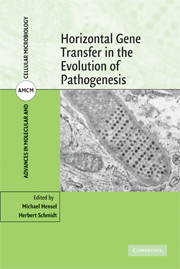
Horizontal gene transfer is a major driving force in the evolution of many bacterial pathogens. The development of high-throughput sequencing tools and more sophisticated genomic and proteomic techniques in recent years has resulted in a better understanding of this phenomenon. Written by leading experts in the field, this edited volume is aimed at graduate students and researchers and provides an overview of current knowledge relating to the evolution of microbial pathogenicity. This volume provides an overview of the mechanisms and biological consequences of the genome rearrangements resulting from horizontal gene transfer, in both prokaryotes and eukaryotes, as well as overviews of the key mobile genetic elements involved. Subsequent chapters focus on paradigms for the evolution of important bacterial pathogens, including Salmonella enterica, Streptococcus pneumoniae, and Staphylococcus aureus. The influence of socioeconomic parameters in the dissemination of transferable elements, such as antibiotic resistant genes in bacteria, is also discussed.
Sensory traits, such as juiciness and tenderness, are known to be important to the consumer and thus will influence their consumption of meat, specifically beef. These traits are difficult to measure and often require the use of taste panels to assess the complex parameters involved in the eating experience. Such panels are potentially a large source of measurement error, which may reduce the effectiveness of breeding programmes based on the data they generate. The aim of this study was to assess the quality of such taste panel-derived sensory traits as well as calculating genetic parameters and residual correlations for these traits along with a further set of traditional carcass quality traits. The study examined a sample of 443 Aberdeen Angus-cross animals collected from 14 breeder–finisher farms throughout Scotland. To assess the quality of the taste panel measurements, three consistency statistics were calculated: (i) panel-member consistency, i.e. the extent to which an individual panel member varied in their scoring for a given trait over the period of the experiment; (ii) repeatability, i.e. the consistency with which an individual panel member was able to score a trait on repeated samples from the same animal; and (iii) reproducibility, i.e. the extent to which taste panel members agreed with each other when scoring a trait. These consistency statistics were moderately high, particularly for panel-member consistency and reproducibility, with values ranging from 0.48 to 0.81 and 0.43 to 0.73 respectively. Estimated heritabilities were low for most of the sensory taste-panel-evaluated traits where the maximum value was 0.16 for overall liking. Residual correlations were high between many of the closely related sensory traits, although few significant correlations were found between the carcass quality data and meat quality traits.
The present experiment examined the effect of offering either a high- (H) or low- (L) energy-density diet in late gestation and early lactation on physiological parameters, body condition score (BCS) and milk production in early lactation. In all, 40 multiparous Holstein cows were randomly allocated to one of four treatments in a 2 × 2 factorial design, where the factors were H- or L-energy density in a total mixed ration (TMR) both pre- and post-calving. Consequently, there were four treatment groups: HH, HL, LL and LH. The pre-calving treatment was initiated 100 days prior to expected calving; the H TMR was fed ad libitum whereas the L TMR was restricted to 10 kg dry matter/day during late lactation, and to approximately 75% of energy requirements from drying off until calving. Both diets were offered ad libitum post-calving. Feeding diet H compared to L pre-calving led to higher BCS at calving (2.68 v. 2.34, P < 0.01). Energy corrected milk yield and energy-intake post-calving were not affected by pre-calving diets. Changes in BCS and blood concentrations of non-esterified fatty acids, beta-hydroxybutyrate and glucose in early lactation showed that cows offered diet H pre-calving generally mobilised more body reserves compared to cows offered diet L pre-calving. An interaction between pre- and post-calving diets showed that cows offered diet H pre-calving had lower body tissue mobilisation when offered diet H post-calving compared to diet L. Cows offered diet L pre-calving, did not mobilise differently whether they were offered diet H or L post-calving. The pre- and post-calving diets had no effect on liver triacylglycerol, whereas liver glycogen was higher in cows on treatment HH compared to the other three treatments. Collectively, these results indicate that overfeeding should be avoided in late gestation and that a high-energy-density diet is desirable in early lactation in order to obtain a more favourable metabolic profile.
The 'sorting society' expresses what many people believe will be the outcome of advances in genetic technology: a society in which many characteristics of children are no longer the result of genetic chance but of deliberate selection. This book focuses on the ethical, legal and social issues raised by this technology. Is the prospect of a sorting society something that we should welcome or deplore? Do concerns about how parents or societies might exercise the choice given to them by genetic technology give us reason to restrain its creation or use, and if so how? Would a sorting society increase the freedom of parents and the well being of children, or would it undermine values that are central to a liberal democratic society? These are questions of the most profound significance, bearing on the world in which our children, grandchildren, and great-grandchildren will live.
This experiment was conducted to evaluate the effect of offering ewes two different feeding levels, during mid and late pregnancy, on ewe and lamb behaviour 12 to 24 h after birth. Romney ewes, bearing twin (n = 80) or triplet foetuses (n = 56), were allocated to a pasture sward height of 2 or 4 cm between 70 and 107 days of pregnancy. In late pregnancy (day 107 to 147), half of the ewes were reallocated the alternate sward height, which produced four treatments: 2-2, 2-4, 4-2 and 4-4. Ewes were weighed on days 65, 92, 107 and 130 of pregnancy and lamb live weights were recorded 12 to 24 h after birth. Twelve to 24 h after birth the maternal behaviour score (MBS) of the ewes were determined, whilst their lambs were tagged. After the lambs were released, the behaviour of each ewe and her lambs was observed for 5 min. Ewe treatment and litter size had no effect on ewe MBS. However, as MBS increased (ewes stayed closer to lambs during tagging), ewes bleated less in a high-pitch and were quicker to make contact with their lamb. During the observation period, ewes in the 4-4 treatment had a greater percentage of their bleats in a low pitch (P < 0.05) than ewes in the 2-2 and 4-2 treatment (61.3% v. 41.3% and 38.8% low bleats, respectively) and more lambs born to 4-4 ewes (95%) bleated than lambs born to 2-2 ewes (84%; P < 0.05). However, lambs born to ewes in the 2-2 treatment bleated earlier than lambs in all other treatments (P < 0.05). Lambs born to 4-4 ewes were less likely (P < 0.05) to move towards their dam in order to make contact than lambs born to 2-2 or 4-2 ewes (3.1% v. 16.9% and 16.7%, respectively). These findings suggest that under the conditions of the present study, ewe nutrition had little effect on maternal behaviour. However, lambs born to ewes offered 2 cm pasture sward heights during mid and/or late pregnancy (2-2, 2-4 and 4-2 treatments) displayed behaviour that demonstrated greater ‘need’ whereas lambs born to ewes offered 4 cm during mid and late pregnancy sought less attention from their dam.
This study investigated the effects of various stunning methods on the quality of French ‘foie gras’ in ducks and geese. The ducks (n = 30 per group) were stunned with one of the following techniques: electrical stunning in a water bath (50 Hz AC, 130 mA, 4 s), head-only electrical stunning (50 Hz AC, 600 mA, 4 s), mechanical stunning (captive bolt) and controlled atmosphere stunning (CAS: phase 1, CO2 (40%)–O2 (30%)–N2 (30%), for 2 min followed by phase 2, CO2 >85% in air, for 2 min). The same methods (except head-only stunning which was not applied) were used in geese (n = 40 per group). The weight of the liver at slaughter was not affected by the stunning techniques, neither was its colour (L*, a*, b* coordinates), despite the differences in bleeding rate between the stunning treatments. The loss of fat during the cooking of canned fatty liver did not depend upon stunning treatment. Some appearance defects of raw fatty livers were significantly affected by the treatment: mechanical and head-only stunning induced higher incidence of petechial haemorrhages in duck liver, whereas in geese, incidence of superficial haemorrhages was significantly higher after CAS and water-bath stunning. The calculation of an overall score based on the incidence and severity of the different appearance defects observed in the present experiment showed that CAS was associated with the least favourable position in ducks as well as in geese, compared to the other treatments. The commercial grading of ducks and geese fatty livers, carried out by an expert from the industry, clearly showed the detrimental effect of CAS on the commercial value of raw livers. CAS, under the conditions applied in the present work cannot be recommended, because of its drastic effect on liver quality. The underlying mechanisms deserve further investigations.
Age at weaning affects the behaviour of piglets weaned in conventional confined environments. The adaptation of piglets to this event, which exposes piglets to important stressors, has not been examined in detail in outdoor systems. The aim of this study was to compare the behaviour of piglets weaned at 3 or 4 weeks of age in an outdoor production system. Six replicates of four piglets born and raised outdoors, originated from different litters but previously acquainted, were weaned at the age of approximately 20 (D20) or 30 (D30) days in 36 m2 outdoor pens and offered high-quality diets. Their behaviour was recorded by direct visual observation during four consecutive days after weaning (days 1 to 4). Data were analysed by repeated measures ANOVA. An effect of weaning age was observed on feeding and rooting ( P < 0.01), and a day-by-weaning age interaction for escape attempts, vocalizing, walking and fighting ( P < 0.01), and playing ( P < 0.03). Compared to D30 piglets, D20 piglets showed a higher frequency of escape attempts on day 1, vocalized more during days 1 and 2, and walked more during days 1 to 3 ( P < 0.05). Feeding behaviour, on the other hand, was higher in D30 piglets on days 1 to 3 ( P < 0.05). On days 3 and 4, D30 piglets spent more time interacting with peers (playing and fighting; P < 0.05) and on day 4 were more active than D20 piglets ( P < 0.05). As previously reported in confined environments, age at weaning affected the behaviour of piglets raised on the outdoors system. Weaning appeared to be more stressful for the piglets at 3 than at 4 weeks of age. The impact of weaning age on welfare cannot be ignored, especially when outdoor breeding of pigs is proposed to address welfare concerns of the public.
This study investigated the effects of various stunning methods on the quality of carcass and meat in ducks and geese force-fed for the production of French ‘foie gras’. The ducks (n = 30 per group) were stunned with one of the following techniques: electrical stunning in a water bath (50 Hz AC, 130 mA, 4 s), head-only electrical stunning (50 Hz AC, 600 mA, 4 s), mechanical stunning (captive bolt) and controlled atmosphere stunning (CAS: phase 1, CO2 (40%)–O2 (30%)–N2 (30%), for 2 min followed by phase 2, CO2 > 85% in air, for 2 min). The same methods (except head-only stunning which was not applied) were used in geese (n = 40 per group). During the first 5 min after slaughter, the stunning techniques that did not kill the animals were associated with a high incidence of head movements (mechanical and electrical head-only stunning), convulsions and convulsive wing flapping (mechanical stunning), in both species. Consequently, the rate of post-mortem pH fall in breast muscle was enhanced and the meat was paler when measured at 24 h or 6 days post mortem (L*, a*, b* coordinates). In ducks, the animals stunned in the water bath showed the lowest bleeding efficiency, compared to the three other procedures. In geese, the mechanical stunning allowed the highest recovery of blood compared to the CAS and the water-bath methods. Meat texture assessed instrumentally and fluid losses during storage and processing were not affected by the stunning method in any species. Sensory analysis showed a higher score for bloody appearance of raw meat in ducks stunned with the methods that kill before neck cutting (water-bath and CAS). This effect was, however, not linked to the rate of bleeding. The sensory properties of cooked meat were not affected by the stunning method. In both ducks and geese, CAS was associated with the lowest rate of fractures of humeral bone but CAS-stunned geese showed the most engorged wing veins. Overall, these results show the positive effect of CAS on the appearance defects of carcass and meat of ducks and geese, and, on the contrary, they confirm the detrimental effects of water-bath stunning on these criteria. However, the incidences on meat sensory qualities were scarce.
Decline in fertility of high-producing dairy cattle has become a global challenge to the dairy industry. Because of low heritability and complexity, it is difficult to find genetic markers for fertility traits in cattle. Here, we report the use of an in vitro fertilization (IVF) system and candidate gene approach to test genetic associations of a single-nucleotide polymorphism (SNP) in bovine placental lactogen (bPL), and its interactions with SNPs in the prolactin receptor (PRLR) and growth hormone receptor genes with fertility traits in an IVF system. The associations suggest a possible involvement of genetic interactions between bPL and PRLR in the fertilization and embryonic development processes, and the potential for application in a marker-assisted selection program.