To save content items to your account,
please confirm that you agree to abide by our usage policies.
If this is the first time you use this feature, you will be asked to authorise Cambridge Core to connect with your account.
Find out more about saving content to .
To save content items to your Kindle, first ensure no-reply@cambridge.org
is added to your Approved Personal Document E-mail List under your Personal Document Settings
on the Manage Your Content and Devices page of your Amazon account. Then enter the ‘name’ part
of your Kindle email address below.
Find out more about saving to your Kindle.
Note you can select to save to either the @free.kindle.com or @kindle.com variations.
‘@free.kindle.com’ emails are free but can only be saved to your device when it is connected to wi-fi.
‘@kindle.com’ emails can be delivered even when you are not connected to wi-fi, but note that service fees apply.
Prenatal growth is sensitive to the direct and indirect effects of maternal dietary intake; manipulation can lead to behavioural and physiological changes of the offspring later in life. Here, we report on three aspects of how a high-salt diet during pregnancy (conception to parturition) may affect the offspring’s response to high oral salt loads: (i) dietary preferences for salt; (ii) response to salt and water balance and aldosterone and arginine vasopressin (AVP) concentrations after an oral salt challenge; (iii) concentrations of insulin and leptin after an oral salt challenge. We used two groups of lambs born to ewes fed either a high-salt (13% NaCl) diet during pregnancy (S lambs; n = 12) or control animals born to ewes fed a conventional (0.5% NaCl) diet during pregnancy (C lambs; n = 12). Lambs were subjected to short- (5 min) and long-term (24 h) preference tests for a high-salt (13% NaCl) or control diet, and the response to an oral challenge with either water or 25% NaCl solution were also carried out. Weaned lambs born to ewes fed high salt during pregnancy did not differ in their preference for dietary salt, but they did differ in their physiological responses to an oral salt challenge. Results indicate that these differences reflect an alteration in the regulation of water and salt balance as the metabolic hormones, insulin and leptin, were not affected. During the first 2 h after a single salt dose, S lambs had a 25% lower water intake compared to the C lambs. S lambs had, on average, a 13% lower AVP concentration than the C lambs (P = 0.014). The plasma concentration of aldosterone was higher in the S lambs than in the C lambs (P = 0.013). Results suggest that lambs born to ewes that ingest high amounts of salt during pregnancy are programmed to have an altered thirst threshold, and blunted response in aldosterone to oral salt loads.
In the present study, the effect of type of stunning (electrical v. gas) and the gas mixtures in a modified atmosphere (MA) packing system (MA-A: 30% CO2 + 70% O2; MA-B: 30% CO2 + 69.3% N2 + 0.7% CO; MA-C: 40% CO2 + 60% N2) on light lamb meat quality, obtained by 20 males of Manchego Spanish breed, was evaluated at 7, 14 and 21 days post packing. For all ageing times, gas-stunned groups reached the highest pH (P < 0.001) and shear force (SF) values (P < 0.05), and at 21 days, water losses were highest; in contrast, meat colour coordinates were lower (P < 0.001). In general, MA-B showed the highest stability for colour coordinates whereas the lowest tenderness (high SF) was found on MA-A. In this study, the gas mixture with a low carbon monoxide level (MA-B) promoted a higher colour stability and good tenderness, in comparison to the other two blends. In contrast, the conventional packaging system (type A, high oxygen levels) had a reduced tenderness and major colour instability.
This paper constitutes an updated review of the production and meat quality aspects of rearing entire male pigs. Since a major obstacle in rearing entire males is the incidence of boar taint, possible methods for detection are also summarised. Safe and fast methods for detection of boar taint would be valuable in avoiding complaints from consumers. Pig meat quality is determined by many aspects, among which odour and taste are the most important attributes. Odour may be negatively affected by the presence of a pheromonal steroid, androstenone, and a fermentation product of l-tryptophan, skatole. Male pigs are surgically castrated in many countries to minimise the risk of accumulation of high levels of androstenone and skatole. Raising entire male pigs is more profitable because they have superior production characteristics and improved meat quality due to leaner carcasses and higher protein content, as compared to castrated pigs. Furthermore, surgical castration is negative from an animal welfare point of view. In most studies, no differences in sensory quality have been found between lean meat from entire male pigs with low levels of androstenone and skatole and pork from castrates and females. The question that remains is: which substances are responsible for boar taint besides androstenone and skatole and whether they need to be considered? The threshold values used for androstenone and skatole might also be too high for highly sensitive persons. Recent research shows that a human odorant receptor, ORD7D4, is involved in sensitivity to androstenone. If the ORD7D4 genotypes of consumer and expert panels are known, this might facilitate consumer studies in the future. There is still a great need for rapid on/at-line detection methods in abattoirs for identifying carcasses with unacceptable levels of boar taint compounds. Several emerging rapid technologies with a potential for boar taint detection have been investigated. They represent various measurement principles such as chemical sensor arrays (electronic noses), mass-spectrometry fingerprinting, ultra-fast gas chromatography, gas-phase spectrometry and biosensors. An industrial detection method should allow 100% correct classification of both acceptable and not-acceptable samples with regard to boar taint sorting criteria. There are, however, still too high a percentage of false negatives ranging from 5% to 20%. In addition, these methods do not yet seem to fulfil the industrial specifications with regard to cost efficiency, simplicity and analysis time. There is still no dedicated measurement technology available for on/at-line detection of boar-tainted carcasses that measures both androstenone and skatole.
Beet pulp contains high amounts of pectins that can reduce the risk of rumen disorders compared to using feedstuffs high in starch. The objective was to study the effects of inclusion of ensiled pressed beet pulp in total mixed rations (TMR) for high-yielding dairy cows. Two TMR containing no or about 20% (on dry matter (DM) basis) beet pulp silage were used. The beet pulp silage mainly replaced maize silage and corn cob silage. The TMR were intentionally equal in the concentrations of energy and utilisable crude protein (CP) at the duodenum. TMR were fed to 39 and 40 dairy cows, respectively, for 118 days. The average daily milk yield was about 43 kg/day. No significant differences in milk yield and milk fat or milk protein content were detected. DM intake of cows was significantly reduced by the inclusion of beet pulp silage (23.0 v. 24.5 kg/day). However, a digestibility study, separately conducted with sheep, showed a significantly higher organic matter digestibility and metabolisable energy concentration for the TMR that contained beet pulp silage. In vitro gas production kinetics indicated that the intensity of fermentation was lower in the TMR that contained beet pulp silage. In vitro production of short-chain fatty acids, studied using a Rusitec, did not differ between the TMR. However, the inclusion of beet pulp silage in the ration caused a significant reduction in the efficiency of microbial CP synthesis in vitro. The amino acid profile of microbial protein remained unchanged. It was concluded that beet pulp silage has specific effects on ruminal fermentation that may depress feed intake of cows but improve digestibility. An inclusion of beet pulp silage of up to 20% of DM in rations for high-yielding dairy cows is possible without significant effects on milk yield and milk protein or milk fat.
Genetic improvement of livestock is a particularly effective technology, producing permanent and cumulative changes in performance. This paper highlights some of the options for including mitigation in livestock breeding schemes, focusing on ruminant species, and details three routes through which genetic improvement can help to reduce emissions per kg product via: (i) improving productivity and efficiency, (ii) reducing wastage in the farming system and (iii) directly selecting on emissions, if or when these are measurable. Selecting on traits that improve the efficiency of the system (e.g. residual feed intake, longevity) will have a favourable effect on the overall emissions from the system. Specific examples of how genetic selection will have a favourable effect on emissions for UK dairy systems are described. The development of breeding schemes that incorporate environmental concerns is both desirable and possible. An example of how economic valuation of public good outcomes can be incorporated into UK dairy selection indices is given. This paper focuses on genetic selection tools using, on the whole, currently available traits and tools. However, new direct and indirect measurement techniques for emissions will improve the potential to reduce emissions by genetic selection. The complexities of global forces on defining selection objectives are also highlighted.
Clinical and biomedical studies have provided evidence for the critical role of n-3 fatty acids on the reduction of chronic disease risk in humans, including cardiovascular disease. In the current experiment, the potential to enhance milk n-3 content in two breeds with inherent genetic differences in mammary lipogenesis and de novo fatty acid synthesis was examined using extruded linseeds. Six lactating cows (three Holstein and three Jersey) were used in a two-treatment switchback design with 3 × 21-day experimental periods to evaluate the effect of iso-energetic replacement of calcium salts of palm oil distillate (CPO) in the diet (34 g/kg dry matter (DM)) with 100 g/kg DM extruded linseeds (LIN). For both breeds, replacing CPO with LIN had no effect (P > 0.05) on DM intake or milk yield, but reduced (P < 0.05) milk fat and protein yield (on average, from 760 to 706 and 573 to 552 g/day, respectively). Relative to CPO, the LIN treatment reduced (P < 0.01) total saturated fatty acid content and enhanced (P < 0.001) 18:3n-3 in milk, whereas breed by diet interactions were significant for milk fat 16:0, total trans fatty acid and conjugated linoleic acid concentrations. Increases in 18:3n-3 intake derived from LIN in the diet were transferred into milk with a mean marginal transfer efficiency of 1.8%. Proportionate changes in milk fatty acid composition were greater in the Jersey, highlighting the importance of diet–genotype interactions on mammary lipogenesis. More extensive studies are required to determine the role of genotype on milk fat composition responses to oilseeds in the diet.
Three methanogen 16S rRNA gene clone libraries were constructed from liquid (LM), solid (SM) and epithelium (EM) fractions taken from the rumen of Jinnan cattle in China. After the amplification by PCR using methanogen-specific primers Met86F and Met1340R, equal quantities of PCR products from the same fractions from each of the four cattle were mixed together and used to construct the three libraries. Sequence analysis showed that the 268 LM clones were divided into 35 phylotypes with 18 sequences of phylotypes affiliated with the genus Methanobrevibacter (84.3% of clones). The 135 SM clones were divided into 19 phylotypes with 11 phylotypes affiliated with the genus Methanobrevibacter (77.8%). The 267 EM clones were divided into 33 phylotypes with 15 phylotypes affiliated with the genus Methanobrevibacter (77.2%). Clones closely related to Methanomicrobium mobile and Methanobrevibacter wolinii were only found in the LM library, and those to Methanobrevibacter ruminantium and Methanobrevibacter gottschalkii only in the SM library. LM library comprised 12.4% unidentified euryarchaeal clones, SM library 23.7% and EM library 25.5%, respectively. Five phylotypes (accession number: EF055528 and EF055531–EF055534) did not belong to the Euryarchaeota sequences we had known. One possible new genus (represented by phylotype E17, accession number EF055528) belonging to Methanobacteriaceae was identified from EM library. Quantitative real-time PCR for the first time revealed that epithelium fraction had significantly higher density of methanogens, with methanogenic mcrA gene copies (9.95 log 10 (copies per gram of wet weight)) than solid (9.26, P < 0.01) and the liquid (8.44, P < 0.001). The three clone libraries also appeared different in Shannon index (EM library 2.12, LM library 2.05 and SM library 1.73). Our results showed that there were apparent differences in the methanogenic diversity and abundance in the three different fractions within the rumen of Jinnan cattle, with Methanobrevibacter species predominant in all the three libraries and with epithelium fraction having more unknown species and higher density of methanogens.
The digestibility of horse feeds and rations can be determined using different techniques such as calculations based on the chemical composition, in vivo or in vitro methods. The marker methods overcome difficulties like discomfort for the animals and longer experimental times encountered using the ingesta/egesta method. In field conditions, a natural indigestible marker like acid-insoluble ash (AIA), with no changes in the normal ration, could be a very useful tool for digestibility trials. A group of six standardbred horses was used in a set of seven apparent digestibility trials. The diets were based on a first-cut meadow hay added to three different cereals (barley for trials 1 and 2; oats for trials 3 and 5 and corn for trials 6 and 7), the hay : concentrate ratio being 60 : 40 or 70 : 30 on a dry matter basis. Feedstuffs and faeces were analysed to determine the AIA content, using 2N HCl or 4N HCl technique. No differences about AIA concentration were found between the two methods for means and accuracy in each diet. Digestion coefficients for each diet did not differ with AIA method, even if in some trials interfering factors consistently lowered the overall values. Consequently, the AIA 2N HCl can be considered the easier and cheaper method to state apparent digestibility in field conditions, and a good tool for digestibility trials in horses fed hay-based diets.
The variability in dairy cow gait characteristics, determined by measurements of footprints (trackway measurements), was analysed. Seven gait parameters were determined from 32 non-lame dairy cows during free-speed walking on a slatted concrete walkway. The footprints were revealed by application of a thin lime powder-slurry layer to the walkway surface. The cows were observed on two test occasions with a 3-week interval, with measurements from four consecutive strides used within each test session. The variance components for cow, test and cow–test interaction were estimated by a residual (restricted) maximum likelihood method. The percentage of each variance component was calculated to assess the relative impact of each factor on total variance. Between-test variation was generally low, suggesting that cows maintain the same average gait pattern, at least over a 3-week period. The proportion of within-test variation was considerable for most trackway measurements. Stride length, step angle, step width and tracking (overlap) showed low to moderate within-test variation (12% to 27%), whereas for mediolateral displacement of rear feet and step length it was rather high (54% and 62%, respectively). Within-test variation in step asymmetry was very high (77%), suggesting the occurrence of natural, non-systematic changes in inter-limb coordination in non-lame cows. For better understanding the gait pattern in non-lame cows, linear associations between the trackway measurements and with body size were assessed. It was concluded that trackway measurements were able to describe the gait pattern in walking cows under dairy farm conditions. However, considering the relatively high within-test variation in gait, several strides should be used to obtain a representative gait pattern.
The Ram Genotyping Scheme was launched in Great Britain in 2001 as part of the National Scrapie Plan and was devised to reduce and eventually eradicate classical scrapie susceptible genotypes from the national pedigree flock. Anecdotal claims from breeders suggest that sheep with more resistant PrP genotypes may have inferior phenotypes. In this study, we test this possibility for lamb production traits in three breeds of lowland sheep: Charollais (22 752 lambs), Poll Dorset (22 589 lambs) and Texel (23 492 lambs). Data were received from 50 breeders and comprised weights at birth, 8 weeks and scanning (from which average daily weight gain was derived), and ultrasonic muscle and fat depths. Animal (direct) genetic effects and up to three maternal effects were fitted in linear mixed models for each trait. Fitting either PrP genotype or number of copies of individual alleles carried as fixed effects allowed potential associations with the PrP gene to be assessed. There were no significant associations seen in the Poll Dorset breed; however, significant associations were found with the number of allele copies carried in the other two breeds included in this study. Charollais lambs carrying one copy of the VRQ allele had significantly (P < 0.01) greater ultrasonic muscle depth (0.58 mm) and fat depth (0.2 mm) than non-carriers. In the Texel breed, lambs with one ARR allele were significantly heavier than those with two or zero ARR alleles; heterozygous ARR lambs were 0.07 kg heavier at birth (P < 0.05), 0.42 kg heavier at 8 weeks (P < 0.01) and 0.17 kg heavier at scan weight (P < 0.01), than non-carriers. After Bonferroni corrections to adjust significance thresholds to account for the large number of independent comparisons made, all significant results remained so at P < 0.05 or greater, except for the ARR allele effect on birth weight in the Texel breed, which was no longer significant. These results compare favourably with others from studies on many continental breeds of sheep, published in recent years, and add credence to the conclusion that selection on PrP genotype is unlikely to have any noticeable impact on the measured growth and carcass traits in sheep.
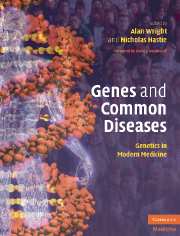
Genes and Common Diseases presents an up-to-date view of the role of genetics in modern medicine, reflecting the strengths and limitations of a genetic perspective. The current shift in emphasis from the study of rare single gene disorders to common diseases brings genetics into every aspect of modern medicine, from infectious diseases to therapeutics. However, it is unclear whether this increasingly genetic focus will prove useful in the face of major environmental influences in many common diseases. The book takes a hard and self-critical look at what can and cannot be achieved using a genetic approach and what is known about genetic and environmental mechanisms in a variety of common diseases. It seeks to clarify the goals of human genetic research by providing state-of-the art insights into known molecular mechanisms underlying common disease processes while at the same time providing a realistic overview of the expected genetic and physiological complexity.
The mammary epithelium coordinates the uptake of milk precursors and the transport of milk components in order to produce milk of relatively constant composition at a particular stage of lactation, as long as the mammary gland is healthy. The mammary epithelial cell controls the uptake of blood-borne molecules at its basal side and the release of products into milk at its apical side, through mechanisms of internalization (endocytosis) and mechanisms of release (exocytosis). These events are strictly dependent on the physiological stage of the mammary gland. This review addresses the mechanisms responsible for these processes and points out new questions that remain to be answered concerning possible interconnections between them, for an optimal milk secretion.
The role of a genetic counsellor is to mediate between the rapid advances in molecular medicine and an individual's ability to understand and manage the risks of their inheritance. Counsellors therefore need to be fully in command of the psychological impact of their communications. Written by a psychiatrist who later became a psychotherapist, this manual is essential reading for counsellors of all disciplines. It examines the psychological processes and explains why people approach and respond differently. Effective genetic counselling requires a knowledge of attachment behaviour and non-directiveness, and an in-depth understanding of empathy in order to help individuals contain anxiety and process grief and so facilitate their decision-making or help with the effects of reviewing a test result. Along with an up-to-date discussion of similar approaches in family therapy and psychoanalysis, the effect of counselling on the counsellor is also examined creatively in order to enrich the interview with clients.
An experimental design aiming at analysing the consequences of genetic selection from 1977 to 1998–2000 on the evolution of stress-responsive systems in the French Large White (LW) and Landrace (LR) pig populations was conducted by INRA and IFIP-Institut du Porc. Large White sows were inseminated with semen from LW boars born in 1977 (frozen semen) or in 1998 and their second-generation offspring were station-tested. Landrace sows were inseminated with semen from LR boars born in 1977 (frozen semen) or in 1999 to 2000, and their progeny was station-tested. Urinary concentration of stress hormones (cortisol and catecholamines) and traits related to carcass composition (estimated carcass lean content (ECLC) and global adiposity) and meat quality (pH 24 h) were measured. For the two populations, selection carried out since 1977 led to an increase in ECLC and a decrease in carcass adiposity. Between 1977 and 1998 to 2000, urinary concentrations of stress hormones were unchanged in the LR breed, but were decreased in the LW breed. Moreover, for the animals generated from LW boars born in 1977 and in 1998, urinary cortisol levels were negatively correlated with ECLC. Therefore, in the LW breed, selection carried out for higher ECLC resulted in a decrease in cortisol production, as well as a reduction of catecholamine production that may be responsible for the lower ultimate pH of meat. Therefore, selection carried out for increased carcass lean content led, in this breed, to large modifications in the functioning of the stress-responsive systems, thereby influencing a large range of physiological regulations and technical properties such as carcass composition and meat pH, which remained however in the normal range for acceptable meat quality.
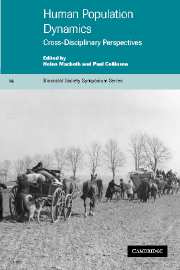
In human populations, biological, social, spatial, ecological and economic aspects of existence are inextricably linked, demanding a holistic approach to their study. Many undergraduate and postgraduate courses now emphasise the value of studying human populations using theoretical frameworks and methodologies from different traditional disciplines. Human Population Dynamics introduces such frameworks and methodologies whilst demonstrating how changes in human population structure can be addressed from several different academic perspectives. As such, the book contains contributions from world-renowned researchers in demography, social and biological anthropology, genetics, biology, sociology, ecology, history and human geography. In particular, the contributors emphasise the lability of many population structures and boundaries, as viewed from their area of expertise. This text is aimed at undergraduate students, graduates and academic researchers from any academic discipline which considers human populations.
In breeding programs, robustness of animals and uniformity of end product can be improved by exploiting genetic variation in residual variance. Residual variance can be defined as environmental variance after accounting for all identifiable effects. The aims of this study were to estimate genetic variance in residual variance of body weight, and to estimate genetic correlations between body weight itself and its residual variance and between female and male residual variance for broilers. The data sets comprised 26 972 female and 24 407 male body weight records. Variance components were estimated with ASREML. Estimates of the heritability of residual variance were in the range 0.029 (s.e. = 0.003) to 0.047 (s.e. = 0.004). The genetic coefficients of variation were high, between 0.35 and 0.57. Heritabilities were higher in females than in males. Accounting for heterogeneous residual variance increased the heritabilities for body weight as well. Genetic correlations between body weight and its residual variance were −0.41 (s.e. = 0.032) and −0.45 (s.e. = 0.040), respectively, in females and males. The genetic correlation between female and male residual variance was 0.11 (s.e. = 0.089), indicating that female and male residual variance are different traits. Results indicate good opportunities to simultaneously increase the mean and improve uniformity of body weight of broilers by selection.
Evolutionary developmental biology, or 'evo-devo', is the study of the relationship between evolution and development. Dealing specifically with the generative mechanisms of organismal form, evo-devo goes straight to the core of the developmental origin of variation, the raw material on which natural selection (and random drift) can work. Evolving Pathways brings together contributions that represent a diversity of approaches. Topics range from developmental genetics to comparative morphology of animals and plants alike, and also include botany and palaeontology, two disciplines for which the potential to be examined from an evo-devo perspective has largely been ignored until now. Researchers and graduate students will find this book a valuable overview of current research as we begin to fill a major gap in our perception of evolutionary change.
There is a paradox lying at the heart of the study of heredity. To understand the ways in which features are passed down from one generation to the next, we have to dig deeper and deeper into the ultimate nature of things - from organisms, to genes, to molecules. And yet as we do this, increasingly we find we are out of focus with our subjects. What has any of this to do with the living, breathing organisms with which we started? Organisms are living. Molecules are not. How do we relate one to the other? In Genetic Analysis, one of the most important empirical scientists in the field in the twentieth century attempts, through a study of history and drawing on his own vast experience as a practitioner, to face this paradox head-on. His book offers a deep and innovative understanding of our ways of thinking about heredity.
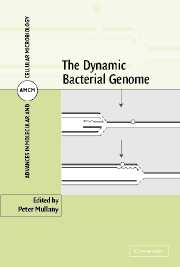
This book provides an in-depth analysis of the mechanisms and biological consequences of genome rearrangements in bacteria. Genome rearrangements are a result of the actions of discrete genetic elements such as conjugative transposons, plasmids, phage, and non-conjugative transposons. Bacteria also contain systems to mediate genetic rearrangements such as the general recombination pathway and specialized endogenous recombination mechanisms. The biological effects of these rearrangements are far-reaching and impact on bacterial virulence, antibiotic resistance and the ability of bacteria to avoid the attentions of the host immune system (e.g. antigenic variation). These rearrangements also provide the raw material on which natural selection can act. Each chapter examines the mechanisms involved in genome rearrangements and the direct biological consequences of these events. This book is written by leading research workers and is an invaluable resource for graduate students and researchers in this field.
Decreasing enteric methane (CH4) emissions from ruminants without altering animal production is desirable both as a strategy to reduce global greenhouse gas (GHG) emissions and as a means of improving feed conversion efficiency. The aim of this paper is to provide an update on a selection of proved and potential strategies to mitigate enteric CH4 production by ruminants. Various biotechnologies are currently being explored with mixed results. Approaches to control methanogens through vaccination or the use of bacteriocins highlight the difficulty to modulate the rumen microbial ecosystem durably. The use of probiotics, i.e. acetogens and live yeasts, remains a potentially interesting approach, but results have been either unsatisfactory, not conclusive, or have yet to be confirmed in vivo. Elimination of the rumen protozoa to mitigate methanogenesis is promising, but this option should be carefully evaluated in terms of livestock performances. In addition, on-farm defaunation techniques are not available up to now. Several feed additives such as ionophores, organic acids and plant extracts have also been assayed. The potential use of plant extracts to reduce CH4 is receiving a renewed interest as they are seen as a natural alternative to chemical additives and are well perceived by consumers. The response to tannin- and saponin-containing plant extracts is highly variable and more research is needed to assess the effectiveness and eventual presence of undesirable residues in animal products. Nutritional strategies to mitigate CH4 emissions from ruminants are, without doubt, the most developed and ready to be applied in the field. Approaches presented in this paper involve interventions on the nature and amount of energy-based concentrates and forages, which constitute the main component of diets as well as the use of lipid supplements. The possible selection of animals based on low CH4 production and more likely on their high efficiency of digestive processes is also addressed. Whatever the approach proposed, however, before practical solutions are applied in the field, the sustainability of CH4 suppressing strategies is an important issue that has to be considered. The evaluation of different strategies, in terms of total GHG emissions for a given production system, is discussed.