Refine search
Actions for selected content:
46862 results in Management
The Pitfalls of Internationalization: The Experience of American Life Insurers in Australia, 1885–1905
-
- Journal:
- Enterprise & Society / Volume 19 / Issue 1 / March 2018
- Published online by Cambridge University Press:
- 08 January 2018, pp. 31-57
- Print publication:
- March 2018
-
- Article
- Export citation
Do leader expectations shape employee service performance? Enhancing self-expectations and internalization in employee role identity
-
- Journal:
- Journal of Management & Organization / Volume 26 / Issue 4 / July 2020
- Published online by Cambridge University Press:
- 03 January 2018, pp. 536-554
-
- Article
- Export citation
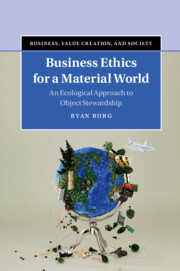
Business Ethics for a Material World
- An Ecological Approach to Object Stewardship
-
- Published online:
- 28 December 2017
- Print publication:
- 01 March 2018
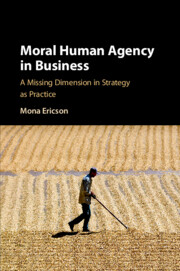
Moral Human Agency in Business
- A Missing Dimension in Strategy as Practice
-
- Published online:
- 28 December 2017
- Print publication:
- 25 January 2018
Chapter 7 - Creativity
- from Section 2 - Complexity and Networks
-
- Book:
- Empowering Leadership of Tomorrow
- Published online:
- 21 December 2017
- Print publication:
- 28 December 2017, pp 65-72
-
- Chapter
- Export citation
Part III - Advances, Trends, and Issues
-
- Book:
- Next Generation Technology-Enhanced Assessment
- Published online:
- 18 December 2017
- Print publication:
- 28 December 2017, pp 137-314
-
- Chapter
- Export citation
4 - A Heuristic Model of Career
- from Part II - The Social Chronology Framework (SCF)
-
- Book:
- Rethinking Career Studies
- Published online:
- 21 December 2017
- Print publication:
- 28 December 2017, pp 74-91
-
- Chapter
- Export citation
Business Ethics: A Kantian Perspective (second edition), by Norman E. Bowie. New York: Cambridge University Press, 2017. 234 pp. ISBN: 978-1316343210
-
- Journal:
- Business Ethics Quarterly / Volume 28 / Issue 1 / January 2018
- Published online by Cambridge University Press:
- 28 December 2017, pp. 110-113
- Print publication:
- January 2018
-
- Article
- Export citation
From the Editor
-
- Journal:
- Business Ethics Quarterly / Volume 28 / Issue 1 / January 2018
- Published online by Cambridge University Press:
- 28 December 2017, p. v
- Print publication:
- January 2018
-
- Article
-
- You have access
- HTML
- Export citation
Index
-
- Book:
- Rethinking Career Studies
- Published online:
- 21 December 2017
- Print publication:
- 28 December 2017, pp 296-308
-
- Chapter
- Export citation
9 - Contributing to Organization Studies
- from Part III - Putting the SCF to Work
-
- Book:
- Rethinking Career Studies
- Published online:
- 21 December 2017
- Print publication:
- 28 December 2017, pp 202-236
-
- Chapter
- Export citation
Section 2 - Complexity and Networks
- from Part I - Concept
-
- Book:
- Empowering Leadership of Tomorrow
- Published online:
- 21 December 2017
- Print publication:
- 28 December 2017, pp 41-84
-
- Chapter
- Export citation
Chapter 15 - Empowering as a Lifestyle
- from Section 5 - Being an Empowerer
-
- Book:
- Empowering Leadership of Tomorrow
- Published online:
- 21 December 2017
- Print publication:
- 28 December 2017, pp 180-188
-
- Chapter
- Export citation
How to Approach the Ancient Chinese Wisdom? A Commentary Concerning Sun Tzu's The Art of War
-
- Journal:
- Management and Organization Review / Volume 13 / Issue 4 / December 2017
- Published online by Cambridge University Press:
- 28 December 2017, pp. 913-920
-
- Article
- Export citation
References
-
- Book:
- Empowering Leadership of Tomorrow
- Published online:
- 21 December 2017
- Print publication:
- 28 December 2017, pp 215-246
-
- Chapter
- Export citation
Chapter 8 - Efficient Networks
- from Section 2 - Complexity and Networks
-
- Book:
- Empowering Leadership of Tomorrow
- Published online:
- 21 December 2017
- Print publication:
- 28 December 2017, pp 73-84
-
- Chapter
- Export citation
Chapter 10 - Integration with Applicant Tracking and Management Systems
- from Part III - Advances, Trends, and Issues
-
-
- Book:
- Next Generation Technology-Enhanced Assessment
- Published online:
- 18 December 2017
- Print publication:
- 28 December 2017, pp 265-287
-
- Chapter
- Export citation
6 - Facilitating Conversations within Career Studies
- from Part III - Putting the SCF to Work
-
- Book:
- Rethinking Career Studies
- Published online:
- 21 December 2017
- Print publication:
- 28 December 2017, pp 111-146
-
- Chapter
-
- You have access
- HTML
- Export citation
Part I - Point of Departure
-
- Book:
- Rethinking Career Studies
- Published online:
- 21 December 2017
- Print publication:
- 28 December 2017, pp 1-38
-
- Chapter
- Export citation
Chapter 14 - How to Enhance Creativity
- from Section 5 - Being an Empowerer
-
- Book:
- Empowering Leadership of Tomorrow
- Published online:
- 21 December 2017
- Print publication:
- 28 December 2017, pp 168-179
-
- Chapter
- Export citation
