We partner with a secure submission system to handle manuscript submissions.
Please note:
You will need an account for the submission system, which is separate to your Cambridge Core account. For login and submission support, please visit the
submission and support pages.
Please review this journal's author instructions, particularly the
preparing your materials
page, before submitting your manuscript.
Click Proceed to submission system to continue to our partner's website.
To save this undefined to your undefined account, please select one or more formats and confirm that you agree to abide by our usage policies. If this is the first time you used this feature, you will be asked to authorise Cambridge Core to connect with your undefined account.
Find out more about saving content to .
To send this article to your Kindle, first ensure no-reply@cambridge.org is added to your Approved Personal Document E-mail List under your Personal Document Settings on the Manage Your Content and Devices page of your Amazon account. Then enter the ‘name’ part of your Kindle email address below. Find out more about sending to your Kindle.
Find out more about saving to your Kindle.
Note you can select to save to either the @free.kindle.com or @kindle.com variations. ‘@free.kindle.com’ emails are free but can only be saved to your device when it is connected to wi-fi. ‘@kindle.com’ emails can be delivered even when you are not connected to wi-fi, but note that service fees apply.
The burials at the Neolithic cemetery Kadruka 23 in Sudan have yielded adornments and bone and lithic artefacts that occur as distinct stages of the chaîne opératoire. This article reports on a hitherto unrecognised funerary practice that highlights the importance of craftsmanship for Neolithic communities in life and beyond.
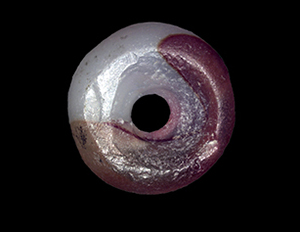
Lidar reveals the presence of a precinct at the Classic Maya city of Tikal that probably reproduces the Ciudadela and Temple of the Feathered Serpent at the imperial capital of Teotihuacan.
Excavations at the early medieval stronghold at Kłodnica, eastern Poland, revealed the largest known deposit of grain legumes in Europe. Dating to the turn of the tenth to eleventh century AD, and accompanied by a notable assemblage of finds, the discovery points to inter-regional connections.
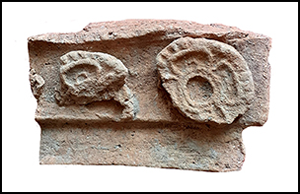
A multi-disciplinary research project in north-western Zimbabwe focuses on the Nambya state of the Zimbabwe Culture. The new research suggests that the development of the Nambya state was contemporaneous with other Zimbabwe Culture states and not the result of a direct migration from the Great Zimbabwe state.
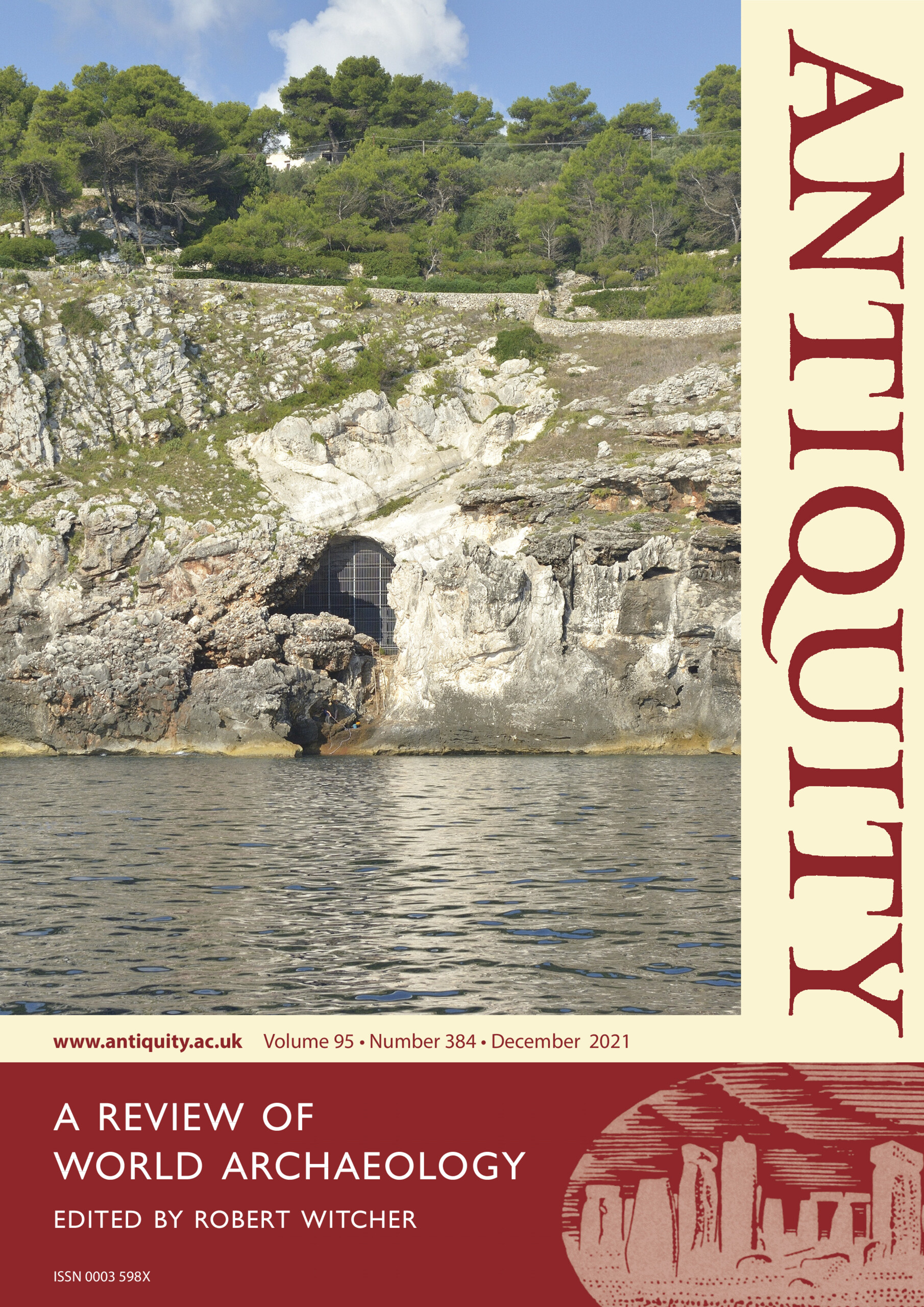
Morphological and compositional analysis of glass beads from three shipwrecks in the Indian Ocean world has increased our understanding of the chronology and distribution of mid-fifteenth to mid-seventeenth century glass.
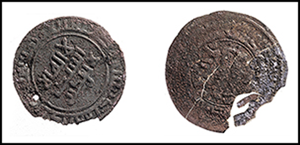
Geophysical survey and test excavations have located the remains of St Mary's Fort, the 1634 fortified settlement built by the European settler-colonists who founded the Maryland colony. The archaeological remains contrast with historical descriptions of St Mary's Fort, offering a unique opportunity to understand Maryland's earliest and most poorly documented period of colonial life.