




Introduction
Climate change as a global challenge
Climate change is recognized as one of the most urgent and complex global challenges of the 21st century as the Intergovernmental Panel on Climate Change confirms that global surface temperatures have increased by approximately 1.5°C above pre-industrial levels due to human influence, resulting in rising sea levels, intensified weather extremes and ecosystem degradation (IPCC, 2021). Therefore, climate change has recently gained increasing attention from developing countries and has become a central topic in many sustainability-related conferences and policy agendas. In response, nations worldwide have begun to revise their environmental policies and adopt sustainable development pathways to mitigate the adverse effects of climate change (UNEP, 2022). A growing number of countries are transitioning to clean and renewable energy sources through the implementation of national climate goals and regional climate action strategies leading to the pursuit of net-zero carbon emissions. In this transition, the United Arab Emirates (UAE) was the first country in the Middle East to announce a Net Zero by 2050 Strategic Initiative, aligning with the goals of the 2015 Paris Agreement. Under its updated Nationally Determined Contributions, the UAE has committed to reducing carbon emissions by 23.5% by 2030 (UNFCCC, 2020), demonstrating regional leadership in climate action and sustainable policy reform. However, the effectiveness of these policy-level commitments depends not only on technological advancements and regulatory measures but also on the capacity to develop climate-aware and action-oriented citizens.
The role of education in climate action
While climate change has been rigorously studied as an environmental and policy challenge, its educational aspect remains equally critical as the education systems play a vital role to develop individuals who understand, interpret and respond to climate-related issues. Indeed, climate change education (CCE) is not only a mechanism to transfer knowledge but about to develop skills that enable learners to critically evaluate complex environmental problems and act towards sustainable solutions. Hence, integrating climate change into educational systems is essential for promoting long-term sustainability, preparing younger generations (i.e. the future leaders) and equipping them with the knowledge and skills necessary to address this critical challenge (UNESCO, 2021a). United Nations’ Sustainable Development Goal (SDG) Target 4.7 specifically aims to ensure that, by 2030, all learners acquire the knowledge and skills needed to promote sustainable development (United Nations, 2015b). Specifically, SDG Target 13.2 emphasizes the integration of climate change measures into national policies, strategies and planning, while SDG Target 13.3 highlights the importance of education, awareness-raising and capacity-building related to climate change mitigation, adaptation and early warning systems (United Nations, 2015c). Additionally, Article 12 of the Paris Agreement (2015) reinforces the educational imperative by stating that Parties shall cooperate in taking appropriate measures to enhance CCE, training, public awareness, participation and access to information (United Nations, 2015a). Moreover, UNESCO underscores the importance of this target and actively supports governments, policymakers and educators in integrating sustainability issues into national curricula through the promotion and implementation of the Education for Sustainable Development (ESD) framework. To effectively integrate climate change into education systems, it is essential for all relevant stakeholders and decision-makers, including educational authorities, curriculum developers and institutional leaders to collaborate in reforming national educational frameworks (UNESCO, 2020). These global commitments recognize the essential role of education in empowering societies to take informed action against climate change.
Global perspectives on climate change education
Globally, several countries have emerged as leaders in integrating sustainability and CCE into their national education systems. Nations such as Finland, Sweden, Germany, Norway, Denmark, the Netherlands, Canada and New Zealand provide compelling models to systematically and effectively integrate environmental education across various levels of schooling (Baroudi & Abi Haidar, Reference Baroudi and Abi Haidar2025). In these countries, sustainability is not limited to isolated lessons or extracurricular activities; instead, it is embedded across subjects, grade levels and institutional strategies. This integration reflects a commitment to foster environmentally conscious citizens equipped with the knowledge, skills and values necessary to address 21st-century sustainability challenges (Baroudi & Abi Haidar, Reference Baroudi and Abi Haidar2025; Stern & Hill, 2014). Educational institutions often promote project-based and community-based learning, encouraging students to actively participate in real-world sustainability initiatives such as recycling programmes, energy audits, organic gardening and local environmental campaigns. These approaches not only reinforce theoretical understanding but also foster behavioural change and long-term commitment to sustainability principles (Baroudi & Abi Haidar, Reference Baroudi and Abi Haidar2025).
For example, the Netherlands has gained international recognition for fostering behaviour change through sustainability education, while Canada and New Zealand have made sustainability a core pillar of their national educational policies. In these contexts, students are empowered to lead environmental initiatives within their schools and communities, reflecting a strong alignment between policy frameworks and grassroot actions (Baroudi & Abi Haidar, Reference Baroudi and Abi Haidar2025). Additionally, these countries exemplify the Whole Institution Approach (WIA) as an educational model that embeds sustainability not only in curricula but also across governance, campus operations, community outreach, research and capacity building. Schools and universities function as models of sustainable practice, reinforcing the learning that occurs within classrooms (Baroudi & Abi Haidar, Reference Baroudi and Abi Haidar2025).
Crucially, the success of these nations is often underpinned by flexible and innovative curricula, supportive political environments and long-term investments in teacher training and institutional capacity. These factors create an ecosystem in which sustainability education is not an add-on but a core and integrated aspect of teaching and learning (Baroudi & Abi Haidar, Reference Baroudi and Abi Haidar2025).
Climate change perspectives and education in the UAE
The UAE has made significant efforts to combat the impacts of climate change. Situated in a region highly vulnerable to climatic shifts, the UAE experiences extreme weather conditions, including rising temperatures that can exceed 50°C (Bardsley, Reference Bardsley2025), declining precipitation, prolonged droughts, sea-level rise, unpredictable monsoons and an increase in dust and sandstorms (Mazzucco, Reference Mazzucco2021). Climate projections present a concerning outlook for the UAE by 2050. The country already recorded an increase of approximately 2°C between 1950 and 1980. In recent decades, this warming trend has accelerated, with further substantial increases in average temperatures anticipated. As a result, increased levels of surface water evaporation and seawater salinity are expected. These climatic changes will likely be accompanied by more erratic rainfall, sea-level rise, extreme weather events and a gradual depletion of groundwater resources, all of which are set to intensify existing environmental pressures (Mazzucco, Reference Mazzucco2021). Given its desert climate, the UAE faces chronic water scarcity and relies heavily on seawater desalination to meet its potable water needs. This reliance has positioned the UAE as one of the global leaders in desalination technologies and currently the world’s second-largest market for desalination infrastructure (Al Desoukie, Reference Al Desoukie2020).
The UAE is also a leading global producer of oil and natural gas, ranking seventh in proven oil reserves. According to the Global Carbon Atlas, the country’s fossil fuel emissions reached 229 million metric tons of carbon dioxide (MtCO 2) in 2023. With a population of 9,516,871, the UAE ranked 27th globally in total emissions, and its per capita emissions remain among the highest in the world. This marks a significant increase from 1970, when emissions stood at only 15 MtCO 2 (Global Carbon Atlas, n.d.). In response, the UAE has substantially expanded its contributions towards reducing greenhouse gas emissions.
To formalize its international commitment to climate action, the UAE signed the United Nations Framework Convention on Climate Change (UNFCCC) in 1995 (United Arab Emirates Ministry of Energy, 2010). It subsequently acceded to the Kyoto Protocol in 2005, followed by the Doha Amendment in 2012. In April 2016, the UAE signed the Paris Agreement 2015. In alignment with these efforts, 2023 was designated as the “Year of Sustainability” under the theme “Today for Tomorrow,” featuring national initiatives and events aimed at promoting environmental values and intergenerational responsibility. Notably, the UAE hosted the United Nations Climate Change Conference, the 28th Conference of the Parties (COP28) in the same year, reaffirming its role in global climate dialogue (UNESCO, 2024).
To implement and monitor its national environmental strategies, the UAE established the Ministry of Climate Change and Environment in 2016. In 2021, the ministry launched a series of strategic initiatives designed to advance UAE Net Zero by 2050 Strategy. These initiatives focus on reducing emissions, promoting sustainable development and publishing annual environmental reports to evaluate their progress. The Ministry of Climate Change and Environment and the Ministry of Energy and Infrastructure are the principal governmental bodies responsible for executing the UAE’s climate policies (UNESCO, 2024).
The education sector has also played a pivotal role in advancing the UAE’s climate agenda. The Ministry of Education (MOE), which oversees all levels of education in the country, has worked in collaboration with the Abu Dhabi Department of Education and Knowledge (ADEK), the Dubai Education Council, the Sharjah Education Council and other local educational authorities to integrate climate change into its curricula. These efforts span both school-level and higher education programmes, including undergraduate and postgraduate studies (UNESCO, 2024).
In April 2023, the MOE, in partnership with the United Nations Children’s Fund (UNICEF) and UNESCO, launched the UAE’s Green Education Partnership Roadmap. This initiative aims to strengthen the role of education in achieving SDGs and supporting the national climate agenda. As part of this initiative, more than 1,800 principals and teachers across the UAE received training on climate change during the “Net Zero Heroes” conference held alongside COP28. Additionally, platforms such as the Universities Climate Network, comprising over 25 UAE-based institutions, promote climate awareness and academic collaboration, especially around COP28 initiatives (UNESCO, 2024). All of these efforts fall under the federal-level initiatives dedicated to combating climate change and enhancing public awareness of its challenges and long-term implications (Dohmen, Reference Dohmen2023).
Despite these advancements, the integration of climate change content remains uneven and limited to specific disciplines, particularly in environmental sciences, engineering and policy studies. Comprehensive initiatives are needed to implement whole-school approaches that integrate climate topics across curricula, combine theoretical learning with hands-on projects and foster teacher training (UNESCO, 2021b). It is reported that interactive, solutions-based programmes such as school sustainability initiatives and student-led campaigns are more effective than traditional textbook-based instruction (Monroe et al., Reference Monroe, Plate, Oxarart, Bowers and Chaves2019). While these global best practices provide a framework, their direct application in the UAE remains understudied.
Research gap and the purpose of the study
Despite growing global emphasis of the importance of CCE, still there is a significant gap in implementing such education within formal curricula, particularly in rapidly developing education systems. Systematic analysis of curriculum content, pedagogical approaches and climate-related skill development across educational levels are still grossly absent in the literature. While national strategies and sustainability initiatives in the UAE are well recognized, there is only little or no empirical evidence of examining how CCE is integrated across school and university curricula and whether it aligns with climate literacy and ESD-based international frameworks. This study addresses this gap by conducting a structured analysis of CCE across UAE’s school and university curricula. Unlike descriptive mappings, the study applies an analytical coding framework based on ESD competency model and climate literacy to evaluate not only the presence but also the depth and pedagogical orientation of climate-related content within curricula.
The primary purpose of this study is to systematically assess the current status of CCE within the UAE’s formal education system, with a particular focus on both school-level (primary and secondary) and higher education institutions (HEIs). This research aims to examine the extent to which climate change concepts are explicitly and effectively integrated into curricula, the pedagogical methods used to deliver these contents and how these educational practices align with the UAE’s national climate strategies and international frameworks. This study seeks to identify challenges/barriers that hinder the effective delivery of CCE in UAE’s schools and universities. Ultimately, the study is intended to inform policymakers, curriculum developers, educators and academic institutions by providing evidence-based recommendations for facilitating ESD in the UAE. By addressing both strengths and limitations, the research aspires to support the creation of a more unified, contextual and action-oriented education system that equips students with the knowledge, skills and values necessary to become proactive contributors to climate resilience and sustainability in the UAE and beyond.
Theoretical framework for climate change education
This study is based on the framework of ESD, which provides a comprehensive insight for understanding how CCE can promote sustainable transformation through climate literacy. ESD not only underscores the knowledge acquisition but also emphasizes the development of key competencies required to solve complex and interconnected environmental problems. According to UNESCO (2020), these competencies include systems thinking, pre-emptive thinking, prescriptive competence, strategic competence and collaboration (UNESCO (2020)). Acquiring these competencies, learners are able to understand dynamic climate systems, evaluate future scenarios and engage themselves in informed and responsible actions. Within this perspective, education is not viewed only as a linear transfer of information, but as a transformative process that shapes values, behaviours and decision-making capacities through an iterative approach.
The concept of climate literacy, as complementary to ESD, is used to assess the depth and quality of learning outcomes throughout the education systems. The National Oceanic and Atmospheric Administration (NOAA)’s climate literacy framework is based on seven principles, such as “The Sun is the primary source of energy for Earth’s climate system,” “Climate is regulated by complex interactions among the atmosphere, hydrosphere, cryosphere, lithosphere, and biosphere,” “Life on Earth depends on, is shaped by, and affects the climate,” “Climate varies over space and time through both natural and anthropogenic processes,” “Our understanding of the climate system is improved through observations, theoretical studies, and modeling,” “Human activities are impacting the climate system” and “Climate change will have consequences for the Earth system and human life” (NOAA, 2009). As a whole, climate literacy encompasses ones understanding of climate systems, the ability to interpret scientific evidence and the capacity to make informed decisions regarding climate-related issues. Hence, a climate-literate individual advances from basic awareness of climate challenges to deeper analytical understanding and, ultimately, to responsible action. This progression is closely in line with the learning continuum emphasized in ESD, in which gaining knowledge serves as the basis for higher-order cognitive and behavioural competencies related to climate change. In this study, climate literacy provides a useful framework for analysing whether UAE’s school and university curricula move beyond superficial-level exposure to climate topics towards offering meaningful engagement and decision-making experiences.
In addition to broader ESD and climate literacy frameworks, this study stipulates pedagogical approaches on effective CCE through empirically grounded guidance proposed by Monroe et al. (Reference Monroe, Plate, Oxarart, Bowers and Chaves2019). Their work combines findings from numerous studies to formulate key instructional strategies that enhance learners’ understanding, engagement and capacity for action. Monroe et al. stress thatCCE should move beyond the transmission of scientific facts towards fostering meaningful engagement through relevant, learner-centred and action-oriented approaches. This aligns closely with contemporary educational theories that emphasize active learning, critical thinking and contextual relevance.
Monroe et al. (Reference Monroe, Plate, Oxarart, Bowers and Chaves2019) situate learner to the centre making CCE contextually relevant, participatory, inquiry-based and action-oriented learning approach. It emphasizes climate change issues personally relevant to learners by connecting global issues to local contexts and lived realities, which in turn enhances motivation and helps learners see the practical implications of climate change in their own communities. It also encourages learners to actively explore problems, gather and analyse evidence and engage in critical discussion to offer a solution. This learning approach significantly improves learners’ critical thinking and problem-solving skills, which are vital to both ESD and climate literacy.
Monroe et al. (Reference Monroe, Plate, Oxarart, Bowers and Chaves2019) particularly emphasize on action-oriented pedagogical approach pointing out that effective climate education should not be limited to awareness or understanding level (i.e. knowledge), rather should broaden the learners’ horizon to take informed and responsible decisions through behavioural change, community engagement or participatory roles in sustainability initiatives (i.e. practices). This measure directly identifies a common gap in global environmental education, where acquired knowledge does not necessarily translate into impactful action. This dimension is especially significant in bridging the gap between knowledge and practice.
Additionally, Monroe et al. recognize the role of teachers and institutional context in shaping the effectiveness of climate education. Their role extends beyond mere knowledge transfer to fostering critical thinking, personal relevance and active engagement, all within a supportive and deliberative supportive learning environment, particularly in the context of creating safe and open learning environments to engage members of different faiths, agriculture, school and recreation communities in climate change conversations. These incidentally reinforce the relevance of the WIA by emphasizing the fact that effective CCE requires strong alignment between curriculum content, pedagogy and institutional support systems.
To implement the discussed theoretical perspectives, this study develops a structured analytical framework that integrates ESD competencies, climate literacy dimensions and Monroe et al.’s pedagogical and learning principles to evaluate CCE in the UAE. School and university curriculum documents are evaluated across several key dimensions. First, the presence of CCE is assessed based on explicit, implicit or absent references. Second, the depth of content is analysed through a continuum from awareness-based (descriptive) to analytical and conceptual understanding and action-oriented application and engagement. This pathway reflects both layered climate literacy progression and Monroe et al.’s emphasis on transformative learning. Finally, the pedagogical approach is examined to identify whether the climate-related content is delivered or covered through descriptive knowledge-based, inquiry-based or hands-on and participatory methods, consistent with effective CCE practices.
Furthermore, the framework analyzes the extent of interdisciplinary CCE integration, recognizing that climate change is inherently a cross-cutting issue that requires integration across various subjects and disciplines. This aligns with ESD’s systems-thinking approach and Monroe et al.’s contextual and holistic learning. The analysis also considers the extent to which UAE’s school and university curricula align with ESD competencies, such as critical thinking, anticipatory thinking and collaboration, as indicators of deeper learning of climate change topics. Finally, the framework assesses climate literacy outcomes, examining whether curricula support progression from awareness to understanding to decision-making and action.
Conceptual model
To conceptualize the CCE within the UAE, this study integrates a systems perspective linking national policy drivers, curriculum design, pedagogical approaches and learning outcomes. As illustrated in Figure 1, curriculum design across both school and university levels is inspired by national climate policies and sustainability agendas and is then implemented through pedagogical approaches that shape relevant learner outcomes.
Conceptual framework of climate change education (CCE) in the UAE, demonstrating the relationship between policy drivers, curriculum incorporation in school and university levels, type of pedagogical approaches and learning outcomes, with feedback mechanisms linking practice and policy.

Figure 1 illustrates a conceptual framework of CCE in the UAE, explaining the relationship between national policy drivers, curriculum design in school and university levels, type of pedagogical approaches and learning outcomes. The framework describes how climate education is shaped by top-down policy initiatives, implemented into curriculum content across school and higher education institute and conveyed through different pedagogical approaches. The model also highlights the need for a structural progression in CCE from policy-driven school and university-level curriculum design to pedagogical implementation and ultimately to learning outcomes, aiming to address a critical gap between the descriptive curriculum content and the development of higher-order competencies such as systems thinking and action competencies to achieve meaningful climate literacy (NOAA, 2009) and sustainability competencies (Wiek et al., Reference Wiek, Withycombe and Redman2011). A feedback loop (the inclined upward arrow) is included to reflect the dynamic and transformational interaction between research, institutional initiatives and policy evolution. This loop also illustrates non-linear nature of CCE, further emphasizing its dynamic and iterative approach linking ESD competency-based learning outcomes, curriculum reform and policy drivers. Therefore, the improvement in CCE may not be achieved through immediate linear adjustment in either curriculum or policy level without adopting an iterative refinement between all stakeholders over time.
Methodology
Analytical framework and coding approach
This study employs a qualitative content analysis approach guided by the conceptual framework presented in Figure 1. In addition, a layered ESD competency framework of CCE in the UAE aligned with the analytical coding framework has been developed (shown in Figure 2). The framework integrates ESD competencies, climate literacy and curriculum analysis dimensions and serves as the basis for a structured coding scheme applied to curriculum documents. UAE school and university curriculum documents were systematically reviewed and analysed and coded based on the presence, depth, pedagogical approach and interdisciplinary integration of climate change content.
A layered ESD competency model of climate change education (CCE) in the UAE aligned with the analytical coding framework used in this study.

This analytical coding framework (Table 1) is directly aligned with the conceptual model (Figure 1) and ESD competency framework (Figure 2), confirming consistency between theoretical frameworks and empirical analysis.
Analytical coding framework used in this study

This study undertakes a comprehensive and multidimensional assessment of academic and policy-related literature on CCE. The literature search was conducted using reputable academic databases and search engines, including Google Scholar, ResearchGate and ScienceDirect, to ensure a wide coverage of peer-reviewed articles. In addition, institutional and organizational reports were collected from credible sources such as UNESCO, the UNFCCC, the United Nations and national government agencies.
The study incorporated official government publications, conference proceedings and international agreements that address the integration of climate change into education systems. All curriculum-related documents, programme structures and subject-wise contents were obtained from official sources, including MOE publications and university websites, and were cross-checked for currency and authenticity. The temporal scope of the literature search was confined to publications released between 2015 and 2025, aligning with the adoption of the 2030 Agenda for Sustainable Development and recent developments in climate policy within the UAE.
Selection criteria were based on the relevance of the literature to the core themes of the study, specifically the integration of climate change into higher education curricula, education policy, climate literacy and ESD competency frameworks. Keywords used in the search included “Climate Change Education (CCE),” “sustainability policy,” “climate change curriculum,” “Education for Sustainable Development,” etc. These keywords were applied systematically across multiple scholarly databases to ensure coverage of both regional and international perspectives.
The geographical focus of this study is the UAE, with an emphasis on the implementation and institutionalization of climate change content within school and higher education curricula. During the review process, studies were assessed for relevance and quality. Articles and reports that did not directly pertain to the integration of climate change topics into higher education or lacked academic rigour were excluded. Only those documents that met the inclusion criteria and contributed substantively to the research questions were retained for analysis.
In this study, subjects were chosen to cover both STEM and non-STEM disciplines, highlighting the interdisciplinary and transformational nature of CCE. MOE school curricula are adopted in all national schools. Both federal and private universities were selected based on their institutional diversity, geographical location and their prominence (i.e. disciplinary focus) within the UAE higher education system. However, since the study is based on UAE’s school and university curriculum analysis, it does not directly cover student learning outcomes, which may differ from formal curriculum design. Hence, the findings of this study should be construed as indicative of curriculum design rather than implementation.
Internet sources, encompassing academic databases, open-access journals and recognized news outlets, were also integral to this research. Given the ever-evolving nature of the subject matter, the internet provided timely access to updated data, expert opinions and ongoing debates. However, not all sources were treated equally. Each was assessed based on credibility, transparency and relevance. Particular attention was given to mitigating misinformation by verifying facts across multiple reliable platforms.
Ultimately, this methodology in collecting data embodies an effort to harmonize technological assistance with human judgment. It acknowledges the potency of AI and online resources while affirming the irreplaceable value of critical thinking, ethical responsibility and scholarly rigour in the research process.
Results and discussion
A layered ESD competency model
Based on the analysis of school and university curricula, a conceptual framework is proposed to synthesize the structure, learning progression and systemic dynamics of CCE in the UAE (Figure 2). This study develops a layered analytical framework based on ESD and climate literacy of the UAE school and university curricula. As shown in Figure 2, to analytically evaluate the curricula, the framework integrates policy-level drivers, curriculum design, pedagogical approaches and learner outcomes within a competency-based progression. The proposed model links whole institute approach (WIA), partnership and community engagement, data, research and innovation and digital learning and resources with multiple progressional layers from awareness to analytical understanding to build action-oriented competencies. Moreover, the model is explicitly aligned with the analytical coding framework used in this study, allowing for systematic evaluation of CCE coverage across multiple dimensions, including content depth, pedagogy, interdisciplinarity and competency development. Nonetheless, the ESD competency model must implement a feedback loop linking learning outcomes to curriculum refinement through iterations accompanied by continuous monitoring, evaluation, research and innovation.
Figure 2 illustrates a layered ESD competency-based analytical framework of CCE in the UAE, integrating system structure, curriculum structures, pedagogical practices, learning progression and analytical evaluation. The left column depicts the education system as a sequence from policy to curriculum design, pedagogical approaches, which collectively facilitate learner outcomes. These sequences are directly backed by cross-cutting enablers, including institutional approaches, partnerships and data systems, which influence the effectiveness of CCE across all levels.
The central layer of the model represents ESD competency-based progression, reflecting increasing levels of engagement, from descriptive awareness to analytical understanding and ultimately to transformative action competence. More explicitly, the progression moves from foundational knowledge to cognitive, interpersonal and action-oriented competencies. The success of this outlined progression linked to ESD principles and cross-cutting enablers can be used as a qualitative indicator to assess CCE status in the UAE.
The right column aligns these layered progressional constructs with the analytical coding framework used in the study, connecting empirical observations to theoretical aspects such as climate literacy, interdisciplinary learning and ESD competencies. This alignment enables systematic evaluation of curriculum content based on presence, depth, pedagogy, interdisciplinarity and competency alignment, while cross-cutting enablers, such as institutional support, partnerships and digital resources, smoothen the integration across all levels.
More importantly, the conceptual model incorporates multiple dynamic and iterative feedback loops linking system-level inputs to curriculum modification. The primary feedback loop at the system level explains how learner outcomes are linked to monitoring, research and evidence generation, which in turn drive curriculum innovation and policy refinement. A secondary feedback pathway illustrates the iterative, transformational and non-linear nature of climate change-related educational evolution, indicating that insights from learning outcomes can significantly influence curriculum and policy adjustments, and vice versa. Collectively, these loops underscore a system-level thinking perspective, where CCE is understood as a dynamic, evolving process rather than a linear adjustment of the curriculum. The model therefore provides a framework not only for analysing the current state of CCE in the UAE but also for identifying bottlenecks for systemic curriculum and policy improvement.
By integrating this framework, this study provides a systematic and multidimensional assessment of CCE in the UAE, rather than a mere descriptive mapping. The framework identifies patterns, gaps and inconsistencies across all educational levels, while simultaneously highlighting the extent to which current curricula support the development of climate change-related competencies necessary for addressing climate challenges. As a whole, it provides a robust descriptive and analytical foundation to assess UAE’s CCE, linking theory, curriculum design and educational practice. Moreover, Monroe et al.’s principles are used to assess whether curricula in the UAE promote not only knowledge acquisition but also inquiry, relevance and action competence, thereby providing a more nuanced evaluation of the depth and effectiveness of CCE.
School and university curricula analysis
Analysis of UAE’s school curricula
In this study, we examined how the UAE has taken a structured approach to embedding climate education within its national education system. This includes a wide range of interministerial collaborations and initiatives led by the MOE under the Greening Education Hub framework, aimed at greening schools, curricula and educator capacities. Table 2 outlines key climate education initiatives launched by the MOE, highlighting their goals, partner organizations and implementation progress. Complementing these initiatives, Table 3 summarizes the integration of climate change and sustainability topics across various subjects and grade levels in the national curriculum.
MOE climate education initiatives

Coverage of climate education topics in MOE’s school curricula

Table 2 lists several initiatives under the Greening Education Hub launched in 2023, such as Greening Schools – Greening Education Hub-2023, Greening Curriculum – Greening Education Hub-2023, Greening Capacities – Greening Education Hub-2023, Greening Communities – Greening Education Hub-2023 and Education Sector Environment, Occupational Health & Safety Management System General Framework-2020, Educator’s Voice and Net Zero Heroes. Collectively, these initiatives aim to introduce environmental sustainability into schools through infrastructure changes, curriculum updates, teachers’ training and community partnerships. While the goals, such as greening 50% of schools and training 100% of educators by 2030, are ambitious, the implementation progress varies, with 1,800 educators reportedly trained by the end of 2023 (Ministry of Education 2023). Additionally, under “Net Zero Heroes” initiative, 35 children had received training by 2023 to prepare them to participate in COP28. It is also found that several programmes/initiatives rely on partnerships with international organizations (i.e. UNESCO, UNICEF, IRENA, etc.), which suggests a dependency on external expertise and support (UNESCO, 2024; Ministry of Education, 2023).
Table 3 tabulates climate topics which have been incorporated into different school subjects and grade levels. The thorough investigation of the MOE curricula reveals that environmental themes are present in core subjects, such as Science (Grades K1, 3, 4 and 9) and Geography (Grades 3, 7 and 9), while Islamic Studies (Grades 1, 3 and 6) and Arabic (Grade 12) incorporate them through cultural and religious lenses. Science courses of different grades cover the importance of water, air, light and the preservation of the environment (K1). Biodiversity and extinction are also discussed (Grade 1), climate and temperature (Grade 3), renewable energy and sustainability (Grade 4) and energy sources, fossil fuels, CO2 emissions, atmospheric pollution, nuclear energy, renewables, conservation of natural resources, biodiversity and lastly the UAE’s national efforts in promoting sustainability and environmental protection (Grade 9). And the Geography course covers environmental features, problem-solving and critical thinking regarding climate issues in Grades 3, 7 and 9. Moreover, English (Grade 9) and Social Studies (Grades 9 and 11) cover natural disasters and climate and sustainability-related themes in the Arab World and links between history, geography, water and food security. However, the coverage across grades and subjects is uneven; some topics appear in early education and then re-emerge much later, suggesting potential gaps in continuity. This indicates that while climate education is being addressed, there may still be inconsistencies in implementation and depth across the curriculum.
Moreover, at the national level, the UAE MOE’s National Climate Change Education Strategy calls for the integration of climate-related content into core subjects, such as science, geography and moral education. Complementing this policy, programmes like Eco-Schools UAE, led by the Emirates Environmental Group, encourage practical sustainability efforts, such as recycling, waste reduction and energy conservation within school communities, with recognition through the internationally accredited Green Flag Certification (Abu Dhabi Sustainability Group, 2021). While these initiatives represent significant progress, further empirical research is needed to evaluate their effectiveness and ensure that CCE in the UAE is contextually relevant, inclusive and aligned with international educational standards, by activating the feedback loop for continuous improvement of the ESD competency model as shown in Figure 2.
MOE curriculum – Selected subjects’ case study for Grade 9
In the UAE, government schools follow a standard national curriculum developed by the MOE, where Arabic is the primary language of instruction and English is taught as a second language (Al Ghefli, Reference Al Ghefli2017). In contrast, private schools operate under a range of international curricula, including the UK National Curriculum, A-levels, International Baccalaureate, American, SABIS, Indian and other syllabi (GEMS Education, 2023). This diversity presents a major challenge for researchers and educators attempting to assess the extent and quality of climate change and environmental education across all school types. The variety of systems, combined with restricted access to internal curriculum documentation, makes it difficult to conduct a comprehensive analysis of how sustainability and environmental topics are integrated into syllabi.
MOE curriculum
English
One specific example from the UAE’s national curriculum is found in the Grade 9 English language textbook certified by the MOE. Unit 8, titled Natural Disasters, presents climate-related content through structured learning components that integrate multiple language skills. The reading section includes texts such as Dangerous Nature, Devastating Floods and Drought in the East Pacific, offering students exposure to real-world environmental issues. Listening activities engage learners through news reports and conversations about natural disasters, while speaking exercises encourage classroom discussions and explanations of events like tsunamis, fostering inquiry-based learning. In the writing component, students are assigned a report task on how to respond in the event of a tsunami, promoting critical thinking and disaster preparedness.
This unit is further divided into lessons addressing various disaster scenarios. For example, Lessons 3 and 4 focus specifically on Devastating Floods. In the writing and discussion section of Lesson 4, students are prompted to answer reflective and inquiry-based questions, such as “What causes floods?,” “What can affect the amount of water in a flood?,” “What damage can floods cause?,” “Can floods be helpful?,” “Can we do to protect ourselves against floods?,” etc. These questions are designed to help students analyse the causes and consequences of flooding, evaluate both harmful and beneficial impacts and consider protective actions. While these activities foster problem-solving and analytical skills, the unit lacks explicit connections to climate change. The role of global warming in intensifying flood events is not addressed, and the scientific underpinnings of climate change are absent. Thus, although the lessons promote environmental awareness and communication skills, they fall short of embedding content within a broader sustainability or climate science framework.
These findings signify that climate-related themes are addressed only conceptually but not contextually, which limits learners’ ability to connect environmental issues with broader climate systems. This is contrary to Monroe et al.’s pedagogical framework and D3 and D6 analytical coding dimensions that advocate contextually relevant and action-oriented learning.
Science
The Integrated Science textbook (Volume 3) of Grade 9, published by McGraw-Hill Education and approved by the MOE, includes key content on environmental issues, especially in Units 10 and 11. This material is offered in Arabic for native speakers, with potential English versions available to accommodate non-Arabic learners. Unit 10, Energy Sources and the Environment, contains four sections that examine energy types and their environmental impacts. The section on fossil fuels introduces their widespread use and discusses their negative effects, such as carbon dioxide (CO2) emissions, health hazards and atmospheric pollution. The nuclear energy section explains both the advantages and ecological risks of nuclear power, referencing the Chernobyl Disaster as a cautionary example. In the section on renewable energy, the textbook promotes alternatives, such as solar, wind, hydropower, etc., highlighting the benefits of reducing fossil fuel dependence. The final section, Environmental Impacts, focuses on how human activities affect air, water and land and encourages pollution reduction and conservation practices. The unit concludes with a “Science and History” feature that explores Earth Day’s origins, the UAE’s environmental efforts and visions for sustainable development.
Moreover, Unit 11, Biodiversity and Its Conservation, offers an overview of biodiversity, the threats it faces (including habitat destruction, pollution and climate change) and global conservation strategies. Collectively, these units provide a solid foundation for environmental education by addressing pollution, resource conservation and sustainability. However, the curriculum often treats these topics descriptively rather than analytically. There are limited connections to global climate change science, such as discussions on greenhouse gas accumulation, the carbon cycle or long-term mitigation strategies. Strengthening these links could significantly enhance students’ understanding of environmental challenges in the context of climate change.
It can be concluded that although the content promotes critical thinking, the climate education coverage in Science subjects of MOE curricula is still largely descriptive, reflecting limited engagement in systems thinking or evaluation and analysis of mitigation strategies or underlying scientific mechanisms, which are key components of climate literacy, as explained in NOAA (2019)’s seven climate science principles and supported by the analytical coding dimensions D3–D6.
Social studies
The Grade 9 Social Studies and National Education textbook integrates climate and sustainability themes across two units: The Arab World – Resource, Energy, and Income Management (Unit 9) and The UAE – History and Future (Unit 10). In Unit 9, students are introduced to foundational environmental and economic concepts. Lesson 1 explains resource management and economic activities in the Arab world, introducing terms such as climate change, water security, food security and sustainability. It emphasizes values like conservation and encourages applying geography-related knowledge to real-world problems. Lesson 2 explores the UAE’s approach to water and food security, covering advanced techniques like cloud seeding and forecasting, and invites students to analyse challenges and propose strategic actions. Lesson 3 introduces traditional and renewable energy and concepts of global warming, while encouraging students to identify energy sources and major renewable projects in the Arab world.
Consequently, in Unit 10, particularly Lesson 2, the curriculum discusses the UAE’s strategic future goals, referencing key national initiatives like the National Green Agenda 2030. These lessons frame the UAE’s development within a context of environmental sustainability and national planning. While the curriculum does offer a strong conceptual foundation, connecting local and regional environmental challenges with global phenomena, the scientific dimension of climate change is often underdeveloped. Climate change is discussed in general or policy terms rather than as a scientifically grounded or systemic issue. Greater integration of environmental science concepts, interdisciplinary links and references to climate policy frameworks would further enhance student understanding and align with global efforts such as the ESD initiative.
The analysis reveals that although climate-related topics are found across subjects in UAE’s MOE-offered school curricula, their distribution is not even or proportionate, with limited systematic vertical progression across grade levels. This not only suggests a lack of curriculum coherence but also reveals inconsistent continuity, pointing out to the analytical coding dimensions D3, D4 and D6 used in this study.
Analysis of UAE’s university curricula
Overview of universities in the UAE
This section provides an overview of several major universities in the UAE, with a focus on their institutional structure and academic offerings, followed by a brief summary of their engagement with CCE. The universities selected include both federal and private institutions, representing geographic and curricular diversity across the country. Table 4 provides a comparative overview of climate-related offerings at these institutions.
UAE universities’ climate education initiatives

United Arab Emirates University (UAEU)
Based in Al Ain, UAEU is the UAE’s oldest and largest federal university founded in 1976, enrolling more than 13,000 students and offering a co-educational environment. It comprises nine colleges, including Engineering, Science, Information Technology, Agriculture and Veterinary Medicine, Medicine and Health Sciences, Business and Economics, Humanities and Social Sciences, Law and Education. The university promotes interdisciplinary research and offers a broad curriculum grounded in both theoretical and applied sciences. UAEU includes climate change topics through a general education Sustainability course and offers specialized research projects on air quality, renewable energy and sustainable food systems (Overview, n.d.). On 27 March 2023, during the UAE’s Year of Sustainability, the Research Office at UAE University (UAEU) launched the SDGs Research Program to promote comprehensive and sustainable solutions aligned with global priorities. The initiative funded 104 research projects focused on four key SDGs: Quality Education, Clean Water and Sanitation, Decent Work and Economic Growth and Life on Land (United Arab Emirates University, 2023). In addition, UAEU had a strong participation in COP29, held in Azerbaijan in November 2024, reflecting its firm commitment to sustainability and its active role in fostering global collaboration to achieve the SDGs (United Arab Emirates University, 2024).
Zayed University (ZU)
Located in Abu Dhabi and Dubai, ZU is a federal institution founded in 1998, serving over 7,000 undergraduate and graduate students. It is primarily a women’s university in Abu Dhabi and co-educational in Dubai. ZU comprises seven colleges, including Arts and Creative Enterprises, Communication and Media Sciences and Natural and Health Sciences. Its curriculum emphasizes liberal arts and leadership skills. ZU actively integrates sustainability and climate-related topics into courses on biodiversity, water resources and green technologies (Main Page ZU, n.d.).
Khalifa University (KU)
Located in Abu Dhabi, KU is a leading STEM-focused institution with approximately 4,000 co-educational students. It houses three main colleges: Engineering and Physical Sciences, Computing and Mathematical Sciences and Medicine and Health Sciences. Its curriculum is highly research-oriented with 13 specialized research centres, with strong ties to national innovation goals. Through the Masdar Institute, KU conducts advanced climate-related research in energy efficiency, smart systems and environmental technologies (Main Page KU, n.d.).
Ajman University (AU)
Situated in Ajman, this co-educational private university has more than 5,000 students and comprises of nine colleges, including Engineering, Pharmacy and Architecture. It offers practice-based education with a strong emphasis on community service (Main Page AU, n.d.). AU promotes climate literacy through its Health and Sustainable Built Environment Research Center and initiatives, such as the Climate Ambassadors programme. The Climate Ambassadors programme at AU exemplifies the institution’s commitment to student engagement by equipping participants with practical knowledge of climate change challenges and solutions. This initiative prepares students to become future leaders in advancing climate action and sustainability (Climate Ambassadors Program, n.d.).
Abu Dhabi University (ADU)
With campuses in Abu Dhabi, Al Ain and Dubai, ADU is a co-educational institution enrolling over 8,700 students across five colleges. Its curriculum emphasizes industry engagement and applied learning (ADU Profile, n.d.). ADU integrates CCE through coursework in sustainability and community-centred projects, promoting awareness of environmental issues among students.
University of Sharjah (UoS)
Located in Sharjah, the UoS is a large co-educational institution with 20,807 students and 15 colleges, including Engineering, Health Sciences and Business (UoS Home Page, n.d.). UoS offers a comprehensive curriculum grounded in Islamic values and scientific inquiry. It features robust programmes on environmental science and supports climate education through lab courses and local sustainability initiatives.
New York University Abu Dhabi (NYUAD)
NYUAD, located on Saadiyat Island in Abu Dhabi, is a global liberal arts and research university with around 2,000 students from over 120 countries (NYU Facts and Figures, n.d.). It is fully co-educational and offers undergraduate and graduate programmes across arts, sciences, engineering and social sciences. NYUAD features over 70 courses related to climate issues, ranging from marine ecology to energy policy, and emphasizes interdisciplinary research and modelling (Sustainability Courses, n.d.).
American University of Sharjah (AUS)
AUS is a private, co-educational university located in Sharjah, serving more than 5,700 students from 101 nationalities (Fast Facts Fall, 2024, n.d.). It has four colleges: Architecture, Art and Design; Arts and Sciences; Business Administration; and Engineering. The curriculum is modelled on the American liberal arts system. AUS incorporates CCE across several disciplines and offers numerous lab courses, student projects and research on sustainability and environmental science.
University-level climate change and sustainability courses/programmes
In this study, we explore the range of courses offered by the UAE’s HEIs that delve into the complexities of climate change and sustainability. Details are as follows:
ZU is known for its robust academic framework. ZU accommodates a wide range of climate change topics in several courses in different academic programmes. The curriculum explores water sustainability, green technologies and sustainability planning and management. Along with a Master of Science in environmental and sustainability sciences, ZU places a strong emphasis on interdisciplinary learning and practical engagement on climate change issues. In their Bachelor of Science in Environmental Science and Sustainability programme, students learn about climate change locally and globally and discuss topics across political, economic and ethical perspectives. This gives the students the necessary knowledge to deal with the UAE’s complex environmental challenges (ZU Academic Catalog, n.d.).
United Arab Emirates University (UAEU) offers a minor in climate change and sustainability. The courses range from Current Environmental Issues, Air Quality Engineering, Engineering Principles of Climate Change and Climate Change Economics and Policy. UAEU offers traditional classroom teachings to allow students to explore environmental issues and real-world solutions. UAEU students are required to take Sustainability (GESU 121) as a General Education course. Among many other courses, Engineering Principles of Climate Change (CIVL380) is a 3-credit hour specialization elective course and analyzes case studies of successful engineering projects and have hands-on experience through exercises. Course CLOs include “describe the scientific principles underlying climate change and its causes,” “evaluate engineering approaches for mitigating climate change,” “select sustainable engineering solutions for climate change adaptation” and “communicate effectively about climate change and engineering solutions” (Engineering Principles of Climate Change (CIVL380), n.d.).
KU presents a large variety of climate change and sustainability courses, offering students the required knowledge about climate change. It offers climate-focused courses such as global climate change: impacts and adaptation, advanced energy conversion and sustainable building science: fundamentals, tools and applications. Among other courses, Renewable & Sustainable Energy (MEEN 486) is a 3-credit hour elective course that focuses on the sustainable use of different types of energy, such as fossil fuel, nuclear power, biomass energy, geothermal energy, hydropower, wind energy and solar energy (MEEN 486 Renewable & Sustainable Energy, n.d.).
AU presents students with programmes to help raise awareness, such as the Green Entrepreneurship Program and the Ajman Sustainability programme. These programmes help train students in strategies and ways to help mitigate climate change-related issues. Programmes such as the Climate Ambassadors’ programme help promote environmental conservation and sustainable lifestyles. However, AU lacks a fundamental framework for lab activities and thesis components or projects. Nonetheless, its health and sustainable built environment research centre shows potential in applied sustainability research. AU offers courses that include sustainable approaches within its course such as Sustainable Architecture (ARC373). This compulsory course emphasizes introducing basic concepts of sustainable design within architecture and designs that help minimize water consumption and reduce energy use (Undergraduate Student Catalog 2024–2025, n.d.).
ADU offers courses on climate dynamics, environmental policy, sustainable resource management and ecosystem conservation. Coupled with hands-on exercises and community engagement, the coursework facilitates a well-rounded environment for students to learn about climate change. For example, the mandatory University requirement course “Introduction to Sustainable Sciences (SIS 201)” introduces students to major ecological concepts, global environmental challenges and resource management strategies. It emphasizes real-life issues and raises awareness of everyday environmental problems. It also encourages students to think globally when making climate-related decisions (Undergraduate Catalog 2023–2024, n.d.).
Sharjah University (SU) provides a B.Sc. in Environmental Health Sciences and an M.Sc. in Environmental Science and Engineering offering a plethora of courses ranging from Air Quality and Waste Management to Desert Ecology and Sustainable Resource Management. For example, the course “Sustainability and Global Challenges” introduces essential concepts of sustainability. Climate change, global warming and water pollution are some of the issues that are discussed within the course alongside case study exercises to help improve understanding of content. SU’s extensive research gives the institute a good standing in teaching climate change and sustainability studies. SU shows a commitment to raising awareness and education about climate (University Catalog 2023–2024, n.d.).
NYU Abu Dhabi (NYUAD) offers a substantial 70+ courses directly and indirectly covering climate change and sustainability across disciplines such as Sustainability Management and Reporting, Environment and Politics, Environmental Engineering, Environmental Governance, Reading the Earth and Water for Life. Along with electives in science and engineering, and an environmental studies minor course, NYUAD has the fundamentals to give a comprehensive assessment of climate change and its impacts. Global Climate Justice (IDSEM-UG2249), as the name suggests, this elective course delves into topics related to how does climate change affect communities differently. Each group whether activists and advocates, policymakers and scholars or affected communities has different perspectives and definitions for climate change (Global Climate Justice (IDSEM-UG2249), 2025). Furthermore, NYUAD provides considerable research related to climate change and sustainability.
American University of Sharjah (AUS) presents several climate change courses embedded within degree minors. Courses like Climate Change and Fundamentals of Environmental Science and Sustainability are dedicated to climate change studies. The elective course “Sustainable Waste Management (ENV 451)” presents the concept of solid and liquid waste treatment and sustainable waste management and classifies and covers sources of waste such as hazardous waste: physical, chemical and biological. It also explores waste treatment processes and waste minimization (Undergraduate Catalog 2025–2026, n.d.). AUS shows great interest in implementing, teaching and researching about the adverse effects of climate change.
Overall, these UAE universities reflect a growing recognition of the importance of CCE across the Gulf region as higher education plays a vital role in building climate literacy. While some institutions have provided introductions to climate studies, others are yet to fully develop fundamental frameworks. Certain topics are much more complex and can prove difficult at the earlier stages of education. Universities offer more freedom in courses and implementations unlike earlier stages of education. This allows for more room to explore all kinds of climate change topics. Yet, the local and regional universities need to integrate climate change topics more rigorously in variety of academic programmes, should offer more major and minor degree programmes in climate change and sustainability topics and, more importantly, need to engage their university-level students in various hands-on and research activities guiding them towards solving local, regional and global environmental issues.
Labs, projects and research activities
Other than dedicated courses, HEIs offer laboratory works, projects and research activities. These are ways that allow students to better visualize, compare and gain a better understanding of what climate change is. It helps students get hands-on experience through laboratory experiments and/or projects. This study analyzes each of UAE’s major universities’ hands-on and research activities relevant to climate change and its local and global impacts and to the exploration of numerous solution options to tackle obvious environmental concerns.
Climate change-related extensive lab activities are prominent among UAE’s higher education institutes, particularly in ADU, SU, AUS, KU and NYUAD. Lab work allows students to engage more, explore different possibilities, and find solutions for a given environmental problem through hands-on laboratory activities. KU offers Environmental and Geophysical Sciences (ENGEOS) Lab that focuses on studying the climate both locally and globally. They utilize different tools to help monitor the climate and its changes, such as Satellite Earth observations, Ground-based atmospheric observations and in situ measurements and Environmental remote sensing.
ADU houses ADU Innovate (ADUi) Sustainable Venture Development Lab that allows students to reach their innovative potential by offering them the support they need to “power a more sustainable world.” Within the College of Engineering, University of Sharjah offers a number of sustainable and environmental labs. For examples, Energy Storage and Efficiency Laboratory helps students learn alternative ways to store energy especially for a sustainable perspective, Wind Energy Laboratory teaches students about the renewable energy source wind energy (ADUi Sustainable Venture Development Lab, n.d.).
NYUAD has AMBER lab Advanced Materials and Building Efficiency Research Laboratory which helps research innovative and new construction materials to build a more sustainable urban infrastructure. Burt Marine Biology Laboratory explores the marine environment and how extreme climates and temperatures can impact the marine fauna (AMBER Lab, 2025). They utilize the Arabian Gulf as a natural laboratory given its high temperatures.
AUS Energy, Water and Sustainable Environment Research Center (EWSERC) has many core facilities that are related to climate change and sustainability. The labs include Renewable Energy and E-Mobility Laboratory, Environmental Engineering Laboratory, Environment Research Laboratory, Energy Research Laboratory and Biology, Chemistry and Environmental Sciences Laboratories (EWSERC, n.d.).
Almost all UAE’s HEIs offer extensive thesis components within multiple majors, community engagement and experimental learning. Projects are integrated within minor courses and Master programmes. Like lab activities, course projects also engage and motivate students to learn more details about climate change and its adverse impacts. Projects are also presented to the classroom through which different ideas and solutions may be surfaced as it pushes students to be more creative at tackling climate change-related difficulties.
Moreover, UAE higher education institutes have numerous research centres devoted to better understanding of climate change and ways to develop sustainable practices, such as the UAEU’s National Water and Energy Center, NYUAD Mubadala Arabian Center for Climate and Environmental Sciences (ACCESS) and Water Research Center (WRC) and Sharjah University Smart Center for Climate Resilience (SSCCR). Among these research centres, ACCESS is a research centre focused on marine ecology and atmospheric sector. It studies the environmental challenges presented in the Gulf region. SSCCR helps improve community engagement in conducting prevention studies along with raising awareness about weather-related risks while WRC studies wastewater treatment and water distillation. WRC plans to implement research and development in water-related technologies. Other universities, such as ZU, UAEU and ADU, offer research opportunities on climate change and sustainable solutions.
Despite these initiatives, more extensive hands-on learning opportunities and real-life experiments need to be offered as they allow students to engage more and create opportunities to better understand the environmental crisis. UAE universities have the capacity to offer more comprehensive learning experience on climate change through lab work, projects and research activities to make CCE more effective.
It is evident that although UAE universities demonstrate stronger incorporation of climate education in their curricula, it remains concerted only within specific disciplines, pointing towards limited institutional mainstreaming revealing the deficit in the whole institute approach and the analytical coding dimension D4 used in this study.
Challenges in integrating climate change education in the UAE curricula
The selected MOE-certified materials across subjects, such as English, Science and Social Studies, demonstrate the UAE’s growing commitment to integrating climate change and environmental education into the national curriculum. While sustainability themes are addressed in various subjects, a significant gap remains evident in the explicit and interdisciplinary framing of climate change as a scientific, social, economic and policy-driven issue. To fully align with the UAE’s Green Agenda 2030 and its global climate leadership vision, further development and restructuring are necessary.
One of the primary challenges is how to meaningfully engage students with climate change topics and help them understand their role in contributing positively to the environmental sustainability. Despite the availability of various textbooks and resources, the national curricula are grossly unfocused due to lack of unified, comprehensive and sustainability-focused textbook. There is a need to develop a streamlined national resource that integrates scientific knowledge, UAE-specific policies and actionable content to prepare students for future environmental challenges.
School curriculum
CCE in UAE schools faces multiple structural and pedagogical challenges that hinder its effective integration. One of the foremost issues is the fragmentation of climate-related content across subjects. Rather than being part of a unified educational framework, climate topics are scattered across disciplines, such as science, geography and social studies. This lack of cross-curricular integration results in inconsistent exposure, making it difficult for students to develop a comprehensive and interconnected understanding of climate issues (UNESCO, 2024).
Teachers’ preparedness is another significant barrier. Many educators lack specialized training in climate science and sustainability education, limiting their ability to confidently deliver content that is both scientifically accurate and pedagogically effective. The absence of systematic professional development, including practical workshops, digital resources and active learning strategies, contributes to this gap (UNESCO, 2024). Furthermore, generational resistance among older faculty members often slows the adoption of new teaching approaches, thereby impeding curricular reform efforts (Ibrahim et al., Reference Ibrahim, Al Kaabi and El Zaatari2013).
A critical institutional shortcoming is the absence of a national cadre or curriculum development teams specifically dedicated to CCE. Crafting a cohesive and future-ready curriculum aligned with national sustainability goals demands inter-institutional collaboration, long-term investment and strong political commitment. However, such efforts are often delayed by bureaucratic procedures, including extensive documentation, approval cycles and rigid oversight mechanisms. This slows responsiveness to urgent environmental needs and limits curriculum innovation (Baroudi & Abi Haidar, Reference Baroudi and Abi Haidar2025).
Equally problematic is the limited use of experiential and project-based learning methods. Current textbooks tend to be theory-heavy and seldom offer opportunities for hands-on learning. As a result, students rarely engage in climate simulations, school-based sustainability initiatives or regional and global environmental conference activities that could foster deeper understanding and behavioural change. This also reflects a broader issue: the lack of institutional incentives for climate education. In many cases, educational institutions operate without policy mandates, performance indicators or curriculum standards that would ensure the integration of sustainability topics. Consequently, efforts often depend on the motivation of individual educators rather than being embedded in systemic practice (Monroe et al., Reference Monroe, Plate, Oxarart, Bowers and Chaves2019).
Moreover, the education system lacks assessment tools to measure students’ climate literacy or sustainability competencies. This makes it difficult to evaluate the effectiveness of implemented content or adjust instructional strategies based on measurable outcomes. There is also limited community and industry engagement, with most educational efforts confined to the classroom only. Stronger collaboration with local environmental organizations, sustainability experts and green industries would not only enhance relevance but also provide students with real-world perspectives (Greening Curriculum Guidance – Teaching and Learning for Climate Action, 2024).
Finally, CCE faces the practical challenge of an already overloaded curriculum. Teachers and students operate within tightly packed academic schedules, leaving little space for additional content unless sustainability is integrated seamlessly into core subjects.
Addressing these interconnected challenges will require a strategic, system-wide approach. By streamlining content, supporting teacher training, building institutional incentives and aligning efforts with national climate strategies, the UAE can create a curriculum that not only informs but also empowers students as agents of environmental transformation.
University curriculum
A major constraint to the integration of climate change and sustainability education in UAE HEIs lies in the complexity of the educational governance structure. Universities operate within a multi-layered regulatory framework that includes the MOE, the Commission for Academic Accreditation (CAA) and emirate-level authorities such as ADEK in Abu Dhabi and KHDA in Dubai. While this system ensures academic quality and institutional accountability, it often slows down innovation and curriculum reform, particularly in rapidly evolving and interdisciplinary domains like climate science and environmental sustainability (Jose & Chacko, Reference Jose and Chacko2017).
One critical barrier is the lack of uniformity in accreditation processes. Institutions are often required to seek approval from multiple entities, including the CAA, ADEK or KHDA, and sometimes international or professional accreditation bodies, typically in a sequential rather than concurrent manner. This prolongs the timeline for launching new academic programmes (Ibid). Furthermore, curriculum review procedures tend to be highly prescriptive and rigid, with granular and inflexible requirements that extend lead times and restrict universities’ ability to adapt quickly to emerging climate-related needs (Carleton-Hug & Hug, Reference Carleton-Hug and Hug2010).
Recognition challenges also hinder innovation. Degrees offered by international institutions operating in UAE free zones may not be recognized by public employers unless CAA-accredited. This limitation discourages Emirati students from enrolling in otherwise progressive and internationally developed programmes. Additionally, despite a growing interest in digital learning, the higher education sector still lacks consistent support for online and blended models. Approval criteria for these formats remain unclear, preventing universities from expanding access to climate education through digital platforms (Jose & Chacko, Reference Jose and Chacko2017).
Another significant issue is the absence of institutional incentives. There is currently no national mandate requiring the integration of CCE across curricula, nor are there any standardized performance indicators to assess climate literacy. This gap limits accountability and weakens the momentum for systemic reform. Compounding these challenges is a regional shortage of qualified faculty, particularly those with PhD degrees from internationally recognized institutions. This shortage is most evident in interdisciplinary fields like sustainability and climate science (Jose & Chacko, Reference Jose and Chacko2017).
Moreover, the use of regionally irrelevant curricula further diminishes impact. Many universities continue to rely on textbooks and academic materials developed for Western contexts, which often lack relevance to the UAE’s socio-environmental conditions. Although some institutions have begun developing localized content in partnership with international publishers, these initiatives remain limited and fragmented. The country’s highly diverse student population, representing over 200 nationalities, adds another layer of complexity. Variability in students’ educational backgrounds makes it difficult to design curricula that are both inclusive and accessible. Likewise, faculty members, largely expatriates from various educational systems, often face difficulties delivering consistent and culturally responsive instruction (Jose & Chacko, Reference Jose and Chacko2017).
Finally, limited inter-university collaboration remains a notable gap. The absence of strategic academic partnerships across institutions has resulted in duplicated efforts, inefficiencies and missed opportunities for synergy in curriculum development and research, particularly in climate-related education and sustainability-focused initiatives (Ibid; Hudson, Reference Hudson2001). Therefore, from a systems perspective, only curriculum reform is not enough to strengthen CCE in the UAE, rather continuous feedback mechanisms linking learner outcomes, research and innovation, and supposedly, policy refinement are key determiners to integrate CCE in UAE schools and universities.
Research limitations
Although the study incorporates a detailed analysis of the UAE’s schools and universities’ curricula to examine the extent of climate change topics coverage and associated challenges to integrate CCE nationwide, faculty and student interviews would have strengthened the study. Furthermore, the study does not include the perspectives of key stakeholders such as educators, curriculum developers and policymakers. Including these voices could have offered a more nuanced understanding of the challenges and opportunities in integrating climate change into education systems.
Conclusion
Through integrating a layered ESD competency model with a structured analytical framework, this study offers a theoretically grounded and methodologically robust assessment of CCE in the UAE, exposing a system characterized by strong policy-level commitment but uneven curriculum integration in both schools and higher educations and limited progression towards higher-order competencies. When interpreted through the conceptual and analytical models, climate education in the UAE is principally positioned at the foundational and descriptive levels, with insufficient emphasis on contextual, experiential and action-oriented learning, questioning the analytical codes D3 to D6, used in this study. In particular, school subjects, such as Science, Geography, Social Studies and English, include environmental themes but often lack depth and scientific context and hands-on. In higher education, institutions, such as UAEU, KU, ZU, AUS and NYU Abu Dhabi, offer a range of climate-focused programmes, yet integration across disciplines and hands-on learning opportunities vary significantly. Moreover, UAE universities offer more research opportunities for both undergraduate and graduate students, aiming to solve local, regional and global environmental problems through rigorous hands-on activities.
As a whole, the findings of this study feature an operational disconnect between policy aspirations and actual curriculum implementation. Although national strategies and institutional initiatives validate a clear pledge to sustainability, their conversion into pedagogical practices and learner outcomes remains inconsistent. This reiterates the fact that the challenge is not the absence of climate topics in curricula, but rather its depth, coherence and alignment with competency-based pedagogical approach. Hence, the findings of this study contribute to environmental education research by illustrating how curriculum analysis can be analytically linked to competency development and policy refinement.
Finally, effective integration of CCE in the UAE education systems requires a transition from awareness to action – warranting that learners are not only informed about climate change and its adverse impacts but also are prepared to play participatory roles in building a sustainable future. To reinforce CCE in the UAE’s school and university curricula, the following recommendation is proposed:
-
i. Developing a unified national framework aligning academic curricula with ESD competencies, ensuring coherence across school and higher education systems;
-
ii. Adopting vertical progression of climate topics across grade levels;
-
iii. Promoting interdisciplinary curriculum design focusing inquiry-based and action-oriented pedagogies to foster critical thinking, systems thinking and problem-solving skills against climate issues;
-
iv. Expanding climate/environmental education beyond STEM disciplines in higher education, promoting interdisciplinary integration across all academic programmes;
-
v. Systematically embedding experiential learning opportunities, such as laboratory work, community projects and research engagement to strengthen climate-related action competence;
Future work should be focused on analysing international best practices in climate education, particularly in teaching methods, teachers’ training and community engagement and developing a national framework for integrating climate change into UAE curricula. Ongoing surveys exploring student awareness and global models would support these efforts informing practical, policy-aligned recommendations to stakeholders.
Acknowledgements
The authors like to acknowledge the UAEU for providing financial support through UAEU-Arab Youth Club Grant (#G00005126) to carry out this work.
Financial support
UAE University-Arab Youth Club Research Grant (Fund Code #G00005126; Grant Code #12N278).
Ethical statement
Ethical approval was not required as this study utilized publicly available documents, and no human data or survey was used.
Author Biographies
Alanood Alnuaimi completed her bachelor’s degree in chemical engineering from the Department of Chemical and Petroleum Engineering at the United Arab Emirates University in May 2026. As an undergraduate student, Alanood was involved in an SDG project titled “Integrating Climate Change into the UAE National Primary and Secondary Education Curricula: Exploring Best Practices.” Alanood also has completed a 1-year undergraduate graduation project titled “Production of Lactic Acid from Kitchen Wastes.”
Abdulla Alshamsi is currently pursuing his bachelor’s degree in chemical engineering from the Department of Chemical and Petroleum Engineering at the United Arab Emirates University. As an undergraduate student, Abdulla is involved in an SDG project titled “Integrating Climate Change into the UAE National Primary and Secondary Education Curricula: Exploring Best Practices.”
Mariam AlSaad is the co-founder and executive director of GAIA in Guelph, Canada, and the founder and director of AlManakh, a climate action and sustainability advocacy nonprofit organization in Kuwait. She is a LEED-certified civil and structural engineer with a Master of Science in Sustainable Cities. Mariam serves as a council member on the Arab Youth Council for Climate Change in Kuwait. As a climate-change expert, she is involved in the SDG project “Integrating Climate Change into the UAE National Primary and Secondary Education Curricula: Exploring Best Practices.”
Mohammad Sayem Mozumder is an associate professor in the Chemical and Petroleum Engineering Department at the United Arab Emirates University. He received his Ph.D. in Chemical and Biochemical Engineering from Western University in Canada and his MSc in Chemical Engineering from King Fahd University of Petroleum and Minerals in Saudi Arabia. Dr Mozumder has also served as a visiting scientist at Kagoshima University (Japan) and at the University of Bayreuth (Germany). His research interests include climate change, bio-based composites, nanobiocomposites and degradation. He has published numerous articles in diverse fields of chemical engineering in high-impact journals.

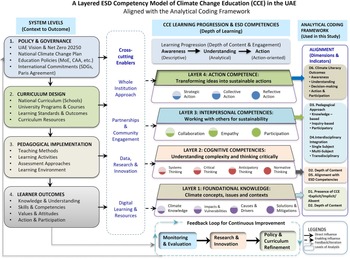
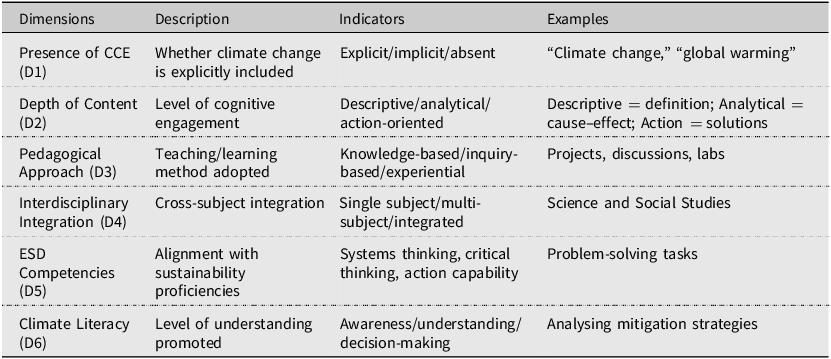
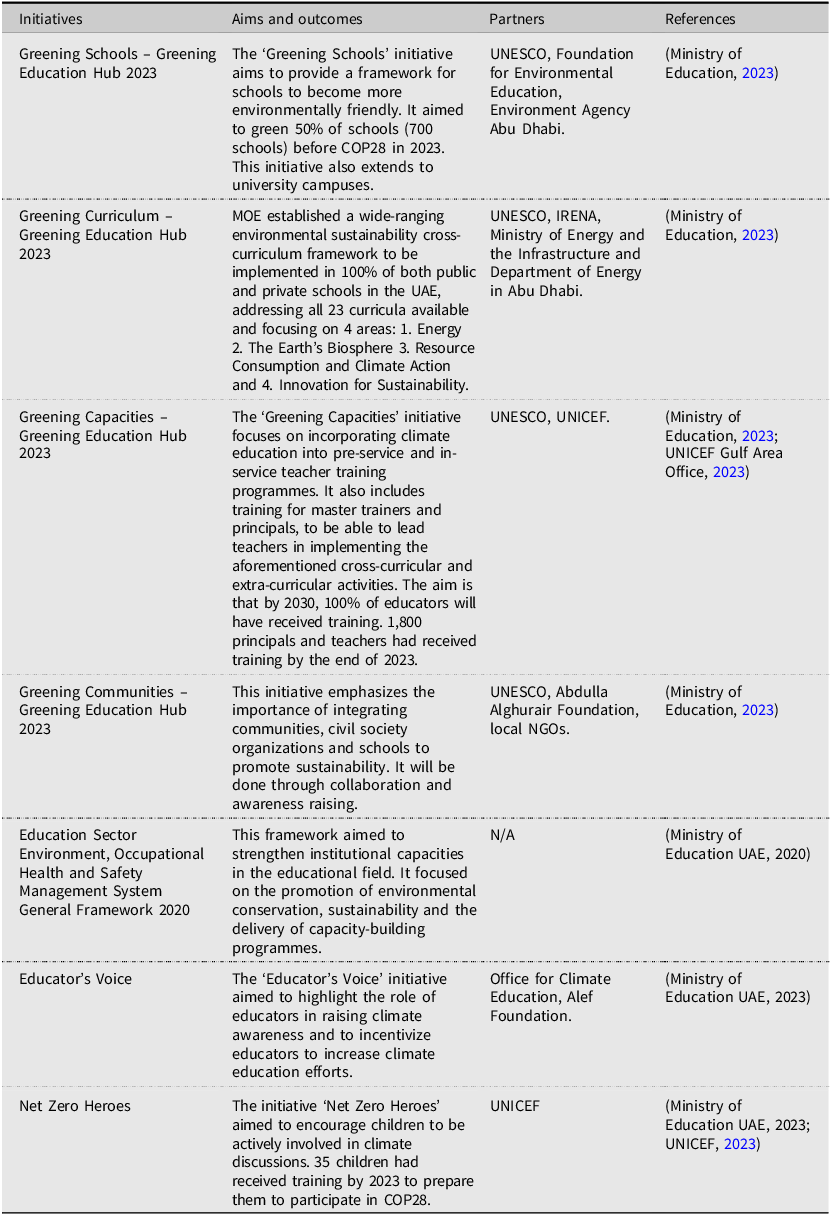
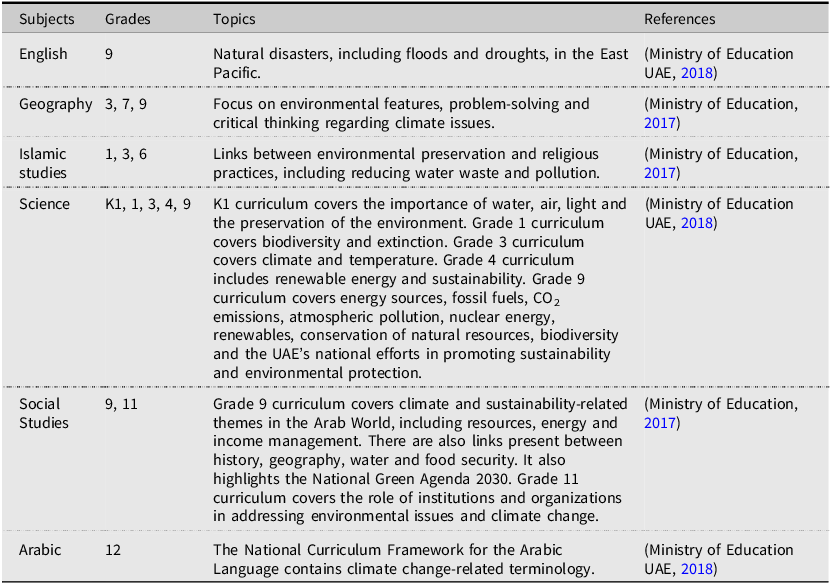
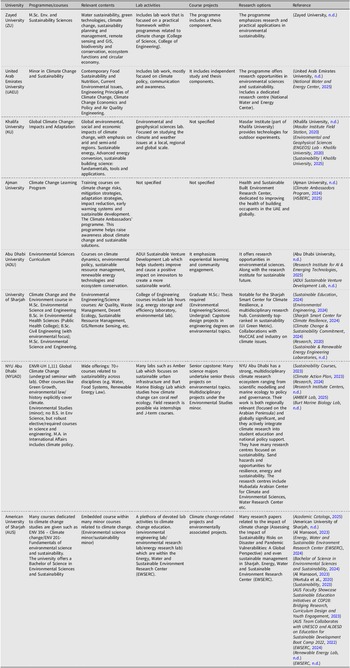

 Open access

