To save content items to your account,
please confirm that you agree to abide by our usage policies.
If this is the first time you use this feature, you will be asked to authorise Cambridge Core to connect with your account.
Find out more about saving content to .
To save content items to your Kindle, first ensure no-reply@cambridge.org
is added to your Approved Personal Document E-mail List under your Personal Document Settings
on the Manage Your Content and Devices page of your Amazon account. Then enter the ‘name’ part
of your Kindle email address below.
Find out more about saving to your Kindle.
Note you can select to save to either the @free.kindle.com or @kindle.com variations.
‘@free.kindle.com’ emails are free but can only be saved to your device when it is connected to wi-fi.
‘@kindle.com’ emails can be delivered even when you are not connected to wi-fi, but note that service fees apply.
Introduction: In this book, we evaluate the ancient testimonia; investigate production materials from Greek and Roman casting debris; look at bronzes inside and out; apply modern technology to reconstructing the ancient industry; and assess the impact of technique on the way in which we understand classical bronze statuary. Furthermore, recognizing post-antique features in restoration, patina, and display can help to correct long-held misconceptions.
Chapter 6: Celebrating and Collecting. Costly Greek dedications such as the Charioteer group in Delphi preceded Hellenistic and Roman processions and triumphs – showcases for antique Greek statuary in Rome. Public displays of Roman emperors, and the private collections of Verres, Cicero, and the Younger Pliny are known primarily from literary sources. Piso’s private collection of statuary, however, survived largely intact until its rediscovery in the eighteenth century. Technical features and analyses help us to categorize works that were purchased from local workshops. We also find sculptures in transit, in ships of unknown origin that were carrying art to Italy and North Africa but that went down before reaching their destinations. Single or multiple objects from their cargoes have been netted by fishermen in the present day and in antiquity. A Roman relief from Ostia foreshadows the discovery and contents of the Artemision shipwreck in the early twentieth century.
Bronze was a prized medium for sculpture in the classical world, as reflected by the remnants of the thousands of bronze statues of gods, dignitaries, and intellectuals that once filled its cities and sanctuaries. Today, only a few hundred statues are preserved, counting heads without bodies and bodies missing heads and limbs. Fortunately, the few survivors – pieces of bronze statues, scraps dumped by ancient bronze foundries, ancient texts, and occasional new finds – offer invaluable insights into the ancient bronze statuary industry. In this magisterial work, Carol Mattusch brings her deep knowledge of ancient technology to the study of bronze sculpture from multiple perspectives. Analyzing ancient literary testimonia together with the material evidence, she charts the production process from start to finished statues and to modern workshop analogies. Exploring standards for size, appearance, and placement of classical public statuary, her volume also considers issues related to Roman private collections of bronzes, including taste, production, means of acquisition, display, and loss or occasional survival of ancient bronzes.
In book 16 Diodoros provides the most complete extant account of Philip of Macedon’s creation of the Macedonian state that conquered the city-states of Greece at the Battle of Khaironeia, before ending with his assassination. He also provides unique acounts of the Third Sacred War, in which the Phokians committed sacrilege against the sanctuary of Apollo at Delphi, the Social War between Athens and some of her allies, the Persian re-conquest of Egypt by Artaxerxes Okhos, and Sicilian history involving Dionysios II, Dion and Timoleon.
Cognitive impairment associated with schizophrenia (CIAS) is a prevalent, meaningful feature of schizophrenia with limited real-world data on its recognition and care setting impact. The LUCIA initiative is an international multi-stakeholder study that explored awareness, assessment practices, and the burden of CIAS to inform future care pathways.
Methods
A three phase, Delphi-informed design was applied, comprising expert interviews to frame the enquiry, qualitative interviews with health and social care professionals (HCPs; n = 74) and caregiver advocates (n = 11), two waves of a Delphi survey among HCPs (n=449 and 343, respectively) and one round among 61 patients and 112 caregivers across 15 countries (n = 964).
Results
The results showed poor awareness of CIAS across stakeholders. Structured cognitive assessment was infrequent, and clinicians largely relied on the dementia oriented Mini-Mental State Examination (MMSE) rather than schizophrenia specific tools, citing time, training, and unclear actionability as key barriers. CIAS imposed broad humanistic, clinical, societal, and economic burden – poorer quality of life, social isolation, higher comorbidities, increased hospital days and health care costs, and heavy informal care. Consensus actions prioritized the development of brief, validated screening instruments, improved psychoeducation, and accelerated research into effective pharmacological and non pharmacological interventions.
Conclusions
These results provide additional evidence for the under-recognition of CIAS worldwide, despite its substantial multidimensional societal burden. The use of dementia-oriented cognitive tests carries significant risks of misclassification and inappropriate management. Therefore, improving awareness, implementing assessment guidelines, and accelerating therapeutic innovation is critical to improve the quality of life of CIAS patients and the wider community.
This essay pursues an ontological understanding of consultations at Dodona. The premise of this investigation is that if we are to understand a divinatory consultation as the Greeks themselves did, then we need to put aside our own Western Post-Enlightenment (largely secular) ontological assumptions concerning the existence of supernatural beings and view the world through the ontological assumptions of the Greeks themselves. This is a much more radical suggestion than the traditional injunction of putting on the cultural filters of the ancient Greeks, in as much as that step is then invariably followed by an act of cultural translation (which all too often is a ‘mistranslation’). The practice of divination, therefore, should be analysed in emic terms and then described in those terms as well, rather than being re-described in our own terms. Nevertheless, the emic understanding of a consultation can be enhanced by the application of Actor-Network Theory and an Object-Oriented Ontology, since they reveal the implicit social dynamics involved in consulting and interpreting oracles.
This chapter investigates instances of personal divination in the ancient Greek world. This includes the use of oracles, omens, forms of technical divination and the occurrence of prophetic dreams in personal matters that do not articulate the concerns of the polis. The chapter explores what personal issues warranted a consultation of the gods, as well as the scope and limits for individuals to use the divinatory system to their advantage. The chapter shows that consultation with the gods about questions of personal concern (about health, travel and questions of everyday life) was not merely available to the upper classes and those in power, but conducted by everyday people, including women, metics and slaves. Throughout, the chapter carefully distinguishes between what we know about actual personal oracle consultations on the one hand, and their representation in works of literature on the other. At the same time, the chapter presents several themes that run through different kinds of evidence and explores what they reveal about the use and abuse of divine knowledge (and the actions it is made to sanction) in the ancient Greek world.
Unlike any other ancient author, the philosopher and priest of Apollo at Delphi discussed all aspects of religious tradition, praxis, and even personal piety. He talks about religion more or less in all parts of his oeuvre, either in connection with philosophy, history, music and the household, or with myths, symbols, and rituals. He deals with personal religion both as a historian and from the perspective of the experiences of personal life – as a biographer of illustrious Greeks and Romans, as a priest and initiate, and as a husband and father. Several of the speakers in his dialogues talk about religious matters on a personal level, and the author also expresses his views on the importance of religion for the individual in his own voice in works such as On Isis and Osiris, That Epicurus Actually Makes a Pleasant Life Impossible, or the Consolation to His Wife. Once the religious perspective is recognized not only as a general trait of Plutarch’s thought, but also as an aspect of his philosophy as an ars vitae, it becomes visible across the whole of his oeuvre.
A lack of common terminology and shared understanding of behavioural interventions across academic disciplines and professional groups limits the multidisciplinary application of such interventions and our collective ability to share and compare their effects. The current study attempts to narrow this gap by developing a comprehensive classification system of nudges and similar behavioural interventions that can aid researchers and practitioners in understanding and describing such interventions to steer desired behaviour change. We develop an initial classification system drawing on our expert knowledge and subsequently validate it in an iterative procedure with 44 experts from various fields, disciplines and sectors during two feedback rounds (i.e. a Delphi approach). The result is META BI (Mapping of Environment, Target group and Agent for Behavioural Interventions), a classification system describing interventions across 20 dimensions and using 17 distinct psychological mechanisms. META BI is aligned with a system lens, shifting the focus from single true effects to contextualised assessments. It can help to understand, compare and evaluate nudges and selected interventions for the desired effects.
The estimated global preterm birth rate in 2020(1) was more than 10% of livebirths or 13.4 million infants. Despite the importance of neonatal nutrition in optimising growth, neurodevelopment, and later metabolic disease risk, there is inconsistency in nutrition recommendations for preterm infants(2). Incomplete or inconsistent reporting of outcomes in nutrition intervention studies is part of the reason for the lack of consensus on optimal nutrition. To reduce uncertainty in measuring or reporting nutritional intake and growth outcomes in preterm studies, a consensus process is needed to identify relevant measures for patients, parents/caregivers, researchers, and health professionals. We aimed to develop a minimum reporting set (MRS) for measures of nutritional intake and growth in preterm nutrition studies. We collaborated with a group of international researchers from 13 countries and registered this study at the COMET initiative (registration number 3185). The target population was individuals born preterm at any gestational age and study location whose nutritional intake was assessed before first hospital discharge and whose growth was assessed at any age. Measures reported in preterm nutrition studies were systematically reviewed and used to develop the real-time Delphi survey(3) using Surveylet (Calibrum) software, including 13 questions about nutritional intake and 14 about growth outcomes. We used a snowball process to recruit participants from the consumer, healthcare provider, and researcher stakeholder groups with expertise in preterm infants, nutrition, and growth to rate the importance of each measure on a 9-point Likert scale. Participants initially rated the survey items without seeing other participants’ responses, saved and refreshed the page to see the anonymous responses of other participants, and had the option to change their rating and provide reasons for their answers. Participants’ final scores for each item will be used to identify the consensus criteria for that item(3). To date, we have recruited 246 participants from 31 countries across 5 continents, including 58 (24%) consumers, 156 (63%) healthcare professionals, and 26 (11%) researchers. Preliminary findings indicate that 12 measures of nutritional intake and 4 of growth have met the criteria for inclusion in the MRS. However, participant recruitment and survey responses are ongoing. A final consensus meeting is planned for November 2024 to confirm the MRS.
Core outcome sets are an agreed, standardised set of outcomes based on what key stakeholders consider the important outcomes in the management or prevention of a condition. They are crucial to unifying research data from different trials, allowing outcomes to be combined and compared. Core outcome sets in miscarriage prevention and management and ectopic pregnancy have been produced. The final outcomes for miscarriage management are: efficacy of miscarriage treatment, heavy vaginal bleeding, pelvic infection, maternal death, procedural related complications and patient satisfaction. The final outcomes for miscarriage prevention are: pregnancy loss, live birth, congenital abnormalities, fetal growth restriction, gestation at birth, pre-term birth, neonatal or infant death, maternal complications, compliance with intervention, patient satisfaction, maternal hospitalisation and neonatal or infant hospitalisation. The final outcomes for ectopic pregnancy are: treatment success, resolution time of EP, number of additional interventions, adverse events, mortality and severe morbidity and treatment satisfaction.
Delphi studies allow for the generation of a consensus among experts. This has historically been professional experts in their field. This study aimed to obtain a consensus regarding the most important components of cognitive behavioural therapy (CBT) for depression not only for professional experts (therapists) but also for adult experts by experience. Perceptions of importance between therapists and experts by experience differed in multiple areas including content components such as behavioural activation and experiments, psychoeducation, and homework, which the latter did not agree were important. Experts by experience found several components relating to delivery process important which therapists did not, such as delivery method and session length. The strongest agreement from both groups involved the importance of positive therapist factors such as being non-judgemental, knowledgeable, understanding, and trustworthy. Both groups were in agreement on the importance of cognitive restructuring. Neither experts by experience nor therapists met consensus agreement on the inclusion of mindfulness as part of a wider CBT intervention for depression, being rated among the lowest components for both groups. Findings highlight several aspects of CBT content and delivery which may benefit from review in order to increase acceptability for recipients.
Key learning aims
(1) To identify what recipients and deliverers feel are the most important parts of a CBT intervention for depression.
(2) To compare these responses, and consider reasons why these similarities and differences may exist.
(3) To discuss ways in which these differences could impact acceptability and perceived efficacy of cognitive behavioural therapy.
(4) To reflect on ways gained knowledge could be used to consider ways to improve the delivery of cognitive behavioural therapy.
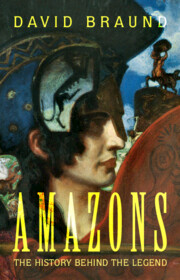
The idea of the Amazons is one of the most romantic and resonant in all antiquity. Greeks were fascinated by images and tales of these fierce female fighters. At Troy, Achilles' duel with Penthesilea was a clash of superman and superwoman. Achilles won the fight, but the queen's dying beauty had torn into his soul. This vibrant new book offers the first complete picture of the reality behind the legends. It shows there was much more to the Amazons than a race of implacable warrior women. David Braund casts the Amazons in a new light: as figures of potent agency, founders of cities, guileful and clever as well as physically impressive and sexually alluring to men. Black Sea mythologies become key to unlocking the Amazons' mystery. Investigating legend through history, literature, and archaeology, the author uncovers a truth as surprising and evocative as any fiction told through story or myth.
Defending the indefensible and praising the unpraiseworthy were staples of Greek declamation in the Roman imperial period. Lucian’s Phalaris I and II have generally been considered as undemanding rhetorical exercises, inverting the standard tropes of anti-tyrant invective to produce a paradoxical encomium of the proverbially wicked tyrant Phalaris of Akragas. This paper argues that Phalaris I and II are in fact considerably more sophisticated and caustic texts then they appear at first sight. Phalaris’ letter to the Delphians in Phalaris I is carefully crafted to show that Phalaris is indeed, despite his protestations, a self-deluding psychopath; he now wishes to dedicate his notorious bronze bull to the Delphic Apollo in order to whitewash his terrible reputation. The speech of the anonymous Delphian in Phalaris II makes a radically cynical case for welcoming the gift of the bull with no questions asked, in full knowledge that Phalaris may be just as wicked as he is reputed to be. The texts are an ironic commentary on the murky ethics of Delphic patronage in the second century CE, and the venality of oracular shrines more generally; Lucian may specifically have in mind the lavish Delphic patronage of the Roman emperor Domitian.
Discussion of the transfer of cult knowledge from Anatolia to European Hellas in both the Bronze Age and Iron Age, with a close examination of Ephesian Artemis and other Asian Mother-goddess figures with consideration of Ur-Aeolian (= Ahhiyawan) and Aeolian involvement in the process.
An investigation of the Luvo-Hittite dammara- religious functionaries (male and female) and the borrowing of the term into Ahhiyawan (Ur-Aeolian) and, thence, European Mycenaean cult vocabulary as dumartes and its variant damartes (a scribal borrowing), and an exploration of the Anatolian source of the theonym Artemis. The intersection of both the cult title and divine name with Mycenaean dialect variation is carefully examined.
A synthetic, concluding discussion addressing the relationship between Ur-Aeolic and Special Mycenean and providing a historical framework for, especially, the introduction of Aeolic language and culture (pre-Thessalian/Boeotian) into European Greece following the Bronze-Age collapses and for the spread of pre-Aeolians (Iron-Age Ahhiyawans) eastward into Cilicia.
Investigation of the Bee-nymphs of Mt. Parnassus and the ancestral Indo-European strain and Anatolian strains of divination introduced into European Hellas by migrant pre-Aeolian communities.
While many medical practitioners value the interactive nature of in-person conferences, results of these interactions are often poorly documented. The objective of this study was to pilot the Delphi method for developing consensus following a national conference and to compare the results between experts who did and did not attend.
Methods:
A 3-round Delphi included experts attending the 2023 Society of Disaster Medicine and Health Preparedness Annual Meeting and experts who were members of the society but did not attend. Conference speakers provided statements related to their presentations. Experts rated the statements on a 1–7 scale for agreement using STAT59 software (STAT59 Services Ltd, Edmonton, Alberta, Canada). Consensus was defined as a standard deviation of ≤ 1.0.
Results:
Seventy-five statements were rated by 27 experts who attended and 10 who did not: 2634 ratings in total. There was no difference in the number of statements reaching consensus in the attending group (26/75) versus that of the nonattending group (27/75) (P = 0.89). However, which statements reached consensus differed between the groups.
Conclusion:
The Delphi method is a viable method to document consensus from a conference. Advantages include the ability to involve large groups of experts, statistical measurement of the degree of consensus, and prioritization of the results.