To save content items to your account,
please confirm that you agree to abide by our usage policies.
If this is the first time you use this feature, you will be asked to authorise Cambridge Core to connect with your account.
Find out more about saving content to .
To save content items to your Kindle, first ensure no-reply@cambridge.org
is added to your Approved Personal Document E-mail List under your Personal Document Settings
on the Manage Your Content and Devices page of your Amazon account. Then enter the ‘name’ part
of your Kindle email address below.
Find out more about saving to your Kindle.
Note you can select to save to either the @free.kindle.com or @kindle.com variations.
‘@free.kindle.com’ emails are free but can only be saved to your device when it is connected to wi-fi.
‘@kindle.com’ emails can be delivered even when you are not connected to wi-fi, but note that service fees apply.
Children with acute brain damage make up a large group of patients who require multi-stage rehabilitation. Rehabilitation requires the creation of special conditions for psychiatric care and psychological and pedagogical correction of the consequences of severe damage to the nervous system. A differentiated approach to rehabilitation will help restore mental activity with greater efficiency, and subsequently adapt the child to the familiar environment.
Objectives
The aim of the study is to identify the options for mental activity during the restoration of the level of consciousness in children after acute severe brain damage.
Methods
210 children under the age of 18 with severe brain damage (traumatic brain injury, hypoxia, hydrocephalus), admitted for treatment and rehabilitation. Clinical-psychopathological, pedagogical methods were used; additionally - diagnostic scales, questionnaires.
Results
Depending on the level of consciousness, mental activity, 4 groups were formed:
1st group - 37 (18%) patients had manifestations of mental activity with physical, cognitive and social capabilities in the minimal consciousness “+” (a- / hyperkinetic mutism with emotional reactions, understanding of addressed speech);
2nd - 67 (32%) patients had manifestations of physical and cognitive abilities with minimal consciousness “-” (a- / hyperkinetic mutism without emotional manifestations and understanding of addressed speech);
3rd - 95 (40%) patients had only the manifestation of physical capabilities at the exit from the vegetative status.
4th - 11 (10%) patients had a low manifestation of mental activity in the form of physical capabilities with a vegetative status.
Conclusions
4 variants of mental activity in children after acute severe brain damage have been identified: from minimal involuntary reactions or their absence in vegetative status to voluntary actions according to the instructions of an adult in minimal consciousness “+”. Taking into account the variability of mental activity helps to differentiate the methods of psychiatric and psychological-pedagogical assistance in the recovery of children already in the early stages of rehabilitation.
In Hungary, in contrast to most other countries, suicide deaths increased significantly during the first year of the COVID-19 epidemic (March to December 2020). Globally, the burden of emergency care in the healthcare system tended to decrease during the first period of the epidemic.
Objectives
Our research aimed to evaluate the changes in the number of intentional suicide attempts by violent and non-violent means during the first two years of the epidemic, compared to the trend before March 2020 in the Budapest metropolitan area and Pest County.
Methods
We analyzed psychiatric assessment reports of self-poisoning patients admitted to Péterfy Hospital’s Emergency Department and Clinical Toxicology from Jan 2019 to Dec 2021 to estimate non-violent suicide attempt trends. We analyzed patient data for violent suicide attempts treated at Dr. Manninger Jenő Trauma Centre from 2016-2021, focusing on trends during the first two years of the pandemic. Negative binomial regression estimates were used for interrupted time series analysis with Prais-Winsten regression, controlling for time and seasonal and autoregressive effects. We used change-point detection to examine the leveling of trends. The Institutional Review Board approved the research in both institutions. Approval numbers: 08-2022 (Péterfy Hospitaly) and 19-2021 (Traumatology Center).
Results
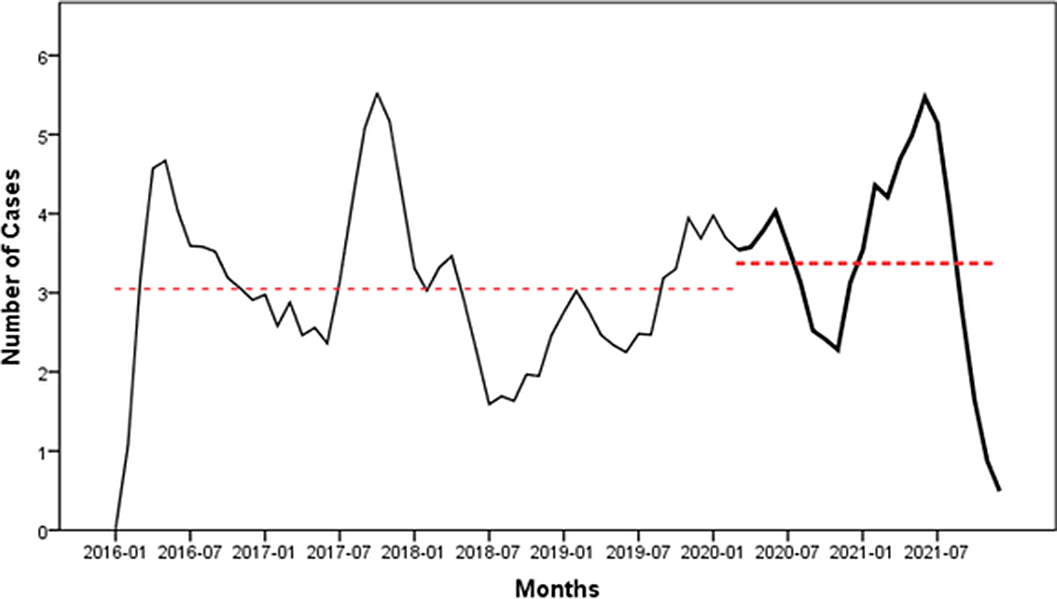
The number of male non-violent suicide attempts decreased by 16.6% compared with the pre-epidemic period (p<0.001). A similar and significant decrease was observed in females and in the total population (Image 1). The female and total population trends, i.e., the decrease, were reversed by August 2020, and the male trends were reversed by October 2020. The total number of patients treated for violent suicide attempts increased significantly (p<0.05) during the first two years of the pandemic (Image 2). There was a slight increase in violent attempts in men and a small decrease in women, but these changes are not statistically significant.
Image:
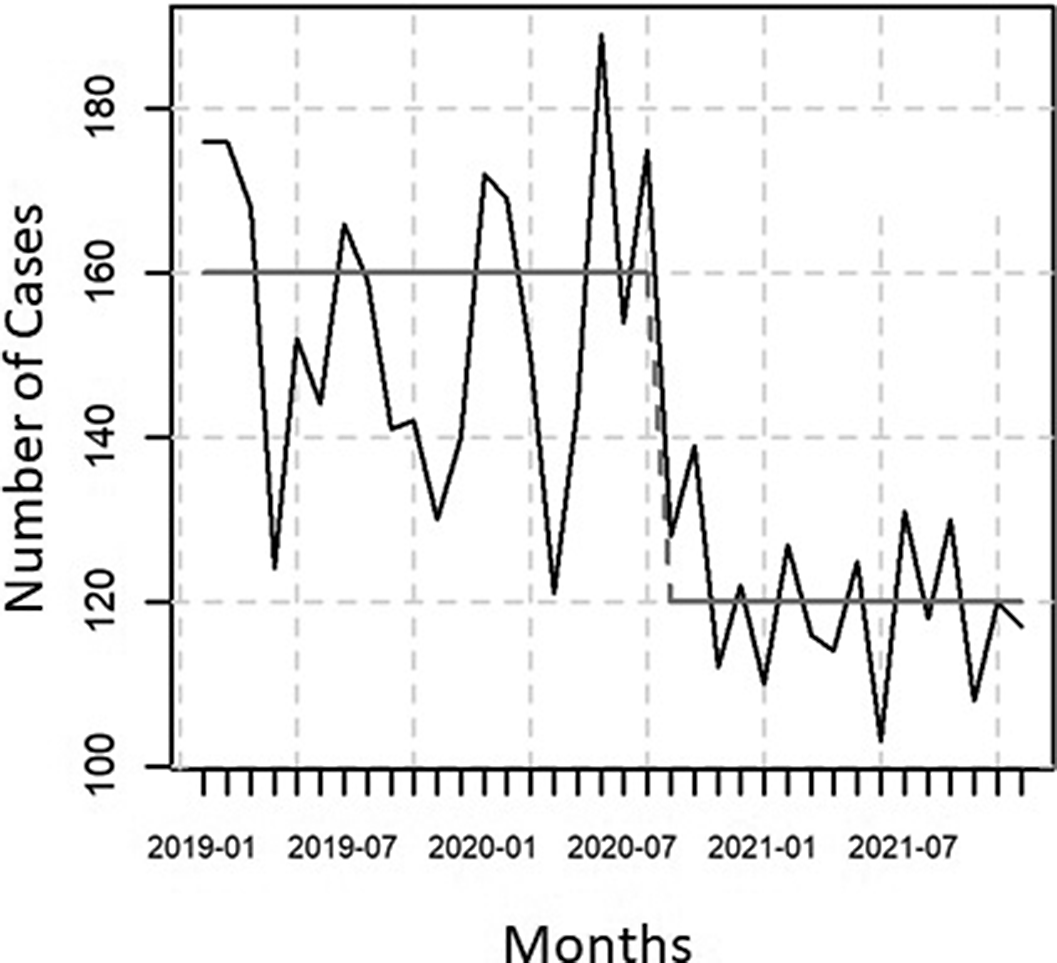
Image 2:
Conclusions
We hypothesize that those who tried to end their life through non-violent drug use were less inclined to seek assistance because they were concerned about being hospitalized during the COVID-19 outbreak. The surge in violent attempts is striking, as it correlates with the rise in suicide fatalities documented in Hungary during the initial year of the outbreak. Our data was obtained from two prominent public hospitals in Budapest, enabling us to conduct a more concentrated and thorough examination of the circumstances in the capital.
Self-esteem plays a role in the adaptive functioning of the human being. It could be a protective factor regarding multiple risks particularly substance use.
Objectives
The aim of this study is to assess self-esteem among a group of young Tunisian users of cannabis.
Methods
The total study sample was composed of 137 participants, who took part of a transversal descriptive study during two months (January and February 2020). These partakers were comprehensively recruited among Emergency patients of Mahdia Hospital. Thereupon, the main criteria for the selection of these patients was their consumption of cannabis, regardless of their primary health care seeking reason or purpose. The research was carried out upon their declaration of cannabis consumption and their compliance to be part of such a study. Thus, Data were collected on a pre-determined data sheet that included various information (age, sex, lifestyle, personal and family psychiatric history, age at which they started their cannabis consumption and the rate of cannabis use …). Accordingly, Self-esteem was assessed using the Rosenberg Self-Esteem Scale (RSES). Consequently, the interview took place after the subject’s verbal and informed consent and the assurance of anonymity and confidentiality of the interview content.
Results
In our study population, the cannabis consumers were young adults aged between 18 and 35 years old, with a male predominance of 71%. Among those users, 65.9% were single and 29.7% dropped out of school or experienced academic failure. On a socio-economic level, we concluded to a rate of 5.8% (lower class), 60.9% (middle class) and 33.3% (upper class). Besides, 40.8% were employed. In total, 23.2% had a psychiatric history. Furthermore, the use of other substances was also prominent and frequent as follows: alcohol 72.5%, tobacco 74.6%, ecstasy 41.3% and 25.4% cocaine. The use of cannabis was considered as a means of indulgence and pleasure for 66.7%, as an anxiolytic for 26.8% and as a sedative for 23.9%. Self-esteem, among those cannabis users, was very low in 20% of cases, low in 38% of cases, medium in 15% of cases and high in 25% of cases. Consequently, more than half of the study population remains below the medium average according to RSES.
Conclusions
These results lead us to question the relation between cannabis and self-esteem. The question that is evolved about the use of cannabis is the following: Is it used as a remedy or is it the cause of self-esteem deficiency?
Cocaine use has become popular in the form of crack and has spread throughout the world. Crack/cocaine use is often linked to serious social and psychiatric disorders, including post-traumatic stress disorder, and users appear to be at increased risk of physical and mental illness and social harm.
Objectives
To determine the prevalence of post-traumatic stress disorder in patients followed and hospitalized in the addictology department at the Arrazi psychiatric hospital in Salé for management of crack/cocaine use disorder.
Methods
This is a descriptive cross-sectional study using a questionnaire including sociodemographic and clinical criteria and a post-traumatic stress scale (PCLS) to investigate the existence of post-traumatic stress disorder in patients monitored and hospitalized for crack/cocaine use disorder in the addictology department at the Arrazi psychiatric hospital in Salé.
Results
We collected 77 participants. The majority of patients were born in the city The average age of the participants was 27, with a male predominance (67%). The majority were unemployed at the time of the study, single, separated or divorced. For more than 50%, the start of drug use was more than 4 years ago. The smoked route (crack) is the most predominant, followed by the inhaled route and 1% for the injectable route. Some 37% were hospitalized in an addictology unit. Almost 65% of participants had a history of post-traumatic stress disorder.
Conclusions
Co-morbidity between crack/cocaine use disorder and post-traumatic stress disorder is frequent among patients monitored and hospitalized in the addictology department at the Arrazi psychiatric hospital in Salé. There seems to be a need to develop new therapeutic strategies and to adapt existing programs to patients’ needs. In addition, understanding the profiles of patients suffering from this comorbidity in mental health facilities could help clinical staff to better accept their problems and behaviours, thus promoting treatment adherence and better outcomes.
Depression and Dementia Professor Allan H Young, Head of Academic Psychiatry, Maudsley Hospital and King’s College London UK. allan.young@kcl.ac.uk
Mood Disorders are common, encompass cognitive impairments and occur in later life including first onset after the age of 50 years of age. There is a considerable overlap between depression and dementia. The relationship between depression and dementia will be reviewed and the implications for diagnosis and treatment will be discussed. Novel agents targeting alternative neurotransmitter pathways and inflammatory processes are promising potential treatment options. Neurostimulation treatments play a role with ECT at present having the best utility for late onset depression.
A. Young Grant / Research support from: Principal Investigator in the Restore-Life VNS registry study funded by LivaNova. Principal Investigator on ESKETINTRD3004: “An Open-label, Long-term, Safety and Efficacy Study of Intranasal Esketamine in Treatment-resistant Depression.” Principal Investigator on “The Effects of Psilocybin on Cognitive Function in Healthy Participants” Principal Investigator on “The Safety and Efficacy of Psilocybin in Participants with Treatment-Resistant Depression (P-TRD)” Principal Investigator on “A Double-Blind, Randomized, Parallel-Group Study with Quetiapine Extended Release as Comparator to Evaluate the Efficacy and Safety of Seltorexant 20 mg as Adjunctive Therapy to Antidepressants in Adult and Elderly Patients with Major Depressive Disorder with Insomnia Symptoms Who Have Responded Inadequately to Antidepressant Therapy.” (Janssen) Principal Investigator on “ An Open-label, Long-term, Safety and Efficacy Study of Aticaprant as Adjunctive Therapy in Adult and Elderly Participants with Major Depressive Disorder (MDD).” (Janssen) Principal Investigator on “A Randomized, Double-blind, Multicentre, Parallel-group, Placebo-controlled Study to Evaluate the Efficacy, Safety, and Tolerability of Aticaprant 10 mg as Adjunctive Therapy in Adult Participants with Major Depressive Disorder (MDD) with Moderate-to-severe Anhedonia and Inadequate Response to Current Antidepressant Therapy.” Principal Investigator on “ A Study of Disease Characteristics and Real-life Standard of Care Effectiveness in Patients with Major Depressive Disorder (MDD) With Anhedonia and Inadequate Response to Current Antidepressant Therapy Including an SSRI or SNR.” (Janssen) UK Chief Investigator for Compass; COMP006 & COMP007 studies UK Chief Investigator for Novartis MDD study MIJ821A12201, Consultant of: Paid lectures and advisory boards for the following companies with drugs used in affective and related disorders: Flow Neuroscience, Novartis, Roche, Janssen, Takeda, Noema pharma, Compass, Astrazenaca, Boehringer Ingelheim, Eli Lilly, LivaNova, Lundbeck, Sunovion, Servier, Livanova, Janssen, Allegan, Bionomics, Sumitomo Dainippon Pharma, Sage, Neurocentrx
The COVID-19 pandemic has stressed global healthcare systems, with Taiwan’s National Health Insurance (NHI) playing a crucial role in prevention and treatment. Like other countries, Taiwan grappled with managing the virus alongside regular healthcare services, resulting in notable financial strain on hospitals after COVID-19 pandemic.
Objectives
This study explores the financial implications of the psychiatric department at a medical center in Taiwan, highlighting the changing dynamics of healthcare costs and revenue during this period.
Methods
Data were collected monthly between January 2020 and September 2022, including the number of outpatient visits, inpatient patient-days, medical revenue, medical costs, and gross medical profit. Multivariate linear regression analysis confirmed the assumptions of the model and validated the findings.
Results
Regression analysis revealed a significant correlation between the number of patients and financial indicators (USD1). Medical revenue (Table. 1), grew by 82 USD for each outpatient visit(p<0.001, 95% CI:41–122), and grew by 70 USD for each inpatient-days(p=0.001, 95% CI:31–108). Medical costs (Table. 2), increased by 59 USD for every inpatient-days (p=0.01, 95% CI:15–102). Finally, the gross medical profits (Table. 3) increased by 72 USD for each outpatient visit (p=0.003, 95% CI:27–117).Table 1.
Multiple linear regression analysis of the impact of medical service on medical revenue.
Revenue
Coef.
SE
t
p
[95% Conf. Interval]
Outpatient (Visits)
82
20
4.136
.000
41
122
Inpatient (Patient Days)
70
19
3.664
.001
31
108
Table 2.
Multiple linear regression analysis of the impact of medical service on medical cost.
Cost
Coef.
SE
t
p
[95% Conf. Interval]
Outpatient (Visits)
9
22
0.422
.676
-36
55
Inpatient (Patient Days)
59
21
2.757
.010
15
102
Table 3.
Multiple linear regression analysis of the impact of medical service on medical gross profit.
Gross Profit
Coef.
SE
t
p
[95% Conf. Interval]
Outpatient (Visits)
72
22
3.261
.003
27
117
Inpatient (Patient Days)
11
21
0.501
.620
-33
54
1All values were converted from TWD to USD using the rate as of 2023/08/15.
In summary, outpatient visits significantly augmented revenue and gross profit, whereas inpatient days led to heightened revenue and costs.
Conclusions
During the COVID-19 outbreak, healthcare systems, including those in Taiwan, were tested for unparalleled service challenges. This study found that while outpatient services boosted profits, rising inpatient admissions strained finances, given their higher costs and staffing needs. After the pandemic, psychiatric departments should reconsider resource allocation to balance expenses and revenues. Effective management is crucial for patient outcomes, emphasizing the need for quality care and fiscal control. Future research must focus on fortifying healthcare resilience.
Psychological vulnerability and problematic psychotropic drug use among medical residents are critical and intricate areas of study in the field of healthcare and mental well-being. This topic looks into the potential links between the psychological vulnerabilities experienced by medical residents, which are frequently associated with the demanding nature of their profession, and their use of psychotropic drugs in a way that poses problems or risks. Exploring this relationship is critical for understanding the mental health challenges that medical residents face and developing effective strategies to support their psychological well-being.
Objectives
to identify the psychological factors linked to problematic psychotropic drug use in medical residents.
Methods
We conducted a cross-sectional descriptive and analytical study among Tunisian medical residents between August and September 2022. We used a self-administered questionnaire with a data collection form, the DAST-10 (Drug Abuse Screening Test) scale, and the DASS-21 (Depression, Anxiety, and Stress Scale) in an online survey. Data was analyzed using the 20th version of the SPSS software.
Results
The sample consisted of 80 medical residents. Among them, 23.8% (n=19) had reported a previous use of psychotropic drugs, and 15% (n=12) a misuse (without a prescription and/or without following the prescription). The DAST-10 revealed that 6 residents (31.6%) had problematic use of psychotropic drugs.
A high level of stress on the DASS-21 scale was associated with a problematic use (p=0.01) and a misuse (p=0.01) of psychotropic drugs. Furthermore, residents with high stress levels were more likely to demonstrate problematic use of psychotropic drugs (p=0.004). Such problematic use was correlated with personal history of anxiety disorders (p=0.01).
Furthermore, residents with problematic psychotropic drug use had higher anxiety and depression scores on the DASS-21 scale (p>0.05).
Conclusions
Our findings revealed a concerning prevalence of psychotropic drug use among medical residents and an association with high stress levels. This result emphasizes the need for targeted interventions to support young doctors’ mental health.
The World Health Organization (WHO) has stated that in situations of armed conflict, “Around 10 percent of the people who experience traumatic events will have serious mental health problems, and another 10 percent will develop behavior that will hinder their ability to function effectively.” Problems include post-traumatic stress disorder, anxiety, depression, substance misuse, and possibly precipitation of psychosis. War has a catastrophic effect on the health and well being of nations. Studies have shown that conflict situations cause more mortality and disability than any major disease. Only through a greater understanding of conflicts and the myriad of mental health problems that arise from them, coherent and effective strategies for dealing with such problems can be developed.
Conversion disorder is characterised by symptoms that can impact sensory or motor function. The average incidence of conversion disorder is between 4 -12 per 100,000 per year. Conversion disorder has a wide variety of somatic and neurological differential diagnoses.
Objectives
A 22-year-old woman was admitted to the hospital due to COVID-19 pneumonia. During the hospitalisation period, she developed progressive weakness, due to which she couldn’t move, eat or take care of herself. In terms of history, she is healthy, married and gave birth to her first child almost 9 months ago. Two days postpartum, the patient experienced an inability to connect with the child and provide care, as well as a decline in her mood. The husband reports episodes in which the patient had difficulties holding the child while being able to perform house chores, which required more physical strength. Two years prior to hospitalization, during stressful situations she experienced similar episodes and difficulty swallowing. While hospitalized, extensive testing was done, including an acetylcholine receptor antibody test, which was negative at first. Because of of the initially negative testing results a psychiatrist was called. On the first visit, the patient remained in a supine position and reported a lack of strength in both arms and legs, occasionally experiencing difficulty raising her head, however managed to stand up from the bed, walk independently for 5–6 meters, turn around, and, as soon as she reached the bed, descend into it. The staff reported her inability to walk earlier in the day. On the second visit, she notes that she feels tired but now can feed and take care of herself; however, some weakness persists in the proximal muscle groups. In between visits she received treatment with corticosteroids because of the COVID infection. After repeating the acetylcholine receptor antibody test, there was a positive result, and a diagnosis was established.
Methods
This case report demonstrates how a somatic disorder can mimic a psychiatric one because of the overlapping symptoms and initial negative test results. While receiving symptomatic therapy with glucocorticoids due to the COVID infection, the patient’s condition improved; she began to eat and walk on her own.
Results
From the psychiatric aspect, it was associated with separation from the child— a relieving of the stress factor, due to which dissociative symptoms decreased.
Conclusions
Before considering a diagnosis of a dissociative disorder, a patient should be examined by other specialists according to their symptoms. A thorough neurologic and physical examination, as well as diagnostic tests, should be performed to exclude a physical pathology. Myasthenia gravis has a comorbidity with a number of psychiatric conditions and can also be very similar to a dissociative disorder, especially due to stress aggravating the symptoms of myasthenia gravis.
Patients with mental illness, particularly those with treatment-resistant schizophrenia, are at increased risk of severe COVID-19. The protective effect of vaccination against severe disease has been demonstrated, and vaccination of vulnerable individuals was a priority during the vaccination campaign. However, the effect of vaccination on the psychiatric symptoms of the disease is not well understood.
Objectives
To investigate the impact of COVID-19 vaccination on psychiatric symptoms and somatic symptoms in patients hospitalized for treatment-resistant schizophrenia.
Methods
Thirty patients hospitalized for treatment-resistant schizophrenia with a history of medico-legal acts were admitted to the forensic psychiatry department at Razi Hospital in Manouba, Tunisia. The consent of patients and/or their relatives was obtained before vaccination, and potential side effects were explained to patients and their families. A neuropsychiatric assessment and clinical examination of patients were performed by their referring psychiatrist before vaccination and one month after.
Results
The patients were all male, with a mean age of 42.3 years.No patient had an allergic reaction to the vaccine. No patient was infected with the virus one month after vaccination. On the clinical level, 30% of patients had general symptoms such as fatigue and myalgia, which improved spontaneously within a few days. On the psychiatric level, exacerbation of positive symptoms such as hallucinations and delusions was found in 26% of patients. No increase in the frequency of agitation episodes or risk of hetero-aggressive behavior was reported. Sleep disturbances such as difficulty falling asleep and fragmented sleep were reported. The most common functional complaints reported by patients were palpitations, which were a source of somatic concern.
Conclusions
Several side effects of the vaccine have been documented and are taken into account in the daily practice of practitioners, but psychiatric effects are poorly reported and are sometimes attributed to the underlying disease. A complete examination, objective assessment, and regular follow-up are necessary to identify symptoms early and prevent relapses.Because of the small size of the sample;results could not be generelized.Further studies on a larger scale should be conducted.
Schizophrenia spectrum disorders profoundly impacts social functioning, affecting interpersonal relationships, work interactions, and self-care. This disorder often leads to cognitive, perceptual, motor, and emotional challenges that result in social withdrawal.
Objectives
The aim of the study is to identify the specific challenges in social functioning faced by women diagnosed with schizophrenia spectrum disorders.
Methods
We conducted a descriptive cross-sectional study among stabilized female patients with schizophrenia or schizoaffective disorder, in the ‘B’ psychiatry department at Hedi Chaker University Hospital in Sfax, Tunisia, from May to June 2023. We collected both sociodemographic and clinical data from the participants. The Social Functioning Scale (SFS) and Global Functioning Scale (EGF) were used to assess social and global functioning, respectively.
Results
Forty-one patients were included: 65.9% had schizophrenia, and 34.2% had schizoaffective disorder. The mean age was 49.19 years, ranging from 17 to 79 years. More than a third (39%) of our patients had significant impairment in global functioning (EGF<50). The average total score on the social functioning scale was 13.65, with a range from 6.29 to 20.29. Additionally, 39% of our patients exhibited low social functioning, and 51.21% had a high withdrawal score. The most impacted domains were leisure (63.41%) and employment (60.97%), followed by interpersonal behavior (58.53%), prosocial activities (48.78%), independence competence (41.46%), and lastly, independence performance (36.85%).
Conclusions
Social skills training is crucial for enabling women with schizophrenia to function well in their environment.
Non-suicidal self-harm, i.e. the intentional self-infliction of bodily harm without apparent suicidal intent, is a powerful risk factor for suicidal ideation and behavior [1]. Although non-suicidal self-harm and suicidal behaviour are distinct concepts, the two forms of deliberate self-harm frequently coexist and share key instrumental functions, such as escaping aversive internal states, reducing dysphoria or communicating distress, especially in patients with personality disorders. [2]
Some individuals also report using non-suicidal self-harm to ameliorate suicidal thoughts or urges [2].
Objectives
To assess the relationship between non-suicidal self-harm and suicidal ideation in patients with borderline personality disorder followed at the Arrazi psychiatric hospital in Salé.
Methods
This was a descriptive cross-sectional study using a questionnaire including sociodemographic criteria, clinical criteria and the Beck suicidal intentionality scale to assess the relationship between non-suicidal self-harm and suicidal ideation in patients with borderline personality disorder followed and hospitalised at the Arrazi psychiatric hospital in Salé.
The inclusion criteria were as follows: both sexes with a diagnosis of borderline personality disorder according to DSM 5 criteria.
Exclusion criteria were current psychosis and severe intellectual disability.
Results
We collect 63 participants.
The average age of the participants was 23, and they were predominantly female (89%). About 85% were single and 97% had no occupation. The majority of participants had a substance use disorder.
All participants had a history of non-suicidal self-harm and 36% had a history of suicide attempts.
Suicidal intent was strong in 45% of participants who had already attempted suicide.
Approximately 46% of participants reported that non-suicidal self-harm was intended to alleviate suicidal ideation and approximately 27% of participants reported having experienced suicidal ideation shortly after non-suicidal self-harm.
Conclusions
Non-suicidal self-harm is very common in patients with borderline personality disorder often considered to have a mitigating effect on the internal stress of these patients and sometimes even neglected. The relationship between non-suicidal self-harm and suicidal ideation is an important one, and may reduce suicidal ideation in the short term but subsequently encourage further self-harm, thereby increasing the risk of suicide.
Particular attention must be paid to these patients and their self-harm, and specialised, comprehensive care is required.
According to scientific sources, personal resources in the form of resilience, stress coping skills play an important protective role in the prevention of psychosis recurrence. Weakening the psychological capacity of the patient and increasing stress are risk factors for psychosis.
Objectives
To study the protective role of such personal resources as resilience and coping with stress in schizophrenia, as well as the influence of negative symptomatology and psychosociorehabilitation intervention on these factors.
Methods
Clinical-psychopathological, statistical, and psychometric methods were used (Alfimova-Golimbet’s resilience scale, Amirkhan’s coping strategies questionnaire, and PANSS). Patients of two groups participated in the study: 1 - members of a community organization (OO), n=49, who in addition to psychopharmacotherapy were given comprehensive long-term psychosociorehabilitation (3.7±2.5 years), 2 - patients of the medical-rehabilitation department of a psychiatric hospital (MRO), n=48, in whom the psychosociorehabilitation intervention was shorter (40.3±6.5 days).
Results
The results of the study showed that significant predictors of a favorable course of the schizophrenic process were high indicators of resilience, coping behavior, and a small degree of negative symptomatology. Analysis of the data regarding patients’ coping with stress shows that constructive coping strategies are more frequent in both groups. Thus, “problem solving” (24.3 points in GS and 22.9 points in MPO) and “search for social support” (23.0 points and 22.7 points, respectively), that is patients of both groups are generally oriented to a productive way of coping with difficult situations and are ready to seek help from others in a difficult situation. Notably, the strategy of “problem avoidance” is less pronounced (18.5 points and 19.4 points, respectively). The high resilience scores in the GS group (32.5 points), comparable to the norm in the population (33.1 points), are explained by long-term comprehensive psychosociorehabilitation, while the resilience scores in the MPO group are lower - 28.7 points. Negative symptoms of schizophrenia were equally pronounced in both groups, manifested by difficulties in communication (2.6 points each), passive-apathetic social withdrawal (2.7 points each). Such negative symptoms as blunting of affect and emotional indifference were more pronounced in the MPO group - 3.2 points each vs. 2.8 points in the group from the GS.
Conclusions
High levels of resilience and ability to cope with stress as a result of psychosociorehabilitation intervention allow patients to overcome difficult life circumstances more flexibly. They are associated with less pronounced negative symptoms, which generally helps prevent psychosis relapses and contribute to a more favorable course and prognosis of schizophrenia.
Many researchers are likely to use the BFI-2 as a measure of the Big Five personality factors. The HEXACO-60 Honesty-Humility factor has no direct counterpart in the Big Five system; however, it should show modest positive correlations with Big Five Agreeableness.
Objectives
The study aimed to examine the BFI-2 in relation to a similar-length version of the HEXACO-60.
Methods
Participants were 1536 undergraduate students (960 women 576 men) at Kuwait university who completed the personality questionnaires. Participants aged 18–23-years-old mean age = 21.26 ± 1.20. The Arabic versions of HEXACO-60 and the BFI-2 instruments were administered in paper-and-pencil format in research laboratories.
Results
Cronbach’s alphas ranged from 0.75 to 0.88 for the BFI-2 Domains and 0.70 to 0.75 for the HEXACO-60 Domains denoting good internal consistency. Regarding cross-inventory correlations, these were high for the two inventories variants of Openness (0.77), Conscientiousness (0.75), and Extraversion (0.71). BFI-2 Agreeableness correlated 0.56 with HEXACO-60 Agreeableness. The HEXACO-60 Honesty-Humility was weakly related to the BFI-2 scales, showing only modest correlation with Agreeableness (0.48). In addition, the BFI-2 Neuroticism correlated 0.53 with HEXACO-60 Emotionality, −0.33 with HEXACO-60 Extraversion, and −0.30 with HEXACO-60 Agreeableness.
Conclusions
The BFI-2 scales captured well the variance of the HEXACO-60 scales apart from Honesty-Humility. In particular, the BFI-2 accounted for about as much variance in the HEXACO Openness, Conscientiousness, Extraversion, and Agreeableness scales as the HEXACO-60 scales accounted for in the BFI-2 scales of the same names. The results confirm the BFI-2 and HEXACO-60 are heavily overlapping.
Attention deficit/hyperactivity disorder (ADHD) is a neurodevelopmental disorder that affects approximately 5% of adults. Individuals with ADHD often display symptoms of inattention, including poor time management and difficulty concentrating and completing tasks. Hyperactivity frequently attenuates over time and transforms into inner restlessness, leading to workaholic behaviors. Impulsive symptoms, on the other hand, may manifest as irritability and low frustration tolerance.
Objectives
To describe the workplace challenges that adults with ADHD face and to explore strategies to improve their occupational outcomes.
Methods
A non-systematic review of the clinical literature available in PubMed was conducted using the keywords: “employment” and “attention deficit hyperactivity disorder”.
Results
Individuals diagnosed with ADHD, in contrast to those without the condition, statistically exhibit poorer job performance and increased lateness, job instability, workplace injuries, particularly traffic accidents, comorbid diseases, and financial problems. Therefore, they often work harder to compensate for their limitations however the findings regarding the health impact of such high job demands are inconsistent. Stimulant therapy during childhood is the main predictor of successful adult employment. Contrarily, risk factors for workplace impairment in ADHD include female gender, executive deficits, lower IQ, less education, combined/inattentive subtype, and history of substance abuse, depression, or anxiety. It was also demonstrated that ADHD individuals may thrive in manual and creative roles and hyperactivity can benefit self-employment. Psychiatrists should offer psychoeducation, along with psychostimulants if necessary, as it is the first-line treatment. Nonetheless, the long-term impact of pharmacological treatment on professional outcomes remains unclear. Although most employers lack ADHD knowledge, workplace strategies including well-defined duties, feedback, job control, and flexibility have been shown to effectively mitigate ADHD symptoms.
Conclusions
Evidence suggests that a significant amount of employees with ADHD face challenges in finding and keeping a job. Thus, identifying and treating ADHD in adulthood is imperative to help them selecting careers that align with their strengths and weaknesses, which are partially influenced by ADHD, and to promote optimal occupational health. This effort requires collaboration between psychiatry and occupational health professionals. Additionally, it is necessary to start implementing educational campaigns among workforce teams to effectively accommodate workers with ADHD. Further studies are needed to develop occupational programs and rehabilitating interventions tailored to this population.
The 2019 WHO report on suicide warned of a serious public health problem. It was found that suicide is a serious problem for global public health, causing approximately 703 thousand deaths every year. Self-extermination is among the leading causes of death worldwide, with more deaths than from malaria, HIV/AIDS, breast cancer, war and homicide. More than one in every 100 deaths (1.3%) in 2019 were the result of suicide.Suicide is the fourth leading cause of death in older adolescents (15–19 years). Risk factors are multifaceted and include harmful use of alcohol, which includes abuse during childhood, stigma against seeking help, barriers to accessing care and means of suicide.The total number of deaths due to self-extermination registered in the adolescent population in the period from 2016 to 2021 was 6,588. According to the WHO director-general, “attention to suicide prevention is even more important now, after many months of living with the pandemic and many of the risk factors, such as loss of employment, financial stress and social isolation, still very present.” Therefore, suicide prevention work with young adolescents in Rocinha, one of the largest slums in Rio de Janeiro, is extremely important, given the increase in suicide rates and mental health problems in this age group. This approach must be thoughtful, culturally sensitive, and involve a range of strategies to address the complex issues affecting adolescents in the community. The Community of Rocinha was chosen to host this prevention project.
Objectives
Create a preventive event by surveying participants’ opinions, integrating, welcoming and deconstructing stigmas about suicide.
Methods
This study investigated, in a population of 140 young adolescents with cultural differences in a theater class, their level of knowledge regarding relevant information about suicide. A structured questionnaire was presented and answered before and after a lecture, resulting in a class at the end, carried out by the young participants themselves. The scenes were filmed and a film produced. This dynamic process also included the distribution of a shirt alluding to the fact, making the participants multiplier references.
Results
The results of the lecture showed a significant improvement in mental health awareness and willingness to seek help among young people, totaling a 20% increase in knowledge.
Conclusions
Students attended the event in significant numbers, taking into account that the slum had a curfew due to armed conflict. The results of the lecture showed a significant improvement in mental health awareness and willingness to seek help among young people, totaling a 20% increase in knowledge. The young people reported a feeling of support and belonging to the community, highlighting the importance of the debate in a final lecture given by them.
Chronic mental illnesses can significantly impact an individual’s quality of life and lead to functional disabilities. Scientific interest in overall quality of life and health-related quality of life has been gradually increasing, especially in the context of chronic diseases where the relationship between patients’ long-term functionality and symptom development is not always linear.
Objectives
Our research aimed to investigate the factors influencing subjective-objective well-being and in patients diagnosed with schizophrenia and schizoaffective disorder. Specifically, we examined the effects of anticipated discrimination on patients’ quality of life, satisfaction with health care, and overall functionality.
Methods
We recruited 25 patients from Semmelweis University Department of Psychiatry and Psychotherapy in Budapest, Hungary. To be eligible, patients had to meet the diagnostic criteria for schizophrenia or schizoaffective disorder according to DSM-5, cooperate with pharmacotherapy, and meet remission criteria (Andreasen et al., Am J Psychiatry 2005; 162 441-449). We collected socio-demographic data and clinical history, utilized the Mini International Neuropsychiatric Interview (M.I.N.I.) and the Positive and Negative Syndrome Scale (PANSS) to identify our clinical sample and assess the severity of symptoms. Objective and subjective functionality and well-being were measured using the Lancashire Quality of Life Profile (LQoLP). Self-reported medication adherence were measured with Morisky Medication Adherence Scale (MMAS-8). Additionally, we assessed anticipated discrimination (QUAD), and satisfaction with healthcare (CACHE).
Results
Our findings have unveiled a cross-sectional association between higher self-reported medication adherence and improved quality of life among patients with schizophrenia. Moreover, increased adherence levels, as well as greater satisfaction with healthcare, were linked to enhanced objective and subjective functionality and overall well-being. Additionally, the anticipation of discrimination was found to be associated with reduced quality of life and functionality.
Conclusions
The overall quality of life and objective-subjective functioning in patients diagnosed with schizophrenia and schizoaffective disorder can be influenced by various factors. Further research is needed to gain a better understanding of the factors associated with higher quality of life in patients.
Growing clinical interest in psychedelic-assisted therapies has led to a second wave of research involving psilocybin, LSD, MDMA and other substances. Data suggests that these compounds have the potential to treat mental health conditions that are especially prevalent in older adults such as depression, anxiety, existential distress and post-traumatic stress disorder.
Objectives
The goal of this study was to quantify the prevalence of older adults enrolled in psychedelic clinical trials and explore safety data in this population.
Methods
A systematic review was conducted following the 2020 PRISMA guidelines. Search criteria included all trials published in English using psychedelic substances to treat psychiatric conditions, including addiction as well as existential distress related to serious illness. Articles were identified from literature searches on PubMed, EBSCO and EMBASE.
Results
4,376 manuscripts were identified, of which 505 qualified for further review, with 36 eventually meeting eligibility criteria. Of the 1,400 patients enrolled in the 36 studies, only 19 were identified as 65 or older, representing less than 1.4% of all trial participants. For 10 of these 19 older adults, detailed safety data was obtained. No serious adverse events (AEs) occurred in any older adults and only transient mild-to-moderate AEs related to anxiety, gastrointestinal upset, and hypertension were reported during the psychedelic dosing sessions.
Conclusions
While existing data in older adults is limited, it suggests that psychedelic-assisted psychotherapy is safe and well tolerated in older adults. Therefore, psychedelic-assisted psychotherapy should be more rigorously investigated for the treatment of psychiatric conditions in this population.
Benzodiazepine use disorder (BUD) has been associated with the presence of suicidal ideation (SI) in general population. It seems there is an overall increase in the risk of attempting suicide due to the increase of impulsivity, rebound and withdrawal of those who use benzodiazepines(1). However, this association has been scarcely studied.
Objectives
To explore the prevalence, clinical features and factors related to lifetime SI in adults with BUD.
Methods
A cross-sectional study was conducted in an outpatient center for addiction treatment between 01/01/2010 and 12/31/2021. Adult patients who met criteria for active BUD were included. Patients with language barriers, cognitive impairments and those who were participating in any clinical trial were excluded. All patients were evaluated with an ad-hoc questionnaire, EuropASI (European Addiction Severity Index), BDI (Beck Depression Inventory) and HRQoL SF-36 (Health-related quality of life according to SF-36). Univariate and bivariate analyses were performed comparing BUD patients with or without SI.
Results
554 patients were included (65.2% males; M age 42.6±12.6 years). SI was reported in 57.2% of the patients. Regarding the sociodemographic variables, any type of lifetime abuse was correlated with SI (67.8%, 73.5% and 77.8% of the patients with emotional, physical and sexual abuse respectively). Considering the different psychiatric features studied, having any psychiatric diagnosis increased SI up to 64%. Depressive and cluster B personality disorders were the ones with a higher presence of SI (67.1% and 68.1% respectively). Anxiety and cluster A personality disorders had also higher proportions of SI (56.1% and 58,7% respectively). Regarding the different assessment instruments used, a higher punctuation on BDI score was seen in the group of patients with SI (23.73±12.86). The scores also showed a worse perception of the mental quality of life of those people with SI, measured by HRQoL (13.76 and 36.82±31.93 in patients with SI and no SI respectively). Considering the EuropASI, there was an increased proportion of SI in those patients with a worse familiar situation (0.44±0.30), a higher alcohol consumption (0.26±0.28) and a worse psychological condition (0.48±0.24).
Conclusions
The prevalence of SI in patients with BUD is significative and is related to several clinical factors. Those factors should be taken into account in daily clinical practice, research, and any health policies on suicide. Further research should be developed.
1. Dodds, T.J. ‘Prescribed benzodiazepines and suicide risk’, The Primary Care Companion For CNS Disorders 2017; 19(2).
Increasing popularity of Generative AI systems such as GPT provides us with new dilemmas concerning the future of diagnosis and novel tools to improve daily psychiatrits’s work.
Objectives
The aim of the study was to assess the abilities of generative AI to diagnose and propose treatment in comparison with real psychiatrists and performing a Turing test.
Methods
We examined the ability to diagnose and propose treatment of various Generative AI versions (CHatGPT/CHATGPTpro etc.) and then compare the results with 10 clinicians performing the same task. Then a group of 10 psychiatry specialists not involved in the first evaluation assessed wether the diagnose and treatment were established by Generative AI or a clinician.
Results
The reults showed that the generative AI systems were able to provide valid diagnosis in most of the cases with favour to newer and most proficient version of CHATGPT. Proposed treatment results were less accurate. The comparison between human and AI group was hard to accurately acces, with tendency to favouring psychiatrists group assesment as the right decision.
There is huge need to further explore the possibilites and limitations of Generative AI use in psychiatry.
Conclusions
There is huge need to further explore the possibilites and limitations of Generative AI use in psychiatry.
