We partner with a secure submission system to handle manuscript submissions.
Please note:
You will need an account for the submission system, which is separate to your Cambridge Core account. For login and submission support, please visit the
submission and support pages.
Please review this journal's author instructions, particularly the
preparing your materials
page, before submitting your manuscript.
Click Proceed to submission system to continue to our partner's website.
To save this undefined to your undefined account, please select one or more formats and confirm that you agree to abide by our usage policies. If this is the first time you used this feature, you will be asked to authorise Cambridge Core to connect with your undefined account.
Find out more about saving content to .
To send this article to your Kindle, first ensure no-reply@cambridge.org is added to your Approved Personal Document E-mail List under your Personal Document Settings on the Manage Your Content and Devices page of your Amazon account. Then enter the ‘name’ part of your Kindle email address below. Find out more about sending to your Kindle.
Find out more about saving to your Kindle.
Note you can select to save to either the @free.kindle.com or @kindle.com variations. ‘@free.kindle.com’ emails are free but can only be saved to your device when it is connected to wi-fi. ‘@kindle.com’ emails can be delivered even when you are not connected to wi-fi, but note that service fees apply.
Research on anti-plastics activism in Indonesia and Malaysia, although increasing somewhat in recent years, is sparse and patchy. Interviews with local activists and a review of the existing literature, however, does suggest this activism is intensifying. Activists are educating people of the health and ecological risks of plastics, and operating nonprofit organizations to recycle and repurpose plastics. They are organizing cleanups and advocating for marginalized waste workers. And they are lobbying governments for stricter regulations, exposing illegal operations, and building transnational advocacy networks. Collectively, these strands of activism appear to have the potential to aggregate eco-actions and decrease plastic pollution. In the coming years, however, given the power of the global plastics industry and the nature of politics within Indonesia and Malaysia, pro-plastics corporations and industry allies are likely going to increasingly contest anti-plastics narratives and strive to undermine efforts to address the root causes of plastic pollution, including rising sales of single-use plastics by transnational corporations, the dumping and burning of unrecyclable plastics from high-income countries, and inadequate waste infrastructure and regulatory enforcement. Further research on how this politics is affecting the power and effectiveness of anti-plastics activism, the article concludes, is going to be essential for improving plastics governance.
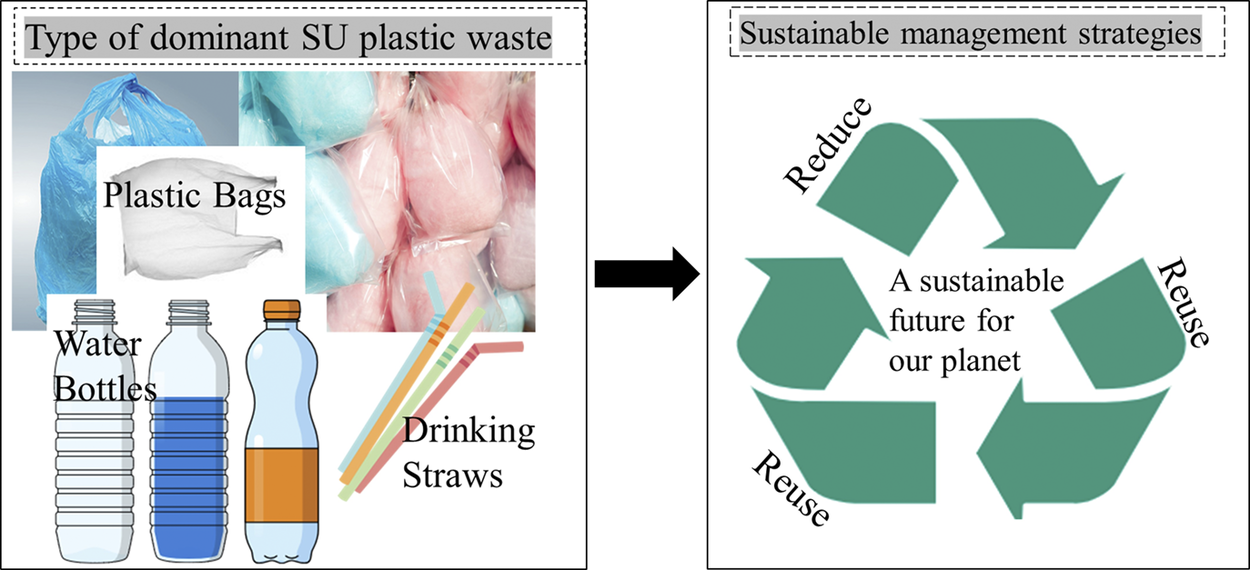
Since 1979, plastic companies have significantly expanded their markets. Evidence suggests that excessive plastic use in Ethiopia has exacerbated environmental pollution, contributing to a “quadruple crisis” involving climate change, biodiversity loss, pollution and public health and economic impacts. To address this, the Ethiopian government needs to establish effective plastic waste management strategies. Key future direction and recommendation include (1) Developing and enforcing national strategies, including a ban on many single-use plastics, for sustainable plastic waste management; (2) adopting international best practices and policies to move toward a zero-waste approach; (3) investing in a circular economy and plastic waste management systems; (4) strengthening policies through comprehensive legislation and extended producer responsibility frameworks; (5) establishing a council to integrate scientific research into policymaking; (6) promoting green technologies and innovations, such as plastic waste-to-energy and smart waste management; (7) engaging in global efforts to monitor hazardous chemicals in plastics and support transparency in a toxic-free circular economy to ensure the public’s right to information.
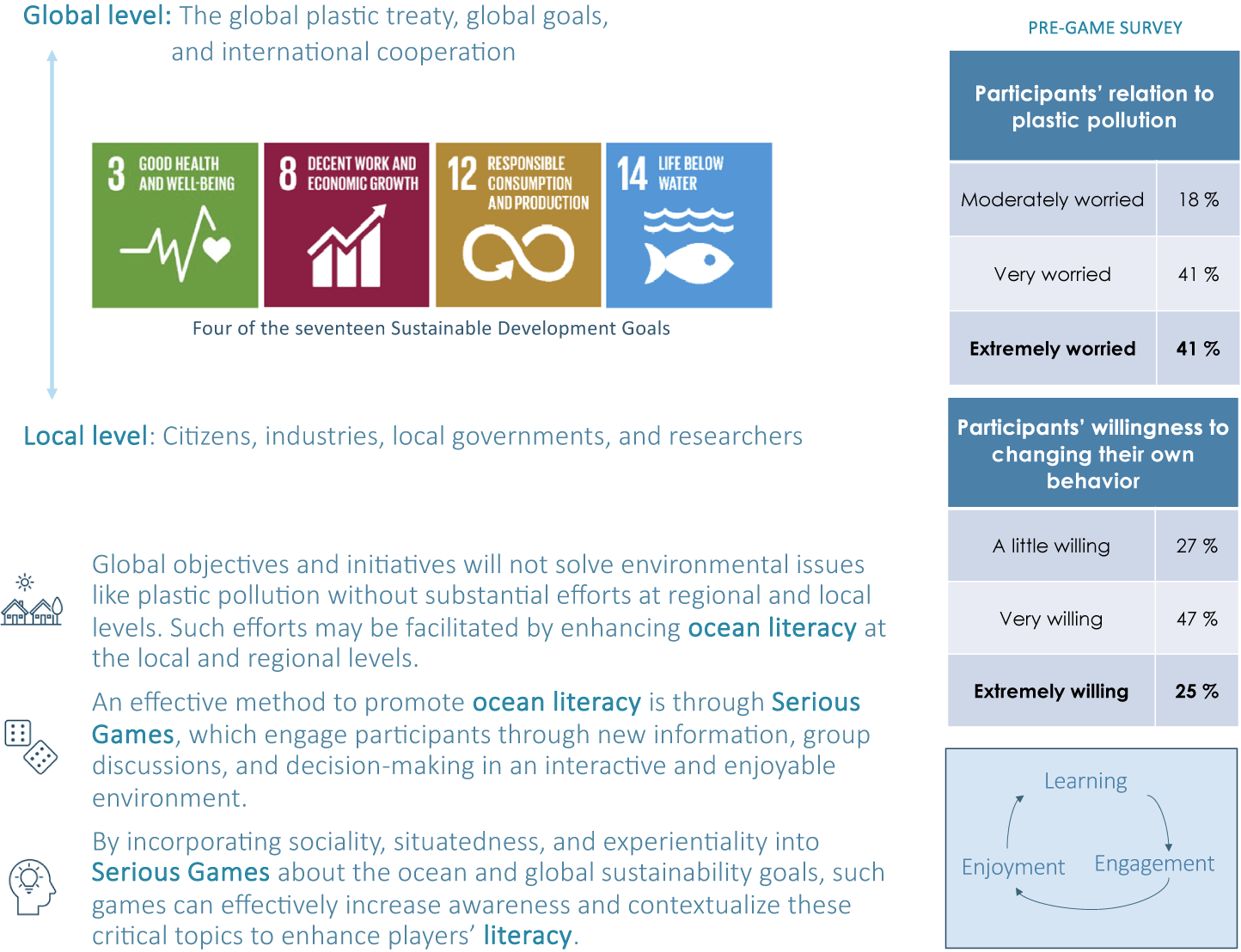
Serious games are a method that can be used to reach the public on complex topics related to the ocean. Although games used for learning generally, and ocean literacy specifically, have developed gradually since the 1970s, it was not until the popularization of digital games, around the turn of the millennium, that serious games rose to prominence in academia. Since then, vast amounts of serious games research have been published each year – chiefly on digital games, but also increasingly on hybrid and analogue games. In this article, we present results from a series of serious games that were played in three geographical regions in Norway with future-generation stakeholders and tie this to ocean literacy. We report on the potential benefits of serious games for learning and motivation based on these results. The games were played within the context of the United Nations Decade of Ocean Science, the sustainable development goals and multilevel governance, with a special focus on microplastic pollution and jellyfish blooms. We argue that using serious games can be beneficial not just for outreach but also as a tool for unintrusive collection of qualitative data in the form of narratives from transcriptions post-gaming session and contribute to ocean literacy.
Plastics have benefited society, but their environmental impact has caused concerns since the 1970s. By the year 2050, plastic production is predicted to reach 26,000 million tonnes and generate 13,000 million tonnes of waste. Plastic in the environment impacts living organisms with short to long-term consequences. To address this, governmental policies, advocacy and recycling have been implemented with varying success. Environmental education plays an important role in mitigating some impacts of plastic pollution. Upcycling discarded plastics in artwork supports that endeavour. The art installation “Regulated Exhibition – The Plastic Human”, a collaboration between BACKLIT gallery, Joshua Sofaer and the Environment Agency, brought the artworld and environmental advocacy together, to inspire discussions on the narrative of plastic pollution. To bring the project to life BACKLIT gallery was turned into a factory where audience members could explore and interact with the installation. The exhibition was free, open to all and accessible to diverse demographics within Nottingham. The interactive exhibition provoked visitors’ senses and provided a feedback mechanism. The “Plastic Human” reflected the impacts of plastic pollution in our environment. Addressing plastic pollution is thought to cause a philosophical and/or ethical burden on humans. The measured and qualitative impact of this could impact our daily lives.
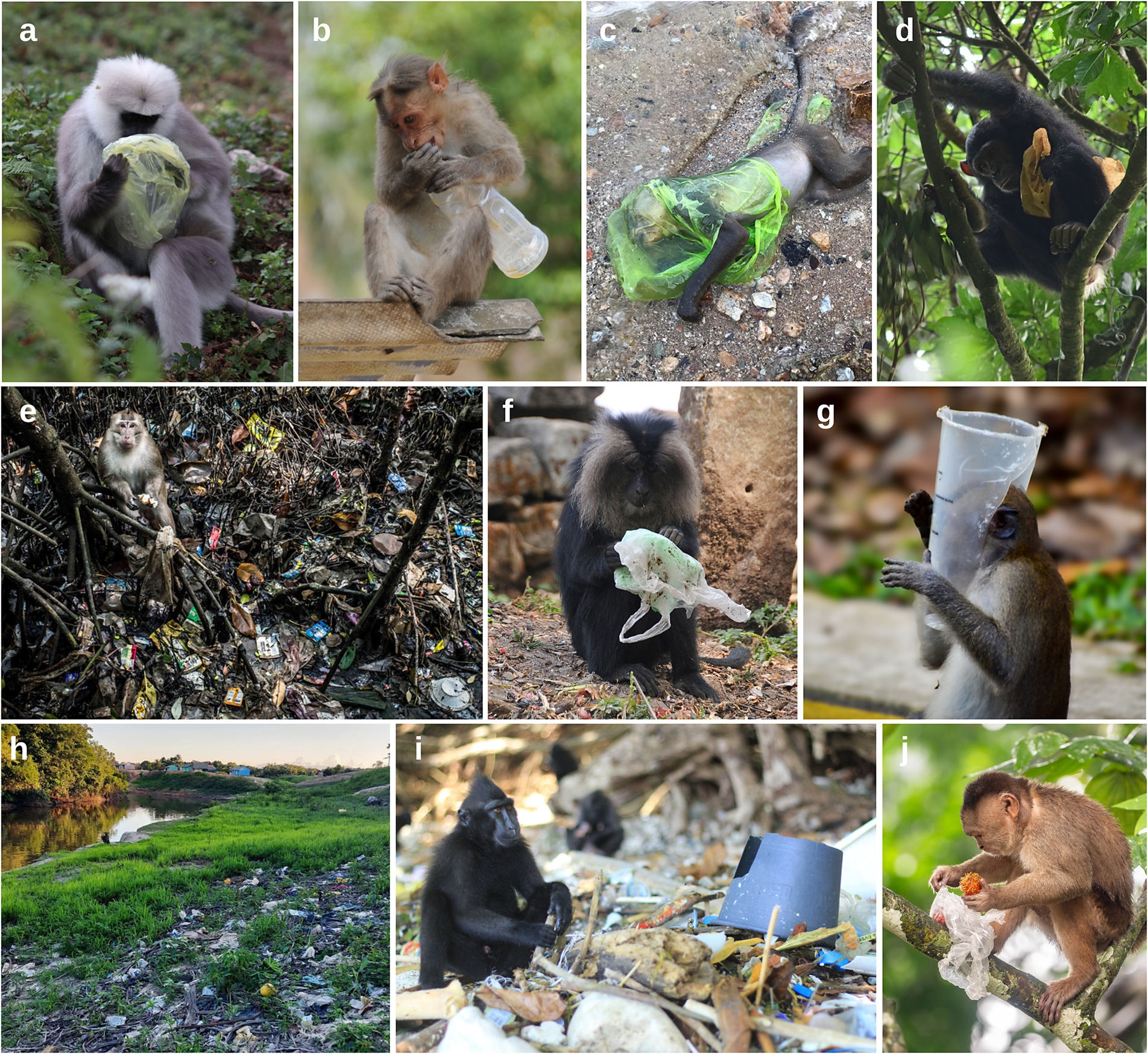
As an anthropogenic creation, plastic pollution is a form of human–wildlife interaction and an emerging conservation threat to a growing number of species in both terrestrial and marine environments. Although plastic pollution has spread worldwide and a growing body of literature shows its effects on human health, little is known about its impact on our closest living relatives, nonhuman primates, and their habitats. With over 60% of primate species already under threat of extinction, plastic pollution in their habitats poses a unique problem, exposing them to physical harm, synthetic chemicals, and pathogens through ingestion, entanglement, and oral manipulation. Moreover, through its presence in soil, air, and waterways, plastic pollution leads to environmental degradation and reduces the quality and ecological functionality of primate habitats. This perspective article covers what is known so far about plastic pollution as a conservation threat to nonhuman primates. It is a call for primatologists to address plastic pollution in our research and conservation initiatives. By collecting data on plastic pollution’s presence and assessing its impact on primates and their habitats, we can develop safe protocols and prevention strategies to combat the threat of plastic pollution in the Anthropocene.
Plastic pollution is recognised as one of this century’s most significant environmental challenges and has the characteristics of a super wicked problem. Though researchers and governments around the globe are coming up with promising technological interventions, awareness among citizens and stringent policies are the need of the hour to tackle this issue. A few countries have issued postage stamps and postal materials showcasing the various dimensions of plastic pollution. Historically, stamps depicted every progress, problem and various milestones of humanity spanning multiple fields. We contend that the plastic pollution problems and impact should be depicted through postage stamps from all countries. Through this feat, the message of the need for sustainable usage of plastics for the common good of all species can be spread by showcasing various dimensions of the sustainability of plastic usage in postage materials. This article discusses the rise of plastic pollution, its emerging impacts, and contemporary issues and mitigation strategies through postage stamps and materials. Philately can be a medium for providing environmental awareness, considering the case of plastic pollution. It can be a strong driver to promote consciousness regarding various environmental problems among students undergoing multiple levels of education and the general public.
Microplastics are ubiquitous in our environment but their presence in air is less well understood. Homes are likely a key source of airborne microplastics and microfibres to the environment owing to the frequent use and storage of plastics and textiles within them. Studying their presence, concentration and distribution in these environments is difficult without the participation of citizens due to accessibility challenges. Few studies have examined the intricacies of the prevalence of indoor microplastics and microfibres or the link between indoor exposure and behavioural and regulatory approaches that could reduce their concentrations. The application of a quintuple innovation helix framework, within which a co-creative citizen science research methodology is applied, provides an opportunity for citizens to shape the scientific method, ensuring that methods are accessible and appropriate for widespread use and designed by the citizen, for the citizen. Exploring behaviours and motivations in plastic and textile use by citizens with industry may reduce the generation of these particles. Future studies should consider the importance of citizen inclusion when designing research strategies for measuring and reducing microplastic concentrations in homes, enabling a nuanced understanding of their generation and distribution and facilitating the development of appropriate behavioural, industrial and regulatory messaging and mitigative measures.
Waste pickers are recognised as a key stakeholder in the ongoing negotiations towards an international legally binding instrument to end plastic pollution. Up to 34 million waste pickers contribute to recovering close to 60% of recycled post-consumer plastic waste globally. The International Alliance of Waste Pickers (IAWP) has actively engaged in the negotiations to safeguard a just transition for these important but vulnerable and frequently overlooked workers. This article explores how the IAWP has gained prominence in the plastics treaty negotiations through three iterative processes. First, the reiterative naming of “waste pickers” has constituted a symbolic practice and discursive influence that heightened recognition of waste pickers’ role as knowledge and rights holders in a just transition to end plastic pollution. Second, the performative dimension of waste picker advocacy has influenced official and informal events. Third, by engaging in “scale work”, waste pickers have influenced and leveraged their alliances to work towards a just transition across national, regional and international levels. By examining the role and influence of waste pickers in the plastics treaty through the frames of naming, performance and scale, the article contributes to advance the scholarly literature on just transition and grassroots movements in global environmental governance (GEG).
Marine litter poses a complex challenge in Indonesia, necessitating a well-informed and coordinated strategy for effective mitigation. This study investigates the seasonality of plastic concentrations around Sulawesi Island in central Indonesia during monsoon-driven wet and dry seasons. By using open data and methodologies including the HYCOM and Parcels models, we simulated the dispersal of plastic waste over 3 months during both the southwest and northeast monsoons. Our research extended beyond data analysis, as we actively engaged with local communities, researchers and policymakers through a range of outreach initiatives, including the development of a web application to visualize model results. Our findings underscore the substantial influence of monsoon-driven currents on surface plastic concentrations, highlighting the seasonal variation in the risk to different regional seas. This study adds to the evidence provided by coarser resolution regional ocean modelling studies, emphasizing that seasonality is a key driver of plastic pollution within the Indonesian archipelago. Inclusive international collaboration and a community-oriented approach were integral to our project, and we recommend that future initiatives similarly engage researchers, local communities and decision-makers in marine litter modelling results. This study aims to support the application of model results in solutions to the marine litter problem.
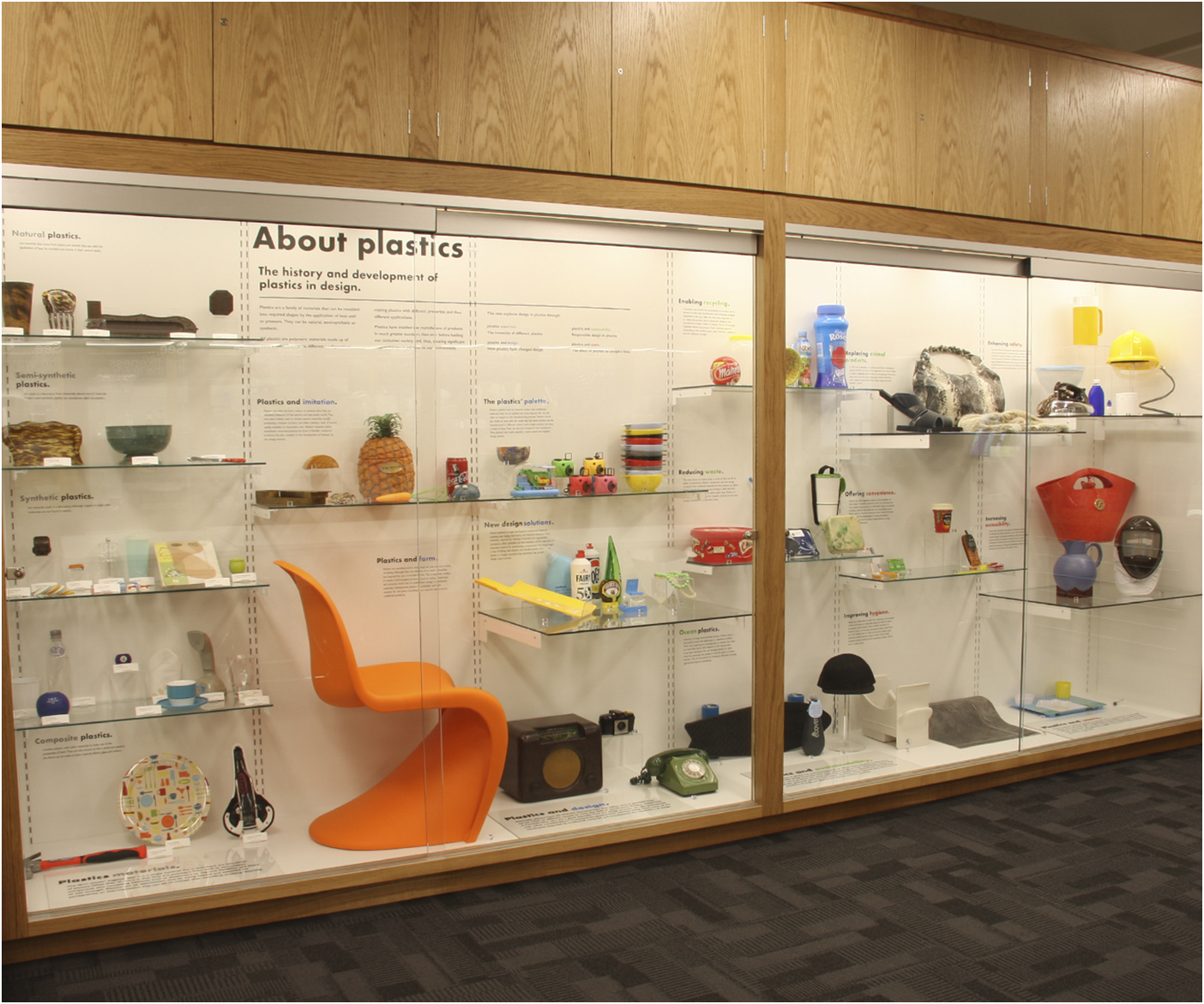
The appreciation or reception of materials can create a positive or a negative reaction in the user and an individual’s understanding of materials comes from their own experiential knowledge, influence of others, and cultural perception. The condemnation of the overuse of plastics materials and their impact on the environment when they become waste has, understandably, meant that today the cultural perception of plastics is largely that they are cheap, rubbish, throw away—all bad news. This position of negativity has been reached because we currently see the mismanagement of plastics waste as it blows about in the wind; we see it as rubbish in our streets, and as detritus in the oceans. However, our relationships with the material family, over the time they have existed, have had a varied and turbulent history with different perspectives generated by different people at different times. This article will briefly explore ‘a’, rather than ‘the’, history of the use of plastics with the aim of putting the current societal relationship with them into context.
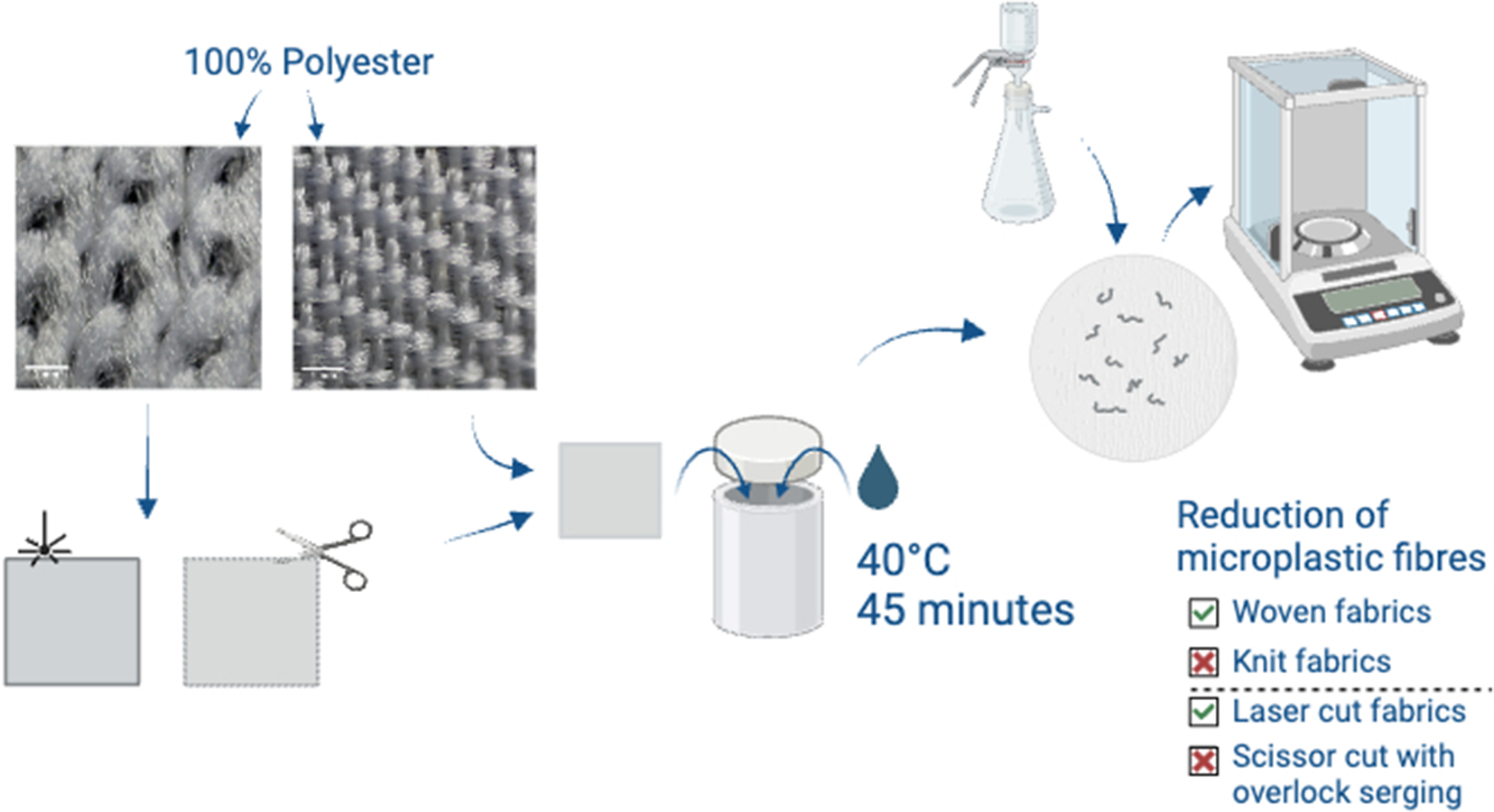
The washing of synthetic materials has been named as the largest contributor of microplastic pollution to our oceans. With the consumption of petrochemical-based synthetic materials expected to grow, due to an increased demand, the release of microplastic fibres to our environments is expected to also accelerate. To combat microplastic fibre release, this study explores source-directed interventions within the design and manufacturing process of textiles to reduce the amount of pollution released from the surface and the edges of the fabric structure. Using standardised wash tests and polyester fabric swatches that were created in-house with systematic structural adjustments, single jersey knit fabrics were shown to release over three times more microplastic pollution than twill woven fabric. This illustrates that increasing the tightness of a fabric could be implemented within the design of fabrics for environmental benefits. Additionally, the laser cutting technique reduced microplastic fibres released by over a third compared to scissor cutting and overlock serging, showing that the edge of the fabric is a significant source of microplastic pollution released during laundering. This research highlights the adaptable and innovative eco-design approaches to clothing production which is necessary to help the sector reach international sustainability targets and regulations.
The world is facing a global plastics crisis with more than 50% of plastics produced only being used once and then discarded. If nothing is done to put an end to plastic pollution, it is projected that by 2050, there will be more plastic (by weight) than fish in the ocean, affecting natural ecosystems, biodiversity and human health. While solutions often target governments and corporations, a crucial group is frequently ignored: informal waste pickers. Despite the limitations of recycling alone, waste pickers significantly impact the plastic recycling chain. This review addresses the gap in our understanding of their role. It argues that waste pickers are an essential component of the larger portfolio of solutions for the plastic crisis but face significant challenges.
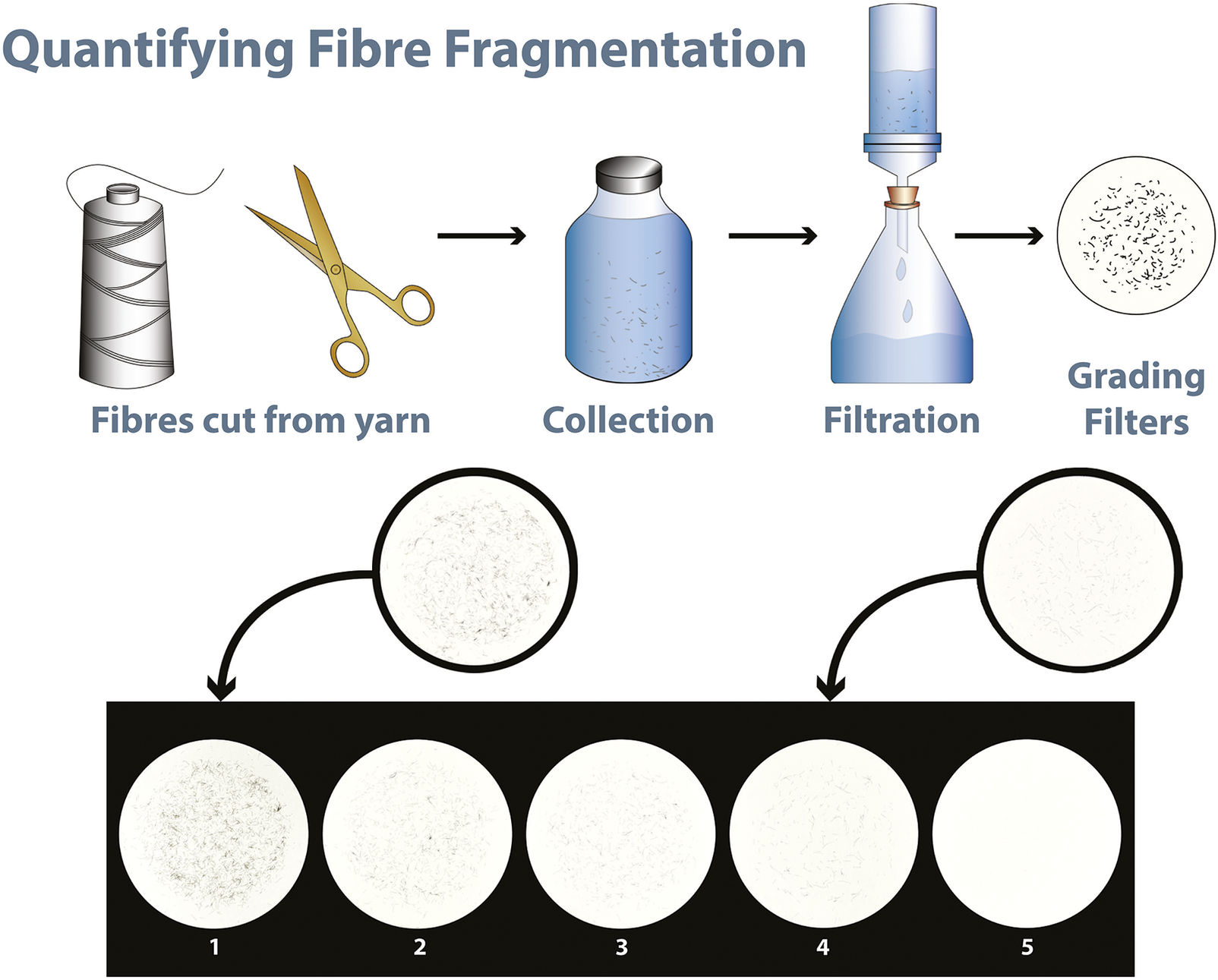
Microplastic fibres are found everywhere that researchers have looked for them, from remote mountains to human lungs. However, data are not yet available to facilitate the design of low-shedding textiles. Effective use of standard test methods could establish the impact of processing variables on textile’s propensity to fragment or shed fibres into the environment, allowing industry to design and select lower-polluting materials. Three new test methods are recommended using the widely accessible accelerated laundering equipment used for colour fastness to wash tests. However, the recommended gravimetric analysis of results takes over 8 h per specimen batch, in addition to specimen preparation, testing and effluent filtration, making analysing test results prohibitively time-consuming, and expensive, for many brands. Visual ‘grey scales’ are very commonly used to grade colour fastness test results, and this article proposes the use of an equivalent ‘fibre fragmentation scale’ to dramatically increase the throughput of fibre fragmentation testing and reduce its cost without compromising accuracy or reliability. Mean fibre fragmentation scale grades given by sets of three observers correlated with gravimetric results at 99% confidence. Subjective grades assigned to test specimens, and photographs of test specimens, had significantly lower variability than gravimetric methods at small, ‘more acceptable’, levels of fibre fragmentation.
In this overview, we examine some of the ways in which archaeologists have increasingly turned their attention to the contemporary world, focusing not on ancient artefacts but on the material legacies that we ourselves are creating and what they tell us about ourselves, including the impact we are having on planetary and human health. One aspect of this “contemporary archaeology” is the study of modern waste, an area of research often referred to as “garbology.” Originating in the later 1960s, this study of modern waste is typically focused on the plastics that characterise what is now commonly referred to as the Plastic Age, a supposedly more familiar past aligning with both cultural experience and memory. The paper emphasises archaeology’s strong interdisciplinary traditions, particularly in its use of scientific methods, which make it easier for archaeologists to work within interdisciplinary teams and with other stakeholders and with policymakers, these being particularly relevant in studies that focus on the contemporary world. The paper concludes by describing how archaeologists are using these perspectives on the contemporary world to cast their eyes forward to the future.