To save content items to your account,
please confirm that you agree to abide by our usage policies.
If this is the first time you use this feature, you will be asked to authorise Cambridge Core to connect with your account.
Find out more about saving content to .
To save content items to your Kindle, first ensure no-reply@cambridge.org
is added to your Approved Personal Document E-mail List under your Personal Document Settings
on the Manage Your Content and Devices page of your Amazon account. Then enter the ‘name’ part
of your Kindle email address below.
Find out more about saving to your Kindle.
Note you can select to save to either the @free.kindle.com or @kindle.com variations.
‘@free.kindle.com’ emails are free but can only be saved to your device when it is connected to wi-fi.
‘@kindle.com’ emails can be delivered even when you are not connected to wi-fi, but note that service fees apply.
The study aimed to evaluate the effectiveness of a device called “Apollo” in reducing anxiety, as compared to a control group. Participants were divided into two groups: the intervention group (receiving the “Apollo” device) and the control group (receiving no intervention).
Objectives
The primary outcome measure was the change in Generalized Anxiety Disorder 7-item (GAD-7) scores, calculated as the difference between post-GAD-7 and pre-GAD-7 scores.
Methods
Participants were recruited from two different cohorts, with the intervention group derived from the “Apollo” dataset and the control group derived from the “KaT Cohort 9” dataset. Matching was performed based on Age, Sex, and pre-GAD-7 scores to create comparable groups.
For those with full datasets, a total of 4 (out of 5) participants from the “Apollo” group were matched with 15 (out of 45) participants from the “Control” group, based on the selected criteria. Data cleaning was performed to handle missing values and non-numeric entries. Propensity score matching was used to match participants from the “Apollo” and “Control” groups based on Age, Sex, and pre-GAD-7 scores. An independent samples t-test was conducted to compare the mean change in GAD-7 scores between the two groups. Since propensity score matching requires complete data on matching factors (age, sex, pre-GAD-7), those without full datasets were excluded.
Results
The median change in GAD-7 scores in the “Apollo” group was −8.5, indicating a median reduction in anxiety symptoms.The independent samples t-test revealed no statistically significant difference in the change in GAD-7 scores between the “Apollo” and “Control” groups (t = -0.889, p = 0.387). Therefore, the study so far did cannot conclude a significant difference.
Conclusions
Ketamine assisted therapy remains a promising way to decrease anxiety among patients with generalized anxiety disorder and elevated GAD-7 scores. Ways to potentially improve these results are increasing the number of Apollo patients and having more balanced numbers between groups.
Men’s violence against women continues to be a major public health problem worldwide. The long-term consequences require a proper management of resources and a thorough screening protocol. The most extensive study on domestic violence was published in 2005 by the World Health Organization (WHO) and has been updated regularly ever since.
Objectives
The aim of this study was to outline a personality profile for people who could be considered domestic abusers and to provide statistical data on personality disorders which are most common among this group of population.
Methods
The quantitative data was collected by administering two scales SCID II and Karolinska Scale.
Inclusion criteria: People who are physically aggressive with family members.
Exclusion criteria: people who are diagnosed with psychosis, people who show aggression with people other than family members
Results
We included 70 people who admit to having committed acts of l physical aggression directed towards family members, who agreed to take part in the study. The scales which were applied are Karolinska scale and SCID II. We identified, using SCID II, DSM IV TR and ICD 10 the following personality disorders types in the 70 intrafamilial aggressors - 10% antisocial personality disorder, 27% borderline personality disorder of which 14% with impulsive emotional instability, 3% obsesive-compulsive personality disorder, 1.4% mixed personality disorder anxious and paranoid.
Conclusions
Being able to recognise a personality pattern shows great benefits for screening the patients at risk to develop an aggressive behaviour directed towards family member, thus being a great tool in prevention of long-term consequences associated with living in a hostile environment.
Bipolar disorder (BD) is a chronic and complex affective disorder among top diseases that cause disability worldwide. Internalized stigmatization is a process including the awareness of negative stereotypes adopted by the society, participation in and internalization of these judgements, associated with impaired social functionality. Studies examining internalized stigma and related factors in BD is limited.
Objectives
In this study, it is aimed to investigate the associations between internalized stigmatization and clinical characteristics, as well as sociodemographic and marital features of patients with BD.
Methods
This observational and cross-sectional study was conducted at a specialized affective disorders clinic in a university hospital between November 2020 and March 2021. During routine follow-up, each consecutive patient with BD was invited and a total of 118 were included in the study. Information about sociodemographic, marital and clinical characteristics of patients was collected through a prepared data form and follow-up documents. Internalized Stigma of Mental Illness Scale (ISMIS) was administered to assess internalized stigma. Statistical analysis of data was conducted by SPSS version 25 and a statistical significance level of p<0.05 was determined.
Results
Mean ISMIS total score of the sample was 56.50 ±13.65. Multiple linear regression was used to test the predictors of higher ISMIS scores. Being currently unemployed (p=0.012, Β=0.208), shorter BD duration (p<0.001, Β=0.302) and presence of inter-episode residual symptoms (p=0.004, Β=0.248) predicted higher ISMIS total. Younger age (p=0.002, Β=0.264), being female (p=0.007, Β=0.226) and absence of mania dominance (p=0.019, Β=0.190) predicted higher alienation scores. Presence of inter-episode residual symptoms predicted both stereotype endorsement (p<0.001, Β=0.320) and perceived discrimination (p<0.001, Β=0.358). Younger age (p=0.001, Β=0.281) and total number of depressive episodes (p=0.015, Β=0.212) also predicted perceived discrimination. Shorter BD duration and absence of seasonality predicted higher ISMIS social withdrawal, while history of hospitalization predicted higher ISMIS stigma resistance.
Conclusions
Our study demonstrated similar mean ISMIS total scores to the findings previously reported in Türkiye, while roughly lower than results in the international literature. Considering that internalized stigmatization was increased in earlier stages of BD and in younger patients, as well as in patients with inter-episode residual symptoms, it might be important to implement psychosocial interventions for internalized stigmatization and appropriate psychoeducation programs in the earlier periods of BD. Therefore a multidimensional and holistic approach towards internalized stigmatization may positively contribute to the functionality of patients with BD.
The COVID-19 pandemic prompted a transition from in-person to telehealth psychiatric treatment. There are no studies of partial hospital telehealth treatment for bipolar disorder.
Objectives
In the present report from the Rhode Island Methods to Improve Diagnostic Assessment and Services (MIDAS) project, we compared the effectiveness of partial hospital treatment of patients with bipolar depression treated virtually versus in-person.
Methods
Outcome was compared in 76 patients with bipolar depression who were treated virtually from April, 2020 to December, 2022 to 130 patients who were treated from May, 2017 to January 2020. The patients completed self-administered measures of patient satisfaction, symptoms, coping ability, functioning, and general well-being.
Results
In both the in-person and telehealth groups patients with bipolar depression were highly satisfied with treatment and reported a significant reduction in symptoms from admission to discharge. Both groups also reported a significant improvement in positive mental health, general well-being, coping ability, and functioning. Suicidal ideation was reduced in both groups. No patients attempted suicide. A large effect size of treatment was found in both treatment groups. The length of stay and the likelihood of staying in treatment until completion were significantly greater in the virtually treated patients.
Conclusions
Telehealth delivery of partial hospital level of care for patients with bipolar depression was as safe and effective as in-person treatment.
Haematological alterations, especially in the red blood cell series, are a rare adverse effect of olanzapine treatment. A 64-year-old female patient with a diagnosis of long-standing schizophrenia was admitted to the psychiatric room for psychotic decompensation and leukopenia in control laboratory tests. She had a history of mild psoriasis, allergy to sulphonamides and infectious bursitis nine years earlier secondary to neutropenia due to clozapine. On previous admission, episodes of anaemia and neutropenia related to increased doses of olanzapine were observed. On current admission, a new episode of anaemia and neutropenia occurred with doses of up to 20 mg/day of olanzapine, hemoglobin levels of 63g/L ann neutrophil count of 0,8*10^9 neutrophils/l were detected.
Objectives
Report a very rare but serious adverse effect in patients treated with olanzapine.
Methods
Haematological analysis were periodically carried out from 2009 to 2023.
A complete study was carried out with parameters of haemolysis, autoimmunity, a pharmacogenetic study and a myelogram.
Results
The autoimmunity and haemolysis study excluded an autoimmune or haematological illness that could justify the haematological alterations.
The myelogram showed normal cellularity.
The pharmacogenetic study showed no relevant alterations.
Image:
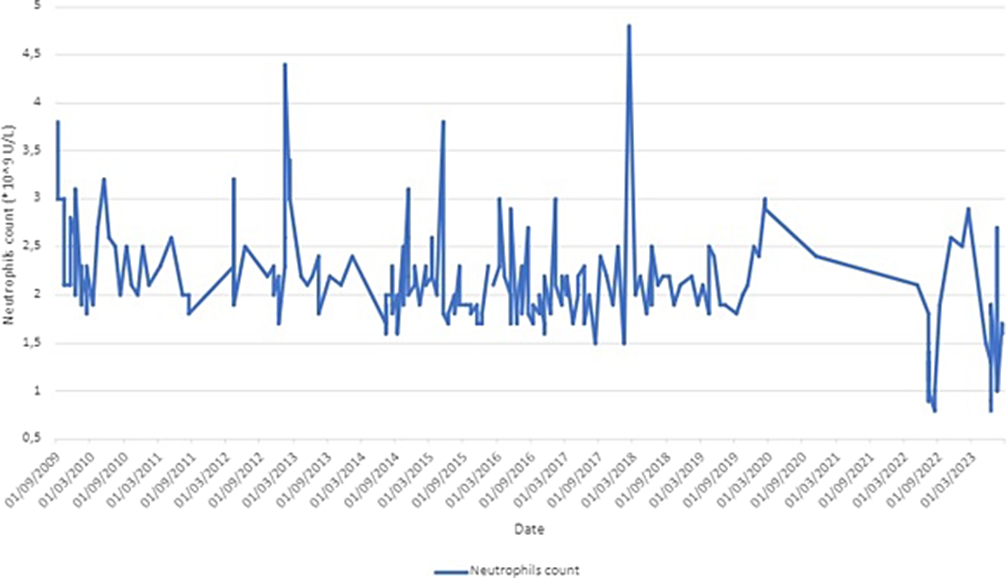
Image 2:
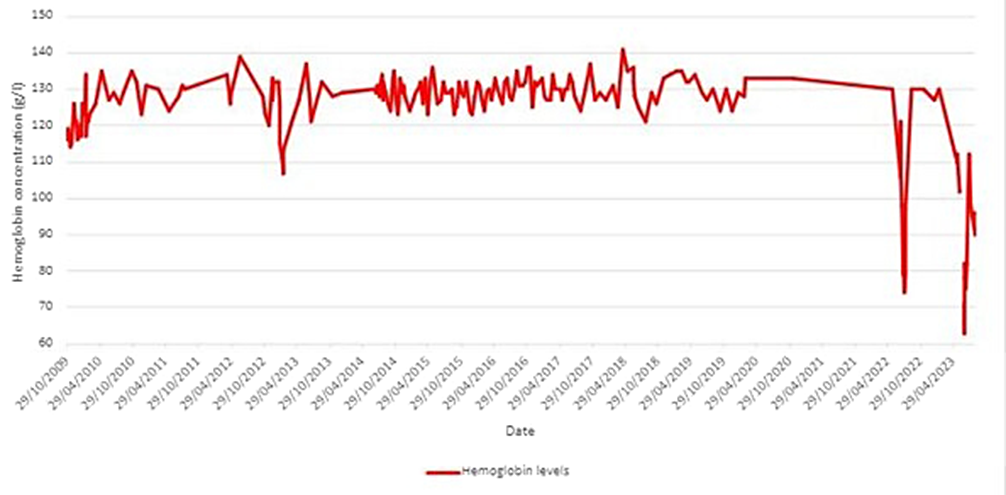
Conclusions
The case was classified as a non-immune haemolytic anaemia secondary to olanzapine and improved with withdrawal of the drug.
Instrumental learning involves goal-directed and habitual systems. The Slips-of-Action Task (SOAT) is extensively used to measure habit tendencies and the likelihood of making erroneous responses for devalued outcomes. The SOAT provides a Devaluation Sensitivity Index (DSI), a measure of the balance between relative goal-directed and habitual learning. Individuals with Obsessive-Compulsive Disorder (OCD) often engage in repetitive actions, suggesting a potential deficit in goal-directed control and an increased reliance on habitual learning. Previous literature has shown that medicated OCD adults performed worse on the SOAT task than healthy controls.
Objectives
To compare habit learning performance in an unmedicated sample:
-Goal 1: Between OCD and Healthy Controls (HC)
-Goal 2: Across four groups: adult OCD, adult HC, children OCD, and children HC
Methods
Participants: Eighty-three participants (44 OCD patients and 38 healthy controls) completed the study with usable task data. The 44 OCD patients comprised 17 adults (mean age: 26.76 years, SD: 8.61 years) and 27 children/adolescents (mean age: 12.84 years, SD: 2.59 years). The 38 healthy controls included 17 adults (mean age: 30 years, SD: 7.49 years) and 21 children/adolescents (mean age: 14.1 years, SD: 2.19 years). All participants were unmedicated. Measures: Participants completed an adapted version of the “Fabulous Fruit Game”, which included an instrumental training phase to learn Stimulus-Response-Outcomes (S-R-O) associations and a SOAT to assess the strength of learned S-R-O associations. DSI was calculated by subtracting the percentage of responses made toward devalued outcomes from the percentage of responses made toward still valuable outcomes. Behavioral Analyses: Student’s t-test comparing individuals with OCD to HC and a ONEWAY ANOVA to examine group differences across multiple categories.
Results
Goal 1: DSI comparison between individuals with OCD and HC revealed a significant difference, with HC demonstrating superior performance (t (60.9) = 2.60, p = .012, Cohen’s d = .546). Goal 2: The overall DSI comparison across adult OCD, adult HC, children OCD, and children HC showed a non-significant difference (F(3) = 3.407, p = 0.22). However, post hoc analysis revealed significant differences between Adult HC and Youth OCD (I-J Scheffe = 28.82, p = .033), indicating superior performance in adult HC.
Conclusions
This study highlights altered Habit Learning in unmedicated OCD individuals, supported by significant DSI differences compared to HC. Age-related distinctions were observed, emphasizing the need for age-sensitive interventions in understanding and addressing habit-related challenges in OCD.
In Tunisia, the 2019 corona virus pandemic was a challenging health situation, with more than 28 000 confirmed deaths in May 2022. The pandemic was responsible for people losing their beloved ones in a sudden and brutal ways. Even though the numbers of bereaved people had been escalating, little attention was paid toward their mental health. Grief is a normal response to losing someone close. However, recent studies have shown that the covid-19 grief is more severe than other causes of grief. It not only causes a negative impact on the bereaved life aspects but also creates severe consequences in the society. Screening a possible dysfunctional grief is a major need to prevent serious outcomes.
Objectives
To identify the prevalence of covid-19 dysfunctional grief and find out the possible associated risk factors to it.
Methods
A cross sectional online survey designed using Google Forms and distributed on social media platforms (Facebook, Instagram, WhatsApp) was conducted from 16 February 2022 to 05 May 2022. The participants provided information related to socio-demographic data. Covid-19 grief scale was assessed using the pandemic grief scale, which was translated into Arabic but not validated.
Results
A sample of 106 participants were recruited to this study .The sample was composed of Approximately 72% female and 28 % males, most of them were aged between 26 and 35 years old (37.7% ) . Overall, individuals who lost a loved one more than 06 months period were more frequent (81%). 91.7 % of the sample scored above the cut score of 7 on the PGS.
Covid-19 grief was higher among those who sought psychological help (p = 0.02). In this sample, there was no associated risk factors between different socio-demographic characteristics and dysfunctional grief, as well as no correlation were found between period of time since the loss and dysfunctional grief ( rho = 0.186, p = 0.56) .
Conclusions
Although our study did not find a significant high prevalence of dysfunctional grief giving the small number of participants. More studies and screening must be conducted to identify those at risk of developing dysfunctional grief to prevent the serious individual and general outcomes.
The driver’s job is a safety job requiring a meticulous neuropsychological assessment, which can affect the decision on fitness to drive. Professional driving benefits from codified regulations concerning neuropsychological disorders.
Objectives
To describe the socio-professional characteristics of drivers with psychiatric illnesses
To specify the impact of these pathologies on decisions on fitness for work
Methods
Retrospective descriptive study of drivers with psychiatric disorders who consulted the occupational pathology and fitness for work department of the Charles Nicolle Hospital for fitness for work assessment during the period from January 2016 to January 2023.
Results
Out of 98 drivers who consulted our department for an aptitude assessment, nine (n=9) patients had a psychiatric disorder. The average age was 45±7 years. They were all men. They were bus (n=7), light car (n=1), and lorry (n=1) drivers. They belonged to the transport (n=7) and service (n=2) sectors. Length of service ranged from one year to 35 years. The pathologies presented by the patients were: anxiety-depressive disorder (n=7) , bipolar disorder (=1) and drug-addiction (n=1). They were being treated with antidepressants (n=7), anxiolytics (n=3), and thymoregulators (n=1). The medico-legal decision was to avoid professional driving (n=7) and to avoid professional driving at night (n=2).
Conclusions
psychiatric illnesses can compromise fitness to work. The role of the occupational physician in the primary and secondary prevention of people at risk is important.
Ictal olfactory hallucinations (the experience of a smell due to a focal seizure in the absence of an environmental stimulus for the sensation) are rare. They often appear in a context of a brain tumor located in the orbitofrontal or mesotemporal region. However, their accurate prevalence, etiology and anatomical origin remains unclear, as few studies focused on this type of seizures specifically.
Objectives
To evaluate the clinical, neurophysiological and imaging characteristics of patients with brain tumors and olfactory seizures.
Methods
We present a 3-year retrospective patient record study carried out at the Portuguese Institute of Oncology in Lisbon. Clinical records of 572 patients admitted due to a primary Central Nervous System (CNS) tumor, for their first neuro-oncology appointment, between July 2020 and July 2023, were reviewed.
Results
8 patients with olfactory seizures were identified. Five were men. The mean age was 57.75 (ages between 15 and 70 years old). In seven patients, olfactory seizures constituted the initial clinical presentation of the tumor. In two patients, focal olfactory seizures had progression to bilateral tonic clonic. Most seizures were perceived as unpleasant (smells of metal, ammonia, “hot blood”, “dead bodies” were described). Tumors involved the temporal lobe in all patients, the insula in two of them and, for the majority, the lesion was right-sided. Six patients were diagnosed with Glioblastoma IDH wildtype (Grade 4, WHO), one patient with Oligodendroglioma, IDH-mutated and 1p/19q-codeleted (Grade 2, WHO) and the pediatric patient with a diffuse pediatric type high-grade glioma, H3 and IDH wildtype. The average follow-up time was 6.8 months, two patients died.
Conclusions
This is the first retrospective study carried out in Portugal that documents the prevalence of olfactory seizures in patients with primary CNS tumors. Given the scarce literary evidence, we consider that olfactory seizures may be more frequent than documented, particularly in the presentation of brain tumors. As so, active semiological investigation may contribute to an earlier diagnosis.
In the university stage, the student is exposed to many psychological changes, pressures, and conflicts, which makes him resort to many non-consensual psychological defense mechanisms such as (repression, justification, projection, relapse, denial, delusional illness, reverse transference, daydreaming), which causes an imbalance in the personality and its psychological functions. This may lead to cognitive and mental distortions and physiological imbalances, and the appearance of symptoms that cause psychosomatic disorders that are not due to organic physiological imbalances or bacterial diseases, but rather as a result of imbalances in the psychological functions of the ego ,Which increases the symptoms of headache, vomiting, poor digestion, irritable bowel syndrome, shortness of breath, rapid heartbeat, hormonal imbalance, facial redness, and others.
Objectives
1.Identifying the degree of use of non-consensual psychological defense mechanisms among university students, and the differences in this according to the variable (gender and degree of academic achievement)
1. Revealing the correlation between the degree of use of non-consensual psychological defense mechanisms and the emergence of disturbed psychosomatic symptoms in the functions of (the respiratory system, the digestive system, the cardiac system, the muscular system, sleep disorders, and bodily disorders).
Methods
The correlational analysis approach was used to study the relationship between the variables of the study. The sample consisted of 300 male and female university students. A scale for psychological defense mechanisms was constructed, and a scale for psychosomatic disorders prepared by Diop (2011) was adopted, and its psychometric properties were verified.
Results
The responses in the degrees of non-consensual psychological defense mechanisms were varied, with a high degree in (justification, projection, repression, and delusional illness) and a moderate degree in (relapse, daydreaming, denial, and reverse transference). Differences appeared between males and females in favor of males, while differences in academic grades were in favor of the lowest grade. The results also showed a statistically significant correlation between psychological defense mechanisms and the appearance of psychosomatic symptoms, as it was high in disorders (respiratory system, cardiac system, muscular system, sleep disorders), and moderate in (emotional disorders and somatic disorders).
Conclusions
There is a positive correlation between the degrees of use of non-consensual psychological defense mechanisms and the emergence of psychosomatic disorders, in the functions of several bodily systems and behavioral and emotional disorders.
Psychiatry has historically underserved Indigenous people. Earlier, cross-cultural psychiatry assumed that psychiatric disorders were universal and varied little across cultures. We must acknowledge their different views of mind and mental health.
Objectives
In our auto-ethnographic approach, we introduce or re-introduce participants to cultural beliefs, values, and methods for treating addictions, including narrative methods (storytelling), which receive greater acceptance by indigenous and marginalized peoples. Indigenous philosophy states that we see the world using the stories we have absorbed or constructed to explain our perceptions. Using substances is a story that is connected to poverty and adverse childhood events.
Methods
We create new stories to develop a sense of agency, that one’s actions can make a difference in one’s life. We present our experiences and findings from providing psychiatric and addiction services in rural and remote Indigenous settings in Canada (Saskatchewan and Northern Ontario) and in Maine (USA). We present data on a modified approach to psychiatric evaluations and services that emphasizes Indigenous values and begins with a life story interview that determines positive aspects of the client’s history and problem areas and engages the client in therapy from the beginning of the evaluation.
Results
We will demonstrate how this process changes the process of the psychiatric interview, engages Indigenous clients, and results in better outcomes. We discuss how psychotherapy must change to engage Indigenous clients and to be effective with addictions. She will present data on this area. We present the lessons learned and the results of using this approach with a tribal population in Maine. Some key concepts include (1) reframing the person’s self-story about being addicted within a threat-power-meaning network, (2) working with stories about the spirit of the addiction and the consequences of ingesting spirit-laden substances without knowing their songs and protocols, (3) constructing future-self-narratives that explore right relationships and meaningful conduct, (4) constructing stories about the intergenerational transmission of addictions and exploring the question of “whom will be the recipient of your addiction?” We understood that the client sets their goals and defines what recovery means for them, which is the heart of a harm reduction approach.
Conclusions
Indigenous cultures across the world are different but share some similarities including a highly relational approach to defining the self, a collectivist mindset in which the needs of the group can supersede the needs of the individual, a reliance upon stories for transmission of knowledge and culture, and a commitment to a biopsychosocial and spiritual approach, which is often symbolized by the metaphor of the Four Cardinal Directions.
Limb amputation is often an unavoidable process in many diseases and accidents, leading to several limitations in social, professional, and recreational activities.
Objectives
To explore the perceptions of persons with lower limb amputation (PLLA) wearing a prosthesis regarding the health-related quality of life (HRQoL), and to examine the relationships between HRQoL, body image disturbance, and self-esteem.
Methods
The research sample consisted of 91 PLLA who were using a prosthesis. The data were collected through a questionnaire comprised of demographic information and the following scales: The Short Form Health Survey-12 (SF-12), the Amputee Body Image Scale (ABIS-R), and the Rosenberg scale (RSES), in order to assess HRQoL, body image disturbance, and self-esteem respectively. The SPSS statistical software (v.26) was used for the statistical analysis of the data.
Results
The mean SF-12 score of the participants was 70.31 (SD=16.74). The HRQoL was affected by the following sociodemographic factors: age, educational level, profession, income, marital status, and parenthood. It was also influenced by disability-related factors, such as amputation cause and years of prosthesis use. In particular, young participants reported a better level of HRQoL than the older participants (p<0.001). Participants with a higher education level presented better HRQoL than those with lower education level (p<0.001). Unemployed participants and students presented better HRQoL scores compared to all other professional categories (p=0.001). However, participants with lower incomes <10,000 € reported a lower level of HRQoL (p=0.028). Singles had the highest HRQoL score, while widowers had the lowest (p=0.001). Childfree participants experienced the highest level of HRQoL (p=0.001). Participants whose amputation resulted from an accident reported a better HRQoL compared to those who had an amputation due to Type 2 diabetes (p<0.001). As the years of prosthesis use increase, HRQoL decreases (p=0.001). Regarding the associations between HRQoL, body image disturbance, and self-esteem statistically significant relationships were recorded. More specifically, there is a significant positive relationship between RSES and SF-12 (p<0.001); as participants’ self-esteem increases, so does their HRQoL. Conversely, a statistically significant negative correlation emerged between SF-12 and ABIS-R (p<0.001); as HRQoL increases, body image disturbance decreases.
Conclusions
The aforementioned factors should be considered in the design and implementation of psychosocial interventions aimed at recovery. Qualitative studies are recommended to explore the lived experiences of PLLA in-depth.
Paraphrenia, classically known as a chronic delusional-hallucinatory psychosis, currently has an uncertain nosological status, not being included in DSM-5 either. It can be integrated into the group of schizophrenic and delusional psychoses, but with obvious distinctive attributes. Currently, in the context of the increase in the incidence of childhood autism, the psychopathological pictures from the spectrum of psychoses in adulthood are also diversifying. Paraphrenic clinical pictures retain their specificity regarding the subject’s functioning in life roles and the absence of cognitive impairment despite the absurdity of delusional ideas while maintaining a good insertion in reality.
Objectives
We refer to patients who can be classically classified in the diagnosis of paraphrenia, with the aim of bringing back into question the validity and authenticity of this nosological entity.
Methods
The case descriptions aim to highlight the common clinical-evolutionary attributes and the distinctive ones between paraphrenia and other schizophrenic and delusional psychoses, emphasizing the differentiations corresponding to the involvement of personality and the ability to function in life roles.
Results
It is confirmed that in the case of subjects who can be classified as paraphrenic, fundamental personality structures are preserved, a good adaptation in roles with insignificant cognitive deterioration phenomena, a well-preserved insight but with a high potential of unpredictability so characteristic of the world of psychoses.
Conclusions
We believe that paraphrenia remains a psychopathological and clinical entity within which, although opposites coexist, the reporting and adaptation to objective reality is preserved - thanks to “double accounting”. From this perspective, paraphrenia confirms its distinct nosological status.
Extreme eating and weight conditions (EWC) are a construct that emerges as a dimensional and theoretical model that identifies individuals who exhibit inappropriate eating behaviours and abrupt weight fluctuations. According to this spectrum of EWC, one extreme can be represented by individuals with anorexia nervosa (AN), characterised by excessive food restriction and an extremely low body mass index (BMI), whereas the other end of this continuum is represented by individuals with obesity (OB), characterised by a BMI above 30. In addition to AN and OB, some eating disorders (EDs), namely bulimia nervosa and binge eating disorder, are also part of this continuum, given the high risk of falling into one of the extremes, especially that of higher BMI. Studies have described similar changes at the psychological and neurobiological levels associated with their abnormal eating patterns, delineating vulnerability pathways related to the neurobiological basis.
Based on previous literature, individuals suffering from EWC would show dysfunctional brain activity in regions associated with emotional reward processing and cognitive control compared to healthy controls (HC). Similarly, neuroendocrine alterations in EWC are expected to influence clinical symptomatology. It will also be discussed how impairments in executive function and differential brain activity observed in individuals with EWC may negatively impact their clinical course and treatment outcome.
Disclosure of Interest
F. Fernandez-Aranda: None Declared, S. Jimenez- Murcia Grant / Research support from: We thank CERCA Programme/Generalitat de Catalunya for institutional support. This research was supported by grants from Instituto de Salud Carlos III (ISCIII) (FIS PI20/00132) and co-funded by FEDER funds/European Regional Development Fund (ERDF), a way to build Europe. CIBERObn is an initiative of ISCIII. Additional support was received from the Delegación del Gobierno para el Plan Nacional sobre Drogas (2021I031) and Ministerio de Ciencia e Innovación (grant PID2021-124887OB-I00). Additional funding was received by AGAUR-Generalitat de Catalunya (2021-SGR- 00824), European Union’s Horizon 2020 research and innovation program under Grant agreement no. 847879 (PRIME/H2020, Prevention and Remediation of Insulin Multimorbidity in Europe) and the European Union’s Horizon Europe research and innovation program under grant agreement No 101080219 (eprObes)., Consultant of: FFA and SJM received consultancy and speakers honoraria from Novo Nordisk.
Many researchers have turned their attention to studying the relation between the gut microbiota to mood disorders. In fact, studies in the last 5 years have shown that the change in microbiota in animals can cause anxiety a depression –like behaviors.
In humans, considering the fact that there was a difference between in human gut microbiota between depressed persons and healthy controls, many clinicians suggest different treatment ways to compensate the microbiome imbalance such as Fecal microbiota transplantation (FMT).
FMT is an ancient tool that used to treat food poisoning and severe diarrhea. Recent studies have shown its efficacy in autism spectrum disorders but not enough studies have shown its contribution in treating mood disorders.
Objectives
The aim is to explore and understand the use of fecal microbiota transplantaion in the mood disorder treatment
Methods
We conducted a literature search for English articles on PubMed using the keywords : mood disorder, Fecal microbiota transplantation, treatment.
Results
13 results were initially found on the pubmed database. we identified 4 eligible studies.
02 case studies reported that patients diagnosed with bipolar disorder type 2 improved after repetitive FMT treatment, 01 randomised controlled trial concluded good tolerability and feasibility of FMT in major depression disorder but was not designed to measure clinical outcomes. Finally, 01 study protocol is still conducting on the efficacy and safety of FMT n in a population with bipolar disorder during depressive episodes.
Conclusions
No results have shown the efficacy of FMT in treating mood disorders yet. However, it is considered well tolerated and safe. Further studies are needed to conclude its efficacy.
In the complex pathophysiology of bipolar disorder (BD), increasing evidence supports the involvement of neurobiological abnormalities beyond the classical ones, suggesting them as potential alternative therapeutic targets. Several drugs approved for different indications have thus been repurposed for the treatment of BD, all of them supported by a plausible biological rationale. Some recent reviews have provided an update on these possible additional treatment options for mania and bipolar depression, but no systematic synthesis and qualitative evaluation of meta-analytic findings has been made.
Objectives
To provide a guidance on the available evidence on these treatments and their potential role in clinical practice, we conducted an umbrella review of meta-analyses of randomized placebo-controlled trials investigating drugs repurposed as add-on treatments for mania and bipolar depression.
Methods
We performed a systematic search and screening of the existing literature looking for the most up-to-date or comprehensive meta-analyses of randomized controlled trials (RCTs) on adults suffering from BD during an acute mood episode (mania or depression) which compared a repurposed drug and placebo as adjunctive treatments. We performed a critical appraisal according to “A MeaSurement Tool to Assess systematic Reviews” Version 2 (AMSTAR 2). We synthesized meta-analytic findings regarding efficacy, tolerability, and safety, also assessing the quality of evidence using the “Grading of Recommendations, Assessment, Development and Evaluations” (GRADE) approach.
Results
In nine eligible meta-analyses investigating 12 drugs (four for mania and eight for bipolar depression) we observed a heterogeneous quality of reporting was according to AMSTAR 2.
In mania, allopurinol (for symptoms reduction and remission at 4-8 weeks) and tamoxifen (for response and symptoms reduction at 4-6 weeks) showed higher efficacy than placebo, with evidence of low and very low quality, respectively.
In bipolar depression, modafinil/armodafinil (for response, remission, and symptoms reduction at 6-8 weeks) and pramipexole (for response and symptoms reductionat 6 weeks) were superior to placebo, with low-quality evidence. Results on celecoxib and N-acetylcysteine were of low quality and limited to certain outcomes.
Conclusions
Overall, the lack of evidence of high and moderate quality does not allow firm conclusions on the clinical utility of repurposed drugs as adjunctive treatments for mania and bipolar depression, limiting recommendations for their use in clinical practice. However, since some lines of evidence seem to hold some potential, and standard treatments for mania and bipolar depression remain not entirely satisfactory, the search for novel therapeutic targets and strategies for the management of BD warrants further research in the field.
While transient loneliness refers to feelings that last for a short time (less than two years), chronic loneliness alludes to feelings that last more than two years. Transient loneliness can appear after stressful life events such as retirement and loss of close social connections whereas chronic loneliness is more strongly related to maladaptive social cognition, poor social support, and lack of intimate relationships. In comparison to transient loneliness, chronic loneliness is more strongly linked to mental health problems, particularly the incidence and recurrence of depression. Therefore, understanding the specific risk factors for both types of loneliness would be of great utility in mitigating their impact on mental health.
Objectives
Our aim was to test distinct measures and risk factors for chronic and transient loneliness as well as cross-sectional and longitudinal associations of transient and chronic loneliness with depression.
Methods
Responses from participants in Wave 5 (T1, 2013) and Wave 6 (T2, 2015) of The Survey of Health, Ageing and Retirement in Europe (SHARE) (N=45,490) were analyzed. The existence of clinically significant symptoms of depression was defined as reporting a value≥4 on the Euro-D scale. Loneliness was measured through 3-item loneliness scale and a single question. Both measures were tested in separate logistic regression models to identify risk factors for transient (loneliness at T1 but not at T2) and chronic loneliness (loneliness at both time points) as well as their impact on depression.
Results
Between 47% and 40% of the cases of loneliness became chronic, according to the UCLA scale and the single question, respectively. Risk factors for both loneliness courses were being female, not being married, having a low educational level, having a poor physical health, having a poor social network and living in a culturally individualistic country. Risk factor for chronic loneliness were stronger, particularly those related to health status and social networks. Chronic loneliness showed also a strong association with depression both cross-sectionally and longitudinally, while transient loneliness showed a weaker cross-sectional association and markedly lower probabilities in the longitudinal association.
Conclusions
Risk factors for chronic loneliness and measures of the temporal dimension of loneliness should be considered in psychosocial interventions designed to prevent mental disorders.
Schizophrenia is often considered as pathology of consciousness. Some authors have considered that patients’ self-perception of their cognitive difficulties expressed in the form of subjective complaints could represent a source of stress. These cognitive difficulties may then interfere with the interpretation of symptoms, leading to poor insight.
Insight and cognitive complaints in stabilized outpatients with schizophrenia.
Objectives
Study the relationship between subjective cognitive complaints and clinical insight in a Tunisian population with schizophrenia.
Methods
This is a cross-sectional, descriptive and analytical study carried out on 72 stabilized patients followed at the post-cure psychiatry consultation ‘A’ at the CHU Hédi Chaker in Sfax diagnosed with schizophrenia according to the DSM 5 criteria.
We used the schedule for the Assessment of Insight–Expanded Version(SAI-E) scale to assess Clinical Insight and the Subjective Scale to Investigate Cognition in Schizophrenia (SSTICS) to determine subjective cognitive complaints
Results
The mean age of the patients was 46.83 ± 11.6 years, with a sex ratio (M/F) of 2. In our study, 48.5% were single and 69.4% were unemployed.
The median total SSTICS score was 25.
Using the SAI-E scale, an average score of 20.1 was objectified in our study.
In our study, the better the insight, the greater the subjective cognitive complaints were in all cognitive domains (p=0.00).
Awareness of illness was statistically associated with working memory (p=0.001), explicit memory (p=0.004), attention (p=0.001), language (p=0.01) and executive functions (p=0.001).
Conclusions
Our study highlights the relationship between awareness of illness and cognitive complaints. The clinician, faced with repetitive cognitive complaints, should assess the insight before incriminating another cause (effects of a drug, cognitive deficit, etc.).
Eating disorders (ED) are serious mental and physical illnesses that involve complex and damaging relationships with eating, exercise, and body image. They emerge due to a multifaceted interplay of factors, including familial predispositions, personality traits, and cultural influences. While societal beauty standards are recognized as significant risk factors, it is hypothesized that the roles and responsibilities associated with adult womanhood may also contribute to their development. In particular, the unique challenges faced by women, especially in developing countries like Turkey, may lead to discontent with traditional gender roles.
Objectives
This study aims to explore the connection between eating disorders, female identity perceptions, body attitudes, expectations regarding women’s roles within families, and their potential association with body dysphoria. We investigate whether eating disorders are linked to a form of sexual dysphoria and body dysmorphia related to femininity rather than solely driven by societal beauty ideals.
Methods
Data from 228 female college students, both undergraduate and graduate, were collected via online surveys. The survey instruments included a sociodemographic form, the Eating Attitude Test, the Gender Roles Attitude Scale, and the Multidimensional Body-Self Relations Questionnaire.
Results
The average age of the participants was 24.41 (18-33) years. Regression analysis revealed that age (β=-0.155, p=0.015), the belief that physical appearance would be less important if they were male (β=0.292, p<0.001), and maternal criticism about weight (β=0.239, p<0.001) were influential factors in shaping eating attitudes. Surprisingly, no significant relationship was found between eating attitudes and traditional gender roles (β=0.072, p=0.246). However, we did establish a connection between aspiring to meet ideal thinness standards and perceiving women as disadvantaged in the workplace due to their traditional gender roles (t(226)=2.32, p=0.021), as well as with maternal criticism (t(225)=3.55, p<0.001).
Conclusions
Our findings suggest that the absence of a direct link between eating attitudes and traditional gender roles may be attributed to an individual’s perception of their environment rather than their self-assessment of masculinity within an egalitarian context. Notably, maternal influences specifically their criticism regarding their daughters’ weight and the roles assigned to mothers significantly shape these perceptions and, consequently, eating behaviors, aligning with existing literature (Ferreira et al. Archives of Clinical Psychiatry 2021;48,168–177).This underscores the need to consider eating disorders within a broader biopsychosocial framework, encompassing attitudes toward the world and one’s role within it.
Open-door policy (ODP) is an approach to reduce coercion in psychiatric wards recommended by the World Health Organization and the Council of Europe. Observational studies from Switzerland and Germany have shown promising results in reducing coercion, but no RCTs have been conducted. Skeptics have been concerned the observational evidence could mask that ODP could increase risks and harms and / or increase the use of coercive measures staff use to assist patients with psychoses, while proponents have argued that de-escalation and alliance-building will result in no such increase.
Objectives
To evaluate open-door policy in an openly randomised, ethical-board approved trial of all patients referred to ward care at the Lovisenberg Diaconal Hospital in Oslo, Norway.
Methods
A 12-month pragmatic, randomised-controlled non-inferiority trial comparing two ODP and three TAU acute psychiatric wards. The trial was pre-registered (ISRCTN16876467) and conformed to CONSORT. Ethical committee exemption enabled waiver of consent rules for the study, meaning all regular patients were included. Patients were randomly assigned (2:3 ratio) by a clinical admissions team using an open list. The non-inferiority margin was 15 % on the primary outcome: the proportion of patient stays with one or more coercive measures, including involuntary medication, isolation/seclusion, and physical and mechanical restraints. Primary and safety analyses were based on intention-to-treat. Safety analyses included suicides and violent events against staff. Secondary outcomes were individual coercive measures, intensive care, resource use, and patient feedback.
Results
N=556 patients were included and randomised and were similar on all pre-admission demographics: Around 75% of patients were diagnosed with a psychotic disorder and were involuntarily admitted. Primary outcome: Use of coercive measures was within the non-inferiority margin (see table 1). Safety outcomes: No suicides occurred during ward care in any group. Violence against staff did not differ between study wards. Secondary outcomes: Use of intensive care (‘skjerming’) and number of days admitted was significantly less on open-door policy wards. Patients on open-door policy wards rated their experience of coercion and ward atmosphere better than patients on control wards.Table 1.
Absolute and relative risk of being subjected to coercion on open-door policy or usual-treatment wards.
Number (%)
Main outcome
Absolute Risk ODP wards (n=245)
Absolute Risk TAU wards (n=311)
Relative Risk (95% CI)
Risk Difference (95% CI)
Primary hypothesis confirmed
One or more coercive measures during the admission
65 (26.5%)
104 (33.4%)
1.3 (0.97 to 1.6)
6.9% (-0.7 to 14.5)
Yes
Conclusions
This first RCT found open-door policy does not increase use of coercion or resource use. It does not harm staff or patients and is experienced as better by patients.
