To save content items to your account,
please confirm that you agree to abide by our usage policies.
If this is the first time you use this feature, you will be asked to authorise Cambridge Core to connect with your account.
Find out more about saving content to .
To save content items to your Kindle, first ensure no-reply@cambridge.org
is added to your Approved Personal Document E-mail List under your Personal Document Settings
on the Manage Your Content and Devices page of your Amazon account. Then enter the ‘name’ part
of your Kindle email address below.
Find out more about saving to your Kindle.
Note you can select to save to either the @free.kindle.com or @kindle.com variations.
‘@free.kindle.com’ emails are free but can only be saved to your device when it is connected to wi-fi.
‘@kindle.com’ emails can be delivered even when you are not connected to wi-fi, but note that service fees apply.
Intellectual disability (according to the DSM-5) or intellectual developmental disorder (according to the ICD-11) is a disorder with onset during the developmental period that includes both intellectual and adaptive functioning deficits in conceptual, social and practical domains. The term learning disability (LD) is also used, although this term shows more specifically deficits in the domain of learning. The term learning difficulties is often used for specific or generalized intellectual impairment that does not meet all of the criteria of LD.
The prevalence of learning disability in prisoners is about 10%. Up to 60% of male prisoners have learning difficulties. Prevalence rates for offending behaviour in patients with LD is higher than in the general population and show a large range, from 2-40%.
The main explanatory factor underlying the link between intelligence and offending is the lack of ability to manipulate abstract concepts. Poor academic performance, common in persons with LD, is also linked to offending.
With regard to sexual offending, some persons with LD may not have learnt the rules that define acceptable and unacceptable behaviour. Sexual offences may amount to inappropriate, impulsive expressions of emotion rather than premediated violent acts. Violent behaviour in the LD population may be due to frustration, impulsivity or poor problem solving skills. There is no significant difference in the frequency of violent or property offences between individuals with LD and those without. However, sex offences and fire-setting are frequently seen in individuals with LD.
Persons with LD are vulnerable suspects and may also be disadvantaged by the criminal justice system because of a lack of appropriate support and legal representation from early stages in the process.
In this introductory paper these themes will be addressed.
Alterations in motor activity are an extremely important characteristic and one of the leading symptoms of major functional psychiatric disorders. These pattern disturbances can be observed in schizophrenia. Actigraphy is a non-invasive method that can be used to monitor these changes, and recent studies emphasize its significance in the early identification of disorders like schizophrenia.
Objectives
This study uniquely focuses on distinguishing latent liabilities for schizotypy from manifested schizophrenia using specific actigraphy features.
Methods
Actigraphy data were collected using specialized devices from the University of Szeged and Haukeland University Hospital datasets (Berle et al., 2010). At Haukeland University Hospital patients with chronic schizophrenia (N=23) (so-called: manifested group) were collected, separately, at the University of Szeged, healthy university students were recruited and screened for latent tendencies towards shizotypic pathological development. In the latter study, two main groups were formed based on their scores: a positive schizotypy factor group (so-called: latent group) (N=22) and a control group (N=25), with actigraphy data.
Utilizing the pyActigraphy library (Hammad et al., 2021) and wavelet analysis, features such as activity mean, interdaily stability and sleep movement characteristics were derived. Feature selection employed machine learning algorithms, notably Logistic Regression, Random Forest, ANN, and AHFS aided by Shapley values and Click Forming Feature Selection for insight into the most influential features.
Results
The three models exhibited similar performance with a 60% accuracy threshold. In the latent group, sleep-related movements have a substantial impact, while in the manifested group, in addition to sleep characteristics, features like RA, IV, ADAT, M10, the mean activity level (all of which decreased), and the ratio of zero values also play a significant role. In the latent group, features related to the length of small amplitude movements were dominant, particularly the increased values, along with a decrease in the density of large movements.
Conclusions
Our study indicates that in the latent phase of schizophrenia, actigraphy features related to sleep are most significant, but as the disease progresses, both sleep and daytime activity patterns are crucial. Sleep disturbances may signal early susceptibility, with nighttime movements offering clearer insights. These variations might be influenced by medication effects in the manifested group, reflecting the broader challenges in schizophrenia research where the drug-free study of patients remains elusive. Further studies should explore these features in the Clinical High Risk and prodromal groups to refine our understanding of the development of the disorder.
Severe schizophrenia is often closely related to delinquency resulting in relative overrepresentation of these manifestations of disease in forensic institutions.
Objectives
The aim of the present work is to report the therapeutic challenges in a case of severe schizophrenia in a forensic institution from a clinical viewpoint as a basis for discussion.
Methods
The case report is based on the available clinical documentation, exploratory interviews as well as a structured clinical interview (PANSS).
Results
Presenting a case of a 41-year-old, male Caucasian inpatient suffering from a catatonic schizophrenia, we report the challenges in treatment of chronic, major schizophrenic disease resistant to antipsychotic medication. Without any previous criminal convictions, he has been instutionalized in a forensic psychiatry after a bodily harm to a random stranger about three years ago. Regarding medical history, information is limited to a few inpatient admissions prior to detention documenting intravenous opioid and cocaine abuse. Initially, the patient presented sexual disinhibition and ongoing endangerment of others with frequent assaults to other patients and prison guards. From a psychopathological viewpoint several phenomenona such as delusional intuition, acoustic, tactile and coenaesthetic hallucinations, echolalia, mannerisms and thought diffusions reflect the severe course of the disease (PANSS: P 34/49, N 38/49, G 73/112; total 145/210). Therapeutic attempts with an antipsychotic combination of risperidone, olanzapine and quetiapine as well as valproic acid resulted in insufficient recovery with persistent physical assaults and florid psychosis. In reaction to that zuclopenthixol for impulse control was added. As from the beginning of this year a switch of medication by gradually replacing risperidone and zuclopenthixol with haloperidol and clozapine showed modest success. Under the current medication and therapeutic drug levels the patient does not pose endangerment to others. However, regular tonic-eye fits require supplementary treatment with biperiden, and the patient still presents frequent periods of self-harm punching himself, verbal lack of impulse control and the psychopathological phenomenona described before. In addition to pharmacological treatment the patient receives psychotherapeutic one-on-one conversations. Despite approaching all limits of the available antipsychotic repertoire, psychopathology is only insufficiently controlled leading considerations to electroconvulsive therapy as a treatment of last resort.
Conclusions
Certainly, the present case is exemplary for a severely ill population of patients reaching – after a long and untreated course of disease - a chronic stage that does not sufficiently respond to a multitude of treatment attempts despite proper compliance raising the urgent need for further treatment options.
Patients with severe mental illnesses (SMI) are often exposed to polymedication. Additionally, the risk of somatic diseases is twice as high in patients with SMI as in individuals without a psychiatric disorder. Furthermore, drug–drug interactions (DDI) between psychiatric drugs and somatic medications are a well-known cause of adverse drug reactions (ADR).
Objectives
The aim of this study was to analyse whether already known DDI related to psychiatric drugs and somatic medication still occur in everyday clinical practice.
Methods
Therefore we identified all spontaneous ADR reports contained in the European ADR database EudraVigilance from Germany received between 01/2017 and 12/2021 reported for patients older than 17 years in which antidepressants, antipsychotics and mood stabilizers were reported as suspected/interacting (n= 9,665). ADR reports referring to intentional overdoses and suicide attempts were excluded (n= 9,276 left). We used the ABDATA drug information system in order to identify all potential DDI (pDDI). The identified reports with pDDI were then assessed individually to determine whether the respective DDI occurred.
Results
1,271 reports with 728 potentially interacting drugs pairs related to psychiatric drugs and somatic medications with 2,655 pDDI were found. Restricted to potentially interacting drug pairs with more than 10 reports, (i) hyponatremias related to antidepressants and diuretics (n= 362, 32.6%), (ii) bleeding events related to selective serotonin reuptake inhibitors (SSRI) and platelet aggregation inhibitors, anticoagulants or non-steroidal antiinflammatory drugs (NSAID) (n= 295, 17.5%), and (iii) increased beta-blocker effects related to SSRIs and beta-blockers (n= 126, 11.3%) were the most frequently identified pDDI. After individual case assessment, in 33.3% (14/42), 23.7% (45/190) and 17.4% (8/46) of the reports bleeding events related to SSRIs and anticoagulants, SSRIs and platelet aggregation inhibitors and SSRIs and NSAIDs were reported. Hyponatremia was reported in 7.6% (22/289) of the reports related to antidepressants and diuretics and increased beta-blocker effects in 6.9% (8/116) of the reports related to SSRIs and beta-blockers.
Conclusions
According to our analysis, well-known DDI still occur in the treatment of psychiatric patients with psychiatric drugs and somatic medication. Whenever possible, alternative drug combinations with a lower potential of DDIs may be considered or appropriate monitoring measures should be conducted.
We present the case of a 70-year-old man who, after presenting atypical depressive symptoms, was diagnosed with incipient frontotemporal dementia.
Objectives
Through the presentation of the case, a brief review is made of the affective prodromes of frontotemporal dementia
Methods
The patient, who had no personal history of interest, suddenly began to present depressive symptoms consisting of marked irritability, dysphoric mood, anxious semiology with a subjective feeling of anguish, maintenance insomnia and a feeling of lack of self-control, with a tendency towards verbal heteroaggressiveness. The patient reported all these symptoms with great suffering.
After one year of treatment with venlafaxine 300g DMD and quetiapine 400g DMD, with one admission to the short-stay inpatient unit for self-harm threats, the patient had not experienced any improvement. In addition, during this year, the patient’s family began to observe small memory lapses that affected his daily functioning, making the patient progressively more dependent.
Results
In view of this clinical picture, it was decided to request an MRI and a brain PET scan, where deficits in the frontal and temporal regions were observed, and a diagnosis of incipient frontotemporal dementia was made.
Conclusions
Frontotemporal dementia is the third most common dementia in people over 65 years of age. About half of the patients debut with psychiatric symptoms, one of them being depressive symptoms. Treatment is focused on the use of psychotropic drugs with the aim of symptom management. Olanzapine or aripiprazole are effective for psychotic symptoms or acute agitation. For more subacute conditions, SSRIs or trazodone are recommended. The iACOs are not recommended, because they are ineffective and worsen neuropsychiatric symptoms.
In this talk I will present new findings from EarlyCause, a European consortium which aims to better understand the link between early life stress and the development of psycho-cardiometabolic (PCM) comorbidity across the lifespan, leveraging data from large-scale pediatric and adult population studies. I will discuss findings regarding the effect of (prenatal and postnatal) early life stress on PCM health outcomes and their comorbidity, potential moderating and mediating factors, as well as evidence for causality.
Several research already proved the role of certain immunological factors (neutrophil-lymphocyte (NLR), monocyte-lymphocyte (MLR) and platelet-lymphocyte (PLR) ratio, and C-reactive protein (CRP)) in the background of suicidal behaviour.
Objectives
The aim of this research was to study the association between routinely measurable low-grade inflammation parameters and suicidal behaviour among patients in the acute psychiatric care setting.
Methods
The study population included psychiatric in-patients (N=100) consecutively treated with depressive disorders and/or suicidal behaviour in a University Clinic between December 1, 2020 and December 31, 2021. Three different patient-groups were generated based on their suicidal behaviour: suicide attempters (N=55) including recent attempters(N=36) and past attempters (N=19) and non-suicidal patients (N=45), who never had a suicide attempt. Basic socio-demographic data, the severity of depression and immunological parameters (white blood cell count: lymphocytes, monocytes, neutrophil, eosinophil, basophil granulocytes; thrombocytes; C-reactive protein) were recorded.Descriptive analyses and multivariate regression model were performed with RStudio version 4.2.3.
Results
CRP was significantly higher (2.00 vs. 1.00; p=0.007) in suicidal patients (N=55), however other immunological parameters did not differ significantly between the suicidal and the non-suicidal groups (NLR: 2.02 vs. 2.19; MLR: 0.22 vs. 0.11; PLR: 118 vs. 130). NLR and MLR showed significantly higher values (NLR: 2.83 vs. 1.93, p=0.021; MLR: 0.28 vs. 0.11, p=0.01) for those who currently attempted suicide (N=36) compared to the patients with no or past suicide attempt (N=64). In the regression analysis, the NLR and MLR showed significantly higher values in current suicide attempters even when gender, age, suicidal risk and severity of depression were included in the model. However, no significant differences were found when comparing current and past suicide attempters with the non-suicidal patients.
Conclusions
Despite the small number of cases in the samples, our results confirmed the association of certain immunological parameters (NLR, MLR) and acute suicidal behaviour. This relationship was found to be independent of depression and its severity. Our data suggest that, unlike the NLR and MLR parameters, the higher CRP value may not be related to acute suicide attempt, but rather to suicidal vulnerability, as a trait-marker. Markers of chronic systemic inflammation may help in the prediction of suicidal behaviour and in the development of new therapeutic options, however, further prospective studies are needed to identify the specific role of immunological factors in suicidal behaviour more precisely.
Neuropsychological disorders in patients with alcoholism intensively studied since the mid-70s of the last century. Research in this area divided into three groups: the study of premorbid neuropsychological features of alcohol dependence; study of neuropsychological disorders of chronic alcohol use; study of the prognostic value of neuropsychological disorders in patients suffering from alcohol dependence. In domestic neuropsychology, is the necessary information about the neuropsychological characteristics of patients suffering from alcohol dependence, neuropsychological manifestations in cognitive processes.
Objectives
to identify neuropsychological features of patients suffering from alcohol dependence with a diagnosis of stage 2 alcoholic disease
Methods
A neuropsychological examination was carried out according to the method of A.R. Luria of 39 patients aged 29 to 68 years with a diagnosis of stage 2 alcoholic disease. The group of patients is divided into 3 subgroups of alcohol abuse: up to 10 years, 10-20 years; more than 20 years.
Results
Disorders of higher mental functions identified in all subgroups. In chronic alcoholic encephalopathy, there is a tendency to increase cognitive deficits. According to the results of the neuropsychological examination, it was found that the greatest disorders in patients of the first subgroup occur in the implementation of successive processes (memory, thinking), arbitrary regulation of activity, and also relate to the regulatory aspects of memory, attention, thinking and speech.
In patients of the second subgroup, the most numerous in this sample, violations of visual object gnosis were revealed, as well as a violation of the synthesis of information necessary to endow the image of the object with a certain meaning In patients of the third subgroup, pronounced disorders inherent in the first and second subgroups were found, as well as distortions in the identification of emotions, that is, the inability to compare emotional objects with an emotional standard, which indicates signs affective-cognitive deficit in alcoholic disease of the second stage.
Conclusions
In the study, the dynamics of neuropsychological disorders in patients with alcohol disease of the second stage, depending on the experience of alcohol abuse, found
Suicide is a multifactorial phenomenon characterized by many biological, psychological, and social-cultural factors. The study of this phenomenon in migrants is complex, with no theoretical framework that can describe the available heterogeneous data. Although Italy has the fourth largest migrant population of EU, only few studies have assessed suicidal risk in migrants.
Objectives
The aim of his study is to assess suicide risk factors (hopelessness; interpersonal needs; traumatic experiences) in a sample of migrant patients, and to evaluate the possible application of the Interpersonal Theory of Suicide (ITS). Moreover, suicidal ideation and attempts were compared between migrants and natives. Lastly, a wider psychometric assessment has been conducted (depressive and anxiety symptoms; autistic traits).
Methods
In this case-control study, we included 50 migrants vs. 50 natives. Data were collected during the same period by gender, age, and diagnosis. We collected sociodemographic and clinical characteristics. We administered the following tests: Columbia Suicide Severity Rating Scale, Interpersonal Needs Questionnaire, Beck Hopelessness Scale, Beck Depression Inventory-II, Hamilton Anxiety Scale, Childhood Trauma Questionnaire, and Adult Autism Subthreshold Spectrum.
Results
There were no differences in sociodemographic characteristics, except for ethnicity. Otherwise, there were significative differences between diagnosis (p:0.013), with native reporting more Mood Disorders, and migrants reporting more Anxiety, Obsessive-Compulsive, Trauma-Related, Eating, and Substance Use Disorders. Migrants were more prone to be on treatment with Mood Stabilizers (p:0.000). There were significative differences for interpersonal needs, trauma, anxiety, and autistic traits. Migrants show more perceived burdensomeness (p:0.05), more physical neglect (p:0.004), physical abuse (p:0.002), and sexual abuse (p:0.016), more anxiety symptoms (p:0.046), and more empathy alterations (p:0.014). No differences were found for suicidal ideation and attempts, hopelessness, and depressive symptoms.
Conclusions
Despite there were no differences in suicide risk, migrants showed higher rates of perceived burdensomeness (PB) and childhood traumatic experiences (CTE). Both PB and CTE represent cardinal constructs of the ITS. No differences were found for hopelessness and depressive symptoms. Migrants showed higher rates of anxiety symptoms and empathy alterations. Even if suicide rates between migrants and natives were similar, accurate assessment of suicidal risk in migrants is crucial in improving suicide prevention strategies. Suicide risk evaluation in migrants should consider the application of ITS. For an appropriate clinical evaluation of the migrant patients, anxiety dimensions and autistic traits should be investigated.
By 2050, one out of every six people in the world will be 65 years or older. Chronic diseases and associated multiple drug use are common in elderly. The use of five or more drugs is called polypharmacy and it’s reported between 40-90% in the elderly. The Beers Criteria is the American Geriatrics Association’s guide to current recommendations regarding the safety of pharmacotherapy in older age. Being a part of community-based health services in Türkiye since 2005, “Home-based Health Care Services” is a program in which patients, who are mostly elderly and have difficulty in accessing health institutions, access medical services at their homes.
Objectives
In our study, it was aimed to examine the chronic disease diagnoses and prescriptions of patients aged 65 and over, registered in a home-based health care unit, in terms of psychotropic drugs and polypharmacy, and to evaluate the compliance of their psychiatric prescriptions with the Beers Criteria.
Methods
Sociodemographic, psychiatric diagnosis and treatment prescription and home-based health service-specific data were collected from the electronic files of home-based health care unit patients. Chronic diseases were scored according to the Modified Charlson Comorbidity Index (mCCI). The last 6-month prescriptions obtained from the electronic patient files were scanned and included in the analysis. In statistical analysis using SPSS Version 25, a p-value of significance <.05 was determined.
Results
As of February 2023, 229(83.2%) of 275 patients aged 65 and over constituted the research sample. The mean age of the sample, half of whom were considered as oldest-old(85 years and older), was 83±7.97(median=86,IQR=10.75), 69.9%(n=160) were women and 97.8%(n=224) were diagnosed with at least one chronic disease. The mean mCCI scores were 5.30±1.11(median=5.50, IQR=1.0). Polypharmacy was detected in 78.6% of the sample(n=180), among half(n=114) of whom at least one psychotropic was prescribed, drugs not recommended to be prescribed according to the Beers Criteria in elderly patients were 46%(n=52). Prescription rates were as follows: anti-dementia- 21.5%(n=49), antidepressants- 31.1%(n=71), antipsychotics- 21.5%(49) and benzodiazepines- 5.3%. Most frequently prescribed antidepressant was escitalopram 49.2%, while most frequently prescribed antipsychotic was quetiapine 29.4%. The frequency of quetiapine prescription increased significantly in patients with dementia (Χ²(1)=29.54, p<.001) and insomnia (Χ²(1)=13.11,p<.001).
Conclusions
The frequency of polypharmacy was found to be closer to the higher values reported previously. Almost half of the sample had a prescription for psychotropic drugs, and one out of two of these prescriptions did not meet the Beers Criteria. Considering the aging population, it will be of great importance for clinicans to carefully evaluate psychotropic prescriptions and polypharmacy.
In recent years, there has been increasing interest in the potential use of retinal imaging as a non-invasive and easily accessible tool for investigating the neurobiological underpinnings of schizophrenia. Studies have suggested that patients with schizophrenia spectrum disorders (SSD) have structural abnormalities in the retina, including changes in retinal thickness and the ratio of the retinal cup-to-disk ratio.
Objectives
To investigate the relationship between retinal cup-to-disk ratio and cognitive performance in patients with SSD using a high-definition retinal imaging device – optical coherence tomography (OCT) scanner.
Methods
The sample was comprised of twenty patients with SSD (F20-F29 according to ICD-10 criteria). All diagnoses were confirmed by a researcher using the Mini International Psychiatric Interview. All patients underwent complete ophthalmological examination, excluding any ocular pathology. Retinal thickness was measured in both eyes of all patients with a high-definition spectral-domain OCT device. Examined retinal parameters were: total retinal nerve fiber layer thickness (RNFL); RNFL thickness in all eye quadrants (nasal, temporal, superior, inferior); RNFL symmetry; average macular volume (MV); average macular thickness (MT); ganglion cell layer thickness (GC); average retinal cup-to-disk (C/D) ratio, vertical C/D ratio. Cognitive performance of all patients was tested using the Intra/Extradimensional Set Shift Task (IED). IED is a component of a state-of-the-art computerized battery for cognitive assessment – Cambridge Neuropsychological Automated Test Battery. IED is a measure of maintenance, shifting and flexibility of attention. Associations between retinal variables and IED measures were determined with Pearson correlation analyses.
Results
Mean age of patients was 33 ± 7.5 years. Fifty five percent of the sample was male, illness duration was 6.2 ± 3.9 years. Daily dosage of chlorpromazine was 225.7 ± 108.8 mg. Retinal C/D ratio in the right eye was positively associated with IED total errors (r=0.50; p=0.02) and negatively with IED stage progression (r=-0.52, p=0.18). Likewise, vertical C/D ratio was positively associated with IED total errors (r=0.49; p=0.02) and negatively with IED stage progression (r=-0.52, p=0.18).
Conclusions
Previous analyses of retinal parameters in patients with schizophrenia point towards enlargement of retinal cup-to-disk ratio, irrespective of any underlying somatic comorbidities. Our data shows worsening of attention flexibility in association with the increase of cup-to-disk ratio in patients with schizophrenia spectrum disorders. The significance of cup-to-disk retinal disturbance in schizophrenia spectrum disorders and its connection with cognitive performance should be further evaluated and supplemented with measurements of functional adaptation in these patients.
The perinatal period may intensify weight and body image concerns. Due to its specifics, the traditional body image scales are inaccurate in the perinatal period (Fuller-Tyszkiewicz et al. 2013). The Body Image Concerns During Pregnancy (Uçar et al. 2018) was developed to measures this cognitive-emotional variable in pregnancy.
Objectives
To analyze the psychometric properties of the Portuguese adapted (both for pregnancy and postpartum) version of the Body Image Concerns during the Perinatal Period (BICPP), namely its construct validity and the internal consistency.
Methods
A sample of 346 women recruited through social media and Family Health Units, assessed in the second trimester of pregnancy (mean gestational age=28.11±7.67 weeks) and after delivery (baby’s age 4.37±2.87 months), completed a survey including the Portuguese BICPP.
The total sample was randomly divided into two sub-samples: sample A (n=173) was used to perform an exploratory factor analysis/EFA; sample B (n=173) to perform a confirmatory factor analysis/CFA.
Results
EFA resulted in four components. CFA revealed that the second-order model with four factors presented good fit indexes (X2/df=2.4141; CFI=.9195; GFI=.948; TLI=.9028; GFI=.8181; RMSEA=.0807). BICPP Cronbach alphas was α=.936; for F1 Concern about future weight and image, F2 Concern with the new body image, F3 Social avoidance and concern and F4 Concern with appearance were .922, .930, .809, .807, respectively.
Conclusions
This psychometric study provides evidence for the validity and reliability of the Portuguese version of BIC-Perinatal Period, which will be used in an ongoing research project on the relationship between eating, depressive and anxiety disorders in the perinatal period.
Internet use in the adult population is growing at alarming rates. The latest statistical data show an average internet usage time of 6 hours and 58 minutes (2023), an increase of 1% compared to 2021. Research studies on the influence of the excess use of internet on attention is in its prime years, and clear steps need to be made in an attempt to clarify current hypotheses and to find effective methods for prevention. Nowadays, one of the most powerful influences on attention is the use of the internet, which, more often than not, crosses the line of addiction.
Objectives
The initial hypothesis is that in the event of exposure to a high number of stimuli, the ability to switch attention to a single task may only be possible at a superficial level. The aim of this study was to assess the impact that excess internet use has on the ability to maintain attention in the adult population. The present study aims to sketch a well-established structure and direction of research in the field of attention and its effects on human functioning.
Methods
Using the DSM 5-TR diagnostic criteria for pathological Internet gaming disorder we enrolled 60 people who expressed their consent to participate in the study. We check psychiatric comorbidities using SCID II. As a method for evaluating changes in the level of attention, we used of the Stroop test. The results were analysed with the SPSS program (version 23).
Results
The results showed a marked decrease in the ability to maintain attention, without increasing the number of stimuli. Although excessive Internet use leads to changes in attention parameters, research in this area is scarce and incomplete. Currently, most of the published studies focus on a causal relationship between the pathological use of the Internet and the appearance of attention deficit/hyperkinetic disorder, especially in children and adolescents. Although the results are promising, we cannot neglect the multitude of additional consequences of excess Internet use, which these studies targeting a single pathology overlook. Moreover, using the Internet involves exposure to an ever-increasing number of stimuli, which is why switching attention and maintaining it is currently an insufficiently researched parameter. Regarding the impact of Internet use on individual functioning, there is a relatively modest number of studies in the literature that outline a correlation between excess Internet use and various psychiatric comorbidities.
Conclusions
The impact of the research on the general population could be an increased awareness of negative effects and the development of prevention programs.
Premenstrual dysphoric disorder (PMDD) is prevalent, more severe than premenstrual syndrome(PMS), and a challenging disorder. The first line of treatment is pharmacotherapy. Non-pharmacological therapy includes aerobic exercise, consumption of complex carbohydrates and frequent meals, relaxation training, light therapy, sleep deprivation, and cognitive-behavioral therapy could be helpful
Objectives
To our knowledge, there have not yet been any studies on this treatment option for PMDD with IBS
Methods
a case report
Results
A lady suffering from PMDD and irritable bowel syndrome (IBS) did not respond to antidepressants, painkillers, and melatonin. She used to sit at home and in her room these days, waiting for the PMDD severity to decrease. Her condition reached remission after taking a small dosage of sulpiride and stopped on the last day of the period. The patient is satisfied with the result since concerns about antidepressants are addressed and avoided. This case provides a new approach to using low-dosage sulpiride temporarily every month in patients with both PMDD and IBS
Conclusions
Premenstrual dysphoric disorder is a challenging condition. The symptoms of PMDD are not continuous, and somatic symptoms are a significant component of both the diagnosis and the patient’s suffering. Choosing a suitable medication based on pros and cons contributes to successful treatment and patient satisfaction. This case provides a new approach to using low-dosage sulpiride in patients with both PMDD and IBS, but more studies are needed to confirm its efficacy and safety.
Although Hungarian forensic psychiatry has a historical legacy dating back to the 1890s, for the past few years there has been a dramatically increasing shortage of forensic psychiatry experts in Hungary, which affects both health care practices and the judiciary.
Objectives
In order to join the international academic unity of forensic psychiatry including research, education and treatment besides expert witnessing, our workgroup aims to facilitate the development of high-level quality standards in modern forensic psychiatry in Hungary. Based on our pilot study on this topic, in the current nationwide study we attempted to delineate the preferences of Hungarian judges regarding the role of forensic psychiatry and forensic psychology experts in both criminal and civil legal proceedings.
Methods
With the help of the National Office of the Courts, Hungarian judges were asked to complete a questionnaire that - besides personal characteristics – comprised specific questions in several areas including; hearing the experts; their preferences when assigning experts; the value of the expert’s oral statement in court; the extent of their reliance on the psychiatric or legal knowledge of the experts; and the ways judges assess their own psychiatric and psychological knowledge. They were also asked to disclose their opinion about the attributes of optimally applicable expert opinions. Respondents provided their answers as rating on a 10-point Likert scale; or as percentage estimates. Besides descriptive statistics, we investigated the difference between the two groups of judges using Chi-square statistics and ANOVA with respect to the association between the answers and the main personal characteristics of judges.
Results
The dataset contains >400 completed questionnaires, returned from all over the country, and the analyses are ongoing. Preliminary results are available for a sample of 125 respondents: 53 criminal court and 72 civil court judges, with 64 of them having a maximum of 14 years and 61 having more than 14 years of work experience. Rating the characteristics of assigned experts, we found a significant association between being a criminal court judge and assigning an expert who is considered as an “acknowledged authority” by peers (p=0.002). Finding it crucial what the assessed people report on the legal case itself was significantly associated with civil court judges (p=0.026).
Conclusions
In the absence of any available nationwide information in Hungary, our study is expected to provide much-needed and fundamental information to the current practice of forensic psychiatry in the country.
Sexual unwellness (SU) has been linked to a lack of sexual satisfaction and to an incapacity to maintain sexual relations.
Objectives
The objective of this cross-cultural study is to shed light on older adults’ perspectives on SU across cultures.
Methods
Eighty-three older participants (65 to 98 years of age) took part in this qualitative study. Participants lived in the community and were of two different nationalities (Portuguese and Mexican). Semi-structured interviews were conducted, and content analysis was then carried out.
Results
SU emerged in the findings of the content analysis through six themes: Dissatisfying Sexual Experiences; Feelings of Isolation; Spirituality; Medication; Unattractiveness and Pain. The most common theme among older Portuguese participants was ‘Dissatisfying Sexual Experiences’ (25.5%). ‘Feelings of Isolation’ was most common among older Mexican participants (13.7%).
Conclusions
A diversity of experiences of older adults in relation to SU was highlighted in this study. Moreover, cross-cultural research on the construct of SU is essential for understanding the cultural differences in the conceptualization of the construct and how these themes may influence the quality of sexual life in old age.
Philosophy of mind grapples with fundamental questions concerning the Consciousness, the Mind-body problem, the Identity, and Free will (as opposed to Determinism). In the context of psychiatry, this philosophical groundwork provides a conceptual framework for comprehending the intricate workings of the human psyche.
Objectives
We aim to discuss how the philosophical investigation of the mind influence and enhance psychiatrists understanding of psychiatric disorders and patient-centered care.
Methods
Review of the literature.
Results
Philosophy of mind explores what it means to be conscious and the nature of subjective experience. This includes questions about the “hard problem” of consciousness, that refers to the difficulty of explaining why and how physical processes in the brain give rise to subjective, first-person experiences (or qualia). The “hard problem” posits that even if we knew everything about the brain’s physical processes and how they relate to cognitive functions, we would still lack an explanation for why these processes give rise to subjective consciousness. Psychiatry often deals with individuals who experience disturbances in their subjective conscious experiences, so the “hard problem” perspective allows psychiatrists to appreciate the diversity of conscious experiences and to empathize with their patients’ unique mental worlds.
Related with the previous topic is the mind-body problem. The elucidation of this problem highlights the challenge of reconciling mental phenomena with neurobiological processes. Integrating philosophical notions of dualism, materialism, and emergentism into psychiatric practice is essential for addressing the holistic nature of mental health.
Concerning to philosophical perspectives on personal identity, questions about the continuity of identity, selfhood, and the role of narrative in shaping one’s sense of self contribute to a deeper understanding of disorders like dissociative identity disorder, borderline personality disorder and even psychosis.
Furthermore, philosophical discussions on free will and determinism are pertinent to psychiatric ethics and the treatment of individuals with behavioral disorders, informing the ethical considerations surrounding involuntary psychiatric hospitalization, medication administration, and the delicate balance between autonomy and paternalism in psychiatric care.
Conclusions
Philosophy of mind provides psychiatry with a rich conceptual landscape, offering insights into the nature of mental phenomena. As our understanding of the brain and consciousness continues to evolve, the philosophy of mind remains an evolving area of philosophical inquiry.
Visual hallucinations are a relatively common neurological complaint. Peduncular hallucinosis (PH) stands out as a distinct entity, characterized by complex visual hallucinations resulting from structural lesions in the brainstem or diencephalon.
Objectives
We aim to provide an overview of the clinical features, etiological factors, and management strategies associated with PH, incorporating a unique case study.
Methods
Clinical case report and brief literature review.
Results
Clinical Characteristics: PH is marked by detailed, colorful, vivid, and occasionally emotionally charged visual hallucinations. These hallucinations encompass people, animals, or objects and may be mistaken for reality. While primarily visual, they may occasionally involve other sensory modalities. Crucially, patients with PH maintain insight, distinguishing it from primary psychotic disorders.
Etiological Factors: PH is most commonly associated with structural brainstem lesions, particularly in the midbrain. Potential instigators encompass ischemic strokes, vascular anomalies, tumors and infections. Disruption of the reticular activating system in the brainstem is implicated in the pathogenesis. Advanced imaging techniques have unveiled cases with subtle presentations, broadening our comprehension of PH.
Pathogenesis: PH may involve the disturbance of serotonergic inhibitory pathways and the reticular activating system. A plausible link with hypnagogic hallucinations hints at a mechanism related to rapid REM sleep transitions.
Case Report: Mr. J., a 30-year-old patient, suffered recurrent mesencephalic strokes attributed to Sneddon’s syndrome, ADA-2 deficiency, and protein C deficiency, leading to malacic lesions in the hemimesencephalon and right hemipons. He experienced complex visual hallucinations, primarily geometric patterns and animals, mainly at night. Importantly, he maintained insight into their hallucinatory nature. Mr. J. also had diplopia, visual impairment, recurrent headaches, and left hemiparesis.
Reactive anxiety and depression due to functional loss followed his recurrent strokes. Initially, antipsychotics were used to manage sensory-perceptual disturbances, but were later discontinued due to reduced interference with daily functioning. Antidepressant and psychological therapy was continued throughout the follow-up to address mood symptoms.
Conclusions
Peduncular hallucinosis is an intriguing phenomenon characterized by complex visual hallucinations. Understanding its clinical features, etiology, and possible mechanisms is essential for accurate diagnosis and management. This case report emphasizes PH’s clinical aspects and the importance of a multidisciplinary approach, including pharmacological intervention and psychological support. Understanding its features, causes, and management is essential for accurate care. Further research is needed to improve our comprehension and optimize treatment strategies.
Cancer treatments can affect male fertility. However, the reproductive concerns of this population remain little explored. There is a need to invest in understanding how concerns related to fertility and parenting affect psychosocial adjustment, in order to improve counseling in this context. To this end, it is a priority to provide reliable and valid measures for assessing this construct.
Objectives
This study aimed to translate, adapt and preliminarily explore the psychometric properties of the Portuguese version of the Reproductive Concerns After Cancer Scale - Male Version (RCAC-M).
Methods
Translation and back-translation were carried out by two independent translators. A reconciled version was obtained and evaluated by a panel of experts who ensured its cultural adaptation. Before studying the psychometric properties, a pre-test was carried out involving a focus group of 5 male cancer survivors who assessed the adequacy of the measure. The preliminary validation included 32 male cancer survivors aged between 18 and 55. Recruitment was carried out by providing an online questionnaire. A principal component analysis was carried out to explore the factor structure of the measure and to analyze the reliability and convergent validity of the measure.
Results
The results showed good internal consistency of a version consisting of 17 items, grouped into four factors: fertility potential, child health and future life, personal health and future life, and acceptance. Significant moderate associations were found between reported concerns and other constructs that are consistently related to this variable in the literature, namely the importance of parenting and symptoms of anxiety and depression.
Conclusions
The original structure of the scale was not corroborated. However, this study suggests the promising character of the Portuguese version of the RCAC-M as a reliable and valid tool for assessing the reproductive concerns of male cancer survivors.
Only a few cases of primary anterograde amnesia with confabulation after severe complex brain damage have been described in the literature.
Objectives
To describe a case of anterograde amnesia with confabulation in a patient with severe and extensive brain damage.
Methods
case report
Results
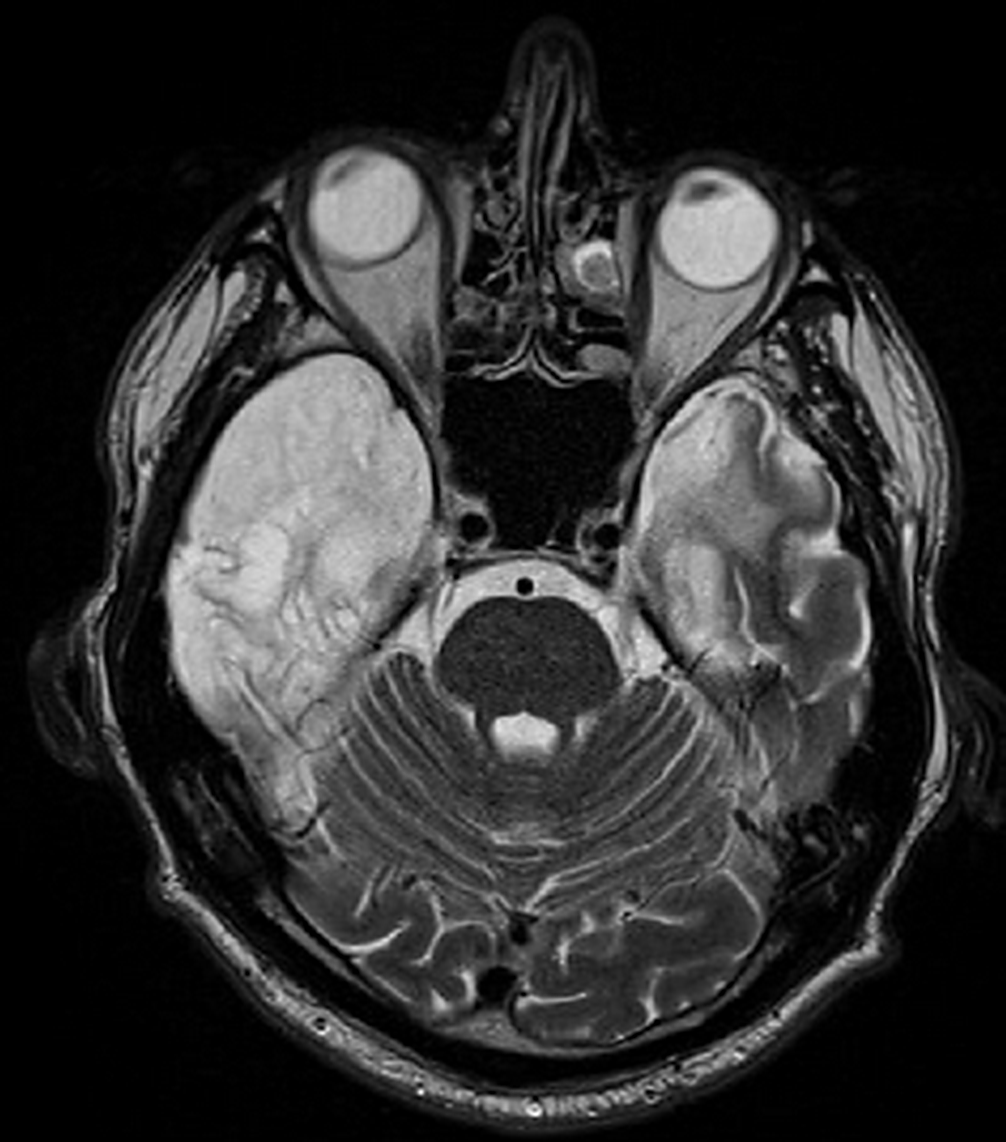
Case presentation: A 48-year-old male patient with a medical history of diabetes mellitus type II, hypertension, presented to a psychiatric clinic for the first time. He was admitted to the hospital due to the manifestation of disruptive aggressive behaviour, aimless wandering, and excessive, impulsive expenditure of financial resources. At the time of hospitalization and during the hospital stay, the patient exhibited a state of elevated mood and anterograde amnesia compounded by the presence of prominent confabulation, easily irritable mood with a tendency to conflict. No physical limitations.
Background: The patient is an active long-distance driver for 15 years. A year before hospitalization in psychiatric clinic, he was travelling to Moscow, he had episode of headache and unconsciousness after which hospitalization. Diagnosed with multiple infarcts of embolic origin in the right frontal lobes, both cortical and subcortical, on the right side at the level of the uncus, in the medial anterior parts of the right occipital lobe, on the left side in the insula and at the level of the capsula externa, in the anterior basal part of the left temporal lobe. After hemodynamic stabilization, he was repatriated to Latvia. Stationary positive SARS-CoV-2 PCR, O2 support therapy required.
The patient develops auditory and visual hallucinations, which do not correct on antipsychotic therapy. Lumbar puncture was performed, which showed positive anti-NMDA antibodies, magnetic resonance - autoimmune limbic encephalitis with damage to the gyrus cinguli of the insula cortex of both temporal lobes and the right subfrontal part with spread throughout the right temporal lobe, bilaterally in the mediobasal structures of the temporal lobes and the right thalamus with progressive changes. The patient receives immunomodulatory therapy, plasma exchange and immune globulin. Hallucinations decrease on the background of therapy. At discharge - moderate ataxia in the legs, disorientation in time, severe short-term memory disorders.
The patient in his mind lives like nothing has happened and the same life continues.
Image:
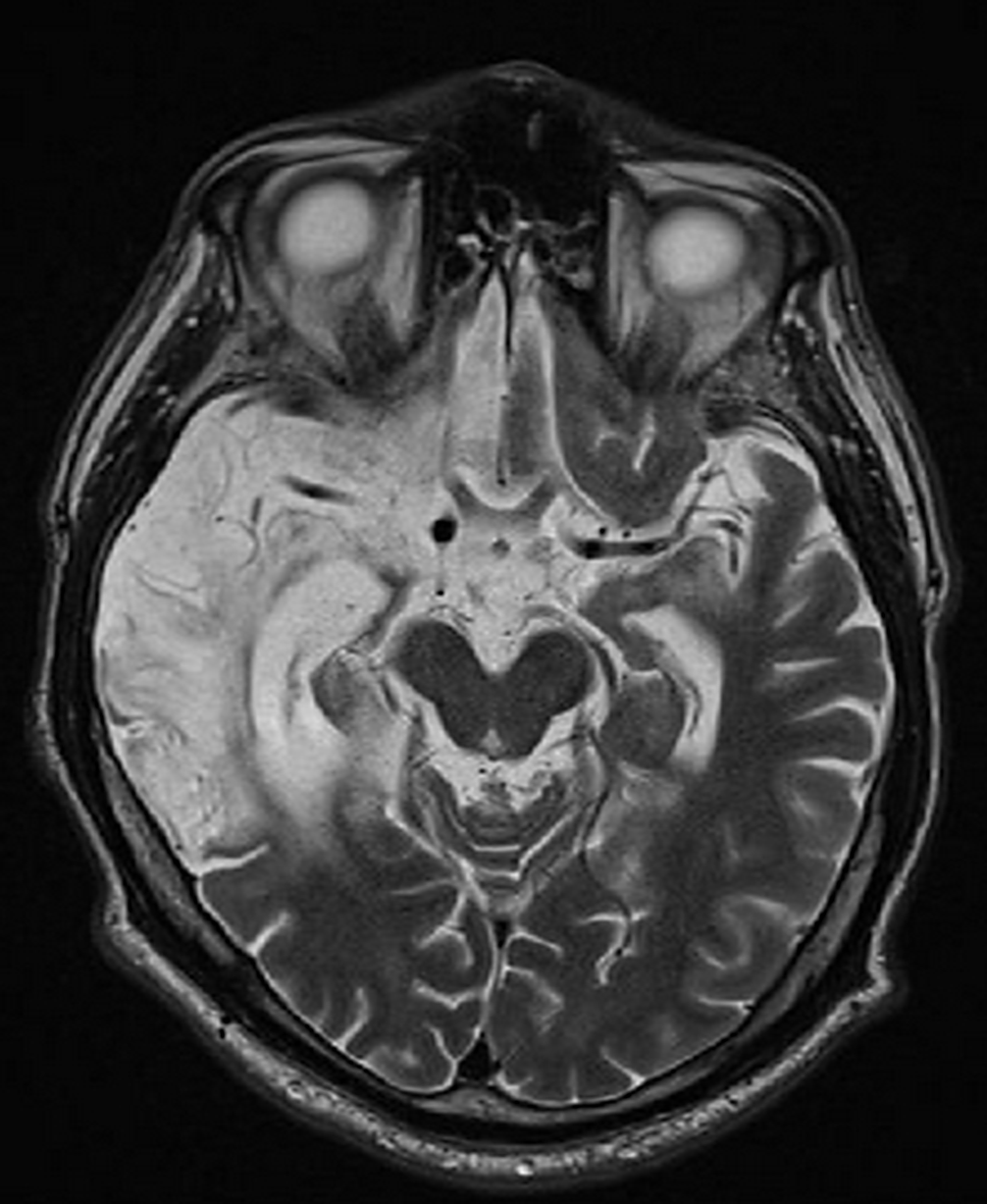
Image 2:
Conclusions
The long-term prognosis for the patient remains uncertain, given the multifaceted nature of the condition and the extent of brain damage. Continuous monitoring, rehabilitation, and ongoing support will be essential to assess cognitive recovery and improve the patient’s quality of life.
