To save content items to your account,
please confirm that you agree to abide by our usage policies.
If this is the first time you use this feature, you will be asked to authorise Cambridge Core to connect with your account.
Find out more about saving content to .
To save content items to your Kindle, first ensure no-reply@cambridge.org
is added to your Approved Personal Document E-mail List under your Personal Document Settings
on the Manage Your Content and Devices page of your Amazon account. Then enter the ‘name’ part
of your Kindle email address below.
Find out more about saving to your Kindle.
Note you can select to save to either the @free.kindle.com or @kindle.com variations.
‘@free.kindle.com’ emails are free but can only be saved to your device when it is connected to wi-fi.
‘@kindle.com’ emails can be delivered even when you are not connected to wi-fi, but note that service fees apply.
Antisocial behavior in older adults is a problem for their relatives and health care providers Antisocial behavior may present differently in the older population which makes it more difficult to diagnose adequately and apply therapeutic interventions. This literature review provides an overview of diverse conceptualizations of antisocial behavior in older adults and the way it affects recognizability of diagnostic categories and the applicability of interventions.
Objectives
To gain insight into the various manifestations of antisocial behavior in older adults.
Methods
A systematic review design was performed. In this review, an extensive manual and electronic literature search was conducted for papers published from 1980 to 2023. For this purpose we used the electronic databases PubMed and Embase. The review will include empirical and quantitative studies of older adults with antisocial behavior.
Results
The results from the literature indicate that antisocial behavior does probably not decrease with age nor the burden on their social environment. Rather, the manifestations of antisocial behavior change as this population ages. Personality disorders are determined by several dimensional trait domains. The domains which are highly predictive for antisocial behavior include antagonism and disinhibition.
Conclusions
These findings challenge the notion of antisocial behavior decreasing with age. This review underscores the need to shift from traditional personality disorder categories to a dimensional trait perspective. Therefore, specific interventions are needed for older adults.
Tunisian emigrants may consume psychoactive substances in other countries. This community is exposed to sociocultural and legal contexts different from those in Tunisia and the degree of acculturation would tend to increase over time. However, data on the use of psychoactive substances, particularly cannabis, in this particular population are scarce.
Objectives
This study aims to determine the profile of Tunisian young adults residing abroad who use cannabis.
Methods
We conducted a cross-sectional, descriptive and analytic study. It was carried out in the form of an online survey. We focused on young Tunisians people who have completed their secondary studies at the pilot high school of Sfax and currently residing abroad. Data collection was through Google Forms administred questionnaire.
Results
Thirty-five participants were included in our study. Cannabis use behavior affected 48.6% of them (N=17)) and it was done with friends in a festive setting in 88% of cases (N=15). Cannabis use was more common among people who were single (p=0.001), living alone (p=0.047), had a psychiatric history (p=0.032) and hanging out with friends who also smoked cannabis (p=0.032).Cannabis use was also more common among cigarette smokers (p=0.000) and alcohol consumers (p=0.000). It was significantly more common among people who shared erroneous beliefs about cannabis, that it is a mild drug (p= 0.024) and that it does not cause dependence (p= p=0.042).
Conclusions
Cannabis use among Tunisian young adults residing abroad seems to be a form of poly-consumption, more common among singles, living alone and having a psychiatric vulnerability. These findings underscore the need for targeted interventions and educational initiatives to address cannabis use within this specific population.
Art therapy, occupational and play therapy support the idea that man becomes what he is through activity. We accept man in his totality, we oppose the rigid boundaries between “sick” and “healthy”, there is no contradiction between these states, but only an unbroken chain of neighboring nuances, of gradual differences of human life.
Objectives
Therapies based on the visual arts are also used in the discharge of repressed experiences, called in psychoanalytic terms “catharsis”, with the aim of preventing or remedying dysfunctions, facilitating maximum adaptability of the beneficiary, regardless of the degree of handicap. The activities of occupational therapy and ergotherapy has and productive objectives, in accordance with the outstanding, hidden skills, correlated with the current demands on the labor market. Art forms called: “Raw Art” can be practiced.
Methods
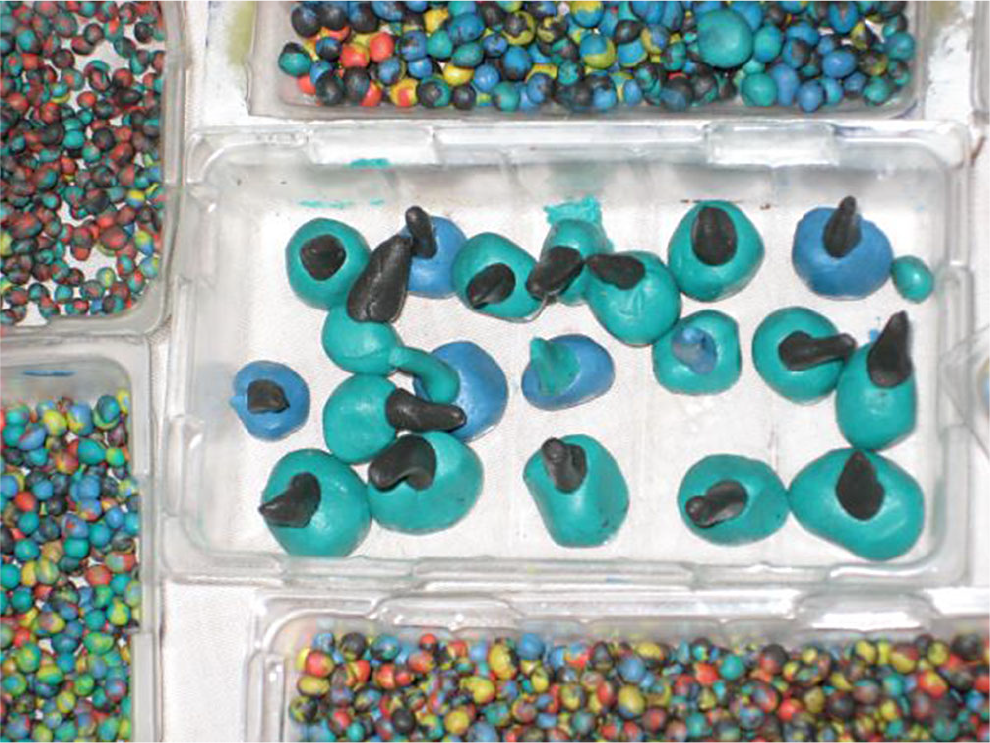
Traditional crafts and visual arts are reinvented as therapeutic methods. We use pottery and sculptural artistic ceramics with elements from the history of archaic arts connected with contemporary visual arts (pictures, sculpture, graphics, mixed arts and multimedia)

Results
The creative process and symbolic communication, associated with narration and imitation, develop new ways of communication, new ways of self-expression, new ways of seeing things. Throughout this process, people are more productive, more efficient, focused, calm and self-satisfied. (2014- Emilia Chirilă The role of art therapy in self-knowledge, self-esteem and interpersonal relationships in children with emotional disorders”- THE SECOND WORLD CONGRESS ON RESILIENCE: FROM PERSON TO SOCIETY may 8-10 Timisoara Romania 1139-1145editors: M Tomita, S.Cace – MEDIUMOND- INTERNATIONAL PROCEEDINGS copyright 2014 by MEDIMOND srl 40065 Piamond (Bologna) Italy -Printed May 2014 by Editografica.Bologna Italy - ISBN 978-88-7587)
Image:

Image 2:

Image 3:
Conclusions
People who do not have a sufficiently developed vocabulary to be able to express themselves feel very good practicing art as a natural means of communication. Discovering the skills of the beneficiary, through the artistic product and the awareness of emotions and feelings open up ways to a more effective non-verbal communication.
In recent years, there has been a growing interest in the potential consequences of disruptions in the inflammatory and immune systems on the onset of obsessive-compulsive disorder (OCD) and associated conditions, such as Paediatric Autoimmune Neuropsychiatric Disorders Associated with Streptococcal Infection (PANDAS) and Tourette syndrome (TS). While this area of inquiry is undeniably captivating, the available data remain somewhat controversial and limited in scope.
Objectives
The aim of this paper is to conduct an exhaustive examination and evaluation of the existing body of literature concerning aberrations in inflammatory and immune system processes within the context of OCD, PANDAS, and TS.
Methods
This narrative review entailed a comprehensive search of English language papers on PubMed and Google Scholar from January 1985 to July 31, 2023.
Results
The data collected up to this point suggest that the underlying mechanisms at play may differ depending on the age of the patients and the specific disorder being investigated. Notably, PANDAS seems to have a stronger connection with infections that trigger autoimmunity, which may not necessarily be limited to those resulting from Group A beta-haemolytic streptococcal (GABHS) infections, as previously assumed. In the case of TS, autoimmunity appears to play a significant role, especially when combined with individual susceptibilities stemming from both genetic and environmental factors. As for adult OCD, while the available data are somewhat scattered and occasionally based on relatively small groups of patients, they do indicate that the immune system and inflammatory processes are involved in the disorder’s pathophysiology. However, it remains uncertain whether these processes are primary driving forces or secondary reactions.
Conclusions
In summary, when viewed collectively, the current research findings unveil promising avenues for exploring the underlying causes of OCD and related disorders. They also hold the potential for the development of innovative therapeutic approaches that go beyond the current pharmacological paradigms.
Functional pathological crying is a complex psychic phenomenon which poses both diagnostic and management challenges to the psychiatrist and psychotherapist. Apart from treatment with medications when clinically indicated, psychodynamic psychotherapy can be useful to understand the aetiology and to address these psychological issues faced by patients.
Objectives
In this case report, psychodynamic psychotherapeutic techniques are employed to examine and manage functional pathological crying.
Ms L was a 33-year-old Chinese single woman who presented with mixed depressive and anxiety symptoms associated with frequent severe bouts of wailing. She had a history of parental neglect and childhood sexual abuse. Following psychiatric assessment, she was diagnosed with Mixed Depressive and Anxiety Disorder, and Borderline Personality Disorder. She was treated with Sertraline 50mg every morning and was referred for psychodynamic therapy.
Methods
Building trust and rapport with Ms L was crucial so that the therapeutic relationship could be utilized as a vehicle for change through earned attachments. Helping her appreciate how present experiences reflect conflicts from her past and addressing her defence mechanisms with the aims of expression of emotions, exploring her wishes and fantasies to access unconscious conflicts were important. These build greater self-awareness which helped her to develop the capacity for emotional self-regulation, bringing about an increase in her level of adaptation to stressors.
Results
During the early phase of therapy, Ms L would be wailing throughout most of the therapy hour. As therapeutic rapport and trust were established, she began to open up about her abuse for us to explore her conflicts and complex emotions associated with it.
The key themes that emerged were her chronic low self-esteem with fears of authorities and abandonment, the tendency to take up a defended regressive helpless child-like position whenever feelings related to the abuse were rekindled, as well as the manifestation of these complicated psychic experiences in the form of a complex wailing phenomenon.
The functional pathological crying was a mixture of an expression of her challenging conflictual painful feelings, symbolic expression of her cry for help, repressive and regressive child-like emotional states as well as having a defensive function to avoid coming in touch with painful feelings.
Through therapy, Ms L was able to make better sense of her wailing, develop the capacity for emotional self-regulation by adopting a healthier adult position in responding to difficult feelings when triggered, learning to forgive herself and others, assume better self-care and improved relationships with others.
Conclusions
Through psychodynamic psychotherapy, complex functional pathological crying can be better understood and managed to bring about intra-psychic and interpersonal functional improvements.
Investigation expectations for children and adolescents with cancer is an important issue for their psycho-emotional development as well as their quality of life.
Objectives
To investigate the expectations of children suffering from cancer.
Methods
102 questionnaires were collected from pediatric patients suffering from neoplasia disease (62 boys and 40 girls) with a median age of 13 years, covering the multidimensional expectation questionnaire (MEQ) suitable for children with cancer in a 4-point Likert scale. The MEQ was then evaluated using the SPSS.21 statistical package, which resulted in 13 questions. The questionnaire of expectations highlighted three factors that referred to the “family life expectations”, “daily life / daily routine and career prospects”, and “expectations of networking friendship”, respectively. The statistical results were obtained by multi-line regression analysis, with the Stata 12.1 statistical package, while ethical issues were complied with and licensed.
Results
MEQ reliability (Cronbach’s alpha) for the entire scale was 0.82 and for agents ranged from 0.65-0.84. Overall, pediatric cancer patients delivered a fairly high average score of 3,33 ± 0,42 questions in the expectation’s questionnaire, while the mean scores were 3,29 ± 0,63, 3,51 ± 0, 45 and 3.19 ± 0.54, respectively. From the results of the analysis of multiple regression, it appeared that, as the age increases, the patients with neoplastic disease have overall 76 lower expectations (p = 0.014), while the satisfaction of the doctors-nursing staff in the total expectations is positive (p = 0.018). In the family life expectancy factor, the age of children appears to play a negative role in increasing age (p = 0.019), while positive body image and satisfaction with doctors-nursing staff (p = 0.040, p = 0.006) respectively. It appeared that children aged> 13 years have worse outcomes in expectations of the daily routine and career prospects with (p = 0.037).
Conclusions
The MEQ has proven to be a valid and reliable tool that can provide pediatric staff and researchers with information about the expectations of children and adolescents with cancer that require long-term health care.
Deprivation is widely known in children and adolescents and means a lack of social, emotional, or sensory stimuli, due to disabilities such as deafness, but also social isolation and reduced parental care. It may cause developmental disorders such as impaired language, motoric and social development. Little is known of the impact of social deprivation in demented patients.Stimulus shielding, which is a widespread option for psychiatric symptoms of dementia such as agitation, vocalization and aggressive behavior may – if frequently used- have similar effects on demented patients.
Objectives
We report the case of a 71-year-old patient with dementia caused by PSP (Progressive Supranuclear Palsy), who was in inpatient treatment due to continuous undirected vocalizations. She presented with inability to walk, dysarthria, aphasia, and hearing difficulties beside major mnestic impairment. In a prior hospitalization and in her residency, she was frequently isolated from other patients due to loud screaming and vocalizations in terms of stimulus shielding by suspected overstimulation. In order to that, for four months, she developed progressive difficulties to speak, hear, understand, as well as gait disorders. In addition, the vocalizations increased.
Methods
We rated the symptoms due to deprivation, triggered by lack of mobilization, social experiences, visual, tactile and acoustic stimuli following a vicious circle of anxiety, vocalizations and recurrent isolations. Therefore, a multimodal therapy assessment was implemented, including daily physical therapy, mobilization, basal stimulation, social reintegration and basal conversation training.
Results
After a few days of high intensity treatment, speech reappeared in form of one- word sentences and proceeded to the ability to have short conversations. Mobility increased, starting from severe gait disorder, including the use of a wheelchair and emerged to the ability of walking up to 50 metres. Additionally, the undirected vocalizations improved and were reduced. In addition, hearing ability improved during the four-week treatment.
Conclusions
This case highlights the impact of deprivation in demented patients. Especially it shows that these symptoms can be reversible under a high intensity multimodal and multi- professional treatment within a few weeks. Therefore, stimulus shielding, should be carefully evaluated in order to prevent deprivation – and thus deterioration of the symptoms – in demented patients.
Eating disorders affect almost one million people in France. More than half of them have not been screened for the disorder, and are still unable to access treatment!
Objectives
To shed light on the clinical characteristics and management of patients with eating disorders
Methods
We report on a series of clinical situations involving patients presenting with binge eating disorder at the adolescent unit of the Gonesse hospital.
Results
Our sample included 5 patients, all female, aged between 13 and 16 years. They presented with anorexia nervosa with or without hyperphagia. Comorbidities included depression, anxiety disorders, chronic illness and suicidality.
In some cases, treatment is based on re-feeding via a nasogastric tube. In others, behavioral treatment was sufficient. Pharmacological treatment for comorbidities was prescribed.
Conclusions
Untreated eating disorders can be a source of deterioration in patients’ quality of life and high mortality. Early detection and diagnosis is essential for better patient management.
Depression, particularly in early adulthood, presents a significant mental health challenge with far-reaching implications. Innovative approaches to address and alleviate depressive symptoms are of paramount importance in this context. One such approach involves the utilization of technology, specifically chatbot-based programs, to target specific cognitive biases associated with depression.
Objectives
The central objective is to empirically examine whether this program can effectively influence depressive mood and negative cognition in individuals grappling with depressive symptoms.
Methods
To ascertain the program’s efficacy, participants were divided into two groups: the CBM-I group (n=20), which underwent interpretation bias modification training, and the Mood Check group(n=20), which served as a control and engaged in a simple mood-checking exercise. A battery of psychological measures was employed, including assessments of depression, interpretation bias, suicidal ideation, resilience, and attention control.
Results
Analysis results showed that the CBM-I group had a significant reduction in depression (PHQ-9, CES-D) compared to the Mood Check group in the post-measurement. Moreover, resilience (CD-RISC) and attention control (ACQ) significantly improved in the CBM-I group.
Conclusions
This research serves as a stepping stone towards a deeper understanding of how chatbot-based interventions can contribute to the management of early adulthood depression, offering new perspectives and possibilities in the realm of mental health support and treatment.
Neuropsychiatric disorders can develop following a group A β-hemolytic streptococcal infection, through autoimmune inflammation of the nervous system. Sydenham’s chorea and PANDAS (Pediatric Autoimmune Neuropsychiatric Disorders Associated with Streptococcal Infection) are the two most well-known syndromes, primarily affecting children but rarely observed in adults.
Objectives
Our aims are to contribute to the scientific understanding of adult PANDAS-like syndrome and provide a comprehensive literature review on the subject.
Methods
Case report using clinical records and a non-systematic literature review.
Results
A 24-year-old female presented to the emergency department with profound emotional distress triggered by intrusive thoughts of existential dread, accompanied by compulsive praying. She reported that these symptoms had commenced five days earlier. Two days prior to the onset of her obsessions, she had experienced a high fever, odynophagia, cough, and chills and received an empirical diagnosis of tonsillitis following a physical examination. She was prescribed antibiotics with good response. She revealed that she had experienced two prior episodes of similar anxiety and obsessions when she was approximately seven years old.
She developed acute obsessive thoughts, including doubts about the meaning of her life, and engaged in compulsive prayer and seeking reassurance from relatives. Notably, there were no signs of affective, dissociative, or psychotic disorders during her admission to the ED or in the preceding months. She reported suffering from anxiety, insomnia, and loss of appetite in the past five days but did not express any suicidal ideation.
Physical examination indicated mild laryngeal erythema, and laboratory tests showed non-specific signs of infection with no further significant findings. Symptoms were alleviated within a week, aided by treatment with benzodiazepines (lorazepam 1 mg/8h), and she did not require further psychiatric counselling.
Conclusions
It is worth noting that adult patients can experience a PANDAS-like reaction after a streptococcal infection and may also undergo symptom relapse following new immunological challenges upon reinfection. The existence of a PANDAS spectrum has been postulated, encompassing various manifestations. Thus, when presented with acute obsessive symptoms, healthcare providers should consider this diagnosis, inquire about previous episodes, and conduct a comprehensive medical history and etiological assessment.
Patients suffering from mental disorders tend to be less adherent to the recommended therapies. Moreover, the COVID-19 pandemic had a global impact on physical and social well-being, which turned out stronger in the most fragile patients, like those with a mental condition.
Objectives
To assess whether the COVID-19 pandemic influenced the physical healthcare gap between patients with and without severe mental illness (SMI) treated for chronic conditions.
Methods
Data were retrieved from Healthcare Utilization Databases of Lombardy region (Italy). Prevalent users of antihypertensive drugs, statins or antidiabetic drugs, receiving healthcare in Lombardy during 2020, were identified. Among them, those with a previous diagnosis of schizophrenic or bipolar disorder were selected and matched with up to 3 patients without any sign of mental disorder by sex, age and number of contacts with the NHS during the previous year. 3 cohorts (not necessarily independent) were formed.
High adherence to specific recommended drug therapies and discontinuation during 2020 were evaluated.
Association between presence of SMI and high adherence was evaluated by using a log-binomial model (risk ratios, RR with 95% CI); a Cox model (hazard ratios, HR) was used for discontinuation.
As comparison, same analyses were performed to the cohorts of prevalent users in 2019, to evaluate the impact of the COVID-19 pandemic. Results were stratified according to the type of mental disorder.
Results
36'436, 14'136 and 12'597 prevalent users of antihypertensives, statins or antidiabetics respectively were identified, of which 25% with SMI (9'109, 3'536 and 3'152 respectively).
During the pandemic period, for all the three cohorts, patients with mental illness had 10% lower probability of being adherent to the recommended drug therapies.
The association between SMI and discontinuation was significant and varied among the three cohorts, with HR (95% CI): 1.27 (1.21; 1.33) for antihypertensives users, 1.16 (1.07; 1.26) for antidiabetics users and 1.08 (1.01; 1.16) for statins users.
Compared with 2019 the gap remained similar, except for discontinuation of antidiabetics, where the gap diminished from 34% in 2019 to 16% in 2020.
No differences between the two mental disorders were found.
Conclusions
Results show that suffering from a mental disorder in people with chronic physical conditions affects their adherence to recommended drug therapies. During the pandemic period, the restrictive measures adopted may have led to a better care by family members, counteracting any increase in the gap.
The healthcare gap in patients suffering from mental illness remains an unsolved problem of primary importance for public health.
In psychosocial rehabilitation (PSR), rank scales are widely used to assess the severity of functional disorders in patients. The main problem of evaluating the effectiveness of PSR is related to the methods of processing data obtained using psychometric scales used to evaluate the effectiveness of interventions within PSR. J. Pfanzagl (1968) obtained the proof of the non-numerical nature of ranks. Incorrect processing of rank information obtained in the framework of psychosocial research leads to contradictions in the assessment of the patient’s condition. Consequently, rank processing does not allow classical mathematical operations (summation, average), which makes it impossible to correctly estimate the effectiveness of PSR numerically.
Objectives
Development of algorithms for numerical evaluation of PSR efficiency based on rank information processing using the analytic hierarchy process (AHP) [1].
Methods
Clinical, psychometric, AHP algorithms.
Results
The analysis of the problems of assessing the patient’s conditions on the basis of categorical and psychometric (rank) scales and subscales shows that these problems can be presented in the form of appropriate hierarchies [2], the structure of which must be taken into account when processing the initial information.
According to the results of the analysis of the data of preliminary studies, the main areas of impaired functioning of patients affecting the evaluation of the effectiveness of PSR have been identified. Rank estimates of changes in the relevant areas of the patient’s dysfunction after the PSR program compared to the initial level are the basis for the conclusion about the effectiveness of the PSR components. Algorithms of the AHP normative approach were used to translate rank information into numerical information [2]. The weight of the areas of the patient’s functioning disorders was used in the formation of integral estimates of the effectiveness of PSR.
The fundamental difference between AHP-based assessments and rank assessments is due to the fact that numerical estimates of the weight of the criteria and the corresponding changes in the patient’s condition are obtained, which depend on the qualifications of specialists, the characteristics of the scales used to measure violations in the relevant areas and the procedures of the PSR.
Conclusions
Obtaining the results of processing rank information in a numerical scale allows to obtain the correct integration of the patient’s personal characteristics when considering PSR procedures and to obtain correct models of the patient’s state. 1. Saaty T. European Journal of Operational Research.1990; 48(1):9-26. https://doi.org/10.1016/0377-2217(90)90057-I 2. Mitikhin V.G., Solokhina T.A. et al. Psychiatry, 2022; 20(2): 51-59. DOI: 10.30629/2618-6667-2022-20-2-51-59
Attention Deficit/Hyperactivity Disorder (ADHD) is one of the most common neuropsychiatric conditions, maintaining its presence well into adolescence and adulthood, resulting in impaired functioning. Evaluating ADHD symptoms through self-reporting plays a crucial role in assessing individuals within these age groups. The novel self-report version of the Strengths and Weaknesses of ADHD and Normal Behaviors (SWAN) scale offers a comprehensive assessment of behaviour, extending beyond just focusing on the typical signs and symptoms of ADHD, thus providing a more holistic perspective.
Objectives
Our goal was to assess the factorial validity of the Hungarian version of the SWAN self-report by comparing a two-factor model with bifactor models with a general and 1) two specific factors (inattention, hyperactivity/impulsivity), 2) three specific factors (inattention, motor hyperactivity/impulsivity, verbal hyperactivity/impulsivity) in a community sample.
Methods
Data from 717 adolescents and young adults (mean age = 20.0 years, SD = 3.10, range: 14 - 25 years, female: N = 664, 92.6%) were analysed. Participants completed an online questionnaire including the SWAN scale after giving informed consent. Confirmatory factor analyses were conducted based on the maximum likelihood estimator (ML).
Results
The bifactor model with a general and three specific factors demonstrated the best fit to our data (CFI = .933, RMSEA = .064 [90% CI: .058 – .071], SRMR = .038). While the overall composite reliability was excellent (ω = .91), the reliability of the specific verbal hyperactivity/impulsivity factor fell below acceptable (ωh = .40).
Conclusions
In line with previous studies, the fit indices of the bifactor models were superior to the non-hierarchical two-factor model. Our results support the existence of a strong general factor but suggest uncertainty in the capacity of the specific factors to consistently explain the distinct variance in observed variables, particularly when compared to the overarching influence of the general factor.
This work was supported by the ÚNKP-22-2 New National Excellence Program of the Ministry for Culture and Innovation from the source of the National Research, Development and Innovation Fund (grant number ÚNKP-22-2-I-ELTE-854).
Schizophrenia is a mental disorder characterized by negative symptoms, such as cognitive impairment. Recent reports indicate the importance of the immune system in the pathophysiology of schizophrenia. The development of inflammation affects cognitive functioning.
Objectives
The aim of the study was to analyze the association between the level of lymphocytes in venous blood and selected cognitive functions in patients with schizophrenia.
Methods
Lymphocyte levels were determined in the venous blood of patients suffering from schizophrenia and the control group. Additionally, a verbal fluency test (VFT) and a Stroop test were conducted on the same day. The VFT evaluates the ability to express words, and the Stroop test assesses verbal working memory. The inclusion criteria were age up to fifty years, and for the study group – diagnosis of schizophrenia and treatment with neuroleptics. Exclusion criteria included organic brain diseases, electroconvulsive therapy, and use of benzodiazepines within 48 hours before the study. Currently, six patients and six healthy people have been studied.
Results
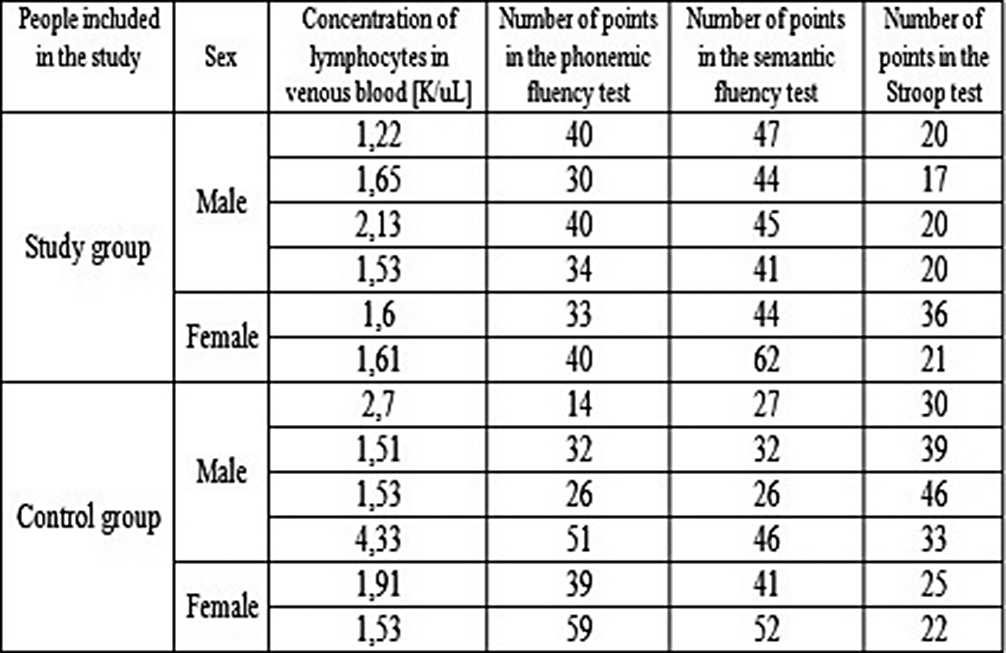
Patients diagnosed with schizophrenia have an increased lymphocyte concentration in the blood compared to healthy individuals constituting the control group. There are discrepancies in the results of the phonemic fluency test, no significant differences were found between schizophrenics and the control group. Healthy men and women achieved higher results in the semantic fluency test compared to men and women with schizophrenia. Women constituting the control group achieved higher results in the Stroop test compared to women suffering from schizophrenia. Table 1 illustrates the concentration of lymphocytes in venous blood and the number of points in the phonemic fluency test, semantic fluency test, and in the Stroop test of the study and the control groups.
Image:
Conclusions
Patients with schizophrenia are characterized by higher levels of immune system parameters and worse results in terms of semantic fluency. Men with schizophrenia showed no verbal working memory deficits. In turn, women with schizophrenia obtained worse results in the verbal working memory test. In conclusion, there is evidence of immune system activation in schizophrenia, which affects the cognitive functioning of patients.
Generalized anxiety disorder (GAD) is characterized by excessive and uncontrollable worry and anxiety about several activities or events. Although some cognitive symptoms are common in GAD patients, there are still controversial results from their linkage. Some studies indicate intact cognitive functions in GAD patients, while others suggest that anxiety and its cognitive aspect, worry, are associated with reduced performance in several cognitive domains.
Objectives
To assess the linkage and contribution of cognitive impairment to the maintenance and severity of GAD; to determine which specific domains of cognitive function are impaired in patients with GAD; and to examine age differences regarding cognitive impairment in GAD patients
Methods
A systematic literature search was executed using the PubMed and Google Scholar databases from 1960 to 2023 and the keywords “generalized anxiety disorder”, “anxiety disorder” “cognitive function”, “cognitive dysfunction”, “cognitive impairment”, “late-life”, “young”, “adult”, and their combination.
Results
Anxiety and worry, as main characteristics of GAD, were shown to be linked and manifested by deficient attentional control, a main function of working memory. Attentional control functions are biased toward threats, which, in turn, hinders cognitive processing efficiency. Moreover, several structural and electrophysiological impairments could be linked to cognitive dysfunction in people with GAD. For example, patients with GAD showed reductions in gray matter volumes, especially in the regions of the hip, midbrain, thalamus, insula and superior temporal gyrus. The hippocampus, middle cingulate gyrus, putamen and head of the caudate nucleus also showed lower activity in response to the neutral words. Also, GAD patients have better inhibitory control, which may be associated with more severe symptomatology. These results are consistent with attentional control theory, which posits that worry might negatively impinge on inhibition and set-shifting. In terms of age differences, we observed that GAD in elderly patients is associated with impairment of short-term and delayed memory. In young adults, GAD is associated with various cognitive impairments, particularly in selective attention, working memory, cognitive flexibility, planning ability or efficiency, and other executive functions (EF).
Conclusions
To sum up, we observed that GAD is associated with worse cognitive functioning in several domains. Further research into cognitive dysfunction in GAD is needed to better understand the impact on daily living and to allow more tailored treatment strategies including medication, therapy and interventions targeted to improve specific cognitive domains.
Accordingly, the Korean Medication Algorithm Project for Bipolar Disorder (KMAP-BP) working committee, composed of domestic experts, developed Korea’s first KMAP-BP in 2002 and later in 2006, 2010, and 2010. A revised version of KMAP-BP was announced every four years four times in 2014 and 2018.6-10). The treatment strategy considering the safety and tolerability of KMAP-BP 2022 was developed by collecting opinions from domestic bipolar disorder experts.
Objectives
Safety and tolerability of drugs are very important factors in the treatment of bipolar disorder. An expert opinion survey was conducted on treatment strategies in various special clinical situations, such as significant weight gain, characteristic drug side effects, low drug adherence, pregnant and reproductive women, and genetic counseling.
Methods
A written survey about treatment strategies related to safety and tolerability was prepared and focused on significant weight gain, characteristic drug side effects, low drug adherence, pregnant and reproductive women, and genetic counseling. Ninety-three experts of the review committee completed the survey.
Results
In the case of weight gain occurring during drug treatment, it was preferred to replace it with a drug that caused less weight gain, such as lamotrigine, aripiprazole, or ziprasidone. If there was a significant weight gain due to the treatment drug, it was preferred to intervene as soon as possible. In the case of hyperprolactinemia, it was selected to change the medication and discontinue it for benign rash caused by lamotrigine. In improving drug adherence, the preference for long-acting injections increased. Antipsychotics can be used with great caution in pregnant or reproductive women.
Conclusions
Treatment strategies in various clinical situations related to safety and tolerability in drug treatment for bipolar disorder were described. It is hoped that it will be useful in practical clinical situations.
Exercise and other lifestyles are key treatment strategies to improve diabetes outcome, prevent cardiovascular risk and may also result in further results in quality if life and emotional symptoms.
Objectives
To evaluate the effectiveness of an exercise intervention program for people with diabetes or cardiovascular risk.
To evaluate the influence of previous metal health and quality of life status in the results.
Methods
61 people with a type 2 diabetes or cardiovascular risk factors were recruited from health primary health centers in Ponferrada (EL Bierzo), including patients from the mental health association. After informed consent they were included in a 20 week, twice a week supervised walking training program to improve exercise and other lifestyles. A poster used for advertisement of the adtivity (“the way/walk to change diabetes”) is displayed in image 1). Baseline and after 20 weeks BMI and Waist perimeter were assessed, quality of life was evaluated with EQ-5D-5L and WHO-5 scales and the weekly steps walked were recorded previously and after the intervention with the subject usual mobile device.
Differences in the variables were compared with Paired Ts and repeated ANCOVAs measures adjusted by gender, age and initial steps.
Results
46 subjects (75.4%) completed more than 90% of the sessions and 3 more 70-90%. The 19.7% that did not complete had worse scores in SF-12 Role Physical (t 2.261, p=0.041) and Role Emotional (t:2.048, p=0.045) and Mental Component Summary (t:2,313; p=0,036) and WHO5 Total Score (t:2.101; p=0,040) at Baseline. Main reasons for dropout (Image 2) were health related problems (50%) and adherence to exercise and motivation problems (31.25%).
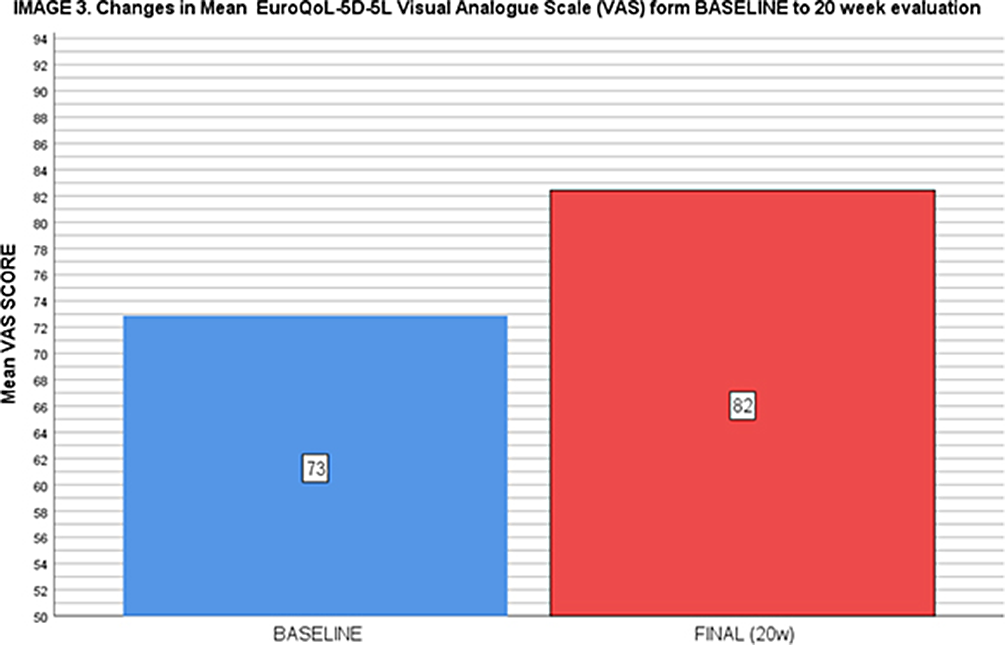
Those who completed the training improve number of weekly steps (baseline: 42022,92 +- 18836,35, final: 66448.06 +-28914,58; t:5.038; p<0.001), BMI (29.45 +-4.66 to 28.25 +-4.09 kg/m2; t:5.629; p<0.001), waist (from 107,34 + 9.98 to 102,88 +9,79 cm; t:6,840; p<0.001) and the EoQ-5D-EL VAS (form 72.88 to 82.42; t:6.122; p<0.001, image 3). The increase in the steps correlated directly with the improvement in the EoQ VAS (r:0.308; p=0.033).
Image:
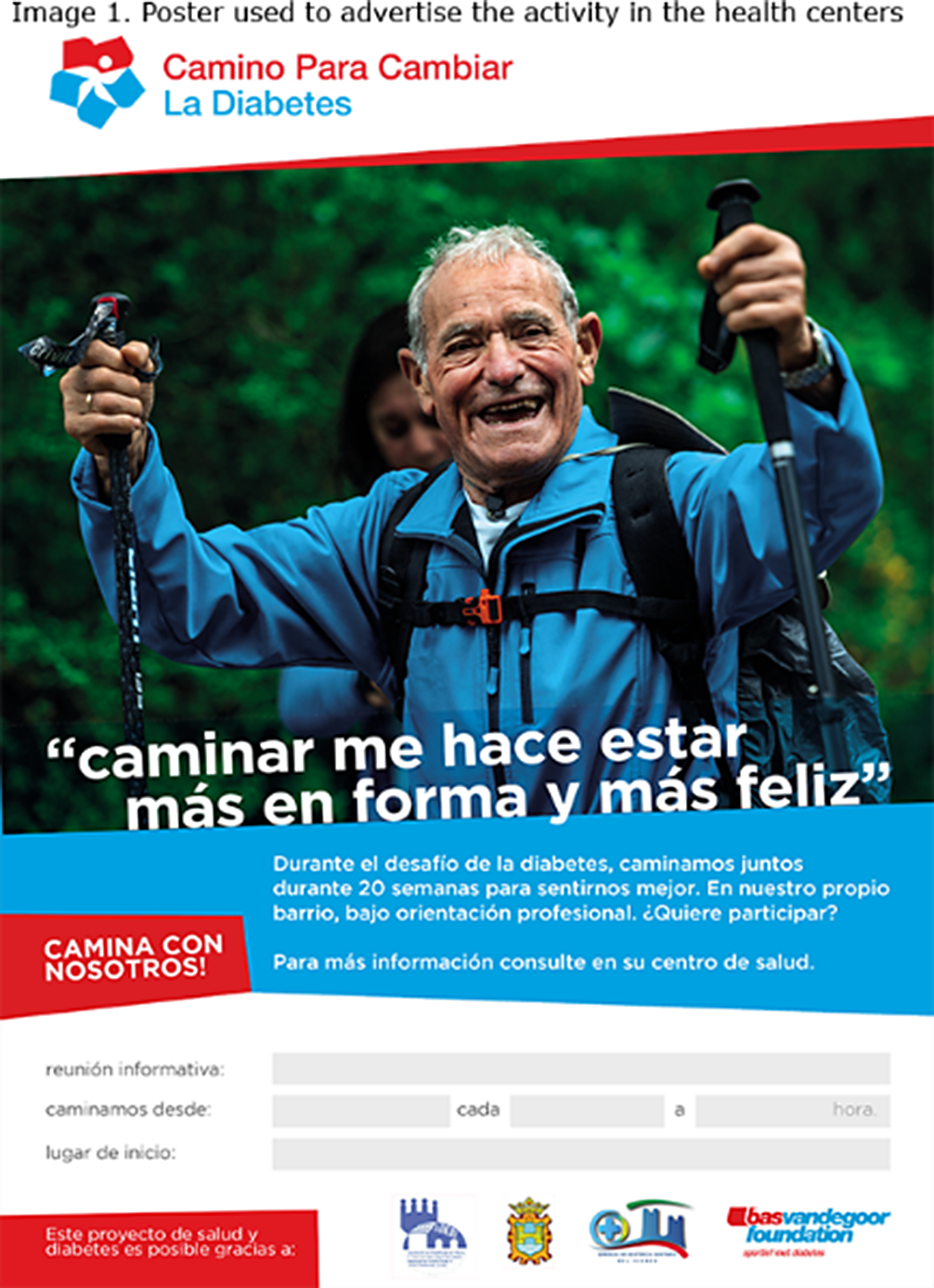
Image 2:
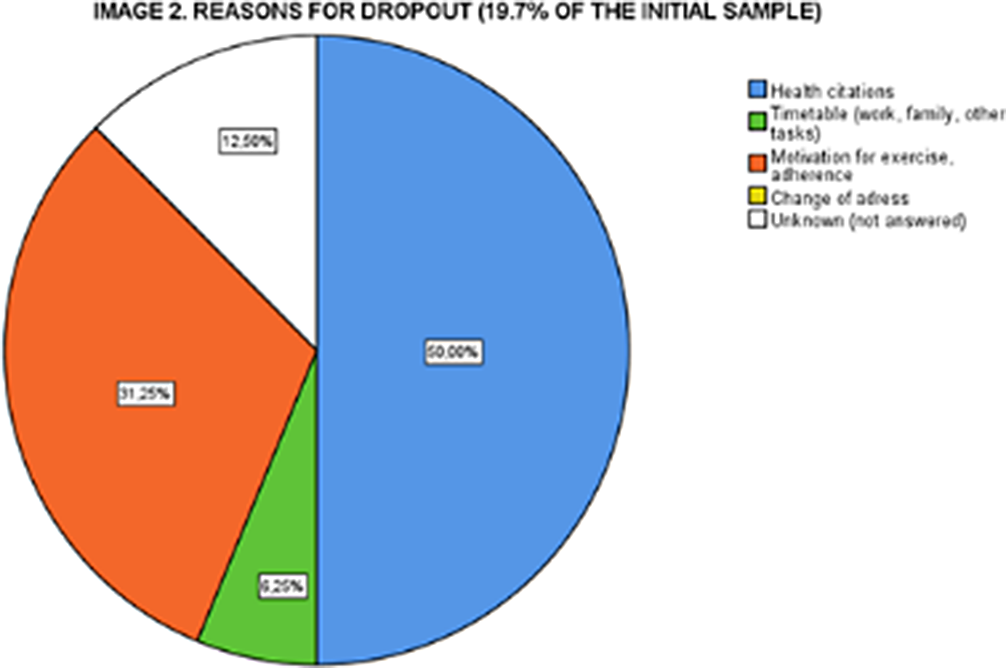
Image 3:
Conclusions
Exercise and lifestyle supervised intervention programs appear to be useful to improve physical health, wellbeing, emotional symptoms and quality of life in people with diabetes and cardiovascular risk.
Factors associated to higher dropout rates were previous limited quality of life scores and mental health worse status. These could be related with limited motivation and adherence to the program and may be of interest to develop specific strategies for these high-risk groups.
Studies focused on the long-term effect of the program are warranted.
Suicide is one of the leading causes of unnatural death worldwide. There might be meaningful differences between those individuals that attempt suicide once in their lifespan and those who make multiple attempts in terms of sociodemographic and clinical characteristics. There are no previous meta-analysis addressing this topic in the adult population.
Objectives
We aimed to examine the factors that differentiate single and multiple suicide attempters in adult population.
Methods
We followed the Preferred Reporting Items for Systematic reviews and Meta-Analyses (PRISMA) guidelines to conduct this review and meta-analysis. The review protocol was registered in PROSPERO. We carried out a systematic literature search in three databases to identify original studies that explored the differences between single and multiple suicide attempters among adult population. A total of 75 studies were included in the review and 69 were included in the meta-analysis.
Results
Multiple attempters were more likely to present certain disorders such as mood and psychotic disorders, as well as personality or substance use disorders. Higher suicide ideation and suicide intent scores also characterized this group. Childhood trauma experiences, stressful life events, and higher rates of hopelessness were statistically significant in multiple attempters.
Conclusions
Identifying the factors predicting multiple suicide attempts helps to delineate a high-risk suicidal profile that should be taken into account in the clinical and suicide prevention scenario.
Psychiatryai.com was launched in 2021 and initial findings were published at EPA 2023. The portal is an advanced computing science project in Applied Data Science and Evidence-Based Healthcare for my MSc studies at the University of Oxford (Kellogg College). Artificial Intelligence (AI) and Data Science (DS) technology are utilised to analyse live Real-World Evidence (RWE) in Psychiatry and Mental Health from PubMed to provide CPD/CME online. A two-year review of the site and its performance will be presented to EPA 2024.
Objectives
To develop and study an experimental real-time AI and DS platform in Global Mental Health and Psychiatry, to provide the latest RWE from PubMed for online education and training, and to report findings to EPA 2024 for peer review in Budapest. AI and misinformation are newly identified risks in healthcare (AI Safety Summit 2023). The site also aims to raise awareness about “Aiatrogenesis” to address this problem, with RWE and CPD/CME utilising AI and DS technology for the categorisation and meta-analysis of evidence, rather than the production of possibly misleading or false Generative AI evidence (Monteith et al. BJP 2023; 1-3).
Methods
As reported to EPA 2023 in Paris, a free open-code WordPress site was launched on the 22nd of November 2021 (Psychiatryai.com). The portal has been further developed and now features over 90k pages comprising 7GB of data with Cloudflare security and speed. Live evidence is collected into an open database and research articles are categorised into evidence nodes with AI. The results are presented in a real-time Evidence Matrix and Blueprint, creating 15-minute CPD/CME reflection modules. Data analytics from Psychiatryai.com with Google Analytics (G4A) along with platform insights from two years of development and research will be presented to EPA 2024. The site is conceptualised and designed to be viewed in an interactive VR headset.
Results
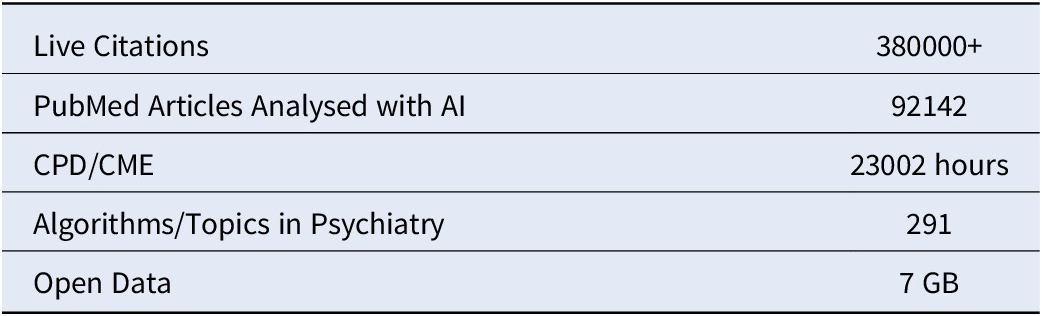
Live Citations
380000+
PubMed Articles Analysed with AI
92142
CPD/CME
23002 hours
Algorithms/Topics in Psychiatry
291
Open Data
7 GB
Image:
Image 2:
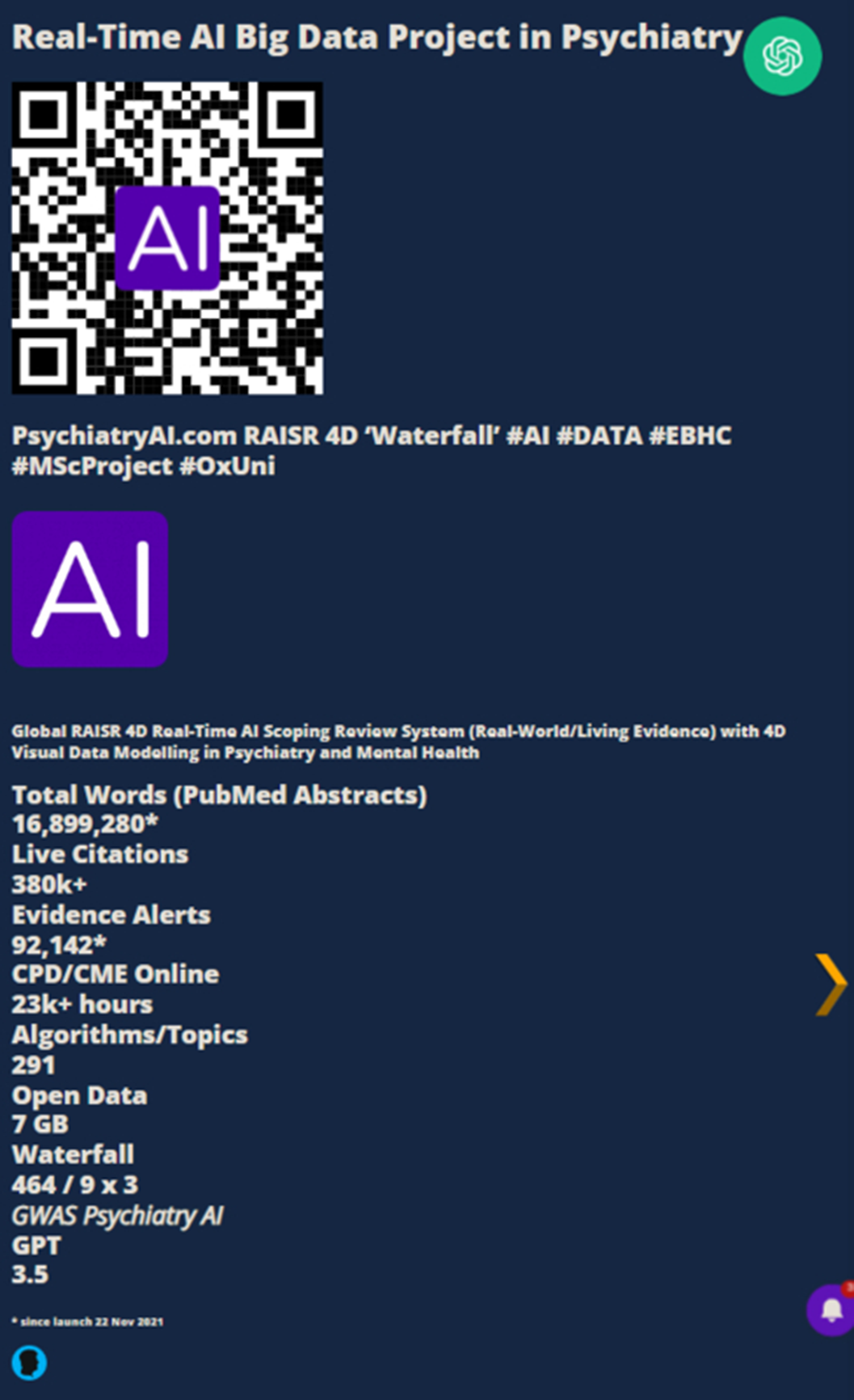
Image 3:
Conclusions
Psychiatryai.com has successfully developed a novel AI and DS platform that incorporates the latest research in mental health and psychiatry, providing real-world evidence (RWE) for psychiatrists and healthcare professionals worldwide, along with CPD/CME online. This enhances hypothesis testing in research by presenting a related Evidence Matrix and Blueprint (from the last 365 days) for each evidence node on the site (RAISR 4D). These matrices provide a real-time visual table (8 x 8 / 64) of global research related to the evidence node in the preceding year. The site is VR-ready and has a special focus on AI and Psychiatry, Disaster and Traumatology Sciences, and Youth Mental Health. This project is dedicated to the memory of Dr Denis O’Leary and Dr Navin Venkatraman.
