To save content items to your account,
please confirm that you agree to abide by our usage policies.
If this is the first time you use this feature, you will be asked to authorise Cambridge Core to connect with your account.
Find out more about saving content to .
To save content items to your Kindle, first ensure no-reply@cambridge.org
is added to your Approved Personal Document E-mail List under your Personal Document Settings
on the Manage Your Content and Devices page of your Amazon account. Then enter the ‘name’ part
of your Kindle email address below.
Find out more about saving to your Kindle.
Note you can select to save to either the @free.kindle.com or @kindle.com variations.
‘@free.kindle.com’ emails are free but can only be saved to your device when it is connected to wi-fi.
‘@kindle.com’ emails can be delivered even when you are not connected to wi-fi, but note that service fees apply.
Research has shown that factors related with the migratory process (such as travelling alone, living away from family, and discrimination after arrival) considerably increase the risk of mental health problems in young migrants. Moreover, they are among the most vulnerable migration groups with a high risk of social exclusion.
Objectives
To identify coping strategies and behavioural changes used to deal with perceived discrimination and its impact on the emotional well-being and mental health of newly arrived young migrants in Spain.
Methods
A subsample of 15 audio-recorded in-depth qualitative interviews were analysed from the national action-research Migrasalud project (II IN 190517 EN 162 FA 01). The interviews were transcribed, translated from Arabic to Spanish, and analysed through content analysis.
Results
Most participants were males (93.3%; n=14), ranging from 18 to 20 years, and from Morocco (93.3%; n=14). All participants were from foster care placements in Barcelona and arrived to Spain as minors. Newly arrived young migrants reported that they perceived themselves as being healthy before the migratory process. Adverse experiences during the journey and discrimination after arrival impacted their well-being and mental health. Specifically, they reported perceived discrimination in their daily life due to culture, language, or origin. This negatively impacted their well-being and mental health, increasing their emotional distress response and ‘undervalued or inferior’ and ‘vulnerable’ feelings about themselves. Concerning coping with discrimination, they reported using internalised coping strategies such as ‘ignoring’ or ‘not responding’ for fear of having their legal documents revoked or not obtaining them. Their behavioural changes often occurred when they perceived unfair treatment or prejudice towards their migrant status or their socioeconomics, culture or religion. These changes were motivated by being more accepted by the local community by ‘westernisation or cultural assimilation’ and by ‘creating a good image’ of oneself and its culture.
Conclusions
Findings establish that the cumulative experience of post-migration stressors (such as discrimination) negatively impacts their mental health and well-being in the long term. This suggests the need for specific policies and services to address this population’s effects of post-migration risk factors. Further research is needed to explore the causes and effects of perceived discrimination on mental health more closely and to develop more targeted and effective interventions.
During the COVID-19 pandemic confinement, the number of people shopping online has increased all over the word. To date, little is known about the online shopping behaviours of Tunisians consumers.
Objectives
Evaluate the characteristics of internet shopping among Tunisian consumers.
Methods
A cross-sectional, descriptive and analytical study was conducted among subjects who had already made at least one online purchase. Data was collected using a self-questionnaire published by GOOGLE FORMS. We used a survey form collecting socio-demographic data, personal history and characteristics of online shopping behaviour.
Results
A total of 137 participants aged 34.62 ± 9.82 years took part in this study.
All participants had made at least one online purchase, with 43.8% (N=60) purchasing “More than once a year”. The products purchased were most often textiles and shoes (50.4%; N=69). The main reasons consumers gave for buying online were special offers (37.2%, N=51), reduced prices (25.5%, N=35) and free delivery (14.6%, N=20). Almost half of the participants (N=63; 46%) said that they had visited physical shops less since they started shopping online. Regarding the average online shopping budget, 44.5% of consumers (N=61) spent less than 50 dinars/month and 18.2% (N=16) did not use all the products they bought online. Almost half of participants (N=68, 49.6%) feared that their credit card information would be at risk. The majority of respondents (88.9%) thought they might receive a faulty product following online shopping.
Conclusions
Our study has enabled us to identify certain factors that may act as a blocker for online purchasing. So that, stablishing strategic actions for the continuous improvement of online shopping services with the reduction of subjectivity in customer perception will be helpful.
Participation in daily life occupations of personal and community meaning is an important component of health and recovery from mental illness. Limitations in participation were found to be a hallmark of serious mental illness (SMI). Still, previous research has mainly focused on objective dimensions of participation, largely neglecting the subjective aspects that hold particular relevance for health outcomes. Next, participation was addressed by specific diagnoses, approach which is divergent from the recovery model, a transdiagnostic approach and clinical practice. Hence, further research into participation is warranted to broaden our understanding.
Objectives
We investigated objective and subjective patterns of participation across a range of SMI diagnoses to delineate differences, and to identify personal and illness-related factors associated with participation dimensions.
Methods
A secondary analysis of cross-sectional studies (N=14). The analysis included data from 489 men (40.7%) and women (59.3%) diagnosed with one of 4 SMI conditions: psychotic, affective (AD), post-traumatic (PTSD) or personality (PD) disorders. The participants were aged 18 to 60 (M=34.41; SD=10.9) and were in contact with intensive mental health services. All participants completed the Adult Subjective Assessment of Participation (ASAP), which comprised participation intensity, diversity, satisfaction and enjoyment, and standard evaluations of cognitive functioning, symptom severity, and functional capacity. Z-scores were calculated for independent variables to enable comparison. Demographic and illness-related (IR) information was also collected.
Results
Frequency of participation was found to be significantly different between diagnostic groups, but not participation diversity, enjoyment and satisfaction. Participation diversity was altered by range of demographic variables (5.26<F<10.6, p<.01, 0.3<<0.4) while participation frequency differs by employment status (t (485) =-2.84, p<0.05, Cohen’s d=0.25). No differences were found between groups in symptoms’ severity. Regression analysis indicates that cognition, functional capacity and employment status explain in a significant way integrated index of objective participation (χ2 =47.52, p<0.001). For the subjective dimension, the logistic regression was not found statistically significant (χ2 =20.99, p=0.51).
Conclusions
Limitations in diversity, enjoyment and satisfaction with participation, were demonstrated to be a transdiagnostic feature in SMI. Objective participation dimensions can be explained with demographic, personal and illness related factors, while modeling of subjective dimensions should be further investigated.
A complex, Nature-, and Adventure Therapy - integrated Schema Therapeutic program (N-ABST) and a related efficacy study was launched in 2022 April at the Psychotherapy Department, at Semmelweis University. The participants had the opportunity of having outdoor, experience based group processes – seven full days in a month - in addition to the classic Schema Therapy (ST) sessions. According to the study design, 4-week long traditional thematic ST programs and 4-week long N-ABST programs were taken place alternately.
Objectives
Our aim was to compare the efficacy in a randomized, controlled design, short and medium terms. The participants of the programs and thus the target group of the research were adults, diagnosed mainly with Borderline Personality Disorder, inpatients in psychiatry.
Methods
This methodological innovation also meant the integration of two therapeutic teams in practice. When establishing the collaboration, we put emphasis on finding common points and understanding how N-AT contributes to schema therapy goals. During our joint work, it became clear that the elemental need for contact with nature enriched the schema therapy approach with a new basic need that was not included in it before. Measurements were taken before the start of the entire program and at the end of the 4-week cycle. Preliminary results are presented based on the Personality Inventory for DSM-5 - Hungarian Short Form (PID-5-HSF), and the Derogatis Symptom Checklist (SCL90).
Results
In the N-ABST group (n=23) the PID5 “Dysinhibition” scale (p < .01, Cohen’s d = .636), and the “Negative Affectivity” scale (p < .05, Cohen’s d = .388) showed significantly lower scores after therapy. In the case of the “Detachment” we have found a tendency to decrease after the therapy. Regarding the comparison of the effectiveness of N-ABST and classical Schema Therapy - with the current state of analysis - there was a significant difference in the PID5 values for “Suspiciousness” and “Manipulativeness”. The former characteristic was reduced to a greater extent by the schema therapy, and the latter by the N-ABST therapy. Based on the SCL90, the N-ABST program resulted in a significant symptom reduction measured by the following subscales: somatization, obsessive compulsive, interpersonal sensitivity, depression, phobia. Global symptom severity also decreased significantly (p < .05, Cohen’s d = .588).
Conclusions
According to our results, Nature- Adventure Therapy enhanced Schema Therapy seems to be an innovative and efficient method in the psychotherapy of personality disorders. Besides the effectiveness, there is a great challenge to design programs that are sustainable and therefore serves therapy long term as well.
This study was supported by the National Research, Development and Innovation Office grant K 129195.
The use of cannabis is associated with developing psychotic disorders, especially for those with a pre-existing vulnerability and elevated familial risk for psychosis.
Objectives
To assess cannabis use during first episode psychosis and its relationship with patients’ clinical symptoms and functioning.
Methods
We assessed 50 patients hospitalized for first episode psychosis using three scales: CAST test (Cannabis Abuse Screening Test), Positive and Negative Syndrome Scale (PANSS) and Global Assessment of Functioning (GAF).
Results
The sex ratio of our population was 4 men to 1 woman. The average age was 25.6±6.16 years. About 60% of the patients used cannabis. The average duration of untreated psychosis was 10 months, with extremes ranging from one week to 24 months. Forty-four patients were antipsychotic-naïve (88%). For patients who used cannabis, the mean score of CAST test was 11.3±4.16, with extremes between 4 and 18. The risk of dependence was high in 81% of cannabis users. The PANSS total scale showed a mean score of 58.29±12.90 with extremes between 35 and 91. The average score at GAF scale was 30 with extremes between 20 and 70. Duration of untreated psychosis was significantly correlated to negative scale of PANSS (p=0,012 ; r=0,420), PANSS total score (p=0,011 ; r=0,424) and GAF levels (p=0,012 ; r=-0,420).
There was no association between age of onset of psychosis and cannabis use (p=0,181) nor CAST scores (p=0,747). There was no correlation between CAST and GAF scores (p=0,641).
However, there was a significant and positive correlation between CAST scores and positive scale of PANSS (p=0,04 ; r=0,432).
Conclusions
Cannabis use is neither necessary nor sufficient to cause psychosis on its own. However, it has an influence on the prognosis. Early intervention programs should address cannabis and substance use problems early in the course of illness.
As the life expectancy at birth improved, the increase in the elderly population, one of the most vulnerable groups in society, brings about some problems. Frailty is a condition that increases the risk of progressive deterioration in physiological functioning, hypersensitivity to stress and adverse health outcomes. Frailty is quite common in older people. In frail older people, recovery from illnesses is delayed and the likelihood of sequelae is increased. If frailty is recognized early, the likelihood of disease sequelae and mortality can be reduced.
Objectives
This study was conducted to determine the relationship between psychological resilience and quality of life on frailty in individuals aged 65 years and older admitted to hospital.
Methods
The study group of this cross-sectional study consisted of 504 people who applied to an outpatient clinic at a university hospital. The Tilburg Frailty Scale, the Connor Davidson Psychological Resilience Scale Short Form and the EQ-5D-3L General Quality of Life Scale were used. The Kolmogorov-Simirnov test, the chi-square test, the Spearman correlation analysis and the multivariate logistic regression were used to analyse the data.
Results
292 of the participants in the study group were men. Their ages ranged from 65 to 90 years, and the mean was 70.5±4.9 years. Scores on the Tilburg Frail Scale ranged from 0 to 14, and the mean was 6.3±2.7 points. In the study, 71.1% of participants were classified as frail. It was determined that there was a moderate negative correlation between the results of the Tilburg Frailty Scale and the results of the Connor Davidson Psychological Resilience Scale (r= -0.436) and the EQ-5D-3L VAS Scale (r=-0.608) and a strong positive correlation between the results of the EQ-5D-3L Index Scale (r=0.729)(for each p<0.001). According to multivariate logistic regression, people who did not exercise regularly were 2,33 times more frail than those who did, and people who had a health problem that required bed rest were 2,18 times more frail than those who did not.
Conclusions
It was found that the frailty of people aged 65 and over is at a moderate level. An improvement in psychological resilience and general quality of life as well as an improvement in general health reduces frailty. It is recommended that people aged 65 and over to be physically active and to protect from situations that may require prolonged bed rest.
To assess the difference in the personality functioning of adolescents with schizotypal disorder and affective disorders, we used the AIDA + LoPF questionnaires, which are well established as questionnaires for identifying identity disorders in adolescents. We hypothesized that adolescents with affective pathology are much more likely to have identity disorders than adolescents with schizotypal personality disorder. Clinical assessment of diseases was carried out by psychiatrists using ICD-10
Objectives
Adolescents with affective disorders -10 (F31), schizotypal disorder adolescents – 11 (F21). Age 12-18
Methods
AIDA+LoPF questioners by authors K. Goth & K. Schmeck, Russian version by M. Zvereva & S. Voronova & N. Zvereva
Results
The table presents statistical analysis data using the Mann-Whitney non-parametric testTable 1.
Significant scales of the AIDA questionnaire
SCALES AIDA
U-CRITERIA
P
TOTAL SCORE: IDENTITY INTEGRATION AIDA
86,000
0,02
Consolidating emotional self-experience
84,000
0,03
COHERENCE
86,500
0,02
CONSISTENCY IN SELF CONCEPTS
88,500
0,01
AUTONOMY, EGO-STRENGTH
88,000
0,02
INTEGRATING COGNITIVE SELF-EXPERIENCE
88,000
0,02
Table 2.
Significant scales of the LoPF questionnaire
SCALES LOPF
U-CRITERIA
P
Identity
89,000
0,01
Coherence (Ego-strength)
88,000
0,02
SELF-DIRECTION
89,000
0,01
SELF CONGRUENCE
88,000
0,02
PURPOSEFULNESS
86,000
0,02
Conclusions
We have obtained preliminary results that show a difference between the identity disturbance of adolescents with affective pathology and those with schizotypal disorder. Adolescents with affective pathology are much more likely to have various types of identity disorders than adolescents with schizotypal disorder. To clarify this, a larger sample and a wider range of disorders are required
Despite the unclear nature of catatonia, the treatment response of catatonia to benzodiazepines is widely known for its typical, dramatic recovery. The neurobiological correlates of this phenomenon regarding specific receptors and neurotransmitters are unclear, as are the potential treatment options. This is important to consider when the most commonly recommended treatments of catatonia with Lorazepam or Electroconvulsive Therapy (ECT) are unavailable or unsuccessful. In this report, we describe a case of severe, malignant catatonia and psychosis mostly unresponsive to Lorazepam during two different hospitalizations, but with eventual return to baseline after successful treatment with Valproate.
Objectives
- To describe a unique case of malignant catatonia that was unresponsive to Lorazepam
- To illustrate the potential utility of Valproate as an alternative treatment strategy for catatonia
Methods
This is a case report.
Results
A 19-year-old Hispanic male presented to our hospital initially with family reports of severe and sudden depression with bizarre behavior. Prior to this admission, the patient had been discharged recently from another tertiary hospital following a 2-week admission for severe catatonia. Chart review from that admission scored the patient’s Bush-Francis Catatonia Rating Scale (BFCRS) at 16, which remained mostly unchanged after numerous additional intramuscular doses and standing oral doses of Lorazepam, with a reduction of BFCRS the next day of only 2. During the patient’s admission at our hospital, the patient endorsed bizarre, guilt-related delusions, and his catatonia was more severe and malignant with a BFCRS of 19, with tachycardia and diaphoresis. The patient was initially given a total of seven doses of a mix of intramuscular and oral Lorazepam (total 18mg), with a minimal 2-point reduction in BFCRS. As ECT was unavailable, Lorazepam was discontinued in favor of a trial of oral Valproate 500mg twice daily, and after his catatonia subsided (with a serum level of 60.8), he was started on oral Risperidone 0.5mg once at night, titrated up to 3mg twice daily, and eventually returned to baseline as confirmed by his family members.
Conclusions
The treatment of catatonia with Lorazepam is usually reliable and has been found to be up to 80% effective, but when the recommended use of benzodiazepines and ECT fail or are unavailable, there are few studies exploring the viability of alternative treatment options. With the use of Valproate, previous studies have shown it can treat even severe catatonia (KrÜger, J Neuropsychiatry 2001; 13:303-304), or can actually be its cause (Lauterbach, Neuropsychiatry, Neuropsychology, and Behavioral Neurology. 1998 Jul;11(3):157-163). As such, this case report highlights the importance of exploring alternative treatments for catatonia, including Valproate, in order to better tailor the management of this unique syndrome.
Autism Spectrum Disorder (ASD) is considered a neurodevelopmental disorder characterized by changes in cognitive aspects that influence the process of social communication development in these individuals. The Speech-Language Pathologist is the professional qualified to evaluate and intervene in cases of language impairment, however, there are few accessible cognitive assessment instruments. The Cognitive Speech Therapy Protocol (PROFOCO) is a questionnaire to assess cognitive aspects directed to children with a clinical diagnosis of Autism Spectrum Disorder (ASD).
Objectives
The present study aims to present the construction phases of the Cognitive Speech Therapy Protocol aimed at Autistic Spectrum Disorders (PROFOCO-ASD), with emphasis on the panel of experts.
Methods
The Cognitive Speech Therapy Protocol was prepared as a PhD thesis in the area of Rehabilitation Sciences at the Faculty of Medicine of the University of São Paulo (FMUSP). This is a questionnaire to investigate cognitive aspects aimed at children between 2 and 12 years old, diagnosed with Autism Spectrum Disorder, to be applied by a speech therapist and answered by parents or guardians. The construction of the protocol took place in 4 stages: experience of the authors, review of updated literature, a pre-test applied in person to 10 parents and guardians of children with ASD and the panel of experts where the protocol was analyzed by 3 specialists from area of speech therapy linked to USP AND UNIFESP, with experience in language and in the construction of protocols as criteria for selection, which analyzed the content of the questions, the vocabulary, the structure of the protocol and the answer
Results
The authors’ experience in the construction process made it possible to observe the need to introduce issues involving the adequate state of brain regulation, conditions for reception, analysis and storage of information and conditions for programming, regulation and execution of activities. The updated bibliographic review made it possible to elaborate each question based on scientific evidence. The pre-test made it possible to analyze the understanding of the proposed questions, the vocabulary used and the time required for application. The expert panel provided an analysis of the content and vocabulary, leading to relevant changes in its general context, demonstrating the importance of the expert panel phase in the development of a reference protocol.
Conclusions
The present study demonstrates the importance of the expert panel phase in structuring a screening instrument, since a different perspective from people involved in the language area can give more clarity to the questions, as well as the vocabulary used, ease of A protocol capable of being understood by a population in different contexts, its vision also evolves, in different regions.
Online group therapy has become more popular in the past few years. But as a result of the COVID-19-caused pandemic, it developed suddenly. Due to the conventional face-to-face format no longer being possible and the need for psychotherapists to conduct psychotherapy online, the pandemic has had significant effects on group psychotherapy and the interactions between group therapy members. While therapists are becoming accustomed to the modern form of psychotherapy, its efficacy is being questioned due to technical issues, the problem of the therapeutic alliance, the environment, the ability to read nonverbal signals, breaking group norms, etc. Since the pandemic did not abate, as a part of specialist education training groups were also held online.
Objectives
The pandemic changed the basic settings of our Group-Analytic Training Group, forcing us to switch to online sessions. This study aimed to find personal experiences that varied throughout online and face-to-face meetings.
Methods
Seven out of the twelve participants accepted to take part in the group therapy/training after it was recommended by the group leader that they write a paper. After 30 sessions, the group turned from face-to-face to online group therapy, and the members were asked how they felt about the difference between the two types of therapy. A questionnaire was produced by the group’s leader and a number of other participants, who then forwarded it through email to every group member.
Results
Everyone who participated thought that because one can more quickly pick up on non-verbal signs in a face-to-face scenario, it was simpler to notice feedback from the other group members. Most participant comments focused on the leader’s role. The majority of members claimed that taking part in the experiential group had benefited both their personal and professional lives.However they thought the in-person setting was better since it was more interesting and complex.
Conclusions
Since there were no other options during the epidemic, group therapy has moved to virtual environments, although there are still a lot of problems to this method. The formation of group cohesion becomes difficult by the absence of group members’ physical presence and by the inability to completely understand nonverbal communication.
The tumors of the diencephalon region (thalamic-hypothalamic-pituitary system) include a large group: pituitary adenomas, craniopharyngiomas, gliomas, and others. Tumors differ in the histological structure, and manifestations of the clinical symptoms; by hormonal data; by approaches and methods in treatment.
Psychic symptoms are revealed in disease in addition to cerebral, neuroendocrine symptoms, neurological disorders. Psychoorganic syndrome is represented by emotional, motivational, personal, cognitive impairments, inversion of the sleep-wake cycle, seizures.
Disorders of mental activity are detected in all tumors of this localization in varying degrees, according to the different authors from 20 to 100%; affective pathology varies from 2 to 80% by the literature.
Objectives
To study the emotional disorders in the structure of psychoorganic pathology in tumors of diencephalon region
Methods
290 patients (18-78 years old, mean age 38+2): pituitary adenomas (PA), as the most common – 170 (58,6%), craniopharyngiomas (CG), as with the most varied manifestation of mental symptoms – 120 (41,4%). Methods: psychopathological, data from endocrinological, neurological, neuroimaging methods.
Results
Emotional disorders were detected in patients from 30 to 68% of cases, depending on the histology of the tumours: PA with excessive secretion of growth hormone - emotional disorders are in 60%; PA with excessive secretion of adrenocorticotropic hormone - in 50%; PA with excessive secretion of prolactin - in 30%; with excessive secretion of thyroid-stimulating hormone - in 40%; non-functioning PA - in 16%; CG - in 68%.
Emotional disorders were more often represented by changeable mood, depression, apathy, sleep disturbance, and visceral symptoms. Symptoms differed depending on the histology of the tumor (type and level of hormones), the volume of the lesion and direction of growth, and concomitant hypertensive-hydrocephalic symptoms. Emotional disturbances often include memory impairment, personality and behavior changes.
Conclusions
Emotional disorders are detected in patients in 30-68% of cases in the structure of psychoorganic pathology with damage to the diencephalon region (in particular, with pituitary adenomas and craniopharyngiomas); are determined by the topography of the tumor and histology with the involvement of the corresponding structures and nuclei in the pathological process.
It is a well-known fact that regular physical activity (PA) has a positive effect on a person’s somatic health. Does PA have similar correlations with self-esteem in medical students of different cultural backgrounds?
Objectives
To determine the intensity and correlations of PА and self-esteem in domestic and foreign undergraduate medical students
Methods
We carried out a survey of 305 domestic and 241 international medical students of both genders at Ulianov Chuvash State University. For this aim we used the Sociocultural Health Questionnaire (E. Nikolaev)
Results
We have established that with the same duration of the sessions the average frequency of physical activity (PA) of foreign medical students is higher than that of domestic students (p=.001). The latter more often exercise in gyms (p=.001) and consume bodybuilding supplements (p=.01). Foreign medical students’ self-assessment of their health (p=.001) and sportiness (p=.001) is higher than that of domestic students (7.90 vs 6.98 и 6.72 vs 5.82 correspondingly). Higher frequency of PA correlates in domestic medical students with higher self-assessment of their successfulness (r=.47), attractiveness (r=.46), and confidence (r=.43); while in foreign students – of their sportiness (r=.49), confidence (r=.25), sociability (r=.23). Longer sessions of PA by domestic medical students are interrelated with higher self-assessment of their intellect (r=.35), confidence (r=.34), happiness (r=.34); while in foreign students – of sportiness (r=.47), health (r=.36), and successfulness (r=.36).
Conclusions
The revealed data testify to the fact that PA of both domestic and foreign medical students closely correlates with positive assessment of their own personality.
Recent advances in artificial intelligence (AI) have recaptured and revised the essential roles of death in life and mind. However, their prospects and risks require further study. Because of the development of digital technologies (for example, AI-based chatbots), the process of bereavement may have become complex, immersive, and even addictive. Furthermore, AI-enabled generation of medical notes can ease the administrative burden for healthcare professionals; however, the clinical application of generative AI remains largely speculative.
Objectives
This study aimed to illuminate the emerging concept and experience of death, bereavement, and addiction associated with cybernetics, thereby expanding their cognitive and ethical aspects.
Methods
In this preliminary review, we performed a literature search to identify the current state-of-the-art literature on AI and Internet addiction. We also inspected the possible adaptations to pursue mental well-being with the modified death concept. We mainly searched the PubMed and Web of Science databases using relevant keywords. All retrieved studies were assessed for eligibility to reduce the selection bias.
Results
Current cybernetics have meaningfully recontextualized death that allows interaction with deceased individuals (for example, scholars and artists) to establish their virtual, besides biological, existence using AI-based chatbots. Furthermore, AI consistently provides evidence-based answers to public health inquiries; nevertheless, it may offer unsuitable advice rather than referrals that can sometimes facilitate suicide or harm (instead of help) people in grief, thus requiring more fine-tuned governance. Accordingly, the maladaptive use of existing AI-related communication (such as metaverse characters) can increase Internet addiction prevalence and further complicate autonomy and self-motivation. In addition, excessive internet access is frequently associated with reduced self-control, cognitive flexibility, and exaggerated automatic processing.
Conclusions
We are challenged to acknowledge the tradeoffs of AI and consider ways to compromise by employing flexible perspectives. The emerging concept of death affects or improves the conventional one. The potential advantages and pitfalls of AI-related technology must be carefully weighed against the profound effects they may have on people’s identities, relationships, and mental health. These issues require continued monitoring and assessment in light of the AI/cybernetic-related studies. We hope these results will inspire further research into the appropriate use of AI and palliative care, including suicide prevention, euthanasia, and grief management.
The use of technology in many areas of daily life is widespread among both children and adults. Excessive and inappropriate use of technological aids causes significant problems in physical, psychomotor, psychological and social stages of development, especially in childhood. One of the reasons for some problems that arise in adulthood, such as communication problems, anxiety disorders, obesity, musculoskeletal disorders and tendency to violence is the excessive and inappropriate use of technology in childhood. For this reason, it is of great importance to complete the developmental stages in childhood in a healthy way.
Objectives
The aim of this study was to qualitatively assess the technology use habits of 48-72 month old preschool children and their parents.
Methods
The study is a qualitative research conducted among the parents of children in Eskişehir and Bolu between March and June 2023. A semi-structured form was used for the personal interviews with the 25 parents who constituted the study group. The interviews were recorded. The audio recordings were then transcribed and a thematic content analysis was conducted. The main themes of the interviews concerned the habits of parents’ and children’s in the use of technology at home, the content used on technological devices and how it is controlled, and the arrangements for technology use at home.
Results
In the interviews, parents reported that when they needed to use technological devices, they most often chose a time and place when the children were not present or asleep. When children spent more time at home, this was the most common reason for increased technology use, while the most common reason for decreased use was that children spent more time outside the home. Most parents limited the amount of time their children’s daily technology using time. It was found that children generally complied with these restrictions, and when they did not, they often expressed themselves with reactions such as sulking/angry/crying.
Conclusions
This study emphasizes that the most important factor determining children’s attitudes towards technology use is their parents’ attitudes towards technology use In order for children to develop a positive attitude towards technology use, it can be beneficial for parents to regulate and control their children’s technology use as well as their own.
Lack of adherence to antipsychotic medication in patients with schizophrenia spectrum disorders is a major risk factor for relapse and rehospitalizations which contributes to major social and economic consequences. A high proportion of patients with schizophrenia are partially or completely unaware of their mental disorder.
Objectives
The aim of this study was to investigate the association between insight and medication adherence.
Methods
A total number of 30 outpatients with schizophrenia spectrum disorders ,according to (DSM-V) diagnostic criteria who were attending the department of psychiatry A Razi hospital between august and September 30, 2023 were included in this study. Patients’ insight was measured by the birchwood insight scale. The degree of medication adherence was measured by using Medication Adherence Rating Scale (MARS).
Results
Patients enrolled in the study had a mean (SD) age of 43.2 .There was no significant correlation between patients’ insight and patients’ ages, duration of illness and hospitalization times. In addition, there was no significant association between medication adherence and age, duration of illness, number of hospitalization or social level. Impaired insight was associated with poor antipsychotic medication adherence in patients with schizophrenia spectrum disorders .Higher insight was correlated to higher therapeutic adherence. Our results showed that the level of insight and compliance to treatment are positively correlated.
Conclusions
The results of this study support the hypothesis that insight and treatment adherence are closely related. Interventions to enhance insight may be helpful in improving medication adherence.
Depression is a highly prevalent, multifactorial, complex disorder, its etiology is assumed to involve both genetic and environmental factors. Genetic factors, including biological clock genes such as CLOCK and SIRT1, have been linked to depression, particularly its symptom related sleep disturbances. Environmental factors also play a crucial role in the background of depression, particularly in interaction with genetic factors. Known environmental stress factors include stress caused negative life events or childhood adversities.
Objectives
This study aims to delve into the chronotype-specific impacts of genes previously correlated with circadian functionality on the pathomechanism of depression in interaction with environmental stress factors.
Methods
A genome-wide association study on the ‘morning chronotype’ phenotype was conducted with Plink2, utilizing data from the UK Biobank discovery sample (N = 139135). Using LDPred2we derived a polygenic risk score (PRS) for the NewMood Hungarian dataset (N = 1820). We performed pathway-specific analyses including genes implicated within the genetic pathway, drawing on prior research findings. Specifically, we selected the top genes (with a false discovery rate-corrected p-value < 0.05) from the “responders vs. non-responders” analysis conducted by Jerome C. Foo et al.Transl Psychiatry 2019; 9 343). We performed a main effect analysis investigating the pathway specific PRS’s effect on BSI depression scores and interaction analyses using life course (number of negative life events in the past life) and recent (number of negative life events in the past year) stress scores to investigate how the interaction term predicts depression in our target sample.
Results
Our primary analysis revealed a nominally significant protective effect (beta = -20.90938, p = 0.070218). Subsequently, in the context of our interaction analysis, we identified significant risk associations, both with lifetime stress (beta = 13.7416, p = 0.0171) and recent stress (beta = 24.6034, p = 0.0038)
Conclusions
Our study unveiled a protective role in our primary analysis, juxtaposed with risk associations in our interaction analyses. This intriguing dichotomy underscores that this genetic pathway, associated with circadian dysregulation, exerts a protective influence in association with the morning chronotype. However, it transitions into a predisposing factor for depression when influenced by environmental stress factors.
Considering these findings, our study substantiates the hypothesis that both circadian genes and chronotype contribute to the pathogenesis and clinical manifestation of depression. Additionally, it underscores the pivotal role of stress as a contributing factor in the intricate pathogenesis of depression.
Mental health is crucial and is the backbone of all dimensions of health; physical, social and spiritual. Mental health has multiple interfaces and it is important to bring mental health to the center stage as it is the key regulator of all human activities. Unfortunately, there are alarming gaps in mental health care especially in rural areas which require attention of mental health professionals and policy makers.The study aims to understand the causes of these gaps and suggest possible and practical solutions to bridge them.
Objectives
To study the spectrum of mental health gaps present in rural areas of Haryana, a state in the northern part of India and find culturally sensitive and relevant solutions keeping in view the socio economic realities and prevalent legal framework.
Methods
Any factor having bearing on mental health but is operative sub-optimally would be considered as mental health gap for the current investigation. Rural camps were organized in 10 villages to assess the service gap at three different levels: overt (measurable), covert (including attitudinal) and ancillary (including those embedded in the psychiatry evaluation and treatment). The camps were organized by following these three basic steps: 1) Evaluating the geographic and demographic details of the villages selected. This was done by meeting the key stakeholders of the villages and the official health and service statistics available on the government website 2) Camp by multidisciplinary team in the villages with an advance intimation. The team members evaluated the mental health care awareness and the felt needs by interviewing all the villagers attending the camp on that particular day. 3) Post camp review by the team to analyze the service gaps and steps to address and narrow the gaps.
Results
Apart from inadequate availability of professional and infrastructural resources, there were many attitudinal and ancillary gaps serving as obstacles to treatment seeking. Trust gaps leading to poor acceptance and legislation not congruent with the socio cultural needs were key impediments. Rural people had more faith in Spiritual leaders and faith healers for their mental health issues and medical help was sought only when they have signs of physical illness. Mental health and illnesses were not on priority. Availability, accessibility and affordability of health services were important factors needing immediate attention.
Conclusions
Rural services need to be augmented by de professionalization and task shifting is the key to address and cover the yawning gaps in the services. Massive, coordinated, multidisciplinary and sustainable efforts are needed to bridge the multitude of gaps keeping in view poverty and illiteracy as compounding factors.
Home nursing and medical services have an established role in delivering chronic medical care to populations which face difficulty accessing physical clinics. Those with chronic medical conditions and reduced mobility face a higher likelihood of suffering from psychiatric co-morbidity. However, till date there has been limited research done on home-based psychiatric care in this population.
Since 2021, the Psychiatry department of Tan Tock Seng Hospital (TTSH) has been collaborating with TTSH Community Health Team (CHT) to manage potential psychiatric issues in community patients.
These patients would be discussed in a weekly multidisciplinary setting. If indicated, home visit by both teams for home-based assessment and treatment would be arranged, allowing for detection and treatment of psychiatric illness.
Objectives
To demonstrate that the collaboration between the psychiatry team and CHT leads to diagnosis and treatment of psychiatric illness in a population that might otherwise have been unable to access psychiatric services.
Methods
We performed a retrospective study on all referrals from the CHT to the psychiatry team, within the 2-year period of August 2021 to August 2023. We collected demographic information, psychiatric history prior to referral, reason for referral, outcome of multidisciplinary discussion, and outcome of the home visits (including diagnoses made, and medications initiated).
Results
A total of 92 patients were referred by the CHT to the psychiatry team. Most were elderly with multiple medical co-morbidities; of note, a history of stroke was present in 24 of the referred patients.
Common reasons for referral include suspected mental illness, risk assessment, and management of behavioural issues.
28 of the referred patients did not have a prior psychiatric history at the point of referral. Among these, home visits involving the psychiatric team were done for 16 patients. 11 (68%) of these home visits led to diagnosis of a new psychiatric illness. 9 of these patients were initiated on psychotropic medications in the home setting.
Conclusions
A significant proportion of patients (68% of home visits without prior psychiatric diagnosis) were newly diagnosed with psychiatric illness, allowing early psychiatric intervention to be delivered. This was achieved in a population with a high prevalence of multiple medical comorbidity and barriers to clinic-based psychiatric evaluation and treatment.
We propose future comparative studies into how the collaboration between the psychiatric team and community health team can improve the quality of life and caregiver experience of patients with chronic medical problems, as well as how the service had improved the confidence of the community health team in identifying and managing patients with possible psychiatric issues.
Burnout, and symptoms of distress amongst medical students is becoming increasingly common due to the uncertainty of the Hungarian healthcare system. Change itself may be the cause of stress. Since the pandemic, the workload has been growing among health care workers. Anxiety is increasing even for beginner practitioners.
Objectives
Our examination intends to improve the mental health of the students with a variety of methods to help them develop resilience towards everyday stress, such as:
1. increasing body awareness
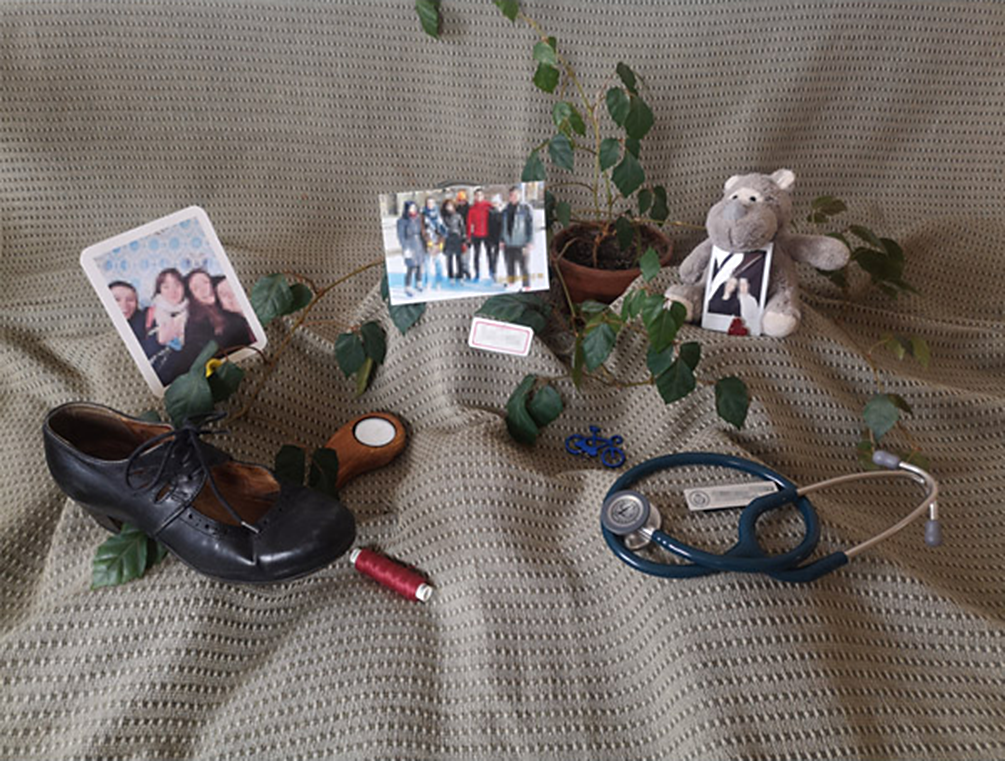
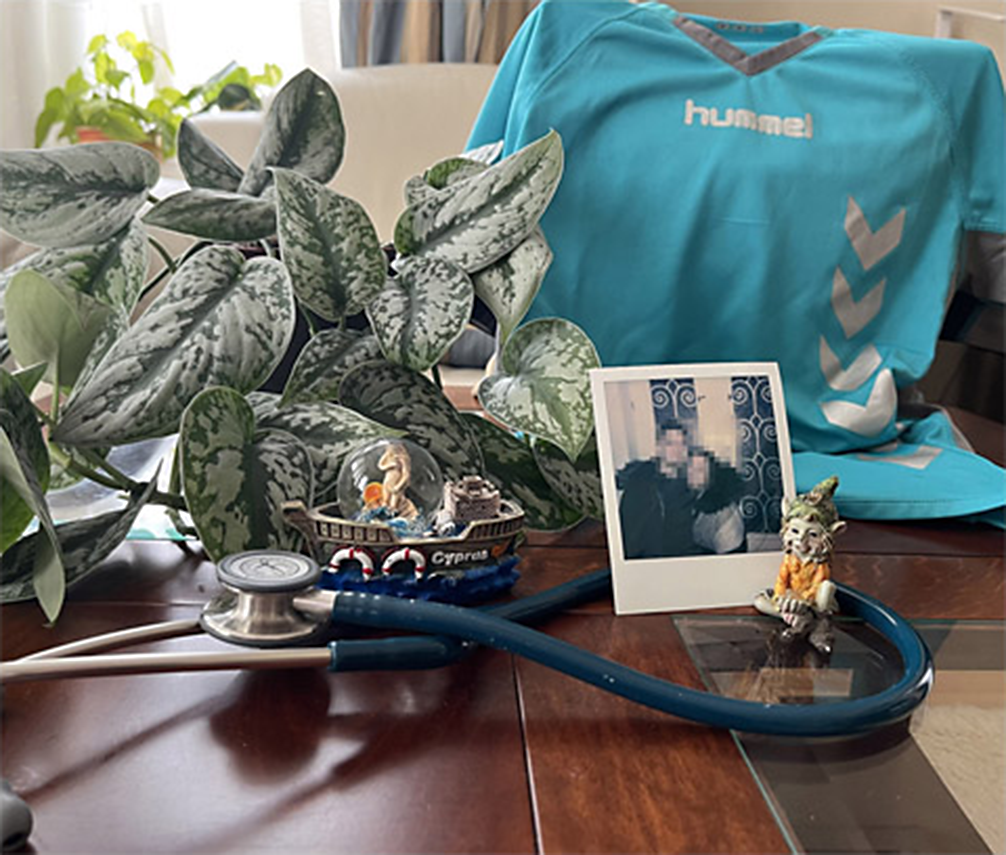
2. exploring the inner drivers of vocations by self-esteem, worth symbols and emblems
3. supporting relationships and interpersonality
Methods
We had advertised a monthly course in the mailing system of the students of the Semmelweis University (Neptun). Each occasion would go as far as 240 minutes in length. Selection criteria were: guaranteeing participation in the sessions. Any applicant suffering from mental health problems requiring medical attention, or the applicant regularly skipping occasions of the session would lead to his or her getting dismissed. Courses consists of musical aerob movement and receptive art therapy tools (exl. „Self-exhibition”). The aim was to interpret ones identity via images individually. In advance of the first occasion, the applicants were interviewed to talk about themselves their career, mental health and issues, why they want to participate in the sessions. The closing interviews are still in progress. The examination was permitted by the SE-RKEB.
Method of examination
Qualitative: personal interviews, exploring talks about the artworks (“Self-Exhibition” collage), made during the course.
Results
20 individuals started the course and 10 of them finished. The Body and Mind movements (Body Art - fusion of functional and breathing exercises, yoga and therapeutic exercises) has proven to have great importance throughout the session. The prescribed length of it in time was the third of each occasion. The joint analysation and interpretation of various artworks, images, visual narratives, even, the discussion of experiences in form of structured group activities has noticeably helped the interpersonality and social connections being formed for each individual who participated. The homeworks (eg.: Self Exhibition-collage, own worth emblem-collage etc.) and the active conduction of a diary has helped both to achieve results and have more involvement in the group.
Cerebral palsy refers to a heterogeneous group of non-progressive neurodevelopmental disorders manifesting in infancy or childhood and varying in severity. It characterized by impaired motor function, sensation, and depressed intellectual abilities. Functional limitations in patients with cerebral palsy may result in chronic dependency, thereby compromising caregivers’ mental health and interfering with the integrity of the family structure.
Objectives
This study aimed to determine the different factors affecting the mental health of caregivers of children with cerebral palsy and to raise awareness among healthcare providers.
Methods
A cross-sectional study was conducted among caregivers of children with cerebral palsy in National Guard Health Affairs-Jeddah, Saudi Arabia, using the Depression Anxiety Stress Scale-21, a validated questionnaire assessing: depression, anxiety, and stress. This questionnaire was used to assess the mental health of the caregivers. In addition, factors reflecting child’s health condition, such as visual impairment, number of emergency department visits, and number of Pediatric Intensive Care Unit admissions were reported to investigate the impact on the caregiver’s mental health.
Results
The sample included 40 caregivers, of which 72.5% were mothers. According to the Depression Anxiety Stress Scale-21 score, 12.5% (n = 5) of the caregivers had moderate depression scores, 10% (n = 4) revealed extremely severe depression, and 10% (n = 4) showed moderate anxiety. Furthermore, 12.5% (n = 5), 15% (n = 6), and 7.5% (n = 3) of the caregivers have scored as moderate, severe, and extremely severe stress levels, respectively. Caregivers’ depression, anxiety, and stress scores were significantly (p ≤ 0.05) associated with the impact of vision of their dependent children, frequent hospital admissions, and frequent emergency department visits. Increased Pediatric Intensive Care Unit admissions in the past year were also significantly associated with higher caregiver anxiety scores.
Conclusions
To the best of our knowledge, the dimension of caregivers’ stress and anxiety and their association with the children’s dependency level is not well documented in our region. Caregivers of children with cerebral palsy reported having mental health challenges associated with the children’s vision, frequent need for acute medical care, and hospital admissions.
Healthcare workers should provide early and proactive planning of medical and social support for children and their families using a family-centered approach.